 - 1.webp)
Taxonomy and Origins
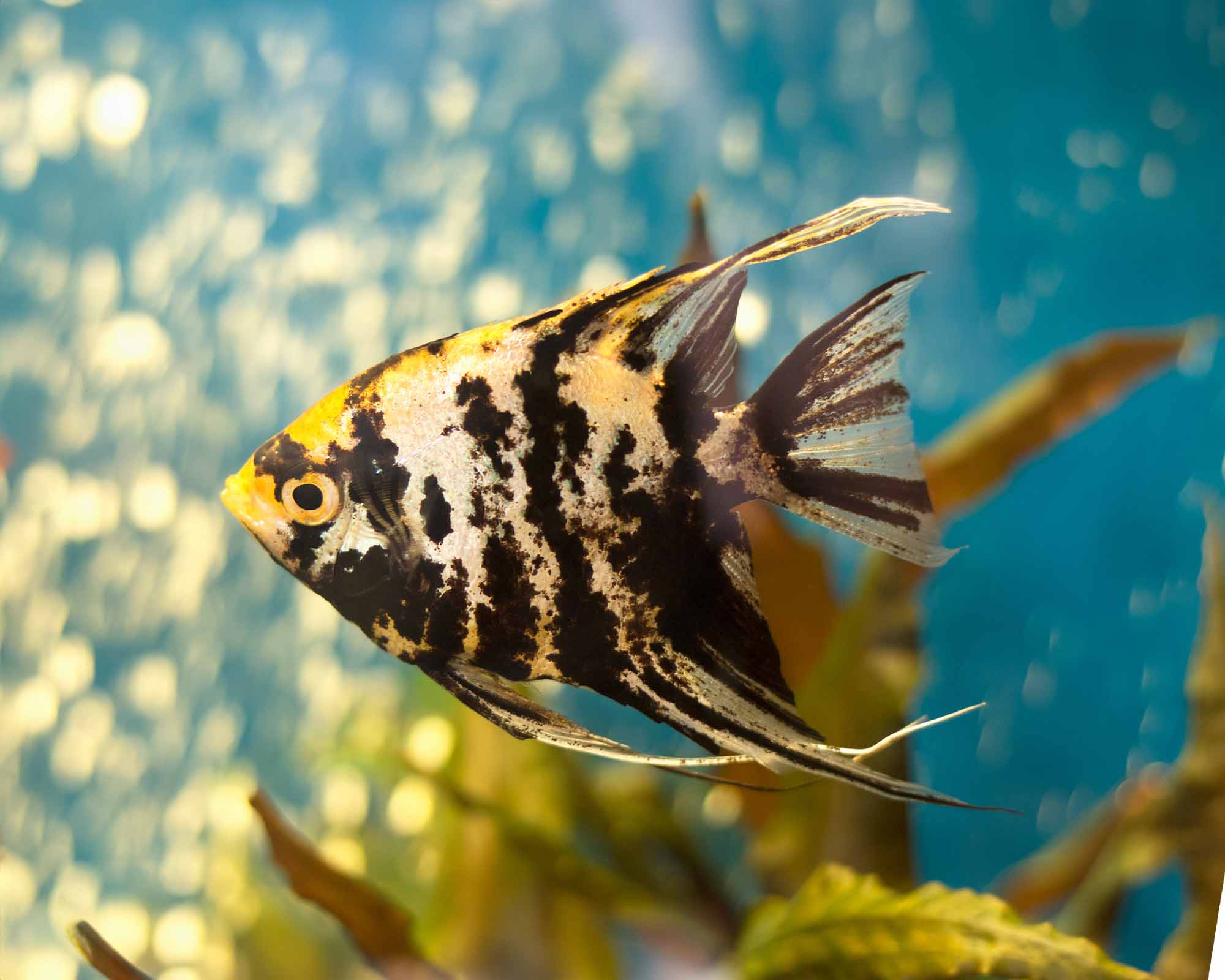
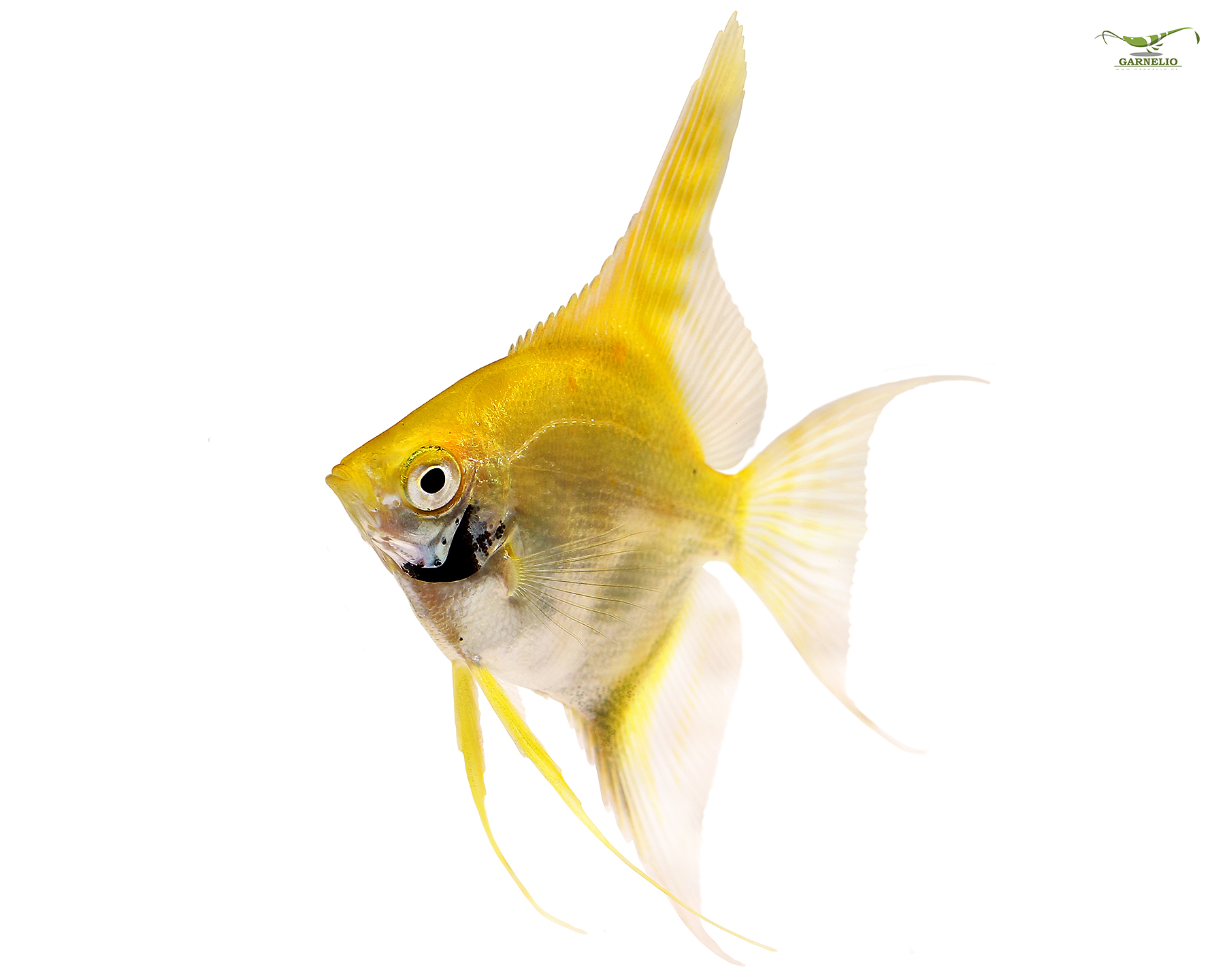
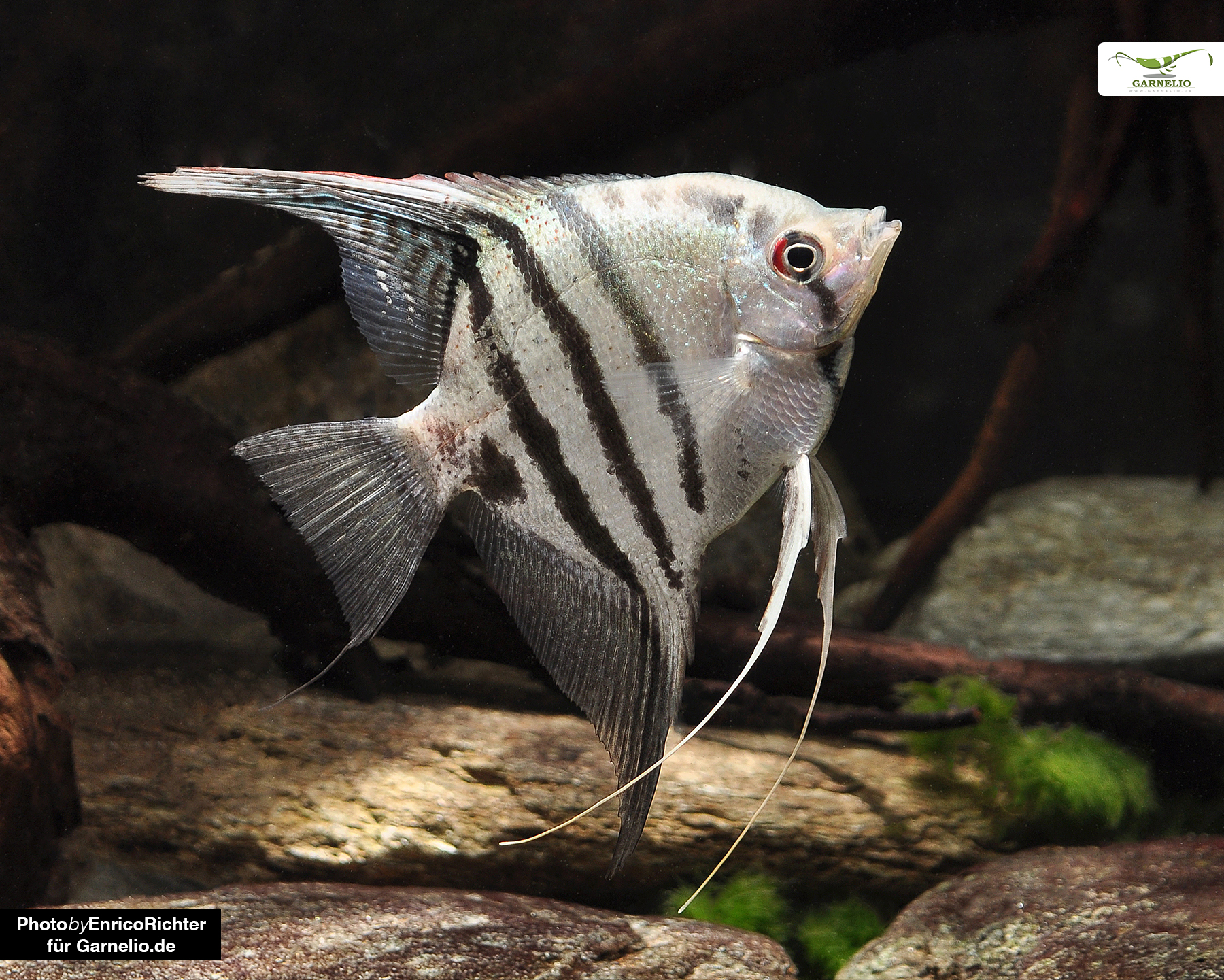
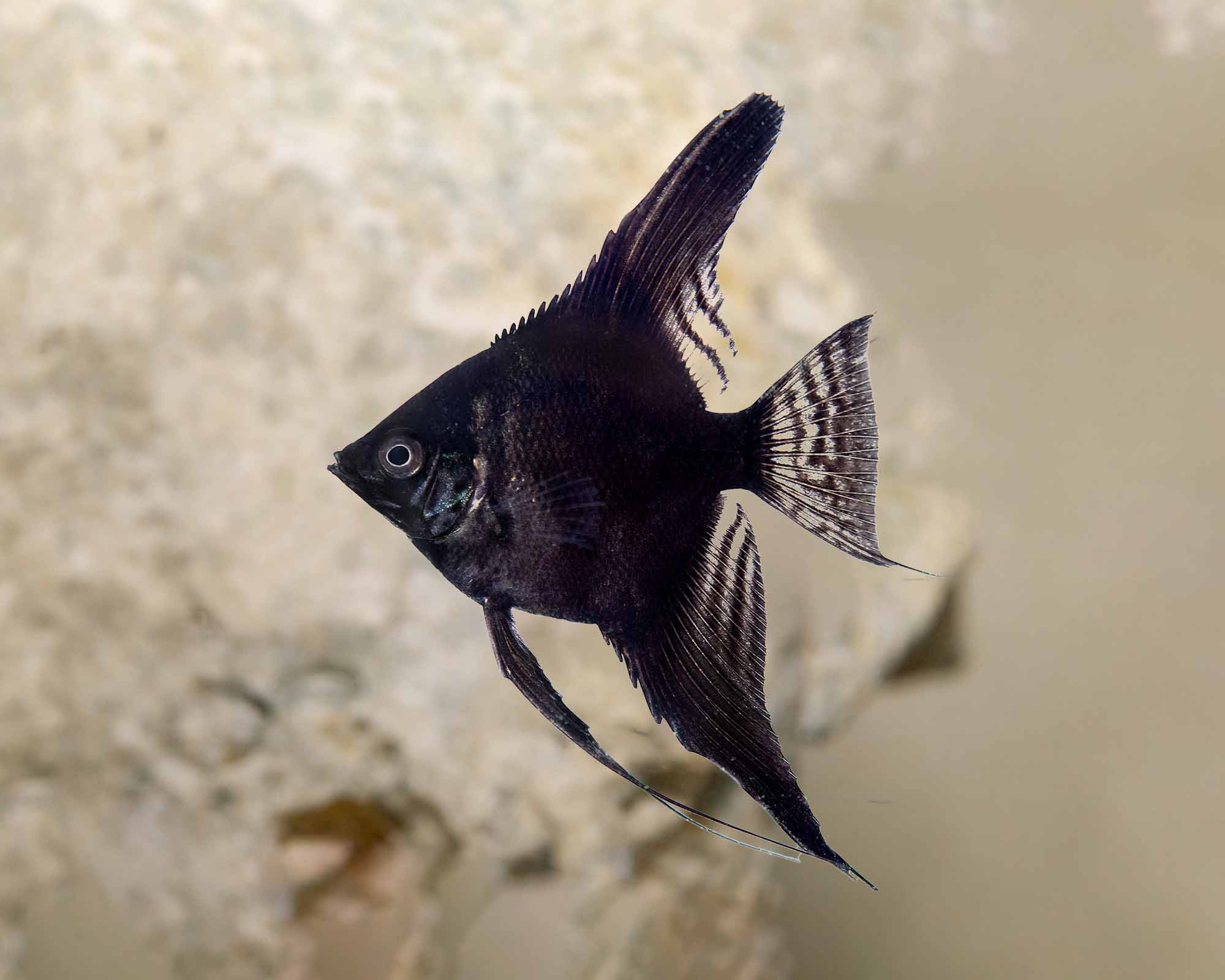
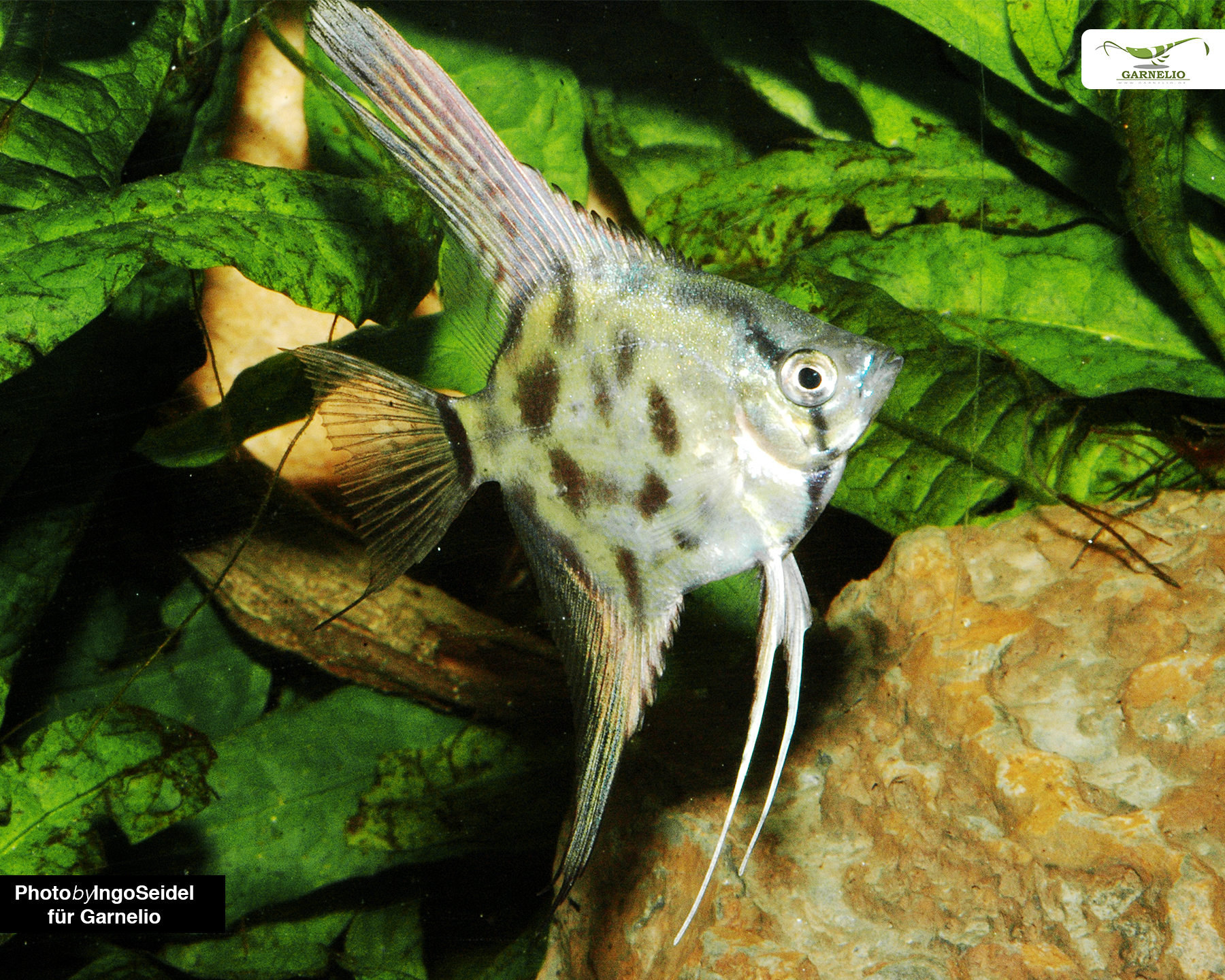
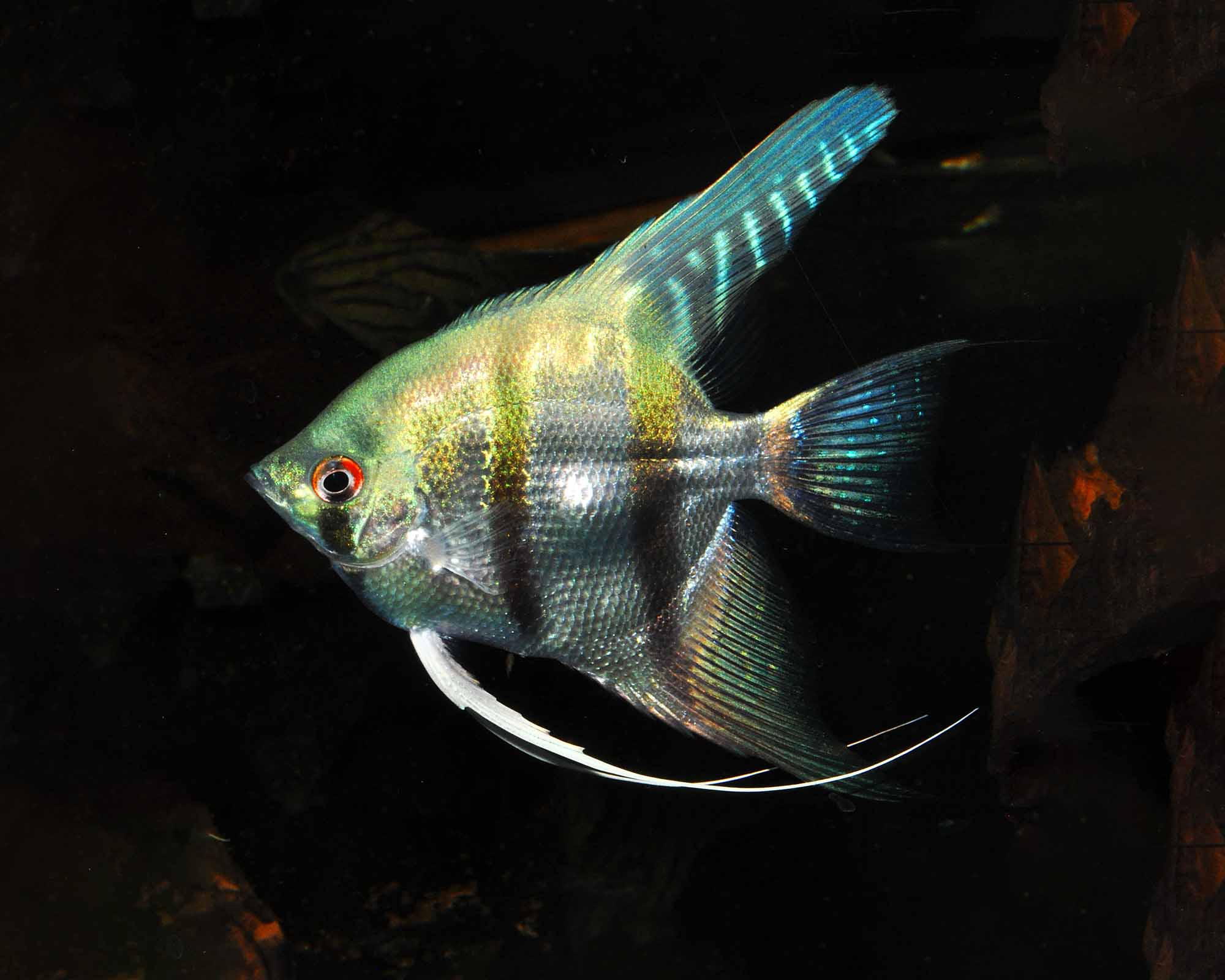
Pterophyllum scalare is a member of the Cichlidae family. While wild types exhibit standard silver bodies with black stripes, the veiltail variants are selectively bred for their exaggerated finnage. These fish are native to the slow-moving rivers and flooded forests of South America, preferring areas with dense vegetation and submerged roots.
%20-%201.webp)
Behavior and Compatibility
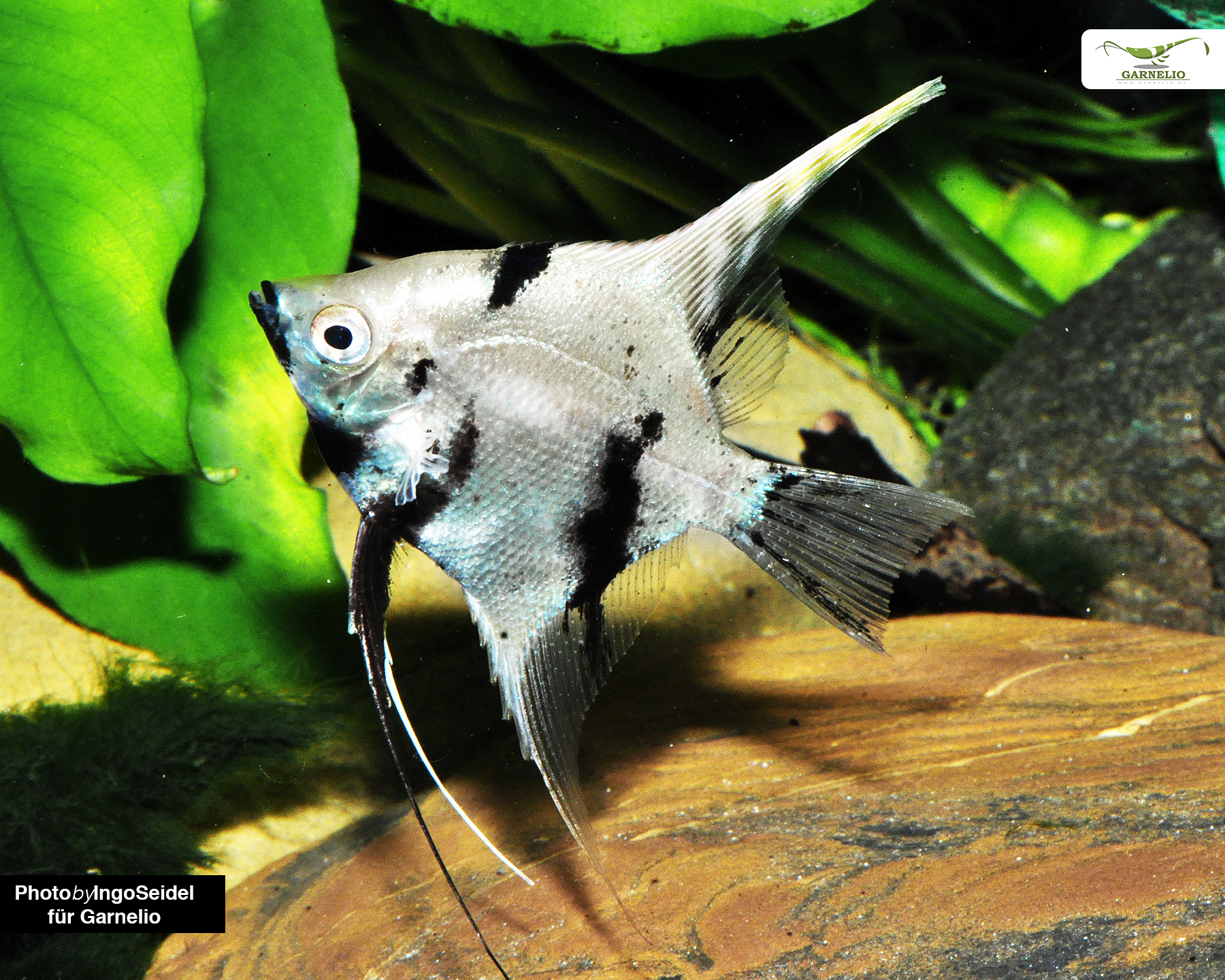
Angelfish are semi-aggressive, particularly during spawning. While they can be kept in community tanks, they should not be housed with small, fin-nipping species or very small fish that could be viewed as prey. They tend to establish hierarchies within their own species, so providing enough space to minimize territorial disputes is essential.
%20-%202.webp)
Tank Requirements
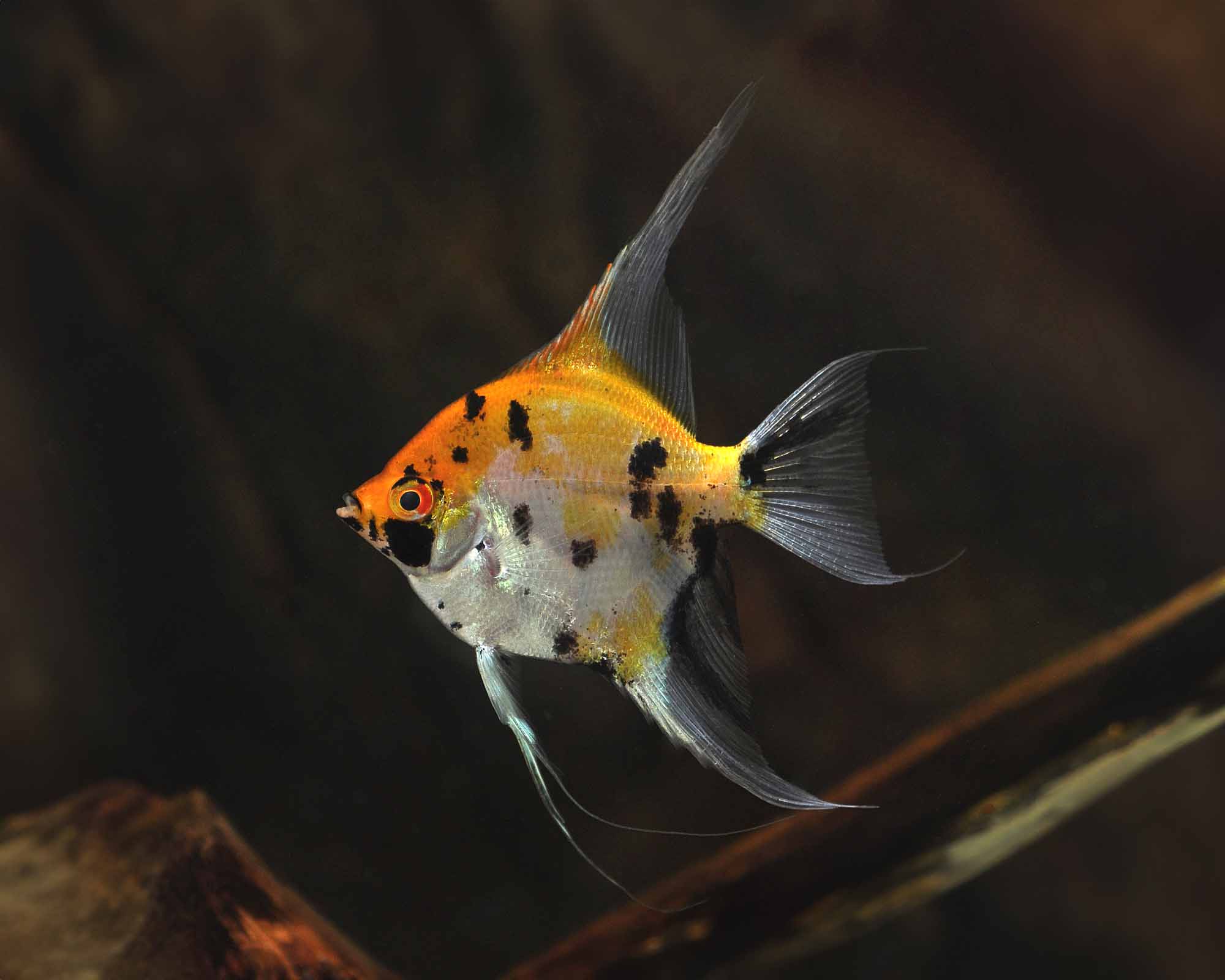
Due to their tall body shape, these fish require deep aquariums, ideally at least 50 centimeters in height. A minimum volume of 200 liters is recommended for a small group. A planted tank with driftwood provides necessary shelter and replicates their natural habitat. Consistent water changes are vital to maintain health and prevent fin rot.
Diet and Feeding
As omnivores, they accept a variety of foods. A balanced diet should include high-quality flake or pellet food supplemented with live or frozen items like brine shrimp, bloodworms, and daphnia. Providing a diverse nutritional intake ensures vibrant coloration and optimal growth.
Breeding
Breeding angelfish is a rewarding experience. Pairs will select a flat surface, such as a broad leaf or piece of slate, to deposit their eggs. Both parents typically exhibit strong parental care, guarding the eggs and fry. Success requires stable water parameters and minimal disturbance during the brooding period.
Leave your comments