Taxonomy and Distribution
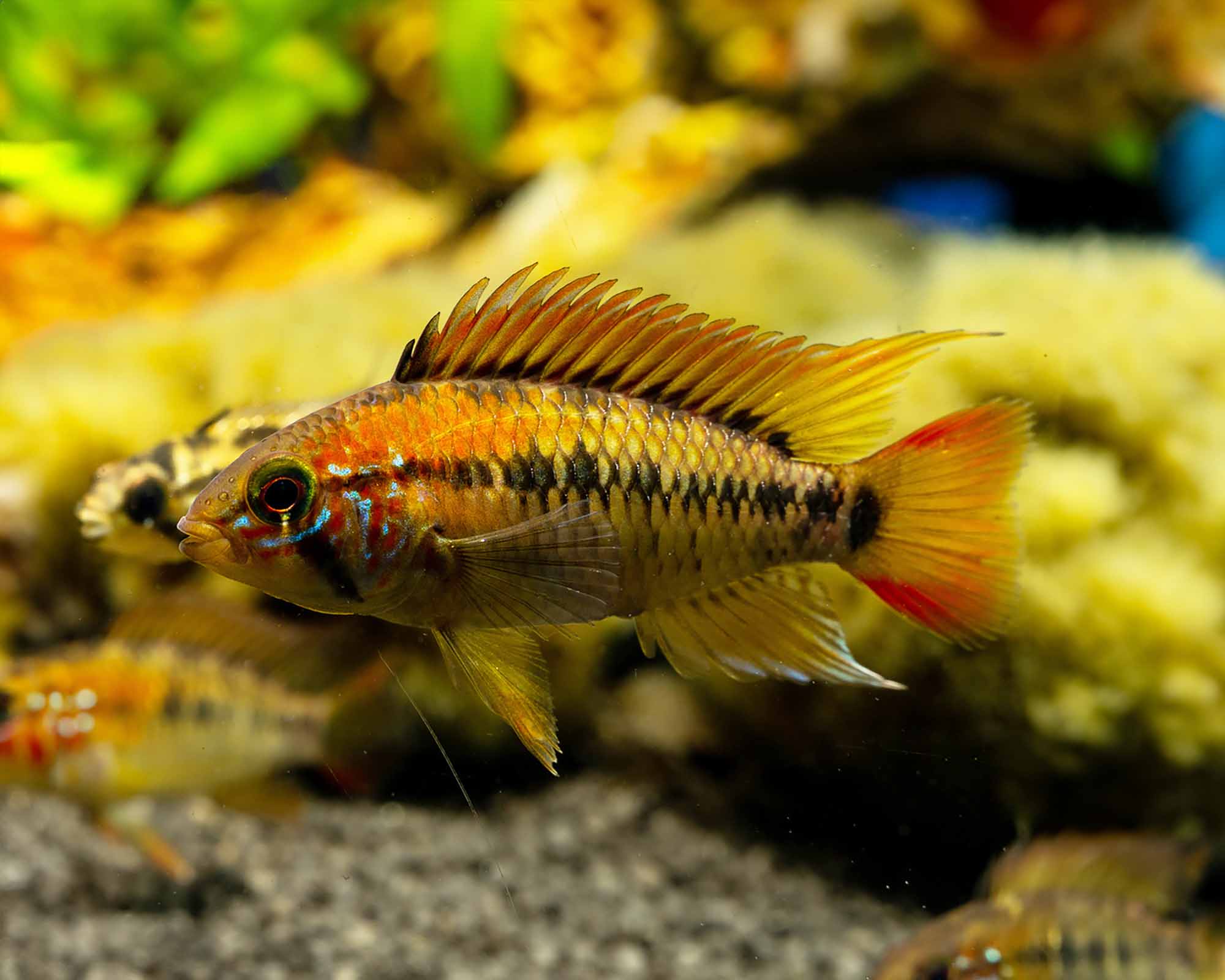
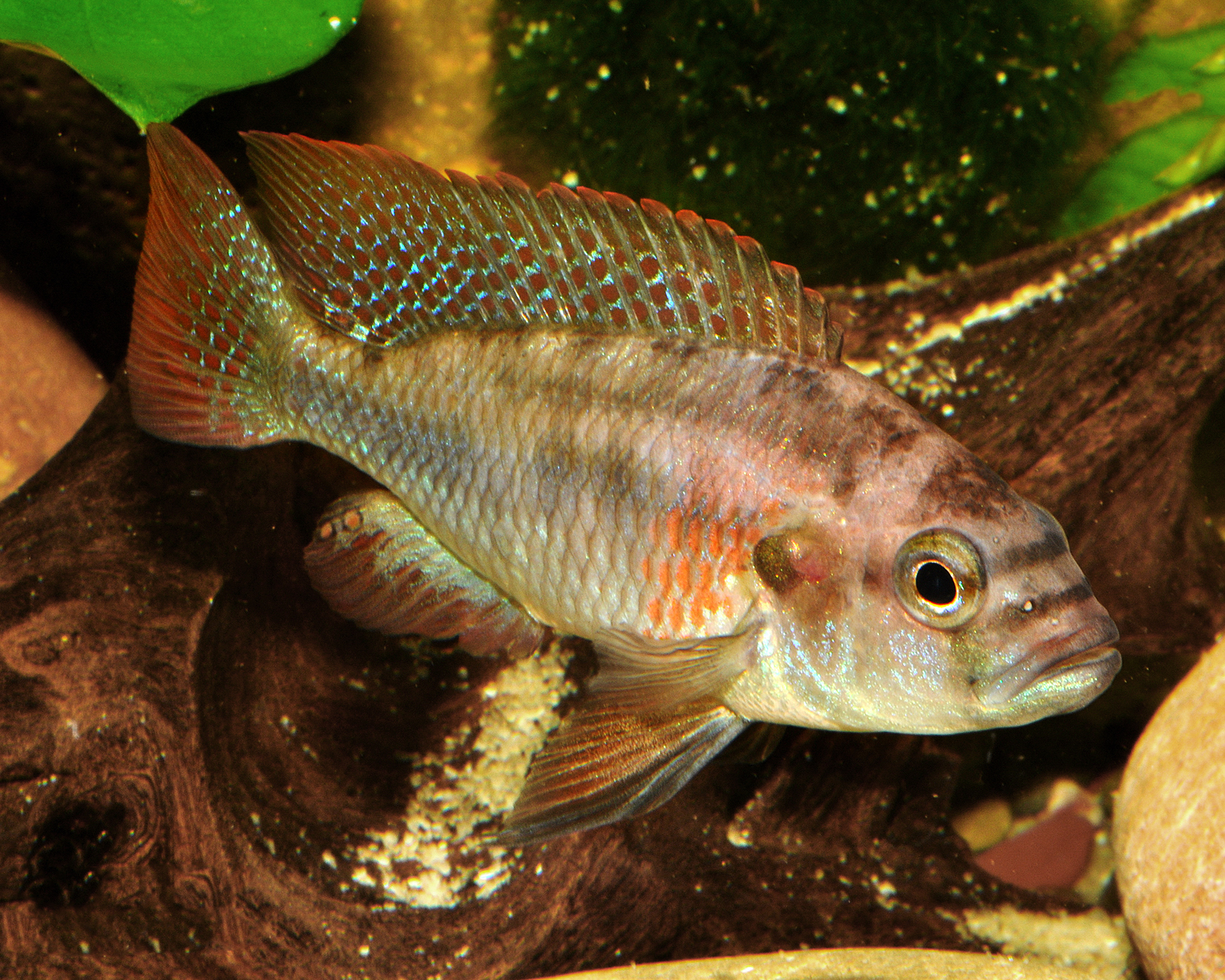
Apistogramma viejita belongs to the family Cichlidae and is native to the drainage systems of Colombia. It is often confused with closely related species, leading to identification challenges in the hobby. Wild specimens are typically found in soft, acidic, tannin-stained waters with significant leaf litter and submerged vegetation.

Tank Requirements
A minimum tank size of 60 liters is recommended for a pair. The aquarium should be densely planted with driftwood and caves to provide territories. A fine, sandy substrate is preferred to protect their gills during foraging. Regular, small water changes are essential as they are sensitive to accumulating nitrates and fluctuations in water chemistry.
Behavior and Compatibility
While generally peaceful, they can become territorial during spawning. They are best kept in pairs or small groups in a spacious aquarium. Suitable tank mates include small schooling characins or other non-aggressive bottom dwellers that occupy different zones of the tank. Avoid housing them with overly boisterous or large predatory species.
Diet
These cichlids are carnivorous and thrive on a varied diet. Provide high-quality frozen foods like brine shrimp, daphnia, and bloodworms. They may accept high-quality pellets, but live foods are encouraged to induce natural hunting behaviors and improve overall health and coloration.
Breeding
Breeding occurs in caves or crevices. The female is the primary caregiver, guarding the eggs and fry while the male defends the outer perimeter of the territory. Water parameters, specifically low pH and low hardness, are critical for successful spawning and egg development. Once free-swimming, the fry can be fed newly hatched brine shrimp.
Leave your comments