 - 1.webp)
Taxonomy and identification
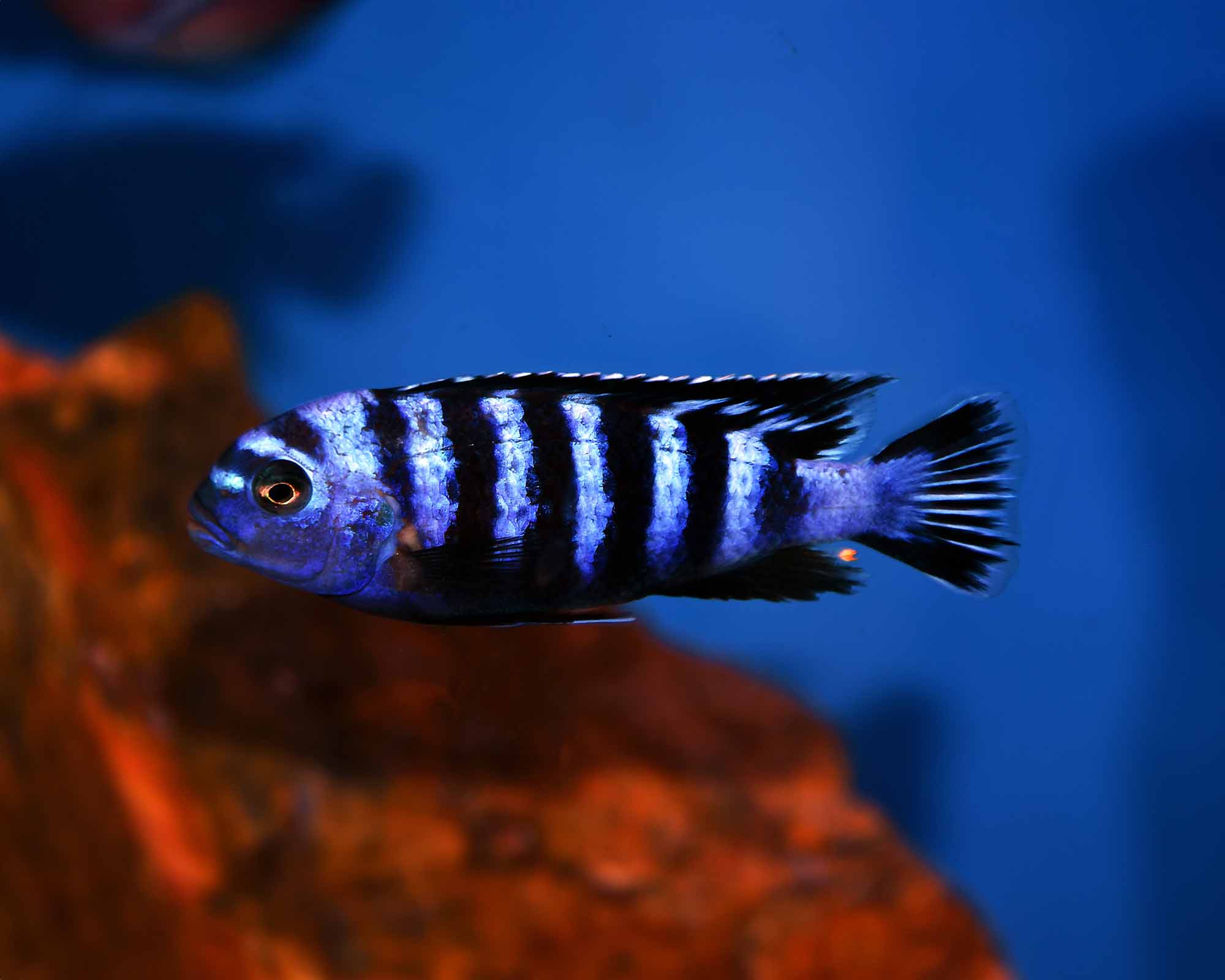
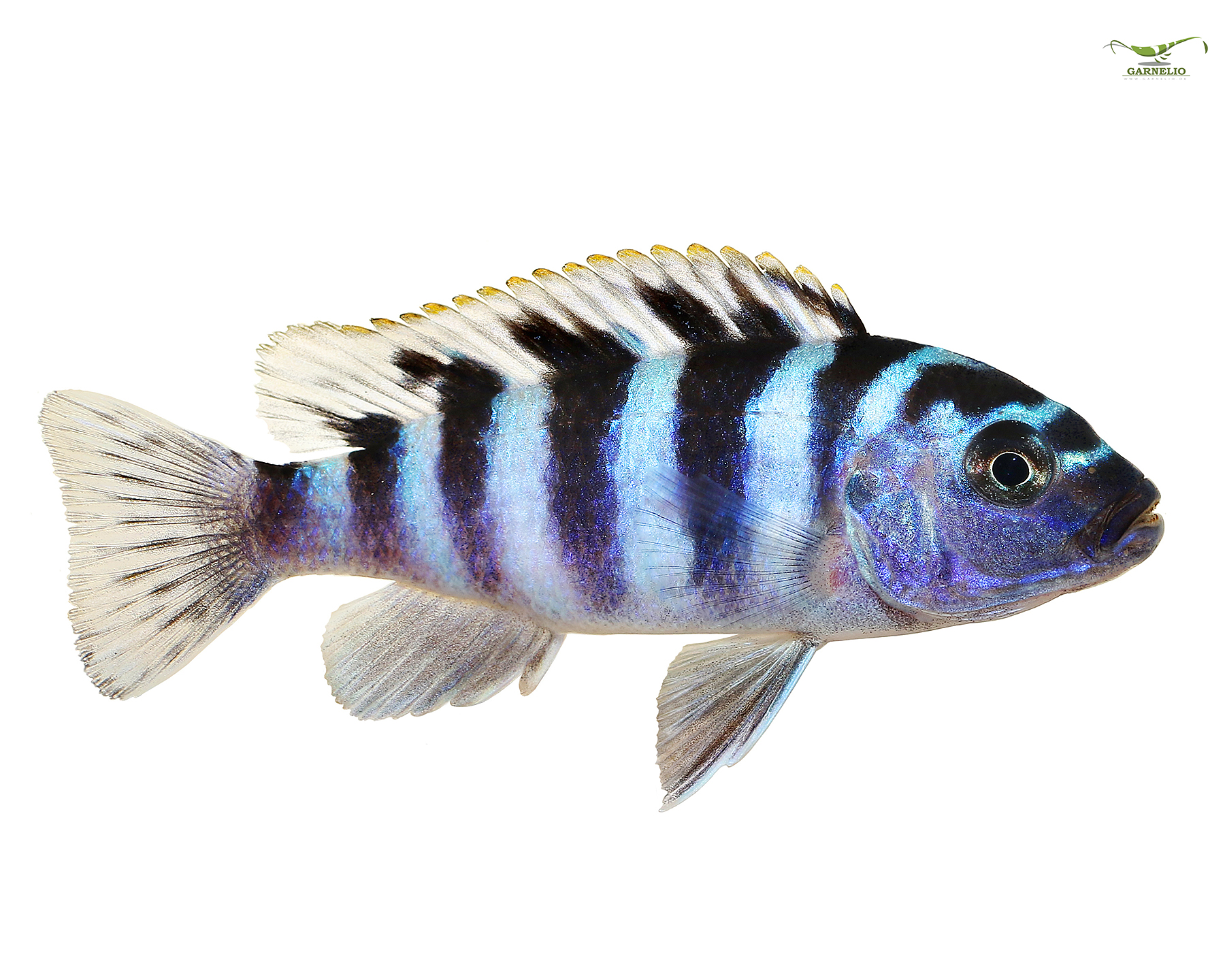
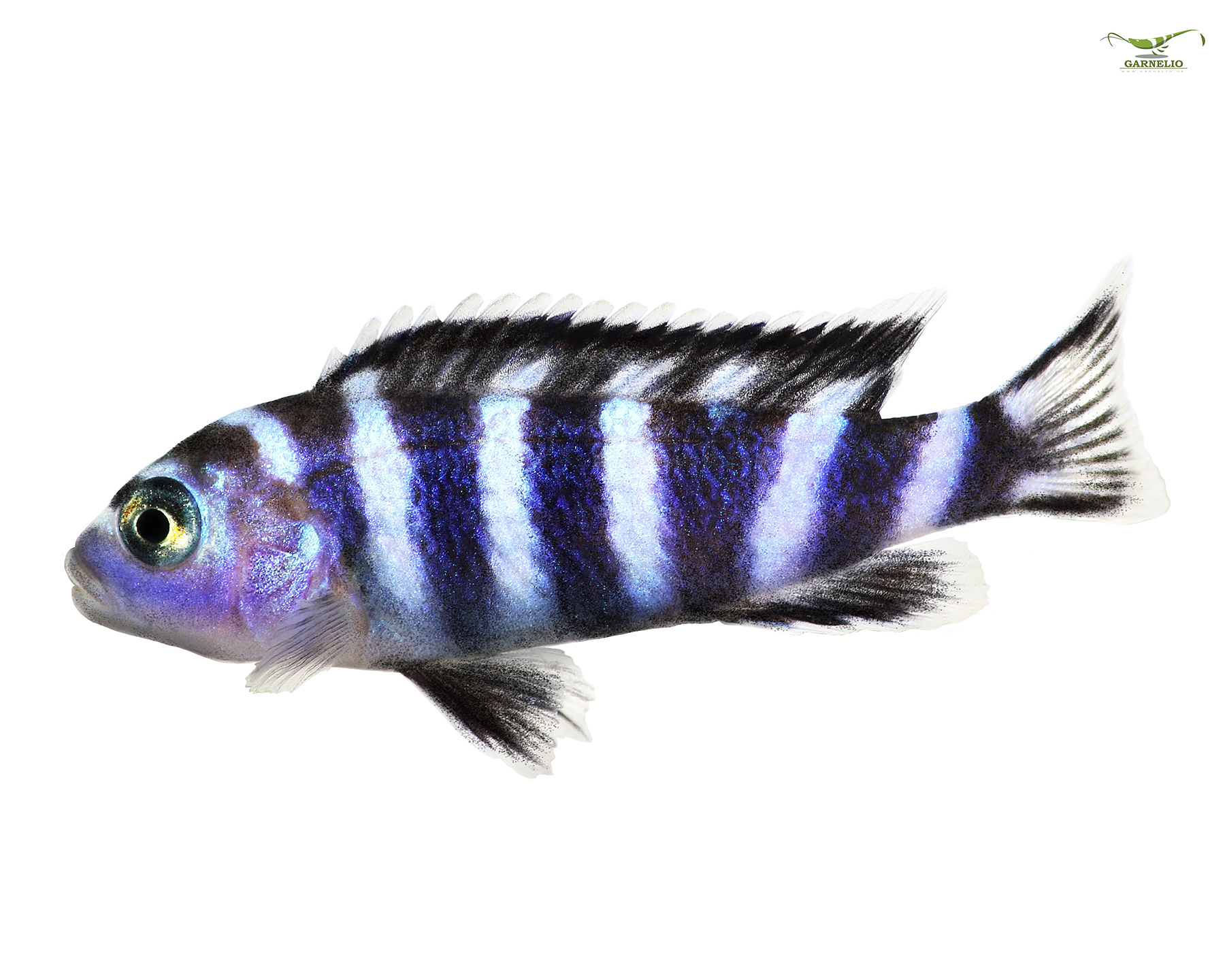
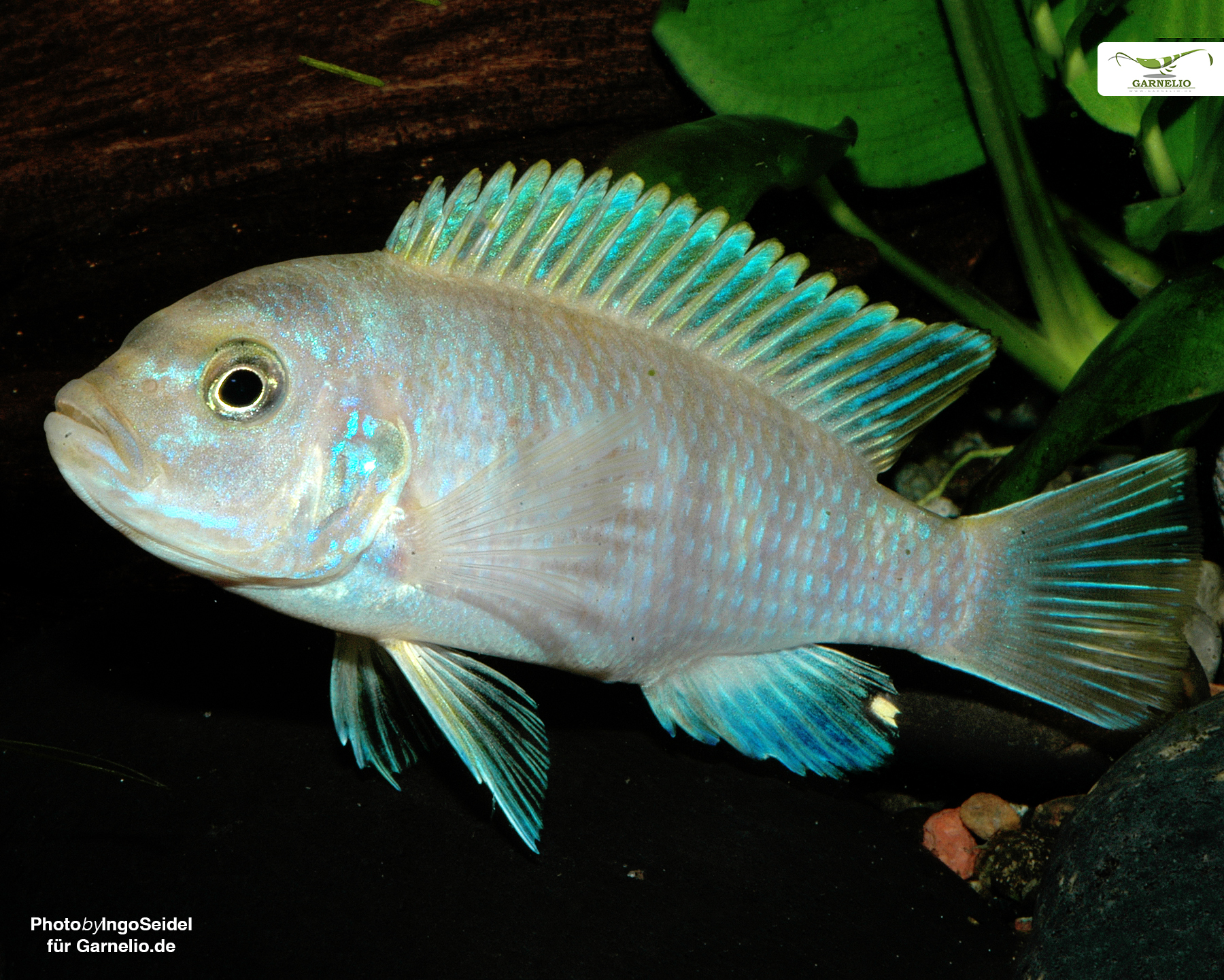
Chindongo demasoni is a member of the cichlid family Cichlidae and the mbuna group of rock-dwelling Lake Malawi cichlids. It has also been encountered in older aquarium literature under Pseudotropheus demasoni. Adults are compact and deep-bodied, with alternating blue to blue-violet and dark vertical bars extending across the body and head. Color intensity varies with mood, social position, health, and lighting.
Distribution and habitat
This species is native to Lake Malawi in East Africa and is associated with rocky shoreline habitat. It grazes surfaces for algae and small organisms among rocks, where crevices provide shelter and breeding sites. Aquarium decor should imitate this structure with stable rocks, open swimming lanes, and multiple visual breaks.
Behavior
Demasoni are active, social mbuna, but they are not peaceful community fish. Males defend feeding and spawning territories and may chase or injure rivals, particularly in small groups or cramped aquariums. A group of several fish spreads aggression more effectively than a pair. The supplied source describes one trio, two females and one male; this can work temporarily, but a larger, carefully planned group is generally safer.
Aquarium and tank size
Use a mature aquarium of at least 200 litres for a properly structured group, with a larger footprint preferred for larger groups or mixed mbuna communities. Provide extensive rockwork that reaches the substrate securely, caves and narrow retreats, and open areas for movement. Use a tight-fitting cover, efficient biological filtration, strong circulation, and regular partial water changes. Avoid sharp rocks and unstable piles that could collapse during territorial activity.
Water parameters
Maintain stable, hard, alkaline water at 24-28 °C and pH 7.6-8.6. Moderate to high carbonate hardness and general hardness are appropriate, but stability is more important than pursuing an exact number. Ammonia and nitrite must remain undetectable, and nitrate should be kept low through maintenance and controlled feeding. Acclimate fish gradually when water chemistry differs substantially.
Diet
Feed a predominantly herbivorous mbuna diet based on quality spirulina or other algae-rich flakes and pellets. Offer small portions several times daily rather than one large meal. Limited additions of suitable vegetable matter can provide variety. Avoid making fatty animal-based foods or large quantities of protein a regular part of the diet, because this can contribute to digestive problems and poor condition.
Compatibility
The safest companions are robust Lake Malawi mbuna with similar water requirements and the ability to tolerate active territorial behavior. Avoid mixing with peaceful community fish, slow feeders, delicate species, or similarly patterned Chindongo demasoni lookalikes that may increase aggression or hybridization risk. Introduce compatible stock to a rearranged aquarium, provide numerous territories, and monitor subordinate fish for hiding, fin damage, weight loss, or persistent exclusion from food.
Breeding
This is a maternal mouthbrooder. During courtship, the male displays near a territory; after eggs are released and fertilized, the female collects them in her mouth and later holds the developing fry there. A brooding female may eat little or nothing for several weeks and should be disturbed as little as possible. In a crowded aquarium, some fry may be lost to adults. A separate, well-filtered rearing aquarium or careful stripping by an experienced keeper can improve survival, but separation also increases handling stress. Fry can be raised on finely crushed algae-based foods and appropriately sized first foods.
Health and identification note
Good husbandry, a varied algae-focused diet, stable water, and low chronic aggression are the main safeguards. Quarantine new fish before adding them to the display. The images and supplied source support identification as Chindongo demasoni, but they do not establish wild locality, age, exact sex, or genetic purity; those details should not be inferred from appearance alone.
 - DNZ 4 cm - 1.webp)
Leave your comments