Taxonomy and identification
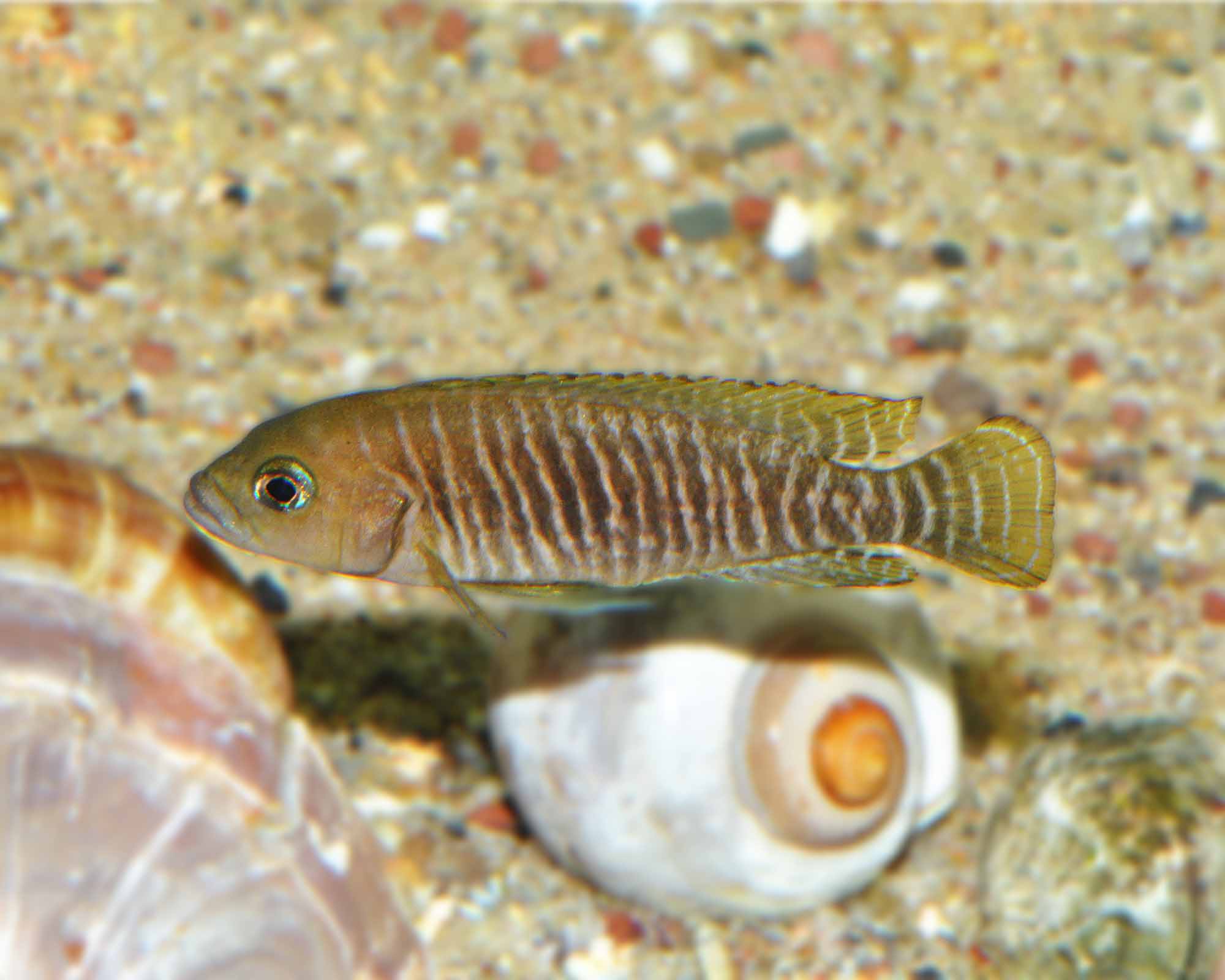
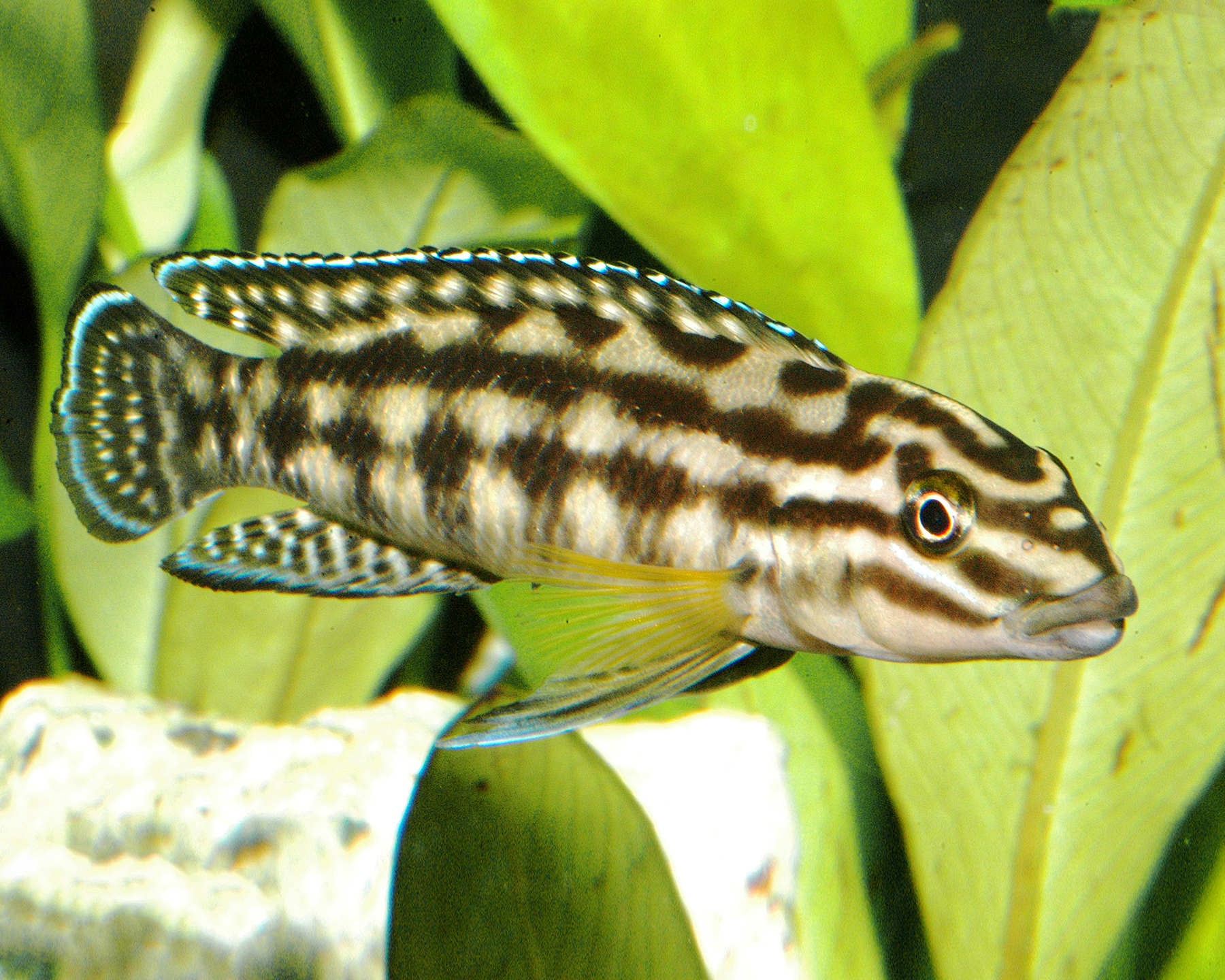
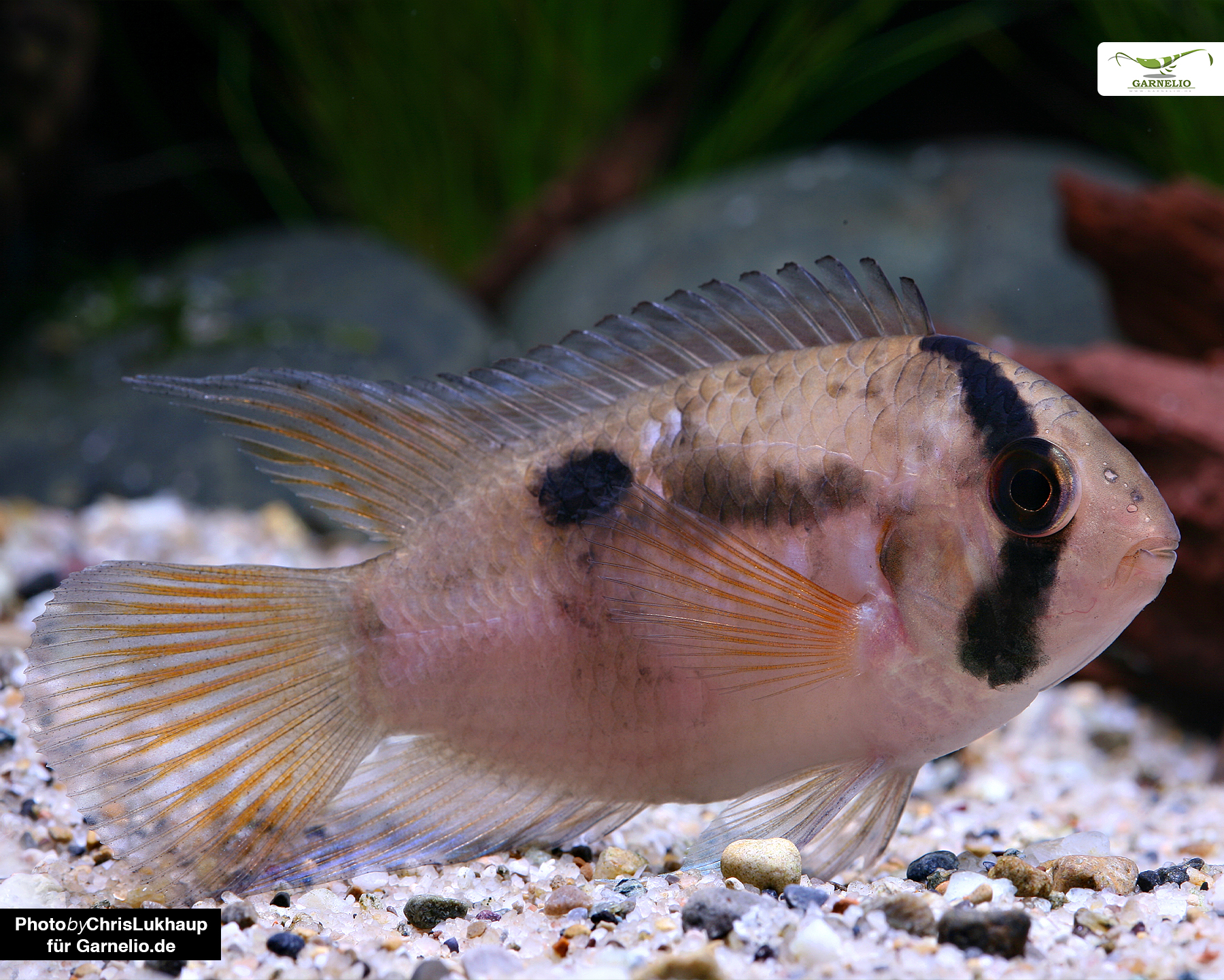
The striped snail cichlid is Neolamprologus multifasciatus, a member of the cichlid family Cichlidae and the genus Neolamprologus. It is commonly called the mult or multifasciatus. The body is compact, with numerous dark vertical bars over a tan, brown, or grey background. Closely related shell-dwelling cichlids can look similar, and the supplied photographs should not be treated as definitive taxonomic evidence.
Distribution and habitat
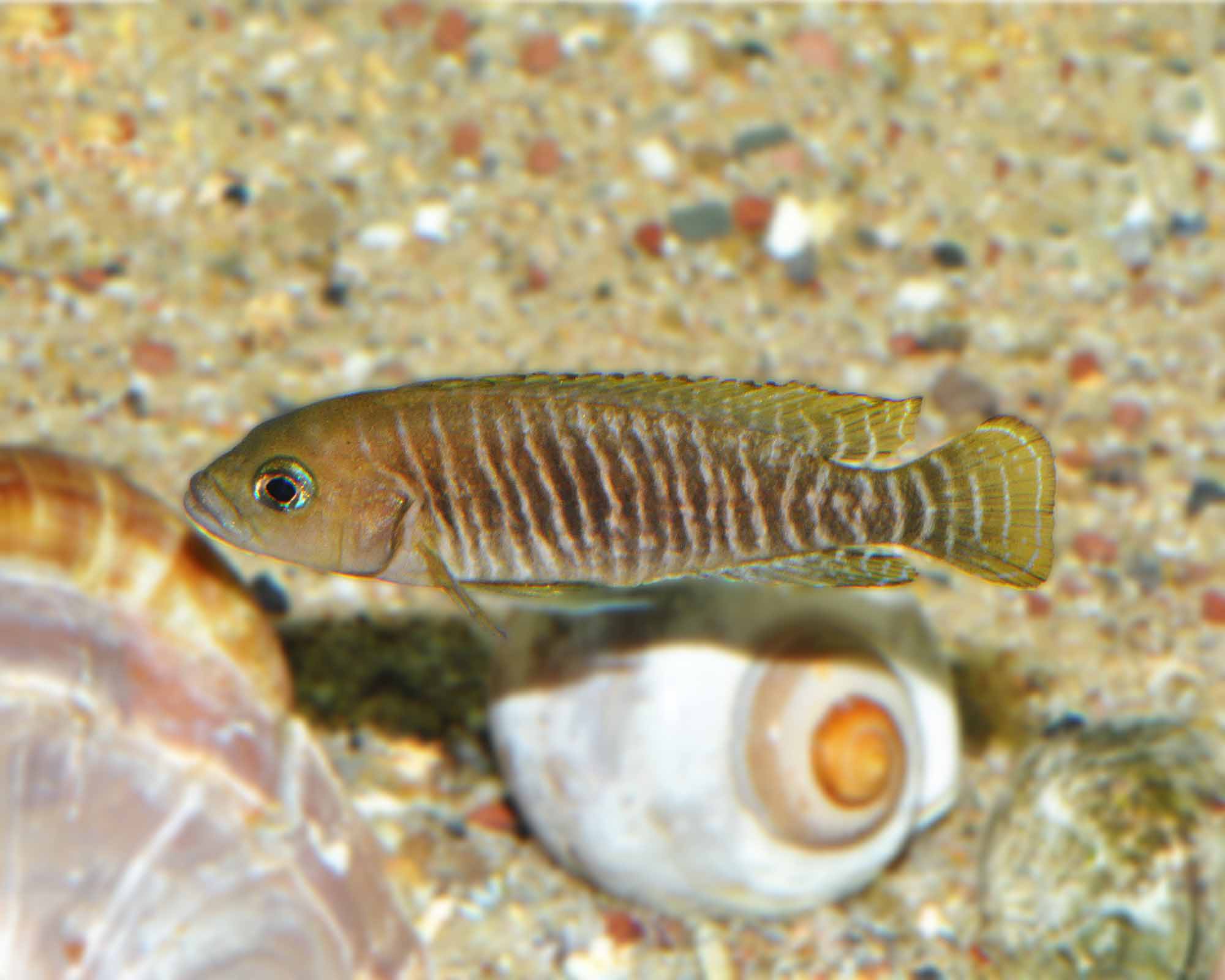
This species is native to Lake Tanganyika in East Africa. It inhabits shallow areas with sandy substrate and accumulations of empty gastropod shells. The shells provide shelter, breeding sites, and fixed points around which individuals establish territories. Aquarium décor should reproduce this combination of fine sand and numerous suitable shells rather than relying on caves or dense plants.
Behavior and temperament
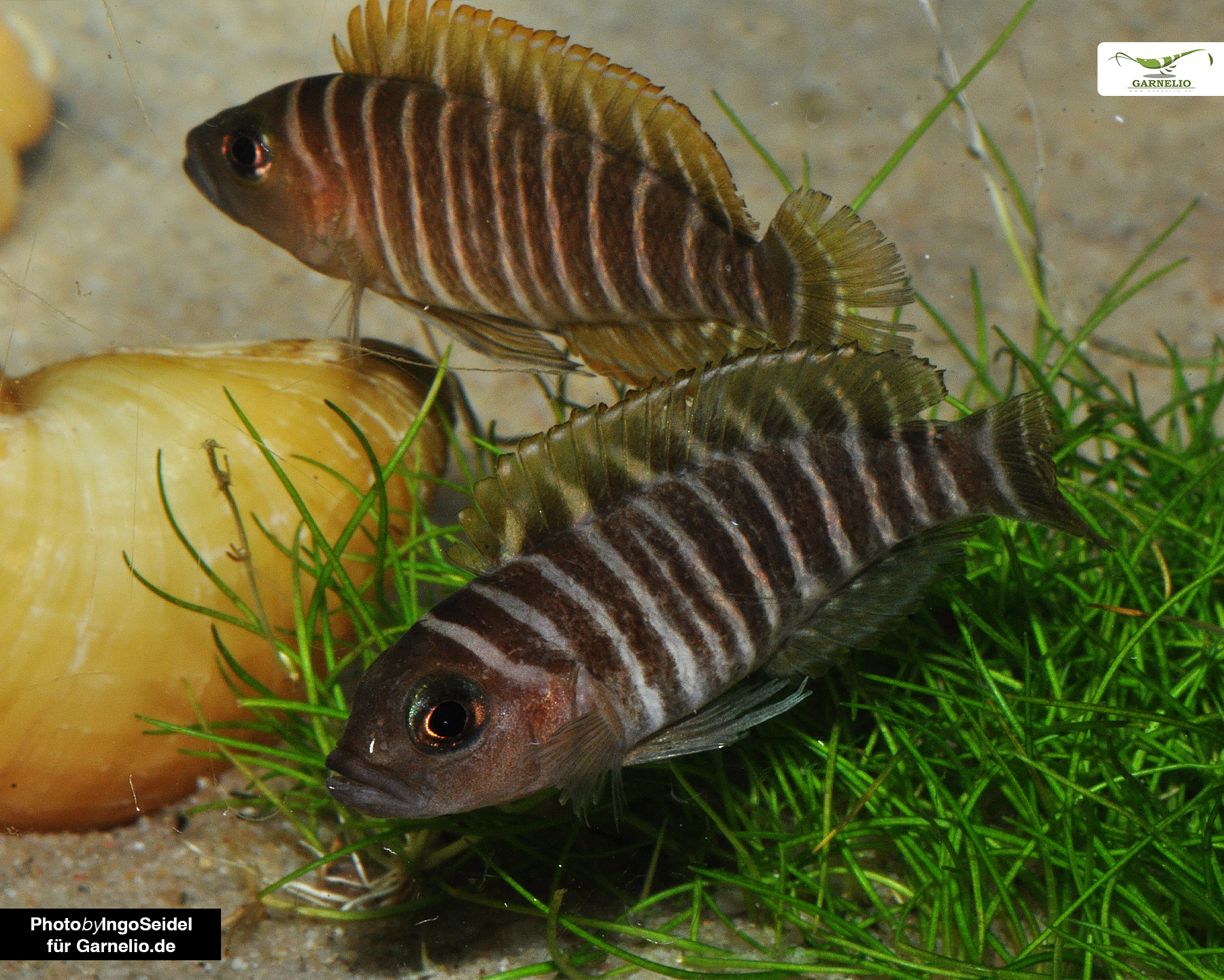
N. multifasciatus is active, intelligent, and strongly territorial around its chosen shell. It excavates sand, moves shells, and may spend much of its time hovering close to the substrate. A pair or colony can show frequent displays and short chases, especially during spawning. It is not generally dangerous to robust tank mates, but its territorial behavior makes cramped or mixed-cichlid aquariums unsuitable.
Aquarium size and setup
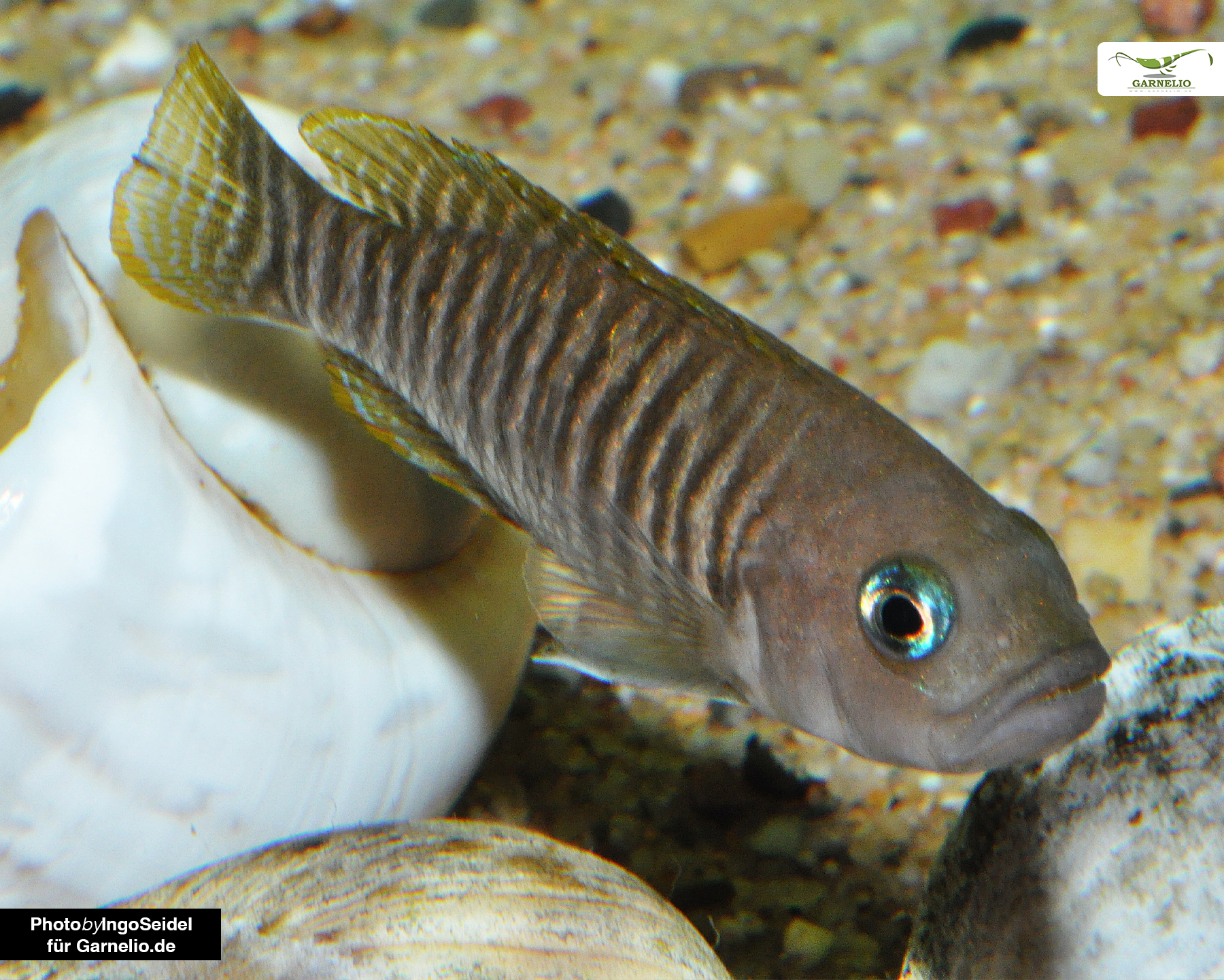
A pair can be maintained in an aquarium of about 40 litres, provided the tank has a generous footprint, stable filtration, and many shells. For a colony or community arrangement, approximately 60 litres or more is preferable. Use a layer of fine, rounded sand deep enough for digging and distribute several shells per fish, with extra shells placed in groups. Leave open areas between shell groups and secure the aquarium lid because startled fish may jump.
Water parameters
Provide hard, alkaline, well-oxygenated water typical of Lake Tanganyika. A practical target is 24-28 °C, pH 7.5-9.0, with measurable carbonate hardness and general hardness. Stability is more important than pursuing an exact number. Perform regular partial water changes, avoid sudden changes in pH or mineral content, and keep ammonia and nitrite at zero.
Diet and feeding
This species is an opportunistic micro-predator. Offer small sinking pellets or granules formulated for African cichlids, supplemented with frozen or live foods such as baby brine shrimp, cyclops, and daphnia. Feed small portions once or twice daily, allowing all food to be consumed quickly. Avoid a diet dominated by large, fatty foods, and remove uneaten material from the sand.
Compatibility
The safest arrangement is a species aquarium containing one pair or a carefully planned colony. Compatible tank mates, where space allows, should be peaceful Lake Tanganyika fish that occupy a different area and have similar water requirements. Avoid large, aggressive cichlids, fin-nippers, and species that compete for shells. In a breeding colony, territorial boundaries can expand, so overcrowding and insufficient shells should be avoided.
Breeding
Breeding is usually straightforward when mature fish have clean, hard alkaline water, abundant shells, and a varied diet. The female lays a small batch of eggs inside a shell, while the male fertilizes them from outside or near the opening. The female guards the shell and the pair defends the surrounding territory. Fry remain near the shell after free-swimming and can be fed newly hatched brine shrimp or appropriately fine powdered foods. Adults may tolerate older offspring, allowing a colony to develop, but young fry are vulnerable to filtration and tank mates.
Leave your comments