Identification and taxonomy
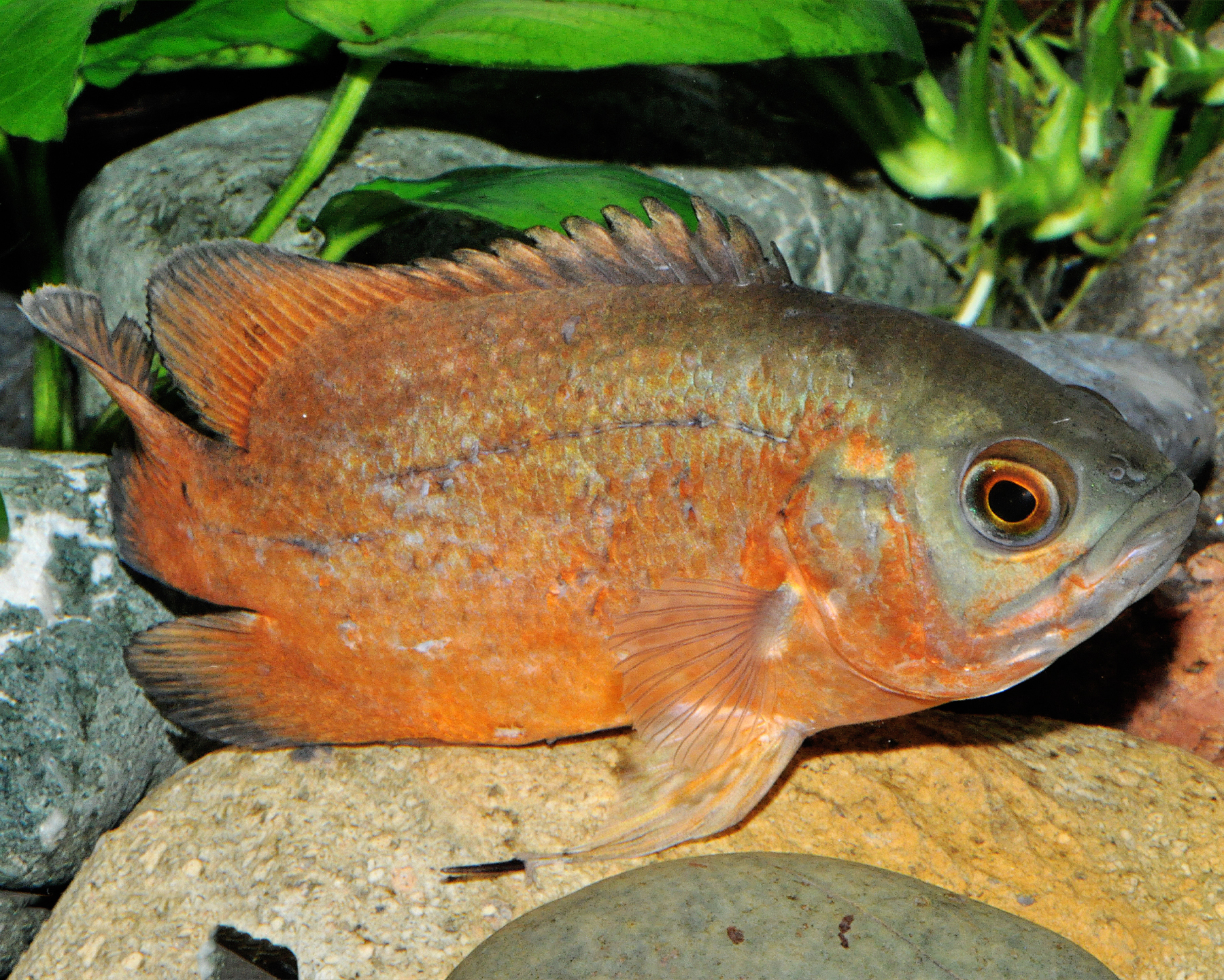
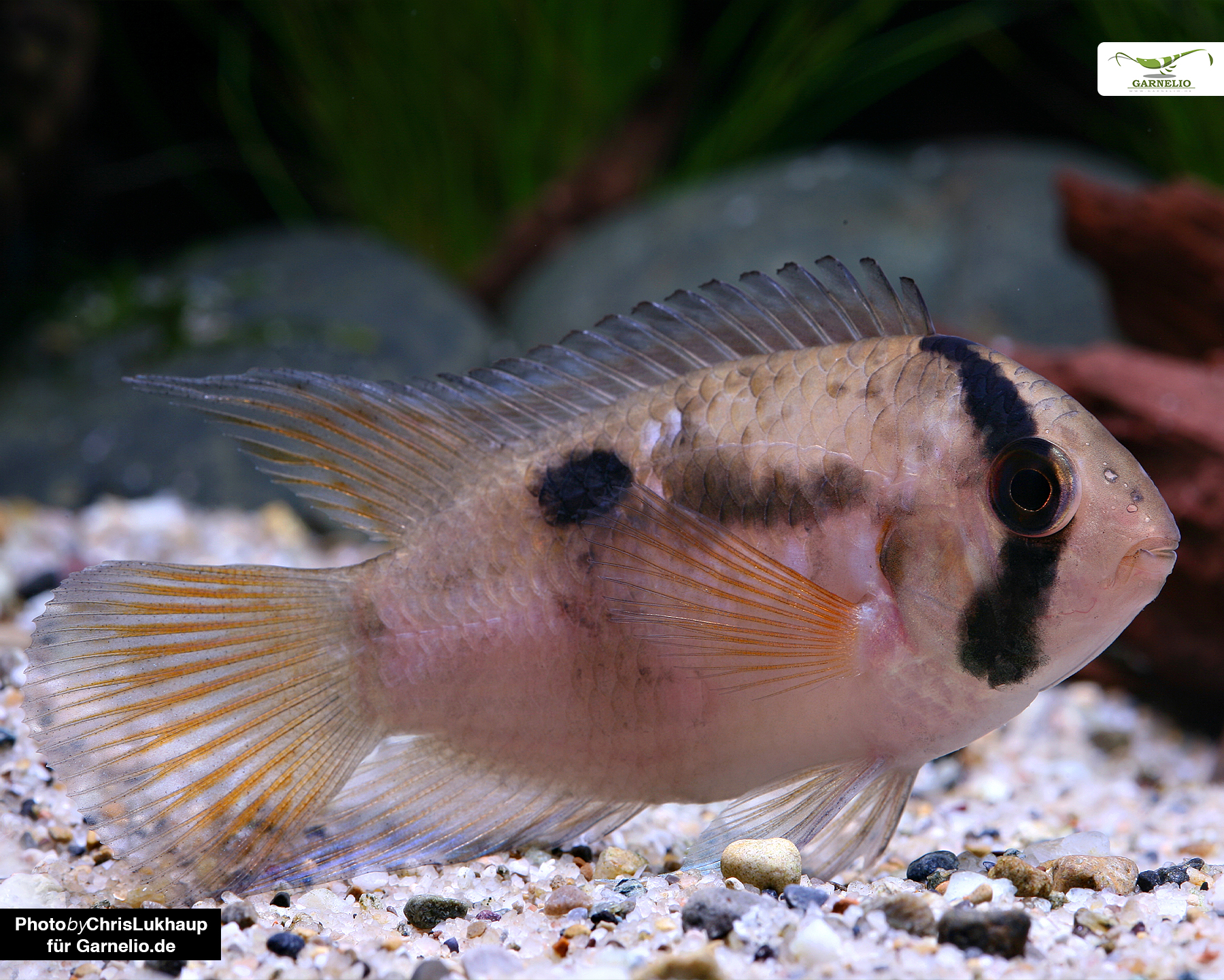
Astronotus ocellatus belongs to the family Cichlidae. It is commonly called the Oscar, tiger Oscar, velvet cichlid, or peacock cichlid; the latter common name can also refer to unrelated African peacock cichlids. Red Oscar is an aquarium trade color form rather than a separate species. The fish in the supplied images are consistent with Astronotus ocellatus, but the exact cultivated strain and sex are uncertain.
Natural distribution
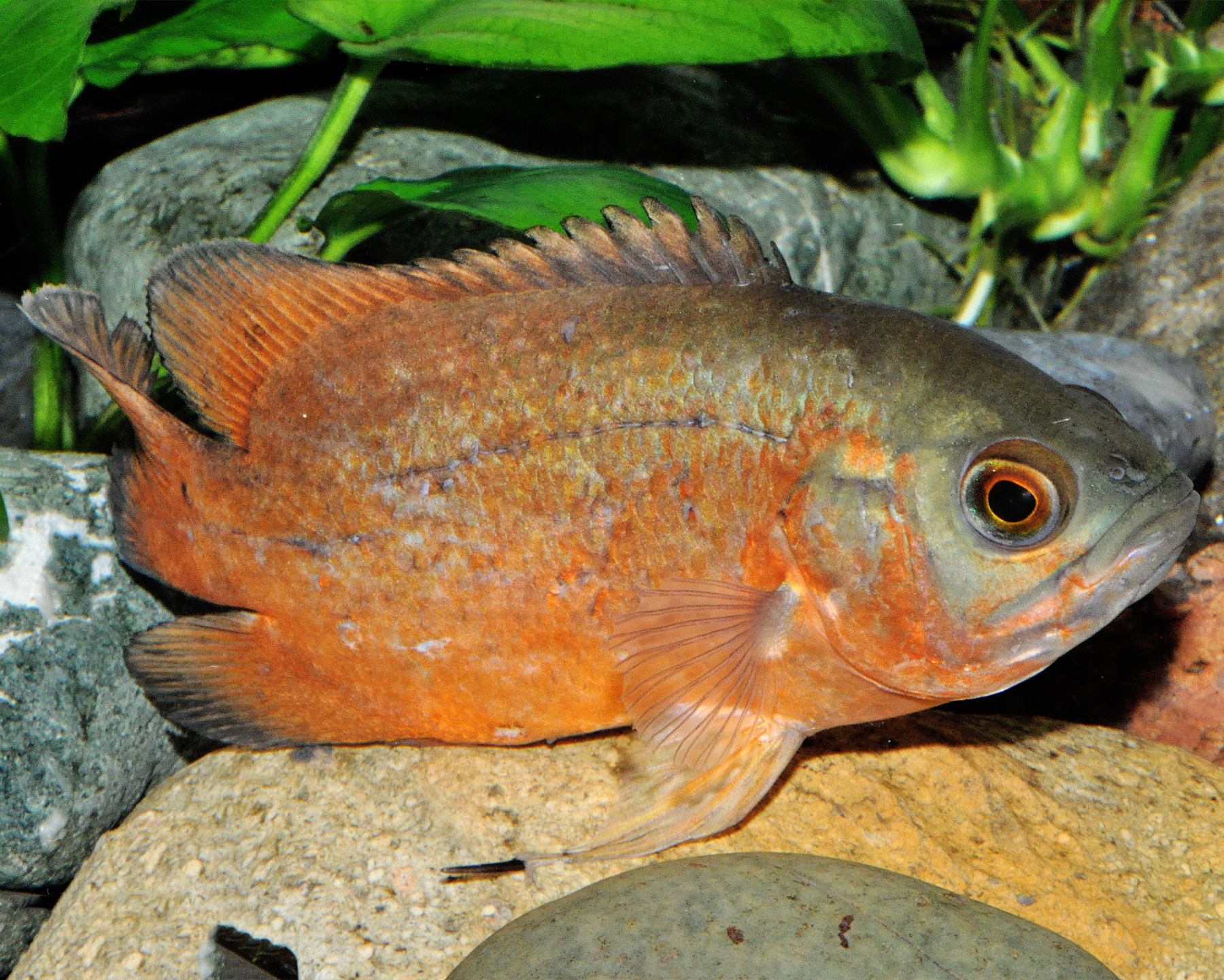
The species is native to tropical South America, especially slow-moving rivers, floodplain habitats, lakes, and seasonally inundated areas of major drainage systems including the Amazon basin. It typically occupies warm water with submerged cover, wood, roots, or other structure. Aquarium populations have also become established outside the native range, so wild distribution should not be inferred from ornamental trade names.
Appearance
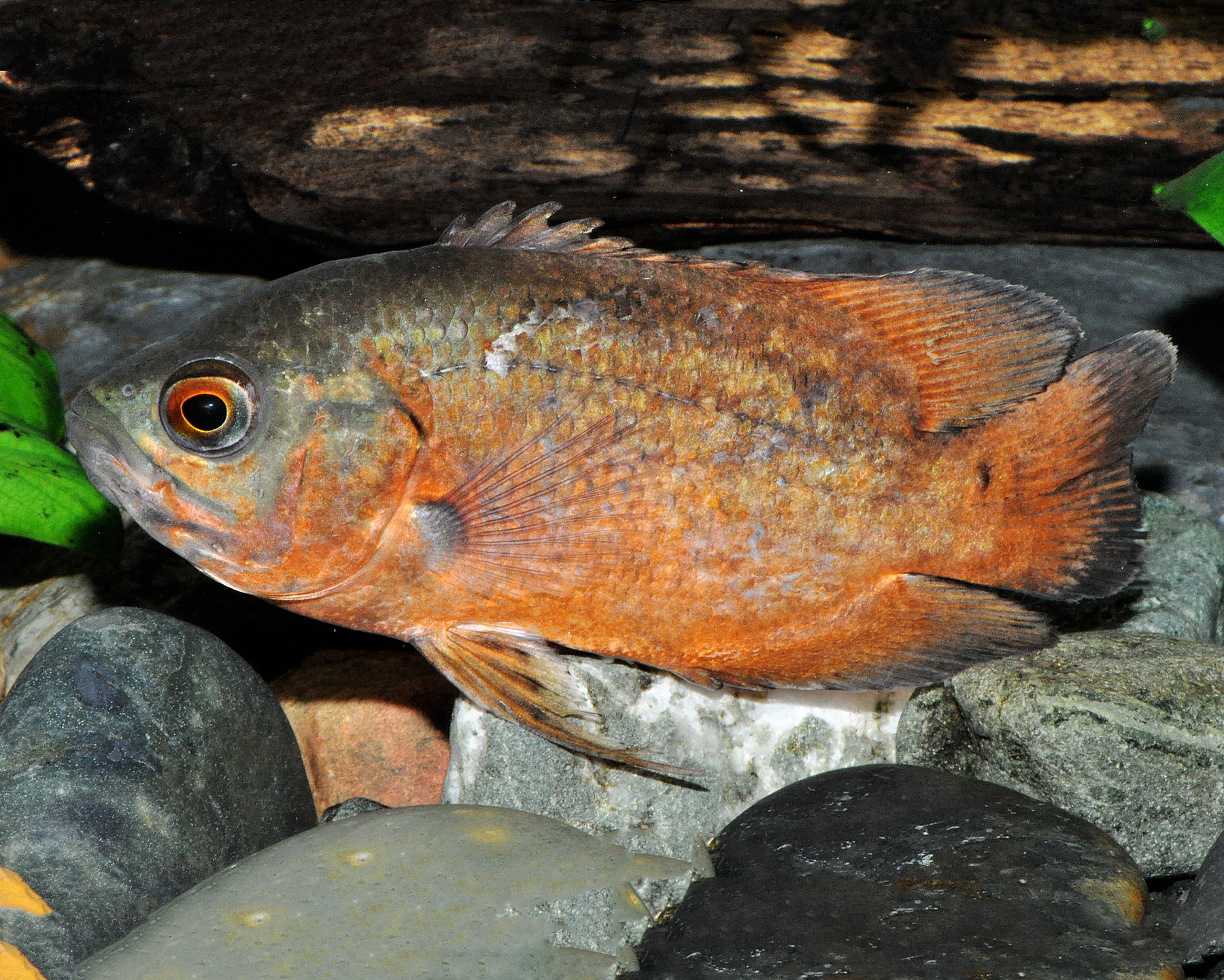
Oscars have a deep, laterally compressed body, a large mouth, rounded fins, and an eye-like marking near the base of the caudal fin in many individuals. Wild-type fish are generally dark with lighter mottling and orange or red markings. Red and tiger forms vary considerably in the amount and distribution of orange, red, gray, and black. Color can change with mood, stress, age, and lighting.
Behavior
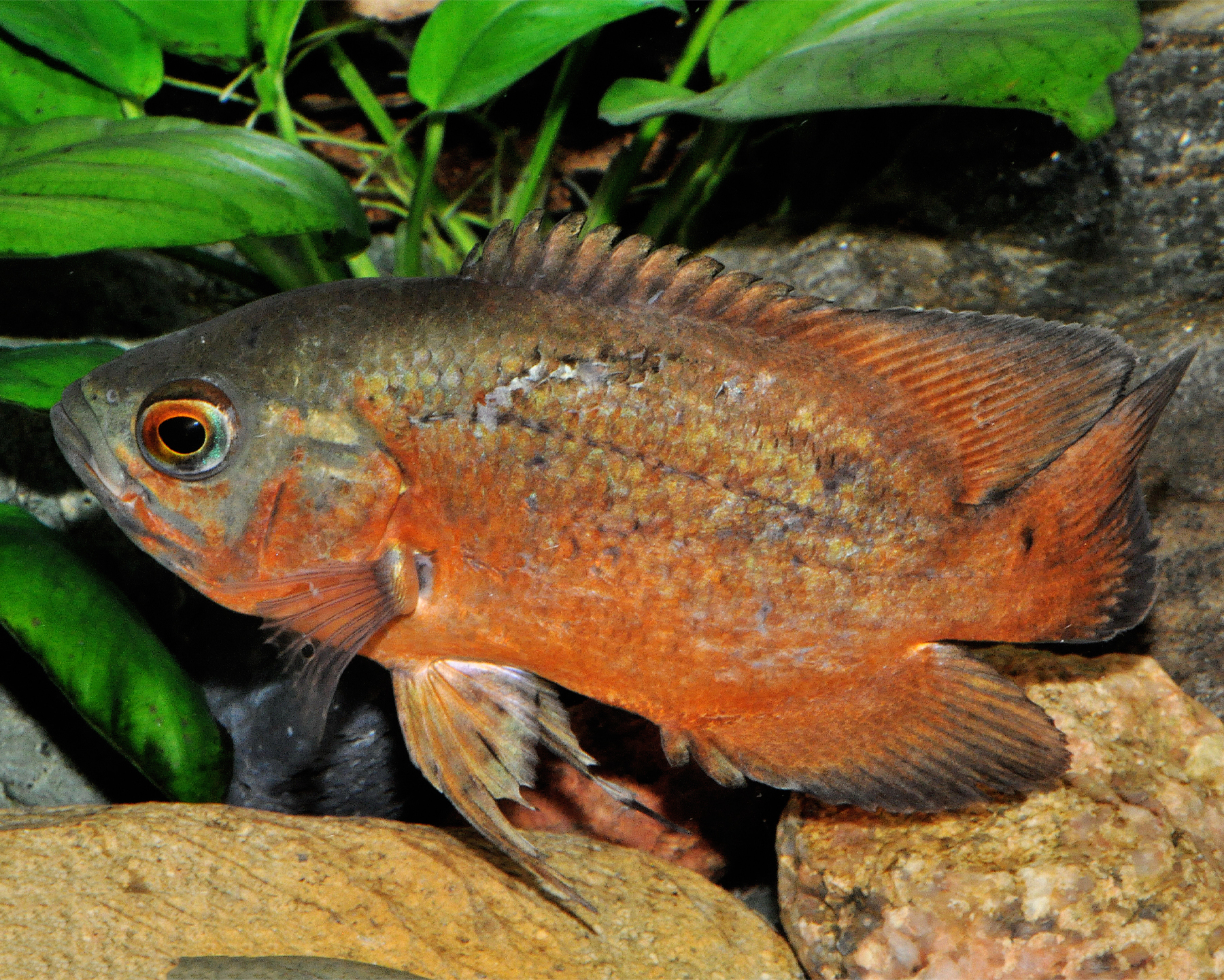
Oscars are intelligent, active, and highly individual fish that often learn to recognize their keeper and associate movement with feeding. They rearrange substrate, uproot plants, and move or damage décor. Adults are territorial and may become particularly aggressive when paired, spawning, or confined. A pair should be monitored for persistent chasing, fin damage, or one fish being excluded from food or shelter.
Aquarium size and setup
A single adult needs a large aquarium of at least about 300 litres, with a broad footprint and sturdy cover. A compatible adult pair is better housed in approximately 450-600 litres or more; larger is preferable because these fish grow large and produce substantial waste. Use powerful biological and mechanical filtration, strong aeration, smooth rocks, robust décor, and open swimming space. Secure decorations and avoid delicate plants. Maintain ammonia and nitrite at zero and nitrate as low as practical through regular water changes.
Water parameters
Provide stable, well-oxygenated water at 24-28 °C and pH 6.0-8.0. Oscars tolerate a range of hardness, so consistency is usually more important than pursuing a precise value. Acclimate fish carefully, test the aquarium regularly, and avoid abrupt changes in temperature, pH, or mineral content. Warm, clean water and dependable filtration are especially important in heavily fed aquariums.
Diet and feeding
This omnivorous predator accepts quality large cichlid pellets as its staple diet. Supplement with appropriately sized earthworms, insects, crustaceans, and occasional frozen foods. Small amounts of suitable vegetable matter can also be offered. Avoid relying on feeder fish, which may introduce parasites or nutritional problems, and do not use mammalian meat as a regular food. Feed juveniles more frequently and adults in controlled portions, removing uneaten food promptly.
Compatibility
Oscar compatibility is unpredictable. Suitable companions, when the aquarium is exceptionally large, include robust South American cichlids and other large, peaceful-to-moderately assertive fish of comparable size. Avoid small fish, slow or delicate species, fin-nippers, and timid tank mates; they may be injured, stressed, or eaten. Do not assume that two Oscars will remain compatible simply because they were purchased together. Provide a separation plan for a pair that turns aggressive.
Breeding
Oscars are substrate-spawning cichlids and commonly form pair bonds. Sexes are difficult to distinguish reliably outside breeding condition, so a proven pair or group of juveniles is often used to obtain a compatible pair. The pair cleans a flat rock or other firm surface, deposits adhesive eggs, and usually guards the eggs and free-swimming fry. Condition adults with varied nutritious foods, provide clean warm water and a suitable spawning surface, and be prepared to separate fish if aggression becomes dangerous. Parents may move fry or defend them vigorously.
Leave your comments