Taxonomy and identification
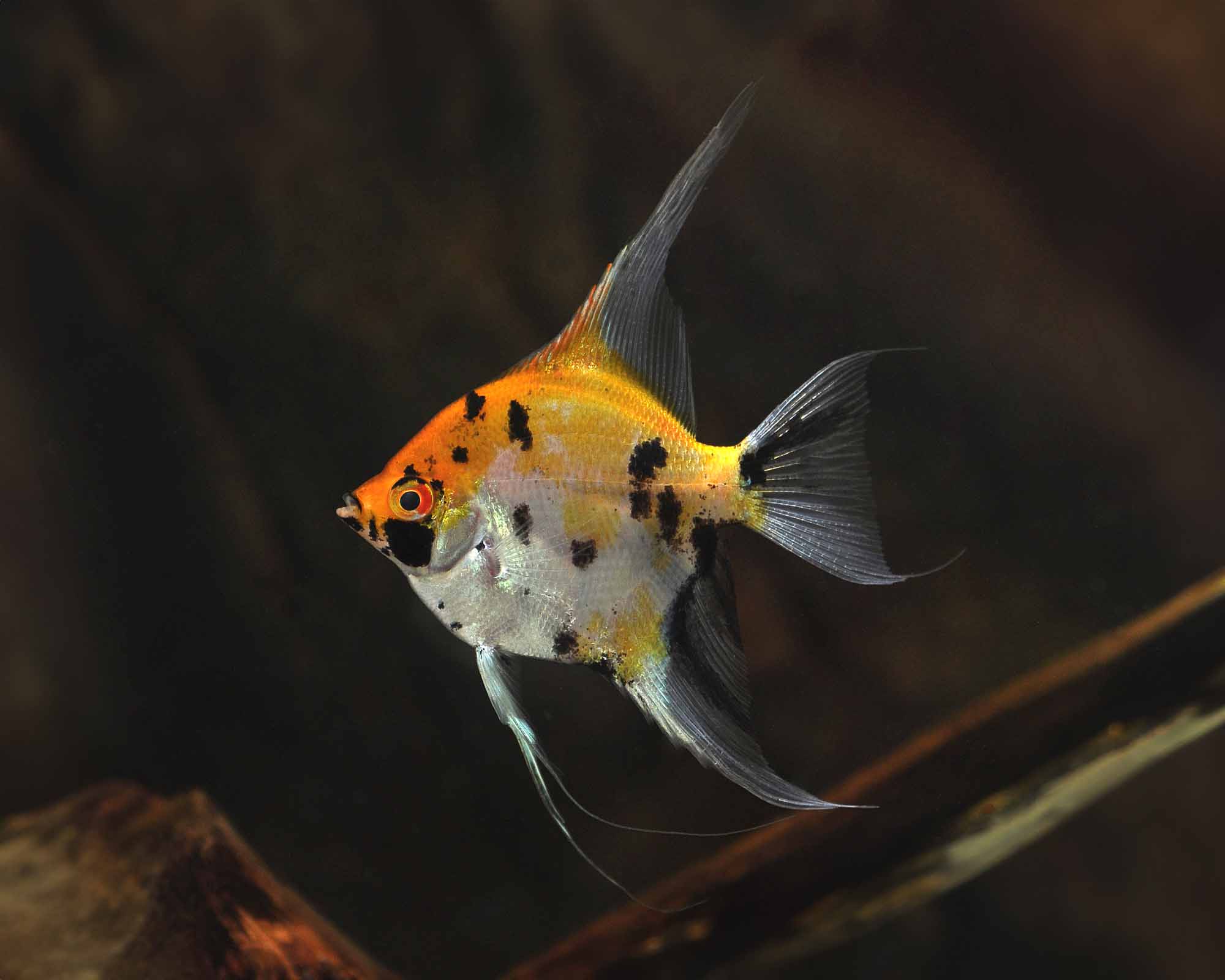
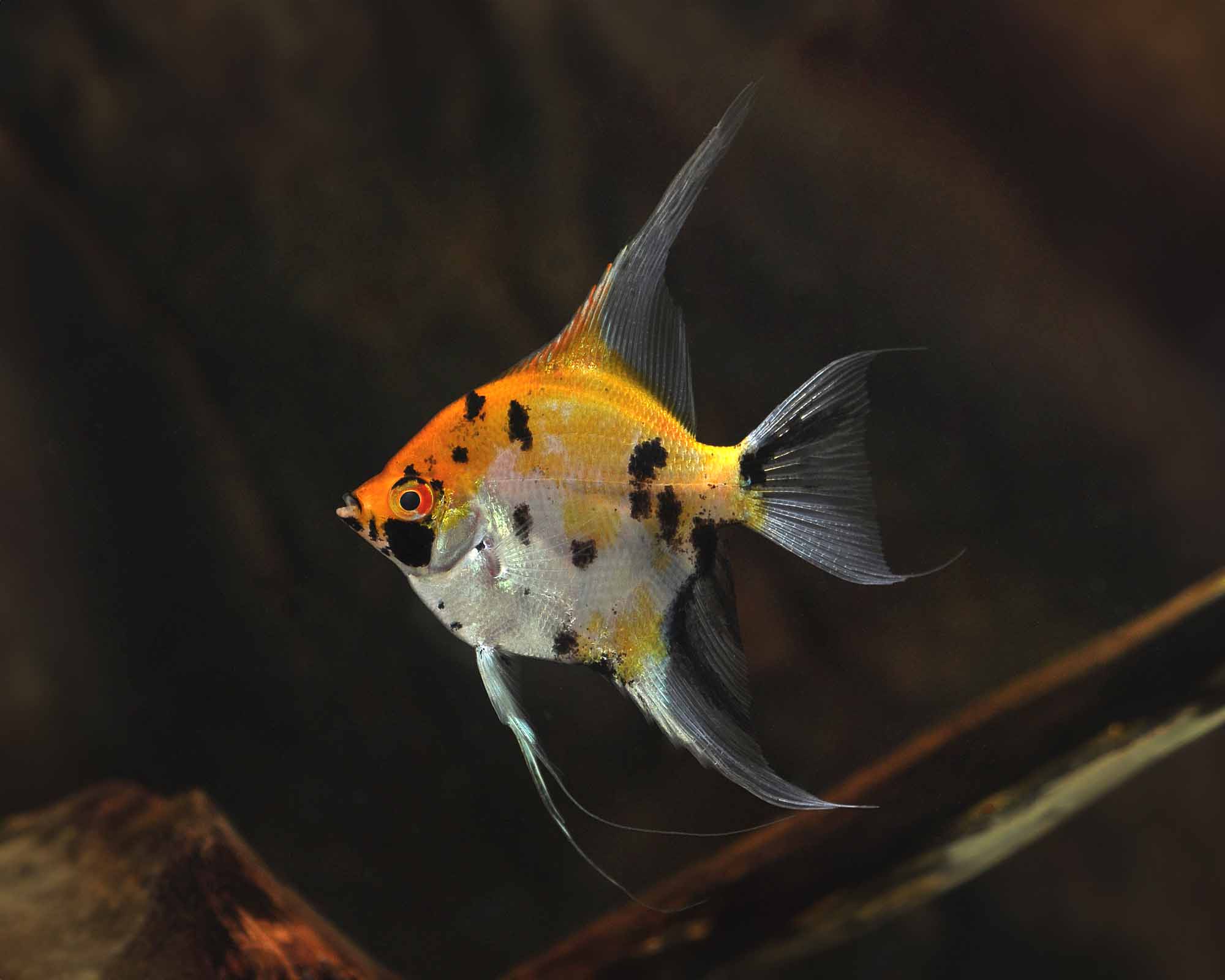
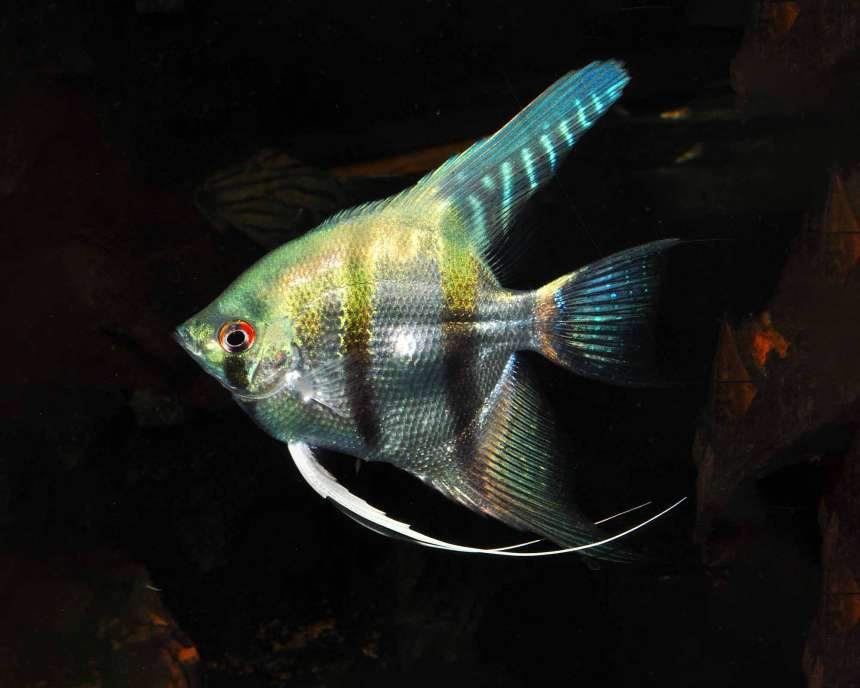
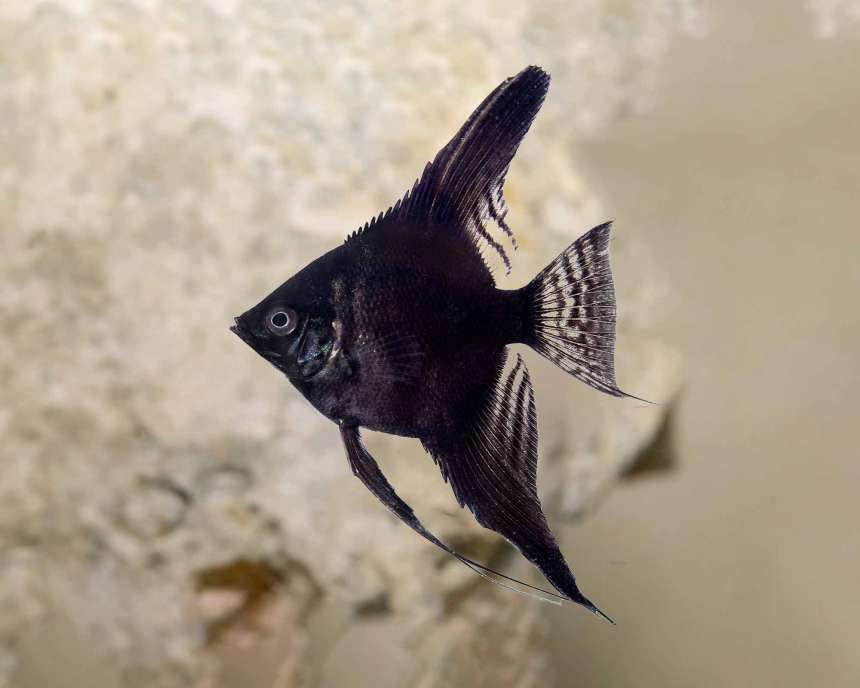
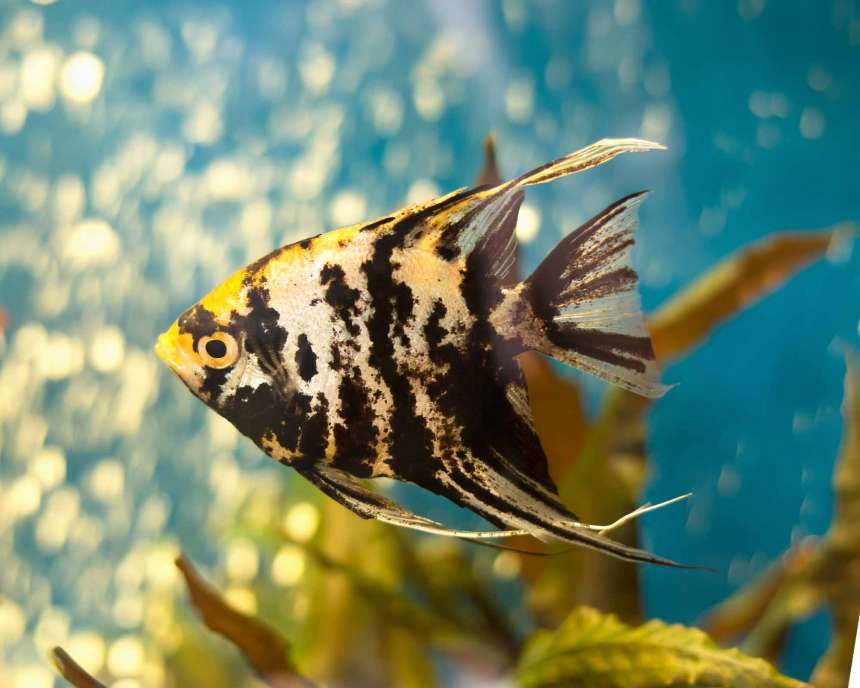
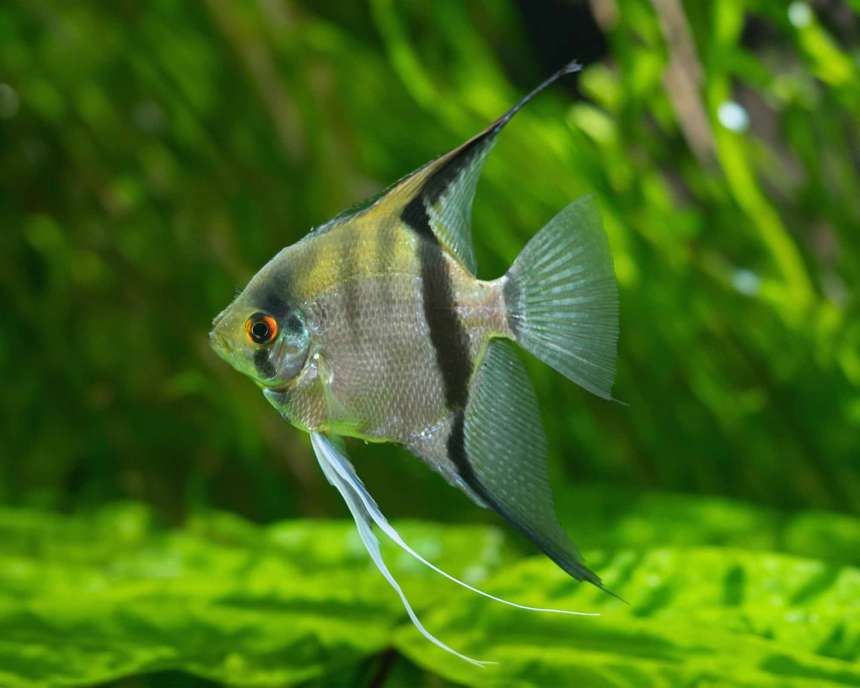
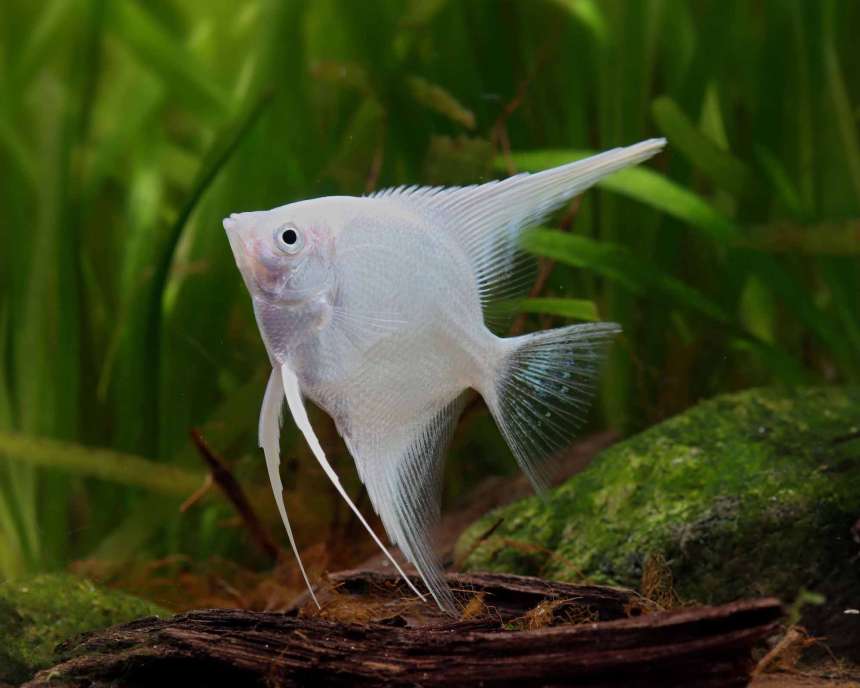
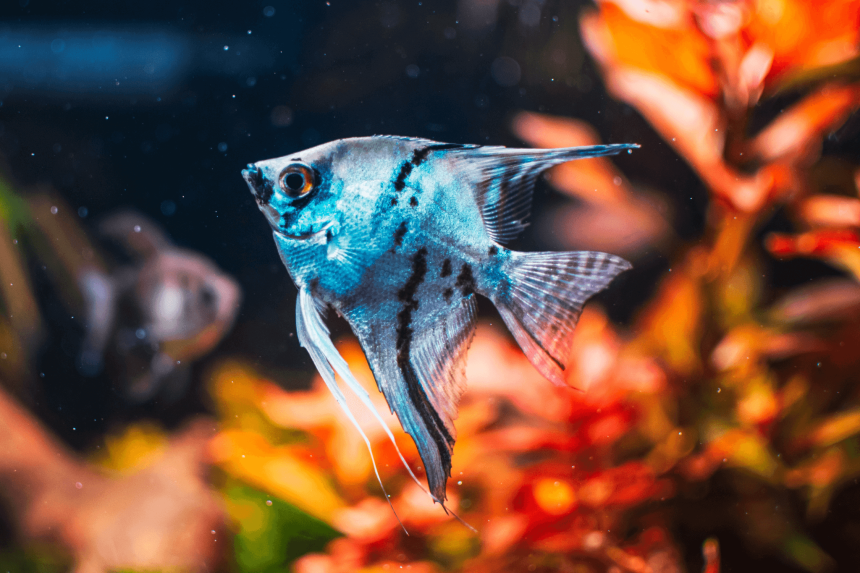
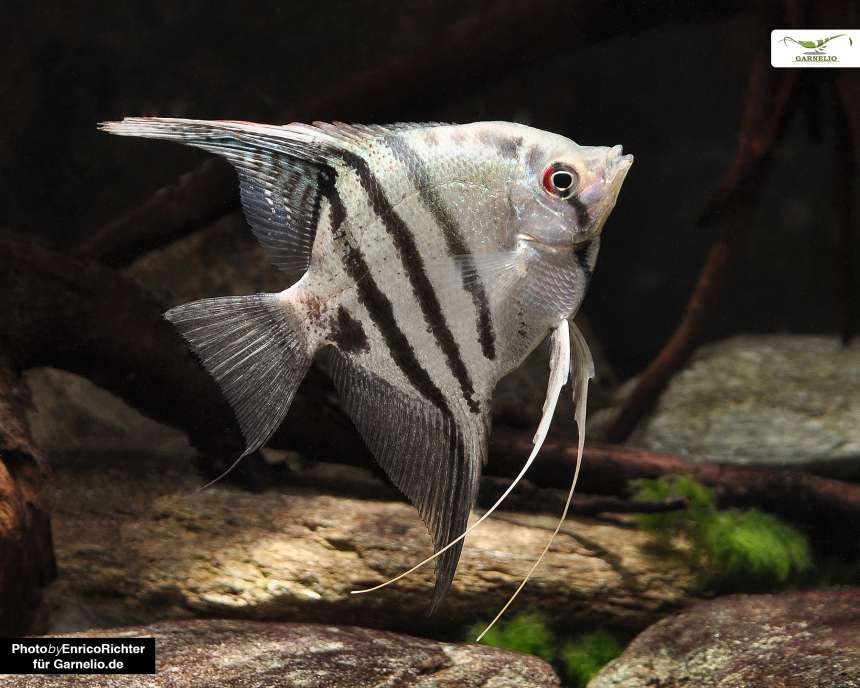
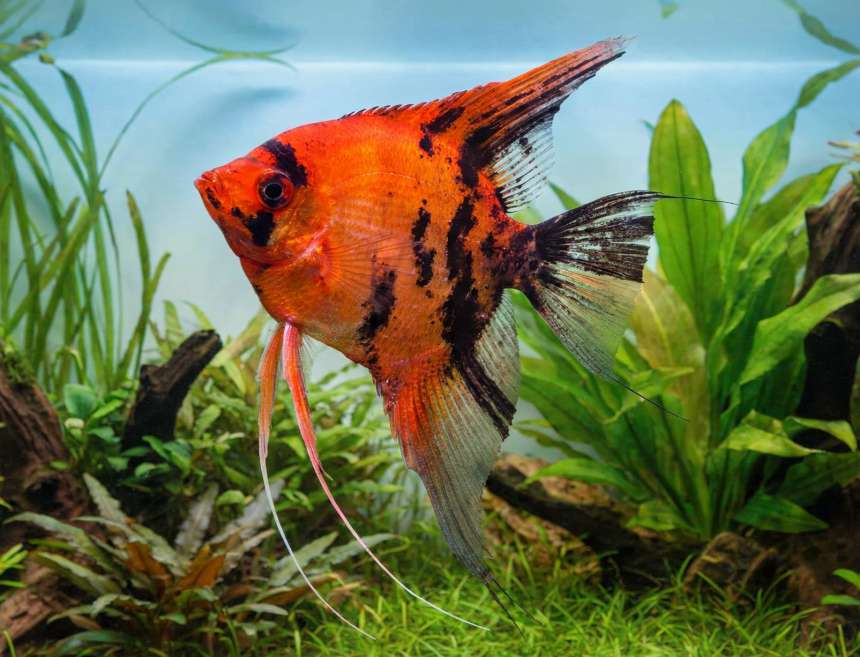
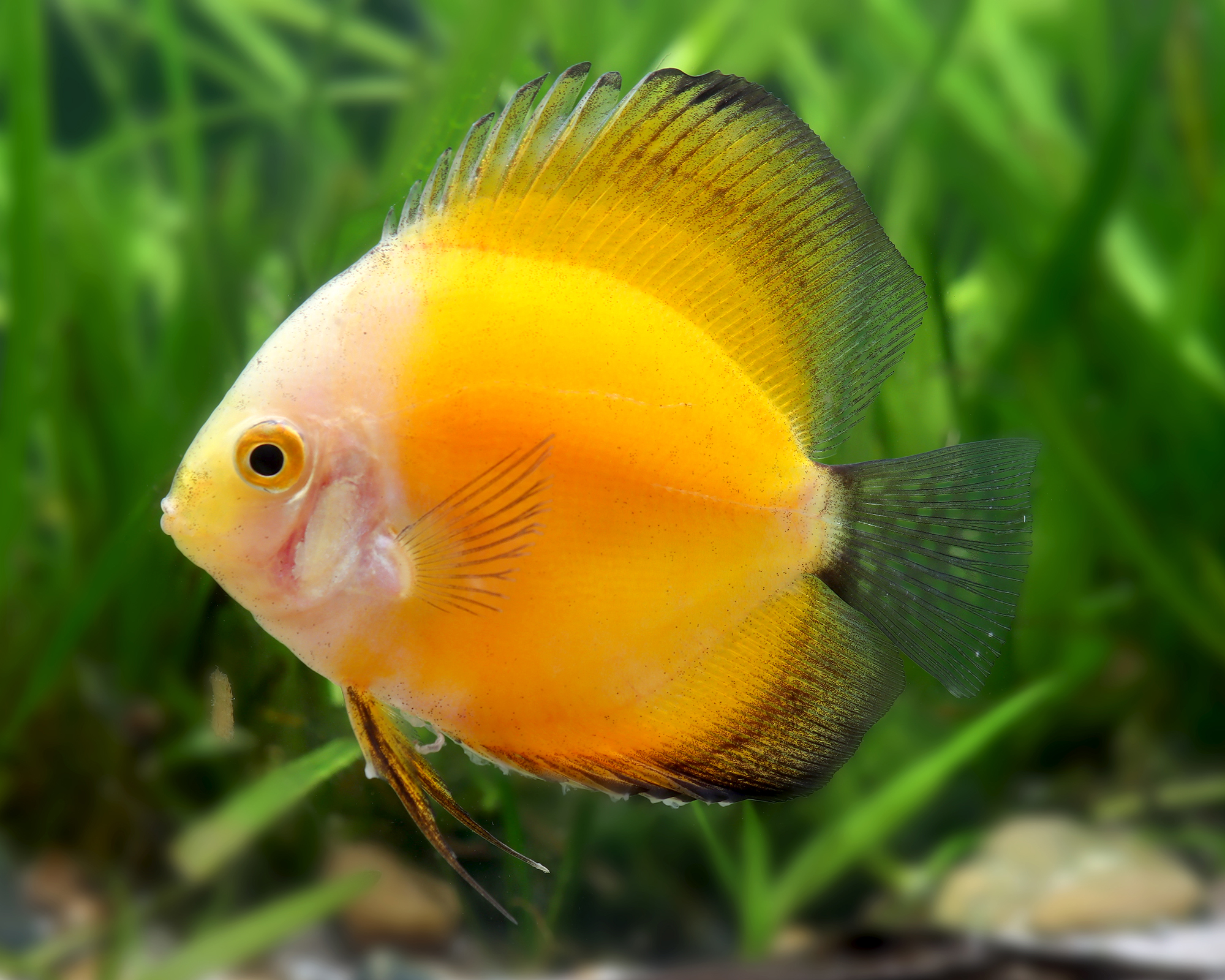
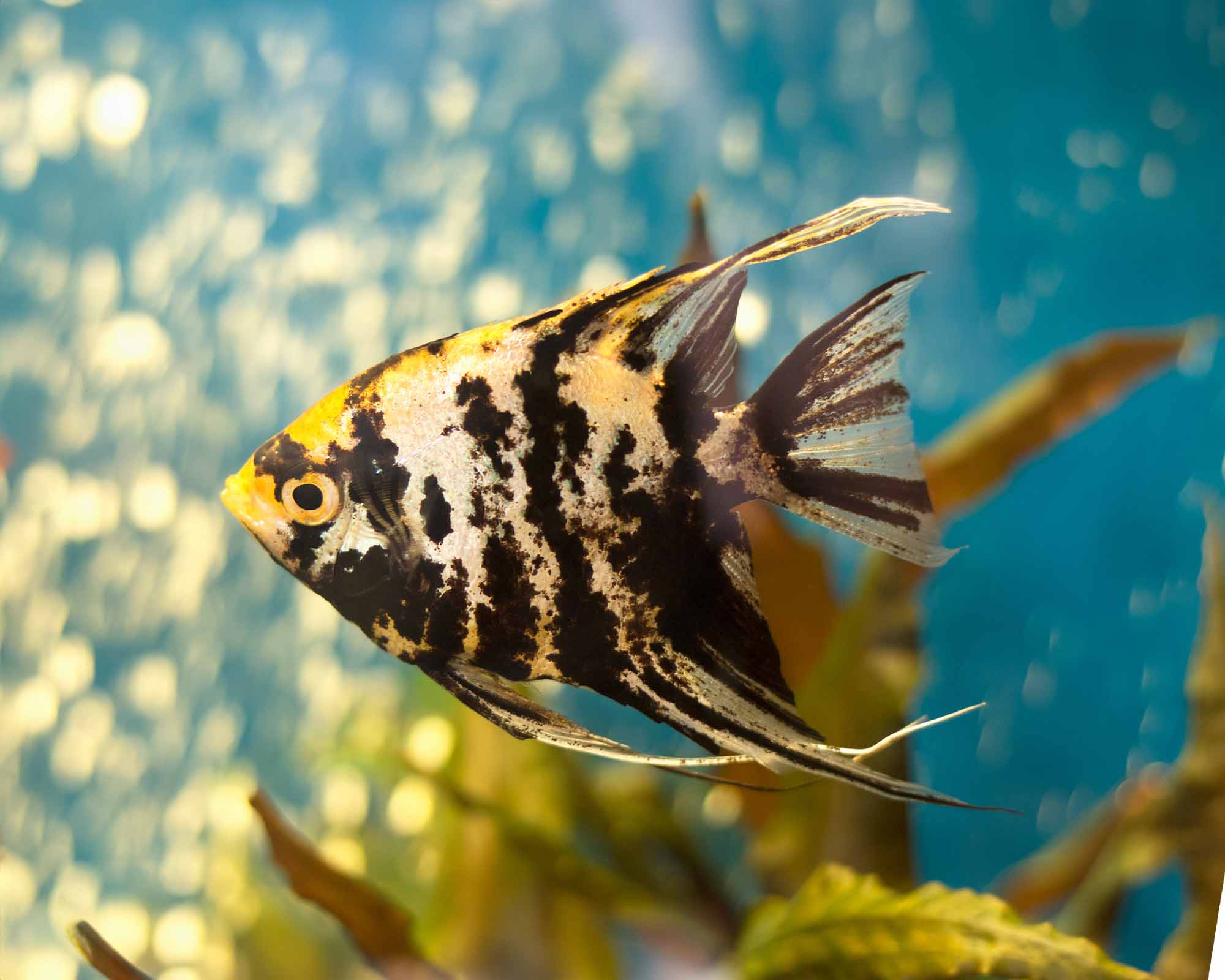
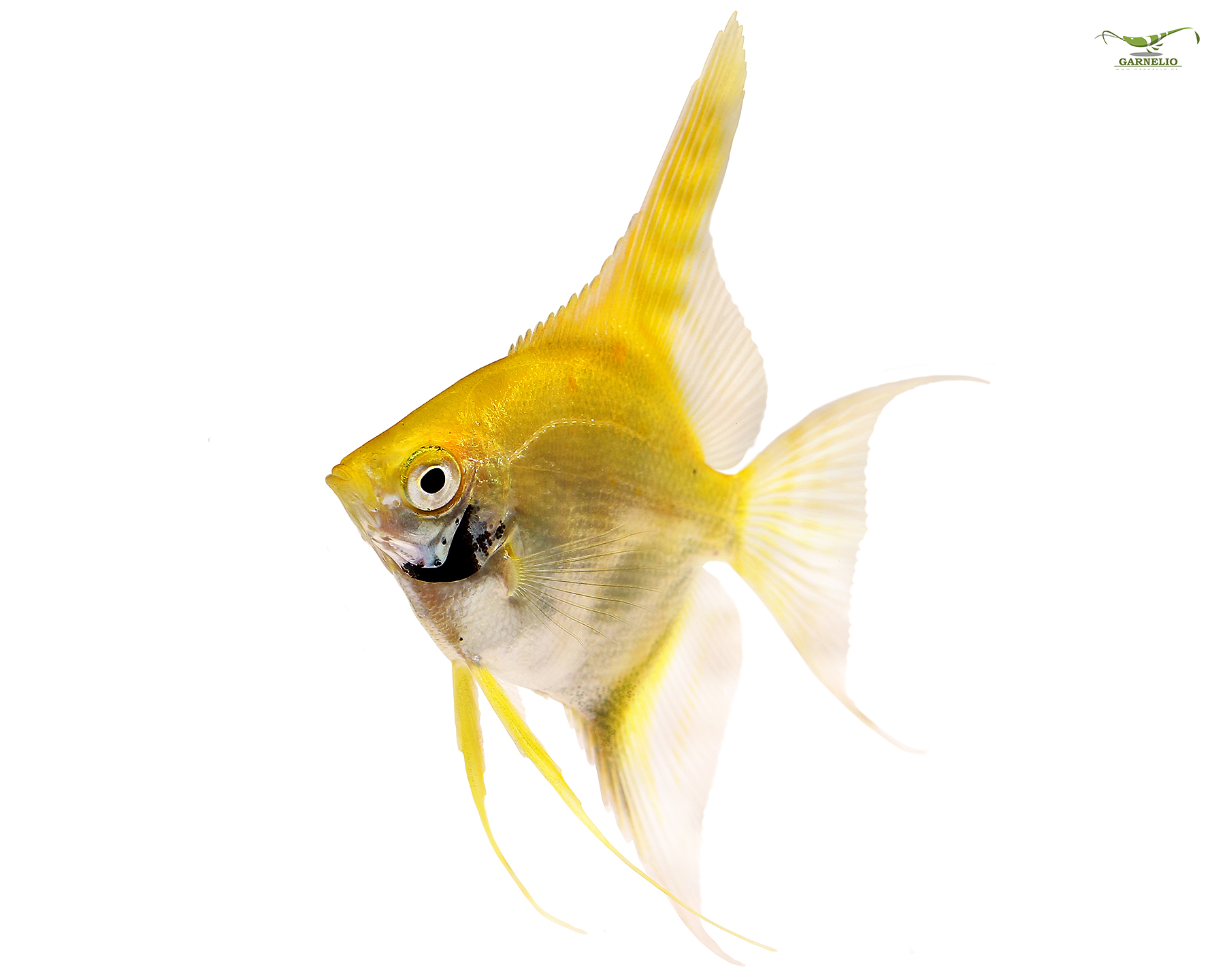
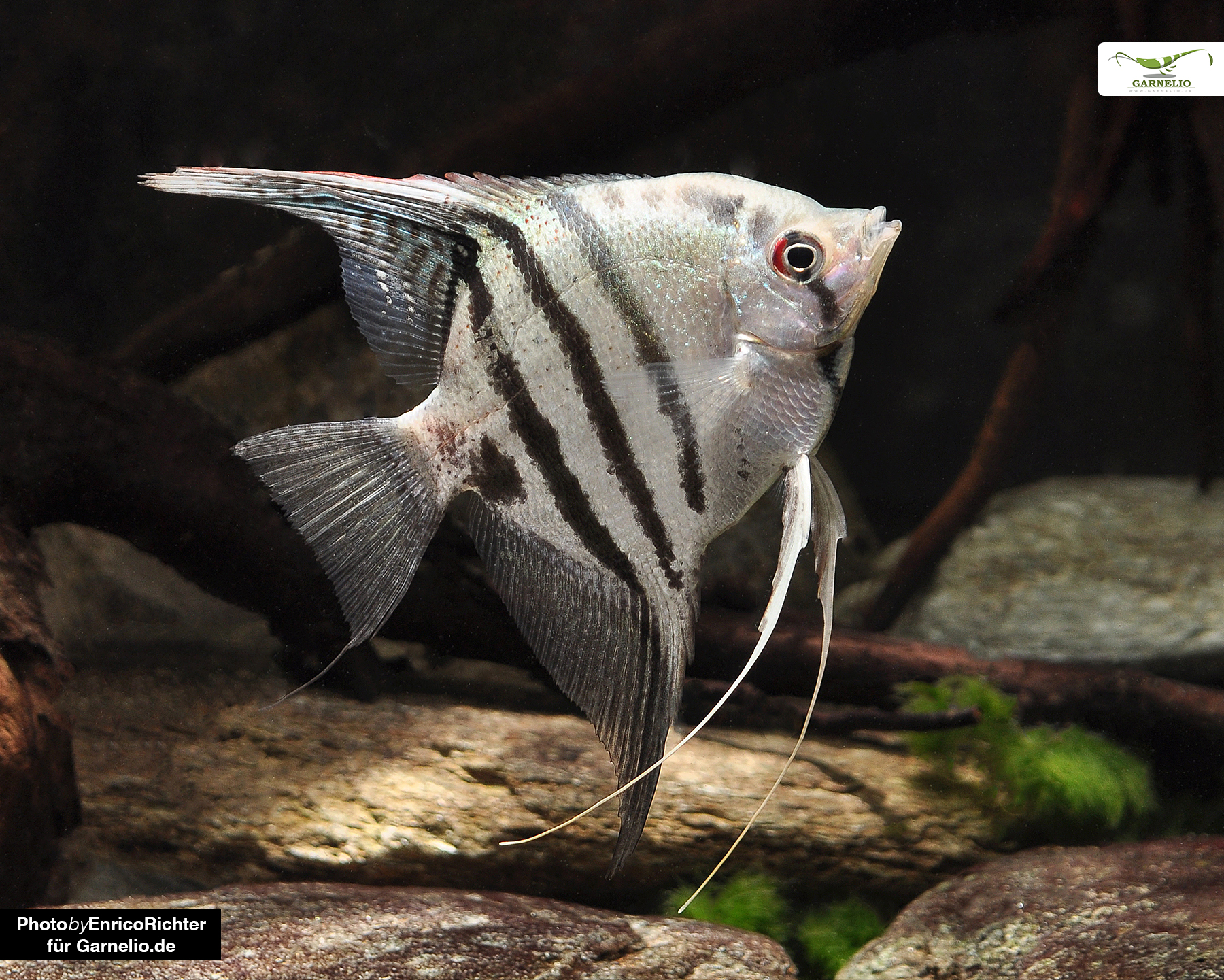
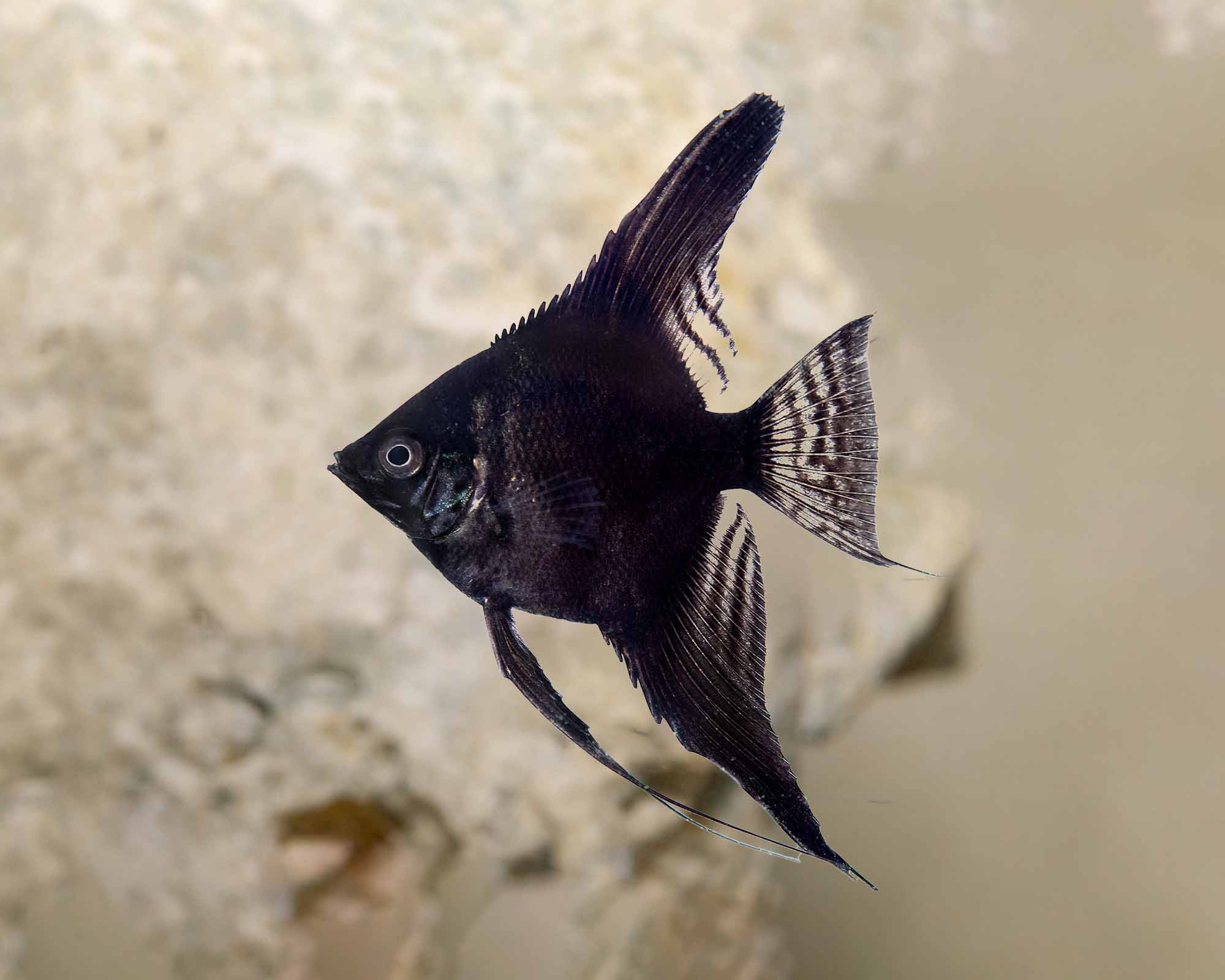
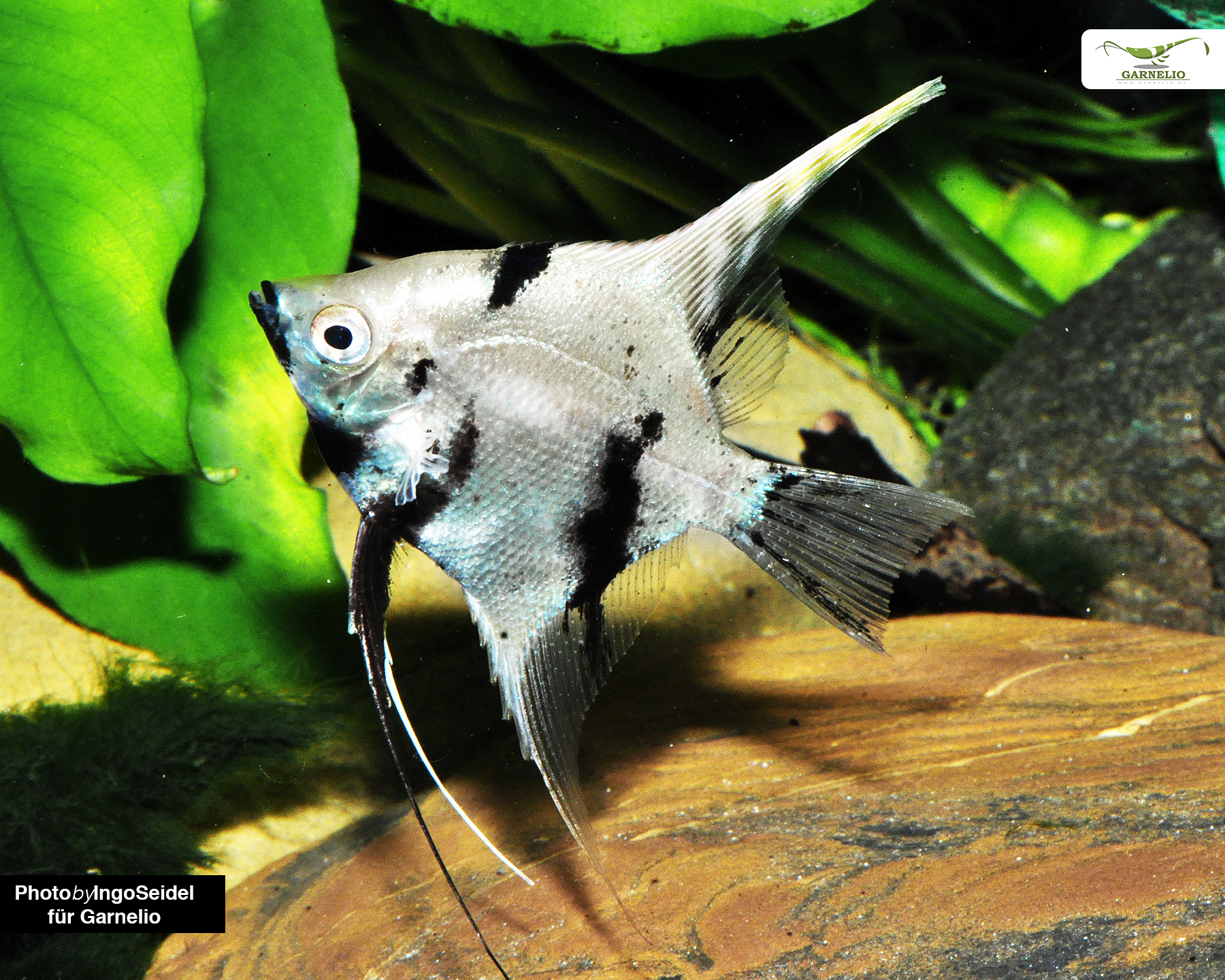
Pterophyllum scalare belongs to the family Cichlidae and genus Pterophyllum. It has a laterally compressed, disc-shaped body with elongated dorsal and anal fins and filamentous pelvic fins. The exact commercial varieties in this mixed source cannot be determined from the listing alone. The images represent multiple captive color and pattern forms rather than one reliably identifiable strain.
Native distribution and habitat
The species is native to slow-moving freshwater habitats in tropical South America, especially the Amazon Basin and associated tributaries. It occurs among submerged roots, branches and aquatic vegetation, where a deep body and tall fins help it maneuver through structured habitats. Captive aquariums should provide cover while leaving open swimming space.
Behavior
Angelfish are generally active, observant cichlids that use the middle and upper parts of the aquarium. Young fish may school loosely, but adults form territories and pairs. Courtship and spawning can make them substantially more defensive. They may also prey on fish small enough to fit in their mouths, particularly at night or when the smaller fish are resting.
Aquarium size and setup
For two adult angelfish, a well-filtered aquarium of about 200 litres is a practical starting point, with at least 45-50 cm of water height. A larger aquarium is preferable for a group or a community containing other substantial fish. Use smooth plants, vertical wood or other cover, gentle to moderate circulation and a secure lid. Maintain stable biological filtration and perform regular partial water changes.
Water parameters
Keep the water warm, clean and stable at 24-30 °C, with a pH of 6.0-7.5. Angelfish can adapt to moderately soft through moderately hard water when acclimated gradually, but sudden changes and detectable ammonia or nitrite should be avoided. Stability, oxygenation and low organic waste are more important than pursuing a narrowly defined numerical value.
Diet
Offer a varied diet based on a quality cichlid or tropical pellet, supplemented with frozen or live foods such as brine shrimp, bloodworms and mosquito larvae where appropriate. Feed small portions once or twice daily, removing uneaten food. Occasional vegetable matter can add variety, but a balanced prepared food should remain the dietary foundation.
Compatibility
Choose peaceful to moderately assertive tank mates that are too large to be swallowed and that tolerate warm water. Suitable choices may include robust small-to-medium tetras, peaceful barbs selected carefully, Corydoras species of suitable size and some peaceful South American cichlids. Avoid fin-nipping species, highly aggressive cichlids and very small fish or shrimp. Monitor aggression because individual angelfish differ considerably.
Breeding
Angelfish form pairs and usually spawn on a clean, broad vertical surface such as a plant leaf, slate or aquarium panel. The pair cleans the site, the female lays rows of adhesive eggs and the male fertilizes them. Both parents may fan and defend the clutch, although inexperienced pairs sometimes eat eggs. For reliable rearing, use a separate breeding aquarium or remove the eggs to a clean, gently aerated setup. Fry require appropriately sized first foods once free-swimming and frequent small water changes.
Leave your comments