Taxonomy and identification
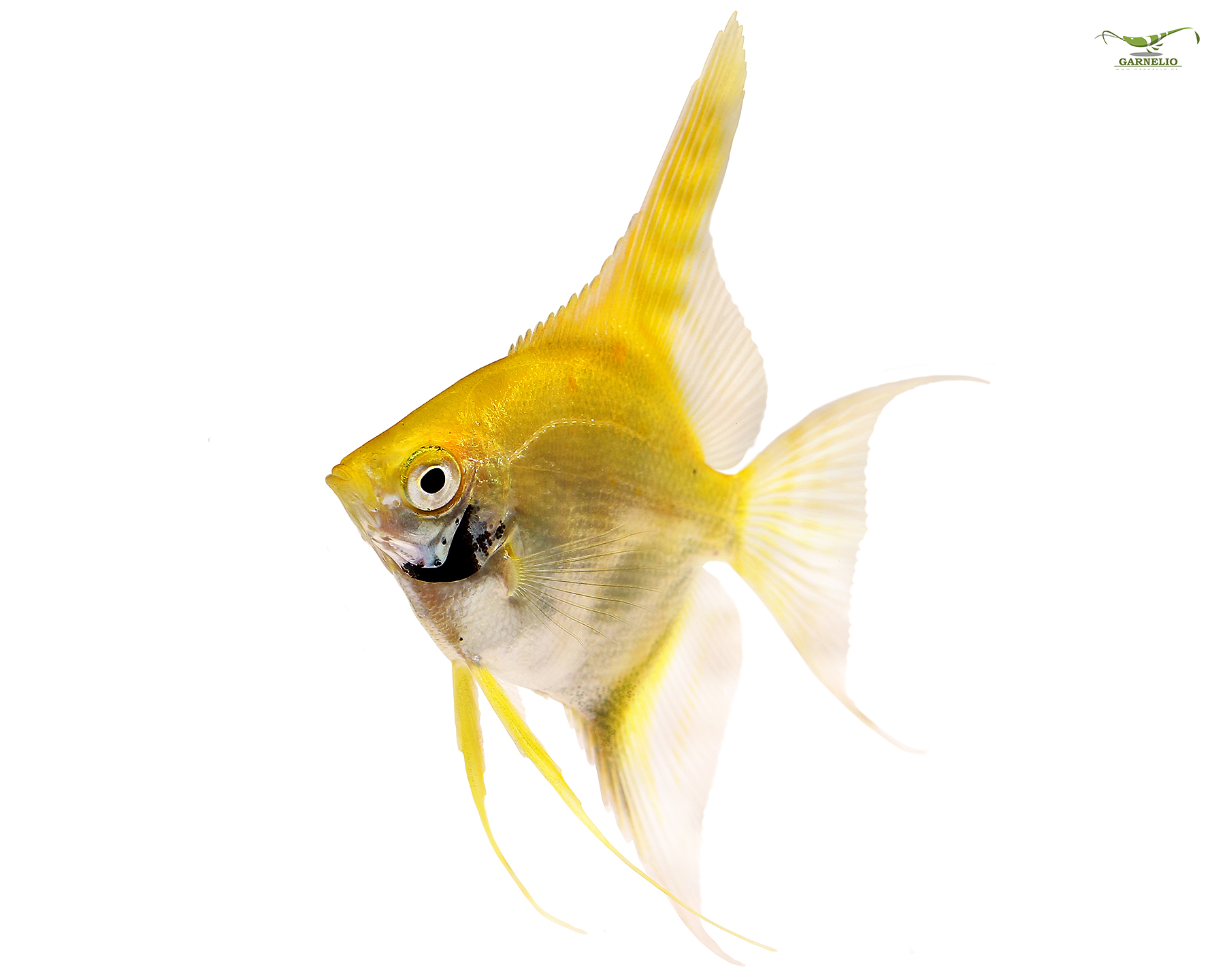
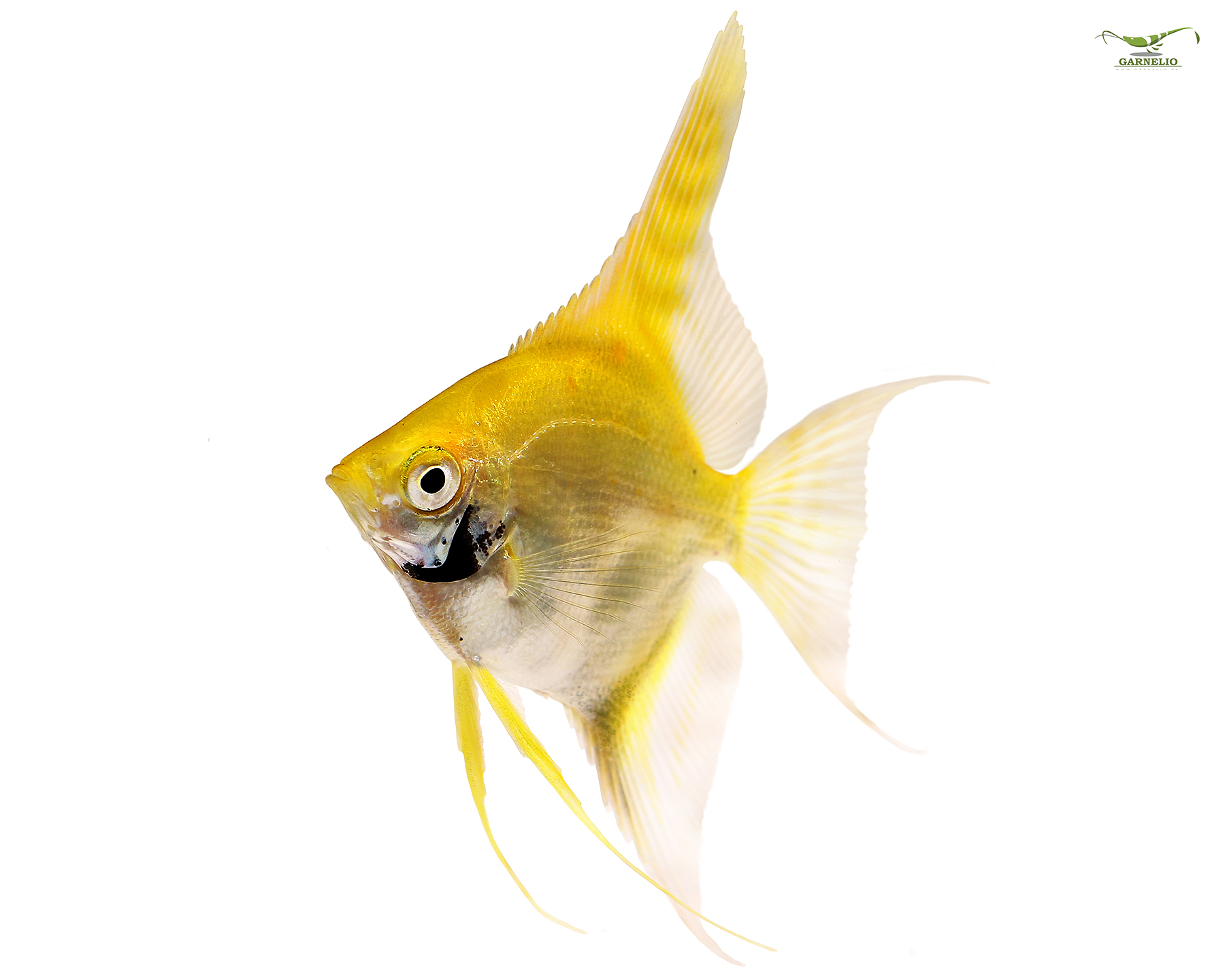
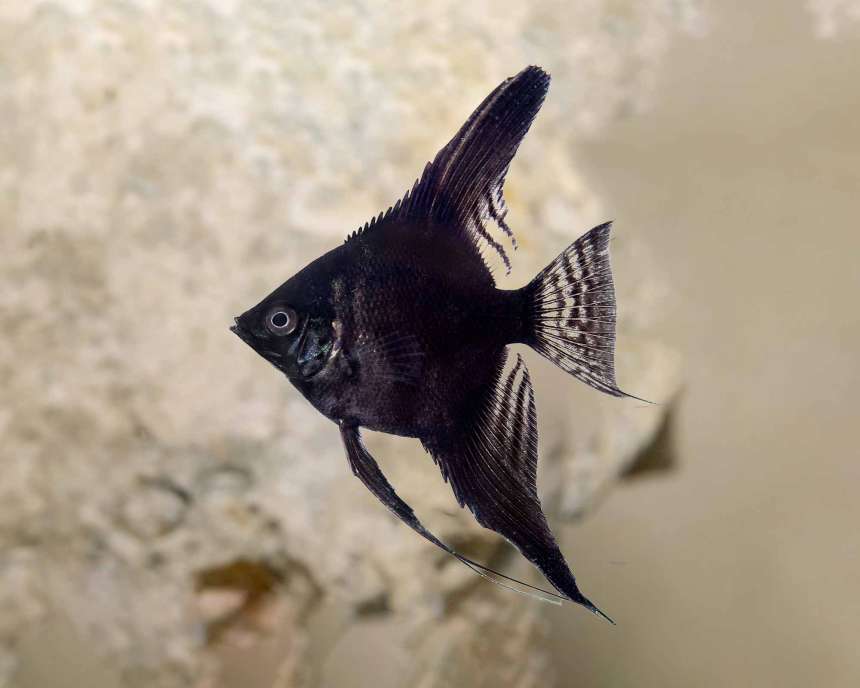
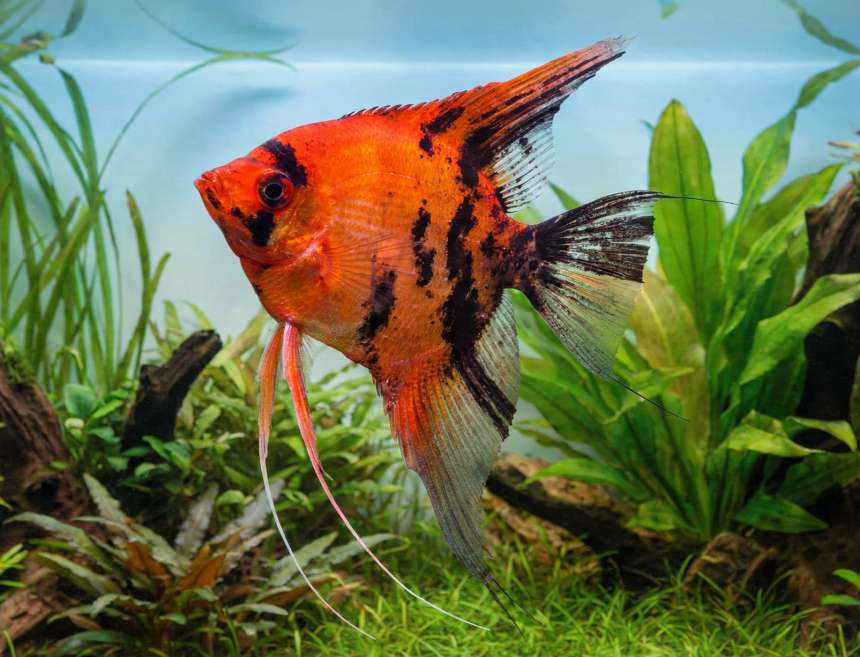
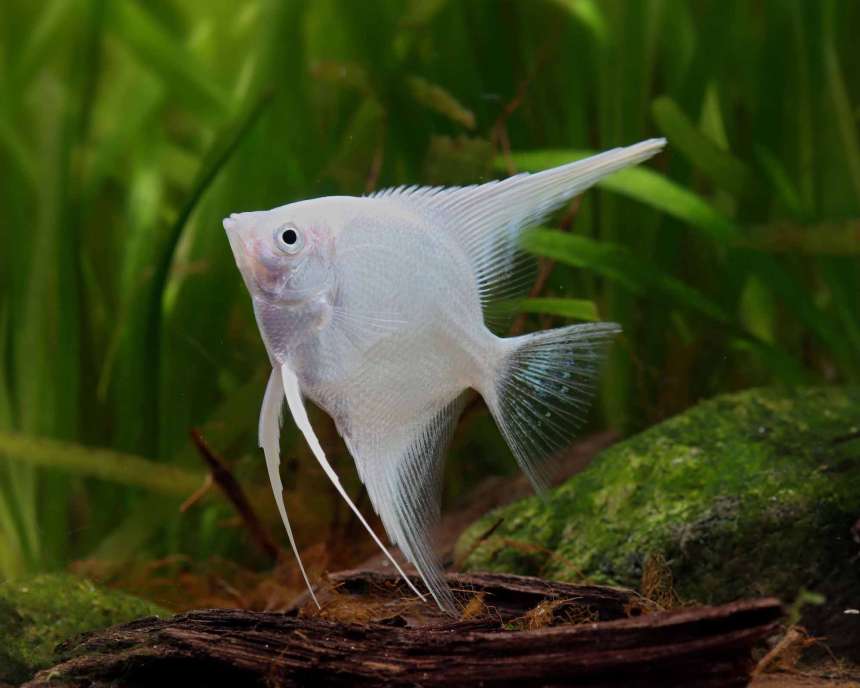
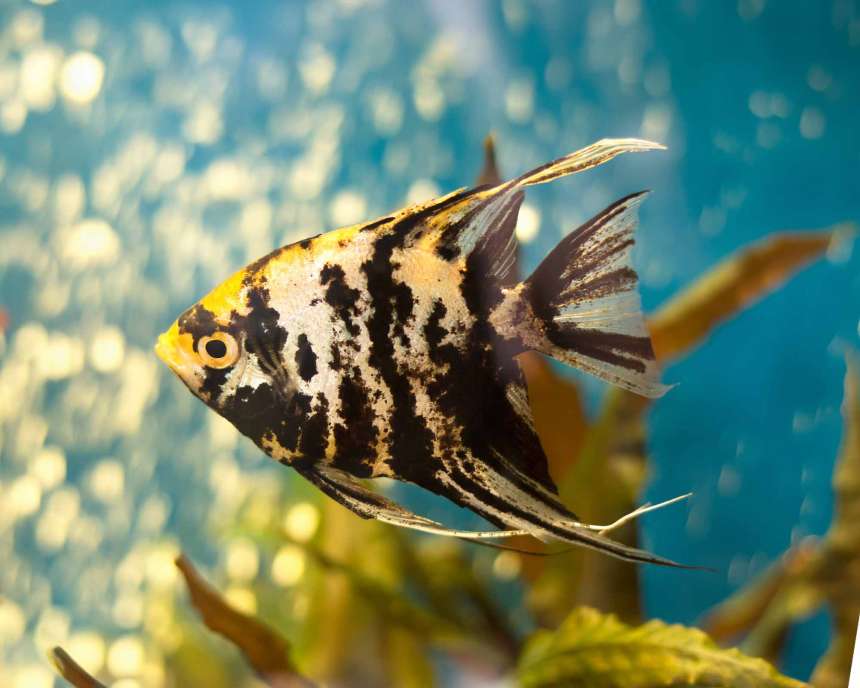
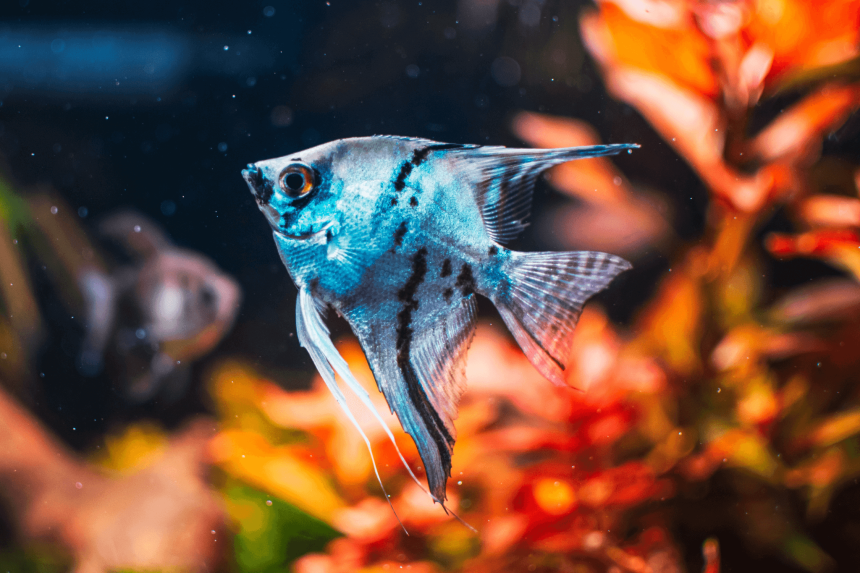
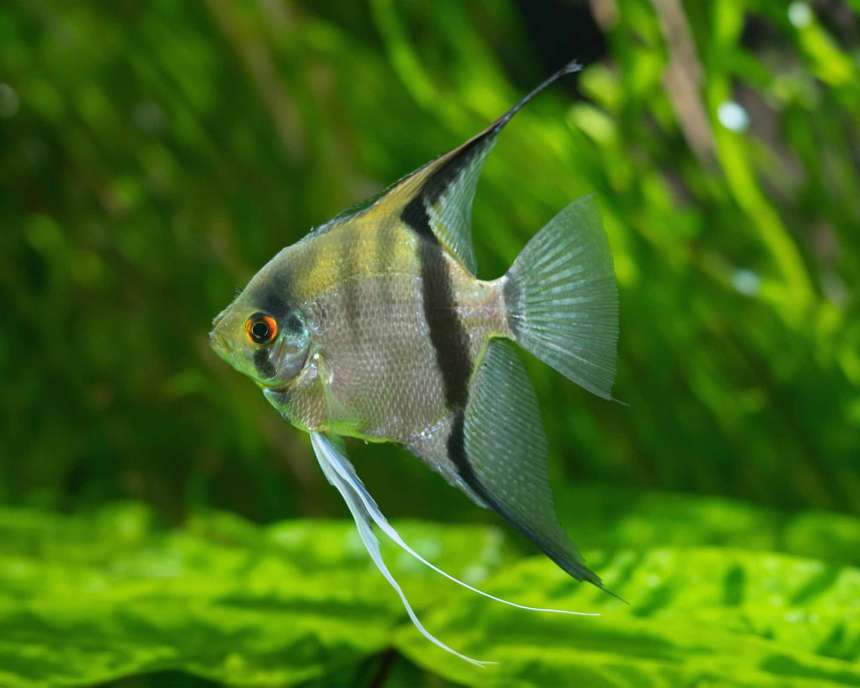
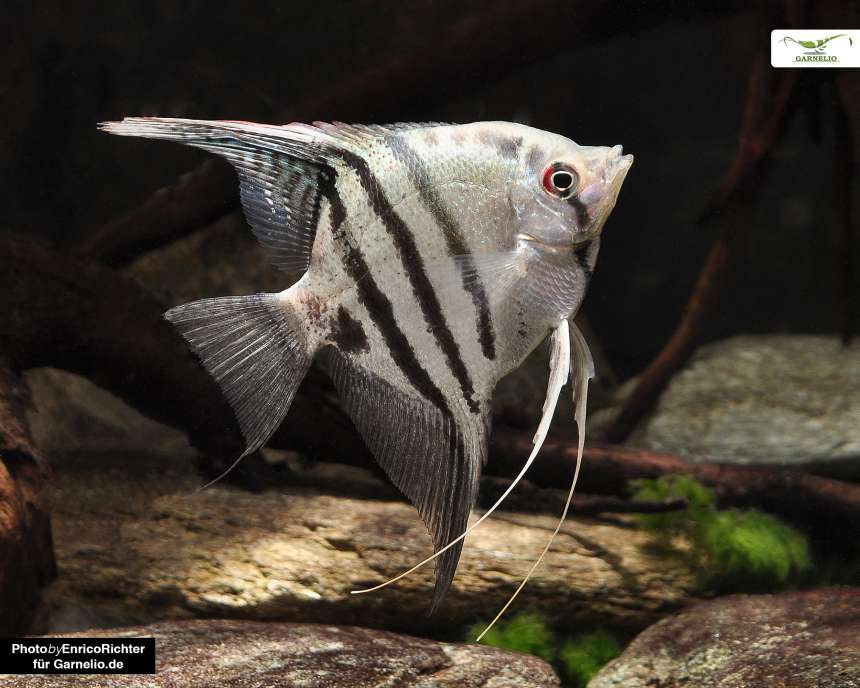
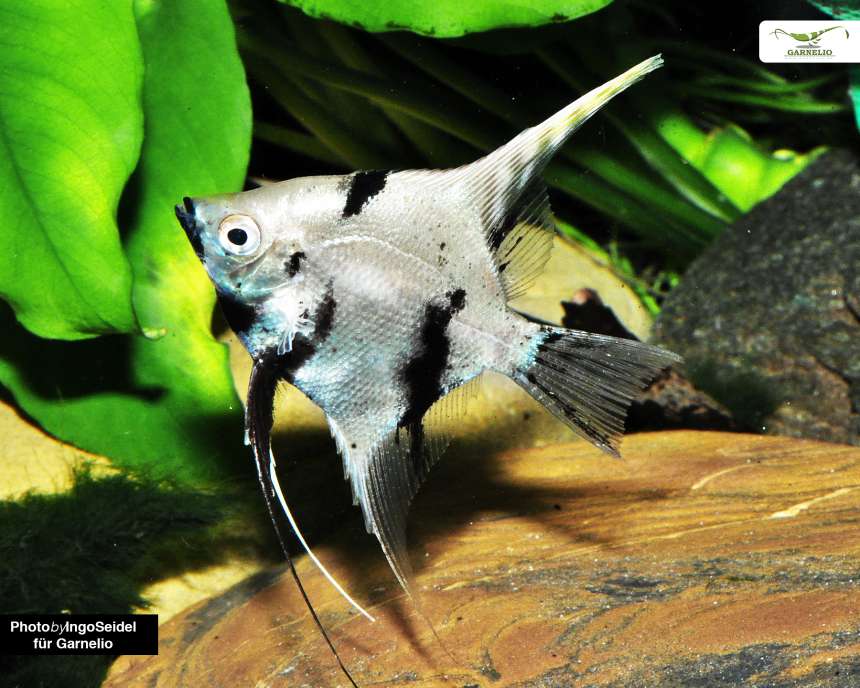
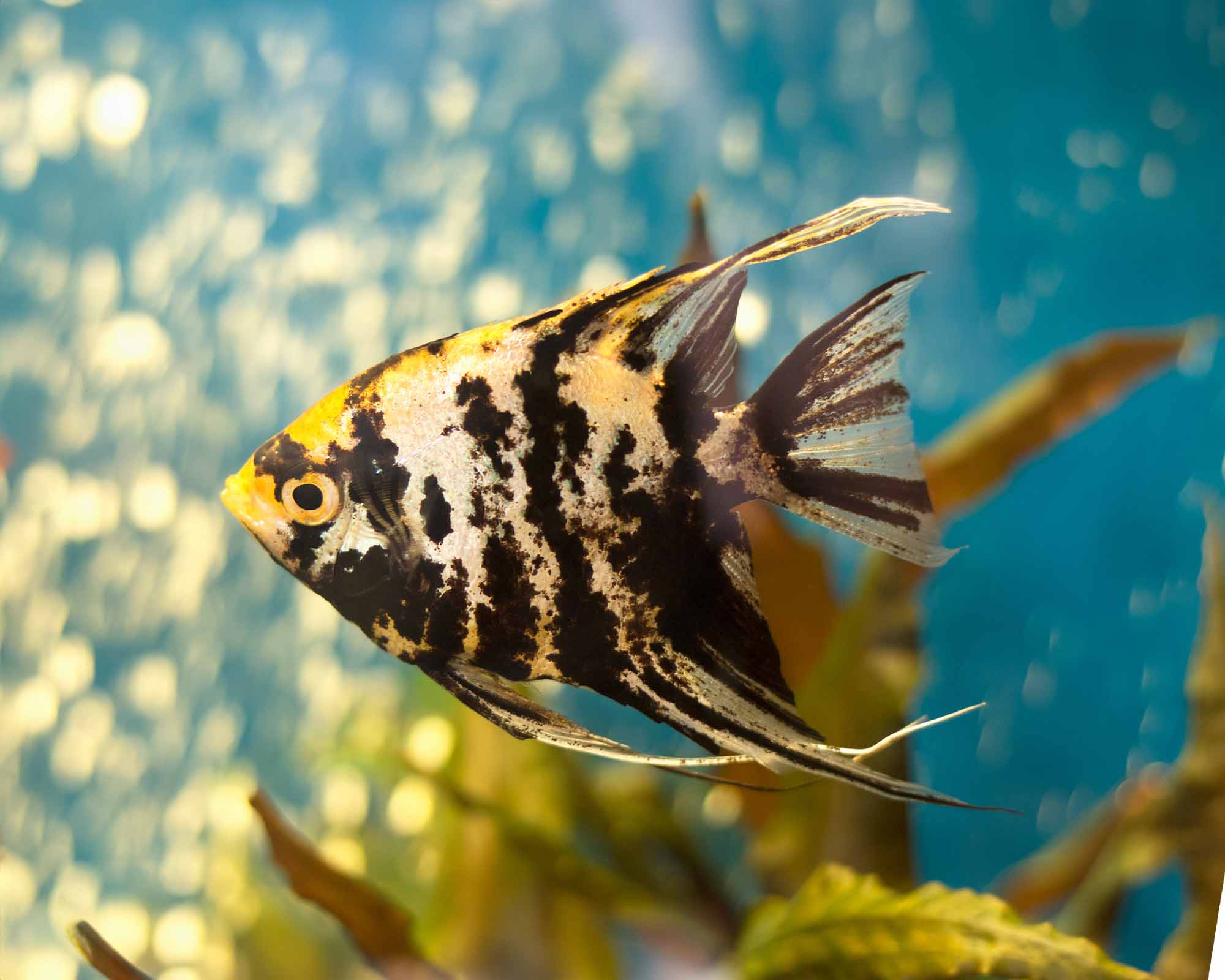
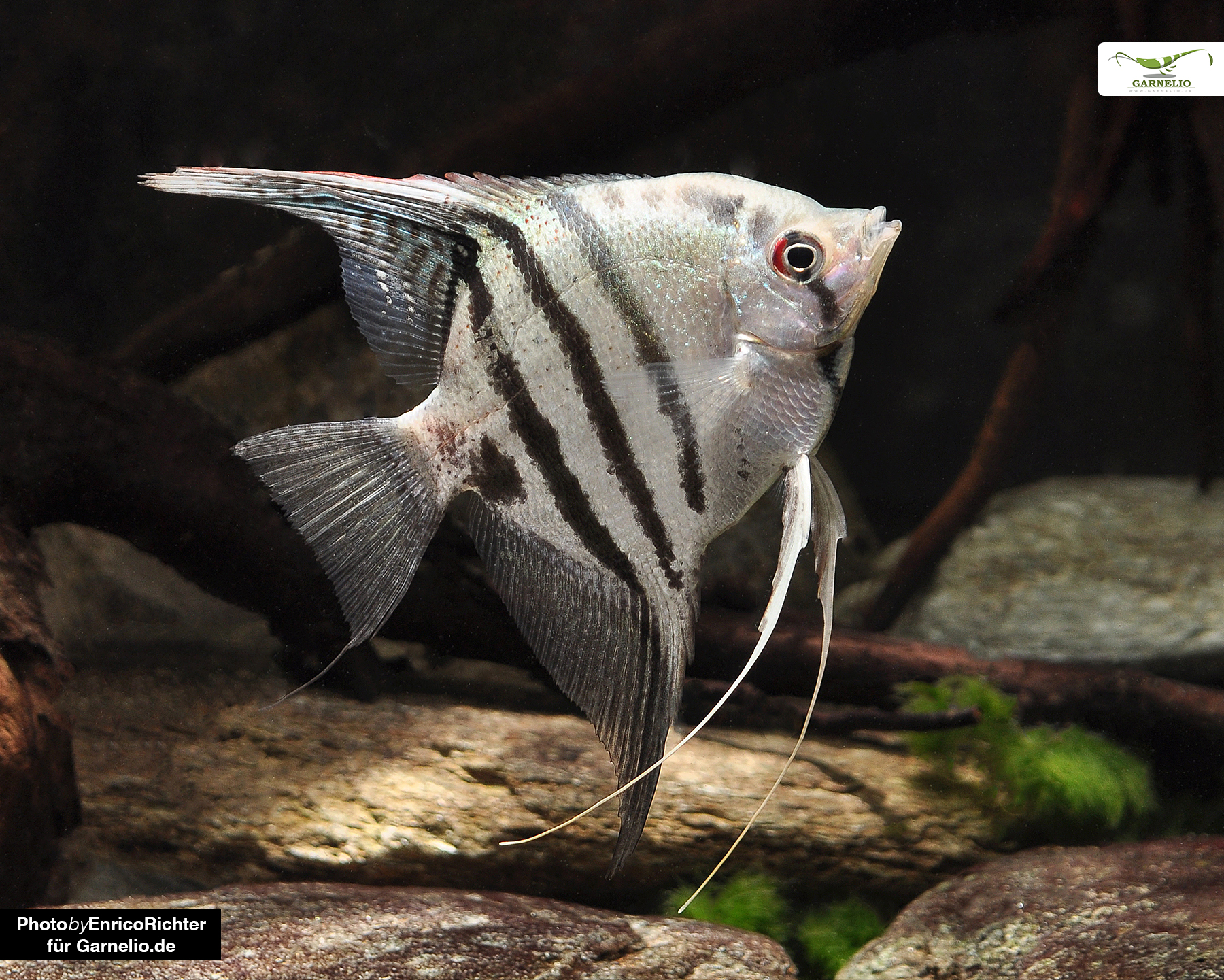
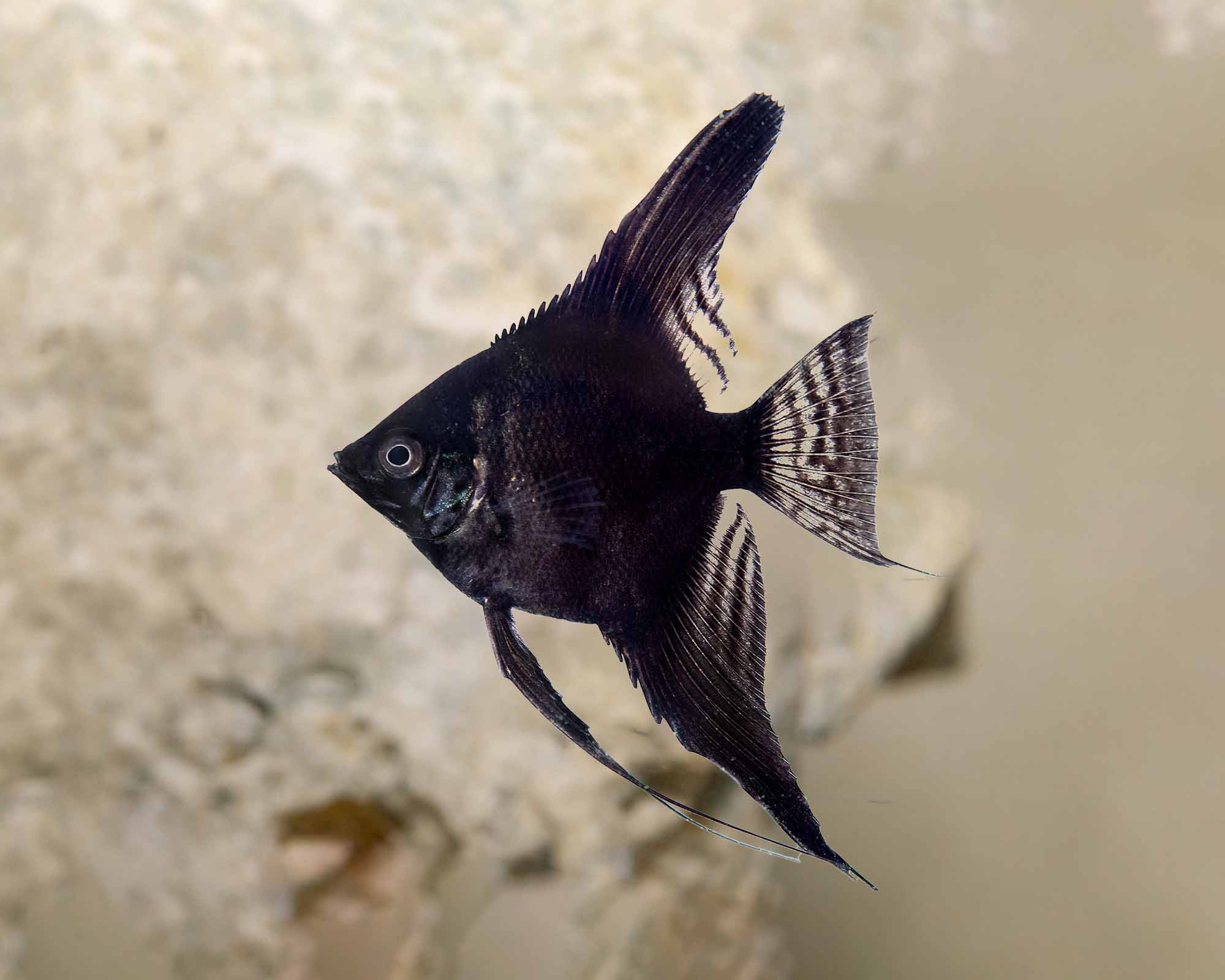
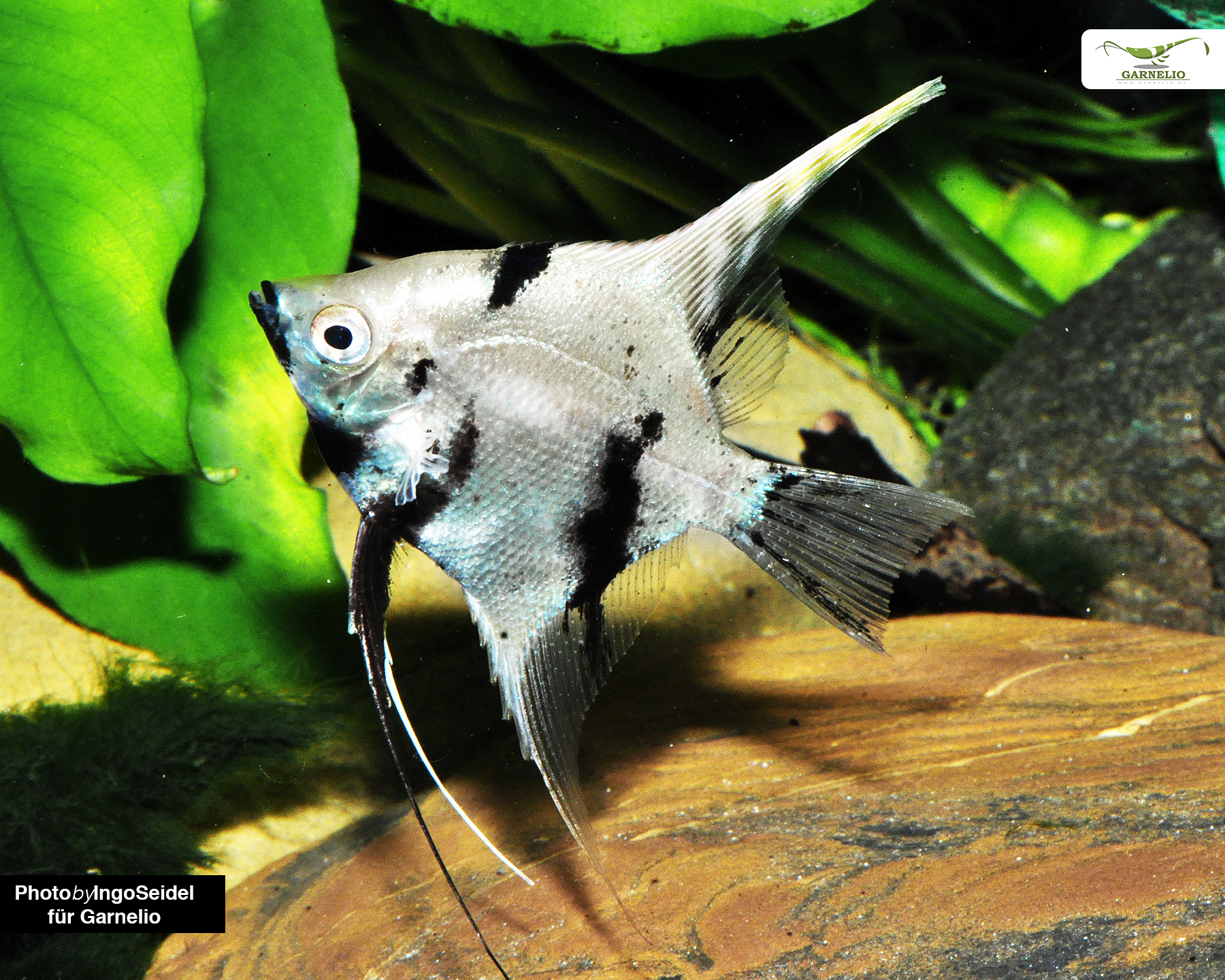
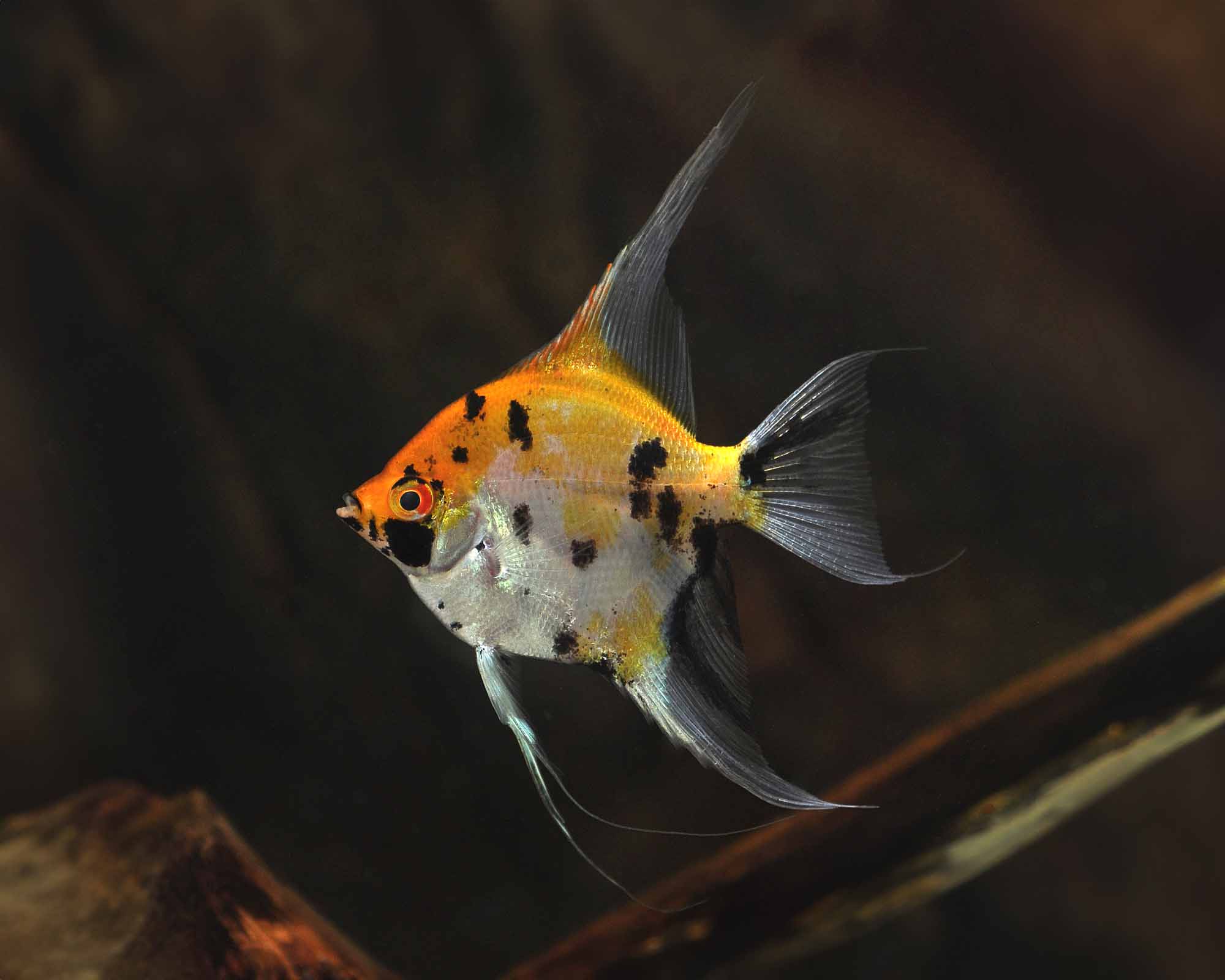
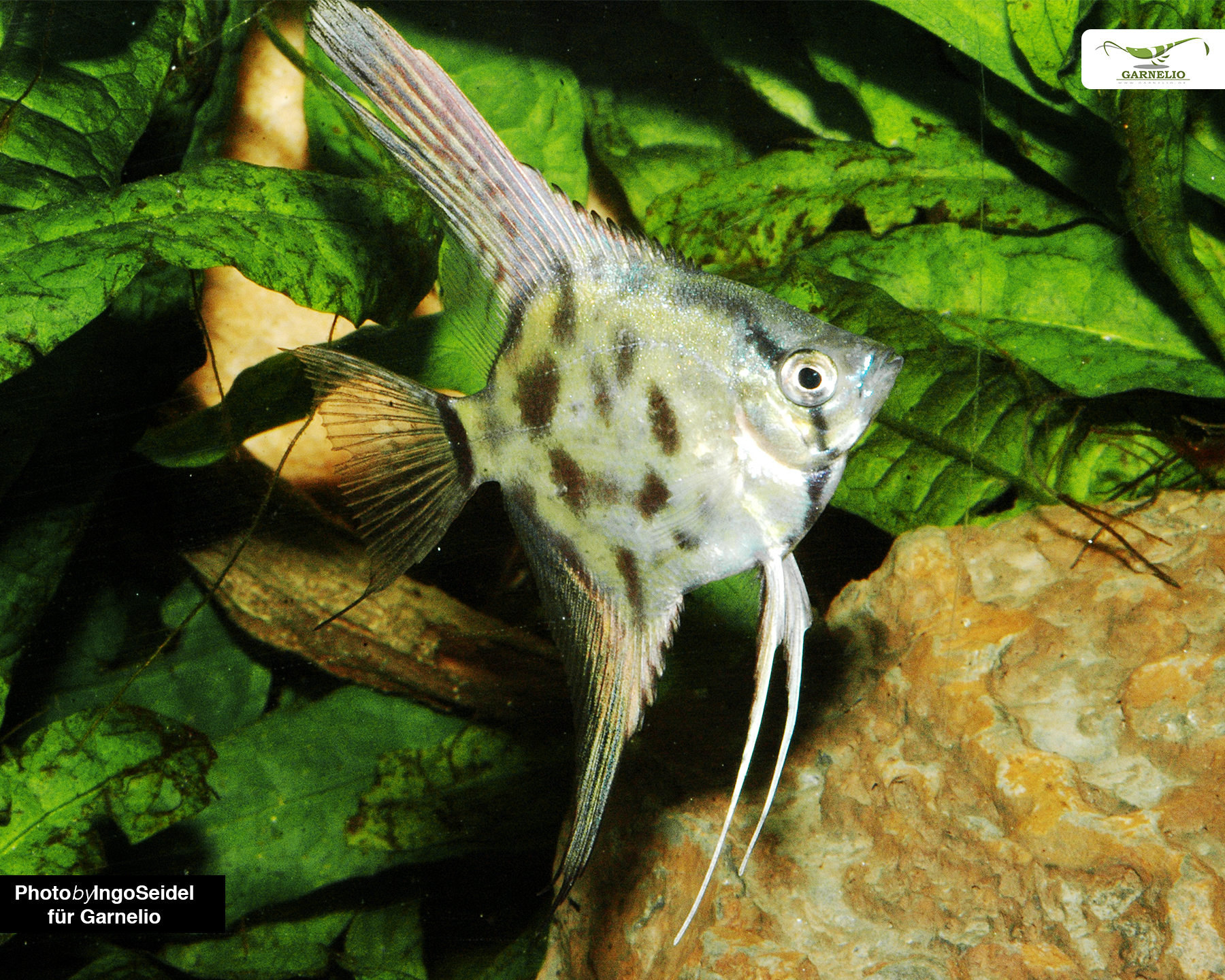
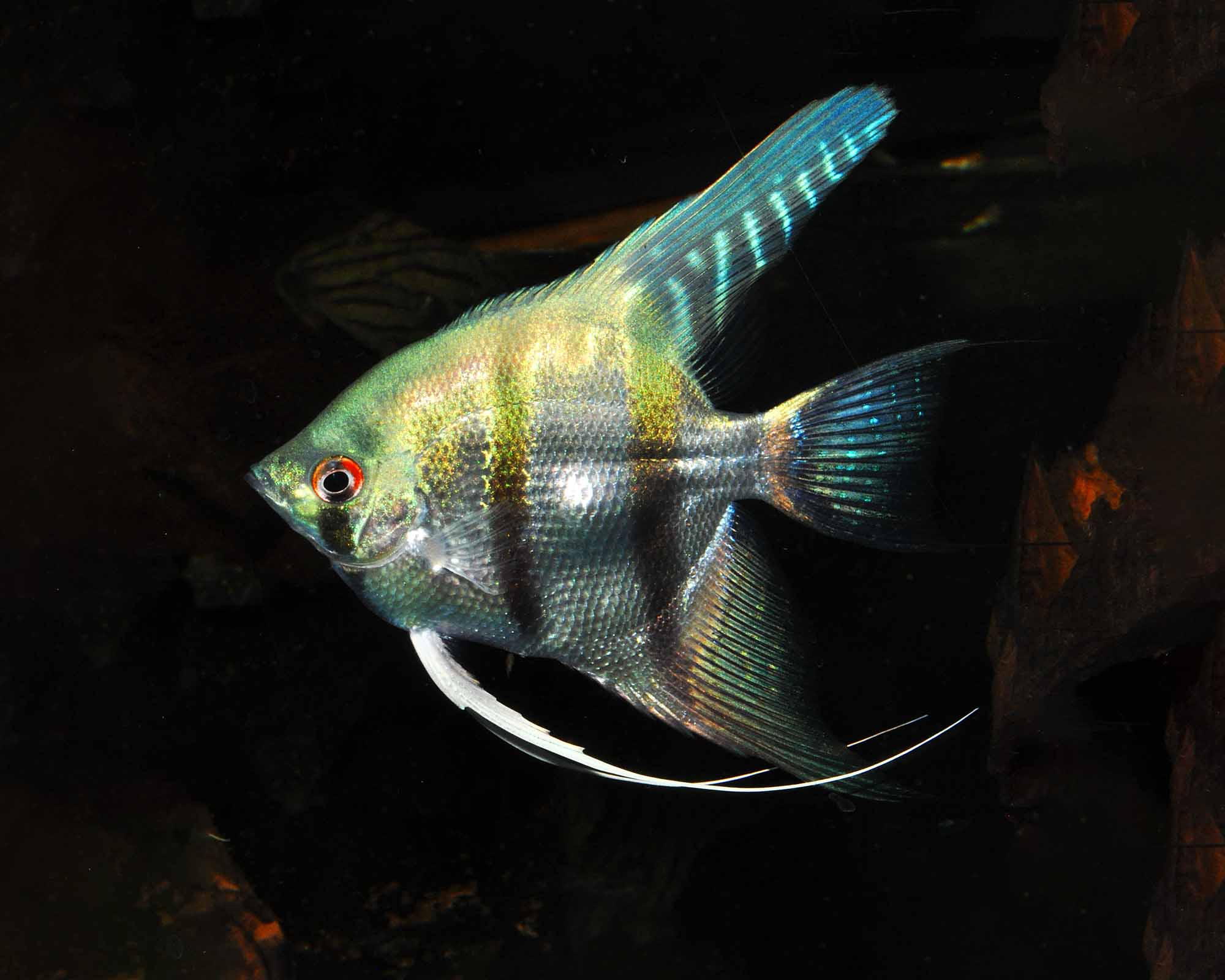
Pterophyllum scalare belongs to the family Cichlidae and the genus Pterophyllum. It has a laterally compressed, disc-shaped body, greatly elongated dorsal and anal fins, and filamentous pelvic fins. Gold is a selectively bred aquarium colour form rather than a separate species. Angelfish sold under this name can also vary in pattern, fin length and intensity of yellow or gold colour. The supplied label supports identification as Pterophyllum scalare, but the images are not consistent enough to verify the precise colour or fin form.
Natural distribution and habitat
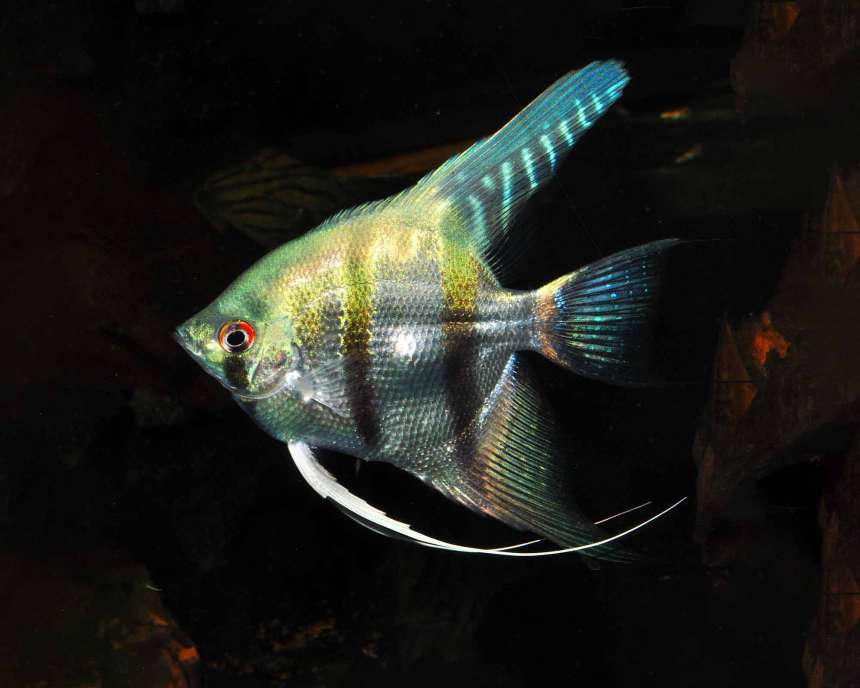
Pterophyllum scalare is native to tropical South America, including parts of the Amazon, Orinoco and Essequibo drainage regions. Wild fish occur in relatively slow-moving waters associated with submerged vegetation, roots, branches and shaded margins. The species is adapted to warm, generally soft to moderately hard water, but aquarium-bred fish usually tolerate a broader range when acclimated gradually and maintained in stable conditions.
Aquarium and tank size
A pair should be kept in an aquarium of about 200 litres or more, while a group or a community arrangement generally requires at least 250 litres, with additional volume helping to reduce territorial pressure. Height is especially important because mature fins may extend well above and below the body; an aquarium around 50 cm high or taller is preferable. Use efficient filtration, gentle circulation, open swimming space and broad-leaved plants or vertical surfaces. Keep ammonia and nitrite at zero and perform regular partial water changes.
Behaviour
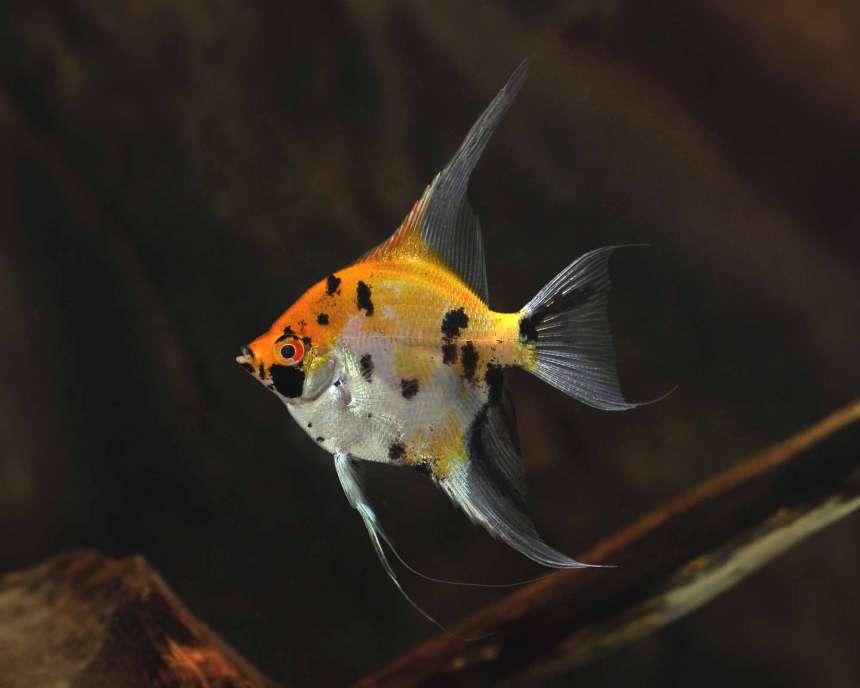
Angelfish are usually calm when young but become territorial as they mature, particularly when forming a pair or spawning. They establish a hierarchy in groups and may chase weaker individuals. They often occupy the middle and upper areas of the aquarium. Their long fins and deliberate swimming make them vulnerable to fin-nipping species and strong turbulence. Provide visual barriers with plants and wood so subordinate fish can retreat.
Water parameters
Maintain a stable temperature of 24-30 °C, with approximately 26-28 °C suitable for general maintenance. A pH of 6.0-7.5 is usually appropriate, and soft to moderately hard water is preferred, although captive-bred fish can adapt to somewhat harder water if changes are gradual. Stability, clean water and adequate oxygenation are more important than pursuing a precise number. Avoid sudden changes in temperature, pH or mineral content.
Diet
Offer a varied omnivorous diet based on a quality cichlid or tropical pellet, supplemented with flakes, frozen foods and occasional live foods. Suitable additions include brine shrimp, daphnia, mosquito larvae and bloodworms from reliable sources. Feed small portions once or twice daily and remove uneaten food. Young fish need frequent appropriately sized meals, while adults benefit from restraint to prevent obesity and water-quality problems.
Compatibility
Suitable companions are peaceful to moderately assertive fish that prefer similarly warm water and are too large to swallow, such as appropriately sized tetras, peaceful barbs, medium catfish and some peaceful South American cichlids. Avoid fin-nippers, highly aggressive cichlids and very small fish, which may be eaten as the angelfish mature. Avoid overcrowding and monitor interactions closely after adding a pair or during spawning.
Breeding
Angelfish are egg-laying cichlids that commonly form pairs from a group of juveniles. The pair cleans a vertical surface such as a broad leaf, slate or aquarium panel, then lays and fertilises adhesive eggs in rows. Both parents may fan the eggs, remove damaged eggs and defend the area. Eggs typically hatch after a few days in warm water, with free-swimming fry requiring very small foods such as newly hatched brine shrimp. In community aquariums, eggs and fry are often eaten, and a breeding pair may become significantly more territorial. For reliable rearing, use a separate mature breeding aquarium with gentle filtration and stable water.
 - pair - 1.webp)
Leave your comments