 - DNZ 4 cm - 1.webp)
Taxonomy and identification
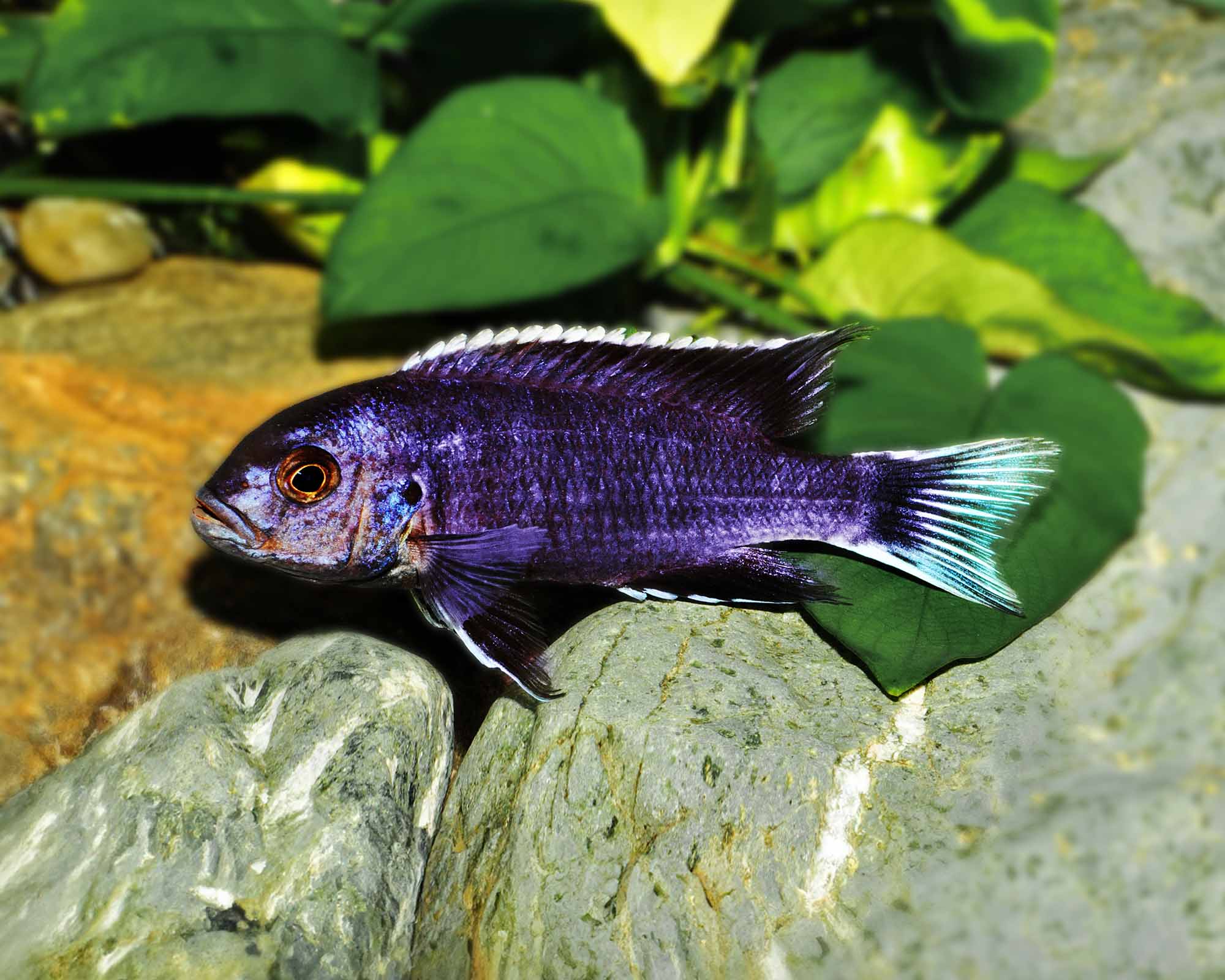
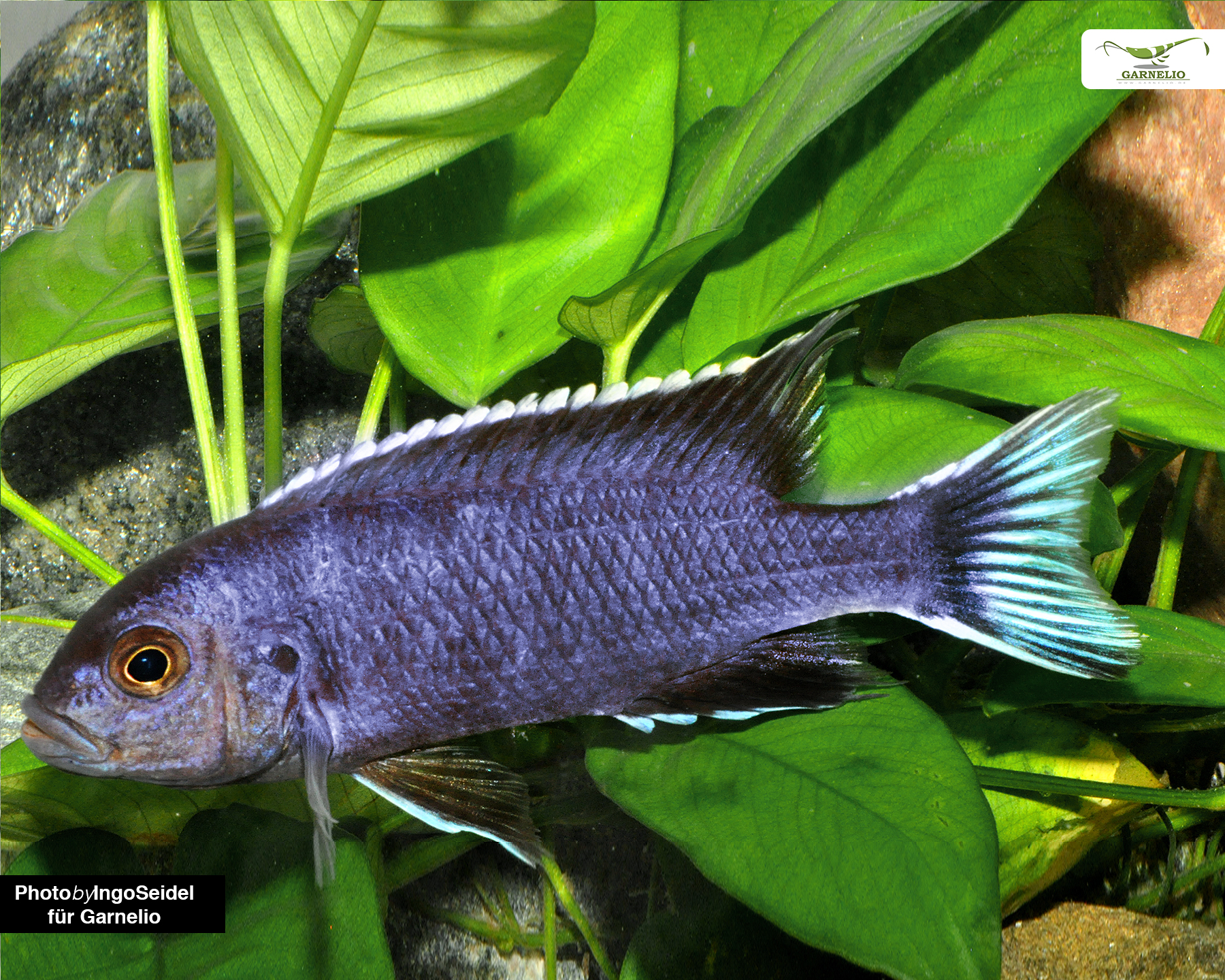
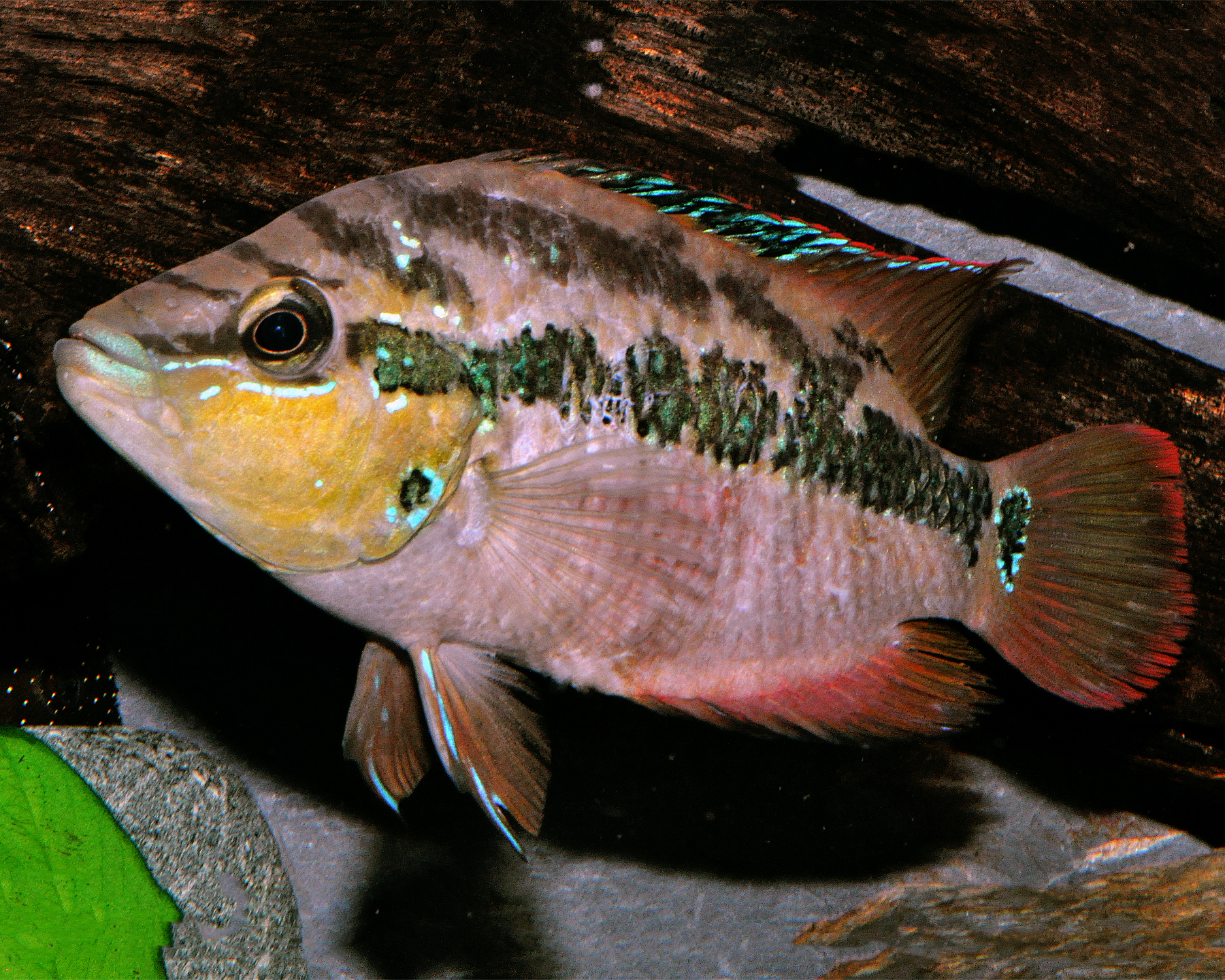
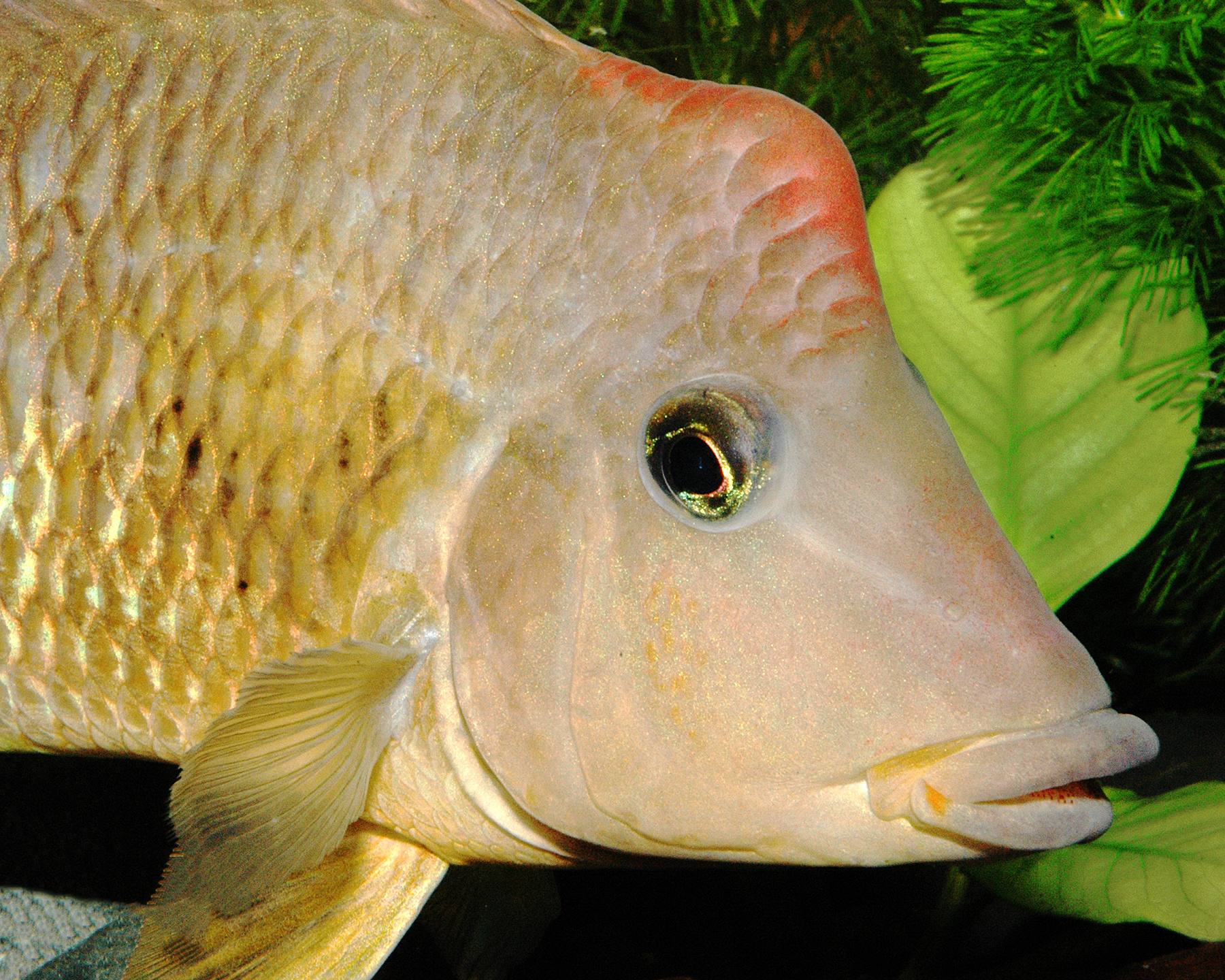
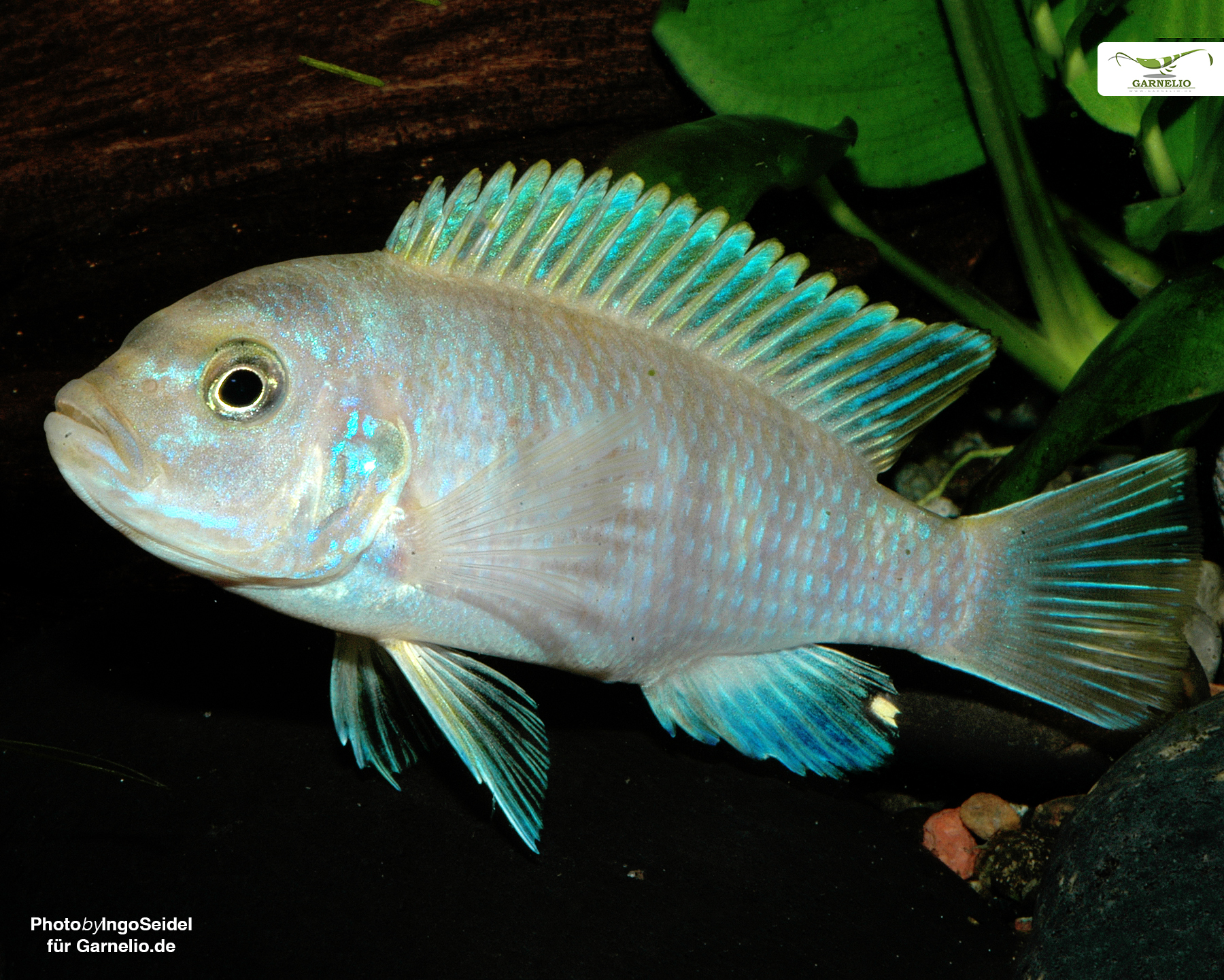
Pseudotropheus acei is a cichlid in the family Cichlidae and is commonly grouped with the mbuna of Lake Malawi. The supplied name, “blue yellow mouthbrooder,” is a trade description rather than a complete scientific identification. The fish shown is consistent with Pseudotropheus acei, but the exact geographic population and color variant are not confirmed. Trade names and coloration can vary between localities and captive lines.
Distribution and habitat
The species is native to Lake Malawi in East Africa. It occurs in the lake’s rocky and sediment-associated littoral habitats, where it grazes on algae and other organisms growing over hard surfaces. Aquariums should provide rockwork, open swimming space, and strong biological filtration rather than a densely planted layout. Smooth rocks are preferable because they offer shelter without sharp edges.
Behavior
Acei cichlids are active, social mbuna that usually spend much of their time in the middle and lower areas of the aquarium. Males defend breeding sites and may chase females or subordinate males, although this species is often comparatively moderate in aggression. Keeping one male with several females helps distribute attention. A trio can work temporarily, but a larger, well-planned group is generally safer as the fish mature.
Aquarium size and setup
For a breeding trio, use at least about 250-300 litres, with a tank length of approximately 120 cm or more; a larger aquarium is preferable for a community of Malawi cichlids. Arrange rocks into several separated territories with caves and visual barriers, while leaving open areas for swimming. Use a secure cover, vigorous filtration, good circulation, and regular partial water changes. Avoid overcrowding and unstable water chemistry.
Water parameters
Maintain warm, hard, alkaline water at 24-28 °C and pH 7.6-8.6. Moderate to high general hardness and carbonate hardness are appropriate for Lake Malawi cichlids. Stability is more important than pursuing an exact target value. Ammonia and nitrite should remain undetectable, and nitrate should be controlled through maintenance and sensible stocking.
Diet
Pseudotropheus acei should receive a predominantly plant-based diet reflecting its grazing behavior. Offer quality spirulina or algae-based flakes and pellets, supplemented with blanched vegetables or other suitable vegetable foods. Feed small portions once or twice daily, allowing the fish to finish promptly. Avoid making meaty foods, mammalian meat, or rich high-protein formulas a regular part of the diet, as they can contribute to digestive problems.
Compatibility
Suitable companions include robust, similarly sized Lake Malawi mbuna with compatible water requirements and comparable levels of aggression. Avoid delicate community fish, slow feeders, and highly aggressive mbuna that may dominate the aquarium. Do not mix closely related color or locality forms when maintaining a pure line, because unwanted hybridization can occur. Introduce rockwork and fish thoughtfully, and monitor persistent chasing, fin damage, or suppressed feeding.
Breeding
This species is a maternal mouthbrooder. The male typically displays around a chosen site and courts a receptive female. After spawning, the female collects the eggs and holds them in her mouth while they are fertilized and incubated. Incubation commonly lasts around three weeks, although timing varies with temperature and the individual. A brooding female should be protected from harassment and provided with cover. Fry can be raised on finely crushed quality foods and small suitable fry foods after release. Exact brood size and spawning frequency vary with the female’s size, condition, and diet.
 - 1.webp)
Leave your comments