 - DNZ 4 cm - 1.webp)
Taxonomy and identification
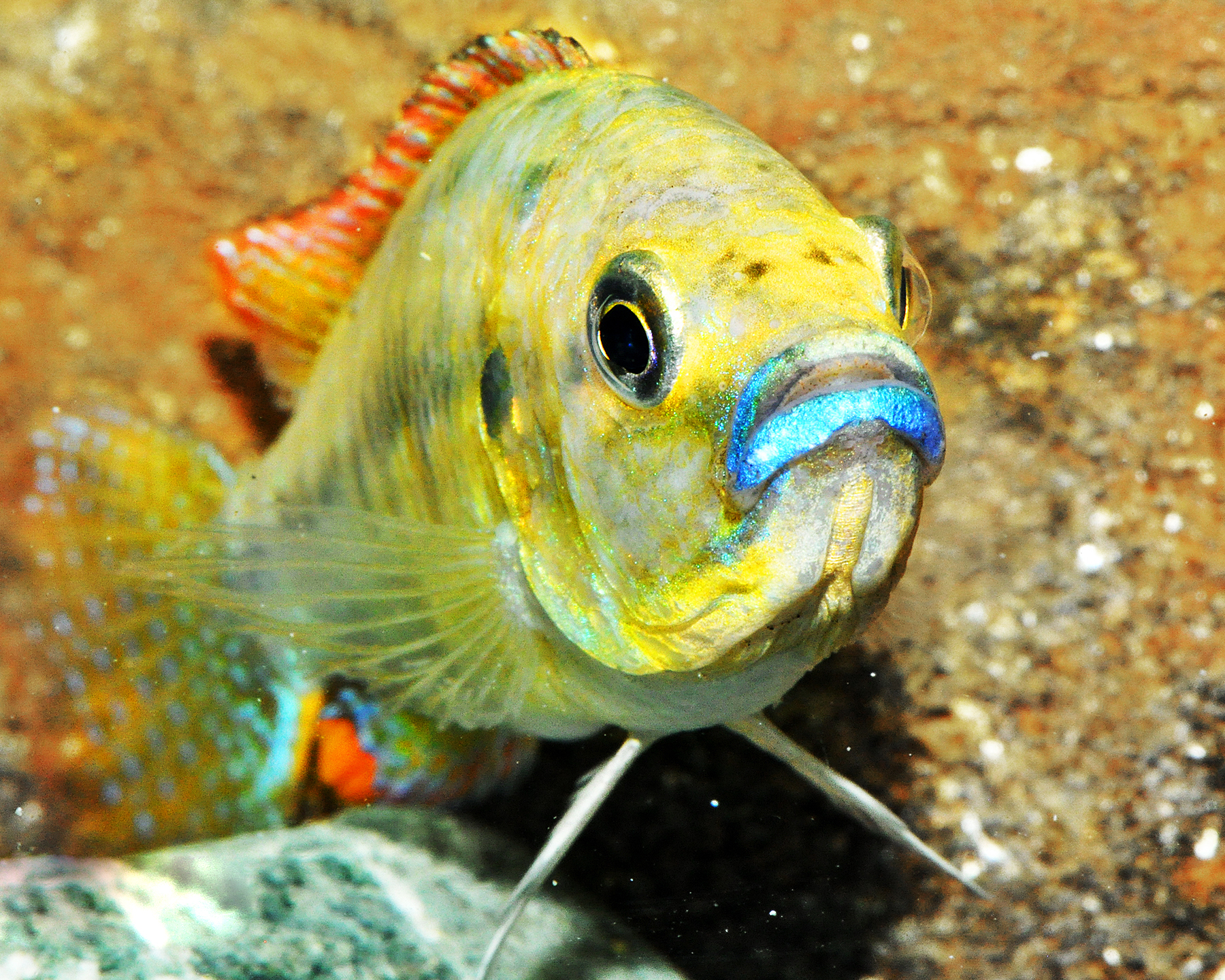
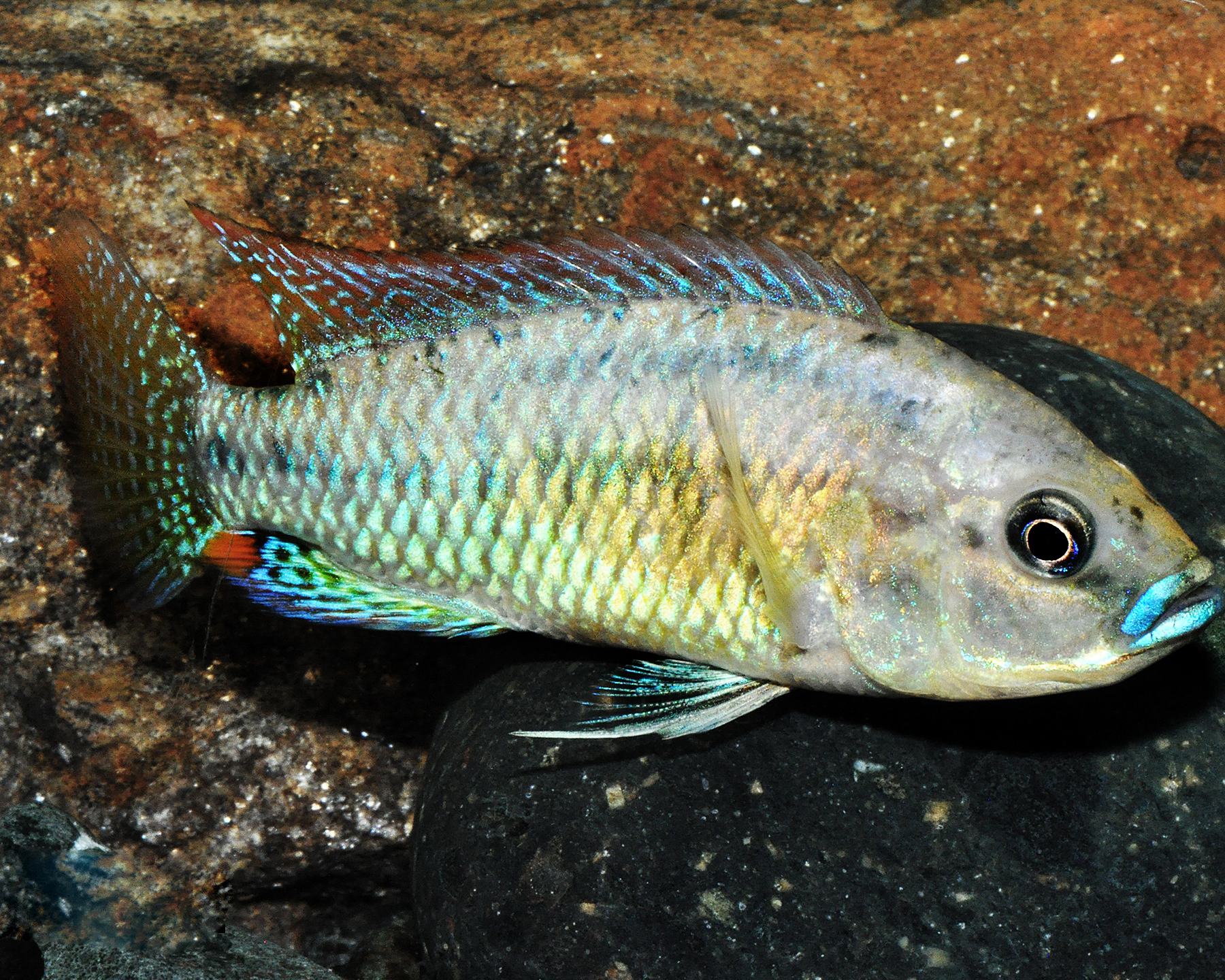
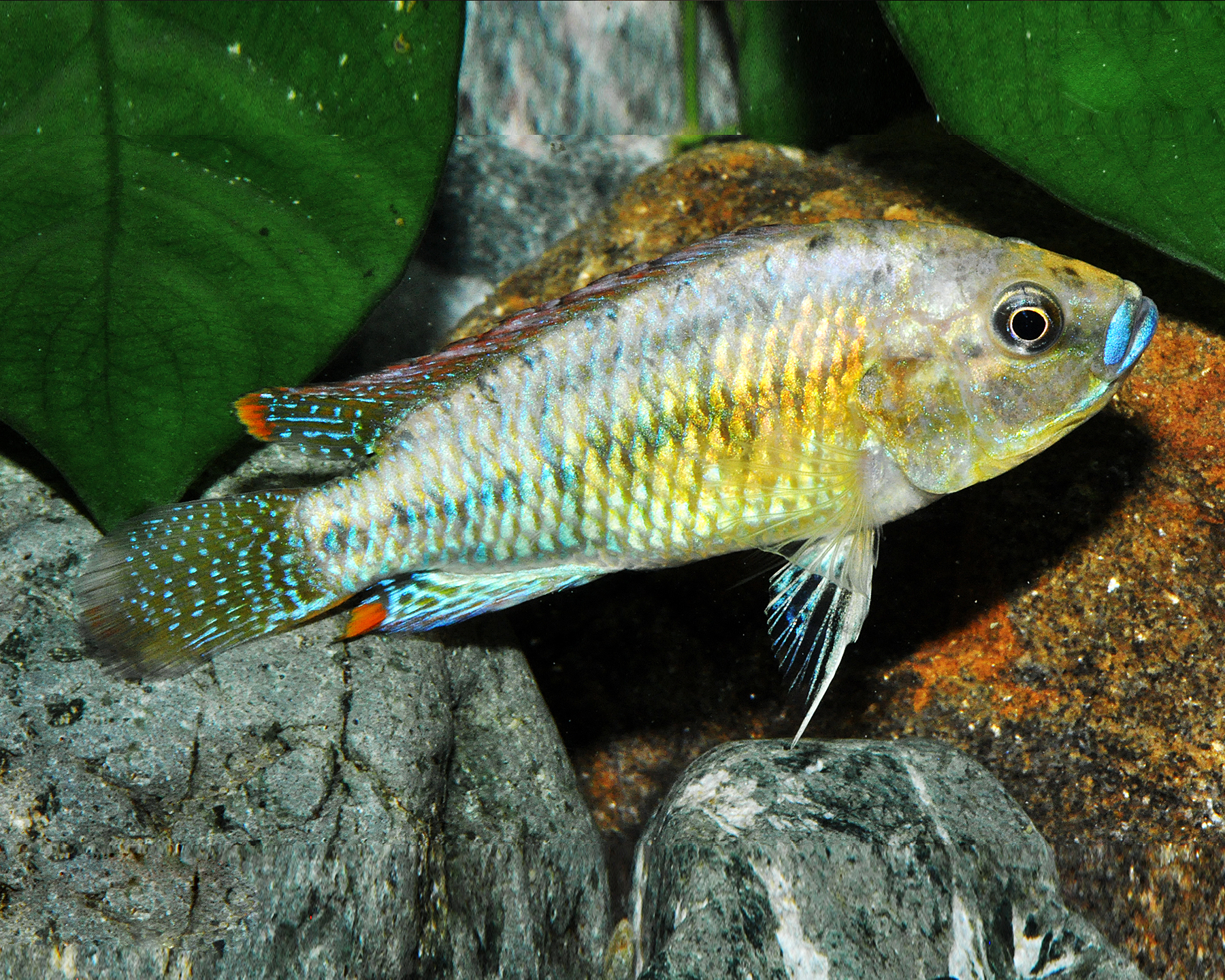
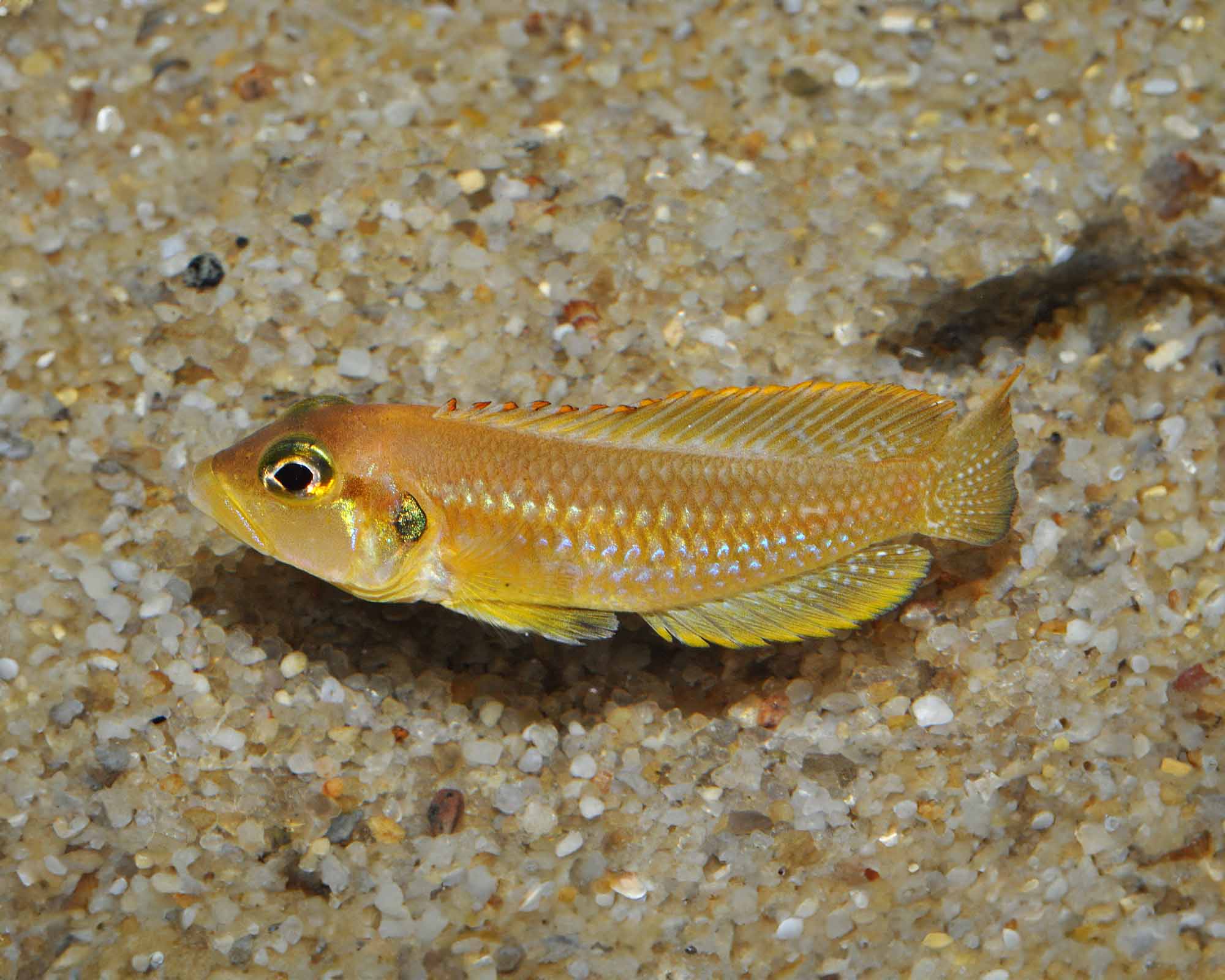
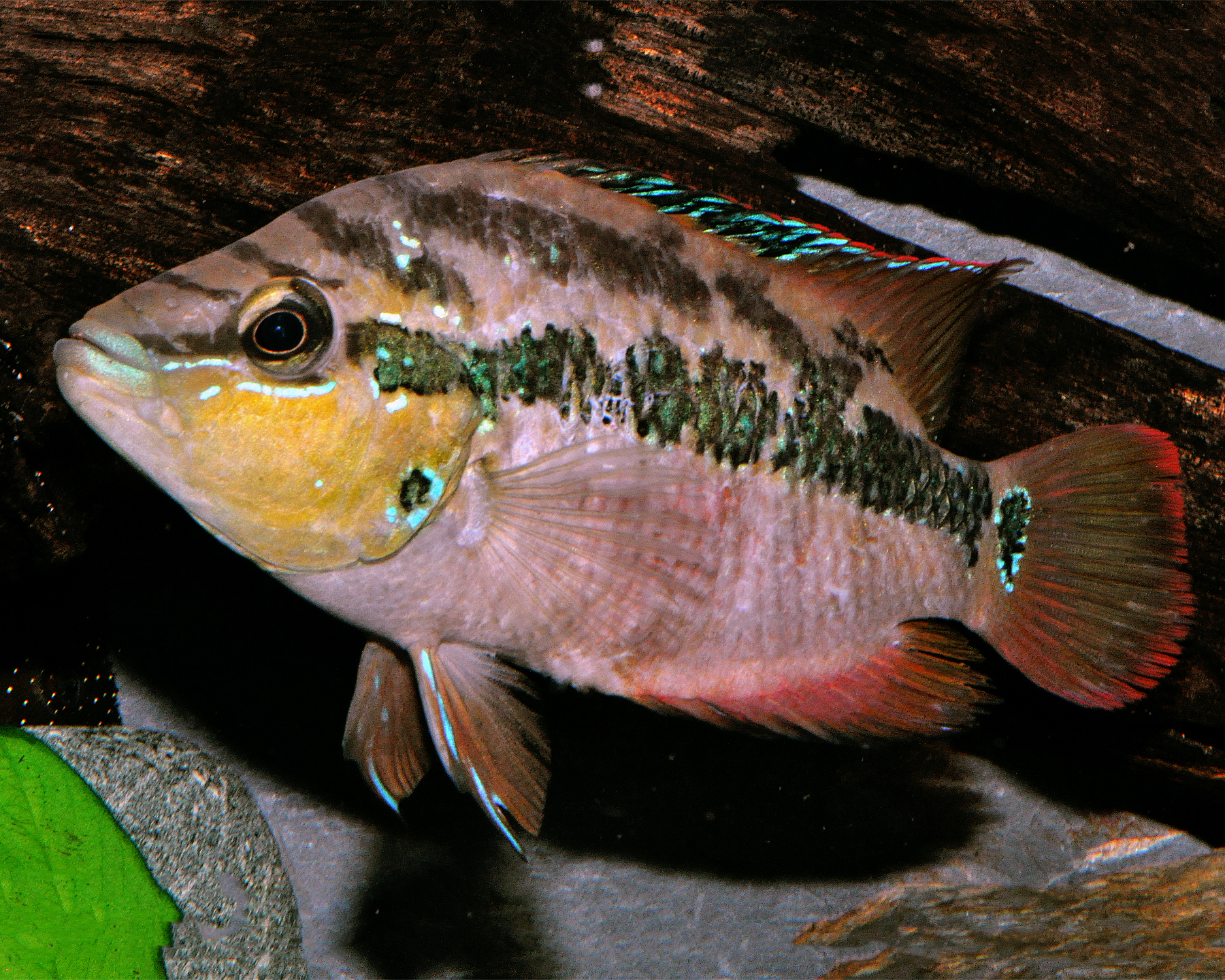
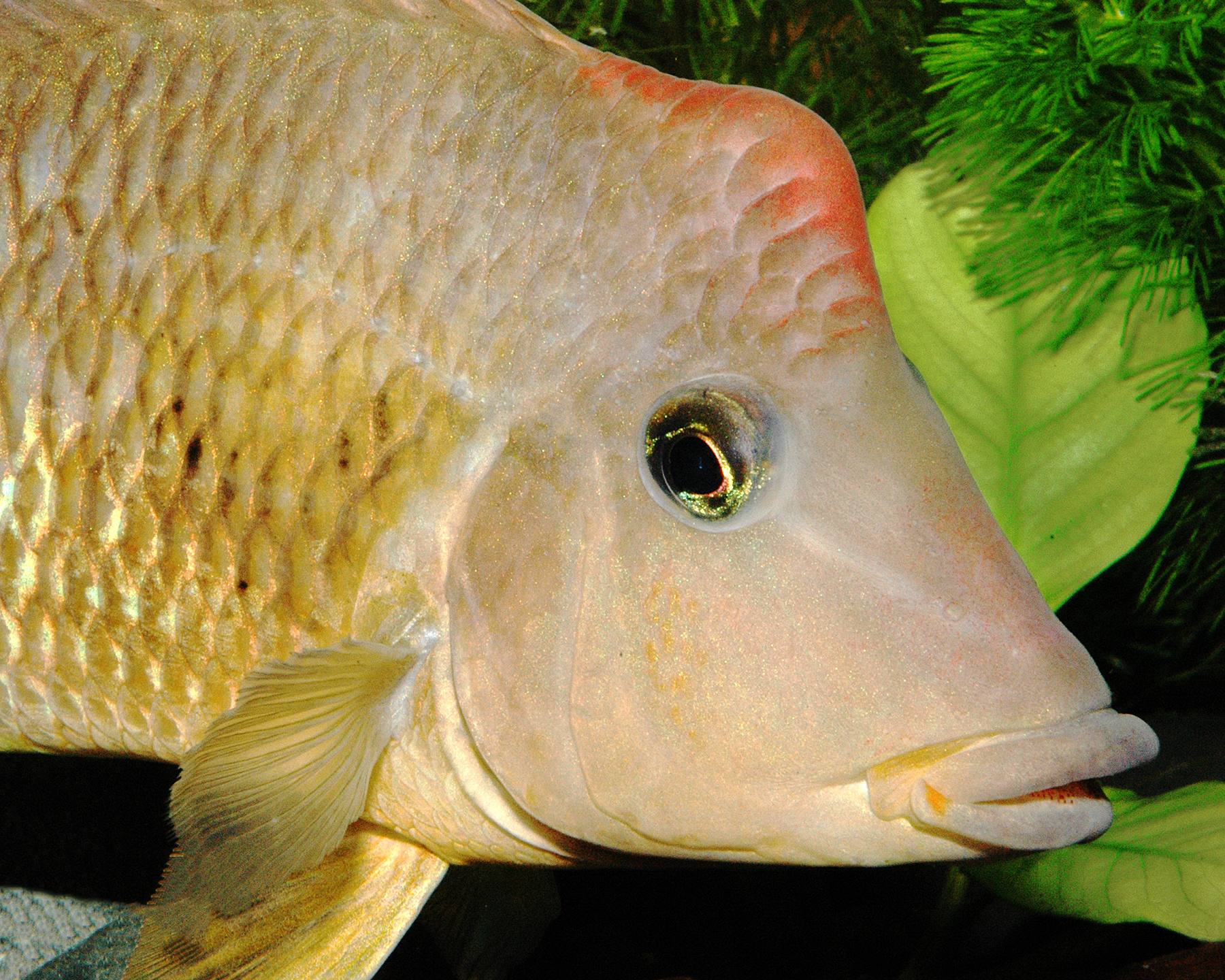
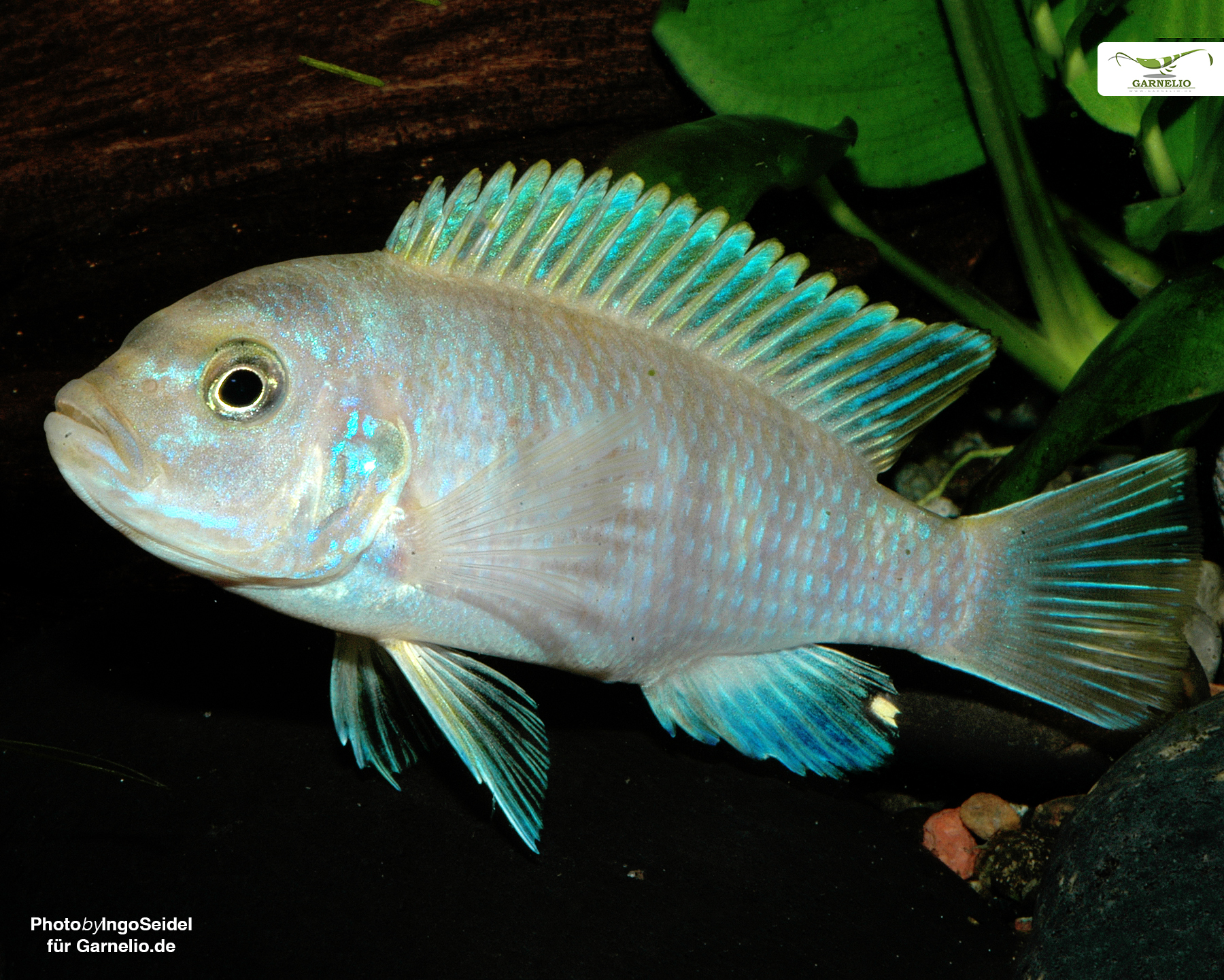
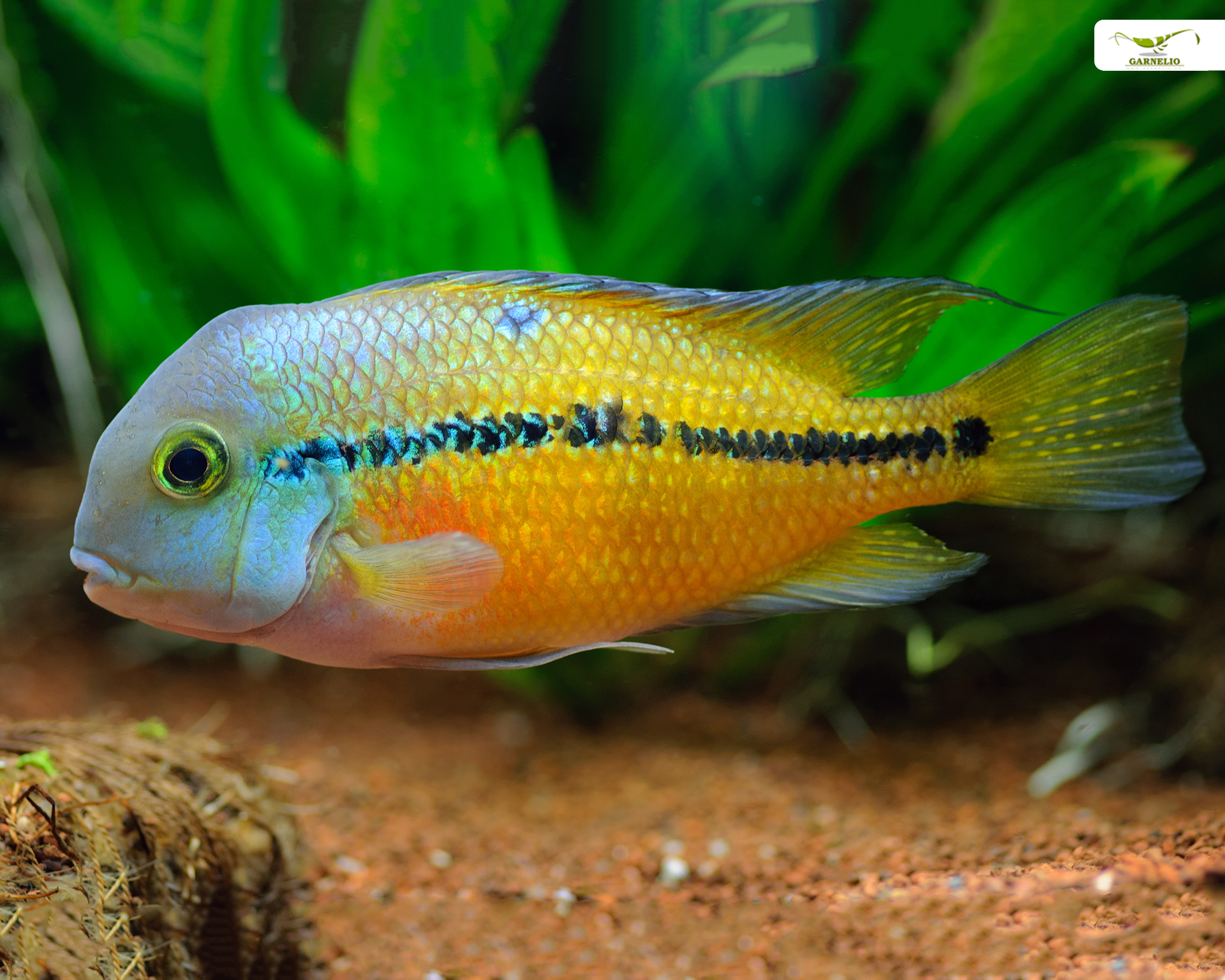
The accepted species name is Pseudocrenilabrus philander, a cichlid in the family Cichlidae. The supplied label identifies the fish as the subspecies Pseudocrenilabrus philander dispersus and calls it a brass mouthbrooder. Regional forms and subspecies boundaries in this group may be treated differently by different references, and no collection locality was supplied; identification should therefore be considered provisional. Adult males are generally larger and more colorful than females.
Distribution and habitat
Pseudocrenilabrus philander is a southern and southeastern African species associated with comparatively shallow freshwater habitats, including vegetated margins, quiet channels and sheltered areas around cover. Local conditions vary across its range, but the aquarium should provide stable, well-oxygenated water, open swimming space and hiding places among plants, stones or caves.
Behavior and temperament
This is a territorial cichlid with the strongest aggression usually directed between males and toward females during courtship. A trio with one male and two females is more suitable than a single pair because attention is distributed between females, but the females still require cover and visual barriers. It may be kept with robust, similarly sized fish that tolerate comparable water conditions, although breeding can increase territorial behavior. Avoid very small, slow or long-finned tank mates.
Aquarium size and setup
For a trio, use an aquarium of at least about 80 litres, with a footprint around 80 cm or larger; a 100-litre aquarium gives better territory separation and management options. Use sand or fine gravel, hardy plants, rocks and small caves to break lines of sight. Leave open areas for swimming and maintain gentle to moderate circulation with reliable filtration. A tightly fitting lid is advisable because cichlids can jump.
Water parameters
Maintain stable, clean water at 22-28 °C, pH 6.5-8.0, with moderate hardness preferred. Exact hardness is less important than consistency, adequate mineral content and low accumulation of nitrate. Perform regular partial water changes, avoid abrupt changes in temperature or chemistry, and provide good surface agitation without creating excessive current.
Diet
Offer a varied omnivorous diet based on quality small cichlid or community pellets, supplemented with frozen or live foods such as mosquito larvae, Artemia, daphnia and other suitably sized aquatic invertebrates. Feed small portions once or twice daily, removing uneaten food. A varied diet supports condition and breeding, but rich foods should not be used to excess.
Compatibility
Choose tank mates of similar size and confidence that occupy compatible habitats and accept neutral to moderately alkaline water. Other peaceful-to-moderate African cichlids may work in a spacious, structured aquarium, but mixing with larger aggressive cichlids is risky. During spawning, provide extra cover and monitor the female closely; remove an injured or relentlessly harassed fish if necessary.
Breeding and mouthbrooding
This species is a maternal mouthbrooder. The male displays and courts a receptive female near a chosen area, and the female collects fertilized eggs in her mouth. She incubates the brood for several days to weeks, depending on temperature and conditions, and may continue to shelter the fry after release. Provide fine cover such as moss, dense plants or small crevices for young fish. Feed newly free-swimming fry with finely powdered food and appropriately sized live foods. If maximum survival is desired, use a separate breeding aquarium or carefully isolate the brooding female; handling can cause her to swallow or release the brood prematurely.
 - 1.webp)
 - DNZ 4 cm - 1.webp)
Leave your comments