Taxonomy and identification
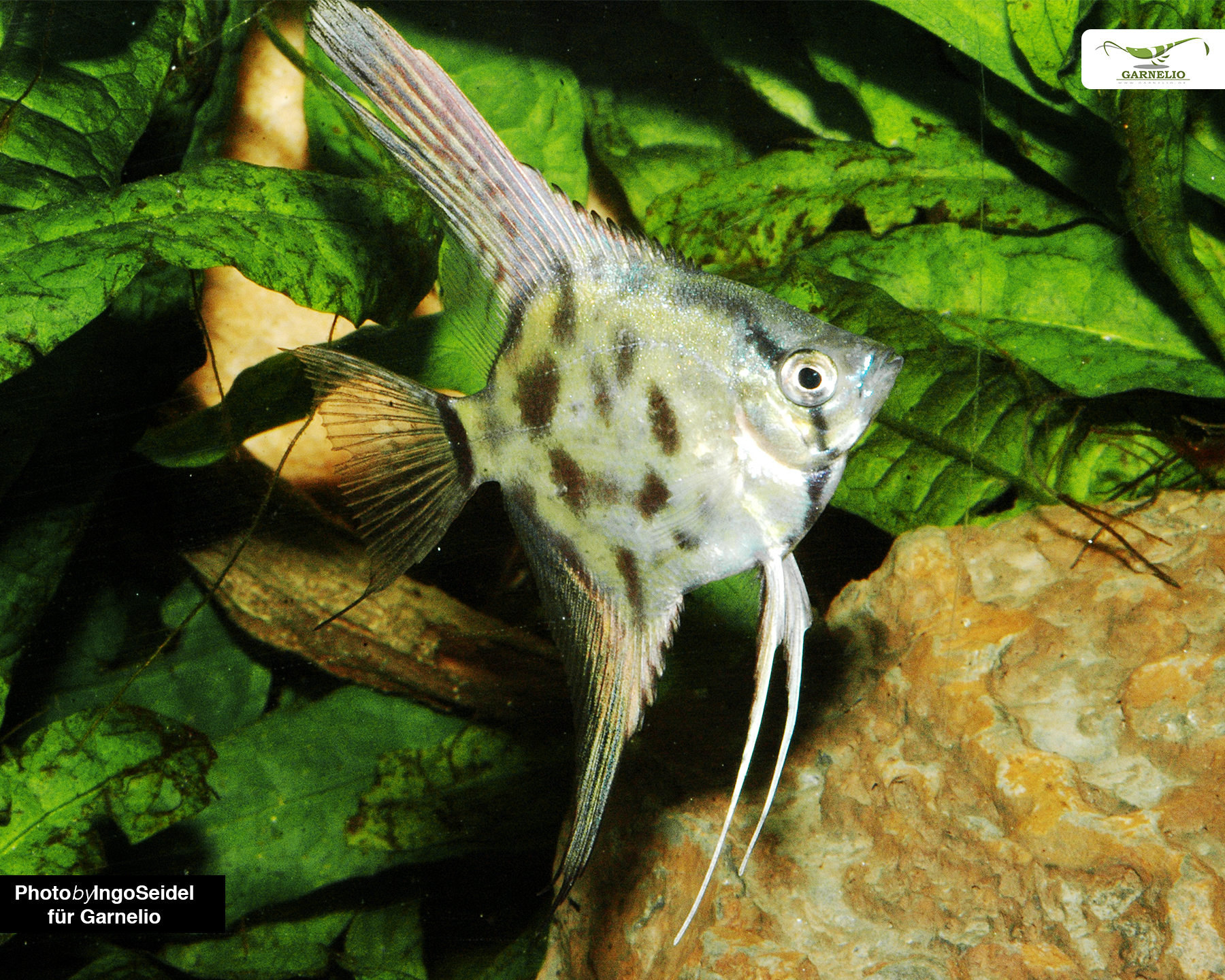
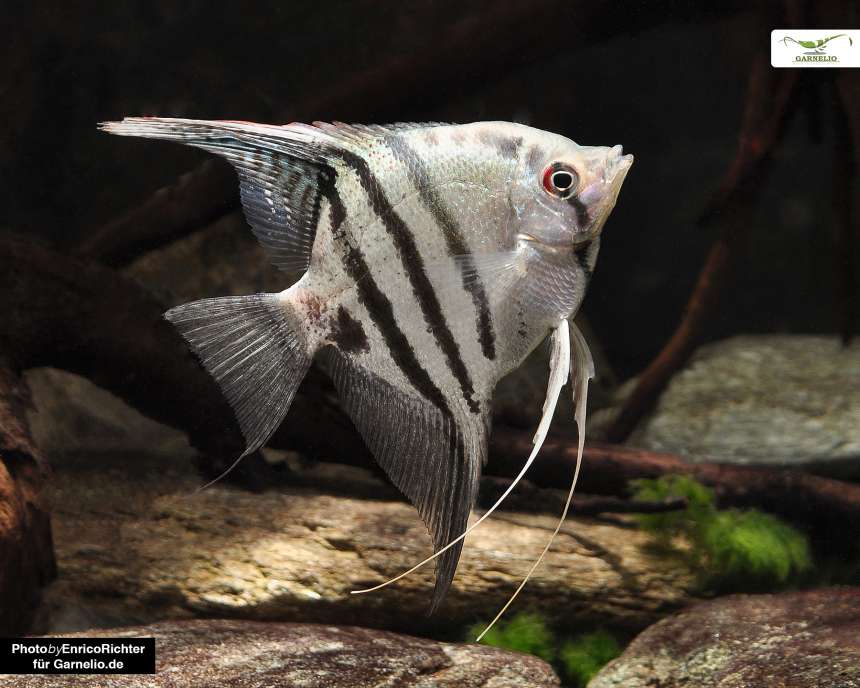
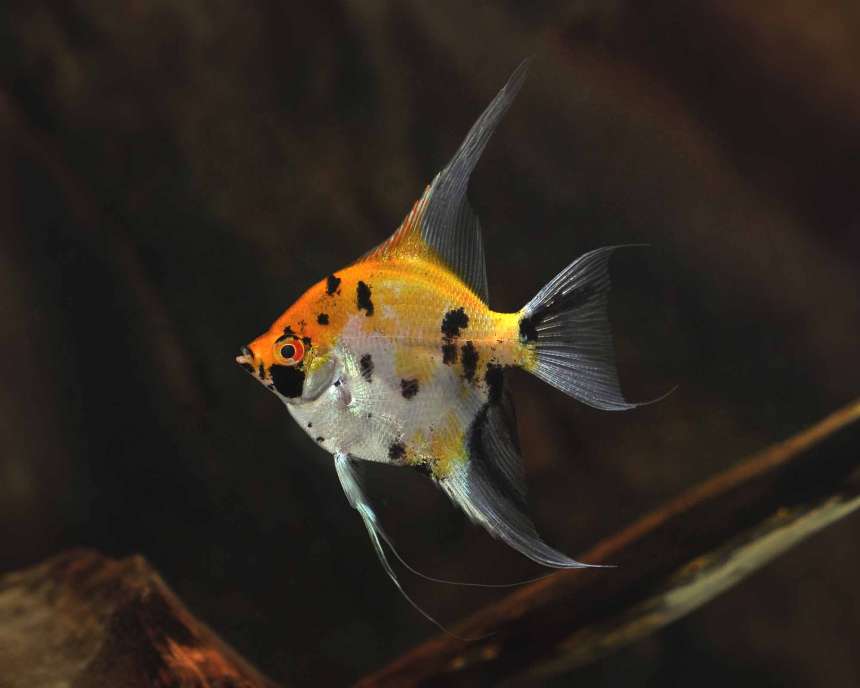
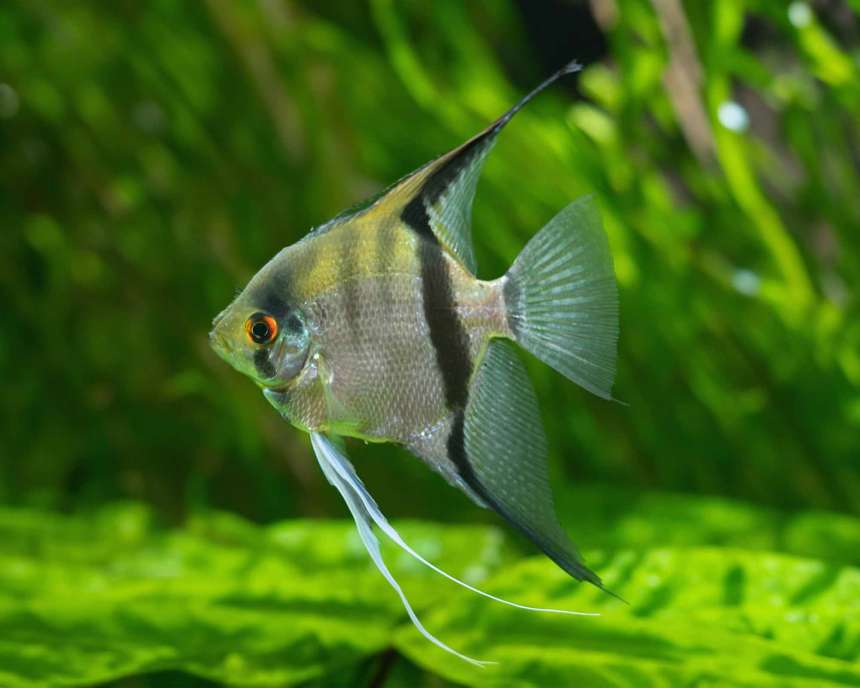
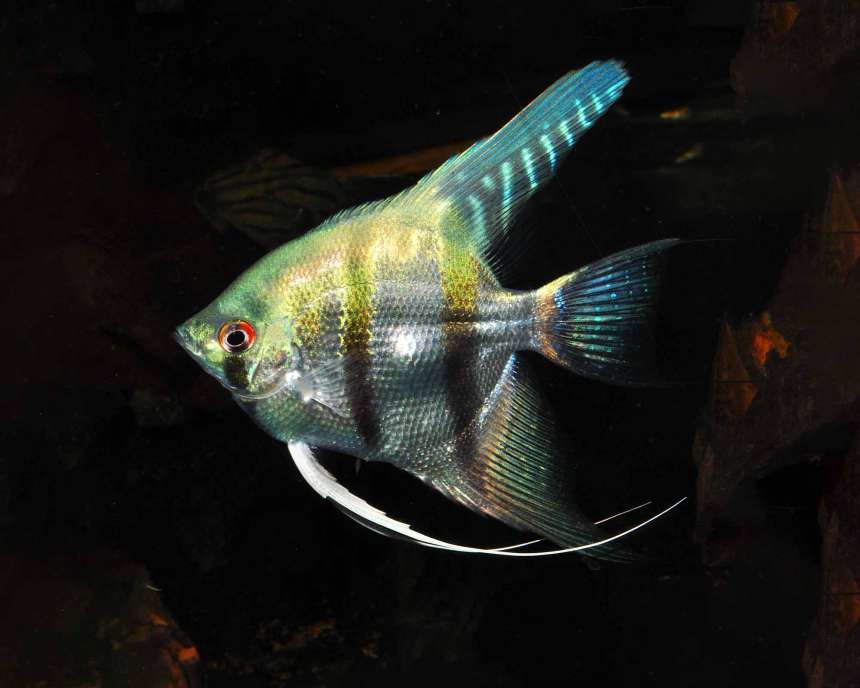
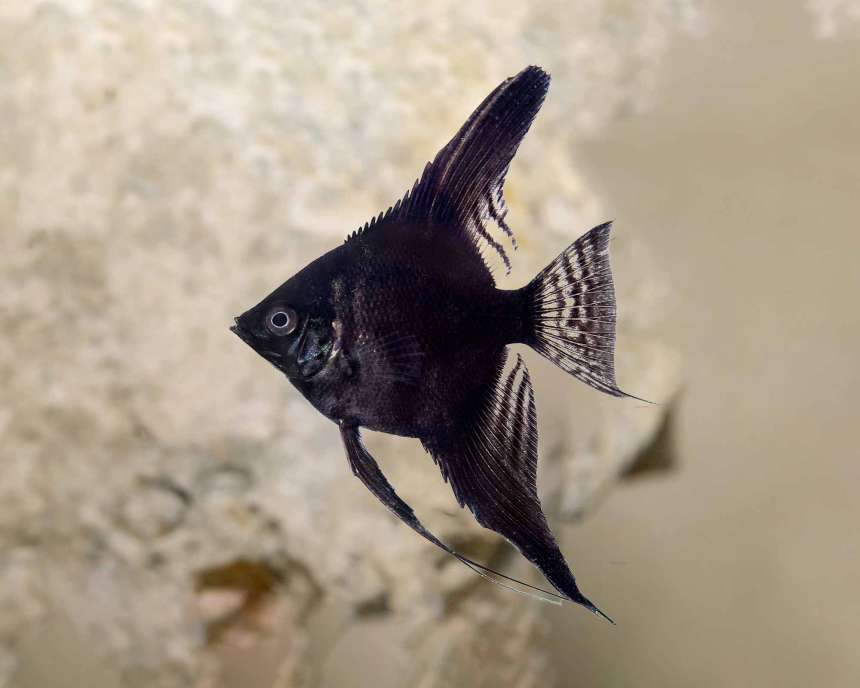
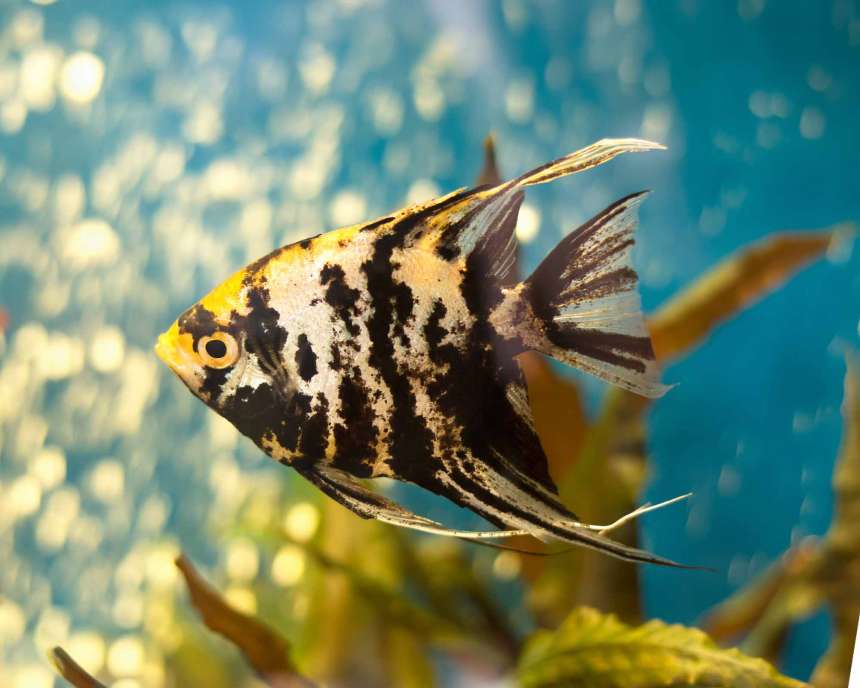
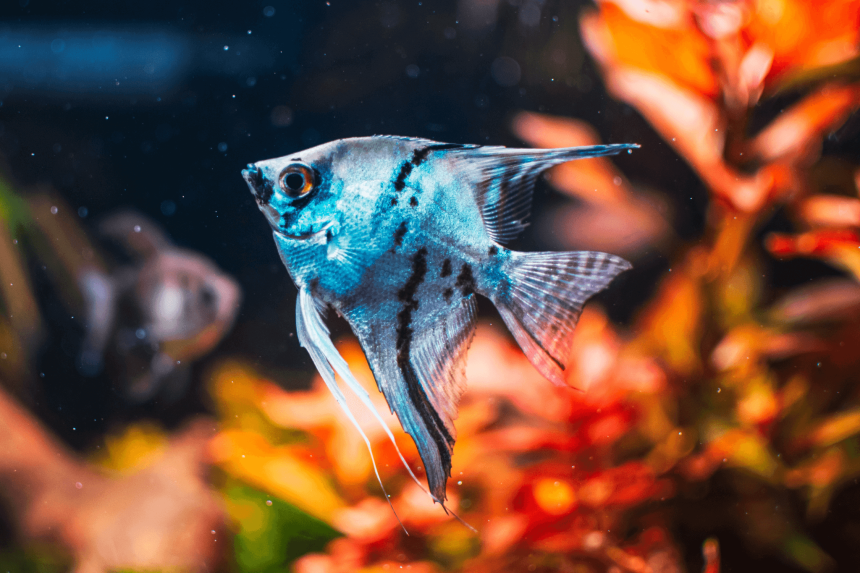
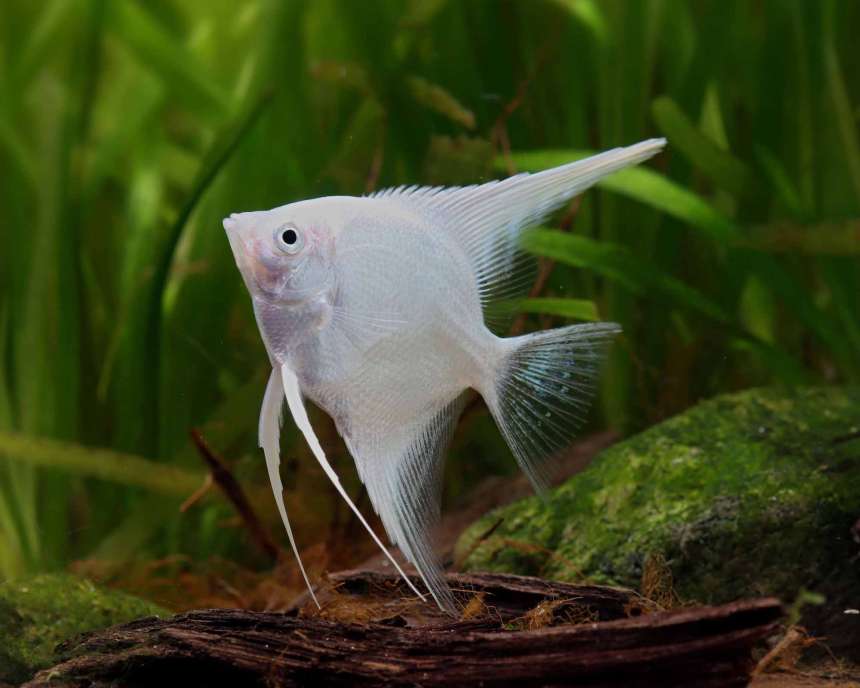
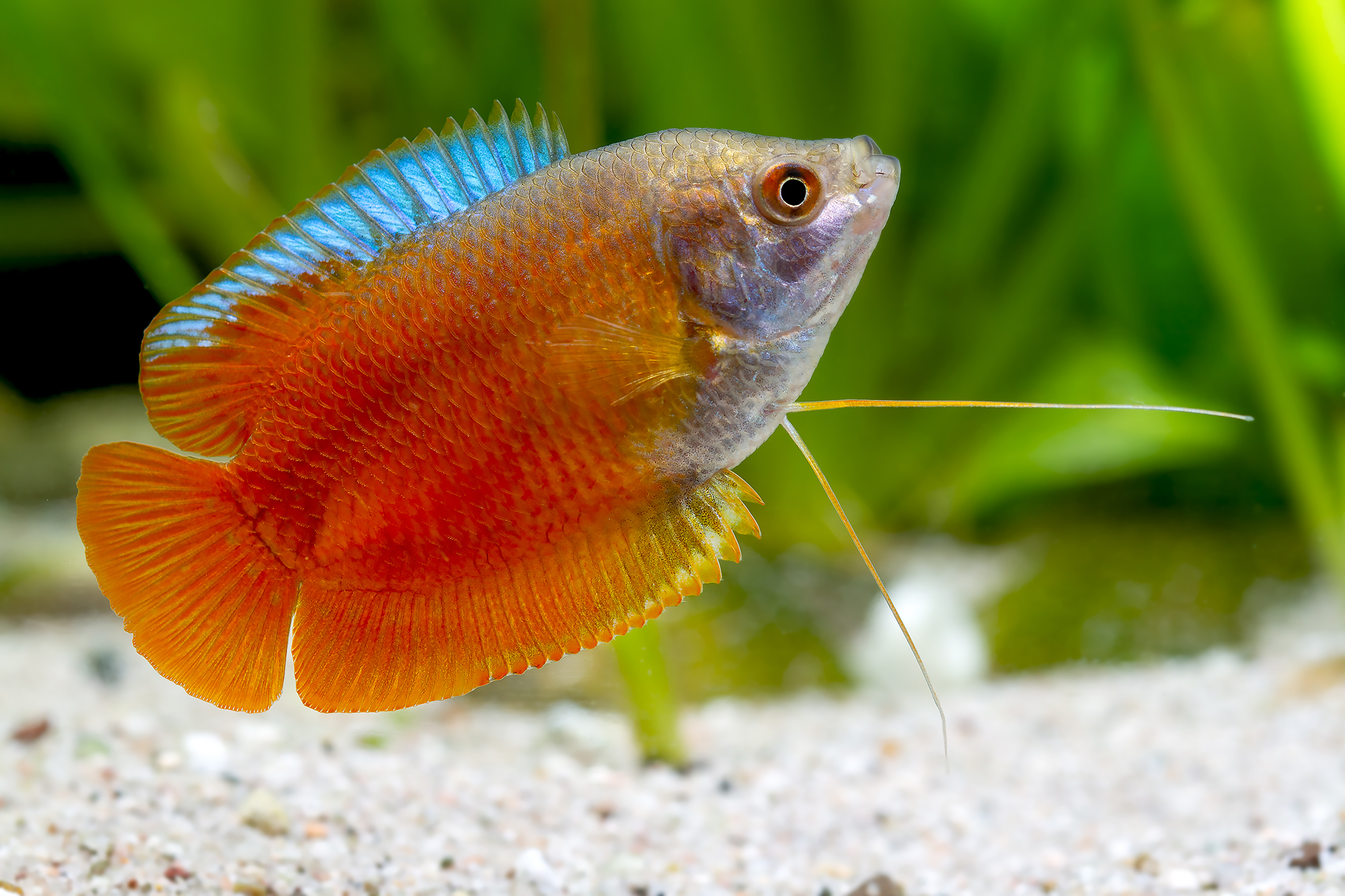
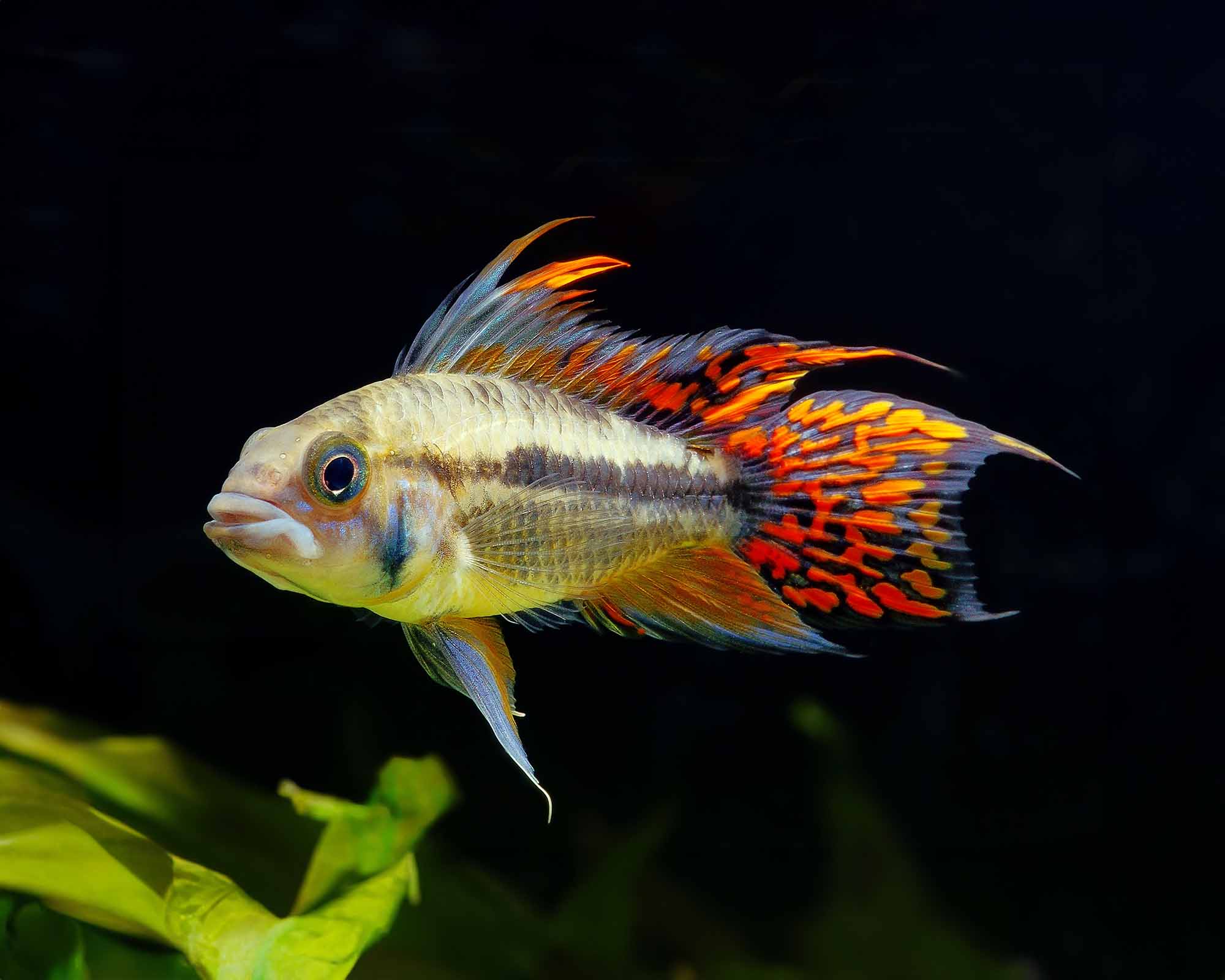
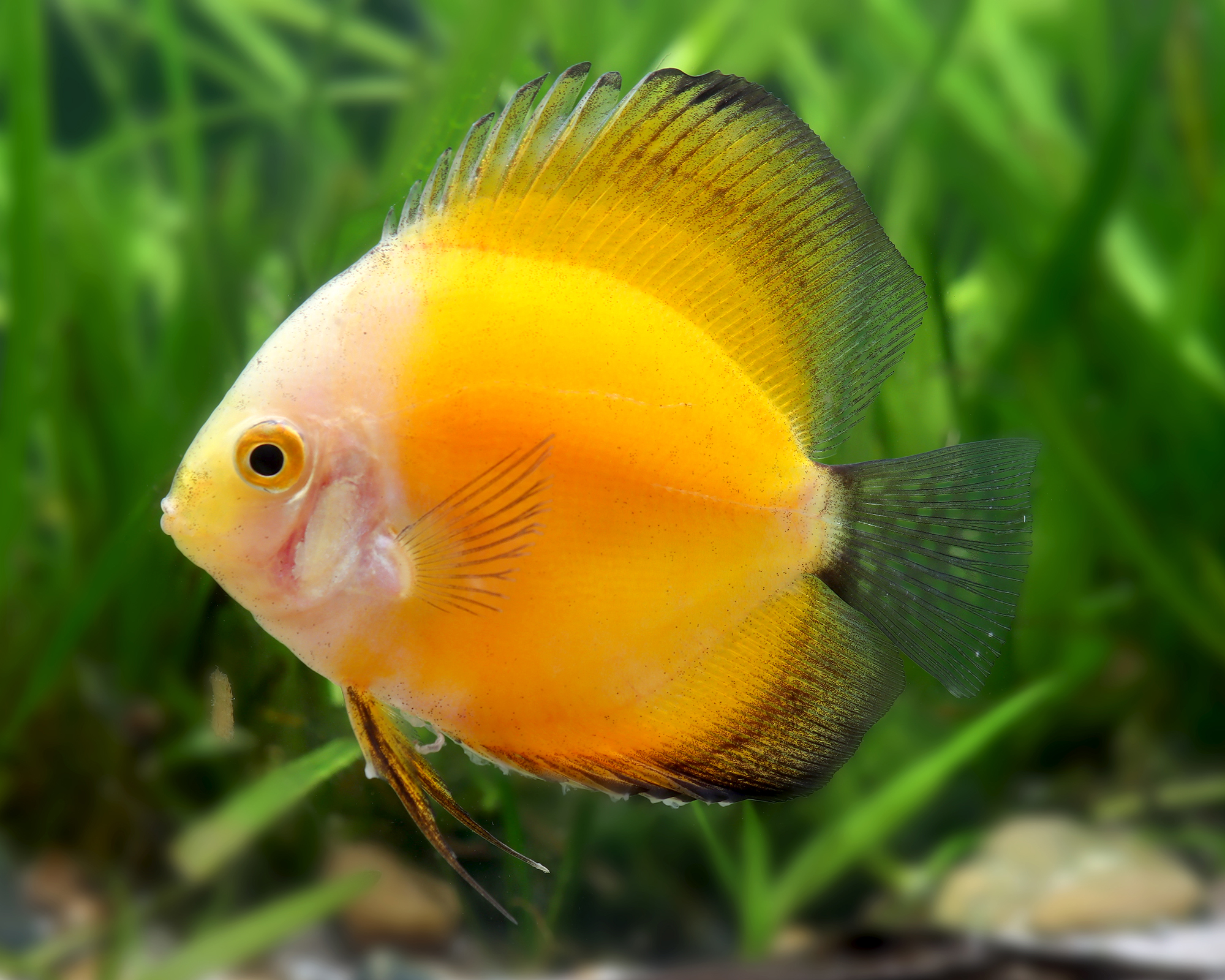
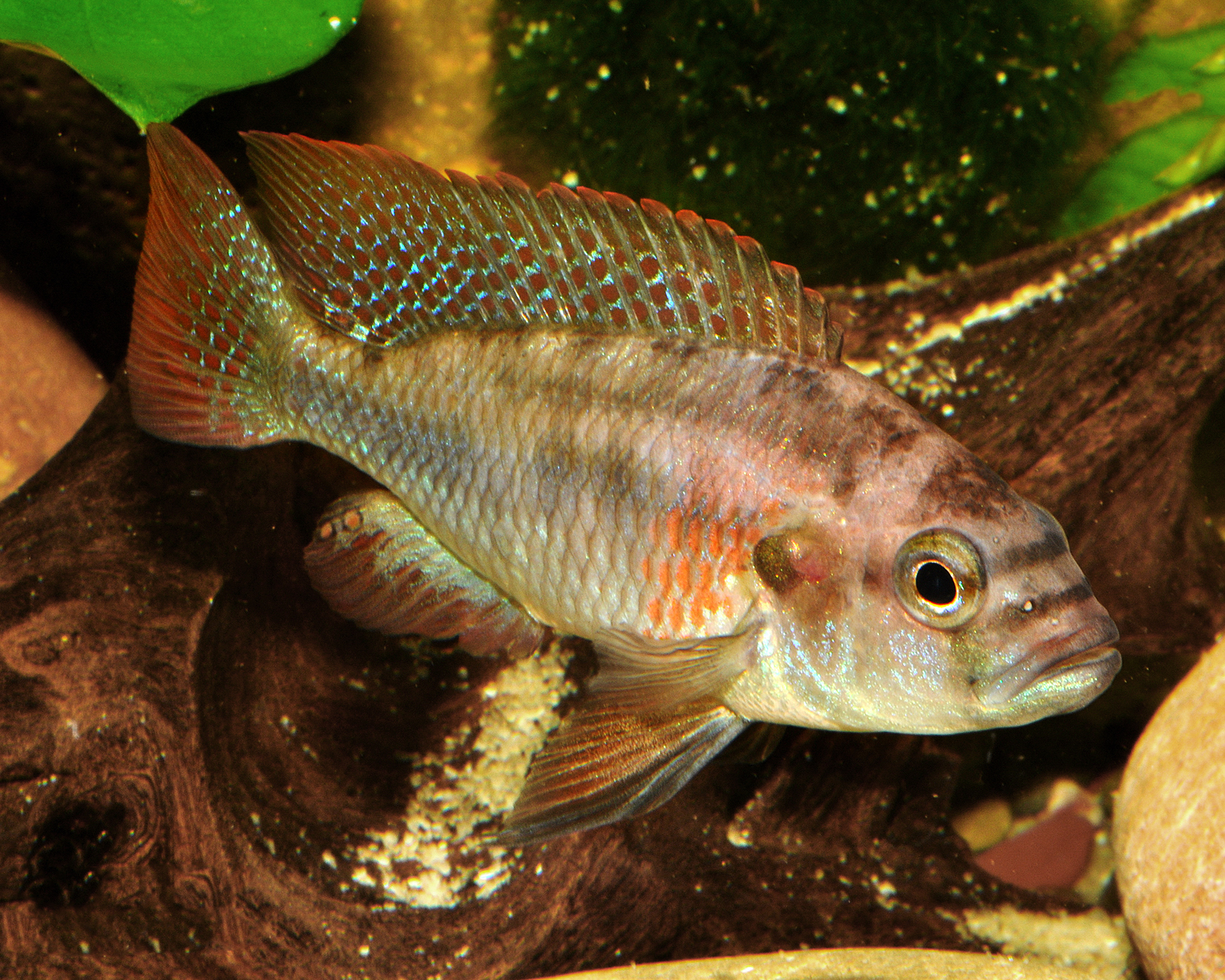
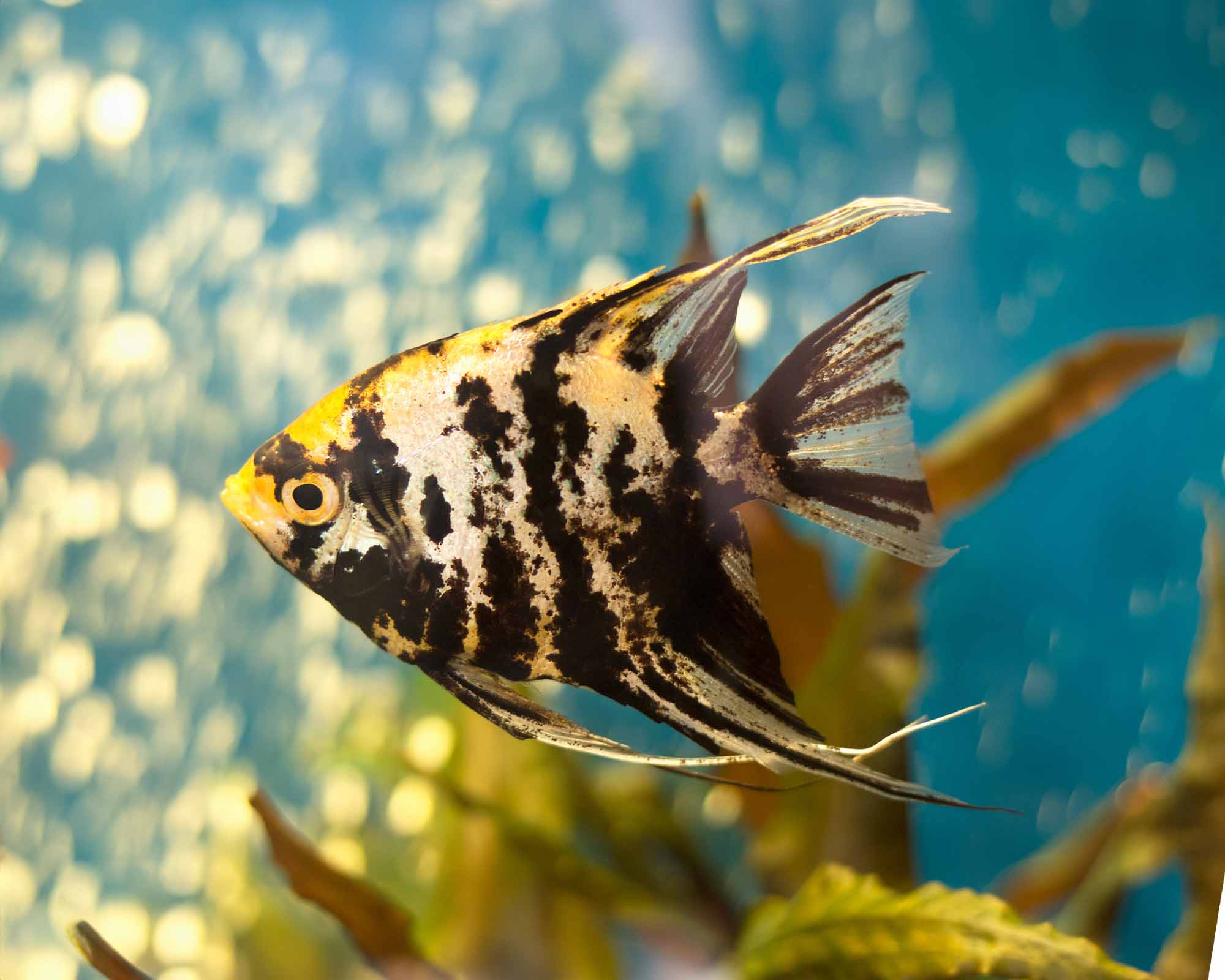
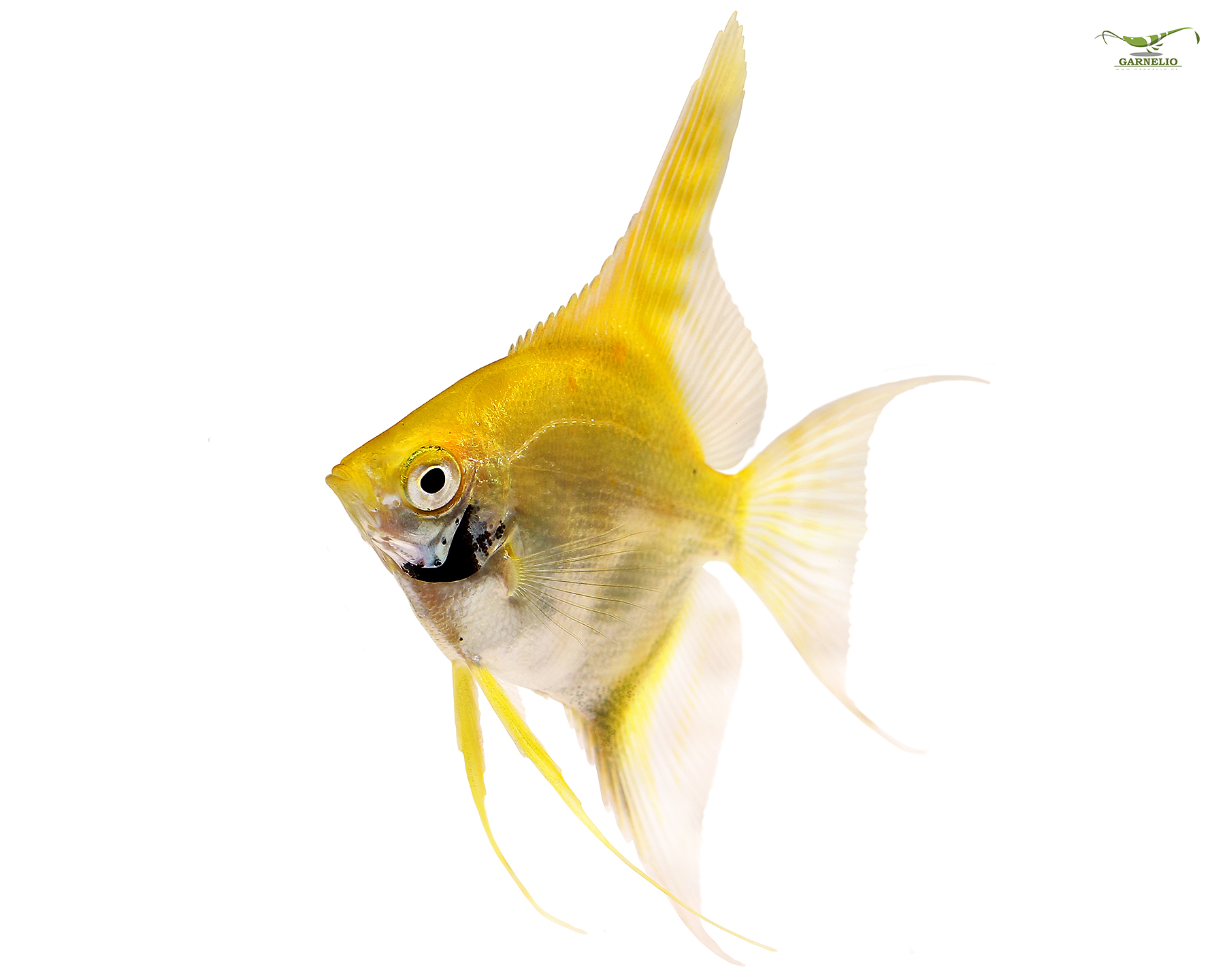
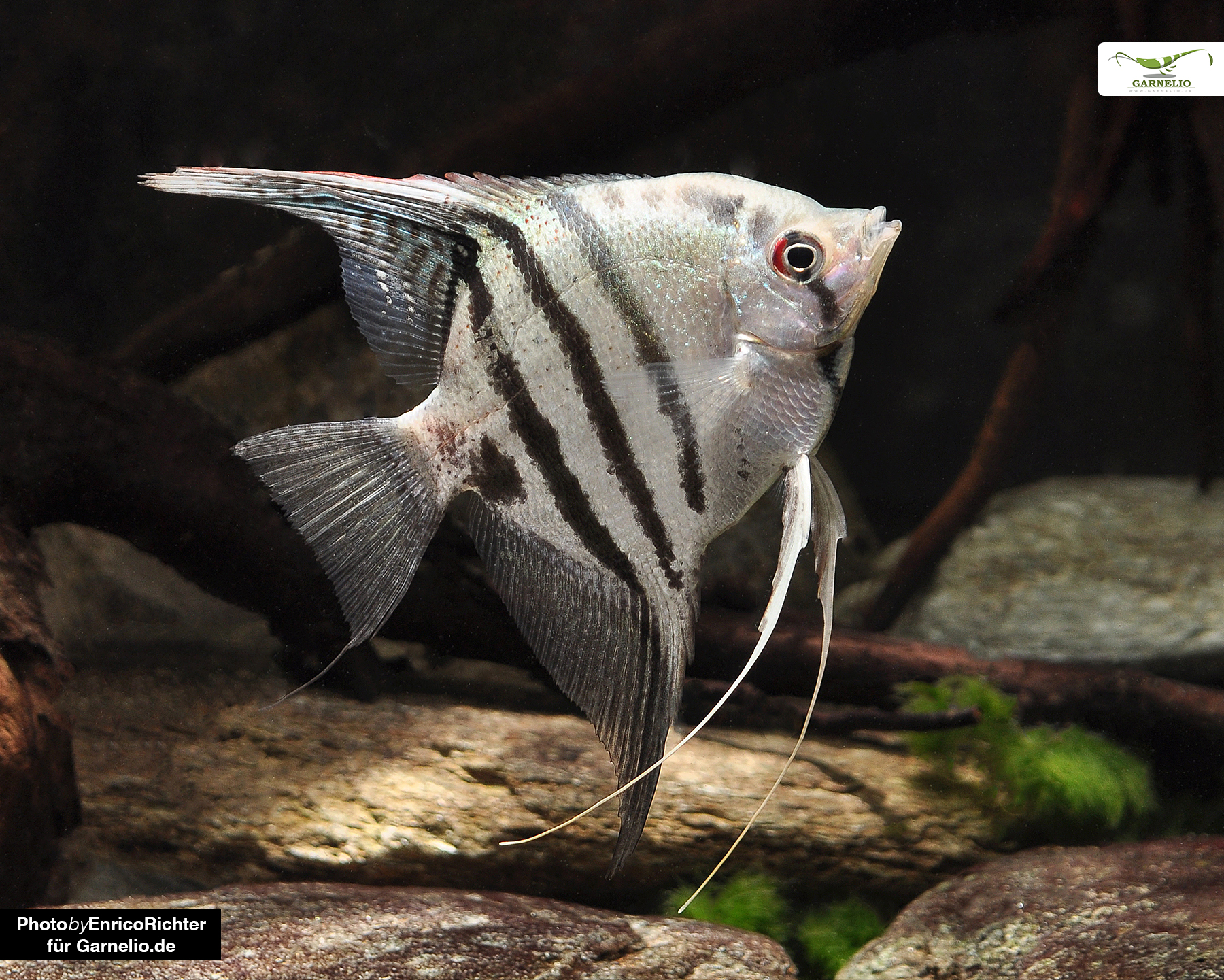
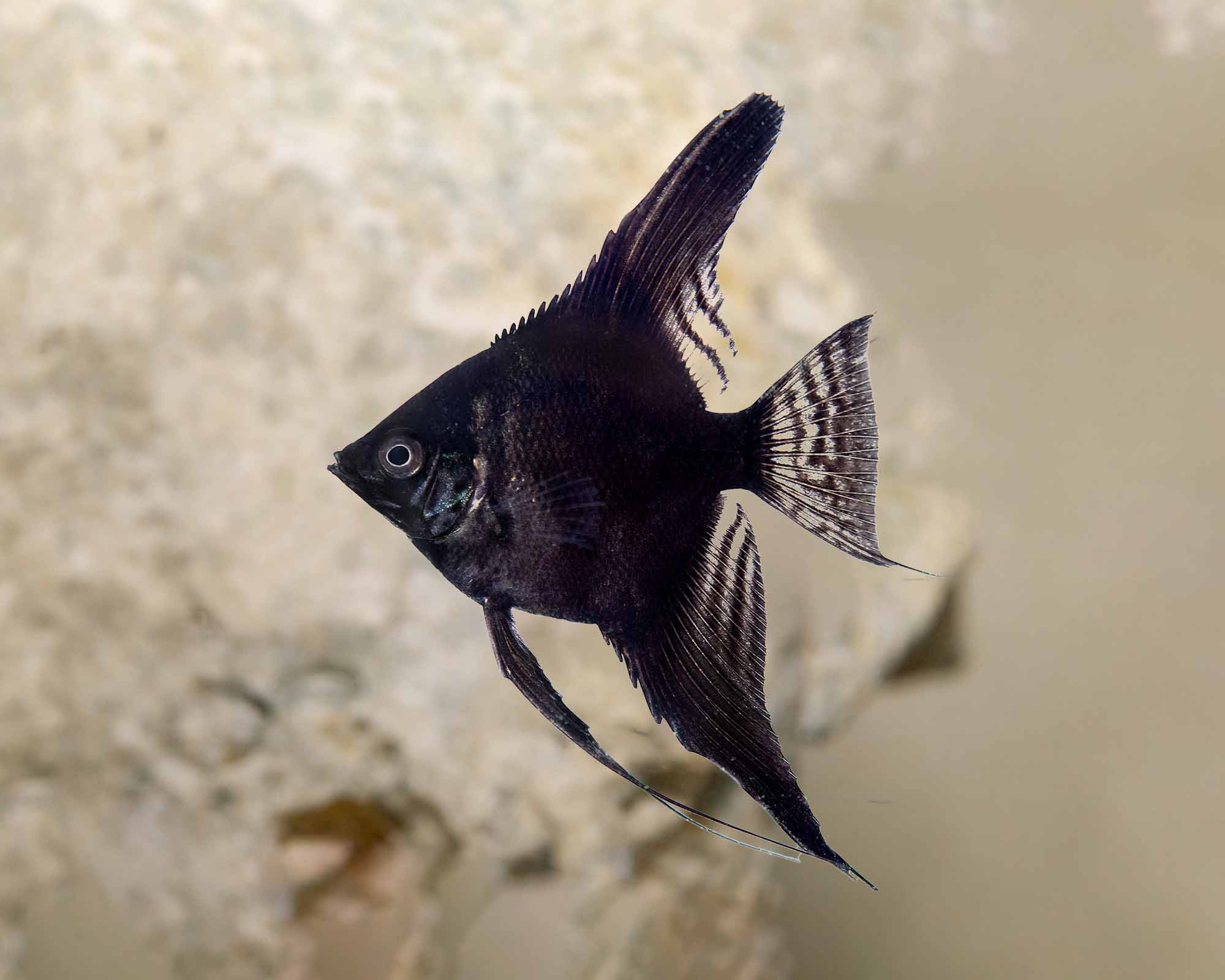
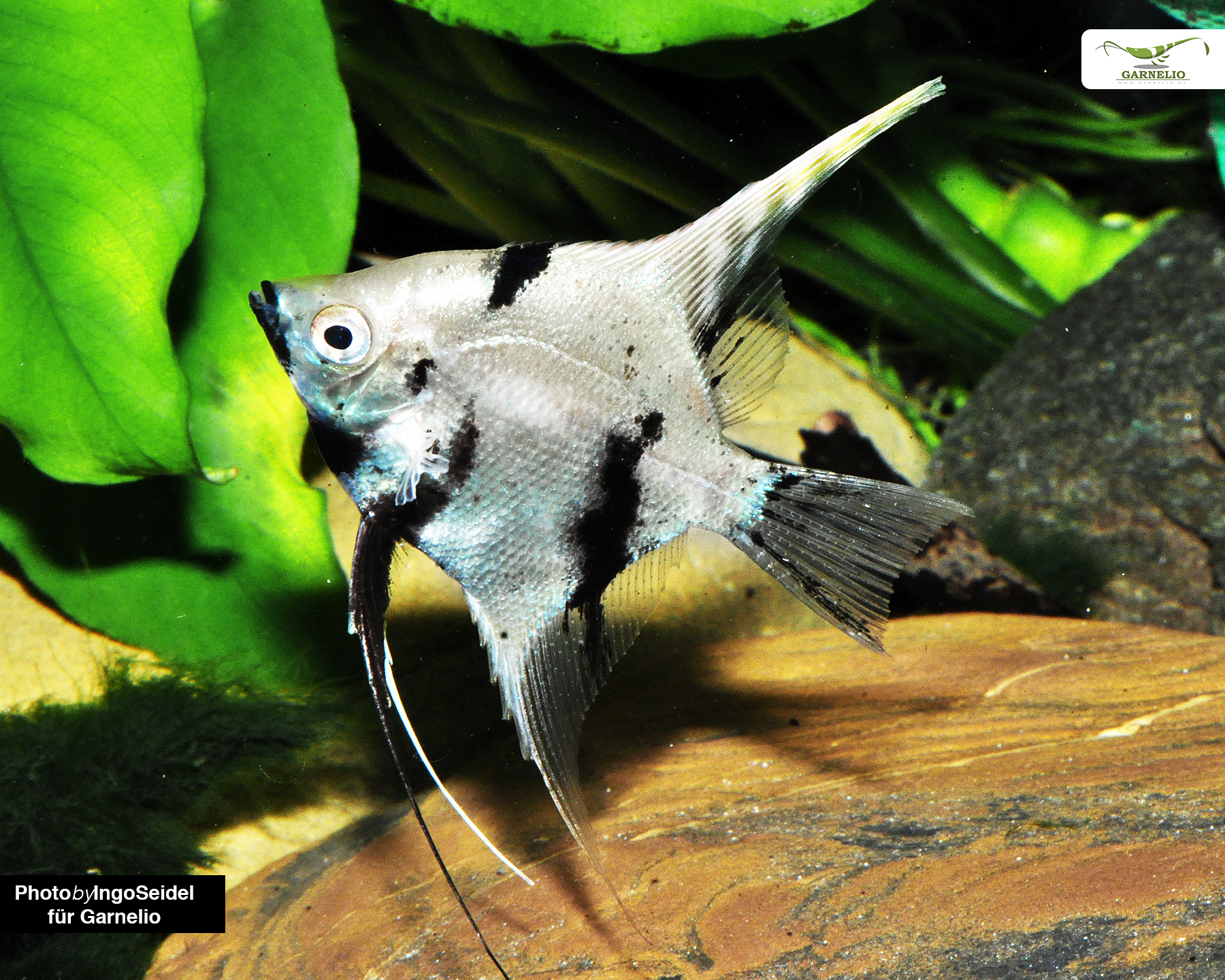
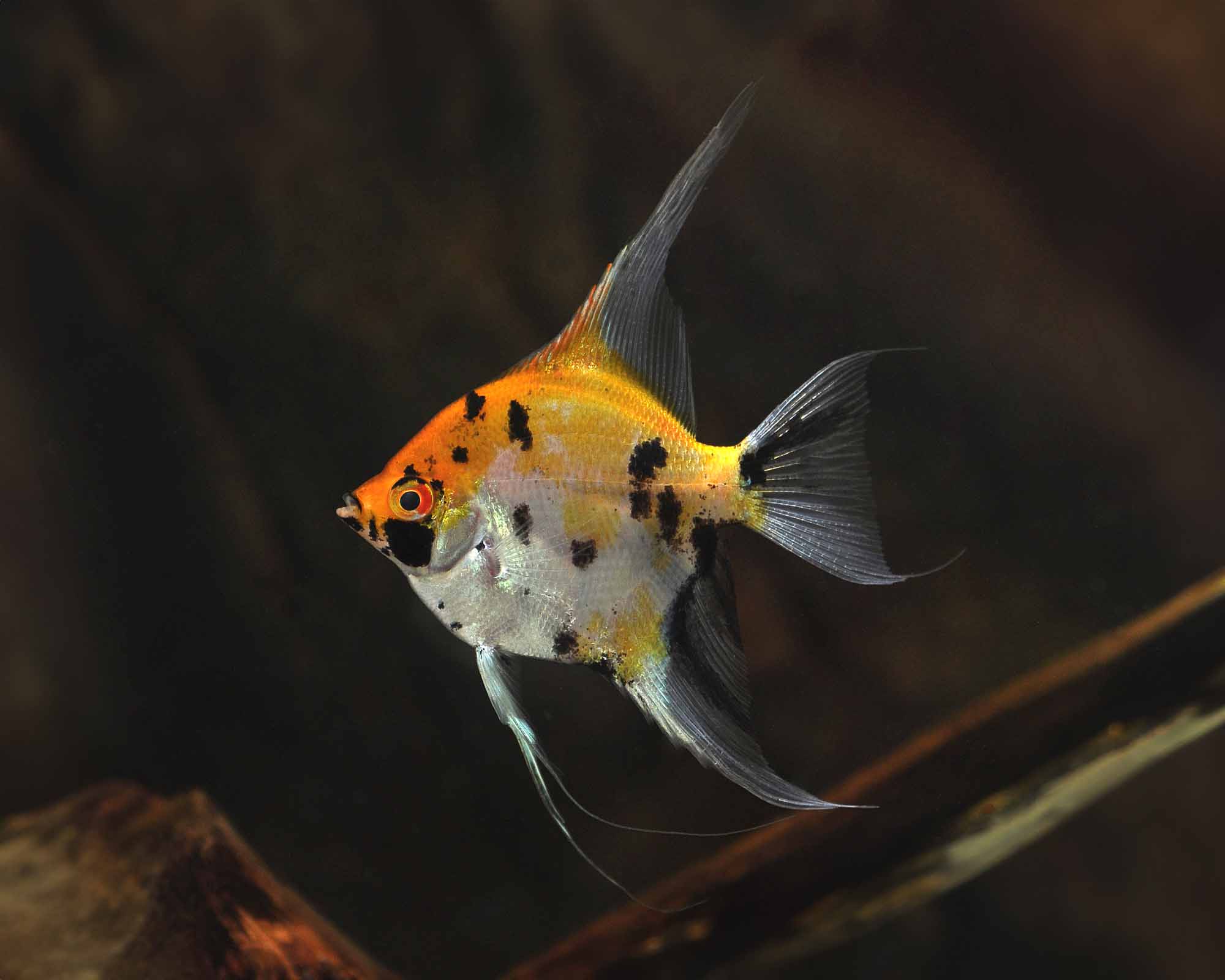
Pterophyllum scalare belongs to the family Cichlidae. It has a laterally compressed, disc-shaped body, elongated dorsal and anal fins, and threadlike pelvic fins. Leopard is an aquarium color form rather than a separate species or wild locality. The supplied name identifies the fish as Pterophyllum scalare, but individual images in a mixed image set can show other angelfish color forms, so exact strain identification from photographs alone is limited.
Natural distribution and habitat
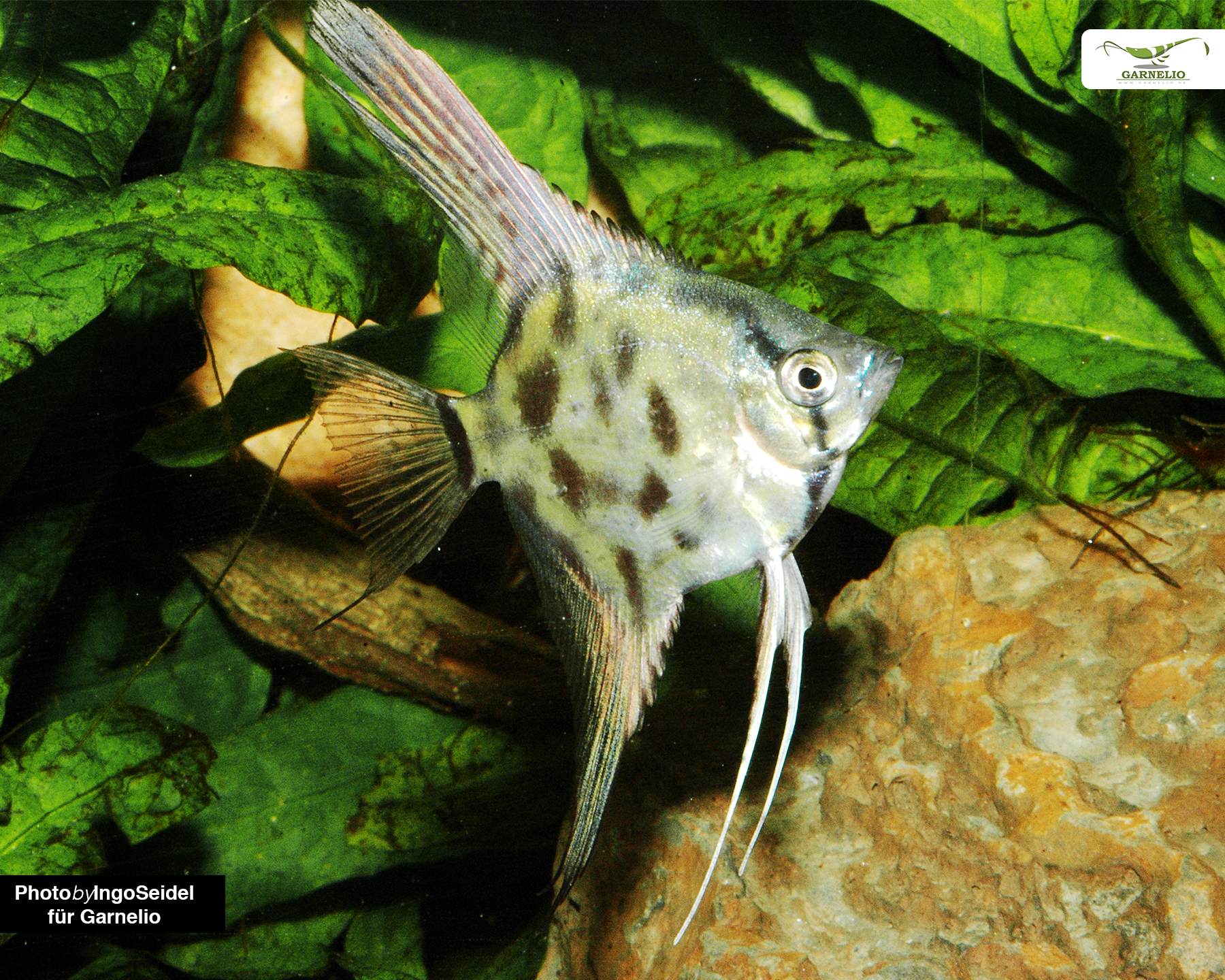
Wild Pterophyllum scalare occurs in slow-moving rivers, tributaries, floodplain habitats and vegetated margins of the Amazon and adjacent South American drainage systems. It is associated with warm, often soft and mildly acidic water, submerged roots, leaf litter and dense aquatic or marginal vegetation. Aquarium-bred fish tolerate a broader range when acclimated gradually and kept in stable conditions.
Aquarium size and layout
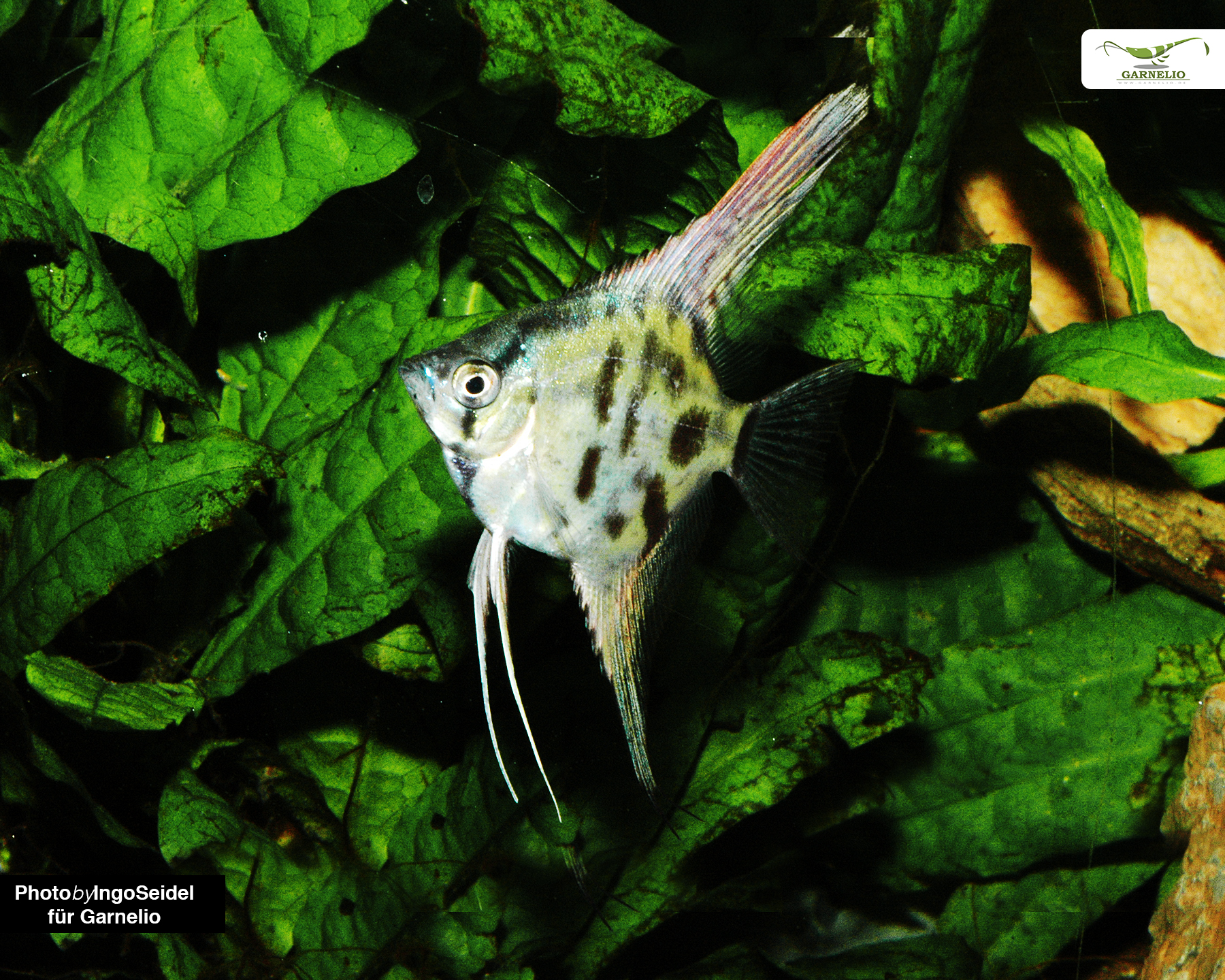
For a pair, use an aquarium of at least 200 litres with substantial height; a larger group requires more volume and floor space. A tank around 120 cm long and 50 cm high is a practical starting point, while taller aquariums are preferable for mature fish. Use open swimming areas, broad-leaved plants, wood and subdued lighting, while avoiding sharp decor that can damage the long fins. Maintain efficient filtration and gentle to moderate circulation.
Water parameters and maintenance
Keep the aquarium mature, stable and free of detectable ammonia and nitrite. A temperature of 24-30 °C and pH of 6.0-7.5 suit captive fish, with soft to moderately hard water generally preferred. Regular partial water changes, careful stocking and good oxygenation are more important than pursuing an exact number. Avoid abrupt changes in temperature, pH or hardness, and provide a secure cover because angelfish can jump.
Behavior and compatibility
Young angelfish often shoal, but adults establish territories and may form pairs. Breeding pairs can defend a large area and harass rivals. Suitable companions include peaceful, medium-sized characins, rasboras, peaceful barbs, Corydoras and compatible dwarf cichlids, provided water requirements overlap. Avoid fin-nipping species, highly aggressive cichlids and very small fish or shrimp that may be eaten. Monitor long-finned tank mates and provide visual barriers to reduce conflict.
Diet
Offer a varied omnivorous diet based on a quality cichlid or tropical pellet, supplemented with flakes, frozen foods and occasional live foods. Suitable additions include bloodworm, brine shrimp, daphnia and chopped seafood in modest quantities. Feed small portions once or twice daily and remove uneaten food. Juveniles benefit from more frequent feeding, while adults should not be overfed because obesity and poor water quality can reduce health and breeding performance.
Breeding
Angelfish are egg layers that usually form pairs from a group of juveniles. The pair cleans a vertical surface such as a broad leaf, slate or aquarium panel, then lays eggs in rows while the male fertilizes them. Both parents may fan and defend the clutch. Eggs commonly hatch after roughly two to three days in warm water, with free-swimming fry following several days later. Newly free-swimming fry require very small foods such as freshly hatched baby brine shrimp. In community aquariums, eggs and fry are often eaten; a separate breeding tank improves survival. Sexes are difficult to distinguish reliably outside spawning condition.
Leave your comments