Aquarium Base
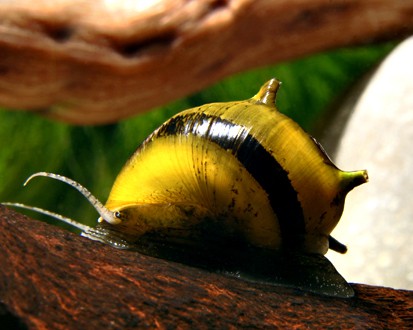
Aquarium snails do not all perform the same cleanup job. One type may polish hardscape and glass, another may disappear into the substrate, while a third can reduce a population of unwanted snails. Th...
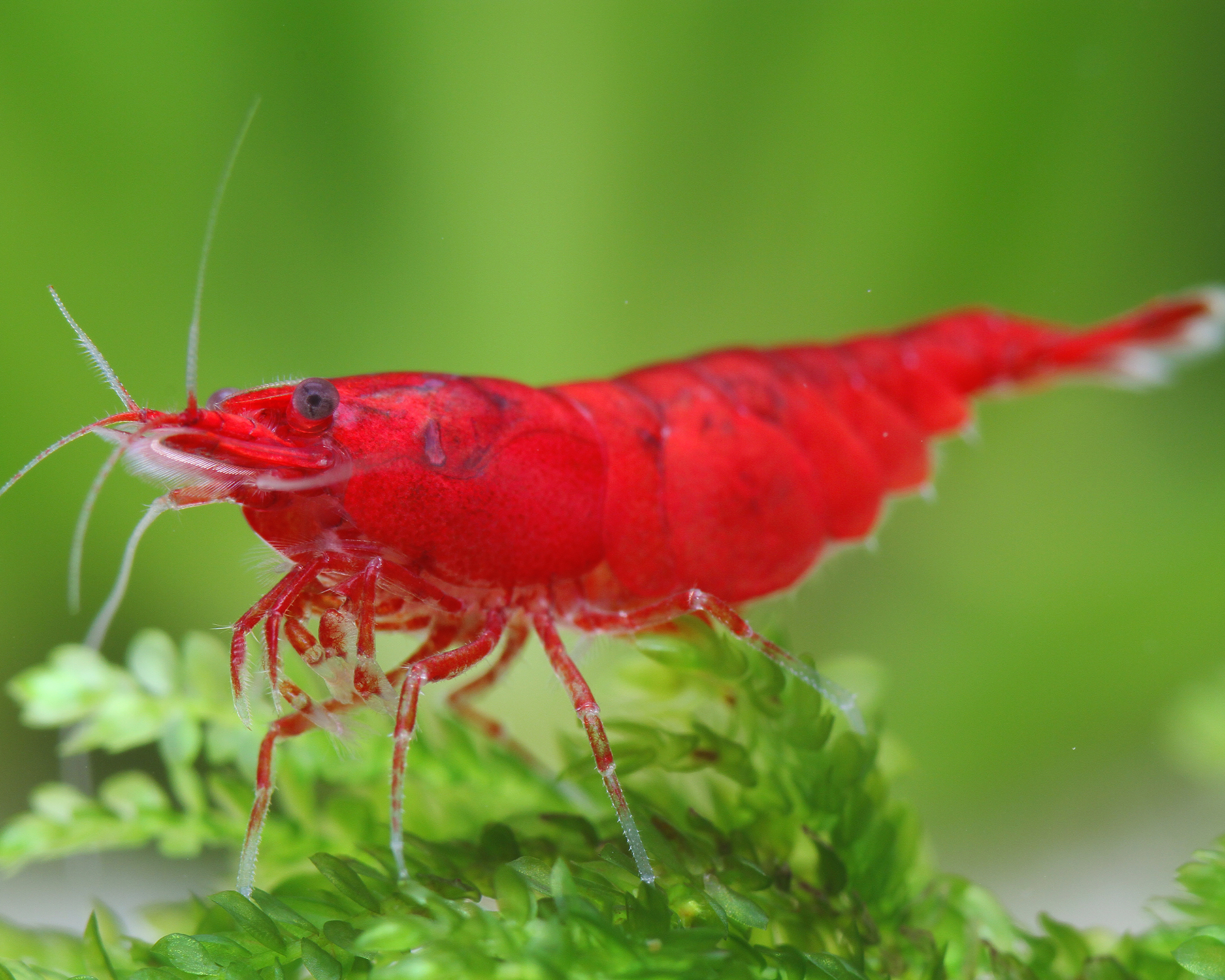
A shrimp can look brilliant in a store photograph and nearly disappear in your aquarium. The difference is often not the animal but the visual field around it: substrate tone, background, plant color,...
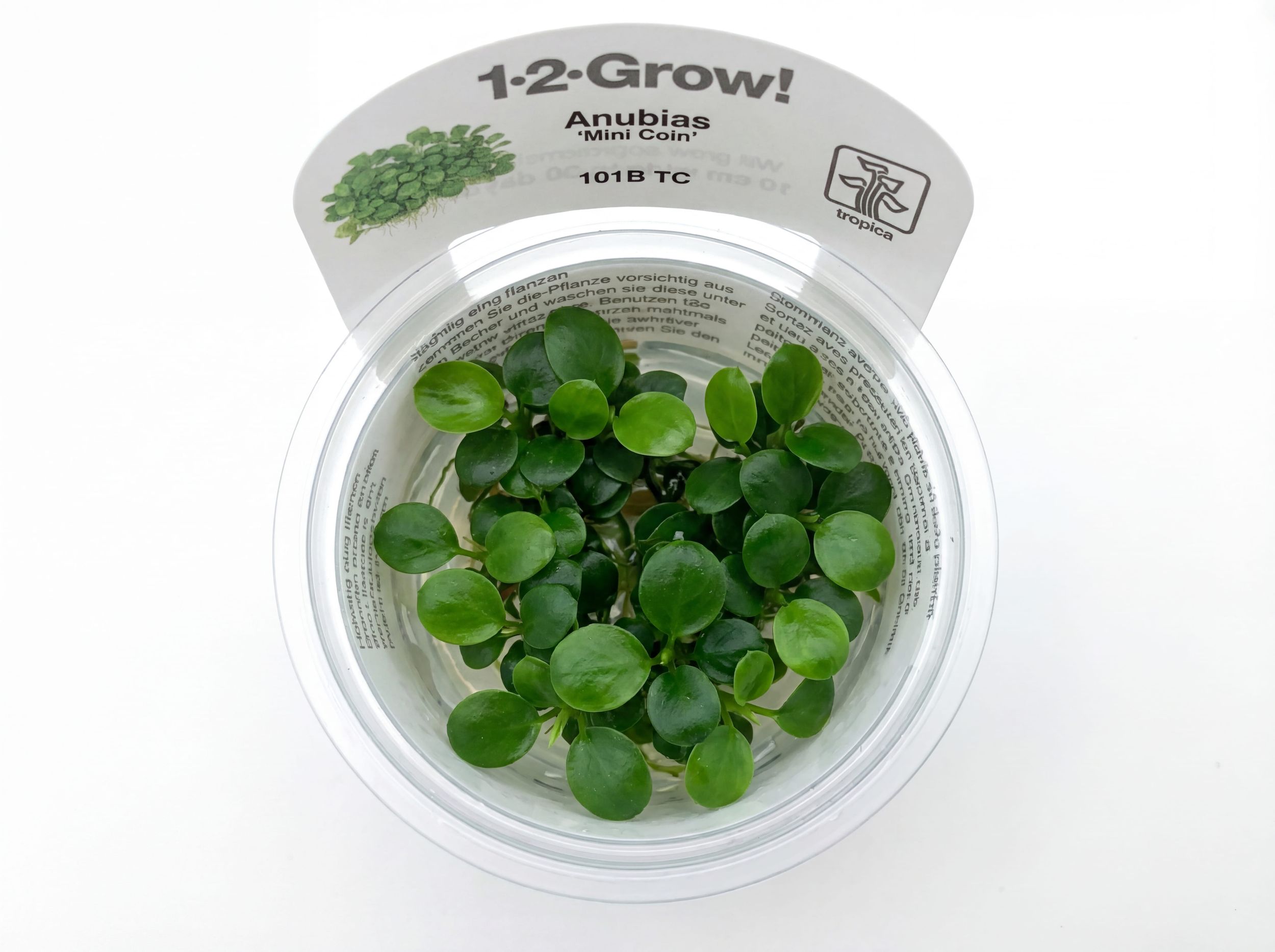
A planted aquarium can contain plenty of color and still look surprisingly flat. The missing ingredient is usually visual layering: fine leaves need a broad counterpoint, small plants need a larger fo...
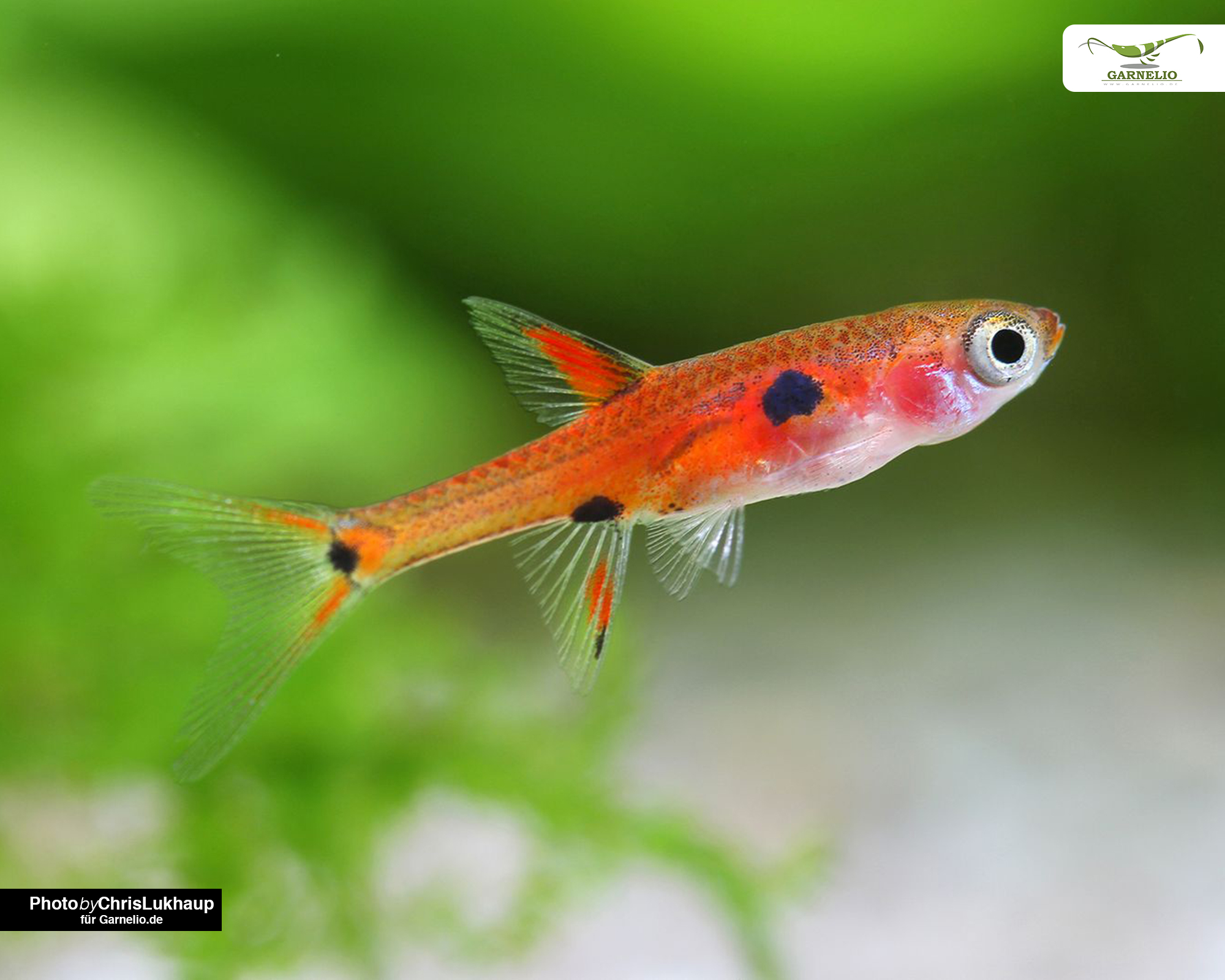
A planted aquarium can look spacious while offering less usable room than its glass dimensions suggest. Substrate, driftwood, rocks, dense stems, floating plants, and territories all reduce the space ...
Aquarium snails are often sold as cleanup animals, but that description hides the decisions that matter most in a planted tank. A snail can be plant-safe yet starve in a spotless aquarium, coexist wit...
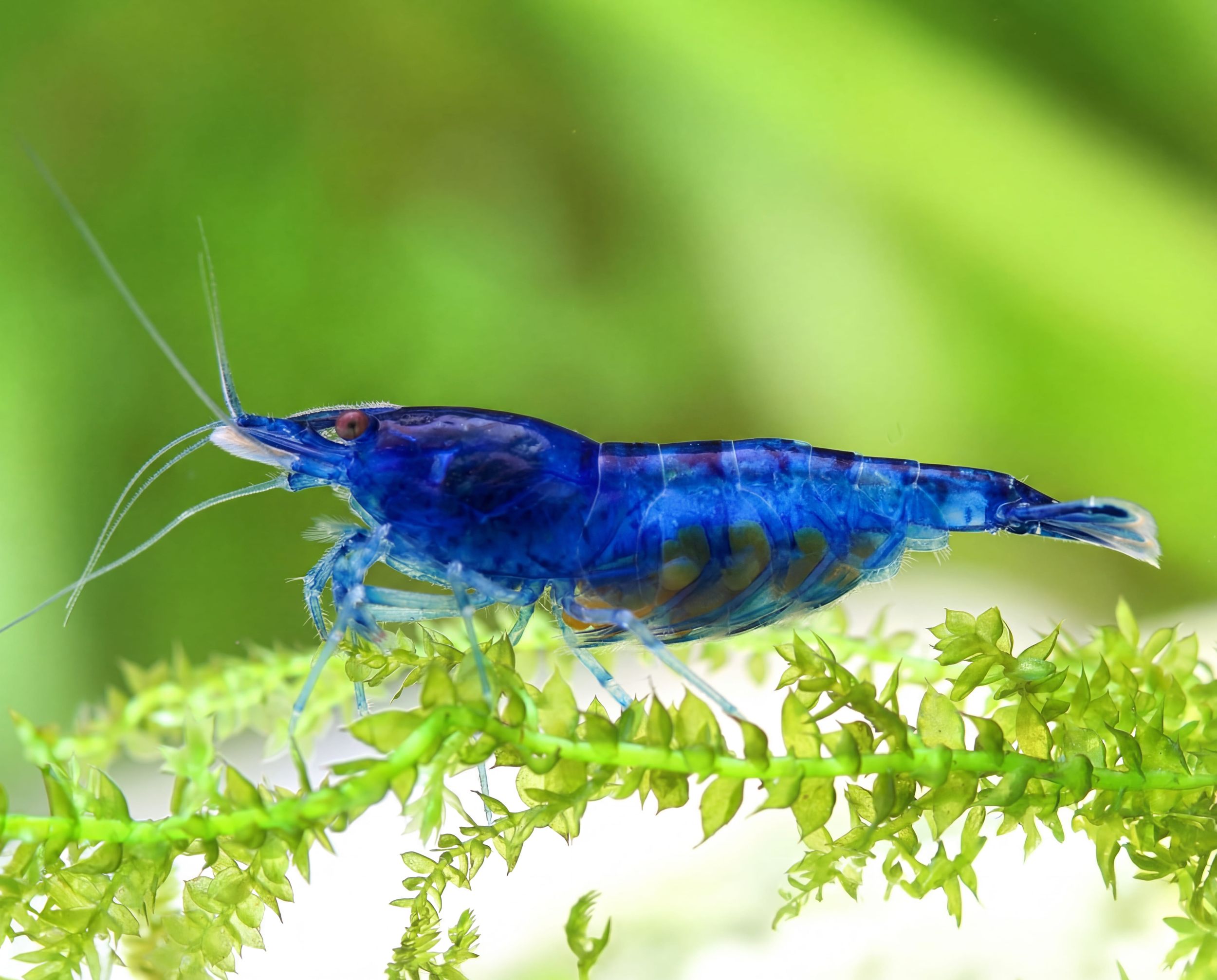
A planted aquarium can look ready for shrimp long before it is biologically ready. Clear water, healthy plants, and a working filter are useful signs, but they do not prove that ammonia and nitrite ar...
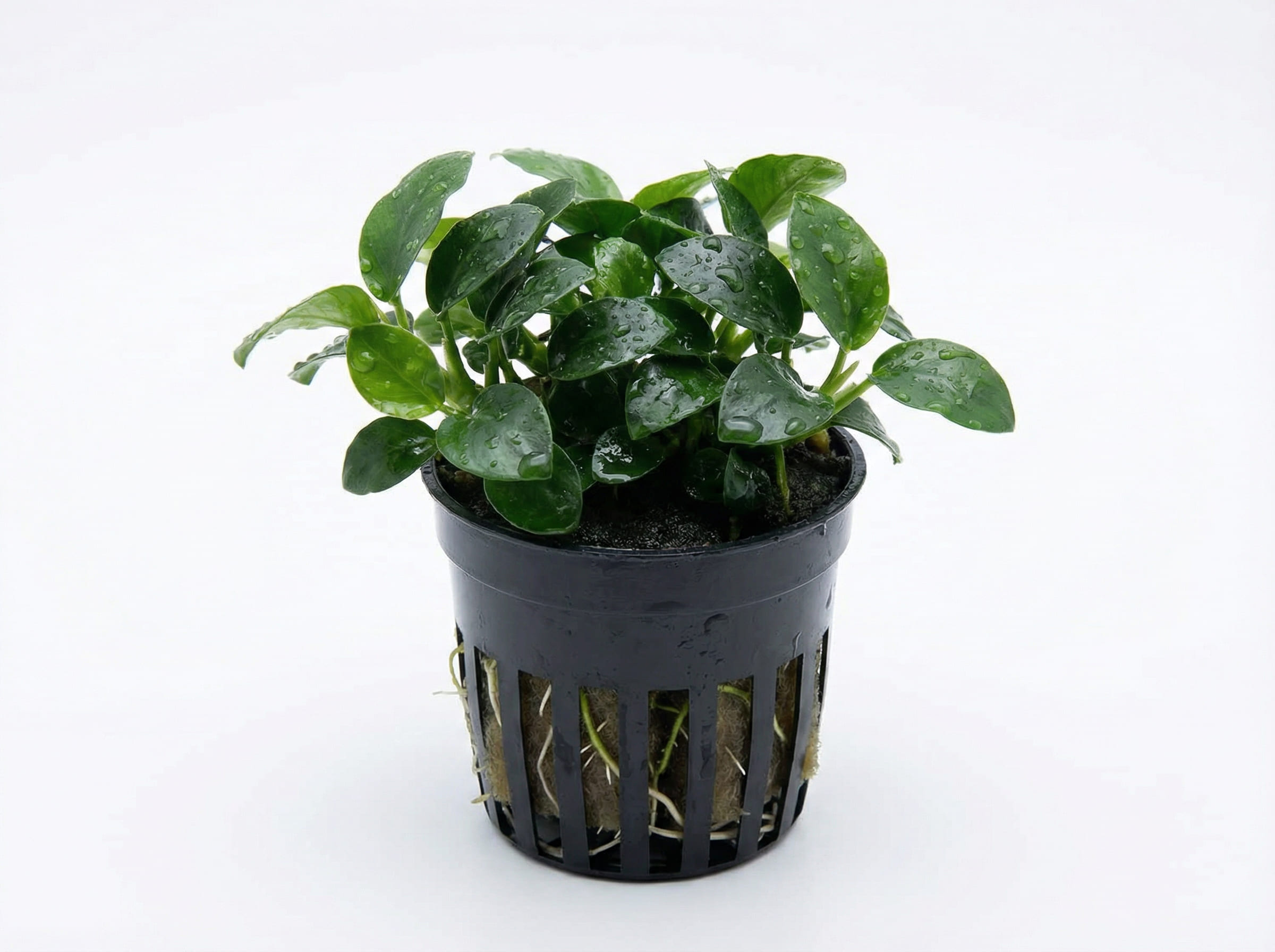
A small planted aquarium can contain many attractive plants and still look visually confused. The solution is not always more trimming or a larger shopping list. Start with a specific tank style, then...
 - 2.webp)
A planted nano aquarium can combine movement, color, shrimp, snails, and easy plants, but compatibility is not created by choosing small animals alone. The most common failures begin with three shortc...
The right aquarium snail is not simply the one that eats the most algae. A good match depends on the tank’s footprint, available food, substrate, livestock, and the amount of population control you ar...
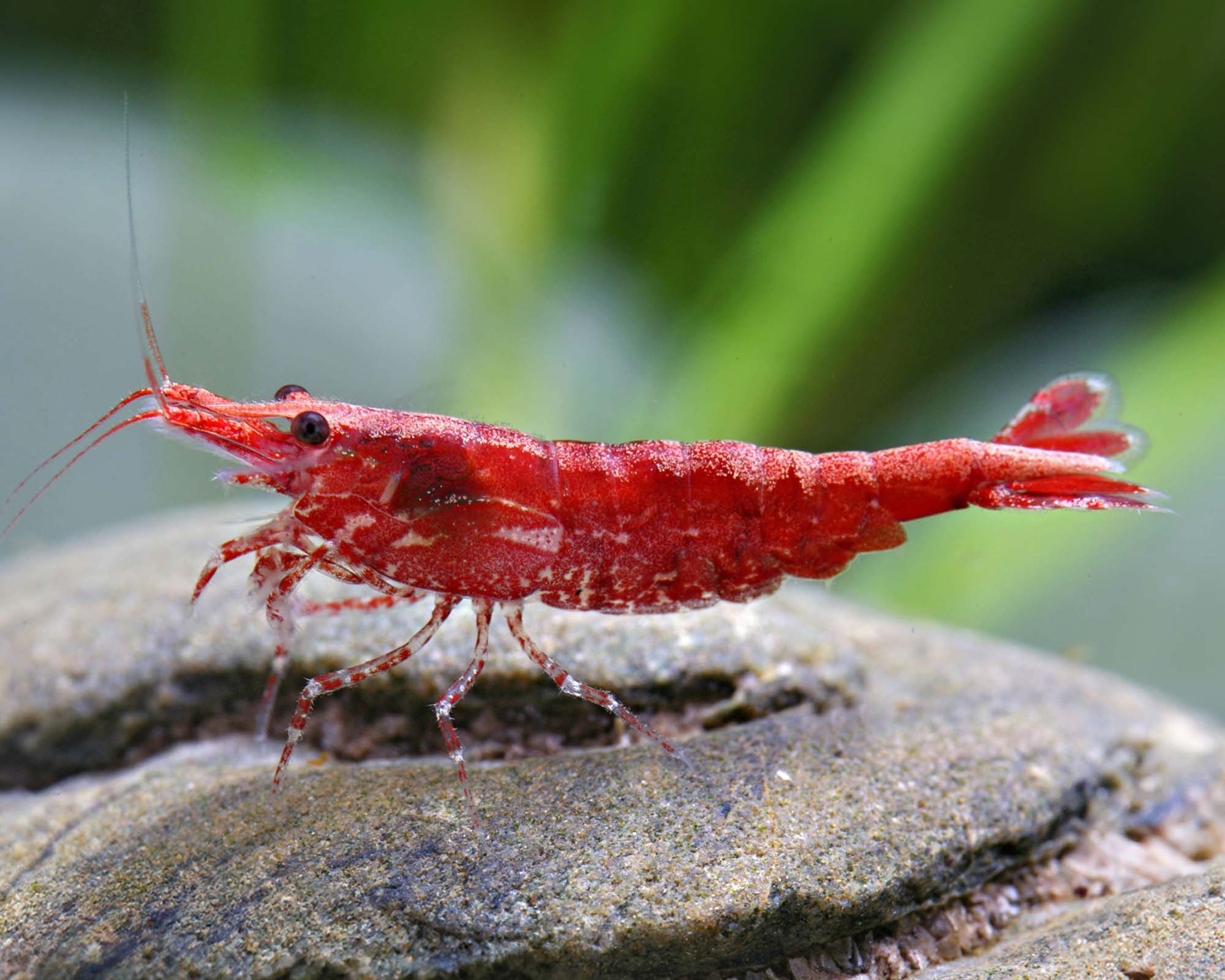
A planted aquarium can keep adult freshwater shrimp visible, colorful, and active while quietly losing every newborn shrimp. The problem is rarely a single aggressive attack. More often, tiny shrimple...
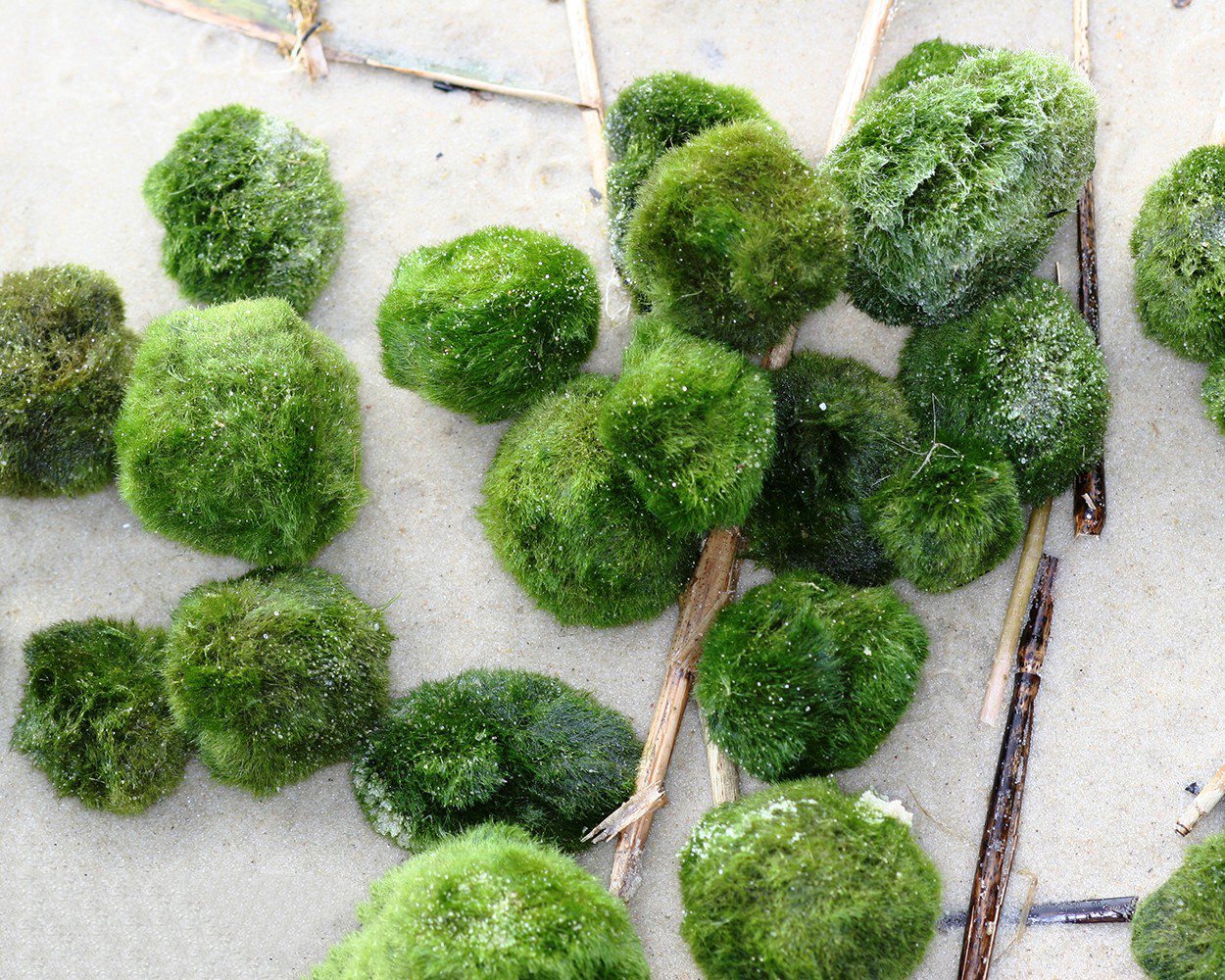
A planted aquarium rarely fails because plants grow too slowly. More often, a stem plant blocks the light, a runner crosses the foreground, floating plants cover the surface, or moss turns a carefully...
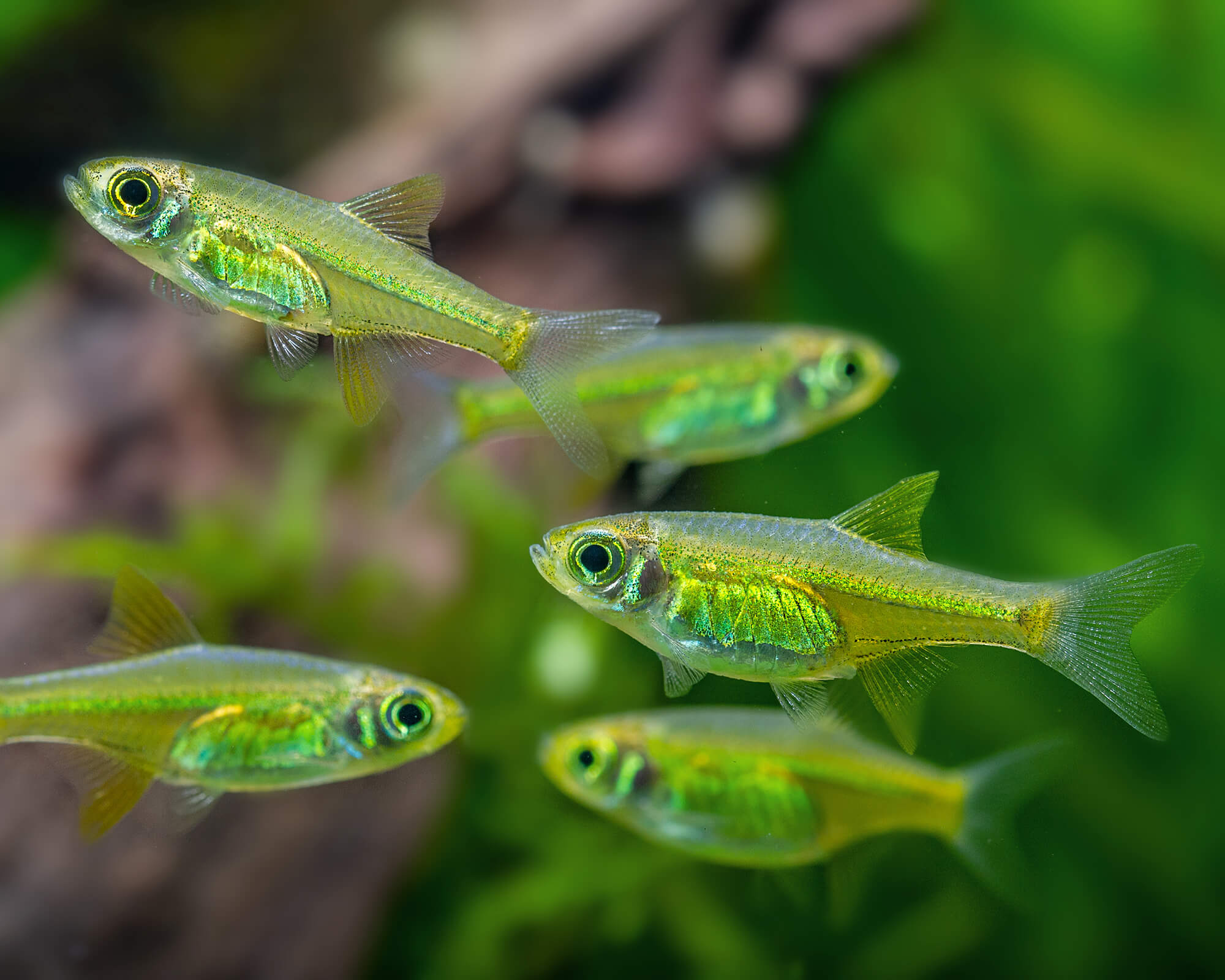
A planted aquarium can look full long before it is properly stocked. Every stem, rock, cave, floating plant, fish, shrimp, and snail changes how the tank is used. The practical question is not simply ...
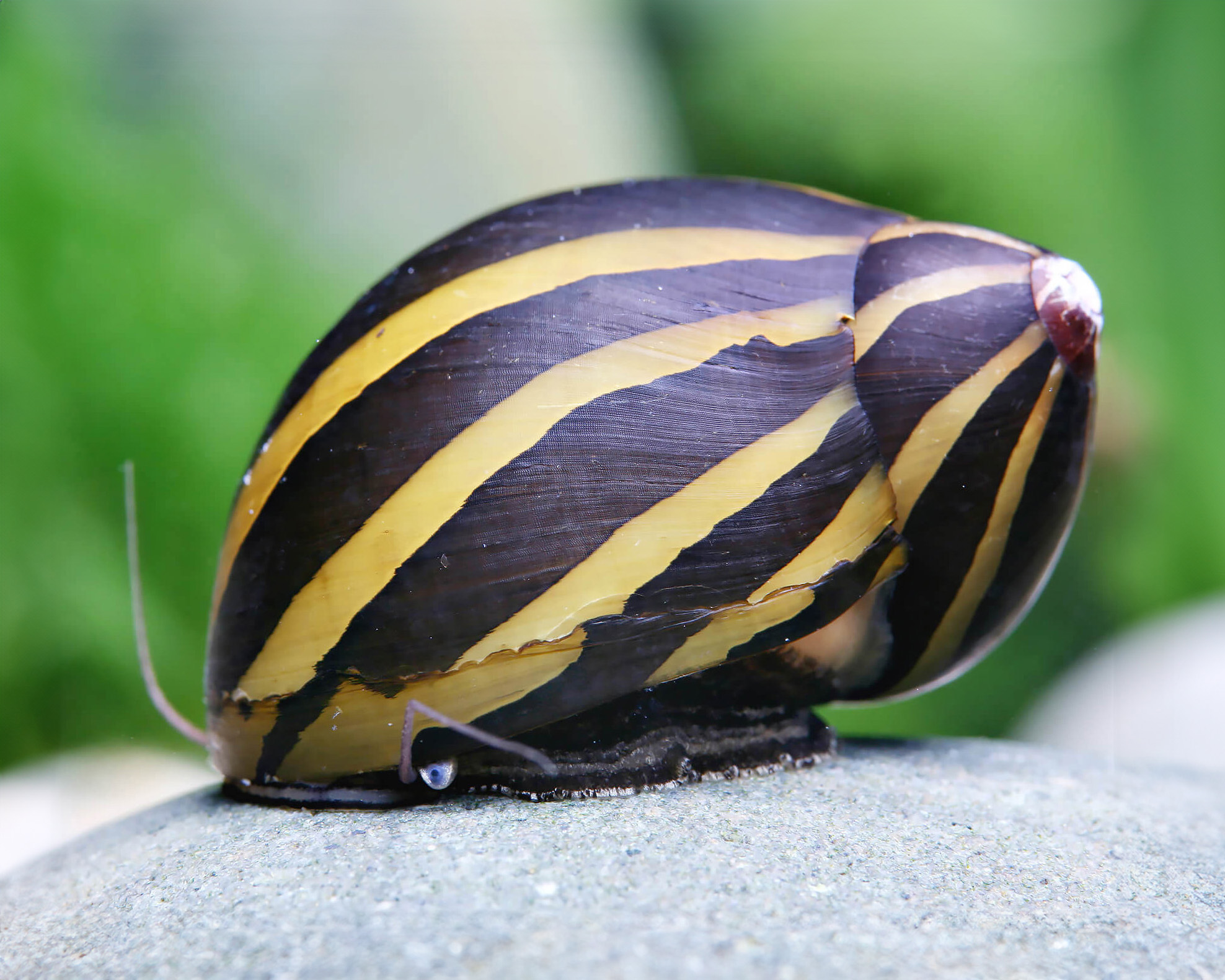
Aquarium snails are often sold as cleanup crews, but that phrase hides several different jobs. One snail may scrape soft algae from glass, another may consume leftover food and decaying plant matter, ...
Repeated shrimp losses are rarely solved by adding another product at random. The useful question is not simply why one shrimp died, but what happened before the loss, which shrimp were affected, and ...
 - 2.webp)
A plant can be labeled easy and still fail in your aquarium if it needs more light, stronger circulation, richer substrate, or more pruning than your routine allows. The better approach is to filter e...
A planted aquarium can contain beautiful fish and still look visually confused. The problem is often not compatibility alone, but design: too many similar colors, too much movement in one zone, or liv...