Taxonomy and identification
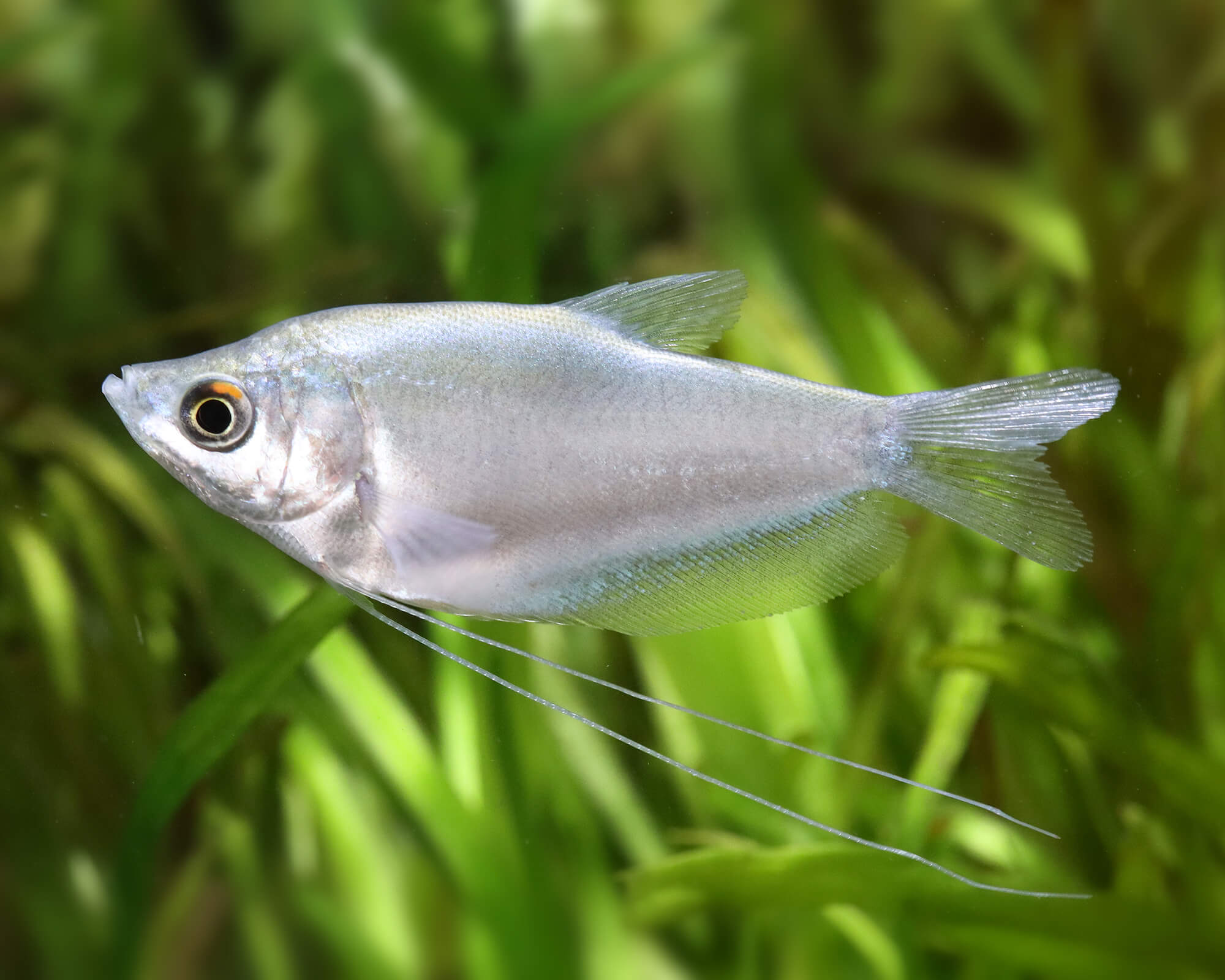
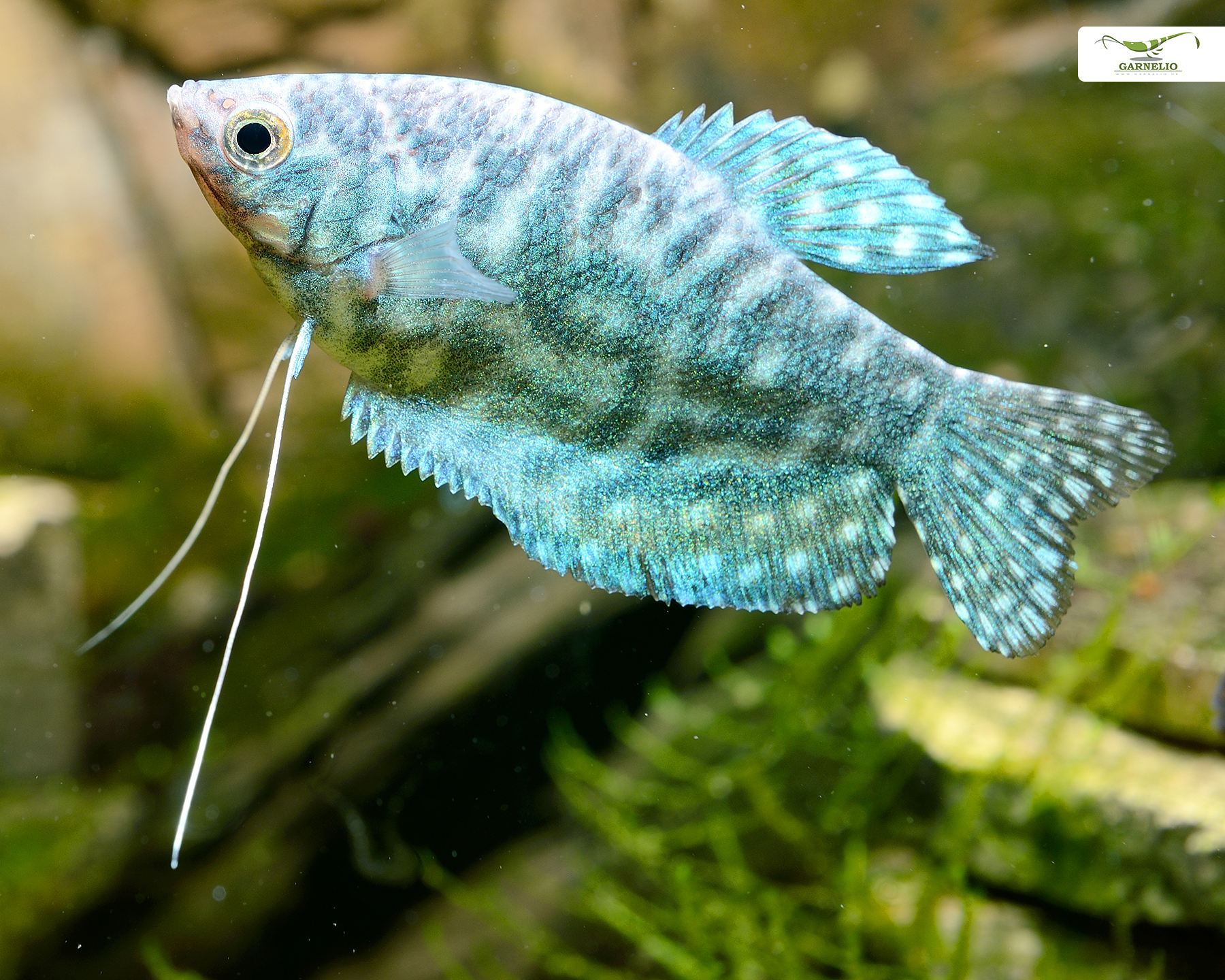
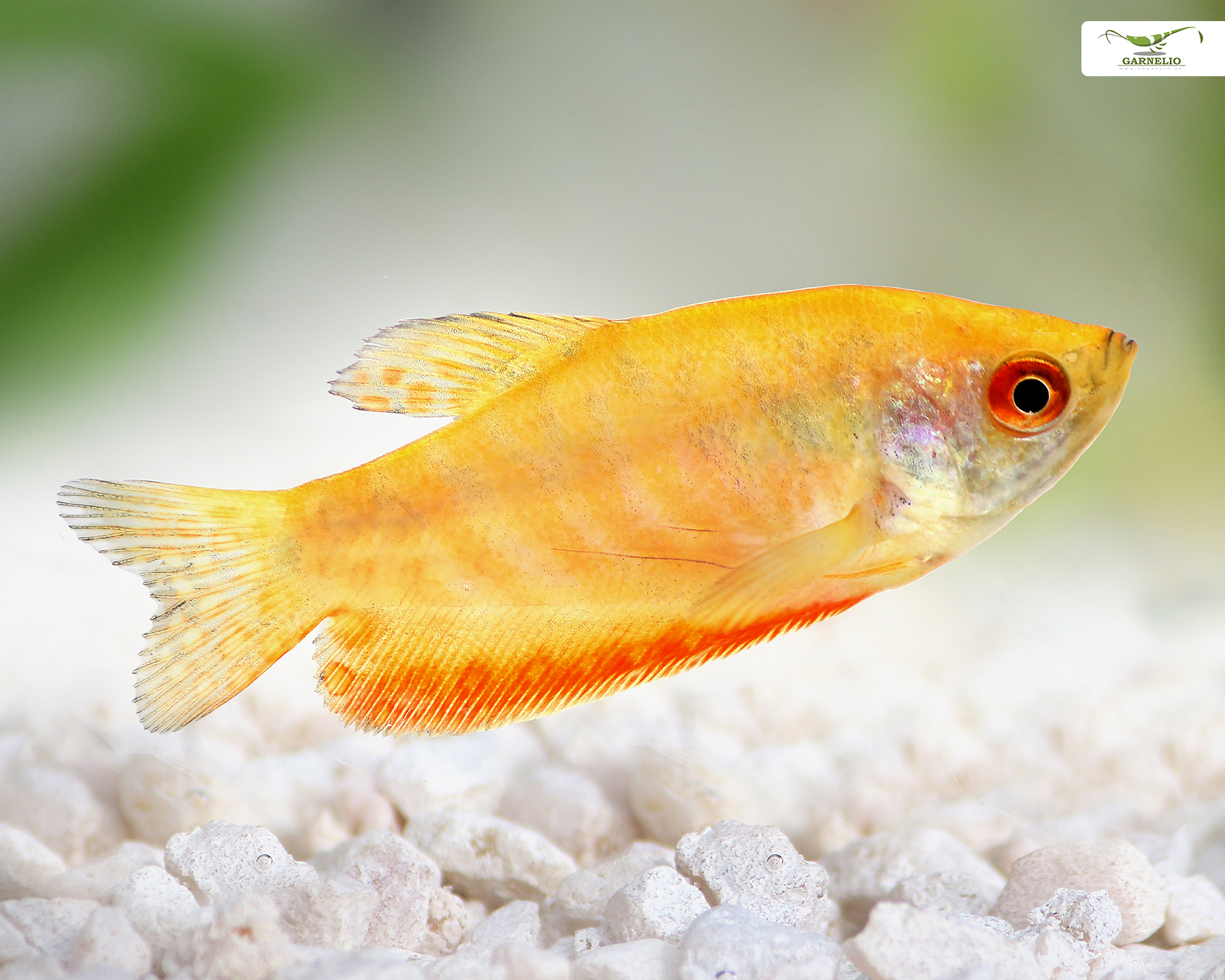
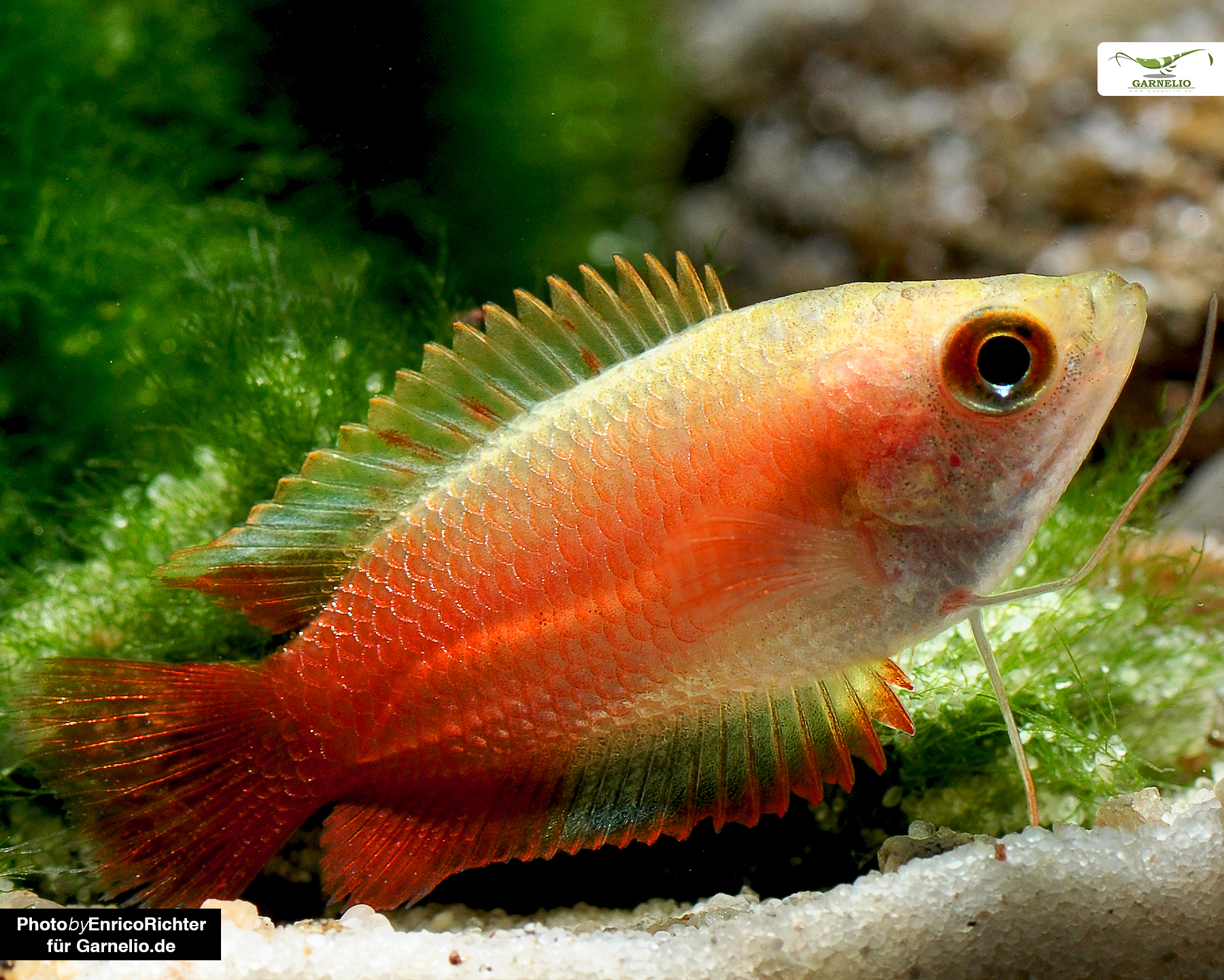
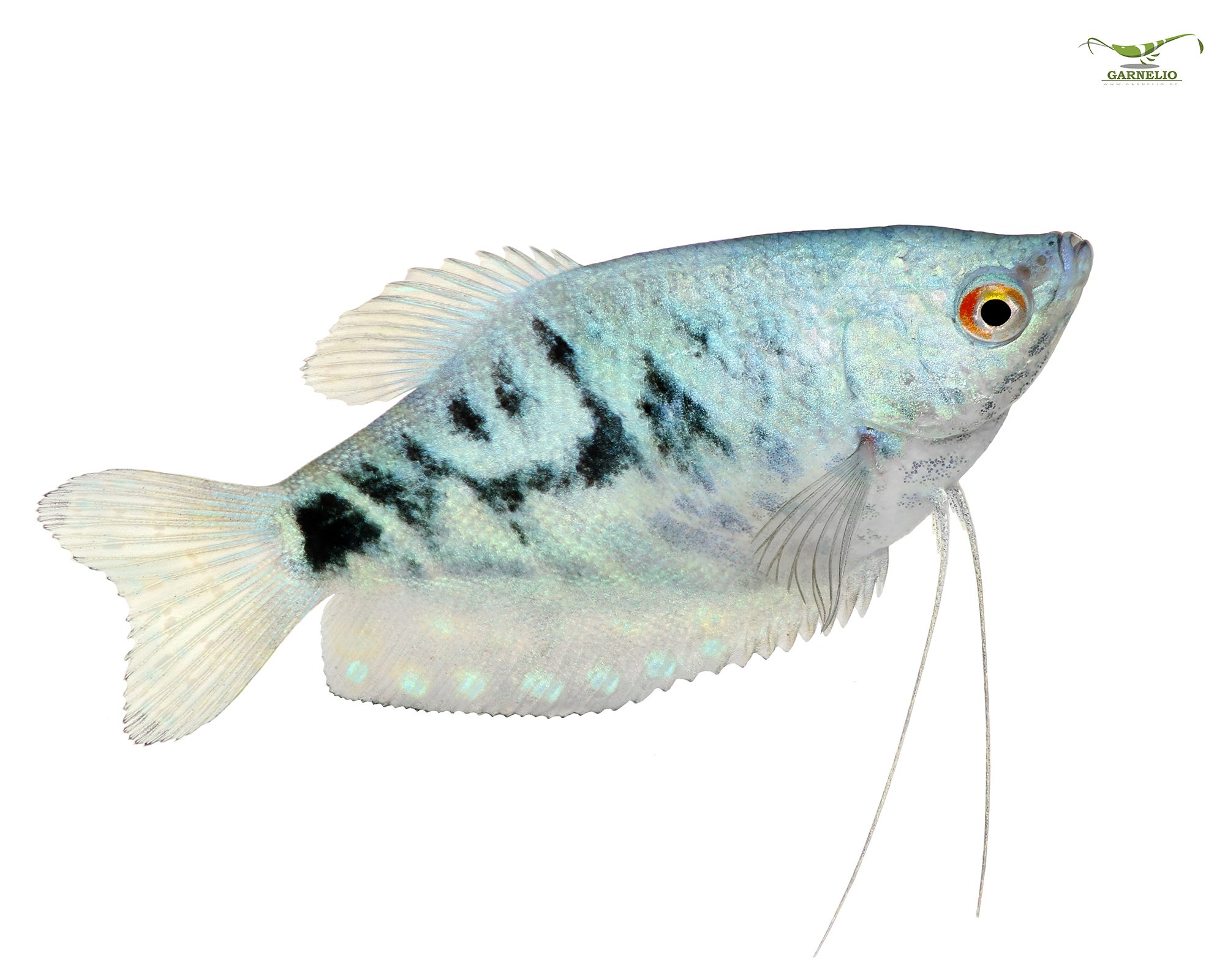
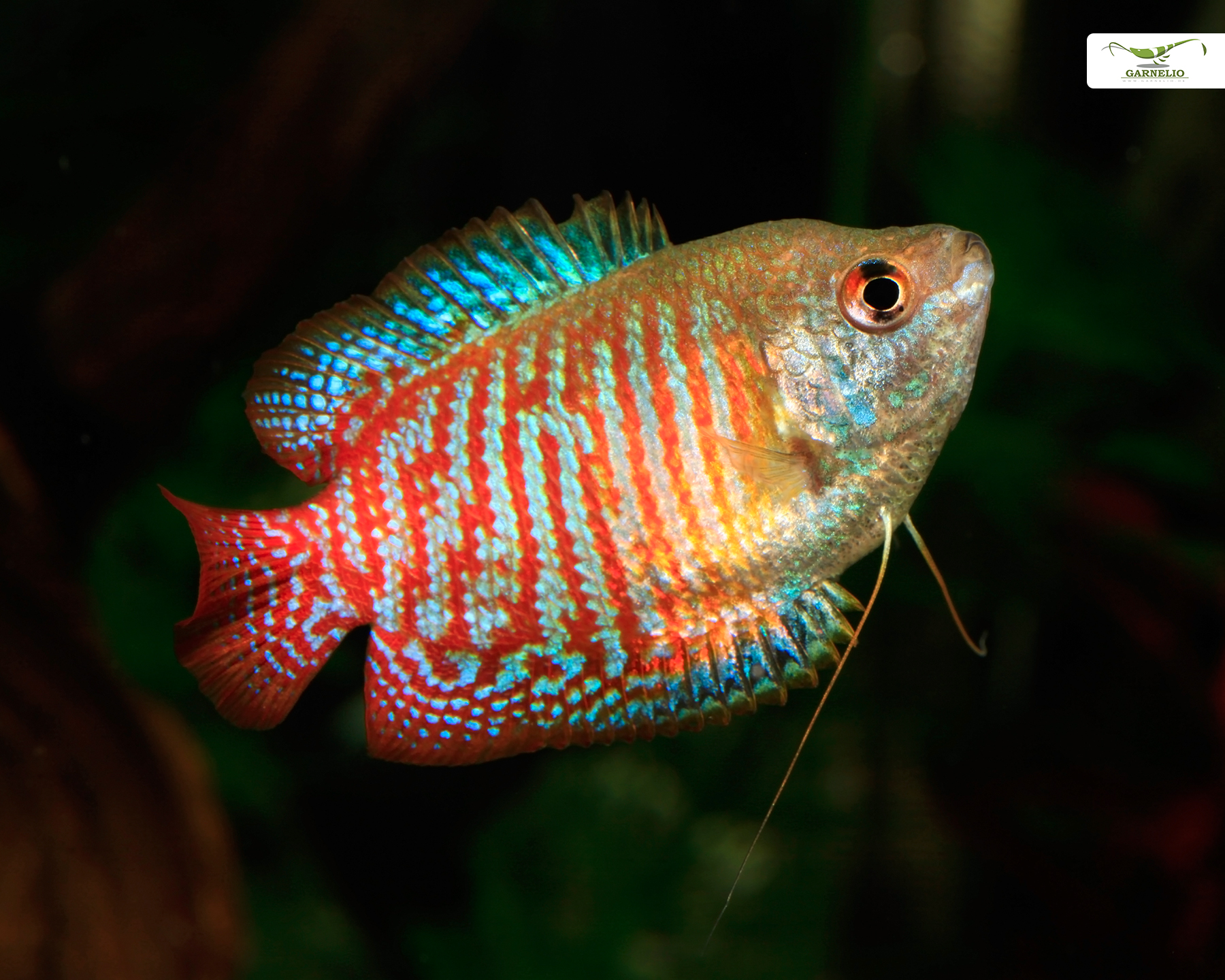
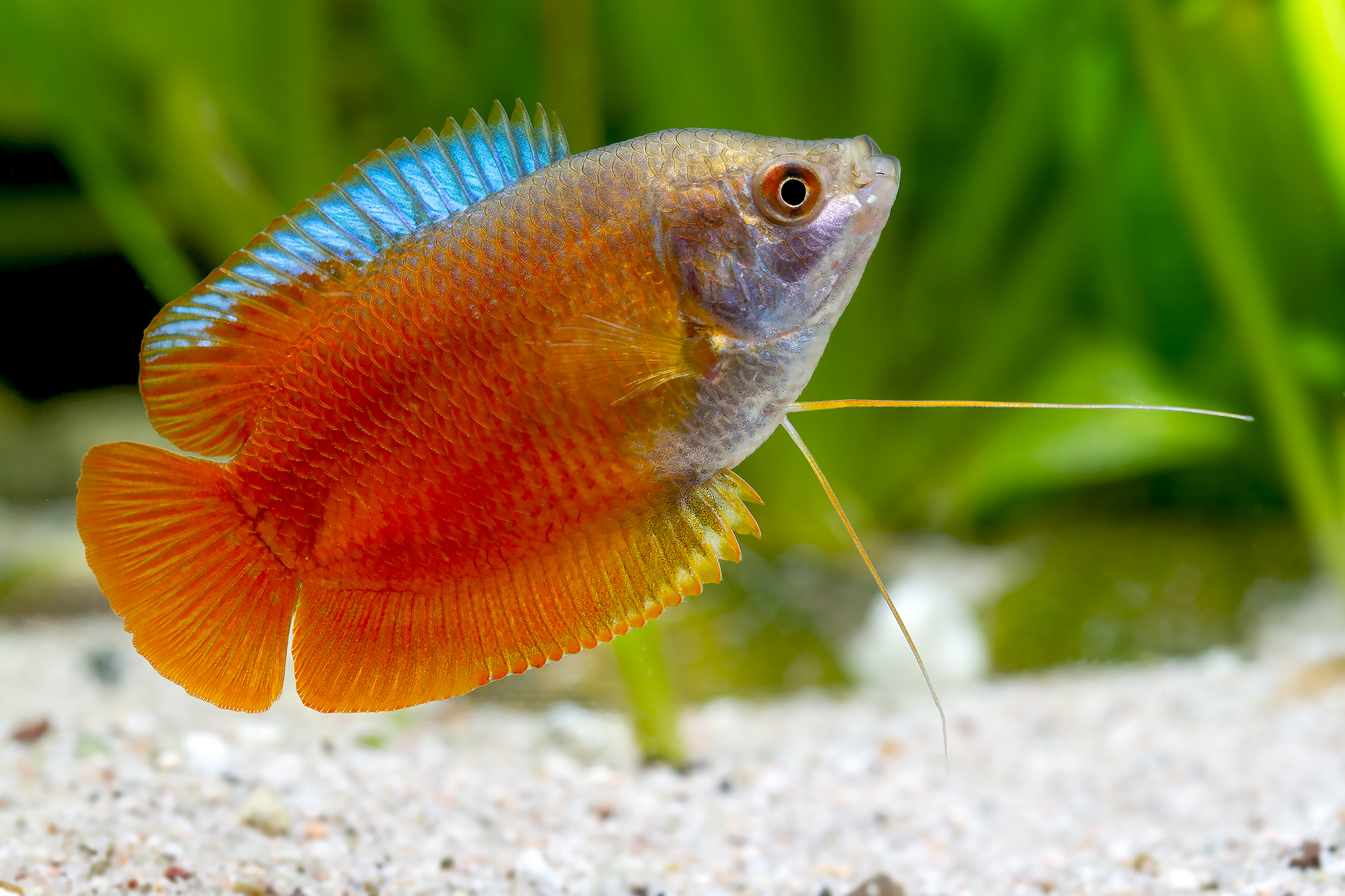
The supplied name is Trichogaster microlepis, a name widely used in aquarium literature. The species is also treated in current taxonomic usage as Trichopodus microlepis. It belongs to Osphronemidae, the gourami family, and possesses a labyrinth organ that allows it to breathe atmospheric air. Adults have a deep, silvery body, a pointed head, translucent fins and elongated thread-like pelvic fins. The sex of the pictured fish cannot be established confidently from the available images.
Natural distribution and habitat
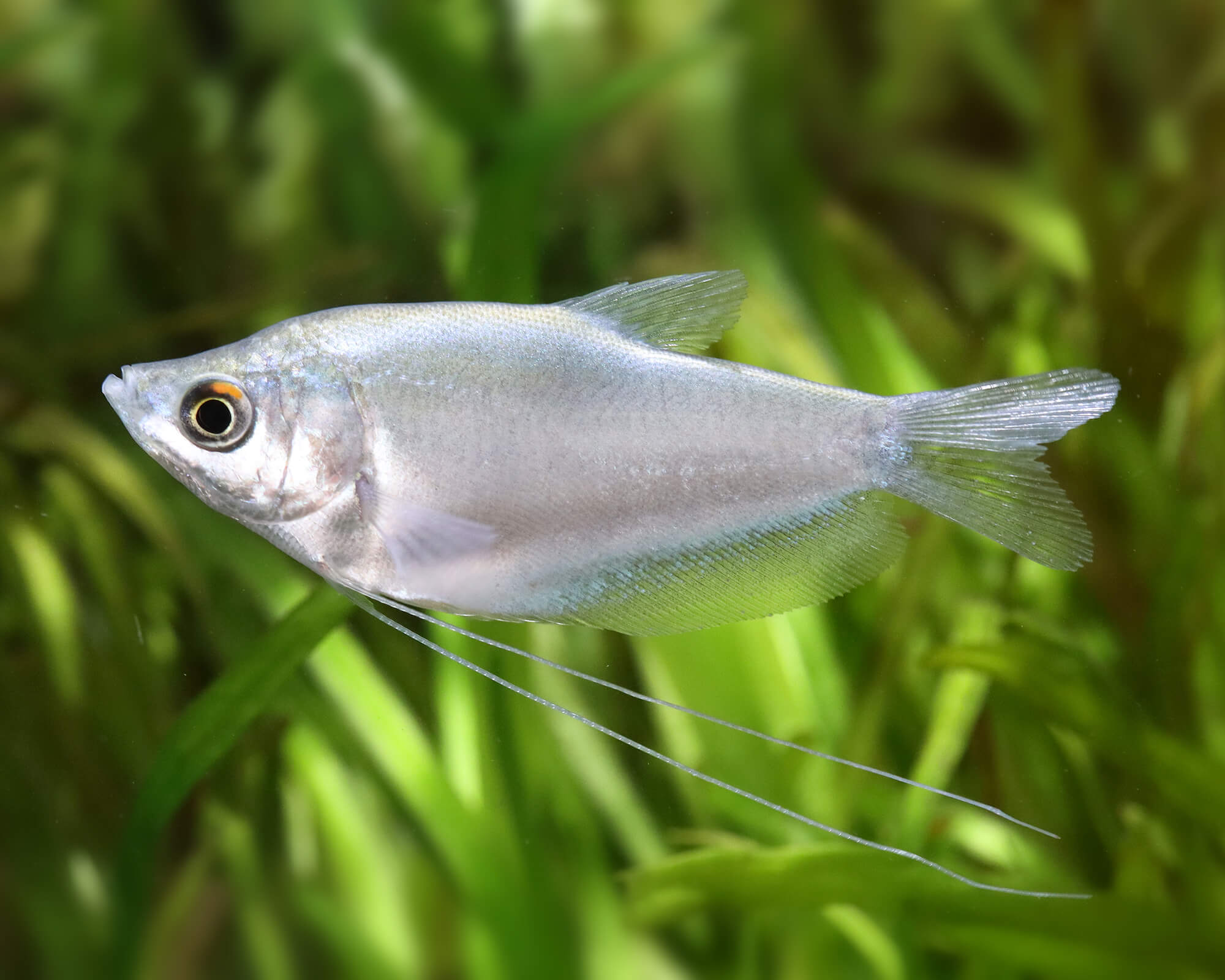
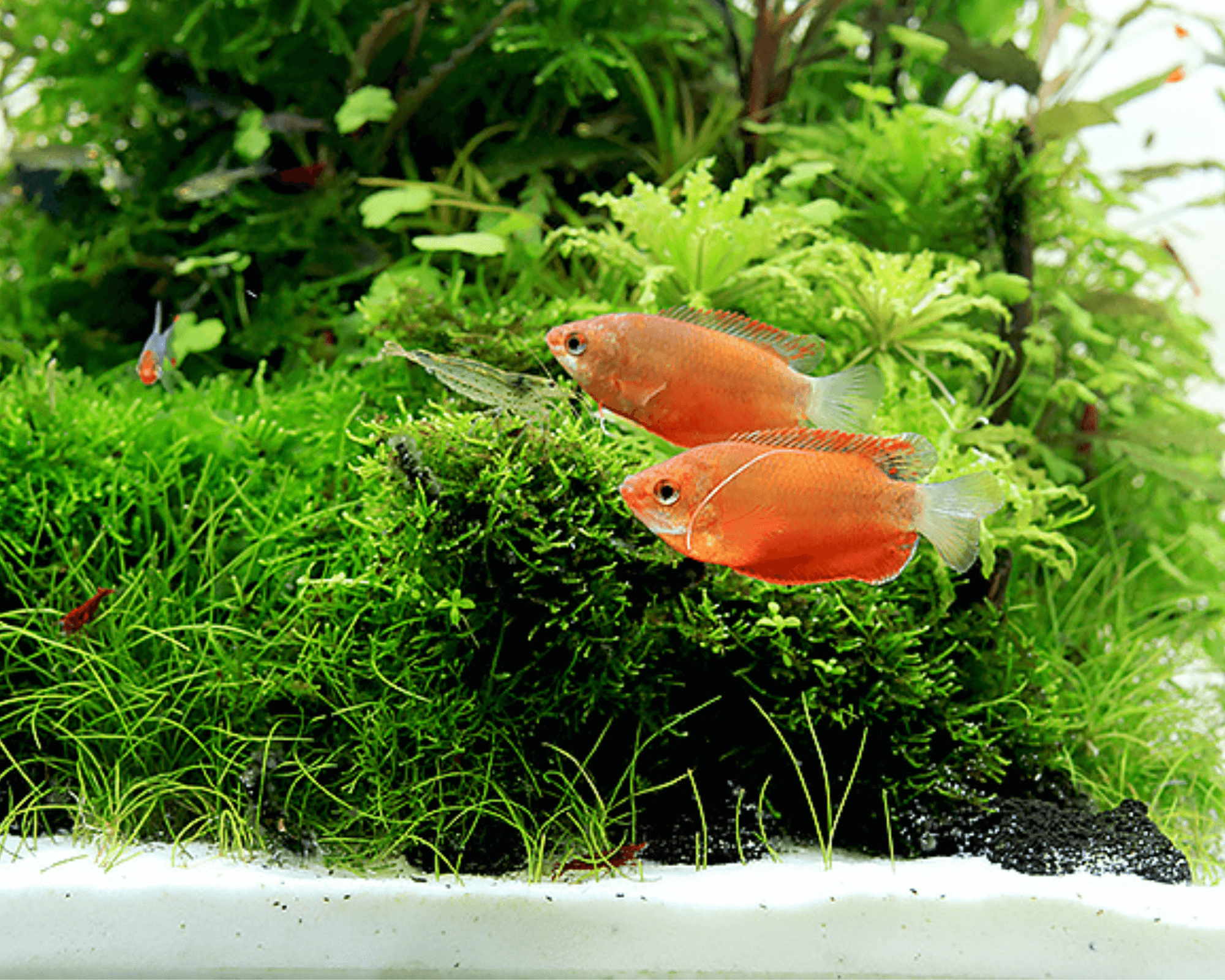
Moonlight gouramis are native to mainland Southeast Asia, including the Mekong and Chao Phraya drainage regions. They occur in slow-moving or still waters such as floodplain habitats, swamps, marshes and vegetated backwaters. These environments commonly have subdued light, abundant cover and limited current. Aquarium decor should reflect this with plants, open swimming space and a calm surface.
Behavior
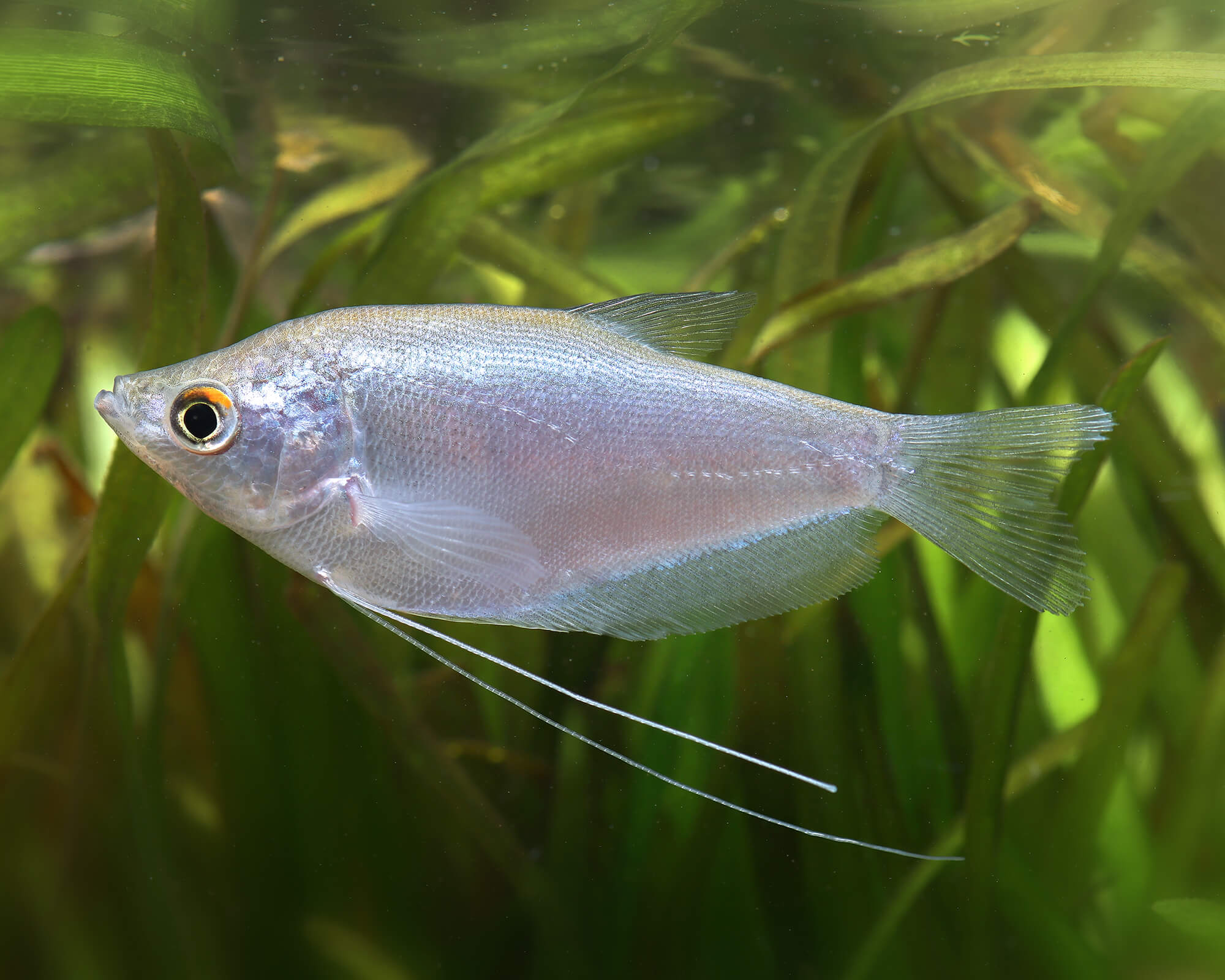
This is usually a peaceful, slow-moving species that spends much of its time in the middle and upper levels of the aquarium. It may become shy in bright, open surroundings and benefits from floating plants and shaded areas. Males can defend a territory, particularly during breeding, so a pair needs visual barriers and enough room for the female to retreat. Keep the lid secure while leaving a warm, humid air space above the water for labyrinth-organ breathing.
Aquarium size and setup
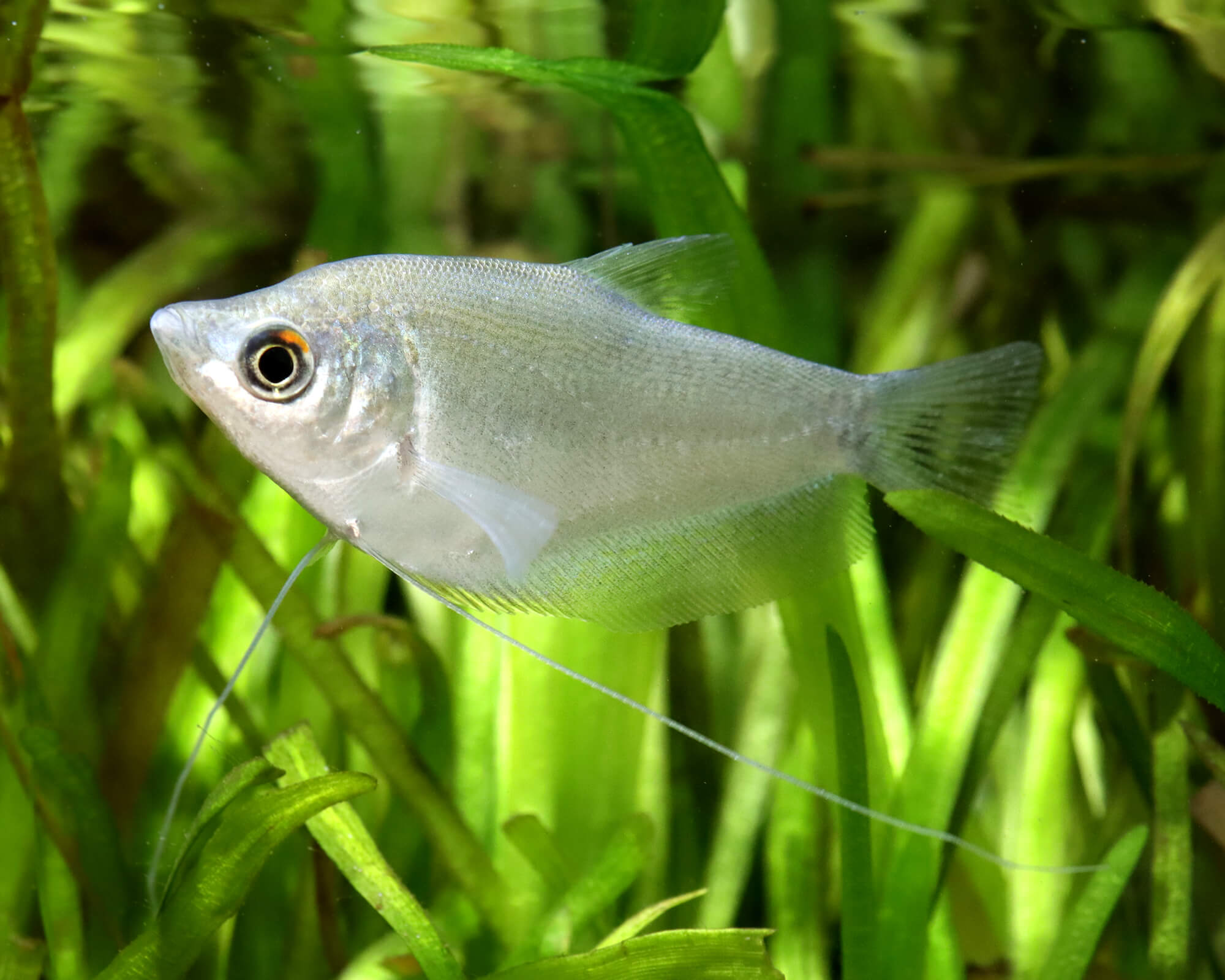
For a pair, use an aquarium of at least 150 litres, with a longer footprint preferred over a tall, narrow tank. Mature filtration, regular maintenance and gentle circulation are important; strong flow can exhaust this relatively slow swimmer. Include rooted plants, floating cover, driftwood or other visual breaks, while retaining clear areas for movement. A tightly fitting cover helps prevent jumping and reduces chilling of the air above the water.
Water parameters
Maintain stable, clean water at 24-30 °C, with a practical target around 26-28 °C. A pH of 6.0-7.5 is suitable, and soft to moderately hard water is generally tolerated. Avoid sudden changes, persistent ammonia or nitrite, and excessive nitrate accumulation. Weekly partial water changes and a fully cycled aquarium are more important than pursuing a particular precise pH.
Diet
Moonlight gouramis are omnivorous. Offer a varied diet based on quality small pellets or flakes, supplemented with frozen or live foods such as brine shrimp, daphnia, mosquito larvae and bloodworms. Small portions once or twice daily are preferable to overfeeding. Some vegetable matter, including spirulina-based foods, can be included. Feed slowly and observe that timid individuals receive food without being outcompeted.
Compatibility
Choose peaceful community fish of compatible size and temperament, such as calm rasboras, tetras, peaceful barbs, corydoras and non-aggressive loaches. Avoid fin-nippers, boisterous feeders, very active species and aggressive territorial fish. Do not combine them with fish likely to harass their thread-like pelvic fins. A pair can work well, but provide plants and partitions so the female can avoid persistent male attention.
Breeding
The species is a bubble-nest breeder. In a separate, shallow breeding aquarium, provide warm, calm water, floating plants and a covered surface. The male constructs a bubble nest and courts the female beneath it. After spawning, he typically gathers and guards the eggs and tends the nest, while the female should be removed if she is being harassed. Remove the male after the fry become free-swimming or if he begins consuming them. Feed newly free-swimming fry appropriately sized first foods, such as infusoria or other commercially prepared microscopic fry foods, followed by larger foods as they grow. Raising fry requires careful water quality and protection from filtration intake.
Leave your comments