Taxonomy and Distribution
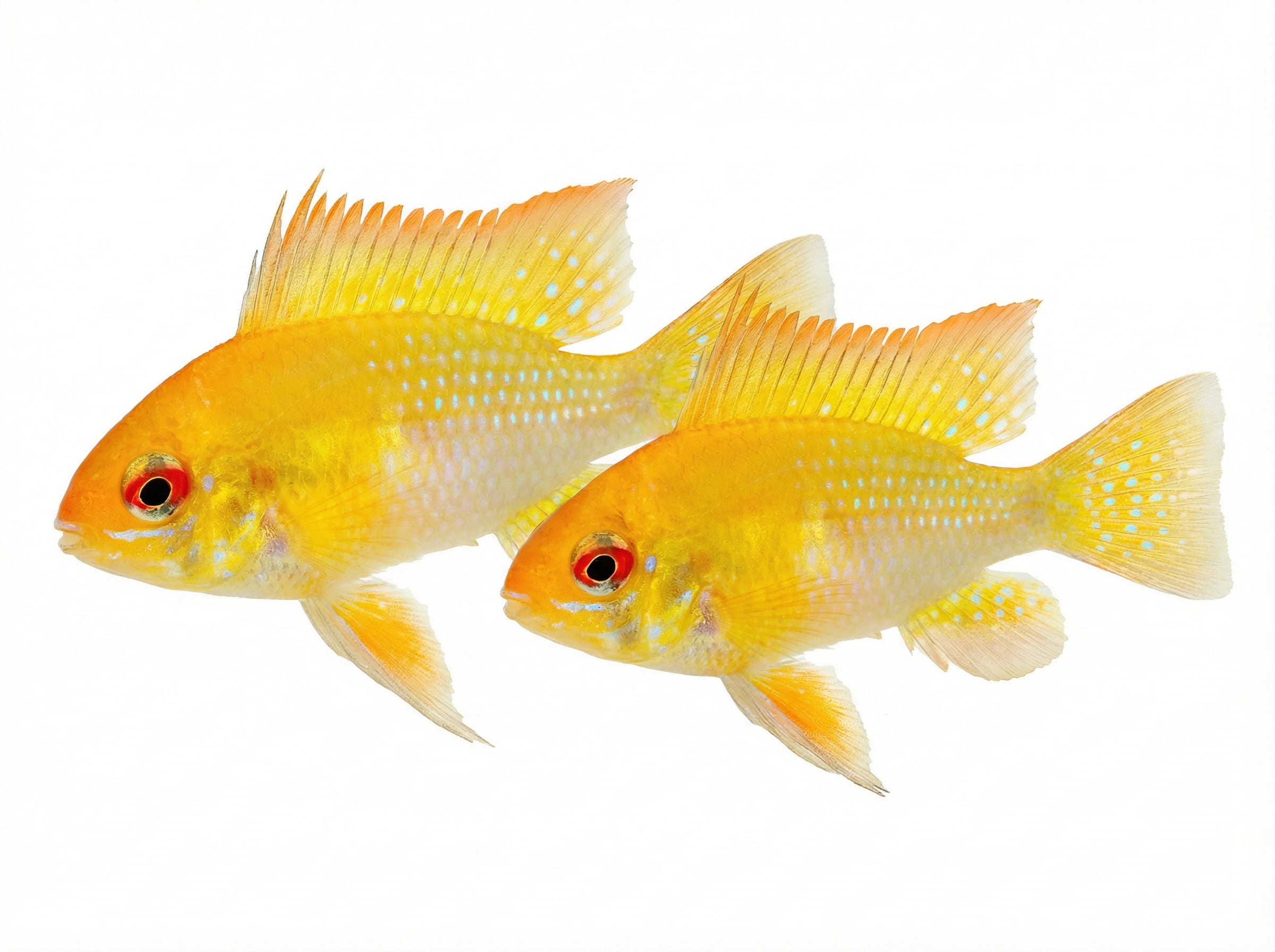
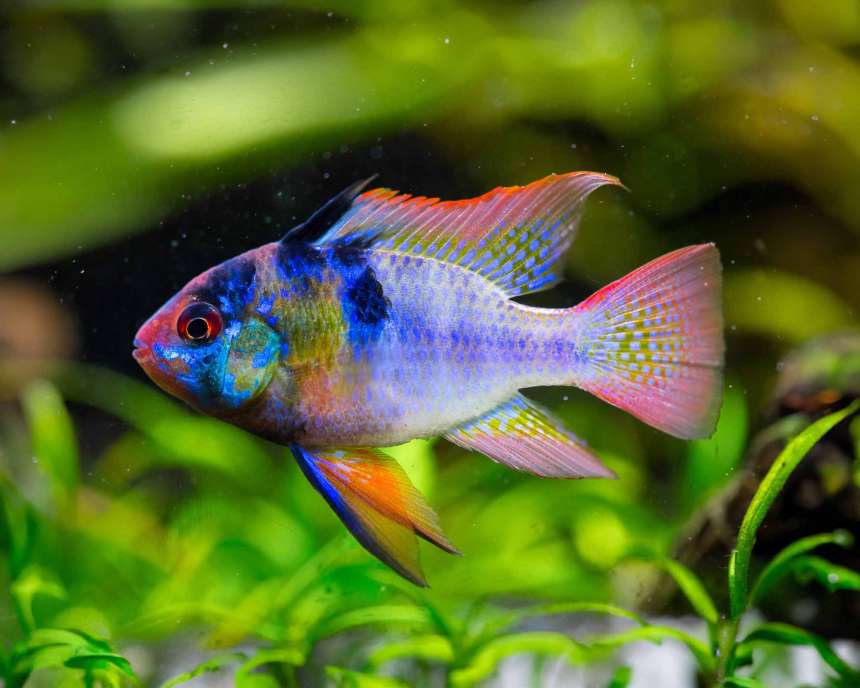
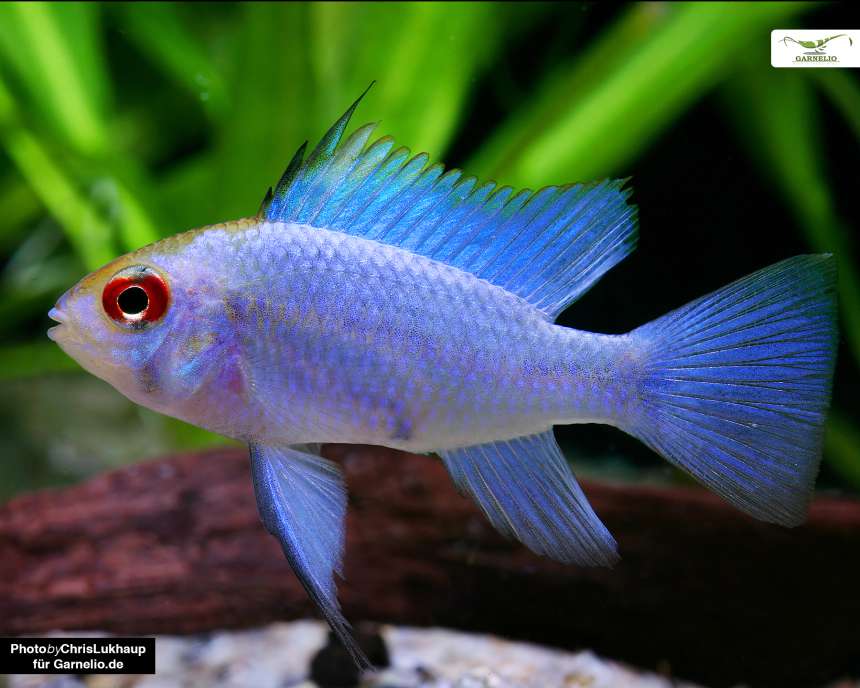
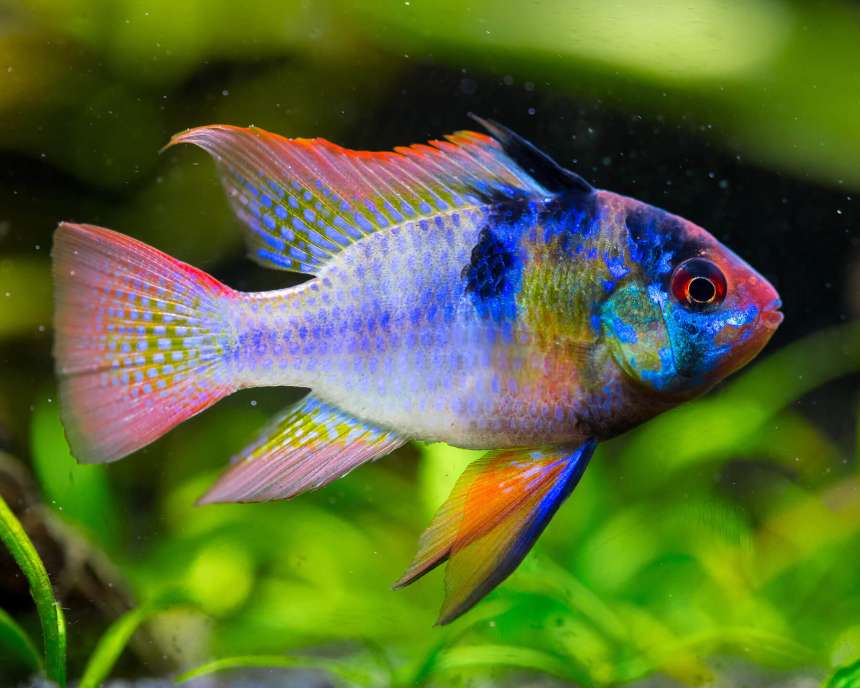
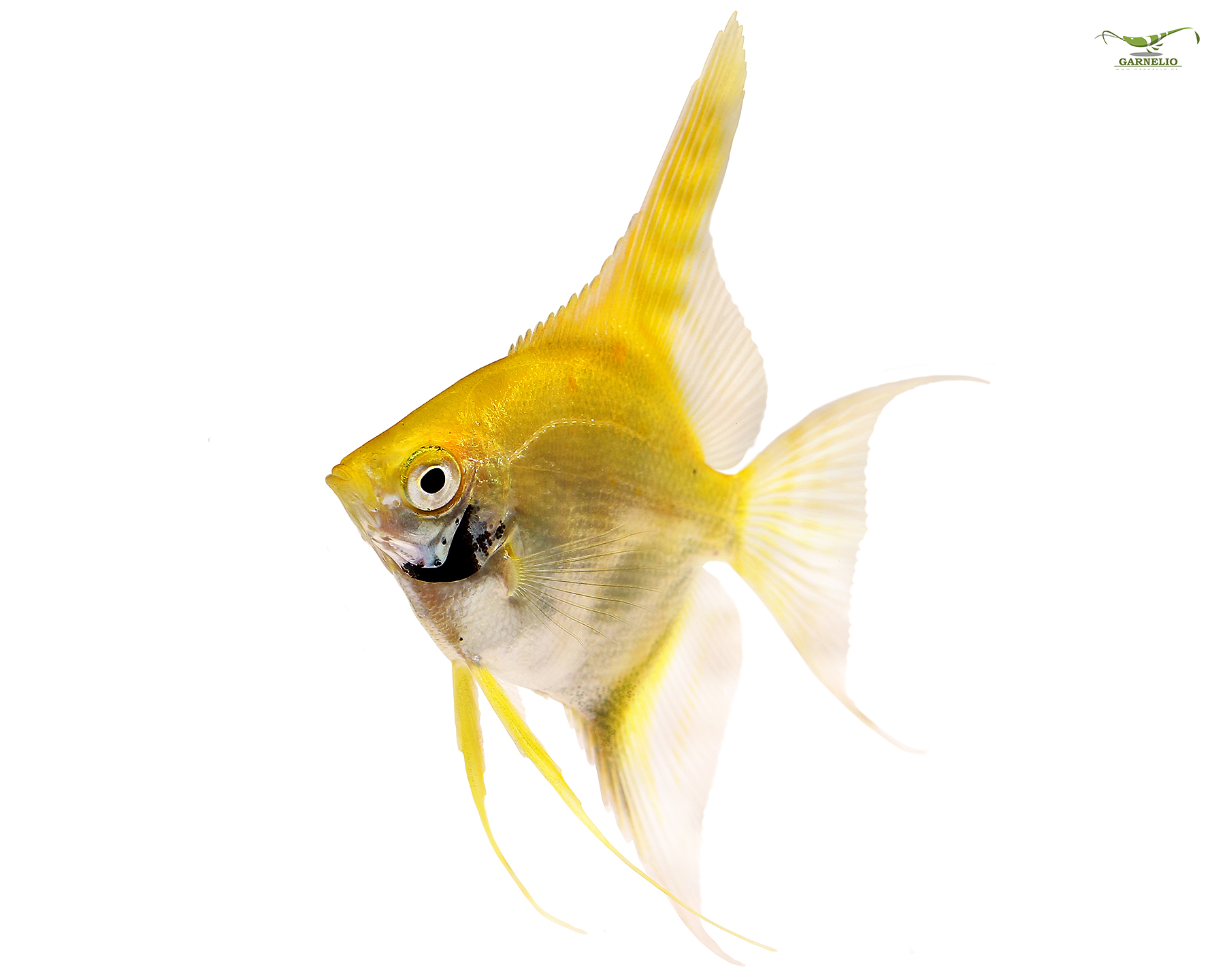
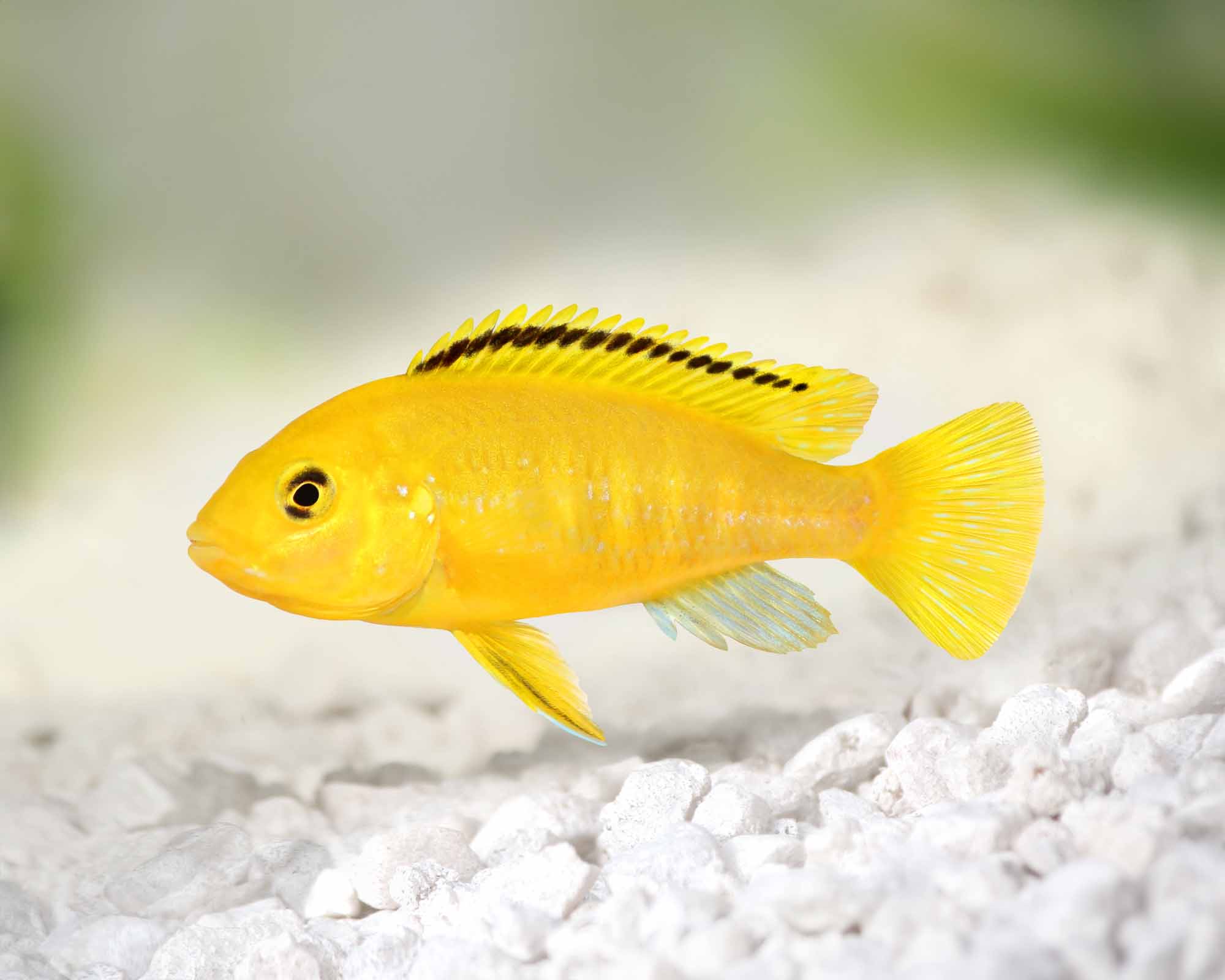
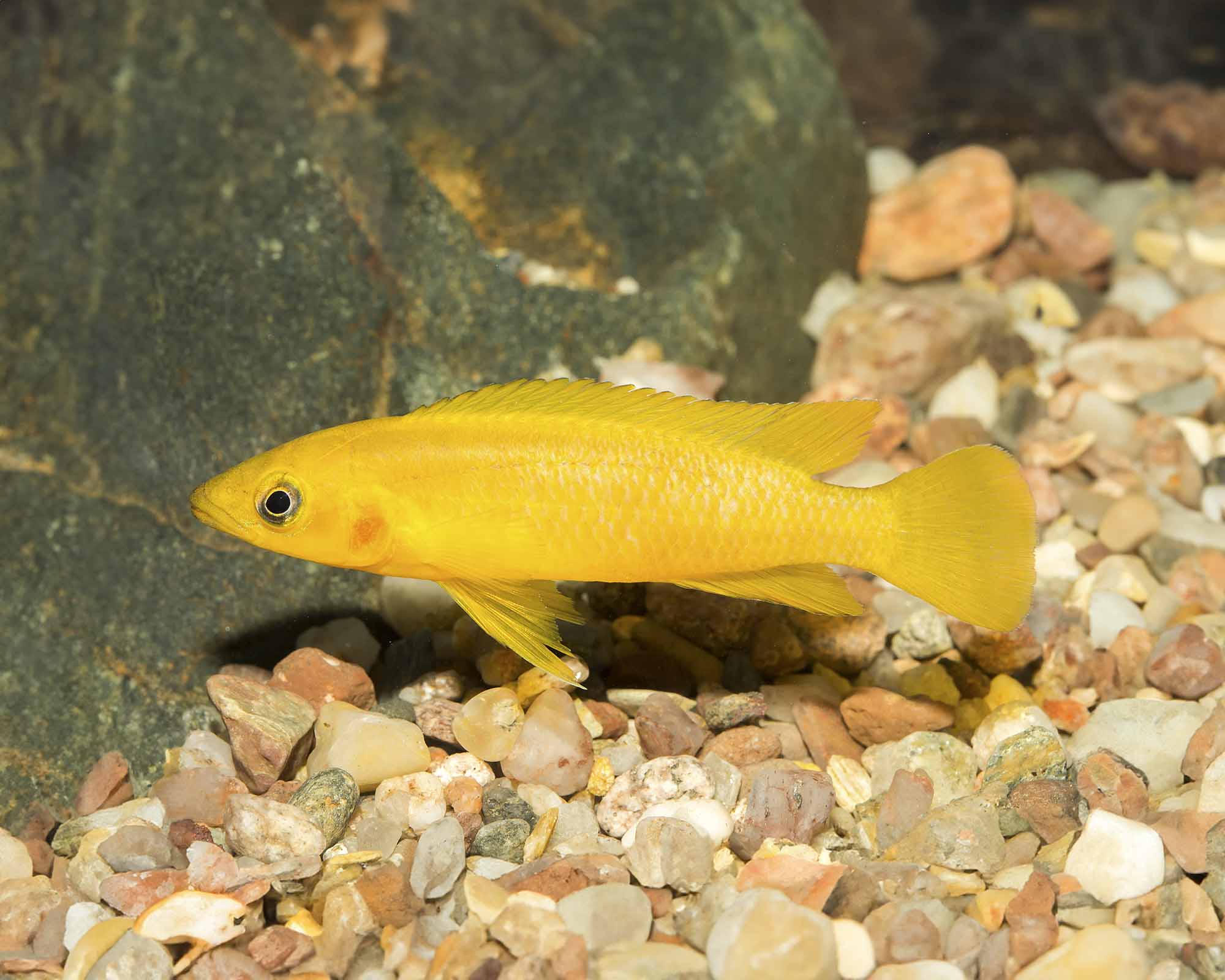
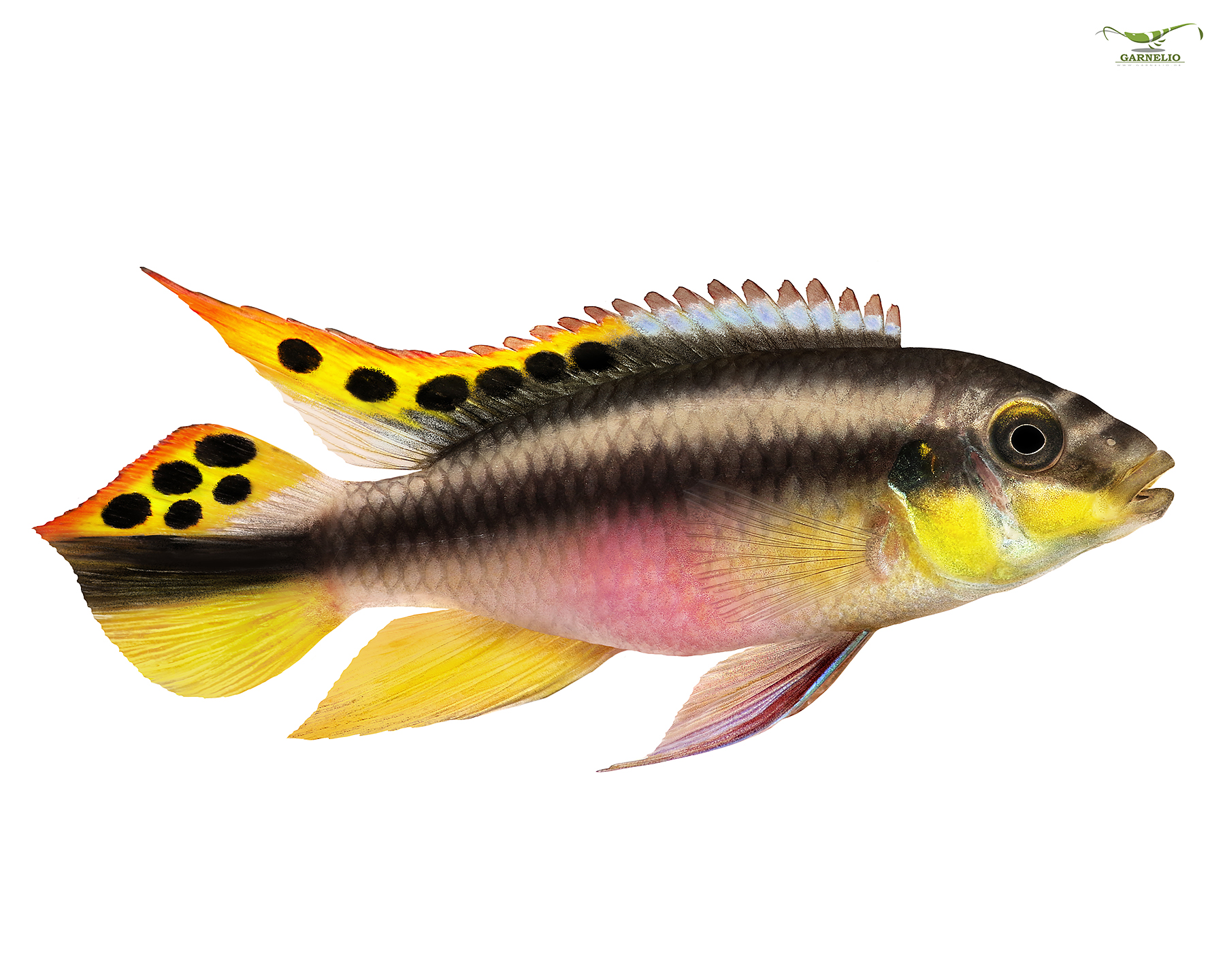
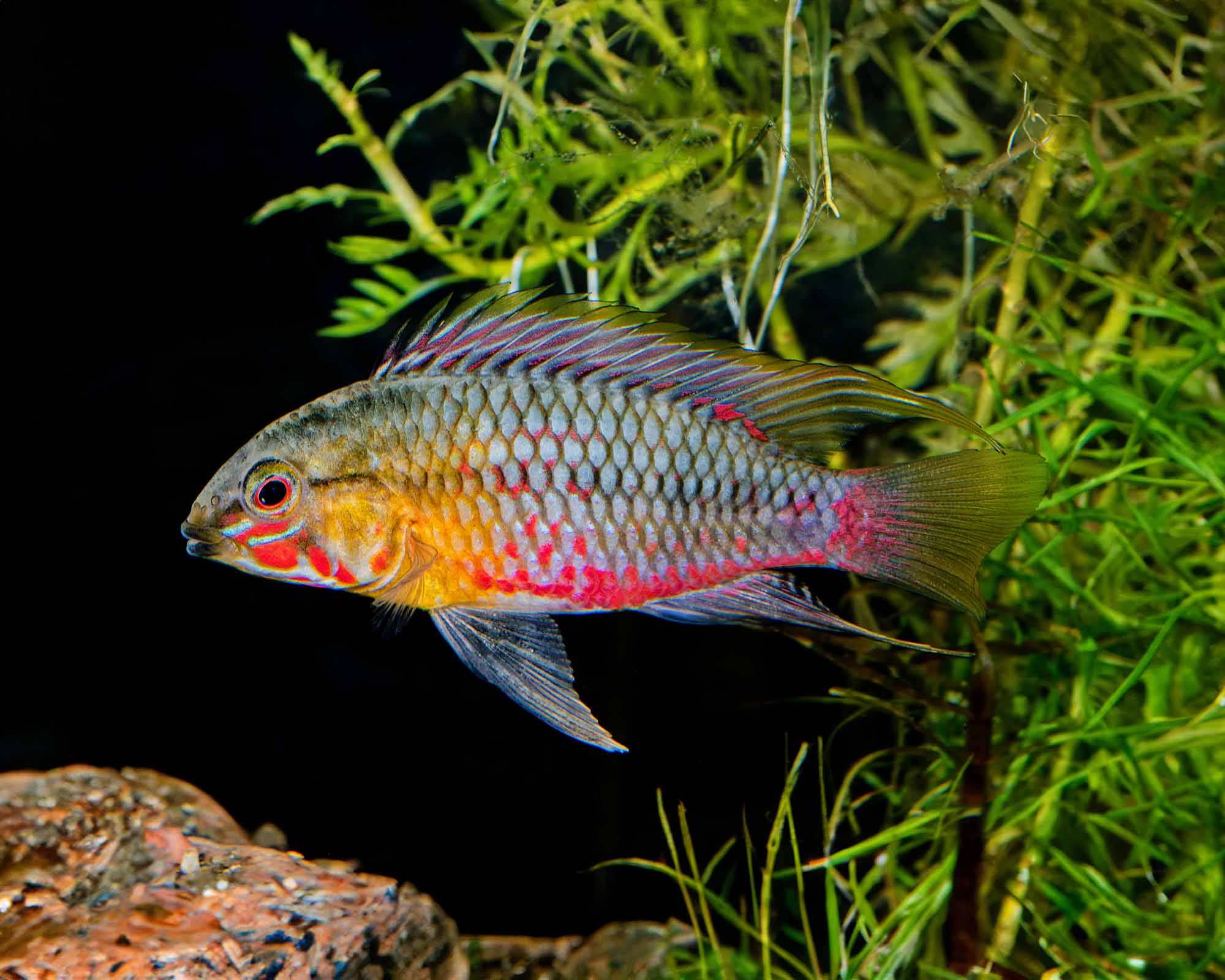
The butterfly cichlid, scientifically known as Microgeophagus ramirezi, originates from the warm, acidic waters of the Orinoco River basin in Venezuela and Colombia. While the wild type exhibits a classic pattern of blue, yellow, and black, the Lemon Gold variety is a captive-bred mutation. These fish belong to the Cichlidae family and are strictly freshwater inhabitants preferring slow-moving, heavily vegetated environments.
Tank Requirements
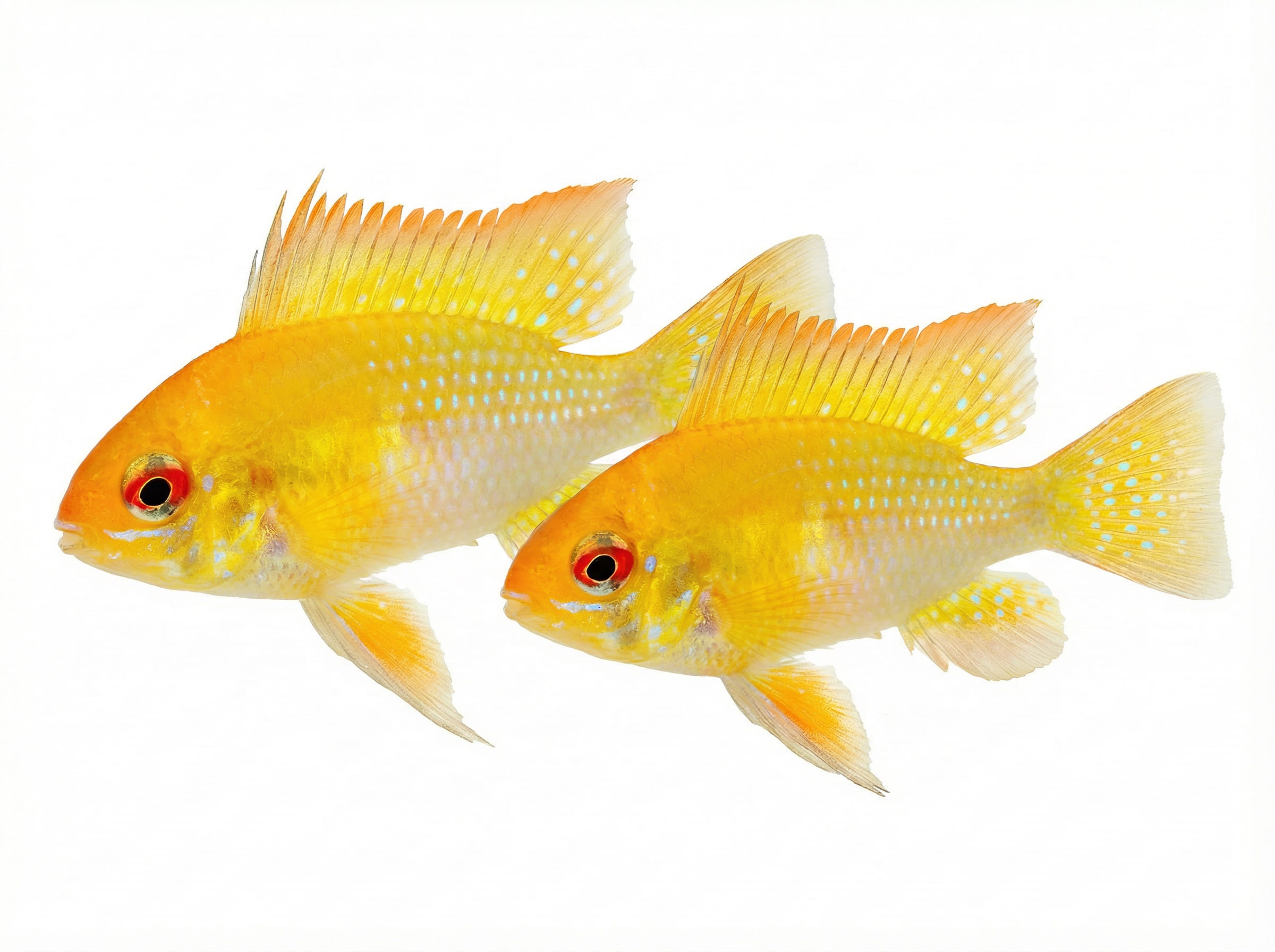
To thrive, these cichlids require a well-maintained aquarium of at least 75 liters. They are sensitive to water quality and fluctuations, necessitating regular partial water changes and efficient filtration. A soft substrate, such as sand, and plenty of hiding spots provided by driftwood, caves, and dense planting are essential to mimic their natural habitat and reduce stress.
Diet and Feeding
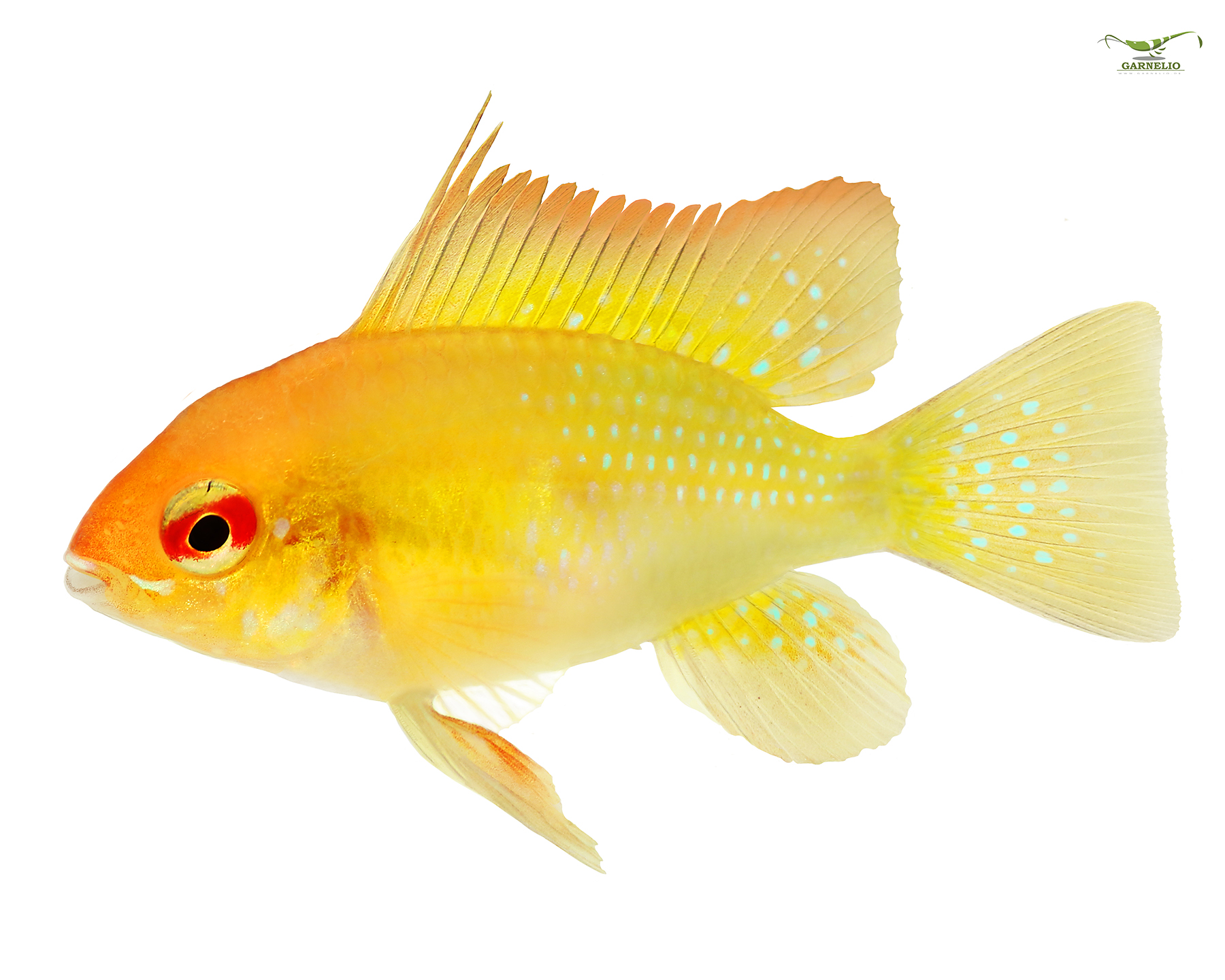
They are omnivorous and require a varied diet to maintain their brilliant coloration and overall health. High-quality micro-pellets or flakes should be supplemented with live or frozen foods, such as brine shrimp, daphnia, or bloodworms. Frequent, small feedings are preferred over a single large meal to ensure all individuals receive adequate nutrition without polluting the water.
Compatibility and Behavior
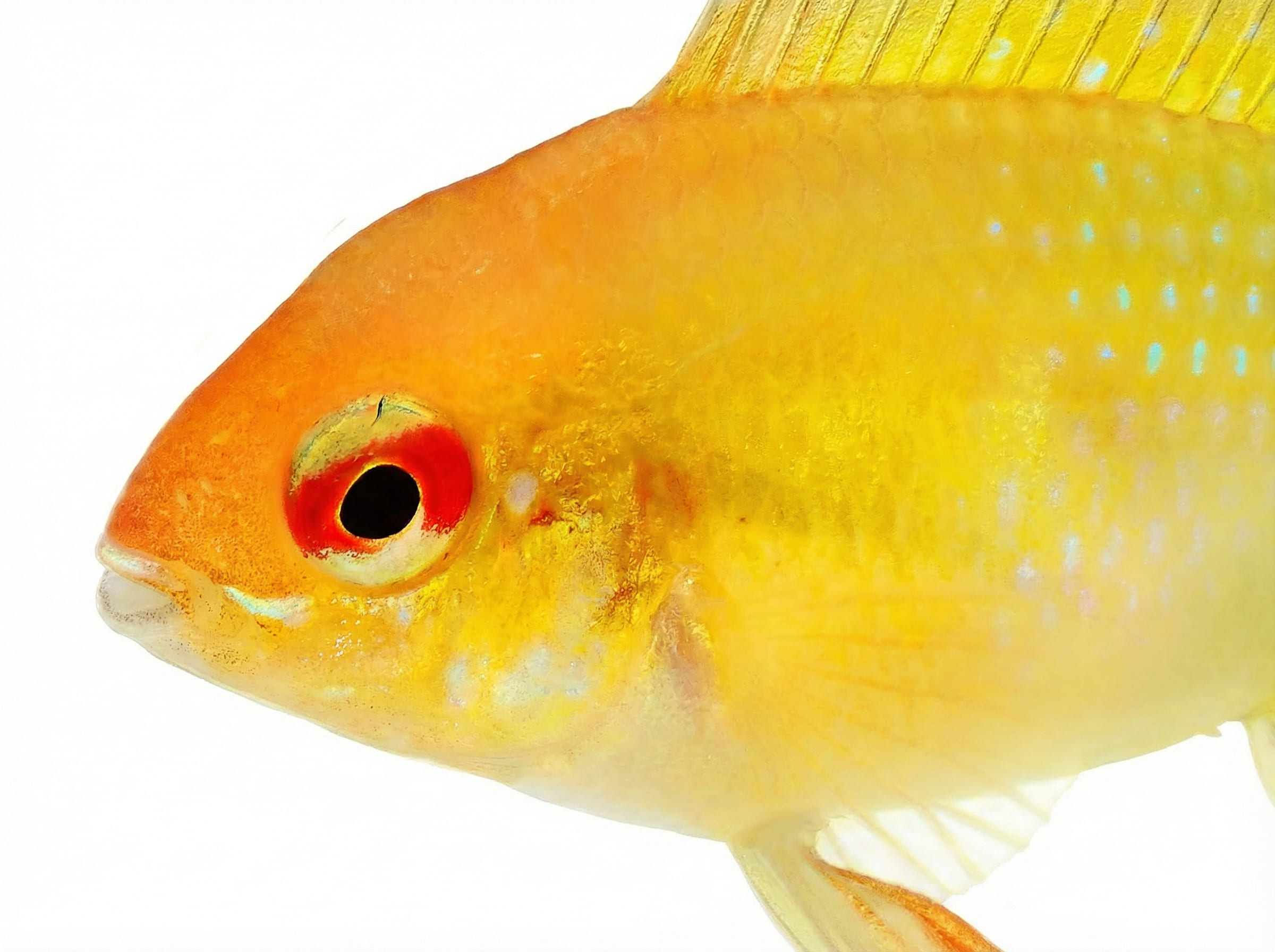
Despite being cichlids, they are generally peaceful and well-suited for community tanks. They pair well with small, non-aggressive tetras, rasboras, and corydoras catfish. Avoid keeping them with overly boisterous or large species that might intimidate them. During spawning, they may display mild territorial behavior, but they are rarely harmful to other tank inhabitants.
Breeding
Breeding the Lemon Gold variety is possible in a dedicated setup. They are substrate spawners, typically laying eggs on a cleaned flat stone or a broad leaf. Both parents generally show strong parental care, guarding the eggs and fry. Success often depends on maintaining soft, acidic, and warm water conditions, which simulate the onset of the breeding season in their natural environment.
 - pair - 1.webp)
Leave your comments