
AquaLibs presents AquaRank Discover the world’s leading aquascapers

Explore transparent rankings built from published results across the world’s leading aquascaping contests.

The Low-Tech Planted Aquarium Blueprint: Match Plant Growth to Livestock Before You Buy

The Low-Tech Planted Aquarium Blueprint: Match Plant Growth to Livestock Before You Buy

A planted aquarium without injected CO2 can look full, natural, and colorful, but it will not behave like a high-tech aquascape. Growth is usually slower, demanding carpet plants may stay sparse, and red foliage may be less intense. The most reliable...
Which Tank Mates Belong Together in a Planted Aquarium? A Peaceful Community Decision Guide

Which Tank Mates Belong Together in a Planted Aquarium? A Peaceful Community Decision Guide

A peaceful community aquarium is not created by choosing the smallest or most colorful fish available. Compatibility depends on adult size, swimming level, social needs, temperament, feeding behavior, water preferences, and whether shrimp or snails a...
The Aquarium Snail Reality Check: Match Cleanup Claims to the Job Your Planted Tank Needs

The Aquarium Snail Reality Check: Match Cleanup Claims to the Job Your Planted Tank Needs

Aquarium snails are often sold as a cleanup crew, but that label can create unrealistic expectations. They may graze algae, consume biofilm, find uneaten food, process decaying plant tissue, or move through the substrate. They do not replace water ch...
How to Feed Freshwater Shrimp Without Feeding the Algae Problem

How to Feed Freshwater Shrimp Without Feeding the Algae Problem

Freshwater shrimp are often added to planted aquariums with two goals: enjoy their color and reduce algae. The difficulty is that extra food can work against both goals. Shrimp graze biofilm, soft algae, plant debris, and missed fish food, but a tank...
Fresh from the rankings

Latest works from the AquaRank Top 300

A rotating selection from the newest locally archived contest works created by the world’s Top 300 aquascapers.

Aquarium Library

  • All
  • Plant
  • Fish
  • Shrimp
  • Snail

Spain at IAPLC 2026: Roberto Buenadicha’s Forest and the Space Between Trunks

Roberto Buenadicha’s aquarium is the only Spanish work in the published ranks 1–300. Its slender dar...

France at IAPLC 2026: A Close Reading of Jean Christophe Grosset’s Woodland

Only one French work appears in the published ranks 1–300. That gives this instalment a different ta...

Singapore at IAPLC 2026: Open Stone and an Enclosed Planted Passage

Two Singaporean works appear in the published ranks 1–300, and they offer an unusually clear contras...

Hong Kong at IAPLC 2026: Three Studies in Light, Layers and Visual Impact

A low timber ceiling, blue-toned terraces and converging planted diagonals create three visibly diff...

Italy at IAPLC 2026: Calm Routes and More Dramatic Planted Frames

A clear route through planted banks can feel quiet; a coloured ridge beneath a dark frame can feel t...

United States at IAPLC 2026: Four Distinct Readings of a Wooded Aquarium

The four American photographs selected here all contain important wood structures, yet they do not p...
Top 300 spotlight

AquaRank Top 300

Explore AquaRank
Betta splendens (Platinum Crowntail Betta)

Overview

The Platinum Crowntail Betta Male is one of the most visually stunning varieties of Betta splendens. Cultivated through selective breeding, this specific morph boasts a brilliant, metallic white body and the signature extended fin rays that give the "Crowntail" its name. They are a centerpiece fish that brings a touch of elegance to any appropriately sized nano or species-only aquarium.

Image of Platinum Crowntail Betta Male

Distribution and Habitat

Wild Betta splendens originate from the shallow, slow-moving waters of Southeast Asia, particularly in Thailand, Vietnam, Cambodia, and Indonesia. They inhabit rice paddies, marshes, and slow-moving streams. These environments are often low in dissolved oxygen, which led to the evolutionary development of their labyrinth organ, allowing them to breathe atmospheric air.

Description of Platinum Crowntail Betta Male

Image of Platinum Crowntail Betta Male

This magnificent fish is defined by its dramatic finnage and pristine coloration. The male's appearance is specifically bred to showcase aggression and beauty simultaneously, flaring out into a spectacular display when defending its territory.

Body shape:

They possess a streamlined, torpedo-shaped body that is slightly laterally compressed, allowing them to navigate through dense vegetation with ease.

Color:

The entire body and fins are draped in a solid, iridescent "platinum" or pure white color. The scales often catch the light, giving off a metallic sheen.

Barbels:

Bettas do not possess barbels.

Snout:

They feature a distinctively upturned mouth, which is perfectly adapted for their surface-feeding habits in the wild.

Eyes:

Their eyes are relatively large and dark, creating a stark and beautiful contrast against their stark white platinum bodies.

Fins:

Image of Platinum Crowntail Betta Male

The defining feature of the Crowntail is the significant reduction in webbing between the fin rays. The rays extend far beyond the webbing, creating a spiked, crown-like appearance across the dorsal, anal, and pelvic fins.

The Tail:

The caudal (tail) fin displays the same dramatic webbing reduction. When the male flares, the tail spreads into a wide, spiky semi-circle.

Temper

Male Bettas are notoriously aggressive and highly territorial, especially towards other male bettas or fish with similar long, flowing fins. They will actively flare at real or perceived threats to assert dominance.

Sociality

Due to their aggressive nature, Platinum Crowntail Betta Males must never be housed with other male bettas. They are best kept solitary or in a carefully planned community tank with peaceful, short-finned, and dull-colored bottom dwellers like Corydoras or small schooling fish that won't nip their delicate fins.

Activity

They are diurnal and moderately active. While they will patrol their territory, their long fins require considerable energy to move, so they frequently rest on broad leaves or betta hammocks near the water's surface.

Keeping and Caring for Platinum Crowntail Betta Male

Image of Platinum Crowntail Betta Male

While generally hardy, the intricate fins of the Crowntail require pristine water conditions to prevent fin rot and other bacterial infections. Proper care ensures their platinum scales remain vibrant.

Tank size:

A minimum of 5 gallons (19 liters) is required for a single male, though 10 gallons is highly recommended for better water stability and swimming space.

Water Parameters:

Temperature

They are tropical fish and require a stable heater set between 24-28°C (75-82°F).

pH

The ideal pH range is slightly acidic to neutral, between 6.5 and 7.5.

Hardness

They prefer soft to moderately hard water, ideally between 5 and 15 dGH.

Ammonia, Nitrite, Nitrate

Ammonia and Nitrite must always be at 0 ppm. Nitrates should be kept strictly below 20 ppm through regular water changes to protect their delicate fins.

Lighting

Low to moderate lighting is preferred. Bright lights can cause stress unless the tank is heavily planted to provide adequate shade.

Water flow

Water flow must be kept very gentle. The long, spiky fins of the Crowntail act like a parachute, making it exhausting for them to swim against strong currents.

Decorations and Plants

Live plants like Anubias, Java Fern, and floating plants are highly recommended. If using artificial decor, ensure only silk plants are used, as plastic plants and sharp rocks can easily tear their delicate fin rays.

Diet

Image of Platinum Crowntail Betta Male

Bettas are obligate carnivores. Their diet should consist of high-quality betta pellets or flakes, supplemented regularly with protein-rich treats like frozen or live bloodworms, brine shrimp, and daphnia.

Some Feeding Tips

Feed small amounts 1-2 times daily. A good rule of thumb is to feed only what they can consume in 2 minutes. Fasting them for one day a week can help prevent bloating and swim bladder issues.

Breeding

Breeding Bettas is a complex process. Males are bubble nesters; they build a nest of bubbles at the water's surface. Once a female is introduced and accepted, the male wraps around her to fertilize the eggs as they are released. He will then catch the eggs, place them in the nest, and aggressively guard them until the fry hatch and become free-swimming.

Conclusion

The Platinum Crowntail Betta Male is an exquisite, jewel-like addition to the freshwater hobby. While their aggressive temperament demands careful tank planning, their unmatched beauty, interactive nature, and striking platinum spikes make them one of the most rewarding aquatic pets to keep.
Fish info

  • Care level: Easy - Moderate
  • Temperament: Aggressive
  • Adult size: 5-7 cm
  • Life expectancy: 3-5 years
  • Fish type: Labyrinth Fish
  • Temperature : 24-28°C
  • pH: 6.5-7.5
  • Color Form: Platinum, White
Leave your comments
Latest on Fishs
  • Blue Gourami (Trichogaster trichopterus) Care Guide

    Blue Gourami (Trichogaster trichopterus) Care Guide

    Easy - Moderate
    Labyrinth fish; freshwater anabantoid
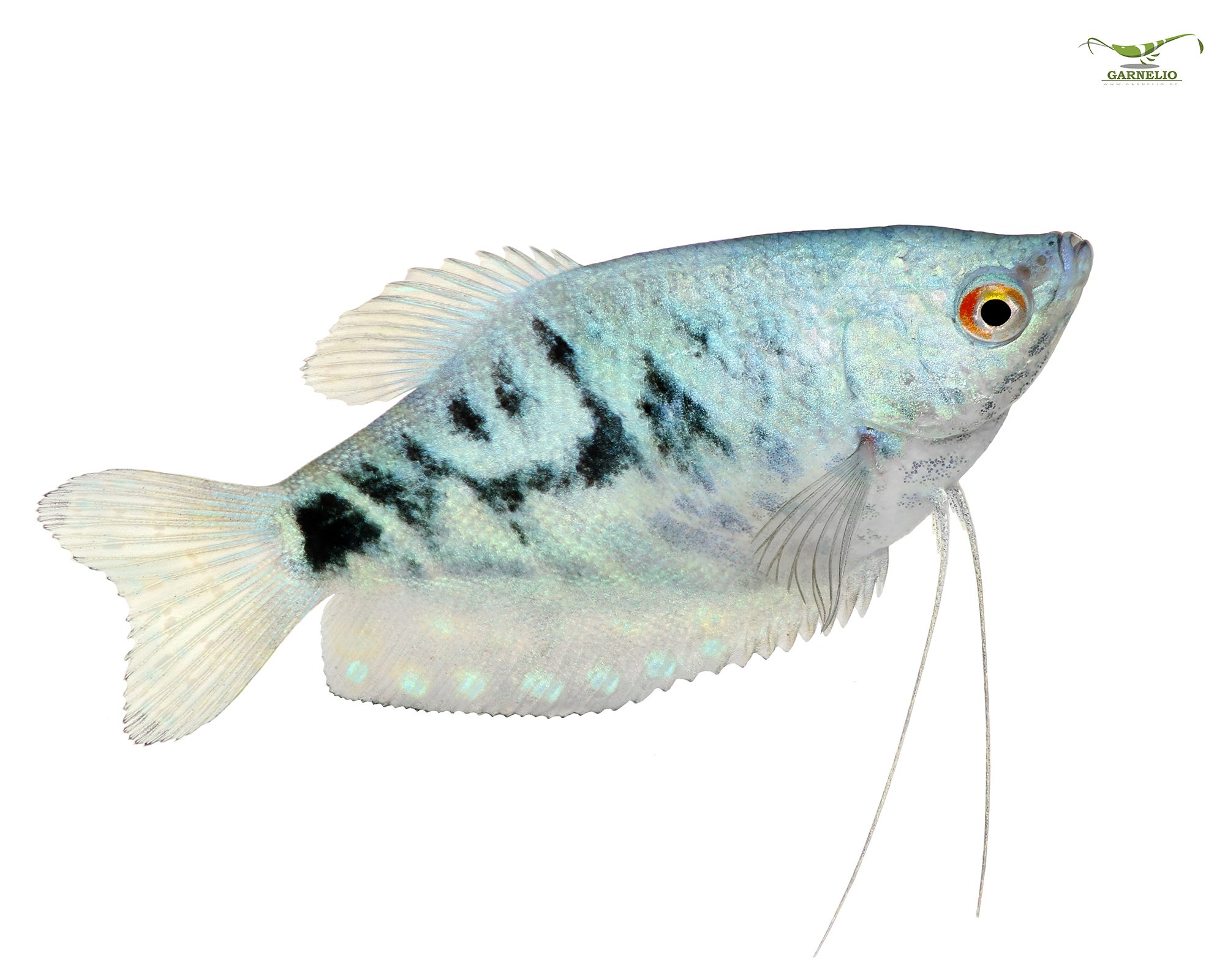
    The blue gourami is a hardy labyrinth fish suited to a spacious, planted community aquarium. It is the blue color form of the three-spot gourami, a species that can become territorial, particularly when males mature or spawn. Provide gentle filtration, access to warm humid air above the water, hiding places, and a varied diet. The supplied images clearly show blue gouramis, although photographs alone cannot confirm sex or verify that every pictured fish belongs to the same color form.
  • Giraffe Perch (Nimbochromis venustus) Care Guide

    Giraffe Perch (Nimbochromis venustus) Care Guide

    Difficult
    Lake Malawi predatory haplochromine cichlid
    Nimbochromis venustus is a large predatory haplochromine cichlid from Lake Malawi, known in aquariums as the giraffe perch or giraffe cichlid. Juveniles are comparatively subdued, while adults develop blue facial tones and yellow, olive or gold body coloration with darker markings. The supplied listing describes two 4 cm fish as a pair, but sex cannot be confirmed reliably at that size. This species requires a spacious, rocky aquarium and carefully selected tank mates.
  • Dwarf Gourami (Trichogaster lalius)

    Dwarf Gourami (Trichogaster lalius)

    Moderate
    Small freshwater labyrinth fish
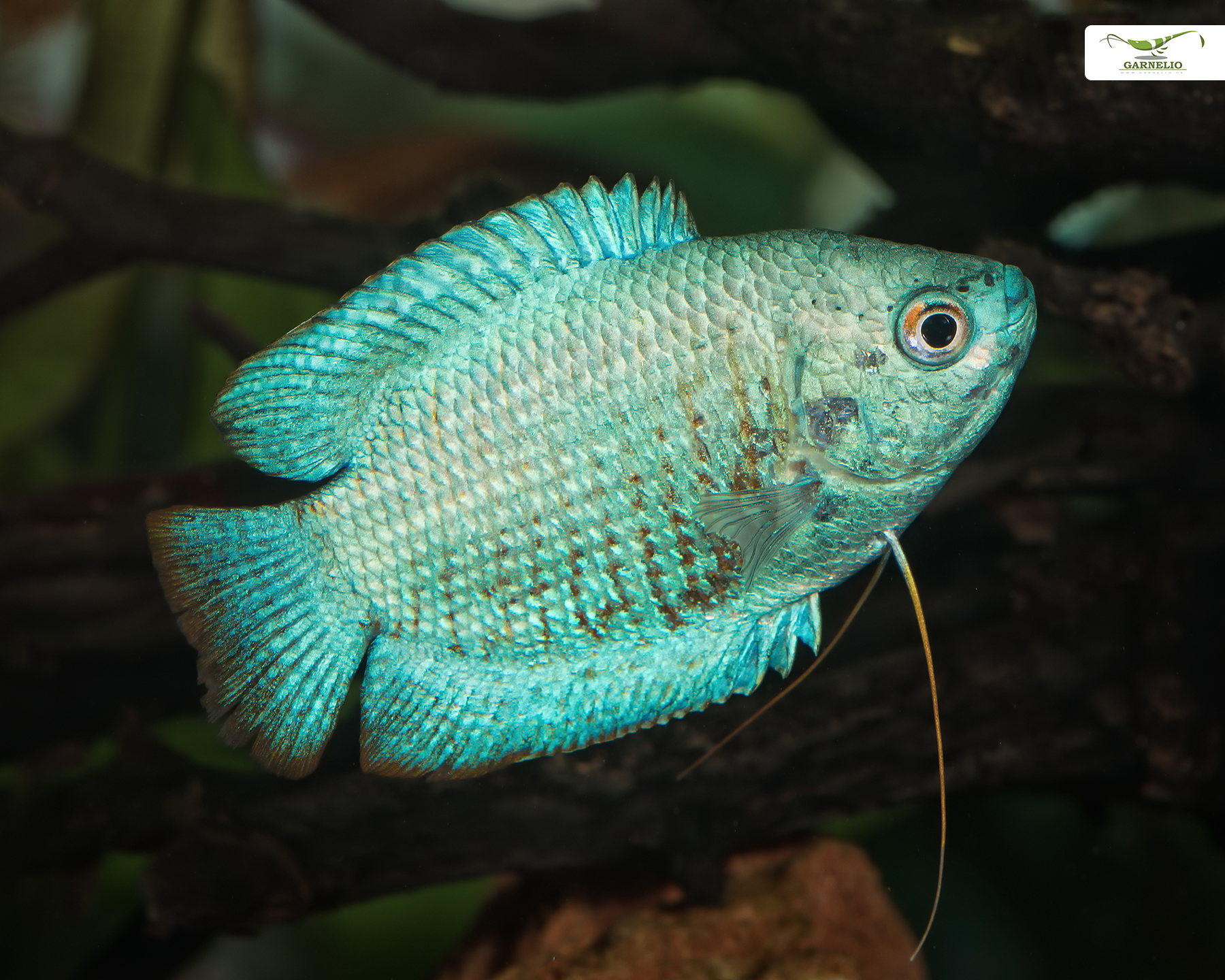
    The dwarf gourami is a small labyrinth fish from vegetated, slow-moving waters of South Asia. Trichogaster lalius is generally peaceful, colorful and suitable for a planted community aquarium, although males can become territorial, especially around a bubble nest. A pair needs warm, stable water, gentle circulation, surface access and plenty of cover. The supplied identification is consistent with dwarf gourami, though color varieties and sex should be confirmed by physical examination.
  • Five-Bar Cichlid (Neolamprologus tretocephalus)

    Five-Bar Cichlid (Neolamprologus tretocephalus)

    Difficult
    Lake Tanganyika rock-dwelling cichlid
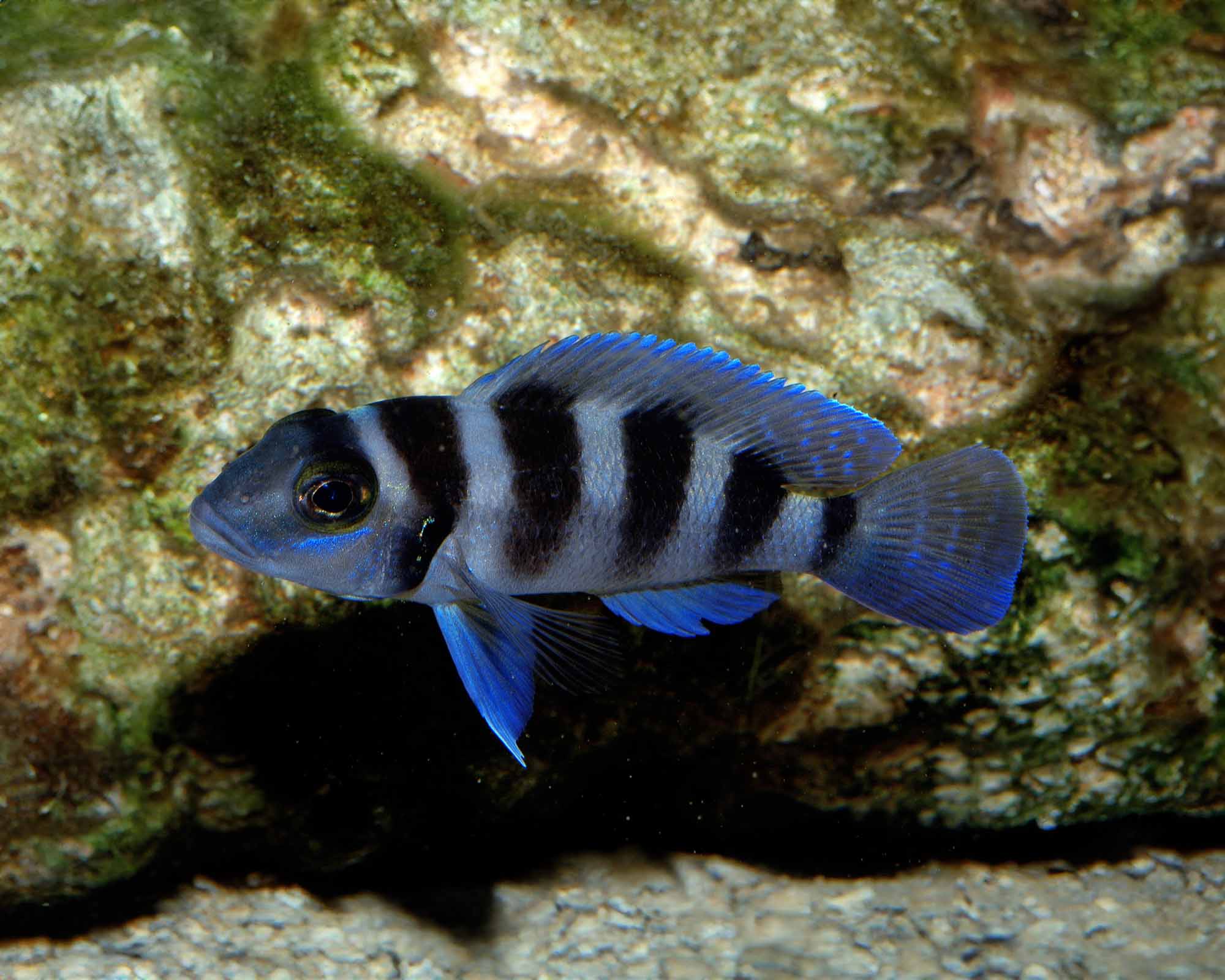
    The five-bar cichlid, also called the five-striped cichlid, is a robust Lake Tanganyika predator with a dark blue-gray body marked by five broad black bars. Neolamprologus tretocephalus is territorial and can become highly aggressive, particularly when spawning. It suits experienced aquarists who can provide a spacious, rock-structured aquarium, alkaline hard water, and carefully selected tank mates. The supplied label identifies this fish as a pair, but sex and exact locality cannot be confirmed from the available information.
  • Gardner’s Splendid Carp (Fundulopanchax gardneri)

    Gardner’s Splendid Carp (Fundulopanchax gardneri)

    Moderate
    West African killifish
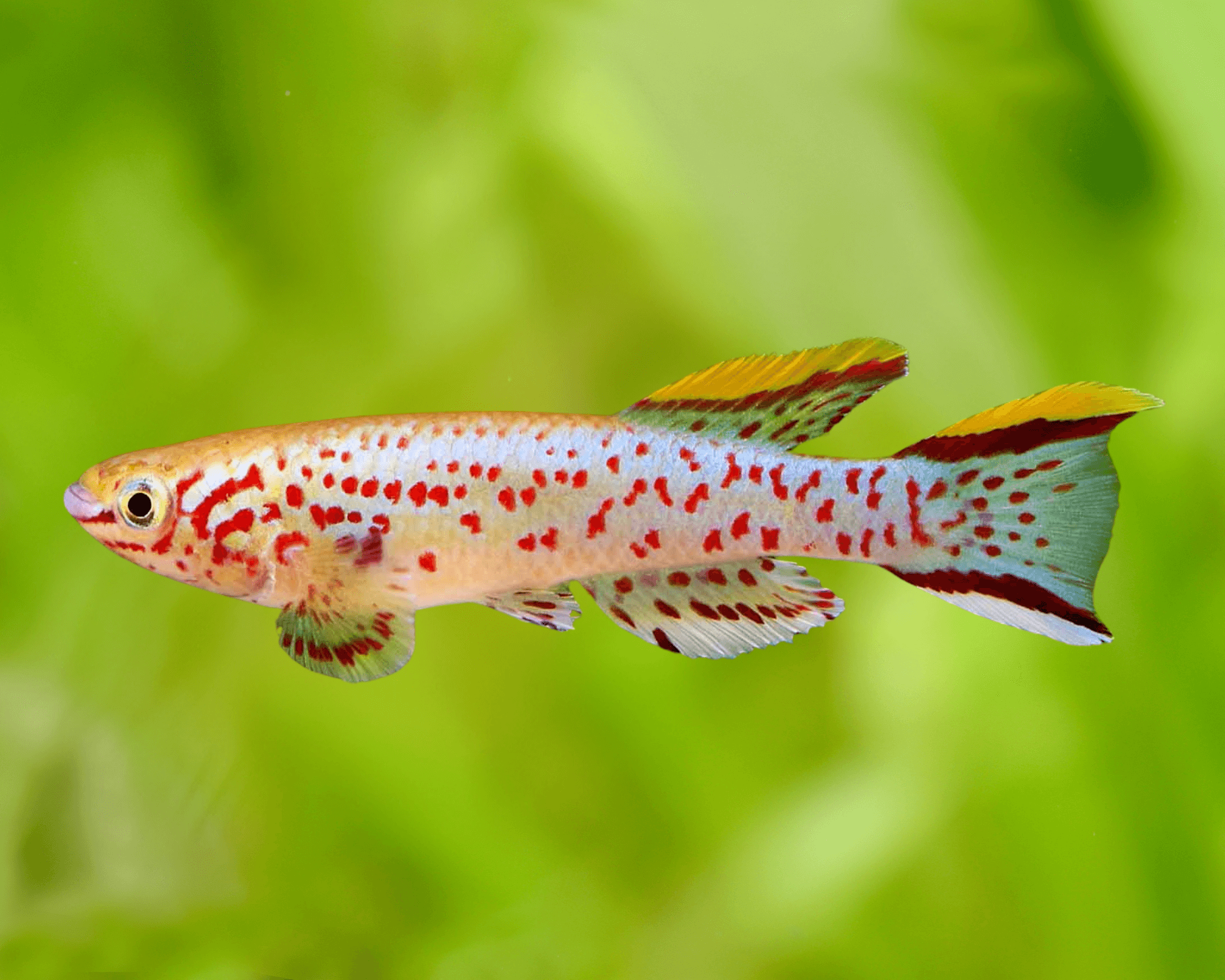
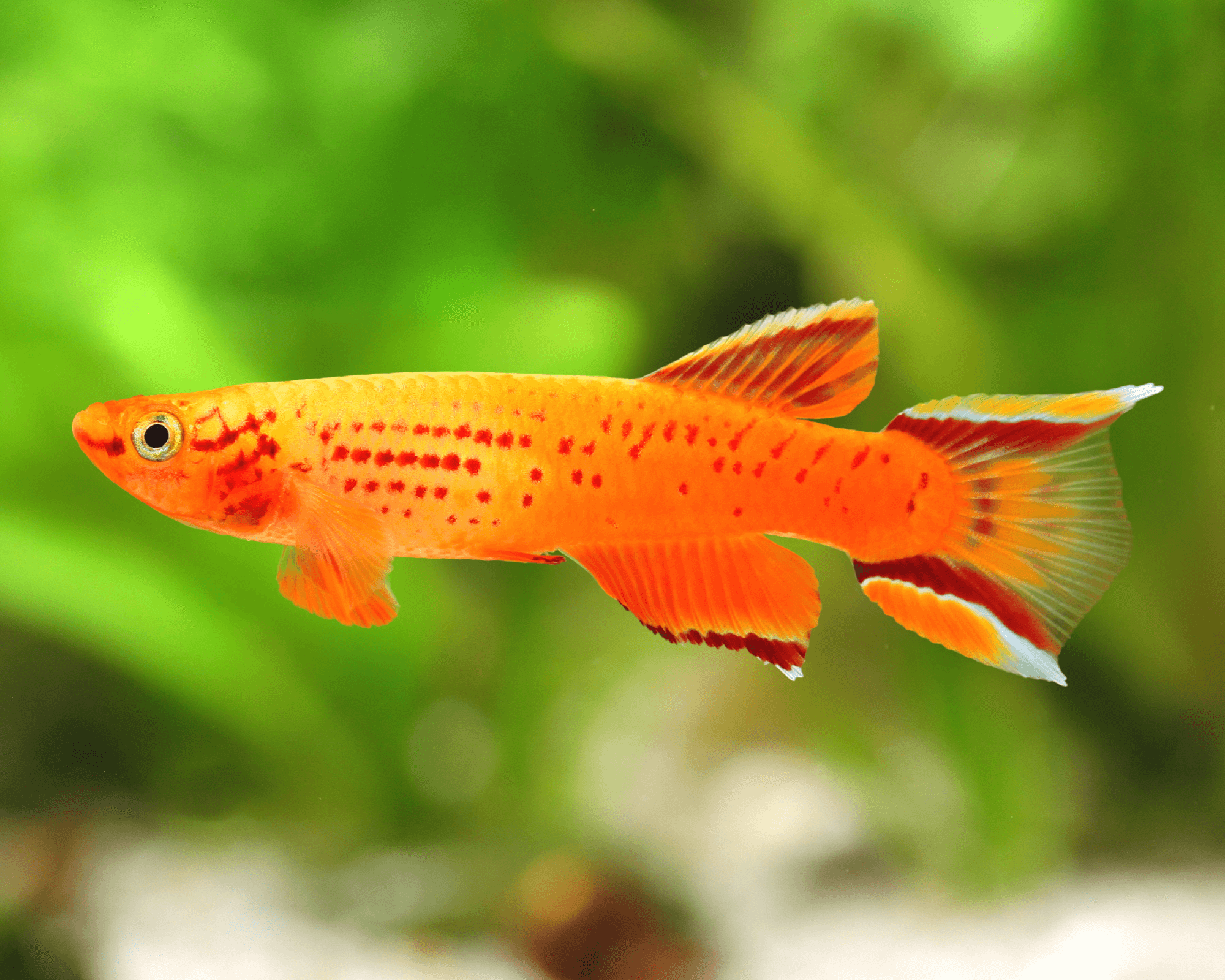
    Gardner’s splendid carp is a small West African killifish valued for its iridescent body, red markings and patterned fins. The supplied image appears to show a brightly colored male, while the source identifies a pair; exact locality form and sex of every fish cannot be confirmed from the available evidence. It is generally peaceful, though males may spar, and it is best kept in a covered, mature aquarium with gentle flow, subdued lighting and abundant plant cover.
  • Pelvicachromis taeniatus Nigeria Red

    Pelvicachromis taeniatus Nigeria Red

    Moderate
    West African dwarf cichlid
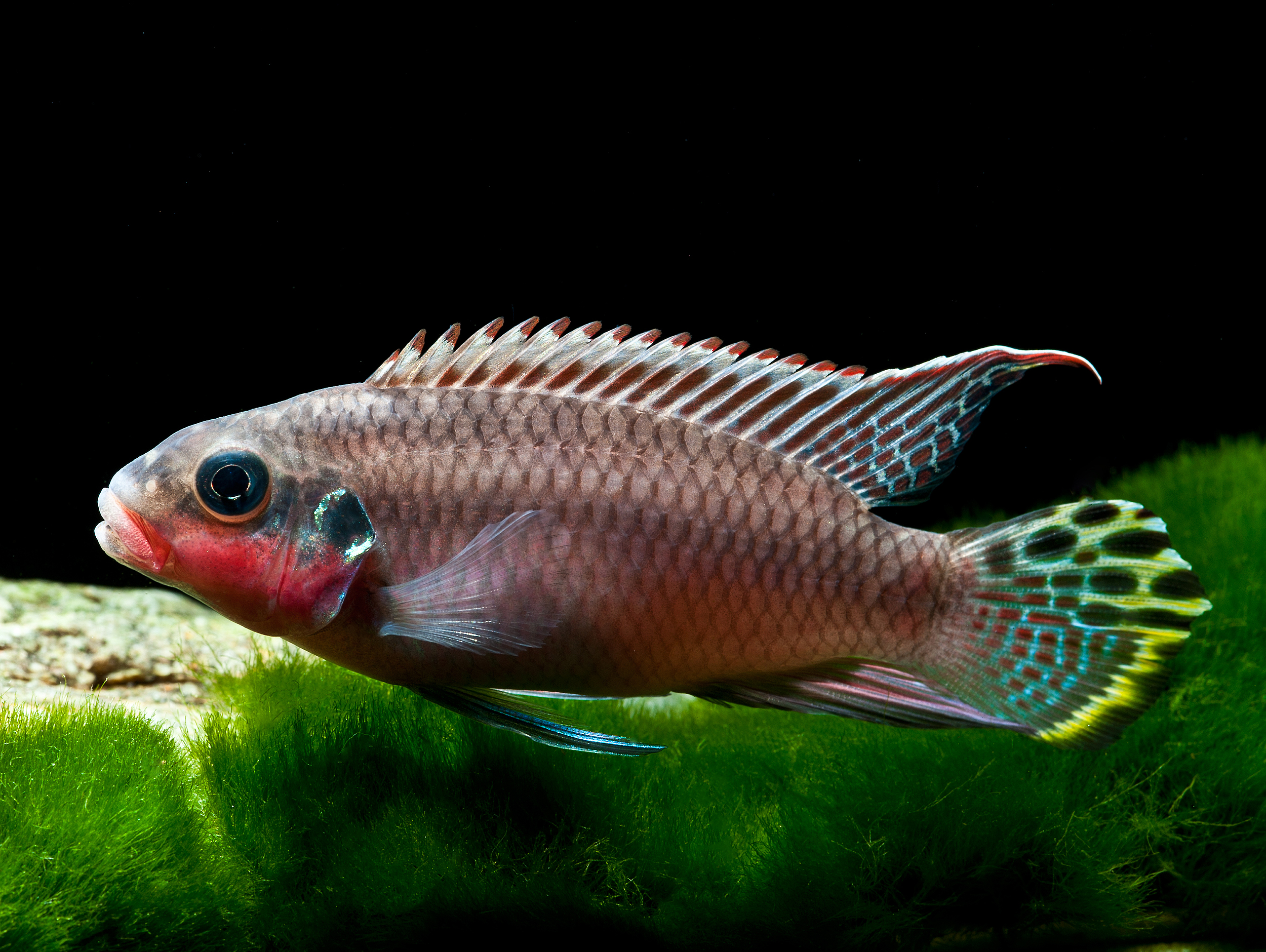
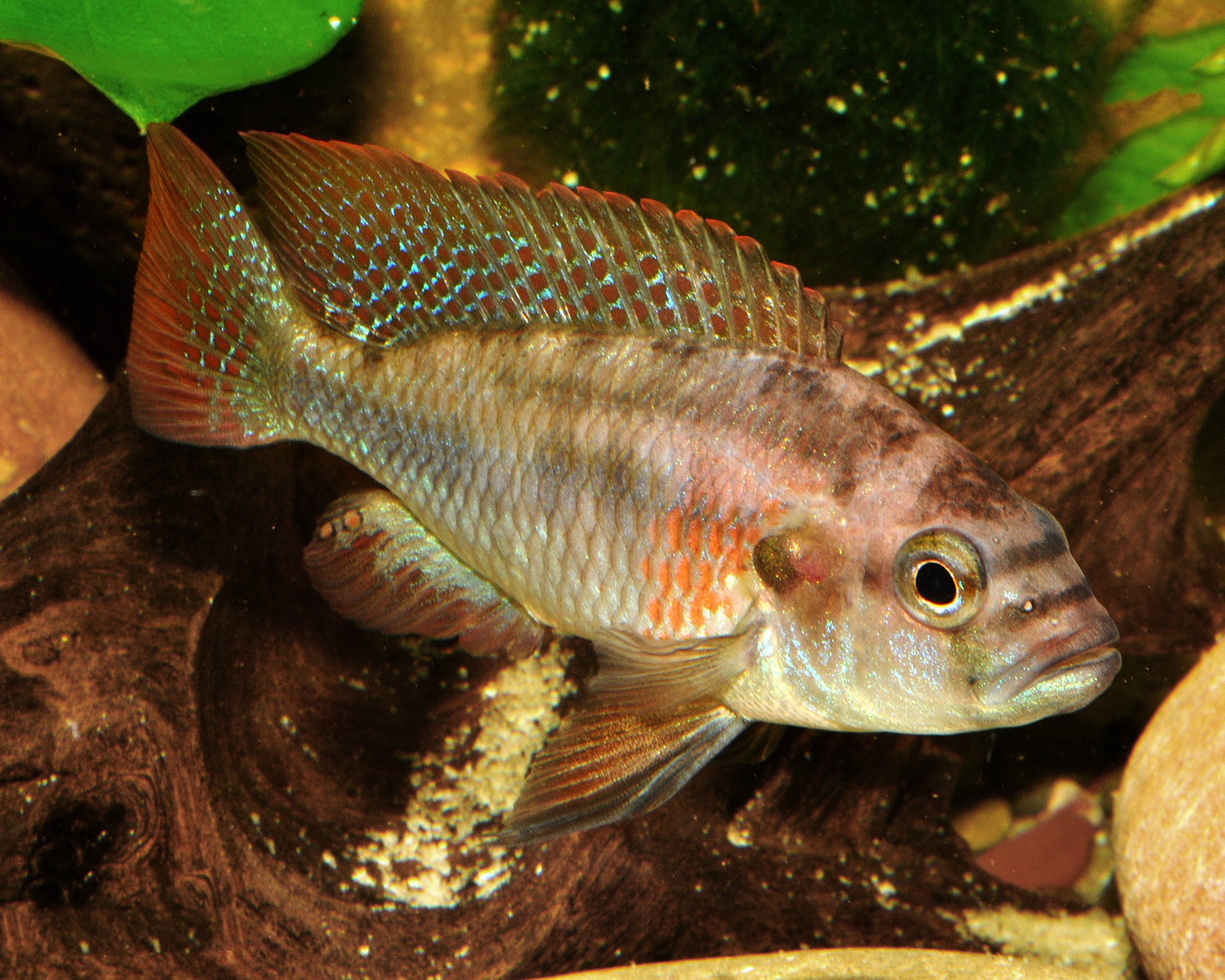
    Pelvicachromis taeniatus, commonly known as the striped krib or taeniatus cichlid, is a small West African riverine cichlid valued for its parental behavior and locality-based color variation. “Nigeria Red” identifies a trade form or collection locality rather than a separate species. The supplied source label also calls these fish emerald perch, but that common name is not a standard scientific name. This species is generally manageable for experienced beginners when provided with stable, clean water, hiding places and a carefully planned community aquarium.
  • Apistogramma agassizii ‘Fire Red’

    Apistogramma agassizii ‘Fire Red’

    Moderate
    South American dwarf cichlid
    Apistogramma agassizii is a small South American cichlid valued for its intricate markings, elongated fins and interesting parental behavior. “Fire Red” is a selectively bred aquarium color form rather than a separate species. The supplied listing describes a pair, although sex, locality and breeding-line identity cannot be confirmed from the available material. This species suits a mature, planted aquarium with soft, clean water, subdued lighting, cover and a fine substrate.
  • Cockatoo Cichlid Orange (Apistogramma cacatuoides)

    Cockatoo Cichlid Orange (Apistogramma cacatuoides)

    Easy - Moderate
    South American dwarf cichlid
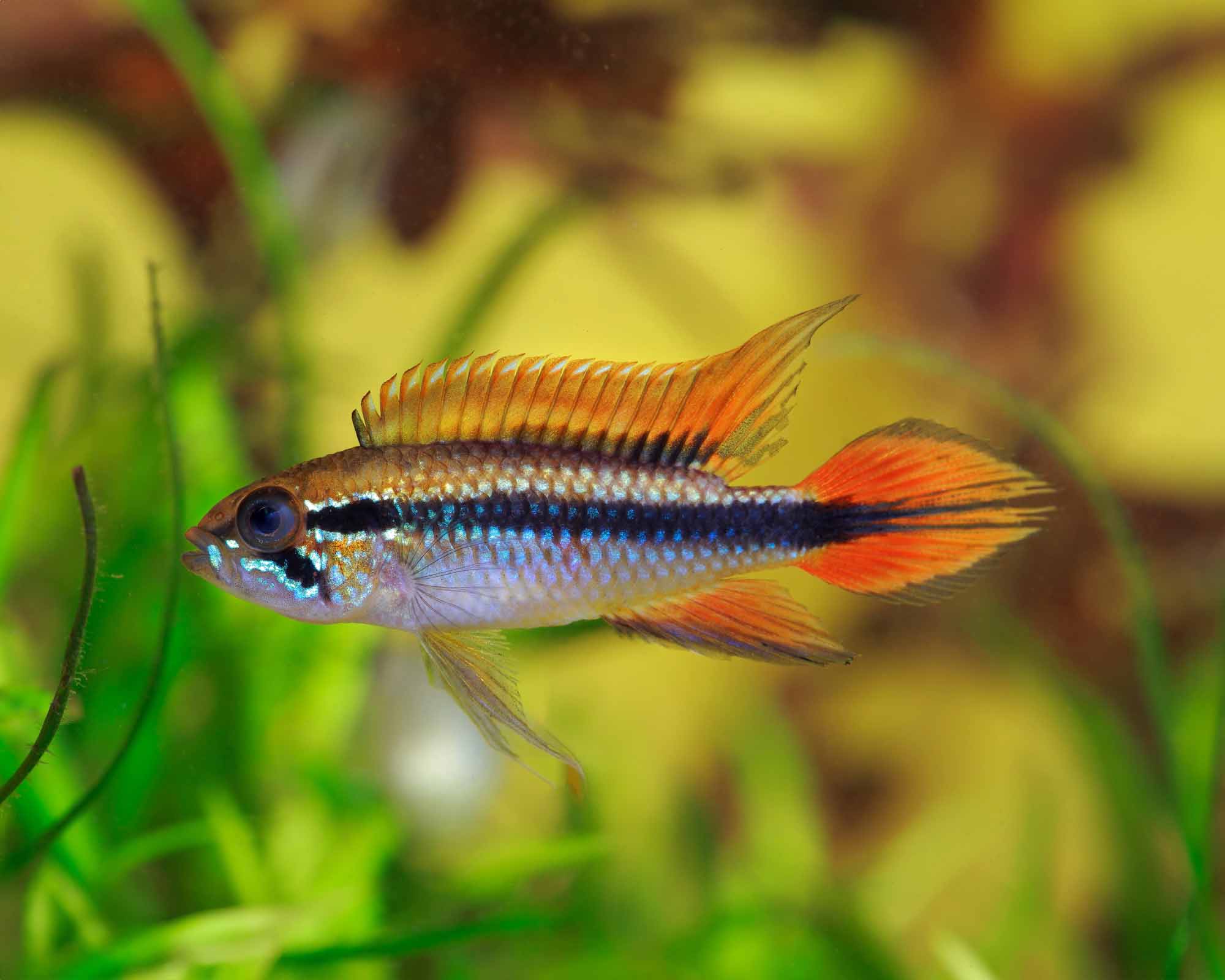
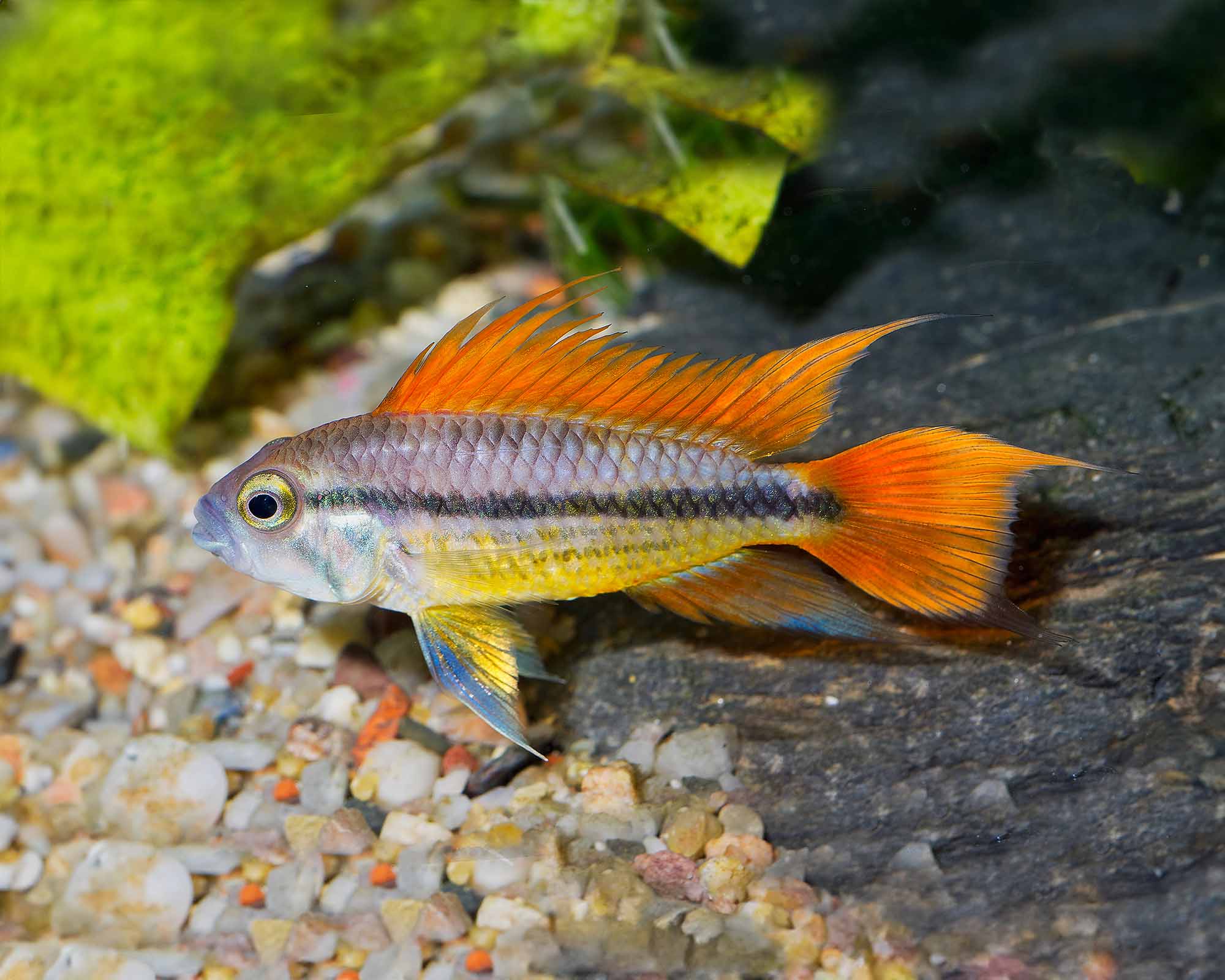
    The Cockatoo Cichlid is a small South American dwarf cichlid known for its elongated dorsal fin, bold facial markings and colorful orange fin forms. Apistogramma cacatuoides comes from slow-moving waters and tributaries of the upper Amazon basin, where it shelters among leaf litter, roots and submerged vegetation. It is generally manageable for an aquarist who provides soft, clean water, caves and visual barriers. The supplied listing describes an orange pair, but sex and exact form should be confirmed by the seller because photographs alone are not definitive.
  • Dwarf Gourami Red (Trichogaster lalius)

    Dwarf Gourami Red (Trichogaster lalius)

    Easy - Moderate
    Asian labyrinth fish
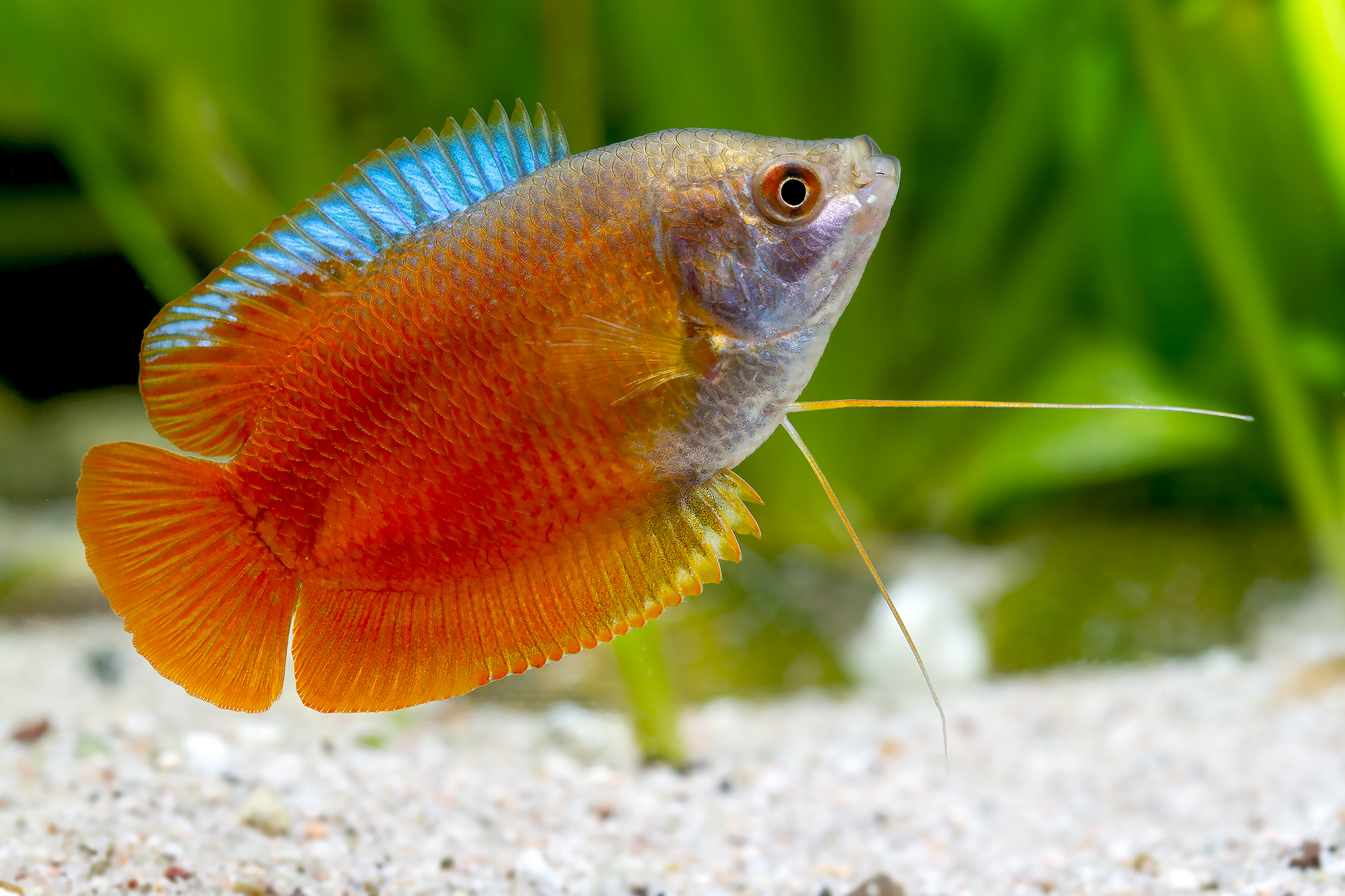
    The red dwarf gourami is a selectively bred color form of the dwarf gourami, a small labyrinth fish formerly widely known as Colisa lalia. It is suited to mature, planted community aquariums with gentle water movement and calm tank mates. Males can be territorial, especially when kept with females in confined conditions, so cover, visual barriers, and careful observation are important for a pair.
  • Cockatoo Cichlid Red (Apistogramma cacatuoides)

    Cockatoo Cichlid Red (Apistogramma cacatuoides)

    Moderate
    South American dwarf cichlid
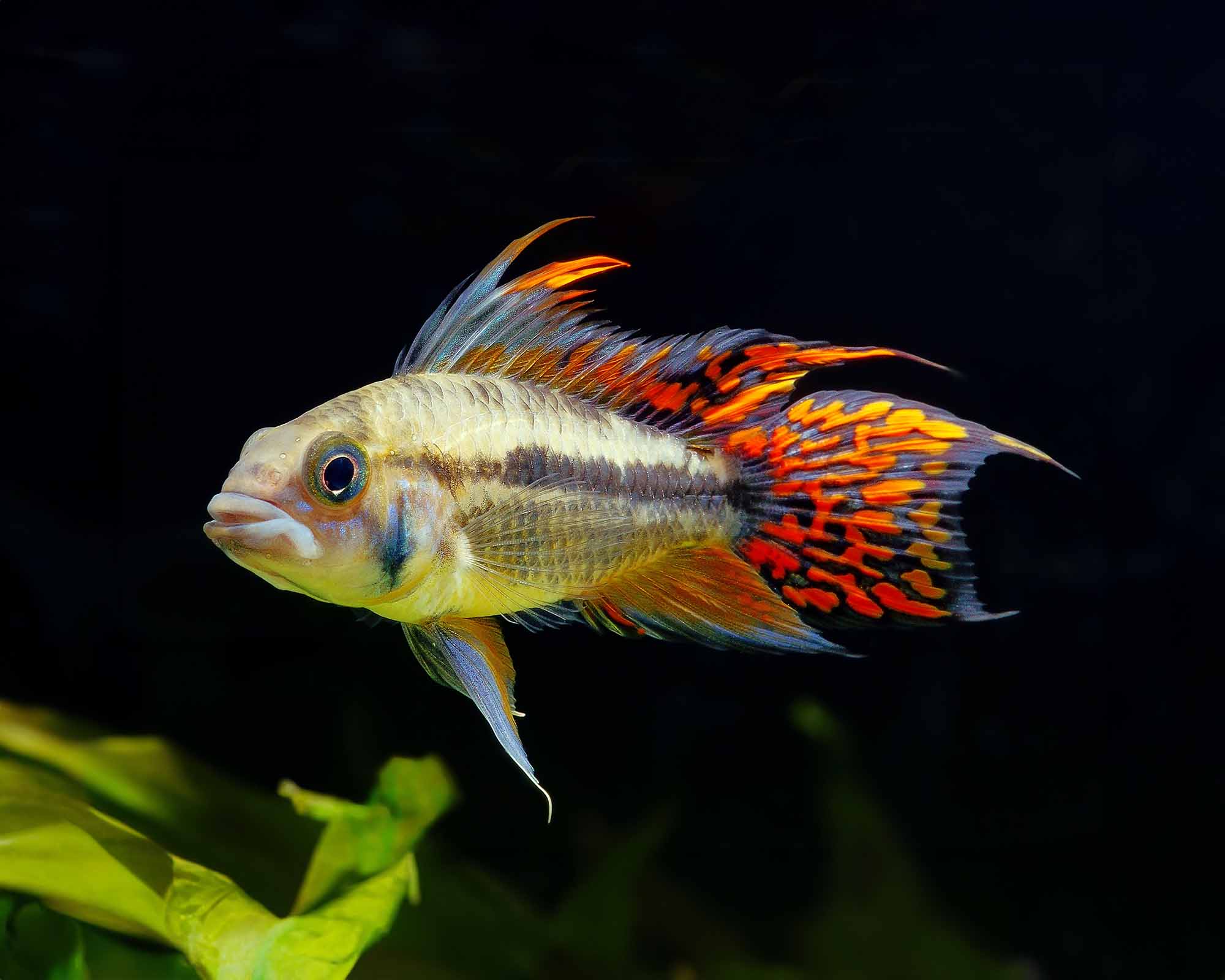
    The Cockatoo Cichlid is a small South American dwarf cichlid valued for its personality, breeding behavior and colorful finnage. Apistogramma cacatuoides is generally adaptable when provided with clean, stable water, cover and a soft substrate. Males are larger and more vividly marked than females, while pairs become territorial around spawning sites. The supplied “red” designation most likely refers to a selectively bred color form; exact strain and sex confirmation cannot be established from the listing alone.
  • Discus (Symphysodon aequifasciatus) Care Guide

    Discus (Symphysodon aequifasciatus) Care Guide

    Difficult
    South American freshwater cichlid
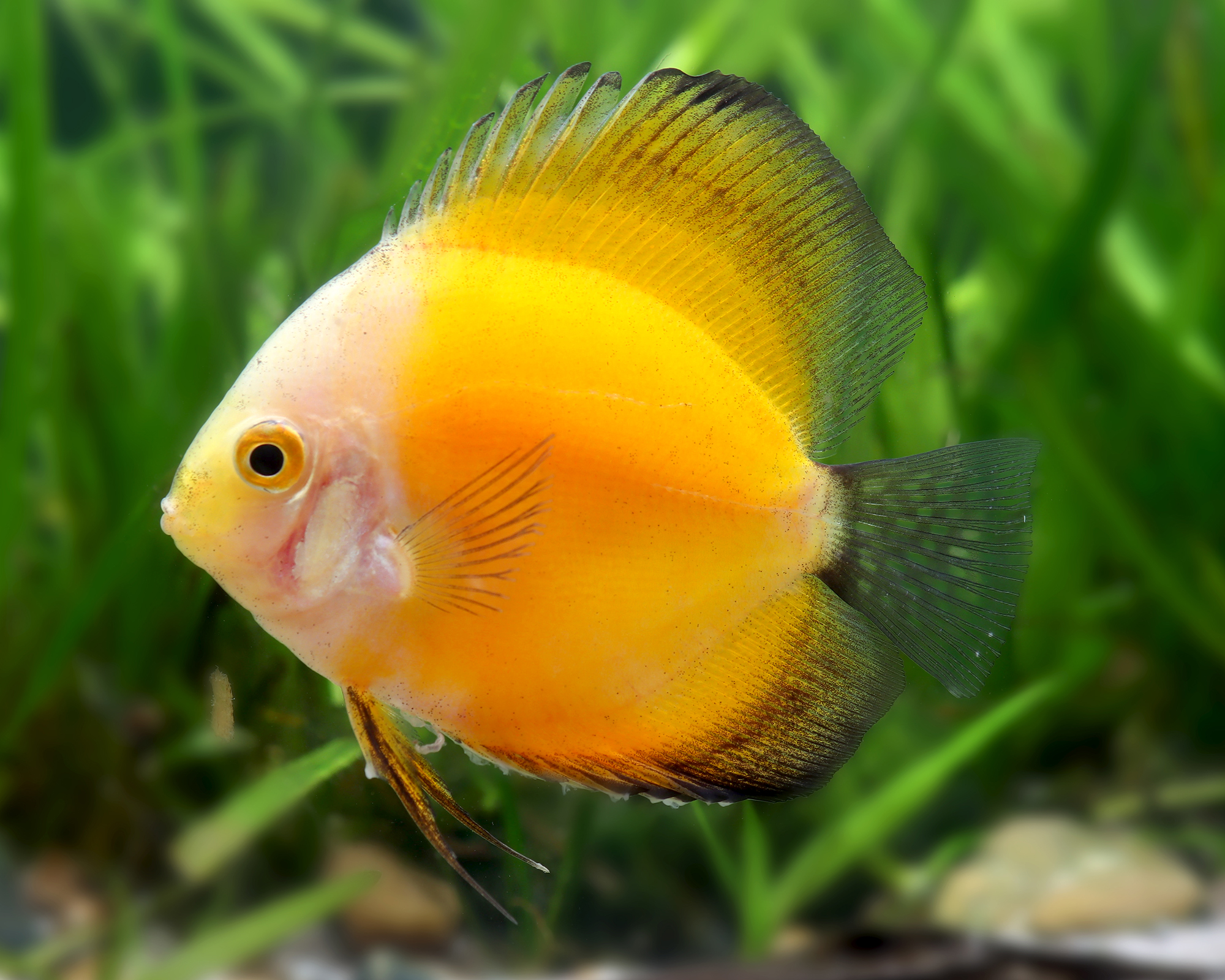
    Symphysodon aequifasciatus is a large, laterally compressed cichlid from the Amazon Basin, valued for its calm behavior and striking disc-shaped body. It requires warm, clean, stable water and careful feeding, making it better suited to experienced aquarists. The supplied images show yellow, orange, red, white and dark color forms; cultivated strains can vary considerably, so exact variety identification from images alone is uncertain. Discus are social fish and generally thrive in groups rather than as isolated specimens.
  • Cape Lopez Killifish (Aphyosemion australe)

    Cape Lopez Killifish (Aphyosemion australe)

    Moderate
    West African non-annual killifish
    The Cape Lopez killifish is a small, peaceful West African freshwater fish prized for its patterned body, flowing fins and manageable size. It inhabits slow-moving and temporary waters around coastal Gabon, including the Cape Lopez region. The supplied trade description identifies a pair as “Cape Lopez splendid carpets,” but this wording may describe a commercial strain rather than a formally recognized taxon. The image appears to show an orange form, so exact strain identification should be confirmed with the breeder or supplier.
  • Burton’s Mouthbrooder (Astatotilapia burtoni)

    Burton’s Mouthbrooder (Astatotilapia burtoni)

    Moderate
    East African haplochromine cichlid
    Burton’s mouthbrooder, Astatotilapia burtoni, is a moderately aggressive East African haplochromine cichlid known for strong social hierarchies and maternal mouthbrooding. Males become more vividly patterned and defend territories, while females are generally less colorful and carry eggs and fry in the mouth. A pair requires a spacious, well-filtered aquarium with rocky cover, alkaline water and carefully selected tank mates. The supplied identification is consistent with Astatotilapia burtoni, although sex and locality form cannot be confirmed from the photographs alone.
  • Cyrtocara moorii (Blue Dolphin Cichlid) Care Guide

    Cyrtocara moorii (Blue Dolphin Cichlid) Care Guide

    Moderate
    Lake Malawi haplochromine cichlid
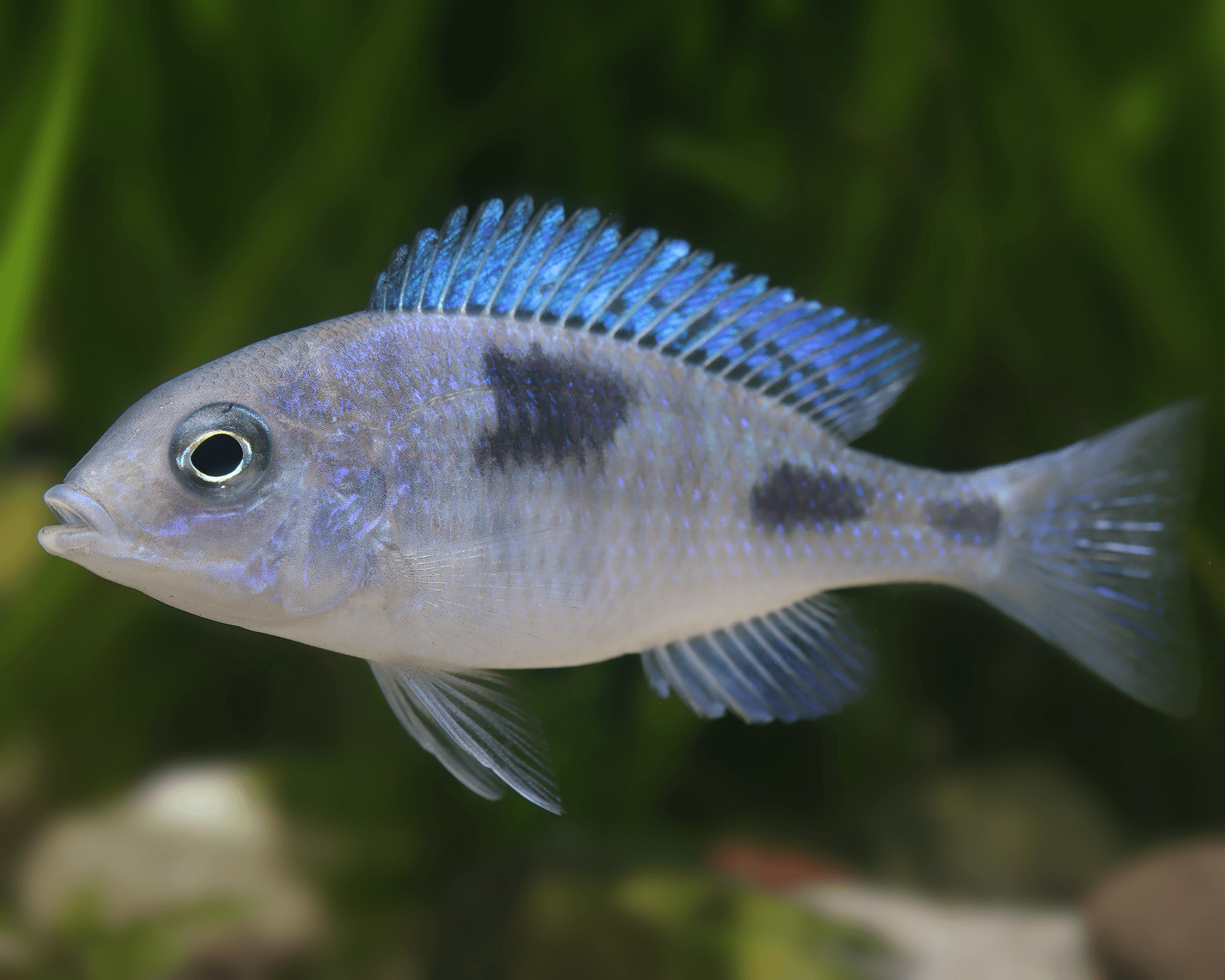
    Cyrtocara moorii is a large, distinctive haplochromine cichlid from Lake Malawi, recognised for its blue adult coloration and rounded forehead, which becomes more pronounced with age. It is a maternal mouthbrooder and is generally less aggressive than many Malawi mbuna, but its size and territorial breeding behaviour require a spacious aquarium. The supplied images appear consistent with blue C. moorii, although photographs cannot confirm sex, locality, or whether the fish form a true bonded pair.
  • Blue Dwarf Gourami Pair (Trichogaster lalius)

    Blue Dwarf Gourami Pair (Trichogaster lalius)

    Easy - Moderate
    Peaceful labyrinth fish
    The blue dwarf gourami is a selectively colored form of a small labyrinth fish native to the Indian subcontinent. It spends much of its time in the upper and middle aquarium, using its specialized labyrinth organ to breathe atmospheric air. Males can become territorial, especially when nesting, so a planted aquarium with calm tank mates, gentle flow, and surface cover is important. The supplied name uses Trichopodus lalius; Trichogaster lalius is the commonly used current combination.
  • Blue Acara (Aequidens pulcher)

    Blue Acara (Aequidens pulcher)

    Moderate
    South American freshwater cichlid
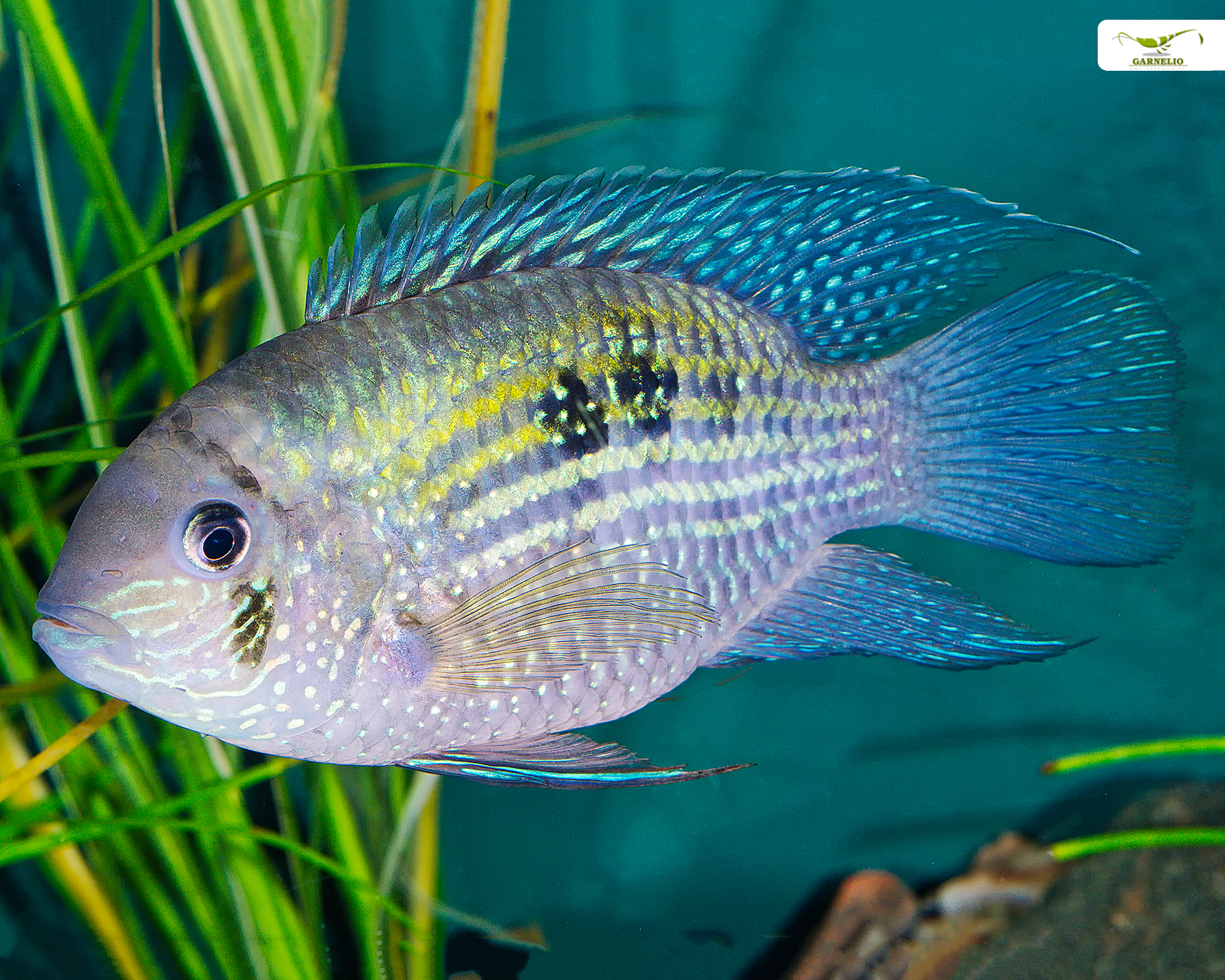
    The supplied label identifies these fish as Blue Acara, Aequidens pulcher, a South American freshwater cichlid often placed in the genus Andinoacara in current aquarium literature. The photograph is consistent with a blue acara, although a definitive identification cannot be confirmed from one image alone. This pair requires a spacious aquarium, stable water quality, hiding places and careful observation during breeding, when territorial behavior becomes stronger.