Taxonomy and identification
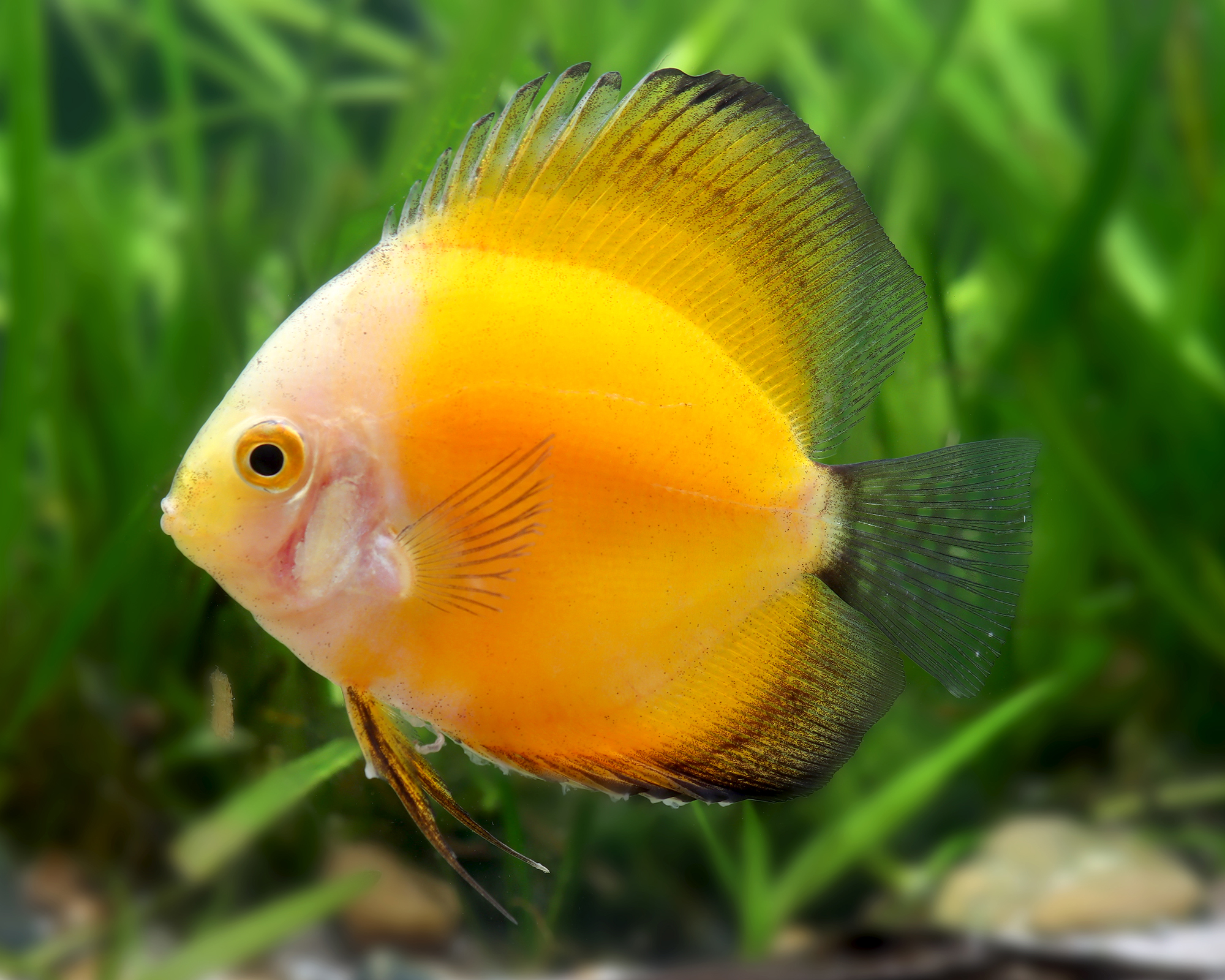
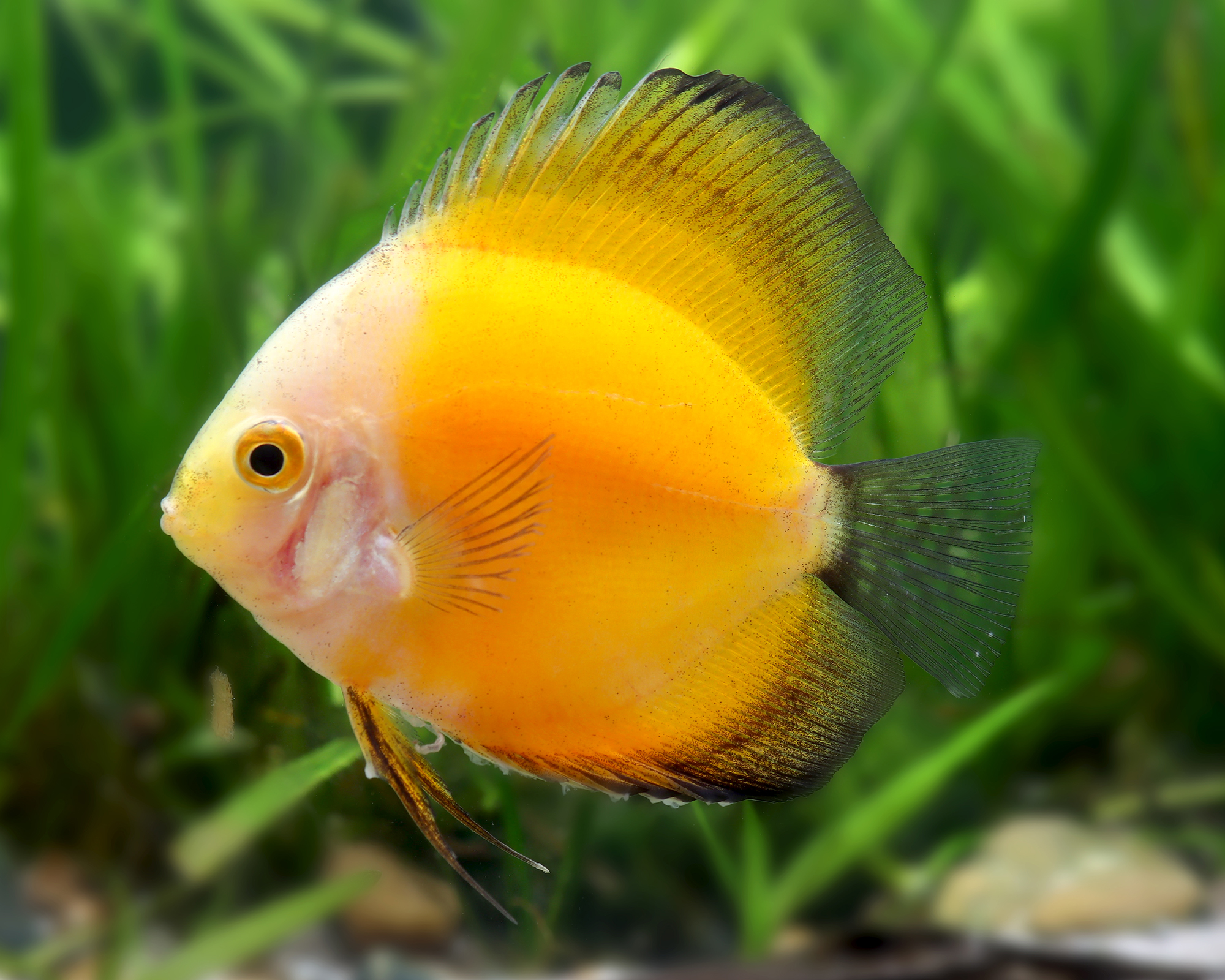
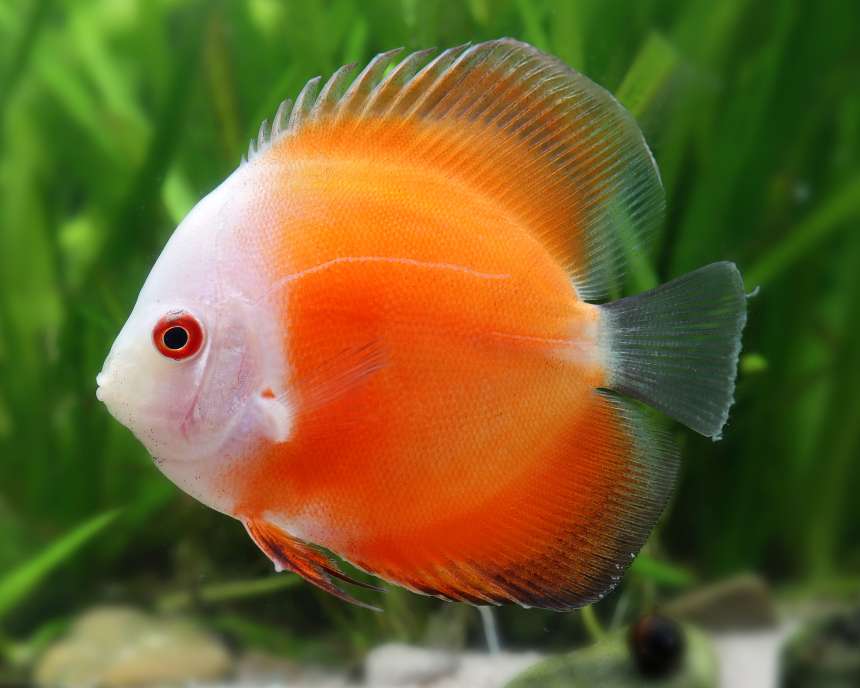
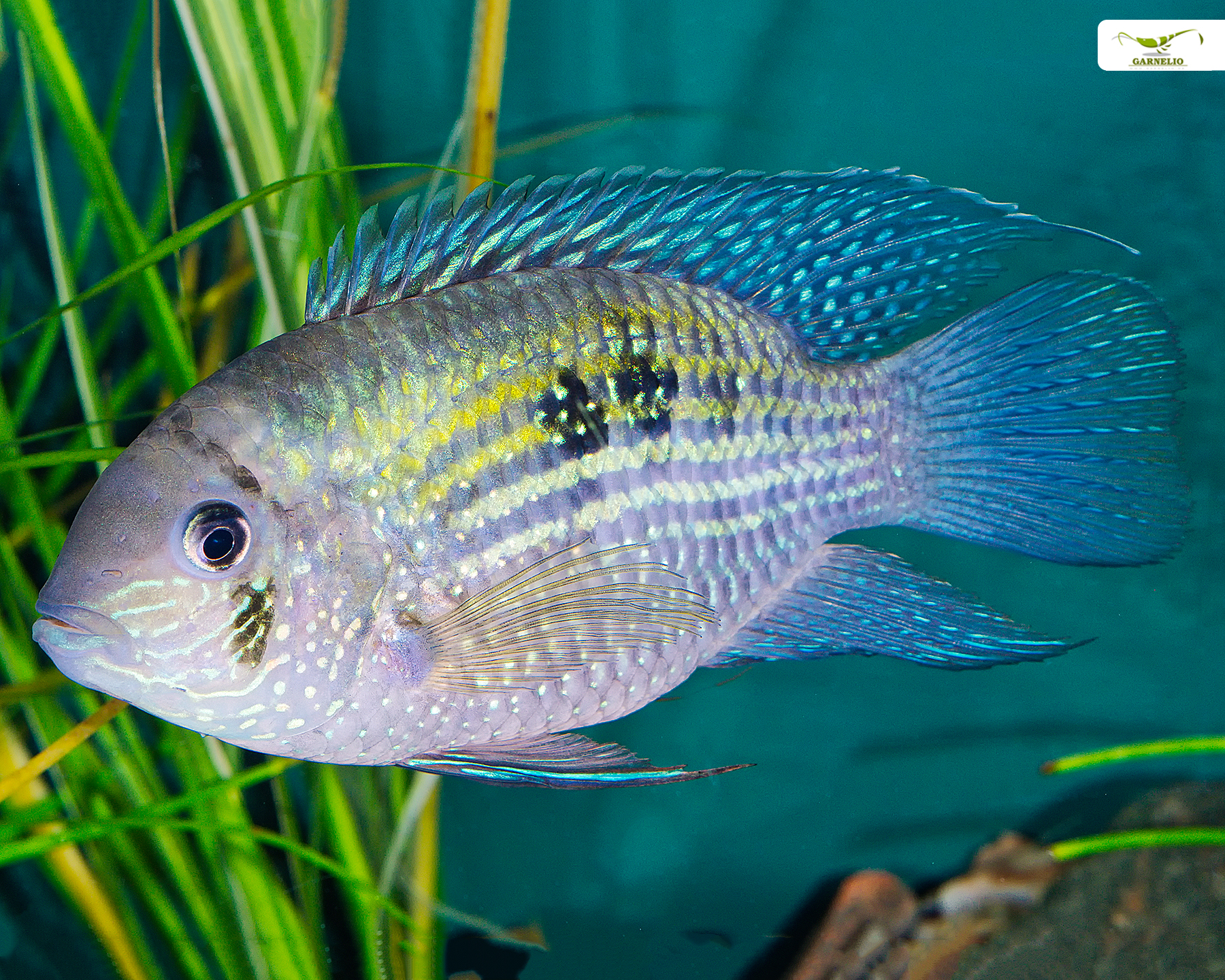
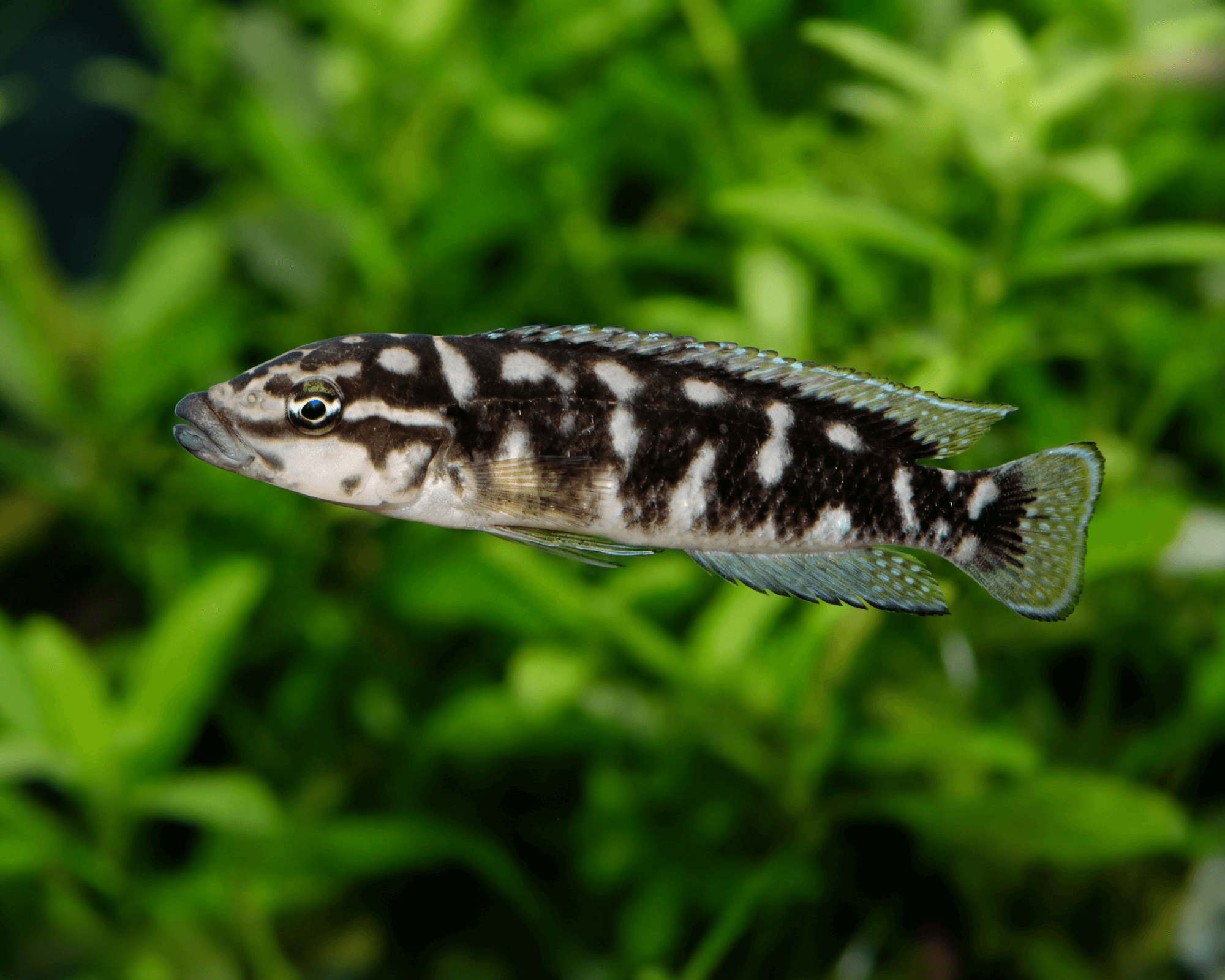
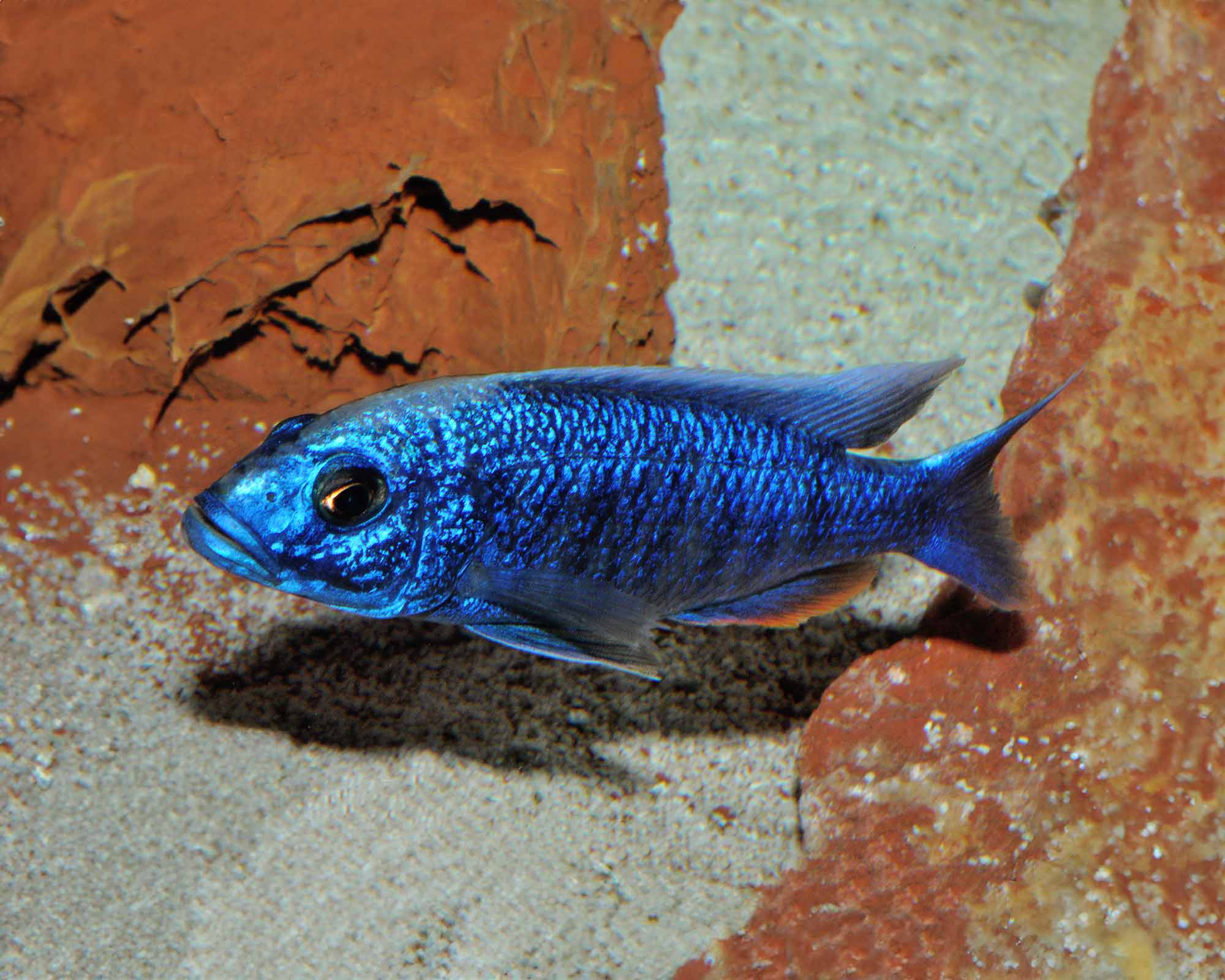
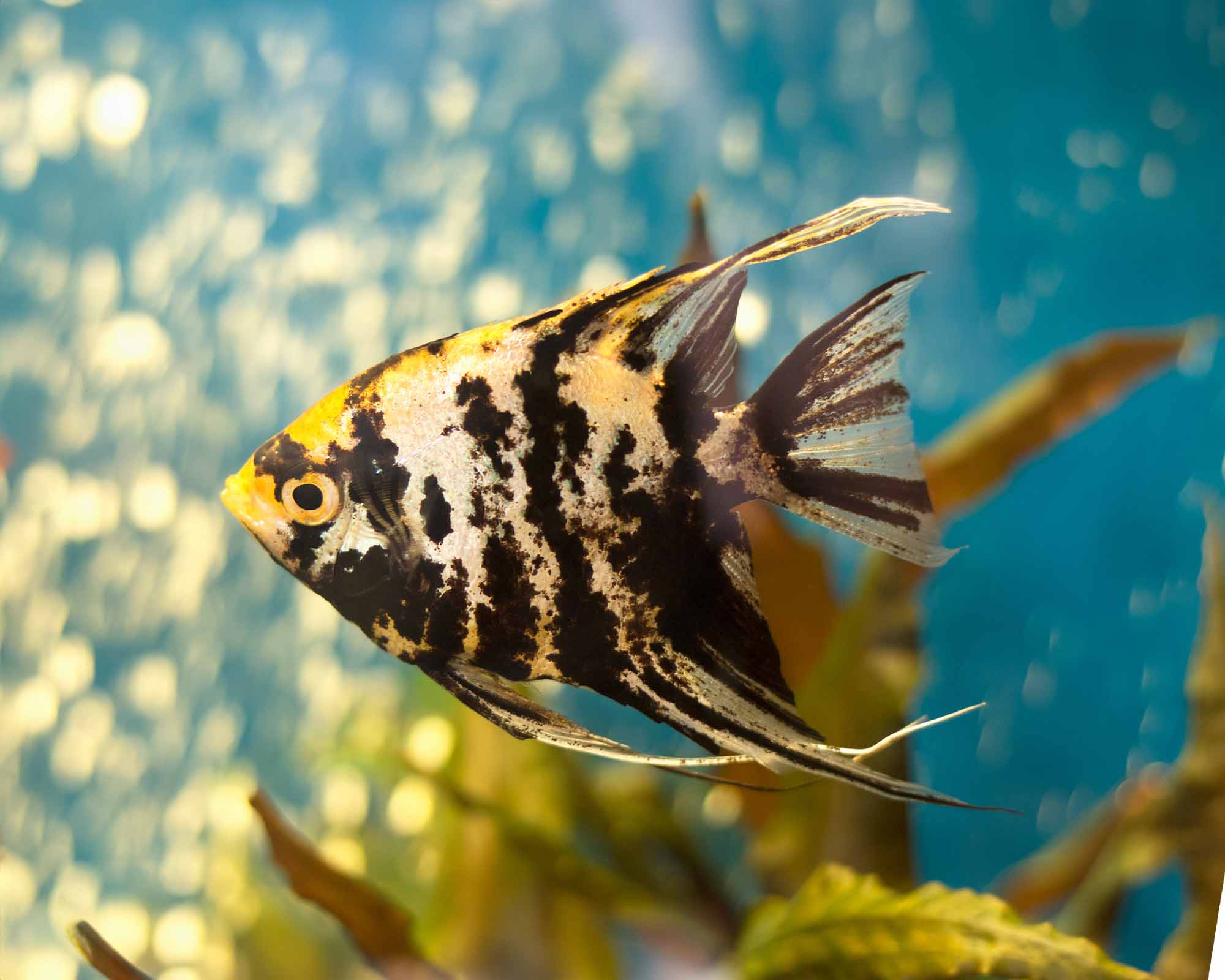
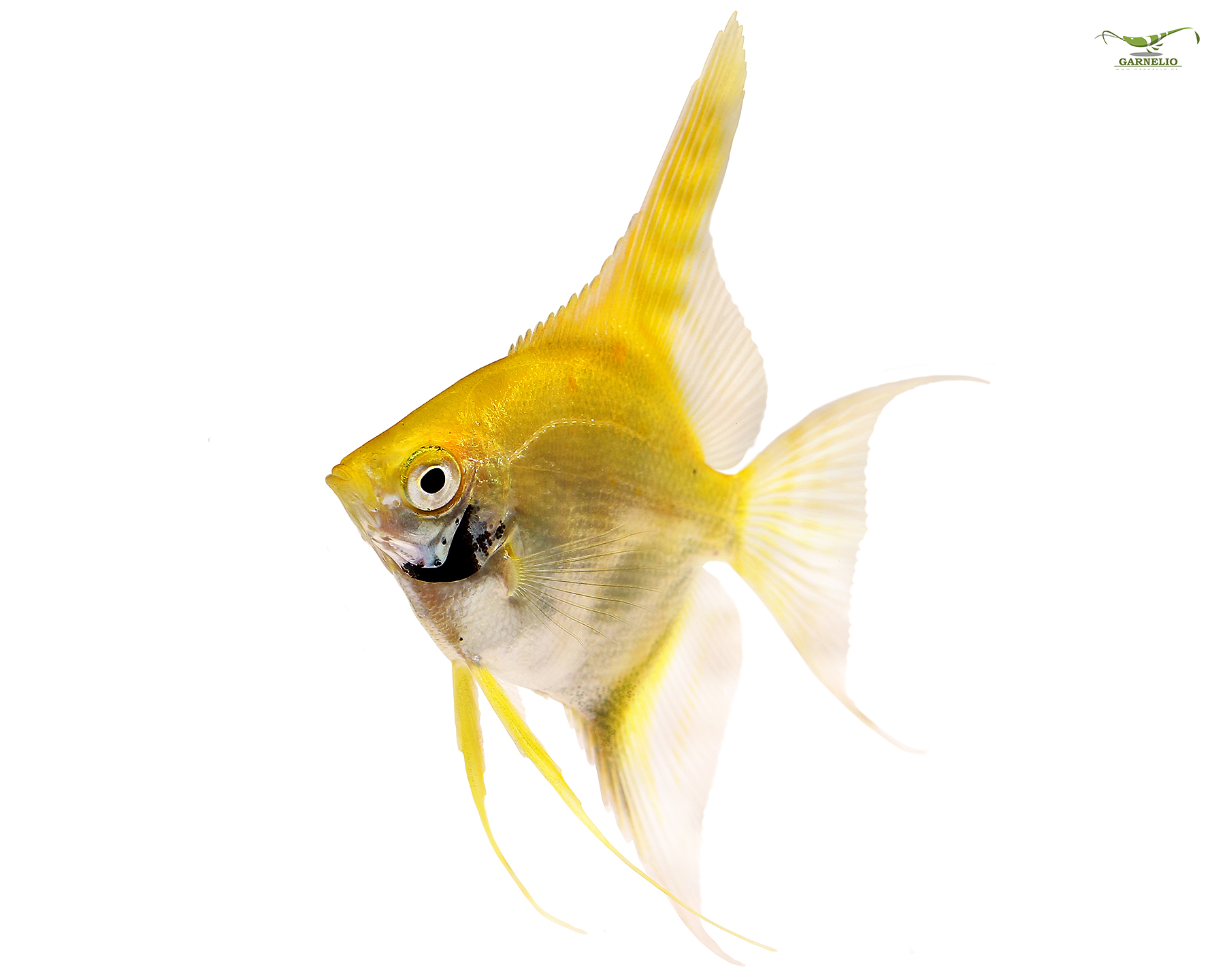
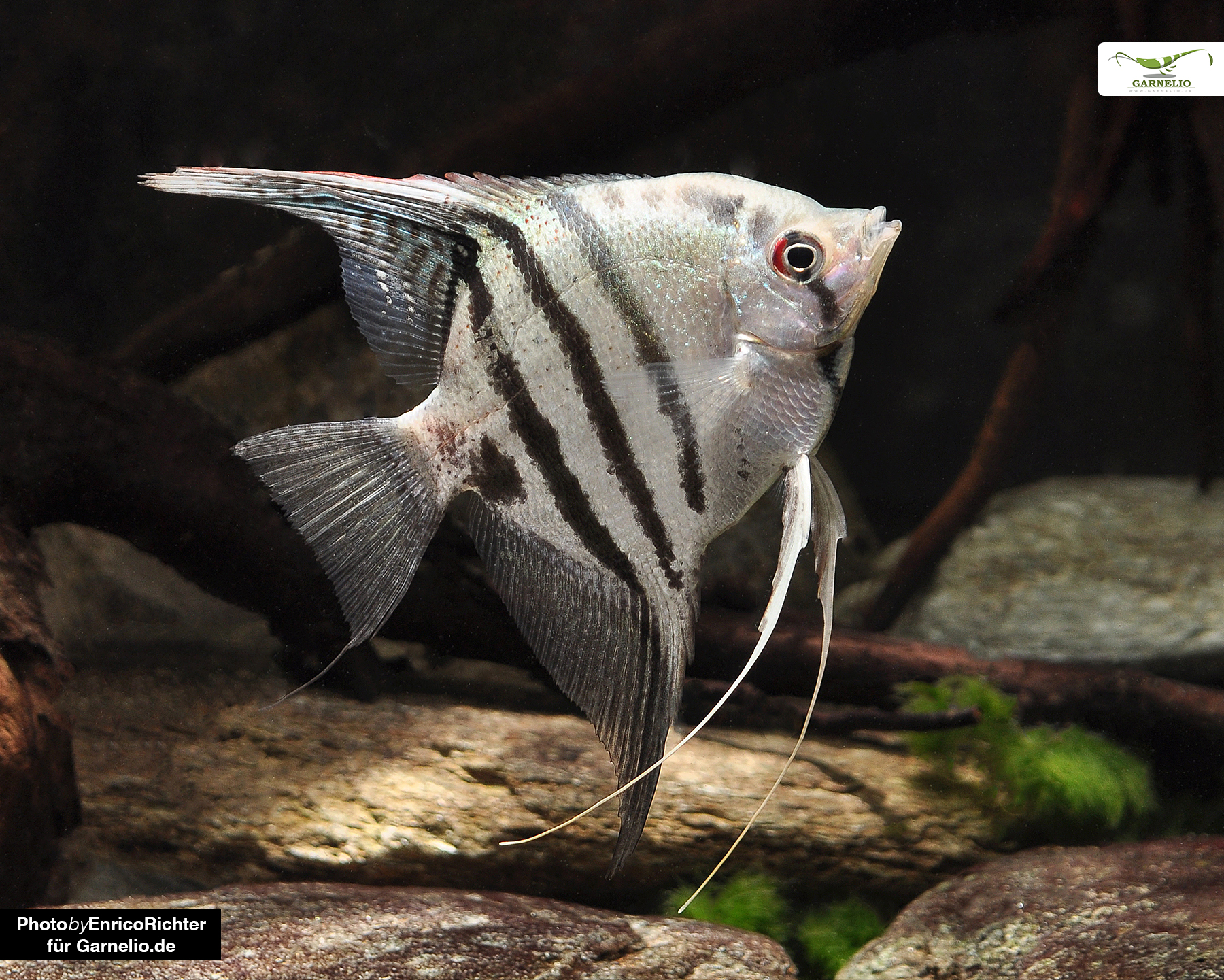
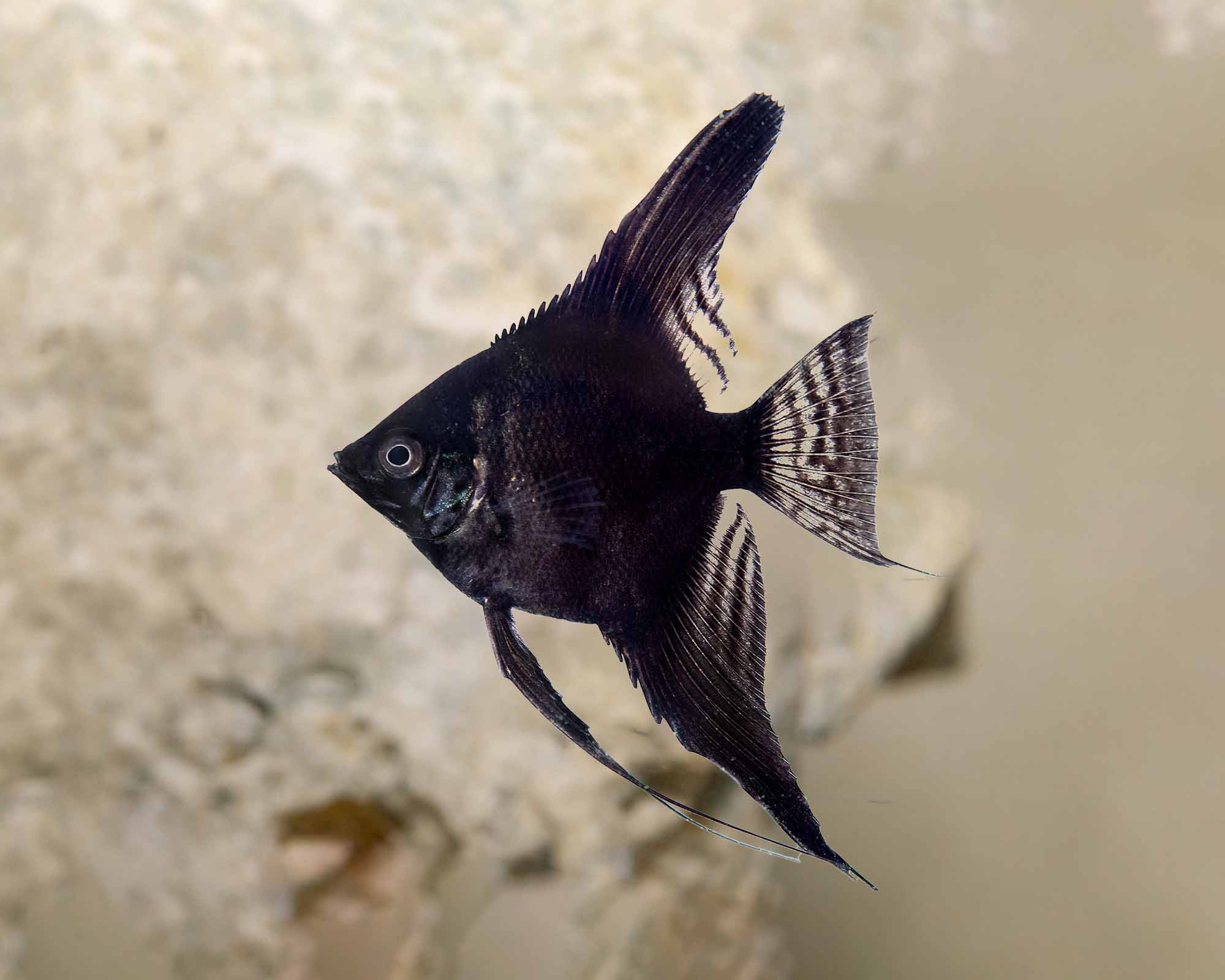
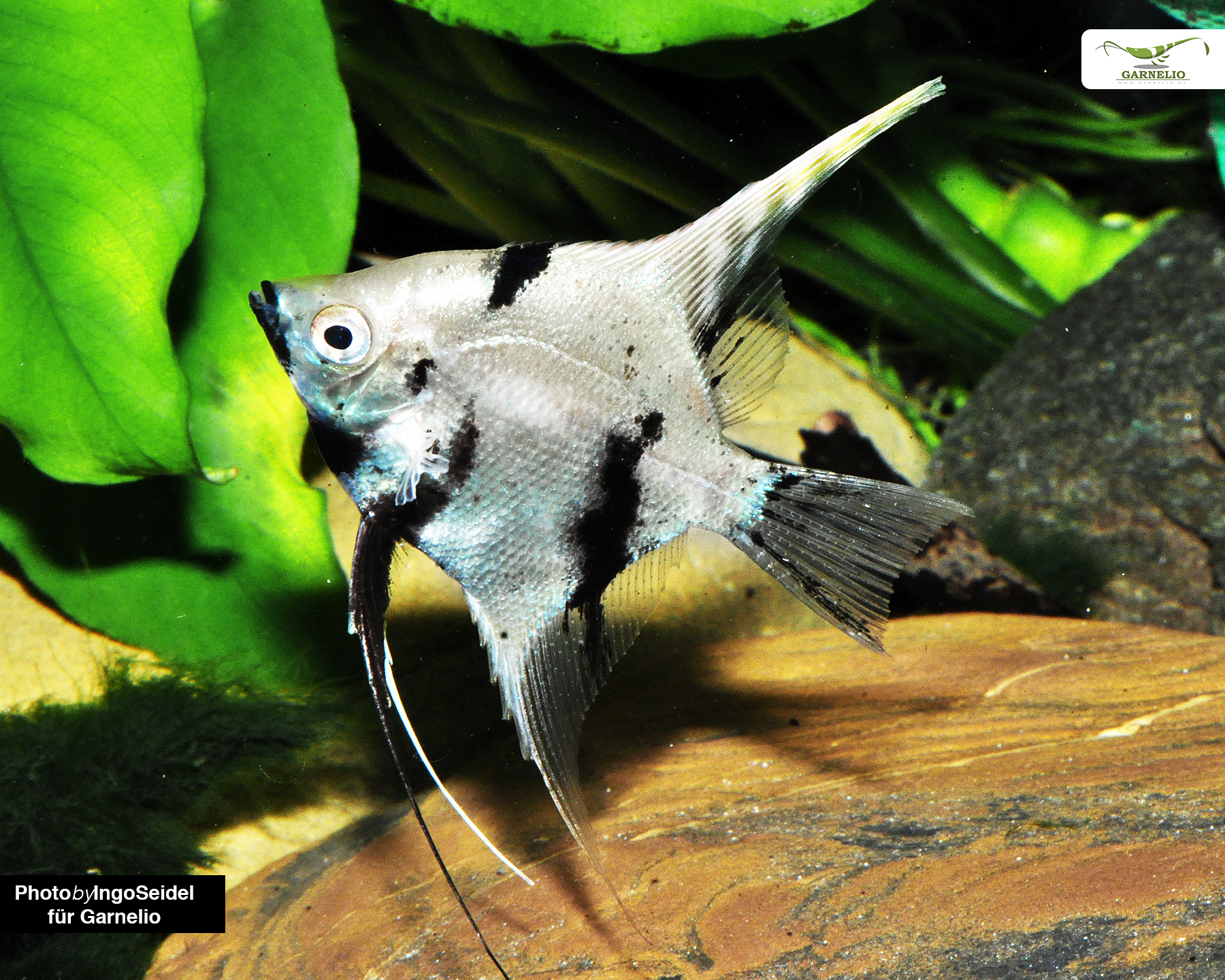
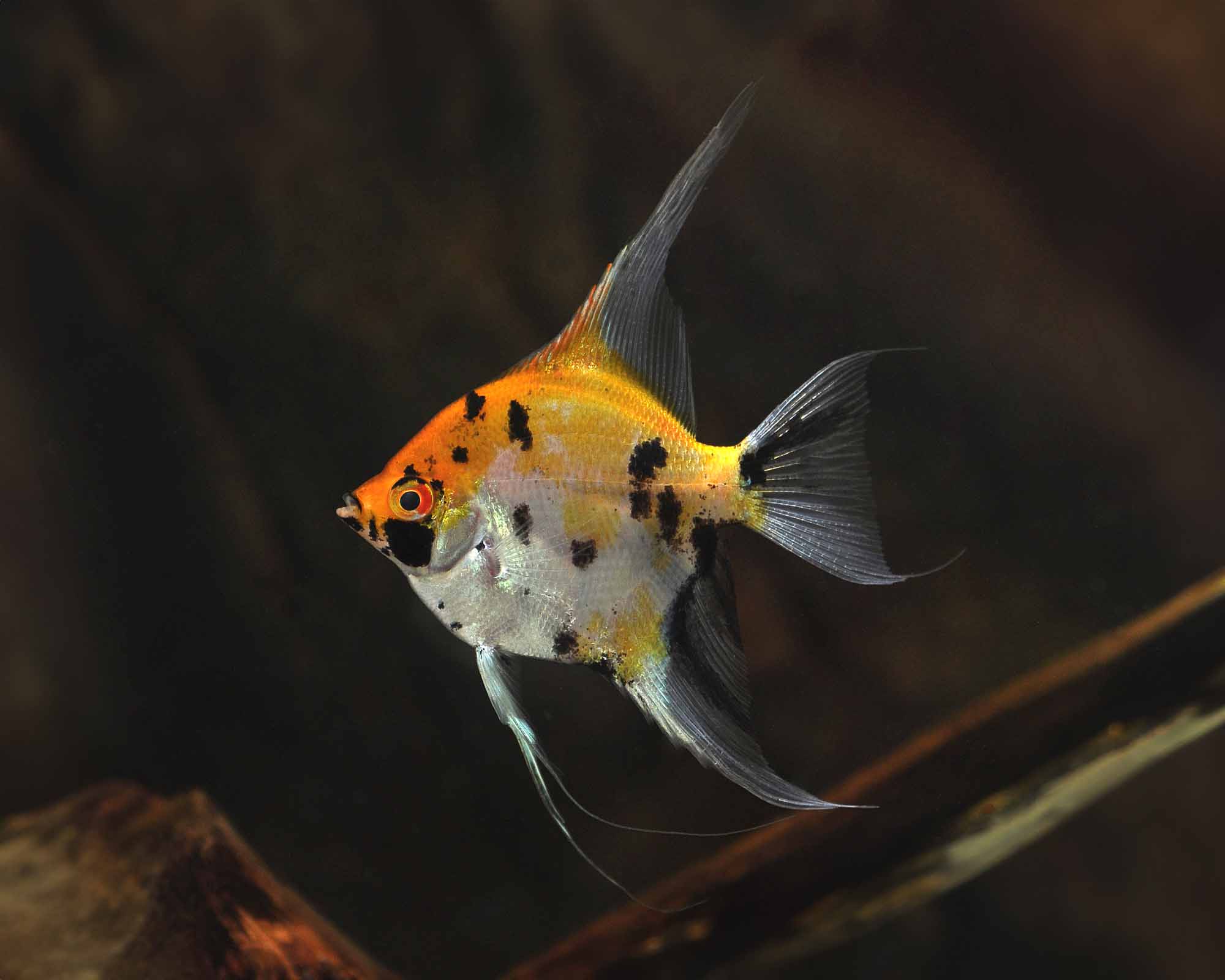
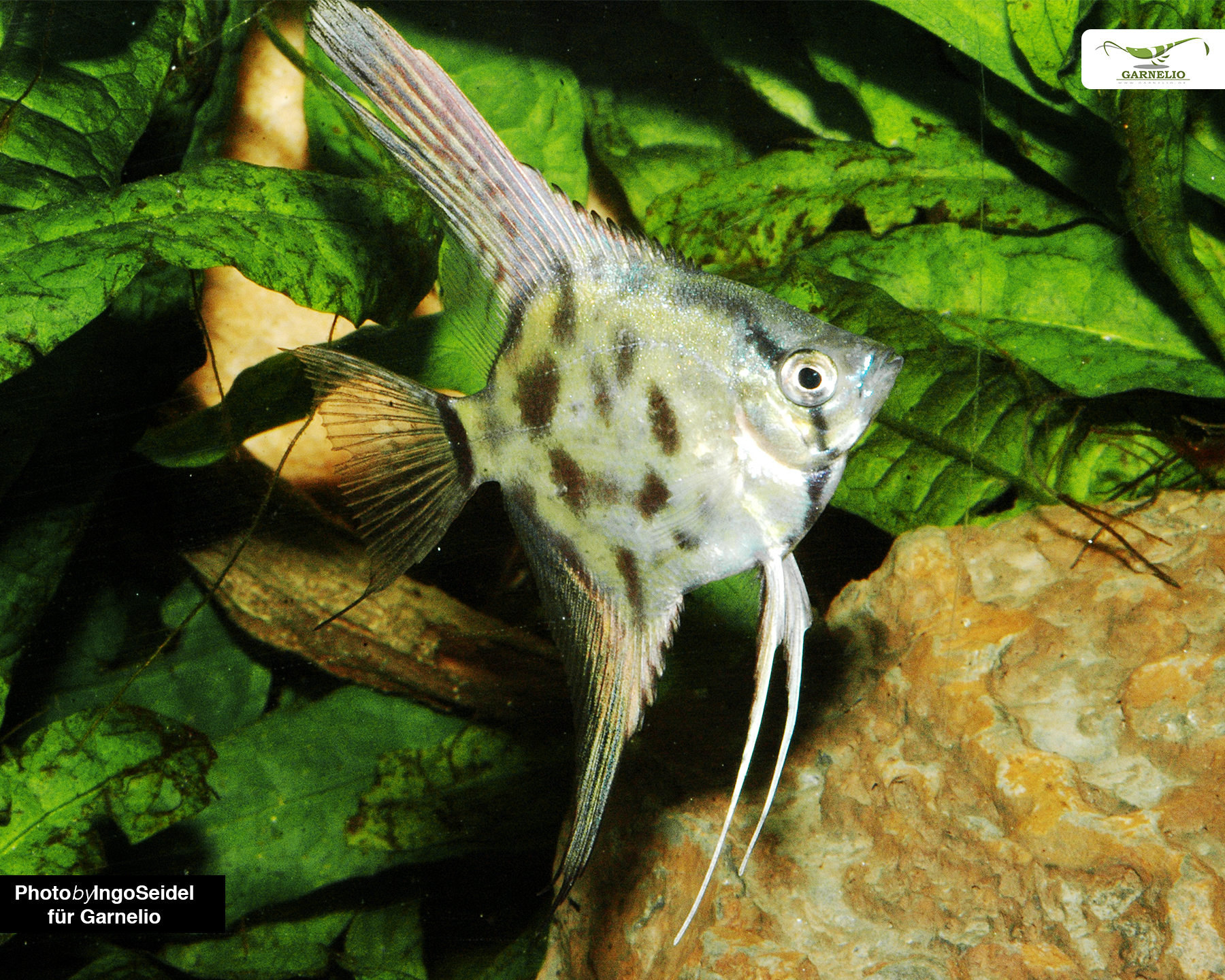
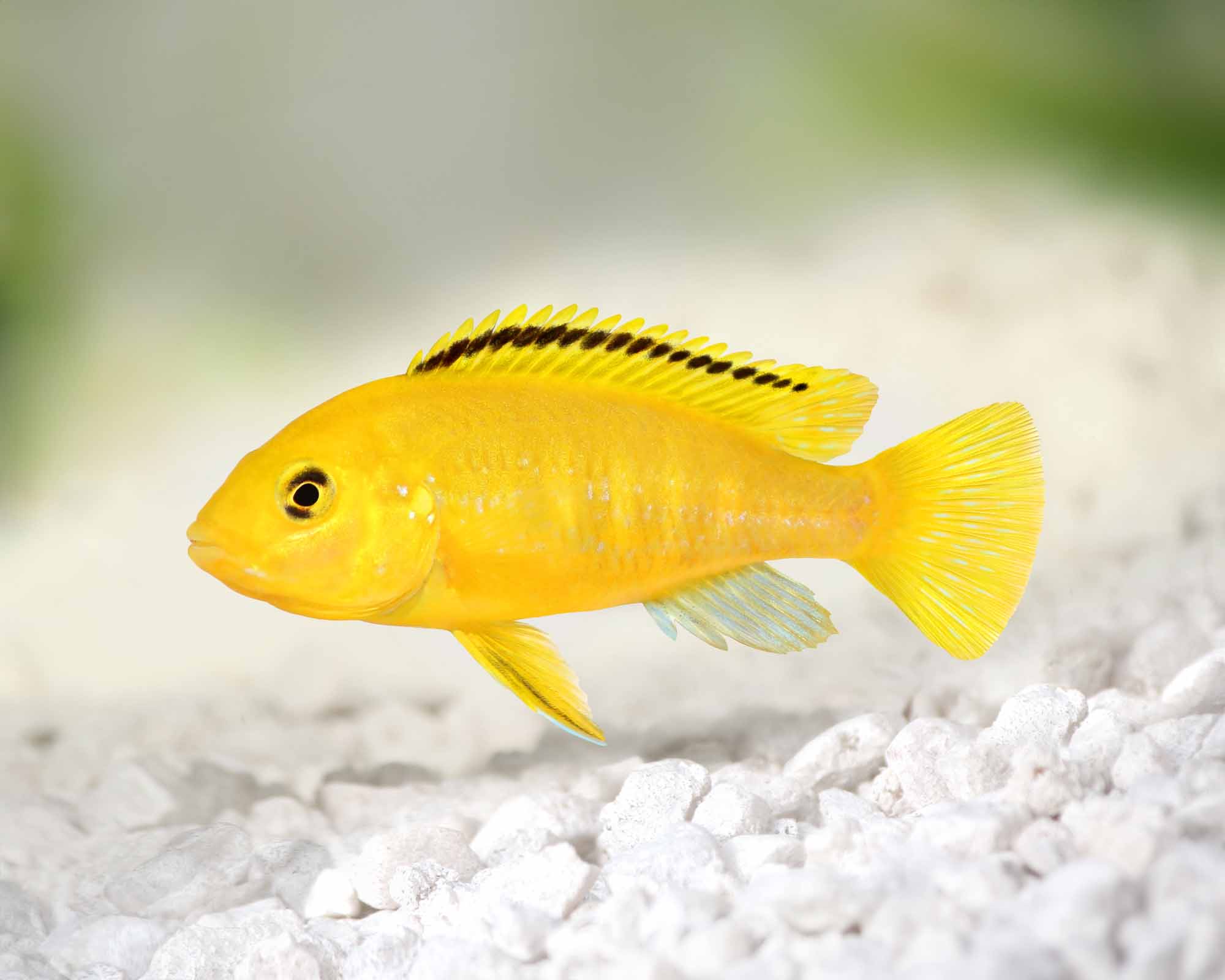
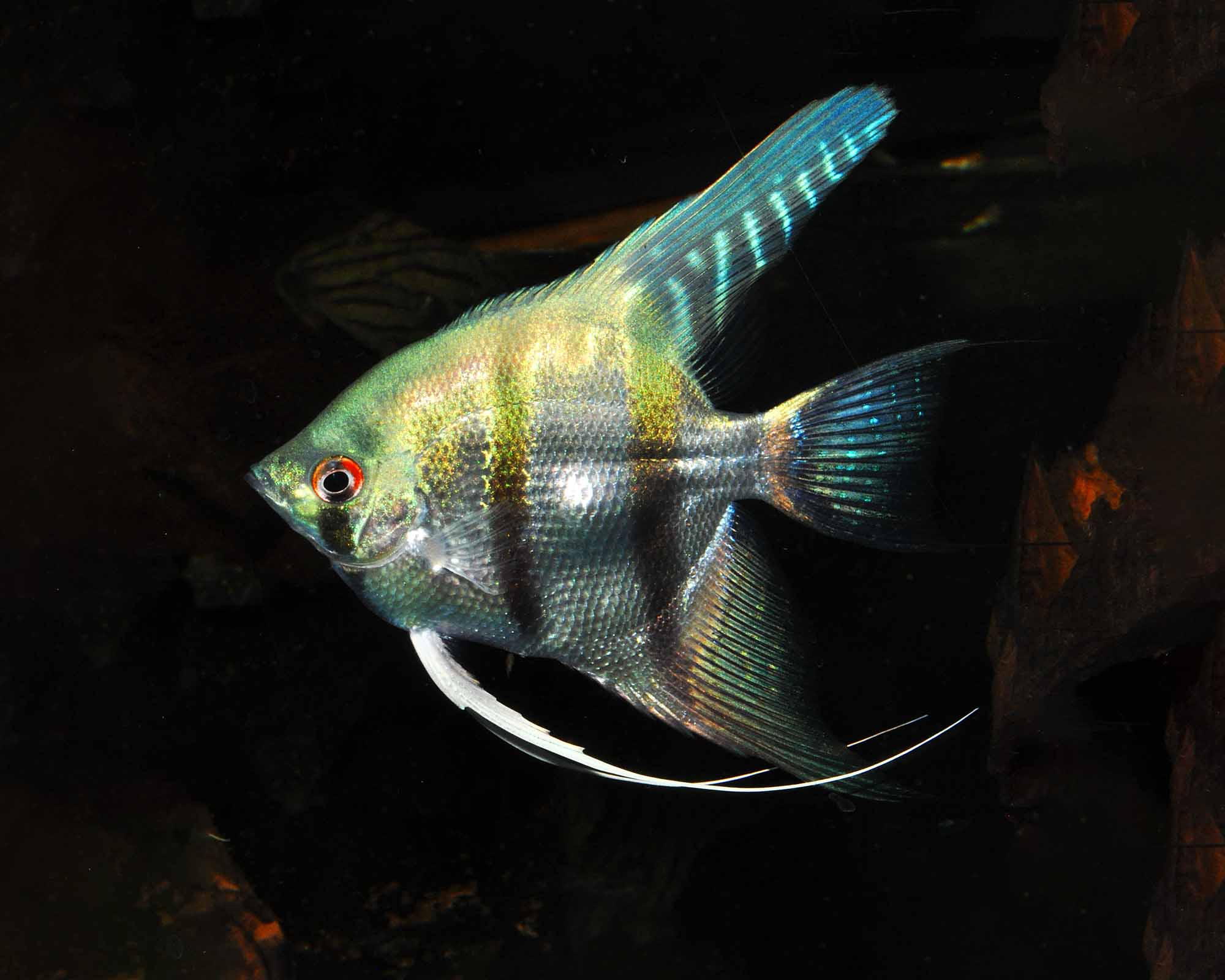
The supplied identification is Symphysodon aequifasciatus, commonly called the blue or brown discus in the wild and the discus in the aquarium trade. It belongs to the family Cichlidae. Aquarium specimens are frequently captive-bred color strains, and the pictured fish appear to include cultivated yellow, orange, red and pale forms. Color alone is not sufficient to confirm a particular strain or wild locality.
Natural distribution
Symphysodon aequifasciatus is native to the Amazon Basin in South America. It occurs in warm, slow-moving or seasonally influenced waters associated with flooded forest, tributaries and shorelines. Natural habitats commonly contain submerged wood, leaf litter and soft, relatively acidic water, although captive-bred fish can adapt to a somewhat broader range when changes are gradual.
Behavior and social needs
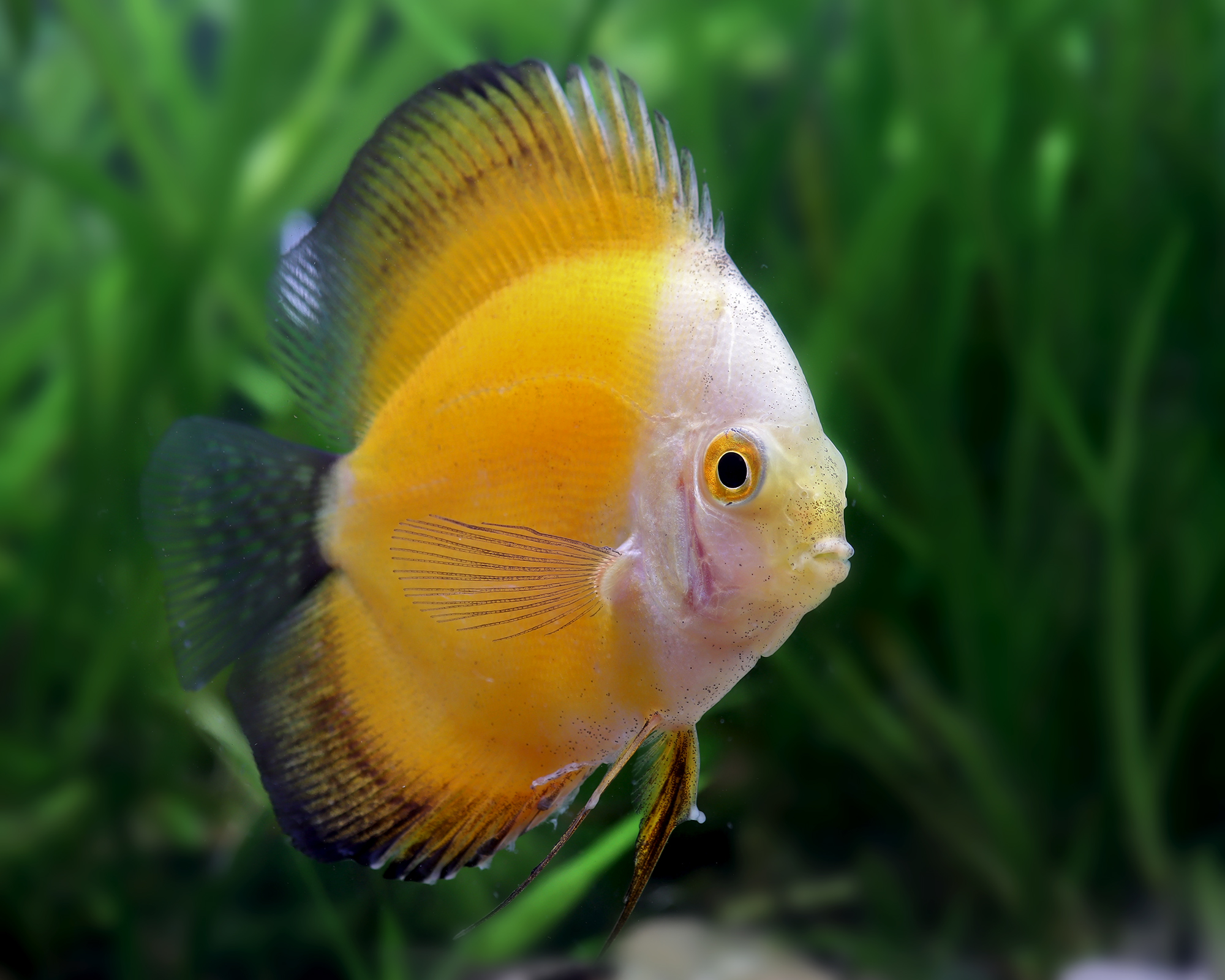
Discus are generally peaceful but form a social hierarchy, and occasional chasing or fin display is normal. They are best maintained in a compatible group, where aggression is spread among several fish. A pair may establish a territory during spawning. Avoid sudden environmental changes, overcrowding and boisterous tank mates, since stress can suppress feeding and increase disease risk.
Aquarium and tank size
A tall aquarium with strong biological filtration, gentle circulation and open swimming space is appropriate. For two adult discus, a well-maintained aquarium of about 300 litres is a practical minimum; a larger aquarium is preferable for a group. Use smooth decor, driftwood and hardy plants if desired, while leaving clear areas for feeding. A secure cover helps prevent jumping and limits heat loss.
Water parameters and maintenance
Keep the water warm at 28-30 °C, with a pH of approximately 6.0-7.5. Soft to moderately hard water is generally suitable, provided its chemistry is stable. Ammonia and nitrite must remain undetectable, and nitrate should be kept low through regular partial water changes. Match replacement water closely for temperature and chemistry, and avoid abrupt changes in pH or hardness.
Diet and feeding
Offer a varied, high-quality diet of sinking discus pellets or granules, supplemented with frozen foods such as bloodworms, mysis shrimp and brine shrimp. Feed small portions several times daily, removing uneaten food promptly. Beef-heart mixtures are used by some keepers, but they can pollute the aquarium if overfed and are not essential to a balanced diet. Quarantine live or frozen foods and new fish where practical.
Compatibility
Suitable companions are peaceful, warm-water species that tolerate discus temperatures and do not compete aggressively for food. Carefully selected small to medium South American tetras, peaceful Corydoras suited to warm water and some gentle plecos may work. Avoid fin-nippers, highly active feeders, aggressive cichlids and cool-water species. Quarantine all additions and monitor feeding, since discus can be outcompeted even by otherwise peaceful tank mates.
Breeding
Discus form pairs and spawn on a cleaned vertical surface such as a cone, slate, aquarium glass or broad plant leaf. The parents usually fan and guard the eggs, and newly free-swimming fry feed on mucus secretions from the parents. Provide exceptionally clean, stable warm water, a quiet breeding surface and suitable fry food. Pair formation is difficult to guarantee, and a group is often used to allow compatible pairs to develop. Remove other fish if they disturb the parents or threaten the brood.
Leave your comments