Taxonomy and identification
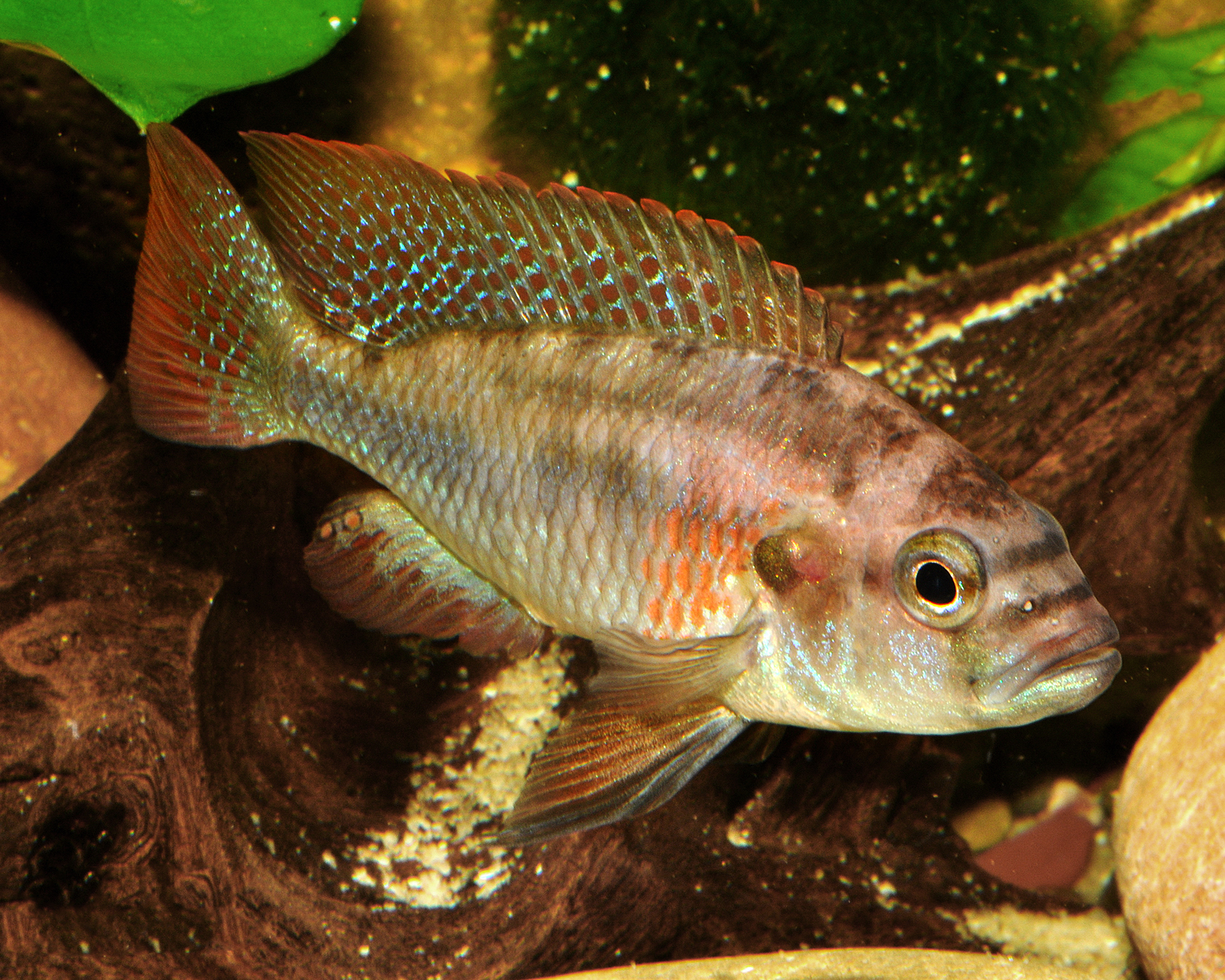
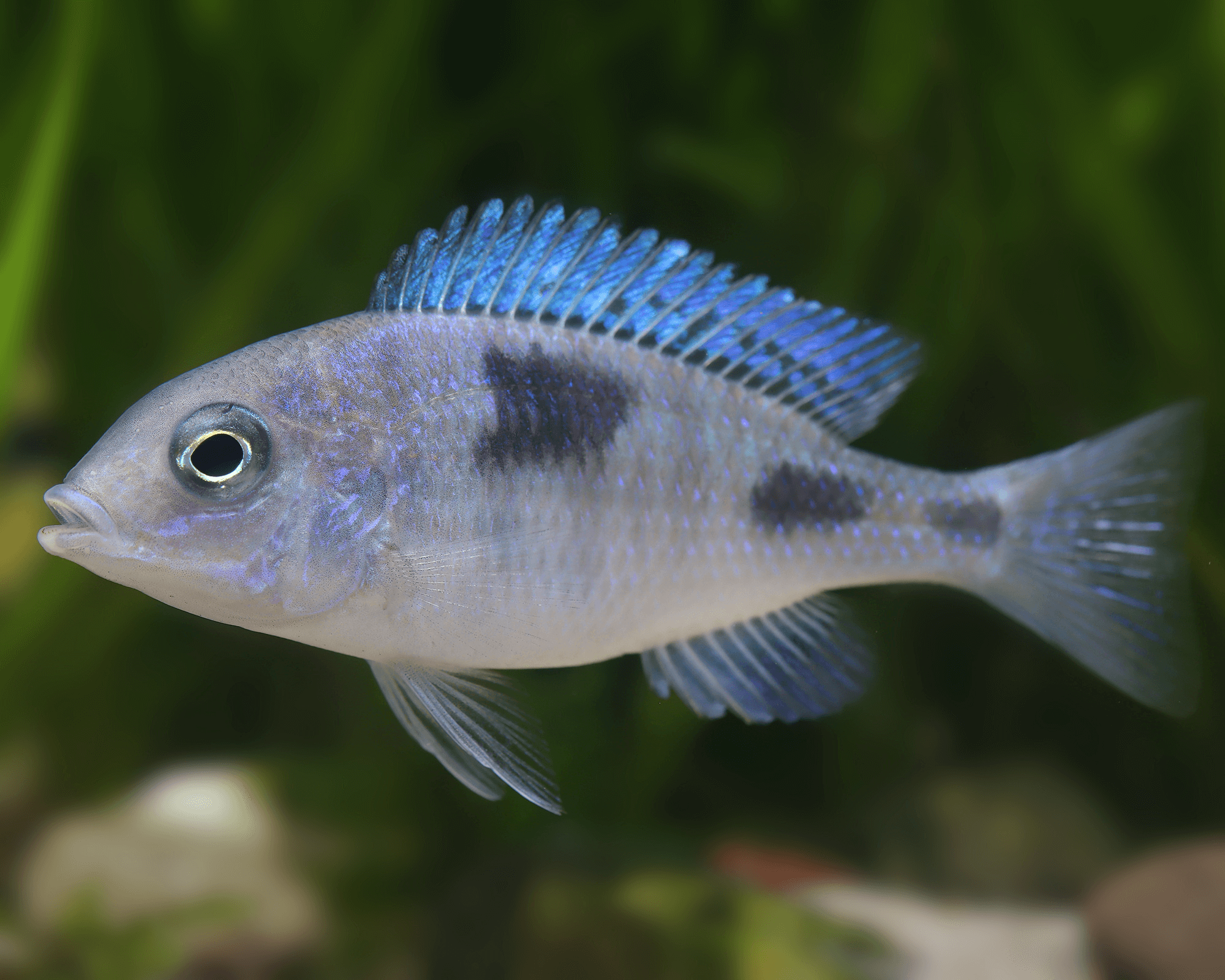
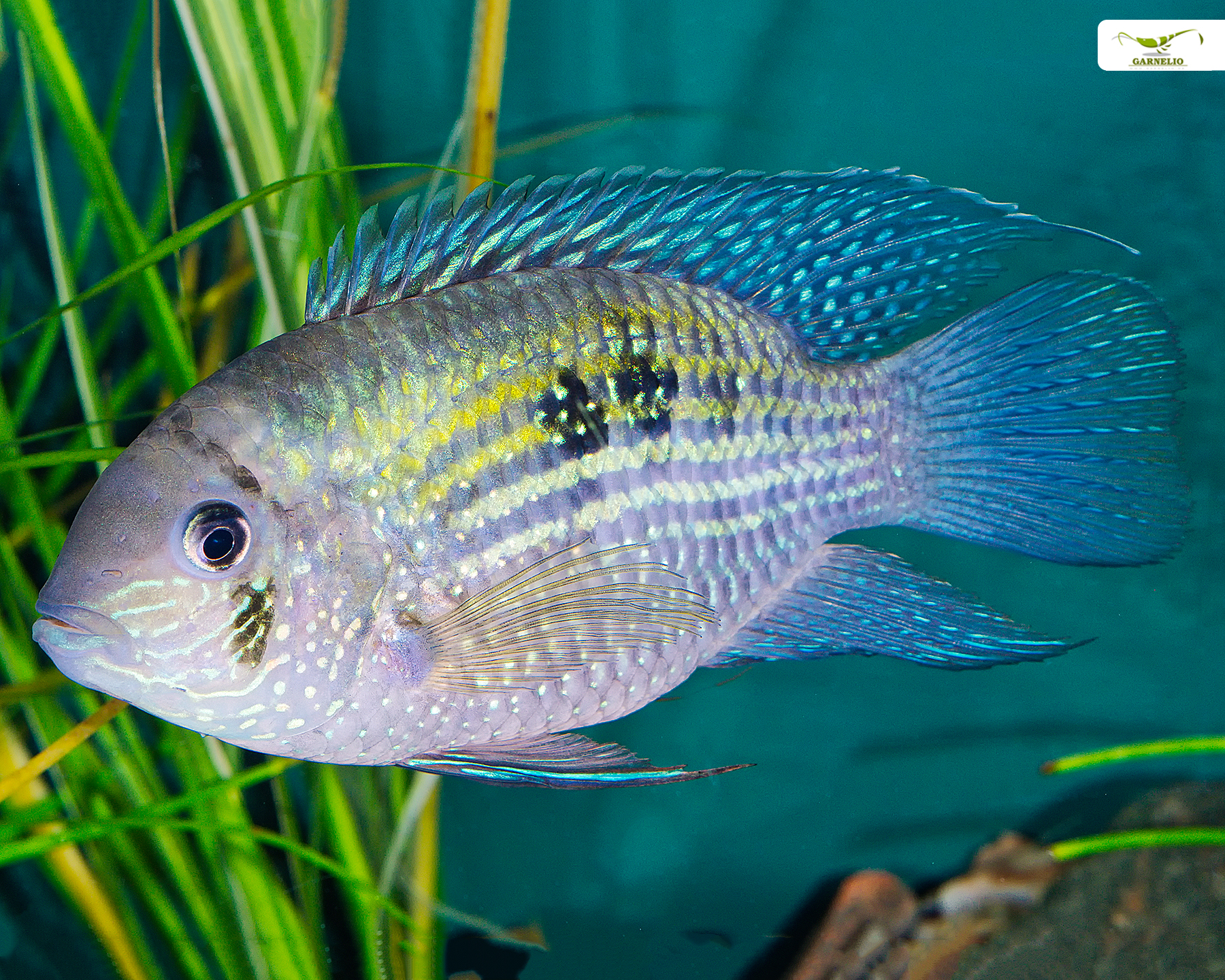
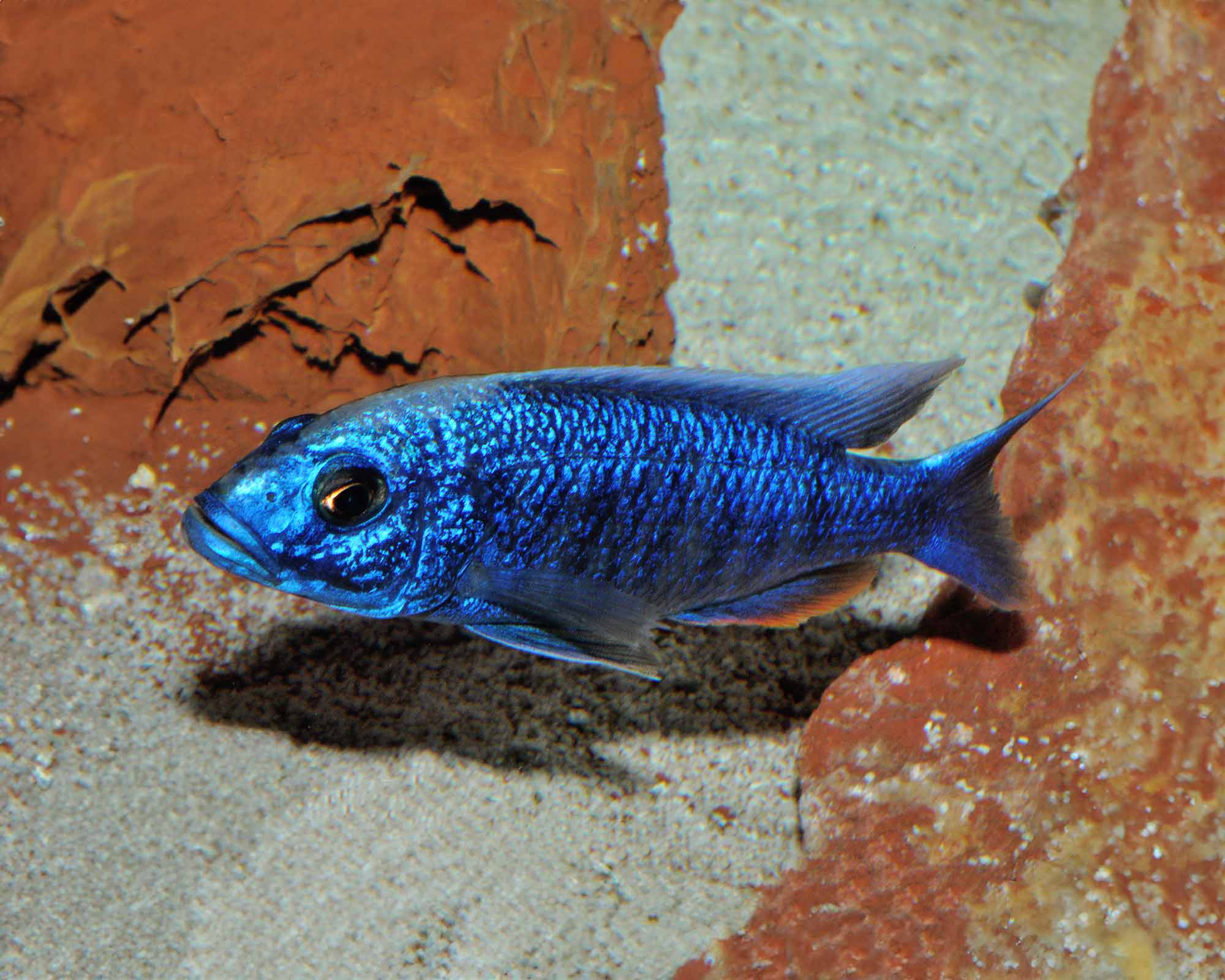
The accepted scientific name is Astatotilapia burtoni. It belongs to the cichlid family Cichlidae and the haplochromine group. The species has also appeared in older aquarium literature under Haplochromis burtoni. Adult males are typically deeper-bodied and more strongly colored than females, with iridescent blue markings and warm orange, bronze or reddish areas. Color and pattern vary with sex, mood, social rank and locality.
Distribution and habitat
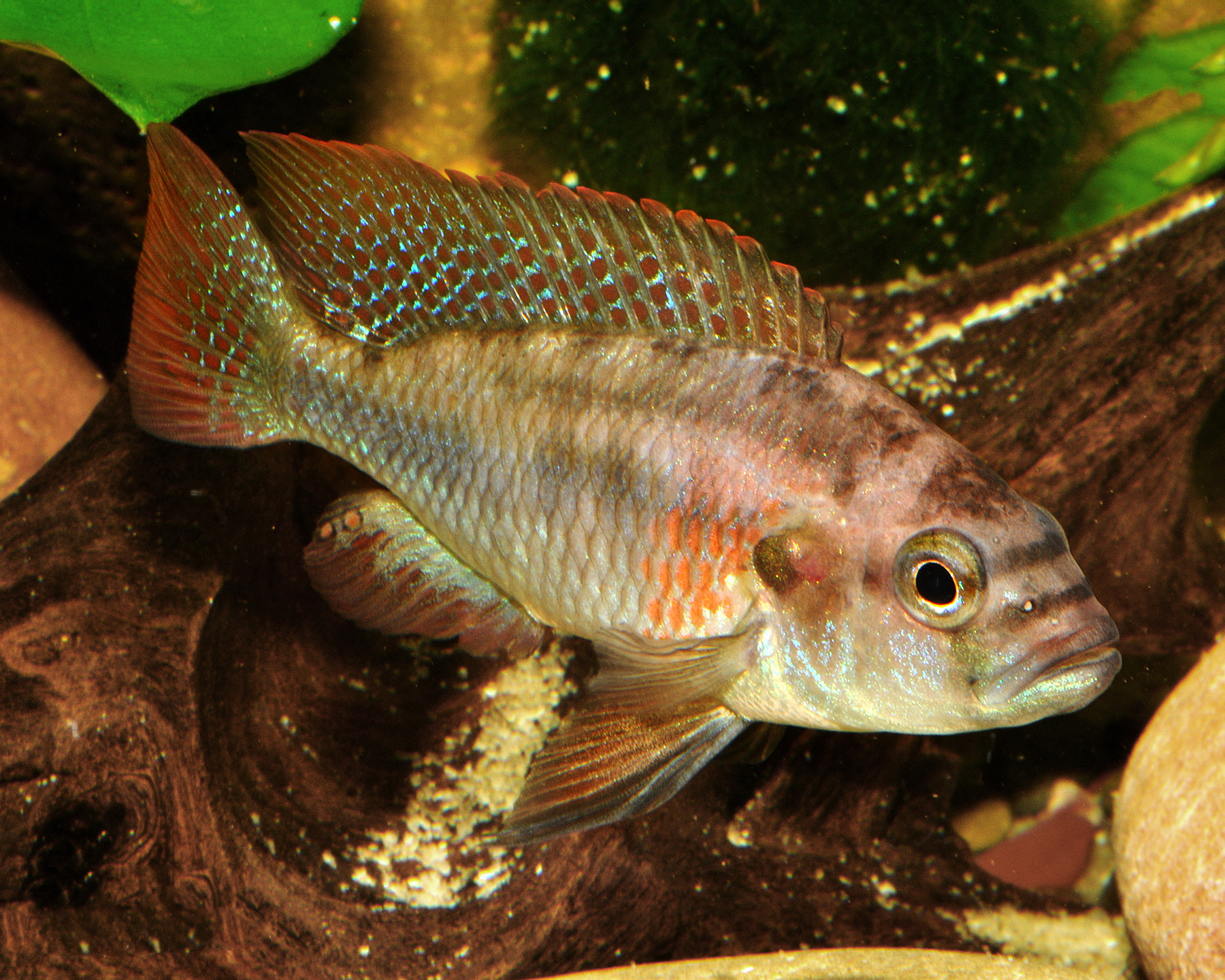
Astatotilapia burtoni is native to the Lake Tanganyika region of East Africa, including littoral habitats and connected waters in the surrounding drainage. It uses rocky margins, shallow areas and structures that provide feeding surfaces and shelter. Exact locality forms can differ in appearance, so aquarium specimens should not be assigned a specific collection population without reliable provenance.
Behavior
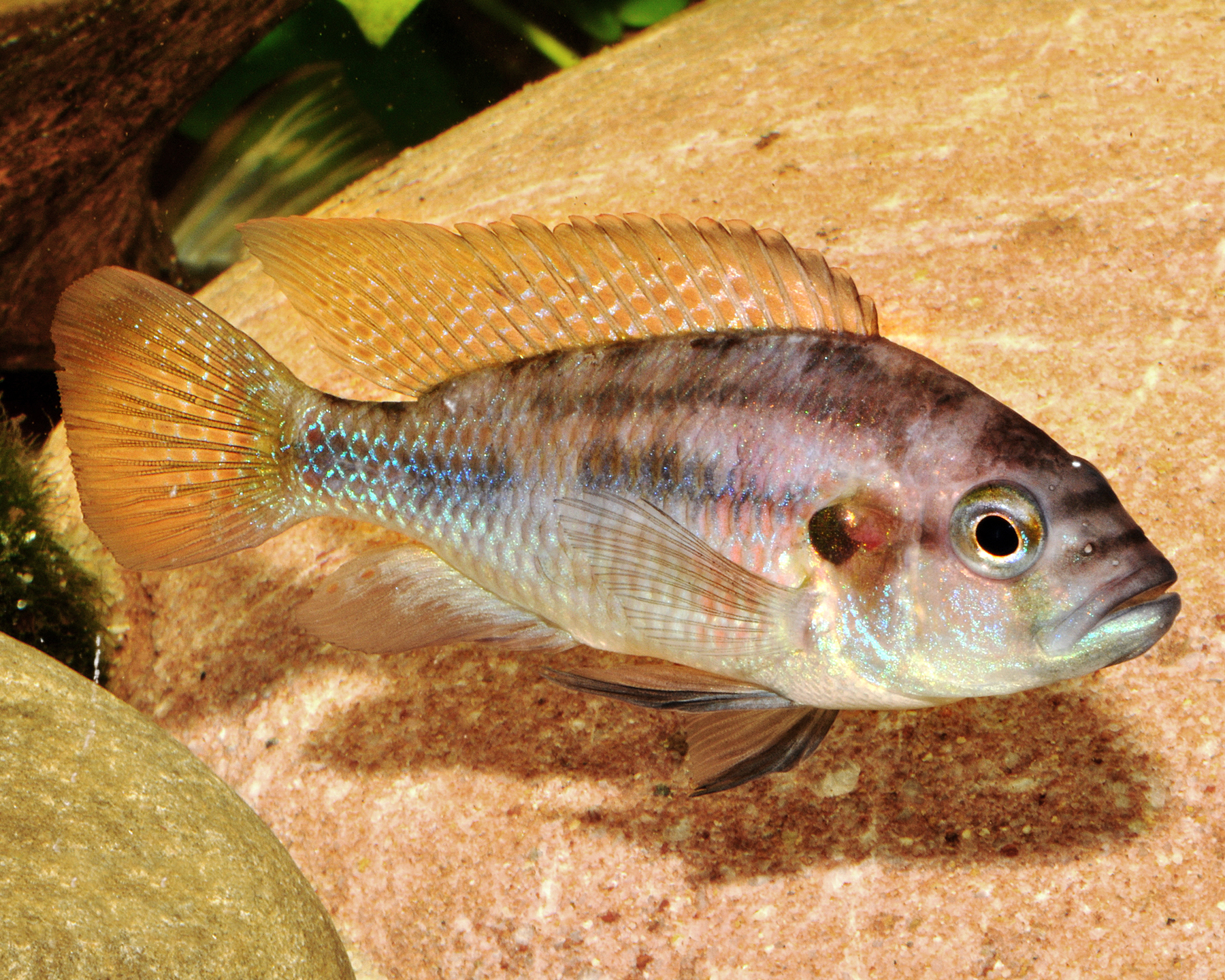
This is a social but territorial cichlid. Males establish and defend small territories, display to females and compete with other males for status. Dominant males usually show the strongest coloration, while subordinate fish may become duller. A pair can work in a suitably arranged aquarium, but the female needs retreats because persistent courtship or territorial attention can cause stress. Rockwork, caves and broken sightlines help distribute aggression.
Aquarium and tank size
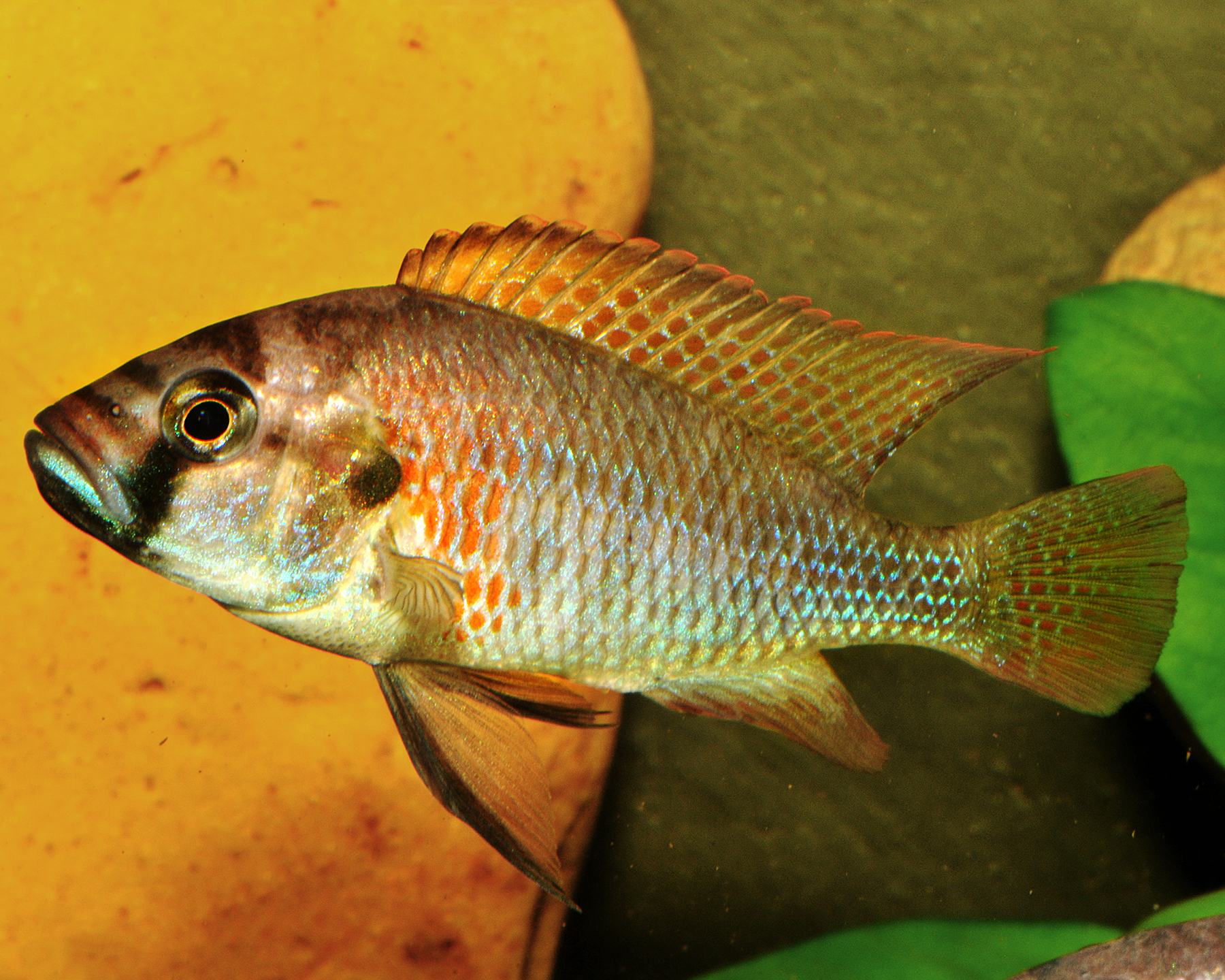
For a pair, provide at least about 200 litres, with a larger aquarium preferable for long-term stability or additional fish. Use a fine-to-medium inert substrate, sturdy rocks, caves and open swimming space. Secure heavy décor against the glass because cichlids may excavate. Strong biological filtration, good oxygenation and regular partial water changes are important. A tight-fitting lid is recommended.
Water parameters
Maintain stable, mineral-rich, alkaline water at 24-28 °C and pH 7.5-8.5. Moderate to hard water is generally suitable. Ammonia and nitrite should remain undetectable, and nitrate should be kept low through maintenance. Stability is more important than pursuing an exact value, but sudden changes in temperature, pH or hardness should be avoided.
Diet
Offer a varied omnivorous diet based on quality cichlid pellets or flakes, supplemented with spirulina or other algae-based foods and small frozen foods such as brine shrimp or mysis. Small portions once or twice daily are preferable to overfeeding. Avoid making rich, fatty animal foods the main diet; good fiber and plant matter support digestive health.
Compatibility
Astatotilapia burtoni is not a peaceful community fish. It is best kept as a carefully managed pair, a compatible group with more females than males, or with robust similarly sized African cichlids in a large, structured aquarium. Avoid timid, slow-moving or delicate species, and do not mix it casually with unrelated fish that require very different water conditions. Monitor any pairing for bullying and be prepared to separate fish.
Breeding and mouthbrooding
Breeding begins with the male displaying around a chosen site, usually near rocks or another firm surface. The female picks up the fertilized eggs and incubates them in her mouth. She continues to protect the developing brood for roughly two to three weeks, though duration varies with temperature and conditions. During incubation she may eat little, so provide calm cover and high-quality food before and after spawning. Fry can be raised with fine crushed foods and newly hatched brine shrimp. Removing the female or allowing her to release fry in a separate nursery can improve survival, but handling should be minimized.
Leave your comments