AquaLibs presents AquaRank Discover the world’s leading aquascapers

Explore transparent rankings built from published results across the world’s leading aquascaping contests.

Which Tank Mates Belong Together in a Planted Aquarium? A Peaceful Community Decision Guide

Start with the aquarium footprint, not the fish color

Before comparing species, decide how much usable swimming space your aquarium provides. A tall tank may hold the same volume as a longer tank but offer less room for active schooling fish. Nano aquariums are usually more successful with one small fish species or an invertebrate-focused setup rather than several unrelated groups. In a longer aquarium, you can separate surface, midwater, and bottom activity more naturally. Leave open water for schooling fish, shaded areas for timid species, and planted edges for retreat. A colorful fish is only a good choice if its adult behavior, group size, and movement pattern fit the actual footprint of the tank.
Start with the aquarium footprint, not the fish color

Choose one main schooling group before adding accents

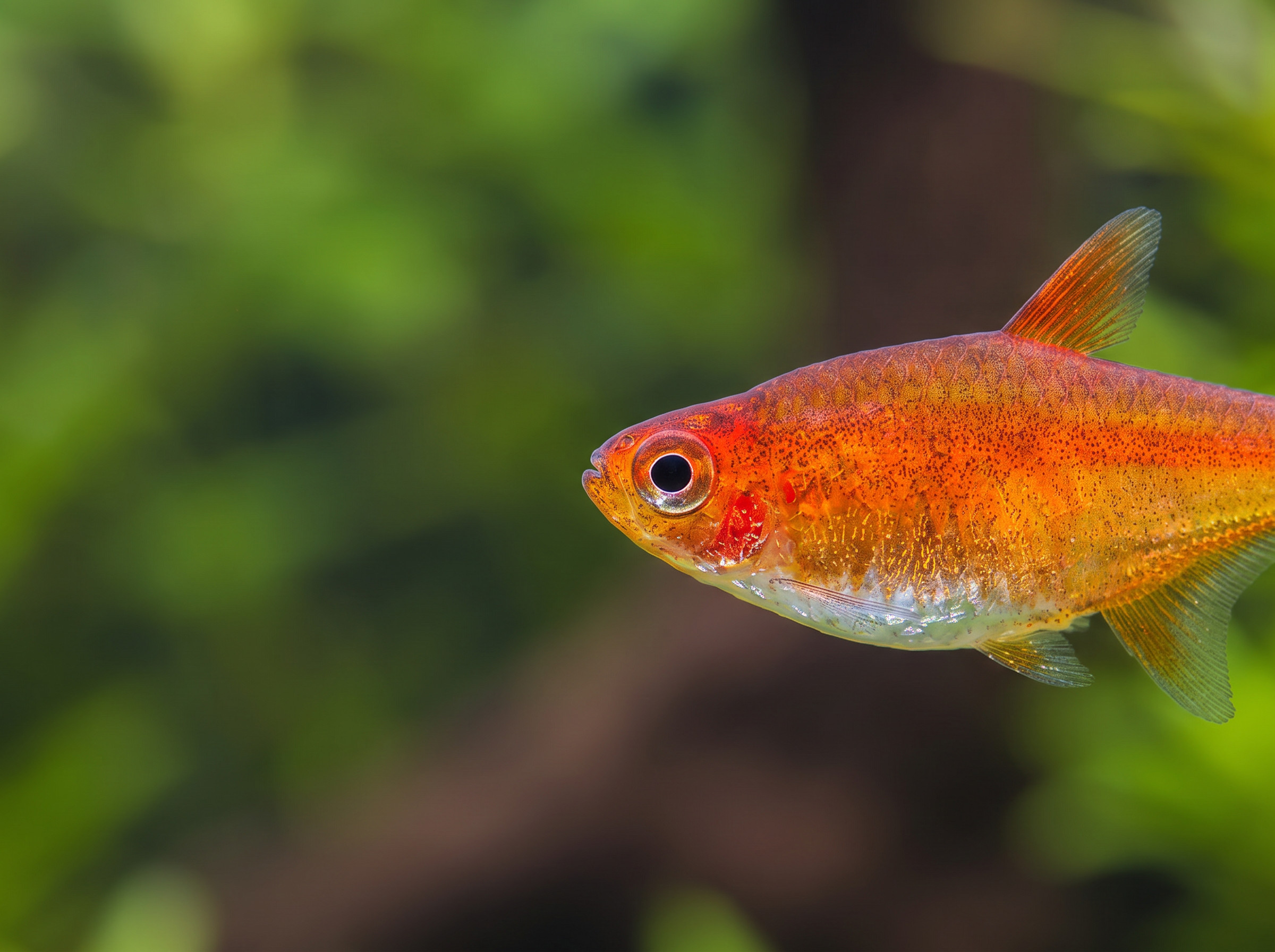
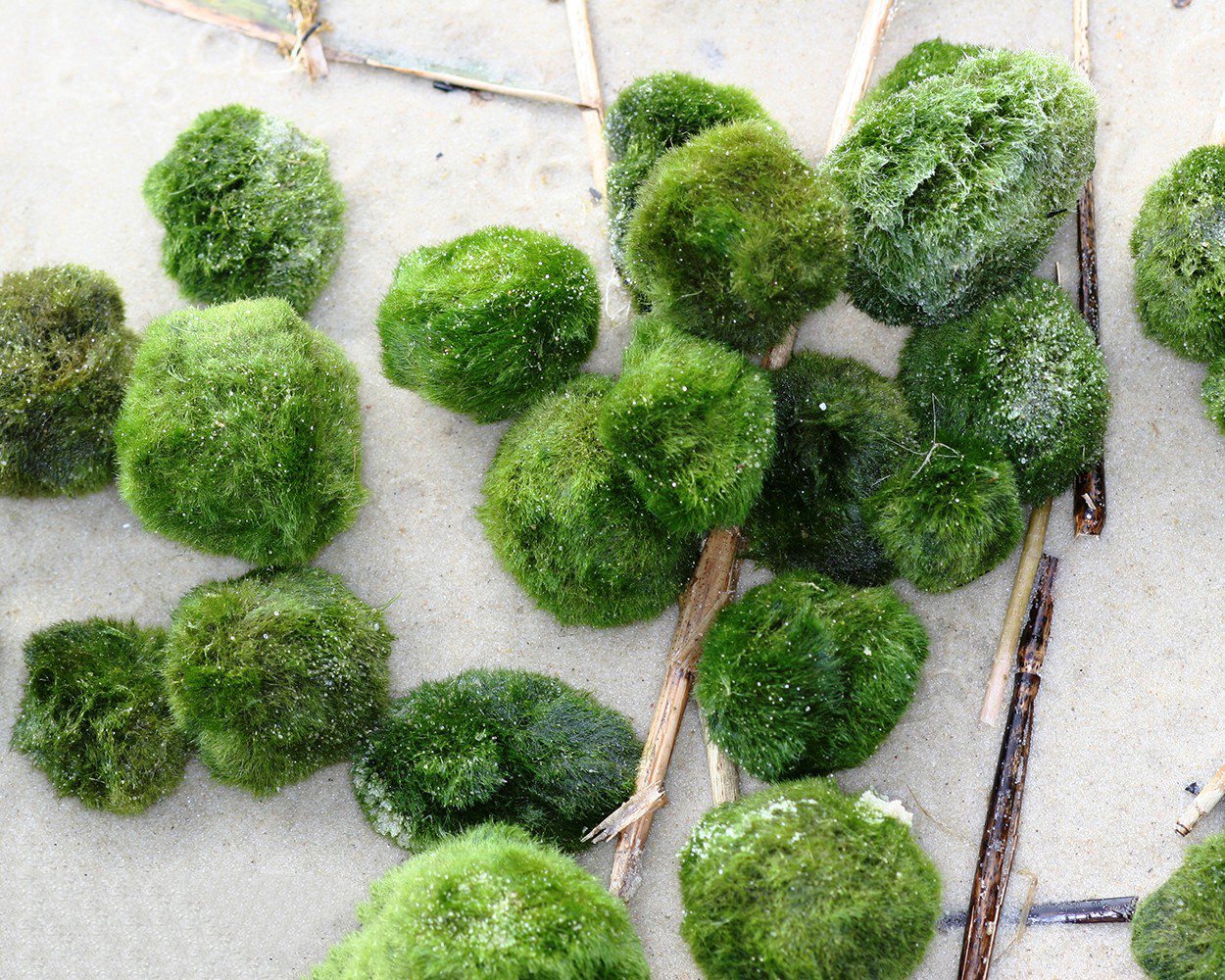
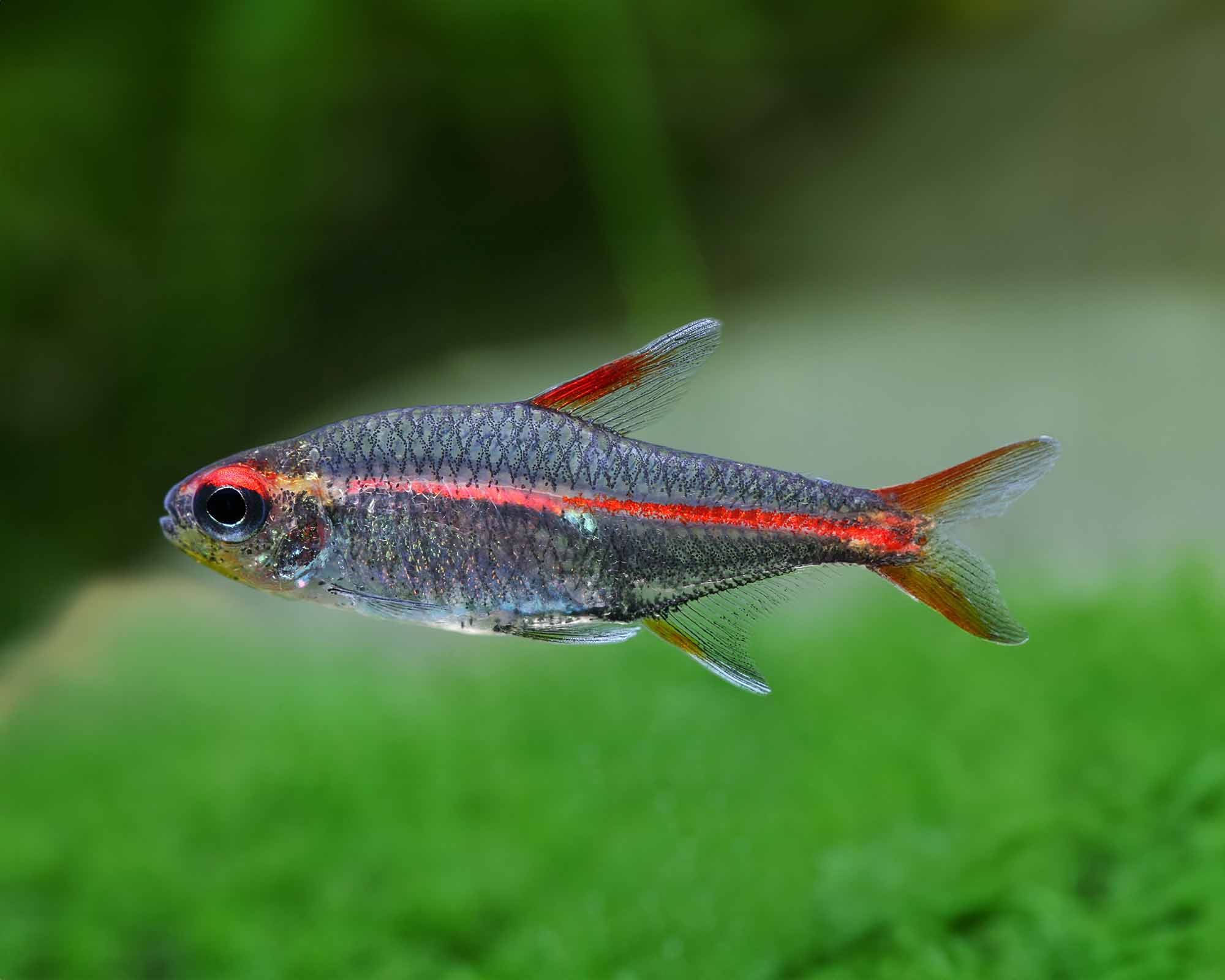
Small community aquariums often look calmer when one schooling fish provides the main movement instead of several undersized groups competing for attention. Glowlight tetras can work in a peaceful planted community when kept in an appropriate group and housed with similarly sized tank mates. They are not automatically suitable for every nano aquarium, especially if the tank is short or heavily stocked. Select a school according to adult size, swimming room, and water conditions first; choose color second. If you want shrimp, remember that even peaceful schooling fish may eat newly hatched shrimplets. Dense moss, fine-leaved plants, and mature biofilm improve survival but do not guarantee it.
Choose one main schooling group before adding accents

Treat tiny fish as hunters when evaluating shrimp compatibility

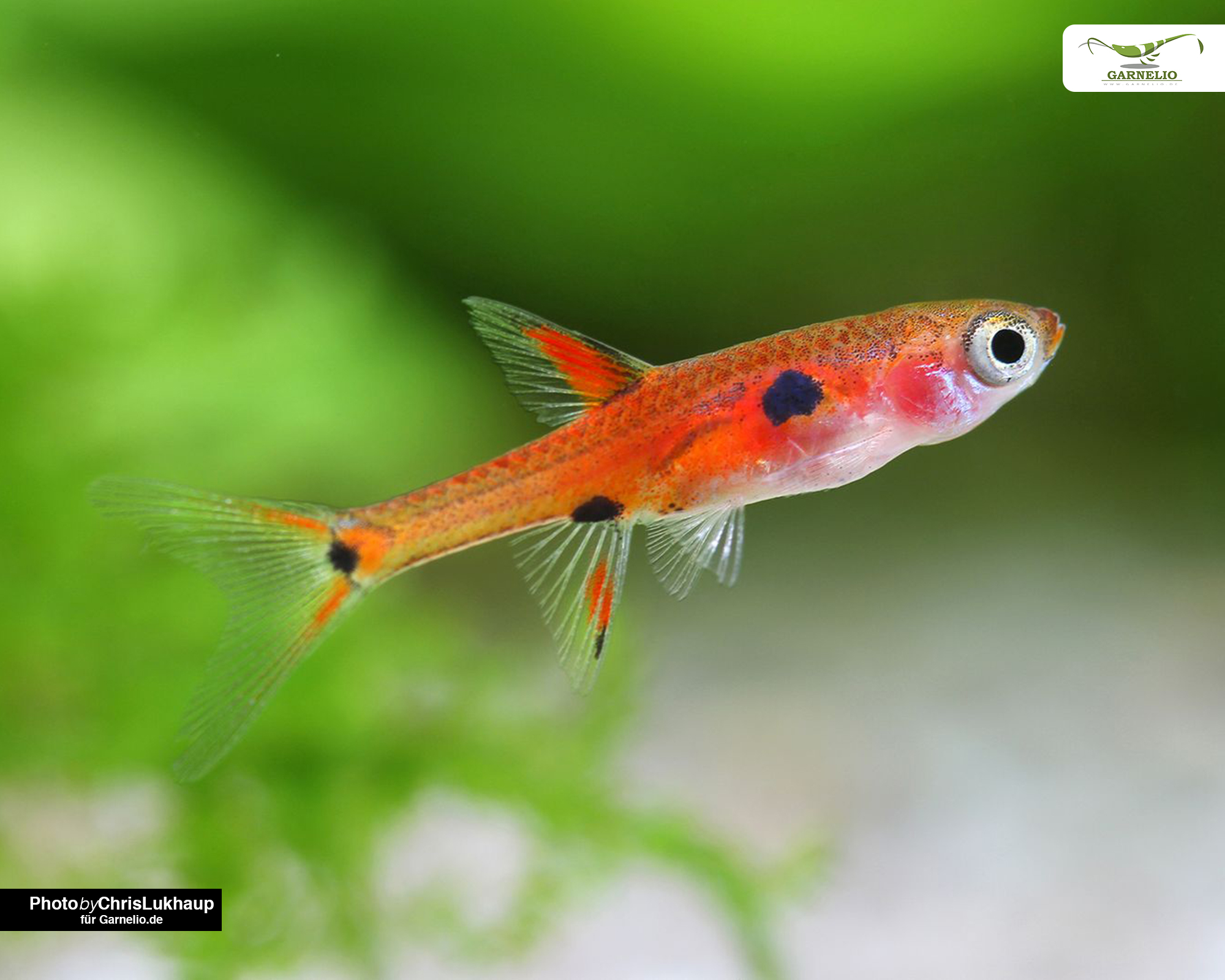
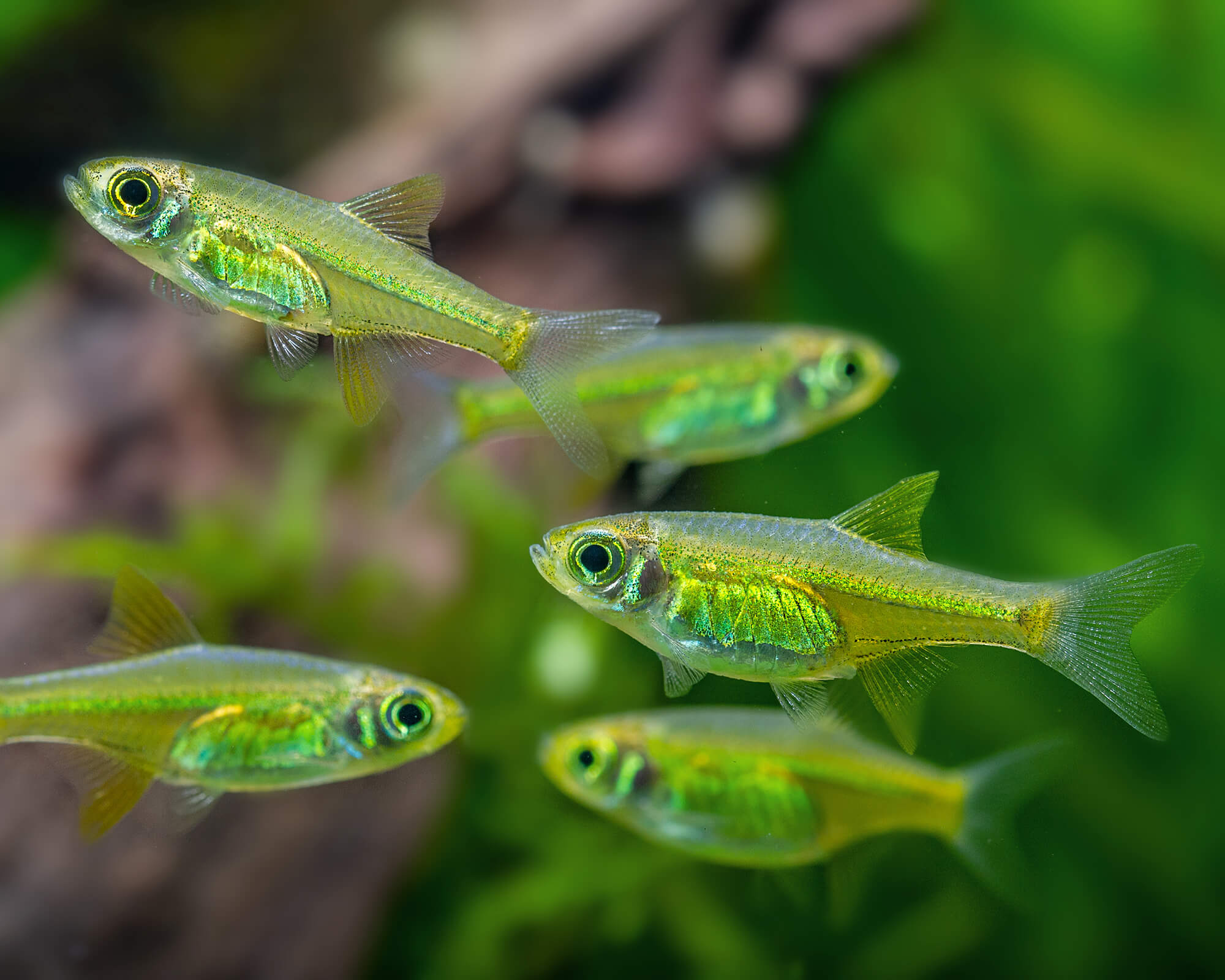
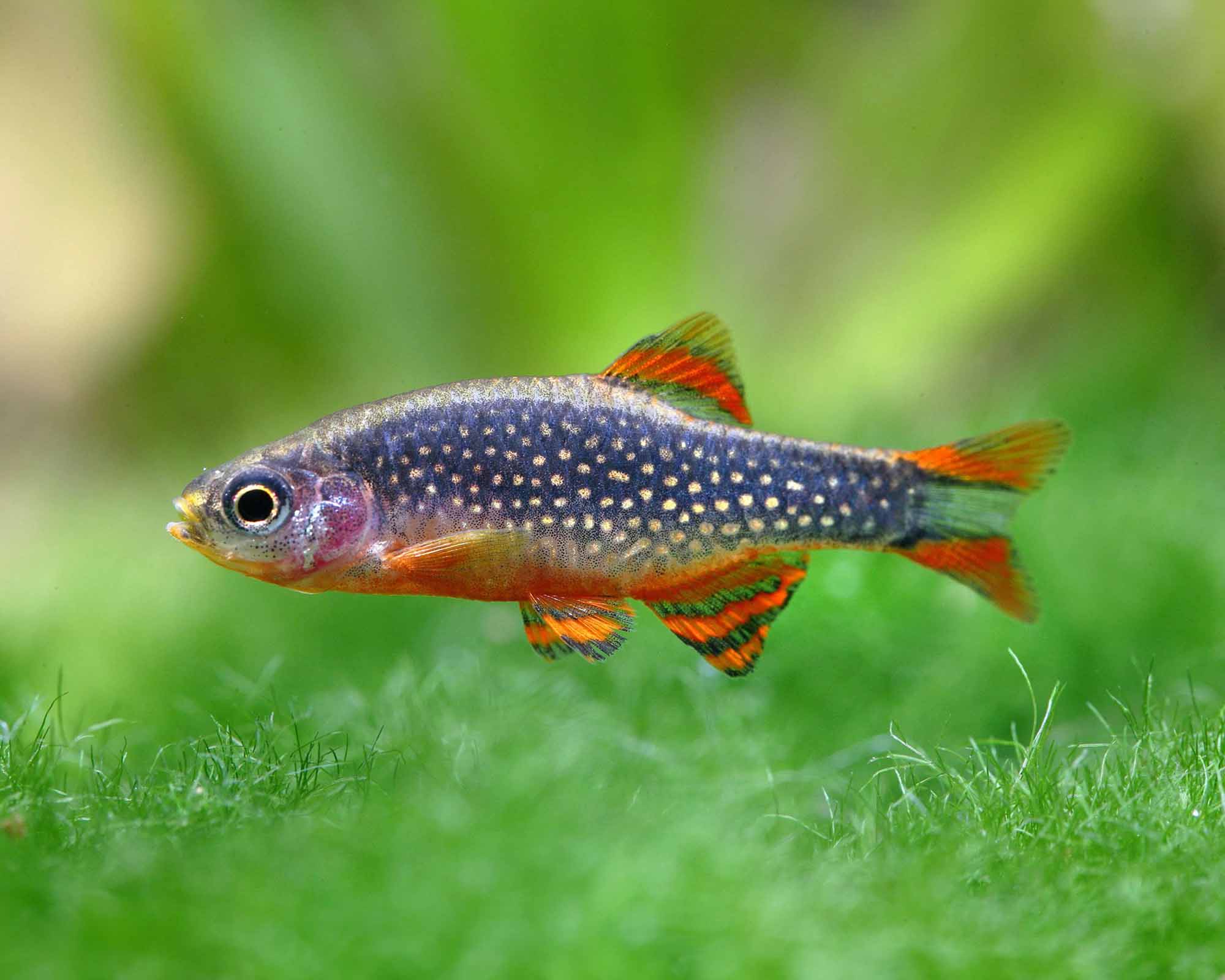
A very small fish can still be a predator toward baby shrimp if it can fit a shrimplet in its mouth. Celestial pearl danios are attractive in planted aquariums, but their compatibility with shrimp depends on the goal. Adults may coexist with adult dwarf shrimp in a heavily planted tank, while newborn shrimp can remain vulnerable. Use this distinction when making decisions: adult shrimp survival, colony growth, and maximum shrimplet survival are different standards. If preserving a shrimp colony is the priority, choose a shrimp-only aquarium or accept that some young will be lost. If fish behavior is the priority, provide cover and treat reproduction as a bonus rather than a promise.
Treat tiny fish as hunters when evaluating shrimp compatibility

Give bottom dwellers a real floor plan

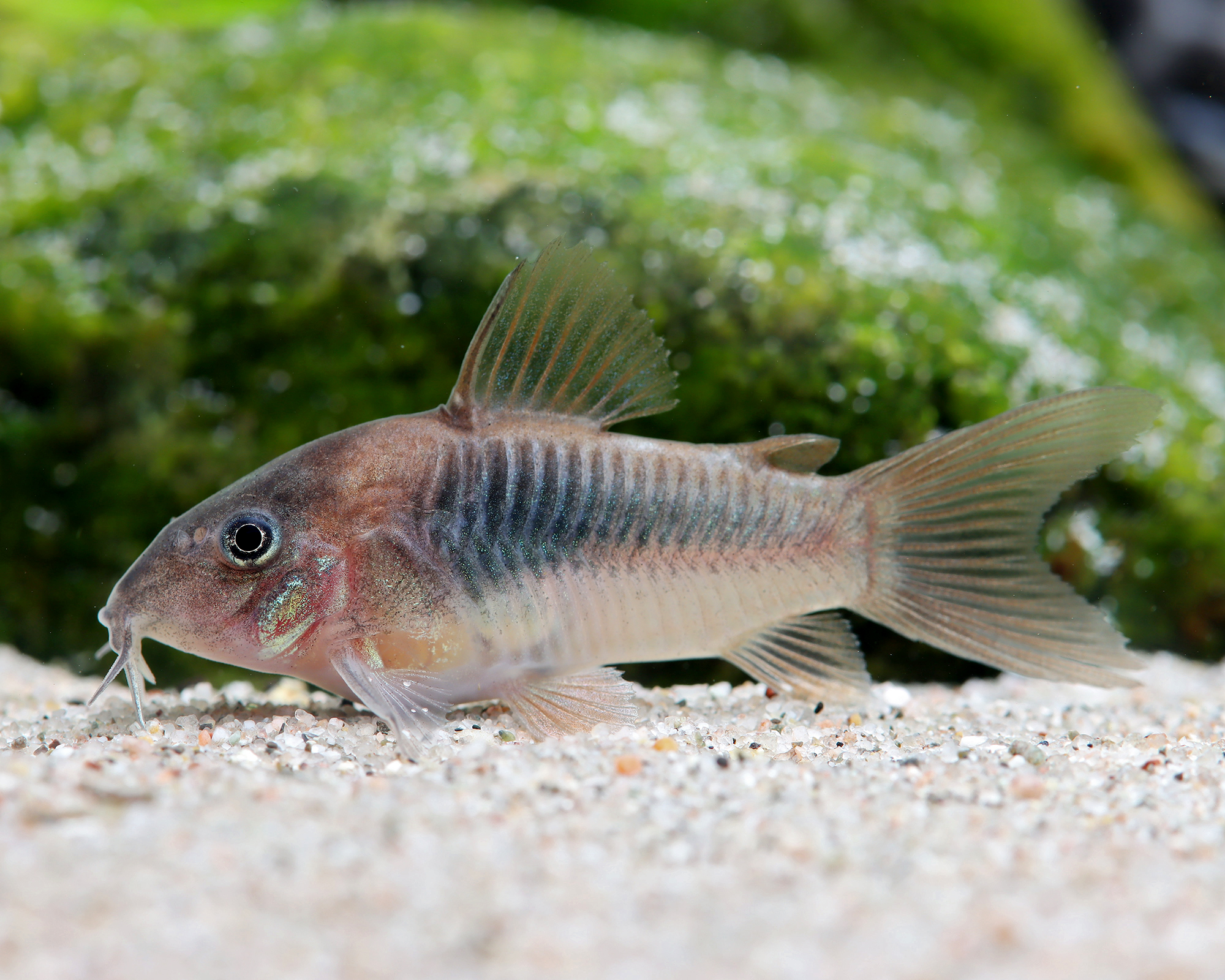
Corydoras are peaceful community fish, but they are not decorative substitutes for a cleanup crew. They need a suitable group, access to the bottom, and a substrate that will not constantly damage their barbels. Plan open feeding areas beneath the planting rather than covering every inch with dense growth. Avoid combining bottom fish simply because they occupy the same level; different species can still compete for food and hiding places. A planted layout with wood, broad leaves, and clear sand or fine gravel sections gives bottom dwellers usable territory. Snails can share this zone, but their presence does not replace regular feeding, water changes, or waste removal.
Give bottom dwellers a real floor plan

Separate livebearer appeal from livebearer population growth

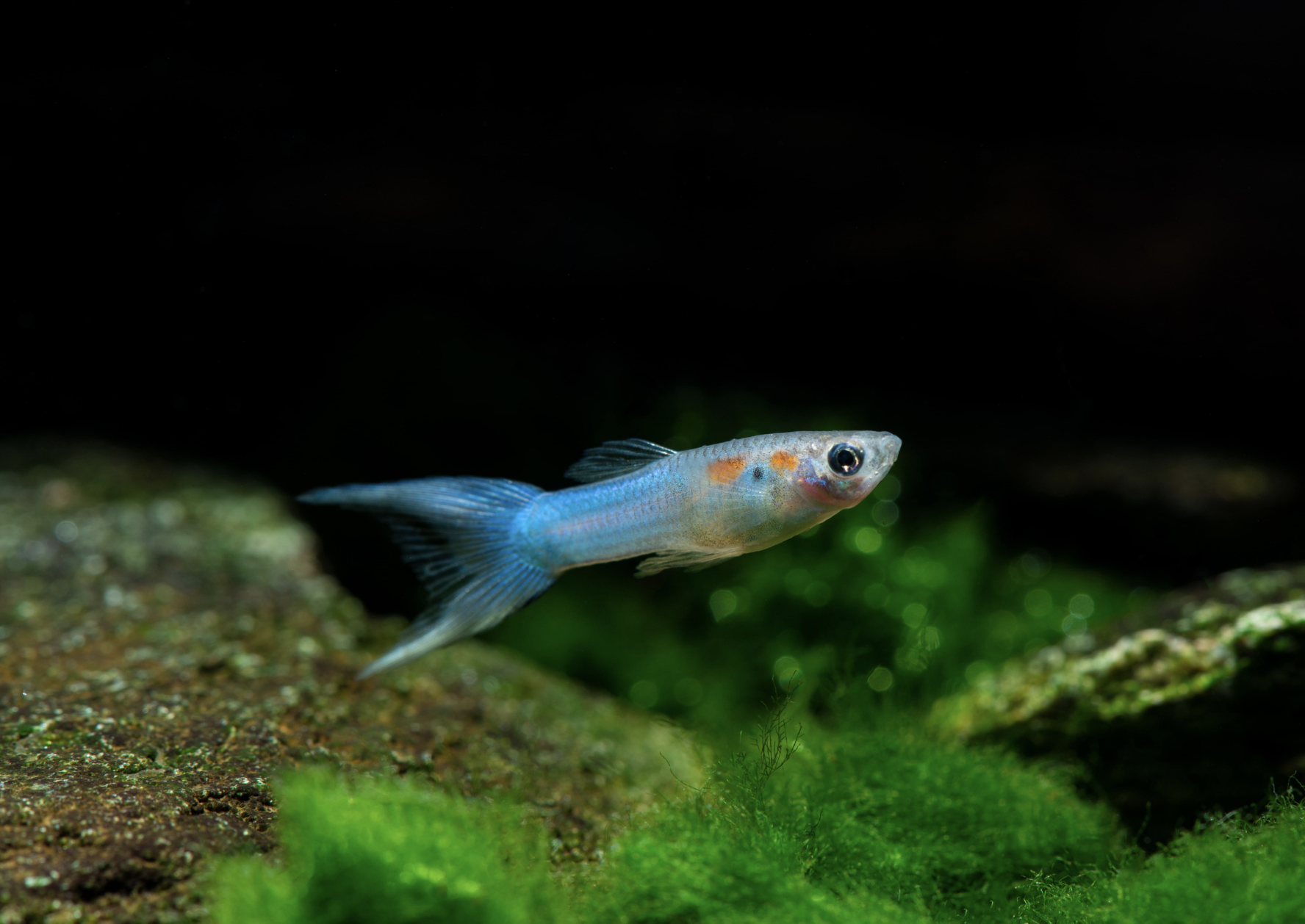
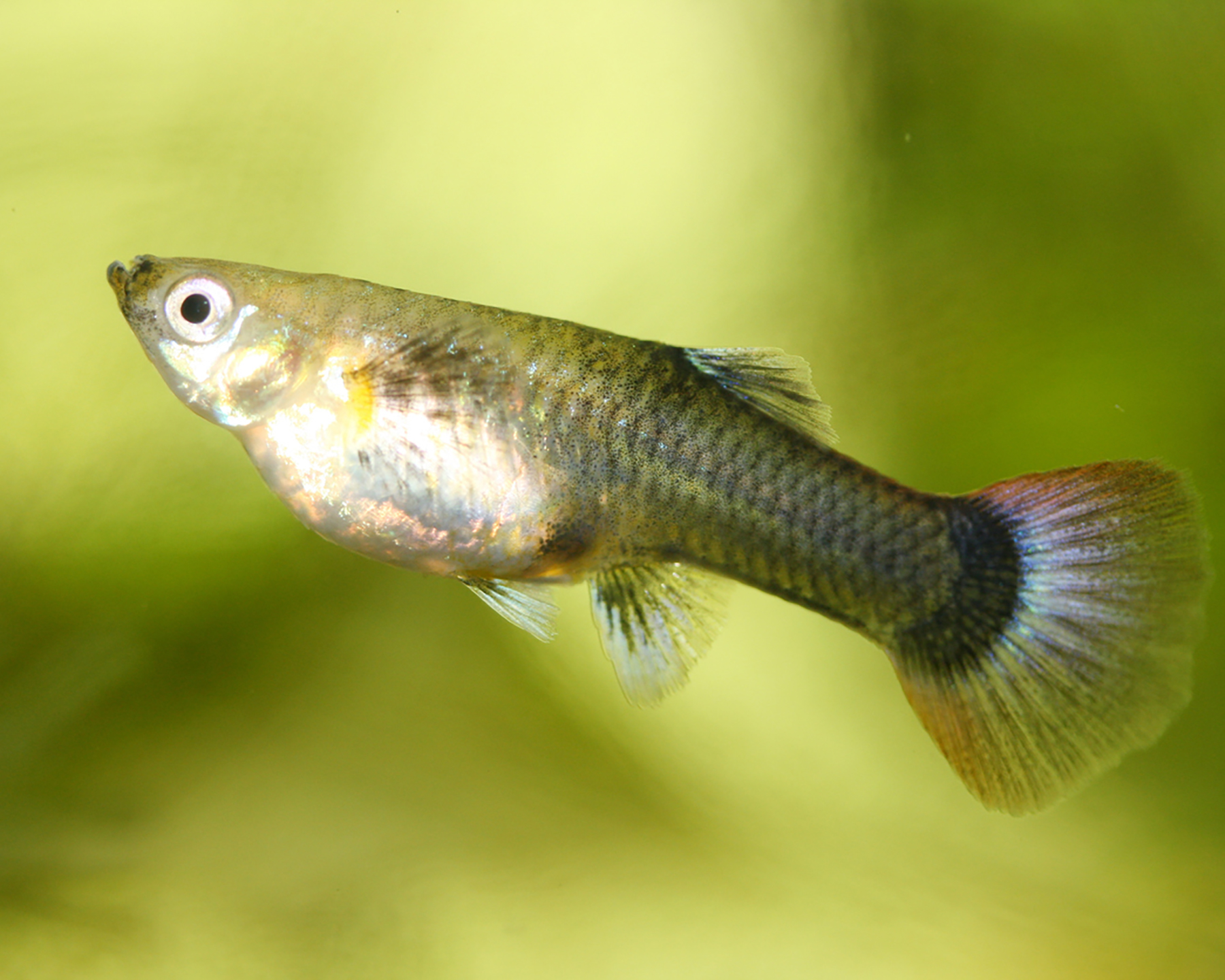
Endler guppies bring strong color and active movement to a planted community, but mixed-sex groups can produce more young than a small aquarium can comfortably support. Decide whether you want display fish, a breeding project, or a controlled population before purchase. Male-only groups avoid routine fry production but may show more chasing among themselves. Mixed groups require a plan for excess juveniles and enough plant cover for fry. Endlers also tend to suit harder, more mineral-rich water better than soft-water specialists. They can be peaceful with compatible tank mates, yet their activity and constant feeding response may overwhelm shy nano fish or make a shrimp colony less secure.
Separate livebearer appeal from livebearer population growth

Use fish size and temperament to set the shrimp risk level

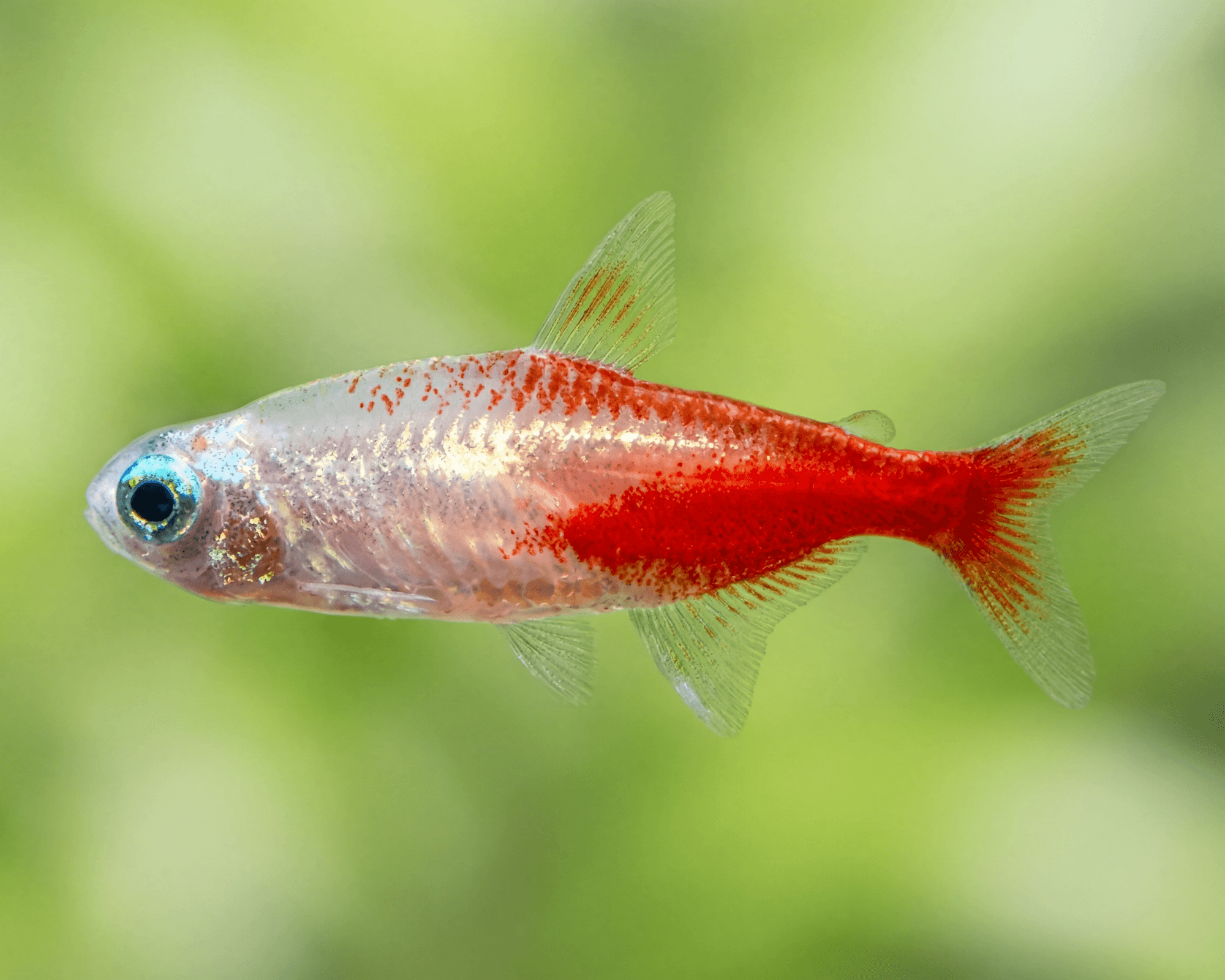
Neon tetras are peaceful schooling fish, but peaceful does not mean shrimp-safe. Their presence may be reasonable in a planted community where adult shrimp are the main display and occasional shrimplet losses are acceptable. It is a poor match if the goal is to raise every generation of young shrimp in the same aquarium. Shrimp need mature surfaces to graze, dense hiding places, and stable water chemistry, especially around molting. Add fish only after the planted tank has developed cover and biofilm. For maximum colony growth, keep shrimp as the principal livestock. For a mixed display, choose fish with small mouths and modest hunting behavior, then monitor rather than assuming compatibility.
Use fish size and temperament to set the shrimp risk level

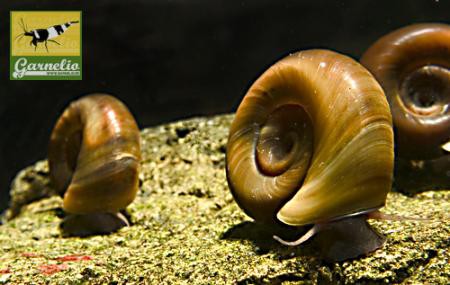
Do not confuse plant-safe snails with a complete cleanup plan

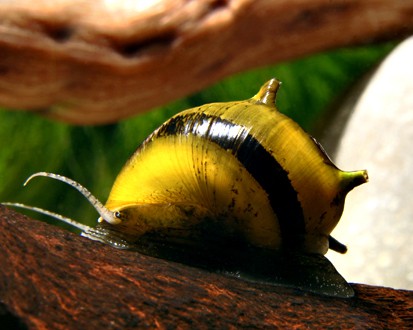
A planted aquarium can usually accommodate selected snails, but each species adds a different maintenance pattern. Some graze surfaces, some burrow, and some reproduce rapidly when food is abundant. Their compatibility question is less about aggression and more about shell health, available minerals, feeding competition, and population control. Keep broad-leaved plants and delicate new growth protected from unnecessary disturbance, and avoid adding snails as a substitute for correcting excess food or algae-friendly lighting. A guppy community, for example, may tolerate snails well while still producing enough waste to fuel a population increase. Choose snails for their behavior and role, not simply because they are labeled cleaners.
Do not confuse plant-safe snails with a complete cleanup plan

Let the planting layout reduce contact between incompatible habits

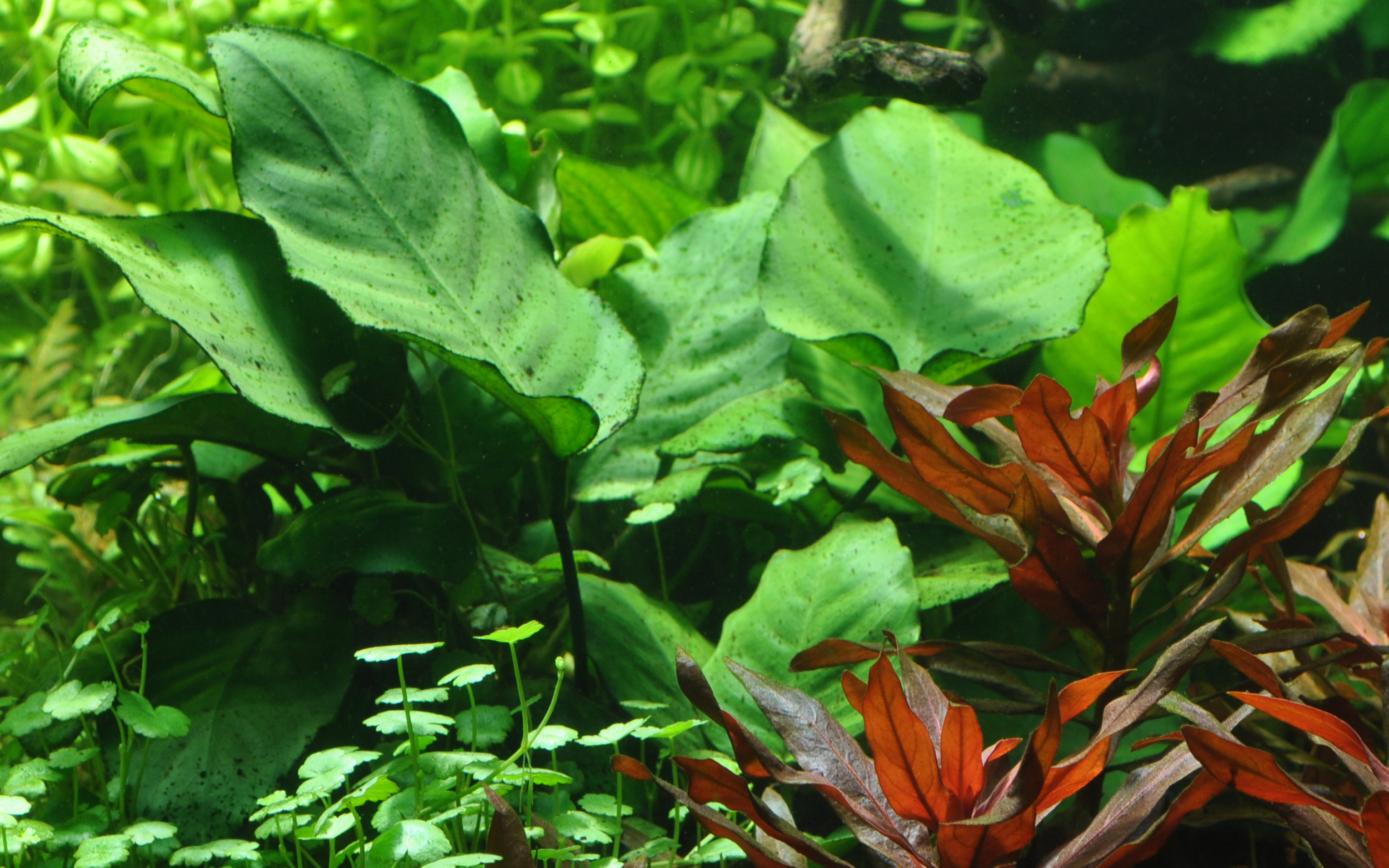
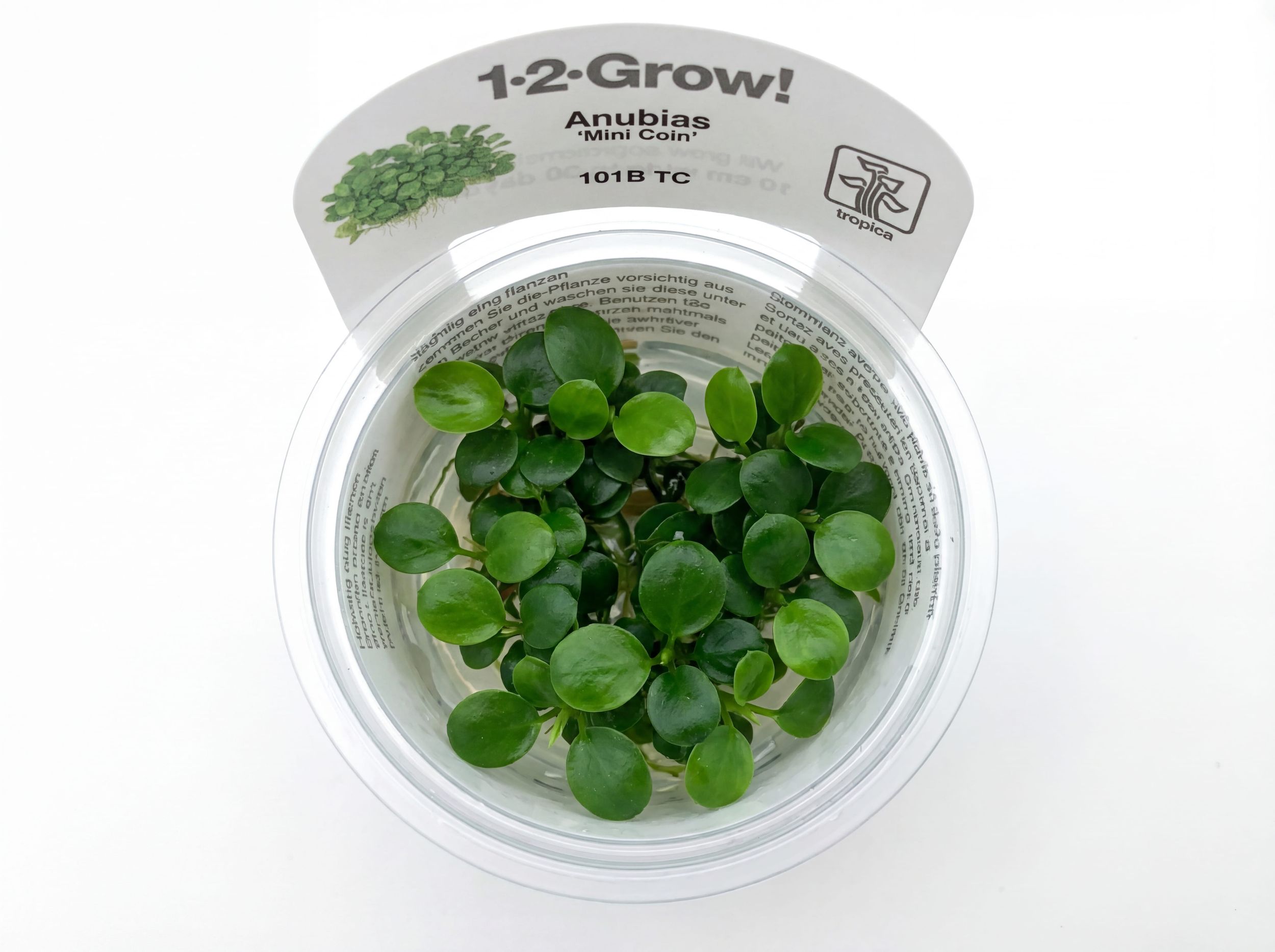
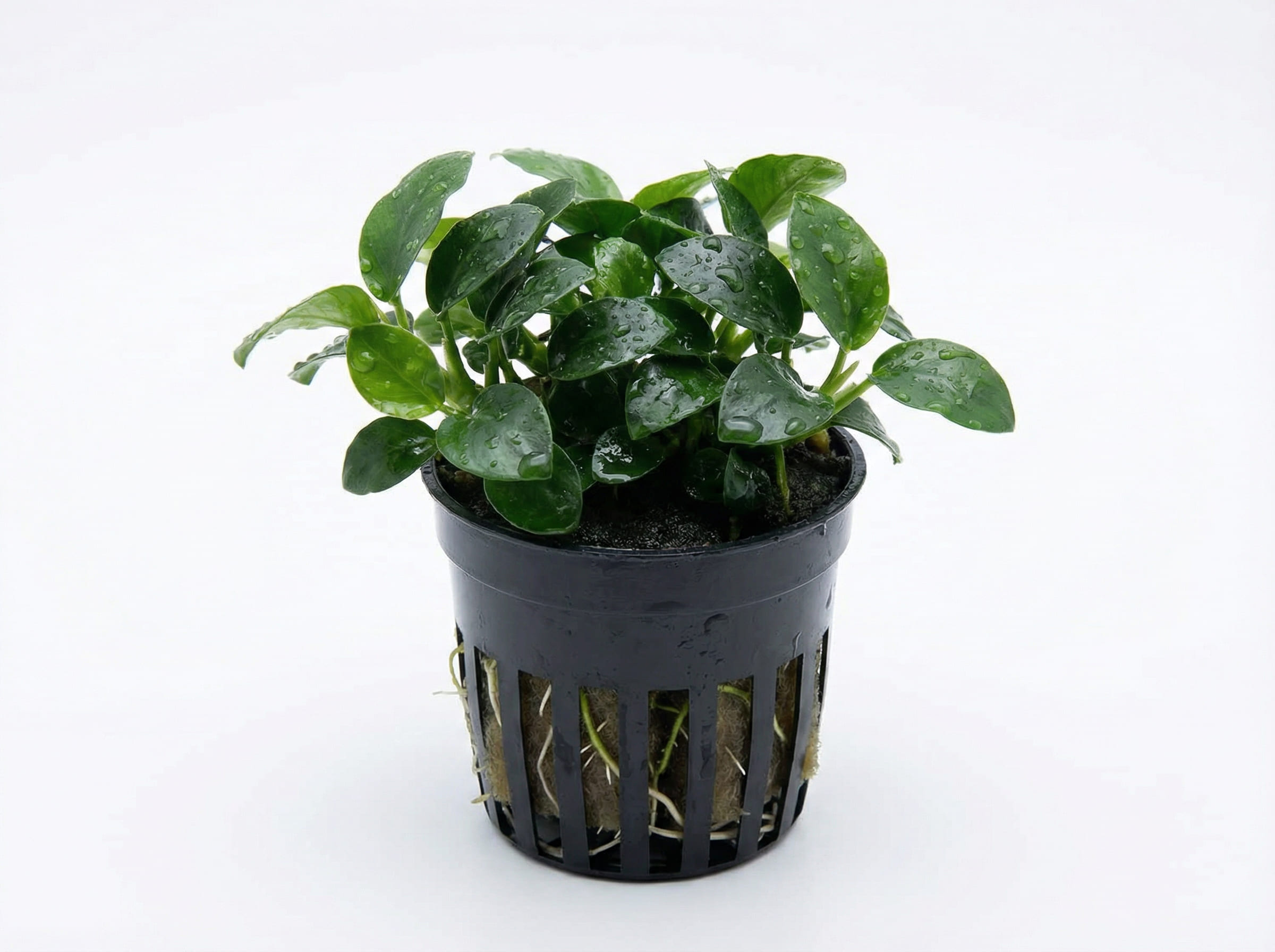
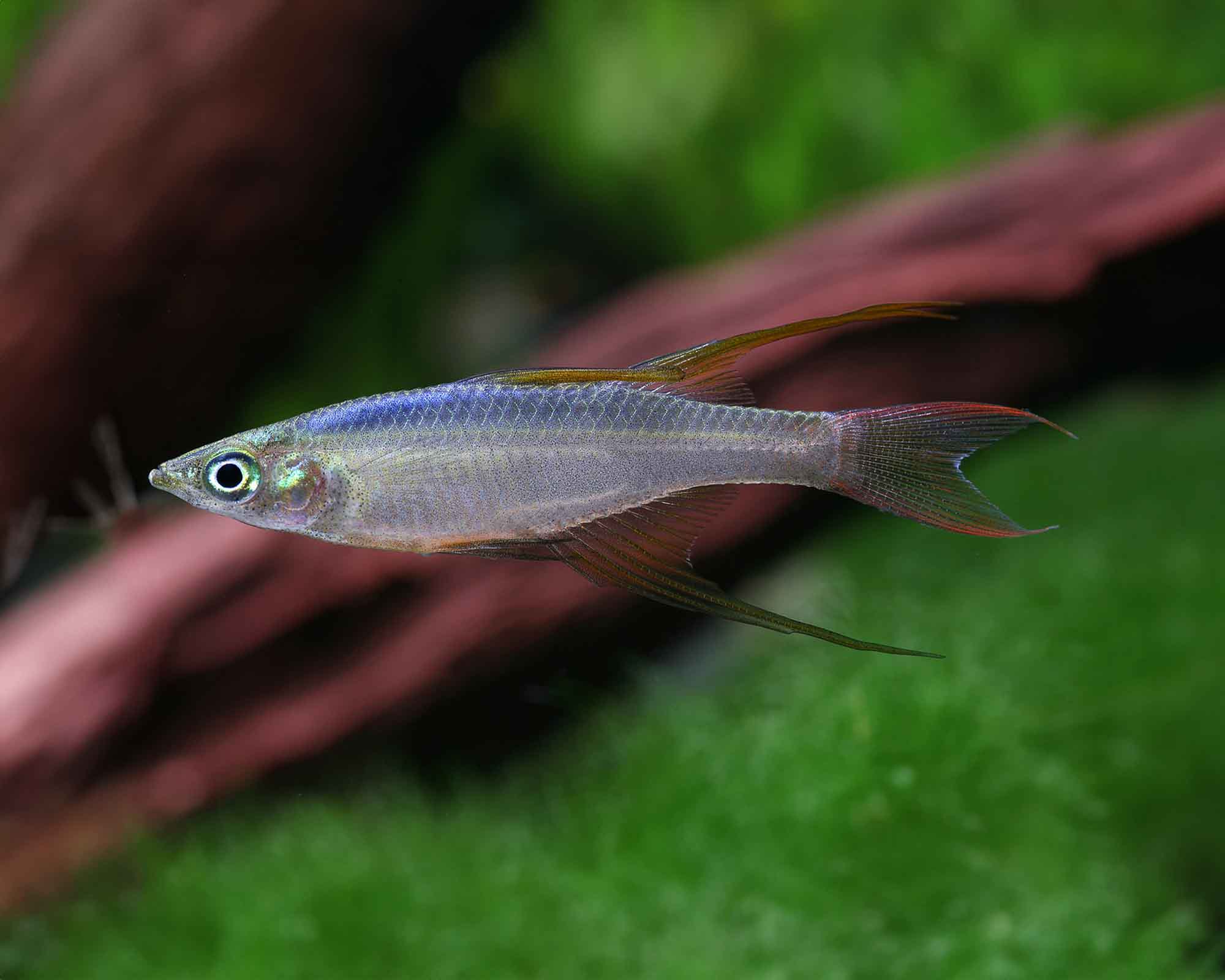
Threadfin rainbowfish are best considered as part of a calm, planted community design rather than a generic centerpiece for every aquarium. Their delicate fins and measured behavior benefit from gentle flow, open midwater space, and peaceful companions. Use tall plants or wood to create visual breaks without blocking the entire swimming area. Anubias and Java fern can be attached to hardscape, while crypts and other rooted plants can fill the foreground and middle ground. Floating plants may soften intense lighting, but leave feeding lanes and surface access. Good planting does not make aggressive fish compatible; it simply gives suitable tank mates more opportunities to retreat and behave naturally.
Let the planting layout reduce contact between incompatible habits

Match the water group before building the color palette

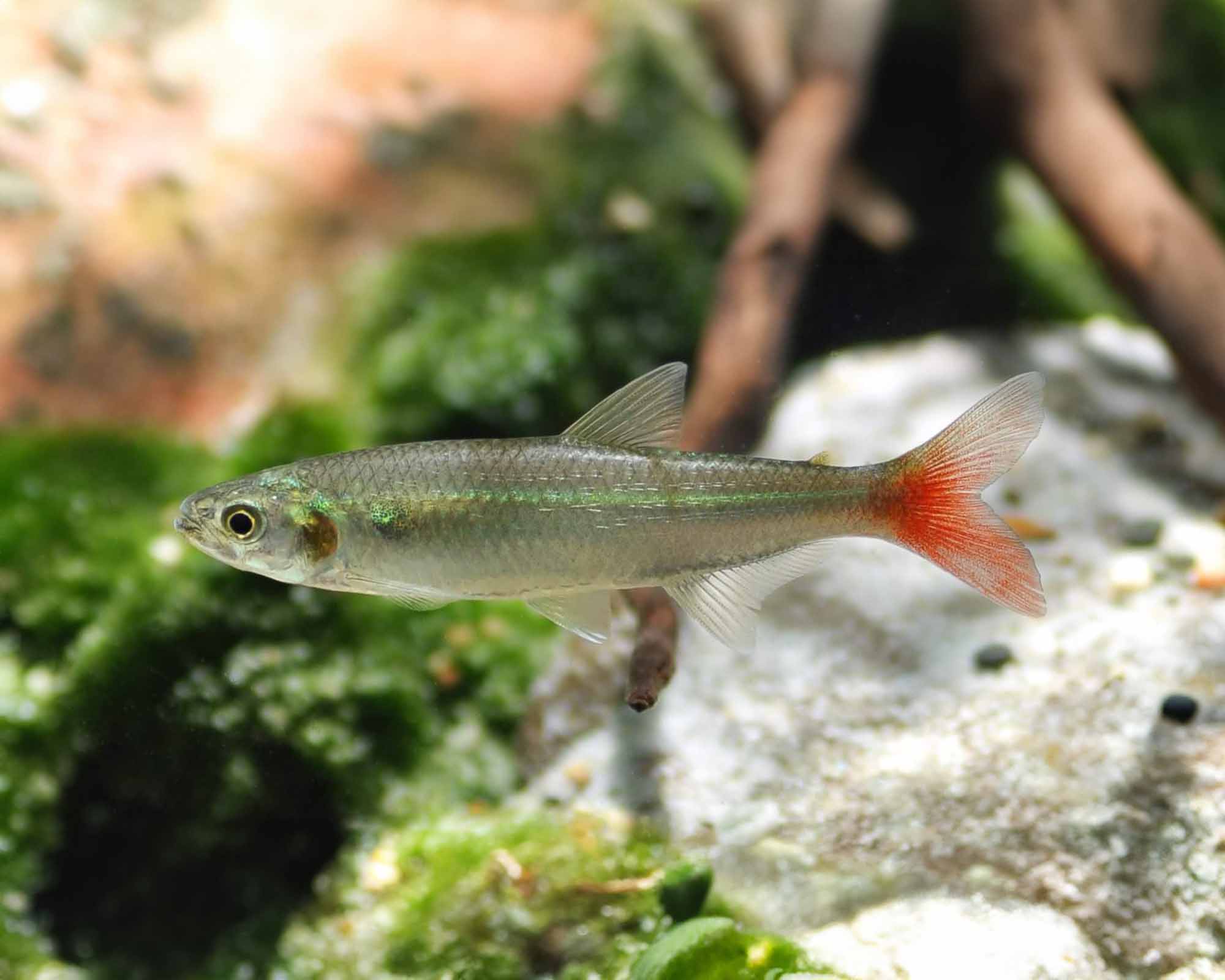
Ruby tetras can contribute warm color to a community aquarium, but the water profile still comes first. Avoid assembling a tank from fish that look compatible while requiring very different hardness, temperature, or flow conditions. Compare the ranges preferred by every planned species, then choose a stable middle ground only when those needs genuinely overlap. This is especially important when adding shrimp, because sudden chemistry changes can affect molting even when fish appear unaffected. Test the source water before buying livestock. If your tap water is hard and alkaline, livebearers and some snails may be easier choices than soft-water fish. If it is soft, select the community around that reality instead of constantly correcting it.
Match the water group before building the color palette

Build the final community as one of three clear plans

A peaceful planted aquarium is easier to manage when you choose a clear stocking direction. A fish-first plan might use one school of small tetras, a suitable bottom group, and a few plant-safe snails. A shrimp-first plan can use dense moss, slow-growing plants, gentle flow, and no fish or only carefully selected microfish with accepted shrimplet losses. A livebearer plan should account for reproduction, harder water, and regular population decisions. Kuhli loaches can suit a larger, mature planted community with hiding places and a soft substrate, but they are not a reason to overcrowd a nano tank. When in doubt, remove one species rather than adding more cover to force a questionable match.
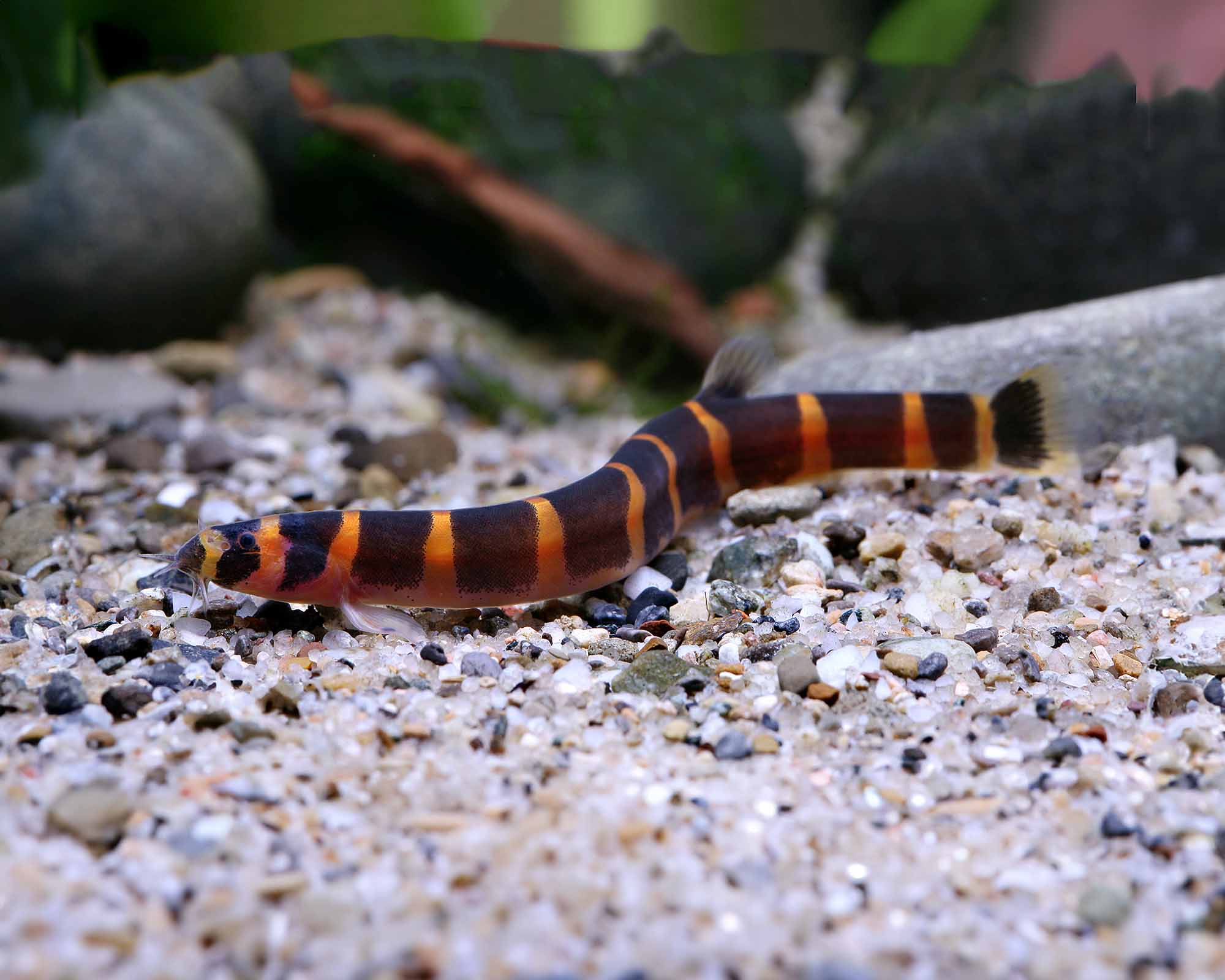
Build the final community as one of three clear plans

Frequently Asked Questions

What is the safest livestock combination for a planted nano aquarium?

A shrimp-only aquarium with a few compatible snails is usually the most predictable option for a small planted tank. It avoids school-size requirements, reduces predation risk, and leaves more room for a stable shrimp colony. If fish are preferred, choose one genuinely small species and accept that baby shrimp may not survive.

Can peaceful fish live with freshwater shrimp?

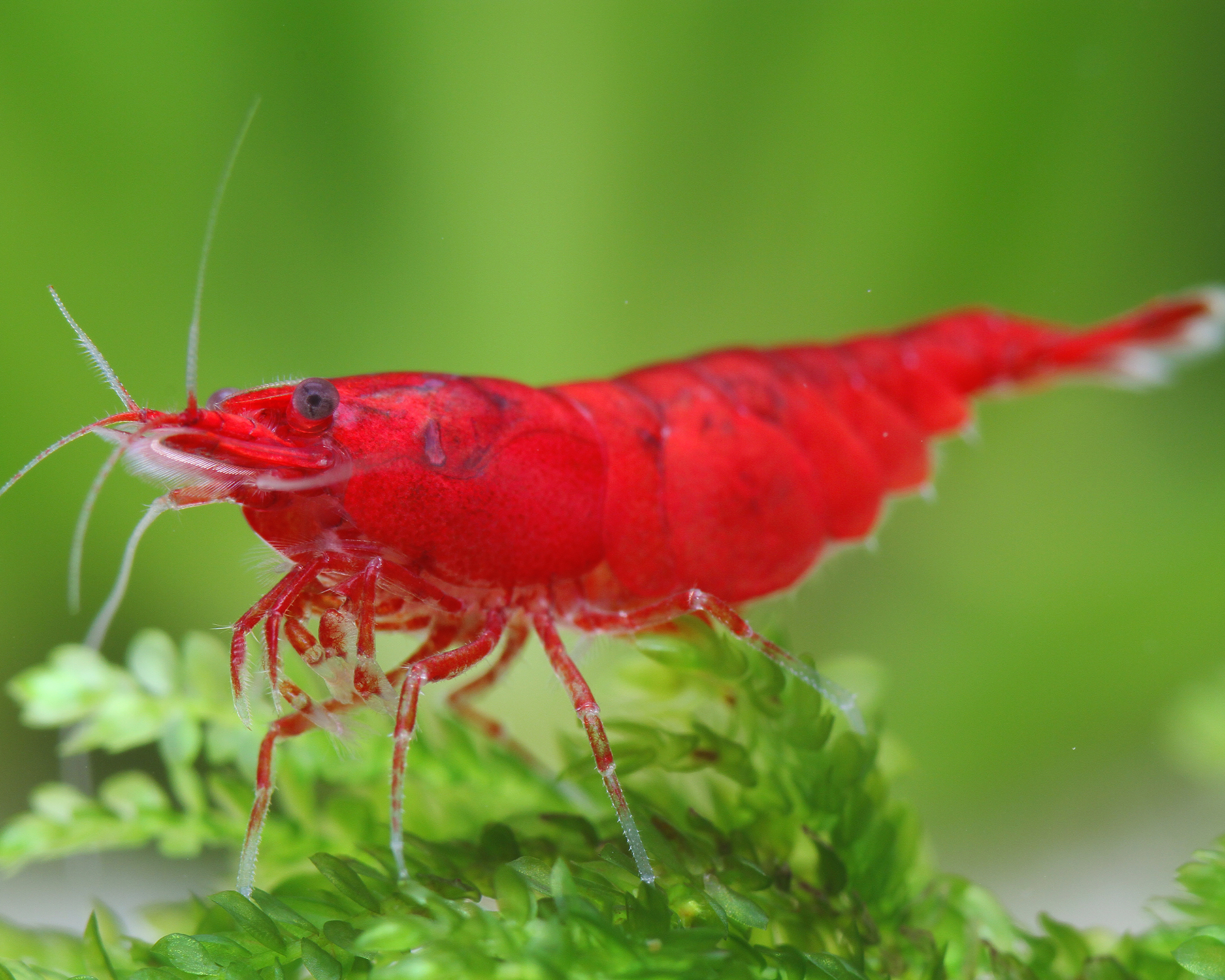
Some can coexist with adult shrimp, especially in a mature aquarium with dense plants and hiding places. However, many fish will eat newly hatched shrimplets when given the opportunity. Decide whether you want adult shrimp on display or a growing colony before combining fish and shrimp.

Which beginner plants help community compatibility?

Anubias, Java fern, Java moss, cryptocoryne, and many floating plants are useful starting points because they can provide cover without demanding a high-tech setup. Attach rhizome plants to wood or rock instead of burying the rhizome, and use dense growth to create refuge without blocking circulation or feeding areas.

Are aquarium snails compatible with planted community fish?

Many peaceful community fish can share an aquarium with suitable snails. The larger concerns are shell mineral supply, available food, accidental population growth, and whether the fish harass small snails. Choose the snail for the aquarium's maintenance goal, and correct excess feeding rather than relying on snails to remove all waste or algae.
Leave your comments
Latest on Aquarium Base
  • A Snail Census for Planted Tanks: Match Reproduction to Food, Space, and Tank Mates

    A Snail Census for Planted Tanks: Match Reproduction to Food, Space, and Tank Mates

    A few aquarium snails can be useful residents, but a sudden wave of juveniles changes the maintenance needs of a planted aquarium. The solution is not always removing every snail. First determine what is driving reproduction: excess food, decaying plant matter, heavy mulm, or a species that naturally breeds readily in freshwater. Then match the response to your livestock. A shrimp-first nano tank may need feeding adjustments and manual removal, while a larger planted display may accommodate burrowing snails or a carefully selected predator. This visual guide helps you build a population-control plan without sacrificing healthy plants, peaceful tank mates, or useful cleanup behavior.
  • Read the Shell, Not the Color: A Mineral and Water-Change Guide to Freshwater Shrimp Survival

    Read the Shell, Not the Color: A Mineral and Water-Change Guide to Freshwater Shrimp Survival

    A freshwater shrimp can look healthy, graze actively, and still fail during its next molt. The danger is often hidden in the water: insufficient hardness, unstable pH, sudden TDS changes, depleted minerals, or a tank mate that finds a freshly molted shrimp before its shell hardens. This guide turns molting into a practical aquarium decision. You will learn how to match shrimp types to water chemistry, read the warning signs around a failed molt, plan safer water changes, and build a planted tank where adults, juveniles, snails, and easy plants can coexist without competing for stability.
  • The Planting Map for a Planted Aquarium: Give Every Cluster a Visual Job

    The Planting Map for a Planted Aquarium: Give Every Cluster a Visual Job

    A planted aquarium can contain good plants and still look disorganized if every cluster is asked to do the same job. The more useful question is not simply “Which plant should I buy?” but “What should this plant do from the front glass?” Assign some plants to create a low visual floor, others to frame the focal point, soften equipment, or provide cover for shrimp and snails. This approach works especially well in nano and beginner aquariums, where a single fast-growing stem or oversized rosette can dominate the entire view. Use the planting map below to connect plant height, texture, color, swimming space, and livestock behavior before you start digging in the substrate.
  • Which Nano School Should Lead Your Planted Aquarium? A Side-by-Side Fish Selection Guide

    Which Nano School Should Lead Your Planted Aquarium? A Side-by-Side Fish Selection Guide

    Choosing between small schooling fish is harder than comparing colors at the store. Ember tetras, kubotai rasboras, neon tetras, dwarf rasboras, and other nano species may all look suitable for a planted aquarium, yet they create very different displays. Some are calm and warm-toned, some flash across open water, and some are so tiny that larger tank mates become a serious risk. This practical comparison focuses on the decision that matters: which school best fits your aquarium’s size, planting style, water conditions, and invertebrate plans? Use the guide to choose one strong centerpiece school instead of mixing several undersized groups.
  • A Planted Tank’s Snail Shift: Compare Grazers, Burrowers, Scavengers, and Predators

    A Planted Tank’s Snail Shift: Compare Grazers, Burrowers, Scavengers, and Predators

    Aquarium snails do not all perform the same cleanup job. One type may polish hardscape and glass, another may disappear into the substrate, while a third can reduce a population of unwanted snails. The useful question is not simply which snail eats algae. It is what kind of work you want done, how visible you want the animal to be, and whether you can manage its breeding or feeding demands. This guide compares common freshwater snail behaviors for planted aquariums, with special attention to nano tanks, shrimp compatibility, plant safety, shell care, and the trade-offs that are easy to miss at the store.
  • Design the Scape Around the Shrimp: A Color-Contrast Guide for Planted Aquariums

    Design the Scape Around the Shrimp: A Color-Contrast Guide for Planted Aquariums

    A shrimp can look brilliant in a store photograph and nearly disappear in your aquarium. The difference is often not the animal but the visual field around it: substrate tone, background, plant color, rock texture, driftwood, and open viewing space. Designing around shrimp color does not mean sacrificing water quality or plant health. It means choosing a compatible shrimp group first, then building contrast that makes its markings readable. This guide compares practical color-line choices and shows how hardscape can either frame a colony or camouflage it. Use the visual recommendations as a design tool, while treating water chemistry, stability, cover, and tank mates as non-negotiable care requirements.
  • Why Your Planted Aquarium Looks Flat—and How to Rebuild Its Depth

    Why Your Planted Aquarium Looks Flat—and How to Rebuild Its Depth

    A planted aquarium can contain plenty of color and still look surprisingly flat. The missing ingredient is usually visual layering: fine leaves need a broad counterpoint, small plants need a larger form behind them, and bright livestock need calmer areas that let them stand out. This approach helps you choose easy aquarium plants, colorful freshwater fish, shrimp, and snails as parts of one readable composition rather than as unrelated purchases. The goal is not to fill every gap. It is to create a foreground, middle distance, background, and open-water route that remain attractive as plants grow and livestock move through the layout.
  • Which Livestock Plan Leaves Room to Swim? A Nano-to-Medium Planted Aquarium Guide

    Which Livestock Plan Leaves Room to Swim? A Nano-to-Medium Planted Aquarium Guide

    A planted aquarium can look spacious while offering less usable room than its glass dimensions suggest. Substrate, driftwood, rocks, dense stems, floating plants, and territories all reduce the space livestock can actually use. The safest approach is not to count colorful animals one by one, but to choose a movement pattern and leave capacity for adult size, social needs, feeding, and maintenance. This guide compares practical stocking directions for nano and medium planted tanks, including small shoals, centerpiece fish, bottom dwellers, shrimp, and snails. Use the image-led choices below to decide what your aquarium should do before you decide what to buy.
  • What Will This Snail Eat When the Algae Is Gone? A Planted-Tank Compatibility Guide

    What Will This Snail Eat When the Algae Is Gone? A Planted-Tank Compatibility Guide

    Aquarium snails are often sold as cleanup animals, but that description hides the decisions that matter most in a planted tank. A snail can be plant-safe yet starve in a spotless aquarium, coexist with adult shrimp yet compete with them for sinking food, or remain peaceful while multiplying because the tank is overfed. The better question is not which snail cleans best. It is what the snail will eat, whether your plants are healthy enough to withstand grazing, and whether its behavior fits your fish, shrimp, substrate, and maintenance routine. Use this guide to choose a snail by food chain and compatibility rather than by appearance alone.
  • Build the Water Before You Buy the Shrimp: A Planted Aquarium Readiness Guide

    Build the Water Before You Buy the Shrimp: A Planted Aquarium Readiness Guide

    A planted aquarium can look ready for shrimp long before it is biologically ready. Clear water, healthy plants, and a working filter are useful signs, but they do not prove that ammonia and nitrite are controlled, minerals support molting, or the tank has developed enough biofilm for grazing. The safest approach is to build the environment first and choose shrimp that fit the water you can maintain consistently. This guide separates beginner-friendly Neocaridina from more demanding Caridina and larger Amano shrimp, then turns the decision into a practical setup sequence for a stable, colorful planted tank.
  • How to Make a Low-Tech Nano Community Tank Look Intentional, Not Overgrown

    How to Make a Low-Tech Nano Community Tank Look Intentional, Not Overgrown

    A small planted aquarium can contain many attractive plants and still look visually confused. The solution is not always more trimming or a larger shopping list. Start with a specific tank style, then choose a limited plant palette that repeats the same colors, leaf shapes, and growth habits. This guide uses a low-tech nano community aquarium as its design brief: easy plants, modest equipment, open swimming space, hiding places for freshwater shrimp, and enough structure for a peaceful snail. The goal is a tank that feels planned from the first month, not a collection of unrelated specimens competing for attention.
  • Can These Nano Fish Share One Planted Aquarium? A Temperature, Water, and Tank-Mate Reality Check

    Can These Nano Fish Share One Planted Aquarium? A Temperature, Water, and Tank-Mate Reality Check

    A planted nano aquarium can combine movement, color, shrimp, snails, and easy plants, but compatibility is not created by choosing small animals alone. The most common failures begin with three shortcuts: assuming room temperature suits every fish, chasing a “perfect” pH without understanding hardness, and adding tank mates that are peaceful toward adults but dangerous to young shrimp. Use this guide as a pre-purchase decision check. It separates species that may share a general freshwater setup from combinations that need different temperatures, mineral levels, swimming space, or feeding plans.
  • Small Glass, Deep Substrate, Big Display: Assign the Right Snail to Your Planted Tank

    Small Glass, Deep Substrate, Big Display: Assign the Right Snail to Your Planted Tank

    The right aquarium snail is not simply the one that eats the most algae. A good match depends on the tank’s footprint, available food, substrate, livestock, and the amount of population control you are willing to perform. A small shrimp nano may need one restrained algae grazer, while a larger planted aquarium may benefit from burrowing snails or a visible feature species. This guide treats snails as specialized maintenance partners rather than interchangeable cleaners. Use the tank-size sections to narrow your choices, then compare breeding behavior, feeding needs, plant safety, and compatibility before buying.
  • Will Your Shrimp Colony Reproduce? A Tank-Mate Risk Test for Planted Aquariums

    Will Your Shrimp Colony Reproduce? A Tank-Mate Risk Test for Planted Aquariums

    A planted aquarium can keep adult freshwater shrimp visible, colorful, and active while quietly losing every newborn shrimp. The problem is rarely a single aggressive attack. More often, tiny shrimplets disappear because a fish patrols open ground, a filter intake stays exposed, or the aquascape lacks dense cover at baby-shrimp scale. This guide uses a practical risk test: decide whether you want a self-sustaining colony, occasional surviving young, or simply attractive adult shrimp. Then match tank mates, plants, feeding, and layout to that goal. No fish is completely safe for newborn dwarf shrimp, but some choices make survival much more likely.
  • The Growth-Control Plan for a Planted Aquarium: Prune, Propagate, or Remove?

    The Growth-Control Plan for a Planted Aquarium: Prune, Propagate, or Remove?

    A planted aquarium rarely fails because plants grow too slowly. More often, a stem plant blocks the light, a runner crosses the foreground, floating plants cover the surface, or moss turns a carefully designed nano tank into a dense thicket. The solution is not to cut everything on the same schedule. Each plant type responds differently to pruning, propagation, division, or removal. This guide gives you a growth-control plan for common beginner plants, with special attention to colorful community fish, freshwater shrimp, aquarium snails, and small planted tanks. The goal is simple: keep enough plant mass for shelter and water quality without allowing mature growth to erase swimming space or overwhelm livestock.
  • Where Should the Open Water Go? A Behavior-First Stocking Plan for Planted Freshwater Aquariums

    Where Should the Open Water Go? A Behavior-First Stocking Plan for Planted Freshwater Aquariums

    A planted aquarium can look full long before it is properly stocked. Every stem, rock, cave, floating plant, fish, shrimp, and snail changes how the tank is used. The practical question is not simply which species can share water, but where each animal will swim, feed, rest, hide, and defend space. Start with behavior, then let stocking determine the layout. A school of active midwater fish needs an open route. Bottom dwellers need unobstructed floor area. Shrimp need fine cover, while snails need access to surfaces and food. This approach produces a calmer aquarium and makes a small tank feel more spacious.