
But the truth is, tranquility and peace sometimes take on a completely different form. The picture you are about to see below wasn't born out of abundance; it was written from the rush of time and very ordinary financial realities.
Step by step
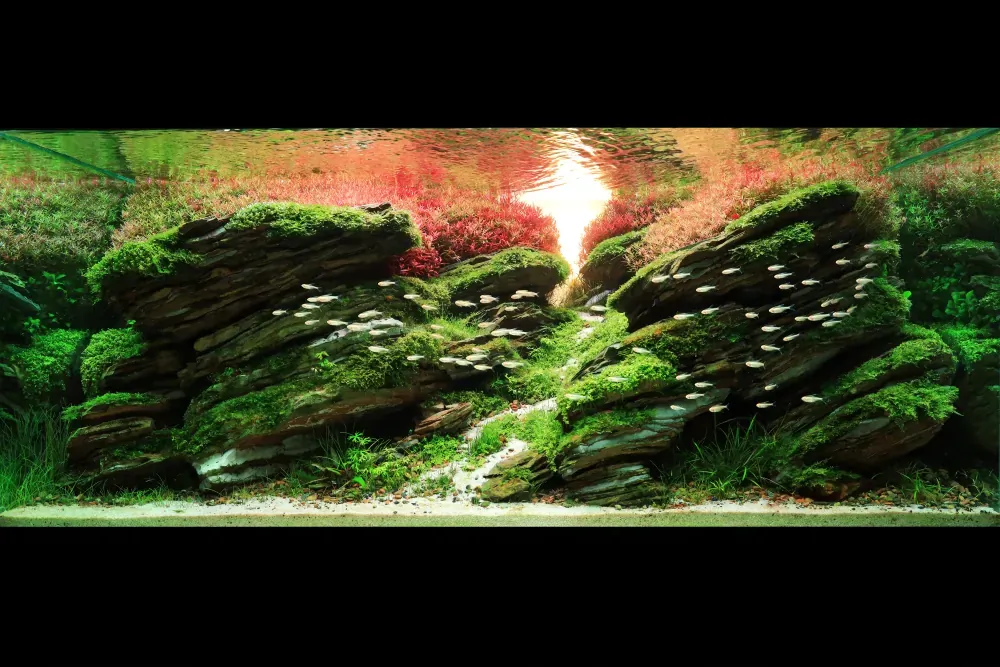
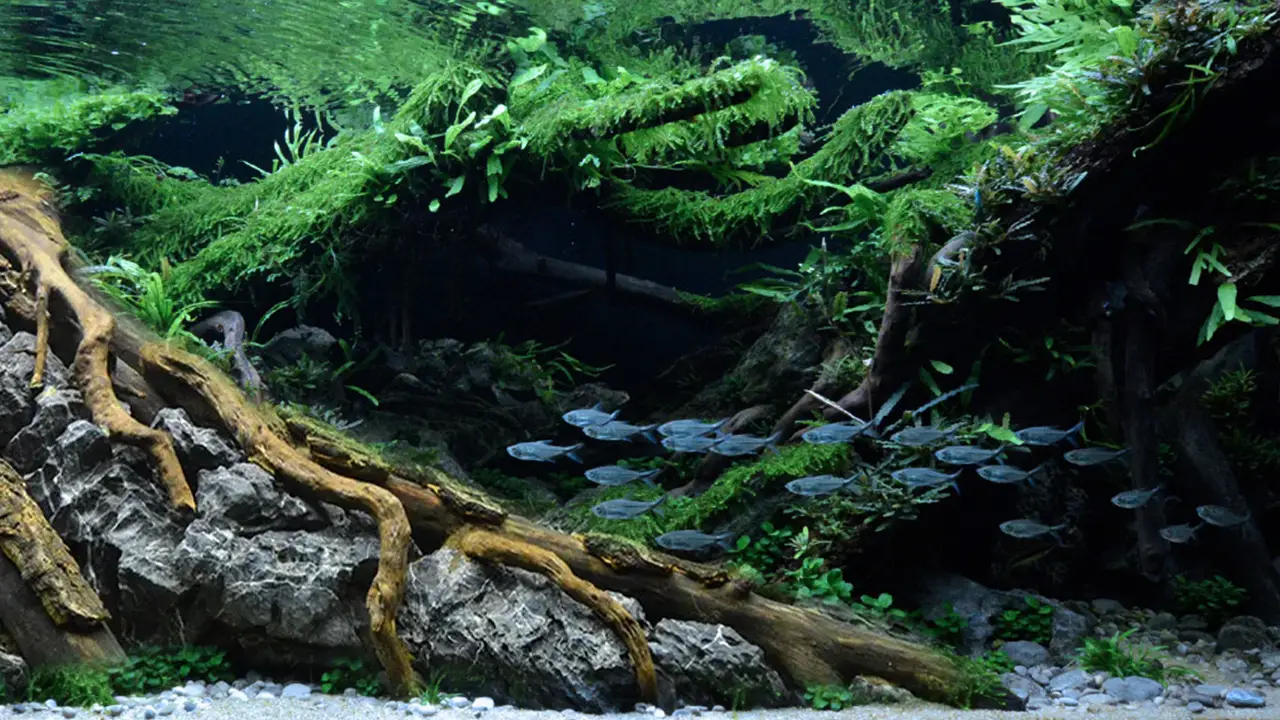
Twilight - IIAC 2023 #10 - KIAC 2023 #11
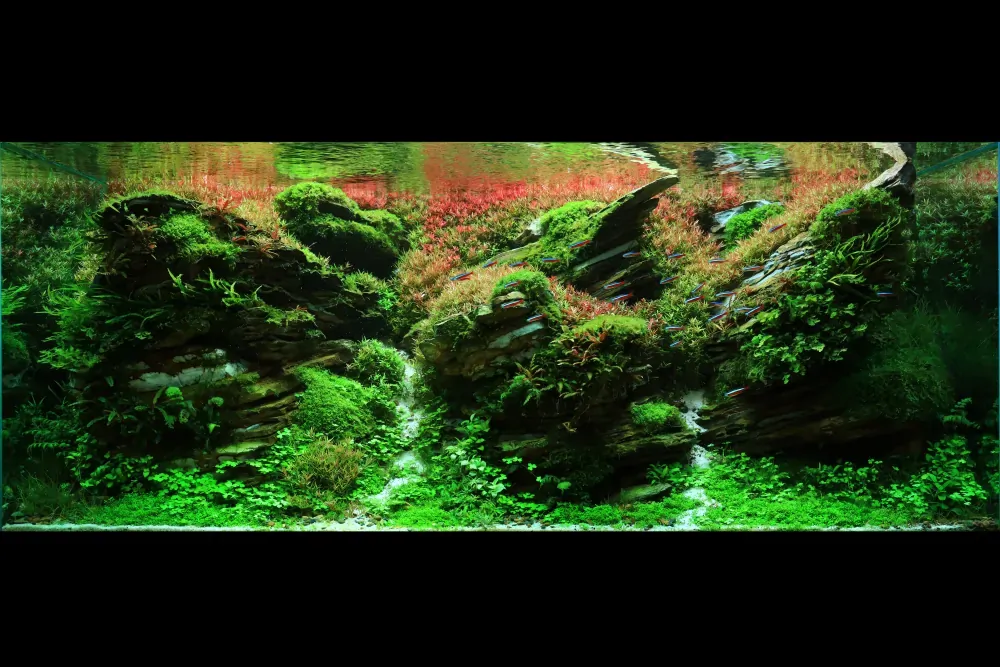
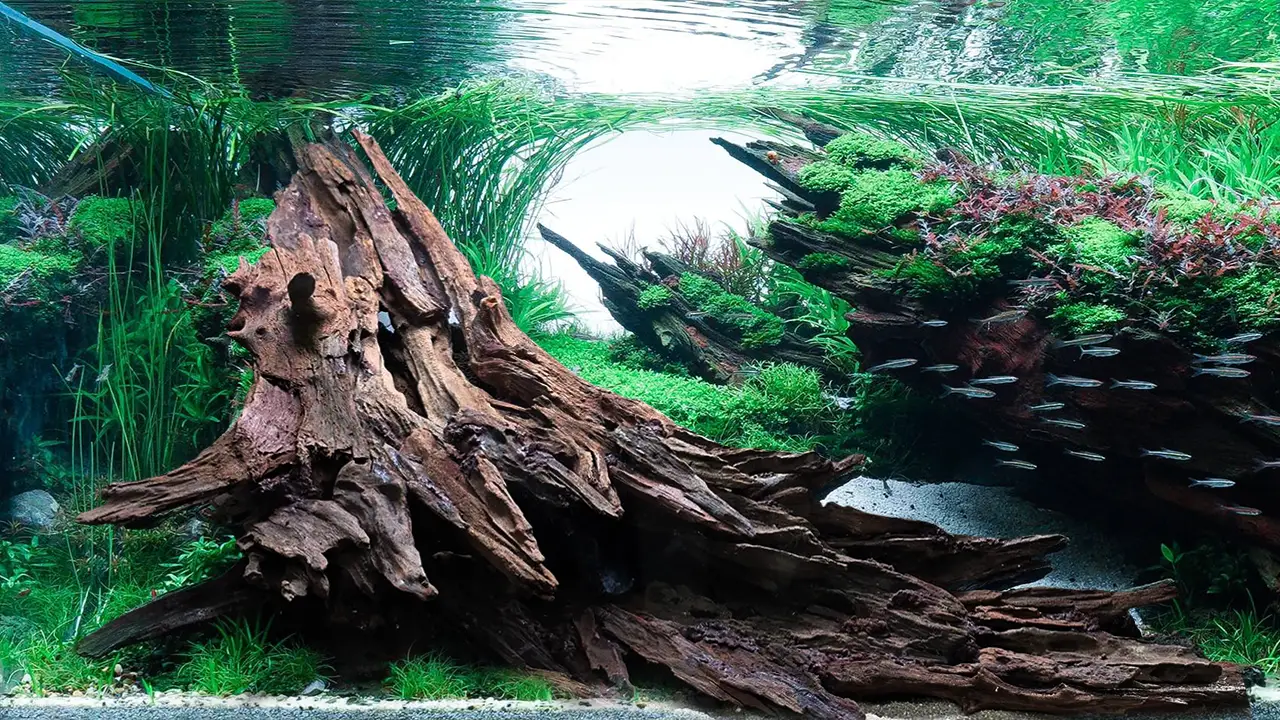
Peaceful - IADC 2024 #26
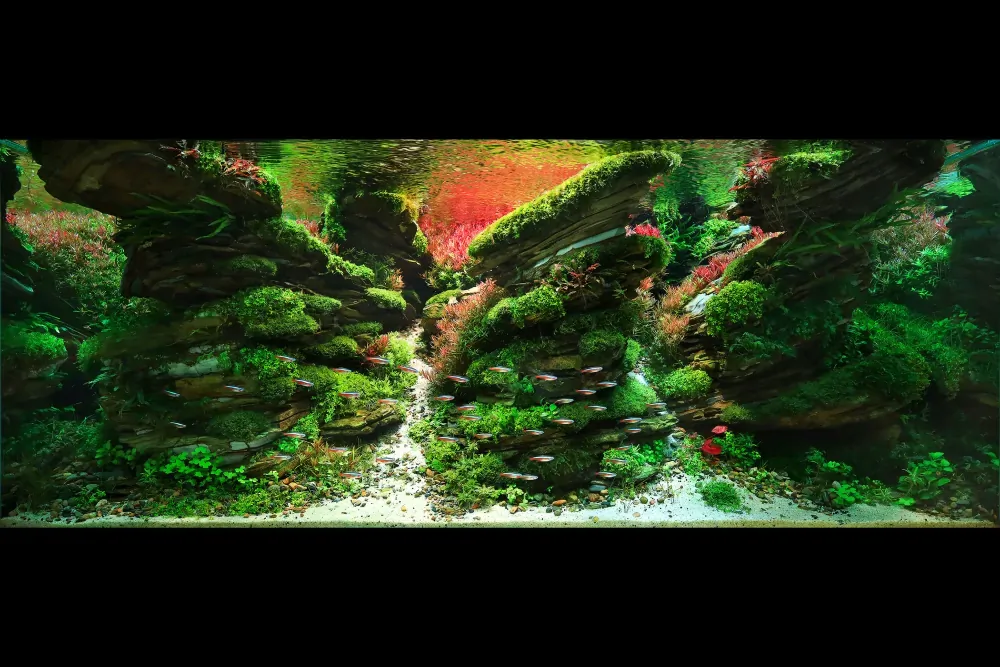
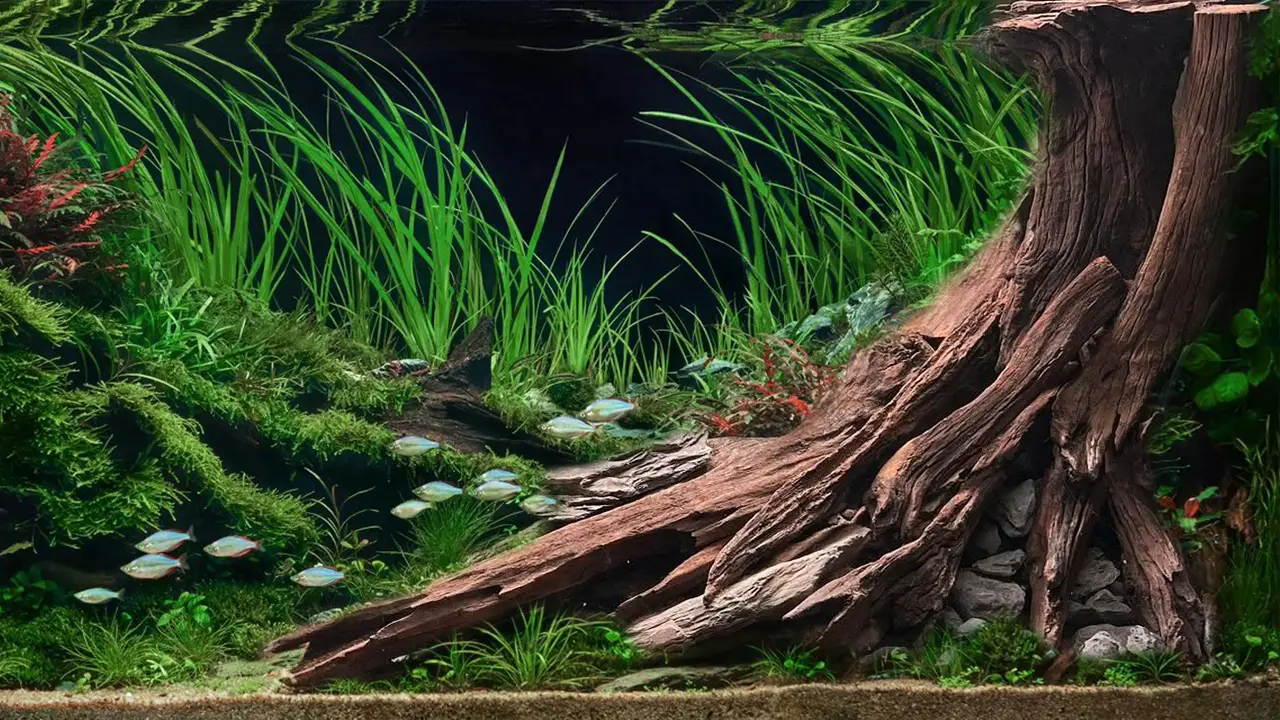
Burning - IAPLC 2024 #21
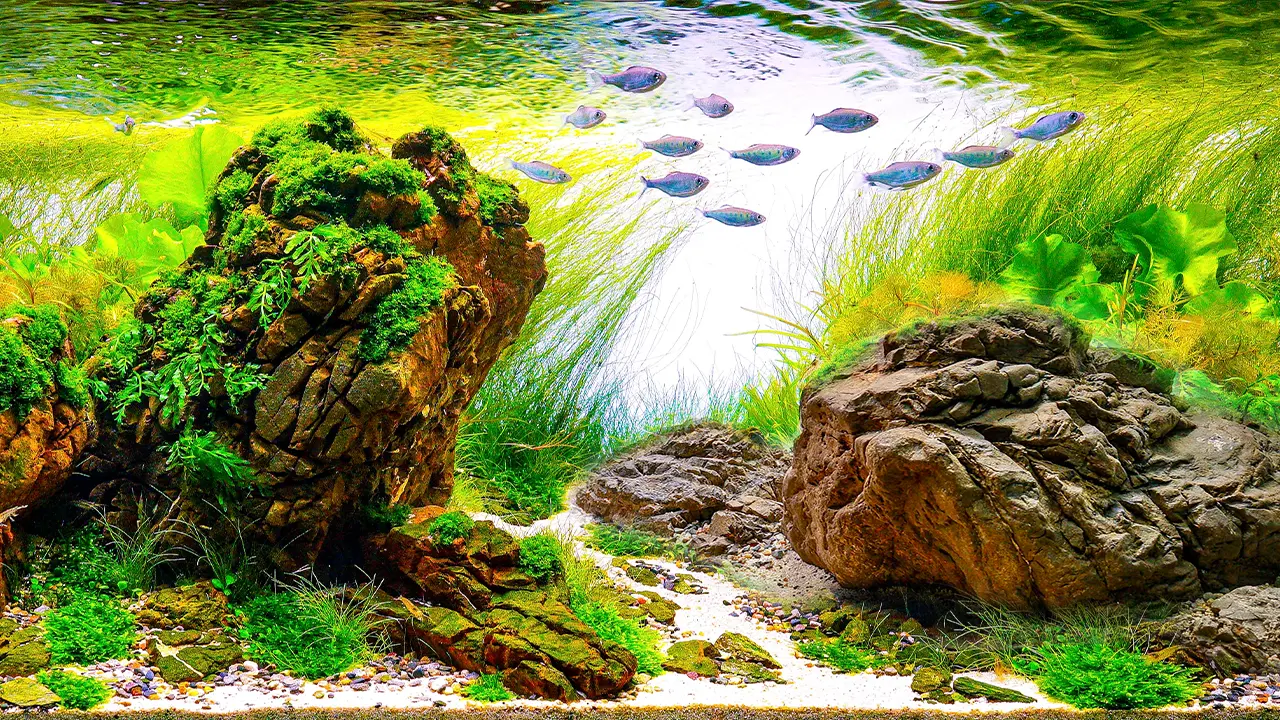
The three tanks you see above, despite having different shapes, share a common secret: they were all sculpted from the exact same familiar set of Japanese strata stones from 2022. This year, instead of endlessly chasing a distant perfection, I chose to stay friends with my old stones for another season. Just to see if nature can transform the most simple and worn-out things.
Before diving into the step-by-step process, I highly recommend watching the full cinematic video below to truly feel the relaxing atmosphere and the emotional journey behind this aquascape. Don't forget to turn on the sound!
Before diving into the details, here are some of the tank's specs for your reference:
[AQUARIUM SIZE]
W120xD69xH50 (cm)
[AQUATIC PLANTS]
- Eleocharis acicularis
- Taxiphyllum sp. 'Spiky Moss'
- Centrolepis drummondiana (blood vomit)
[FISH / INRERTEBRATES]
Paracheirodon Axelrodi
Moenkhausia costae
[Substrate]
Aqua Soil-Amazonia ver.2
[Hardscape Materials]
Japanese Strata Stones
Step 1: Ideas
The inspiration for this layout doesn't stem from a desire to recreate a grand or majestic natural landscape. It is simply a visualization of a weathered cliff, aged by time, where layers of vegetation push through barren crevices to claim their right to live. Coincidentally, this concept perfectly aligns with the practical puzzle I am facing: using the lush, soft nature of plants to soothe and conceal the limitations and flaws of the hardscape framework.
Step 2: Materials
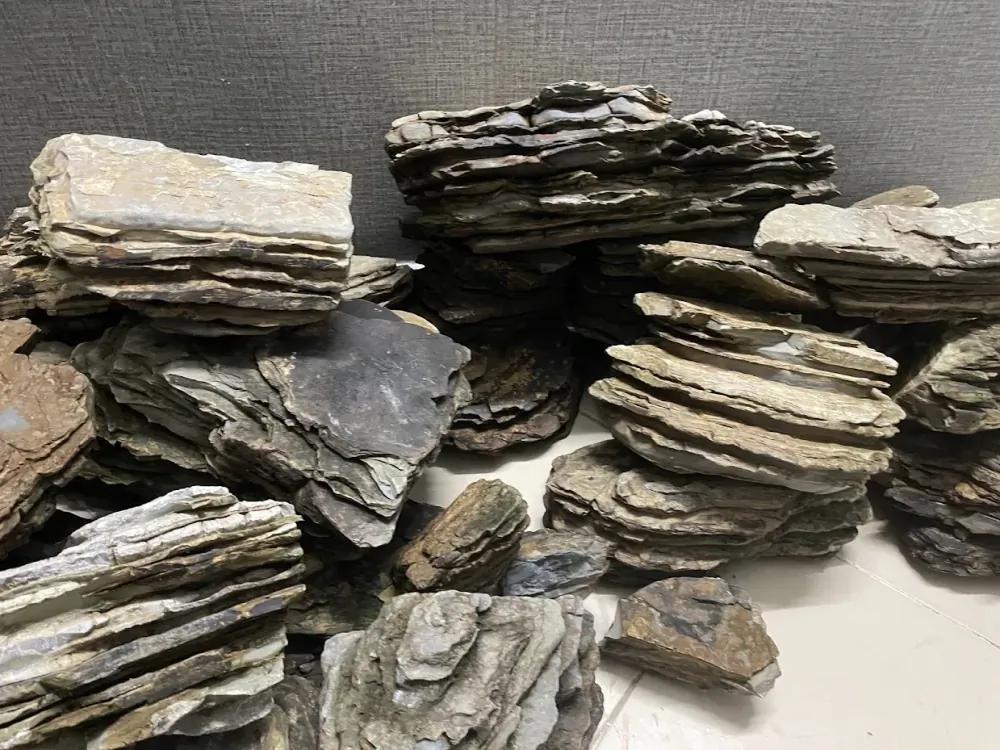
And here is a portrait of the "old friends" I mentioned – the set of Japanese strata stones that has been with me since 2022. As you can see in the photo, the defining characteristic of this stone is its strong horizontal layered textures (strata), creating a sense of stability and ancient history.
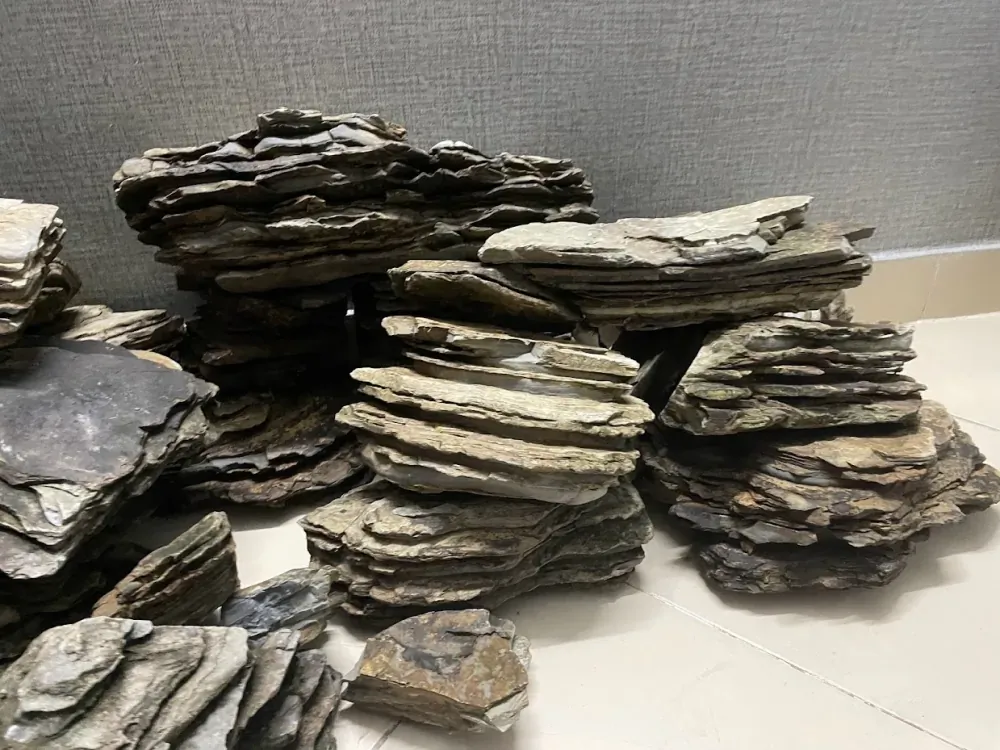
However, having "battled" through so many seasons, the sharpest angles and the surfaces with the most beautiful textures have almost been entirely exhausted. The current stones look rough, rugged, and bear the heavy marks of previous teardowns. Nevertheless, I believe that this very aged, imperfect nature will serve as a wonderful foundation—an ideal "stage" to highlight the lush green and vigorous vitality of the flora that will soon be planted upon it.
Step 3: Hardscape: The Solution to an Old Puzzle
As the first stone was placed onto the substrate, it was also the moment I began solving a puzzle whose premise I knew almost by heart. With Japanese strata stones, each piece usually only has a few angles with a truly beautiful 'face'. The bitter truth is, those most breathtaking features... I had already shown off in previous seasons.
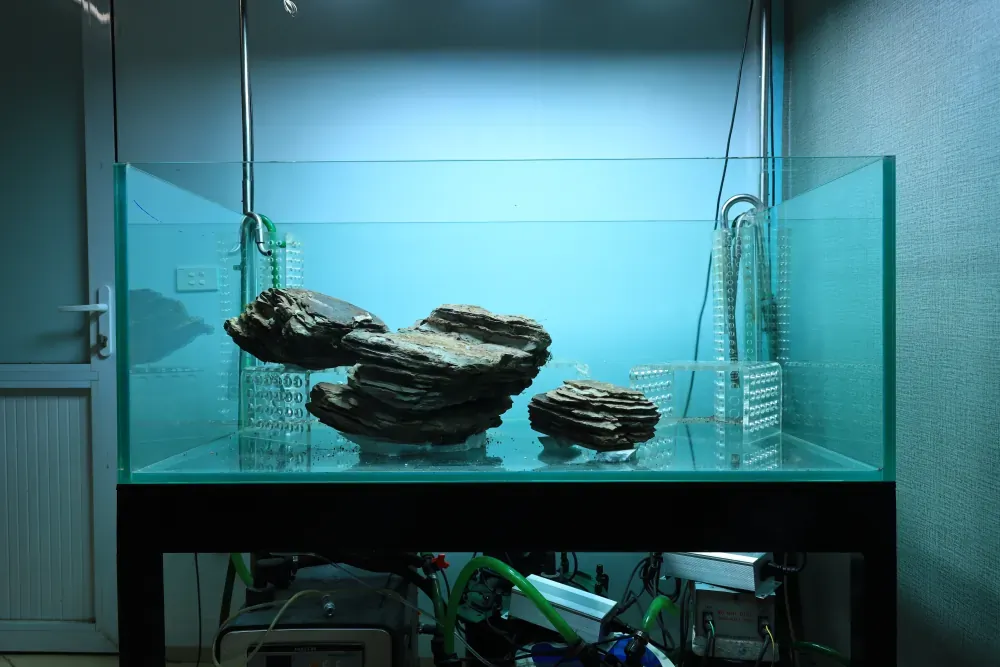
The actual process of building the framework involved countless times of rotating, flipping, placing them down, and lifting them back up. The repetition sometimes made me feel stuck, trying not to repeat my own past layouts.
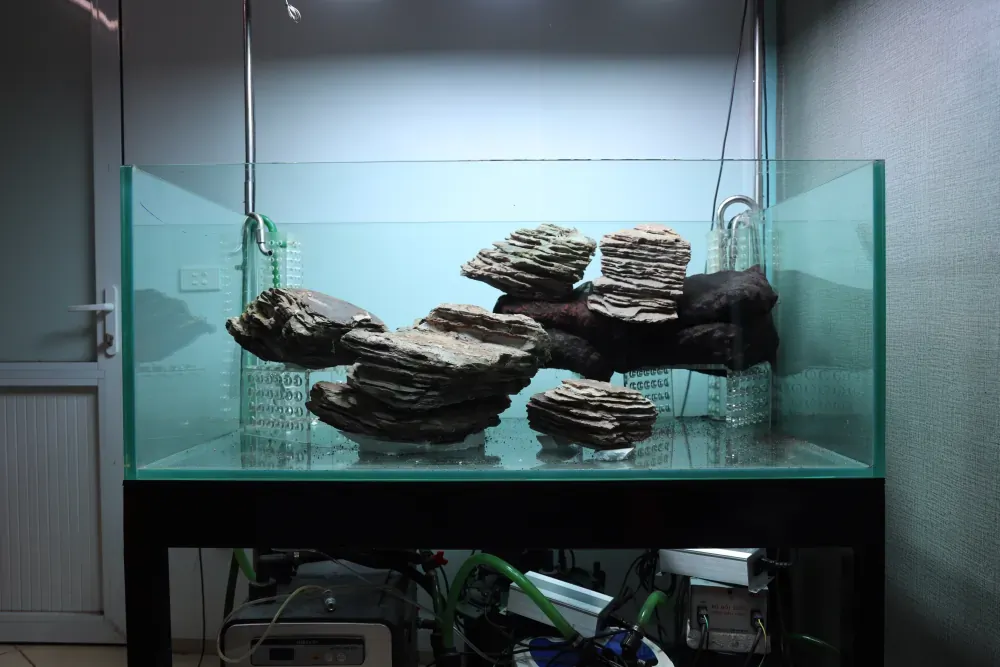
And then, I realized the only way out of this deadlock was to let go of perfectionism. Instead of forcing these old stones to create something grandiose, I arranged them into a more humble framework. A layout sturdy enough to lean on, yet intentionally leaving open spaces and broken lines.
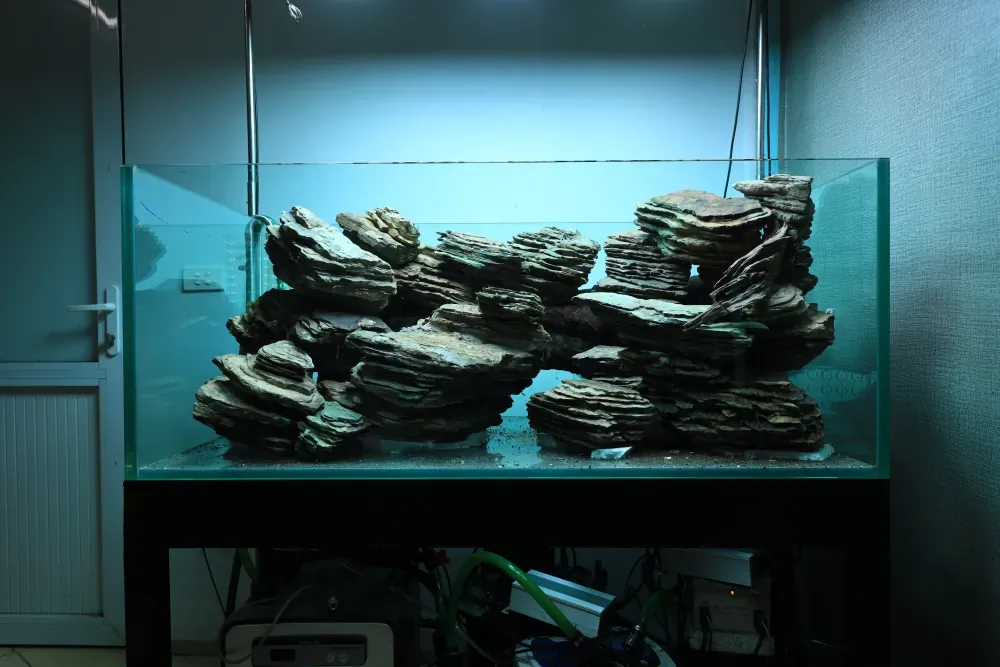
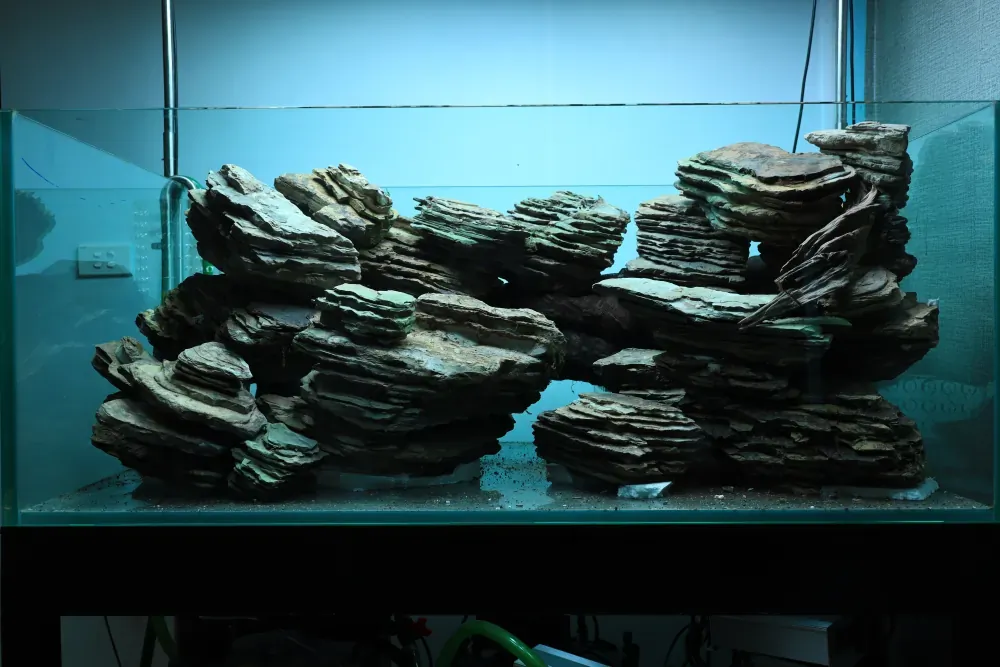
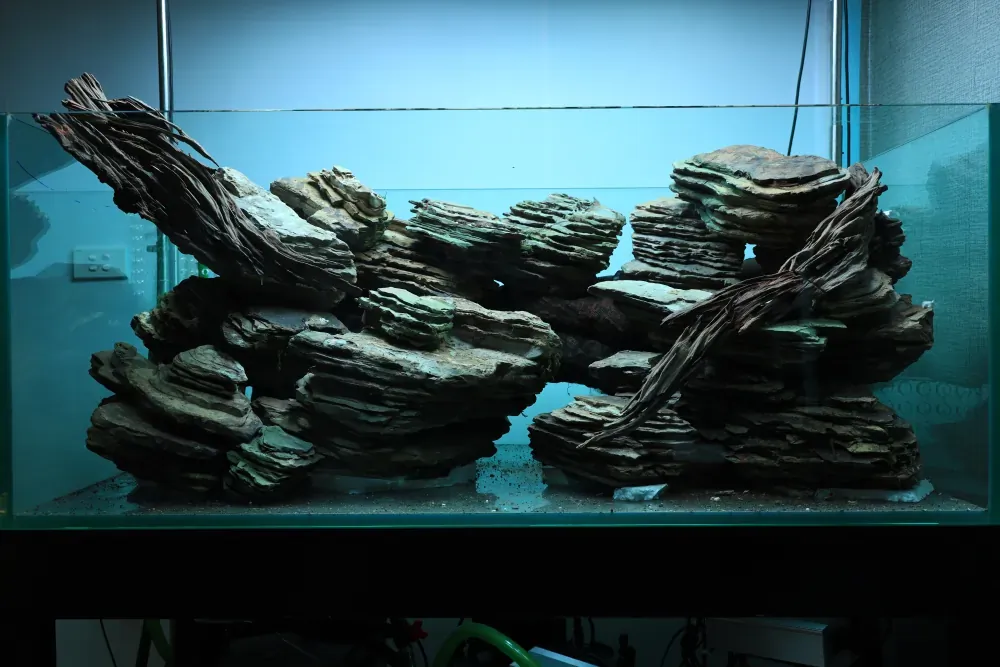
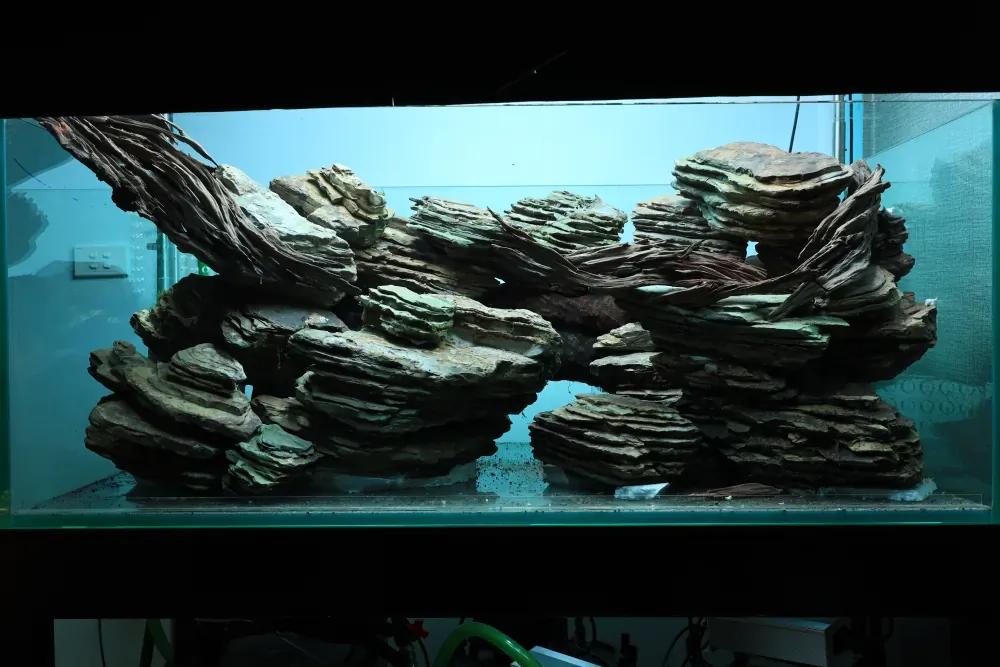
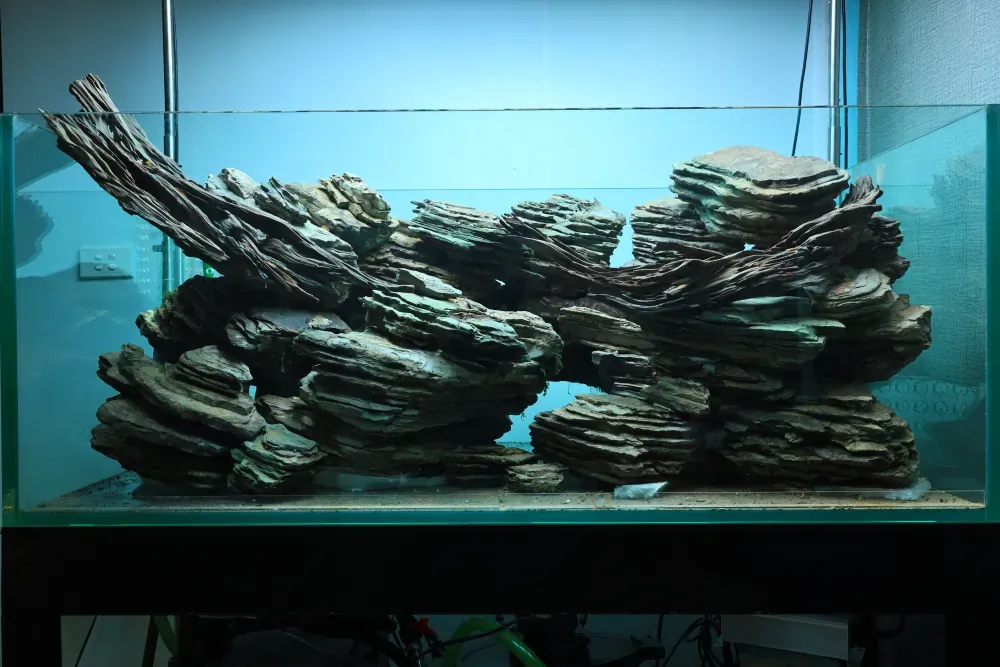
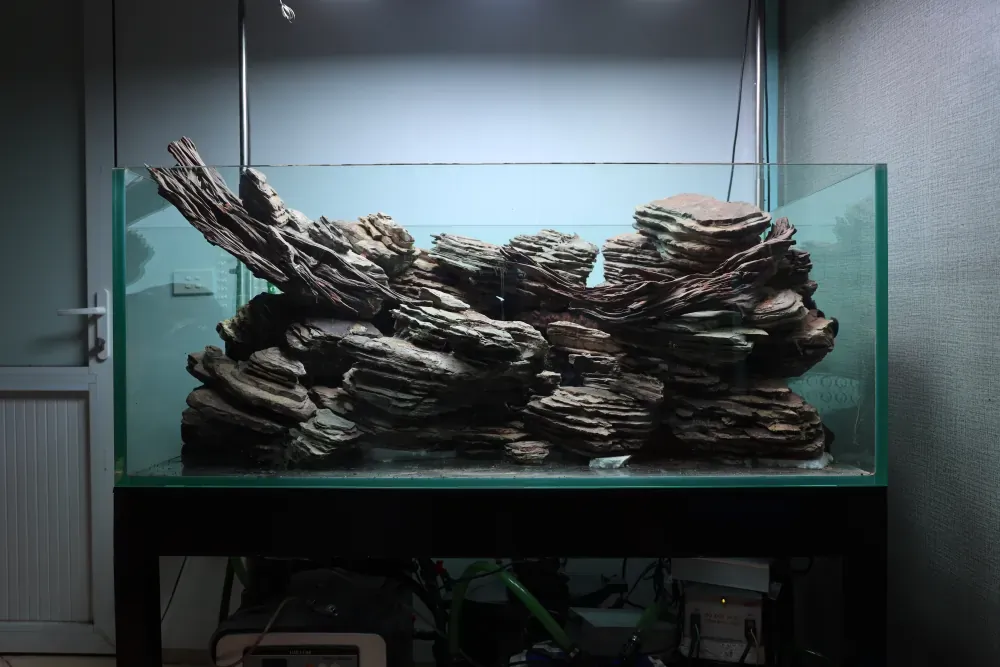
Looking at this rough frame, it exposes many weaknesses. But that was exactly my intention. I wanted the stones to step back, to accept their own flaws... yielding the entire stage to the rise of the plants.
Step 4: Planting - Mending an Unfinished Picture
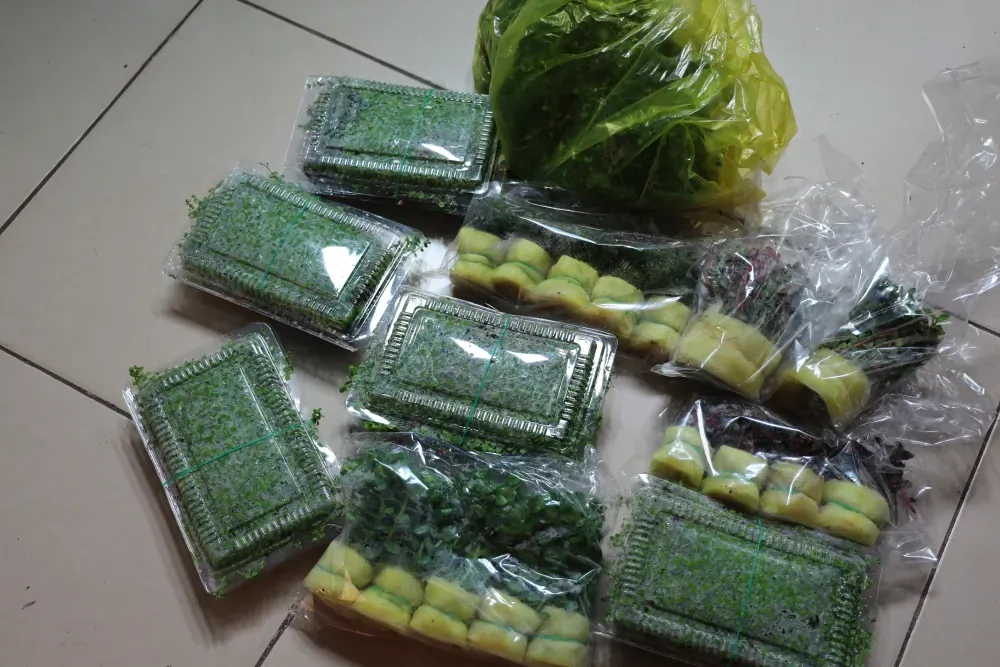
When the first drops of water touched down, darkening the dry surface of the stones, I started the 'salvaging' phase for this entire framework.
Amidst a tight schedule, I was fortunate to have the companionship of Dien Nguyen Aquatic Plant Nursery. Their silent support with the freshest plant sprouts relieved much of my time pressure. This time, I didn't plant according to a perfect blueprint; I chose to follow the stones' own flaws to sow the seeds.
Background: I filled the space behind with a vibrant, interwoven color palette of green, yellow, and red Rotala, dotted with ADA Tall Hairgrass. They stretch up to act as a solid backdrop, concealing the broken lines.
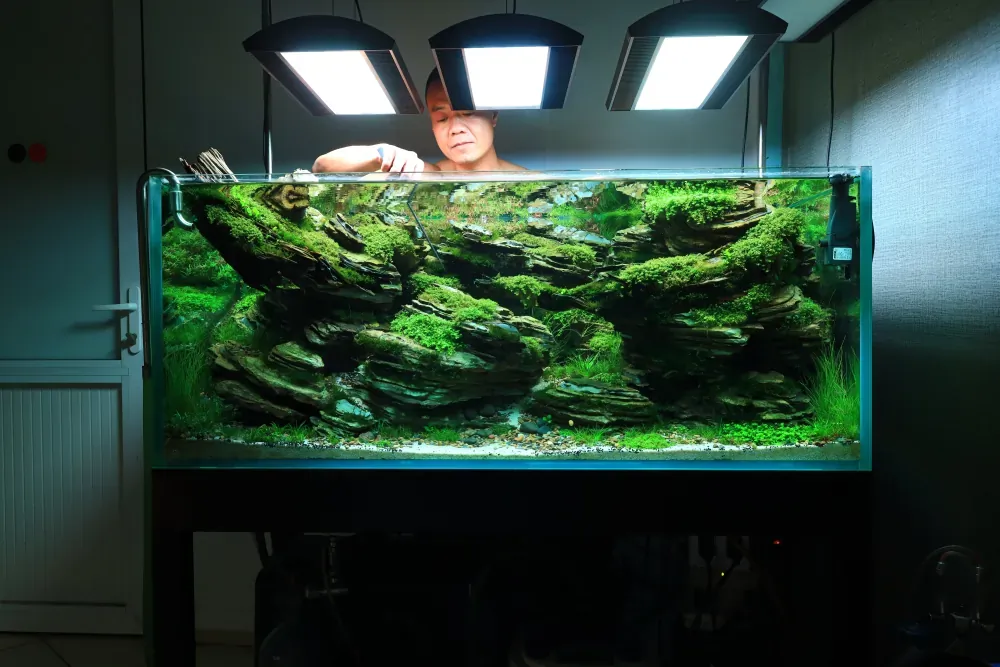
Foreground (Practical Tip): With fragile plants like HC Cuba and Monte Carlo, I applied a highly effective little trick using ordinary everyday items:
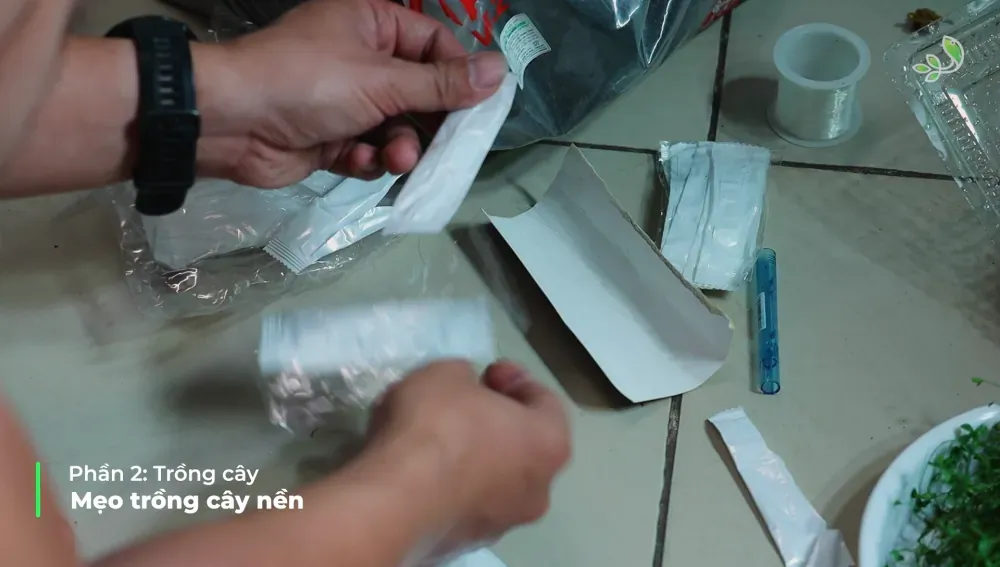
Take baby tongue cleaner gauze swabs.

Stuff a little aquasoil inside.
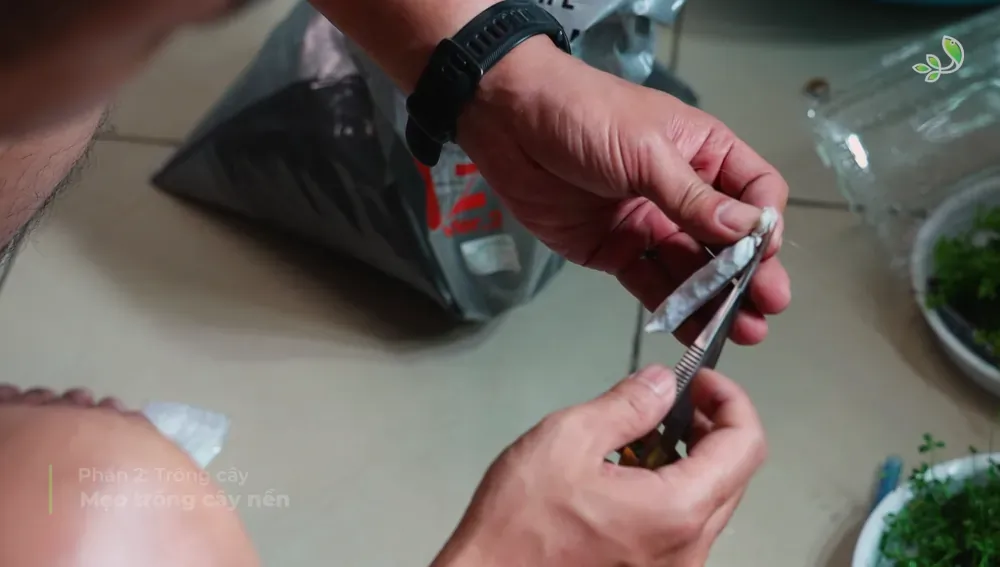
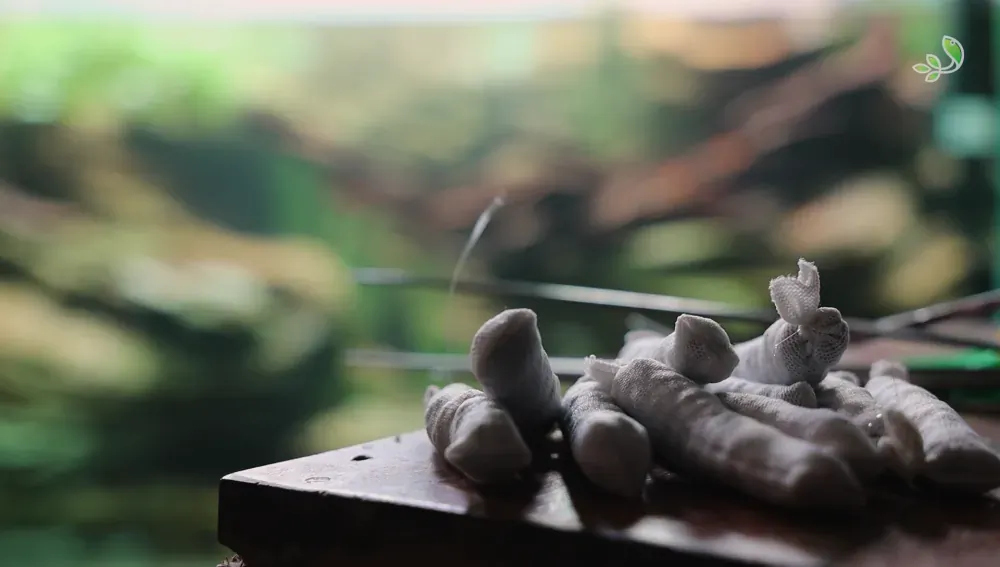
Tie it up to use as a base and plant on top.
This method makes planting the foreground much gentler: the plants anchor firmly without the fear of roots floating up, and they are safely nourished right from the first days
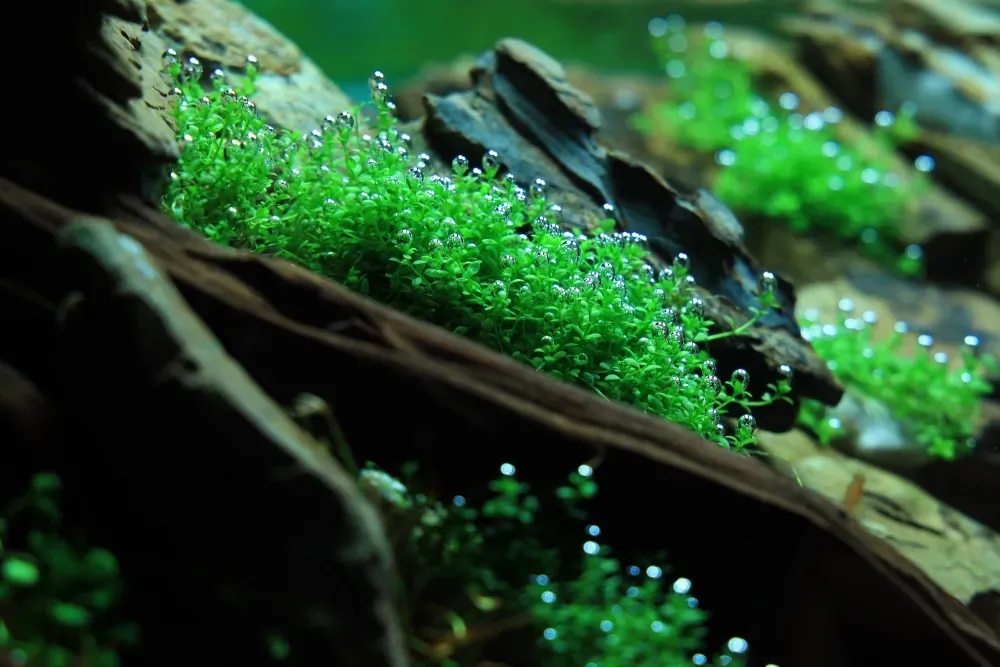
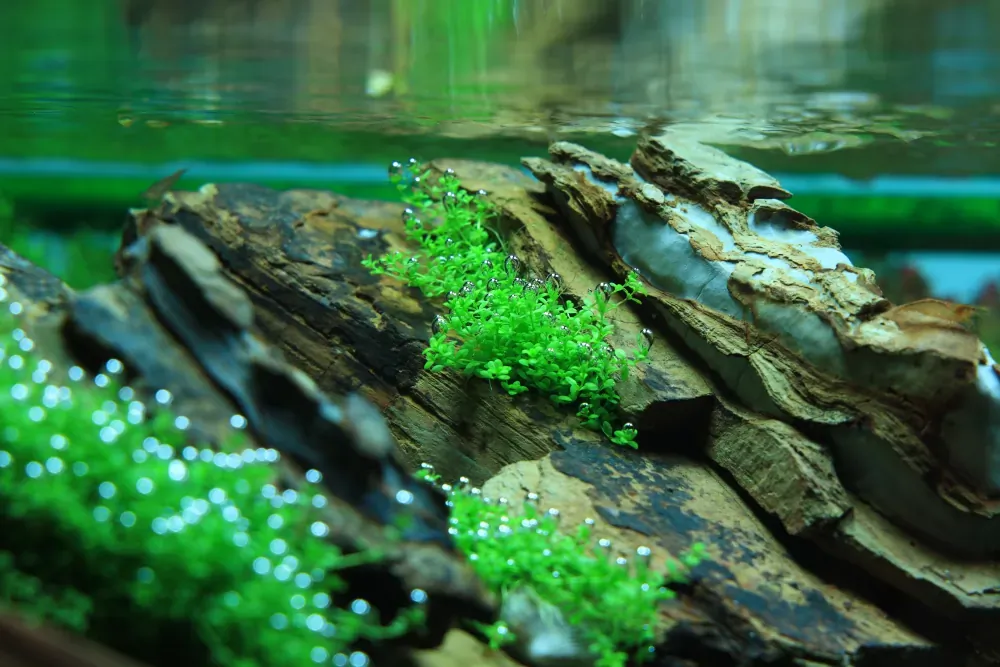
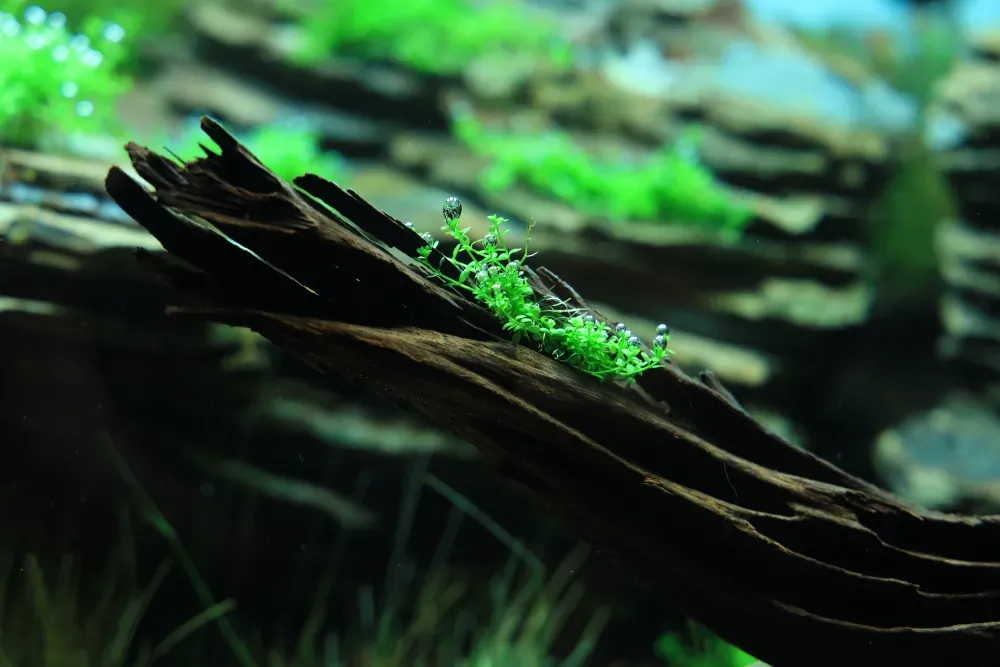
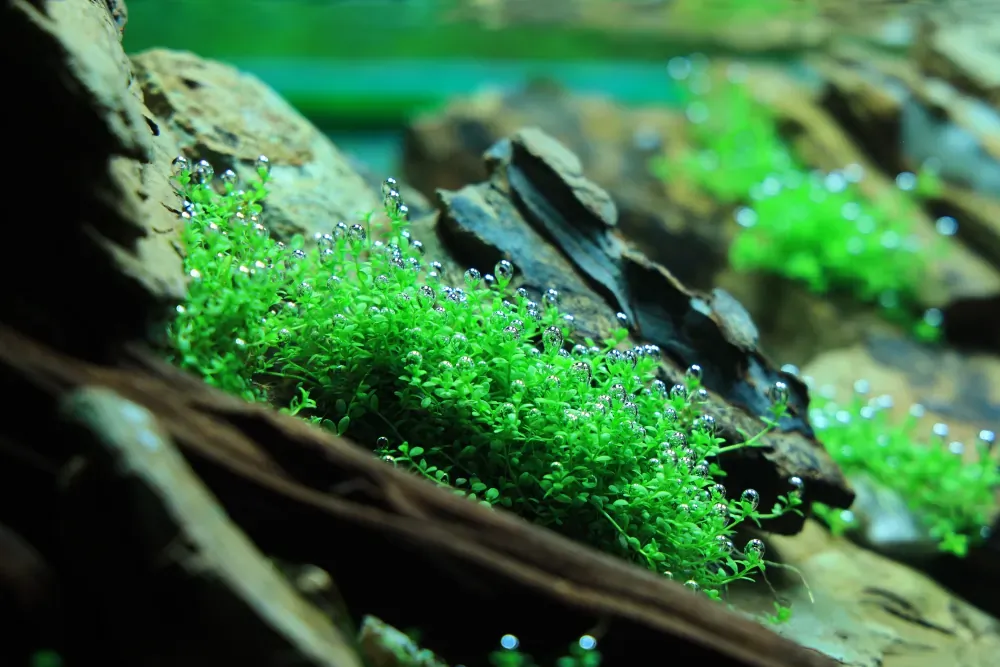
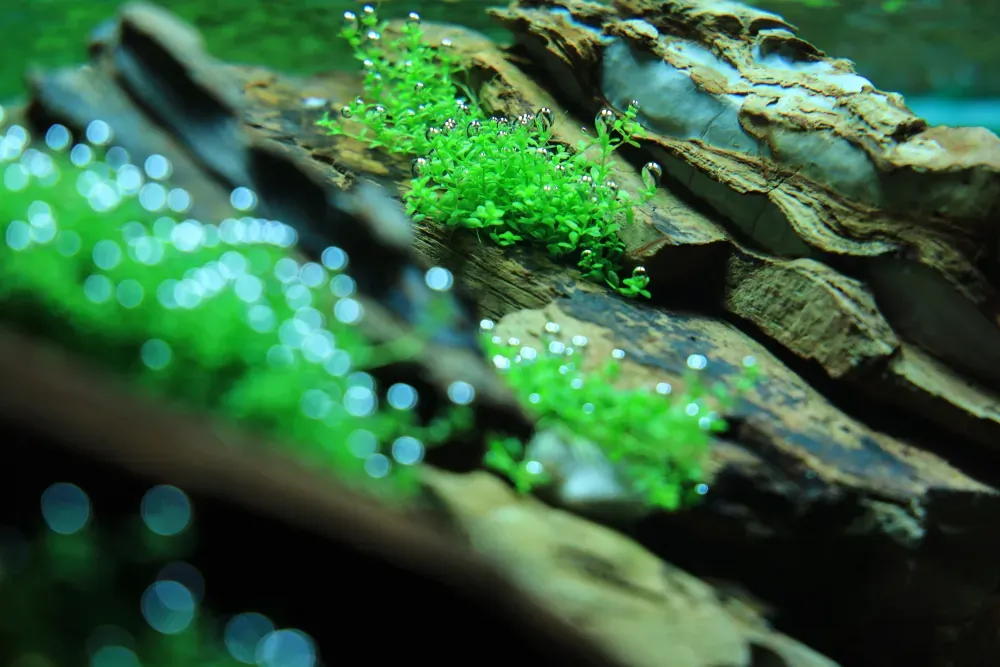
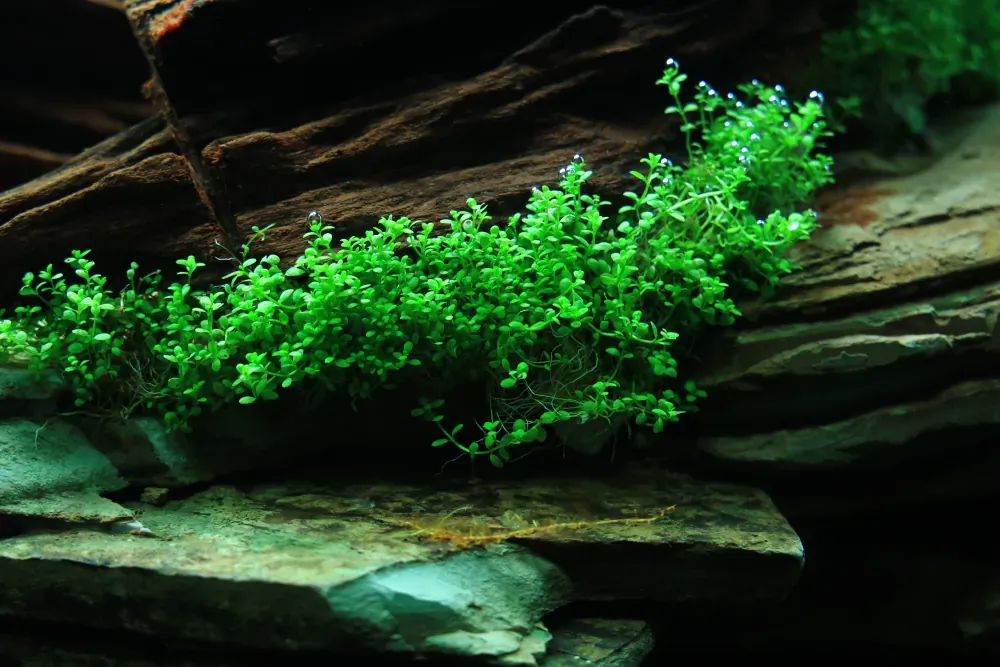
The feeling of using tweezers to guide each tiny stem into the narrow crevices, covering up the rough edges... is like patiently mending the tears of an unfinished painting.
Step 5: Maintenance and Welcoming New Inhabitants
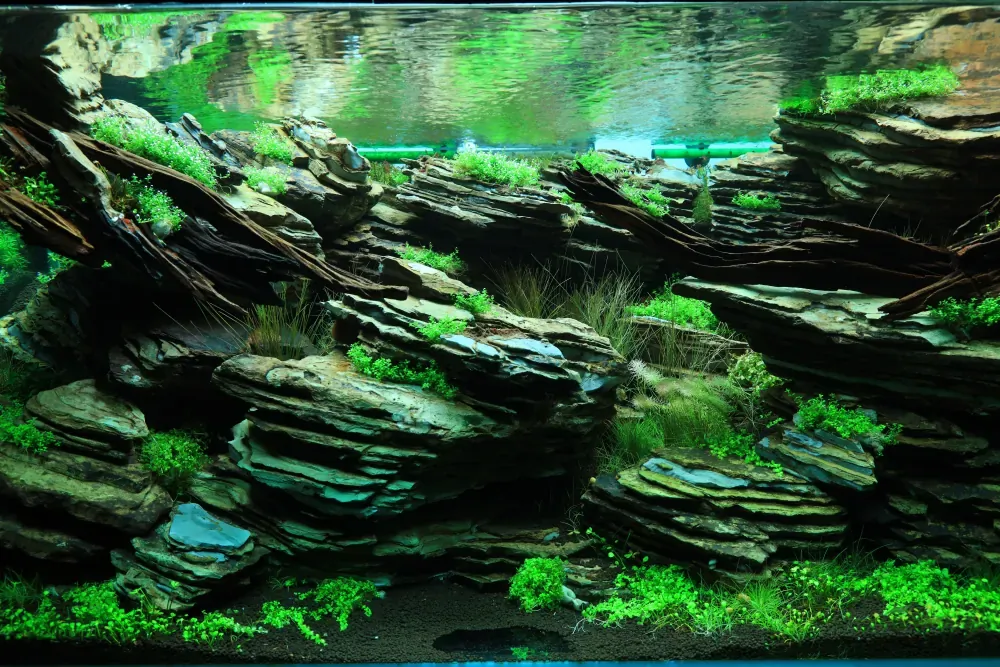
Nature has never disappointed me. As weeks passed, the tiny sprouts from day one stretched out, intertwining and fully embracing the old strata stones. The precarious gaps from the initial days have been completely erased.
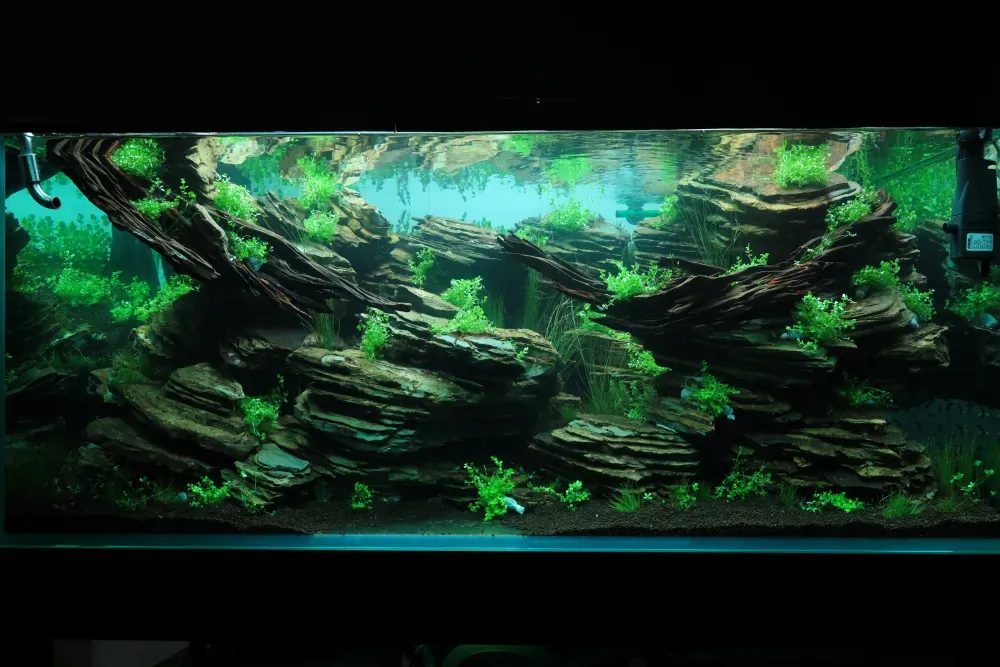
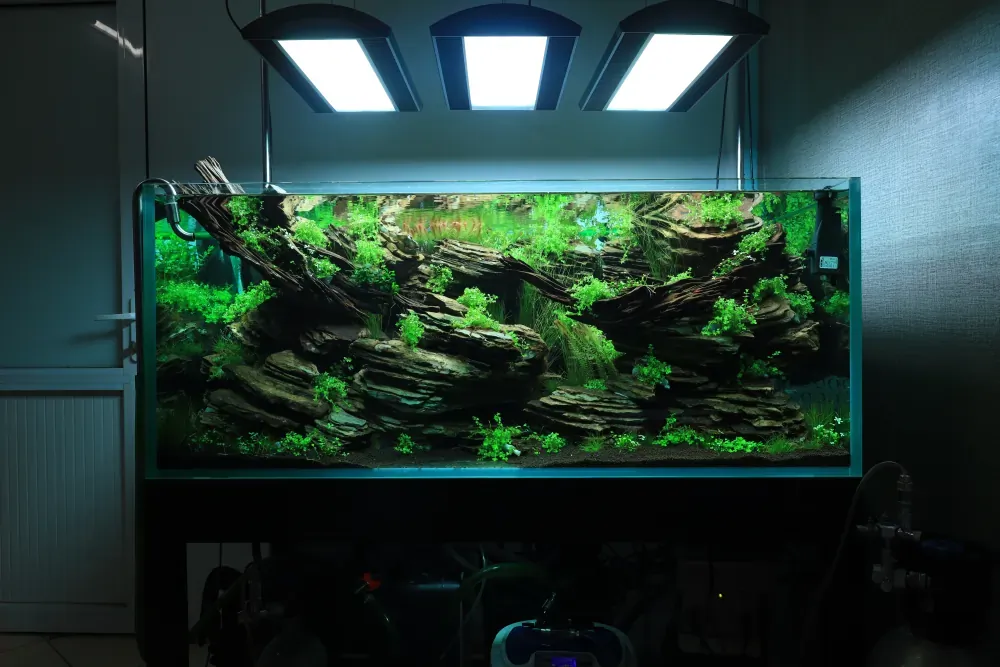
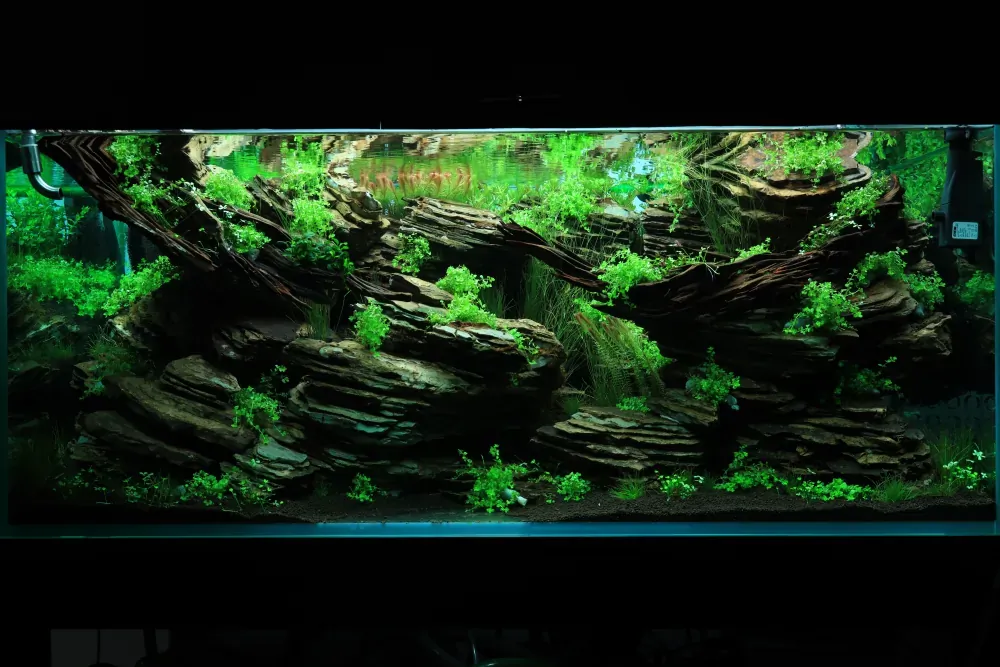
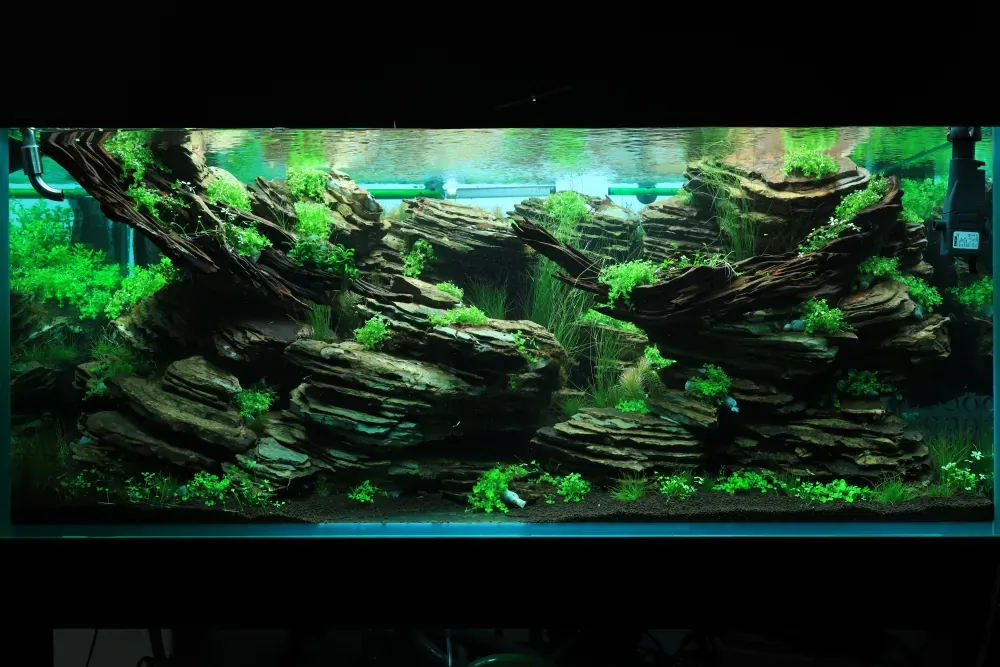
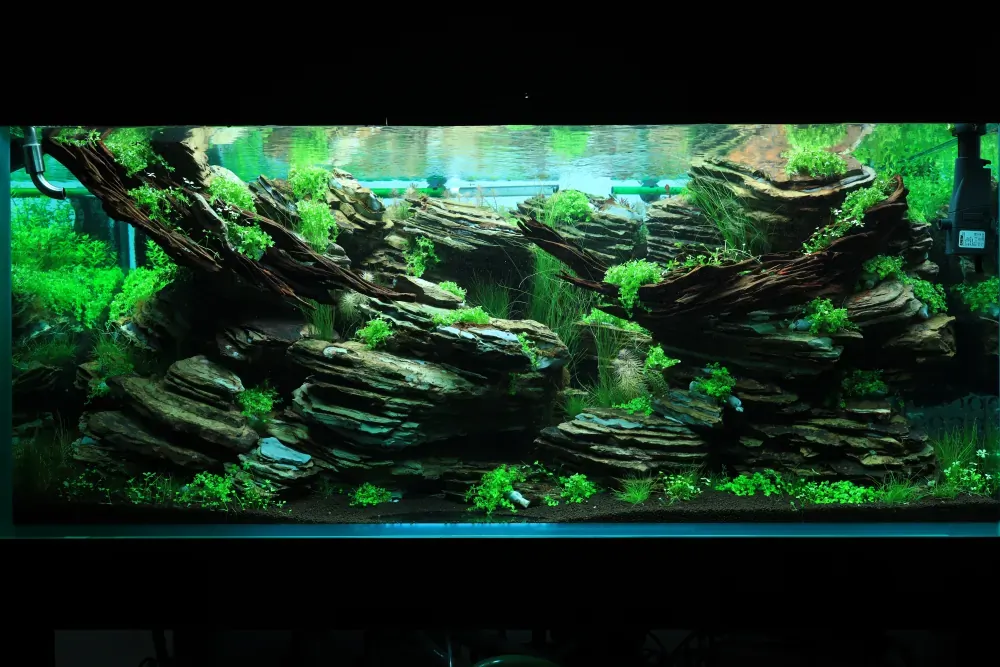
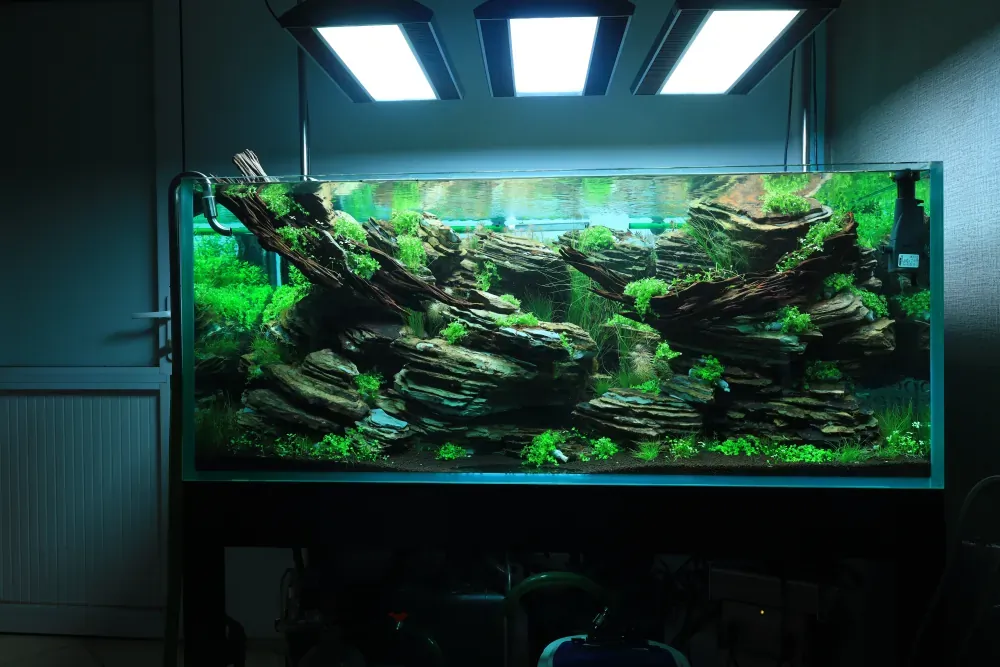
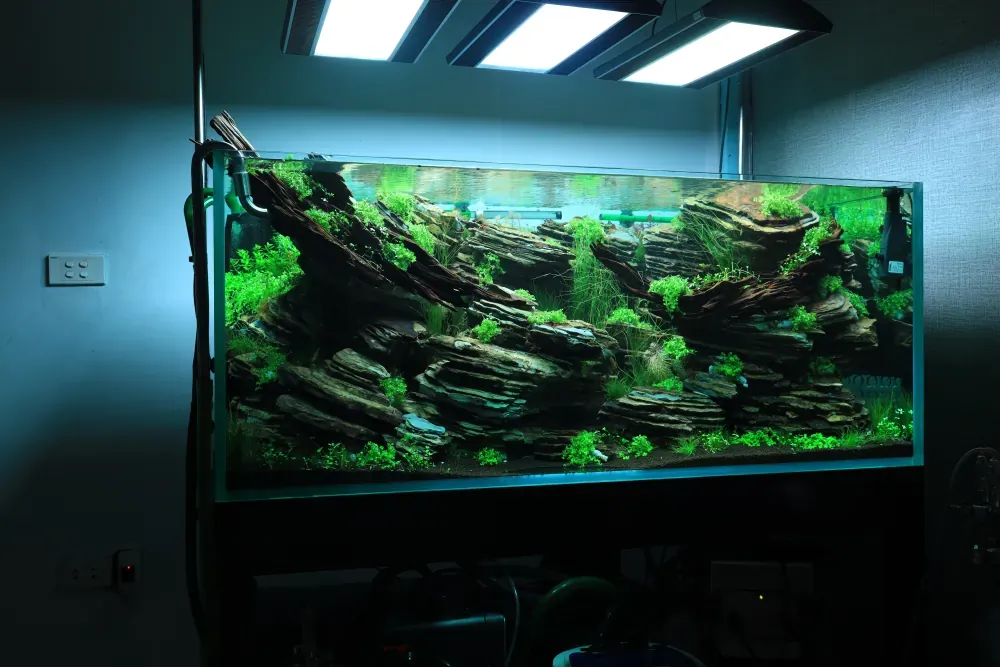
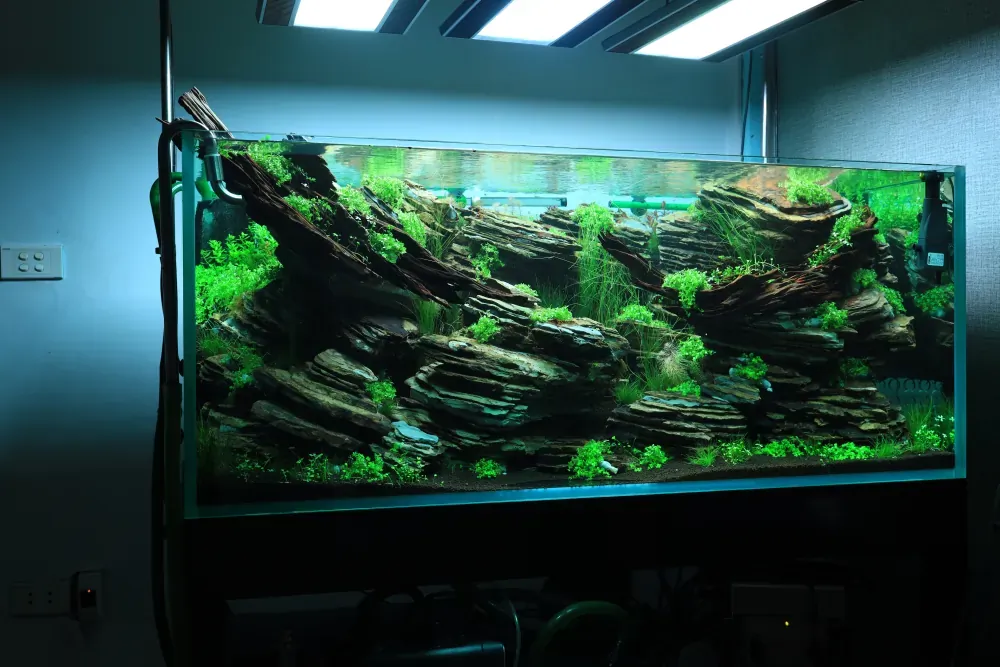
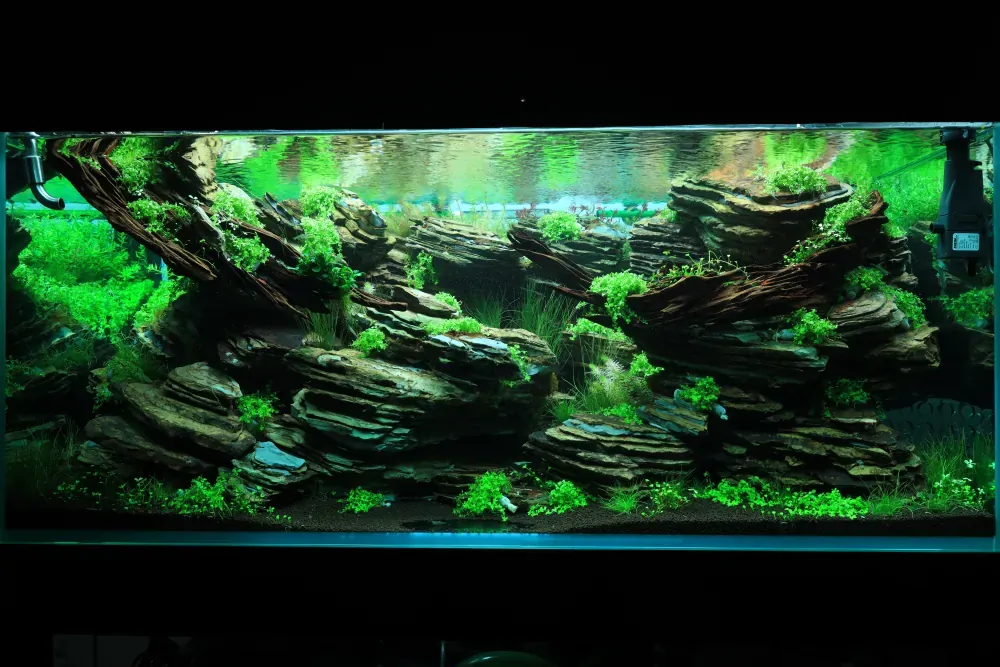
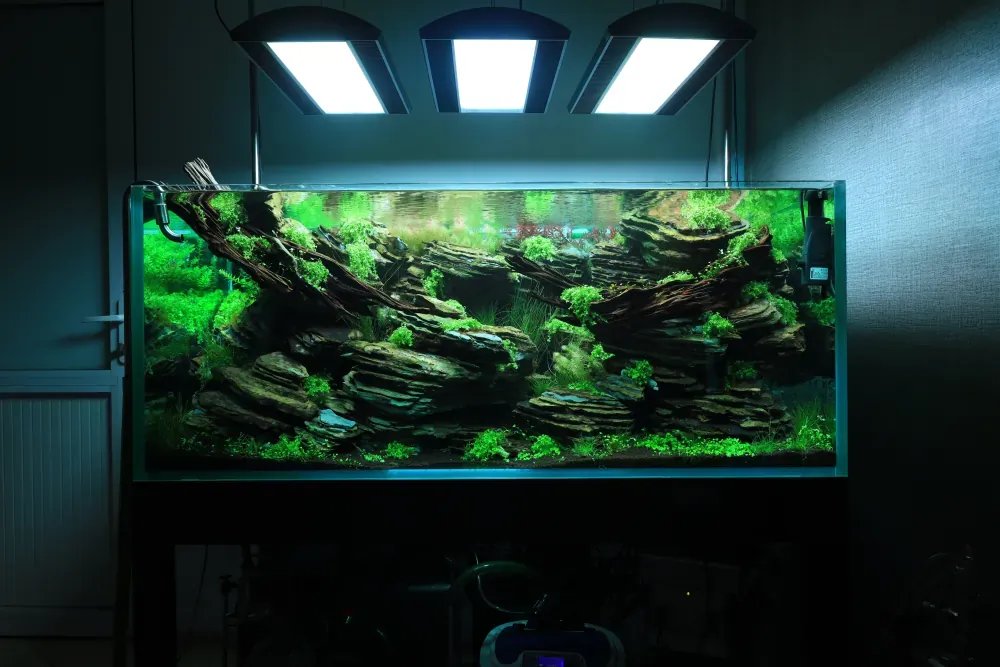
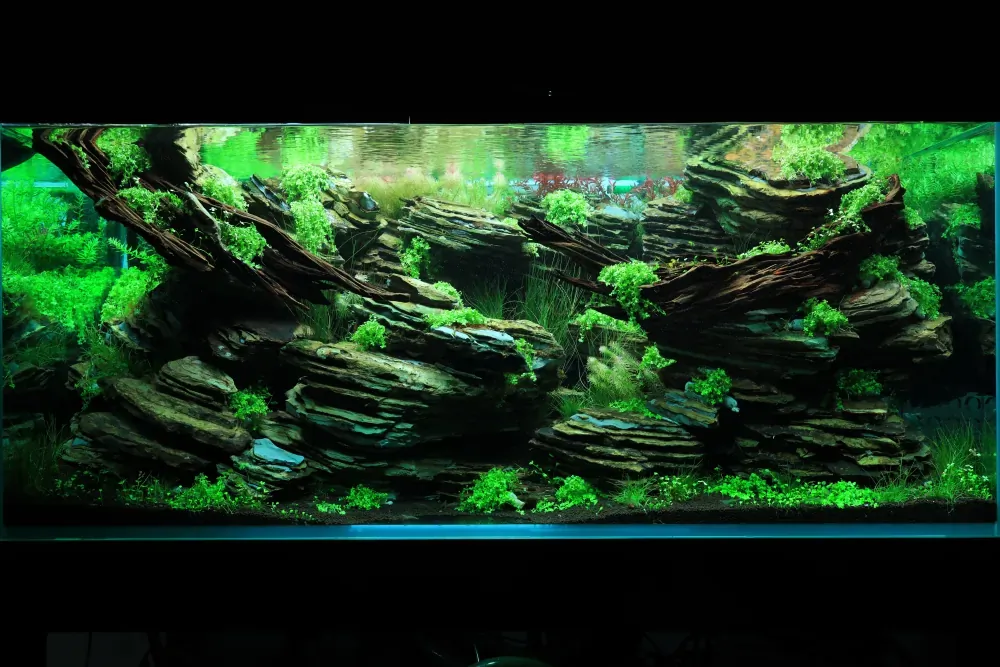
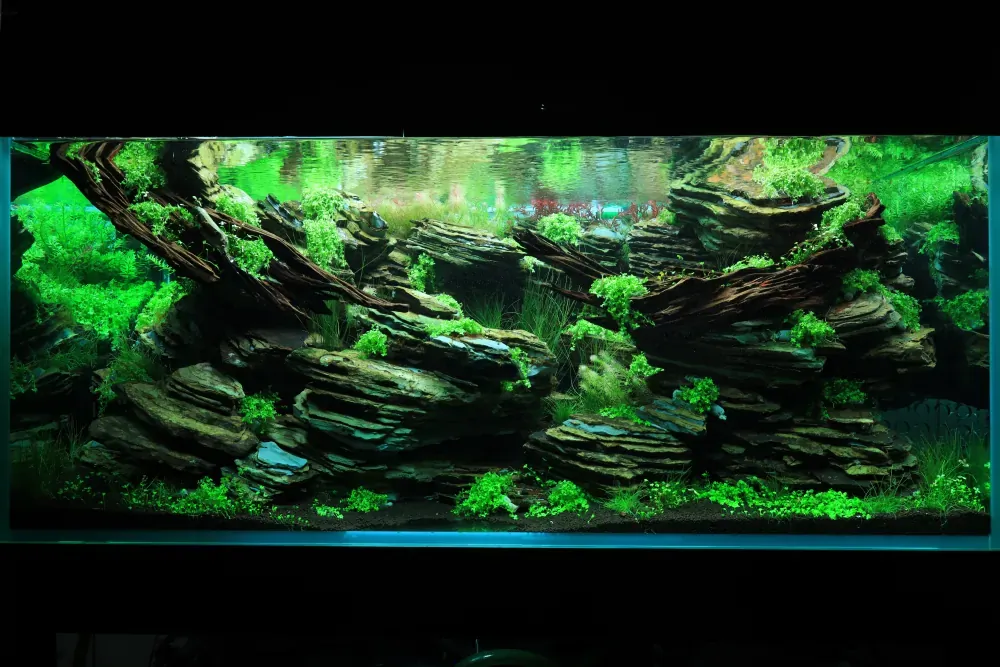
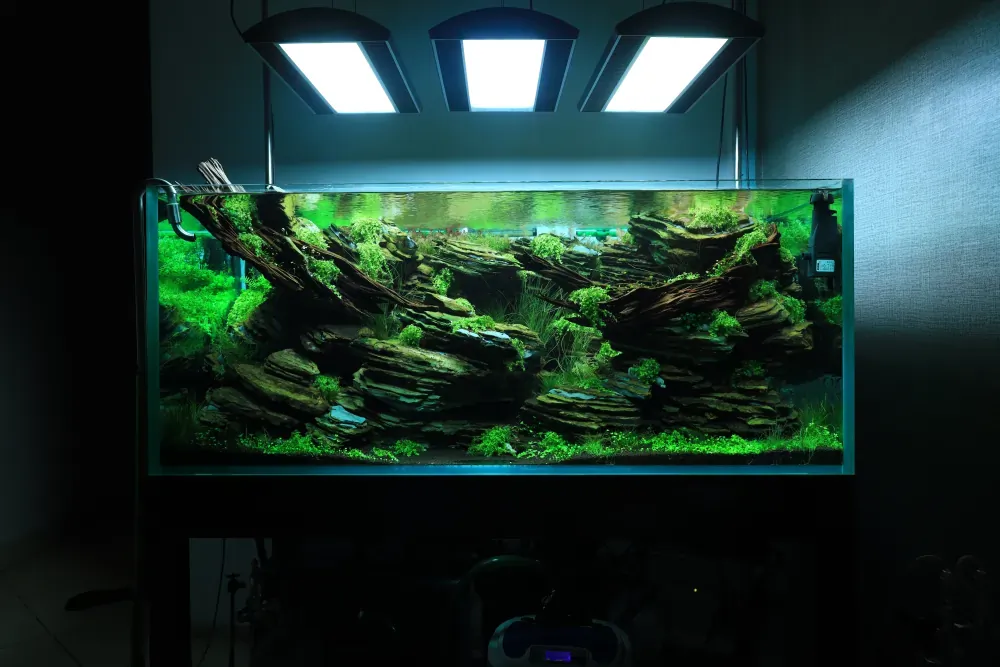
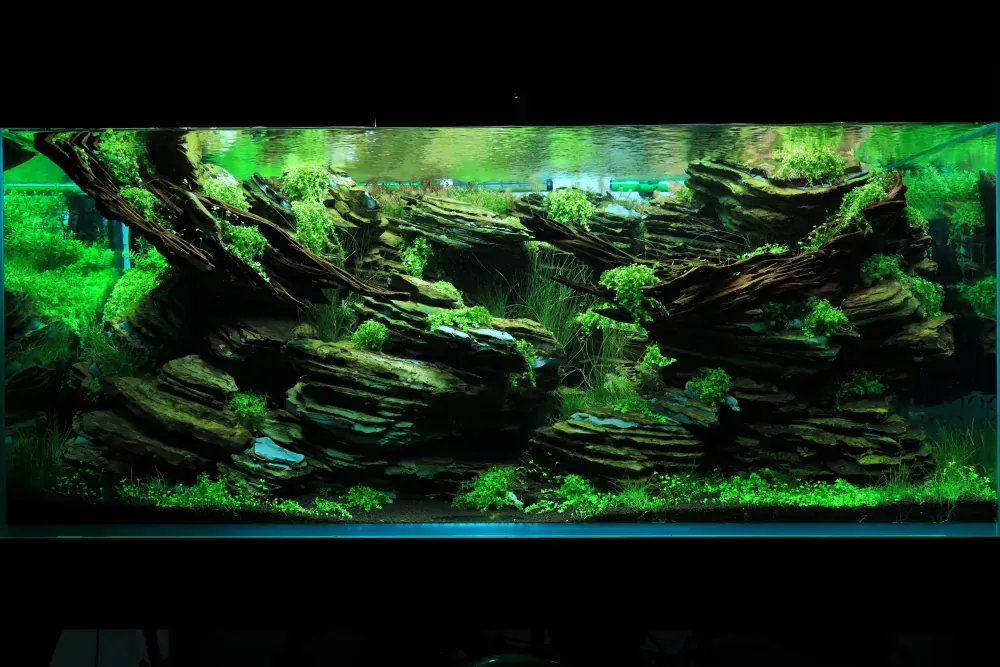
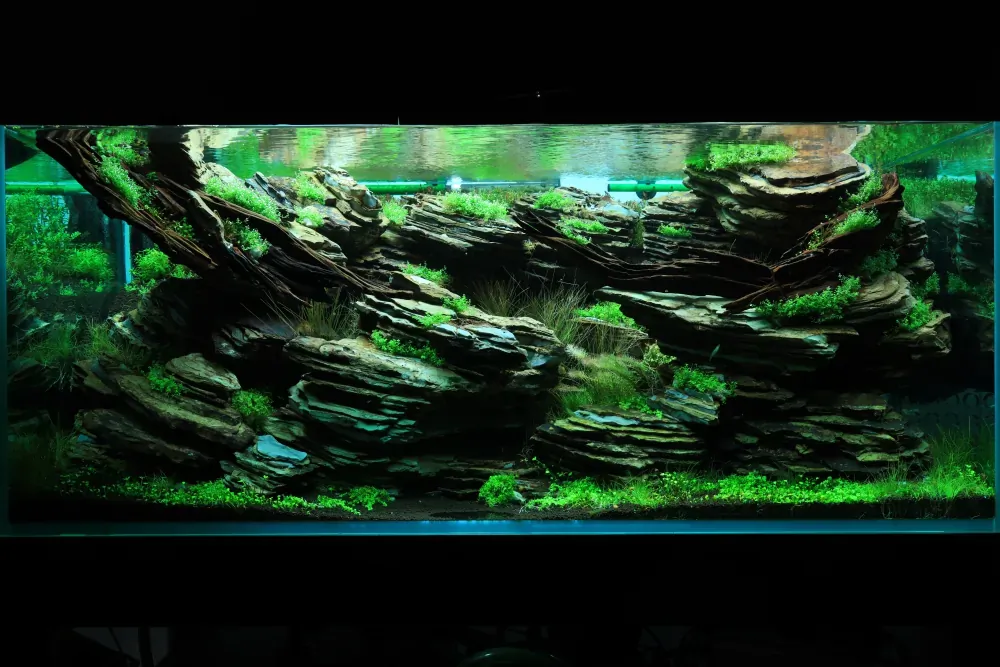
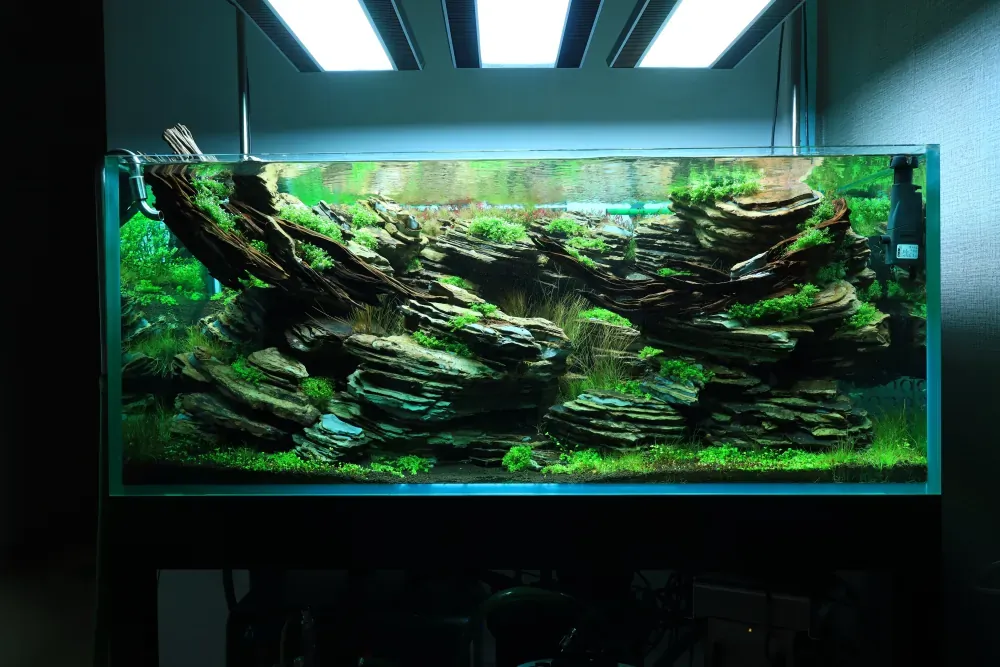
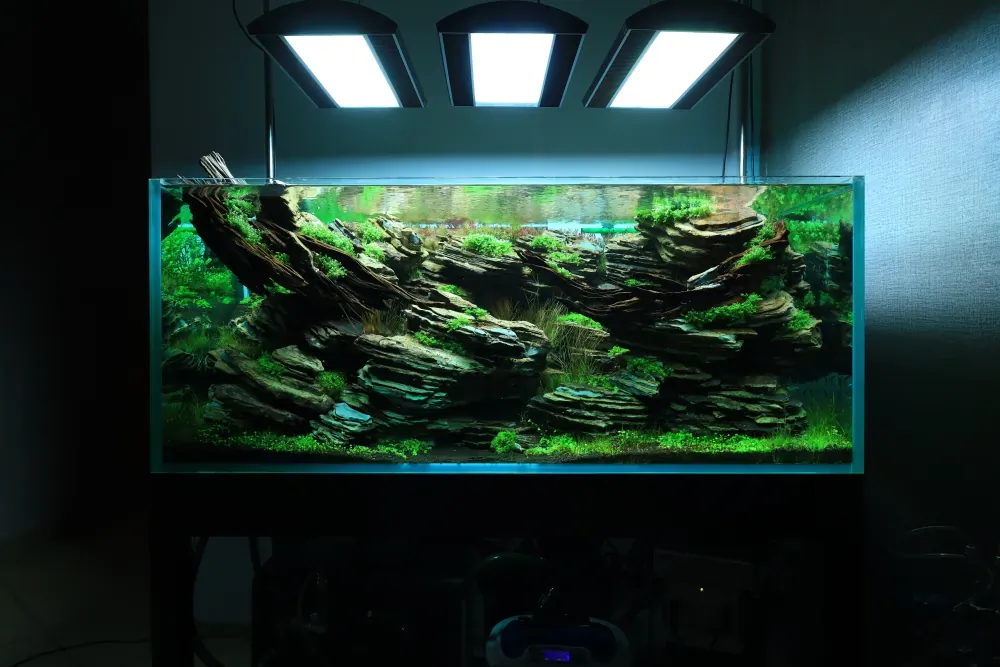
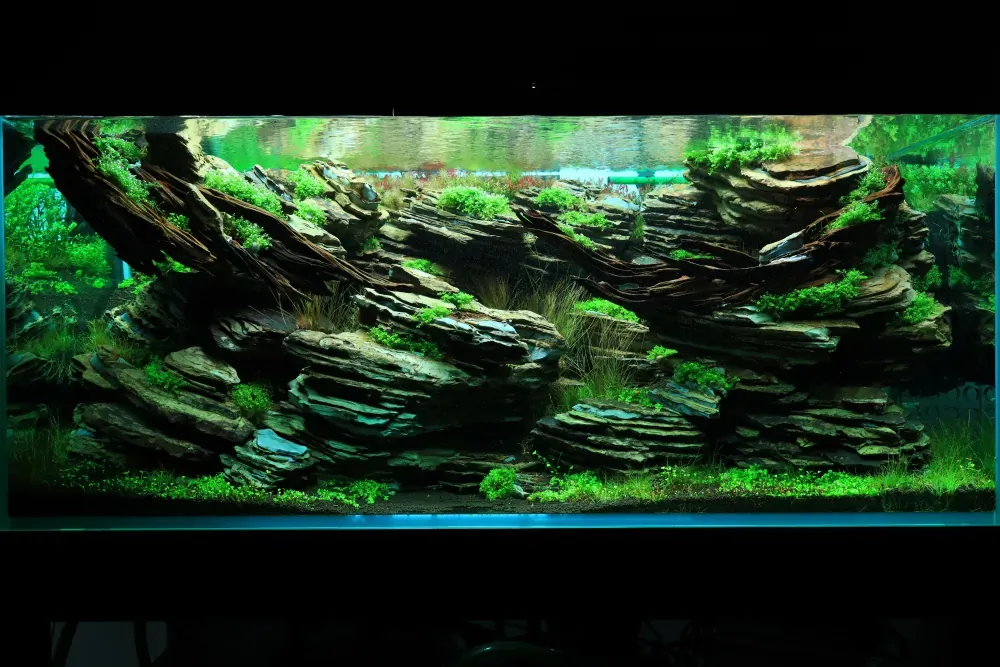
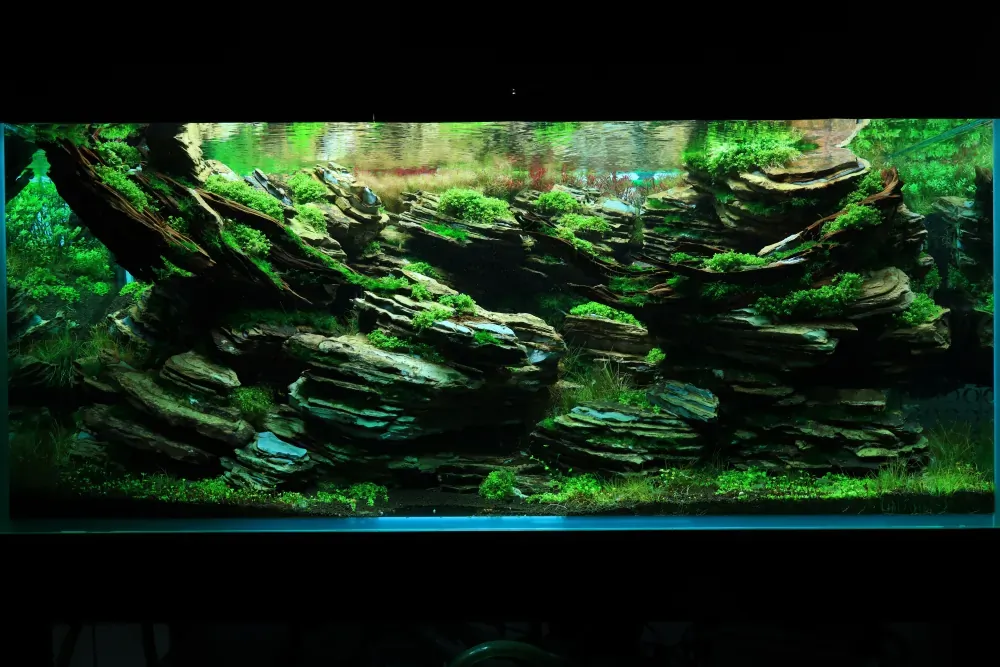
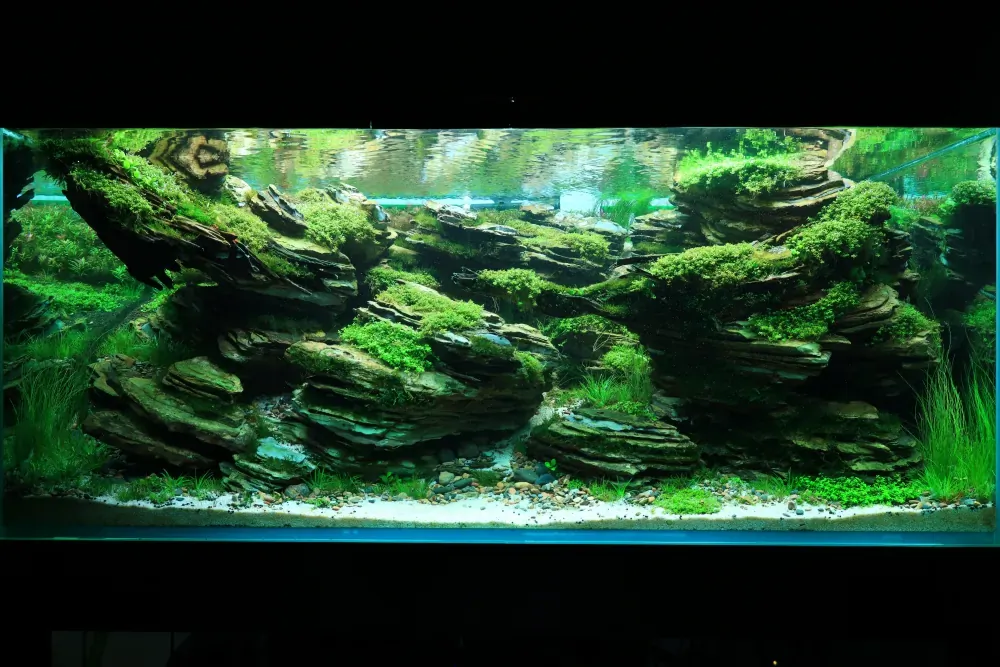
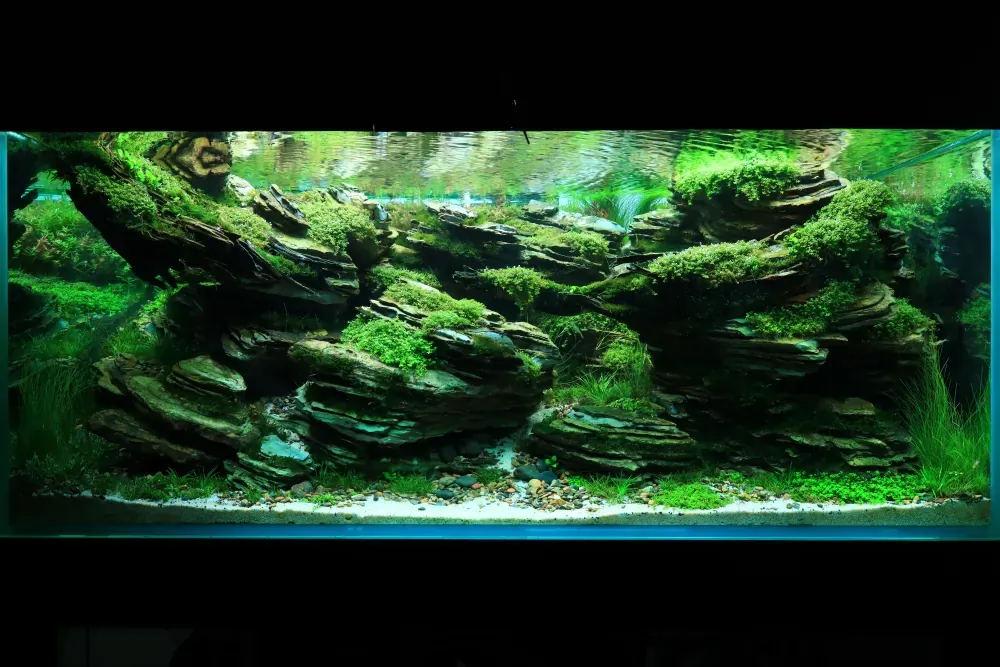
The set of stones that seemingly drained of its beauty has now donned a completely new look: contemplative, silent, yet radiantly alive. There are no boundaries left between stone and plant; everything has merged into a complete ecosystem.
When the foliage reached its full density, I welcomed the first inhabitants. The school of fish gliding beneath the green canopy is the final heartbeat breathing life into this entire space.
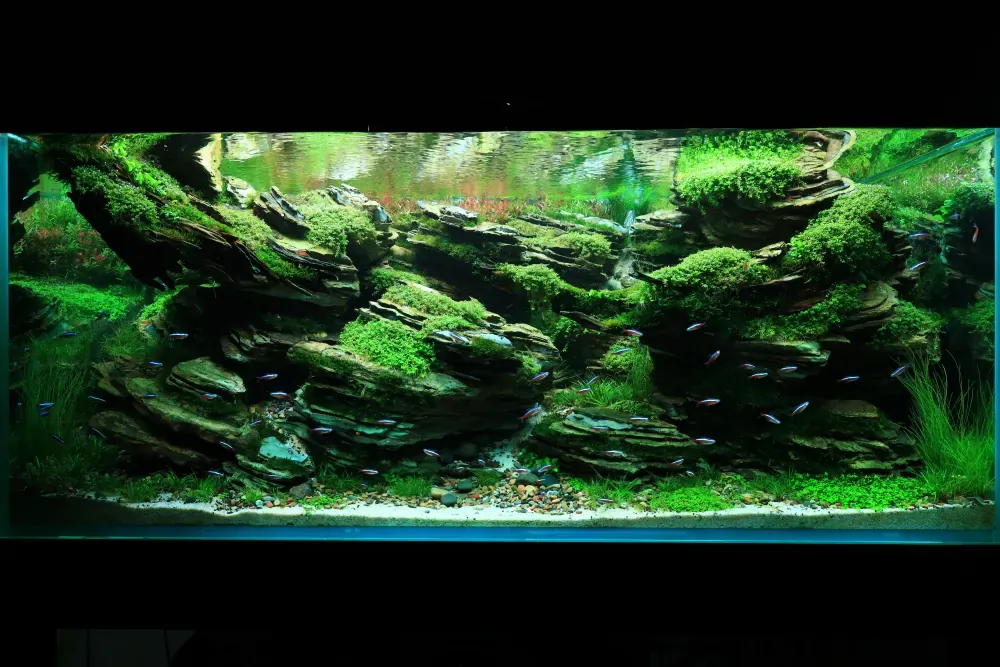
Step 6: Final - The New Life of Old Stones
Looking at the tank now, my Japanese strata stones from 2022 have truly found a new life. Through silence and resilient vitality, nature has turned the flaws of the hardscape into a foundation. The canopy shelters the stone, and the stone steps back to act as a backdrop, highlighting the brilliance of the plants.
.webp "Final - The New Life of Old Stones")
.webp "Final - The New Life of Old Stones")
.webp "Final - The New Life of Old Stones")
.webp "Final - The New Life of Old Stones")
.webp "Final - The New Life of Old Stones")
.webp "Final - The New Life of Old Stones")
.webp "Final - The New Life of Old Stones")
.webp "Final - The New Life of Old Stones")
.webp "Final - The New Life of Old Stones")
.webp "Final - The New Life of Old Stones")
.webp "Final - The New Life of Old Stones")
.webp "Final - The New Life of Old Stones")
.webp "Final - The New Life of Old Stones")
.webp "Final - The New Life of Old Stones")
.webp "Final - The New Life of Old Stones")


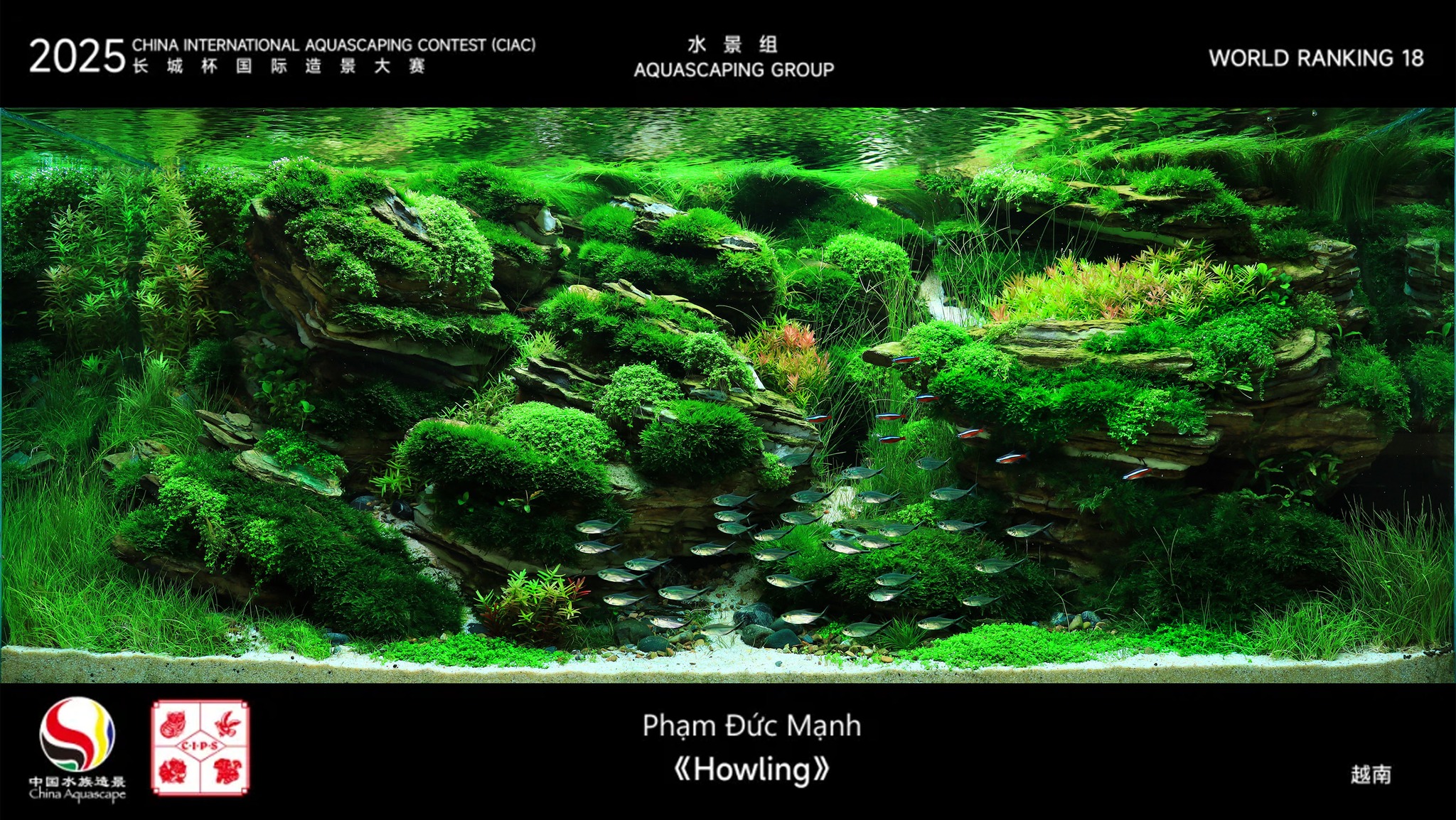

The journey of creating this space reminds me: In the hobby of aquascaping, we don't always have to start with ideal conditions or the most expensive materials. Sometimes, a tight budget and a limit on time are opportunities for us to learn how to slow down, to appreciate and deeply understand what we already have.
Staying friends with these old stones for a few more seasons, I didn't just save a layout; I found for myself a true sense of tranquility amidst life's chaos. I wish you all good health, keep your passion alive, and don't forget our appointment for the upcoming 2026 aquascaping season!
Author Pham Duc Manh / Vietnam
Facebook: Tap chi Thuy sinh
Youtube: @TapChiThuySinh







Leave your comments