AquaLibs presents AquaRank Discover the world’s leading aquascapers

Explore transparent rankings built from published results across the world’s leading aquascaping contests.

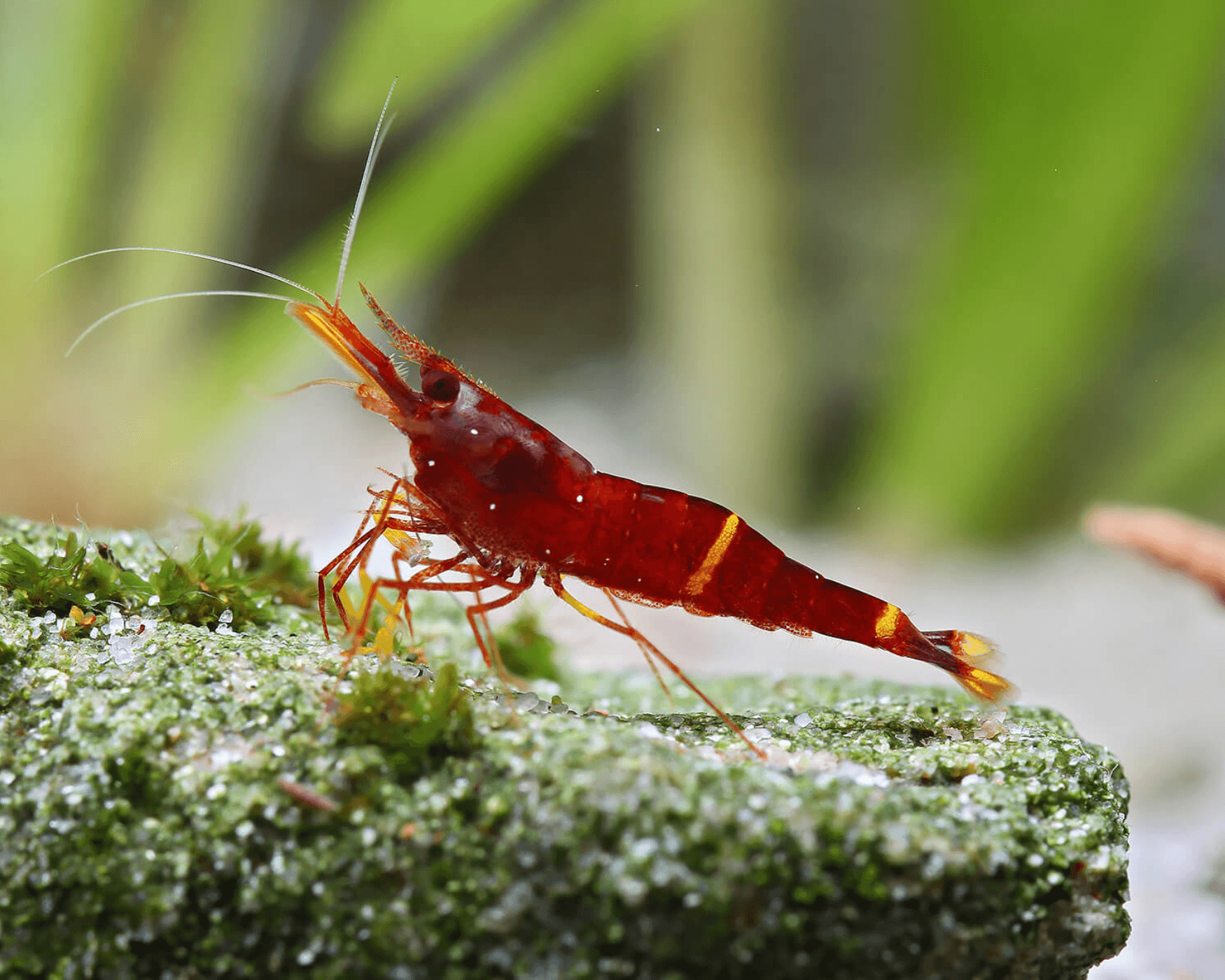
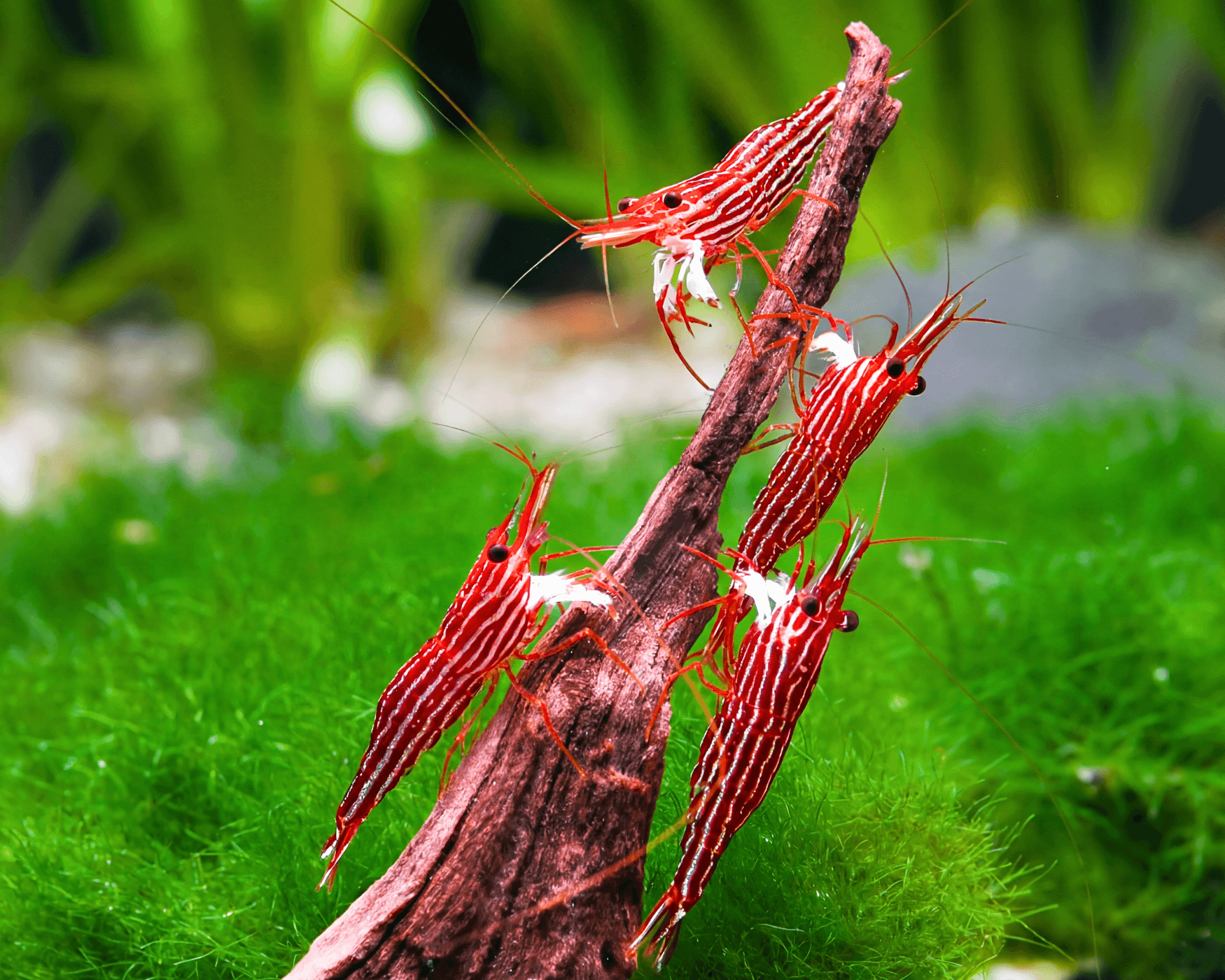
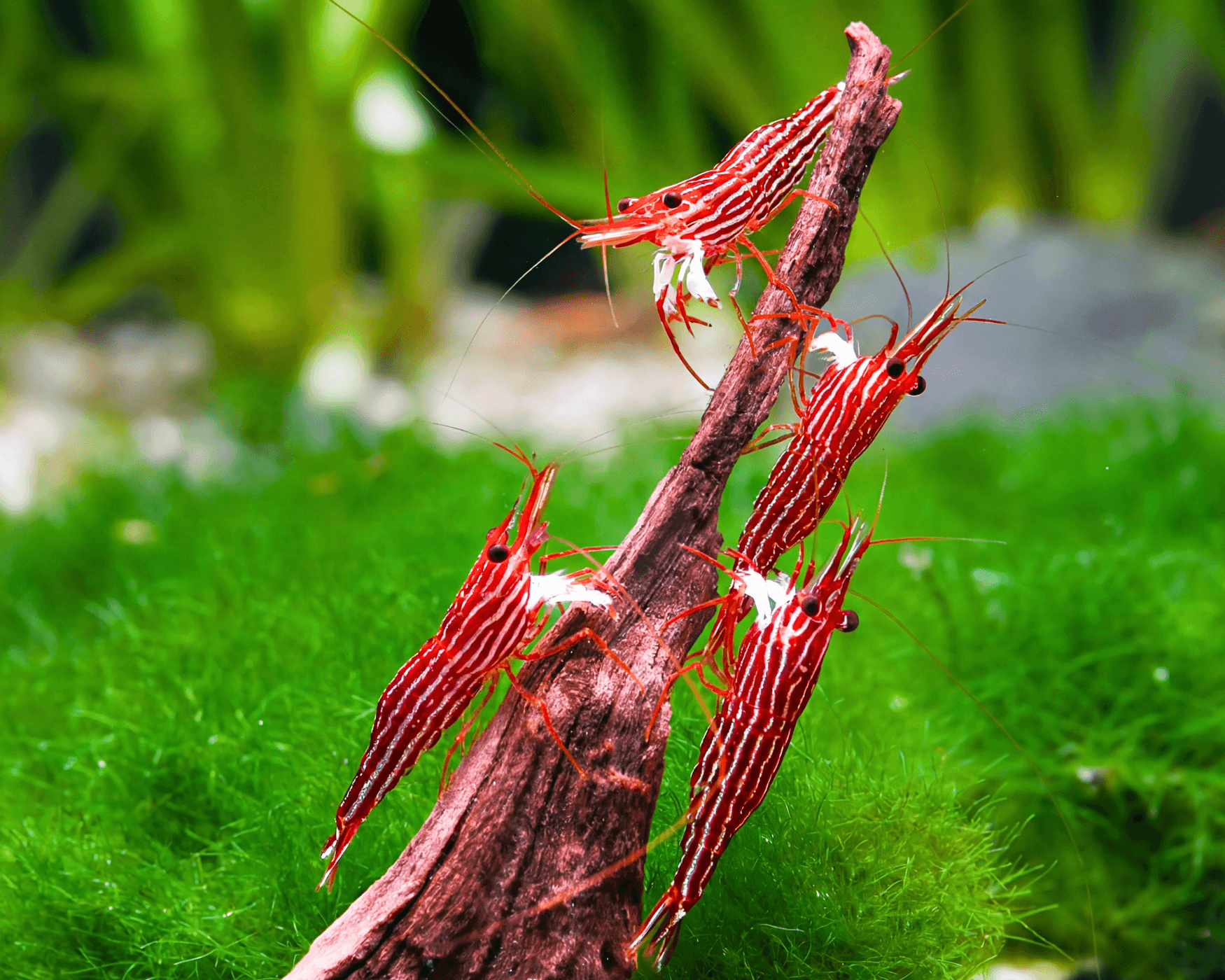
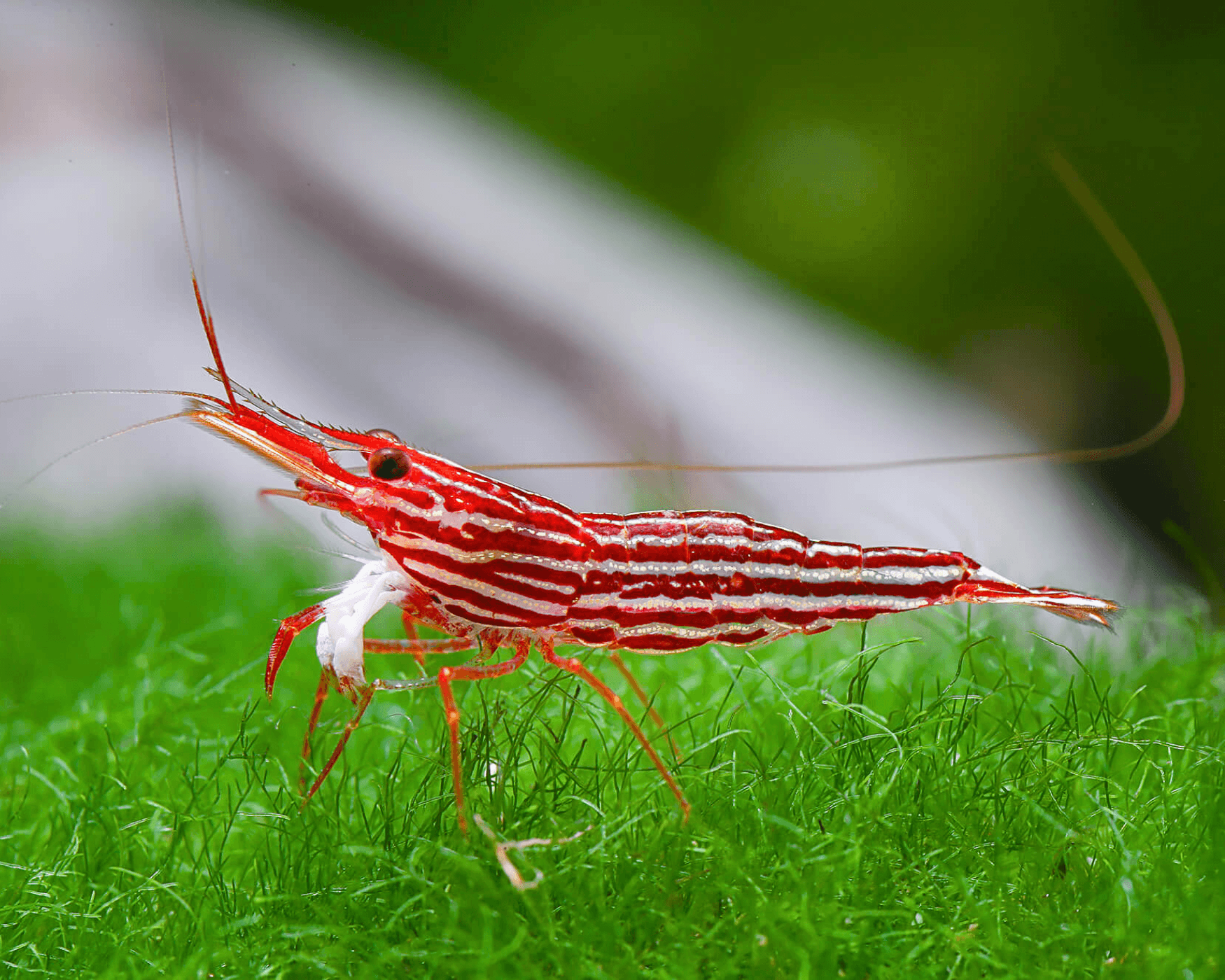
Caridina striata: The Sulawesi Mantano Red Line Shrimp

Taxonomy and Habitat

Caridina striata is endemic to Lake Matano, one of the deepest lakes in the Malili lake system of Sulawesi. It is part of a specialized group of shrimp that have evolved to live in stable, warm, and alkaline environments. Their natural habitat consists of rocky substrates where they graze on biofilm and algae.
Taxonomy and Habitat

Water Parameters

Maintaining strict water conditions is vital for the survival of this species. They require stable, warm temperatures typically between 26 and 29 degrees Celsius. The water must be alkaline, with a pH range of 7.5 to 8.5. Soft water is generally unsuitable; these shrimp prefer moderate water hardness to support their physiological needs and successful molting.
Water Parameters

Feeding and Tank Mates

In the aquarium, they are primarily grazers. Providing a mature tank with natural biofilm and algae is essential. Supplement their diet with high-quality, specialized shrimp foods designed for Sulawesi species. Due to their specific environmental requirements and sensitive nature, they are best kept in a species-only tank to avoid competition or stress from other aquatic organisms.

Molting and Breeding

Successful molting is highly dependent on stable water parameters and proper mineral balance. Like other Sulawesi shrimp, they exhibit a specialized reproductive strategy, producing fewer, larger offspring that hatch as fully developed miniature versions of the adults. Breeding is generally considered difficult and requires a highly stable, established environment with minimal intervention.
Shrimp info

Leave your comments
Latest on Shrimps
  • Amano Shrimp (Caridina multidentata)

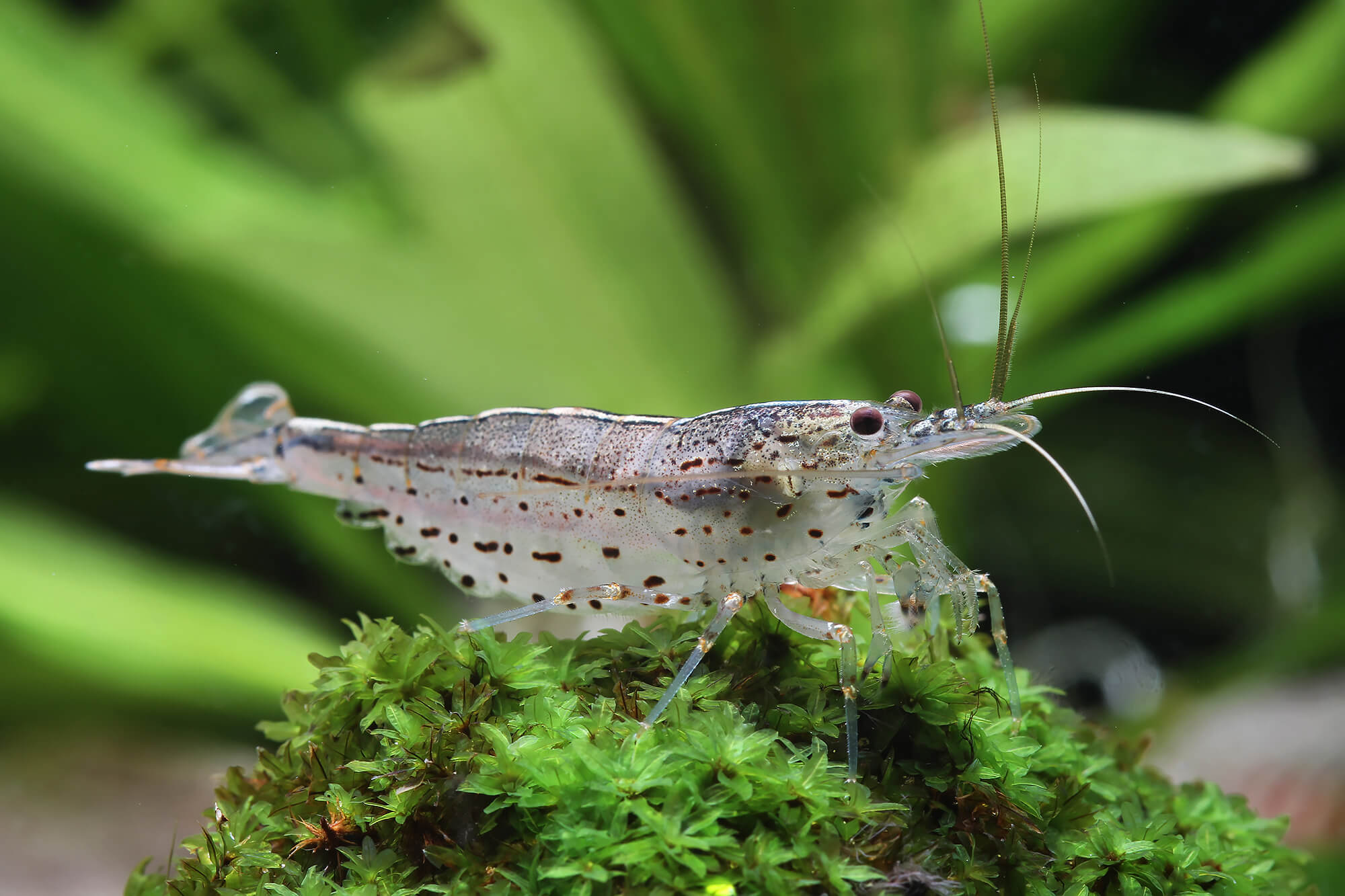
    Amano Shrimp (Caridina multidentata)

    Amano shrimp are hardy freshwater algae grazers recognized by their translucent body, dark spotting and active scavenging behavior. They are widely used in planted aquariums, where they feed on algae, biofilm and uneaten food. Adults are generally peaceful and adaptable, but successful breeding is specialized: larvae require brackish water before juveniles can be acclimated to freshwater. The supplied trade label identifies these shrimp as Amano shrimp, although individual stock identity cannot be independently verified from the label alone.
  • Zebra Shrimp (Caridina cf. babaulti)

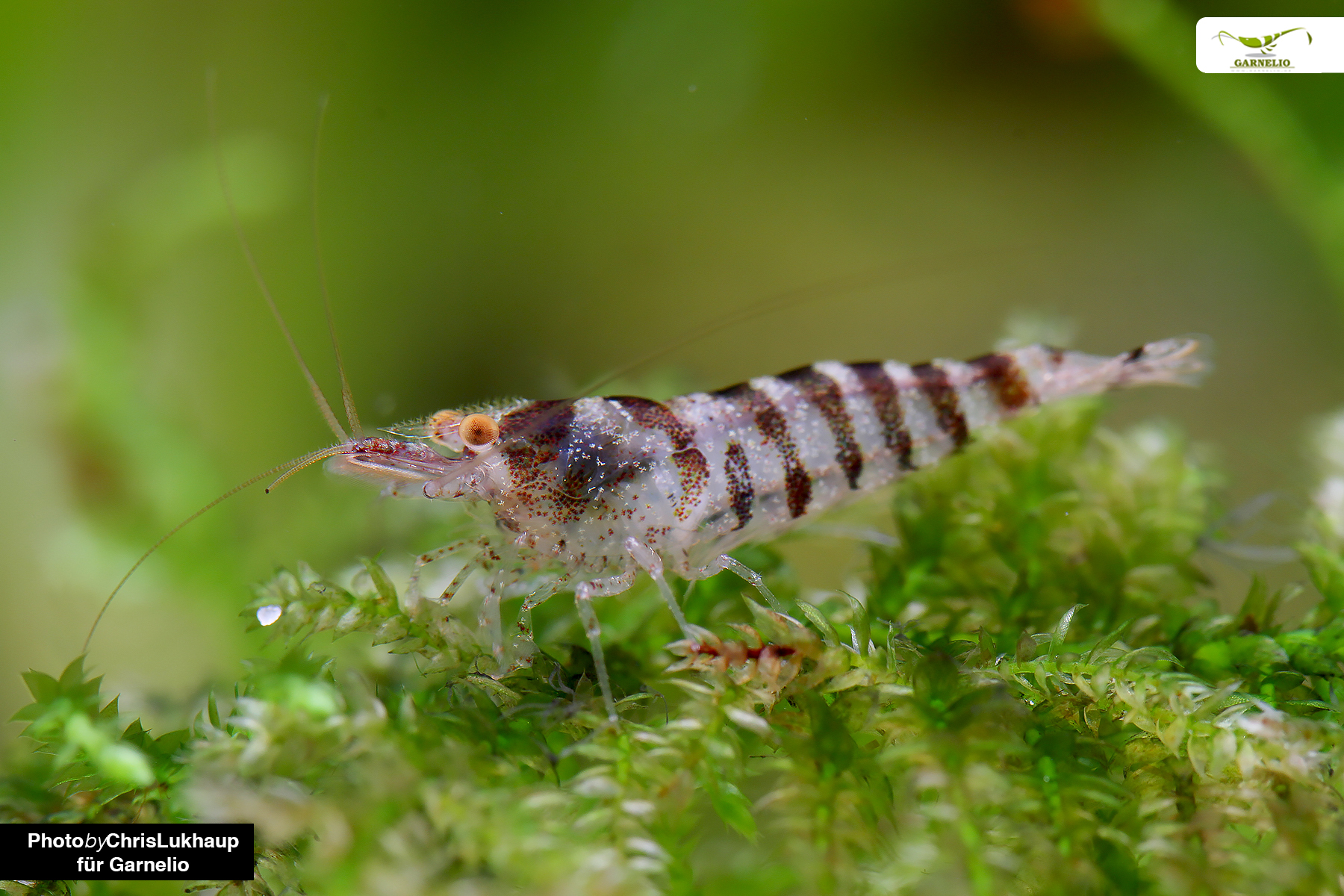
    Zebra Shrimp (Caridina cf. babaulti)

    The Zebra Shrimp is a small freshwater Caridina sold under the name Caridina cf. babaulti, with a translucent body marked by dark transverse bands. The “cf.” designation indicates that the aquarium strain has not been confirmed as the exact species Caridina babaulti. It is a peaceful, algae-grazing shrimp suited to mature planted aquariums with stable, mineralized water. The pictured form shows pale body coloration with brown to black striping, but pattern intensity can vary with genetics, mood, diet, and background.
  • Red Rhinoceros Shrimp (Caridina gracilirostris)

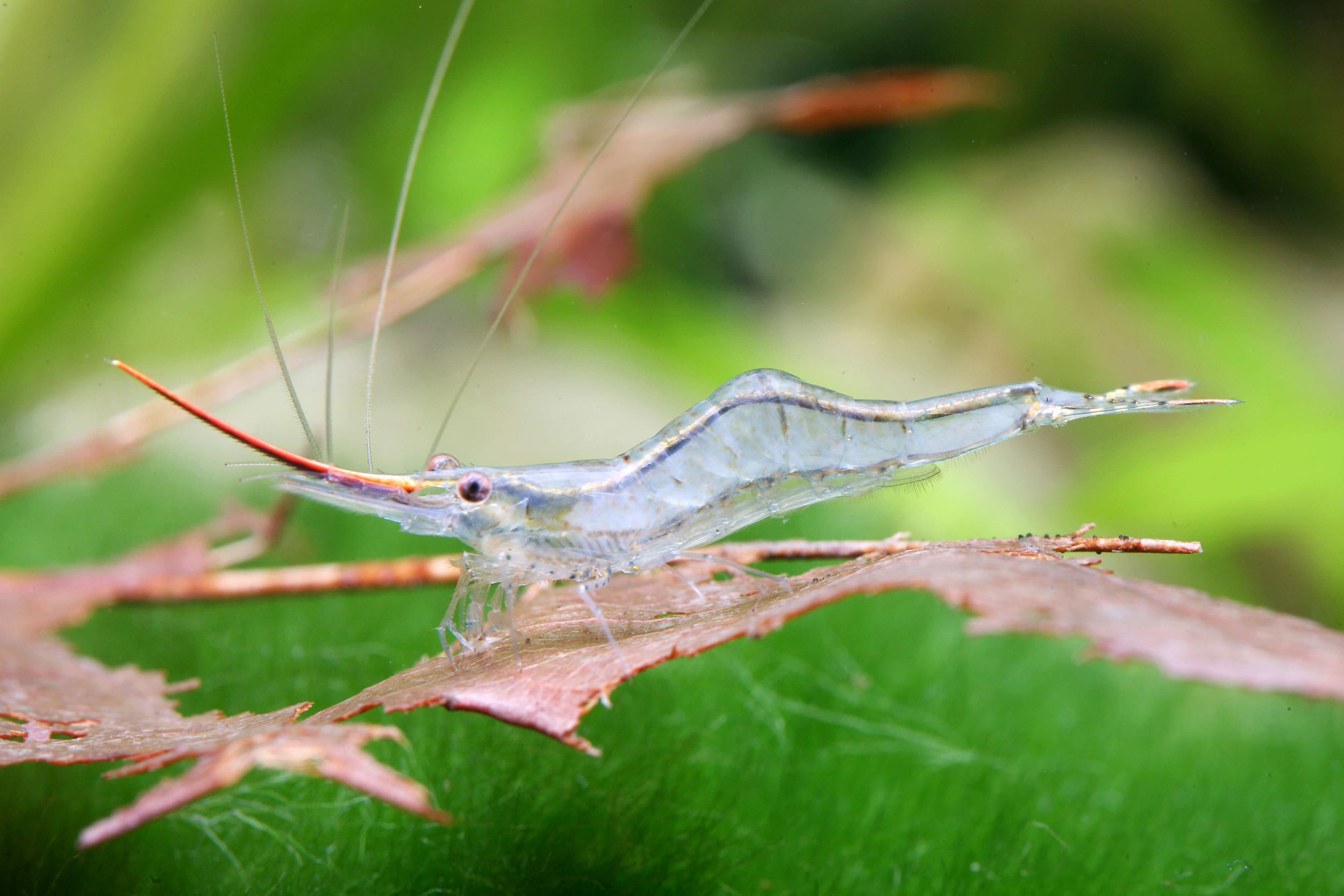
    Red Rhinoceros Shrimp (Caridina gracilirostris)

    Caridina gracilirostris is a small, translucent shrimp recognized by its elongated rostrum, often marked red or orange. It is associated with coastal freshwater, brackish and estuarine habitats, so aquarium care differs from that of fully freshwater Caridina species. Adults may be maintained in suitable freshwater or mildly brackish conditions, but successful reproduction involves free-swimming larvae and usually requires carefully managed brackish water. The supplied image appears consistent with this species, although image-based identification cannot confirm it with certainty.
  • Green Dwarf Shrimp (Caridina cf. babaulti)

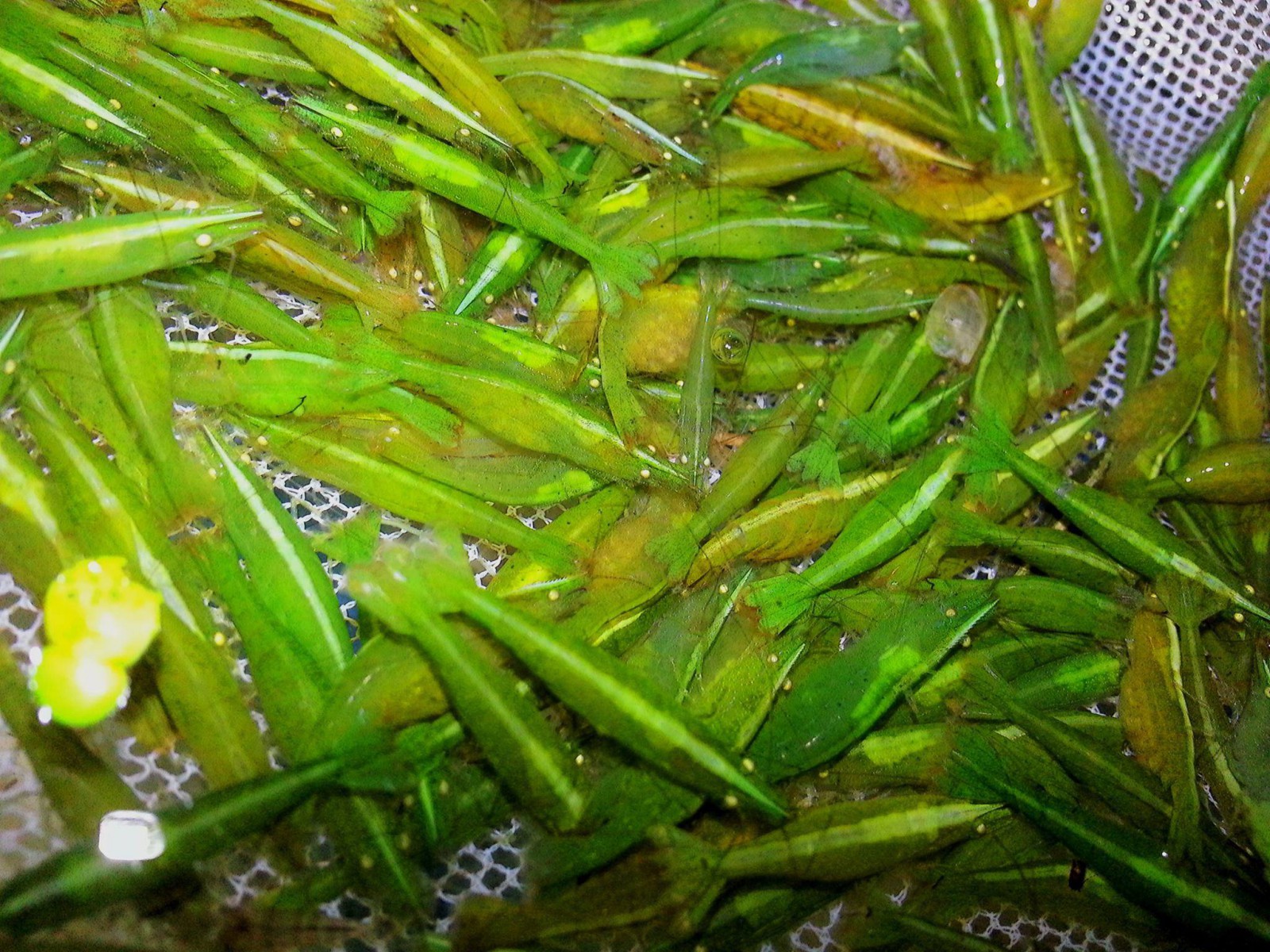
    Green Dwarf Shrimp (Caridina cf. babaulti)

    The green dwarf shrimp sold as Caridina cf. babaulti is a small freshwater shrimp with variable green coloration and a peaceful, algae-grazing nature. The “cf.” designation indicates that the aquarium trade identification is provisional rather than a confirmed species-level determination. It suits mature, planted aquariums with stable, mineralized water, gentle filtration, plentiful biofilm, and no predatory tank mates.
  • Super Crystal Red Shrimp (Caridina logemanni)

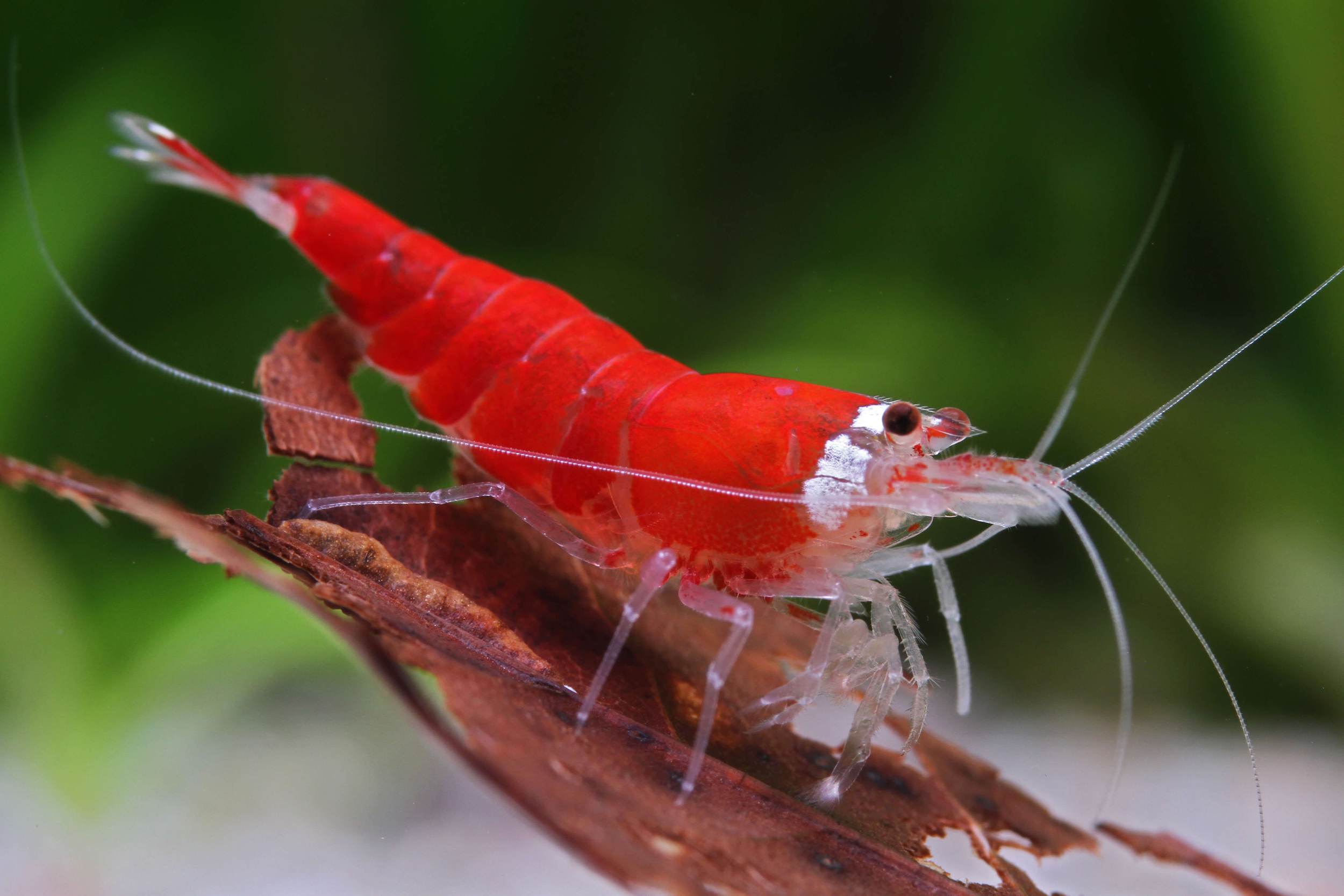
    Super Crystal Red Shrimp (Caridina logemanni)

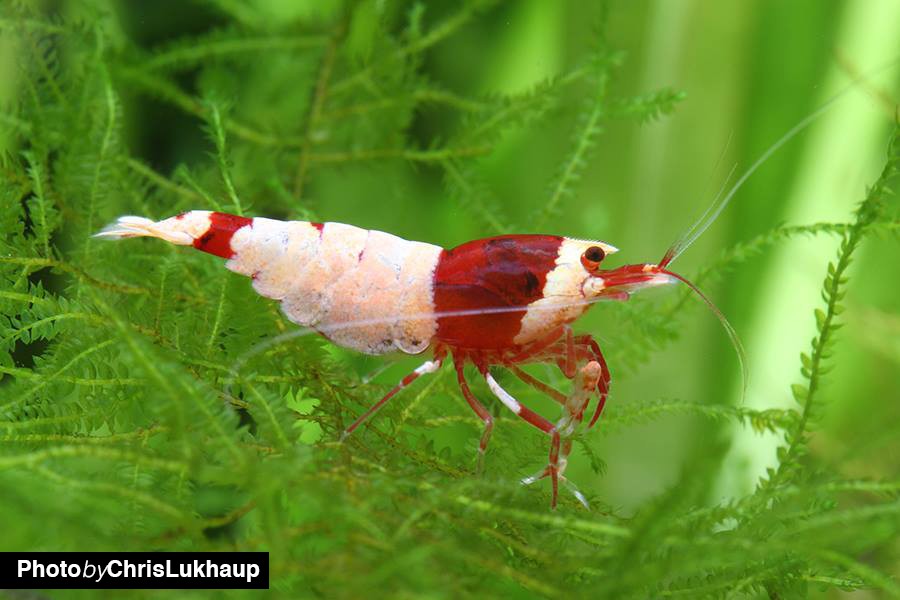
    Super Crystal Red Shrimp are a selectively bred red-and-white color form of Caridina logemanni, commonly kept in specialized freshwater aquaria. Their contrasting pattern, small size, and sensitivity to unstable conditions make them appealing but demanding shrimp. A mature, biologically established aquarium with soft, mineral-balanced water, gentle filtration, and abundant biofilm is important. The supplied source identifies these shrimp as Caridina logemanni; exact grade and lineage cannot be confirmed from the available material alone.
  • Snow White Bee Shrimp (Caridina logemanni)

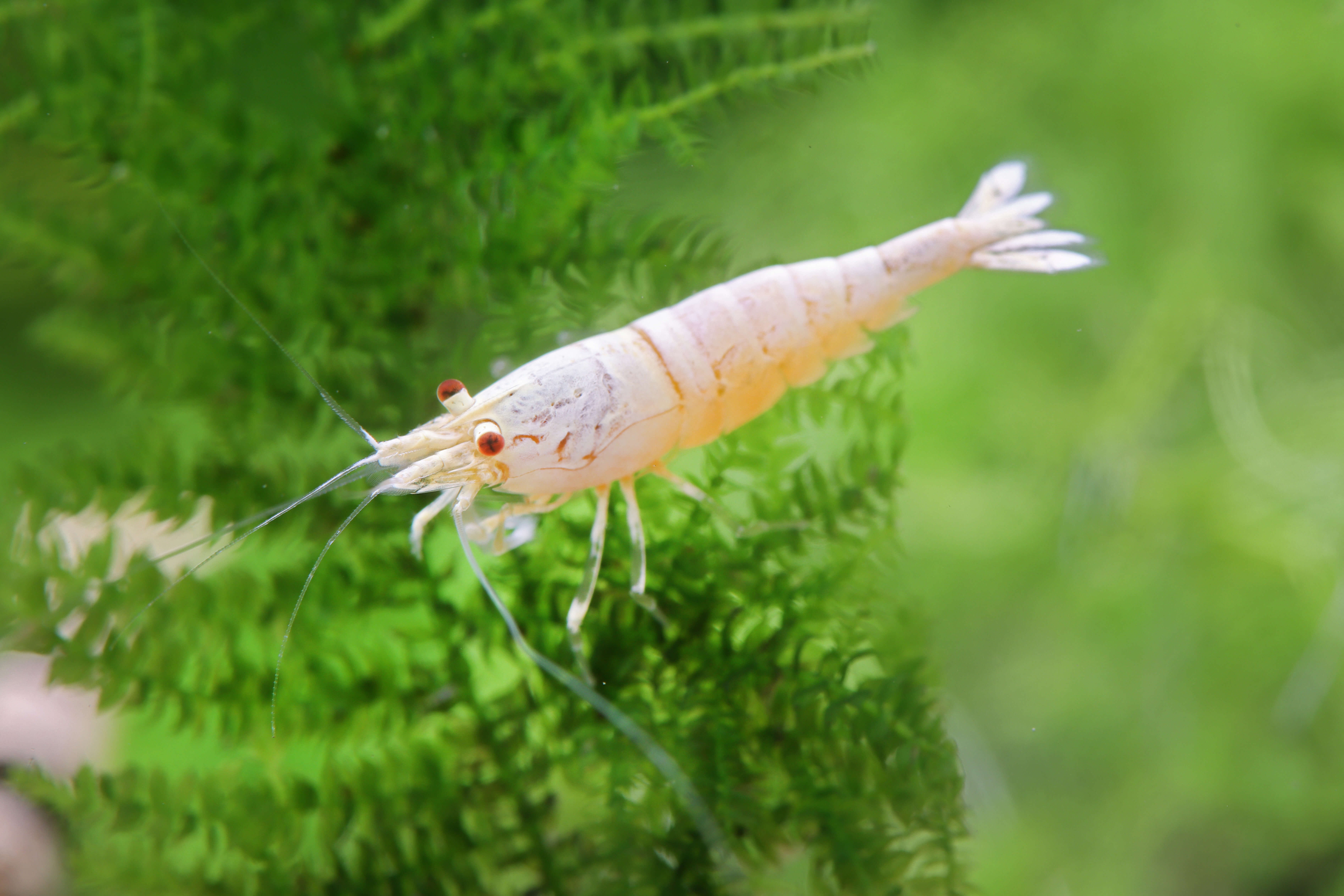
    Snow White Bee Shrimp (Caridina logemanni)

    The Snow White Bee Shrimp is a selectively bred freshwater form associated with Caridina logemanni, a small bee shrimp from the Caridina cantonensis group. It has a predominantly white, often translucent body and is valued for its appearance and breeding potential. This shrimp needs mature, exceptionally stable water, soft mineral content, gentle filtration, and peaceful tank mates. The supplied images show a pale white to cream animal with warm peach tones and reddish eyes; exact grade and lineage cannot be confirmed from images alone.
  • Royal Blue Tiger OE Shrimp (Caridina mariae)

    Royal Blue Tiger OE Shrimp (Caridina mariae)

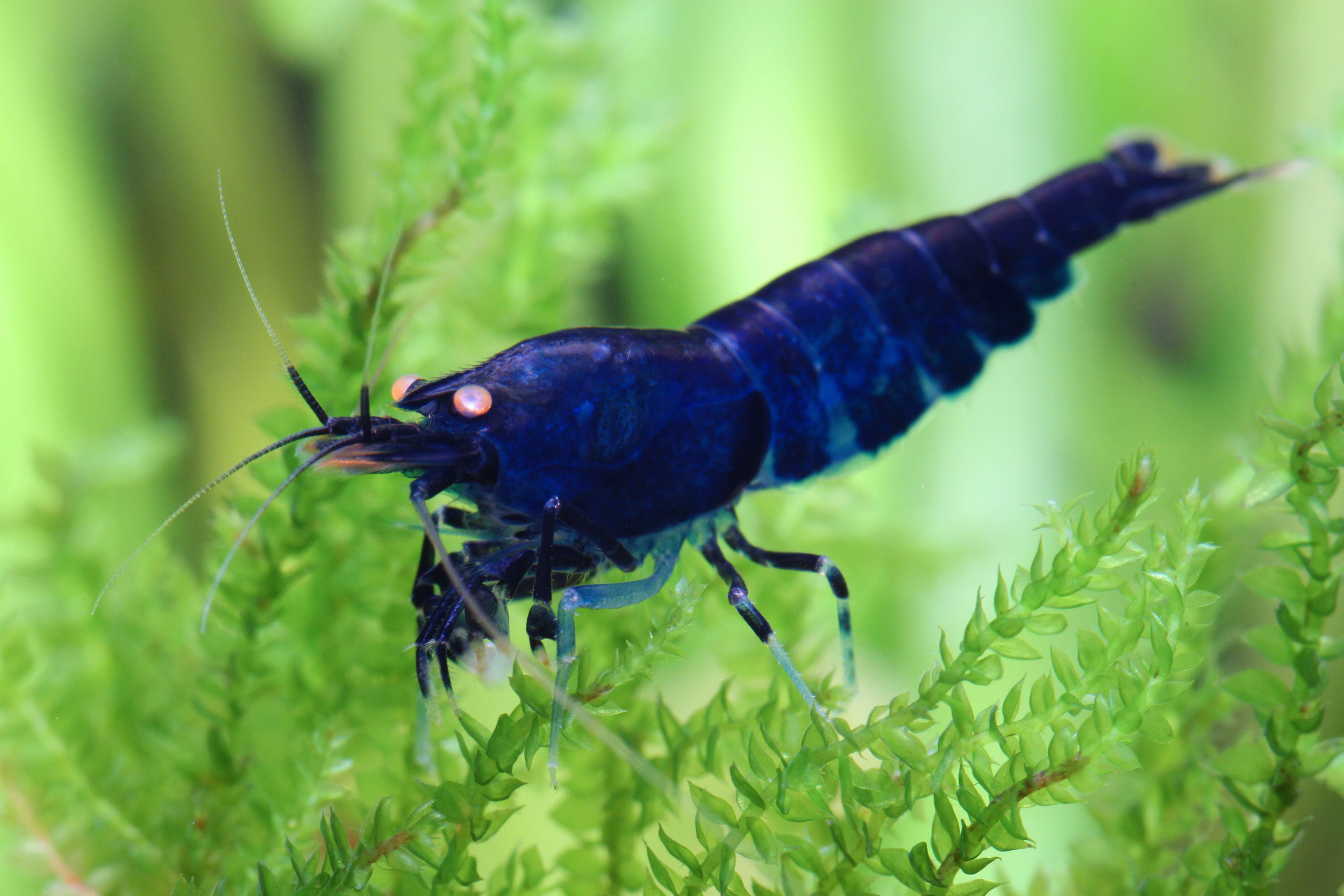
    The Royal Blue Tiger OE Shrimp is a selectively bred blue color form of Caridina mariae, commonly known as the tiger shrimp. “OE” refers to orange eyes, a visible trait in the supplied image. It is a small, peaceful freshwater shrimp suited to a mature, planted aquarium with stable, mineral-balanced water. Exact lineage and grade cannot be confirmed from the trade label and photograph alone.
  • Red Shadow Mosura Shrimp

    Red Shadow Mosura Shrimp

    Red Shadow Mosura is a selectively bred freshwater Caridina shrimp recognized for a deep red-and-white pattern and broad pale body markings. The trade name describes a color form rather than a formally established species, so it is best recorded as Caridina species or Caridina cf. cantonensis only when the breeder provides that identification. It suits mature, stable aquariums with soft, slightly acidic water, gentle filtration, biofilm, and careful maintenance. This specialized line is generally better for experienced shrimp keepers than for newly established tanks.
  • Golden Tiger Shrimp (Caridina cantonensis)

    Golden Tiger Shrimp (Caridina cantonensis)

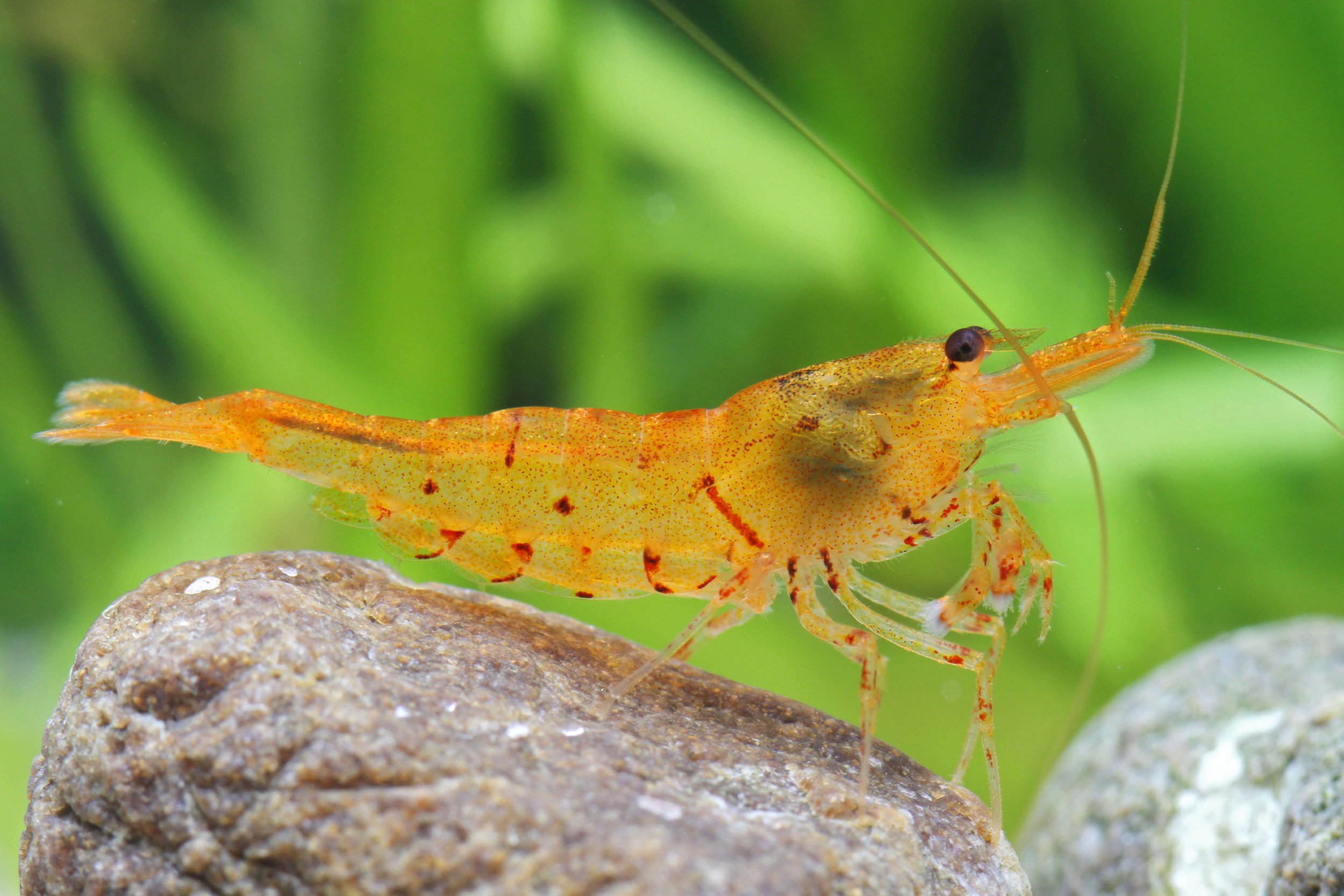
    Golden Tiger Shrimp is a selectively bred Caridina cantonensis color form marked by a yellow to golden body and contrasting orange-red or darker tiger-like markings. The supplied image supports this general identification, but individual line names are not standardized and exact genetics cannot be confirmed from an image alone. It is a soft-water shrimp best kept in a mature, stable aquarium with gentle filtration, biofilm, suitable minerals, and peaceful tank mates.
  • Black Shadow Mosura Shrimp

    Black Shadow Mosura Shrimp

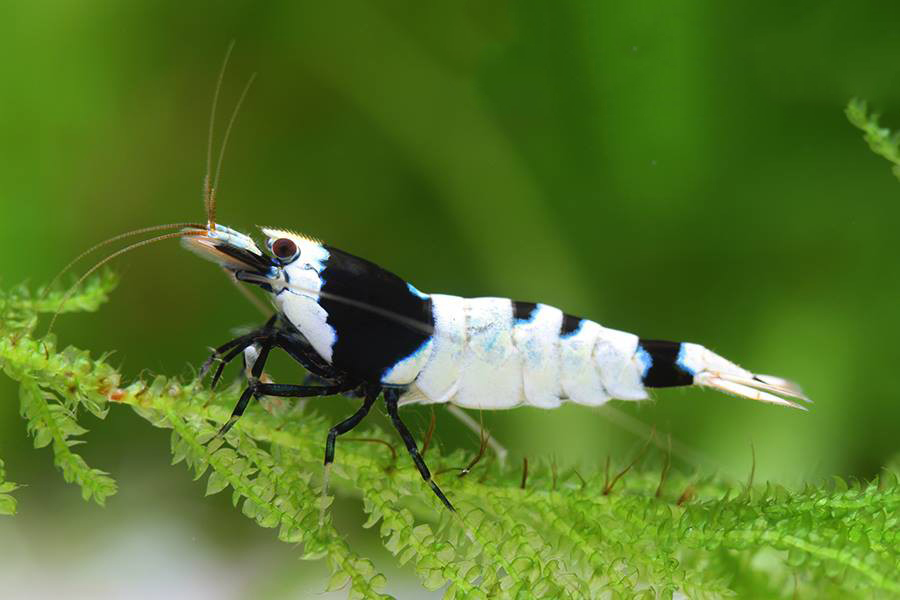
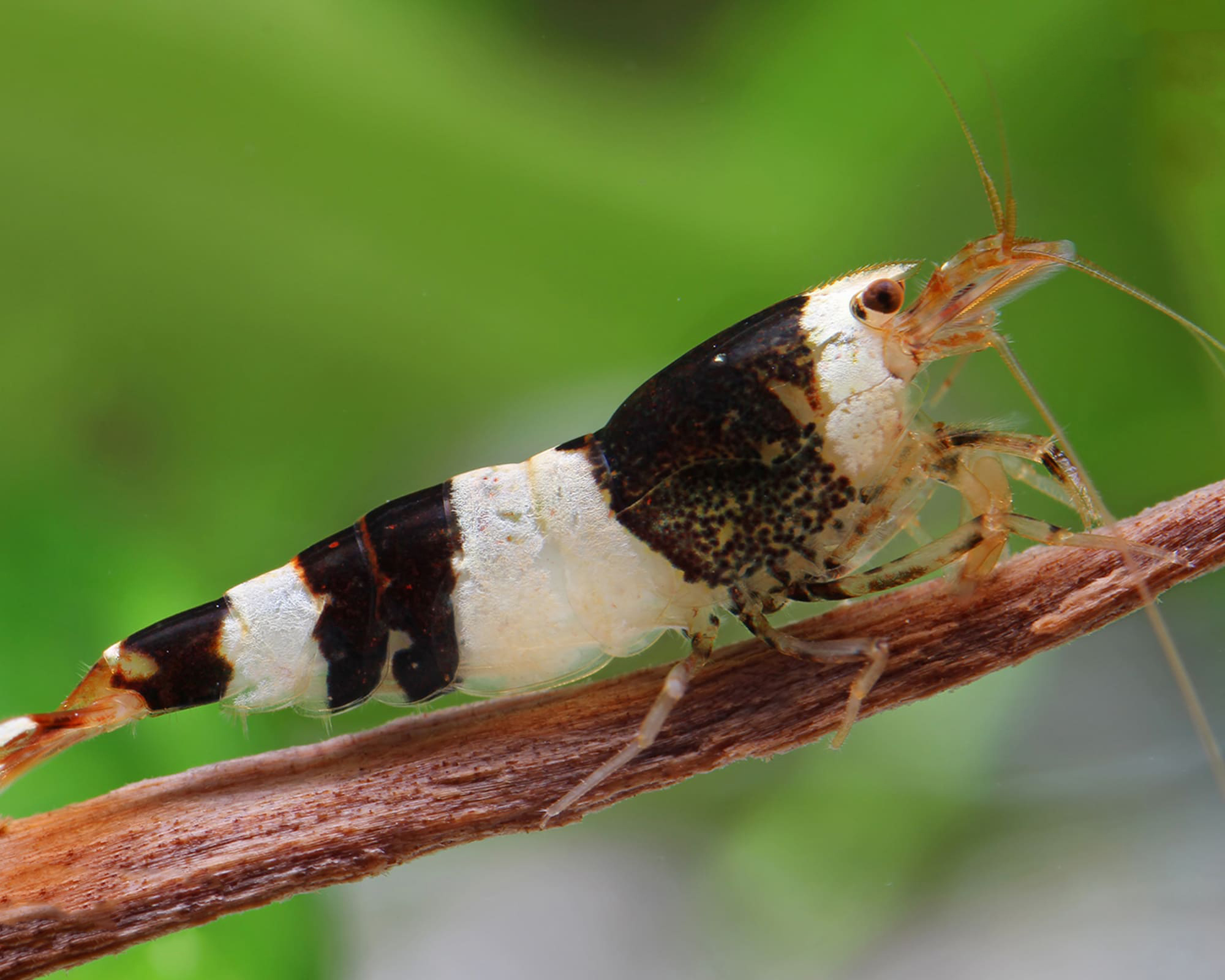
    Black Shadow Mosura is a selectively bred freshwater Caridina-type shrimp recognized by strong black-and-white patterning. The supplied label identifies it only as Caridina spec., so its exact species and line history cannot be confirmed from the available information. It is generally suited to mature, stable aquaria with soft, slightly acidic water, low mineral content, gentle filtration, and abundant biofilm. This is a specialist shrimp rather than a robust community species, and careful acclimation is important.
  • Sulawesi Yellow Ring Shrimp (Caridina spinata)

    Sulawesi Yellow Ring Shrimp (Caridina spinata)

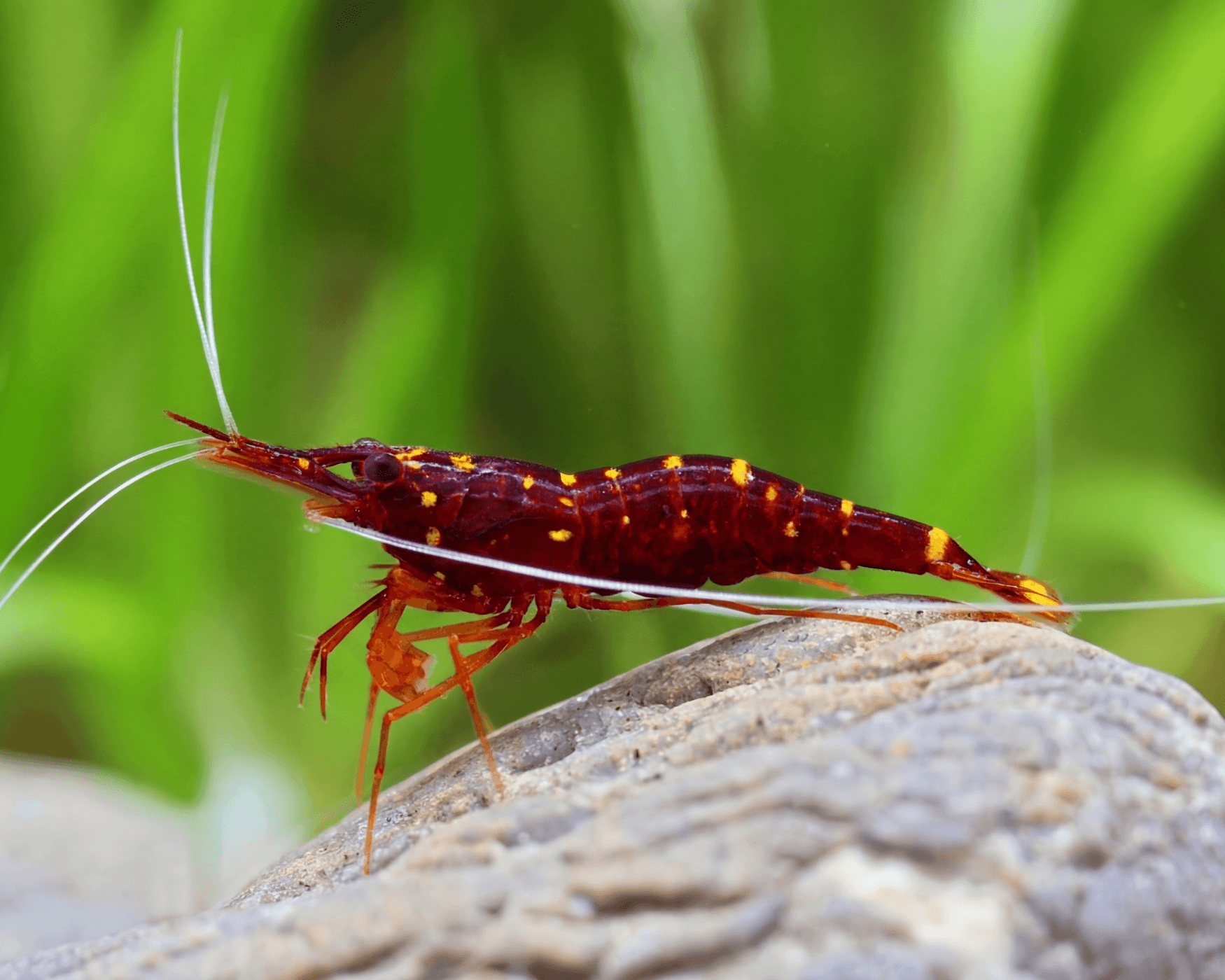
    Caridina spinata is a Sulawesi freshwater shrimp known in the aquarium trade as the Yellow Ring Shrimp. It is associated with warm, alkaline, mineral-rich water and requires a mature, stable aquarium rather than soft, acidic conditions used for many other Caridina. The supplied source identifies this shrimp as C. spinata, although the accompanying images show a red-bodied, yellow-banded animal and cannot independently confirm species identity. Careful acclimation and consistent maintenance are central to long-term success.
  • Black Bee Shrimp (Caridina logemanni)

    Black Bee Shrimp (Caridina logemanni)

    The Black Bee shrimp is a popular dwarf shrimp variety, scientifically recognized as Caridina logemanni. Prized for its striking high-contrast banding, this species is a staple in the hobby for advanced keepers. Originating from freshwater habitats in southern China, these shrimp require stable, specialized water conditions to thrive and successfully reproduce within a dedicated aquarium setup.
  • Sulawesi Three Spot Red Bee Shrimp

    Sulawesi Three Spot Red Bee Shrimp

    The Sulawesi Three Spot Red Bee Shrimp is a striking crustacean originating from the ancient lake systems of Sulawesi, Indonesia. Known for its intense coloration and unique spot pattern, this shrimp requires specialized care conditions typical of the Sulawesi region. Due to their specific environmental needs, they are recommended only for experienced hobbyists capable of maintaining stable, high-quality water parameters.
  • Sulawesi Starry Night Shrimp (Caridina spec.)

    Sulawesi Starry Night Shrimp (Caridina spec.)

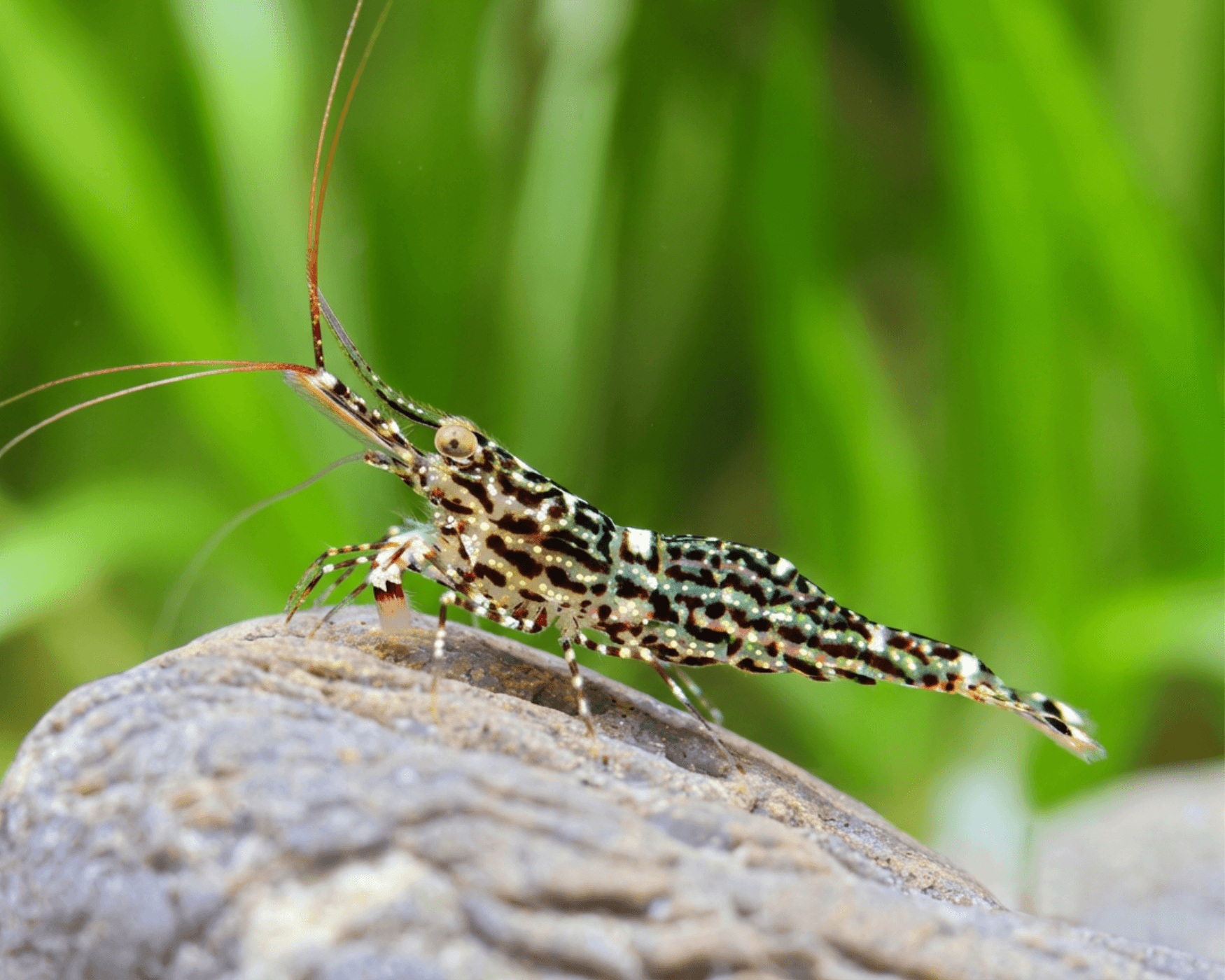
    The Sulawesi Starry Night shrimp is a visually striking freshwater crustacean native to the ancient lake systems of Sulawesi, Indonesia. Known for its distinct dark coloration and light spots, this species requires specialized care. Due to the complex nature of its endemic habitat, it is considered a challenging species suitable only for experienced aquarium keepers.
  • Sulawesi Red Orchid Shrimp (Caridina glaubrechti)

    Sulawesi Red Orchid Shrimp (Caridina glaubrechti)

    The Sulawesi Red Orchid shrimp, scientifically known as Caridina glaubrechti, is a visually striking freshwater crustacean native to the ancient Lake Towuti in Indonesia. Renowned for its intense red coloration and intricate white markings, this species is highly sought after by advanced hobbyists. Due to their specific environmental requirements, they are considered a challenging species to maintain successfully in captivity.
  • Sulawesi Mantano Tiger Shrimp

    Sulawesi Mantano Tiger Shrimp

    The Sulawesi Mantano Tiger shrimp, scientifically identified as Caridina holthuisi, is a specialized freshwater crustacean endemic to Lake Mantano in Indonesia. Known for its striking striped patterns and complex environmental requirements, this species is highly sought after by experienced hobbyists. Success with these delicate shrimp relies heavily on replicating their unique, mineral-rich, and warm alkaline lake habitat conditions.