AquaLibs presents AquaRank Discover the world’s leading aquascapers

Explore transparent rankings built from published results across the world’s leading aquascaping contests.

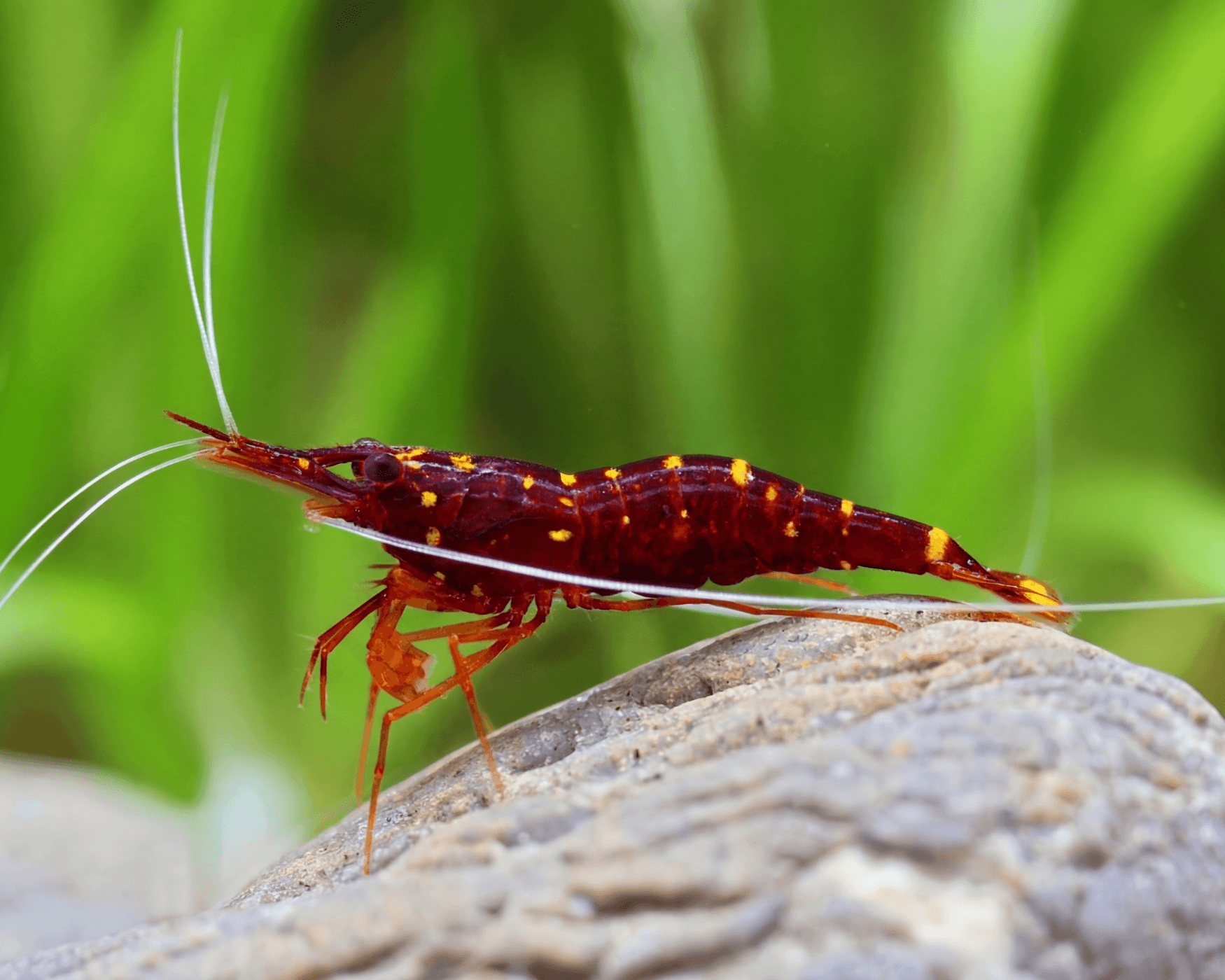
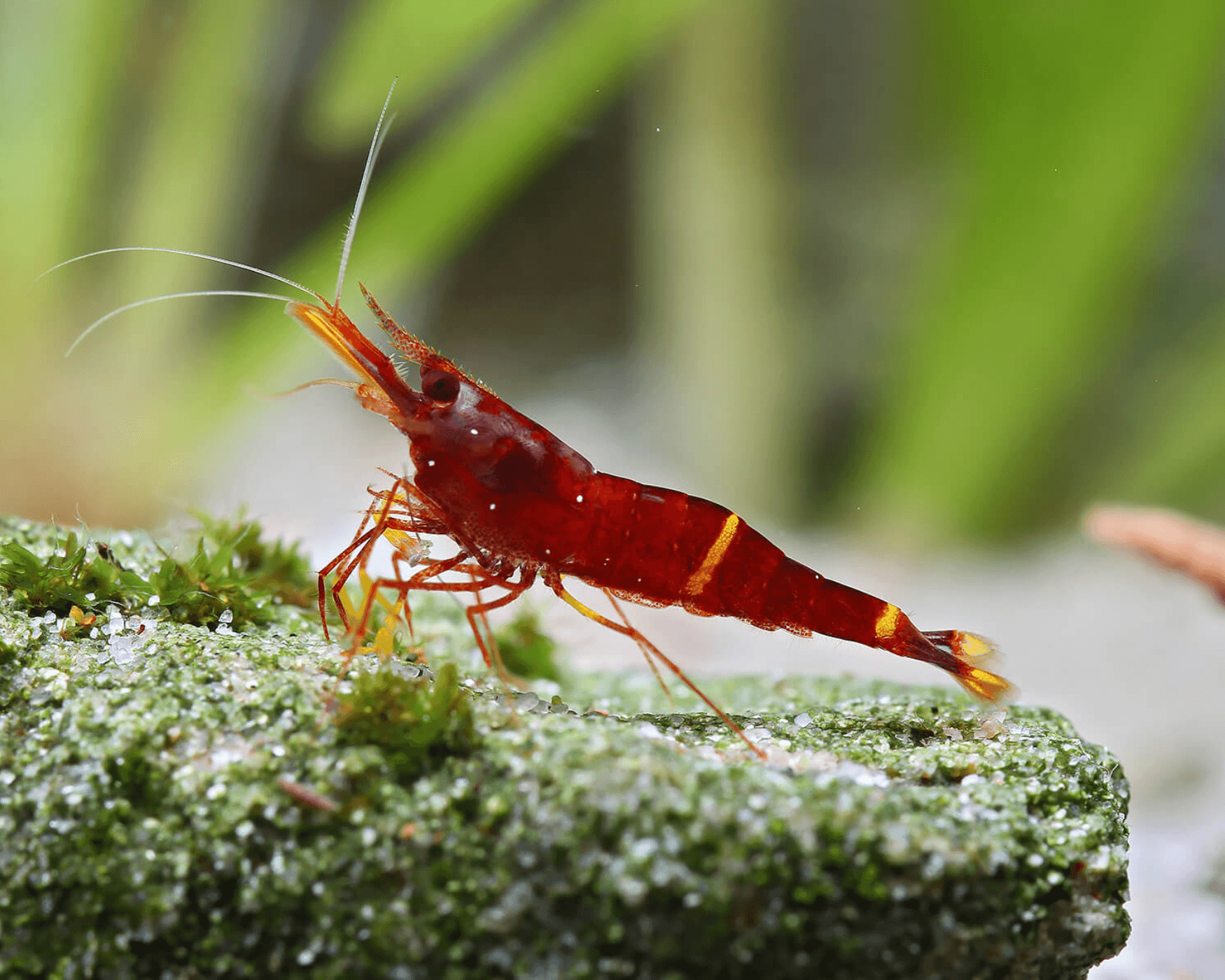
Sulawesi Yellow Ring Shrimp (Caridina spinata)

Taxonomy and identification

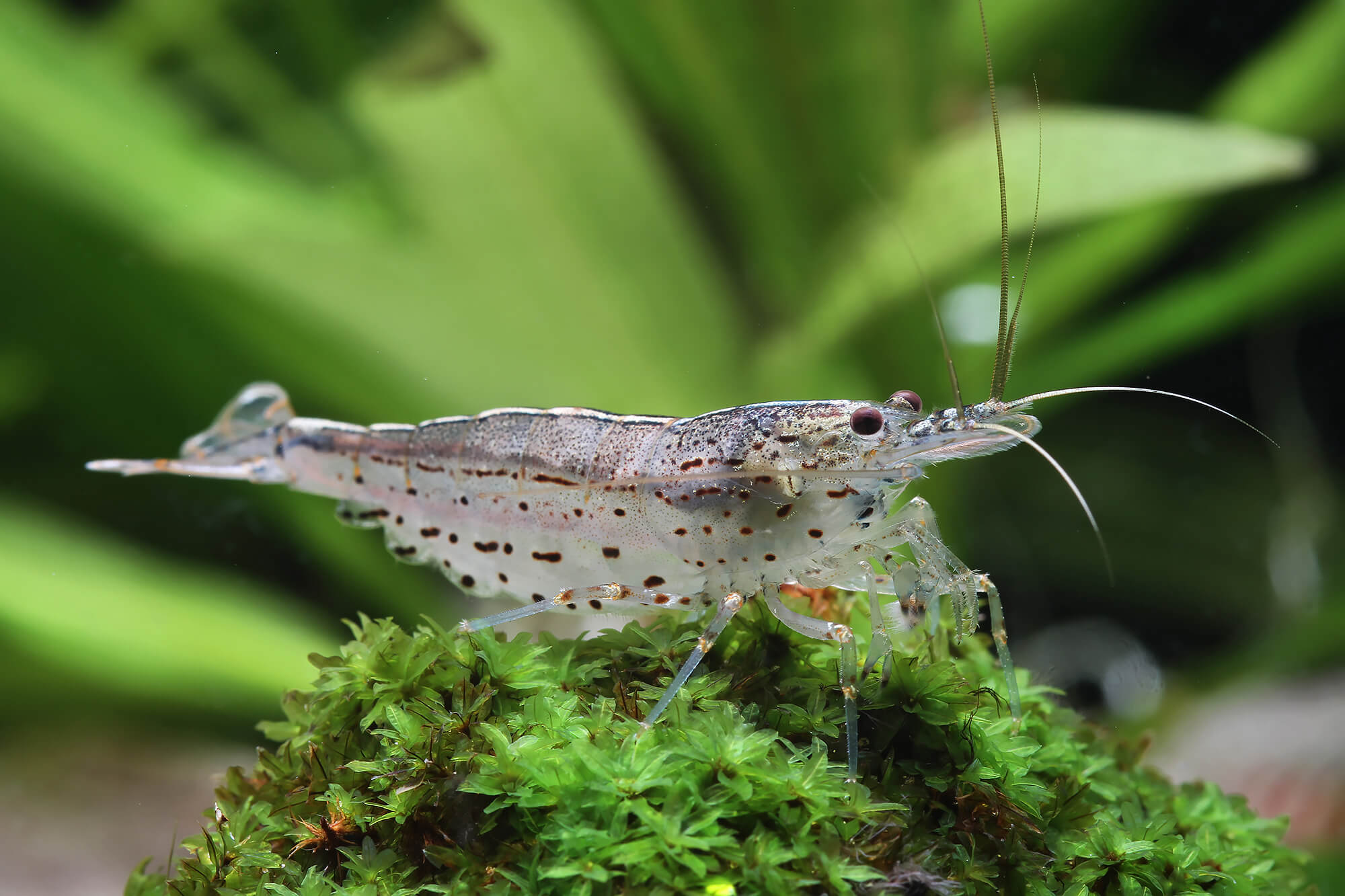
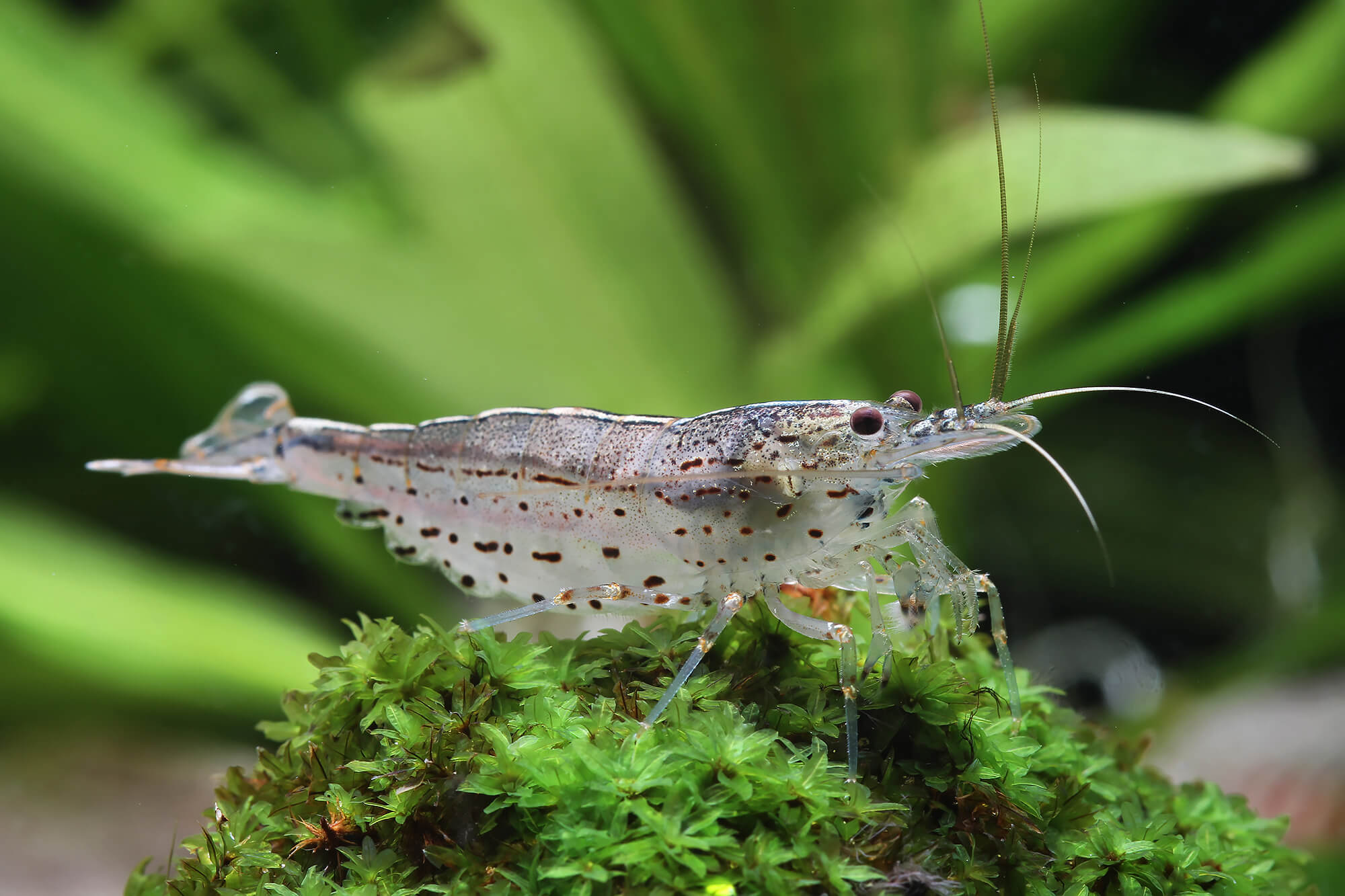
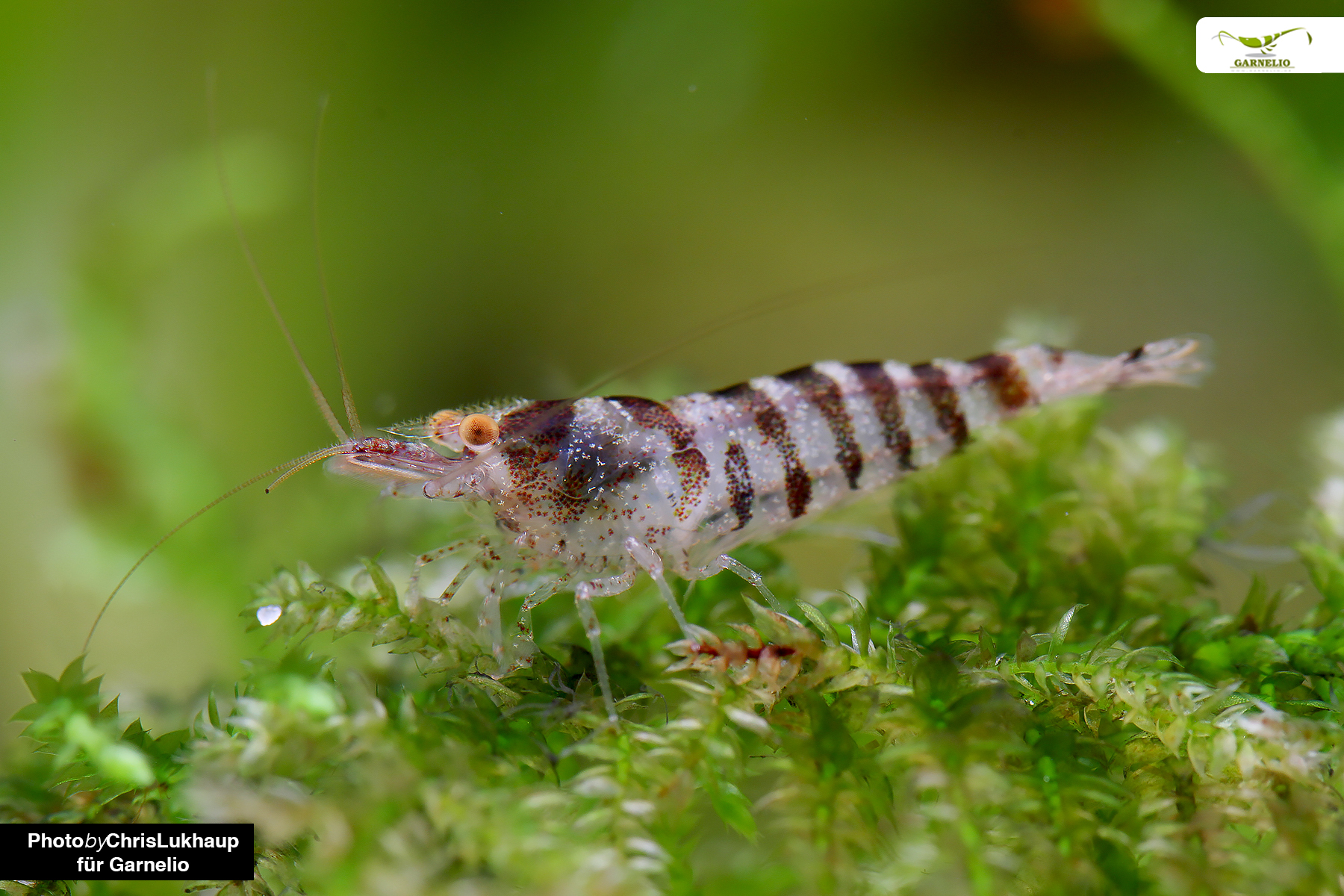
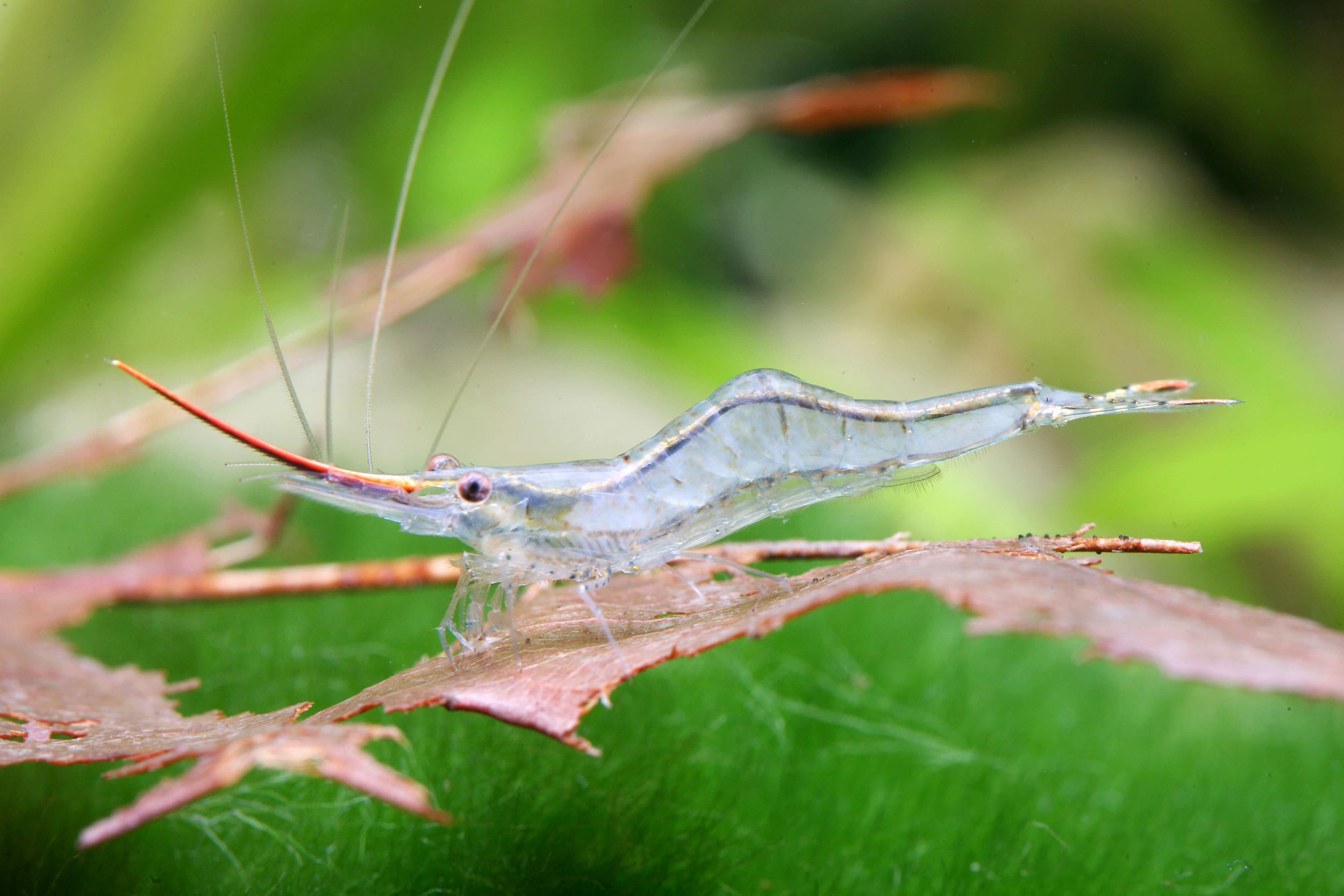
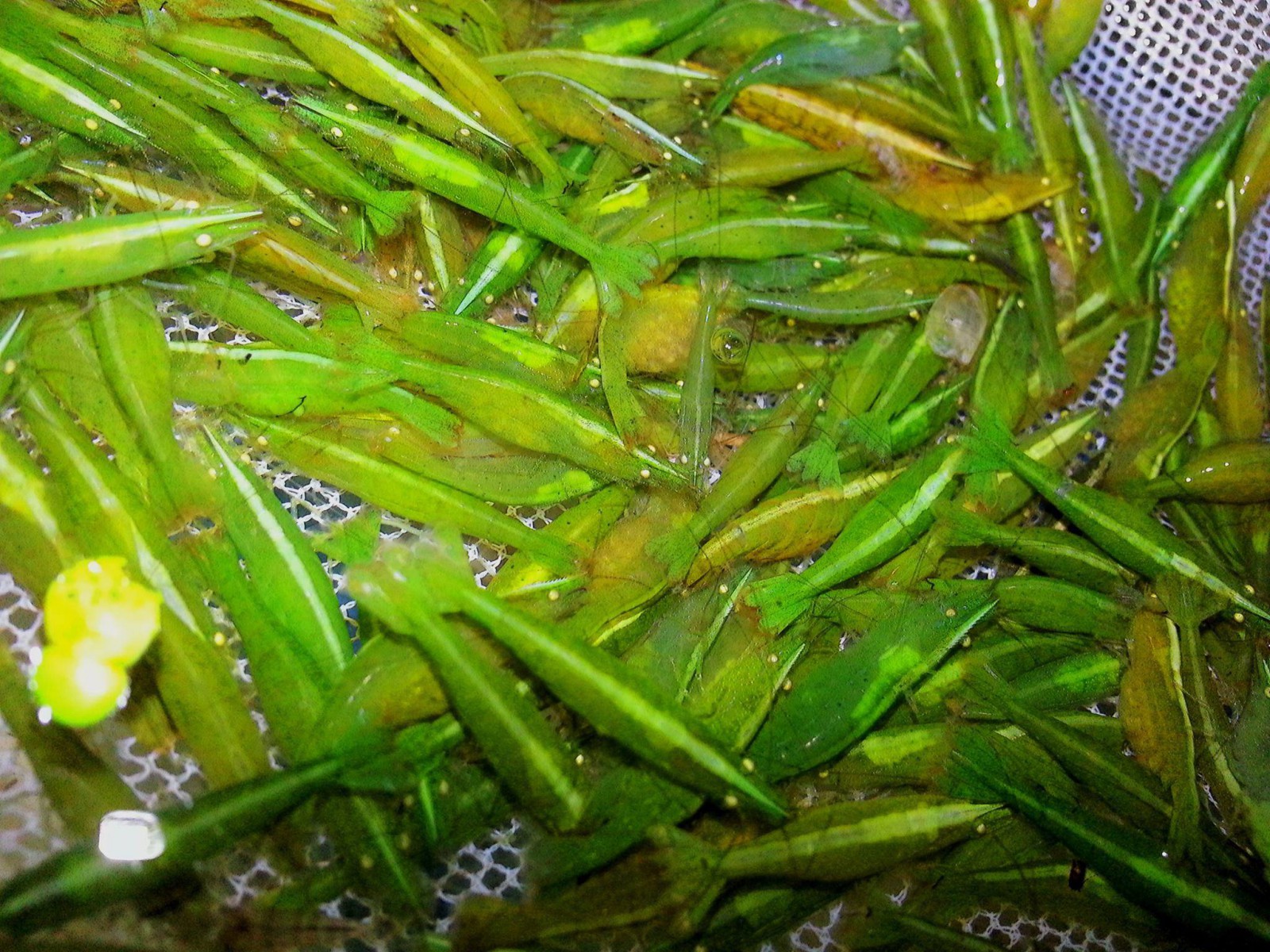
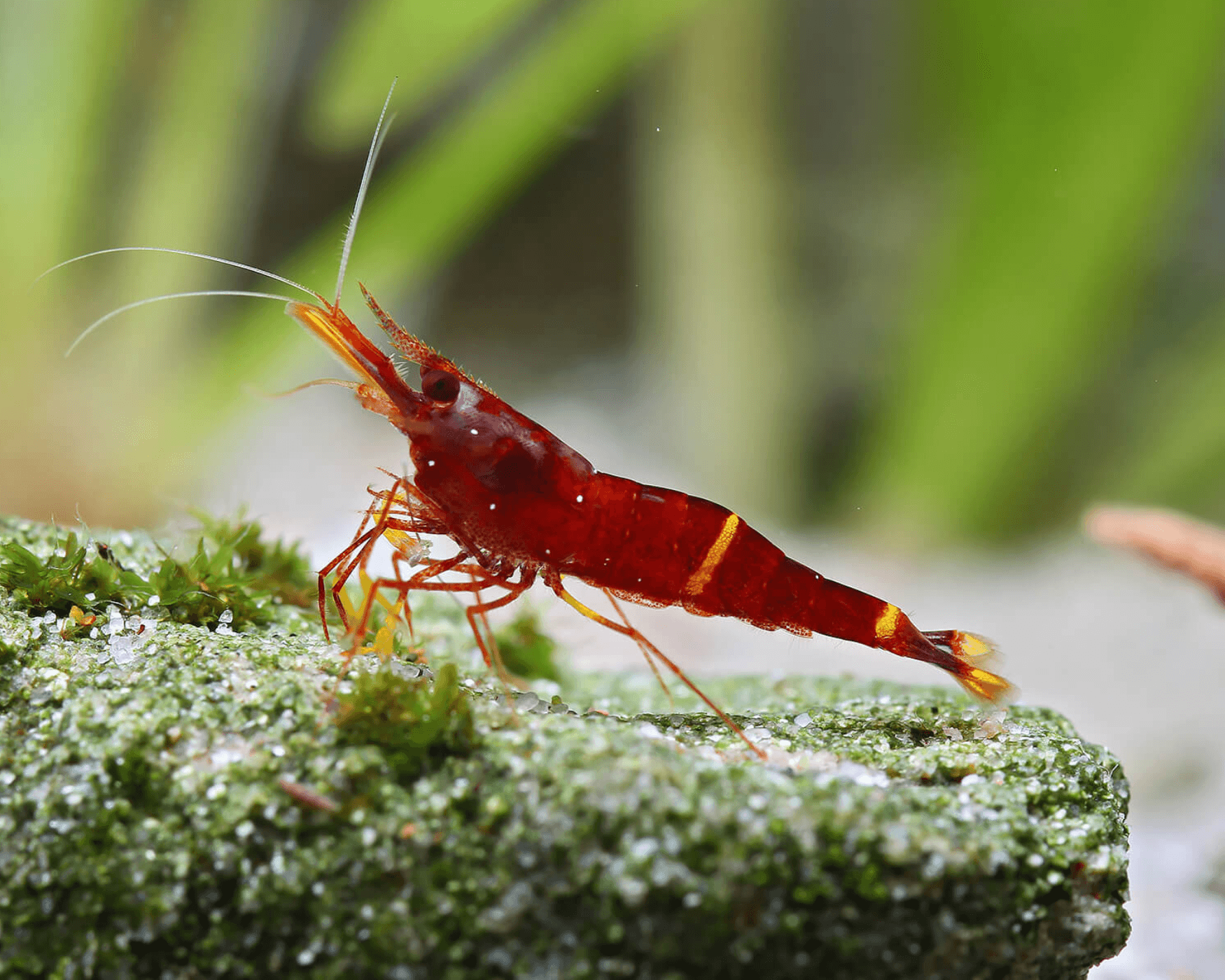
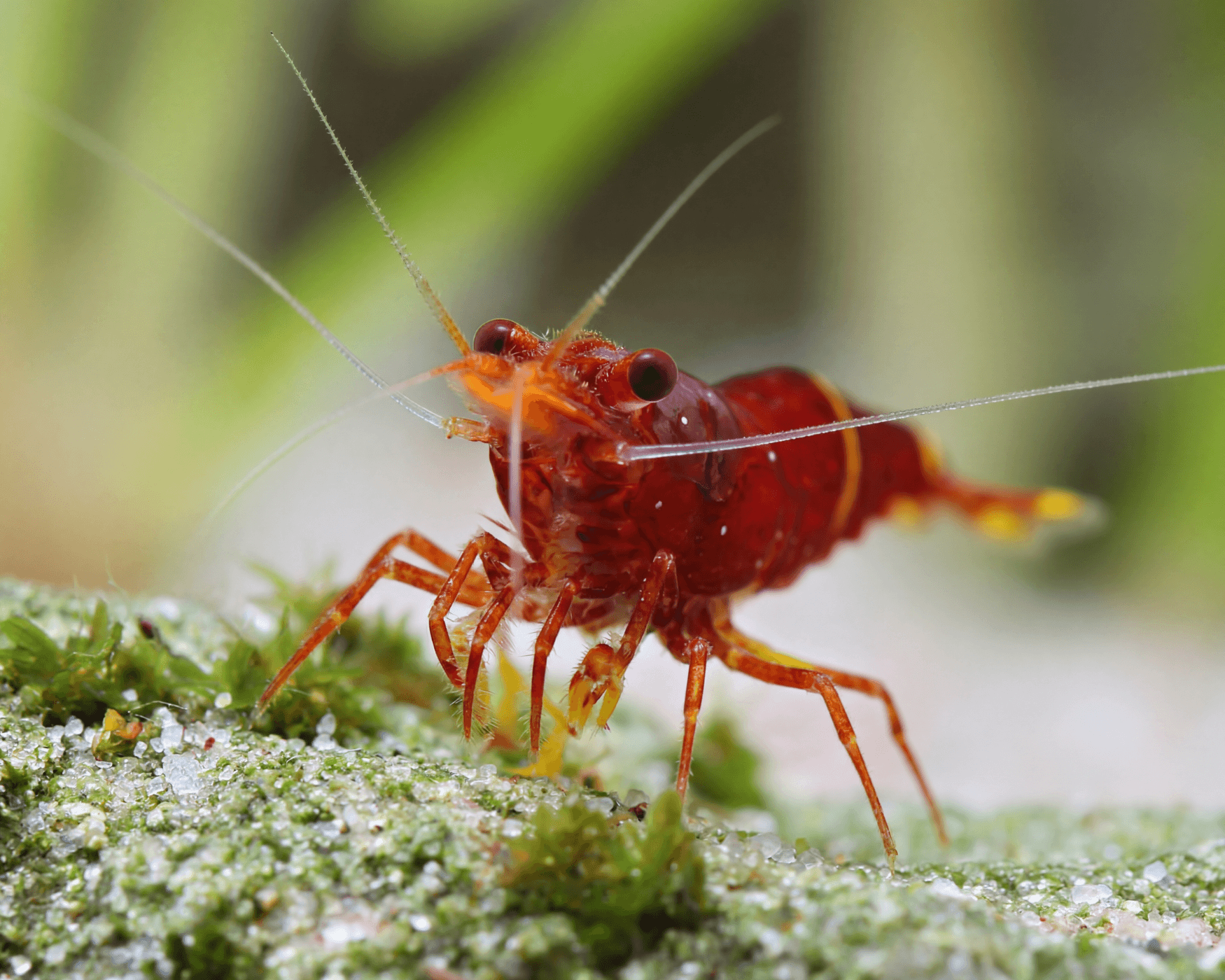
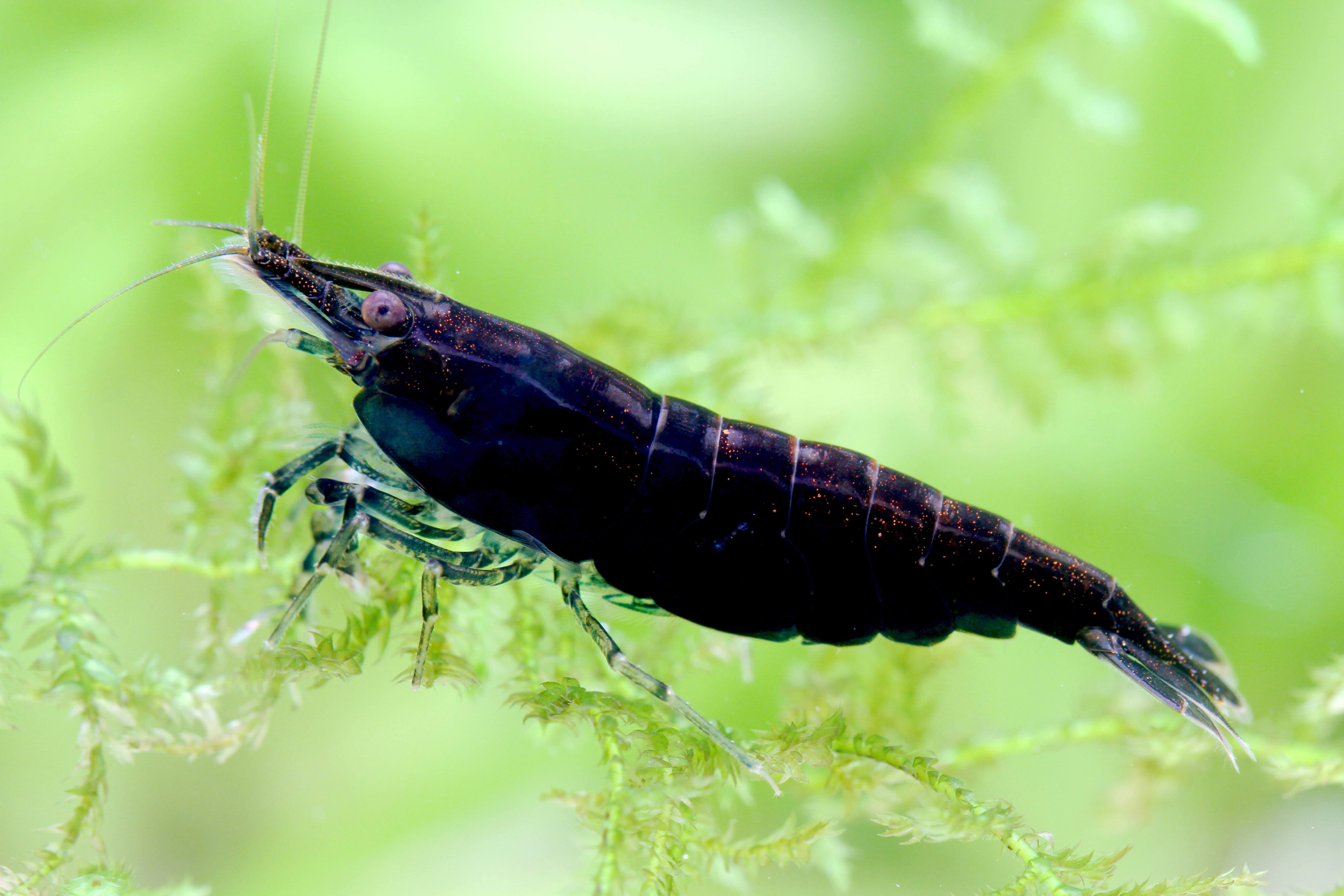
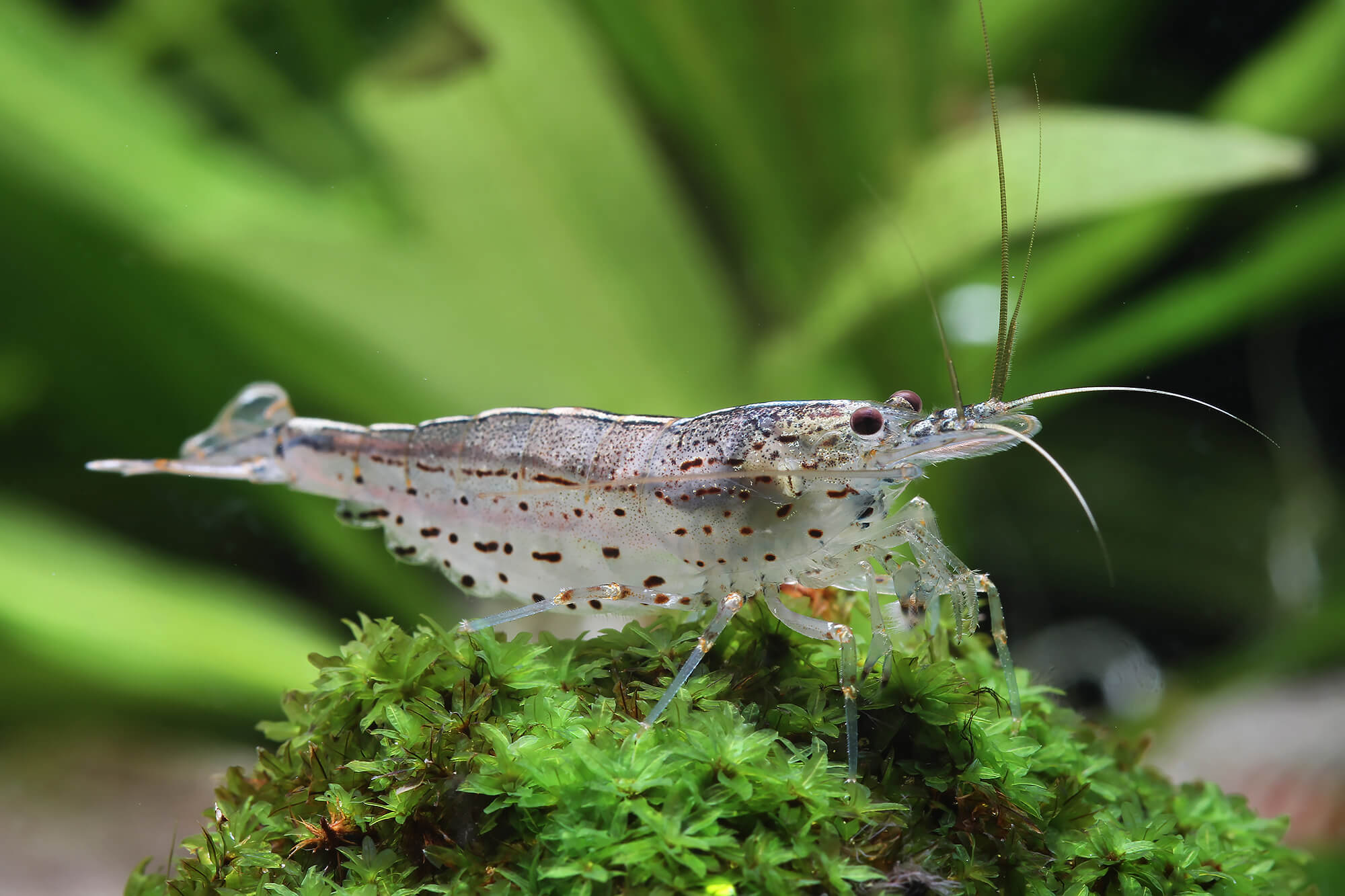
The supplied name places this shrimp in the genus Caridina and species Caridina spinata. It is commonly called the Sulawesi Yellow Ring Shrimp. The reported appearance is a strongly colored body with contrasting yellow rings or bands. Common names can be applied inconsistently in the aquarium trade, and the supplied images alone are not sufficient for definitive identification; specimens should be verified against specialist taxonomic references when accuracy is important.
Taxonomy and identification

Natural habitat

Caridina spinata is associated with the freshwater habitats of Sulawesi, Indonesia, a region known for warm water, alkaline conditions and substantial mineral content. Sulawesi shrimp inhabit rocky or sheltered areas where biofilm and aufwuchs develop. An aquarium should provide mature biological surfaces, gentle circulation, hiding places and excellent oxygenation while avoiding sudden changes in temperature or water chemistry.
Natural habitat

Aquarium and water parameters

Use a fully cycled aquarium with stable warm water, efficient filtration and a covered top to reduce escape risk. A practical target is 27–30 °C and pH 7.8–8.5. Maintain moderate-to-high general hardness and carbonate buffering appropriate for Sulawesi shrimp; exact hardness targets vary among keepers and products. Ammonia and nitrite must remain undetectable, nitrate should be kept low, and water changes should closely match the aquarium in temperature and chemistry. Avoid copper-based medications and abrupt adjustments.

Feeding

The shrimp graze on biofilm, microorganisms and algae growing on hard surfaces. Supplement this natural grazing with small portions of a quality shrimp food containing plant matter and appropriate protein. Blanched vegetables or specialized mineral and grazing foods may be offered occasionally. Feed sparingly, remove uneaten food and avoid allowing decomposing food to reduce oxygen or water quality. A mature aquarium is particularly valuable because it supplies continuous low-level grazing.

Tank mates

The safest tank mates are other compatible Sulawesi shrimp of the same species or carefully selected peaceful, non-predatory invertebrates. A species-only aquarium gives the best chance of observing natural behavior and raising young. Avoid fish, crayfish, large snails and boisterous invertebrates that may eat, injure or outcompete the shrimp. Do not mix closely related Caridina forms if maintaining a controlled breeding line is important, because trade identifications and hybridization risks may be uncertain.

Molting and health

Shrimp periodically shed their exoskeleton to grow. They are vulnerable immediately afterward, so provide dense cover such as rock crevices, plants or shrimp shelters and avoid handling them. A complete mineral supply, stable hardness and a varied diet support normal exoskeleton formation. Do not remove a shed exoskeleton unless it fails to decompose or contributes to a water-quality problem. Sudden losses are often associated with unstable parameters, poor acclimation, overheating, low oxygen or contaminants.

Breeding

Breeding requires a mature, stable species aquarium with suitable warmth, mineral availability, biofilm and minimal disturbance. After mating, the female carries eggs beneath the abdomen and fans them with her pleopods until they hatch. Young shrimp need fine grazing surfaces and protection from filtration intakes; use a prefilter sponge or similarly safe intake guard. Keep maintenance gentle around berried females, avoid large chemistry changes and provide only small, clean feedings. Precise reproductive details and population performance can vary among lineages, so the trade name should not be treated as a substitute for verified species identification.
Shrimp info

  • Size: 2–3 cm
  • Temperature : 27–30 °C
  • pH: 7.8–8.5
Leave your comments
Latest on Shrimps
  • Black Bee Shrimp (Caridina logemanni)

    Black Bee Shrimp (Caridina logemanni)

    The Black Bee shrimp is a popular dwarf shrimp variety, scientifically recognized as Caridina logemanni. Prized for its striking high-contrast banding, this species is a staple in the hobby for advanced keepers. Originating from freshwater habitats in southern China, these shrimp require stable, specialized water conditions to thrive and successfully reproduce within a dedicated aquarium setup.
  • Sulawesi Three Spot Red Bee Shrimp

    Sulawesi Three Spot Red Bee Shrimp

    The Sulawesi Three Spot Red Bee Shrimp is a striking crustacean originating from the ancient lake systems of Sulawesi, Indonesia. Known for its intense coloration and unique spot pattern, this shrimp requires specialized care conditions typical of the Sulawesi region. Due to their specific environmental needs, they are recommended only for experienced hobbyists capable of maintaining stable, high-quality water parameters.
  • Sulawesi Starry Night Shrimp (Caridina spec.)

    Sulawesi Starry Night Shrimp (Caridina spec.)

    The Sulawesi Starry Night shrimp is a visually striking freshwater crustacean native to the ancient lake systems of Sulawesi, Indonesia. Known for its distinct dark coloration and light spots, this species requires specialized care. Due to the complex nature of its endemic habitat, it is considered a challenging species suitable only for experienced aquarium keepers.
  • Sulawesi Red Orchid Shrimp (Caridina glaubrechti)

    Sulawesi Red Orchid Shrimp (Caridina glaubrechti)

    The Sulawesi Red Orchid shrimp, scientifically known as Caridina glaubrechti, is a visually striking freshwater crustacean native to the ancient Lake Towuti in Indonesia. Renowned for its intense red coloration and intricate white markings, this species is highly sought after by advanced hobbyists. Due to their specific environmental requirements, they are considered a challenging species to maintain successfully in captivity.
  • Sulawesi Mantano Tiger Shrimp

    Sulawesi Mantano Tiger Shrimp

    The Sulawesi Mantano Tiger shrimp, scientifically identified as Caridina holthuisi, is a specialized freshwater crustacean endemic to Lake Mantano in Indonesia. Known for its striking striped patterns and complex environmental requirements, this species is highly sought after by experienced hobbyists. Success with these delicate shrimp relies heavily on replicating their unique, mineral-rich, and warm alkaline lake habitat conditions.
  • Caridina striata: The Sulawesi Mantano Red Line Shrimp

    Caridina striata: The Sulawesi Mantano Red Line Shrimp

    The Caridina striata, commonly known as the Sulawesi Mantano red line shrimp, is a striking freshwater crustacean native to the ancient Lake Matano in Indonesia. Renowned for its vivid red body adorned with distinct horizontal white stripes, this species requires specialized care. It is a highly sought-after invertebrate for advanced hobbyists interested in the unique conditions of Sulawesi lake ecosystems.
  • Sulawesi Cardinal Shrimp (Caridina dennerli)

    Sulawesi Cardinal Shrimp (Caridina dennerli)

    The Cardinal Shrimp, scientifically known as Caridina dennerli, is a striking freshwater crustacean native to the ancient Lake Matano in Sulawesi, Indonesia. Renowned for its deep red coloration and distinct white spots, this species requires specialized care due to its preference for very specific, stable water parameters found in its unique natural habitat within the Malili lake system.
  • Sulawesi Malili Red Shrimp

    Sulawesi Malili Red Shrimp

    The Sulawesi Malili red shrimp, often associated with Lake Towuti, is a striking freshwater crustacean prized for its vivid red and white striped pattern. These shrimp are native to the unique, ancient lake systems of Sulawesi, Indonesia. Due to their specific environmental requirements, they are considered a challenging species suitable only for experienced aquarium keepers.
  • Sulawesi Blue Dot Red Line Shrimp

    Sulawesi Blue Dot Red Line Shrimp

    The Sulawesi Blue Dot Red Line shrimp is a visually striking freshwater crustacean originating from the ancient lake systems of Sulawesi, Indonesia. Known for its distinct spotted pattern and vibrant coloration, this shrimp requires specialized care and stable water conditions. Due to its delicate nature, it is recommended only for experienced hobbyists capable of maintaining precise environmental requirements.
  • Sulawesi Blossom Red Shrimp (Caridina sp.)

    Sulawesi Blossom Red Shrimp (Caridina sp.)

    The Sulawesi Blossom Red shrimp is a striking, specialized freshwater crustacean native to the ancient Lake Towuti system in Indonesia. Renowned for its deep red coloration and distinct patterns, this shrimp thrives in unique, stable, and warm alkaline waters. Due to their specific environmental requirements, they are considered a challenging species for experienced aquarium keepers only.
  • Neocaridina Shrimp Care Guide

    Neocaridina Shrimp Care Guide

    Neocaridina shrimp are popular freshwater invertebrates known for their hardiness and vibrant colors. Originally from Taiwan and parts of China, these adaptable crustaceans thrive in well-maintained planted aquariums. They are ideal for beginners due to their undemanding nature regarding water parameters, though they require stable environments to remain healthy, breed successfully, and complete their essential molting process regularly.
  • Caridina woltereckae: The Sulawesi Towuti Beauty

    Caridina woltereckae: The Sulawesi Towuti Beauty

    The Towuti Beauty shrimp, scientifically known as Caridina woltereckae, is a striking freshwater crustacean native to the ancient Lake Towuti in Sulawesi, Indonesia. Renowned for its bold red and white banded pattern, this species is highly sought after by experienced hobbyists. Due to their specific environmental requirements, they are considered a challenging species that demands stable, specialized water conditions to thrive.
  • Neocaridina Shrimp: A Guide to Colorful Freshwater Invertebrates

    Neocaridina Shrimp: A Guide to Colorful Freshwater Invertebrates

    Neocaridina davidi is a highly popular freshwater shrimp species valued for its vibrant color morphs and ease of care. Native to East Asia, these hardy invertebrates are excellent additions to community tanks. They play a vital role in cleaning algae and detritus, making them both beautiful and functional inhabitants for hobbyists of all experience levels.
  • Red Cherry Shrimp (Neocaridina davidi)

    Red Cherry Shrimp (Neocaridina davidi)

    The Red Cherry Shrimp is a popular and hardy freshwater crustacean, ideal for both beginners and experienced aquarists. Known for its vibrant coloration and active foraging behavior, this species thrives in well-planted community tanks. Their peaceful nature and ease of breeding make them a staple in the hobby, provided their basic environmental needs are consistently met.
  • Red Cherry Shrimp Care Guide

    Red Cherry Shrimp Care Guide

    The Red Cherry shrimp is a highly popular freshwater crustacean known for its vibrant coloration and ease of care. Native to various freshwater habitats in Taiwan, these resilient scavengers are ideal for community aquariums. Their active nature and beneficial role in cleaning algae make them a favorite choice for both beginners and experienced aquarists looking to populate a nano tank.
  • Orange Fire Shrimp Care Guide

    Orange Fire Shrimp Care Guide

    The Orange Fire Shrimp is a vibrant, selectively bred color variant of the popular Neocaridina davidi species. Renowned for their striking pumpkin-orange coloration, these hardy freshwater crustaceans are an excellent choice for beginners. They are peaceful scavengers that thrive in planted aquariums, where they contribute to a healthy ecosystem while adding a bright, active focal point to your tank.