Taxonomy and identification
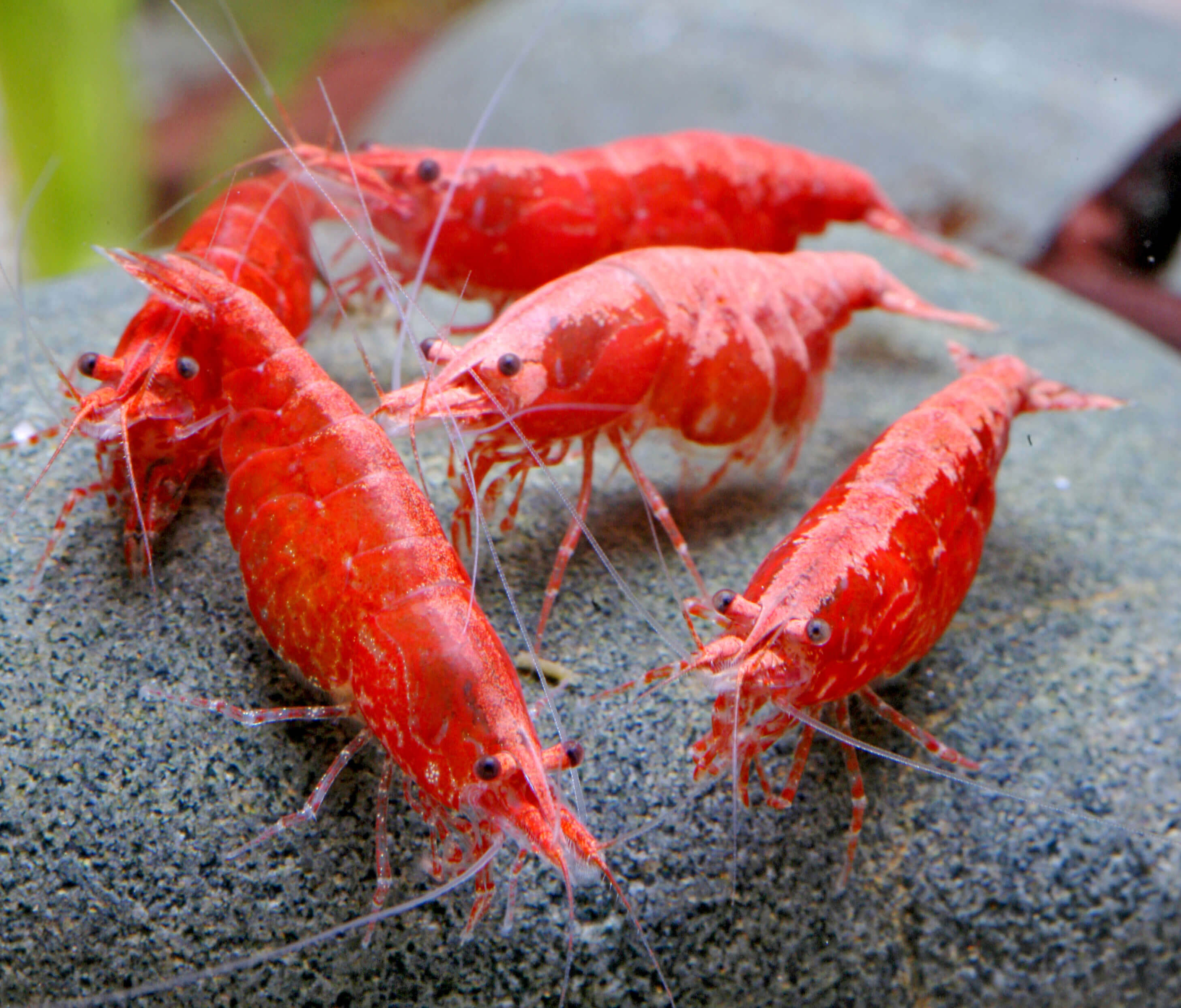
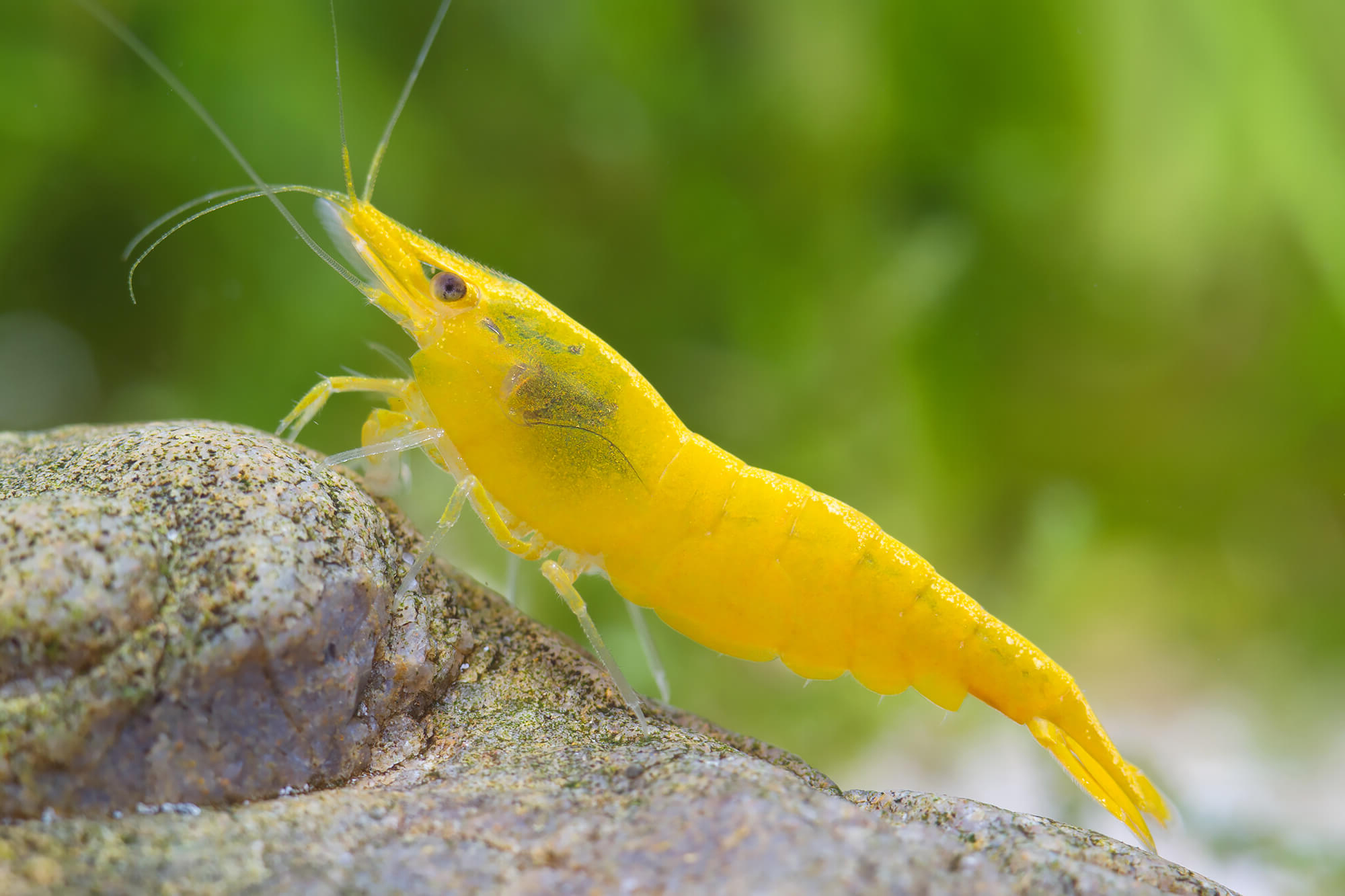
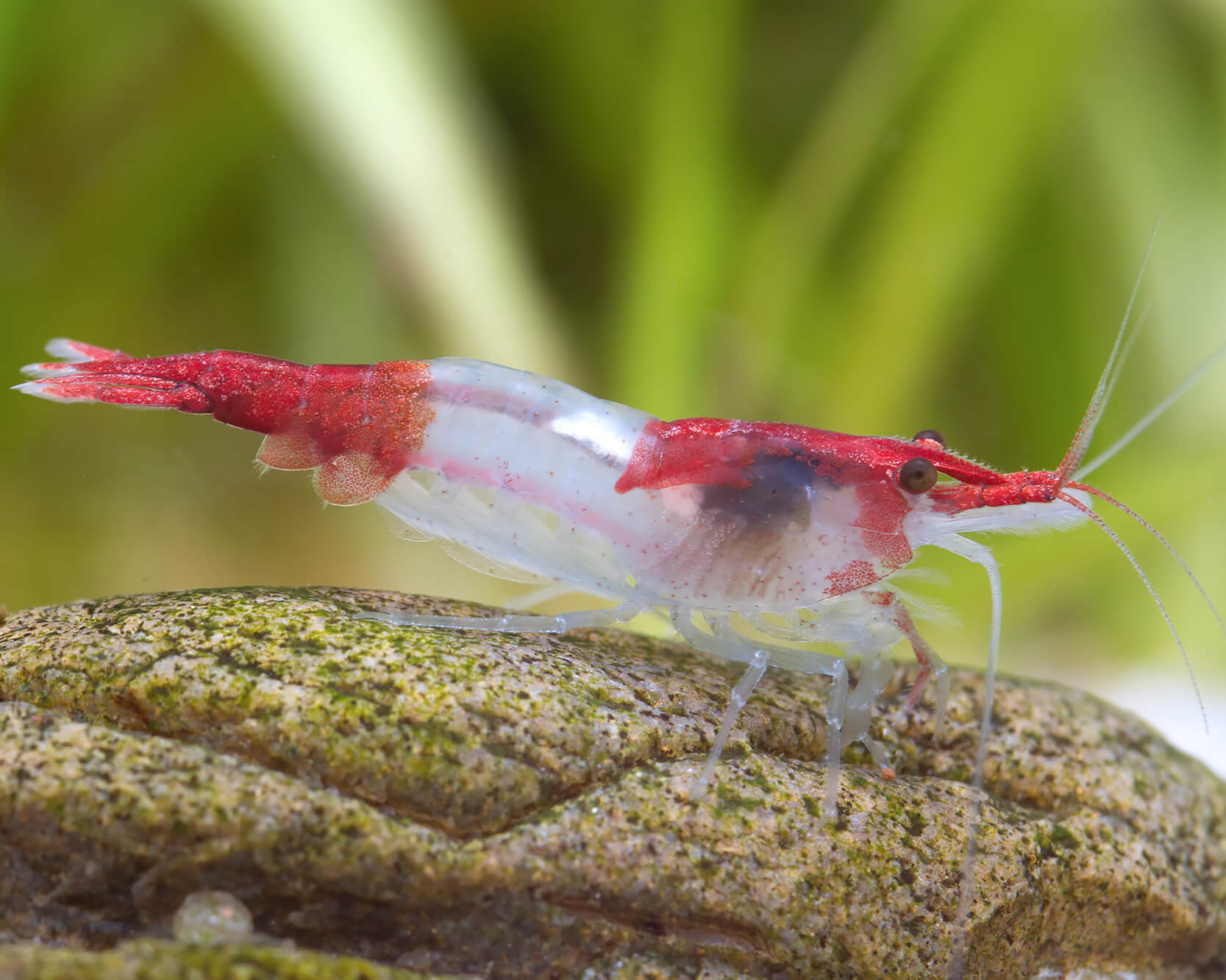
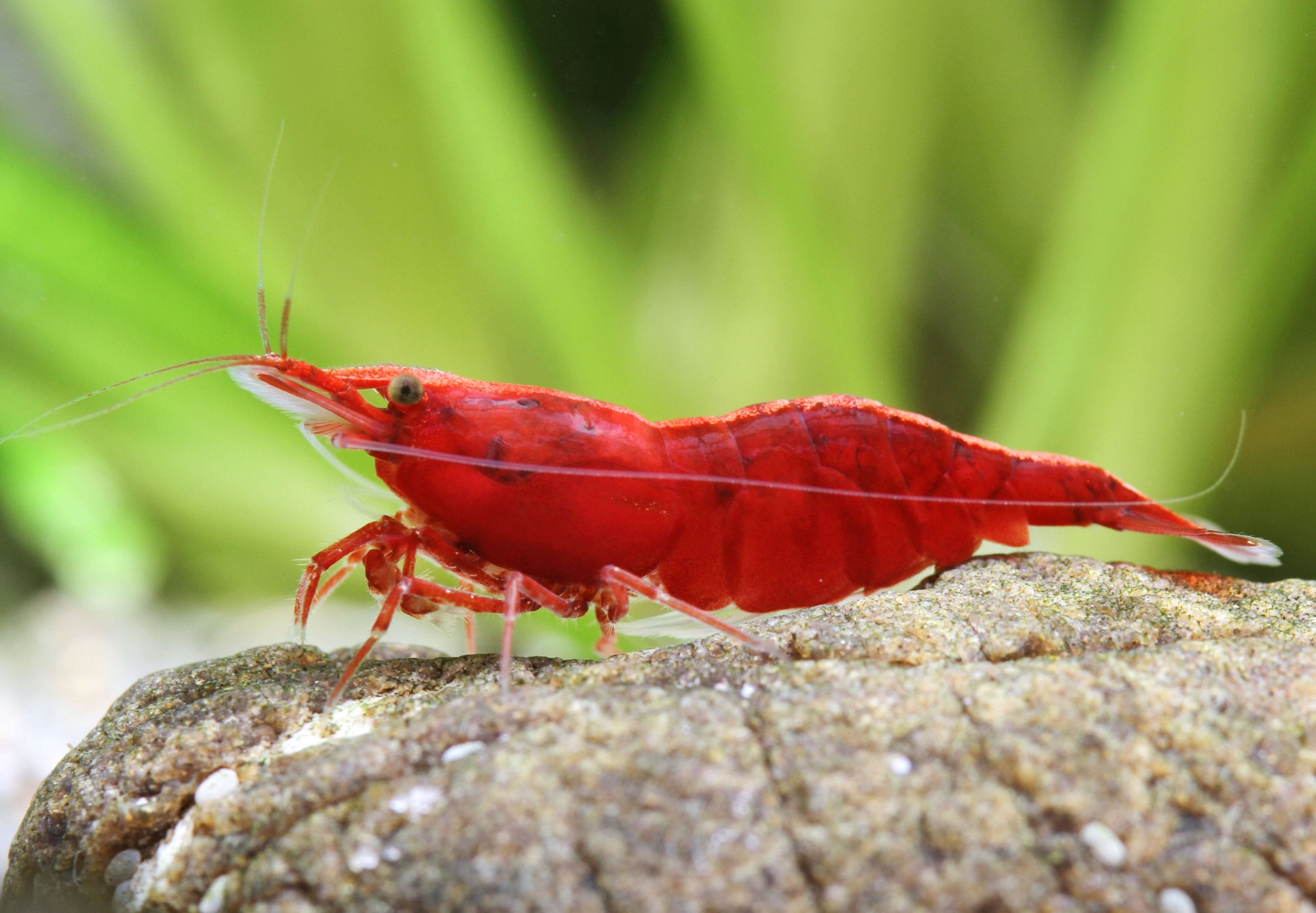
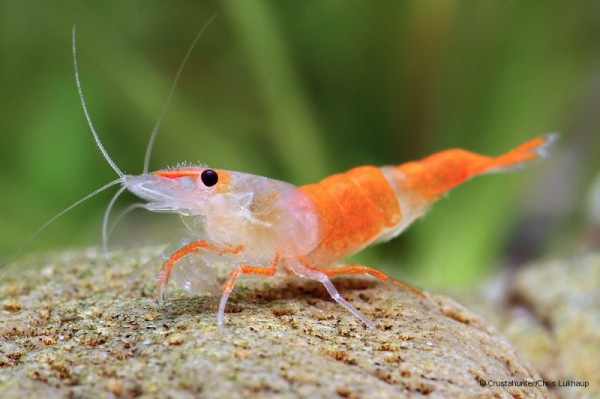
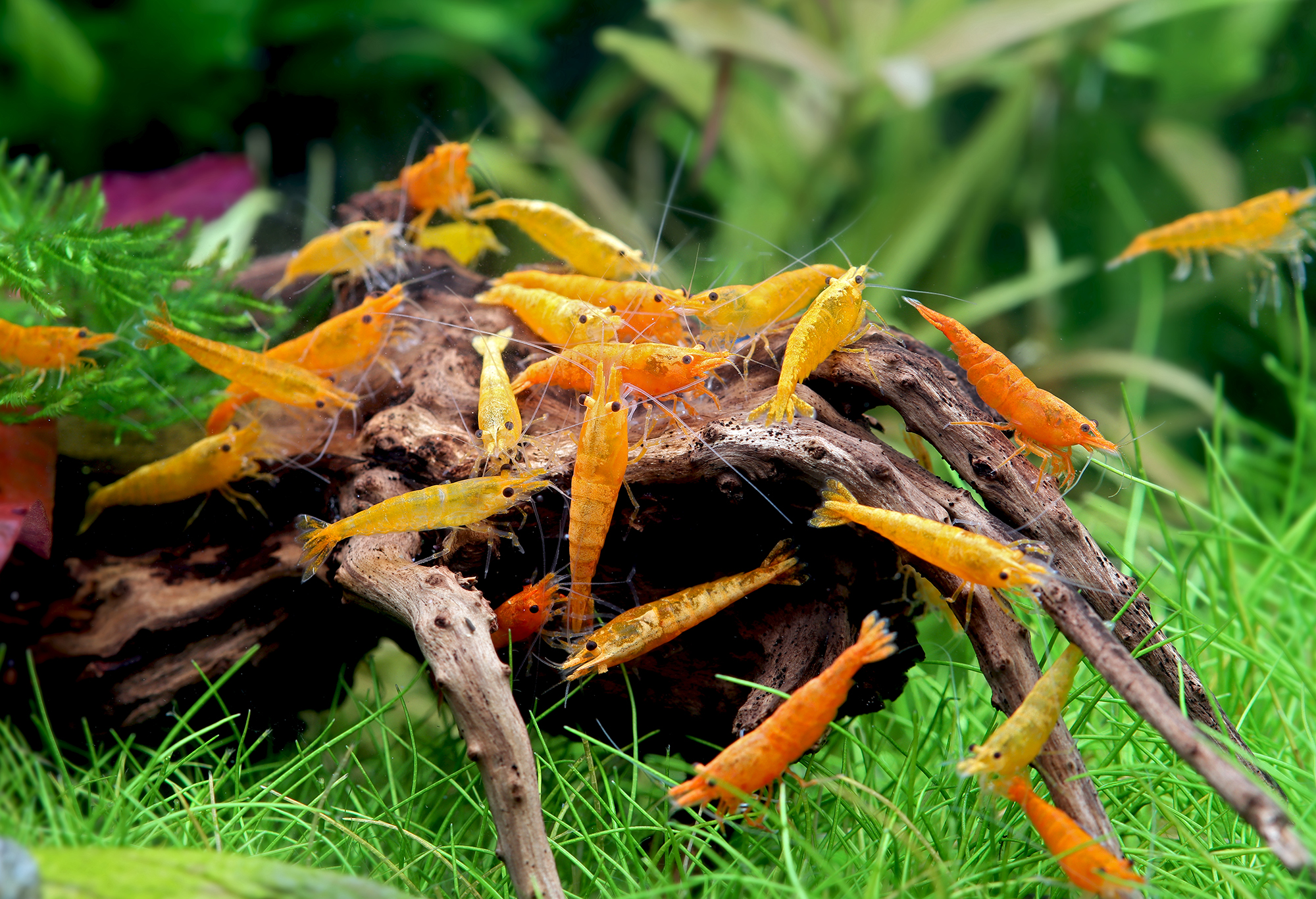
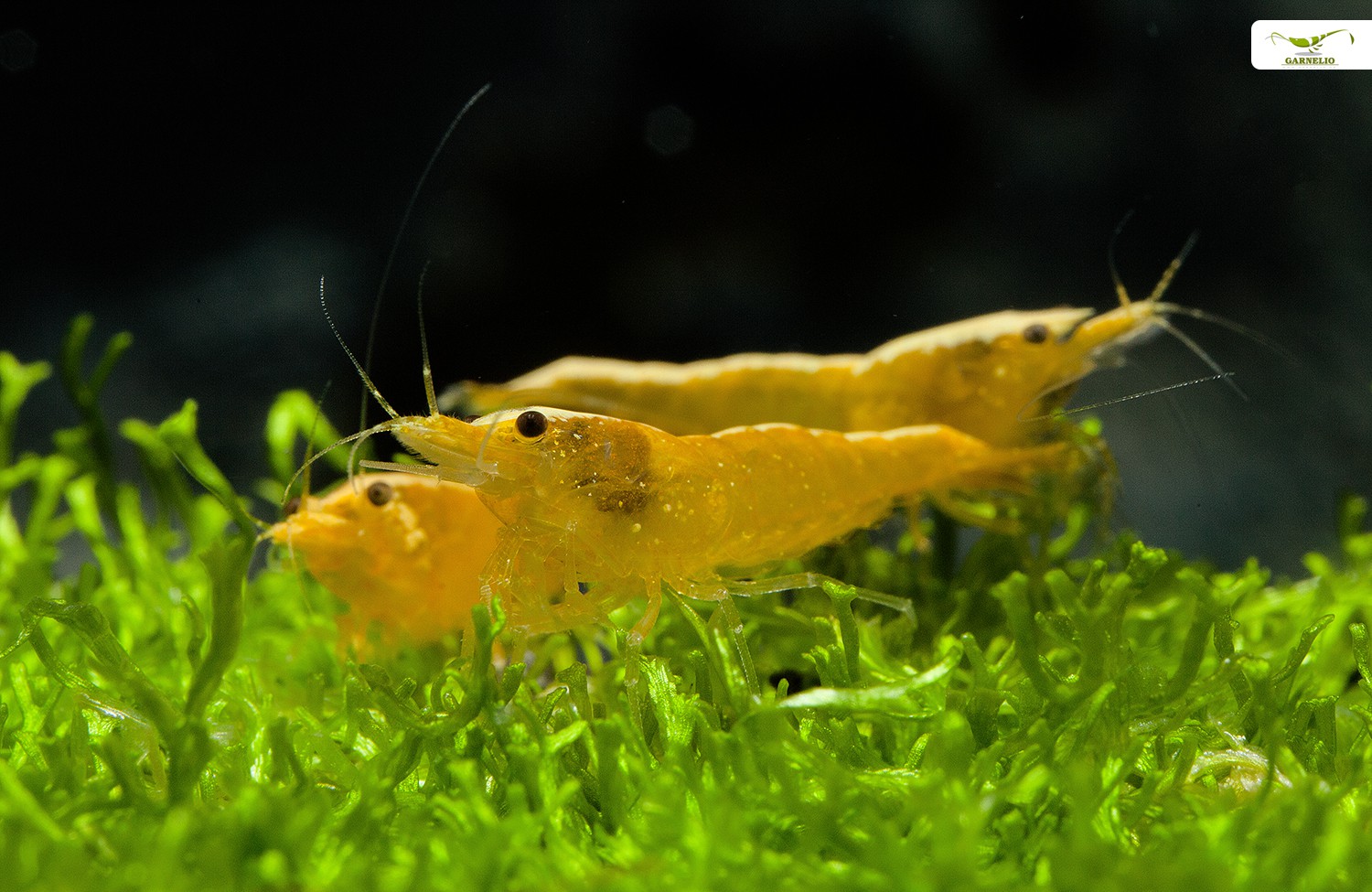
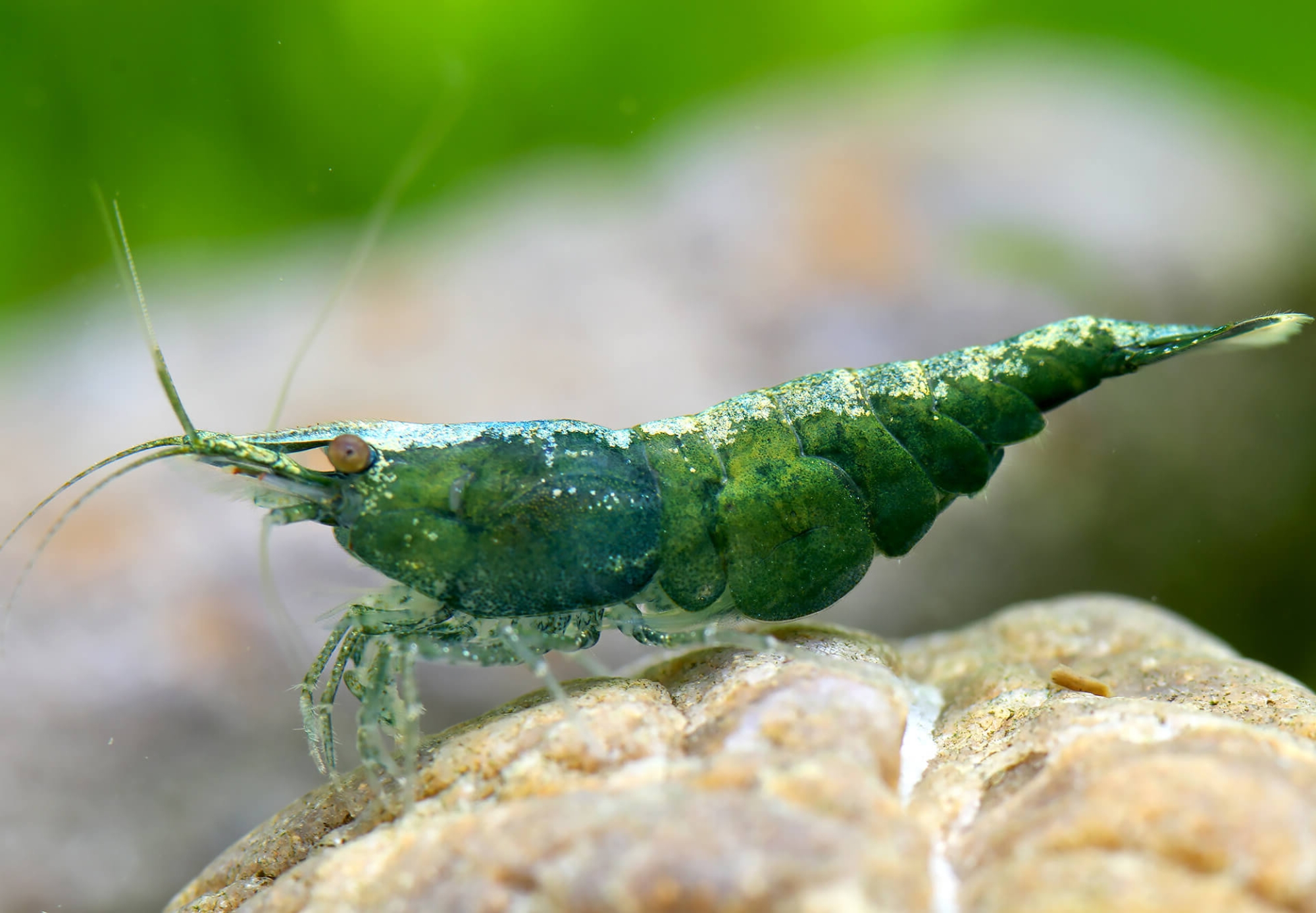
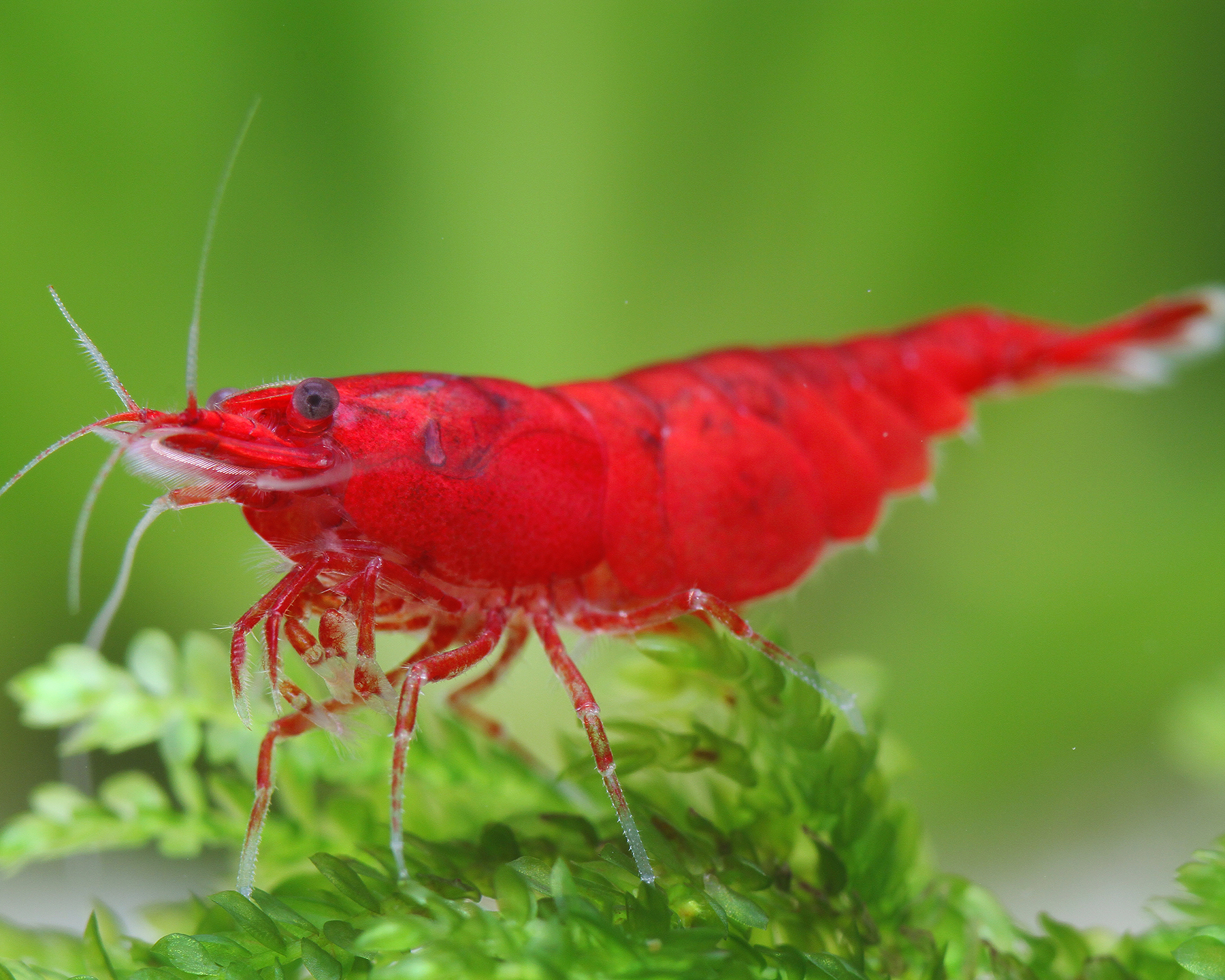
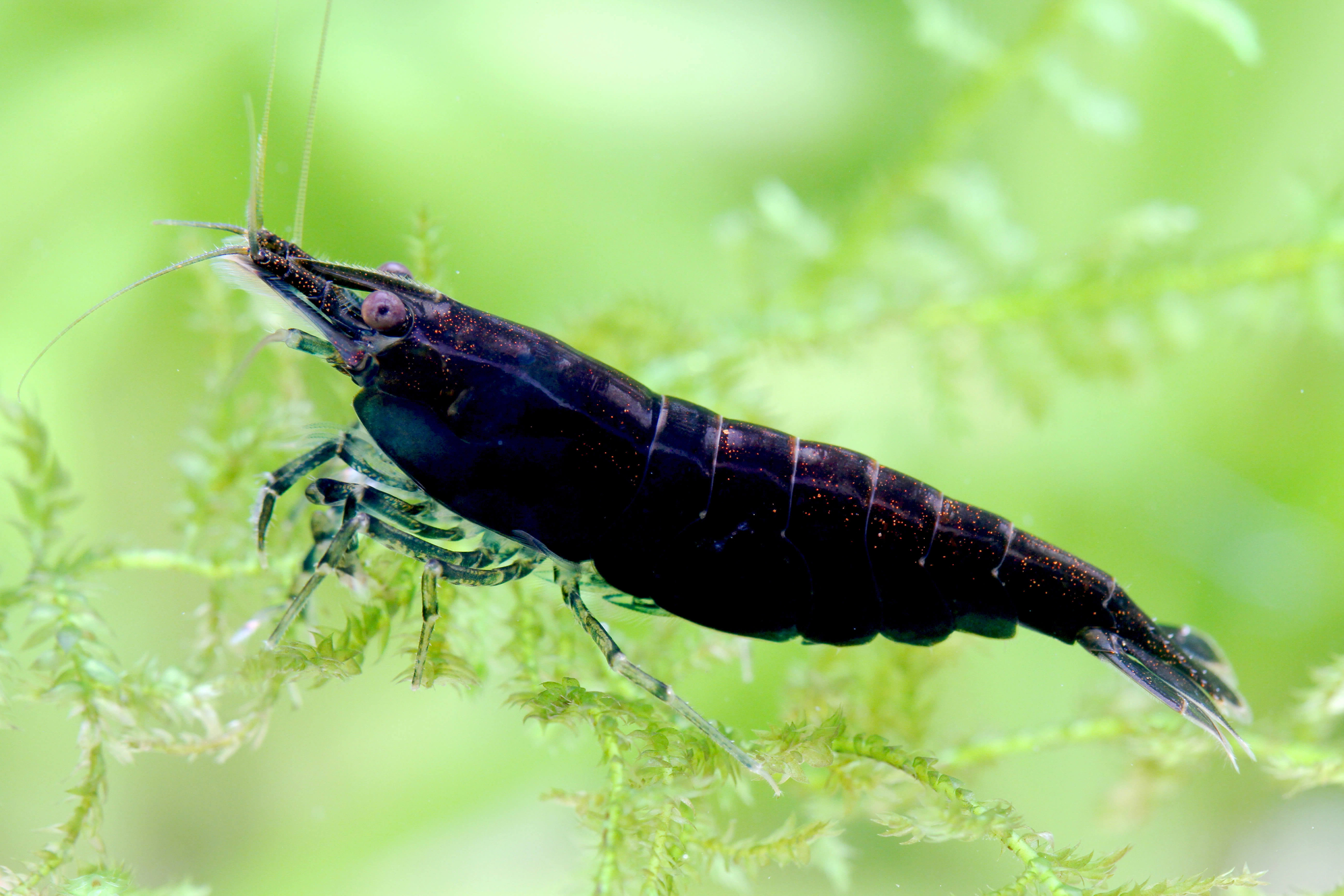
Red Sakura is a trade name for a selectively bred red form of Neocaridina davidi, a small freshwater shrimp in the family Atyidae. Older aquarium literature may use Neocaridina heteropoda or related former names. Sakura grading describes color coverage and intensity rather than a separate species. Because the supplied source is a trade label, the exact breeding line cannot be verified; avoid assuming that every red Neocaridina has identical genetics or color quality.

Natural habitat
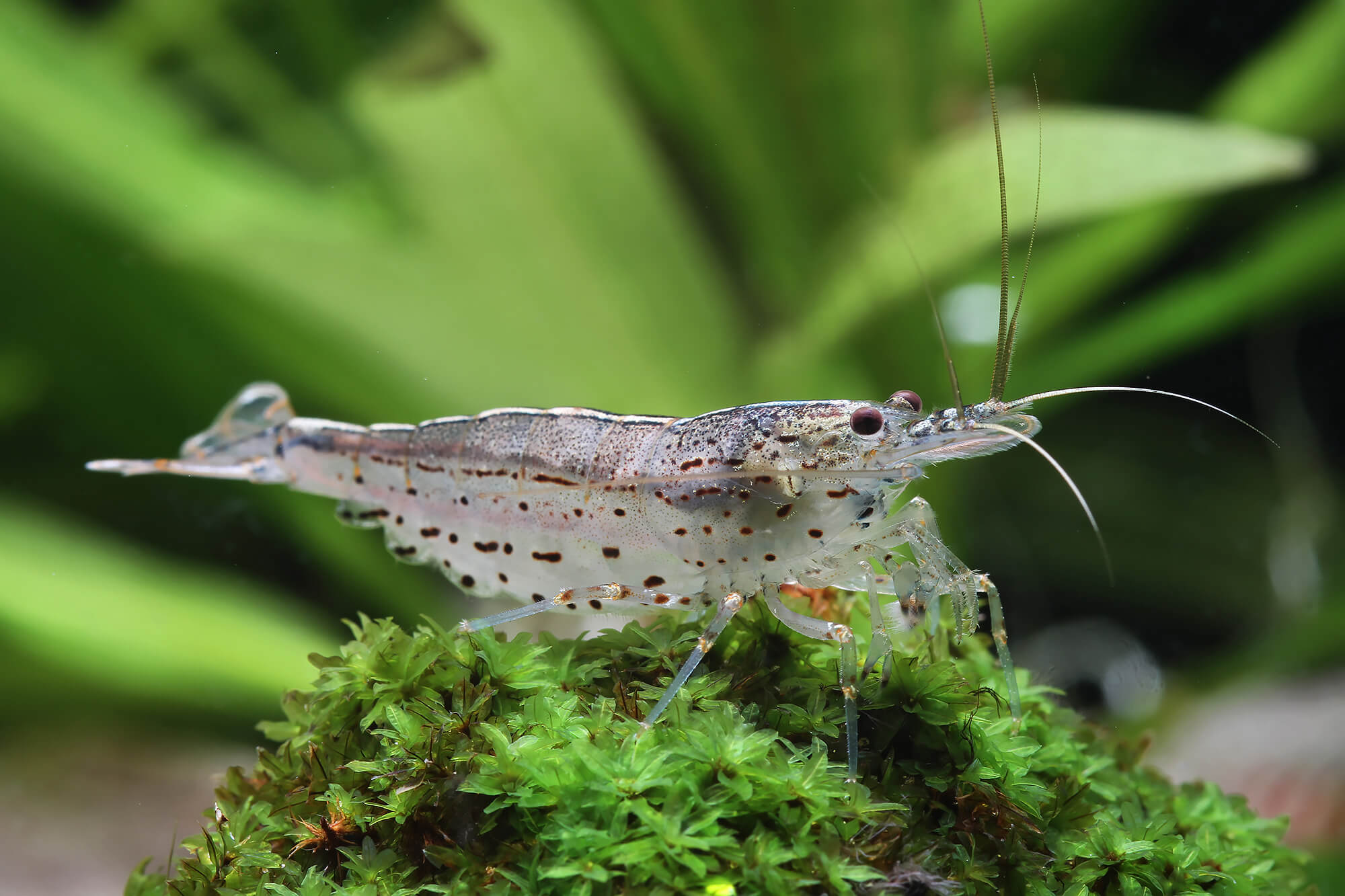
Neocaridina davidi is associated with freshwater environments in parts of East Asia, including slow-flowing streams, ponds and other shallow waters. Wild habitats typically contain plants, leaf litter, wood, stones and surfaces covered with microorganisms. Aquarium specimens benefit from similar structure, gentle circulation, stable water and mature biofilm rather than a sterile, newly set-up tank.

Aquarium and water parameters
Use a fully cycled aquarium with a sponge filter or a protected filter intake. A small planted tank can house a colony, although more water volume generally provides greater stability. Aim for 18–26 °C and pH 6.5–8.0, with ammonia and nitrite at zero and nitrate kept low through regular maintenance. Moderate general hardness and carbonate hardness are useful because shrimp need dissolved minerals for shell formation. Avoid sudden changes in temperature, pH, conductivity or mineral content.

Feeding
These shrimp constantly graze on biofilm, algae and fine organic material. Supplement grazing with a quality shrimp food in small portions several times per week. Blanched vegetables, occasional leaf litter and calcium-containing foods can add variety, but remove uneaten soft food before it decays. Feed sparingly in a new or lightly stocked aquarium; excess food can damage water quality. Copper-containing medications and overdosed treatments should be avoided.

Tank mates
The safest companions are other peaceful Neocaridina, small non-predatory snails and similarly mild nano fish that do not hunt shrimp. Adult shrimp may coexist with calm community fish, but eggs and shrimplets are vulnerable to predation. Avoid large, boisterous or predatory fish, crayfish and aggressive invertebrates. A dense cover of moss, fine-leaved plants, wood and other refuges improves survival of young shrimp.

Molting and health
Growth occurs through periodic molting. A shrimp may become less active and seek cover before shedding its exoskeleton; the discarded shell can be left in the aquarium because it may be eaten and recycled. Stable minerals, good oxygenation and low pollutant levels support successful molts. Do not remove a newly molted shrimp or disturb hiding places. Repeated failed molts, lethargy or unexplained deaths often indicate unstable water, unsuitable hardness, poor acclimation or contamination.

Breeding
Red Sakura Shrimp are freshwater breeders and do not require brackish water. After mating, the female carries fertilized eggs beneath her abdomen and regularly fans them. Fully formed miniature shrimplets hatch after development and begin grazing immediately. A mature, planted species aquarium with sponge filtration, stable parameters and abundant biofilm gives the highest survival. Selectively breeding the strongest red individuals can help maintain color, while mixed or wild-type Neocaridina may produce less predictable offspring.

Leave your comments