AquaLibs presents AquaRank Discover the world’s leading aquascapers

Explore transparent rankings built from published results across the world’s leading aquascaping contests.

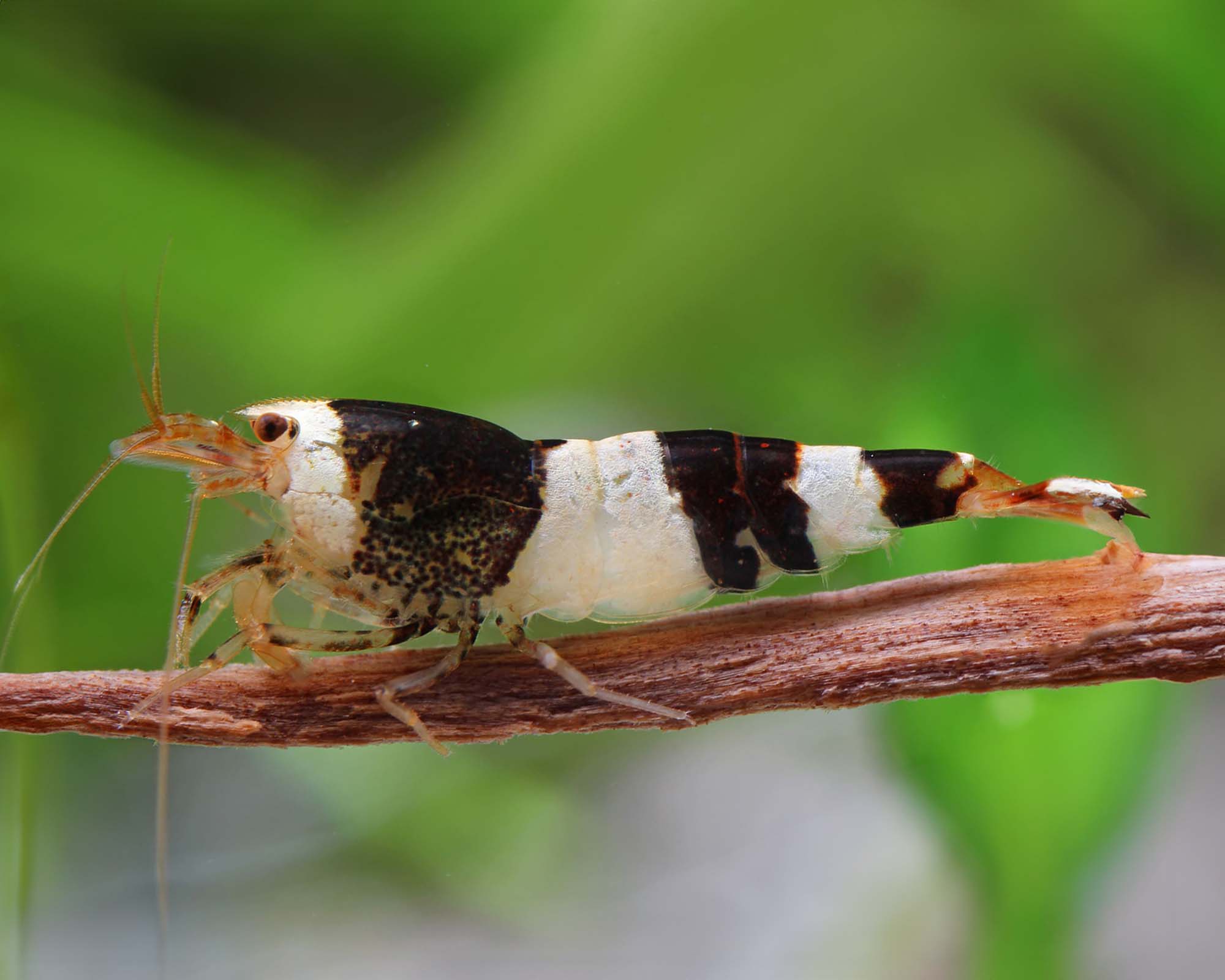
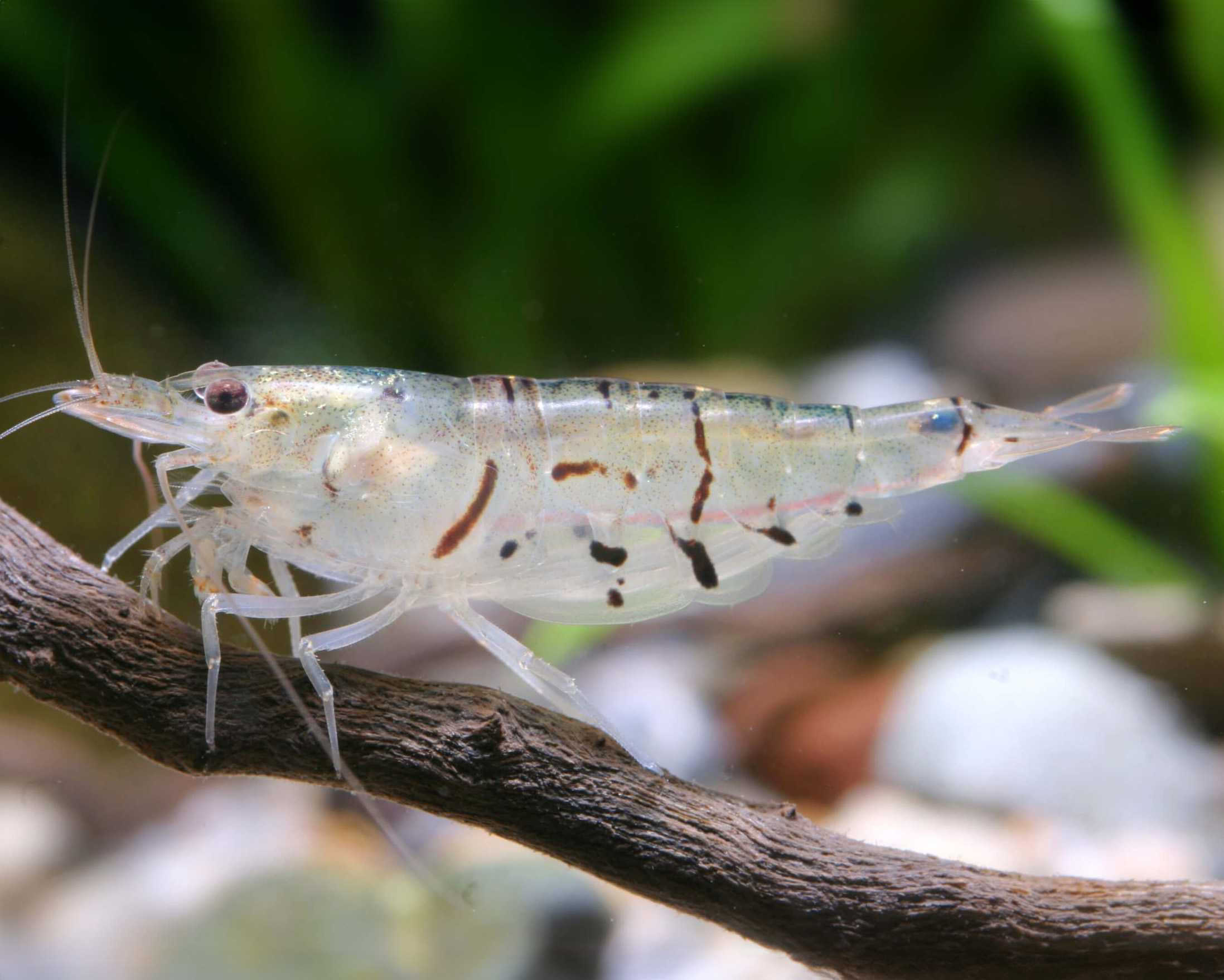
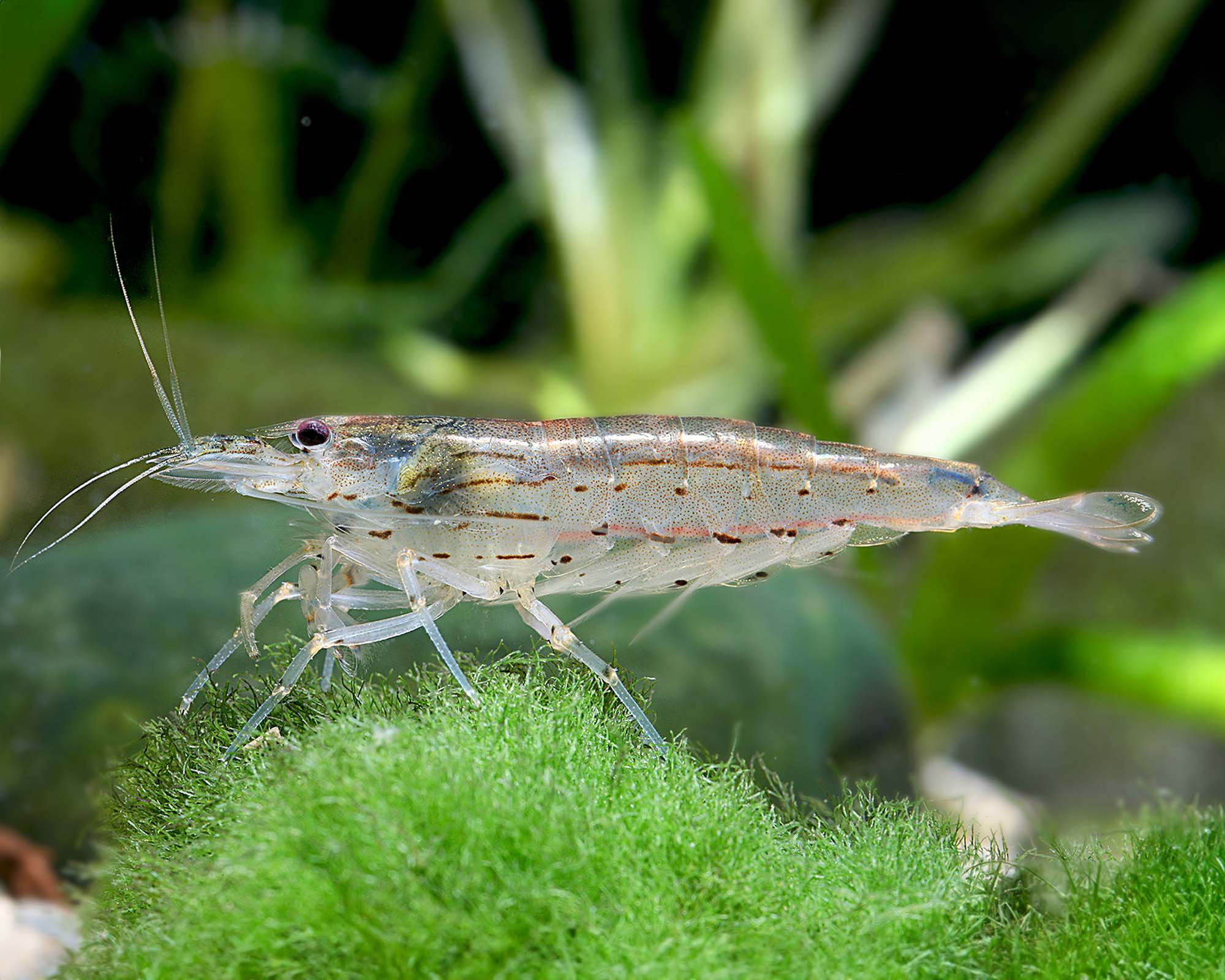
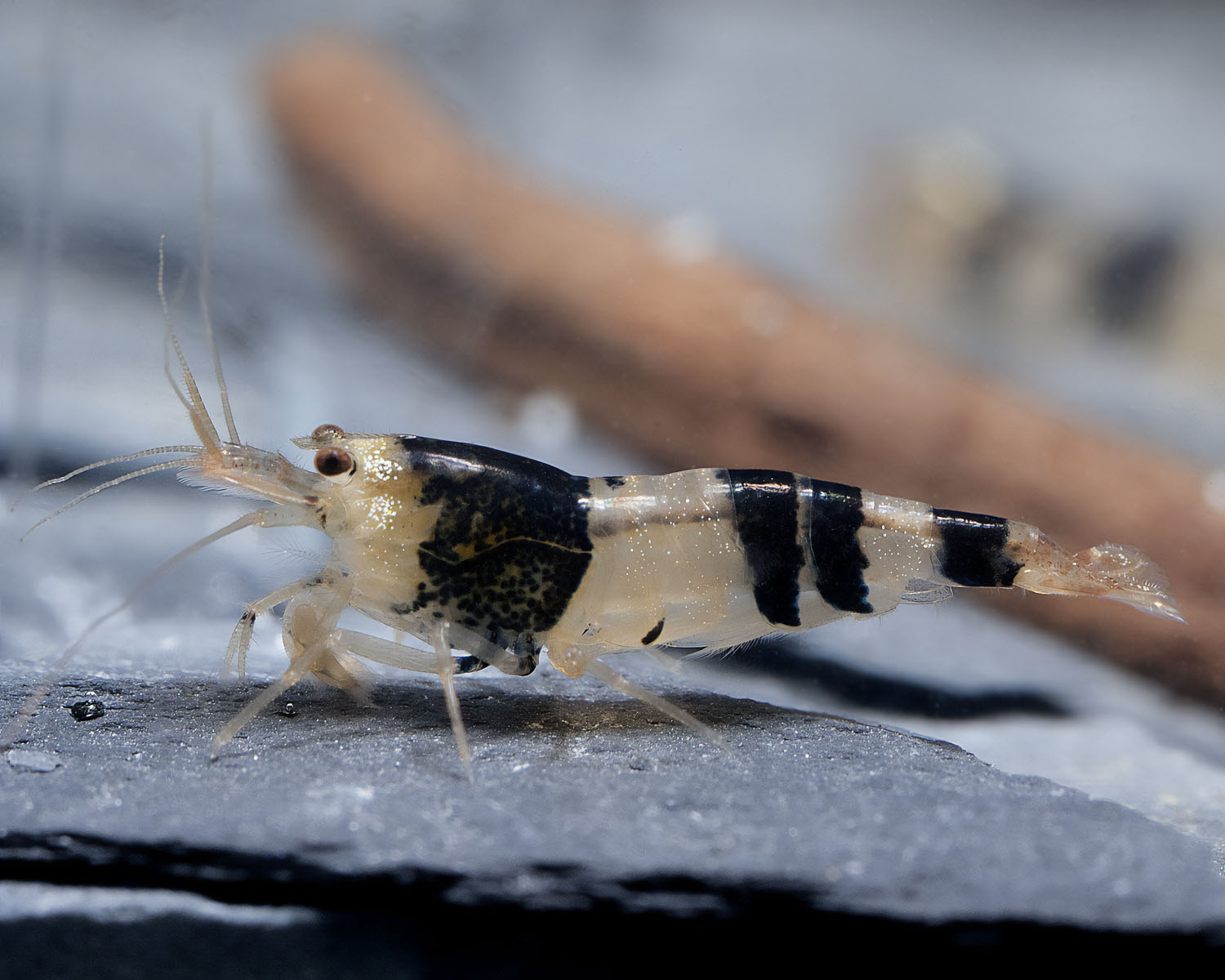
Green Jade Shrimp

Identification and taxonomy

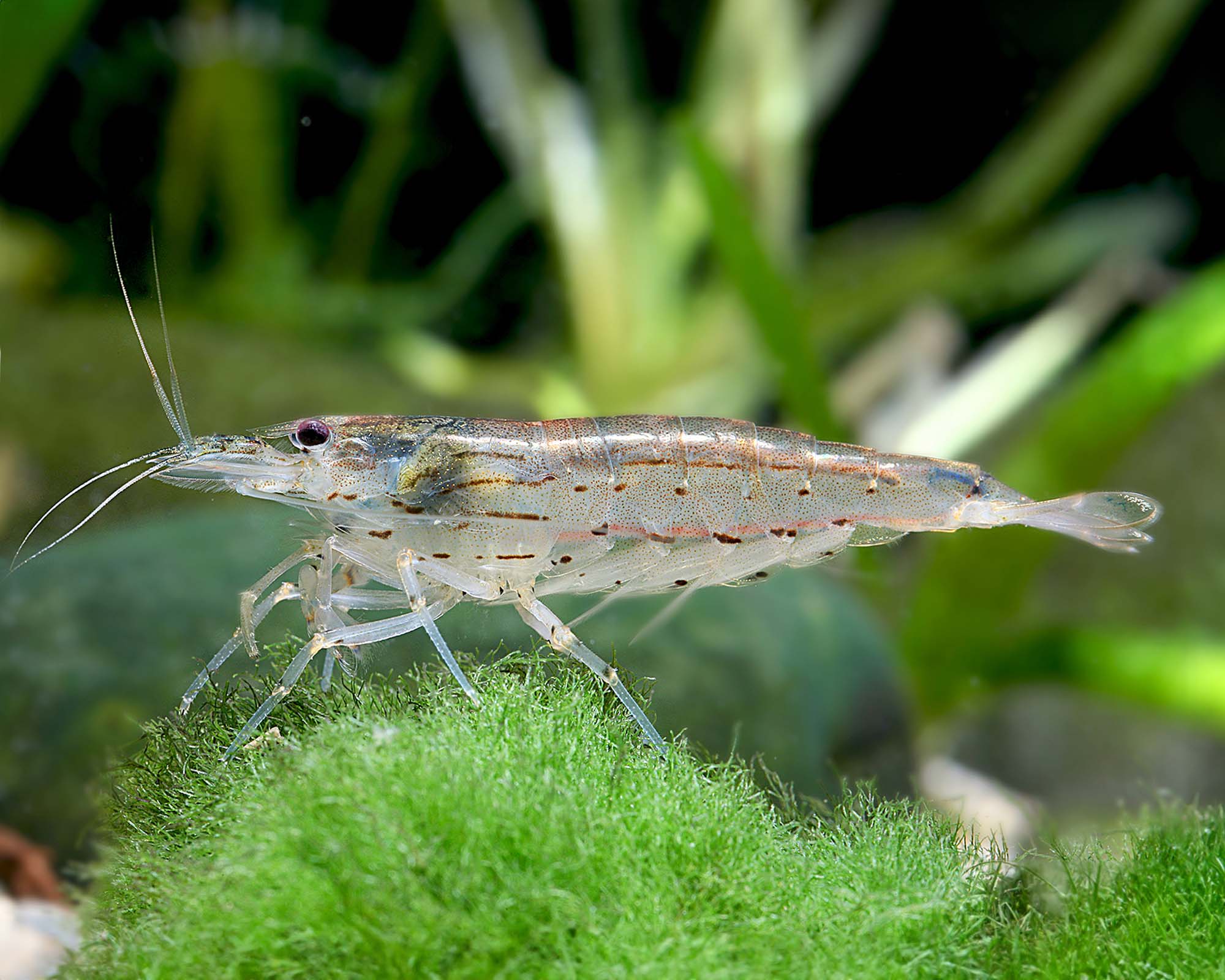
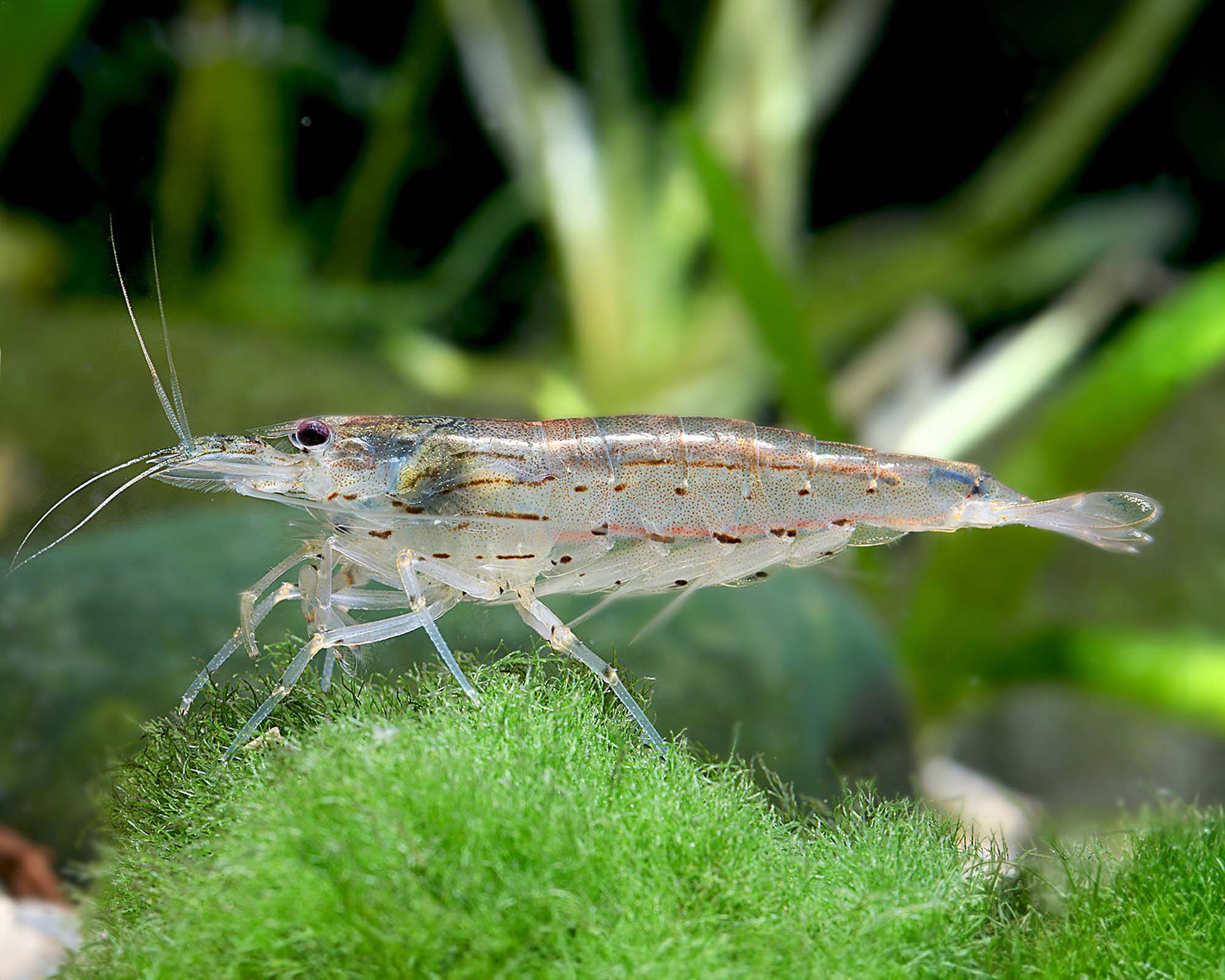
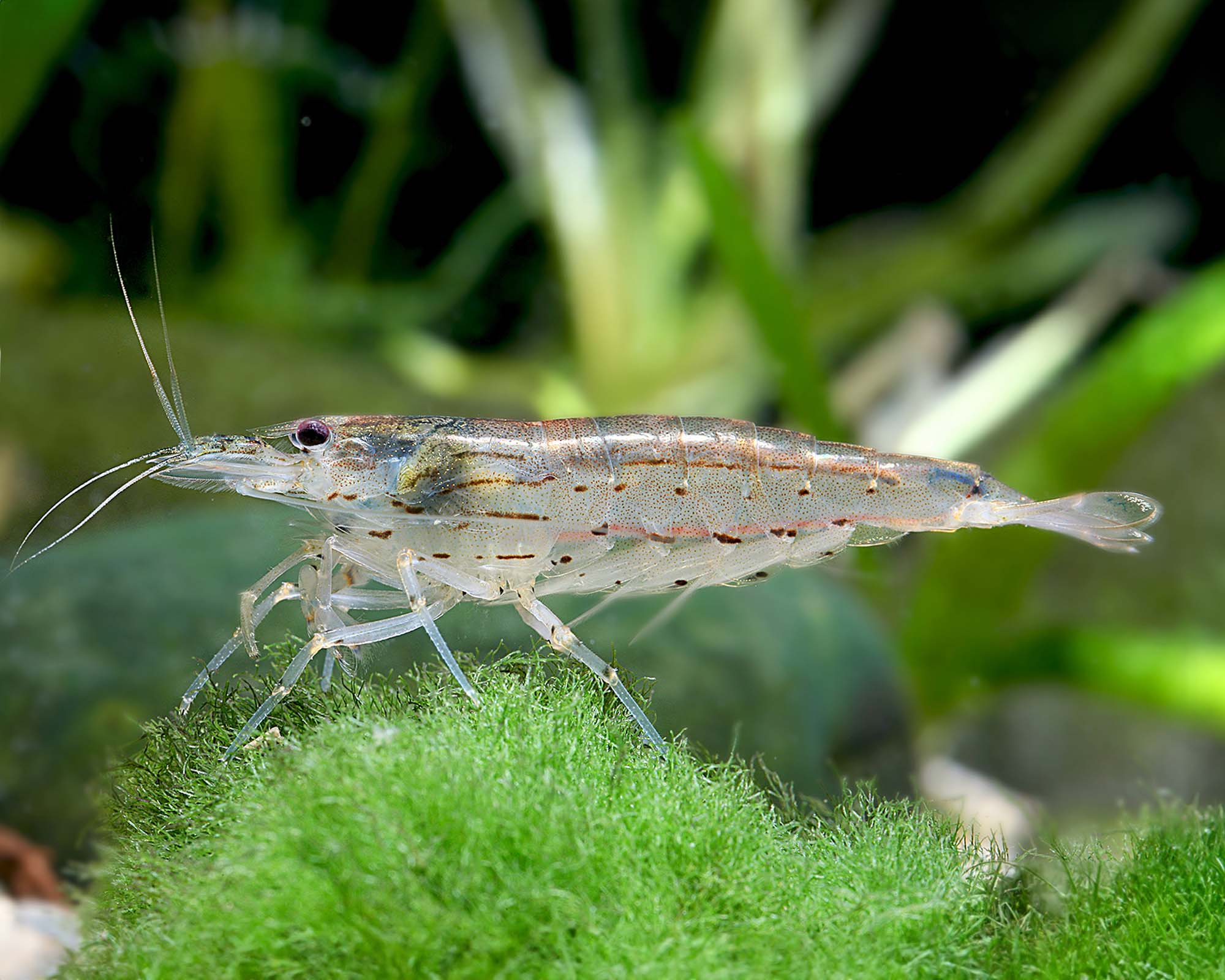
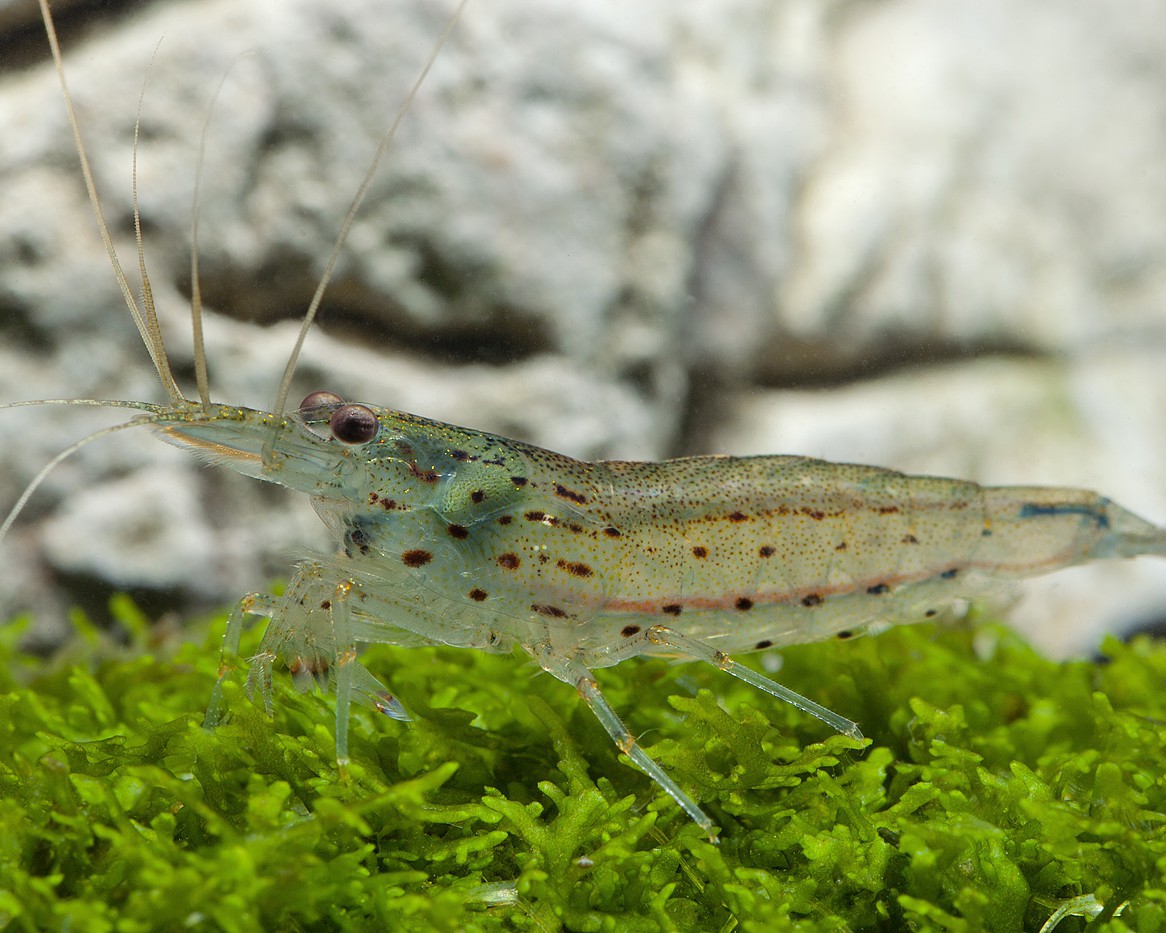
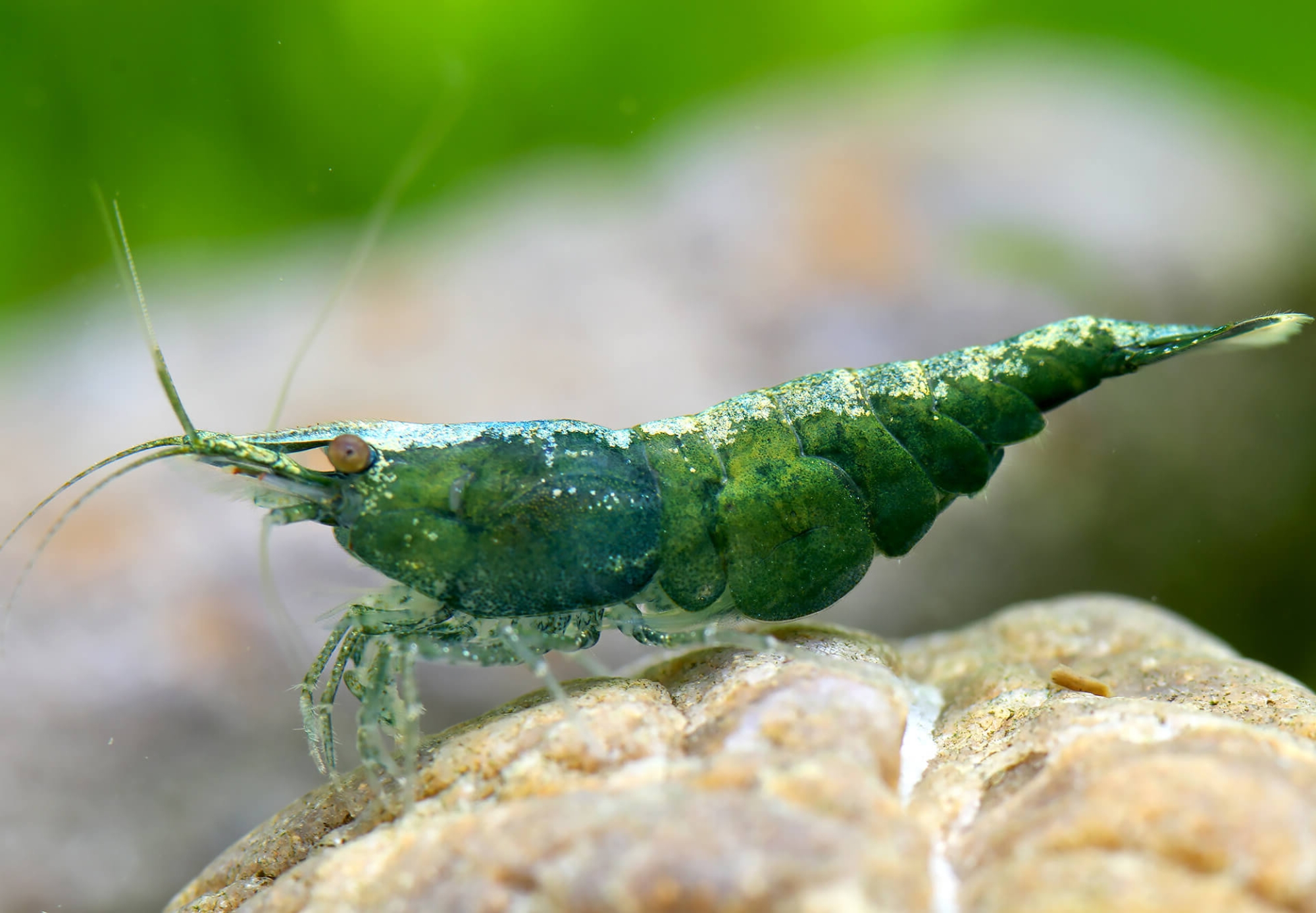
The trade name Green Jade Shrimp usually refers to a selectively bred color form of Neocaridina davidi, formerly widely sold under the name Neocaridina heteropoda. Because the supplied label says only “Green Jade Shrimp” and does not provide breeder or stock information, identification should be treated as probable rather than certain. Color intensity, opacity, and pattern can vary between lines, ages, sexes, and backgrounds. They are not a separate scientifically established species merely because they are sold under a color name.

Identification and taxonomy

Natural habitat

Neocaridina davidi is associated with freshwater habitats in Taiwan and has also become established outside its native range. Wild populations use shallow streams, ponds, ditches, and other slow to moderate waters with vegetation, stones, leaf litter, and surfaces covered in microorganisms. Aquarium specimens are captive-bred color selections and may not retain the exact appearance or habitat preferences of a particular wild population.

Natural habitat

Aquarium and water parameters

Use a mature, cycled aquarium with gentle filtration, plants, moss, wood, rock, and other grazing surfaces. A sponge filter or a protected intake prevents young shrimp from being drawn into the filter. A practical range is 18-26 °C and pH 6.5-8.0, with moderate general hardness and carbonate hardness sufficient for normal shell formation. Exact hardness targets vary with source water and remineralizer. Avoid ammonia and nitrite, keep nitrate low, and make gradual water changes because abrupt shifts can cause stress and failed molts.

Aquarium and water parameters

Feeding

These shrimp spend much of the day grazing on biofilm, algae, microorganisms, and edible organic matter on hard surfaces. Offer small portions of a quality shrimp food or algae-based wafer, supplemented occasionally with blanched vegetables such as zucchini or spinach. A varied diet should provide plant matter, protein, and minerals, but uneaten food should be removed promptly. Mature aquariums with leaf litter and natural biofilm are especially valuable for juveniles.

Feeding

Tank mates

The safest companions are other peaceful dwarf shrimp and small, non-predatory snails. Many fish will eat shrimplets, and even peaceful fish may consume newly hatched or juvenile shrimp. If fish are kept, choose very small species with compatible water requirements and provide dense moss, fine plants, and crevices for cover; survival of young shrimp will still be less predictable. Avoid aggressive fish, crayfish, predatory shrimp, and treatments containing copper.

Molting and shell health

Shrimp periodically shed their exoskeleton to grow. A recently molted shrimp is soft and vulnerable, so cover and stable conditions are important. Leave a shed exoskeleton in the aquarium unless it is decomposing, because shrimp commonly consume it and recover minerals from it. Consistent calcium and magnesium availability, suitable hardness, good nutrition, and the absence of sudden parameter changes support successful molts. Do not add calcium blindly without testing and considering the source water.

Breeding

In a stable freshwater aquarium, this type of Neocaridina commonly reproduces without a brackish larval stage. After mating, the female carries fertilized eggs beneath her abdomen and regularly fans them. The eggs hatch as miniature benthic shrimp rather than free-swimming larvae. Dense moss, leaf litter, and sponge filtration improve juvenile survival. Keep multiple individuals so both sexes are present, and avoid mixing different Neocaridina color lines if maintaining a predictable color form is important; offspring may show less consistent or wild-type coloration.
Shrimp info

  • Size: 2-3 cm
  • Difficulty level: Beginner-Intermediate
  • Temperature : 18-26 °C
  • pH: 6.5-8.0
Leave your comments
Latest on Shrimps
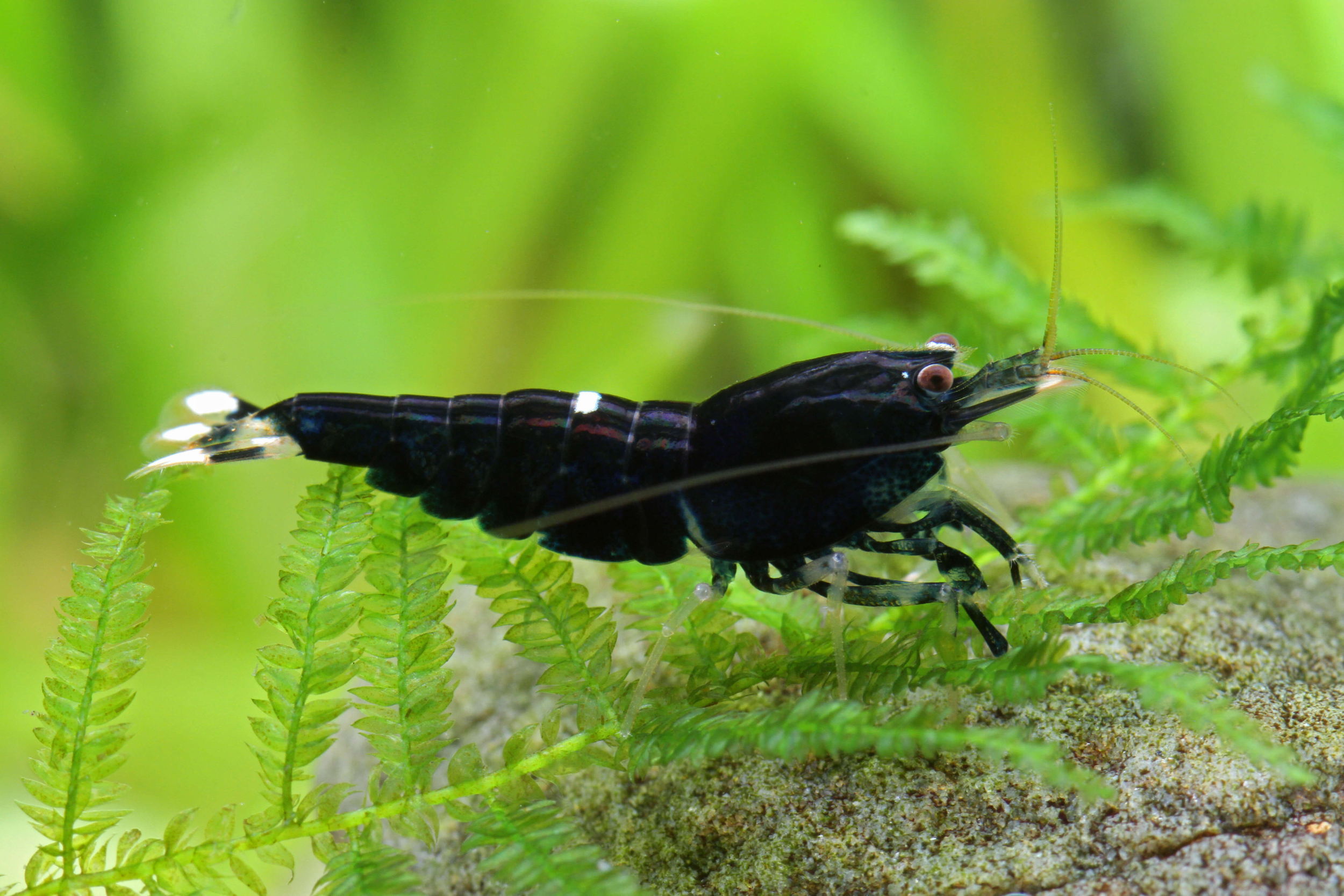
  • Black Pinto Shrimp (Shadow Shrimp)

    Black Pinto Shrimp (Shadow Shrimp)

    Black Pinto Shrimp are selectively bred Taiwan Bee–type freshwater shrimp recognized by a dark body with contrasting white bands or patches. In the aquarium trade they may be sold as Shadow Shrimp or under the broad label Caridina sp. Their exact taxonomic identity and genetic background can vary, so reliable care depends more on stable, soft, slightly acidic water than on the trade name alone. They are best kept in a mature, species-focused aquarium.
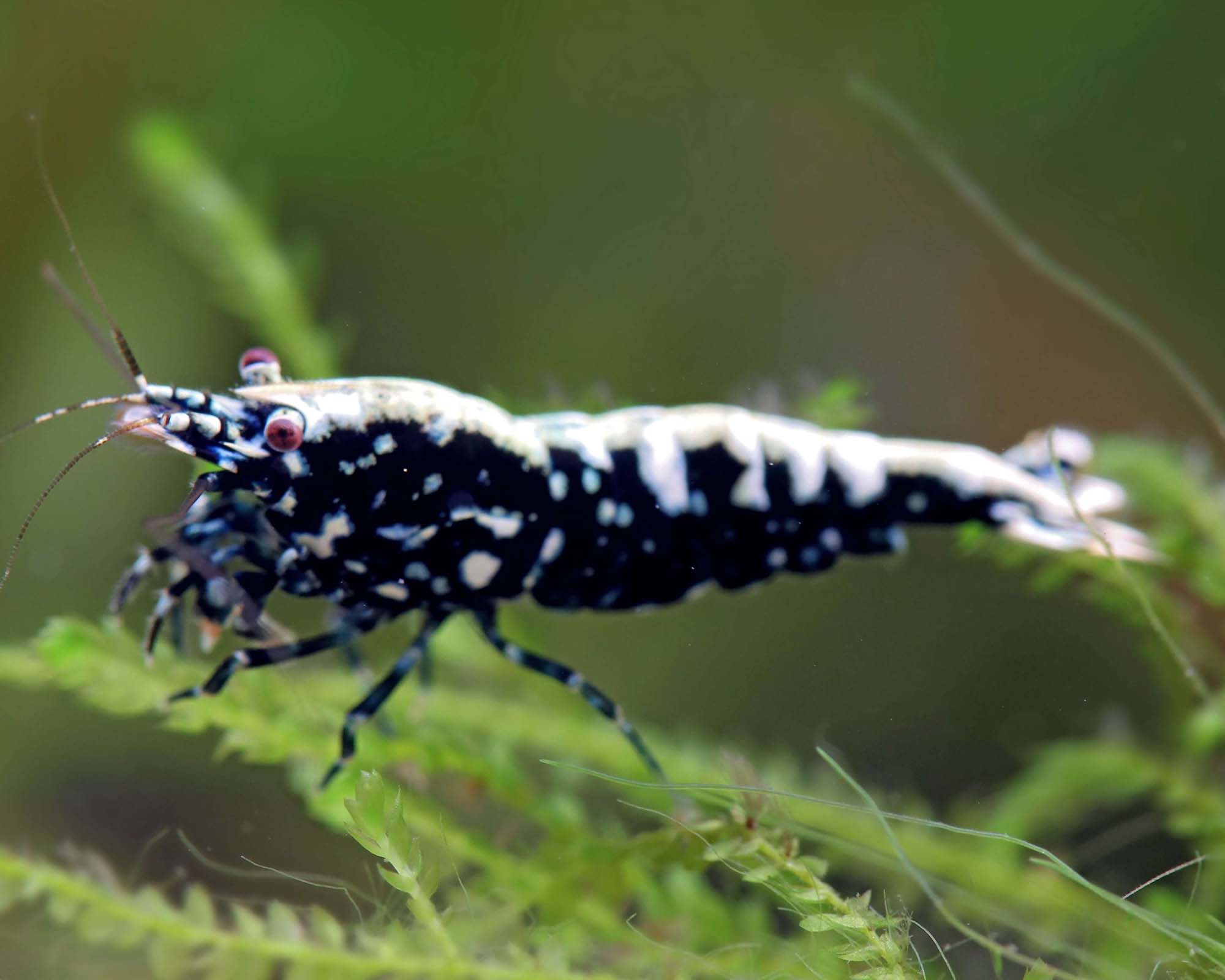
  • Black Kingkong Garnele (Neocaridina davidi)

    Black Kingkong Garnele (Neocaridina davidi)

    The Black Kingkong Garnele is presented here as a dark color form of Neocaridina davidi, a small freshwater shrimp valued for its algae-grazing behavior and straightforward care. The trade name is not a formal taxon, and “Black King Kong” is also used for unrelated shrimp lines, so exact strain identity cannot be confirmed from the supplied name and images alone. Stable water quality, mature biofilm, shelter and compatible tank mates are central to long-term success.
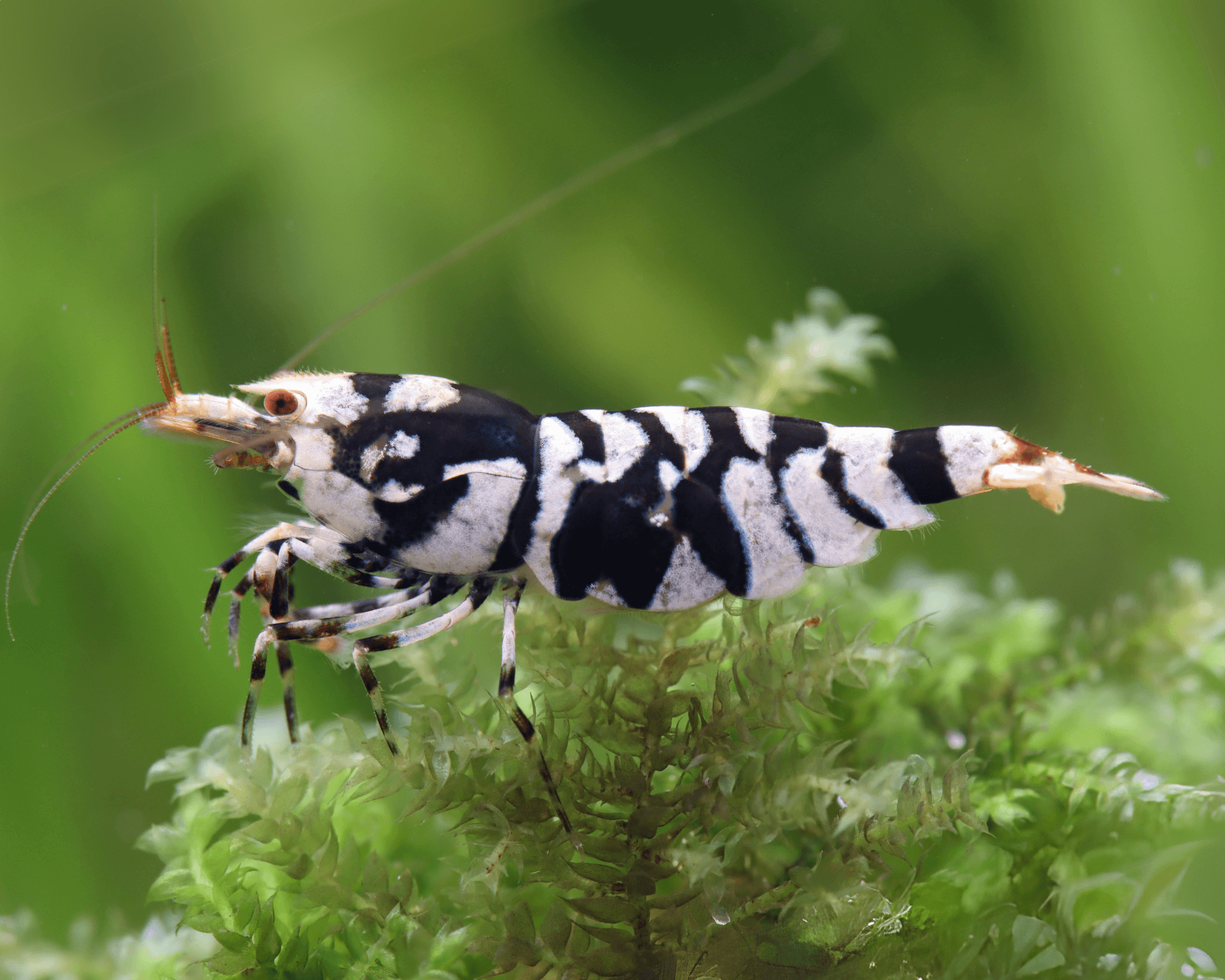
  • Black Panda Shrimp (Caridina sp. Taiwan Bee) Care Guide

    Black Panda Shrimp (Caridina sp. Taiwan Bee) Care Guide

    Black Panda Shrimp are selectively bred Taiwan Bee, also called Shadow Bee, freshwater shrimp recognized by contrasting black and white markings. The trade name does not establish a formally accepted species, and these shrimp are commonly associated with the Caridina cantonensis group or related Caridina lineages. They require mature, stable, soft, slightly acidic water, careful acclimation, and a peaceful aquarium. Their specialist breeding requirements make them better suited to experienced shrimp keepers than to new aquarists.
  • Black King Kong Shrimp

    Black King Kong Shrimp

    Black King Kong is a selectively bred bee-shrimp form with a predominantly black body and contrasting white markings. The name is used in the aquarium trade for several related breeding lines, so appearance and genetics can vary between groups. It is generally kept like other Taiwan-bee or Caridina bee shrimp: in mature, soft, acidic water with excellent stability, gentle filtration, and abundant biofilm. This shrimp is best suited to an established species aquarium and careful breeding program rather than a newly set-up community tank.
  • Black Galaxy Tiger Caridina sp.

    Black Galaxy Tiger Caridina sp.

    Black Galaxy Tiger is a selectively bred freshwater shrimp sold under the trade name Caridina sp. It is recognized by a dark body with contrasting pale markings and tiger-like banding, although pattern quality can vary considerably between individuals. The exact species and breeding history behind this line are not established from the supplied information. It is best kept in a mature, stable aquarium with soft, slightly acidic water, abundant biofilm, and peaceful tank mates.
  • Black Fancy Tiger Caridina sp.

    Black Fancy Tiger Caridina sp.

    Black Fancy Tiger is a selectively bred freshwater shrimp sold under the trade name Caridina sp. It is recognized by a dark black-and-white tiger pattern, although appearance and lineage can vary between breeders. Its exact species identity and wild origin are not established from the supplied name alone. Stable, soft, mineral-balanced water, mature biofilm and careful acclimation are central to long-term care.
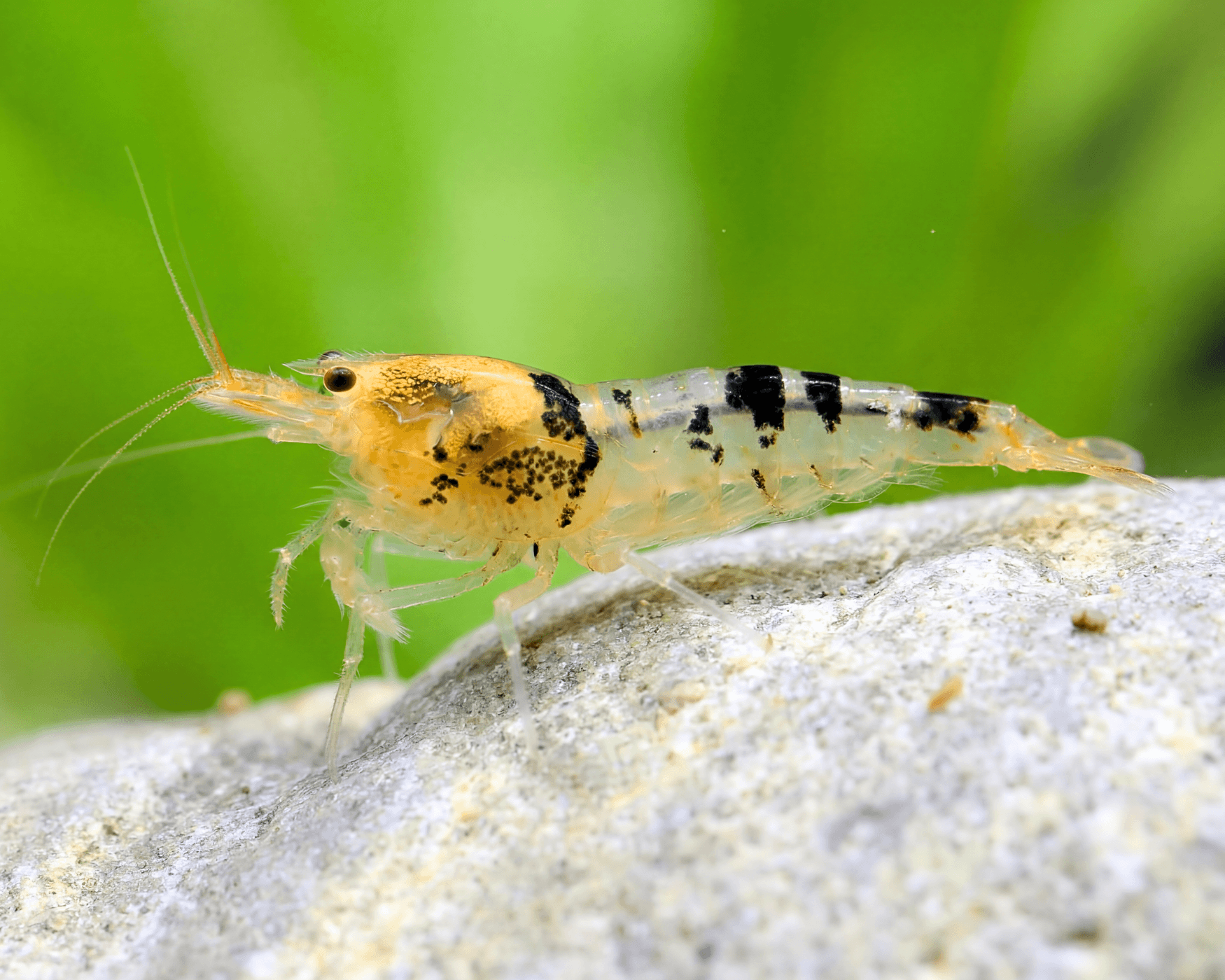
  • Black Calceo Bee Shrimp (Caridina sp.)

    Black Calceo Bee Shrimp (Caridina sp.)

    The Black Calceo Bee Shrimp is a selectively patterned freshwater shrimp sold under the trade name Black Calceo Bee Garnele. It is identified here only as Caridina sp.; the exact species and lineage cannot be confirmed from the supplied name and image alone. Its translucent body shows black markings with golden-yellow coloration, and it requires mature, stable, mineral-balanced aquarium water typical of sensitive bee shrimp.
  • Black and White Bee Shrimp (Caridina logemanni)

    Black and White Bee Shrimp (Caridina logemanni)

    The black and white bee shrimp is a selectively bred form of Caridina logemanni, recognized for contrasting black-and-white bands. Aquarium grades such as Black Bee K4 and K6 describe pattern quality or coverage in the ornamental shrimp trade rather than separate species or formal taxonomic ranks. This shrimp is peaceful but sensitive to unstable water chemistry, making mature, carefully maintained aquariums the best setting. The identification is consistent with the supplied name, although individual grade designations cannot be confirmed from photographs alone.
  • Australische Amanogarnele (Caridina typus)

    Australische Amanogarnele (Caridina typus)

    Caridina typus is a translucent, patterned freshwater shrimp associated with the Indo-Pacific, including Australia. It resembles the familiar Amano shrimp in general form, but it is a different species and should not be identified by appearance alone. The shrimp is peaceful and useful as a grazer, yet its specialized larval development can make breeding substantially more demanding than routine aquarium care. Reliable identification is advisable because several transparent Caridina species have similar markings.
  • Amano Shrimp (Caridina multidentata)

    Amano Shrimp (Caridina multidentata)

    The Amano shrimp, Caridina multidentata, is a peaceful freshwater aquarium shrimp recognized by its translucent body and reddish-brown speckles. It is a useful grazer of algae and biofilm, but it requires stable, mature water and secure tank cover. Adults are generally hardy, while successful reproduction is challenging because the larvae require brackish conditions before completing development in freshwater.
  • Bee Shrimp Wild Form (Caridina logemanii var.)

    Bee Shrimp Wild Form (Caridina logemanii var.)

    The bee shrimp wild form is a small, soft-water Caridina with a translucent body marked by irregular black and pale bands or patches. Aquarium specimens are commonly associated with the Caridina logemanni lineage, although the supplied “var.” label does not establish a formally recognized taxonomic rank or exact collection locality. It is best kept in a mature, stable aquarium with cool, acidic, mineral-poor water, abundant biofilm, gentle filtration and peaceful tank mates. Stable conditions are more important than pursuing narrowly precise figures.
  • Amano Shrimp (Caridina multidentata) Care Guide

    Amano Shrimp (Caridina multidentata) Care Guide

    Amano shrimp, Caridina multidentata, are transparent to grayish freshwater shrimp marked with small brown or reddish spots and dashes. Also sold as Yamato shrimp, they are peaceful scavengers that graze on algae, biofilm and leftover foods. They suit mature community aquariums with stable, well-oxygenated water. Adults live in freshwater, but successful reproduction requires raising their drifting larvae in brackish water, so a self-sustaining freshwater colony is uncommon.
  • Amano Shrimp (Caridina multidentata)

    Amano Shrimp (Caridina multidentata)

    The Amano Shrimp, Caridina multidentata, is a translucent freshwater shrimp valued for grazing algae and biofilm. It is generally peaceful, adaptable and suitable for planted community aquariums with stable, clean water. Adults live in freshwater, but successful reproduction requires a separate brackish or marine larval stage, so routine captive breeding is substantially more demanding than everyday care. The supplied images are consistent with this species, although color and pattern vary among individuals.
  • Amano Shrimp (Caridina multidentata)

    Amano Shrimp (Caridina multidentata)

    The Amano Shrimp, Caridina multidentata, is a transparent to grayish freshwater shrimp marked with brown or reddish-brown spots and dashes. It is valued for grazing on algae and biofilm, but it is not a fully freshwater-breeding species: its larvae require brackish or marine conditions. Stable water, mature surfaces, shelter, and peaceful tank mates are important for long-term care.
  • Amano Shrimp (Caridina multidentata)

    Amano Shrimp (Caridina multidentata)

    The Amano shrimp is a transparent, spotted freshwater shrimp formerly widely sold as Caridina japonica and now generally identified as Caridina multidentata. It is valued for grazing algae and biofilm without usually harming healthy plants. Adults are peaceful and hardy when water quality is stable, but successful breeding requires brackish or marine conditions for the larval stage. The supplied images show the typical translucent greenish-brown, dark-spotted appearance.
  • Algae-Eating Shrimp Set: Likely Amano Shrimp

    Algae-Eating Shrimp Set: Likely Amano Shrimp

    This aquarium-library entry concerns a group of algae-grazing shrimp that appear to be Amano shrimp, Caridina multidentata. The supplied source label is a trade description rather than a confirmed scientific identification, so the care guidance should be verified against the seller’s species information. These peaceful freshwater shrimp are valued for grazing algae and biofilm, but successful breeding requires a separate brackish larval stage.