Identification and taxonomy
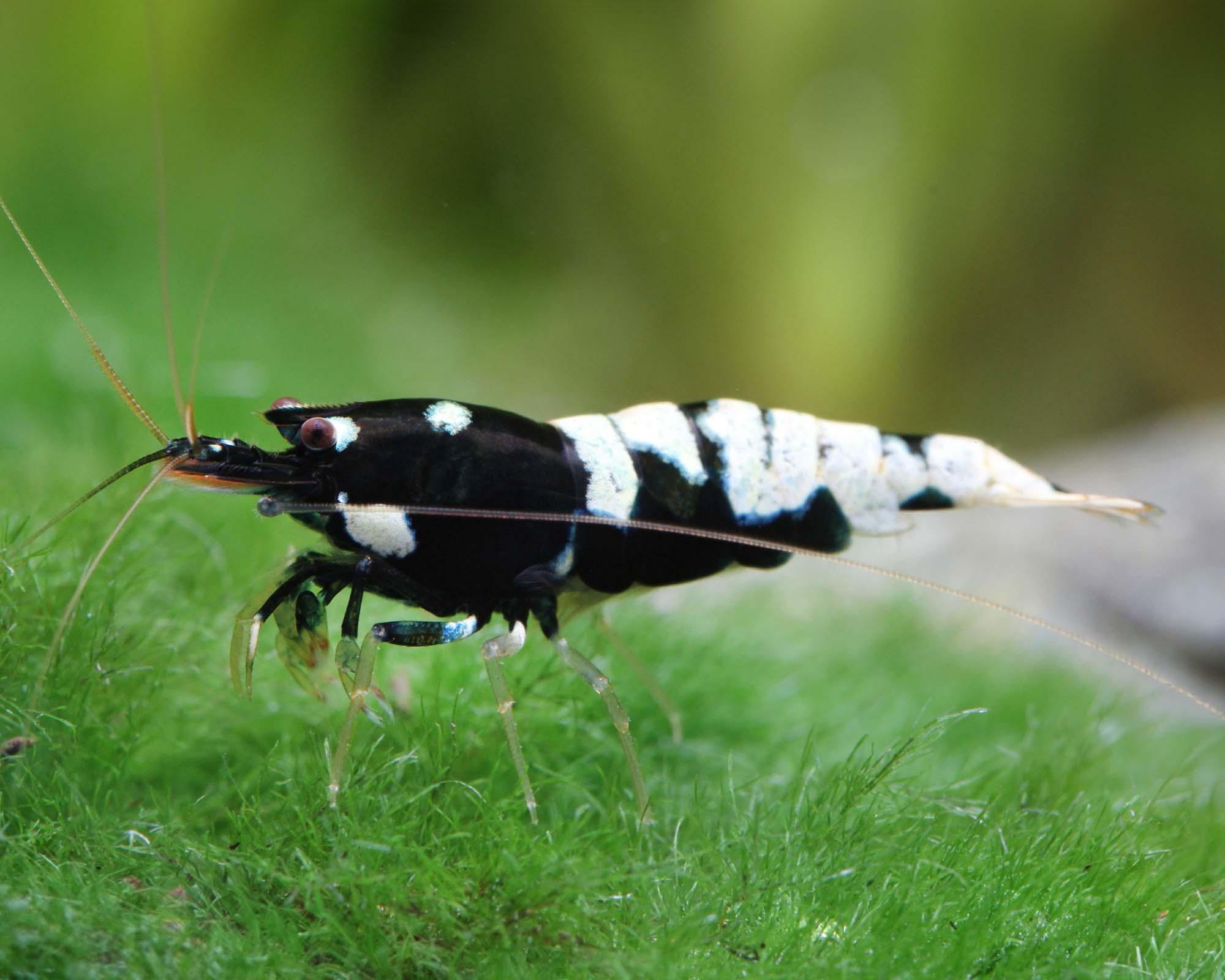
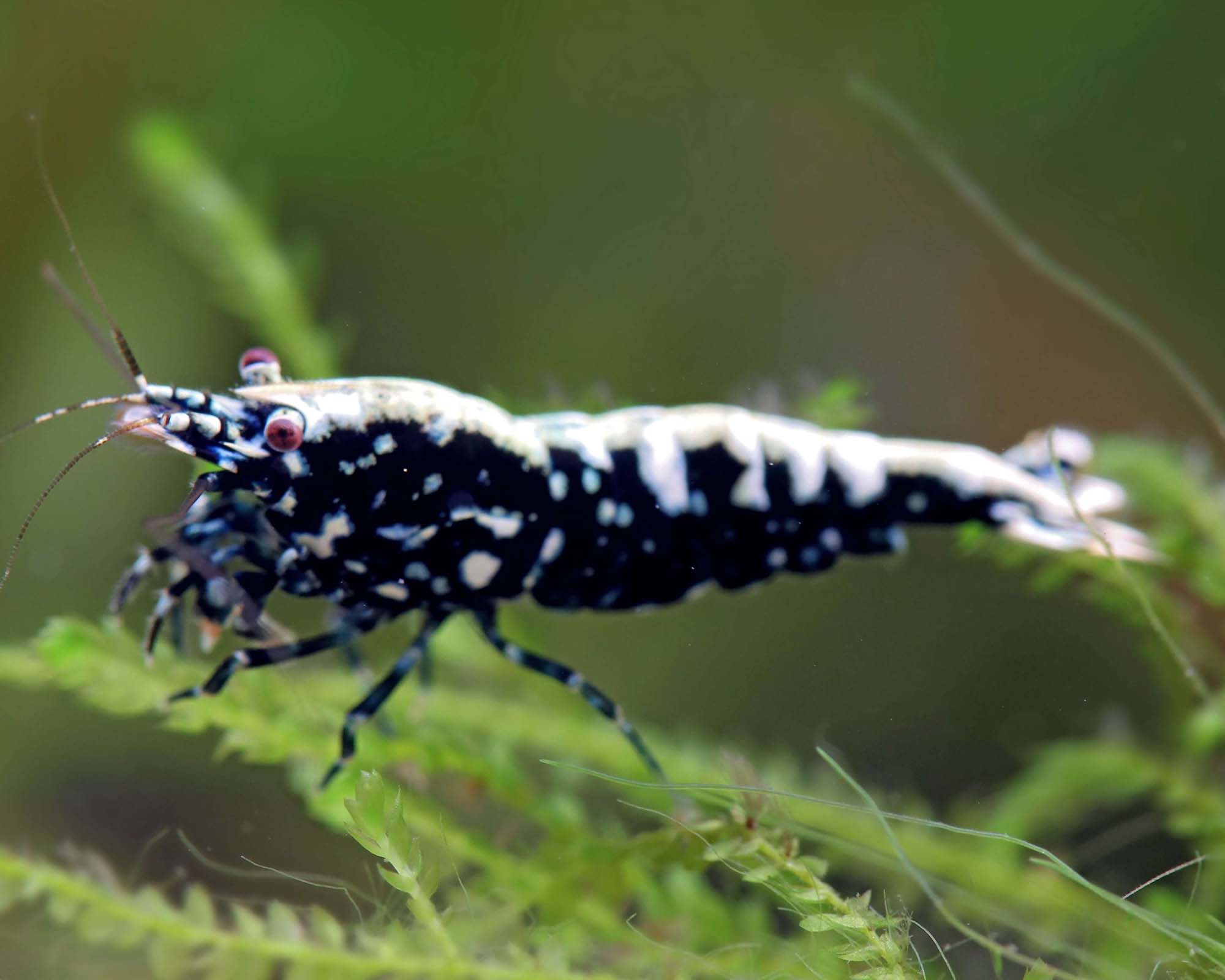
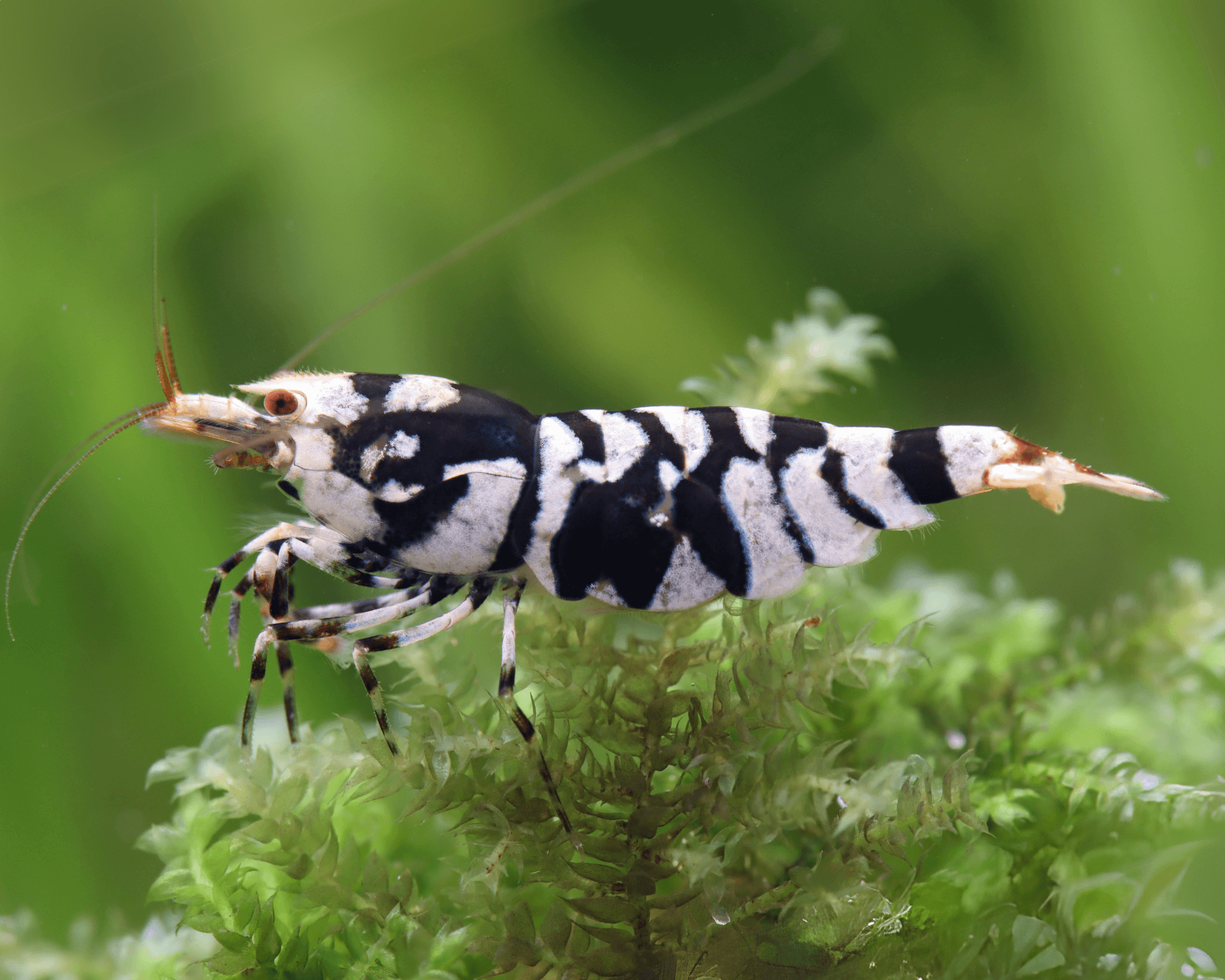
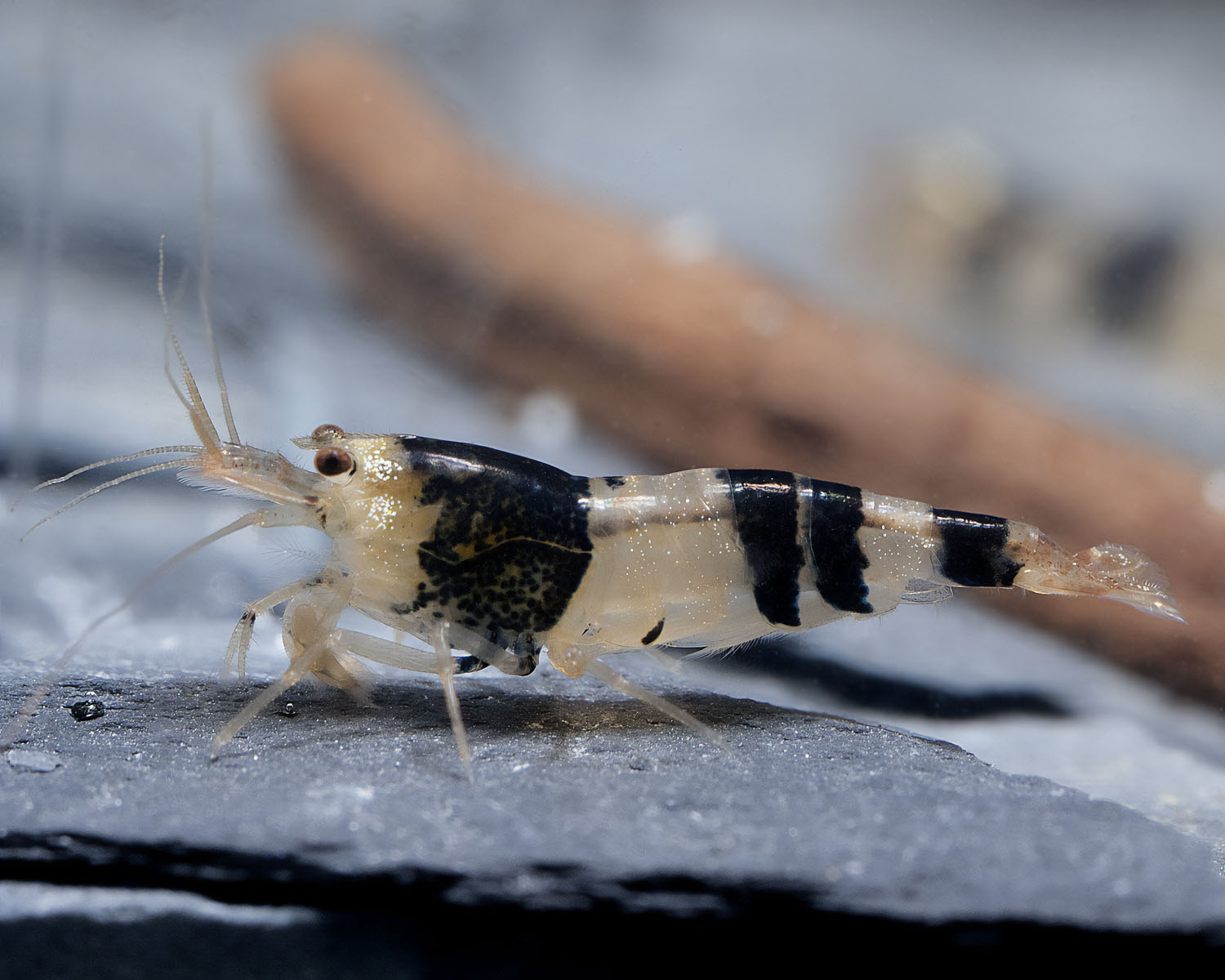
Black Pinto is a trade name for a patterned Taiwan Bee–type shrimp rather than a formally established species name. Shadow Shrimp is another trade term, and Caridina sp. is often used when the precise species or line is not documented. Many aquarium lines are associated with Caridina cantonensis breeding stock, but the exact identity of the shrimp shown here cannot be confirmed from appearance alone. Color coverage and pattern can vary between breeding lines.
Appearance
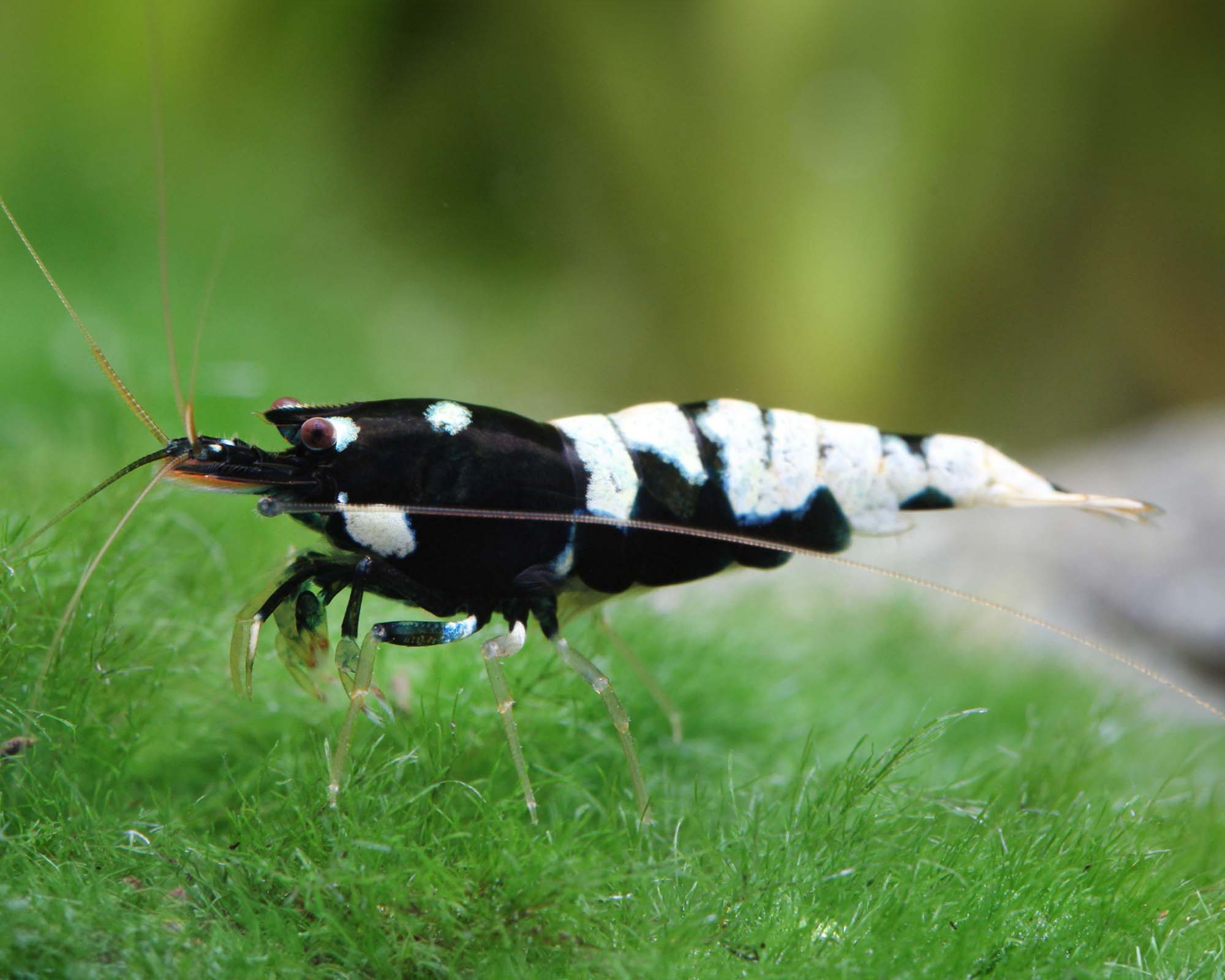
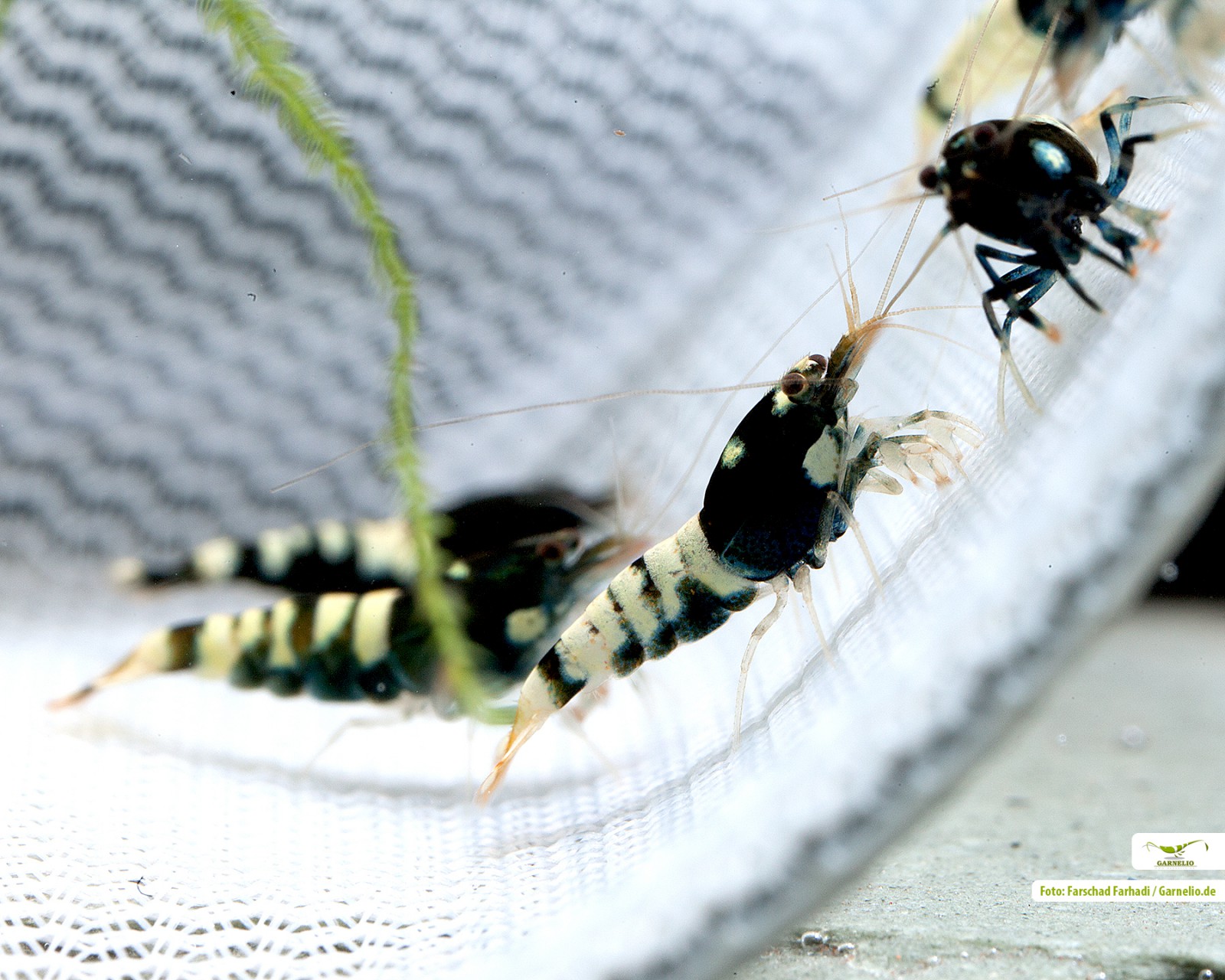
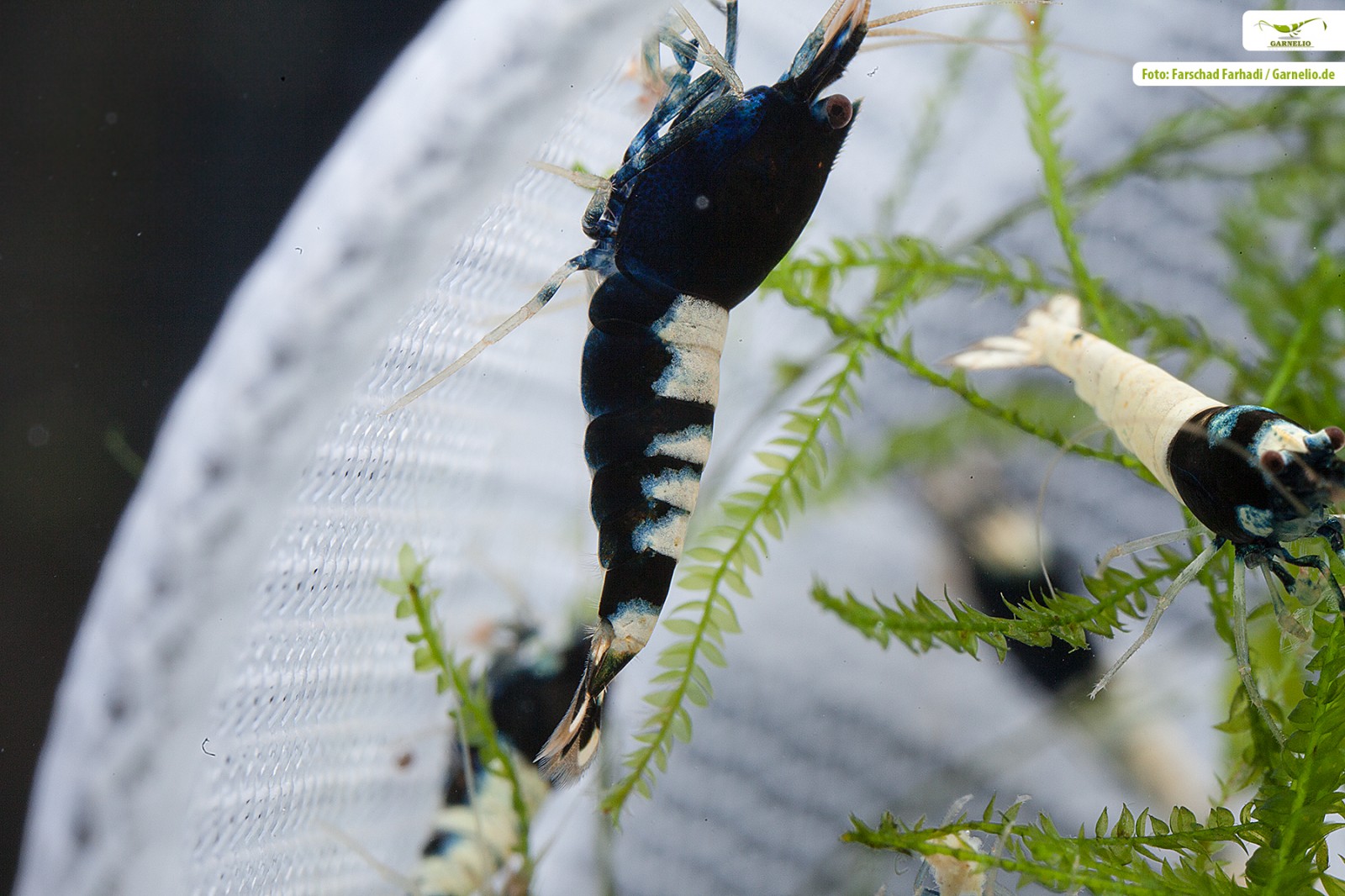
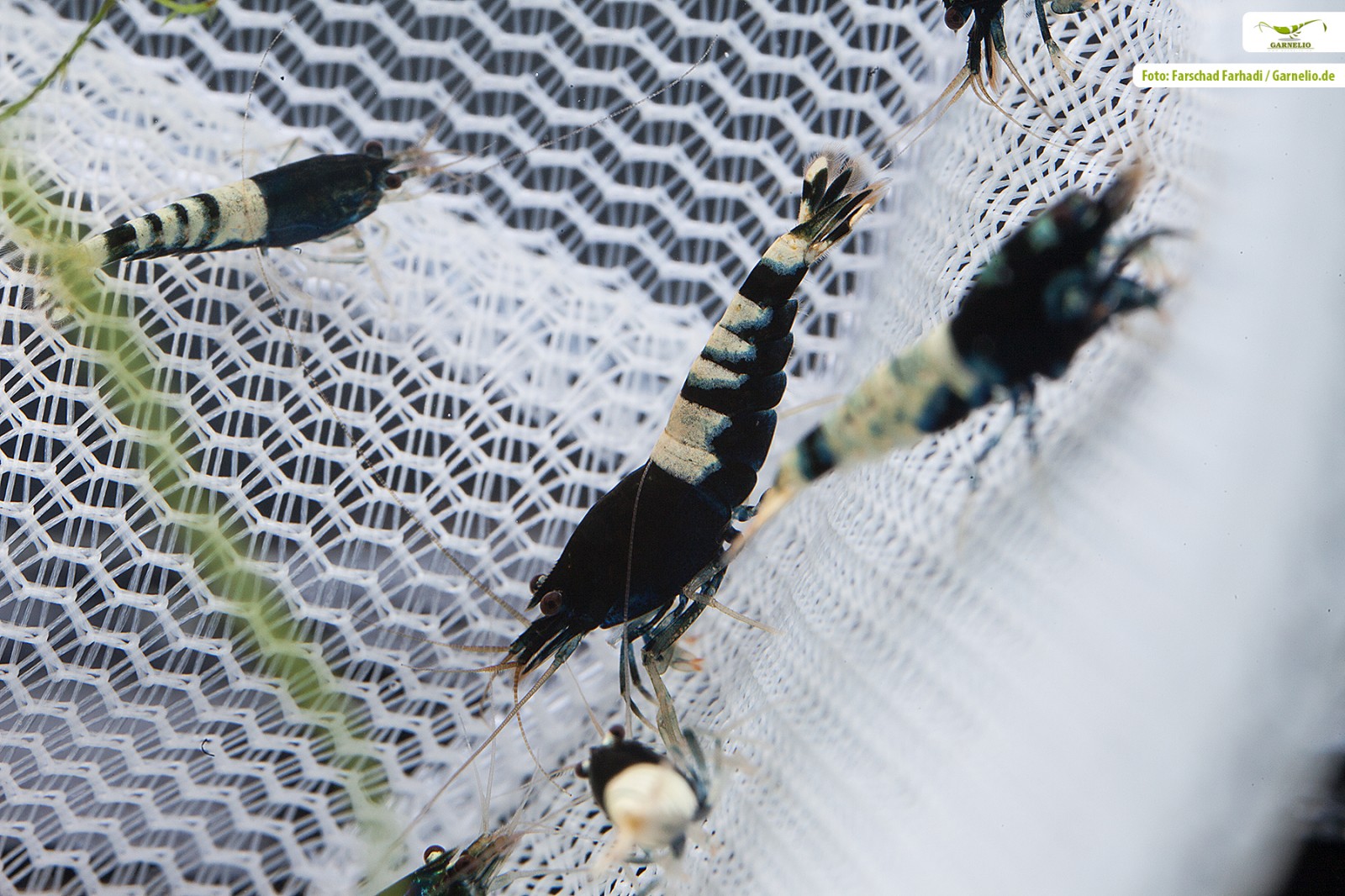
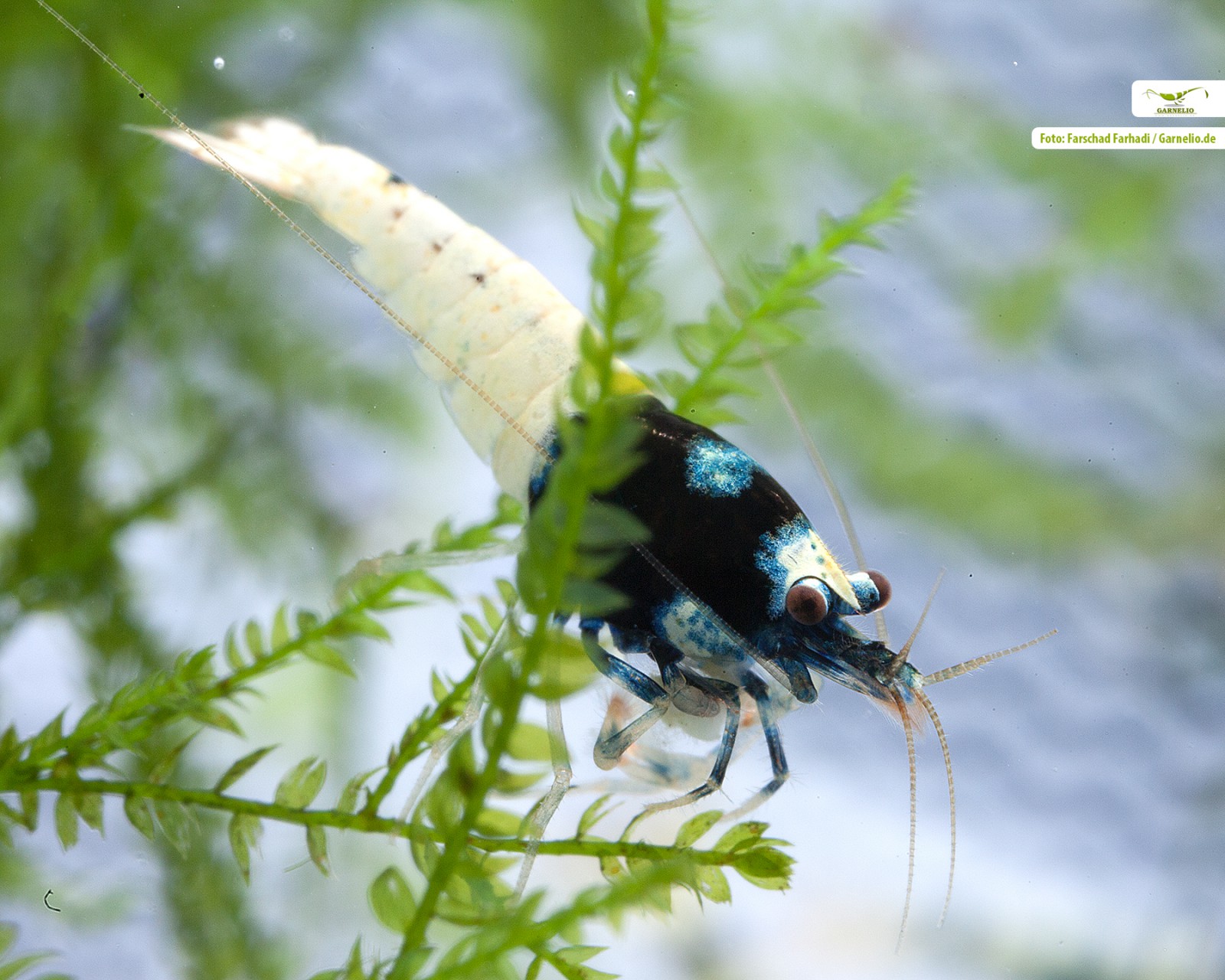
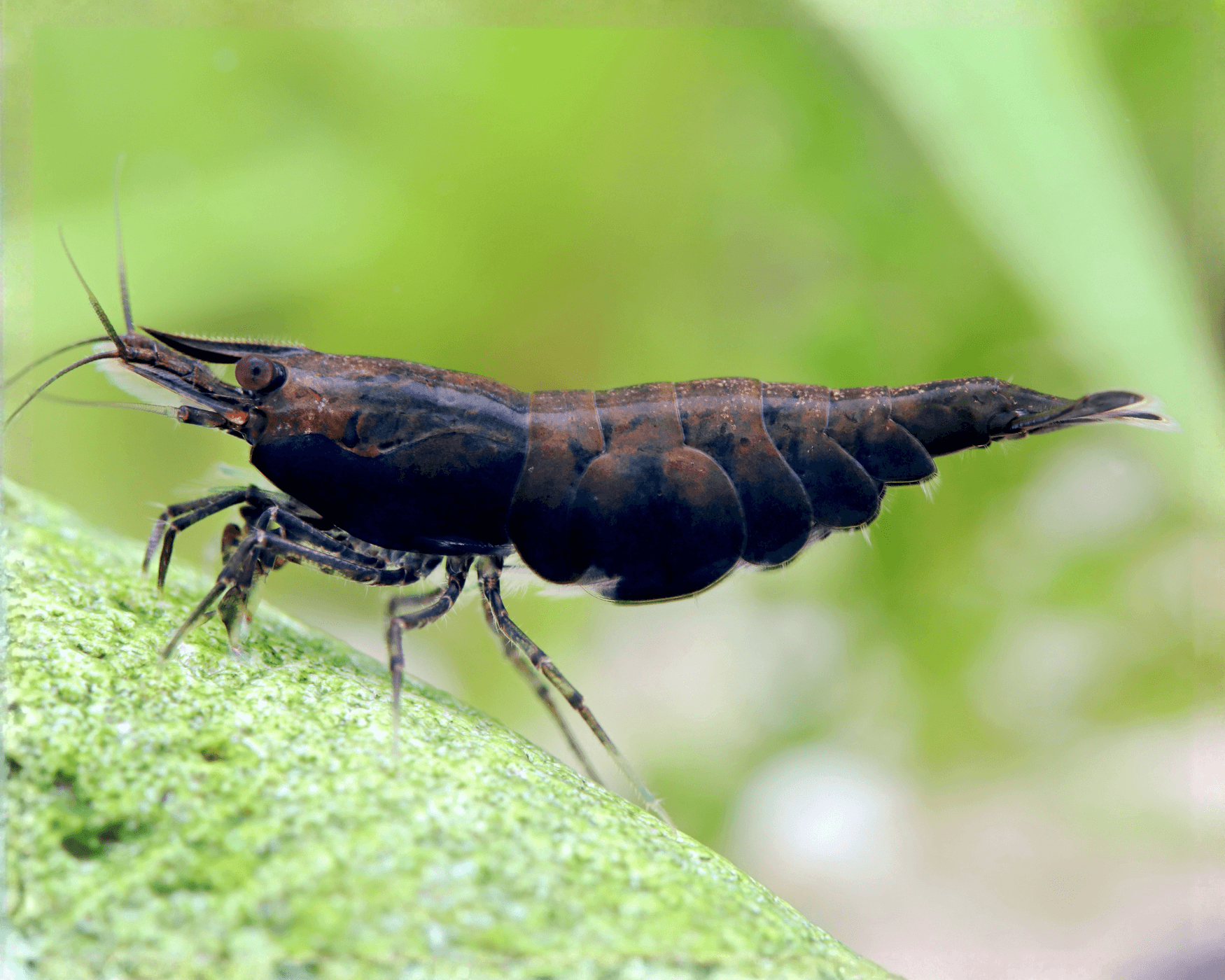
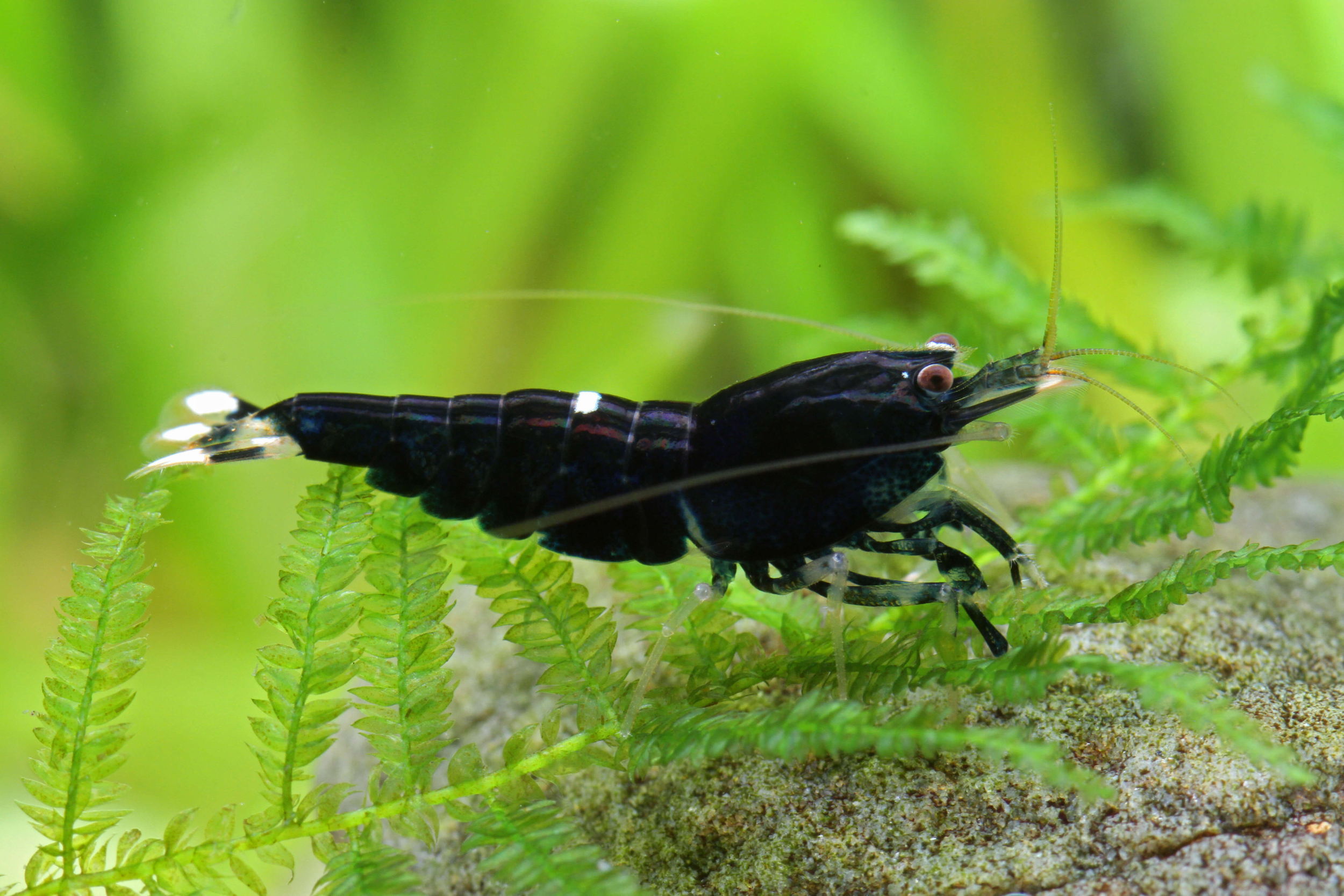
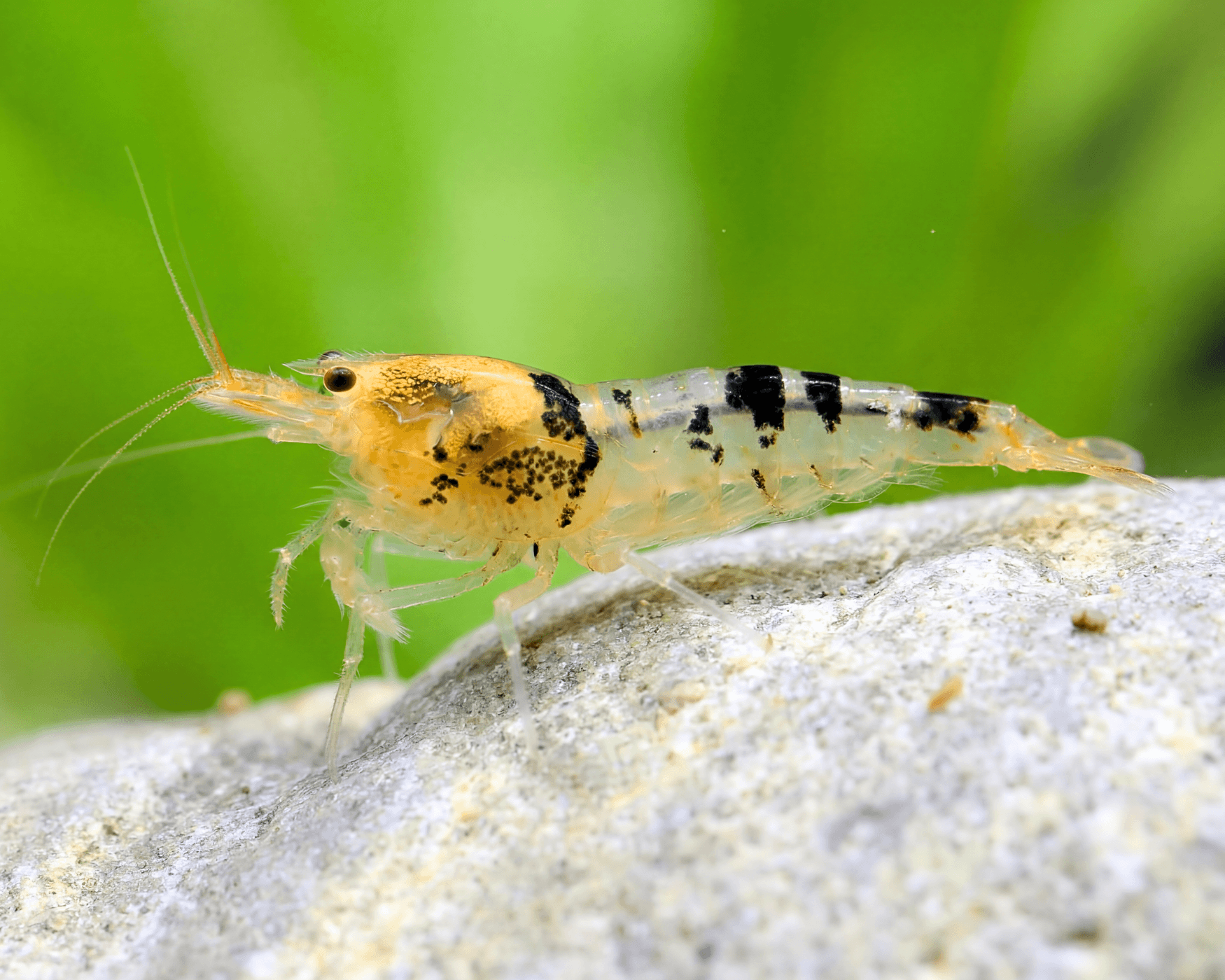
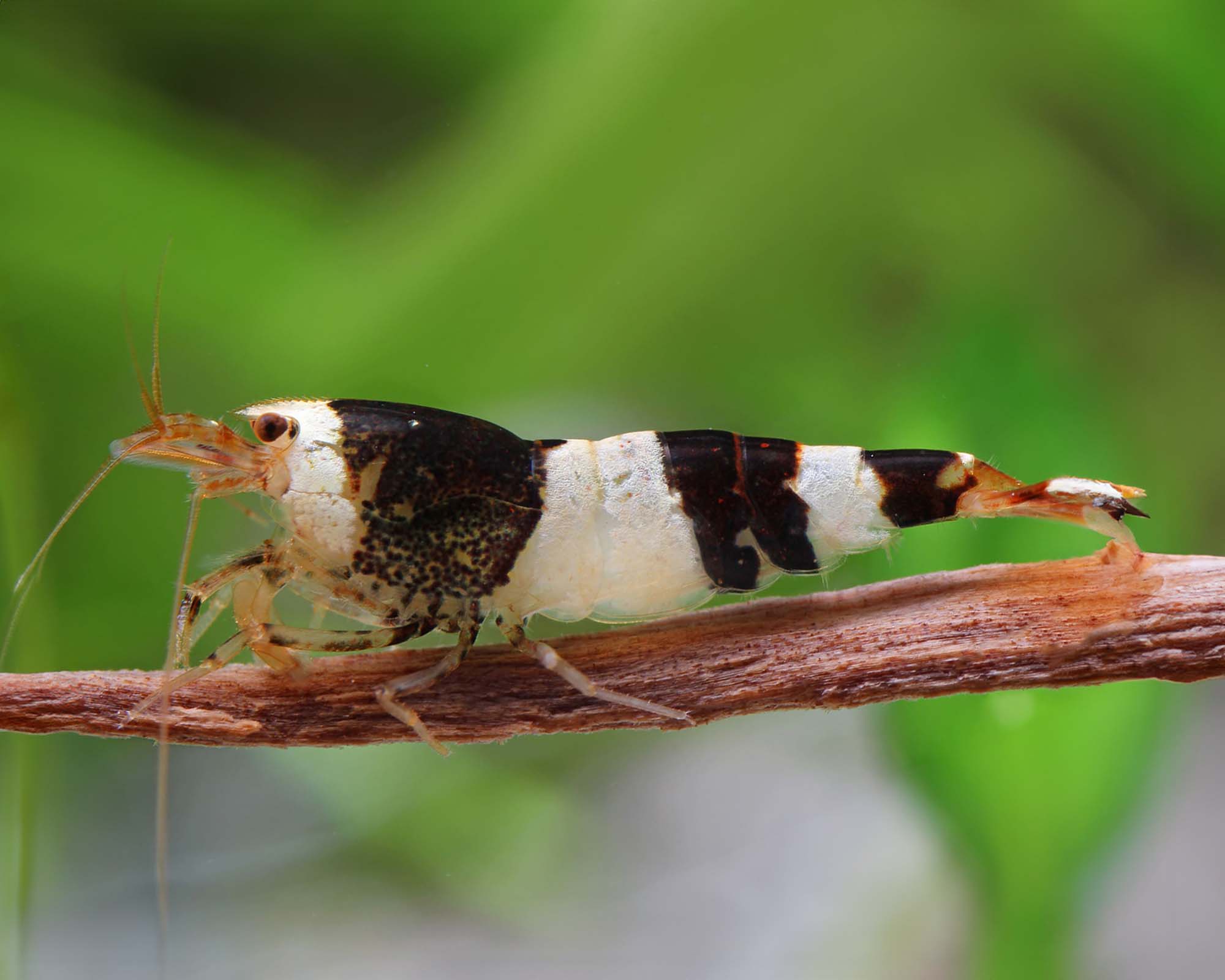
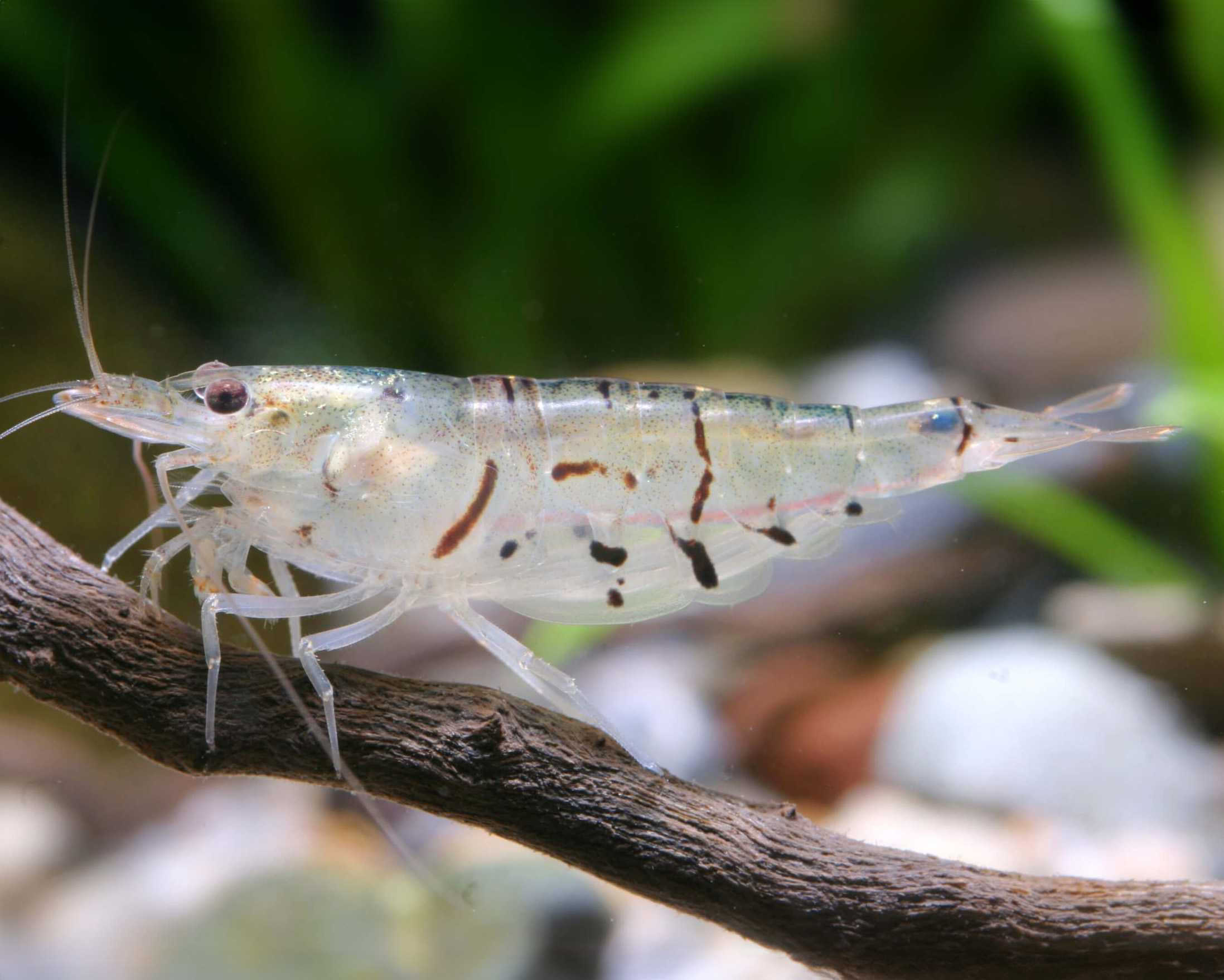
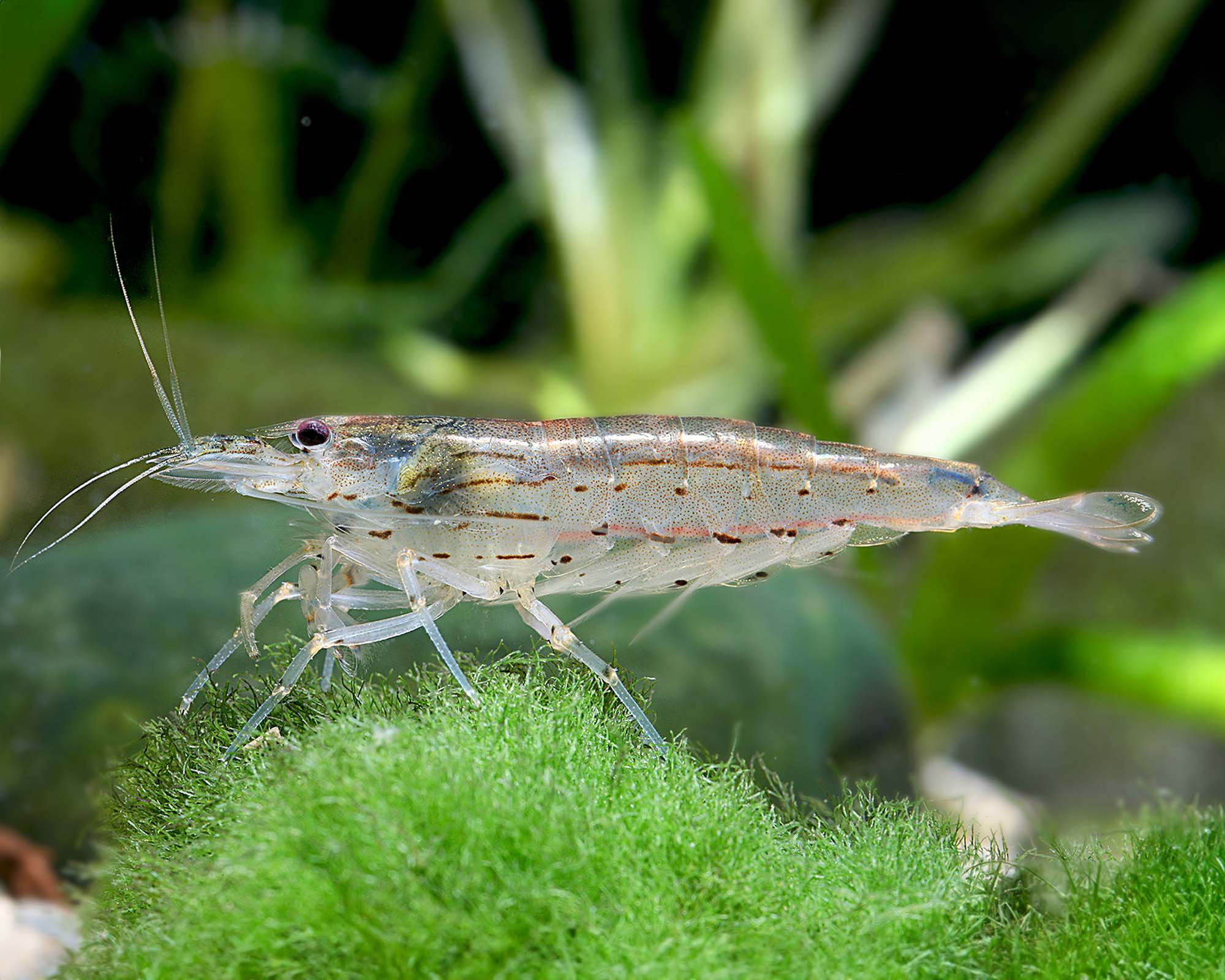
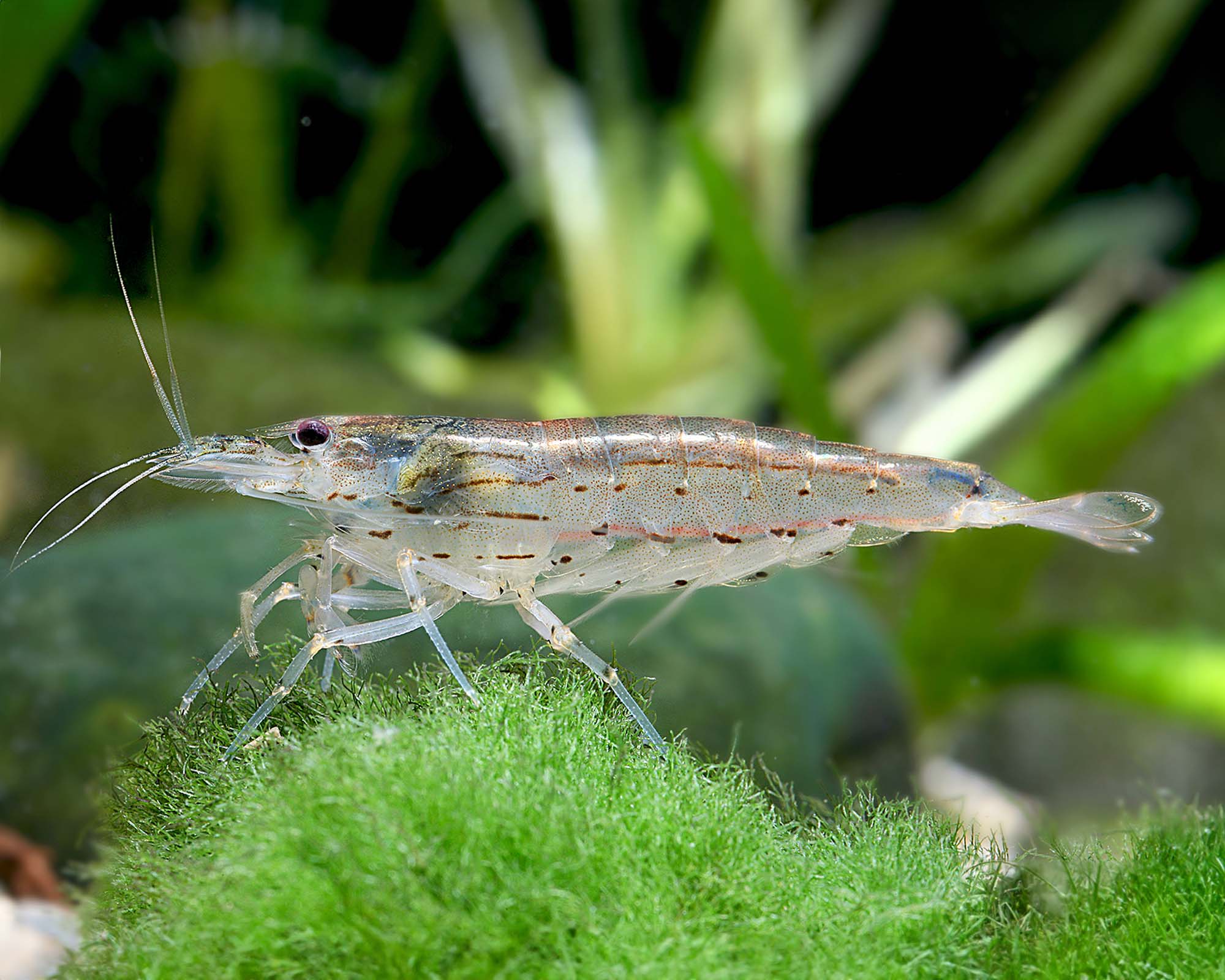
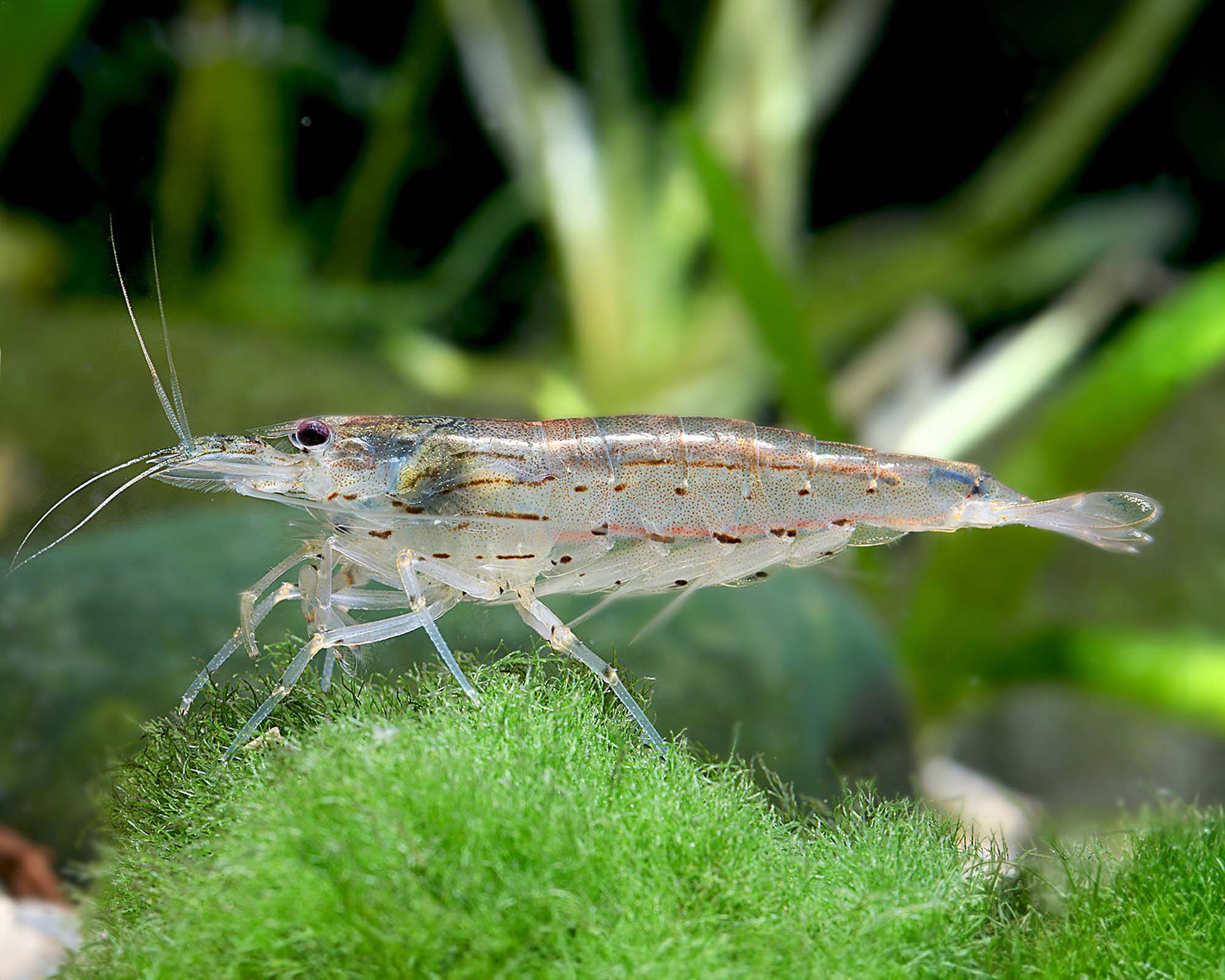
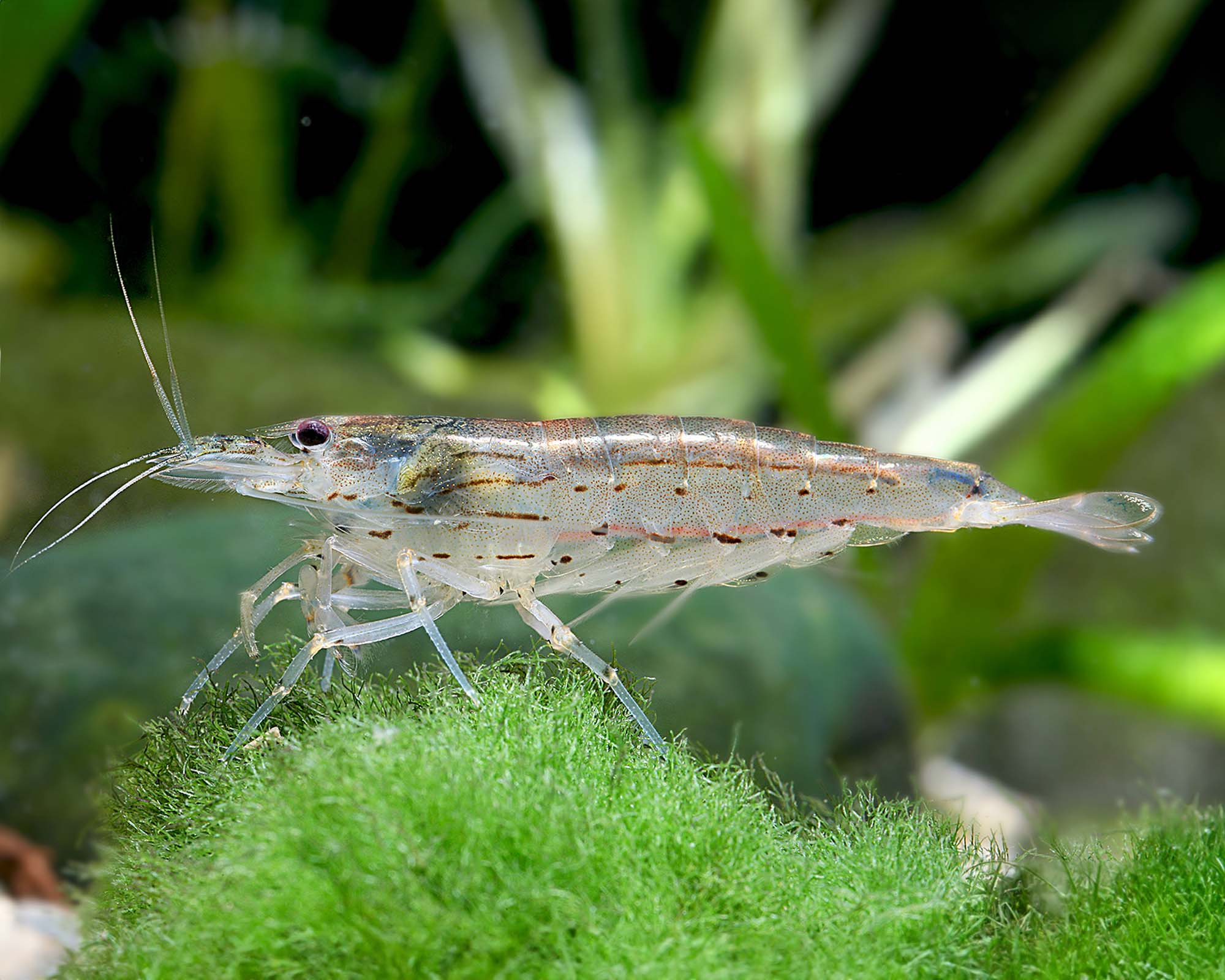
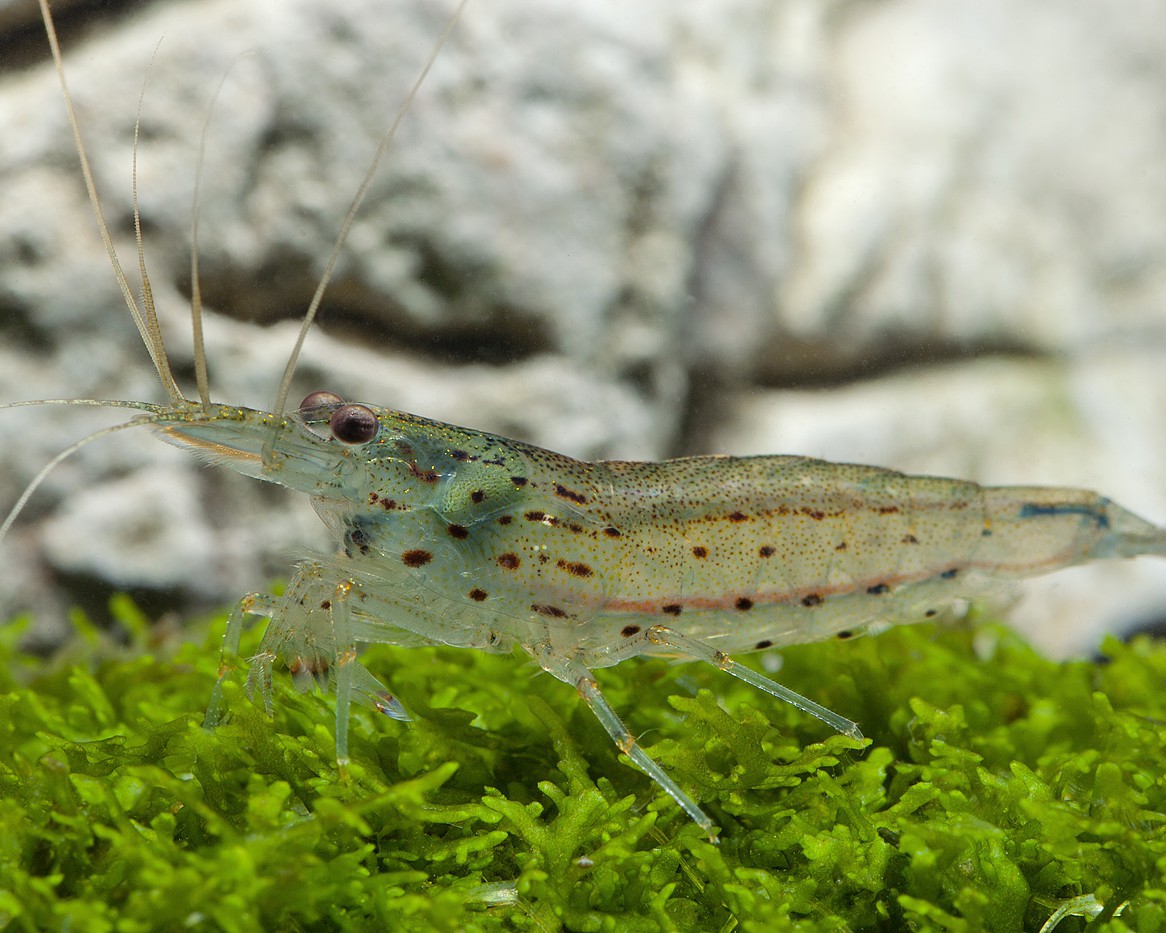
The typical form has a black or blue-black body with white bands, patches, or irregular Pinto-like markings. White may cover parts of the head, abdomen, or tail, and pattern intensity can change with genetics, age, background, stress, and water conditions. Some individuals show pale blue or cream-toned areas. These shrimp are small, laterally compressed, and equipped with long antennae and numerous walking legs.
Natural habitat
The exact wild habitat of this cultivated color form is not established. Taiwan Bee and related Caridina aquarium lines derive from soft-water freshwater shrimp stock associated in the trade with southern Chinese Caridina populations. In nature, comparable Caridina inhabit clear, cool streams and shaded margins where leaf litter, biofilm, aquatic plants, and porous surfaces provide food and shelter. Aquarium specimens should be treated as domesticated breeding lines, not as verified wild representatives.
Aquarium setup
Use a mature, fully cycled aquarium with gentle filtration and an intake pre-sponge to protect juveniles. A shrimp-specific active substrate is commonly used to support soft, acidic water. Provide mosses, fine-leaved plants, wood, leaf litter, and other surfaces that grow biofilm. Avoid large, sudden water changes, copper-containing treatments, and unstable aquariums. Moderate flow and good oxygenation are preferable to strong turbulence.
Water parameters
Aim for 20–24 °C, pH 5.8–6.8, low general hardness, and low carbonate hardness, with exact mineral levels matched to the chosen remineralized water and substrate. Stability is more important than chasing a single number. Ammonia and nitrite must remain undetectable, and nitrate should be kept low. Acclimate slowly because abrupt changes in temperature, pH, conductivity, or hardness can cause serious stress.
Feeding
Black Pinto Shrimp graze continuously on biofilm, microorganisms, and fine organic material. Offer small portions of a quality shrimp food containing plant and mineral ingredients several times per week, removing uneaten food before it decays. Blanched vegetables can be used occasionally, while dried leaves provide cover and a gradual food source. Do not overfeed; excess food can quickly damage water quality in a small aquarium.
Tank mates
A dedicated shrimp aquarium is safest, especially when preserving a valuable breeding line. Peaceful, very small community fish may coexist with adults, but most fish can eat newly hatched or juvenile shrimp. Avoid predatory fish, crayfish, larger snails that may disturb the colony, and boisterous bottom dwellers. Do not mix unrelated Caridina lines if maintaining a controlled breeding program, because offspring may show unpredictable patterns or reduced selection value.
Molting and mineral nutrition
Shrimp periodically shed the old exoskeleton to grow. Before molting, an individual may become less active and seek cover; after shedding it is soft and vulnerable. Leave a clean exuvia in the aquarium unless it is fouling the water, as the shrimp often consume it and recover minerals. Provide consistent calcium and magnesium availability through properly remineralized water and a varied diet, but avoid sudden hardness increases or excessive mineral dosing.
Breeding
Breeding is conducted in freshwater and requires a mature, stable aquarium with both sexes. After mating, the female carries fertilized eggs beneath her abdomen and fans them until they hatch. The young emerge as miniature benthic shrimp and need biofilm, fine cover, and safe filtration; they do not require brackish water. Keep parameters stable, avoid major maintenance while females are berried, and use dense moss or leaf litter to improve juvenile survival. Selective breeding is needed to maintain strong Pinto contrast, and offspring can vary considerably in pattern.
Identification note
The supplied trade labels do not establish a complete scientific identification. The article therefore uses Black Pinto Shrimp as the practical aquarium name and retains Caridina sp. as the safest broad taxonomic designation. Confirming the species or lineage would require documented provenance and specialist examination rather than color pattern alone.
 - 1.webp)
Leave your comments