Taxonomy and identification
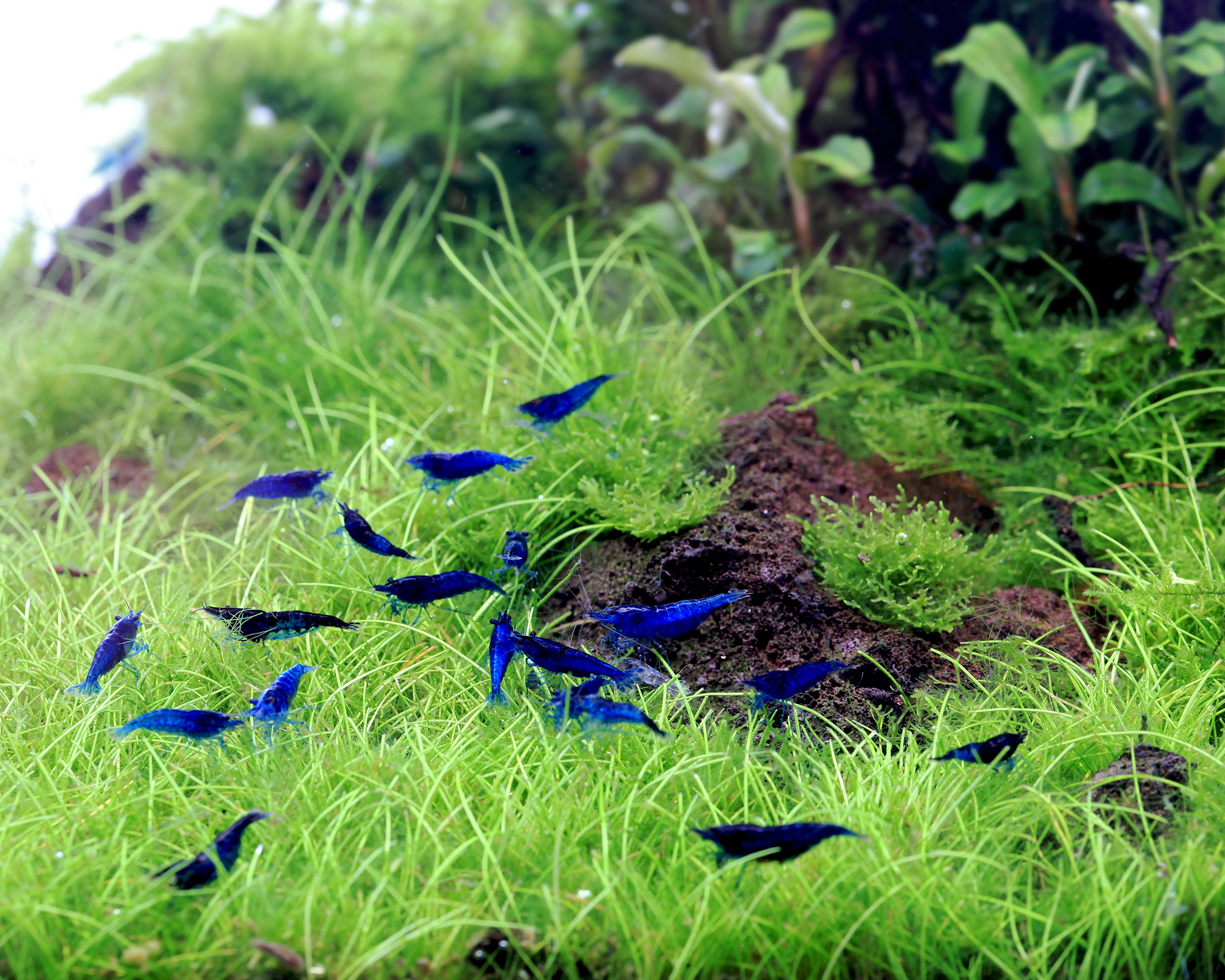
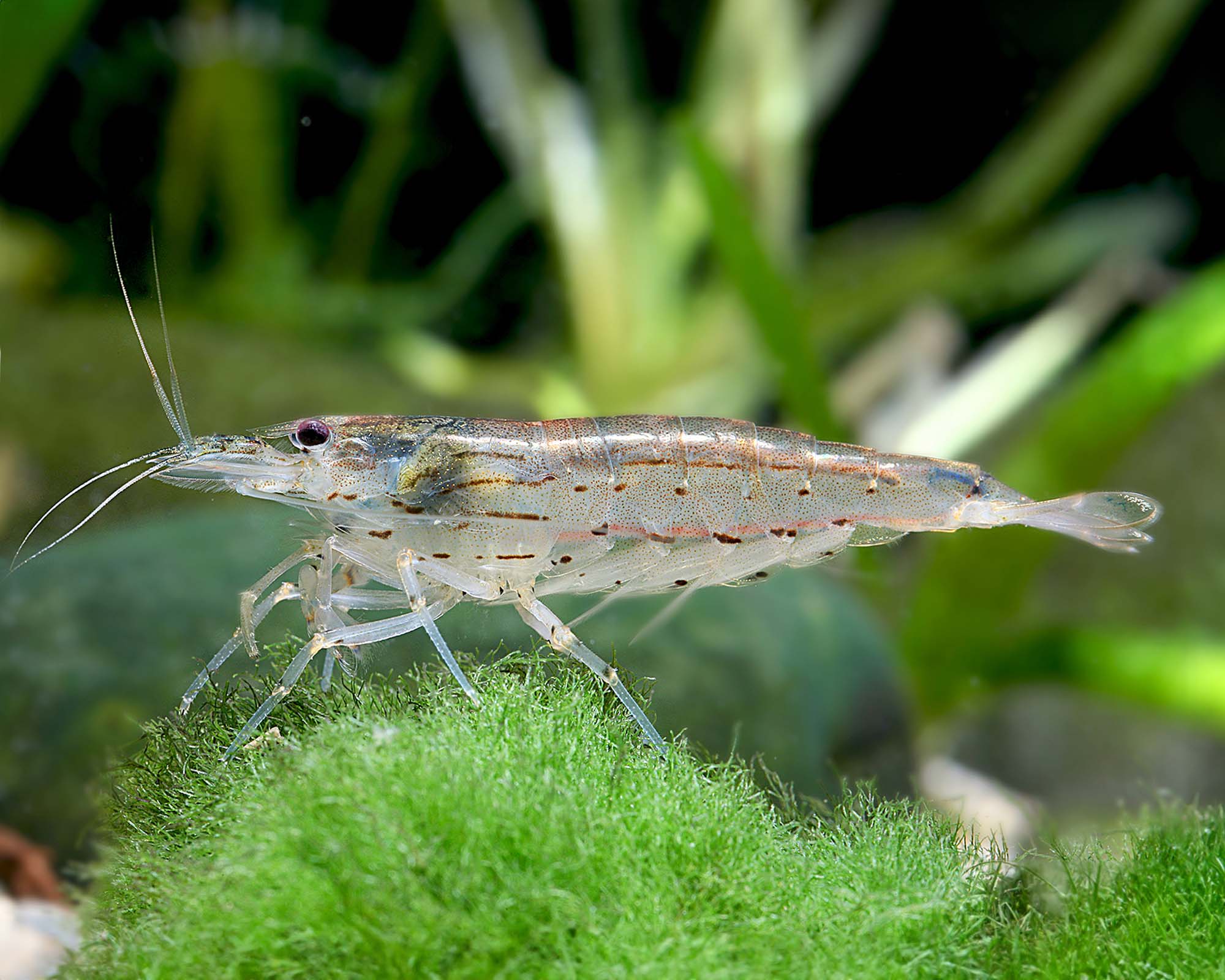
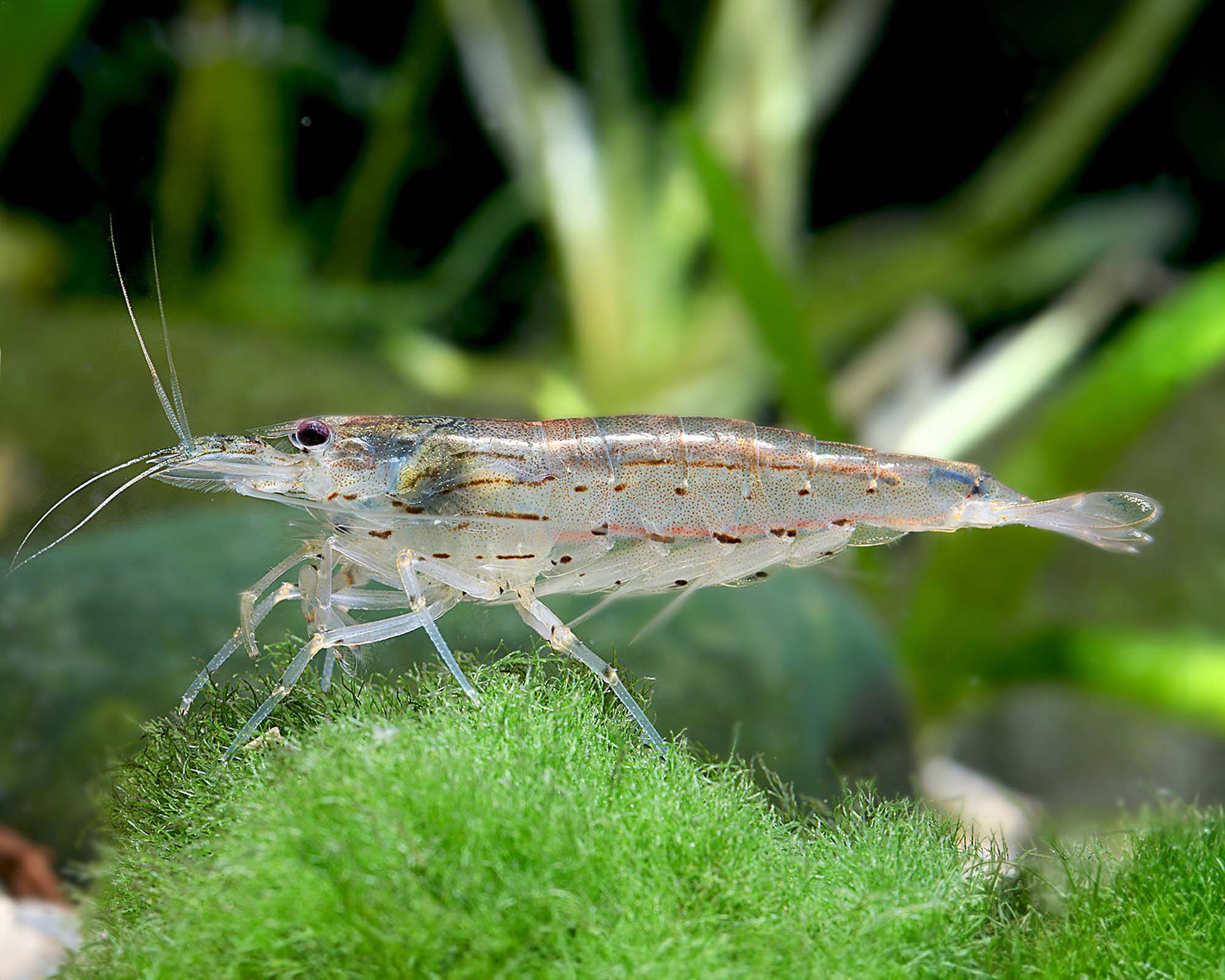
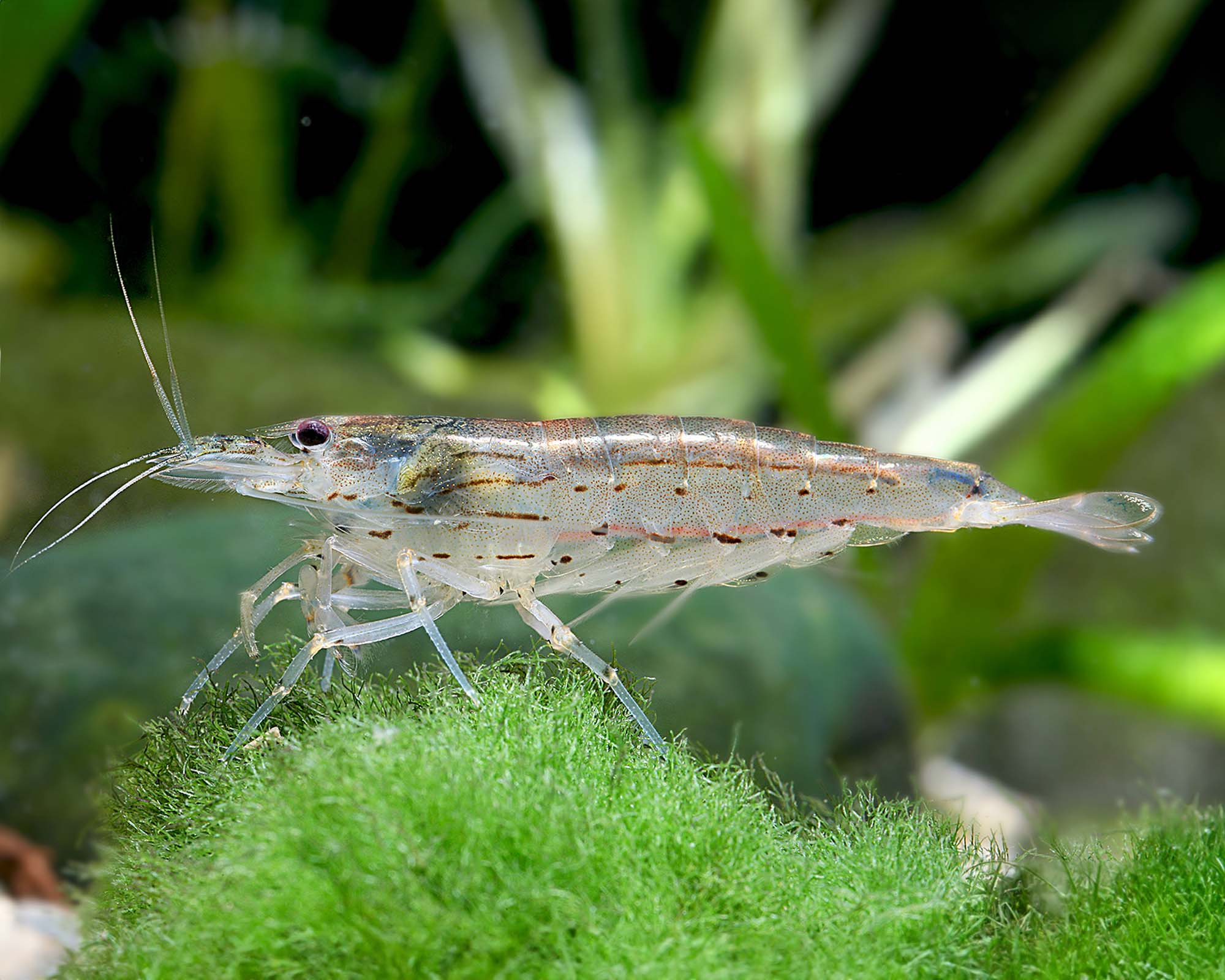
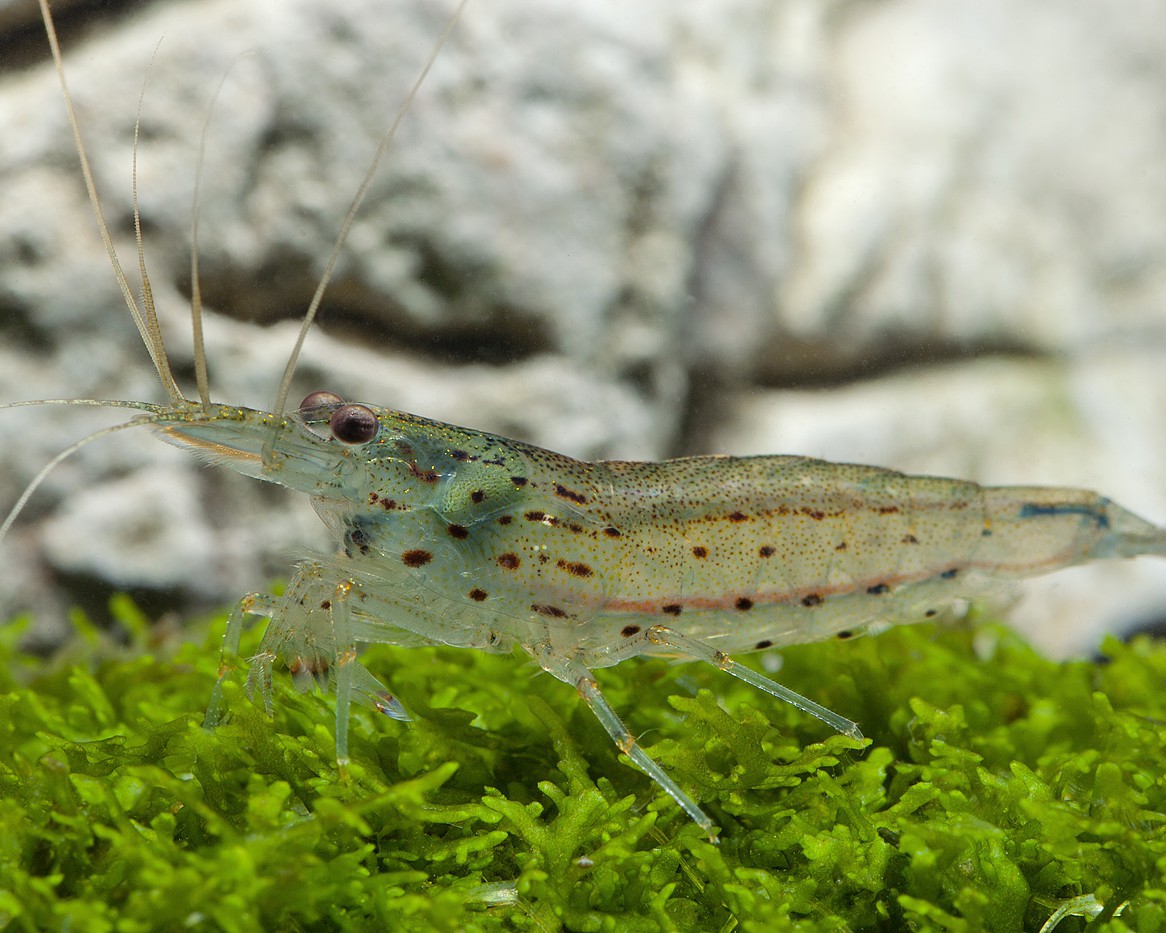
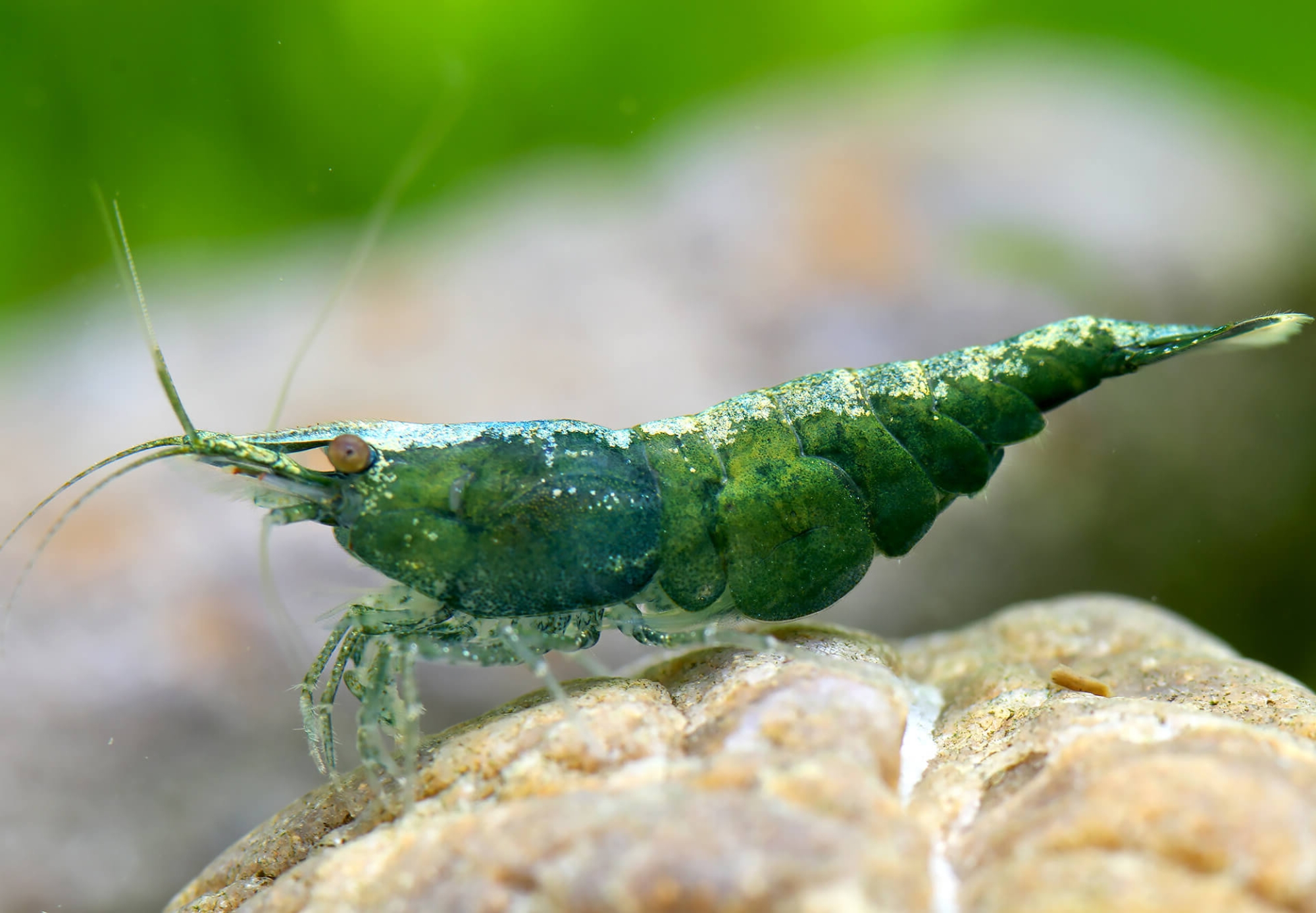
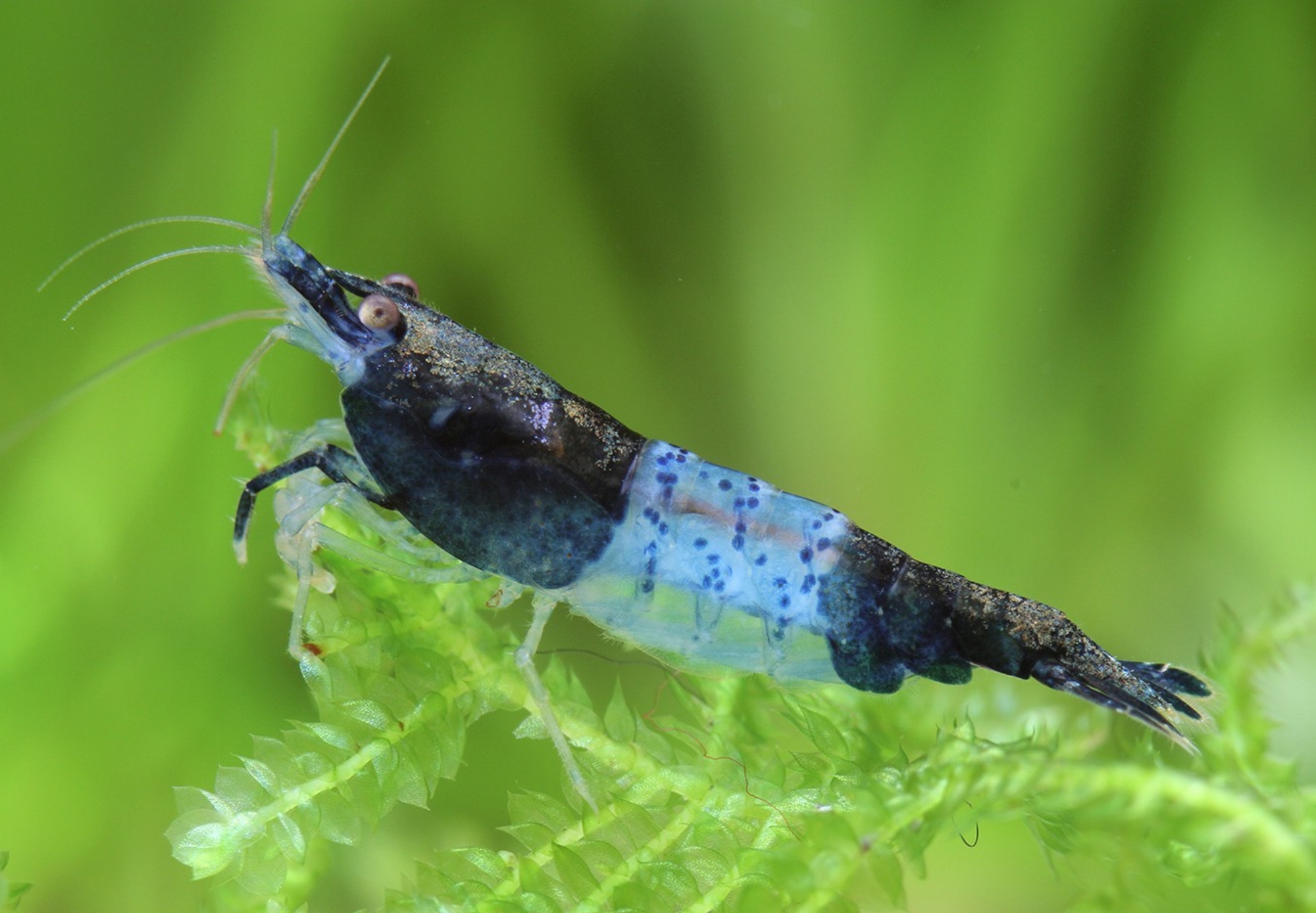
Blue Dream is a selectively bred ornamental color form, not a separate species. It is generally traded as Neocaridina davidi, a freshwater shrimp in the family Atyidae. The exact strain, grade, and breeding history cannot be confirmed from the supplied source label or images alone. Visible specimens range from vivid blue to very dark blue, with some variation in opacity and coverage.

Natural habitat
Neocaridina davidi is associated with freshwater habitats in East Asia, including streams, ponds, and slow-moving waters. In aquaria, it uses plants, wood, rocks, and other surfaces for grazing and shelter. Dense vegetation and fine-leaved plants provide biofilm as well as refuge for juveniles.
Aquarium and water parameters
Use a fully cycled, mature aquarium with stable water chemistry and gentle flow. A sponge filter or a protected intake is useful because it reduces the risk of injury and prevents young shrimp from being drawn into the filter. A practical range is 18–26 °C and pH 6.5–8.0. Maintain ammonia and nitrite at zero, avoid abrupt changes, and keep nitrate low. Provide calcium and other minerals through appropriately mineralized water and a suitable diet; do not make large, rapid corrections to hardness or pH.
Feeding
These shrimp continually graze on algae, microorganisms, and biofilm growing on aquarium surfaces. Offer small amounts of a quality shrimp food, with occasional blanched vegetables or other suitable foods. Remove uneaten food promptly, especially in small aquaria. Feeding should be lighter when natural grazing is abundant. A varied diet containing minerals and adequate protein supports growth, reproduction, and recovery after molting.
Tank mates
The safest companions are other peaceful Neocaridina shrimp and small, non-predatory invertebrates such as many freshwater snails. Fish may eat shrimplets, even when they do not harm adults. Avoid large, predatory, or highly active fish, crayfish, and aggressive invertebrates. If preserving the blue color form is important, do not mix it with other Neocaridina color lines, because crossbreeding can produce less predictable colors in later generations.
Molting and care
Shrimp periodically shed their exoskeleton to grow. Before molting, an individual may become less active or hide; after shedding, it is soft and especially vulnerable. Provide cover such as moss, dense plants, and small crevices, and avoid disturbing or handling the shrimp. Do not remove a normal shed exoskeleton immediately, because shrimp commonly consume it and reclaim minerals. Persistent failed molts are often linked to unstable water, unsuitable mineral content, poor nutrition, or sudden changes.
Breeding
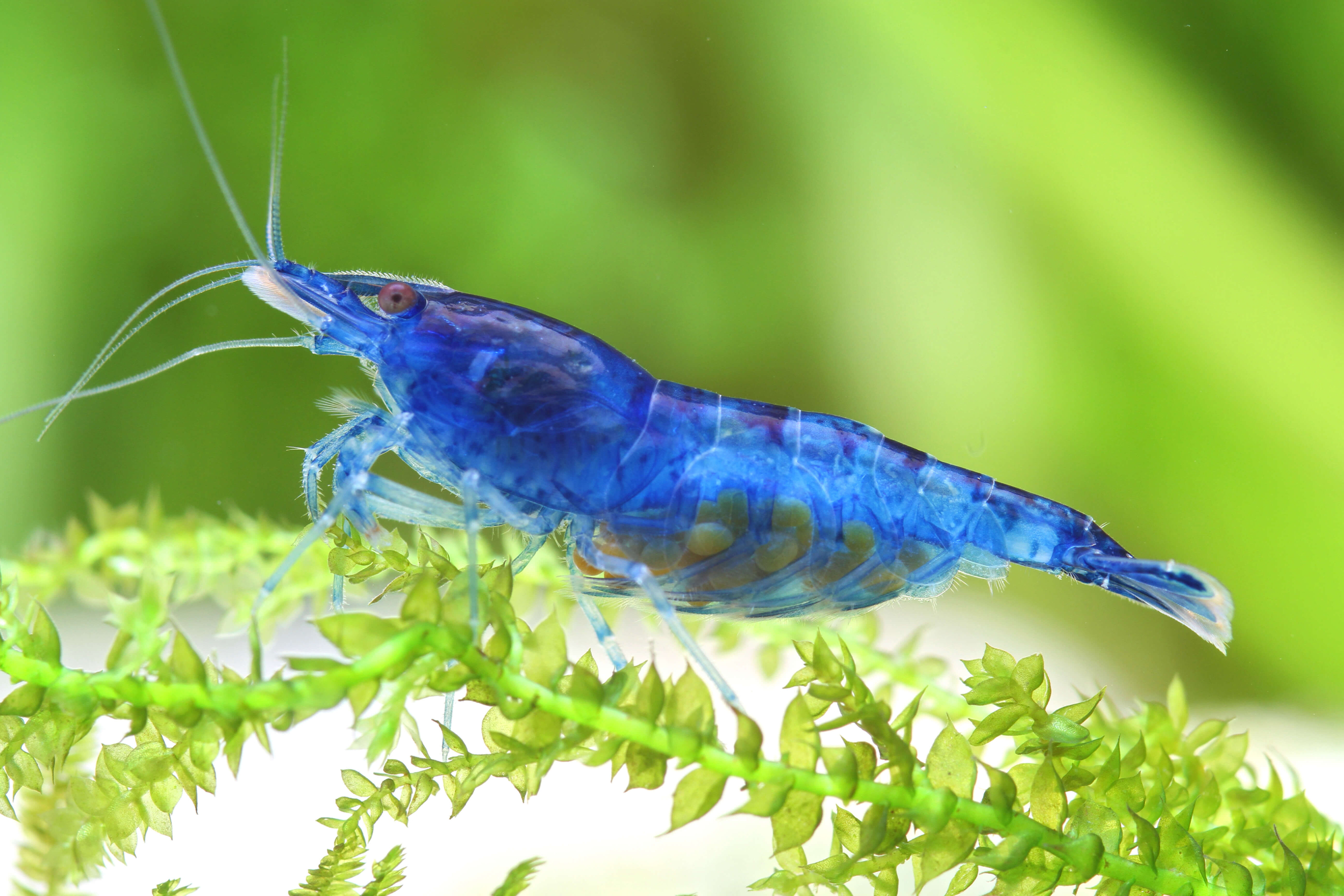
Neocaridina davidi is a freshwater-breeding shrimp with direct development. Once mature, females carry fertilized eggs beneath the abdomen and fan them until fully formed miniature shrimp hatch. Stable conditions, abundant biofilm, and dense plant cover improve survival. Keep filtration intake covered and avoid large water changes or chemical treatments during a berried female’s development. Young shrimp resemble small versions of adults and can remain in the same aquarium when tank mates are non-predatory.
Leave your comments