It’s time to help contribute for biggest aquarium gallery online

SUBMIT HEREVIEW GALLERY

Aplocheilus lineatus (Golden Striped Pike)

Overview

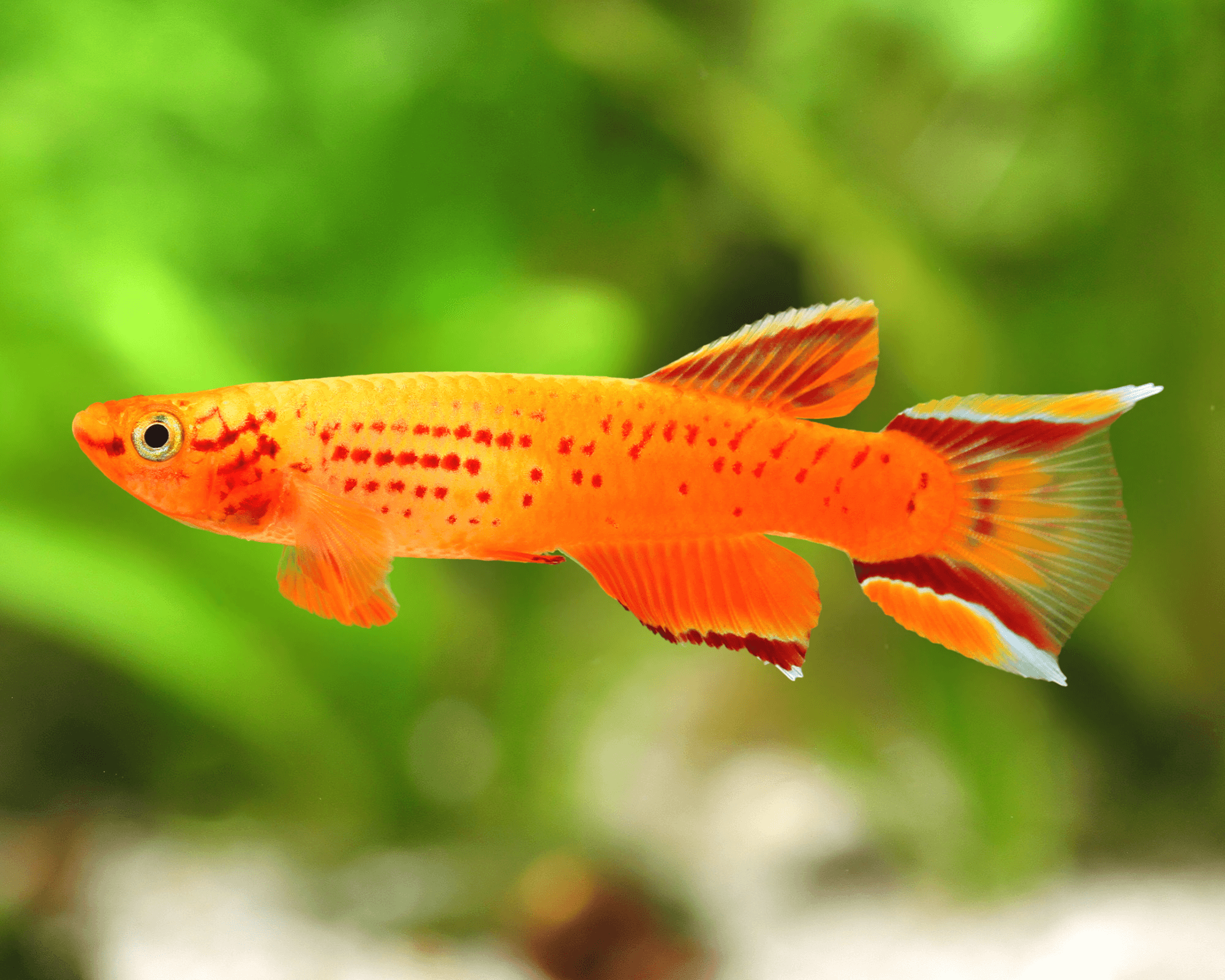
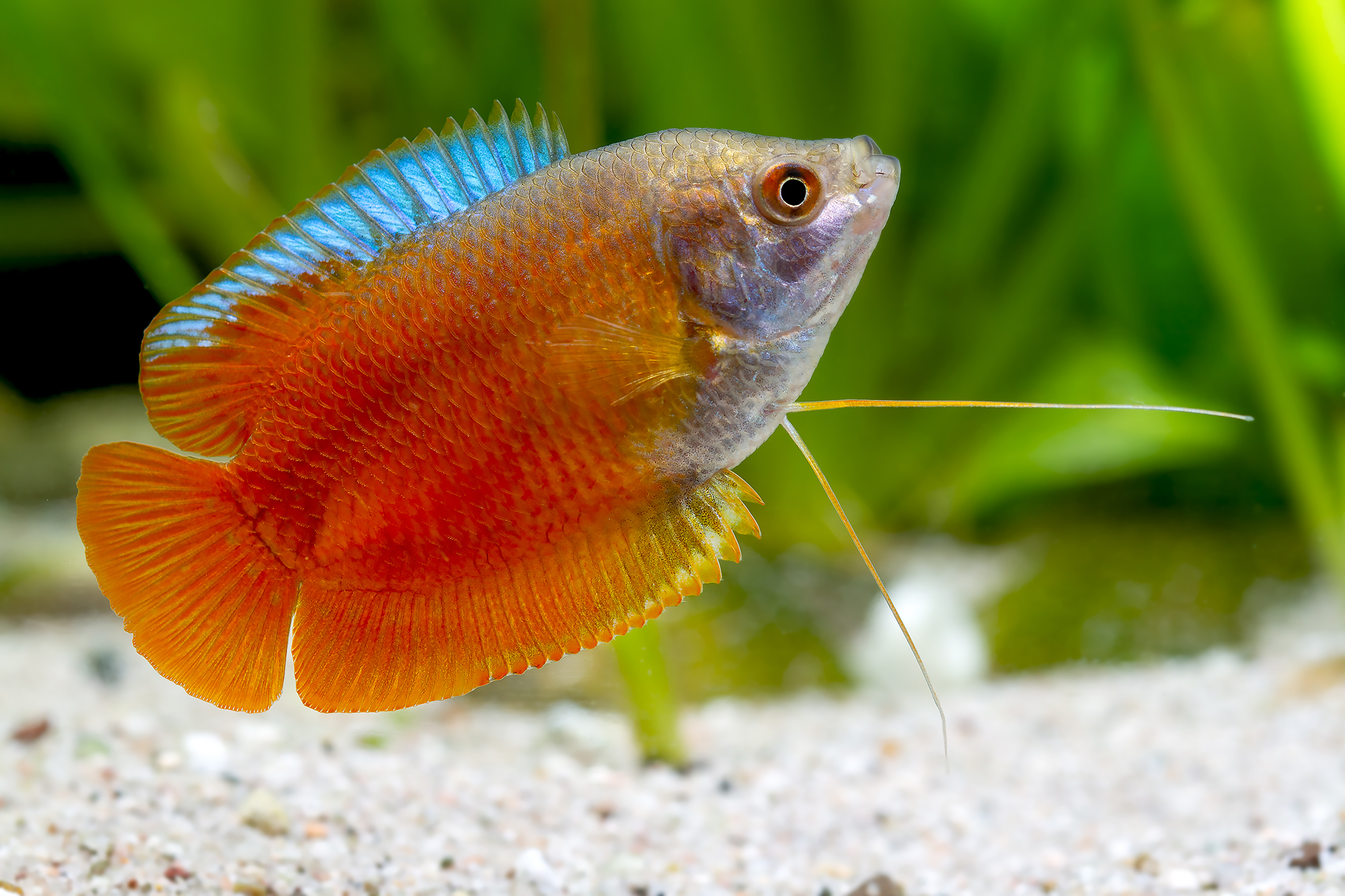
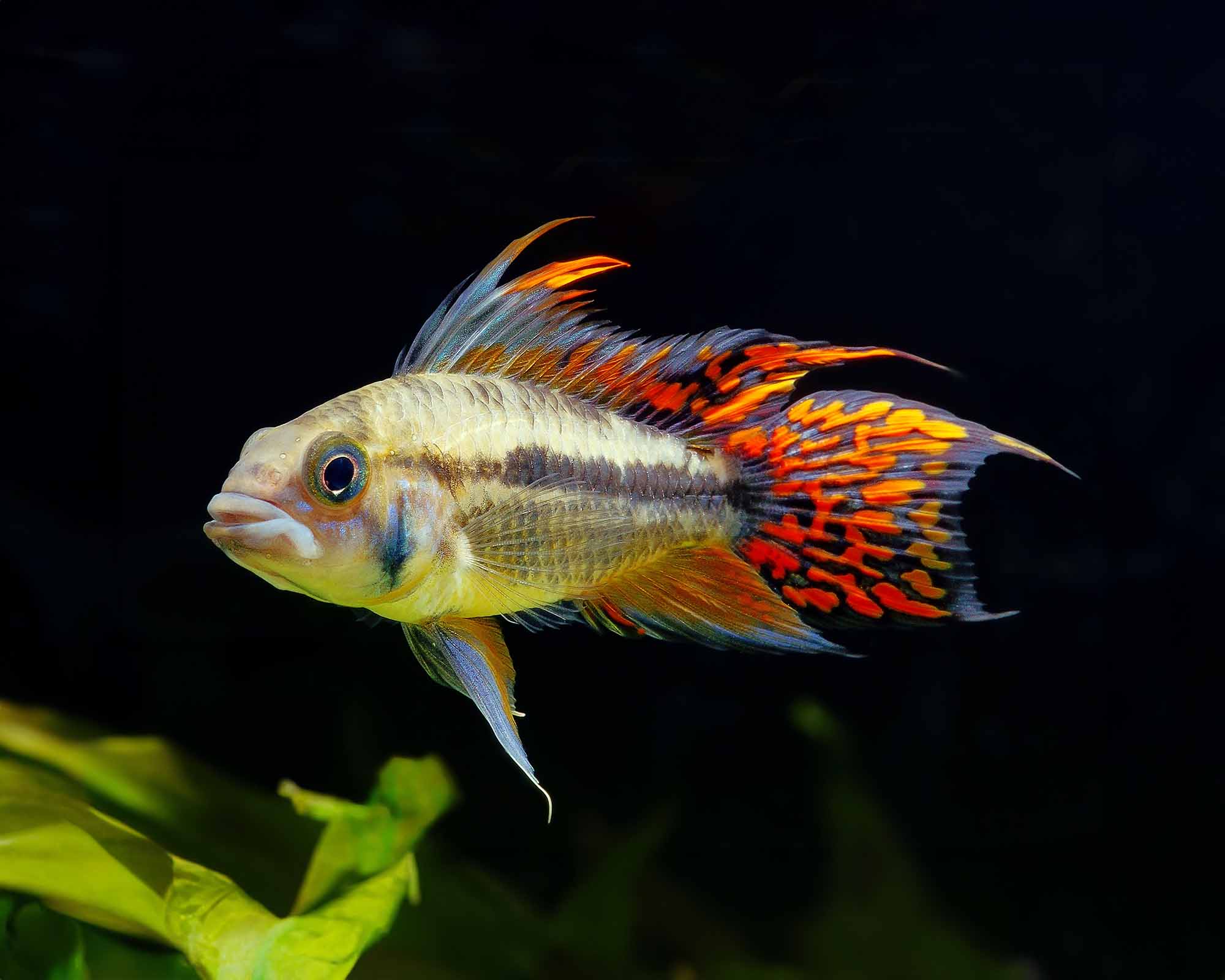
The Golden Striped Pike, widely known in the aquarium trade as the Golden Wonder Killifish, is a striking, captive-bred color morph of the wild Striped Panchax (Aplocheilus lineatus). The "eu nz" designation typically indicates European captive-bred stock (Nachzucht), ensuring a hardy, adaptable fish that is well-suited for home aquariums. Known for their predatory, pike-like appearance and brilliant golden hues, they are a favorite among aquarists looking for an active, surface-dwelling species.

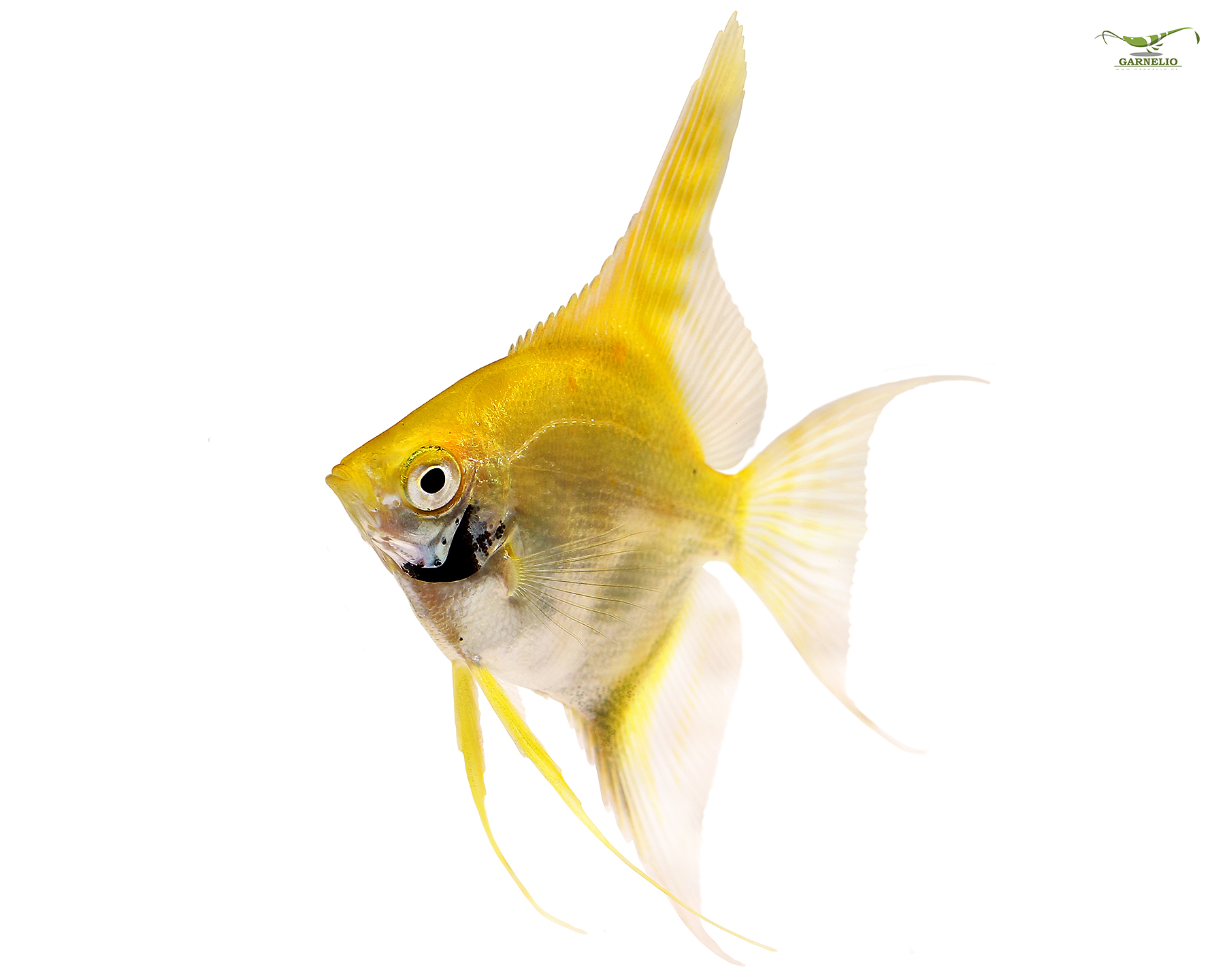
Image of golden striped pike aplocheilus lineatus eu nz

Distribution and Habitat

While the wild Aplocheilus lineatus is native to the fresh and brackish waters of India and Sri Lanka, this specific golden morph is the result of selective line-breeding in the aquarium hobby. In the wild, their ancestors inhabit slow-moving streams, rivers, and swamps with dense overhanging vegetation, where they hunt insects at the water's surface. Captive-bred specimens retain this preference for heavily planted, calm waters.

Description of Golden Striped Pike

Body shape:

They possess an elongated, streamlined, and slightly flattened body that resembles a miniature pike. Their dorsal profile is remarkably straight, perfectly adapted for cruising just below the water's surface.

Color:

This morph exhibits a brilliant, metallic golden-yellow base coloration. In the right lighting, faint vertical striping can be seen along the flanks, accompanied by vibrant red or orange accents near the gills and along the edges of the fins.

Barbels:

This species does not possess barbels.

Snout:

The snout is pointed with a wide, upturned mouth. This superior mouth position is an evolutionary adaptation for snatching terrestrial insects that fall onto the water's surface.

Eyes:

They have large, expressive eyes located near the top of their head, often displaying a reflective greenish or bluish iridescence, allowing them to spot prey above the water.

Fins:

The dorsal fin is set very far back on the body, near the caudal peduncle, which aids in sudden bursts of speed. The fins are primarily bright yellow, often featuring delicate red or orange margins.

The Tail:

The caudal fin (tail) is rounded and paddle-like, sharing the same vibrant yellow coloration as the rest of the body, occasionally with reddish fringes on the upper and lower edges.

Temper

They are generally considered semi-aggressive. While they are peaceful towards fish of similar or larger size, their predatory instincts mean they will readily consume any tank mate small enough to fit into their surprisingly large mouths (such as small tetras or nano rasboras).

Sociality

Golden Striped Pikes are relatively social and can be kept in groups. Males may occasionally flare and spar with one another to establish dominance, but this rarely results in serious injury if the tank is spacious enough. They do well in a community of medium-sized, peaceful fish.

Activity

They are highly active top-dwellers. You will almost always find them patrolling the upper strata of the aquarium, waiting for food. They are also notorious and skilled jumpers, meaning a tight-fitting lid is absolutely mandatory.

Keeping and Caring for Golden Striped Pike

Tank size:

A minimum tank size of 20 gallons (approx. 80 liters) is recommended for a small group, though larger tanks are preferred to provide ample surface area for swimming and territory establishment.

Water Parameters:

Temperature

They thrive in tropical temperatures ranging from 22-28°C (72-82°F).

pH

A slightly acidic to neutral pH between 6.0 and 7.5 is ideal.

Hardness

They are quite adaptable but generally prefer soft to moderately hard water, ideally between 5 and 15 dGH.

Ammonia, Nitrite, Nitrate

Ammonia and Nitrite must always be at 0 ppm. Nitrates should be kept below 20 ppm through regular water changes and good filtration.

Lighting

Moderate lighting is acceptable, but they feel most secure when the light is somewhat subdued or dappled by floating vegetation.

Water flow

Keep water flow gentle to moderate. They originate from slow-moving waters and strong currents can exhaust them as they try to maintain their position at the surface.

Decorations and Plants

Floating plants (like Water Sprite, Frogbit, or Salvinia) are highly recommended, as they mimic their natural habitat, provide cover, and prevent them from jumping out. Driftwood and tall background plants also help them feel secure.

Diet

They are primarily carnivorous surface feeders. In captivity, they are not picky and will readily accept high-quality floating flakes and pellets. To maintain their vibrant colors and health, supplement their diet with live or frozen foods such as bloodworms, brine shrimp, mosquito larvae, and fruit flies.

Some Feeding Tips

Always offer foods that float or sink very slowly, as they are reluctant to feed from the bottom of the tank. Feed small amounts once or twice a day, only what they can consume in a few minutes.

Breeding

Breeding the Golden Striped Pike is relatively easy. They are continuous plant spawners. In a breeding setup, provide spawning mops or dense clumps of fine-leaved plants (like Java Moss). The female will lay a few eggs daily, which the male fertilizes. The eggs take about 12 to 14 days to hatch. Because the adults may eat the fry, it is best to remove the eggs or spawning mop to a separate rearing tank. The fry can be fed infusoria or liquid fry food until they are large enough for baby brine shrimp.

Conclusion

The Golden Striped Pike is a captivating, hardy, and visually stunning fish that brings life and vibrant color to the upper levels of an aquarium. As long as they are kept with appropriately sized tank mates and provided with a secure lid and floating cover, they make a rewarding and long-lived addition to the home aquarium.
Fish info

Care level: Easy
Temperament: Semi-aggressive
Adult size: 10 cm
Life expectancy: 3-5 years
Fish type: Killifish
Temperature : 22-28°C
pH: 6.0-7.5
Color Form: Gold, Red, Yellow
Leave your comments
Lastest on Fishs
  • Hemigrammus bleheri (Golden Redhead Tetra)

    Moderate
    Killifish
    Hailing from the blackwater rivers of South America, the Golden Redhead Tetra is a striking variant of the classic Rummy-nose Tetra. Renowned for its brilliant ruby-red facial coloration and shimmering golden body, this peaceful schooling fish adds vibrant energy and captivating beauty to any well-planted community aquarium.
  • Chonerhinus modestus (Golden Pufferfish)

    Moderate - Difficult
    Killifish
    The Golden Pufferfish (Chonerhinus modestus), also known as the Bronze Puffer, is a highly active and captivating species native to Southeast Asia. Known for its striking metallic gold coloration, this intelligent but aggressive freshwater puffer requires a dedicated aquarist to manage its specialized diet and fin-nipping tendencies.
  • Megalomphodus roseus (Golden Phantom Tetra)

    Easy
    Killifish
    The Golden Phantom Tetra (Megalomphodus roseus), native to the shaded forest streams of South America, is a captivating and peaceful schooling fish. Known for its distinct black shoulder spot and subtle golden-yellow hues, this active tetra adds a lively, shimmering dynamic to any planted community aquarium.
  • Gymnocorymbus ternetzi (Golden Mourning Tetra)

    Easy
    Killifish
    The Golden Mourning Tetra, a captivating color morph of the popular Black Skirt Tetra, originates from South America. Known for its shimmering, translucent golden hue and hardy nature, this peaceful schooling fish is incredibly popular among both beginner and experienced aquarists seeking an active and resilient community tank addition.
  • Epalzeorhynchos frenatum (Albino Rainbow Shark)

    Moderate
    Killifish
    The Albino Rainbow Shark is a striking freshwater fish renowned for its pale, creamy body and vivid orange-red fins. Originating from Southeast Asia, this semi-aggressive bottom-dweller brings dynamic energy to a well-sized community aquarium. Its shark-like appearance and active scavenging behavior make it a long-standing favorite among aquarists.
  • Nematobrycon palmeri (Golden Emperor Tetra)

    Easy
    Killifish
    The Golden Emperor Tetra is a stunning, captive-bred color morph of the classic Emperor Tetra. Known for its radiant golden hues, striking blue eyes, and graceful finnage, this peaceful schooling fish adds a touch of elegance to any planted aquarium. It is hardy, active, and perfect for community setups.
  • Hemigrammus rodwayi (Gold Tetra)

    Easy
    Killifish
    The Gold Tetra (Hemigrammus rodwayi) is a striking, peaceful freshwater fish native to the rivers of South America. Known for its unique, metallic golden sheen—caused by a harmless skin parasite in the wild—it is a popular, active schooling fish that adds brilliant color to community aquariums.
  • Boraras merah (Gold Spotted Dwarf Danio)

    Moderate
    Killifish
    Hailing from the peat swamps of southern Borneo, the Gold Spotted Dwarf Danio (Boraras merah) is a captivating micro-fish. Loved for its fiery red coloration and peaceful nature, it is a highly popular choice for nano aquariums, bringing vibrant energy and schooling behavior to densely planted blackwater setups.
  • Haludaria fasciata (Glowing Coal Barb)

    Easy - Moderate
    Killifish
    The Glowing Coal Barb, also known as the Melon Barb, is a stunning, highly active cyprinid native to the rivers of southern India. Renowned for its fiery pinkish-red hues and striking black vertical bands, this schooling fish brings a burst of energy and vibrant color to any peaceful community aquarium.
  • Danio choprae (Glowlight Danio)

    Easy
    Killifish
    The Glowlight Danio (Danio choprae) is a stunning, highly active freshwater fish native to the Irrawaddy River drainage in Myanmar. Known for its brilliant neon-orange stripe and striking vertical barring, this peaceful schooling fish adds vibrant color and energetic movement to any appropriately sized, well-planted aquarium.
  • Brevibora dorsiocellata (Emerald Eye Rasbora)

    Easy
    Killifish
    The Emerald Eye Rasbora, or Glow-eyed Rasbora, is a captivating micro-fish native to Southeast Asia. Known for its mesmerizing, iridescent green eyes and peaceful schooling nature, it is a favorite among aquascapers. This active, hardy species adds a sparkling dynamic to planted nano and community aquariums alike.
  • Metynnis fasciatus (Striped Silver Dollar)

    Moderate
    Killifish
    The Striped Silver Dollar (Metynnis fasciatus) is a captivating, rare freshwater fish native to the Amazon basin. Known for its distinct vertical black stripes over a shimmering silver, disc-shaped body, this peaceful schooling fish is highly sought after by aquarists looking to add dynamic movement to large community aquariums.
  • Metynnis maculatus (Spotted Silver Dollar)

    Moderate
    Killifish
    The Spotted Silver Dollar (Metynnis maculatus) is a captivating, disc-shaped characin native to South America. Known for its striking silver body adorned with dark spots, this peaceful schooling fish adds dynamic movement to large aquariums. Though considered a rarity in the hobby, its hardy nature makes it highly rewarding.
  • Osteoglossum bicirrhosum (Silver Arowana)

    Difficult
    Killifish
    The Silver Arowana, occasionally referred to as the Gabelbart, is a majestic and ancient fish native to the Amazon Basin. Renowned for its metallic scales and unique surface-hunting behavior, it is highly prized among experienced aquarists who can accommodate its massive size and specialized care requirements.
  • Mormyrus kannume (Freshwater Dolphin / Tapir Trunkfish)

    Moderate - Difficult
    Killifish
    The Mormyrus kannume, commonly known as the Freshwater Dolphin or Tapir Trunkfish, is a fascinating oddball from the river basins of Africa. Renowned for its unique trunk-like snout and highly intelligent, inquisitive nature, this nocturnal species uses weak electrical impulses to navigate, making it a captivating choice for expert aquarists.
  • Pseudomugil furcatus (Forktail Blue-eye)

    Moderate
    Killifish
    The Forktail Blue-eye (Pseudomugil furcatus) is a captivating, highly active nano fish native to the rainforest streams of Papua New Guinea. Renowned for their striking neon blue eyes, bright yellow finnage, and peaceful schooling behavior, they have become incredibly popular additions to planted community aquariums among dedicated aquarists.