It’s time to help contribute for biggest aquarium gallery online

SUBMIT HEREVIEW GALLERY

Epiplatys dageti dageti (Crossbanded Pikeling)

Overview

The Crossbanded Pikeling, scientifically known as Epiplatys dageti dageti and often referred to as the Redchin Panchax, is a fascinating and relatively hardy surface-dwelling killifish. Unlike annual killifish, this species can live for several years in the aquarium. They are highly valued for their unique predatory appearance and interesting surface behaviors, making them an excellent choice for community tanks with appropriately sized tank mates.

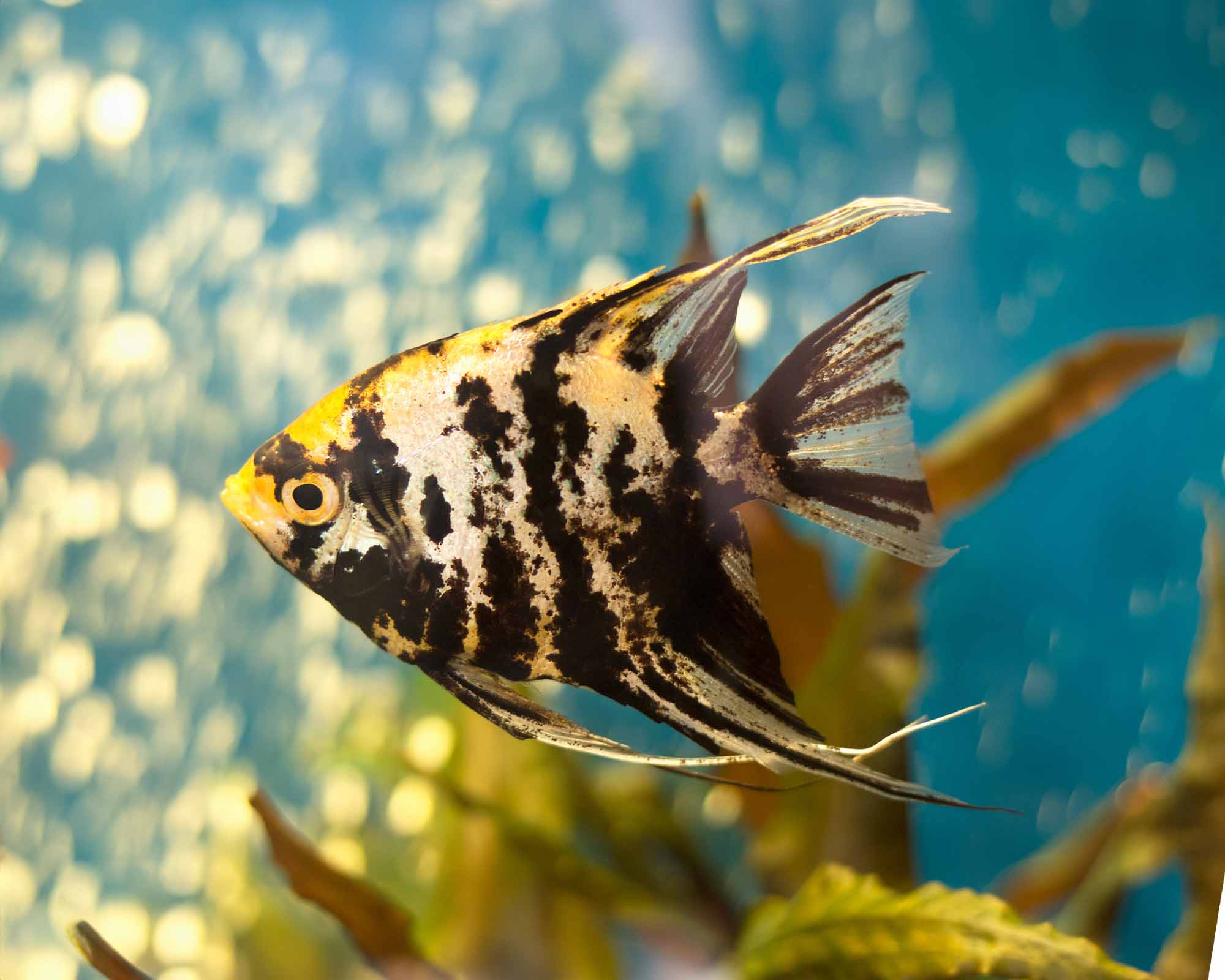
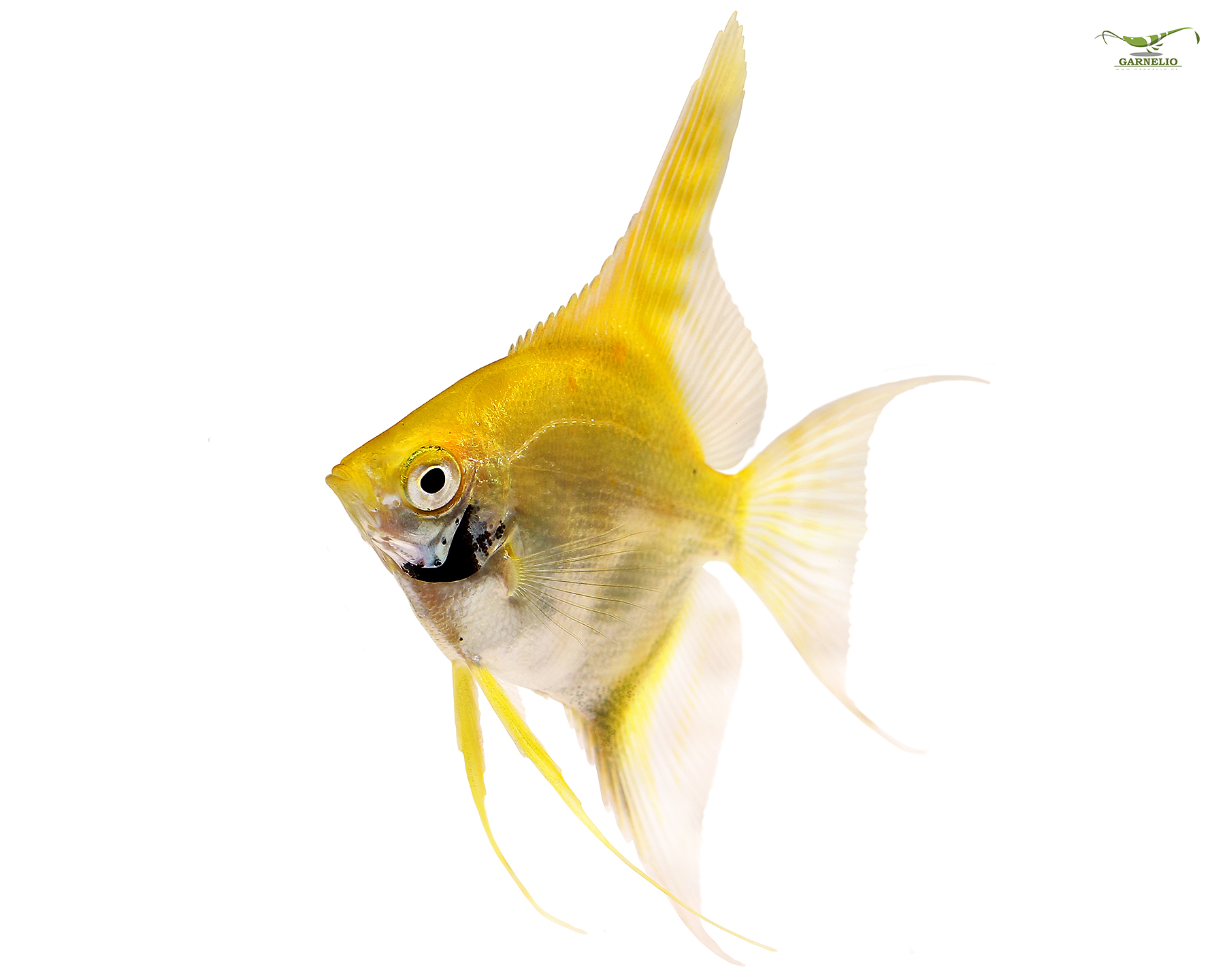
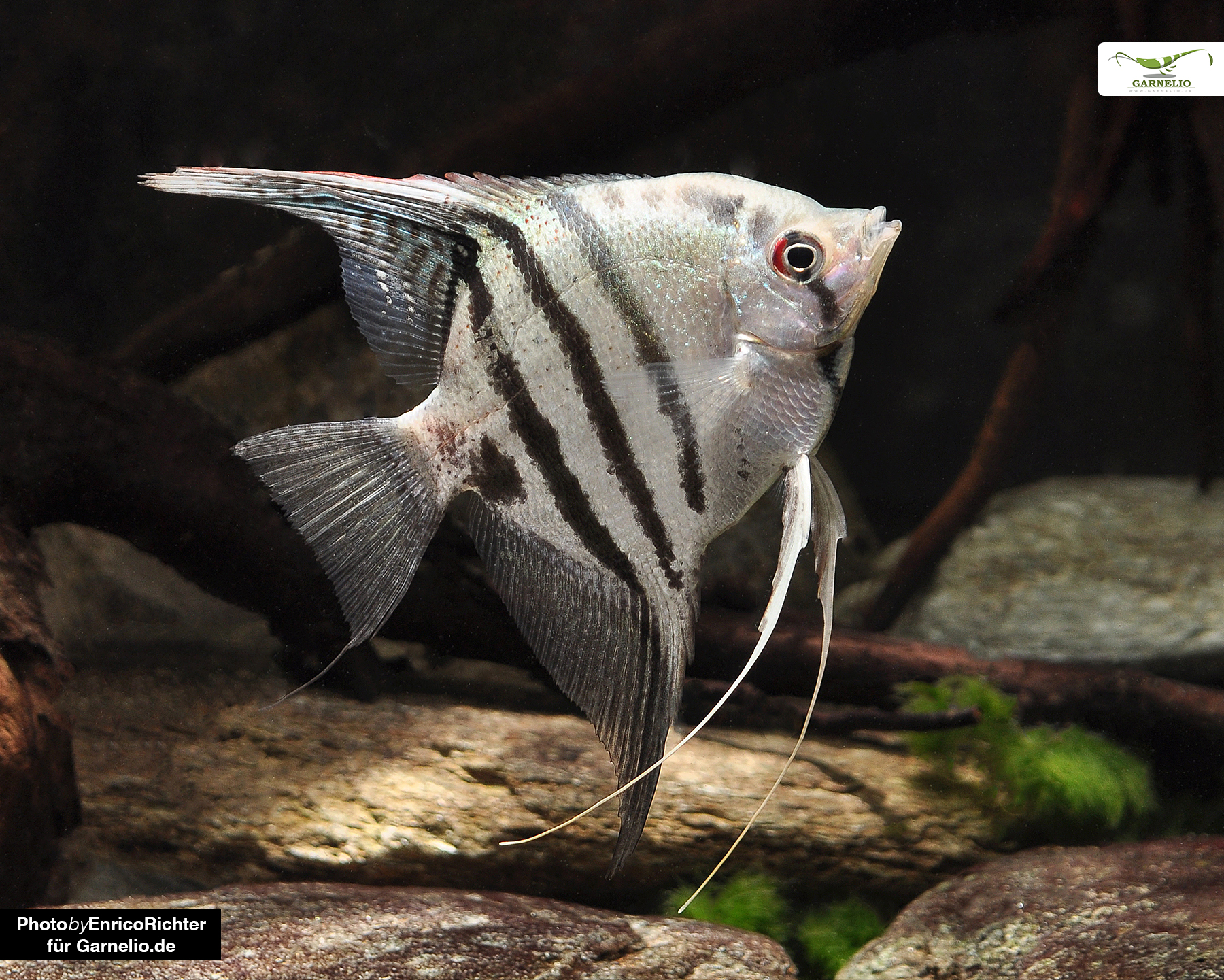
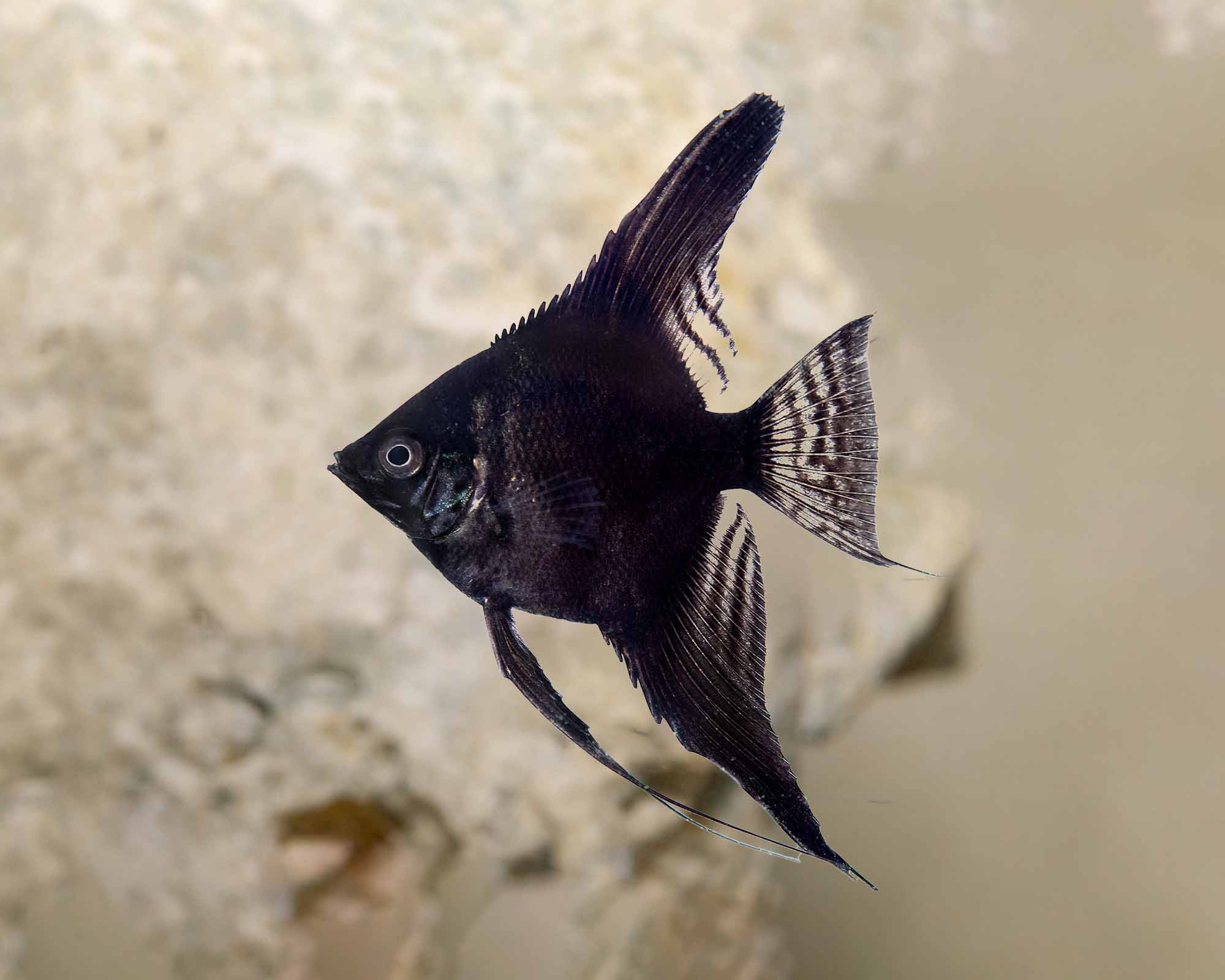
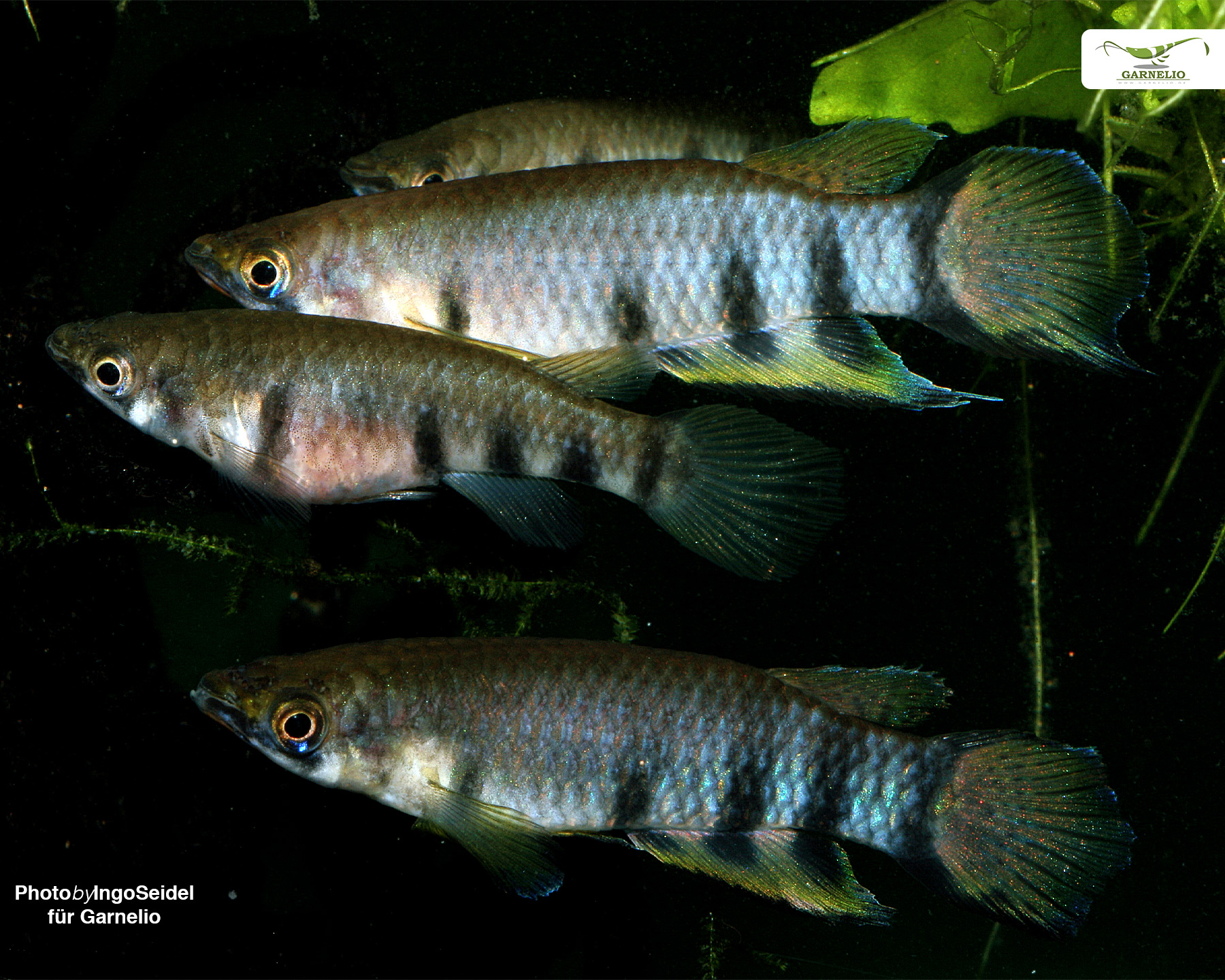
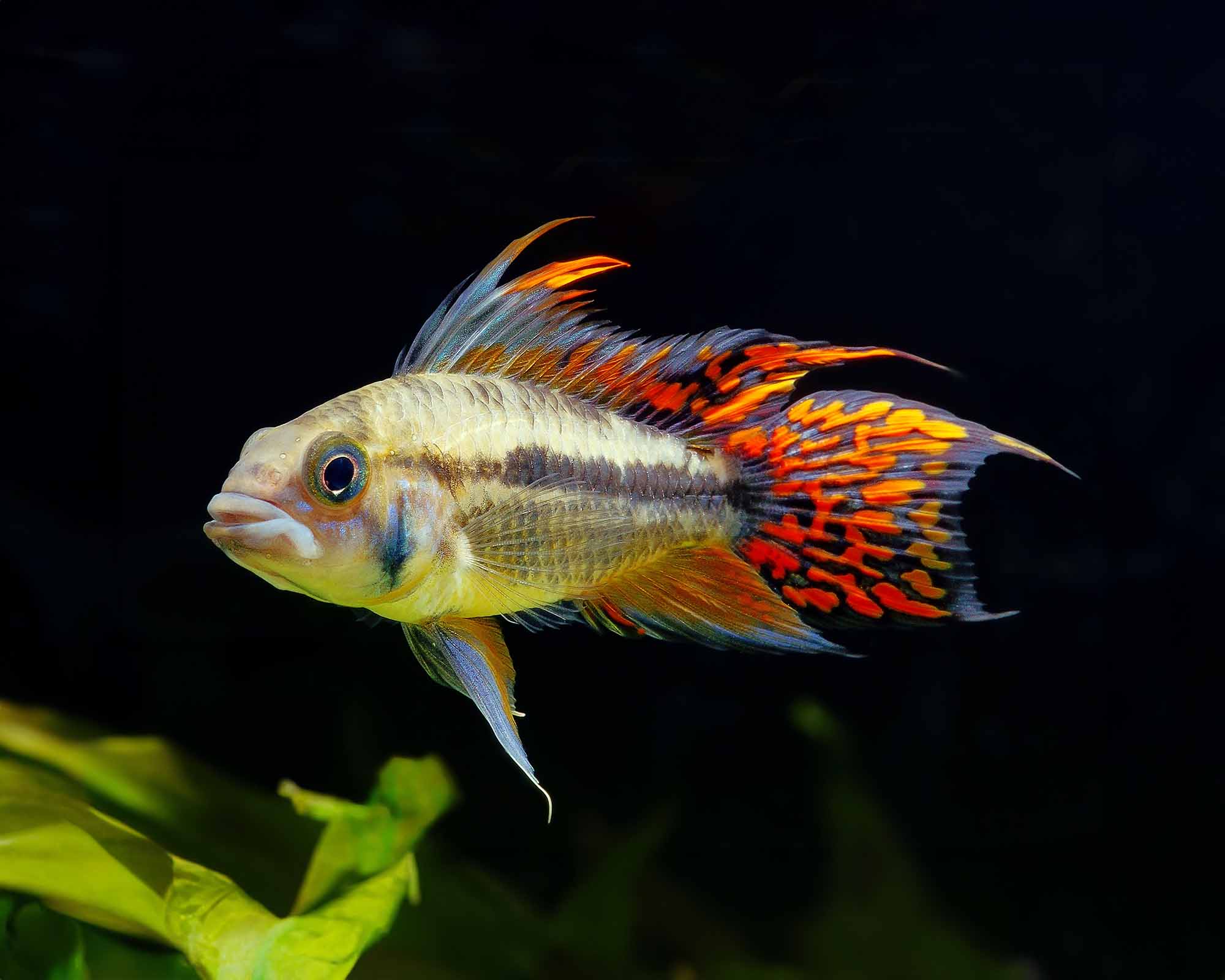
Image of crossbanded pikeling epiplatys dageti dageti dnz

Distribution and Habitat

This species is native to the coastal plains of West Africa, specifically found in Liberia, Ivory Coast, and Ghana. They inhabit swamps, slow-moving streams, and the shallow margins of small rivers. These waters are typically heavily vegetated, shaded by overhanging jungle canopies, and rich in tannins from decaying plant matter.

Description of Crossbanded Pikeling

Body shape:

They possess an elongated, somewhat cylindrical, pike-like body with a distinctly flattened dorsal profile, perfectly adapted for a life spent cruising just beneath the water's surface.

Color:

The body has a silvery-blue to olive base coloration, marked prominently by five to six thick, vertical black crossbands. Males often display a vibrant red or orange coloration under their chin and throat.

Barbels:

This species does not possess any barbels.

Snout:

The snout is pointed and features a wide, upturned mouth designed for snatching insects from the water's surface.

Eyes:

They have relatively large, slightly reflective eyes positioned near the top of their head to help them spot prey above the waterline.

Fins:

The dorsal fin is set very far back on the body, aligning with the anal fin. The fins of males are often tinted with yellow or green and feature dark, dramatic edging.

The Tail:

The caudal fin (tail) is spatulate or paddle-shaped. In mature males, the central rays may extend slightly, giving the tail a more pointed or ragged, decorative appearance.

Temper

The Crossbanded Pikeling is generally peaceful towards fish of similar size. However, they are micro-predators by nature; any fry or fish small enough to fit into their surprisingly wide mouths may be viewed as a snack.

Sociality

They are best kept in small groups or harems, ideally consisting of one male to two or three females. Keeping multiple males in a smaller tank can lead to territorial sparring, though serious injuries are rare if enough space and cover are provided.

Activity

They are diurnal and relatively inactive swimmers compared to schooling tetras. They spend the vast majority of their time hovering motionless just below the water's surface, waiting to ambush prey, darting quickly only when food is spotted.

Keeping and Caring for Crossbanded Pikeling

Tank size:

A minimum tank size of 60 cm in length (approximately 15 to 20 gallons) is recommended for a small group, providing ample surface area for them to establish territories.

Water Parameters:

Temperature

They prefer cooler tropical temperatures ranging from 20-24°C (68-75°F).

pH

Slightly acidic to neutral water is ideal, with a pH range of 6.0-7.0.

Hardness

Soft to moderately hard water is preferred, typically between 4-12 dGH.

Ammonia, Nitrite, Nitrate

Ammonia and Nitrite must always be at 0 ppm. Nitrates should be kept as low as possible, ideally below 20 ppm, through regular water changes.

Lighting

Dim to moderate lighting is best. Bright lights can make them skittish, so floating plants are highly recommended to diffuse the light.

Water flow

Water movement should be kept to an absolute minimum. They originate from stagnant or very slow-moving waters and will struggle against strong filter currents.

Decorations and Plants

A dark substrate with plenty of driftwood, leaf litter, and dense vegetation mimics their natural habitat. Floating plants like Water Lettuce, Salvinia, or Frogbit are essential to make them feel secure. A tight-fitting lid is strictly required, as they are phenomenal jumpers.

Diet

In the wild, they feed primarily on terrestrial insects that fall onto the water. In the aquarium, they are unfussy and will accept high-quality flakes or micro-pellets. However, their diet should be heavily supplemented with live or frozen foods such as fruit flies (Drosophila), mosquito larvae, bloodworms, and Daphnia.

Some Feeding Tips

Because they are surface feeders, ensure that the food you provide floats for at least a short period. Avoid feeding sinking pellets exclusively, as they may ignore food once it drops to the substrate.

Breeding

Breeding the Crossbanded Pikeling is relatively easy. They are continuous plant spawners. Provide a dedicated breeding tank with soft, slightly acidic water and plenty of fine-leaved plants or synthetic spawning mops. Females will deposit a few eggs daily among the vegetation. It is best to remove the eggs or the parents to prevent predation. Eggs typically hatch in 10 to 14 days, and the fry can be fed infusoria or liquid fry food until they are large enough for baby brine shrimp.

Conclusion

The Crossbanded Pikeling is a rewarding and visually striking addition to a peaceful, planted aquarium. Their unique surface-dwelling behavior, distinct tiger-like banding, and ease of care make them an excellent introduction to the world of killifish for both novice and experienced aquarists alike.
Fish info

Care level: Easy - Moderate
Temperament: Peaceful
Adult size: 5-6 cm
Life expectancy: 3-5 years
Fish type: Killifish
Temperature : 20-24°C
pH: 6.0-7.0
Color Form: Black, Green, Silver, Yellow
Leave your comments
Lastest on Fishs
  • Channa gachua (Dwarf Snakehead)

    Moderate
    Killifish
    The Channa gachua 'Blue Bengalen', commonly known as the Dwarf Snakehead, is a captivating and highly sought-after predator fish. Renowned for its striking blue iridescence and manageable size, this intelligent species exhibits fascinating behaviors, making it a favorite among dedicated aquarists looking for a unique, interactive, and rewarding aquatic pet.
  • Metynnis hypsauchen (Silver Dollar)

    Moderate
    Killifish
    The Silver Dollar (Metynnis hypsauchen) is a highly popular, schooling freshwater fish native to the Amazon River basin. Known for their distinct, coin-like appearance and peaceful demeanor, they are a fantastic addition to large community tanks. Predominantly herbivorous, these gentle giants are incredibly captivating and rewarding for dedicated aquarists.
  • Hasemania nana (Copper Tetra)

    Easy
    Killifish
    The Copper Tetra, also known as the Silvertip Tetra, is a vibrant, active schooling fish native to Brazil. Renowned for its striking coppery hues and distinctive silver-tipped fins, this hardy species adds dynamic movement and a splash of metallic color to any well-planted community aquarium.
  • Phenacogrammus interruptus (Congo Tetra)

    Easy - Moderate
    Killifish
    Hailing from the Congo River basin, the Congo Tetra is a stunning, iridescent schooling fish prized for its flowing fins and rainbow hues. Though slightly larger than typical tetras, their peaceful nature and active swimming make them a highly popular centerpiece for planted community aquariums.
  • Phenacogrammus interruptus (Albino Congo Tetra)

    Moderate
    Killifish
    The Albino Congo Tetra is a breathtaking, pale-colored variant of the classic African species. Known for its iridescent, shimmering scales and striking red eyes, this active schooling fish adds elegance to any large community aquarium. Its peaceful nature and flowing fins make it a highly sought-after centerpiece.
  • Tetraodon schoutedeni (Congo Leopard Pufferfish)

    Moderate
    Killifish
    The Congo Leopard Pufferfish (Tetraodon schoutedeni) is a highly sought-after, fully freshwater puffer native to the Congo River basin. Known for its relatively peaceful demeanor compared to other puffers, this charming fish boasts a beautiful leopard-like spotted pattern, making it a highly prized addition for dedicated aquarists.
  • Hyphessobrycon erythrostigma (Cherry Spotted Tetra)

    Easy - Moderate
    Killifish
    Hailing from the blackwater streams of the Upper Amazon, the Cherry Spotted Tetra, widely known as the Bleeding Heart Tetra, is a captivating freshwater fish. Renowned for the striking ruby-red spot on its flank, this peaceful schooling species adds vibrant energy and elegant beauty to any planted community aquarium.
  • Marosatherina ladigesi (Celebes Sunray Fish)

    Moderate
    Killifish
    The Celebes Sunray Fish, often known as the Celebes Rainbowfish, is a stunning, active schooling fish native to the clear, alkaline streams of Sulawesi, Indonesia. Admired for its striking neon blue lateral stripe and the male's dramatic, elongated fin extensions, it brings a vibrant, graceful energy to peaceful community aquariums.
  • Tanichthys albonubes (Long-fin White Cloud Mountain Minnow)

    Easy
    Killifish
    The Long-fin White Cloud Mountain Minnow, often known as the Meteor Minnow, is a stunning, selectively bred variety of a beloved aquarium classic. Renowned for its flowing, veil-like fins and peaceful demeanor, this hardy, cold-water species is incredibly popular among both novice and experienced aquarists looking for an active schooling fish.
  • Tanichthys albonubes (Gold White Cloud Mountain Minnow)

    Easy
    Killifish
    The Gold White Cloud Mountain Minnow is a stunning, captive-bred color morph of the classic coldwater species native to China. Renowned for its vibrant golden-orange hue and peaceful demeanor, this hardy schooling fish is incredibly popular among beginners and a perfect choice for unheated, planted aquariums.
  • Tanichthys albonubes (White Cloud Mountain Minnow)

    Easy
    Killifish
    Originating from the cool mountain streams of China, the White Cloud Mountain Minnow is a lively, peaceful shoaling fish. Renowned for its hardiness and striking iridescent stripes with red-tipped fins, it is a perfect choice for beginners and unheated aquariums, adding vibrant energy to any community tank.
  • Tanichthys albonubes (Gold White Cloud Mountain Minnow)

    Easy
    Killifish
    The Gold White Cloud Mountain Minnow is a stunning, selectively bred variant of the classic White Cloud. Originating from the cool mountain streams of China, this peaceful, active shoaling fish is incredibly hardy. Its vibrant golden-pink hue and undemanding nature make it a perfect, popular choice for beginners and cool-water aquariums.
  • Hemigrammus pulcher (Carbuncle Tetra)

    Easy
    Killifish
    Hailing from the slow-moving, tannin-stained waters of the Amazon basin, the Carbuncle Tetra (Hemigrammus pulcher) is a peaceful and captivating schooling fish. Also known as the Garnet Tetra, its striking reddish-gold spot and deep-bodied profile make it a highly sought-after, easy-to-keep addition to any lush planted community aquarium.
  • Pseudomugil signifer (Butterfly Rainbowfish)

    Easy - Moderate
    Killifish
    The Butterfly Rainbowfish, native to the coastal streams of Eastern Australia, is a captivating nano fish prized for its striking blue eyes and elegant, butterfly-like fins. Known for their energetic yet peaceful schooling behavior, they add a lively splash of color and movement to well-planted freshwater or brackish aquariums.
  • Apteronotus albifrons (Black Ghost Knifefish)

    Moderate - Difficult
    Killifish
    The Black Ghost Knifefish, scientifically known as Apteronotus albifrons, is a mesmerizing nocturnal species native to the Amazon Basin. Renowned for its unique, undulating swimming style and striking black body with contrasting white bands, this scaleless fish uses a weak electrical organ to navigate and hunt, captivating advanced aquarists.
  • Puntius semifasciolatus (Gold Barb)

    Easy
    Killifish
    The Gold Barb, a stunning captive-bred variant of the Chinese Barb, is a highly popular and active schooling fish. Known for their brilliant golden-yellow coloration and peaceful nature, they are exceptionally hardy, making them a fantastic choice for both beginner and experienced aquarists looking to add vibrant movement.