




AquaLibs presents AquaRank Discover the world’s leading aquascapers

Explore transparent rankings built from published results across the world’s leading aquascaping contests.

12 Vibrant Freshwater Shrimp for Your Planted Nano Tank

12 Vibrant Freshwater Shrimp for Your Planted Nano Tank

Adding freshwater shrimp to a planted nano tank is one of the most rewarding ways to enhance your aquascape. These small, industrious invertebrates act as natural cleaners, grazing on algae and biofilm while adding a splash of personality and color t...
Final Call: Only One Day Left to Enter CIAC 2026

Final Call: Only One Day Left to Enter CIAC 2026

The clock is ticking for aquascapers around the world. Registration for the CIPS International Aquascaping Contest 2026 — CIAC 2026 officially closes on September 15, 2026. With only one day remaining, this is the final opportunity to submit your aq...
12 Beginner-Friendly Aquarium Plants and Their Best Tank Mates

12 Beginner-Friendly Aquarium Plants and Their Best Tank Mates

Starting a planted aquarium is one of the most rewarding ways to enter the hobby. For beginners, the secret to success lies in choosing hardy, low-maintenance flora that can withstand varying water parameters while providing essential cover for your ...
12 Colorful Freshwater Fish and Shrimp for a Thriving Planted Community

12 Colorful Freshwater Fish and Shrimp for a Thriving Planted Community

Creating a vibrant planted aquarium is a rewarding journey that combines lush greenery with active, colorful life. While many hobbyists focus solely on plants, selecting the right inhabitants is crucial for a healthy ecosystem. The best livestock for...
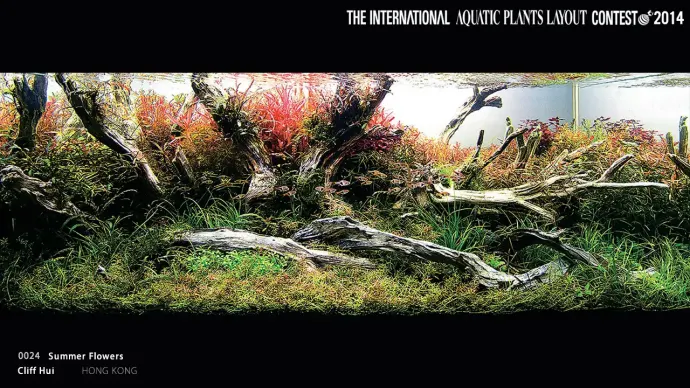
Summer Flowers - Cliff Hui / HongKong China
Cliff Hui

Summer Flowers - Cliff Hui / HongKong China

The International Aquatic Plants Layout Contest - 2014
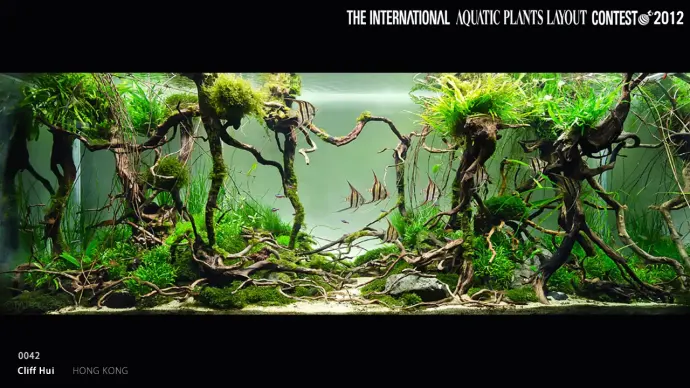
Rain Forest (Hear the Angels) - Cliff Hui / HongKong China
Cliff Hui

Rain Forest (Hear the Angels) - Cliff Hui / HongKong China

The International Aquatic Plants Layout Contest - 2012
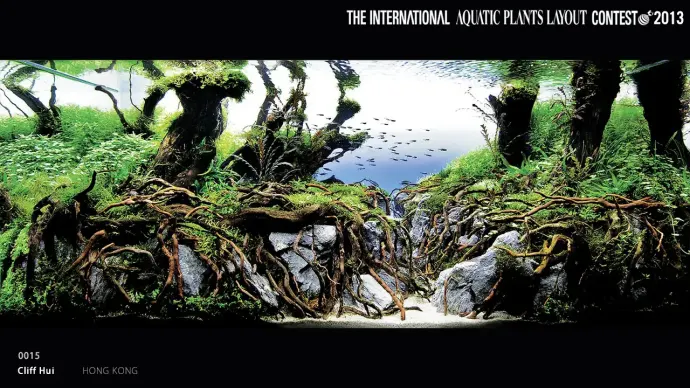
Forever - Cliff Hui / HongKong China
Cliff Hui

Forever - Cliff Hui / HongKong China

The International Aquatic Plants Layout Contest - 2013

Aquarium Library

  • All
  • Plant
  • Fish
  • Shrimp
  • Snail

Final Call: Only One Day Left to Enter CIAC 2026

The clock is ticking for aquascapers around the world. Registration for the CIPS International Aquas...

Introducing AquaRank: A Transparent World Ranking for Aquascapers

Aquascaping has grown into a truly international art form. Every year, thousands of aquascapers subm...

13 Easy Aquarium Plants for a Thriving Beginner Planted Tank

Starting a planted aquarium can seem daunting, but it doesn't have to be! Many beautiful and be...

12 Colorful & Compatible Freshwater Fish for Your Community Aquarium

Creating a vibrant and harmonious freshwater aquarium is a rewarding experience. The key lies in sel...

"REFLECTION" - When the weight becomes silence: Decoding the top 4 MASTERPIECE at KIAC 2025

Amidst the "earthquake" named Vietnam at KIAC 2025, the work "Reflection" by Aquascaper Long Tran Ho...

KIAC 2025 RESULTS: A record-breaking season - Vietnam dominates with 14 works in the global top 50

The organizers of the Korea International Aquascaping Contest (KIAC) 2025 have officially released t...
Cliff Hui

Cliff Hui

Hong Kong / China
Dave Chow

Dave Chow

HongKong China
Ambystoma mexicanum (Albino Axolotl)

Overview

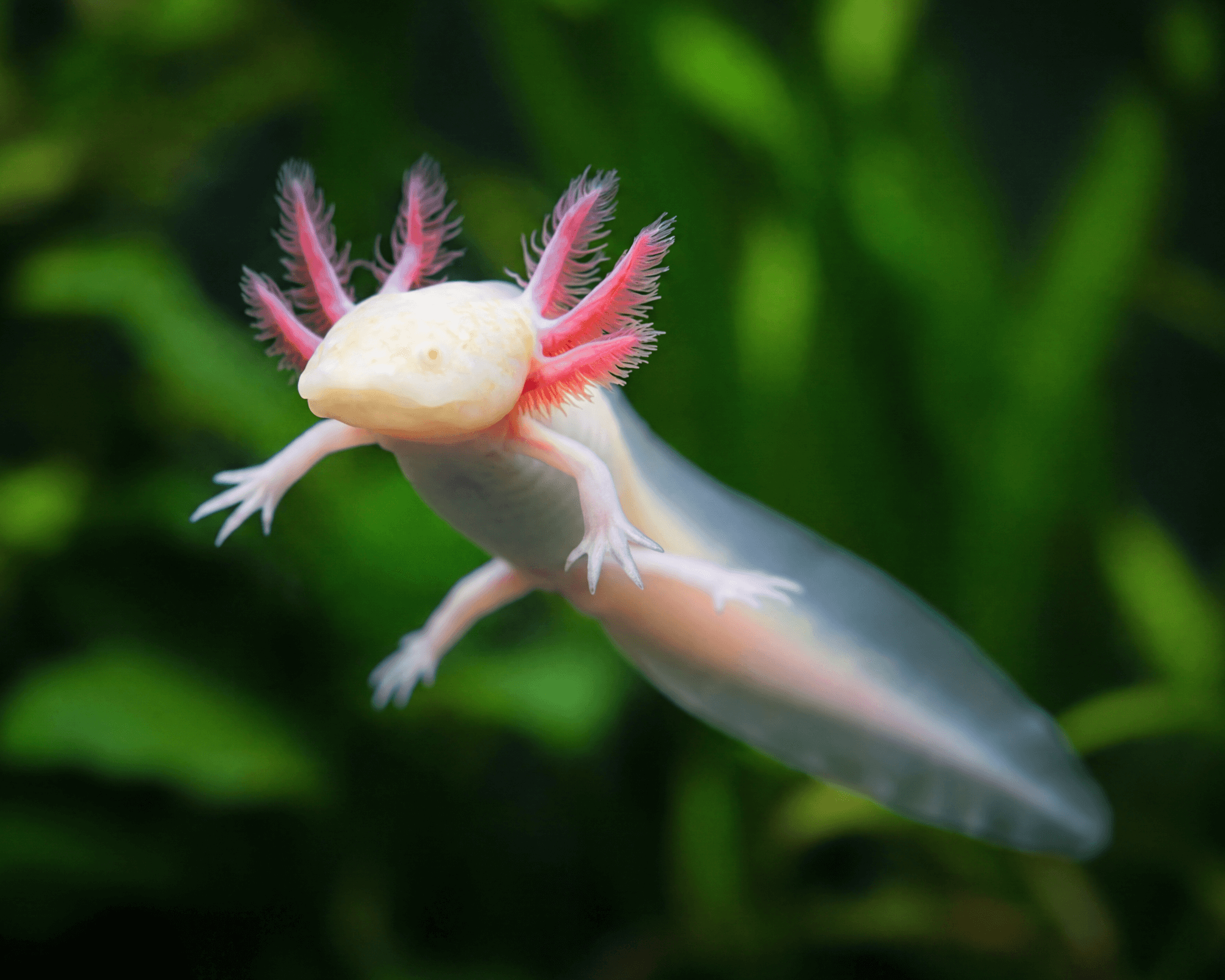
The Albino Axolotl (Ambystoma mexicanum) is a fascinating neotenic salamander, meaning it retains its larval features throughout its entire life. Unlike other amphibians that undergo metamorphosis to move onto land, the Axolotl remains fully aquatic. The albino mutation, which lacks dark pigments (melanin), results in a beautiful white or pinkish body with striking bright red or pink feathery gills. This specific variant is often bred in captivity (DNZ - Nachzucht/captive bred) and has become a beloved pet in the aquarium hobby.

Image of axolotl albino ambystoma mexicanum dnz

Distribution and Habitat

In the wild, Axolotls are exclusively native to the high-altitude lake complex of Xochimilco, near Mexico City. The natural habitat consists of cool, murky waters with abundant vegetation. Unfortunately, due to urbanization, pollution, and the introduction of invasive fish species, wild populations are critically endangered. The vast majority of Axolotls in the hobby today, especially color morphs like the albino, are entirely captive-bred.

Description of Albino Axolotl

Body shape:

They possess a stout, elongated, and somewhat cylindrical body typical of salamanders, with four relatively small, thin legs.

Color:

True albinos have a white to pale pink body. They lack melanin entirely, which makes their external gills appear bright pink or red due to the blood flowing through them.

Barbels:

They do not have barbels. Instead, they feature three pairs of prominent, feathery external gills protruding from the sides of their head.

Snout:

The snout is broad, blunt, and slightly rounded, giving them their famous "smiling" expression.

Eyes:

Because they are true albinos, their eyes lack dark pigment and appear clear, pink, or slightly red. Their vision is relatively poor.

Fins:

They have a continuous fin-like membrane that runs down the center of their back and extends along the tail.

The Tail:

The tail is laterally compressed and highly muscular, serving as their primary means of propulsion through the water.

Temper

Axolotls are generally peaceful but possess a strong feeding response. They will snap at anything that fits in their mouths, including smaller tank mates or the limbs of other axolotls if they are underfed or overcrowded.

Sociality

They are not true social animals and do perfectly well on their own. If housed together, tank mates must be of the same size to prevent cannibalism, and ample space must be provided.

Activity

They are predominantly bottom-dwellers and tend to be more active during the evening or at night. During the day, they often rest quietly among plants or inside hides.

Keeping and Caring for Albino Axolotl

Image of axolotl albino ambystoma mexicanum dnz

Keeping an Axolotl requires specific conditions, primarily centered around maintaining cool water temperatures and pristine water quality. They are sensitive to poor water conditions and high temperatures, which can cause severe stress and illness.

Tank size:

A minimum of 20 gallons (approx. 80 liters) is required for a single adult Axolotl, though a 20-gallon "long" tank is preferred to maximize floor space. Add at least 10 gallons for each additional Axolotl.

Water Parameters:

Temperature

15-20°C (60-68°F). This is critical; temperatures above 22°C (72°F) can lead to heat stress, fungal infections, and death. Aquarium chillers or cooling fans are often necessary.

pH

6.5-8.0. They are adaptable but prefer slightly alkaline water around 7.4 to 7.6.

Hardness

7-14 dGH. They prefer moderately hard water; very soft water can cause temporary anemia and stress.

Ammonia, Nitrite, Nitrate

Ammonia and Nitrite must always be 0 ppm. Nitrates should be kept below 20 ppm through regular water changes, as they produce a significant amount of bioload.

Lighting

Low to moderate lighting. Albinos are particularly sensitive to bright light. Provide plenty of shaded areas and hides.

Water flow

Very low. Axolotls originate from still lakes and get easily stressed by strong currents, which can damage their gills and cause them to stop eating.

Decorations and Plants

Use fine sand or a bare bottom. Never use standard aquarium gravel, as Axolotls will swallow it, leading to fatal impaction. Provide smooth hides (like PVC pipes or terracotta pots) and sturdy or floating plants (like Anubias, Java Fern, or Hornwort).

Diet

Axolotls are strict carnivores. Their staple diet should consist of live or frozen earthworms (nightcrawlers), bloodworms, and high-quality sinking carnivore or axolotl pellets. Avoid feeder fish due to the risk of disease and thiaminase.

Some Feeding Tips

Feed adults 2-3 times a week, while juveniles need daily feeding. Using dull-tipped feeding tongs is highly recommended to ensure they get their food directly and to prevent them from accidentally ingesting substrate.

Breeding

Breeding is relatively straightforward but requires a cooling period to simulate winter, followed by a slight warming to trigger spawning. The male deposits spermatophores on the substrate, which the female takes up. She will then lay hundreds of individual eggs on plant leaves and decorations. Adults must be removed after spawning to prevent them from eating the eggs.

Conclusion

The Albino Axolotl is a truly unique and rewarding pet for aquarists willing to meet its specific cold-water and dietary needs. With their alien-like appearance and interactive feeding behaviors, they make a stunning centerpiece for a specialized species-only aquarium.
Fish info

  • Care level: Moderate
  • Temperament: Peaceful
  • Adult size: 20-30 cm
  • Life expectancy: 10-15 years
  • Fish type: Amphibian
  • Temperature : 15-20°C
  • pH: 6.5-8.0
  • Color Form: Pink, White
Leave your comments
Latest on Fishs
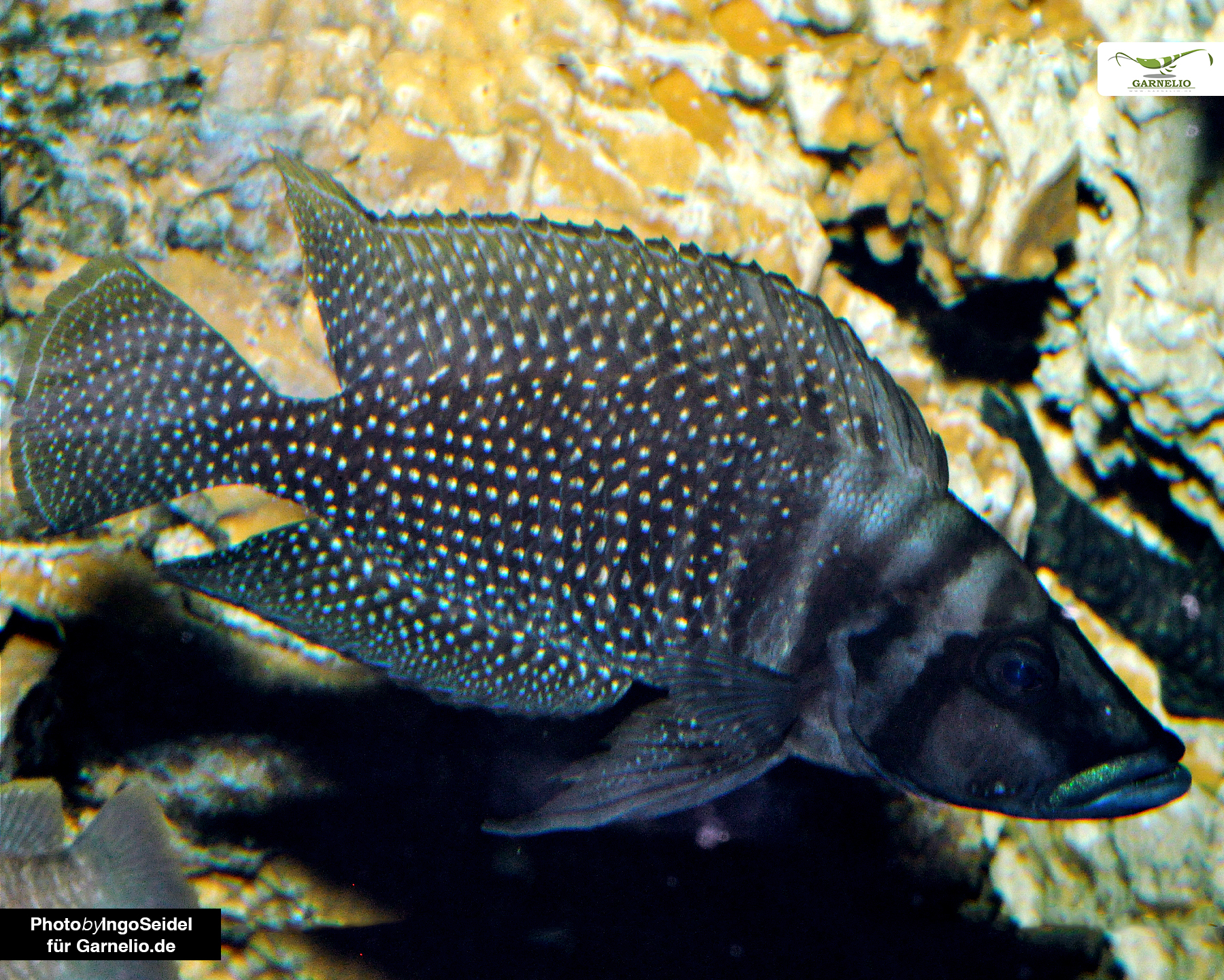
  • Altolamprologus calvus (Black)

    Altolamprologus calvus (Black)

    The Altolamprologus calvus, commonly known as the Black Calvus or Guinea Fowl Cichlid, is a distinct cichlid species endemic to Lake Tanganyika in Africa. Renowned for its laterally compressed body and unique, predatory hunting behavior, it is a fascinating choice for experienced aquarists. These fish are slow-growing and demand specific environmental conditions to thrive in a captive setting.
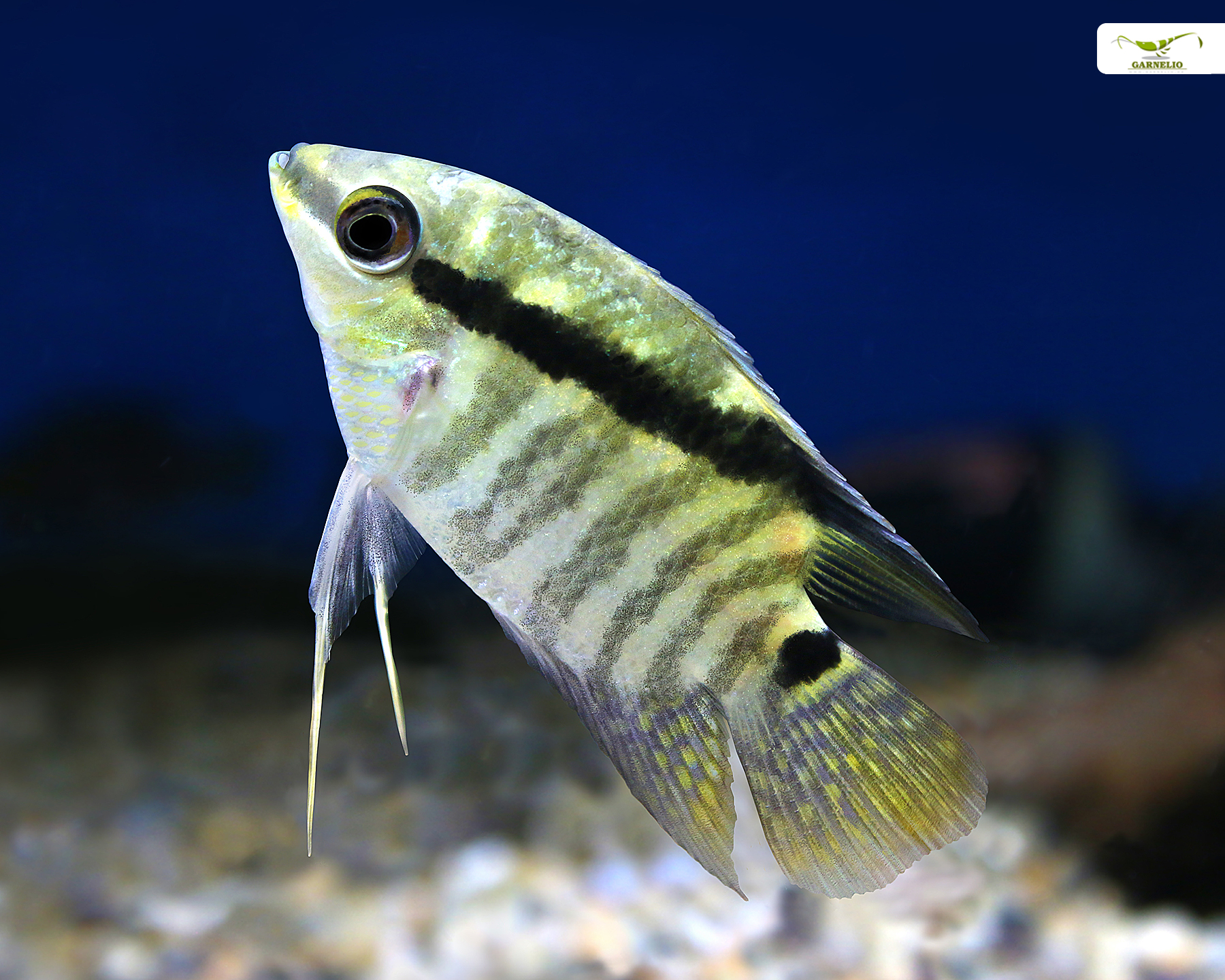
  • Mesonauta festivus (Flag Cichlid)

    Mesonauta festivus (Flag Cichlid)

    The Flag Cichlid, Mesonauta festivus, is a popular South American cichlid known for its distinct diagonal stripe and calm demeanor. Often found in the Amazon basin, this species is highly appreciated by aquarists for its unique appearance and relatively peaceful social structure. It thrives in well-maintained planted tanks, provided they have sufficient swimming space and appropriate water conditions for their long-term health.
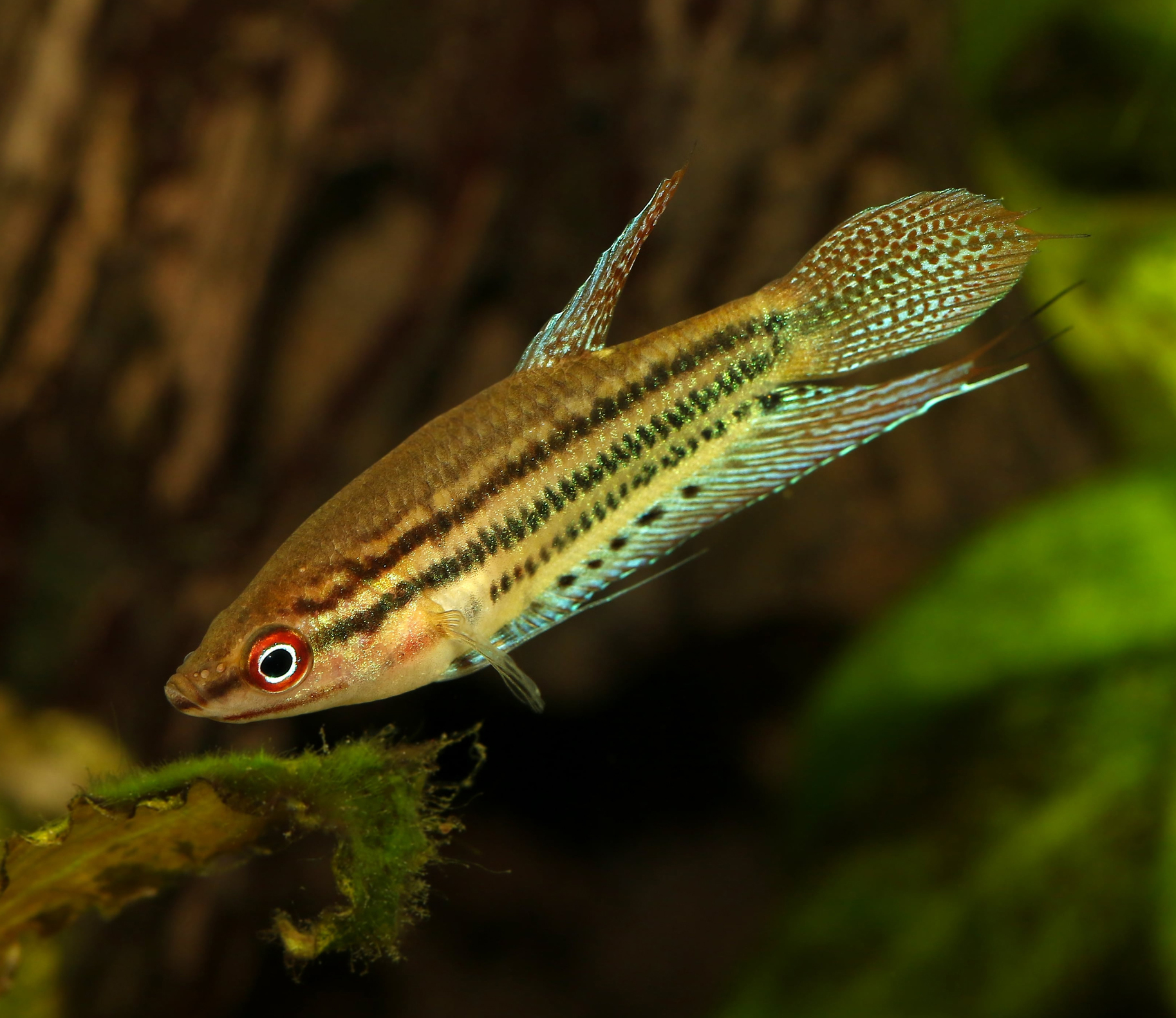
  • Growling Gourami (Trichopsis vittata)

    Growling Gourami (Trichopsis vittata)

    The Growling Gourami, Trichopsis vittata, is a fascinating labyrinth fish native to Southeast Asia. Known for its unique ability to produce audible croaking sounds, this small species is prized for its intricate patterns and relatively peaceful demeanor. It thrives in well-planted, calm aquarium environments, making it a popular choice for hobbyists interested in observing interesting social and vocal behaviors in a home setup.
  • Dicrossus filamentosus (Checkerboard Cichlid)

    Dicrossus filamentosus (Checkerboard Cichlid)

    The Checkerboard Cichlid, Dicrossus filamentosus, is a captivating dwarf cichlid native to the blackwater regions of the Amazon and Orinoco river basins. Renowned for its distinctive checkerboard-like body markings and elegant fin extensions, this species requires specific water conditions to thrive. It is a peaceful, albeit sensitive, fish that makes a rewarding addition for dedicated aquarists.
  • Firemouth Cichlid (Thorichthys meeki)

    Firemouth Cichlid (Thorichthys meeki)

    The Firemouth Cichlid is a popular and visually striking freshwater fish native to Central America. Known for its intense red coloration in the throat region, especially when displaying, this cichlid is a favorite among hobbyists. While generally manageable, they require appropriate tank conditions and space to thrive, reflecting their natural territorial behaviors during breeding cycles.
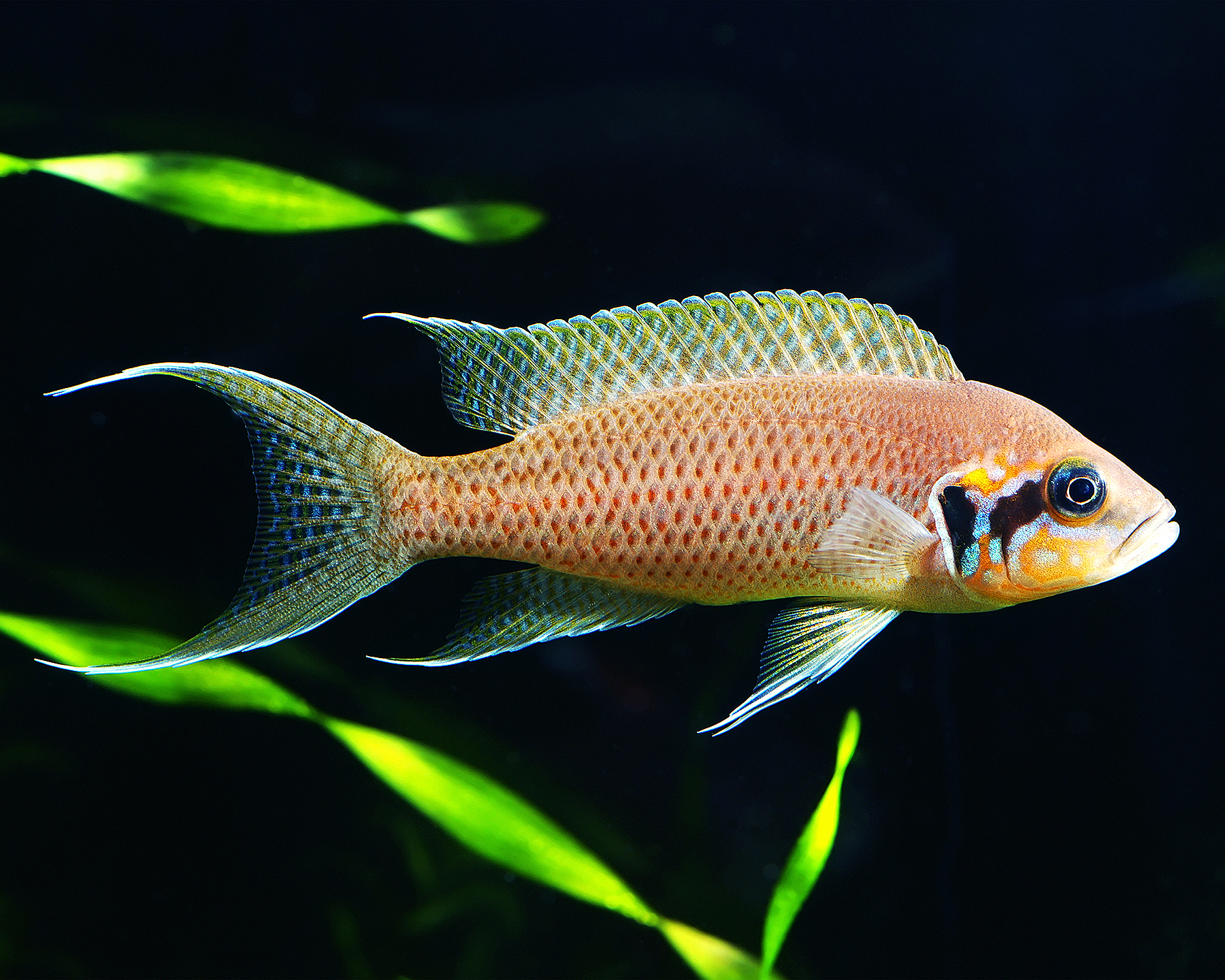
  • Fairy Cichlid (Neolamprologus brichardi)

    Fairy Cichlid (Neolamprologus brichardi)

    The Fairy Cichlid, Neolamprologus brichardi, is a popular and elegant species endemic to Lake Tanganyika. Known for its distinct lyre-shaped tail and complex social behavior, this cichlid is a fascinating inhabitant for dedicated aquarists. They are renowned for their unique cooperative breeding strategy, where older offspring assist their parents in protecting and raising subsequent broods within the established family territory.
  • Butterfly Cichlid (Microgeophagus ramirezi)

    Butterfly Cichlid (Microgeophagus ramirezi)

    The Butterfly Cichlid, scientifically known as Microgeophagus ramirezi, is a popular dwarf cichlid native to the Orinoco River basin in South America. These vibrant, peaceful fish are highly sought after by aquarists for their striking coloration and engaging personality. They thrive in well-maintained, planted aquariums that mimic their natural, slow-moving tropical river habitats.
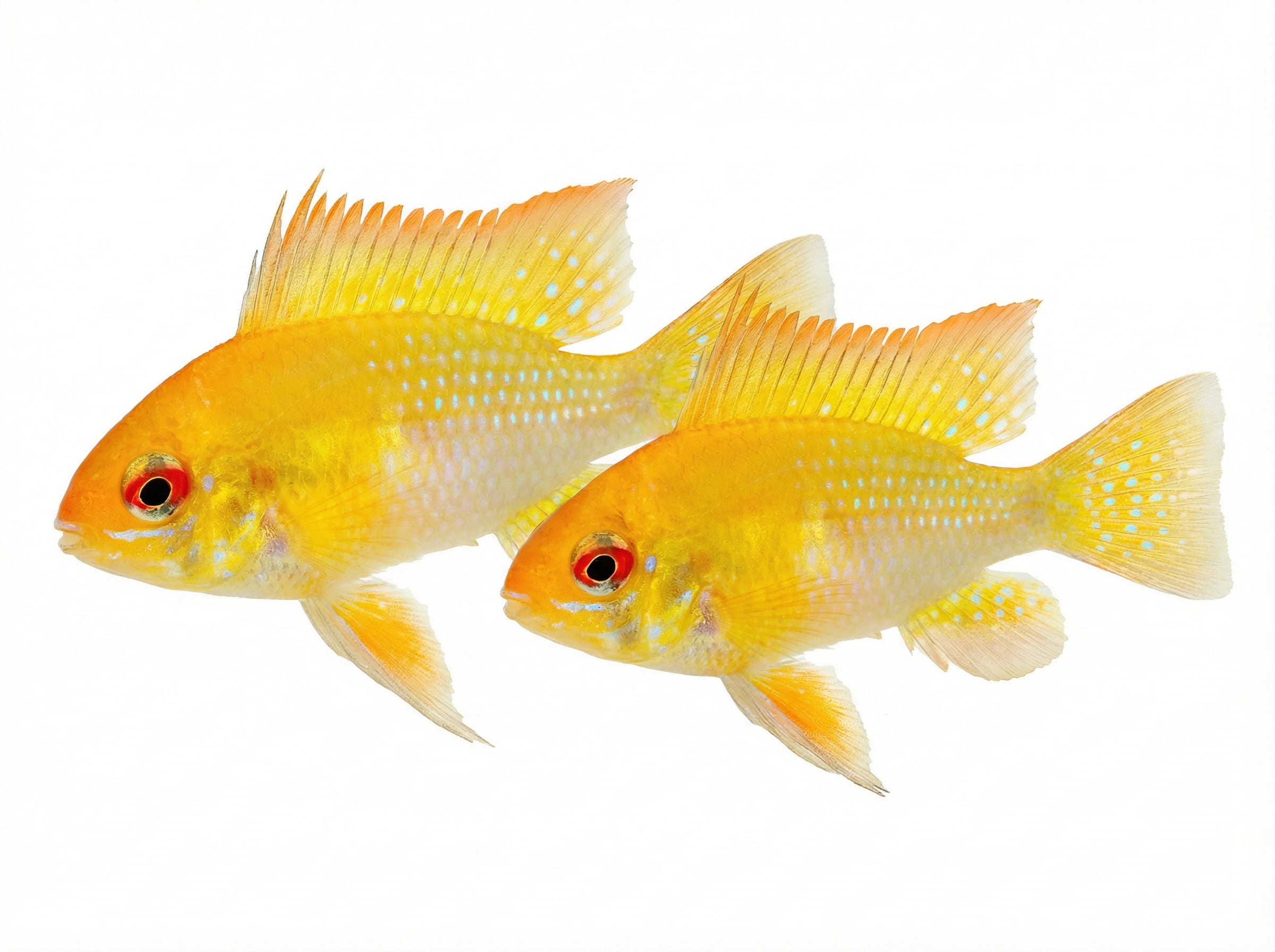
  • Lemon Gold Butterfly Cichlid (Microgeophagus ramirezi)

    Lemon Gold Butterfly Cichlid (Microgeophagus ramirezi)

    The Lemon Gold Butterfly Cichlid is a stunning, selectively bred color variant of the popular Microgeophagus ramirezi. Known for its vibrant yellow-gold pigmentation and striking red eyes, this dwarf cichlid retains the peaceful, inquisitive personality of its wild ancestors. It is a highly sought-after aquarium inhabitant that adds a brilliant splash of color to community tanks with appropriate water conditions.
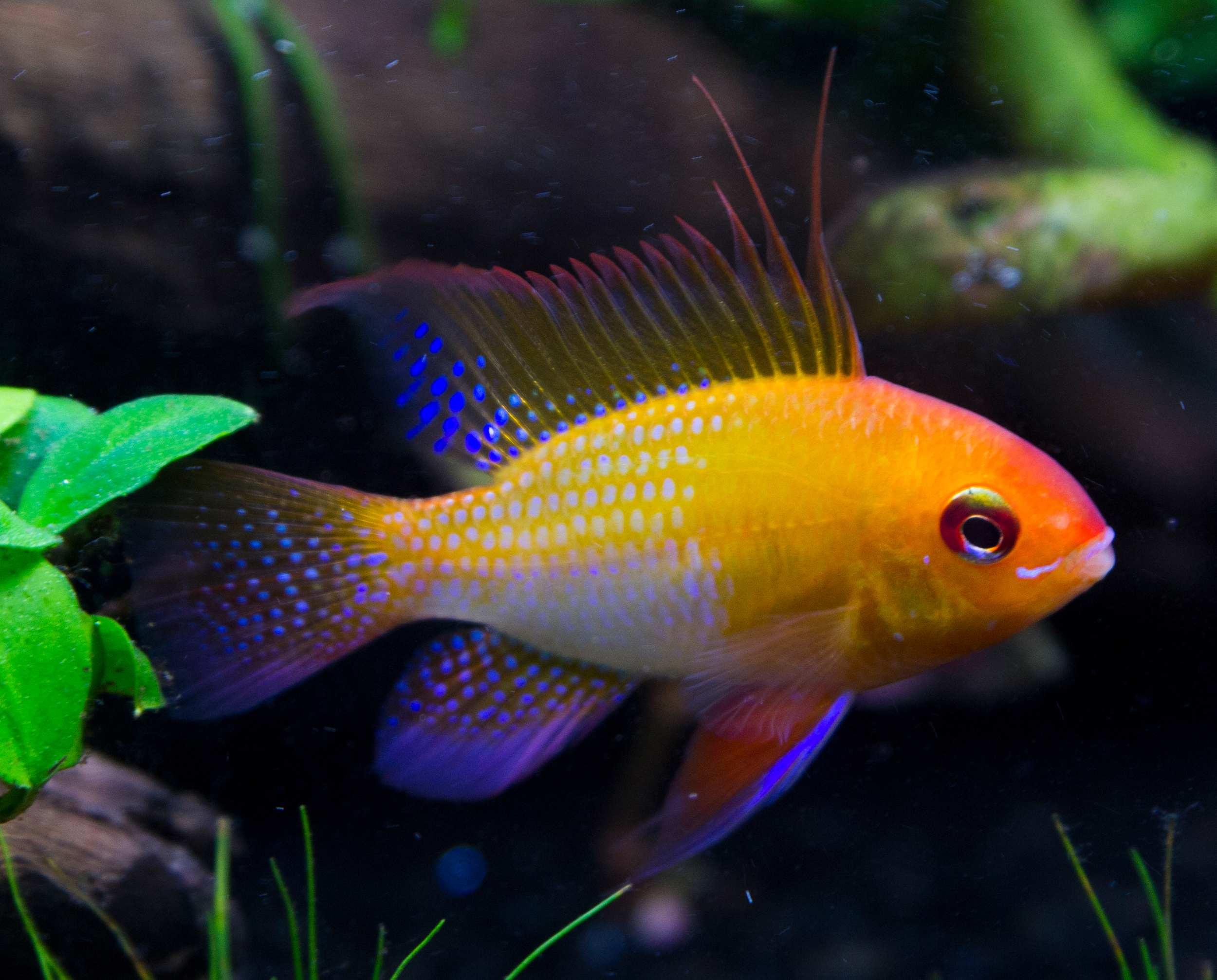
  • Microgeophagus ramirezi Gold (Butterfly Cichlid)

    Microgeophagus ramirezi Gold (Butterfly Cichlid)

    The Gold Butterfly Cichlid is a stunning, selectively bred color morph of the popular Microgeophagus ramirezi. Known for its vibrant, warm golden-yellow coloration and peaceful demeanor, this dwarf cichlid is a favorite among aquarists. Requiring stable, high-quality water conditions and a well-planted environment, it thrives in pairs and adds significant beauty to established freshwater community aquariums.
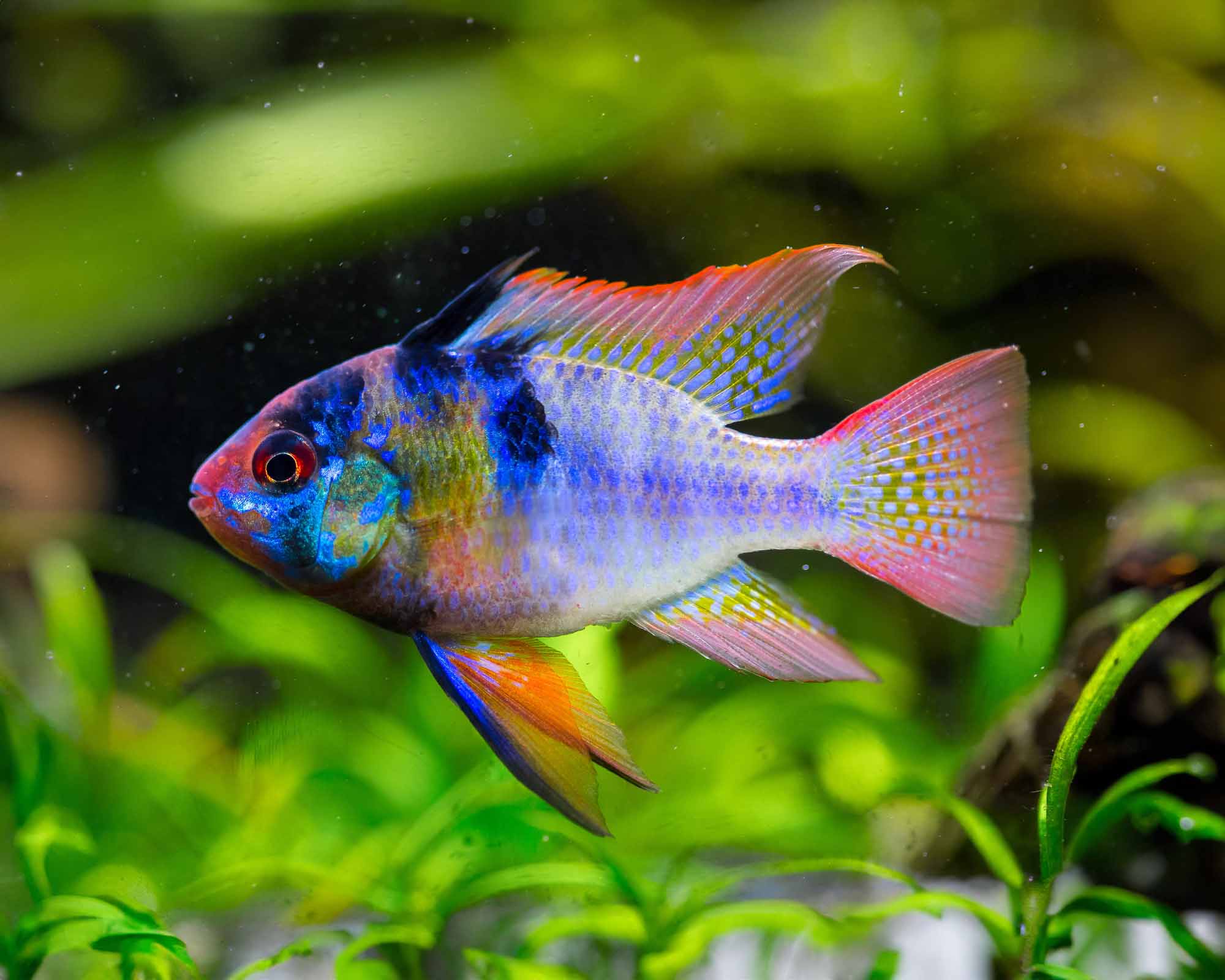
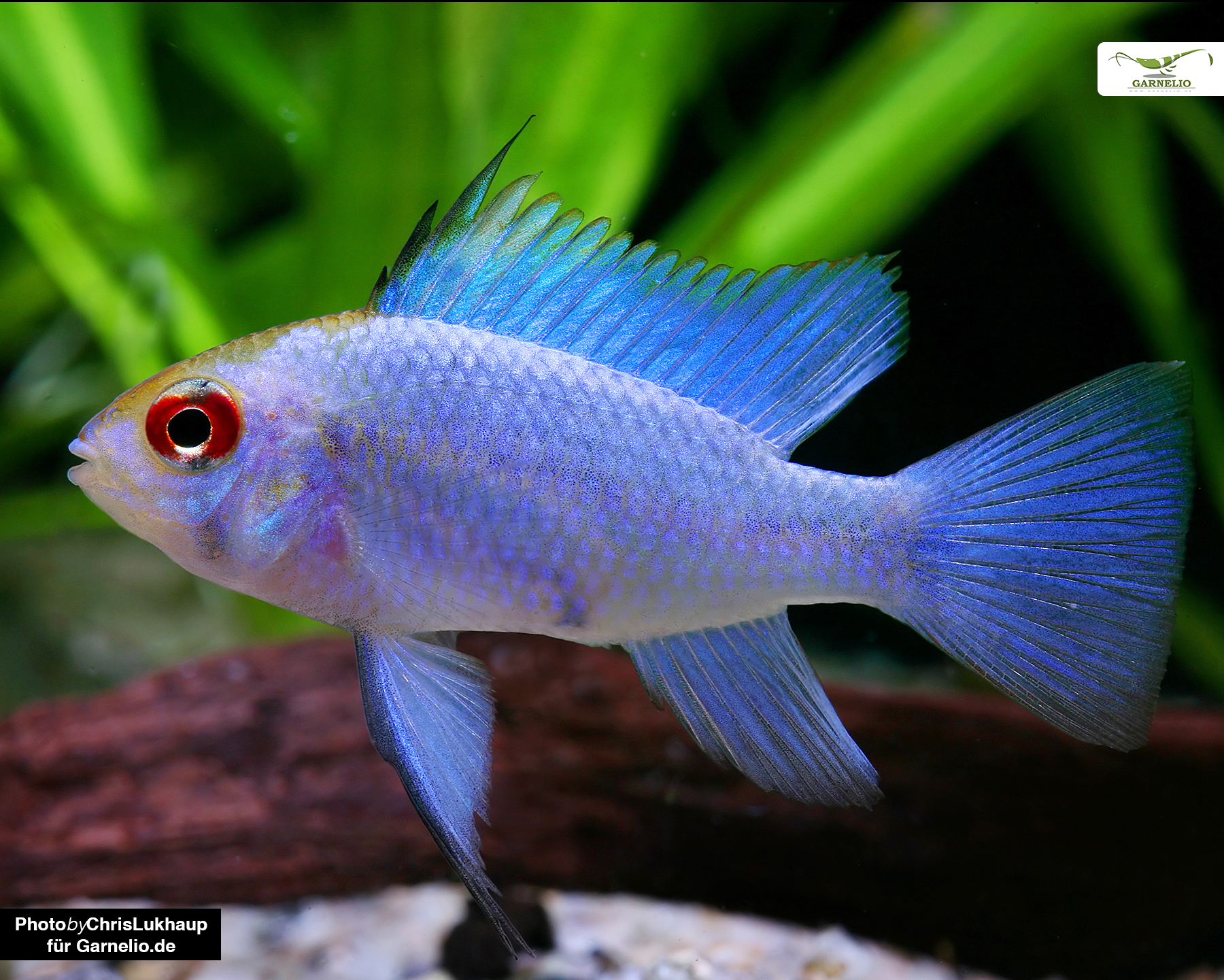
  • Electric Blue Butterfly Cichlid (Mikrogeophagus ramirezi)

    Electric Blue Butterfly Cichlid (Mikrogeophagus ramirezi)

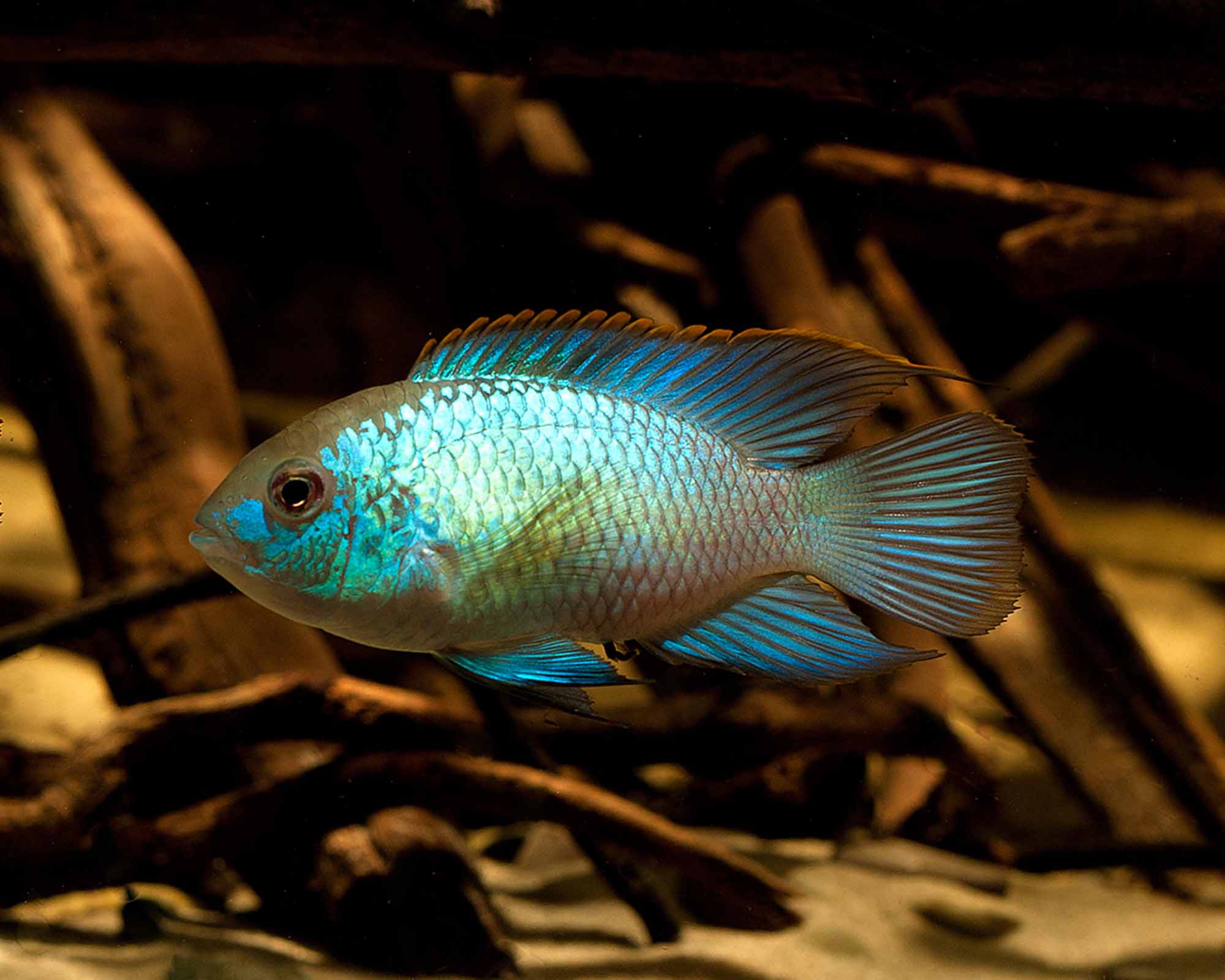
    The Electric Blue Butterfly Cichlid is a stunning, selectively bred color morph of the popular Mikrogeophagus ramirezi. Known for its intense, iridescent blue coloration covering almost the entire body, this dwarf cichlid is a centerpiece for many community tanks. While beautiful, it requires stable water conditions and careful maintenance to ensure it thrives in an aquarium environment.
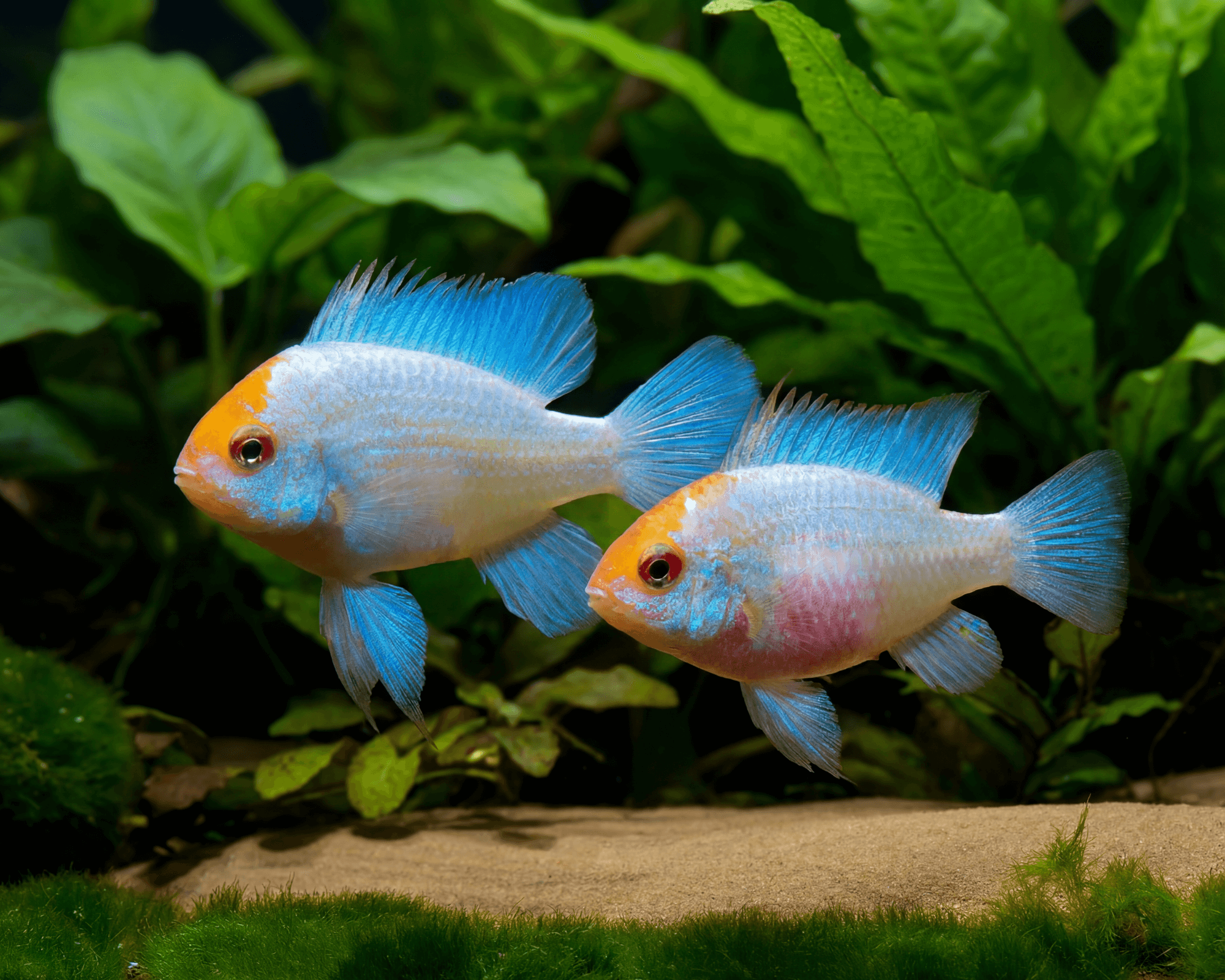
  • Blue Punk Butterfly Cichlid (Microgeophagus ramirezi)

    Blue Punk Butterfly Cichlid (Microgeophagus ramirezi)

    The Blue Punk Butterfly Cichlid is a striking, selectively bred color morph of the popular Microgeophagus ramirezi. Known for its intense, metallic blue coloration and unique head patterning, this dwarf cichlid is a prized addition to planted aquariums. While beautiful, it requires stable water conditions and careful maintenance to ensure its long-term health and vibrant appearance in a home setting.
  • Neon Blue Aequidens pulcher

    Neon Blue Aequidens pulcher

    The Neon Blue Aequidens pulcher, a selectively bred variant of the common Blue Acara, is a striking South American cichlid. Known for its intense, iridescent blue coloration, this hardy fish is a popular choice for hobbyists. It exhibits classic cichlid behavior, including complex social structures and dedicated parental care, making it an engaging addition to appropriately sized community tanks.
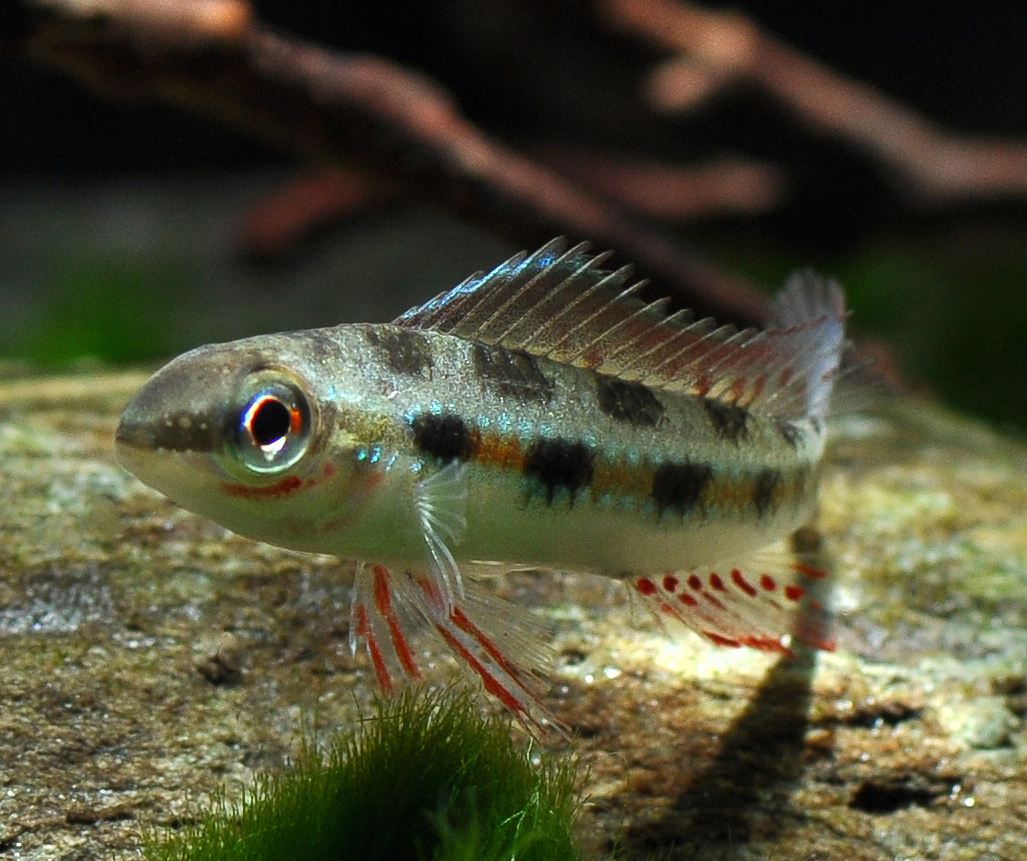
  • Apistogramma viejita

    Apistogramma viejita

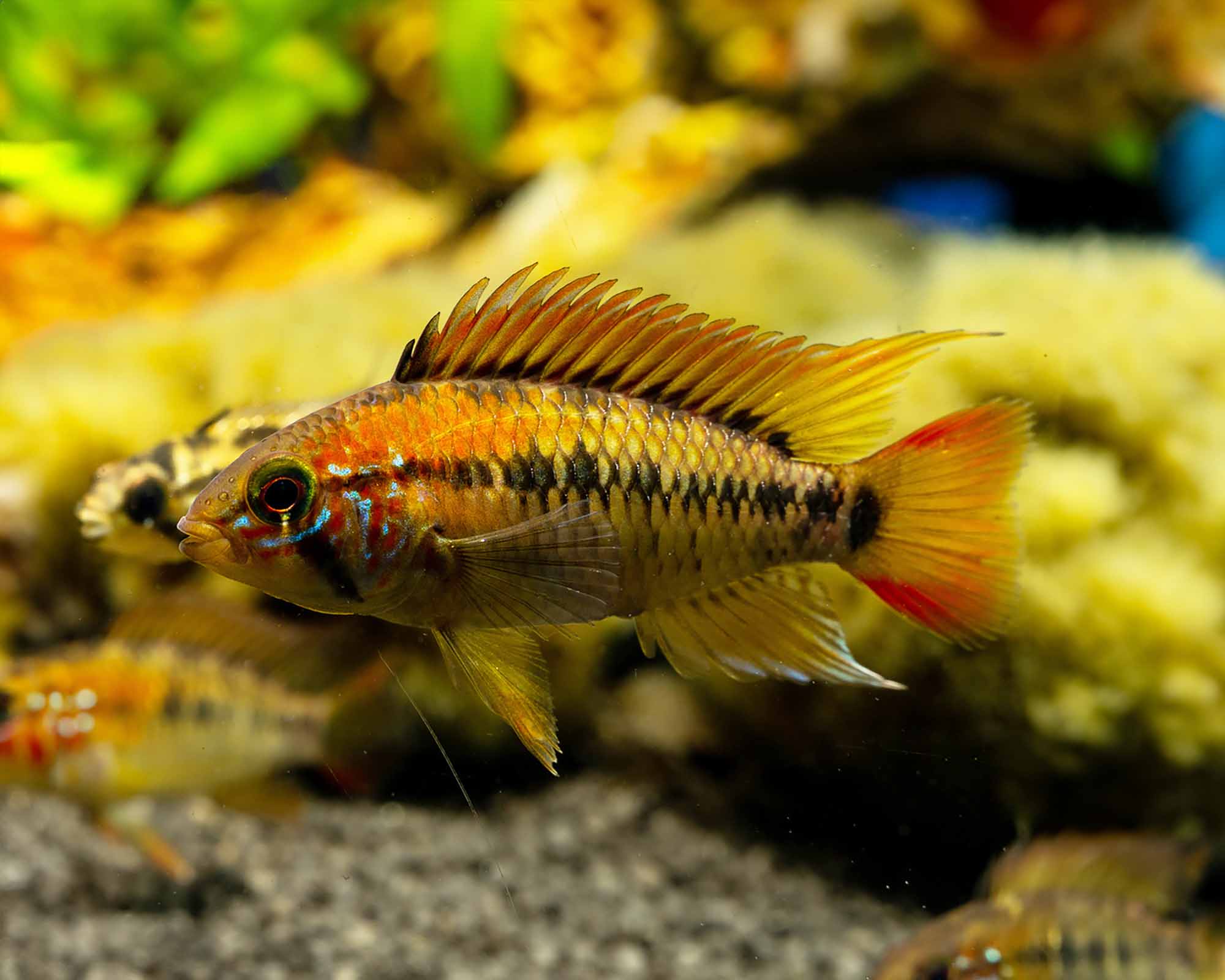
    Apistogramma viejita is a striking dwarf cichlid native to the blackwater regions of Colombia. Known for its vibrant coloration and relatively peaceful demeanor, this species is a popular choice for dedicated aquarists. Thriving in small, well-planted aquariums, these cichlids require stable water conditions and plenty of hiding spots to feel secure and exhibit their natural, fascinating behaviors.
  • Veiltail Angelfish (Pterophyllum scalare)

    Veiltail Angelfish (Pterophyllum scalare)

    The Veiltail Angelfish is a striking variety of the popular Pterophyllum scalare, known for its dramatically elongated fins and graceful movement. Originating from the Amazon Basin, these cichlids have become staples in the aquarium hobby. They require spacious, well-maintained environments to thrive, offering aquarists a beautiful, albeit demanding, centerpiece fish that displays complex social behaviors and distinct personality traits.
  • Molly Lyra Mix (Poecilia sphenops/latipinna)

    Molly Lyra Mix (Poecilia sphenops/latipinna)

    The Molly Lyra Mix is a popular, selectively bred ornamental fish derived from Poecilia species. Recognized for their elongated, flowing finnage, these livebearers are highly adaptable and come in various color patterns. They are well-suited for community aquariums, provided that their specific dietary needs and water chemistry requirements are consistently met by the aquarist.
  • Metallic Cobra Guppy (Poecilia reticulata)

    Metallic Cobra Guppy (Poecilia reticulata)

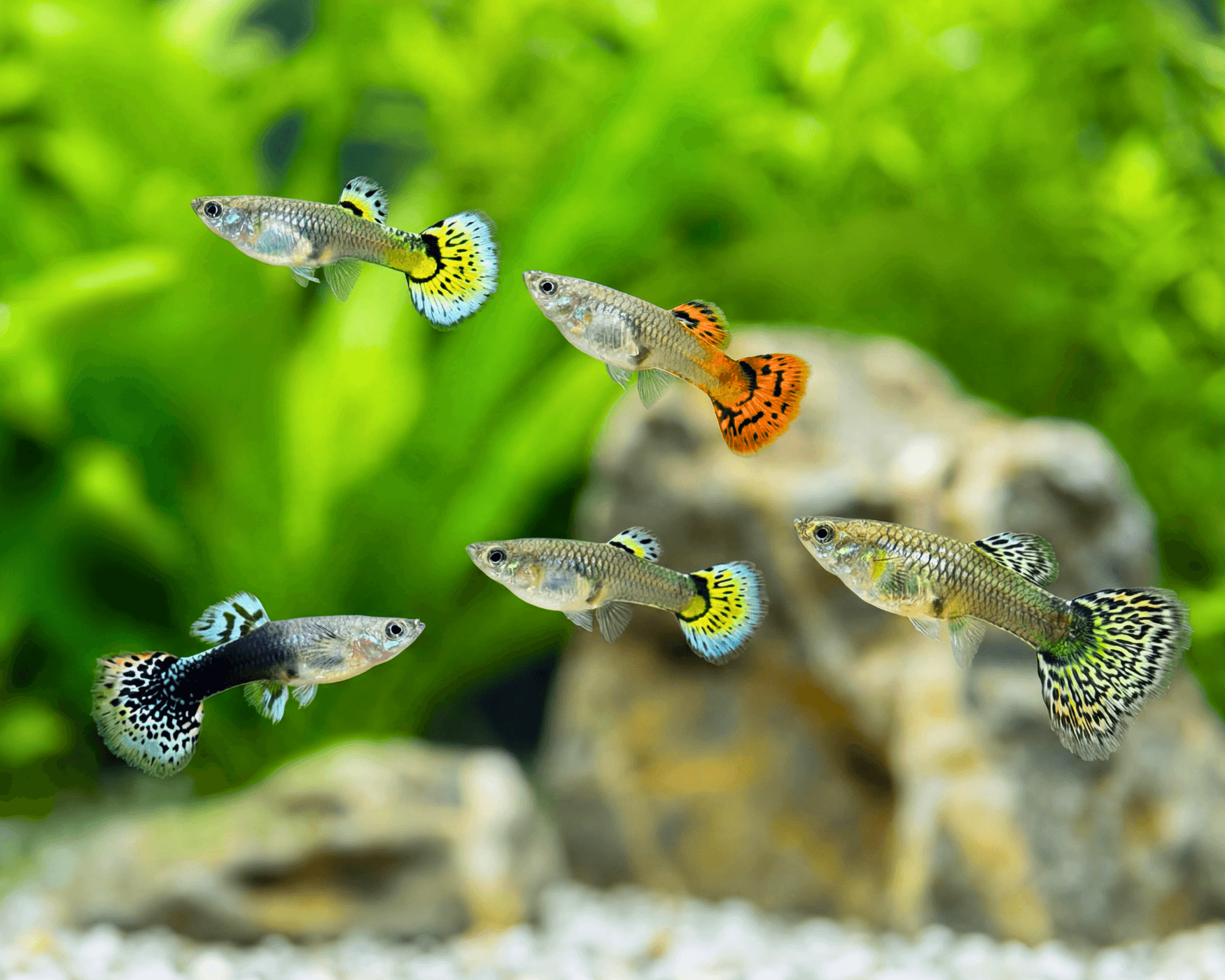
    The Metallic Cobra Guppy is a selectively bred color variant of the common guppy, Poecilia reticulata. Known for its striking, iridescent scales and intricate, snake-like patterns on the tail and body, this livebearing fish is a staple in the aquarium hobby. They are hardy, adaptable, and highly active, making them an excellent choice for both beginner and experienced fishkeepers alike.