Taxonomy and Identification
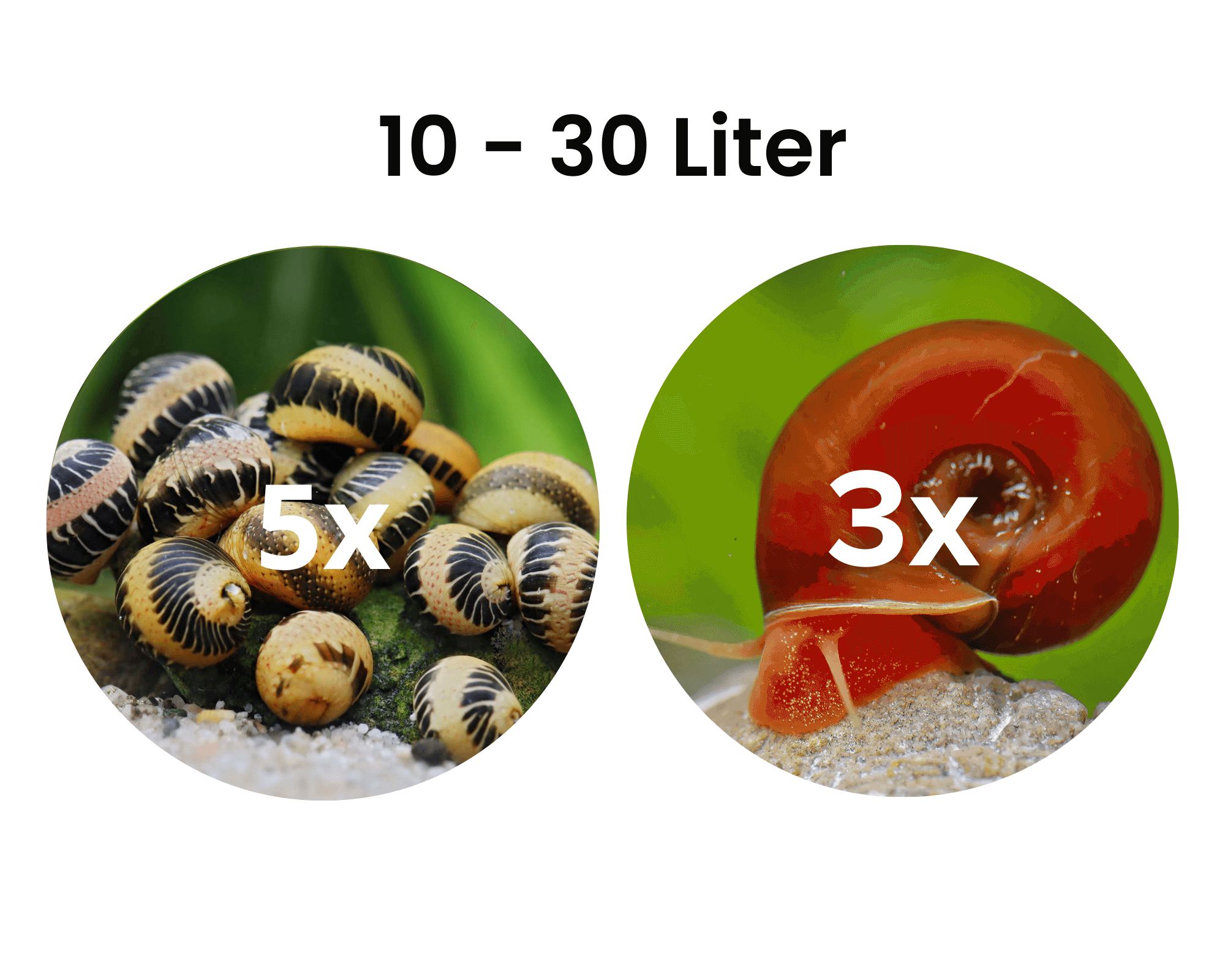
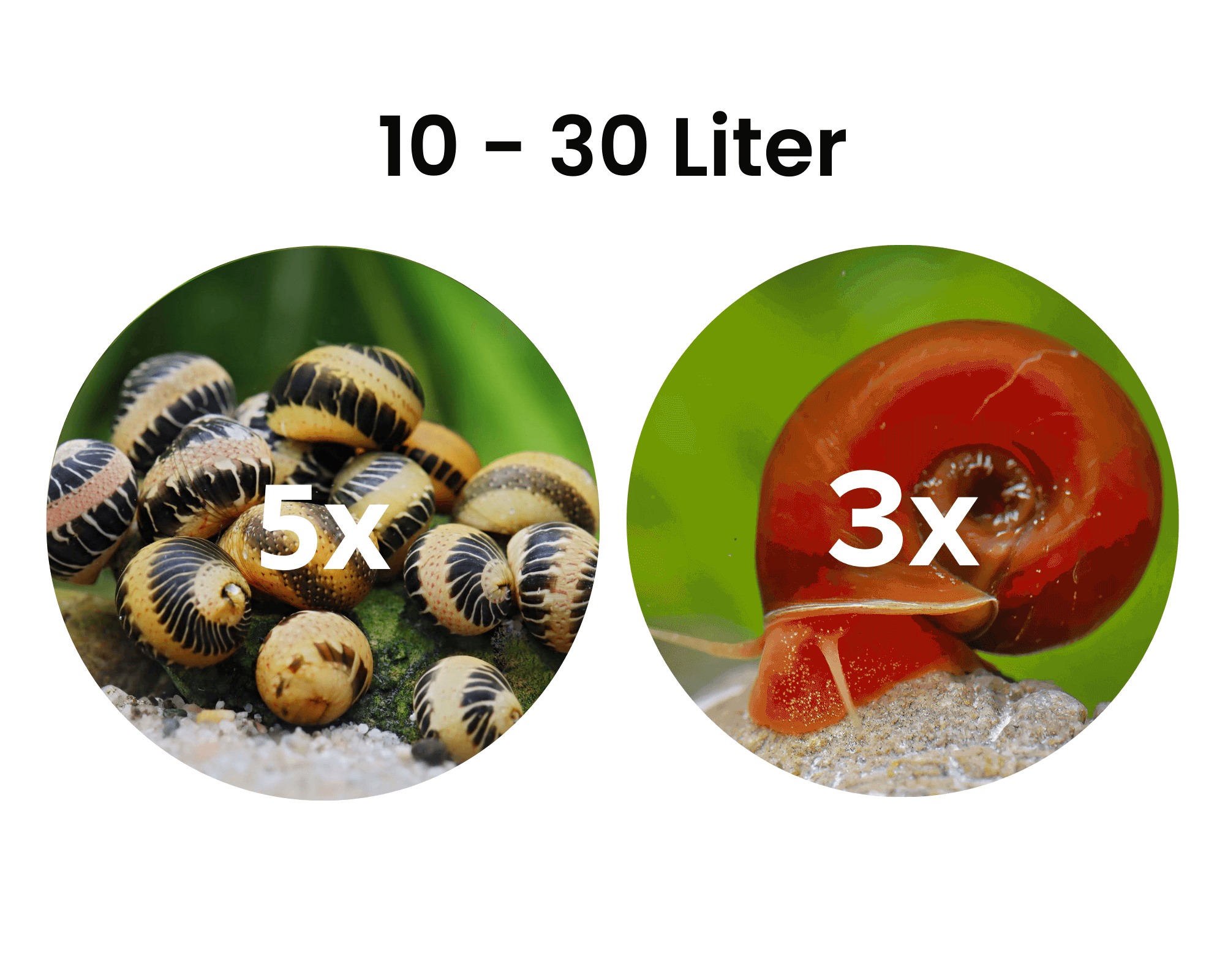
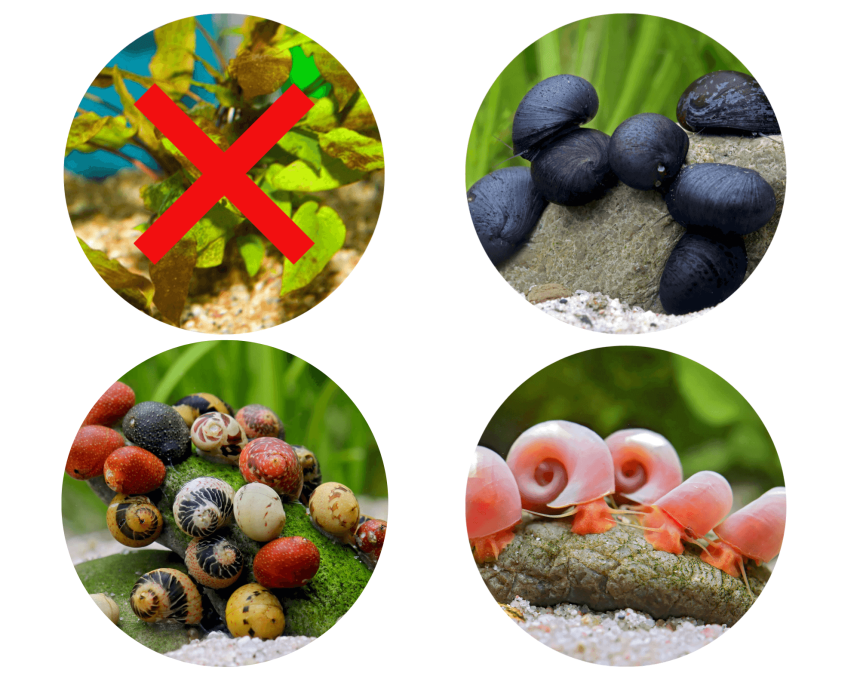
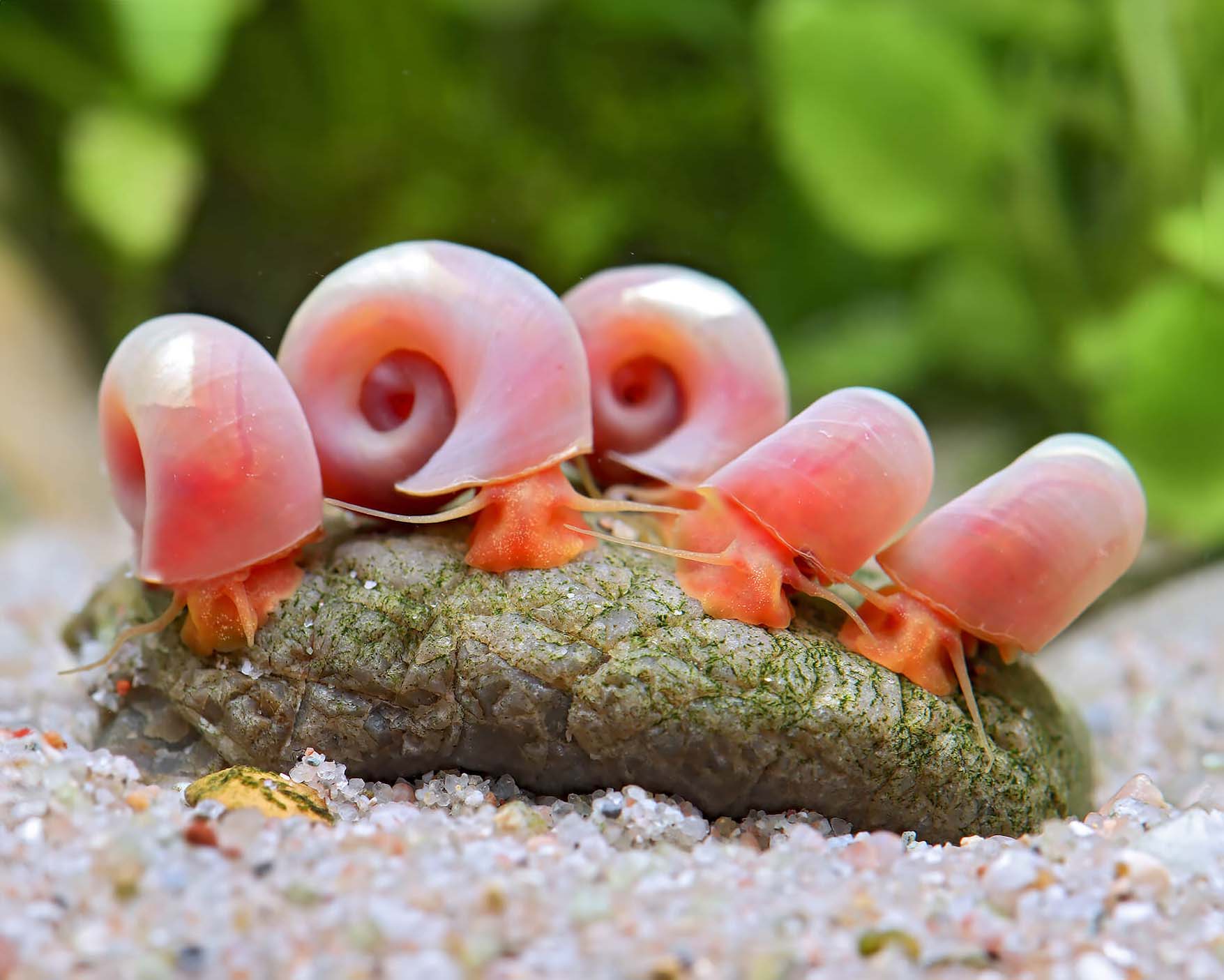
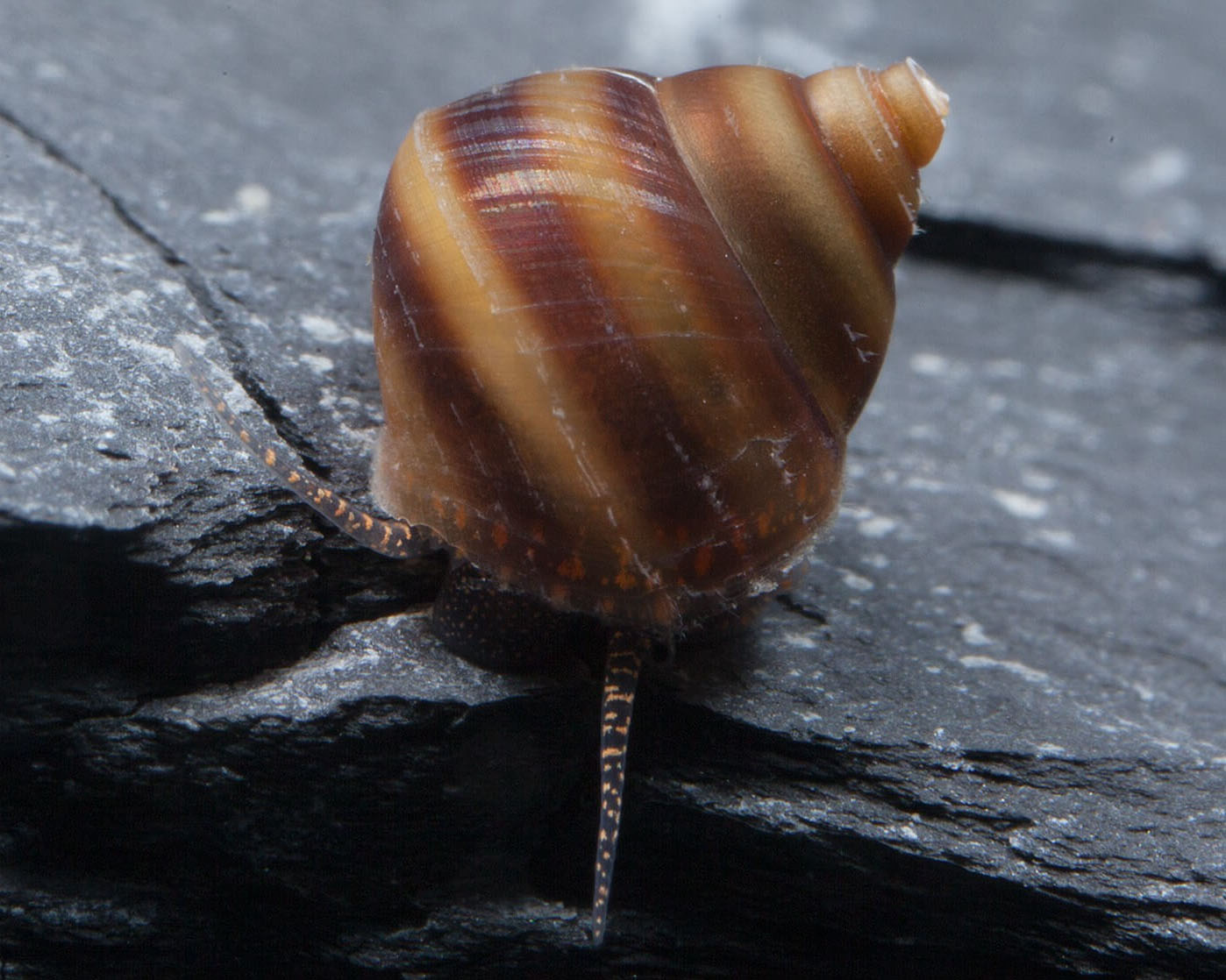
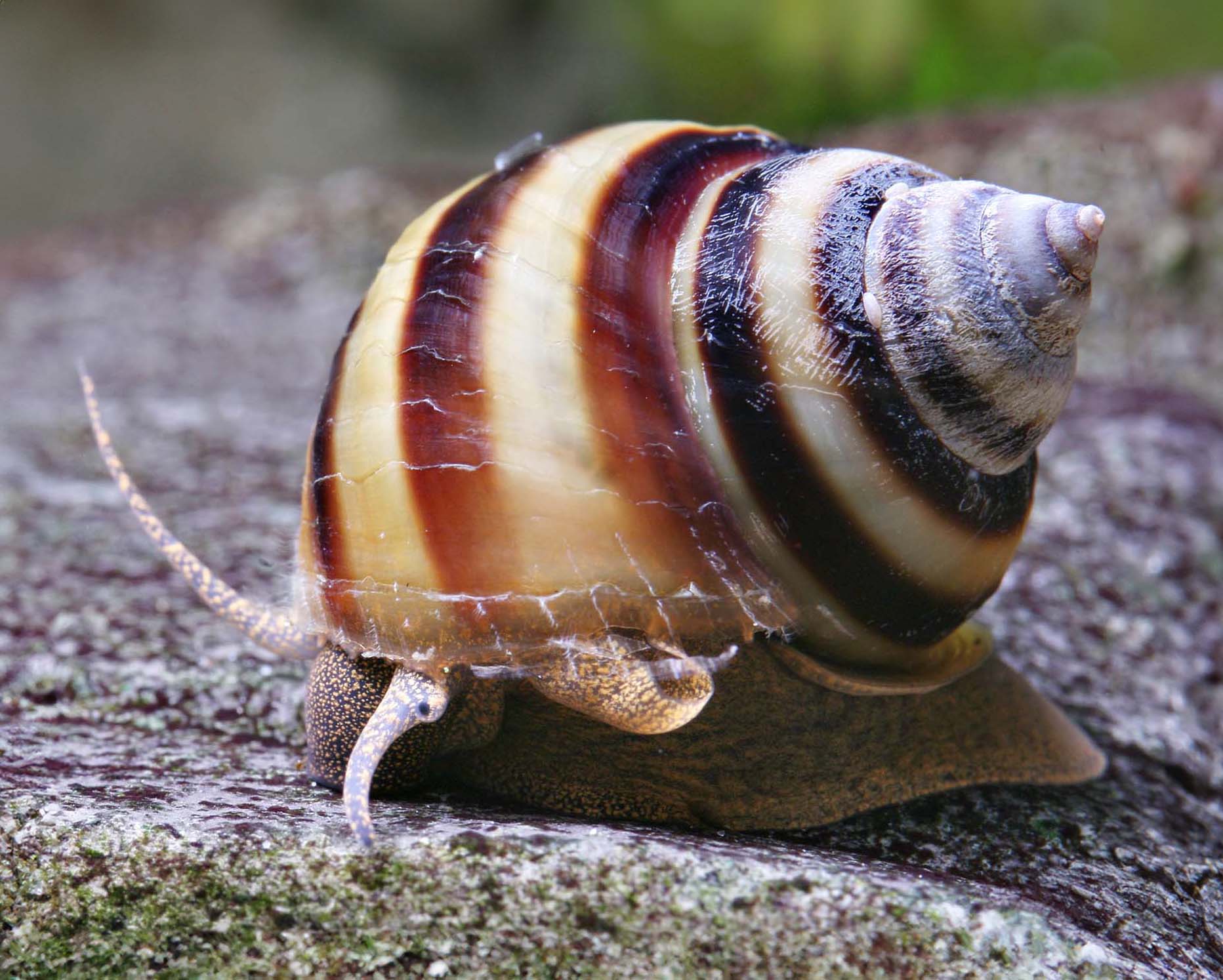
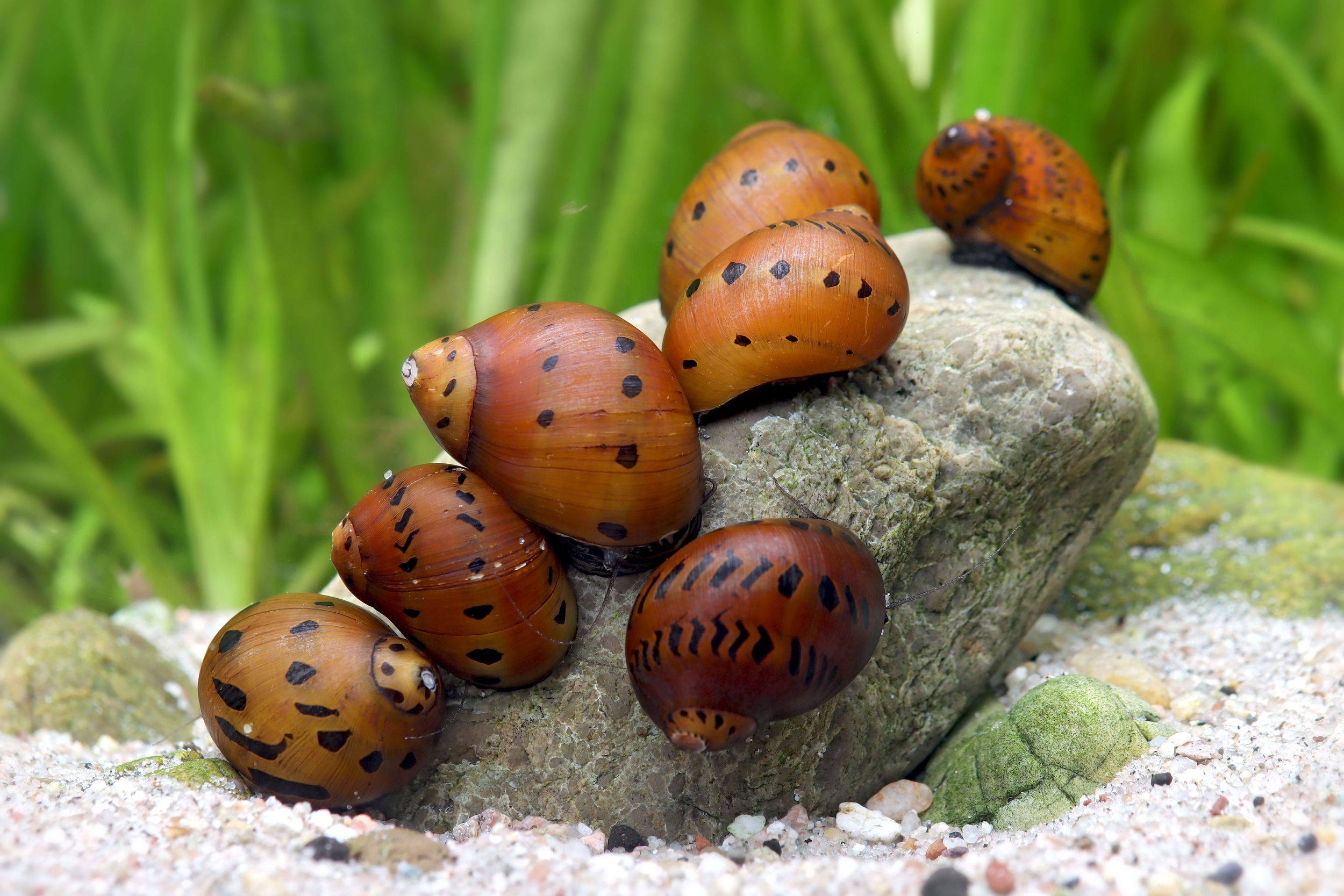
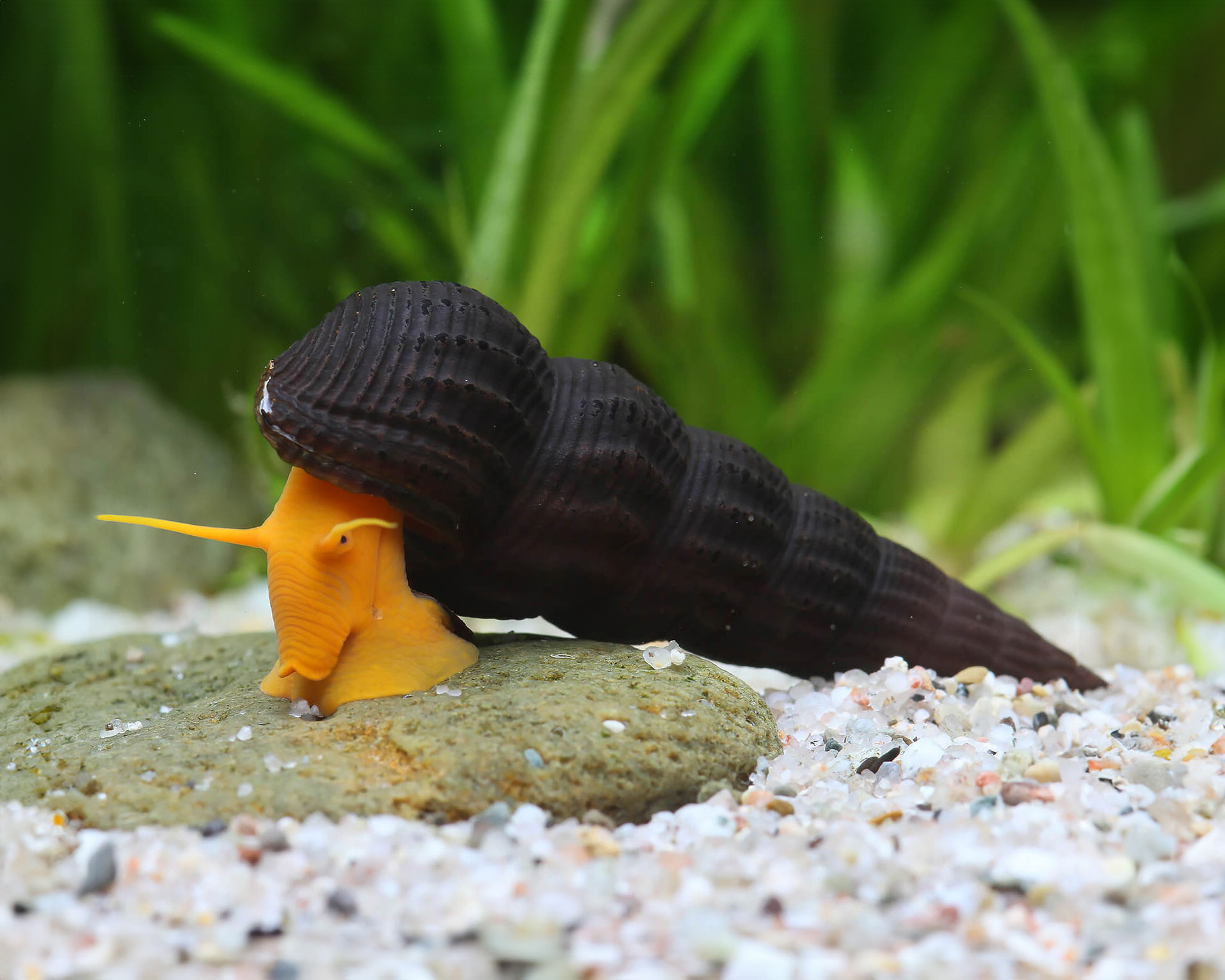
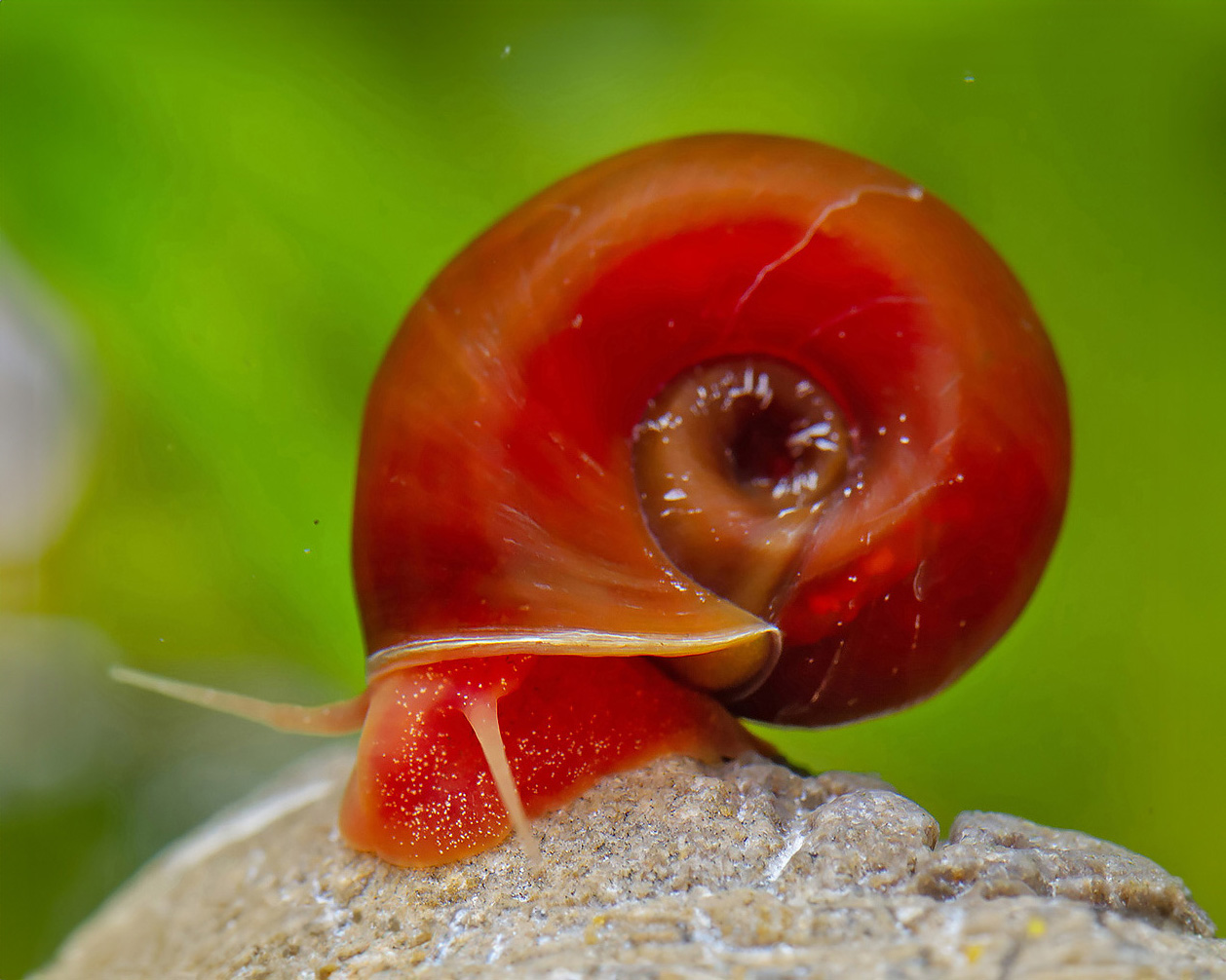
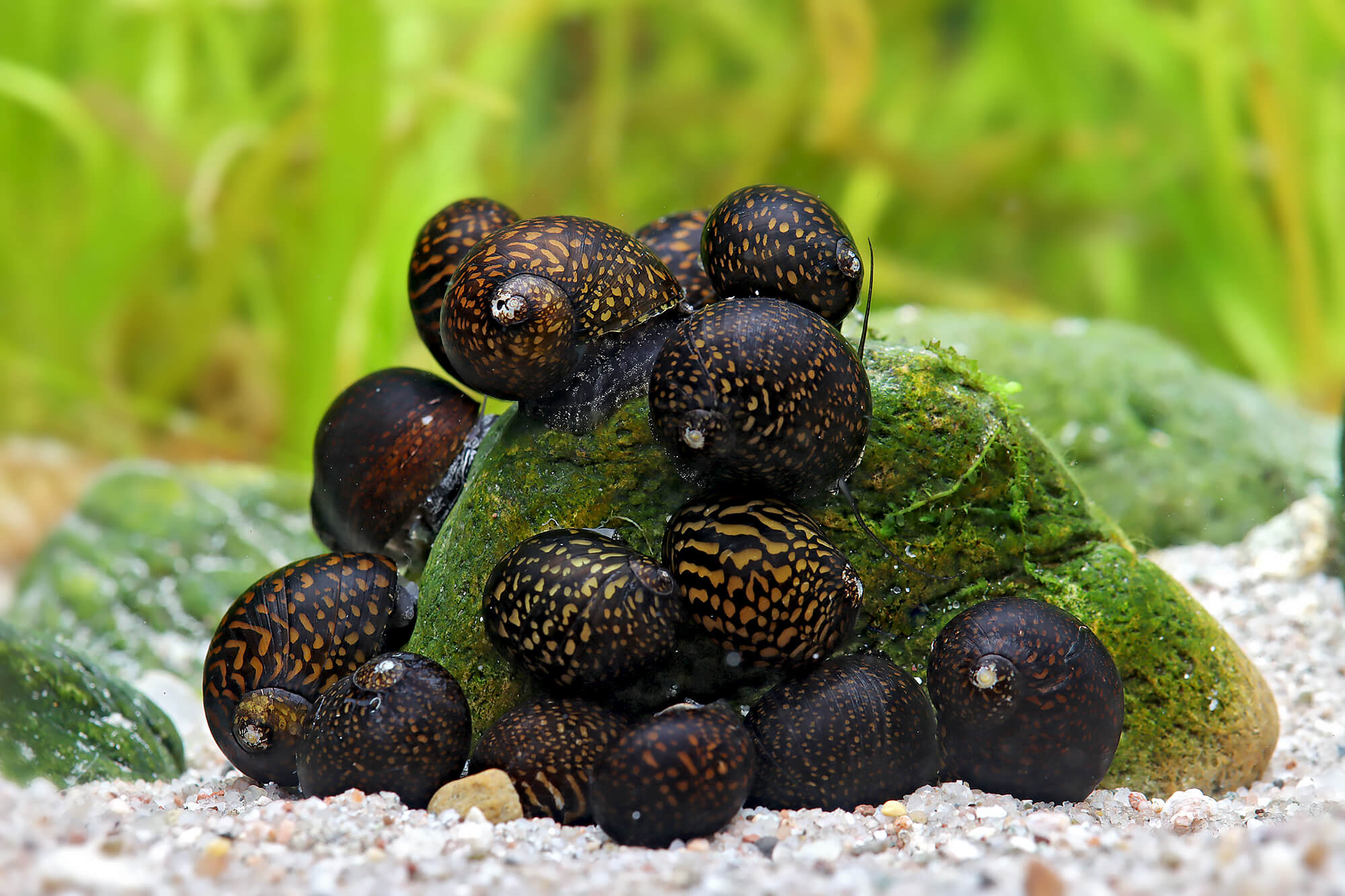
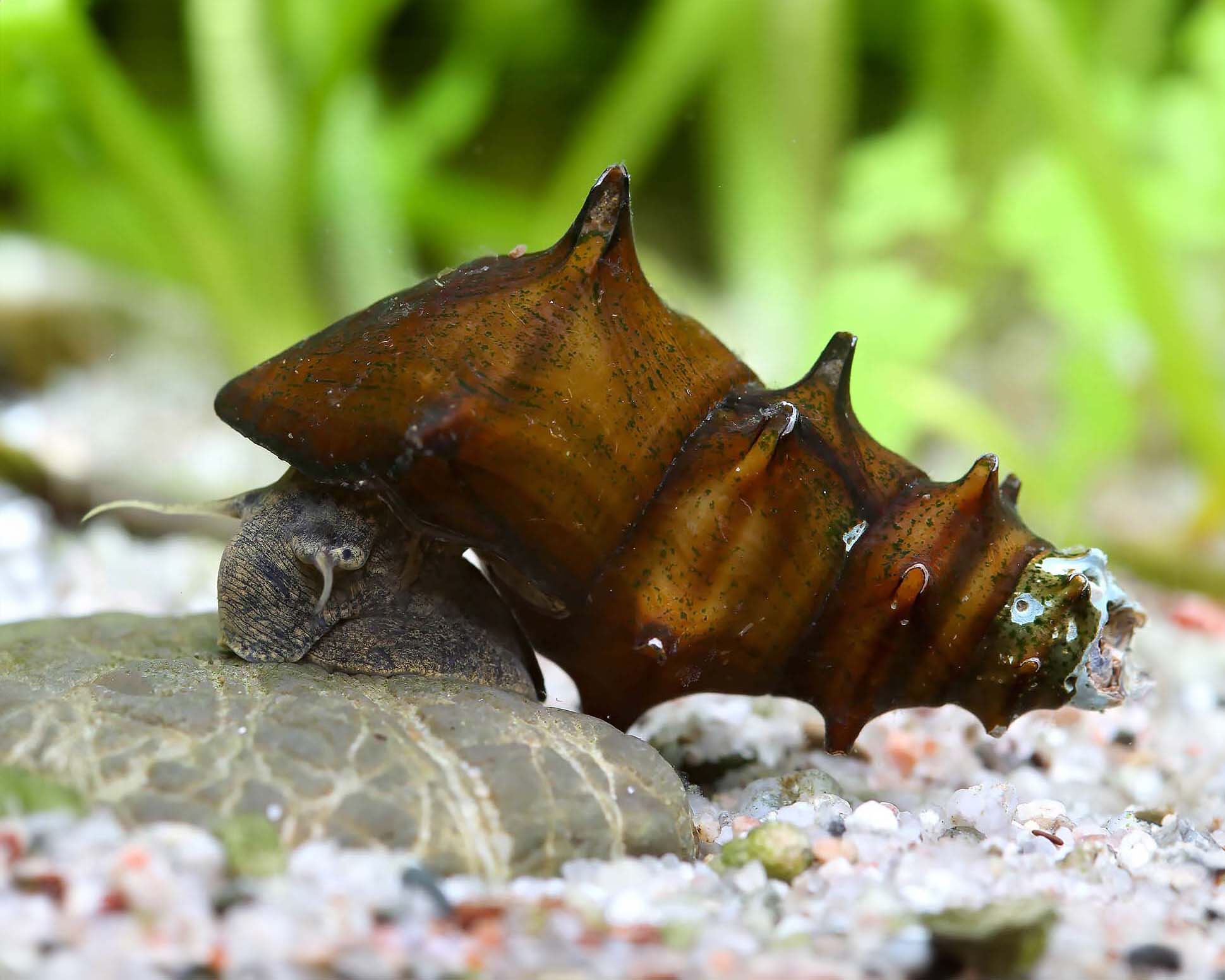
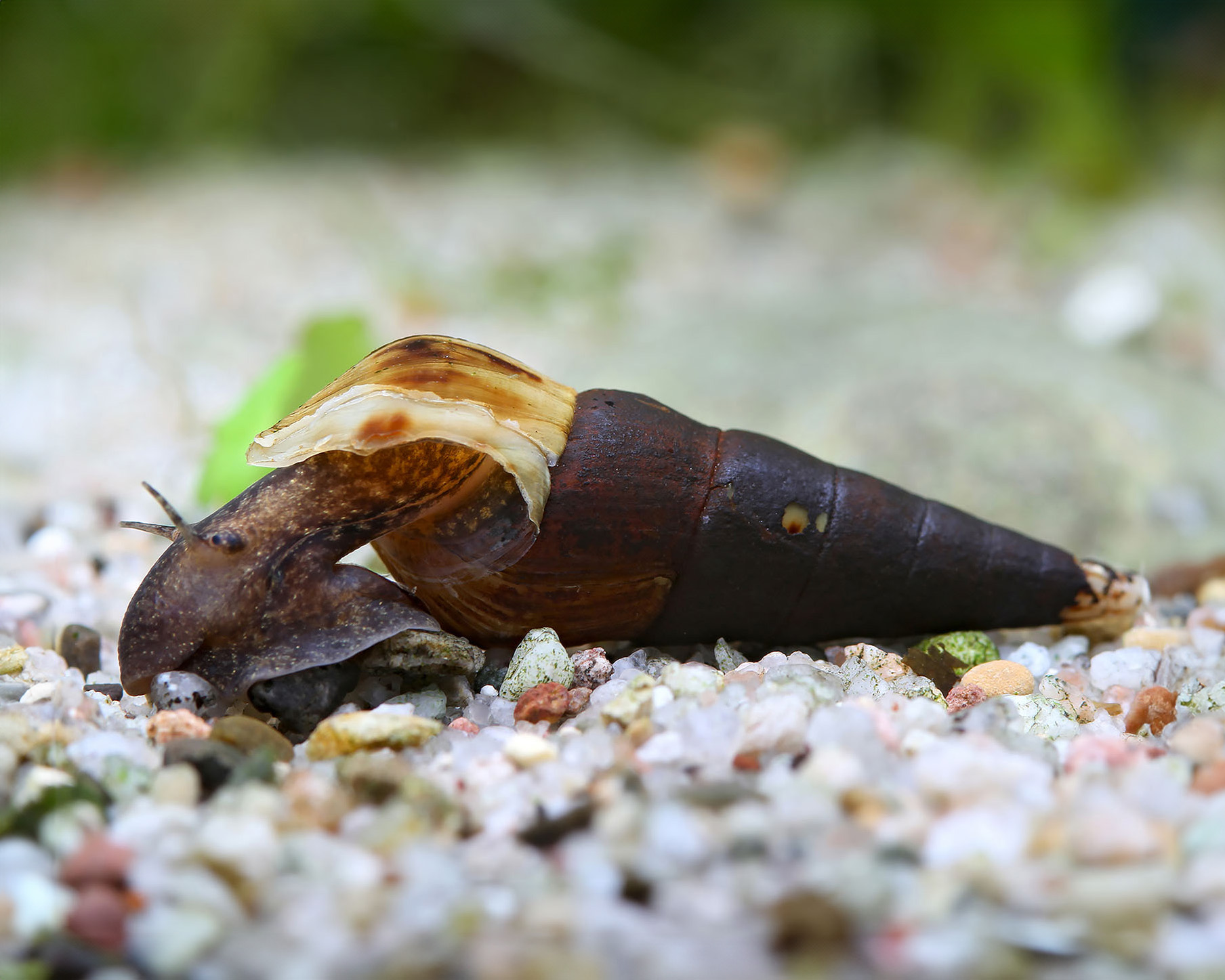
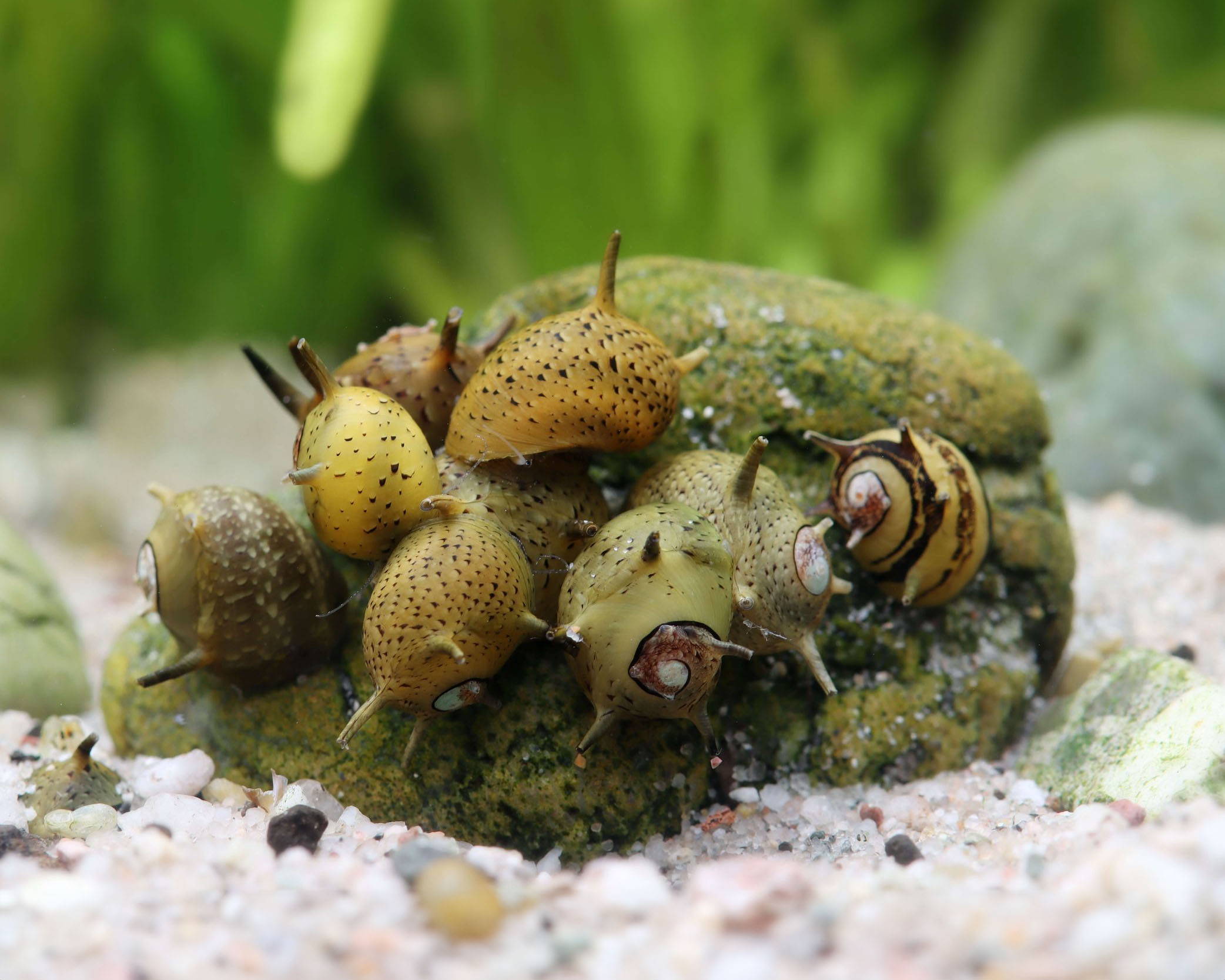
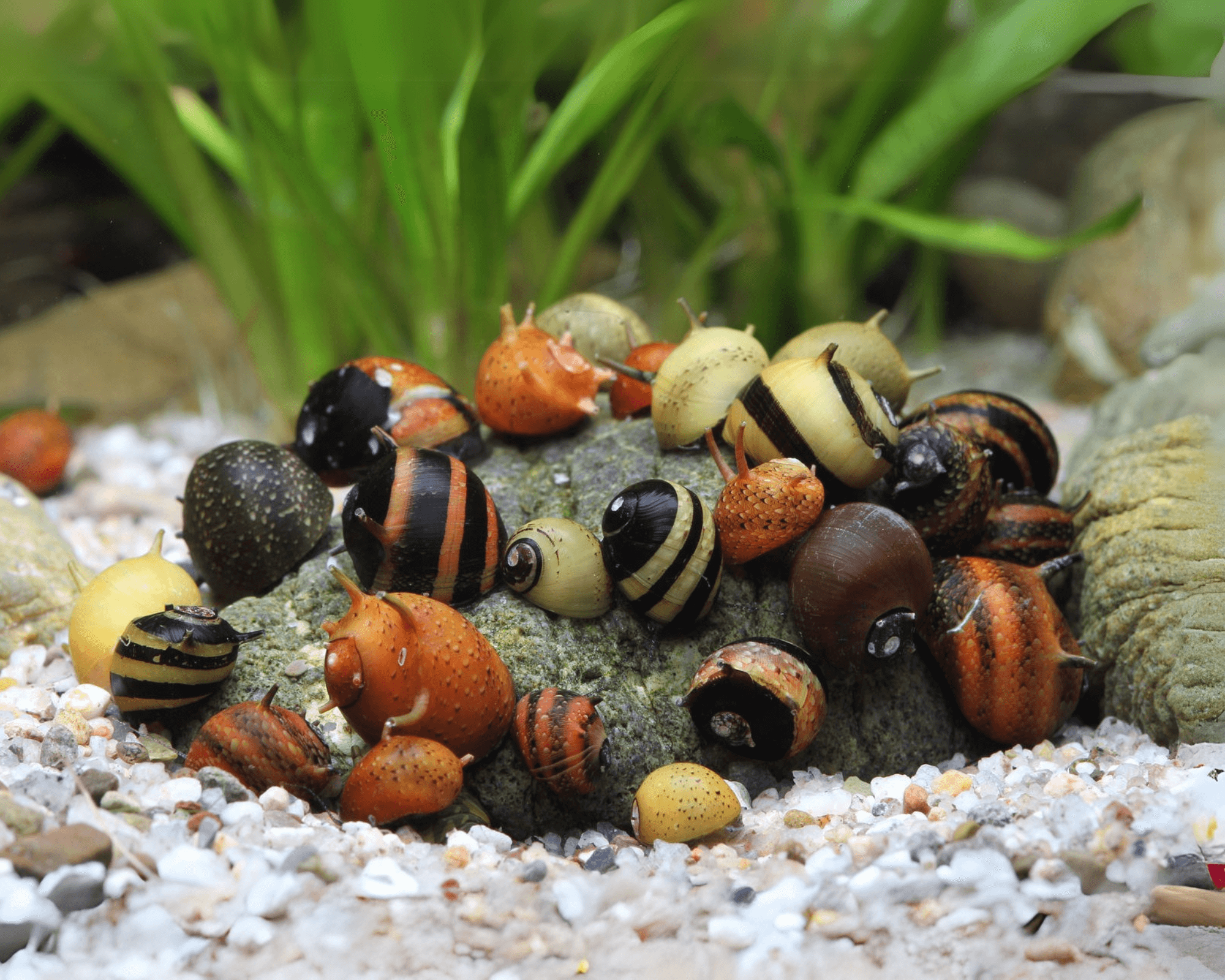
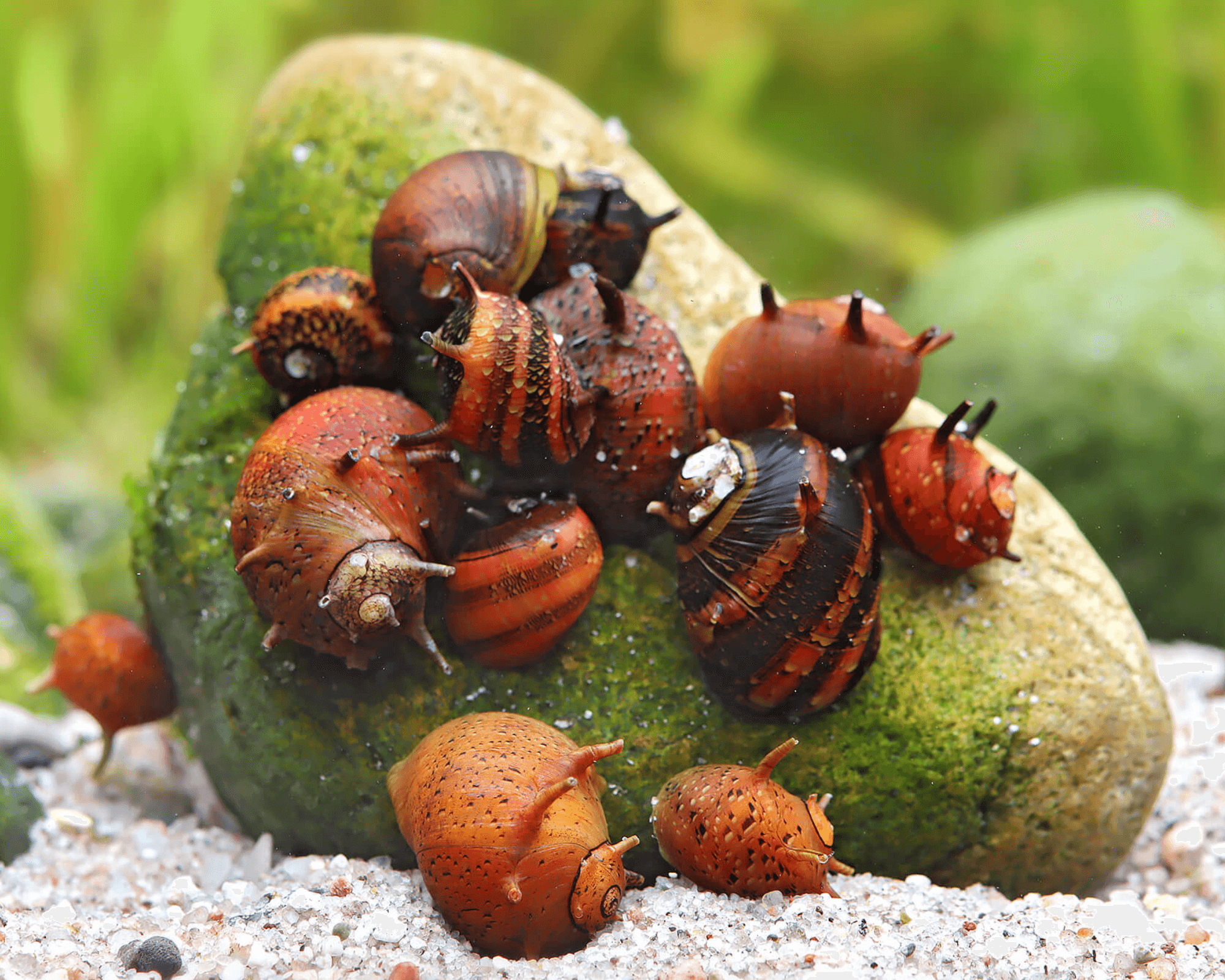
The set includes various species often belonging to the Neritidae and Planorbidae families. Exact identification is difficult due to the broad range of color morphs and species included in commercial sets. These snails are commonly selected for their distinct shell shapes and grazing efficiency on hard surfaces.
Habitat and Requirements
These snails require a mature aquarium with stable water parameters. They are generally hardy but appreciate well-oxygenated water. A stable pH and adequate calcium levels are crucial for maintaining healthy shell growth and preventing erosion, especially in softer water conditions.
Feeding and Biofilm Management
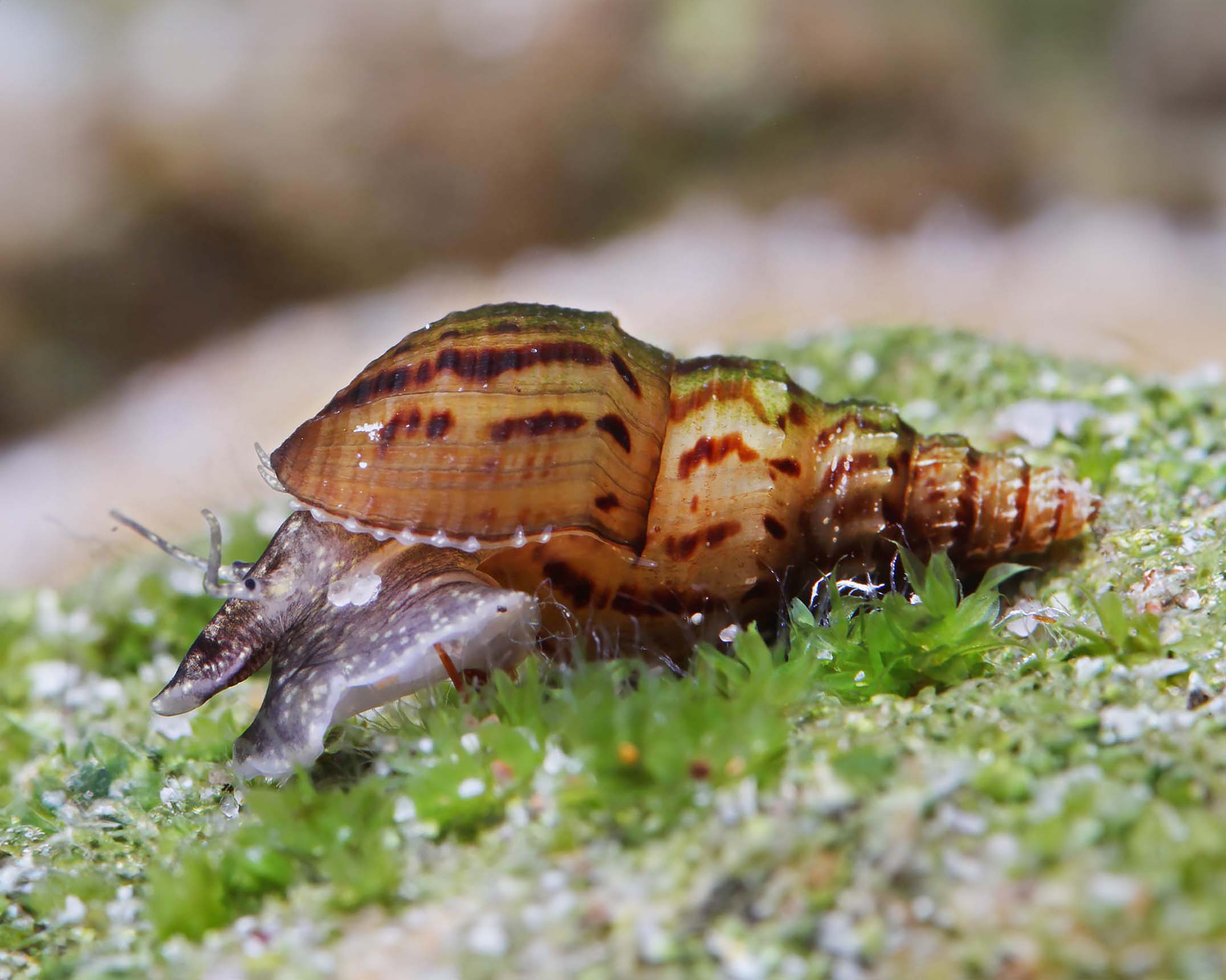
They primarily feed on bacterial mats, biofilm, and soft algae. They typically do not consume healthy aquarium plants, making them safe for planted tanks. If natural food sources are exhausted, supplemental feeding with specialized sinking foods may be necessary to ensure their long-term health.
Reproduction and Population Control
Reproduction rates vary significantly between species. Some species within these sets may require brackish water for larvae to develop, preventing uncontrolled populations in freshwater tanks. Others, such as certain ramshorn types, can reproduce readily in freshwater, so monitoring feeding levels is the best way to manage their population naturally.
 - 1.webp)

 DNZ - 1.webp)
Leave your comments