Overview
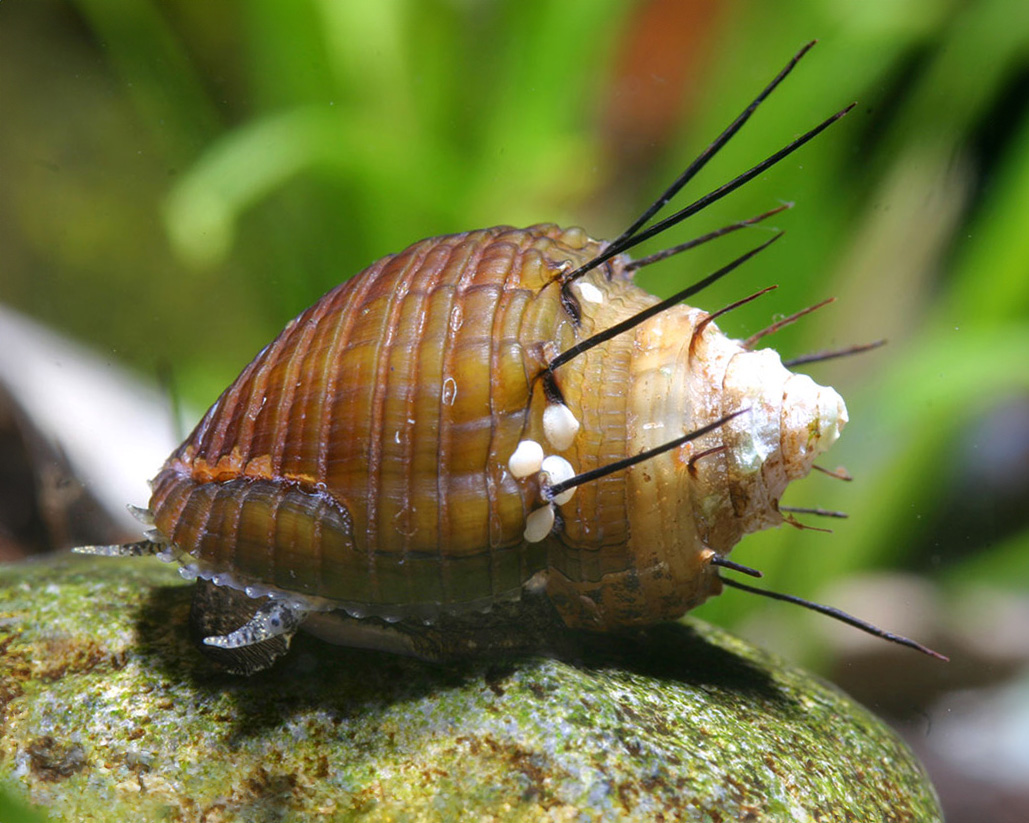
The Hairy Trumpet Snail, scientifically known as Thiara cancellata, is a truly unique freshwater invertebrate highly prized in the aquarium hobby. Unlike the common Malaysian Trumpet Snail, this species boasts a fascinating shell covered in prominent, bristle-like spikes. These peaceful snails are exceptional additions to community tanks, acting as a diligent cleanup crew that spends much of its time burrowing through the substrate, which helps prevent deadly anaerobic gas pockets from forming.

Distribution and Habitat
Native to the tropical and subtropical regions of Southeast Asia, including the Philippines and Indonesia, Thiara cancellata is typically found in fast-flowing streams, rivers, and estuaries. They inhabit areas with sandy or muddy substrates where they can easily burrow to hide from predators and forage for decaying plant matter and microscopic organic debris.
Description of Hairy Trumpet Snail
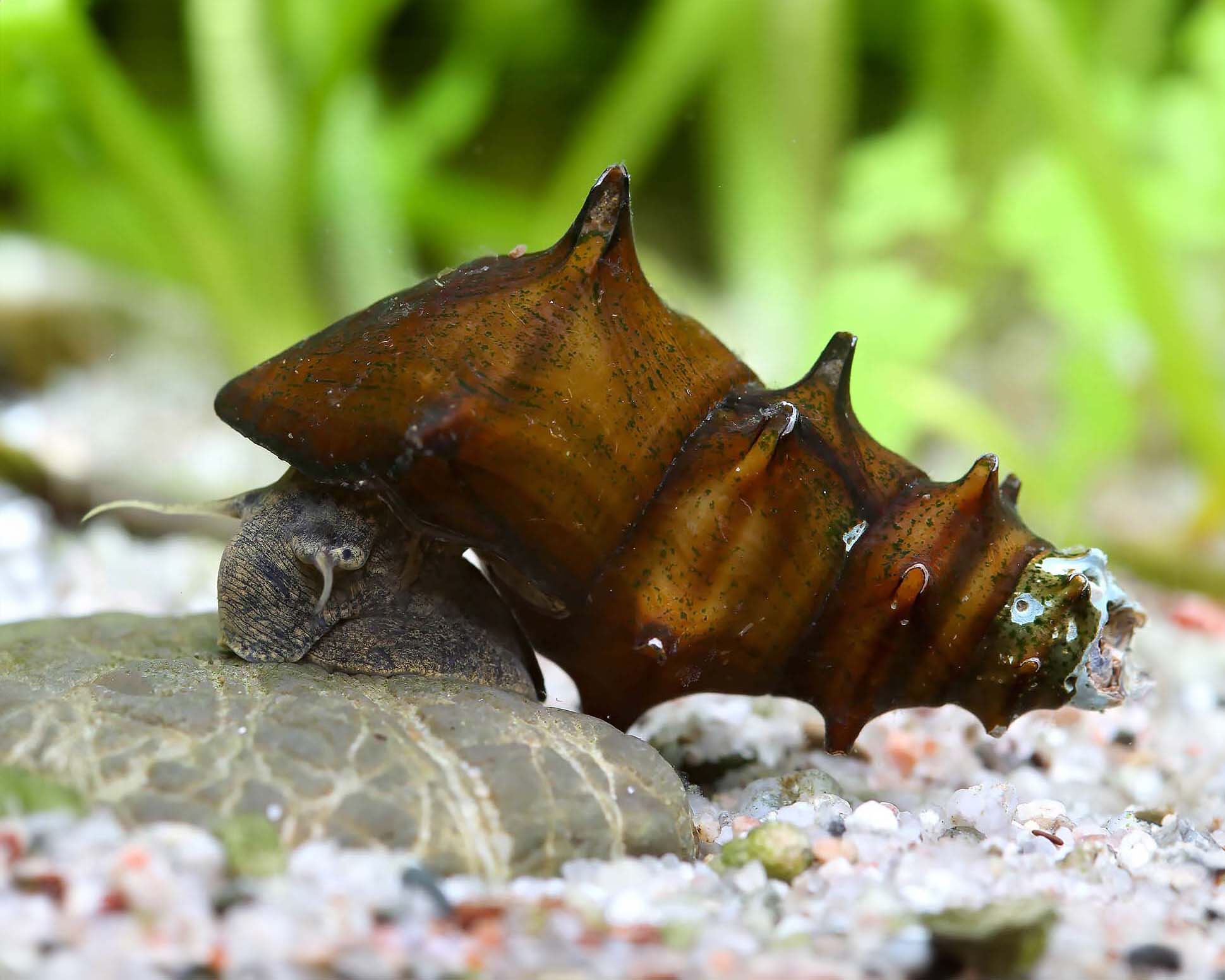
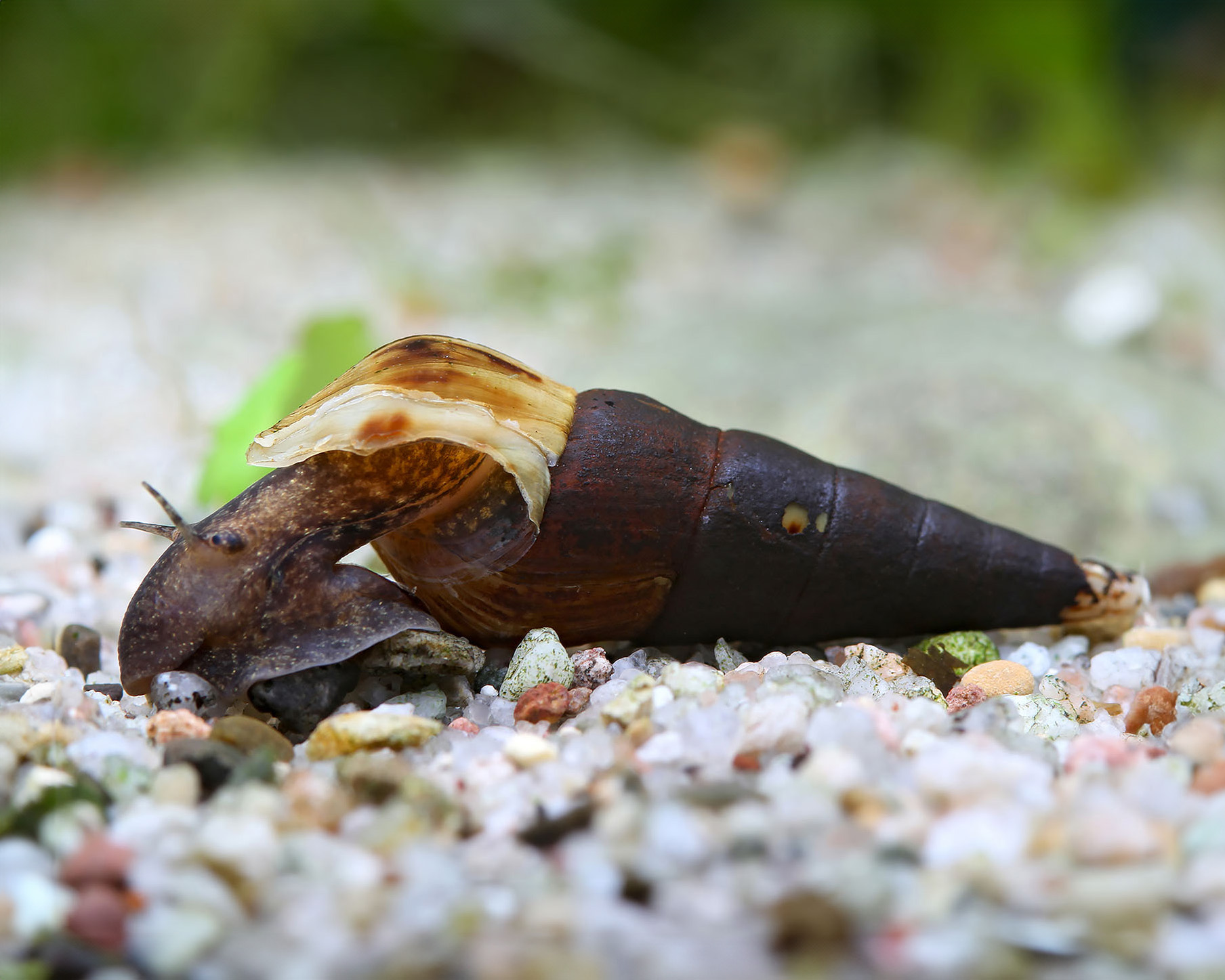
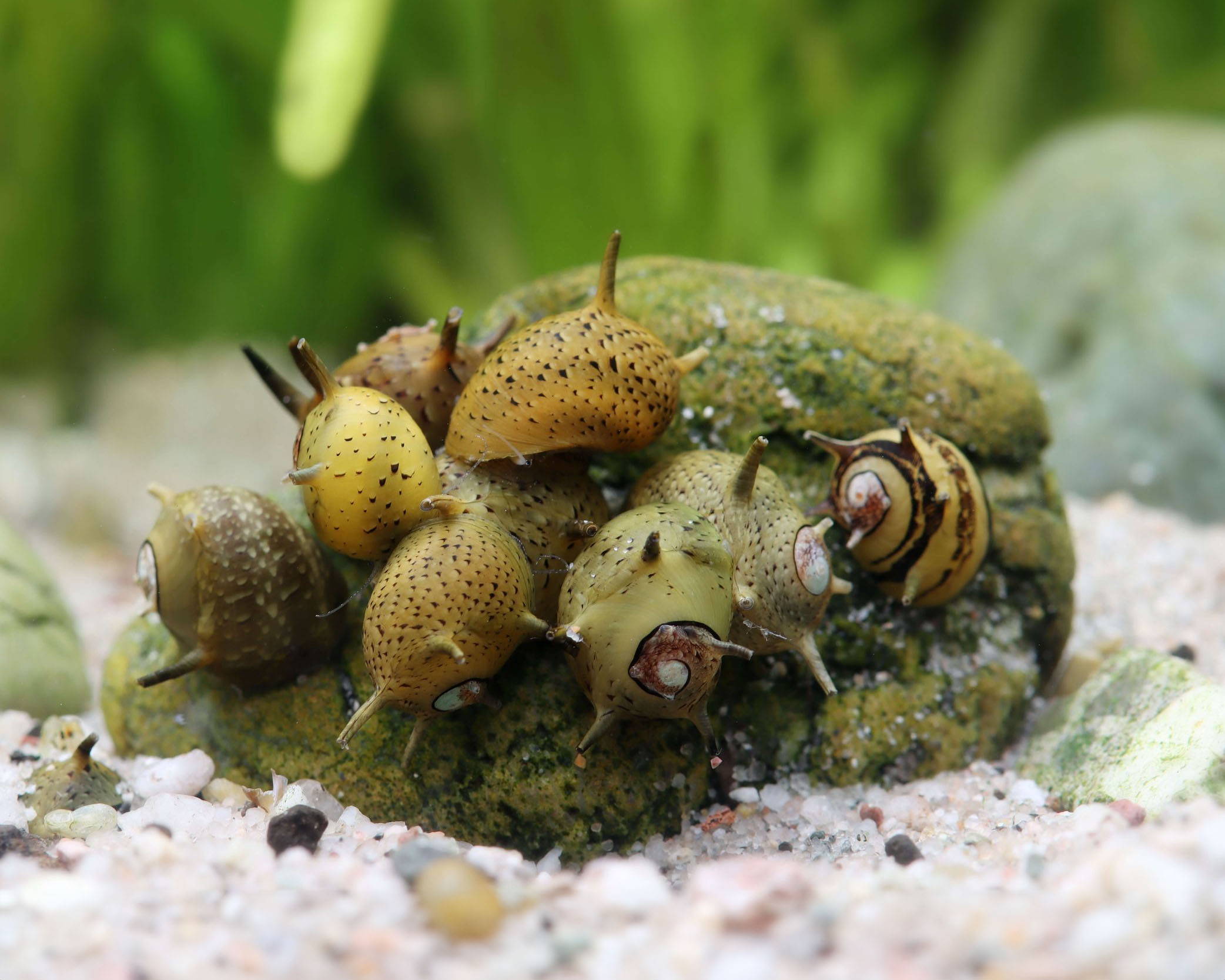
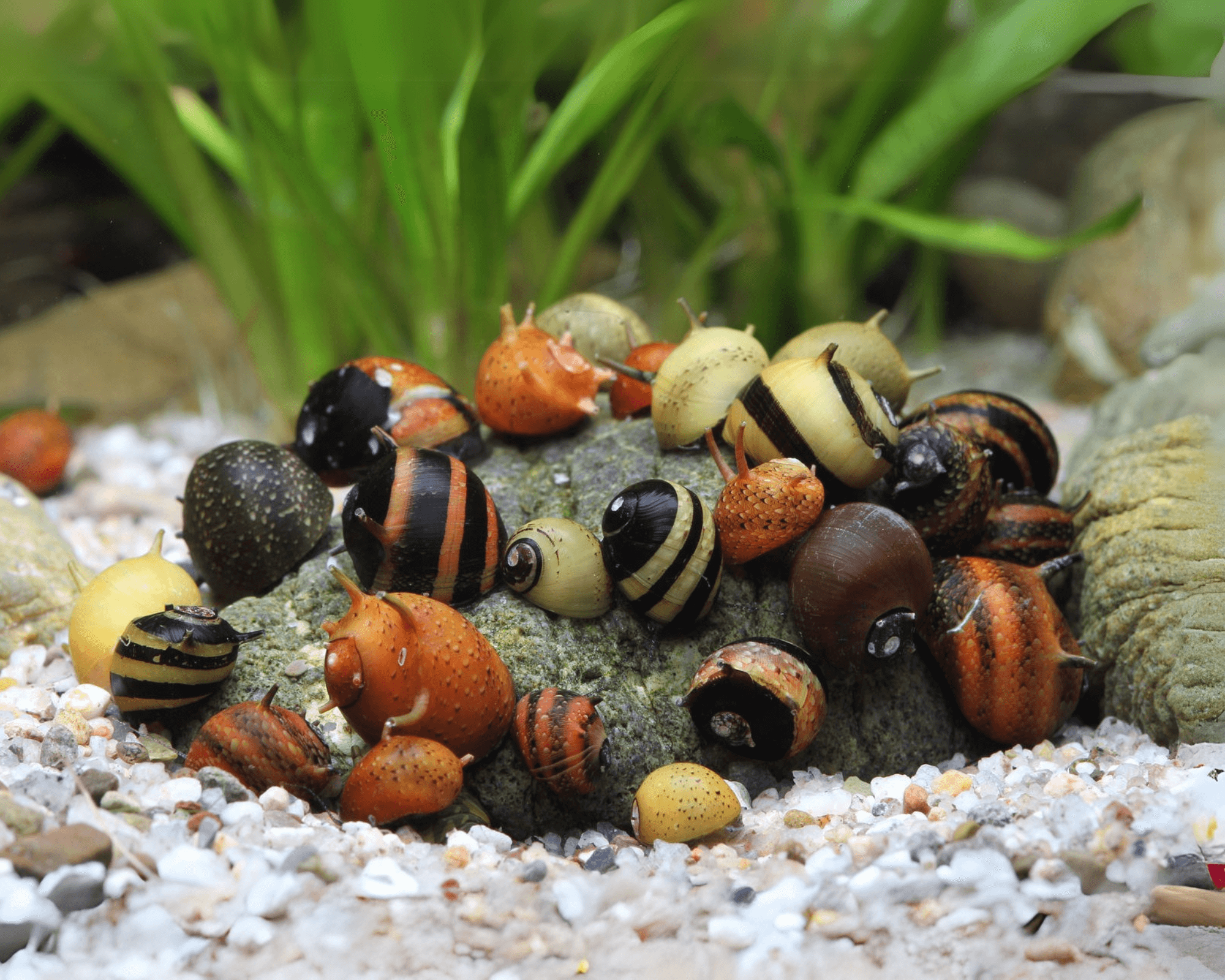
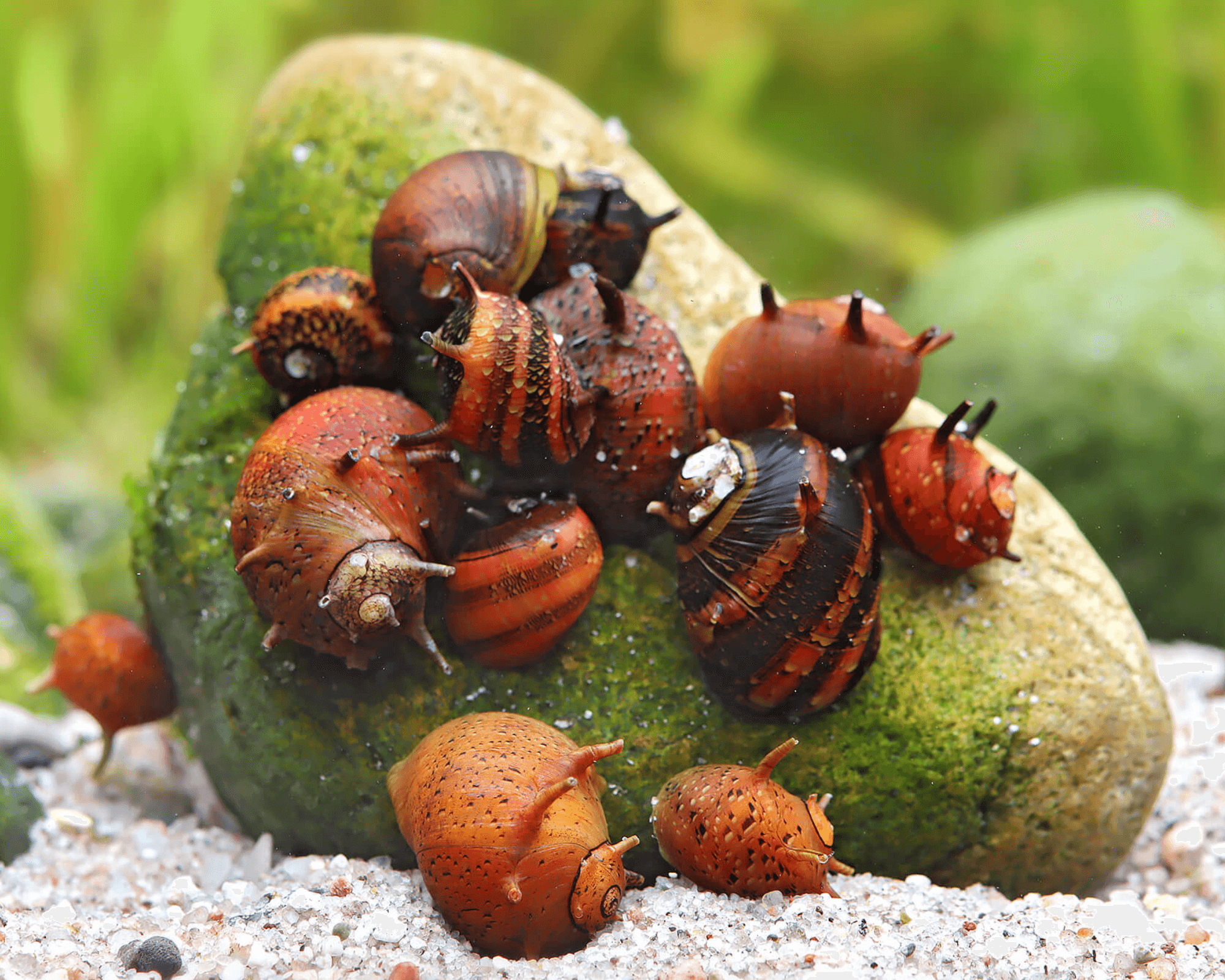
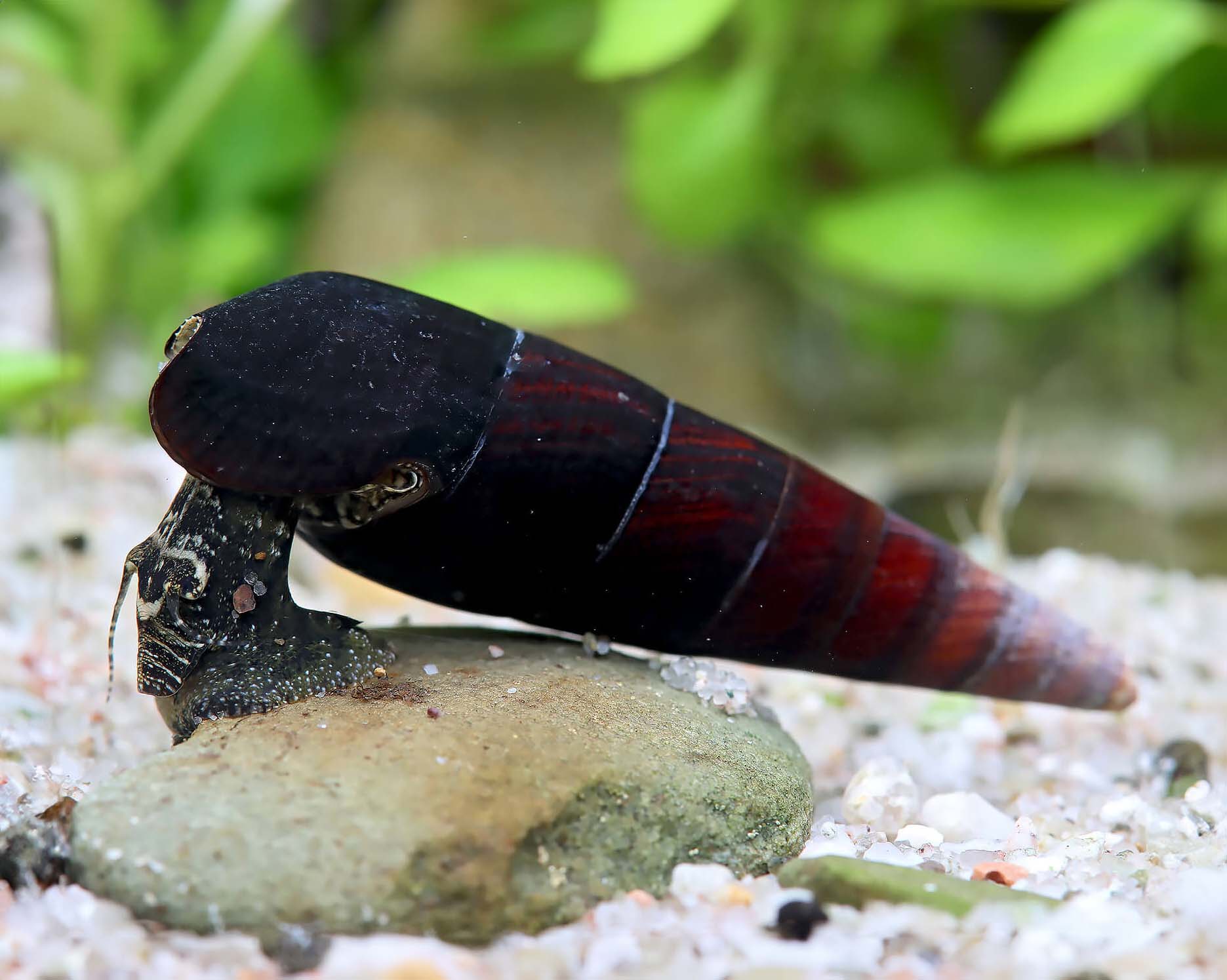
The most striking feature of the Hairy Trumpet Snail is its heavily textured, conical shell. The shell is deeply grooved with spiral ridges and ranges in color from warm amber to yellowish-brown and dark brown. Protruding from the whorls are distinct, dark, hair-like spikes (spines). These "hairs" are actually specialized extensions of the periostracum (the outermost protein layer of the shell). The snail's body is dark with lighter, intricate speckling. It is completely normal for older specimens to have slightly eroded apexes (the tip of the shell) or broken bristles due to natural wear and tear.

Keeping and Caring for Hairy Trumpet Snail
Caring for the Hairy Trumpet Snail is relatively straightforward, making it suitable for both beginners and experienced aquarists. Because of their burrowing nature, a soft substrate like fine sand or smooth, small-grain gravel is highly recommended. Coarse or sharp substrates can damage their delicate bodies and break off their signature shell spikes. They are entirely peaceful and will not bother fish, shrimp, or other snails.
Tank size:
A minimum tank size of 10 gallons is recommended. This provides enough substrate surface area for foraging and ensures stable water parameters.
Water Parameters:
Like most snails, Thiara cancellata requires stable water conditions. They do best in slightly alkaline, hard water, which provides the essential calcium needed for healthy shell growth and to prevent the degradation of their unique spikes.
Temperature
Maintain a tropical environment with temperatures ranging between 72°F and 82°F (22°C - 28°C).
pH
A pH level of 7.0 to 8.2 is ideal. Acidic water (below 7.0) will cause their shells to dissolve and pit over time.
Hardness
Moderate to hard water is required. Aim for a General Hardness (GH) of 8 to 15 dGH.
Ammonia, Nitrite, Nitrate
Ammonia and Nitrite must always be at 0 ppm. Nitrates should be kept as low as possible, ideally below 20 ppm. They are also highly sensitive to copper-based medications and plant fertilizers containing heavy metals.
Feeding the Hairy Trumpet Snail
These snails are natural scavengers and detritivores. In a mature aquarium, they will feed on leftover fish food, decaying plant matter, biofilm, and soft algae present on the substrate and glass. However, their diet should be supplemented to ensure they receive adequate nutrition and calcium. Offer them sinking algae wafers, bottom-feeder pellets, and blanched vegetables such as zucchini, spinach, or cucumber. Adding a calcium supplement or providing cuttlebone in the filter will help maintain their impressive shells.

Breeding Hairy Trumpet Snail
The Hairy Trumpet Snail is a parthenogenetic livebearer, meaning that females can reproduce without the presence of a male, and they give birth to fully formed, miniature live young rather than laying eggs. While this sounds like a recipe for overpopulation, Thiara cancellata reproduces at a significantly slower rate than the common Malaysian Trumpet Snail. Population explosions are rare and usually only occur if the tank is severely overfed.
Conclusion
The Hairy Trumpet Snail is an outstanding and visually captivating addition to the freshwater aquarium. Not only do they provide a unique aesthetic with their spiky, textured shells, but they also offer invaluable tank maintenance by aerating the substrate and consuming waste. Peaceful, completely plant-safe, and easy to care for, Thiara cancellata is a highly recommended invertebrate for any community setup.
 - 1.webp)

 DNZ - 1.webp)
Leave your comments