AquaLibs presents AquaRank Discover the world’s leading aquascapers

Explore transparent rankings built from published results across the world’s leading aquascaping contests.

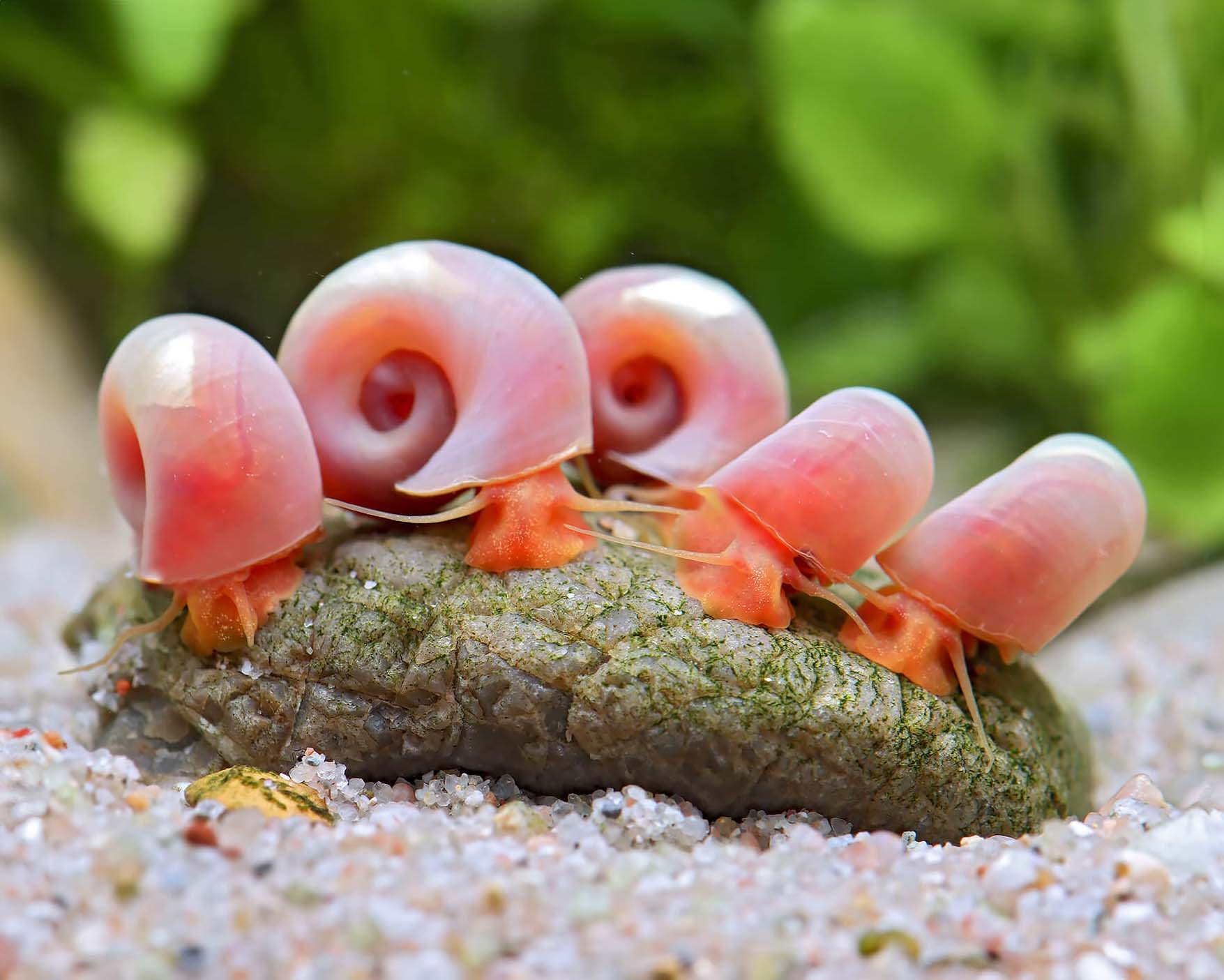
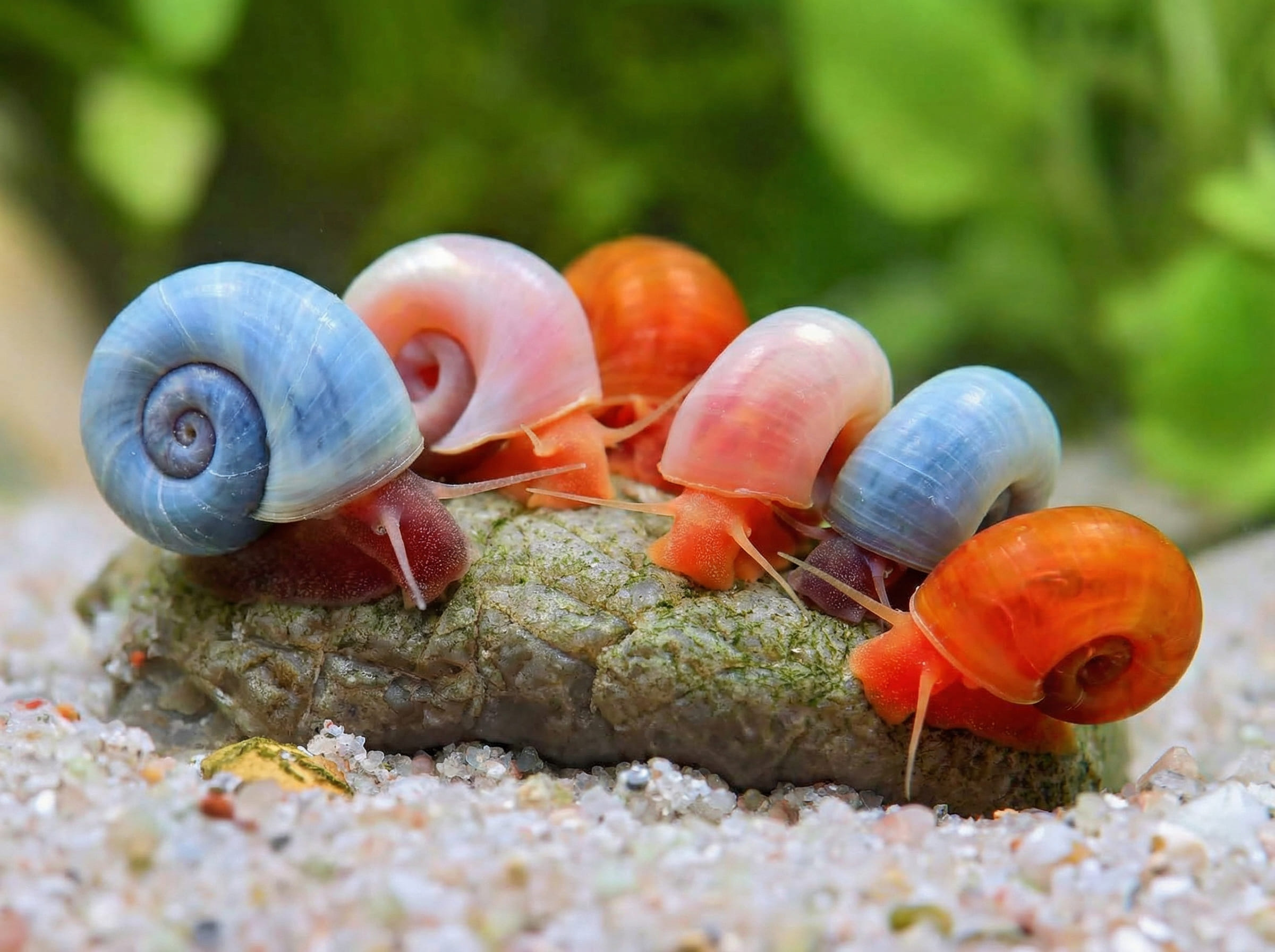
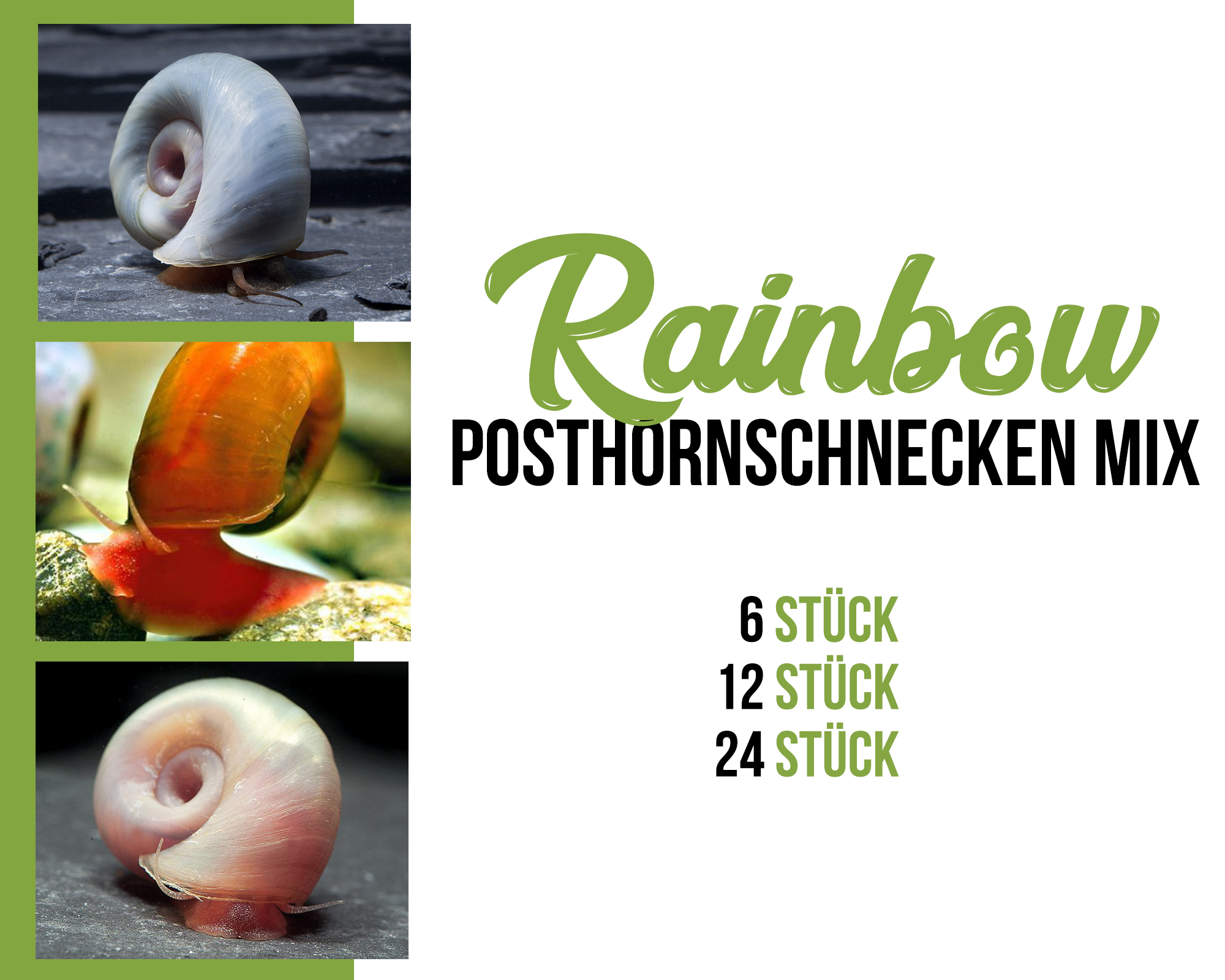
Ramshorn Snails Mix Rainbow

Taxonomy and identification

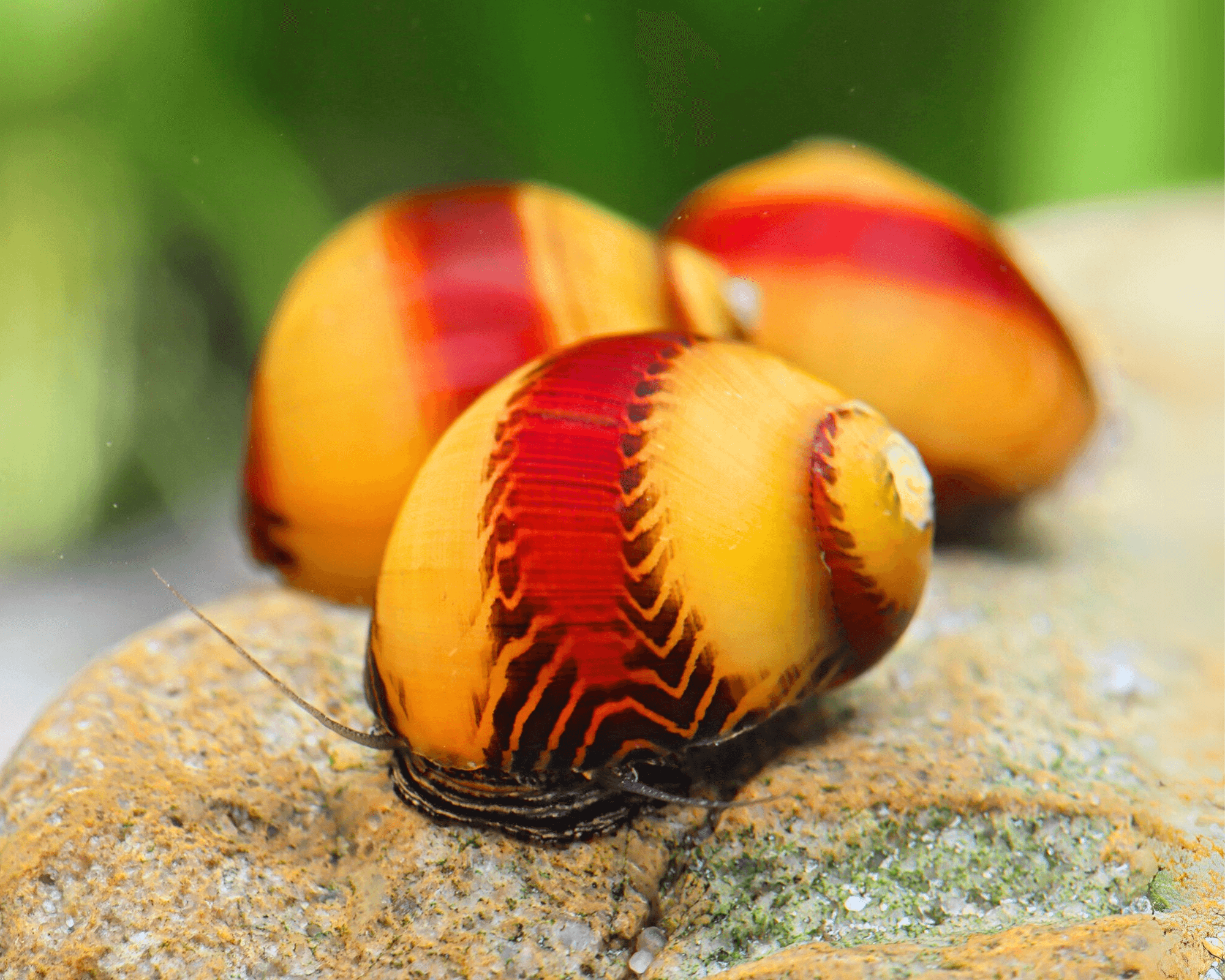
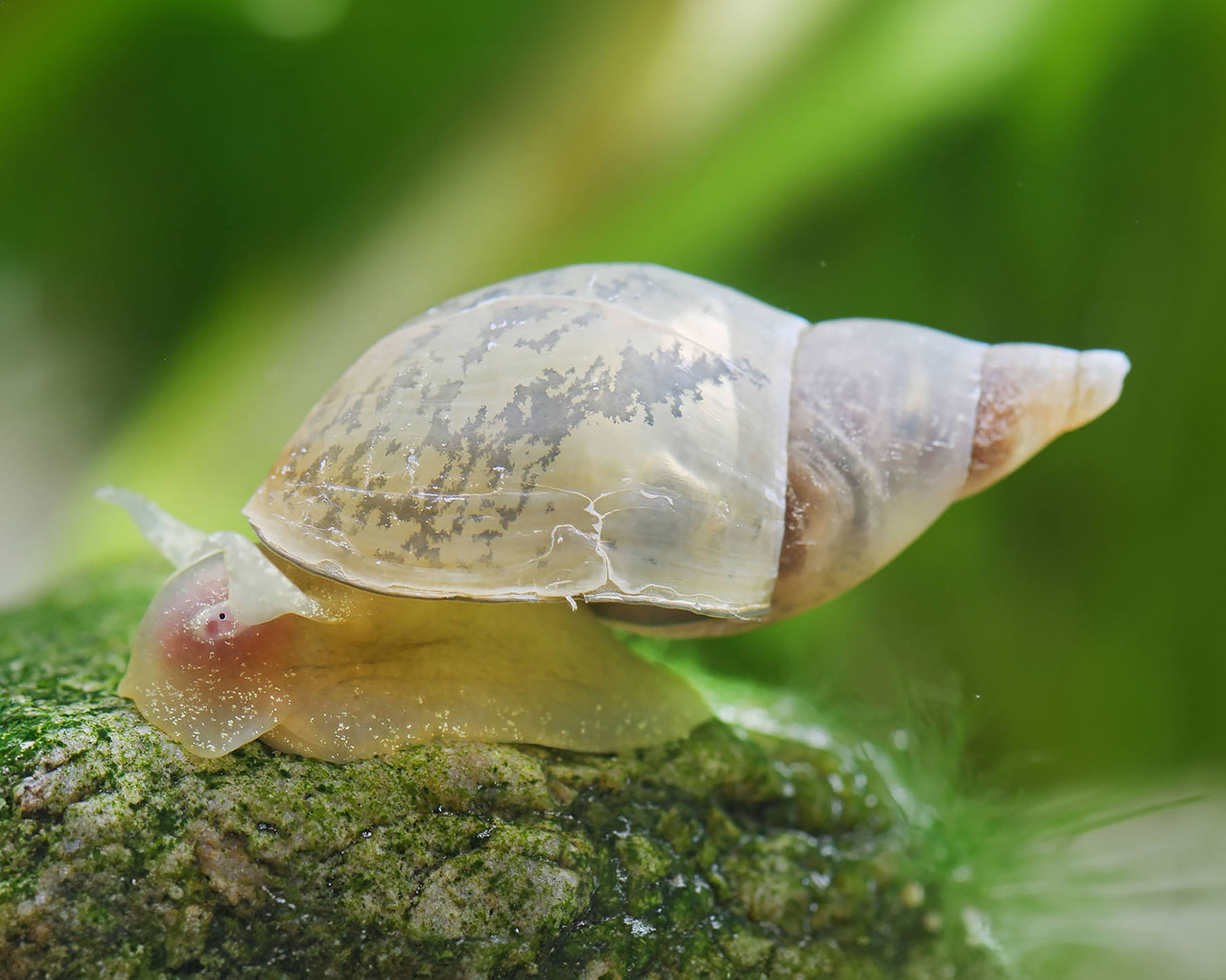
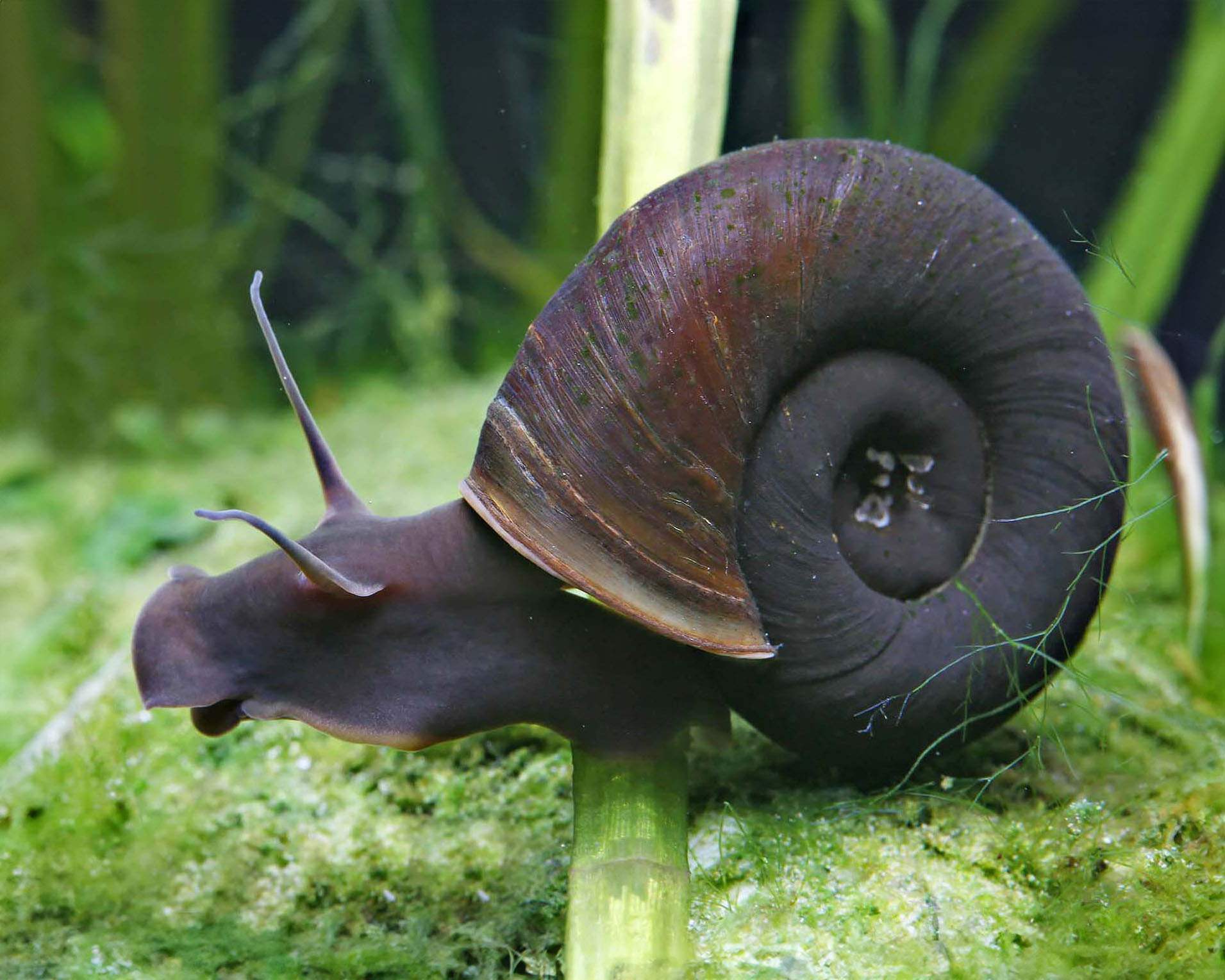
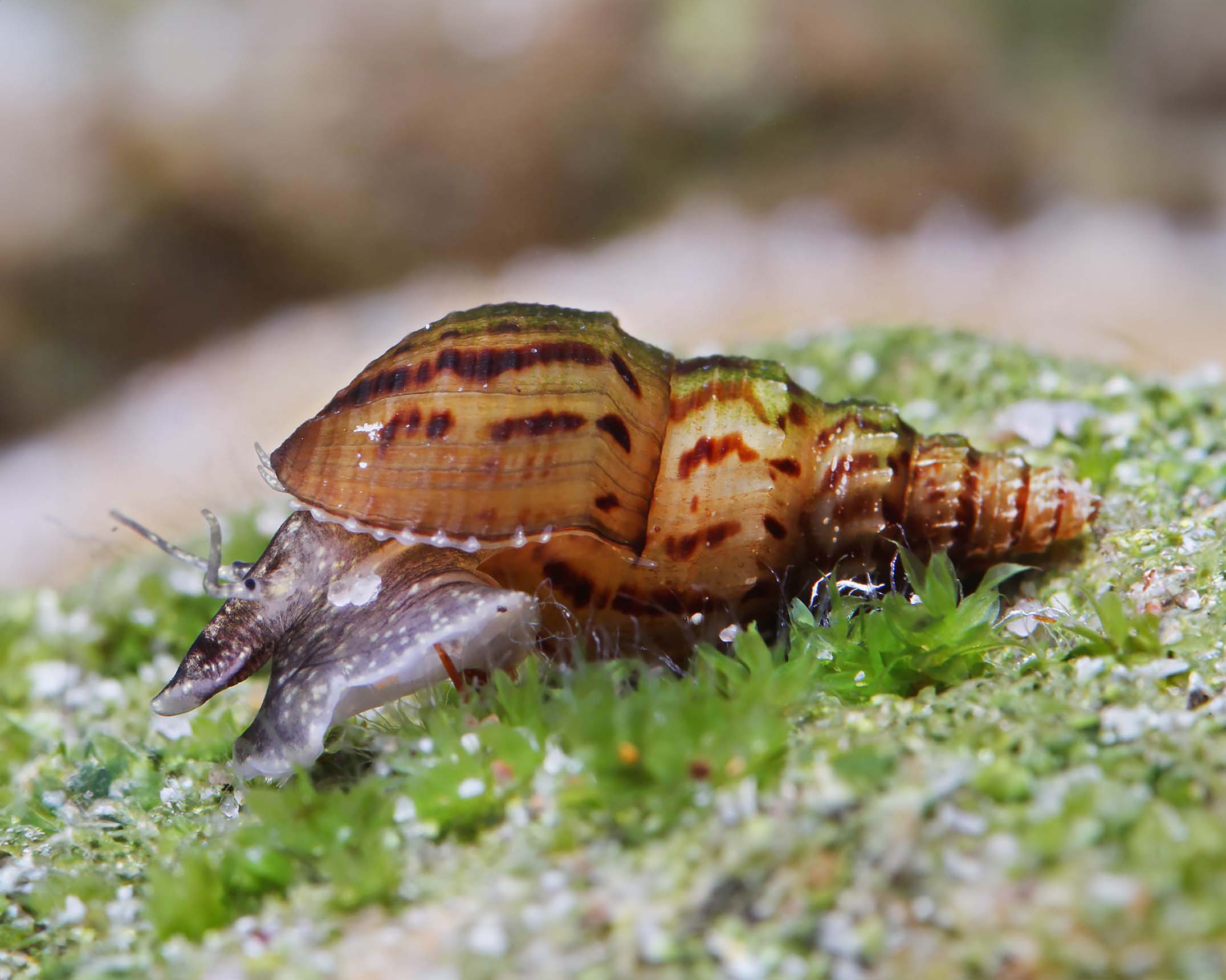
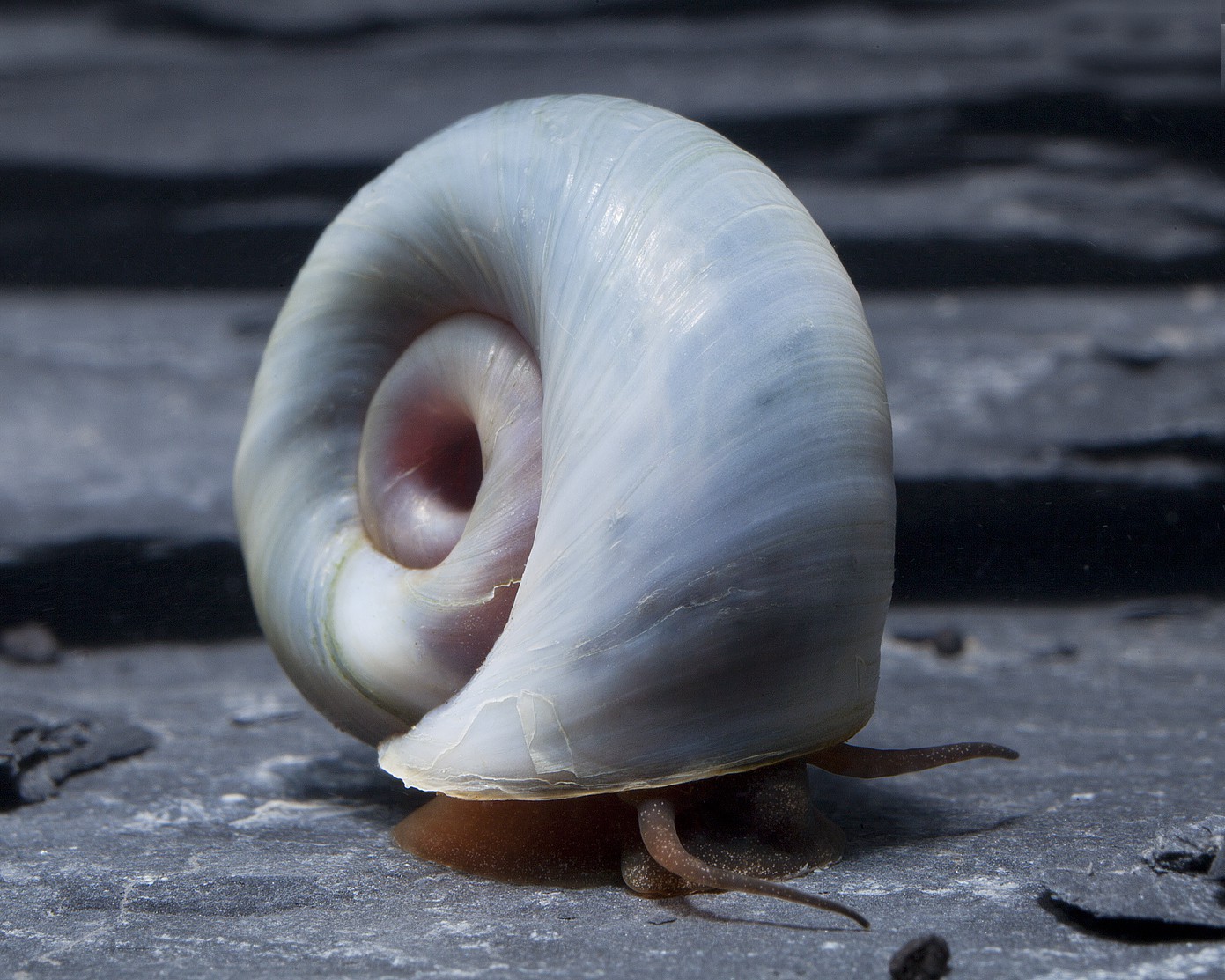
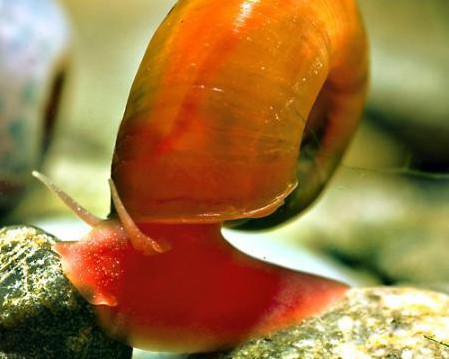
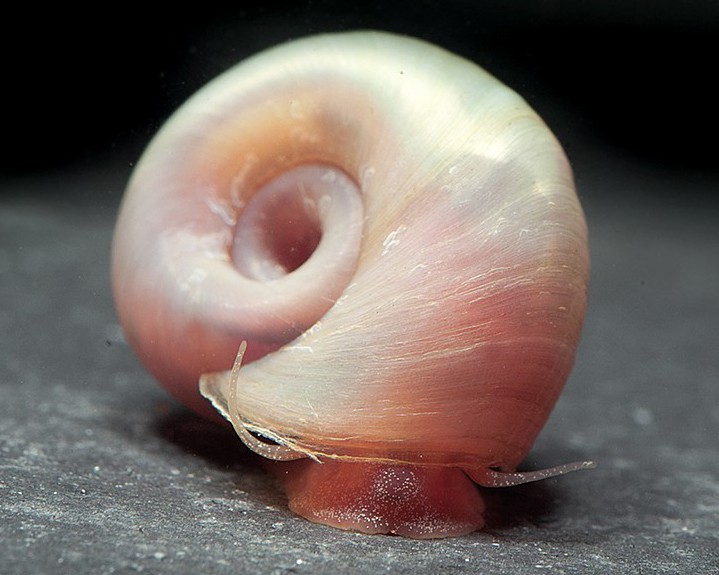
Ramshorn snails belong to the freshwater pulmonate family Planorbidae. The trade label “Rainbow” describes a color mix, not a formal species. Aquarium stocks may include selectively bred color forms of planorbid snails, and the supplied images do not provide enough evidence for reliable species-level identification. The flat, coil-shaped shell and ability to breathe atmospheric air are typical ramshorn characteristics.
Taxonomy and identification

Natural habitat

Planorbid snails occur in freshwater ponds, marshes, slow-flowing waters and vegetated margins. In aquariums they use glass, plants, wood, rocks and substrate as grazing surfaces. They tolerate a range of conditions, but stable, oxygenated water and access to surfaces covered with biofilm support better health than neglected or polluted water.
Natural habitat

Water parameters

Keep the aquarium mature and free from detectable ammonia and nitrite, with low nitrate maintained through regular water changes. A temperature of 18–28 °C and pH of 7.0–8.2 suit many aquarium ramshorns. Moderate mineral content and available calcium are important for shell growth. Avoid sudden changes, very soft acidic water and copper-based medications, which can injure or kill snails.
Water parameters

Feeding

These snails graze on algae, biofilm, microorganisms, dying plant material and uneaten fish food. In a lightly stocked aquarium they may need supplemental foods such as blanched leafy vegetables, algae wafers or small amounts of other invertebrate food. Remove uneaten portions promptly. Overfeeding is the most common cause of a rapidly increasing population and declining water quality.
Feeding

Plant safety

Healthy, established plants are generally safe with ramshorn snails. The snails usually rasp soft algae, biofilm and already damaged or decaying tissue rather than healthy leaves. They may intensify damage to weak, melting or newly planted foliage when alternative food is scarce. Inspect and quarantine plants to reduce the chance of introducing unwanted snails or egg clutches.
Plant safety

Reproduction

Ramshorn snails are hermaphroditic and commonly reproduce by mating, although isolated individuals may sometimes retain sperm and later lay eggs. They deposit transparent gelatinous egg clutches on glass, leaves, hardscape and other surfaces. The young hatch as miniature snails and require no free-swimming larval stage. Abundant food can produce a large population in a short time.

Population control

Control numbers primarily by feeding less, removing uneaten food and manually removing adults and egg clutches. A bait such as a blanched vegetable can collect snails for easy removal. Siphon debris during maintenance and avoid adding new animals or plants without inspection. Do not rely on chemical snail killers in a stocked aquarium: many contain copper, may harm shrimp and fish, and can cause decaying snails to pollute the water. Predatory fish or snails should only be considered after checking compatibility and welfare requirements.
Snail info

  • Temperature : 18–28 °C
  • pH: 7.0–8.2
Leave your comments
Latest on Snails
  • XXL Malaysian Trumpet Snail (Melanoides tuberculata)

    XXL Malaysian Trumpet Snail (Melanoides tuberculata)

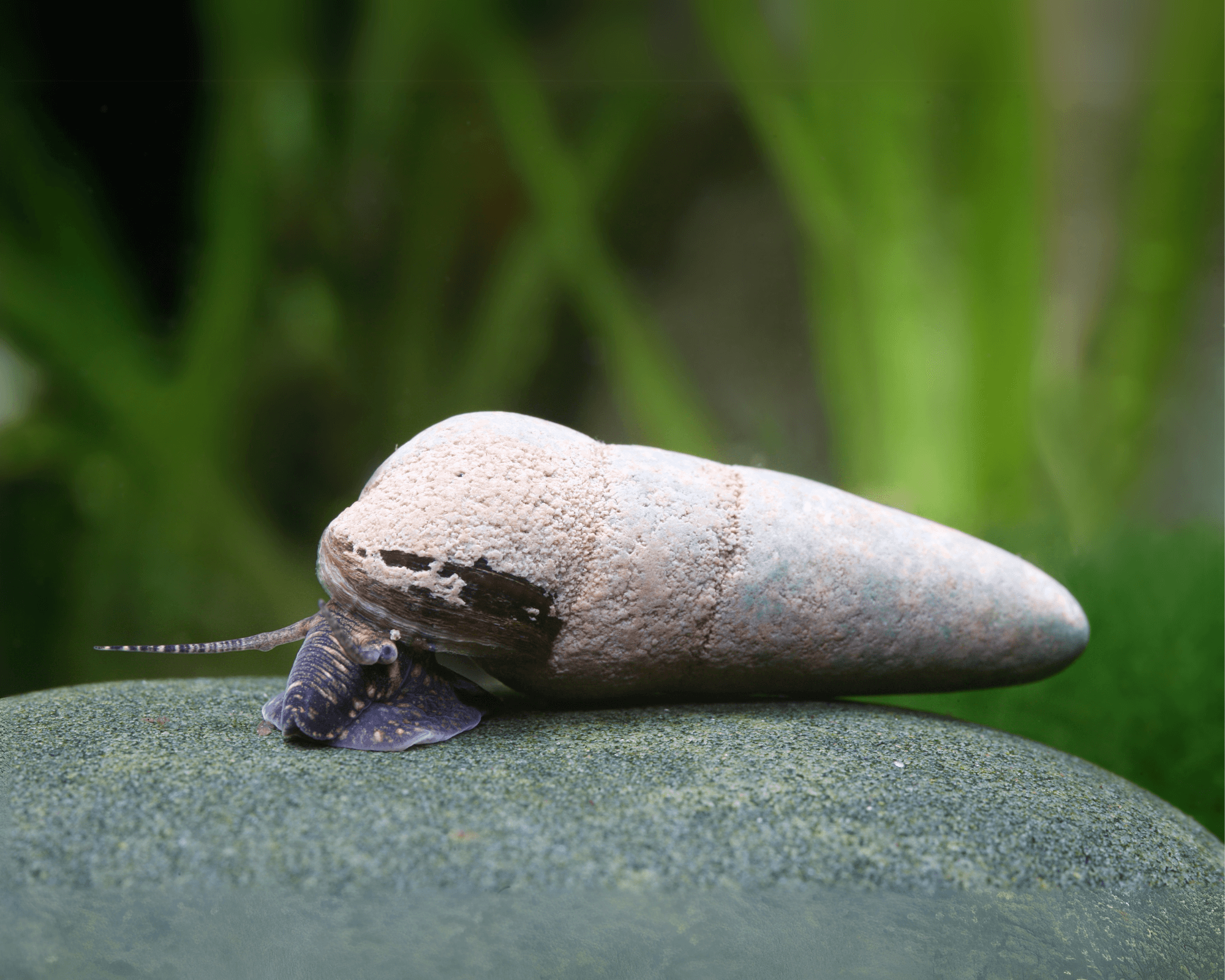
    The XXL Malaysian trumpet snail is a large trade-selected form or size designation of Melanoides tuberculata, commonly kept in freshwater aquariums for its burrowing behavior and ability to consume leftover food and organic debris. It is generally peaceful and plant-safe, but can reproduce quickly when food is abundant. The supplied images show a strongly elongated, banded shell and variable body coloration; exact identification of the marketed XXL form cannot be confirmed from images alone.
  • Tylomelania sp. Yellow Antenna

    Tylomelania sp. Yellow Antenna

    Tylomelania sp. Yellow Antenna is a large freshwater snail sold under a trade name rather than a confirmed species identification. It is recognized by its elongated, ridged shell and contrasting yellow to orange antennae. These snails are generally peaceful, useful scavengers that need warm, mineral-rich, alkaline water and a steady supply of food. They are livebearers and usually reproduce slowly, although population growth depends on food availability and the identity of the particular Tylomelania strain.
  • Turmdeckelschnecke Perlhuhn yellow (Tylomelania patriarchalis)

    Turmdeckelschnecke Perlhuhn yellow (Tylomelania patriarchalis)

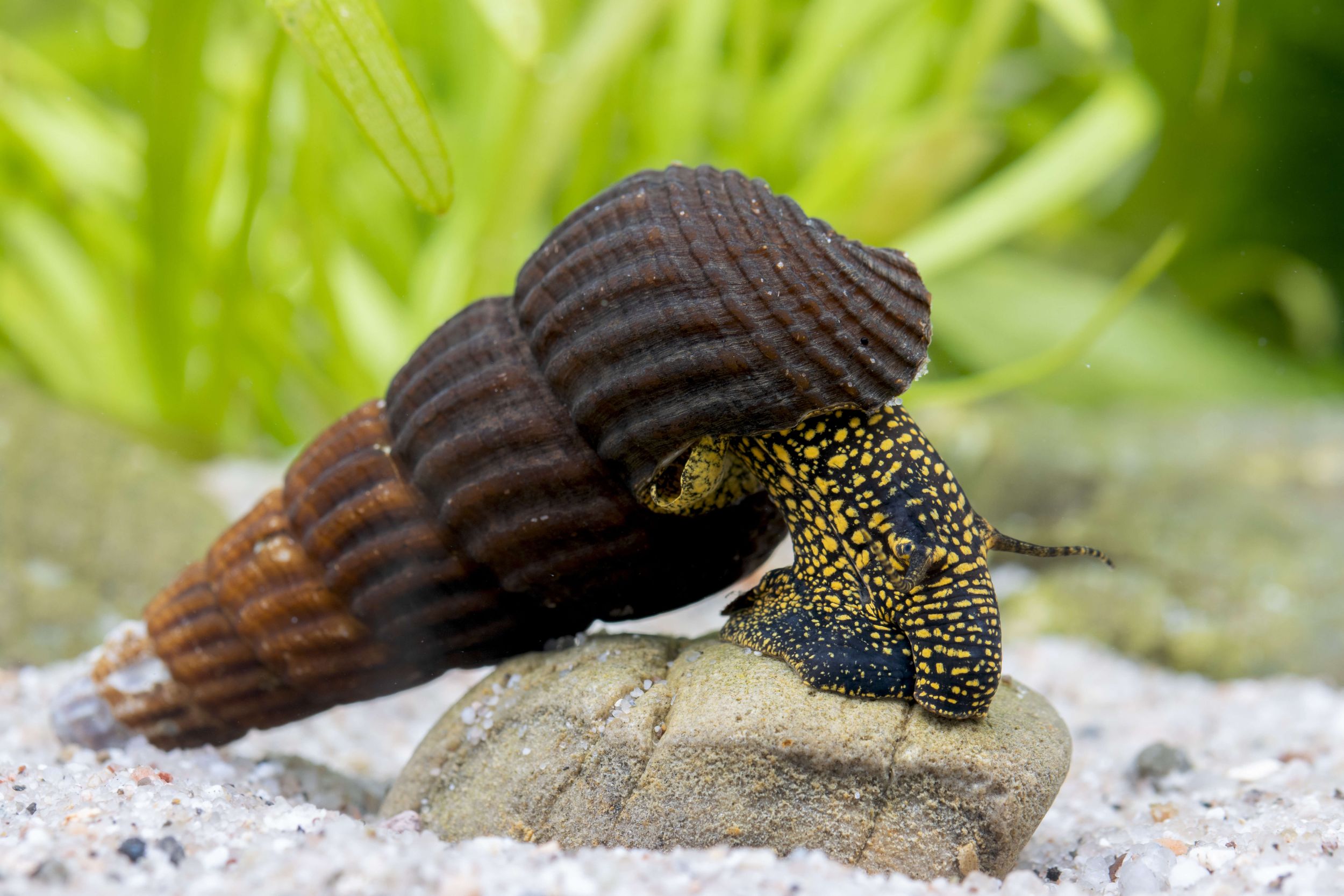
    Tylomelania patriarchalis is a large, live-bearing freshwater snail associated with the ancient lakes of Sulawesi, Indonesia. The “Perlhuhn yellow” trade form is recognized by a dark, strongly ridged shell and a dark body covered with yellow spots. Because aquarium trade names can be applied inconsistently, visual appearance alone cannot guarantee species-level identification. It needs warm, clean, mineral-rich, alkaline water and a steady supply of edible biofilm and supplementary food.
  • Thunderbolt Snail (Tylomelania perfecta)

    Thunderbolt Snail (Tylomelania perfecta)

    The Thunderbolt snail is a large, attractive freshwater gastropod associated with Sulawesi’s distinctive Tylomelania fauna. It has a long, heavy shell and a dark, strongly textured body, and it usually spends much of its time grazing surfaces or searching through the substrate. Aquarium specimens should receive stable, mineral-rich water, regular vegetable or prepared foods, and protection from copper-based medications. Trade identification can be difficult because several Tylomelania species and forms are sold under overlapping common names.
  • Staghorn Sun Snail (Clithon corona)

    Staghorn Sun Snail (Clithon corona)

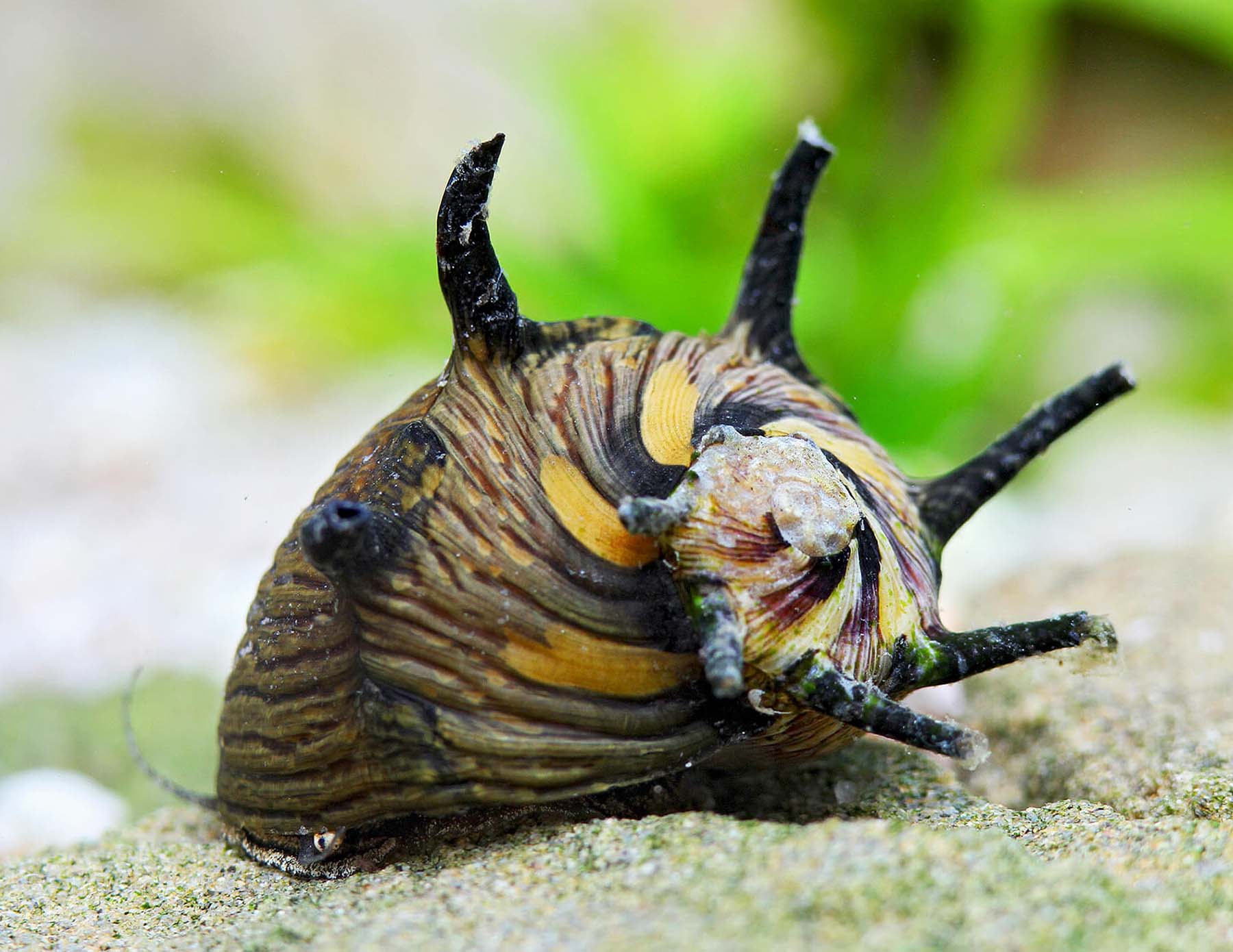
    The Staghorn Sun Snail, Clithon corona, is a horned nerite from tropical Indo-Pacific waters. Its ridged shell and prominent projections make it distinctive, although shell color and horn development vary considerably. It grazes algae and biofilm from hard surfaces while generally leaving healthy plants alone. Adults can live in freshwater aquariums, but their marine or brackish larval stage means sustained captive breeding is uncommon. Identification from photographs alone can be uncertain because several Clithon and related nerite species have similar forms.
  • Swamp cover snail (Viviparus viviparus)

    Swamp cover snail (Viviparus viviparus)

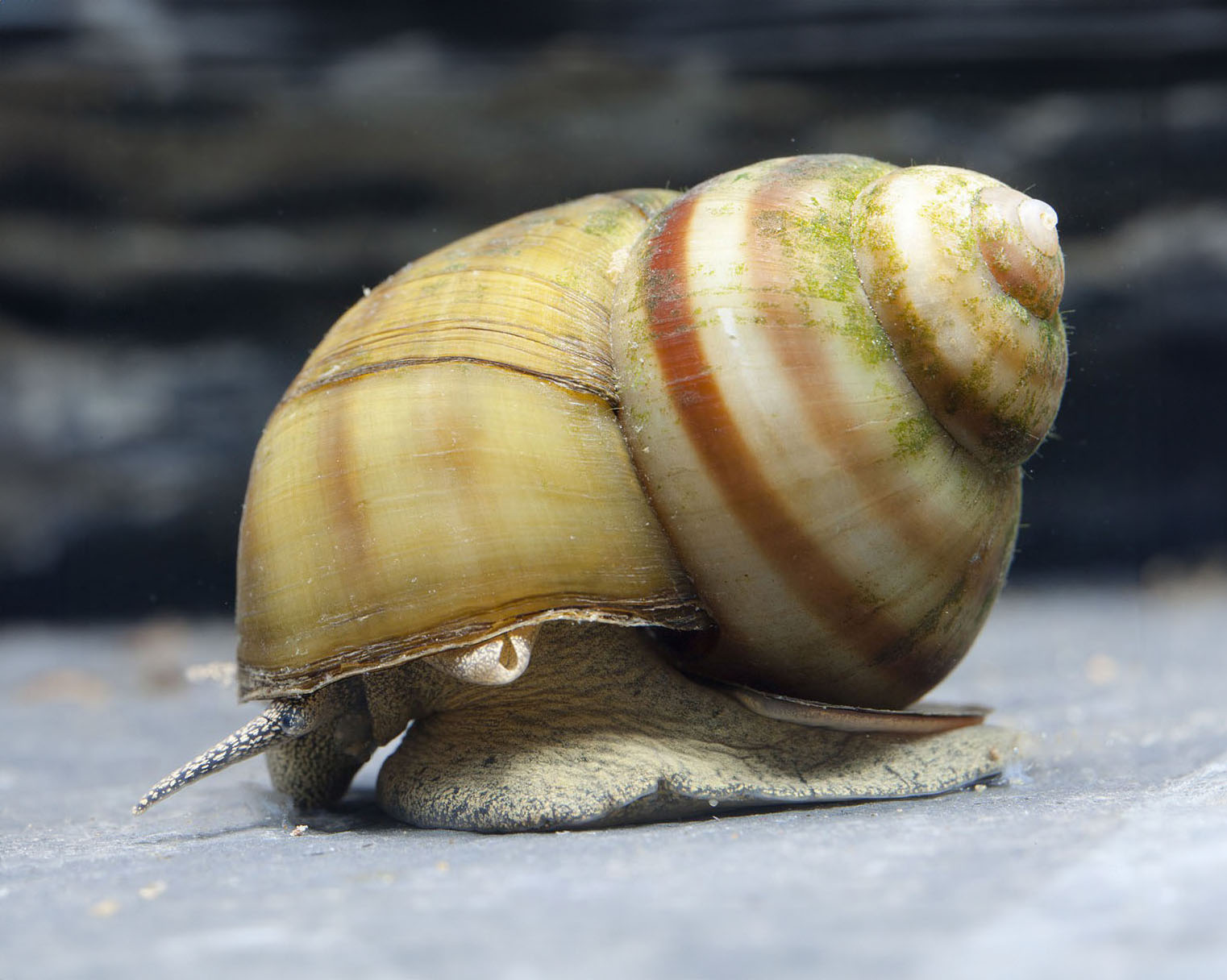
    Viviparus viviparus is a temperate freshwater operculate snail associated with lakes, canals, ponds, and slow-flowing waters. It is a grazing and suspension-feeding species that consumes algae, fine organic particles, and other small food resources. The supplied photographs appear to show terrestrial snails rather than Viviparus viviparus, so they should not be used for identification. Aquarium specimens require cool, well-oxygenated water, adequate mineral availability, and careful feeding to prevent poor water quality.
  • Staghorn Snails Mix

    Staghorn Snails Mix

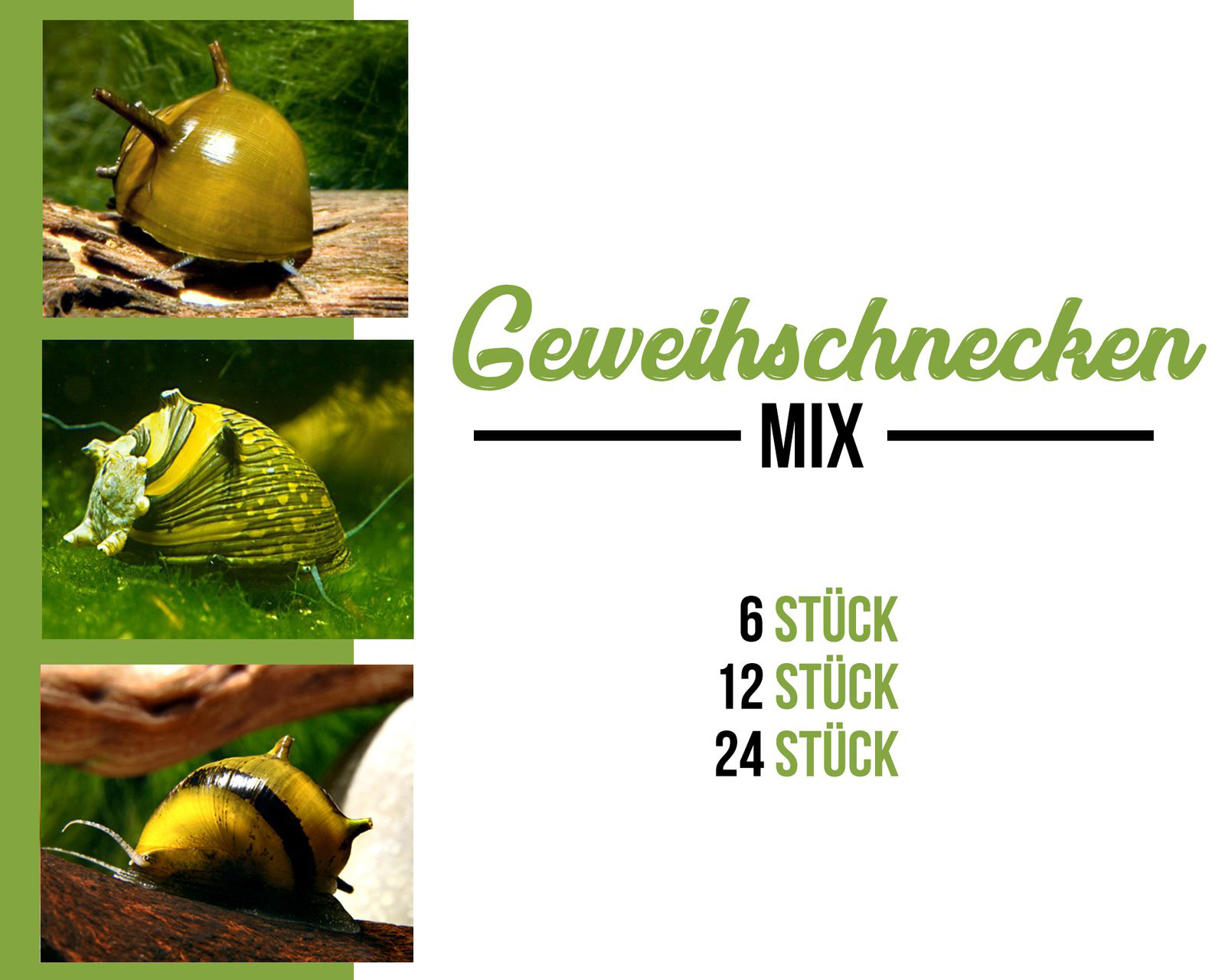
    Staghorn snails are a trade mix of small horned nerite snails, usually associated with Clithon species in the family Neritidae. The supplied images show several shell patterns and colors, so exact species identification is uncertain. They graze algae and biofilm from aquarium surfaces without normally damaging healthy plants. Adults may lay eggs in freshwater, but their larvae generally require brackish or marine conditions, making sustained freshwater breeding unlikely.
  • Red Widow Rennschnecke (Vittina waigiensis)

    Red Widow Rennschnecke (Vittina waigiensis)

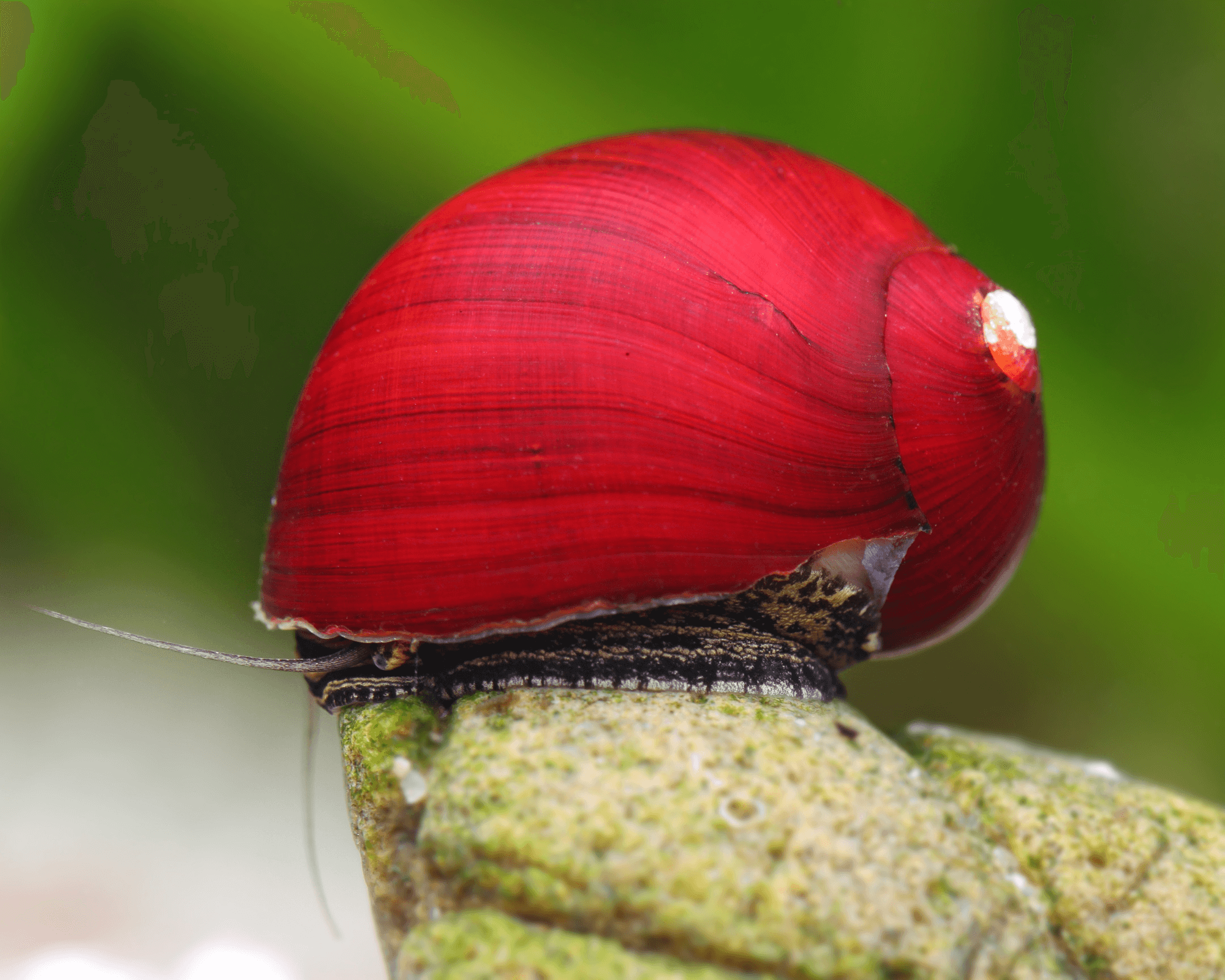
    Vittina waigiensis is a nerite snail kept for its grazing activity and striking red shell forms. It is generally peaceful, plant-safe and suited to mature freshwater aquariums with stable, mineral-rich water. Like other amphidromous nerites, it may lay eggs in freshwater, but its larvae normally require brackish or marine conditions, so routine freshwater breeding is not expected. The trade name “Red Widow” may cover a selectively colored form rather than a formally recognized taxonomic variety.
  • Red racing snail (Vittina waigiensis)

    Red racing snail (Vittina waigiensis)

    The red racing snail, Vittina waigiensis, is a striking nerite kept mainly for grazing algae from aquarium glass, rocks and decor. Adults are generally peaceful, plant-safe and suited to mature freshwater aquariums, but successful captive breeding is uncommon because the larvae require different conditions from the adults. Shell colors and markings vary considerably, and trade names can overlap with other nerite species, so identification from appearance alone is not completely certain.
  • Mixed Aquarium Snails: Algae Eaters and Clean-Up Crew

    Mixed Aquarium Snails: Algae Eaters and Clean-Up Crew

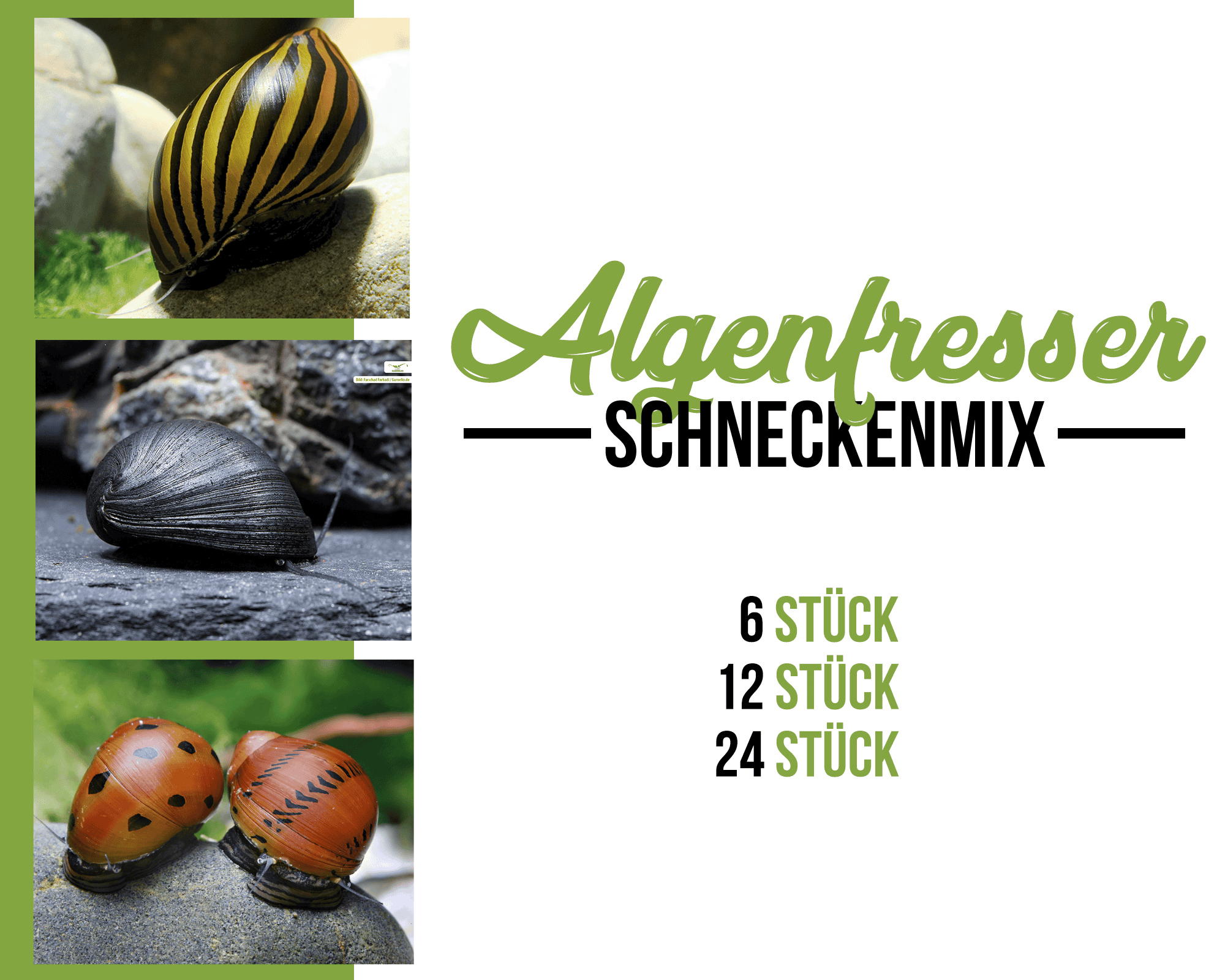
    This mixed snail selection appears to include nerite-type algae grazers, ramshorn snails, and possibly Malaysian trumpet snails. Exact species and proportions cannot be confirmed from the supplied images, so care requirements may differ between batches. These peaceful invertebrates consume algae, biofilm, leftover food, and detritus, but they still need stable, mineral-rich water and responsible population management.
  • Red and Yellow Stripe Rennschnecke (Vittina waigiensis)

    Red and Yellow Stripe Rennschnecke (Vittina waigiensis)

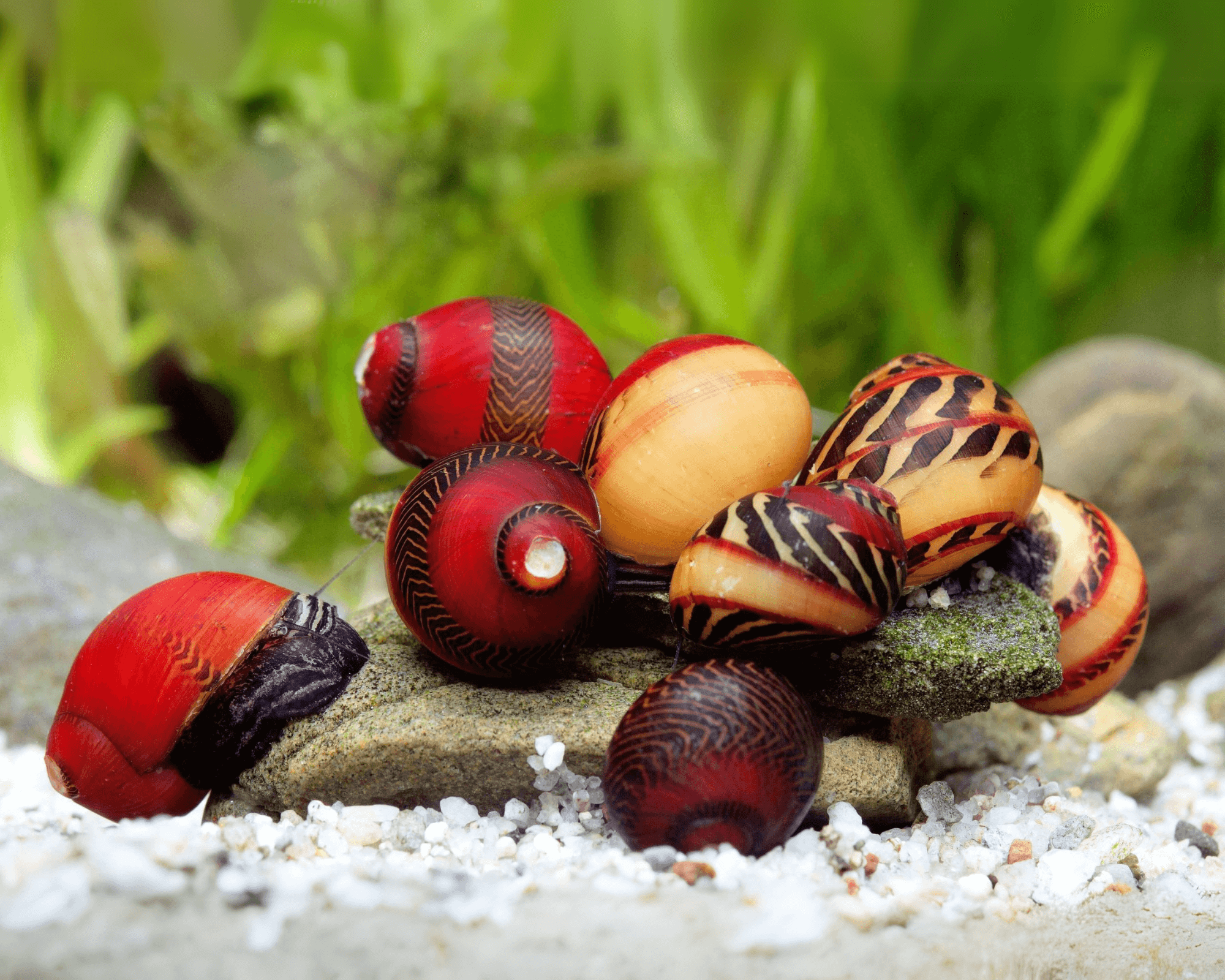
    Vittina waigiensis is a striking nerite snail recognized by a rounded shell with red, yellow, orange, and dark patterning. It is primarily a freshwater grazer as an adult but has a life cycle that normally requires brackish or marine conditions for larval development. This makes it suitable for planted aquariums without normally becoming numerous. The supplied trade name and images are consistent with this identification, although shell patterns overlap among Vittina and related nerite species, so visual identification should be treated as provisional.
  • Predatory Snail: Clea helena (Anentome helena)

    Predatory Snail: Clea helena (Anentome helena)

    Clea helena, also widely sold under the name Anentome helena, is a freshwater predatory snail from Southeast Asia. Its banded, cone-shaped shell and active hunting behavior distinguish it from common algae-grazing snails. It feeds mainly on other snails but also accepts meaty foods and carrion. In a mature aquarium it is generally safe with healthy plants, although it can reduce or eliminate desirable snail populations. Identification and classification may vary between sources, so both commonly used scientific names are included.
  • Pointed Mud Snail (Lymnaea stagnalis)

    Pointed Mud Snail (Lymnaea stagnalis)

    Lymnaea stagnalis, commonly called the pointed mud snail or great pond snail, is a freshwater pulmonate snail found in quiet, vegetated waters. Its tall, pointed shell and ability to breathe atmospheric air make it distinctive in aquaria. It can be a useful scavenger, but it reproduces readily when food is abundant. The supplied images are broadly consistent with this species, although photographs alone cannot confirm identification with complete certainty.
  • Pond post horn snail (Planorbarius corneus)

    Pond post horn snail (Planorbarius corneus)

    Planorbarius corneus is a European freshwater ramshorn snail found in ponds, lakes, marshes and slow-moving waters. Its large, planispiral shell and dark body make it a distinctive aquarium inhabitant, although the common name can be confused with other ramshorn snails. It is generally peaceful, useful as a scavenger and algae grazer, and manageable when food supplies are controlled.
  • Pimpled Lace Snail (Melanoides granifera)

    Pimpled Lace Snail (Melanoides granifera)

    The pimpled lace snail, Melanoides granifera, is a burrowing freshwater snail from the family Thiaridae. It spends much of its time in substrate, emerging to graze on biofilm, detritus and leftover food. Its ridged, patterned shell adds interest to planted aquariums, while its live-bearing reproduction can gradually increase its numbers. It is generally peaceful and plant-safe when adequately fed, but should be kept under observation because identification and appearance can vary among imported aquarium stock.
  • Pink ramshorn snail (Planorbella duryi duryi)

    Pink ramshorn snail (Planorbella duryi duryi)

    The pink ramshorn snail is a freshwater planorbid recognized by its flat, coiled shell and pink to reddish body. The supplied name identifies it as Planorbella duryi duryi, a subspecies associated with the southeastern United States, although shell color alone cannot confirm an exact identification. It is peaceful, air-breathing, and useful as a scavenger in planted aquariums. Like many ramshorns, it can reproduce quickly when excess food and organic debris are available.