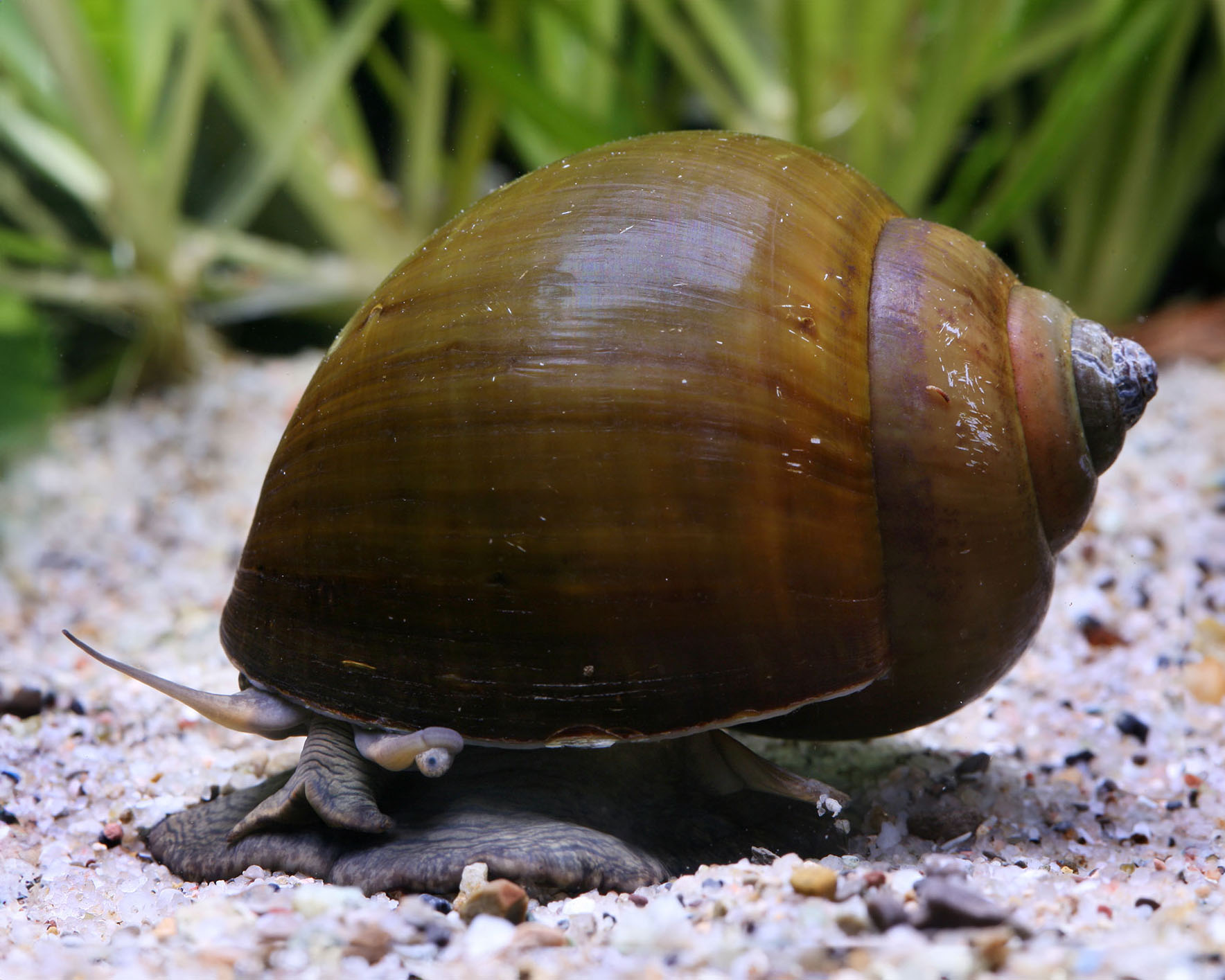
Taxonomy and Habitat
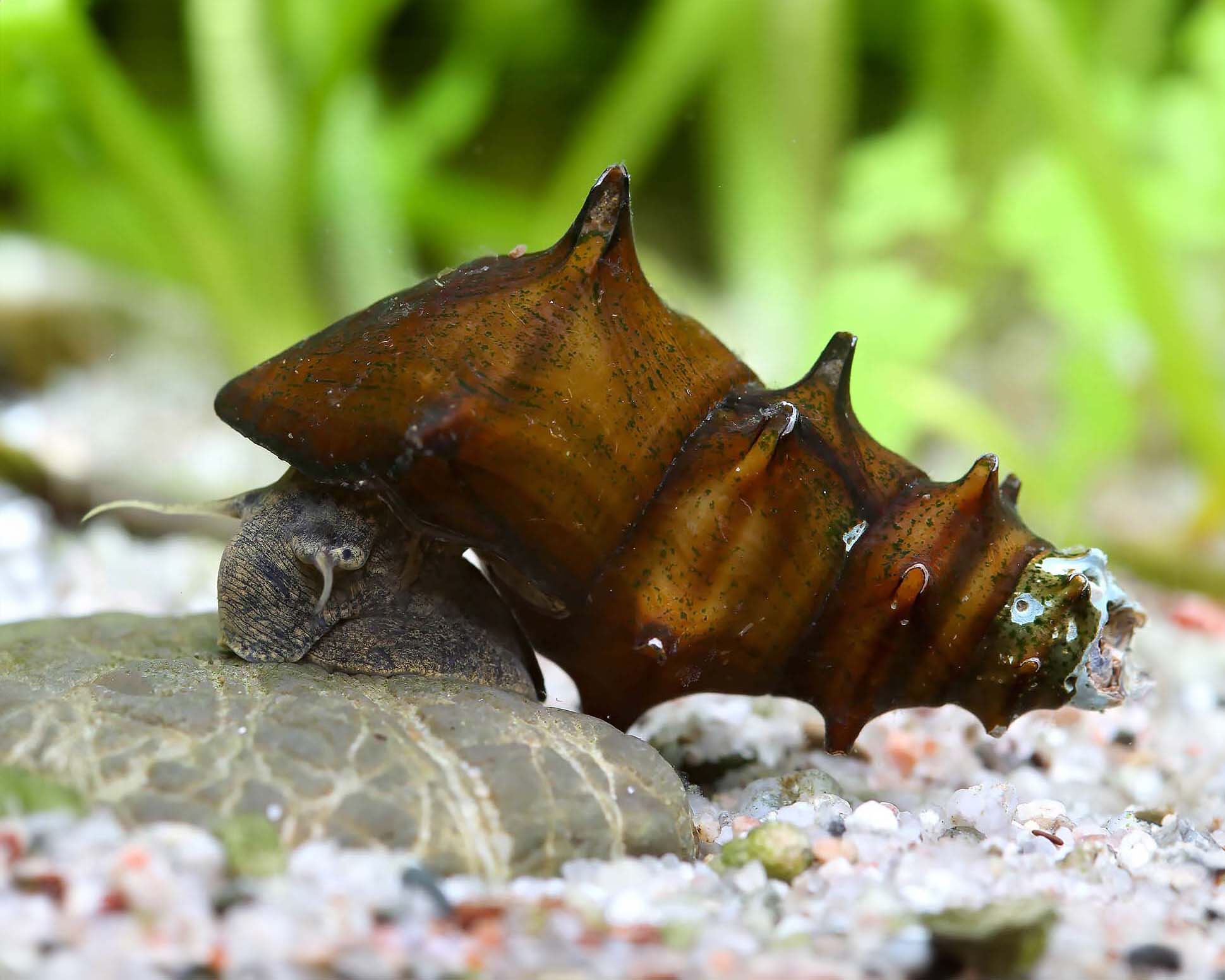
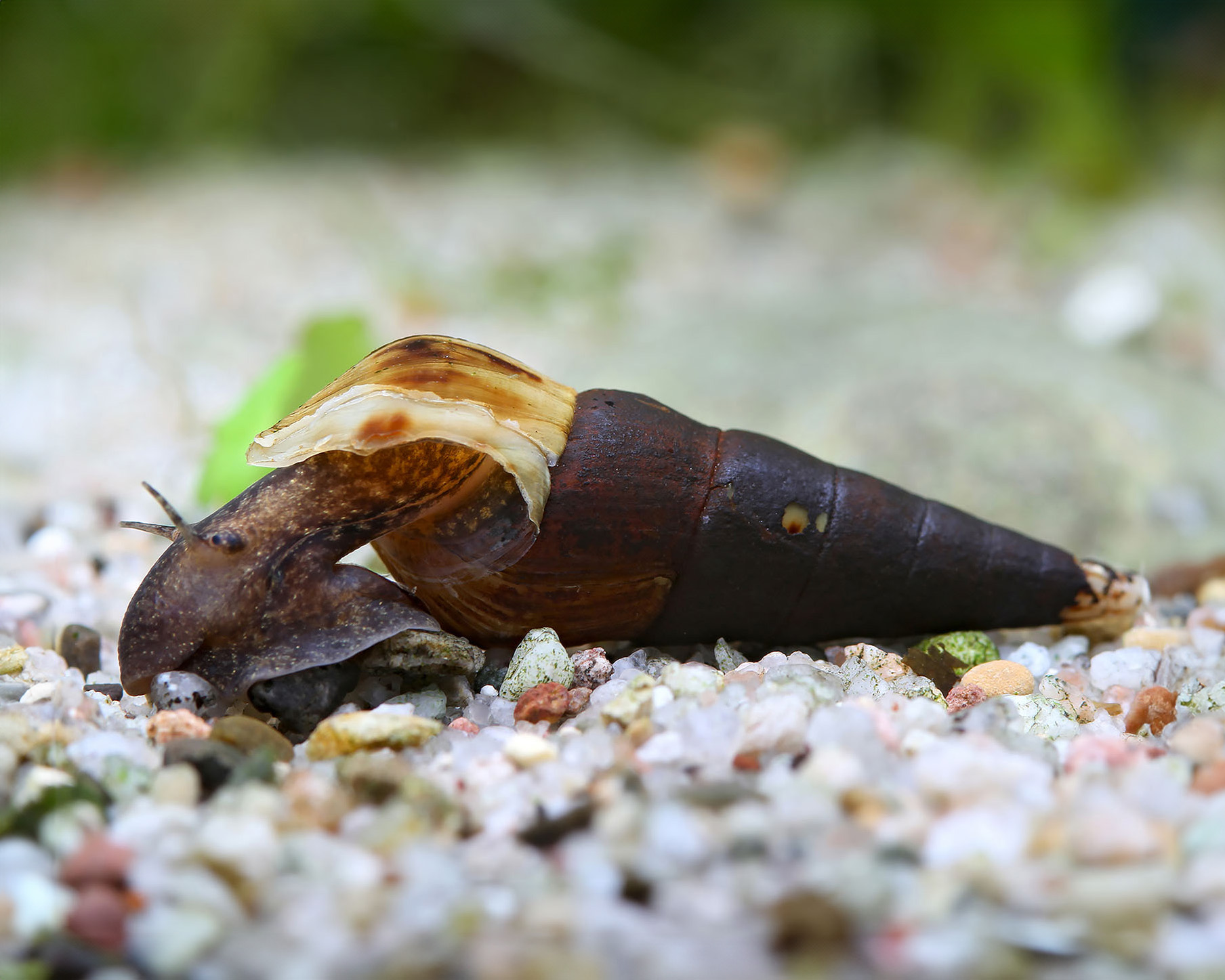
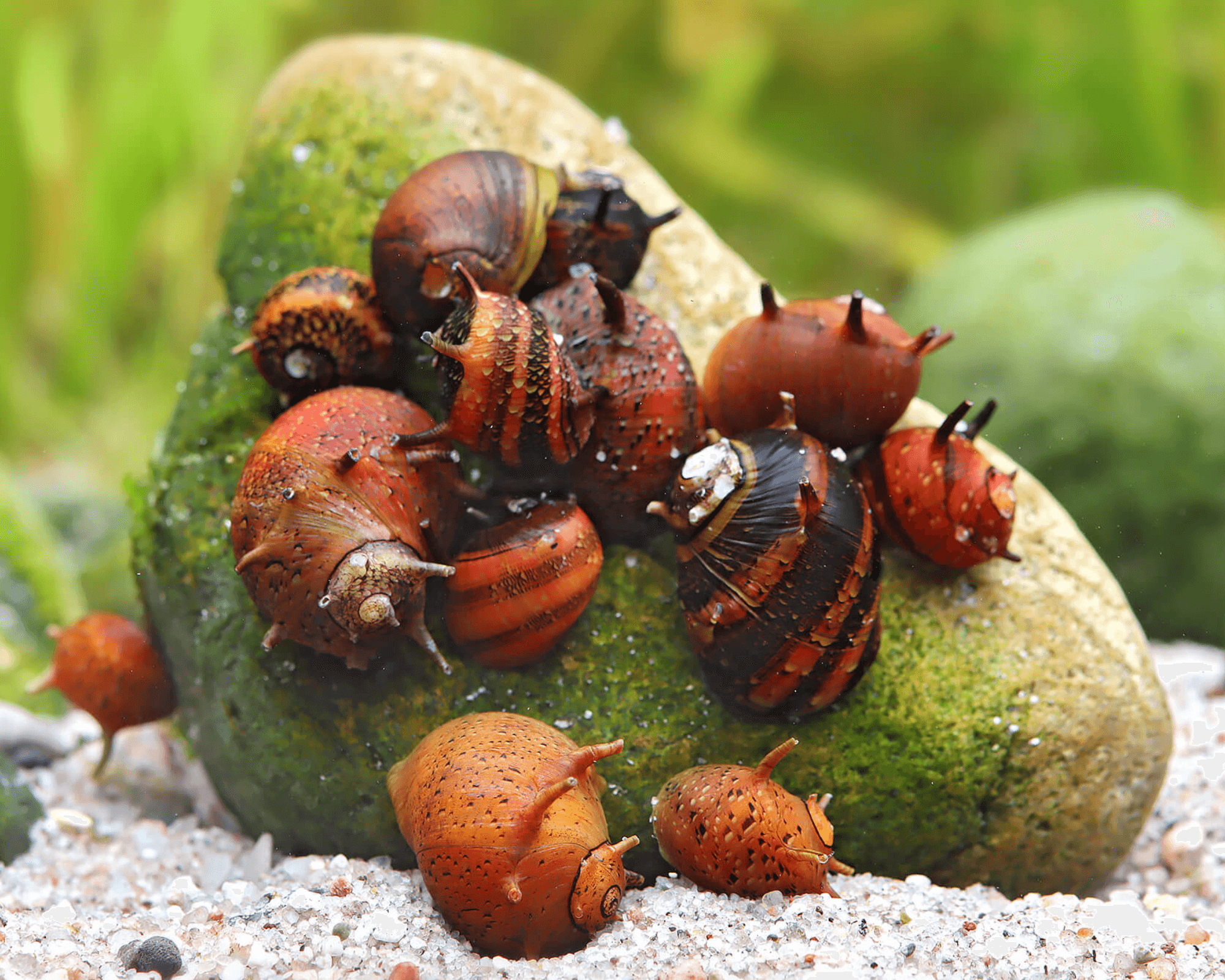
Pila ampullacea belongs to the family Ampullariidae. These snails are native to Southeast Asia, where they inhabit slow-moving or stagnant waters such as ponds, marshes, and flooded fields. They are well-adapted to environments with fluctuating oxygen levels, as they possess both gills and a lung-like organ, allowing them to breathe atmospheric air.
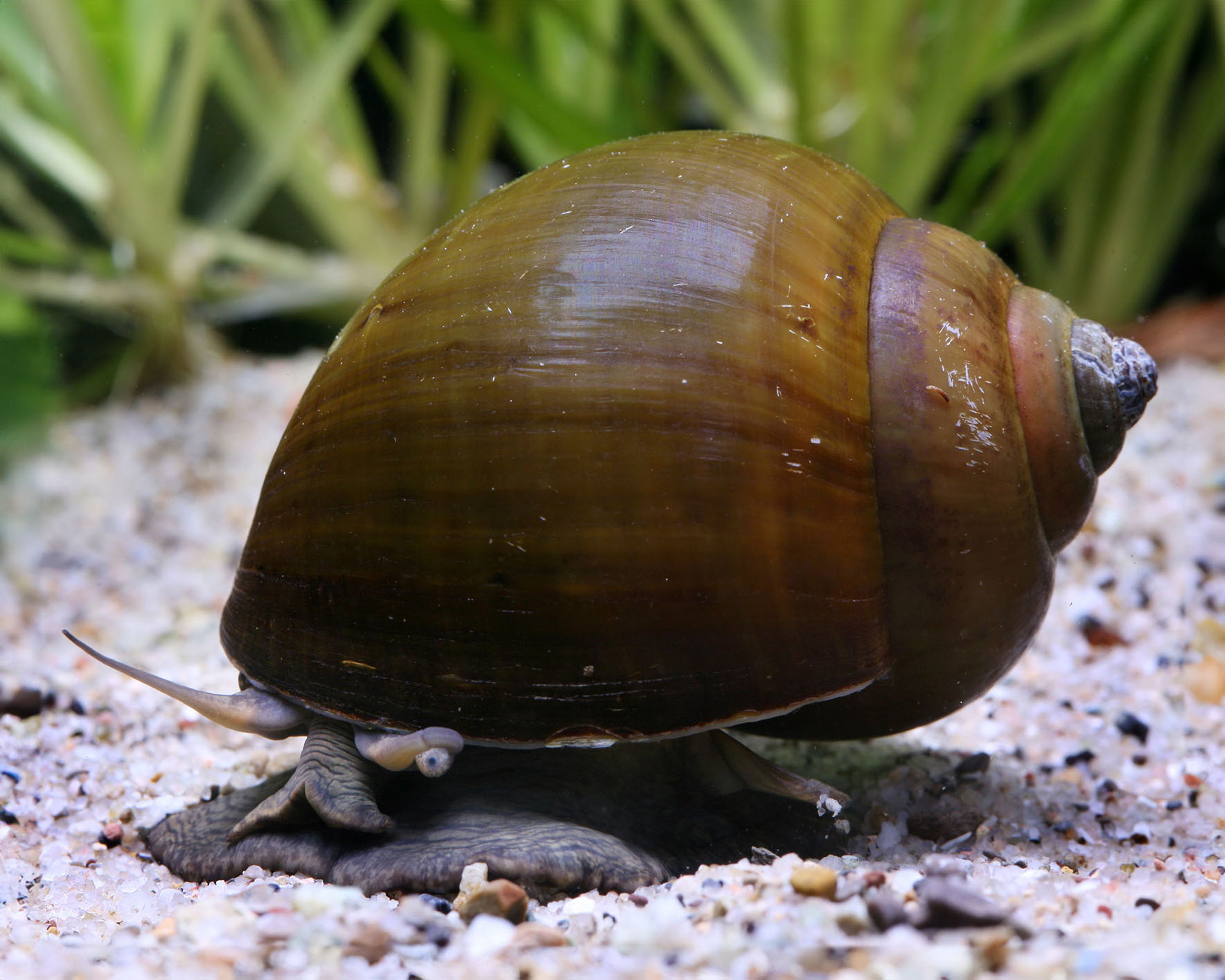
Water Parameters and Care
To maintain these snails in peak health, water quality must be consistent. They prefer slightly alkaline to neutral water conditions. Given their shell size, adequate calcium levels are essential to prevent shell erosion. Regular water changes are necessary to manage waste, as these snails can produce a significant bio-load in smaller aquarium setups.
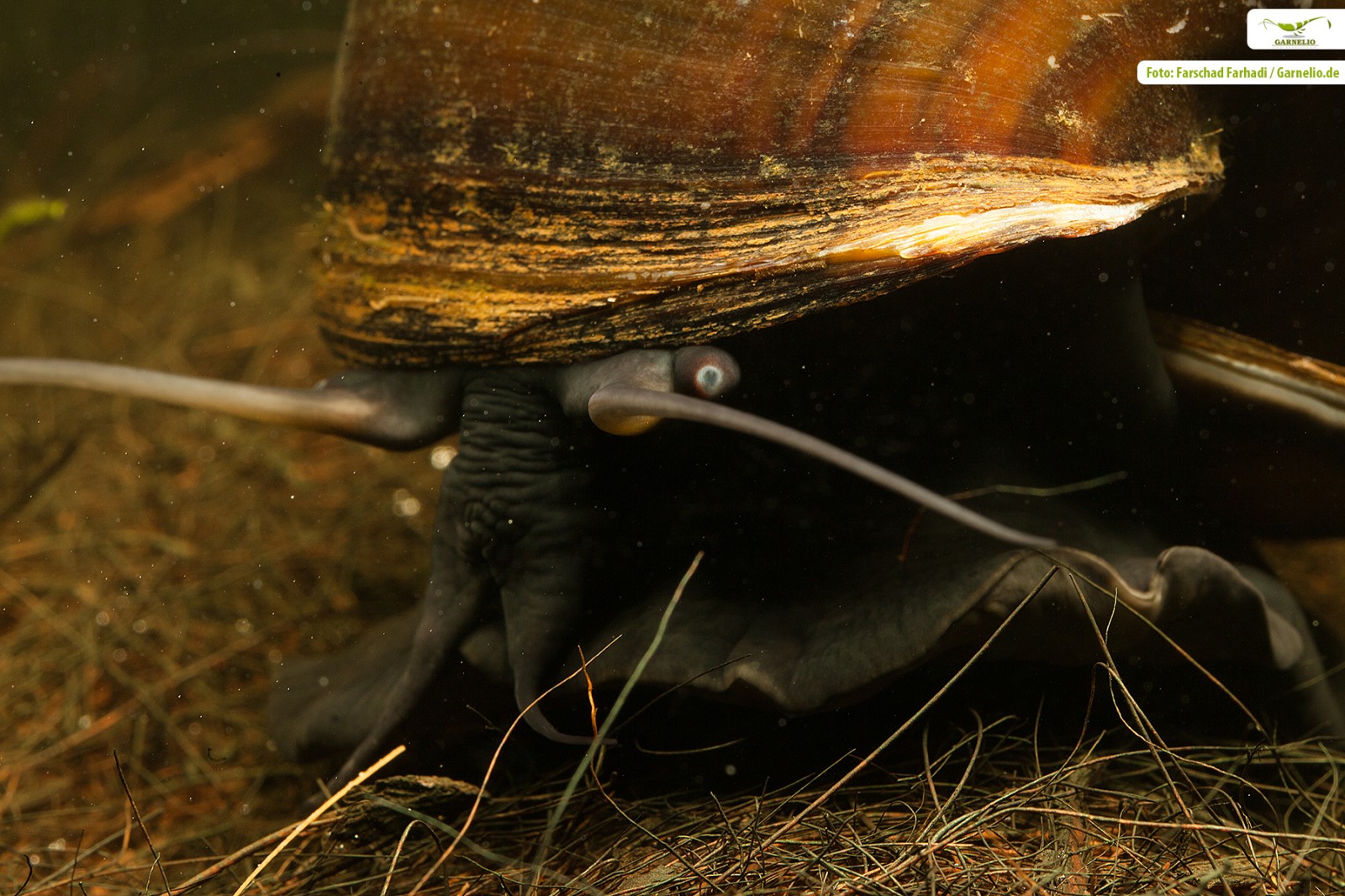
Feeding and Plant Safety
These snails are opportunistic omnivores. While they consume algae and detritus, they are also known to feed on live aquatic vegetation. Caution is advised when keeping them in planted tanks, as they may damage soft-leaved plants. Their diet should be supplemented with high-quality sinking pellets, blanched vegetables, and calcium-rich foods to ensure shell integrity.
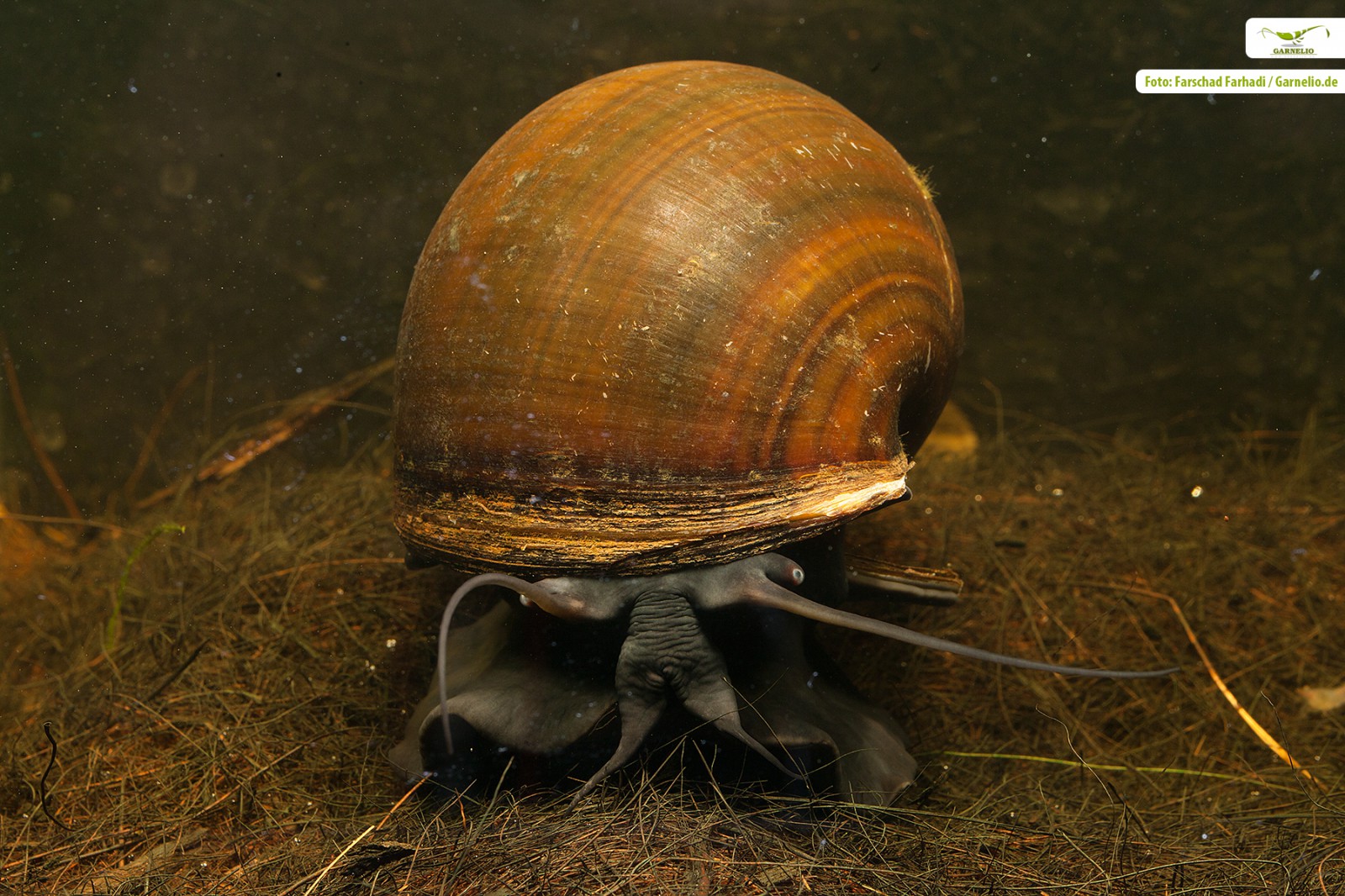
Reproduction and Population Control
Pila ampullacea are dioecious, meaning they have distinct male and female individuals. Unlike some common aquarium snails, they lay their eggs in clutches above the waterline, often on glass or hard surfaces. Because they require specific environmental cues for mating and egg-laying, population explosions are generally easier to manage than with hermaphroditic species.
 - 1.webp)

 DNZ - 1.webp)
Leave your comments