 - Radix balthica - 1.webp)
Taxonomy and identification
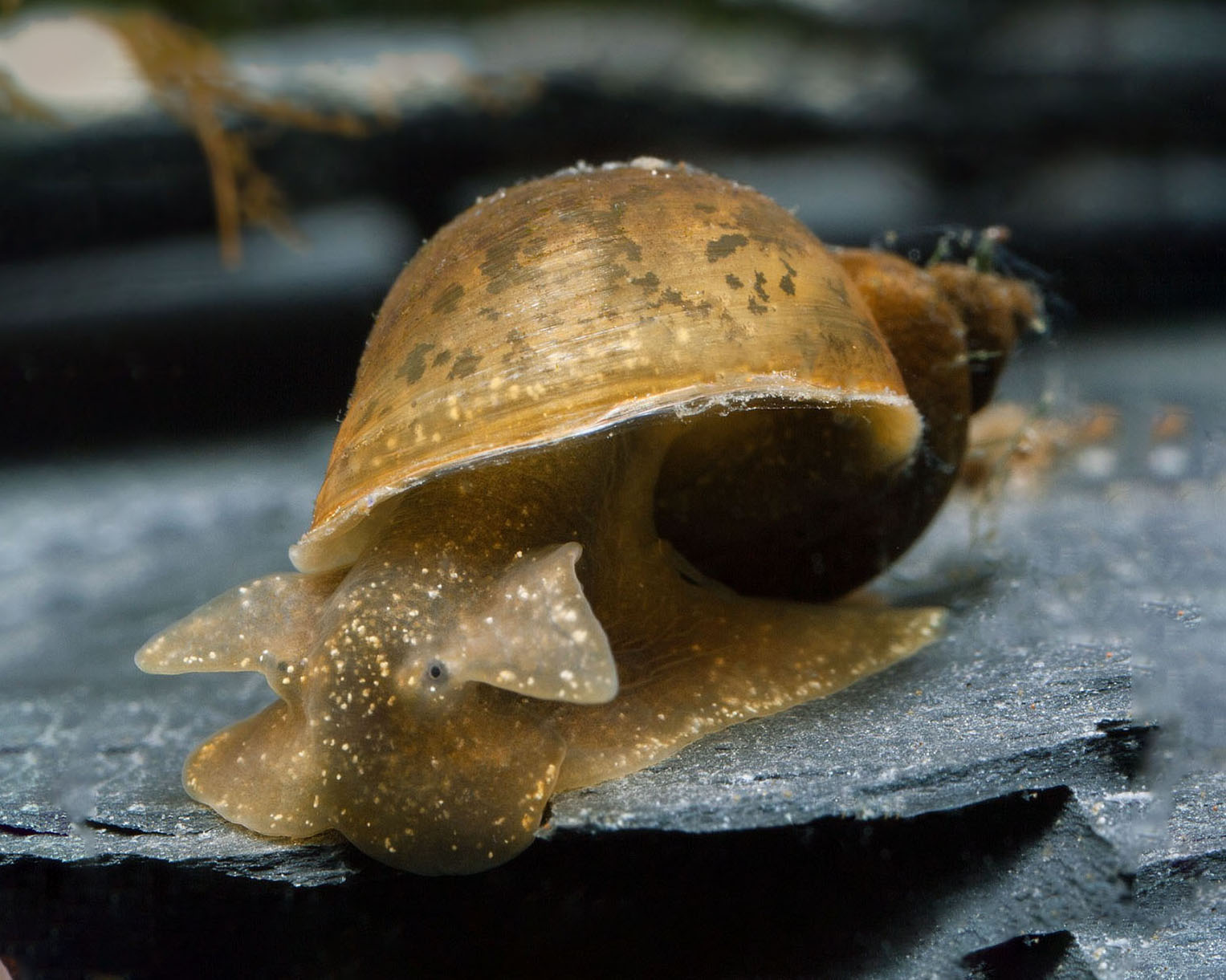
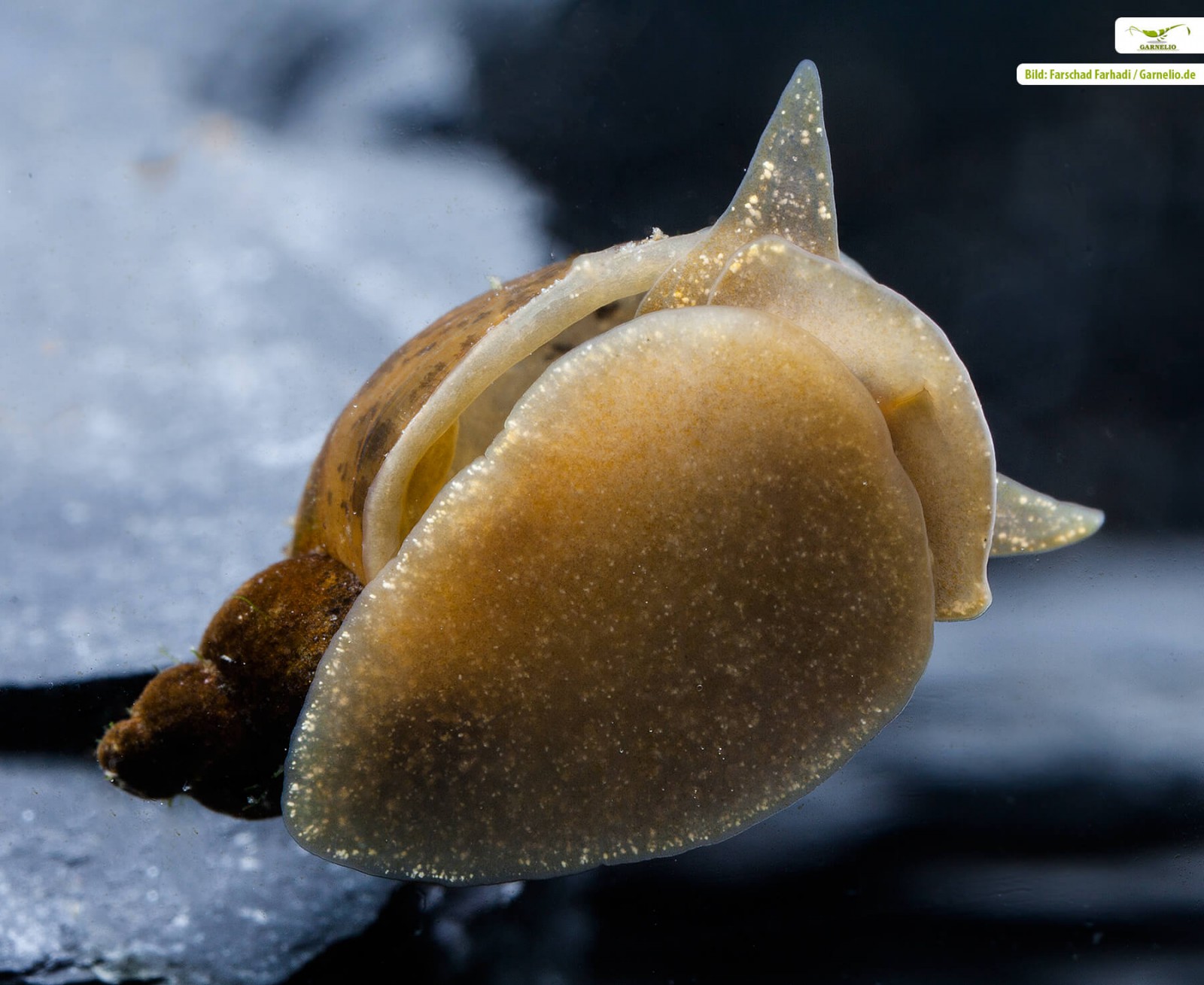
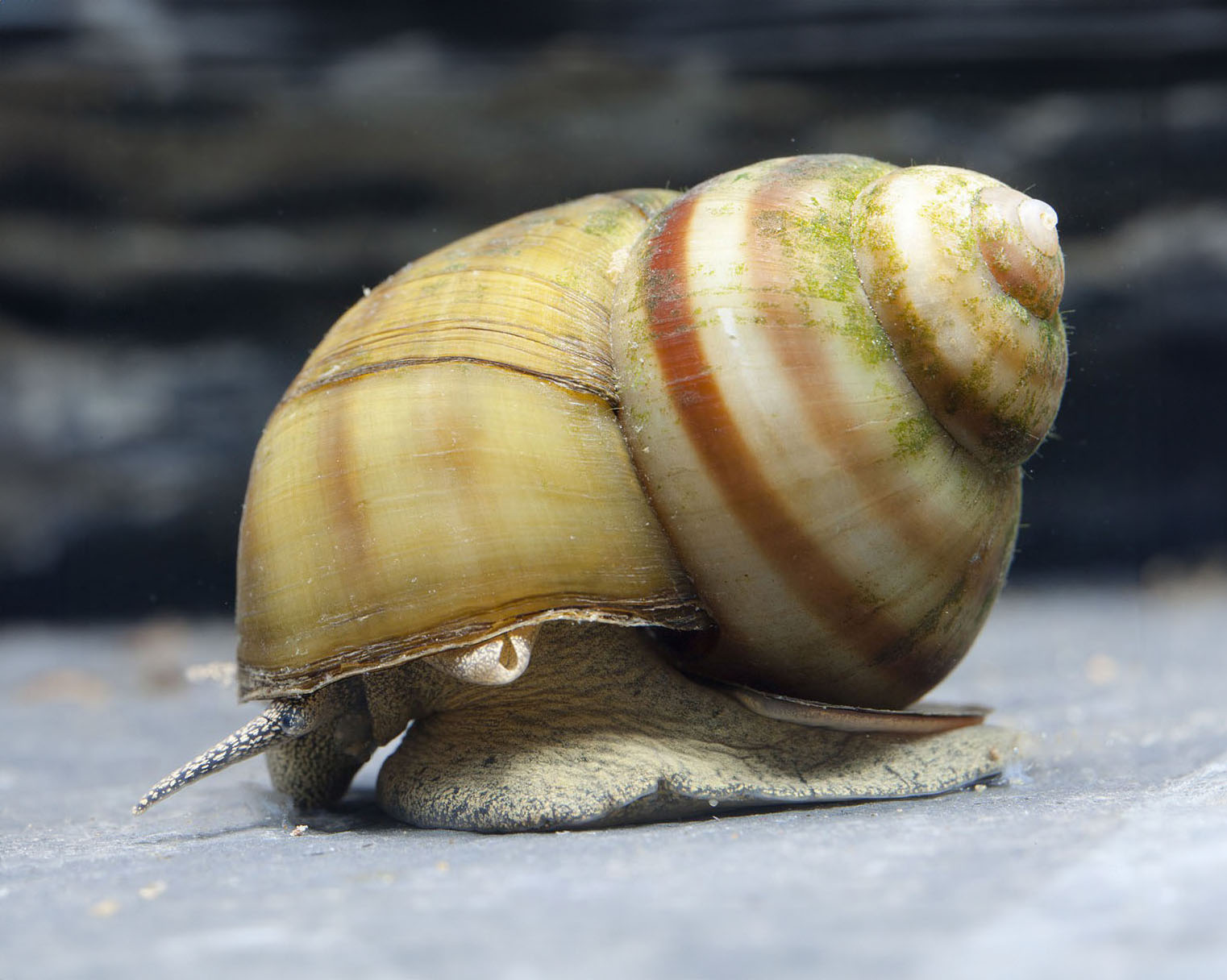
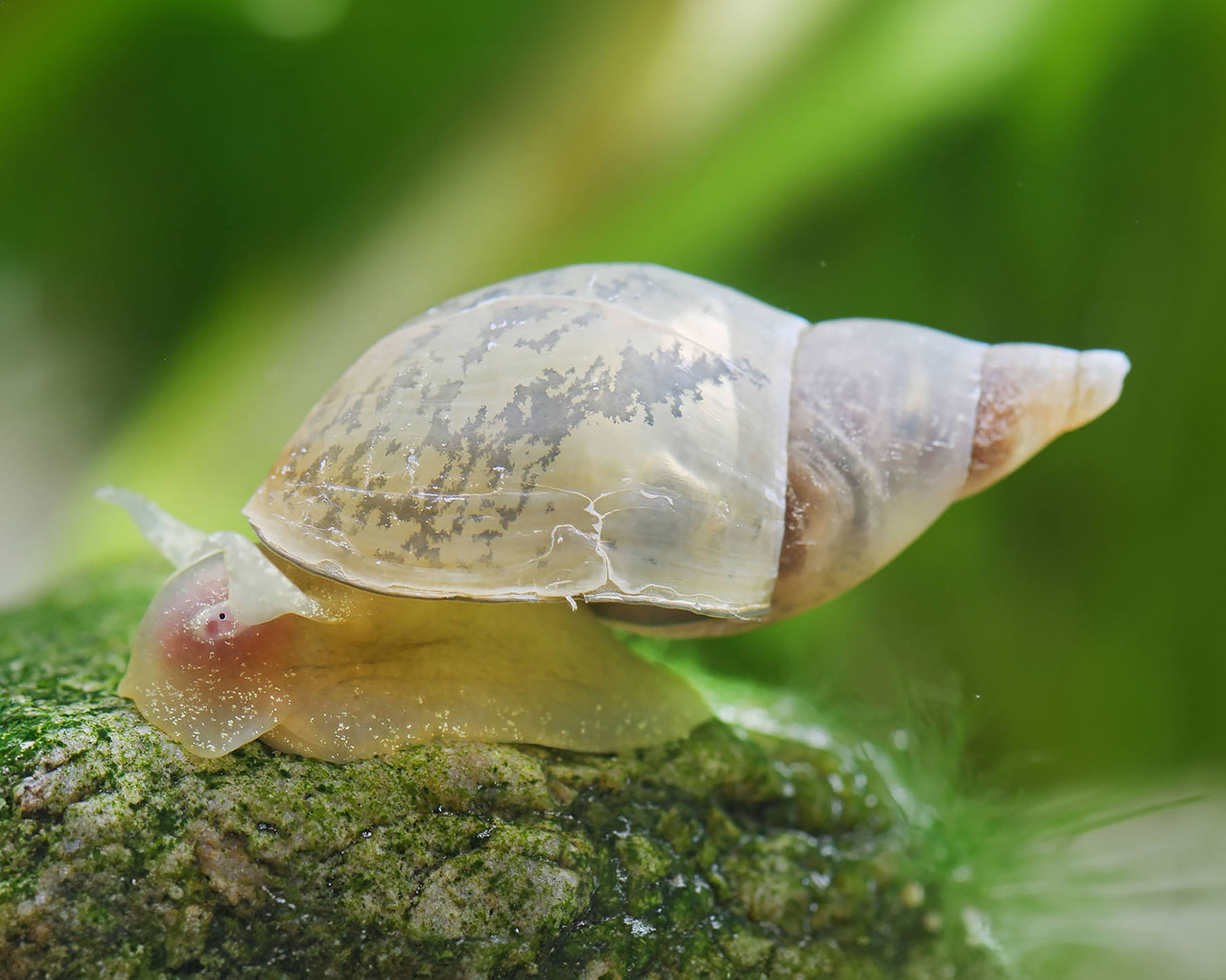
Radix balthica is a freshwater snail in the family Lymnaeidae. The shell is relatively thin, inflated and egg-shaped, with a large aperture and a short, broad spire. The body is usually brown to tan and may appear translucent. Common names are not standardized, and photographic identification may be uncertain because related Radix species can look similar; confirmation may require anatomical or molecular examination.
Natural habitat
This species is associated with freshwater habitats such as ponds, lakes, slow-flowing margins and vegetated shallow areas. It grazes on submerged surfaces and can also move across the substrate or near the water surface. In an aquarium, provide stable water, accessible surfaces, gentle circulation and some cover such as plants, wood or smooth stones.
Water parameters and care
Use mature, dechlorinated water with stable conditions rather than pursuing a narrow target. A practical aquarium range is about 12–24 °C and pH 7.0–8.2. Moderate hardness and an adequate supply of calcium support shell growth. Avoid prolonged acidic, very soft water, sudden parameter changes, copper-based medications and other treatments toxic to molluscs. A secure lid is useful because pond snails may reach the waterline.
Feeding
Radix balthica grazes on algae, biofilm, microorganisms and soft organic material on surfaces. It may also consume damaged or decaying plant tissue and uneaten fish food. In a clean aquarium, supplement grazing with small portions of algae wafers or other vegetable-based foods, and occasionally offer blanched vegetables. Remove leftovers promptly; excess food is a major cause of population growth and poor water quality.
Plant safety
Healthy, established plants are usually safe because this snail primarily scrapes surface growth and scavenges. It may rasp soft, weakened or decaying leaves, and a heavily stocked or underfed aquarium can show more plant damage. It should not be relied upon to control hair algae or other persistent algae, and it does not replace good lighting, maintenance and nutrient management.
Reproduction
This species is a simultaneous hermaphrodite, meaning each adult has male and female reproductive organs. Two snails can mate, and adults may lay gelatinous egg masses on glass, plants, décor or other submerged surfaces. Eggs hatch into small crawling juveniles rather than free-swimming larvae. The number of offspring depends strongly on food availability, temperature and the condition of the adults.
Population control
Control numbers by feeding fish sparingly, removing uneaten food, cleaning excess biofilm and manually removing adults and egg masses. A lettuce or vegetable bait can collect snails for relocation or removal. Inspect new plants and décor for egg masses, and quarantine additions when practical. Do not release unwanted snails or aquarium water outdoors. Chemical snail treatments can harm shrimp, fish, plants and the aquarium's biological filtration, so prevention and physical removal are safer methods.

 - 1.webp)
Leave your comments