AquaLibs presents AquaRank Discover the world’s leading aquascapers

Explore transparent rankings built from published results across the world’s leading aquascaping contests.

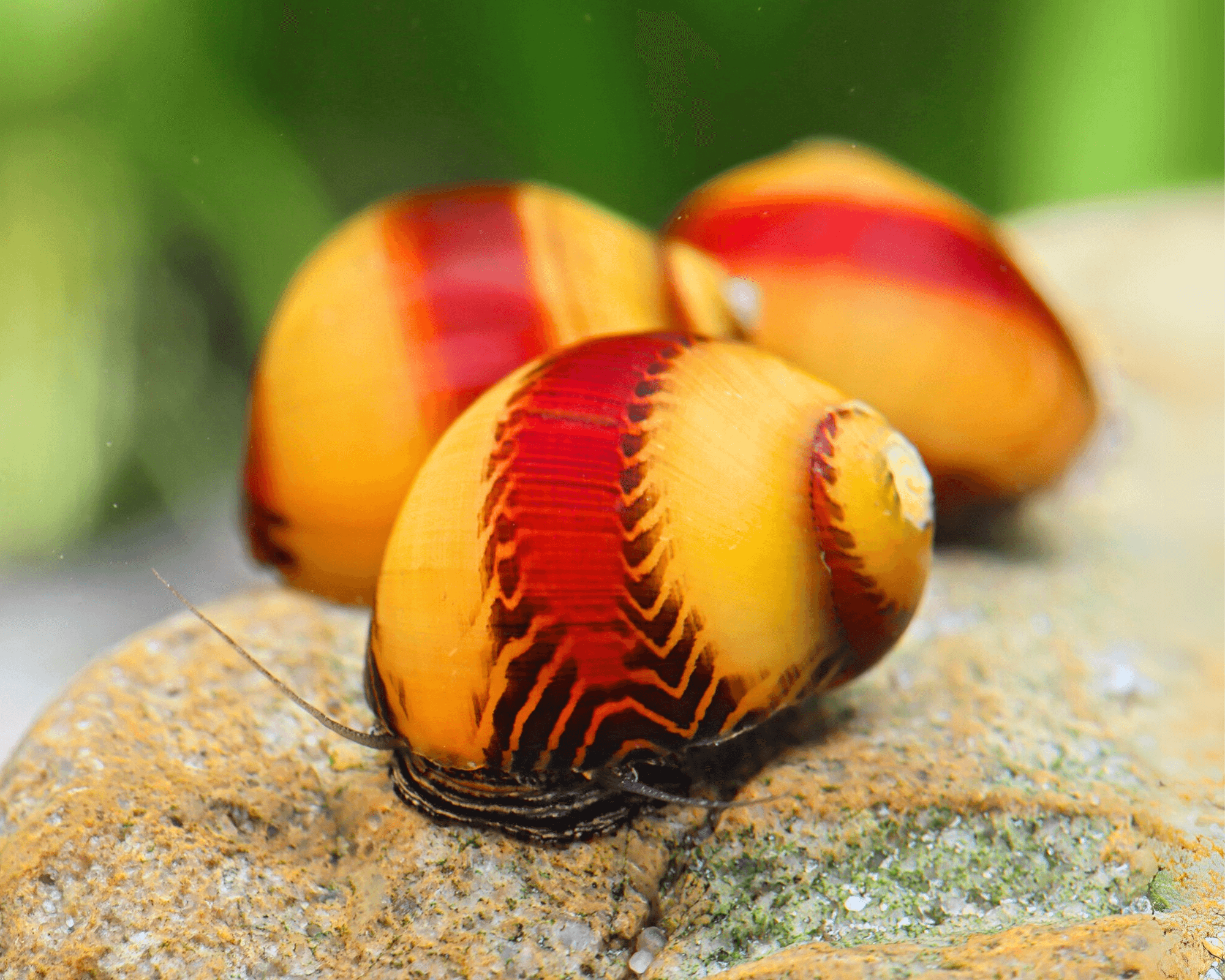
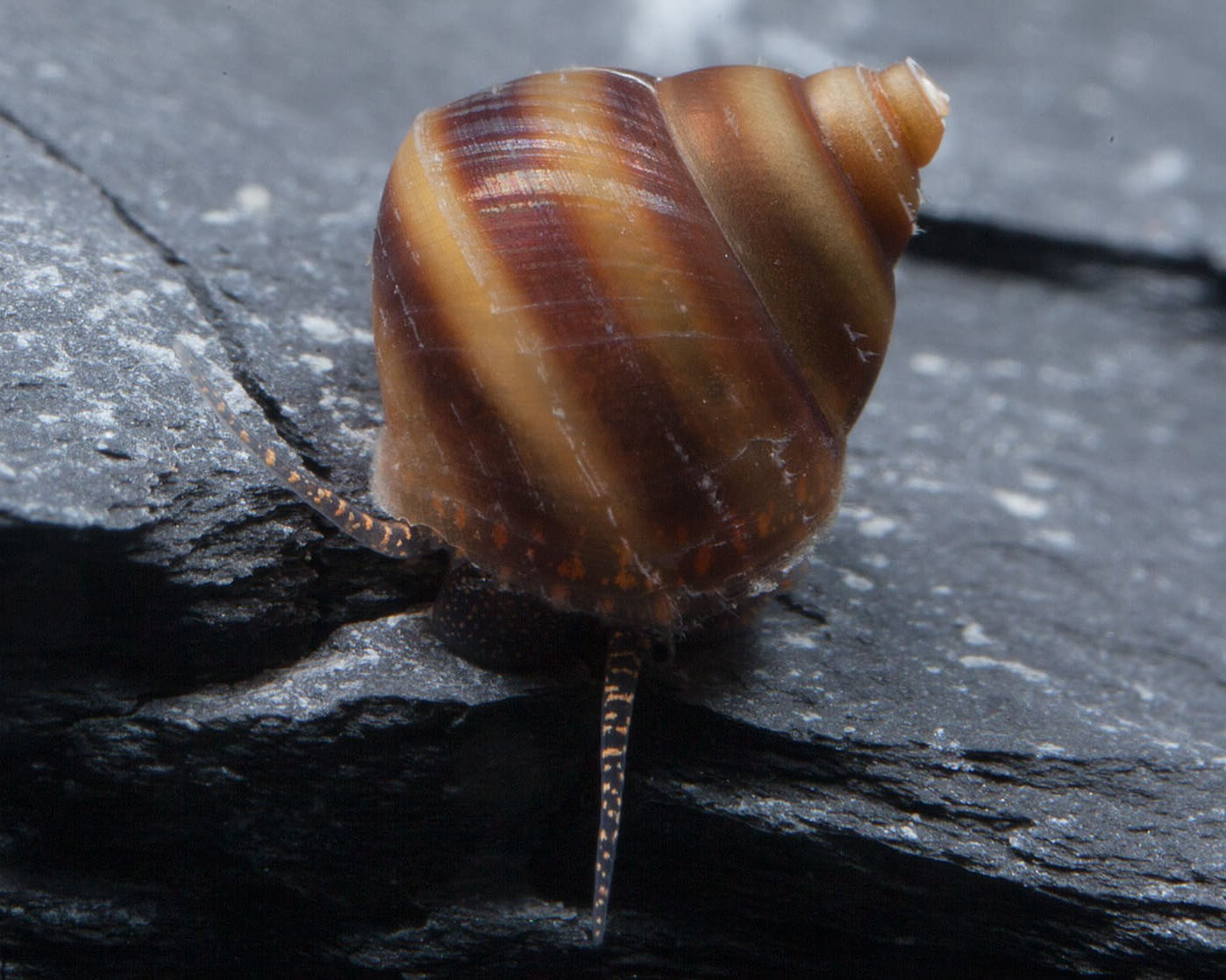
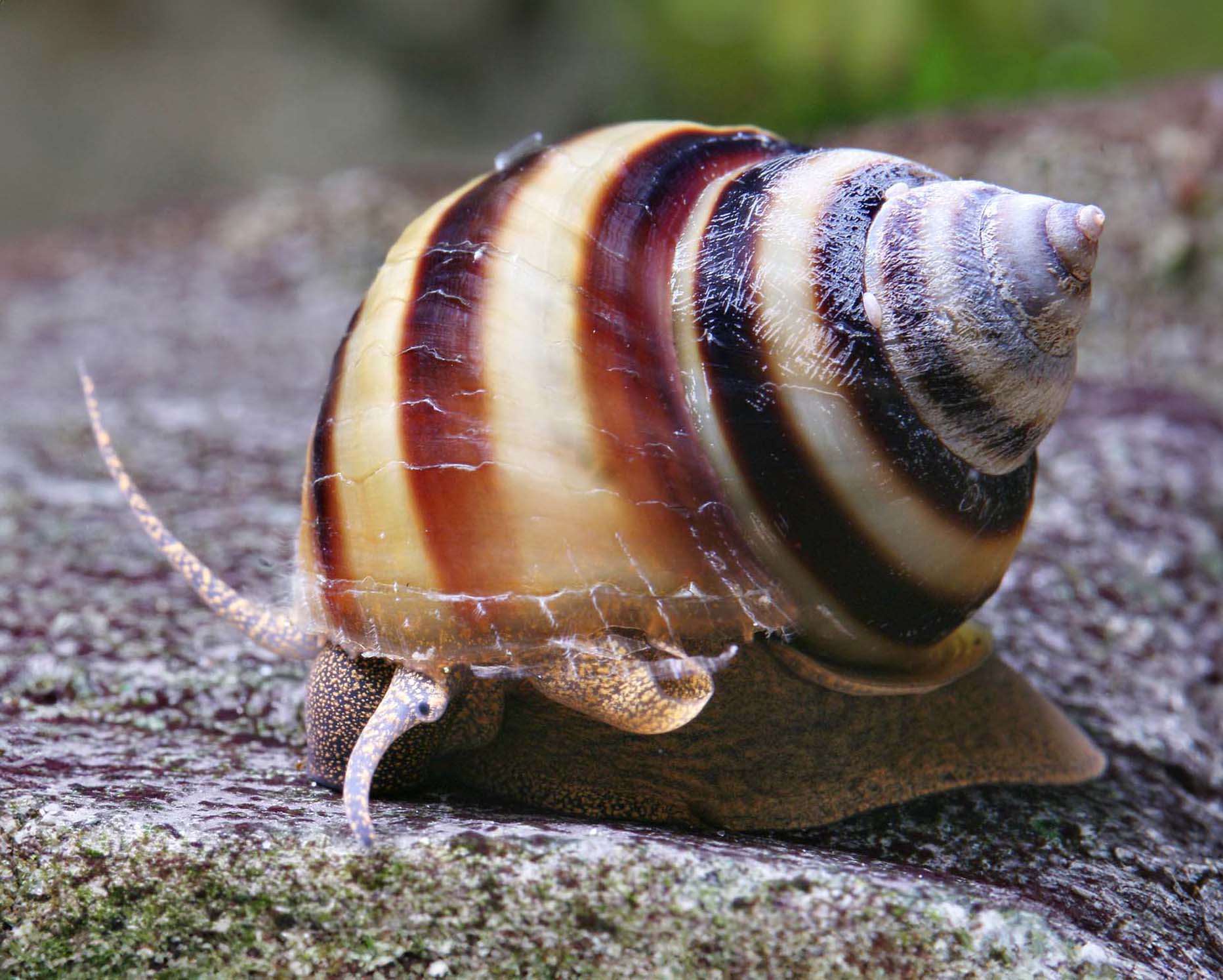
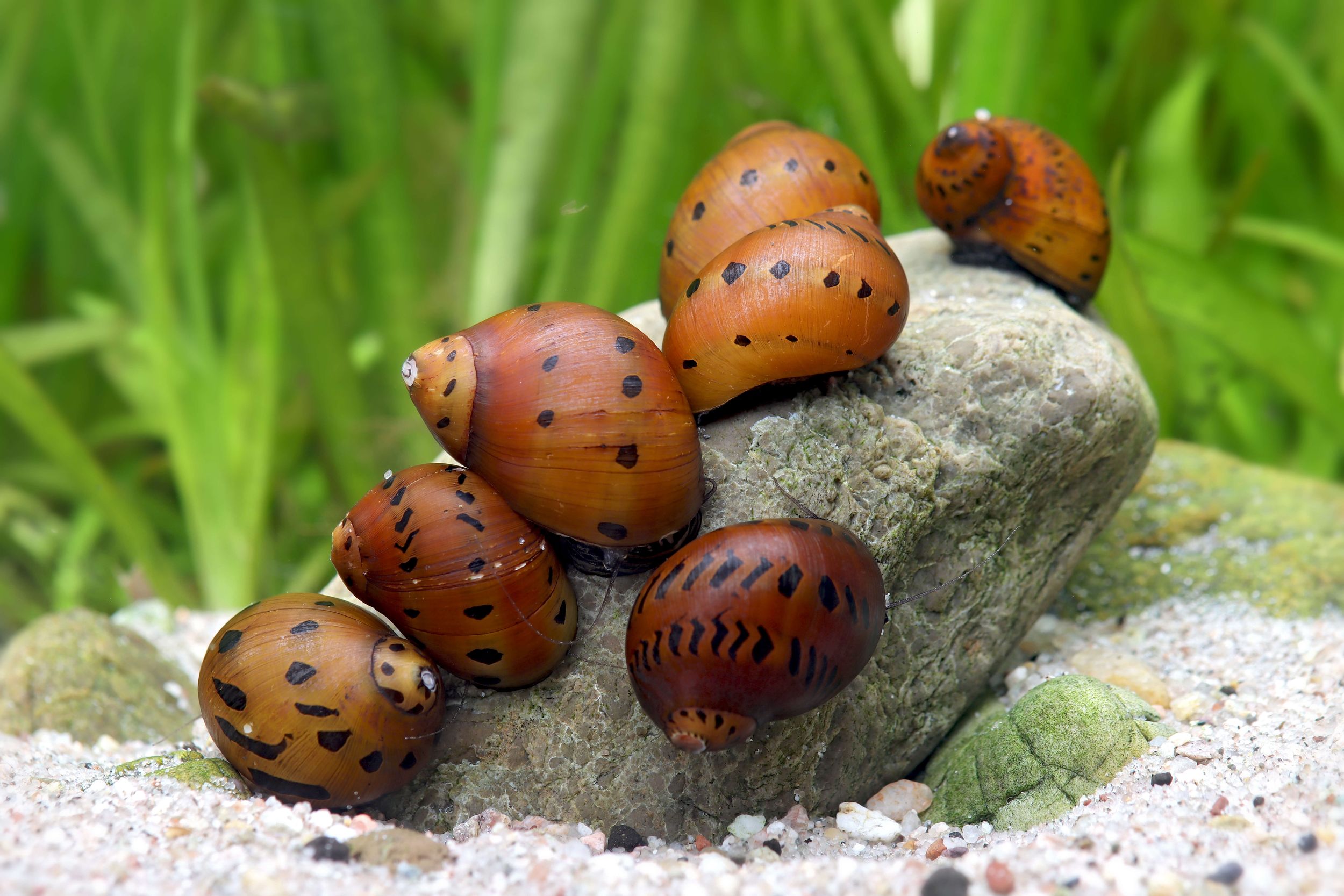
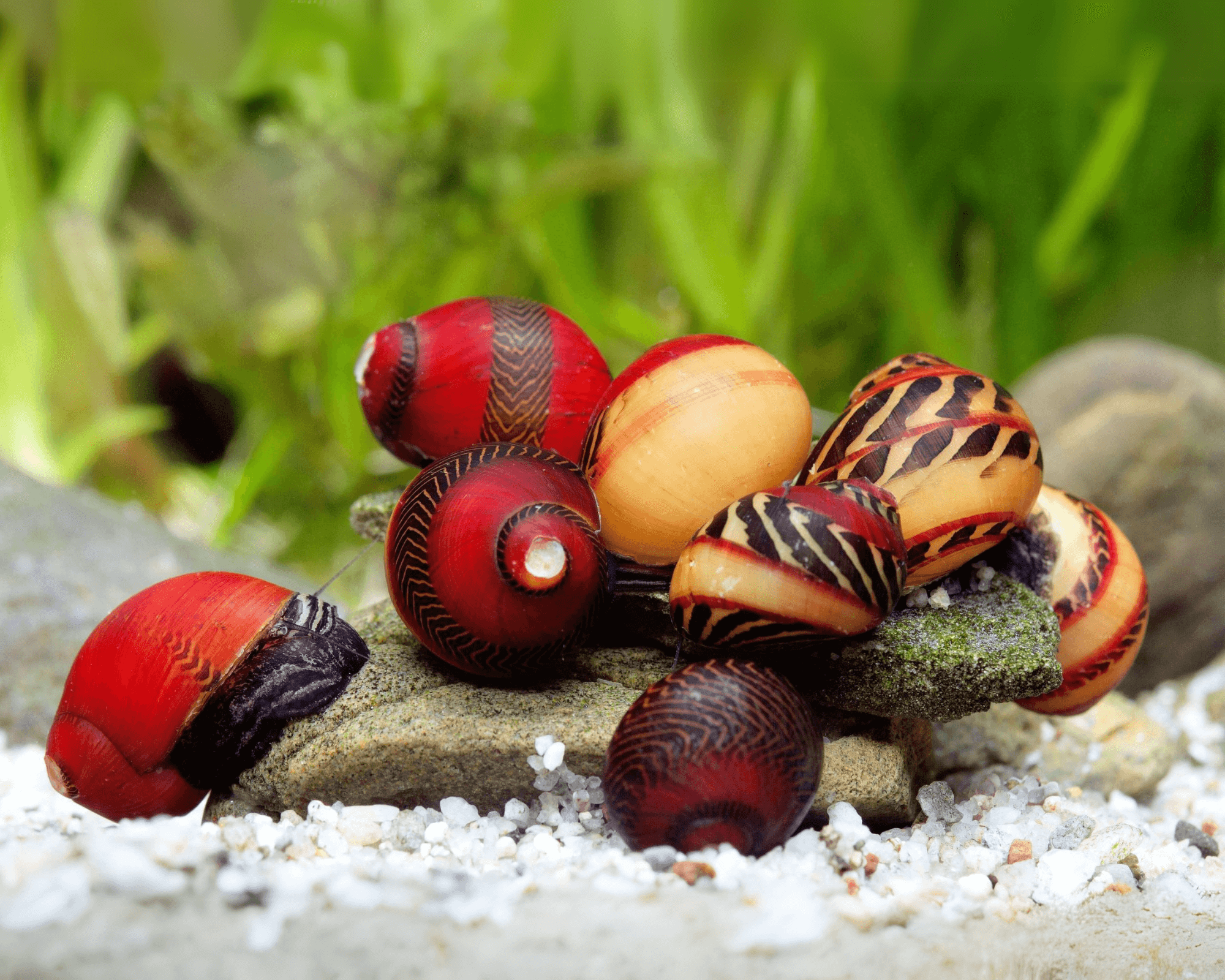
Red Widow Rennschnecke (Vittina waigiensis)

Taxonomy and identification

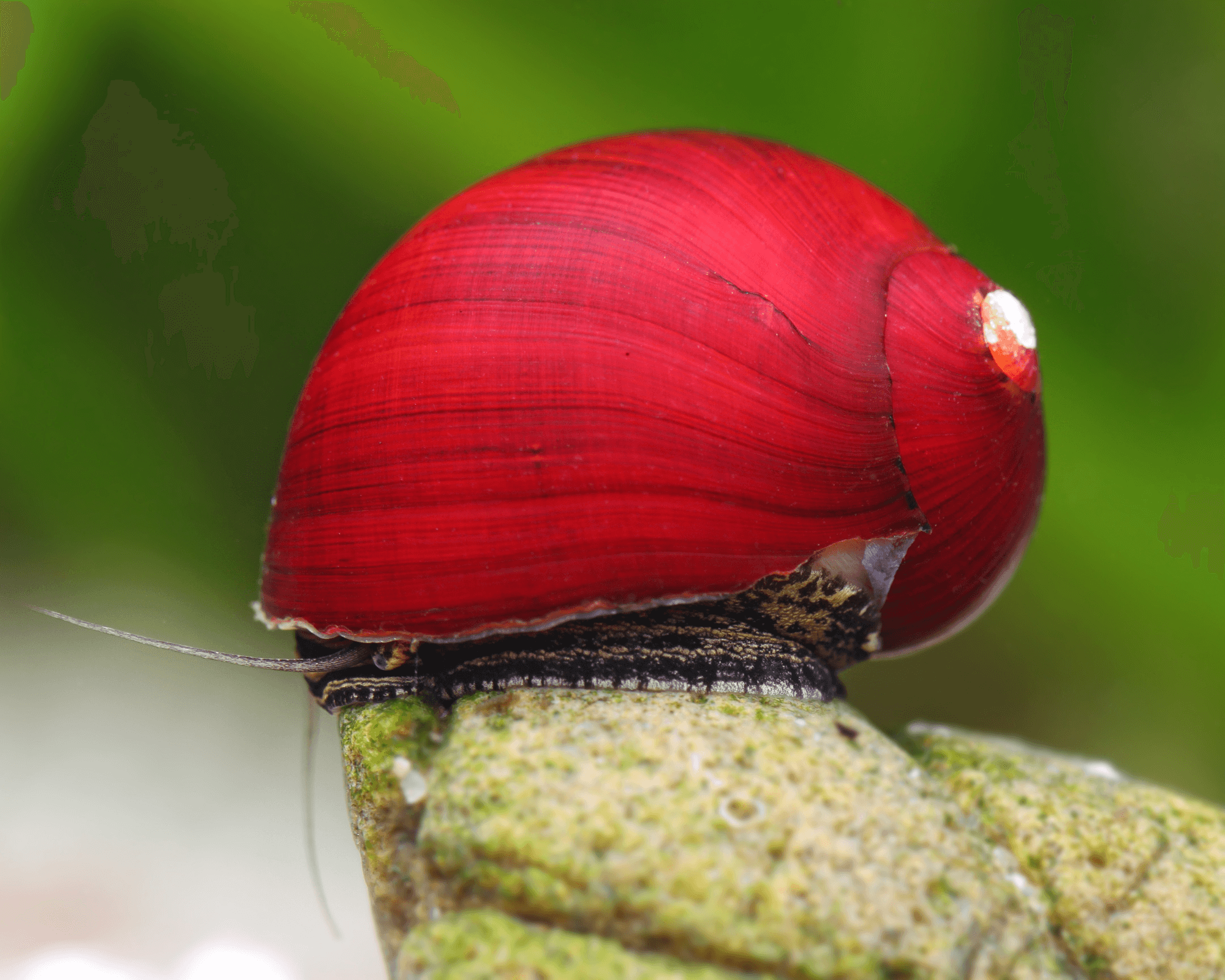
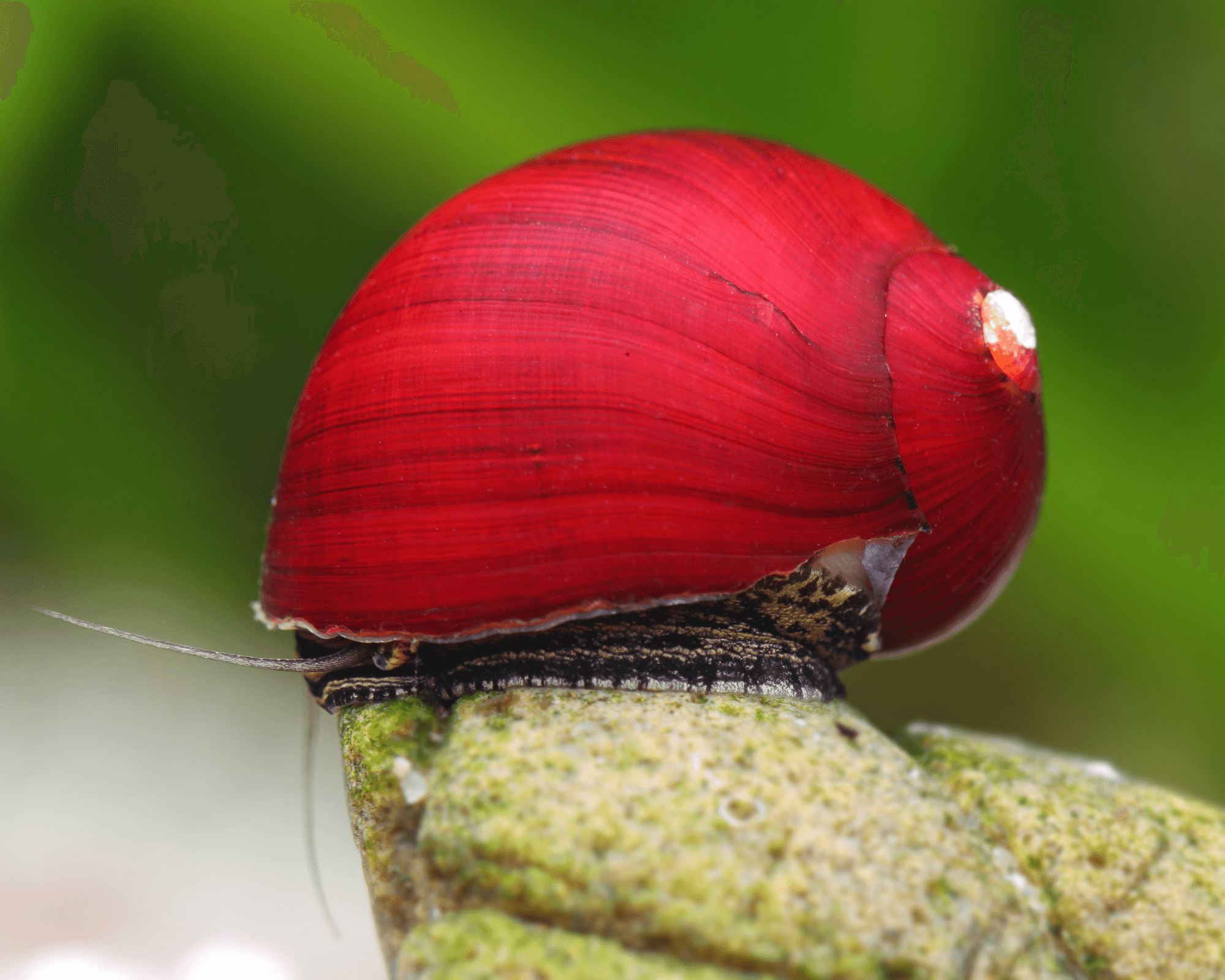
Vittina waigiensis is a gastropod mollusc in the family Neritidae. Aquarium literature may use broader or older nerite trade names, and commercial identification is not always certain. The supplied name is treated here as Vittina waigiensis. “Red Widow” is a trade name describing coloration, not a separately established species. Shell appearance can vary, and a photograph alone may not confirm the species.
Taxonomy and identification

Natural habitat

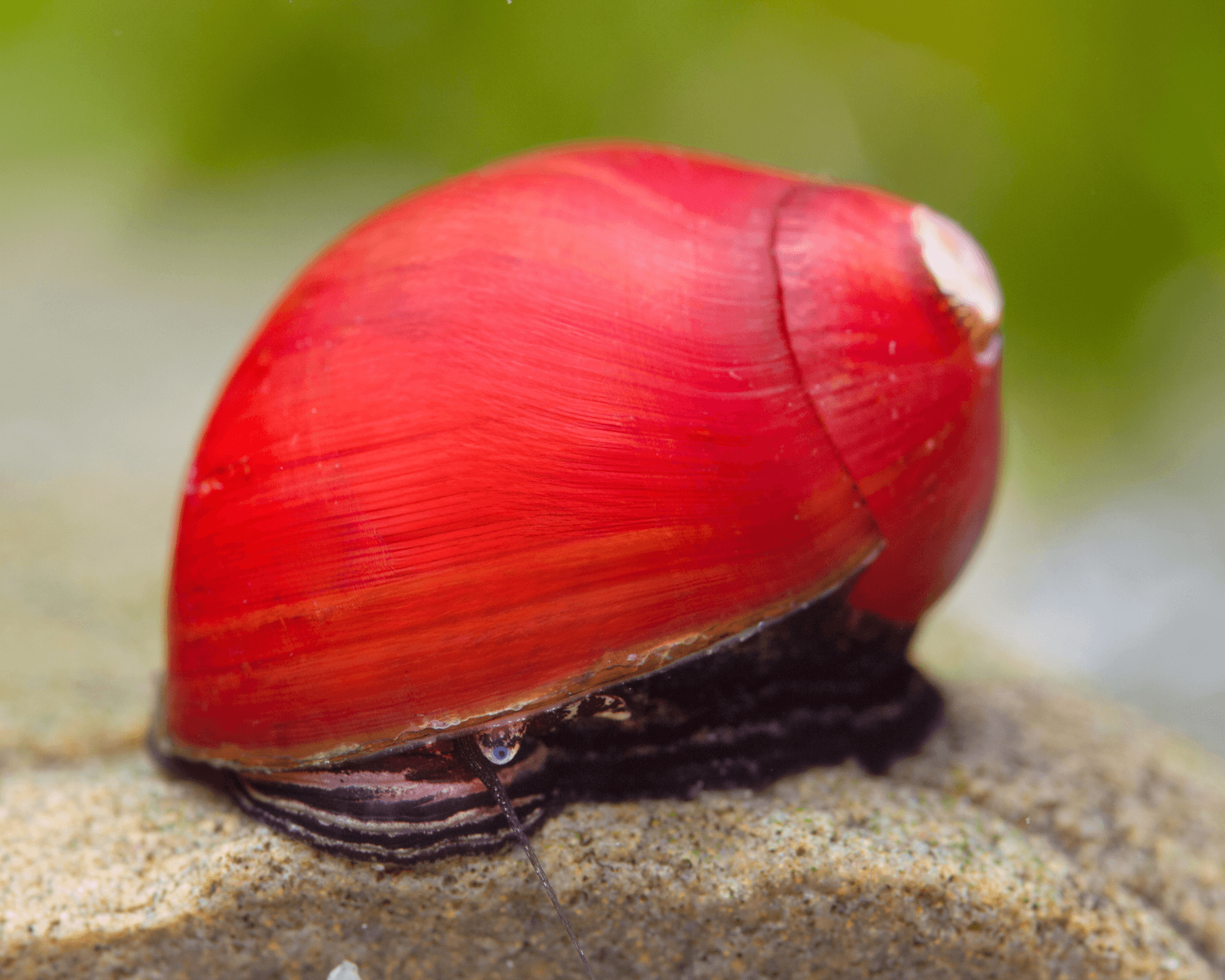
This species is associated with tropical Indo-Pacific waters and habitats influenced by freshwater flow, including streams and lower reaches connected with coastal environments. Neritids commonly graze on firm surfaces such as rocks, wood and submerged hardscape. Their life cycle includes a dispersive larval stage, which is why successful development usually depends on brackish or marine conditions rather than ordinary freshwater.
Natural habitat

Aquarium conditions

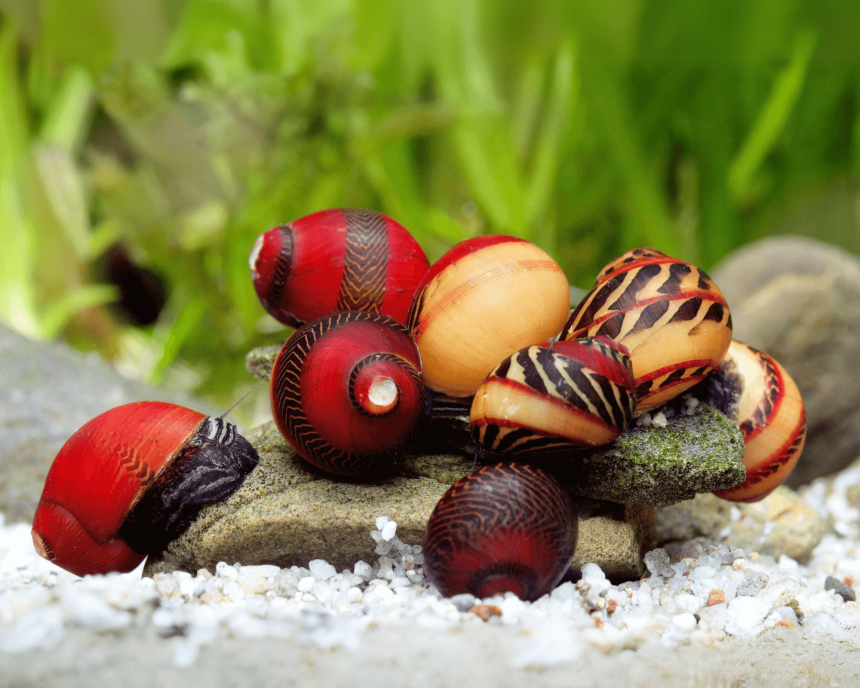
Provide mature, fully cycled water with good oxygenation, moderate current and plenty of naturally colonized hard surfaces. Stable, alkaline water with measurable hardness helps protect the shell from erosion. Avoid sudden changes in temperature, pH or mineral content. Copper-based medications and other copper contamination can be fatal to snails. Use a secure lid because nerites may climb above the waterline.
Aquarium conditions

Feeding

Vittina waigiensis primarily grazes biofilm, soft algae and microorganisms from rocks, glass, wood and other hard surfaces. It is not a reliable solution for thick hair algae or all forms of nuisance algae. In a clean or newly established aquarium, supplement with algae-based foods or prepared foods suitable for herbivorous snails. Offer small amounts and remove uneaten food to prevent fouling.

Plant safety and tank mates

This nerite is normally plant-safe and scrapes surfaces rather than chewing healthy vascular plant tissue. It may feed on algae growing on leaves without damaging the leaves themselves. Keep it with peaceful community fish and invertebrates. Avoid loaches, puffers, large cichlids, crayfish and other animals that bite, harass or consume snails.

Reproduction

Individuals may deposit small, hard, pale egg capsules on glass, wood, rocks and equipment. In freshwater aquariums these capsules usually remain as eggs or fail to develop because the larvae require specific brackish or marine conditions. Consequently, Vittina waigiensis generally does not produce a rapidly expanding population in freshwater. Removing visible capsules is optional but may be needed for appearance.

Population control and care limits

Population size is normally controlled by limited recruitment rather than by predation. Prevent overcrowding by buying only the number the aquarium can feed, maintaining adequate grazing area and avoiding excessive supplemental food. If numbers must be reduced, remove adults by hand and rehome them where permitted. Do not use chemical snail killers in a display containing nerites or other invertebrates, and do not release aquarium animals into natural waterways.
Snail info

  • Temperature : 22–28 °C
  • pH: 7.0–8.5
Leave your comments
Latest on Snails
  • Red racing snail (Vittina waigiensis)

    Red racing snail (Vittina waigiensis)

    The red racing snail, Vittina waigiensis, is a striking nerite kept mainly for grazing algae from aquarium glass, rocks and decor. Adults are generally peaceful, plant-safe and suited to mature freshwater aquariums, but successful captive breeding is uncommon because the larvae require different conditions from the adults. Shell colors and markings vary considerably, and trade names can overlap with other nerite species, so identification from appearance alone is not completely certain.
  • Mixed Aquarium Snails: Algae Eaters and Clean-Up Crew

    Mixed Aquarium Snails: Algae Eaters and Clean-Up Crew

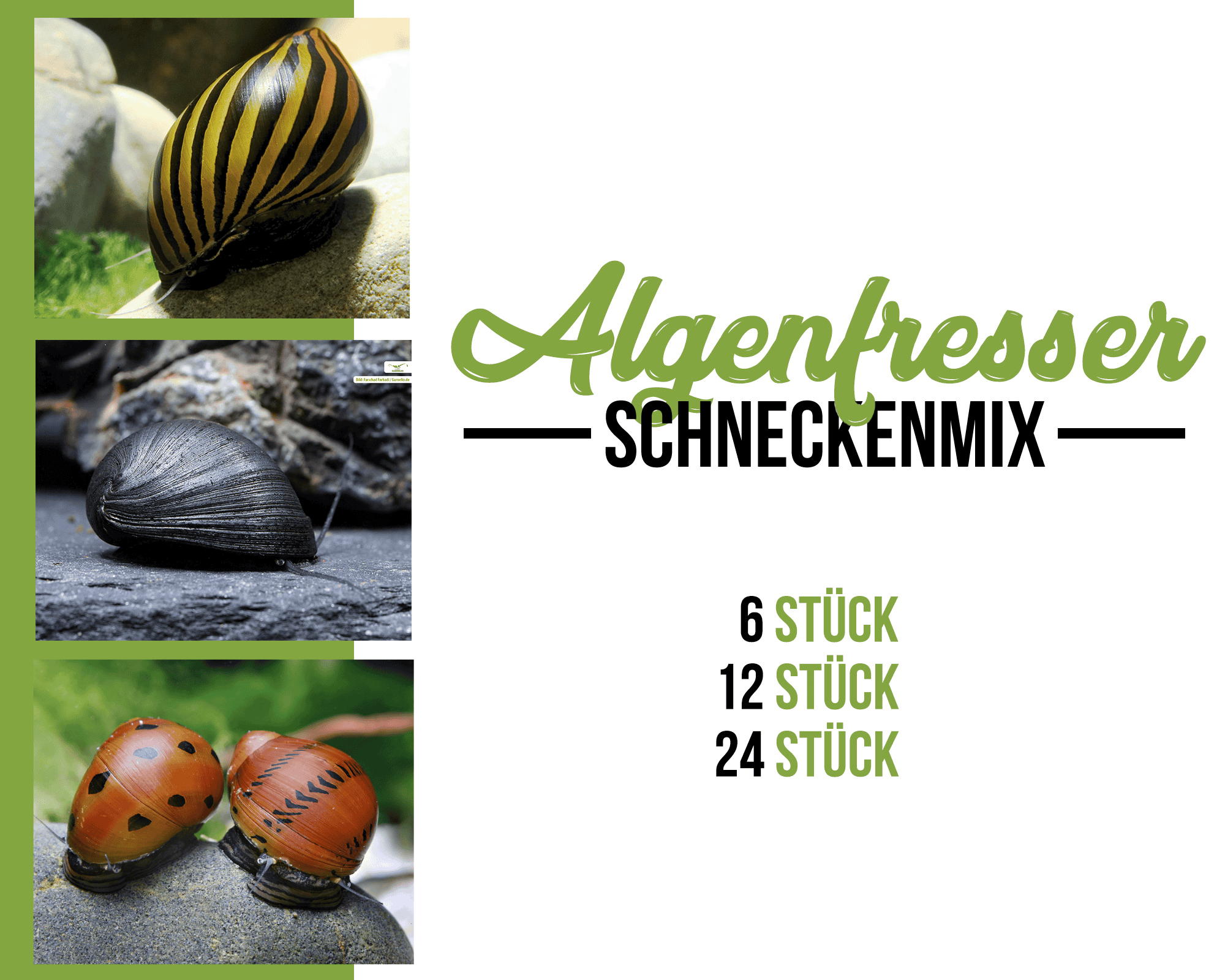
    This mixed snail selection appears to include nerite-type algae grazers, ramshorn snails, and possibly Malaysian trumpet snails. Exact species and proportions cannot be confirmed from the supplied images, so care requirements may differ between batches. These peaceful invertebrates consume algae, biofilm, leftover food, and detritus, but they still need stable, mineral-rich water and responsible population management.
  • Red and Yellow Stripe Rennschnecke (Vittina waigiensis)

    Red and Yellow Stripe Rennschnecke (Vittina waigiensis)

    Vittina waigiensis is a striking nerite snail recognized by a rounded shell with red, yellow, orange, and dark patterning. It is primarily a freshwater grazer as an adult but has a life cycle that normally requires brackish or marine conditions for larval development. This makes it suitable for planted aquariums without normally becoming numerous. The supplied trade name and images are consistent with this identification, although shell patterns overlap among Vittina and related nerite species, so visual identification should be treated as provisional.
  • Ramshorn Snails Mix Rainbow

    Ramshorn Snails Mix Rainbow

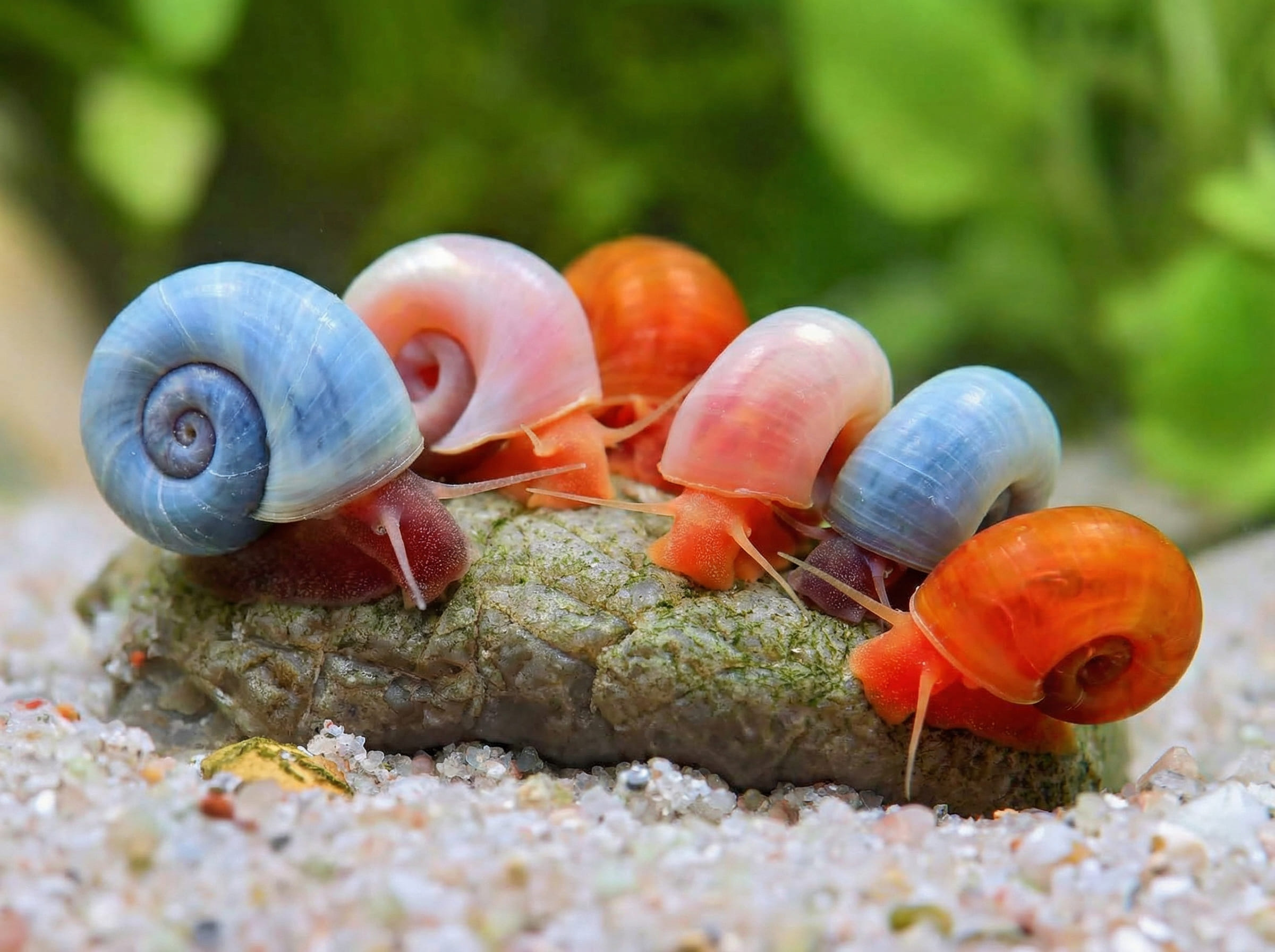
    Rainbow ramshorn snails are a mixed-color freshwater aquarium form sold under a trade name rather than a single precisely identified species. The pictured animals have the characteristic planispiral shell and include blue, pink, pale and orange-red forms. They are peaceful scavengers that graze on biofilm and leftover food. Exact species and strain lineage cannot be confirmed from the supplied images alone, so care guidance is provided for commonly kept aquarium ramshorn snails.
  • Predatory Snail: Clea helena (Anentome helena)

    Predatory Snail: Clea helena (Anentome helena)

    Clea helena, also widely sold under the name Anentome helena, is a freshwater predatory snail from Southeast Asia. Its banded, cone-shaped shell and active hunting behavior distinguish it from common algae-grazing snails. It feeds mainly on other snails but also accepts meaty foods and carrion. In a mature aquarium it is generally safe with healthy plants, although it can reduce or eliminate desirable snail populations. Identification and classification may vary between sources, so both commonly used scientific names are included.
  • Pointed Mud Snail (Lymnaea stagnalis)

    Pointed Mud Snail (Lymnaea stagnalis)

    Lymnaea stagnalis, commonly called the pointed mud snail or great pond snail, is a freshwater pulmonate snail found in quiet, vegetated waters. Its tall, pointed shell and ability to breathe atmospheric air make it distinctive in aquaria. It can be a useful scavenger, but it reproduces readily when food is abundant. The supplied images are broadly consistent with this species, although photographs alone cannot confirm identification with complete certainty.
  • Pond post horn snail (Planorbarius corneus)

    Pond post horn snail (Planorbarius corneus)

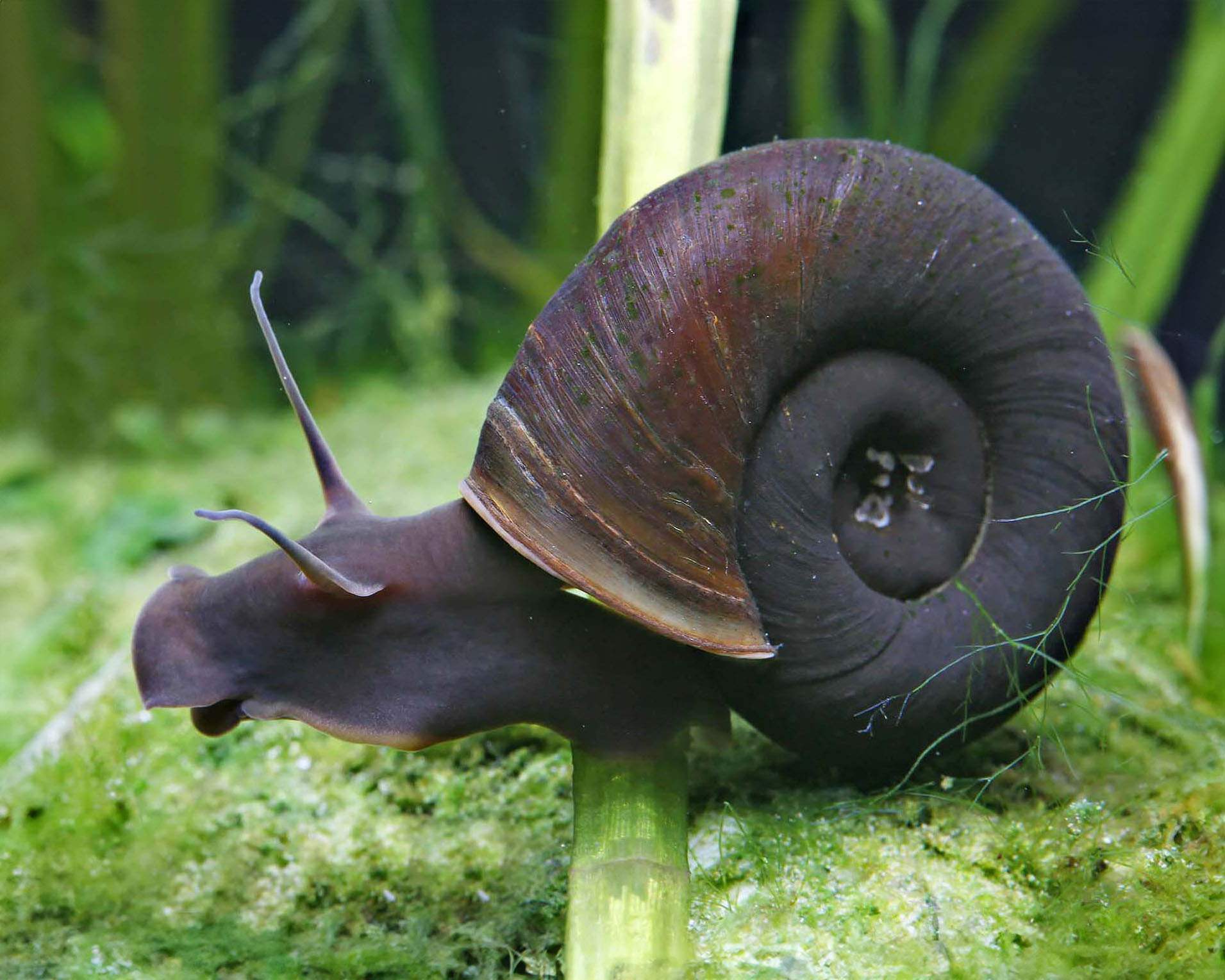
    Planorbarius corneus is a European freshwater ramshorn snail found in ponds, lakes, marshes and slow-moving waters. Its large, planispiral shell and dark body make it a distinctive aquarium inhabitant, although the common name can be confused with other ramshorn snails. It is generally peaceful, useful as a scavenger and algae grazer, and manageable when food supplies are controlled.
  • Pimpled Lace Snail (Melanoides granifera)

    Pimpled Lace Snail (Melanoides granifera)

    The pimpled lace snail, Melanoides granifera, is a burrowing freshwater snail from the family Thiaridae. It spends much of its time in substrate, emerging to graze on biofilm, detritus and leftover food. Its ridged, patterned shell adds interest to planted aquariums, while its live-bearing reproduction can gradually increase its numbers. It is generally peaceful and plant-safe when adequately fed, but should be kept under observation because identification and appearance can vary among imported aquarium stock.
  • Pink ramshorn snail (Planorbella duryi duryi)

    Pink ramshorn snail (Planorbella duryi duryi)

    The pink ramshorn snail is a freshwater planorbid recognized by its flat, coiled shell and pink to reddish body. The supplied name identifies it as Planorbella duryi duryi, a subspecies associated with the southeastern United States, although shell color alone cannot confirm an exact identification. It is peaceful, air-breathing, and useful as a scavenger in planted aquariums. Like many ramshorns, it can reproduce quickly when excess food and organic debris are available.
  • Piano Snail (Taia naticoides)

    Piano Snail (Taia naticoides)

    Taia naticoides is a freshwater, live-bearing snail sold under names such as piano snail. It has a rounded, banded shell and is valued as a grazer of algae and aquarium biofilm. The supplied photographs resemble this trade identification, but images alone cannot confirm species, age, or whether the specimen is a juvenile. Good calcium availability, stable alkaline water, and regular access to natural or supplemental food are important for long-term care.
  • Piano Snail (Taia naticoides)

    Piano Snail (Taia naticoides)

    The piano snail, also sold as the brush algae snail, is a large freshwater operculate snail with a rounded, banded shell. Taia naticoides is associated with Southeast Asian freshwater habitats and is valued for grazing surface growth and consuming organic debris. Aquarium identification can be complicated because common names are applied inconsistently; confirm the species with a reliable supplier. It is generally peaceful, plant-safe and live-bearing, but it needs mineral-rich water and should not be treated as a solution for heavy algae growth.
  • Orange Track Racing Snail (Vittina semiconica)

    Orange Track Racing Snail (Vittina semiconica)

    The Orange Track racing snail, Vittina semiconica, is a freshwater nerite valued for algae grazing and its patterned orange shell. It is generally peaceful, plant-safe and suitable for established community aquariums. Identification from shell pattern alone can be difficult because several Vittina and related nerite species resemble one another, so the supplied trade name should be treated as provisional unless confirmed by a specialist examination.
  • Orange Rock Snail (Orange Tylomelania)

    Orange Rock Snail (Orange Tylomelania)

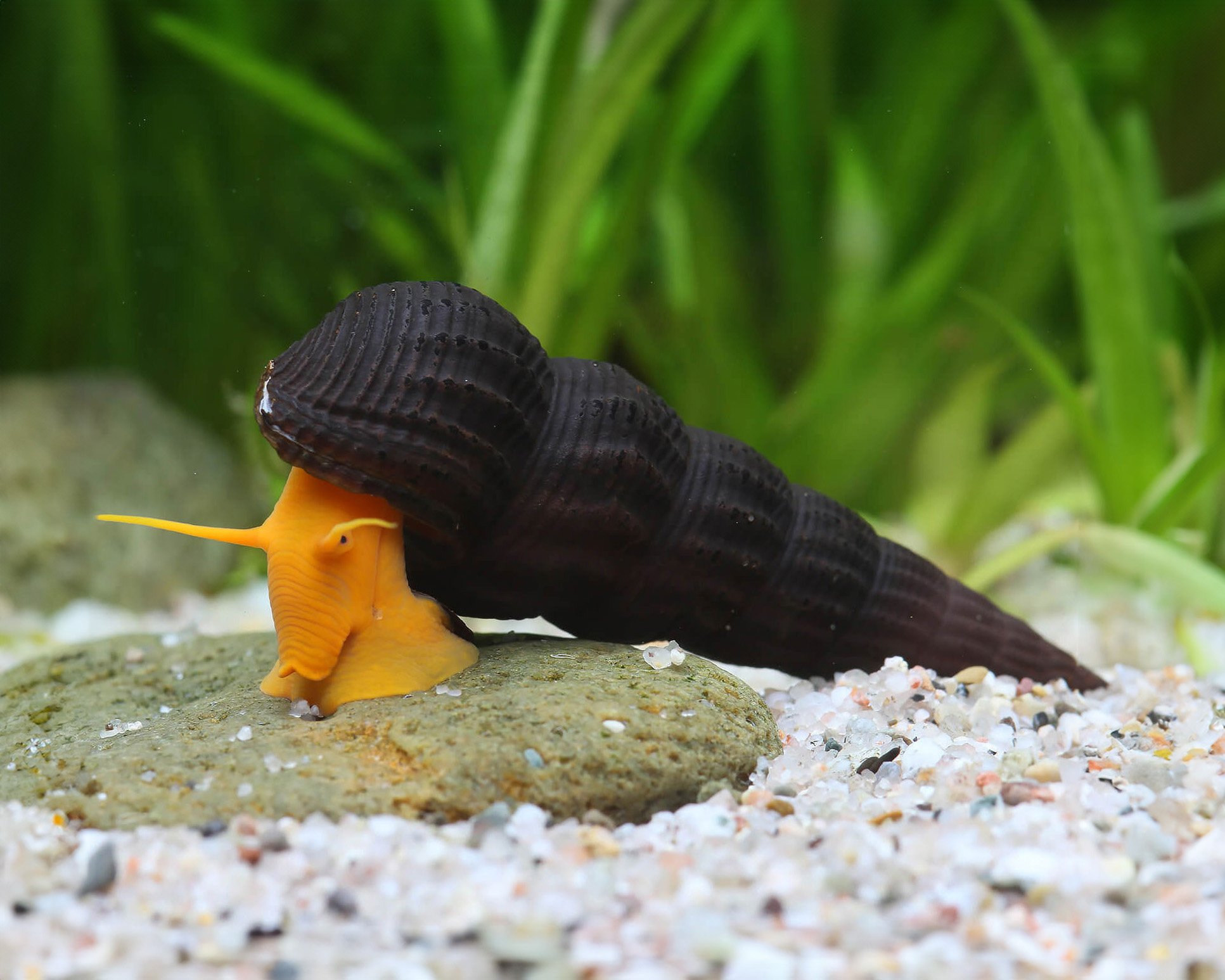
    The Orange Rock Snail is a trade name commonly used for orange-bodied Tylomelania, a group of freshwater snails associated with Sulawesi. Its dark, strongly ridged shell contrasts with the bright orange foot and head. Exact species identification is uncertain from the trade name and photographs alone, so care should follow general Tylomelania requirements. These snails are peaceful, active mainly at night, and best kept in mature, warm, alkaline aquariums with stable mineral content.
  • Orange Red Ramshorn Snail (Planorbella duryi duryi)

    Orange Red Ramshorn Snail (Planorbella duryi duryi)

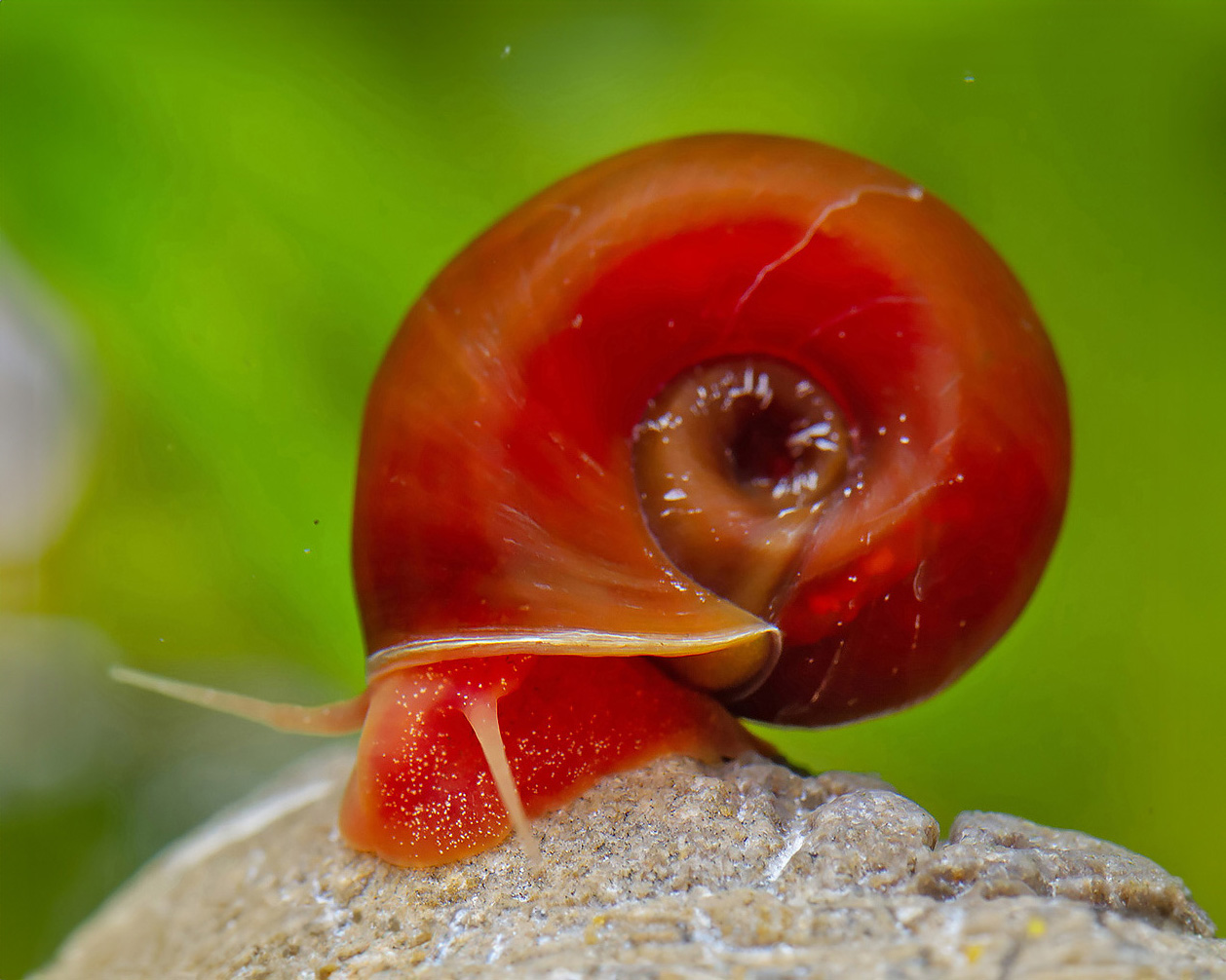
    The orange red ramshorn snail is a freshwater planorbid recognized by its flat, coiled shell and brightly colored body. Planorbella duryi duryi is associated with freshwater habitats in the southeastern United States, especially Florida, although aquarium specimens may be selectively bred and their exact locality is often unknown. It is generally peaceful, useful as a grazer and scavenger, and capable of reproducing quickly when food is abundant.
  • Midnight Lady Snail (Vittina sp.)

    Midnight Lady Snail (Vittina sp.)

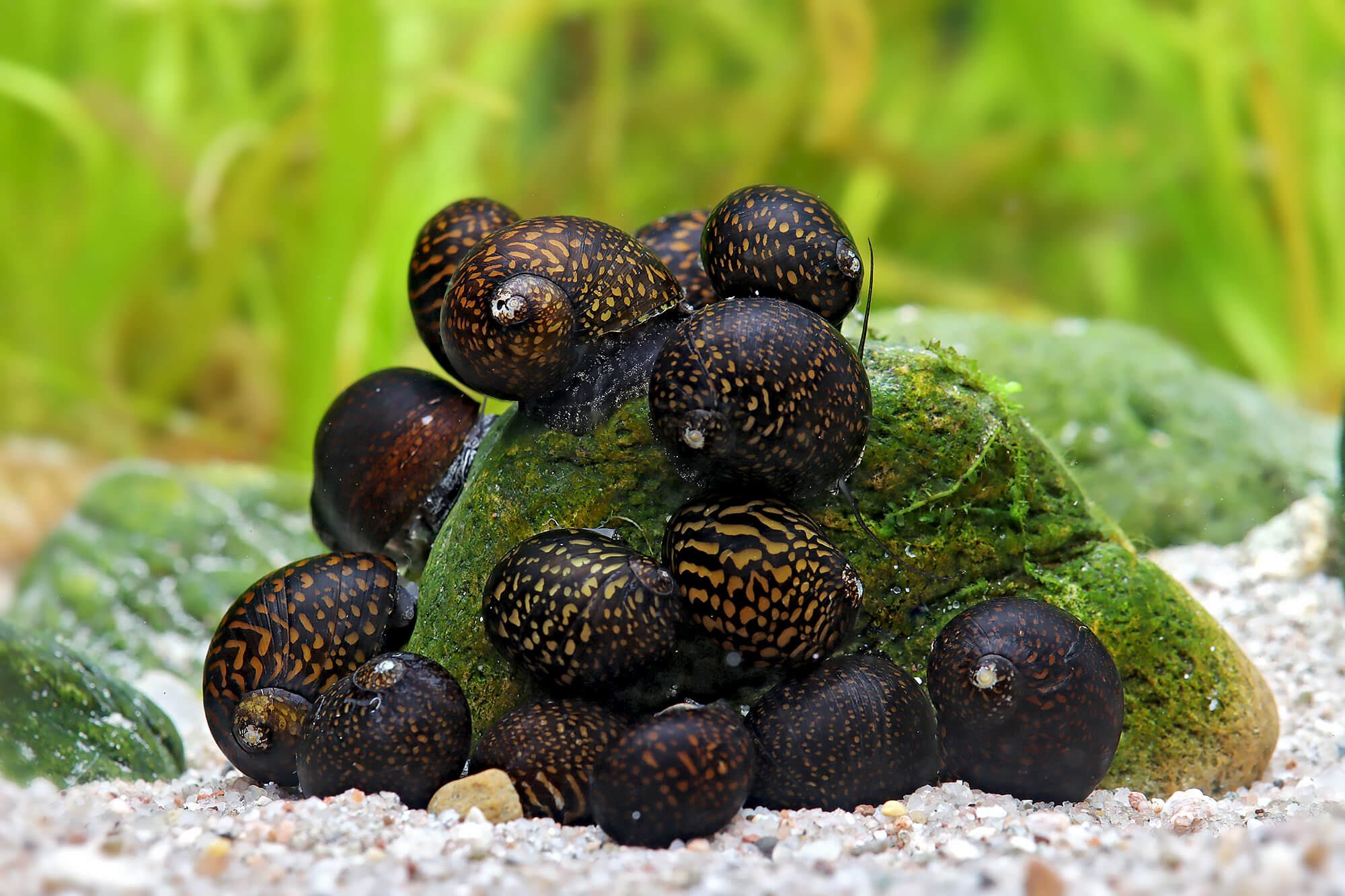
    The Midnight Lady Snail is a dark, patterned nerite sold under the aquarium trade name Midnight Lady Schnecke. It is identified here as Vittina sp., because the exact species cannot be confirmed from the supplied name and photograph alone. These snails are generally peaceful algae grazers for mature freshwater aquariums, but successful breeding requires conditions that are not normally present in freshwater tanks.
  • Ivory Predatory Snail: Anentome helena

    Ivory Predatory Snail: Anentome helena

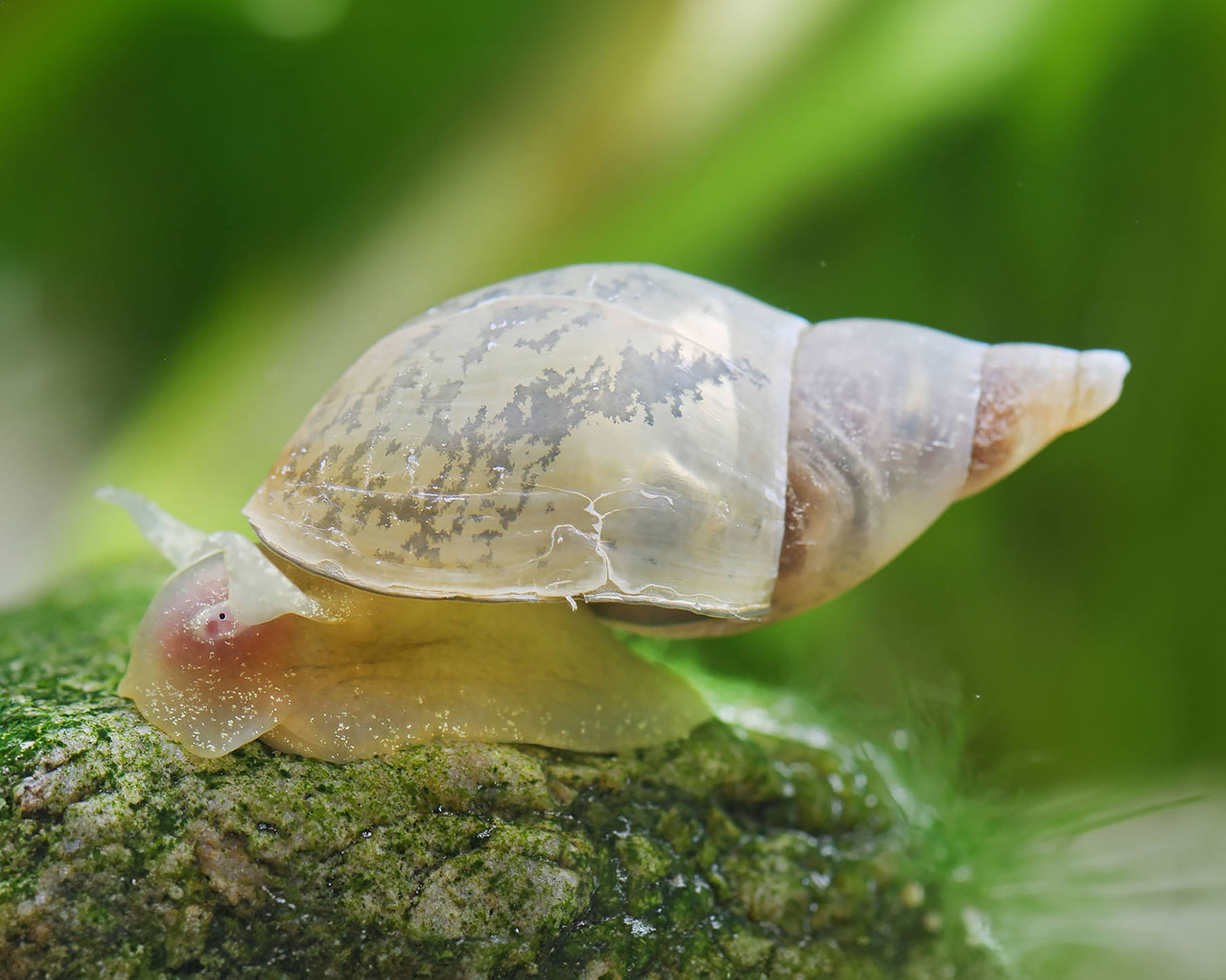
    The ivory predatory snail, commonly sold as Clea helena, is a freshwater assassin snail from Southeast Asia. It has a strongly ribbed, ivory to yellow-brown shell and a mottled gray-brown body. This active carnivore hunts or scavenges other small snails and accepts meaty foods in aquaria. It is generally plant-safe, but its predatory diet and egg-laying reproduction require planning when keeping it with ornamental snails or maintaining a controlled population.