Taxonomy and identification
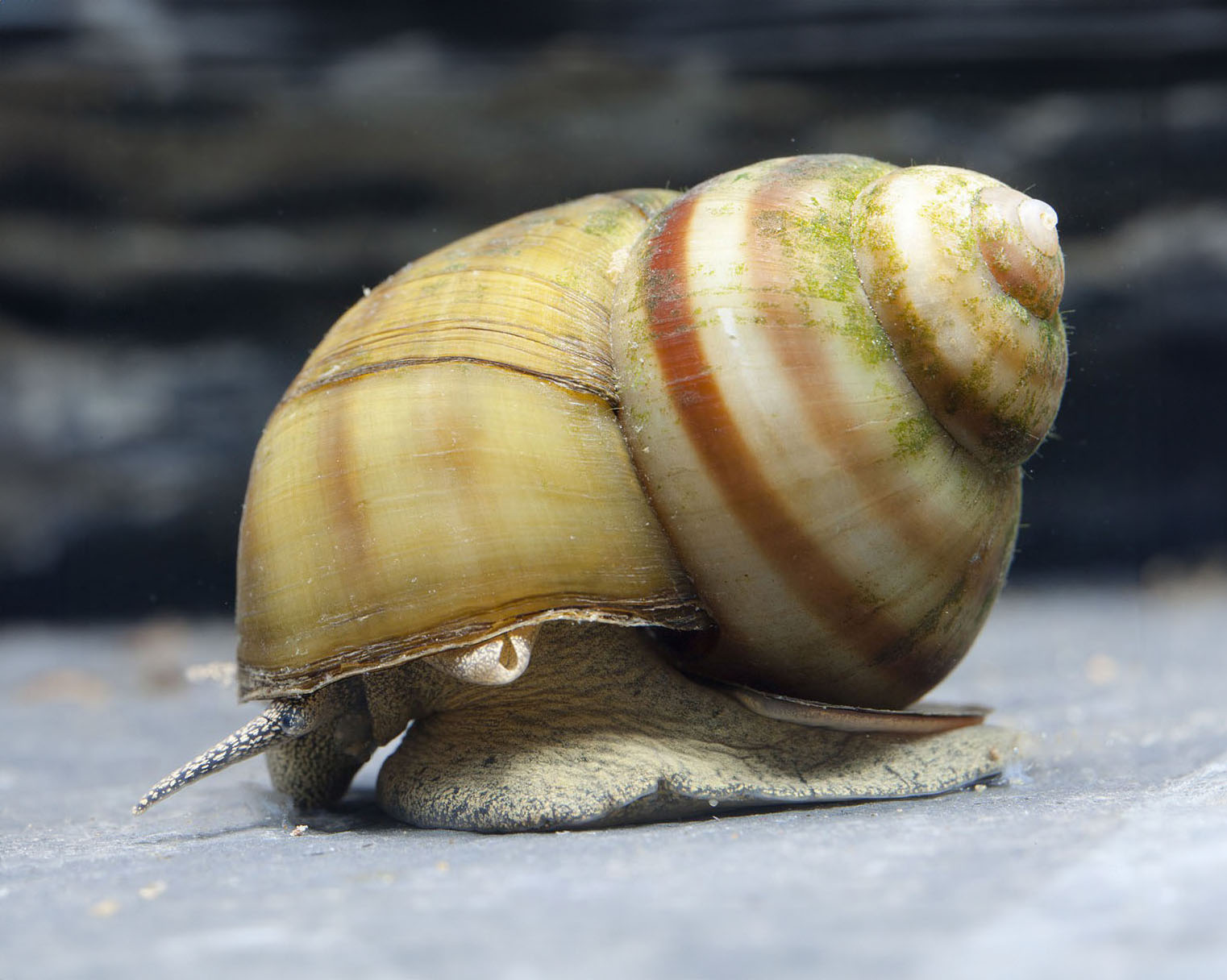
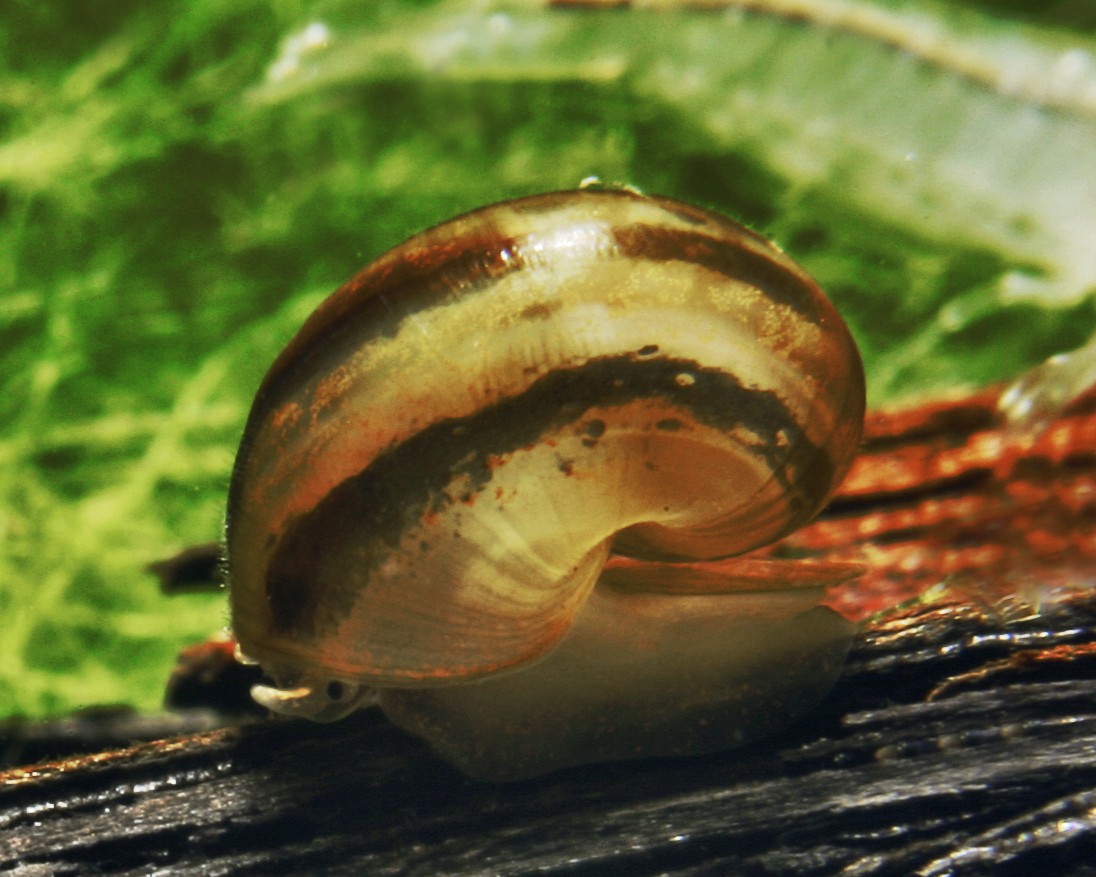
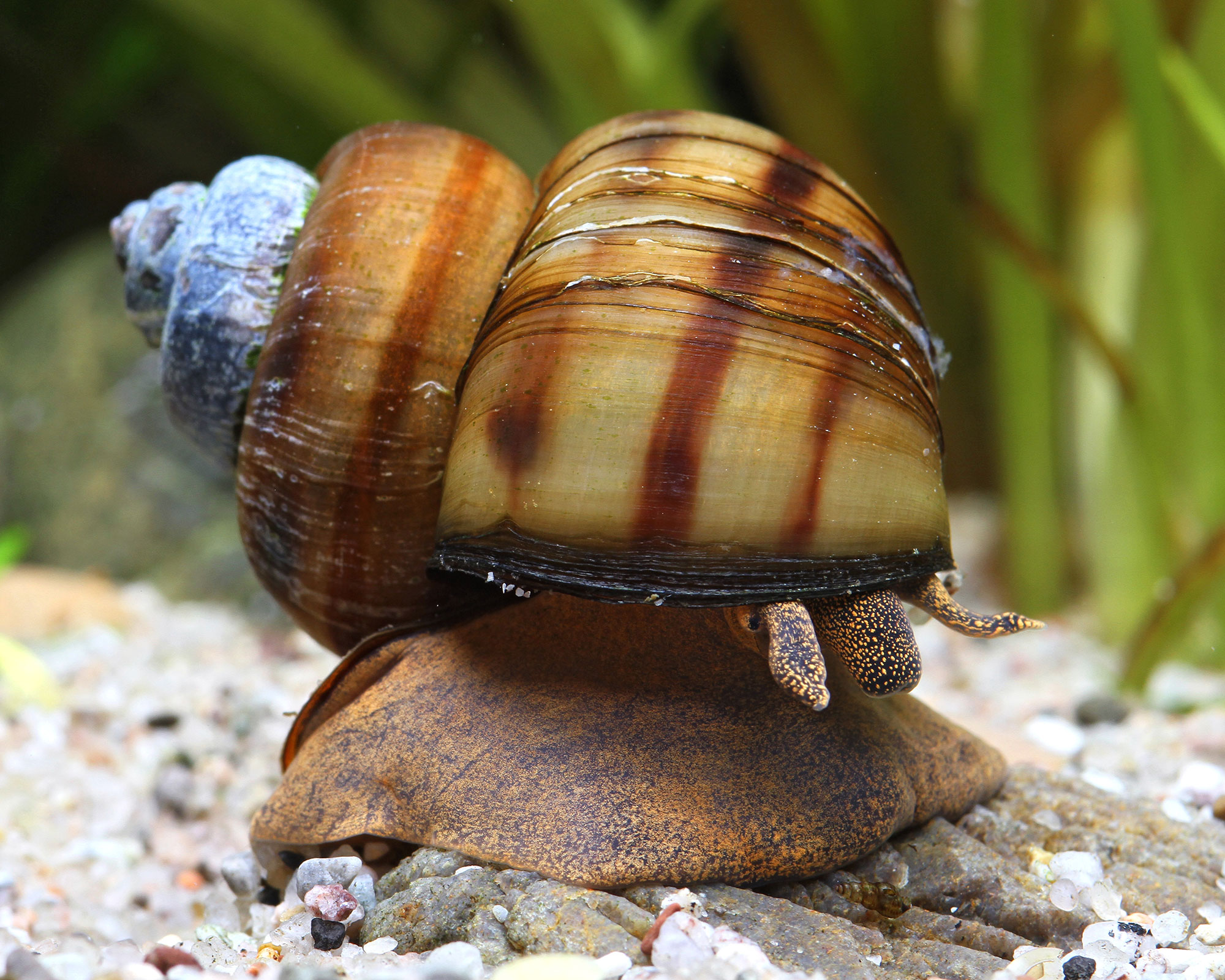
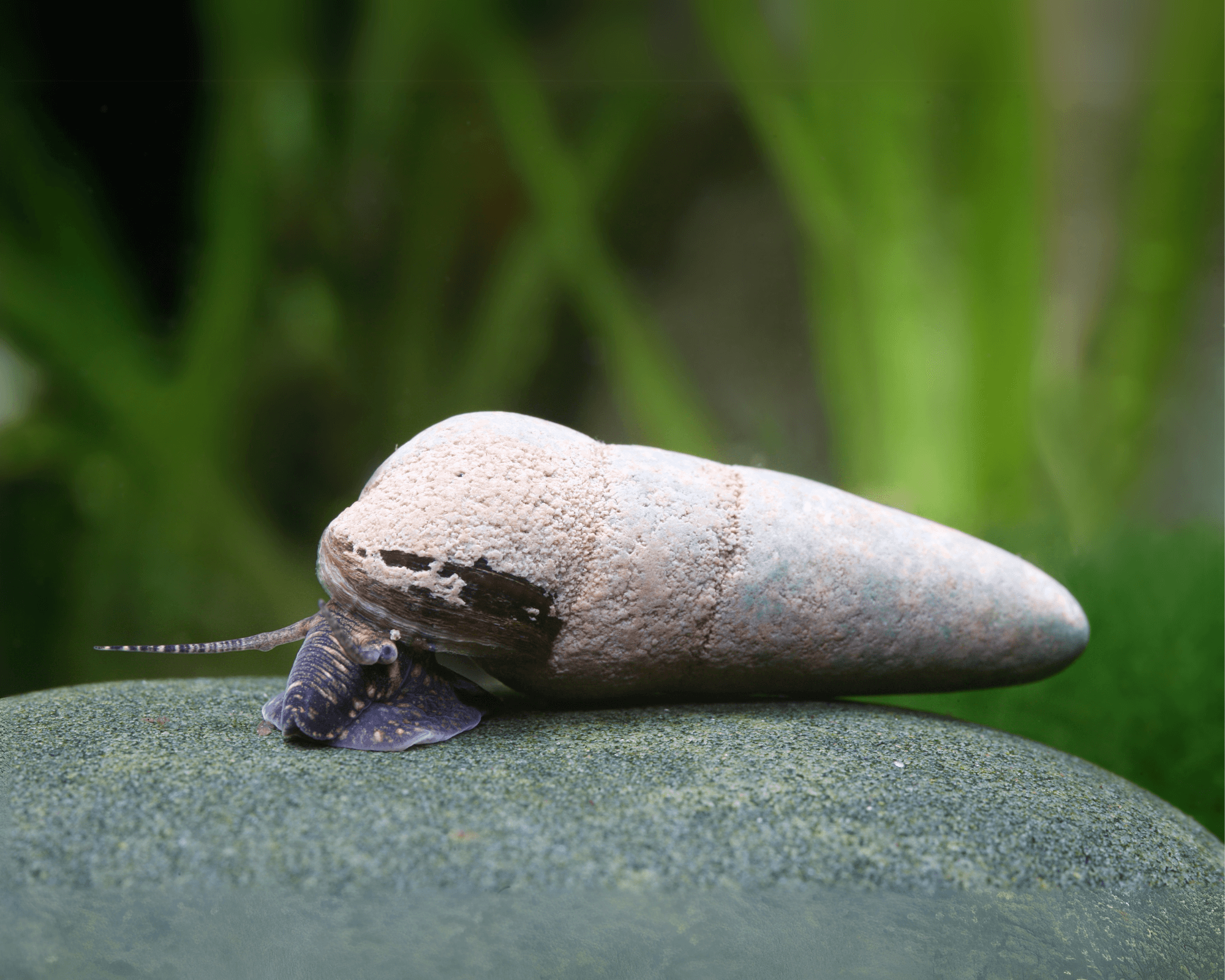
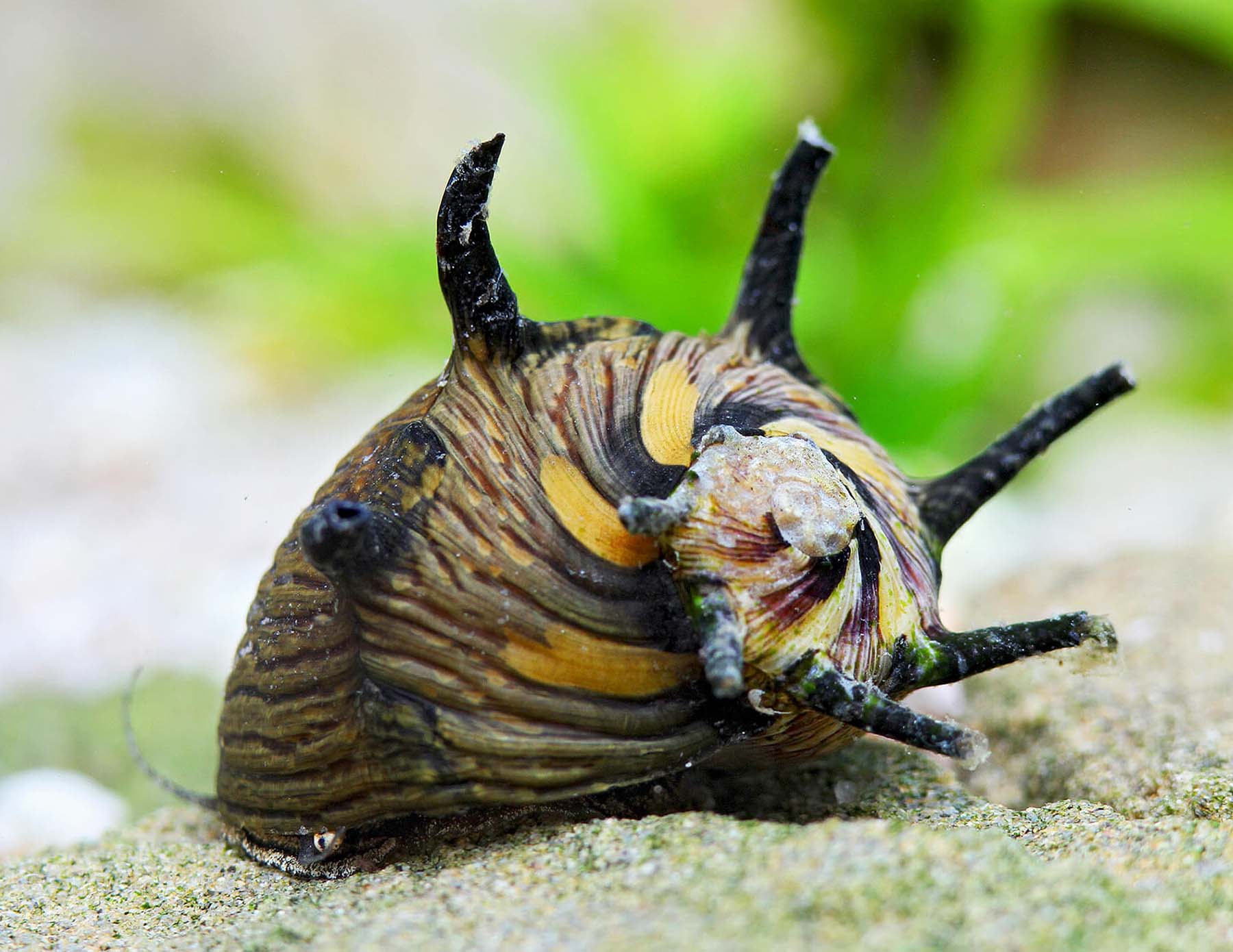
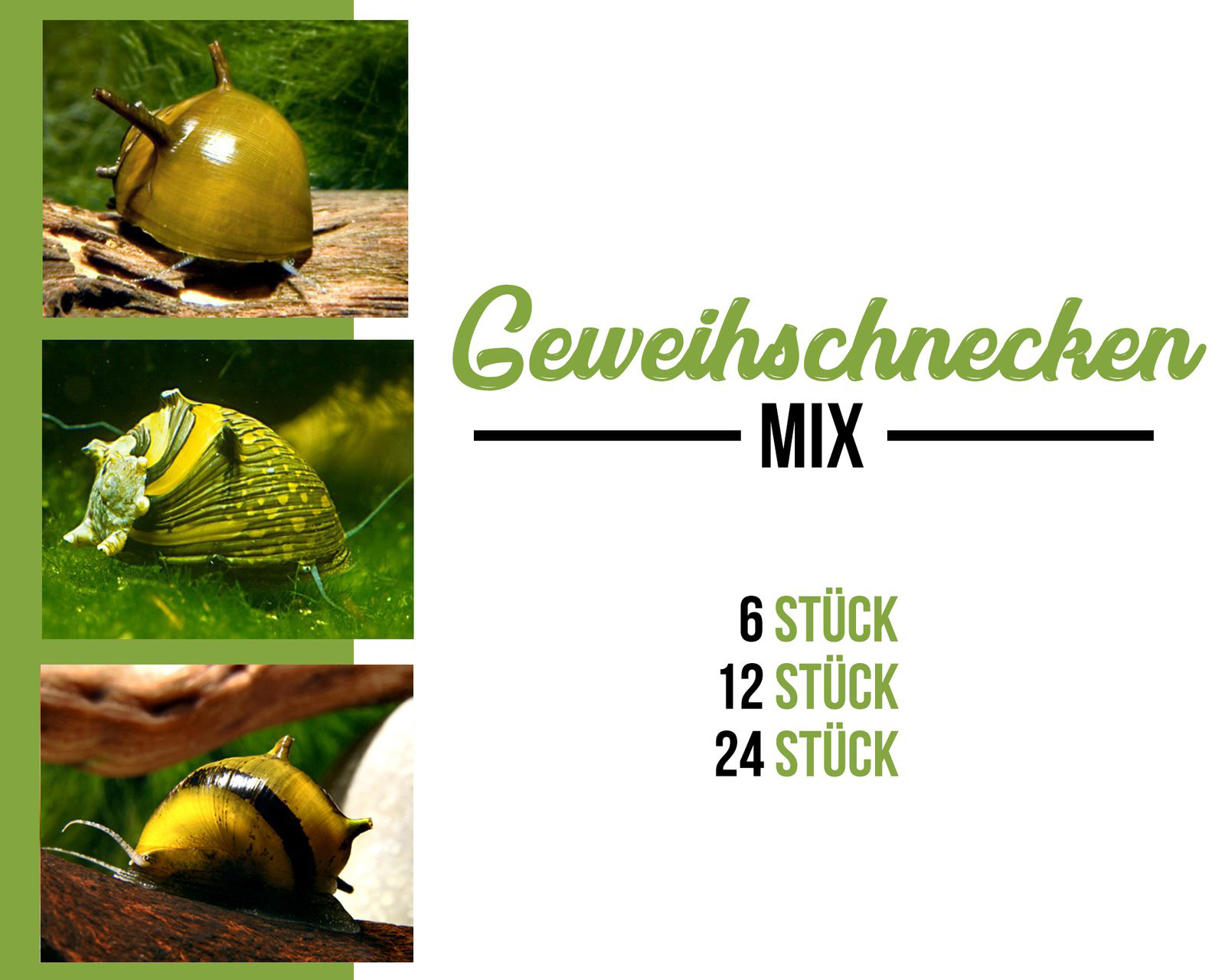
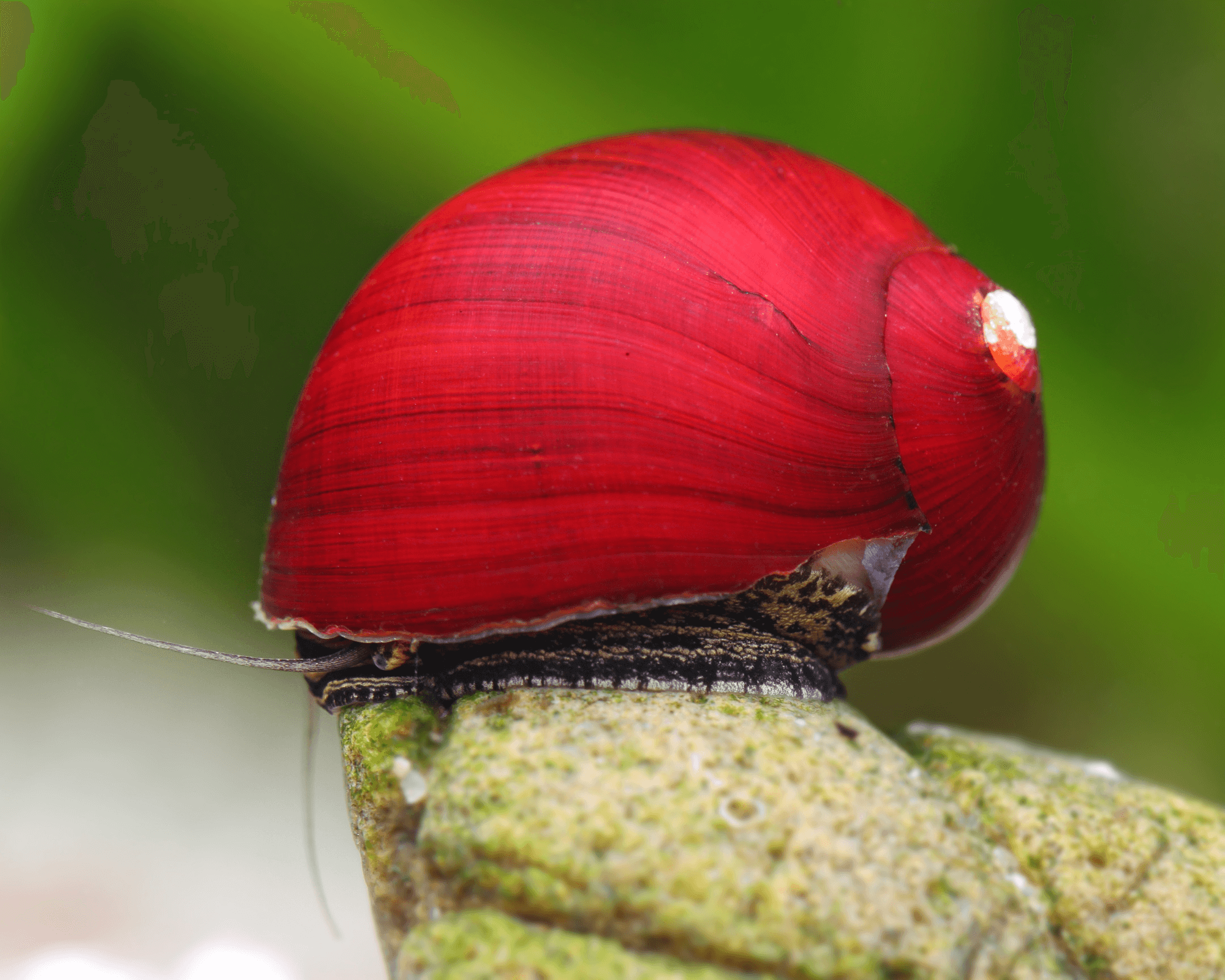
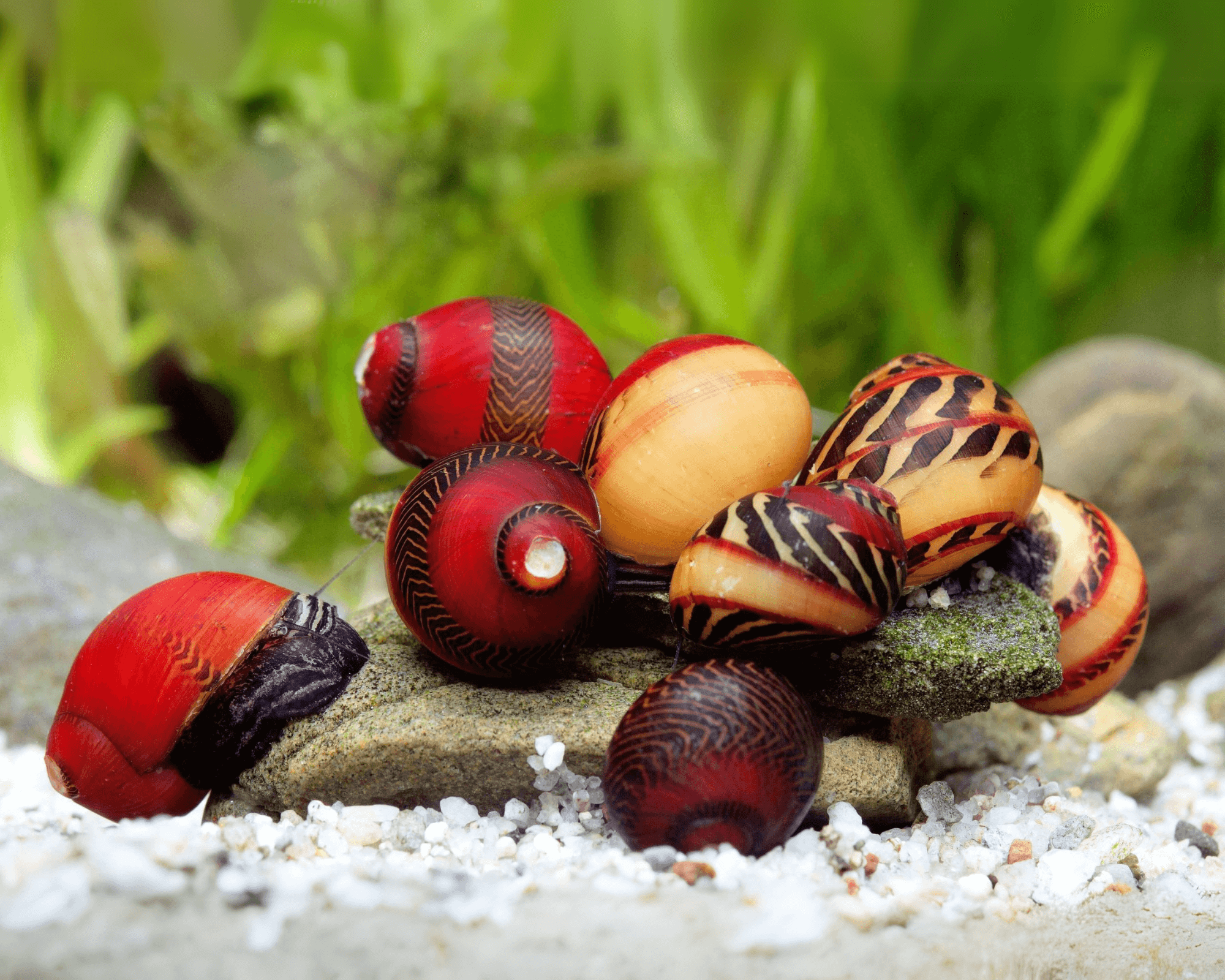
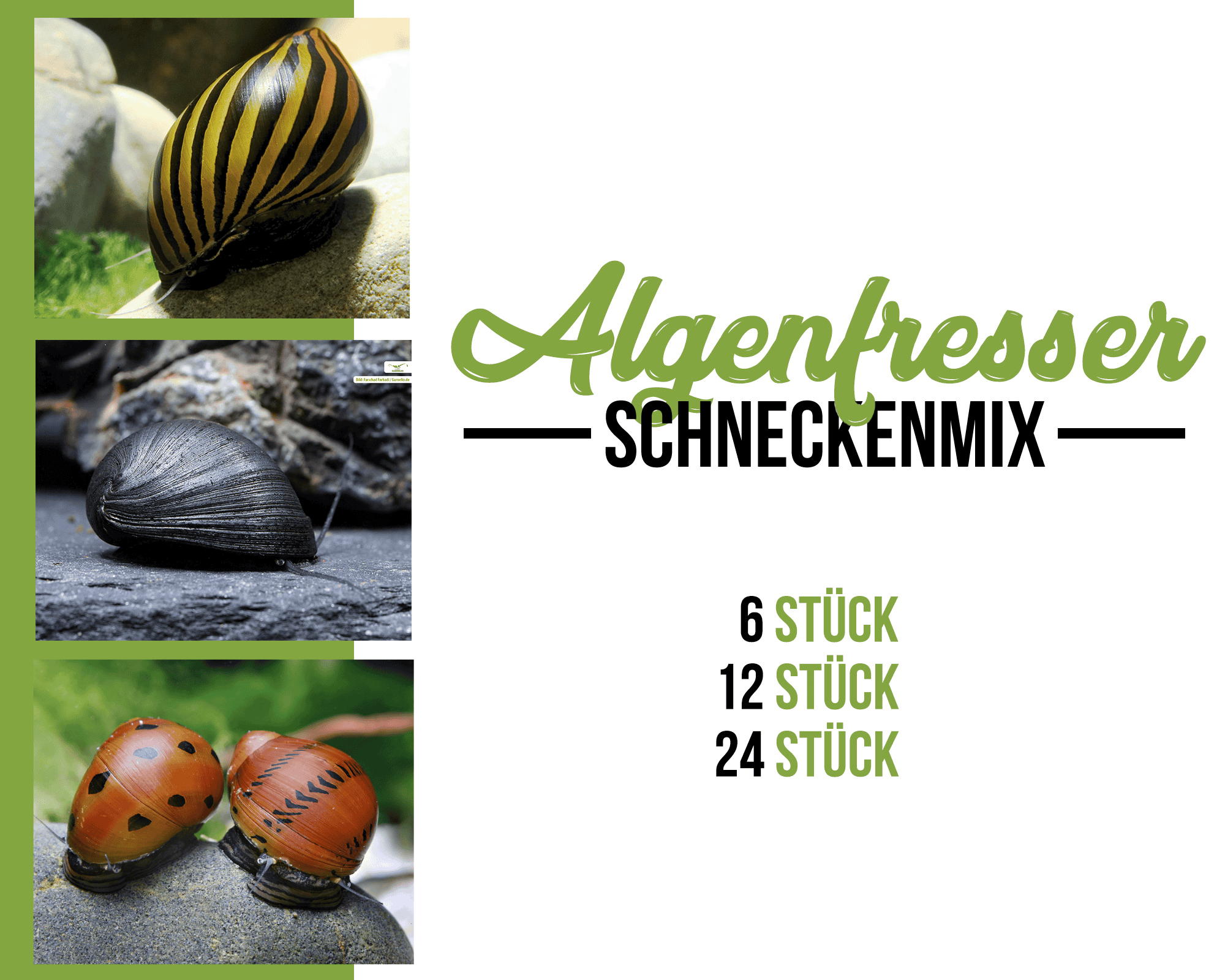
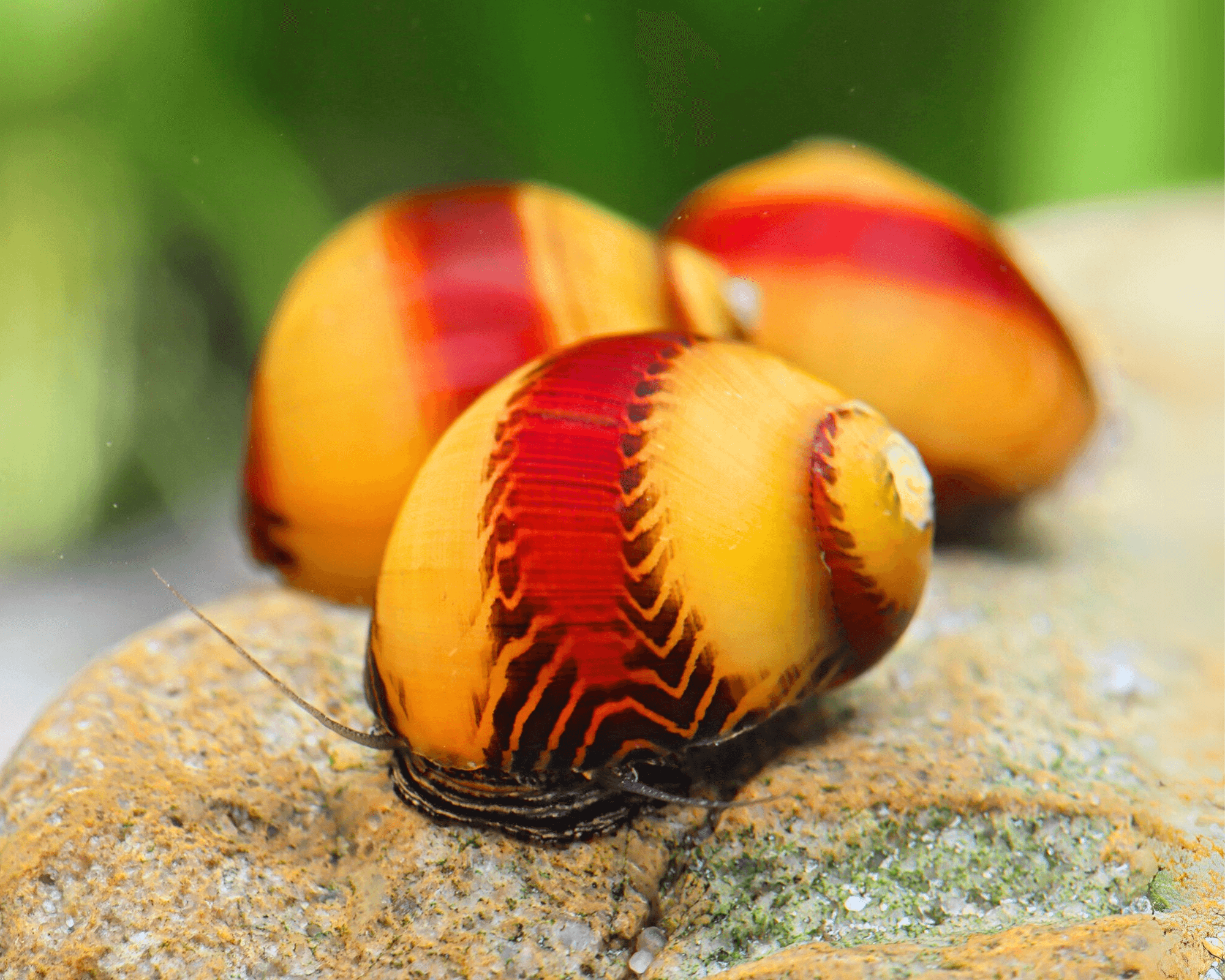
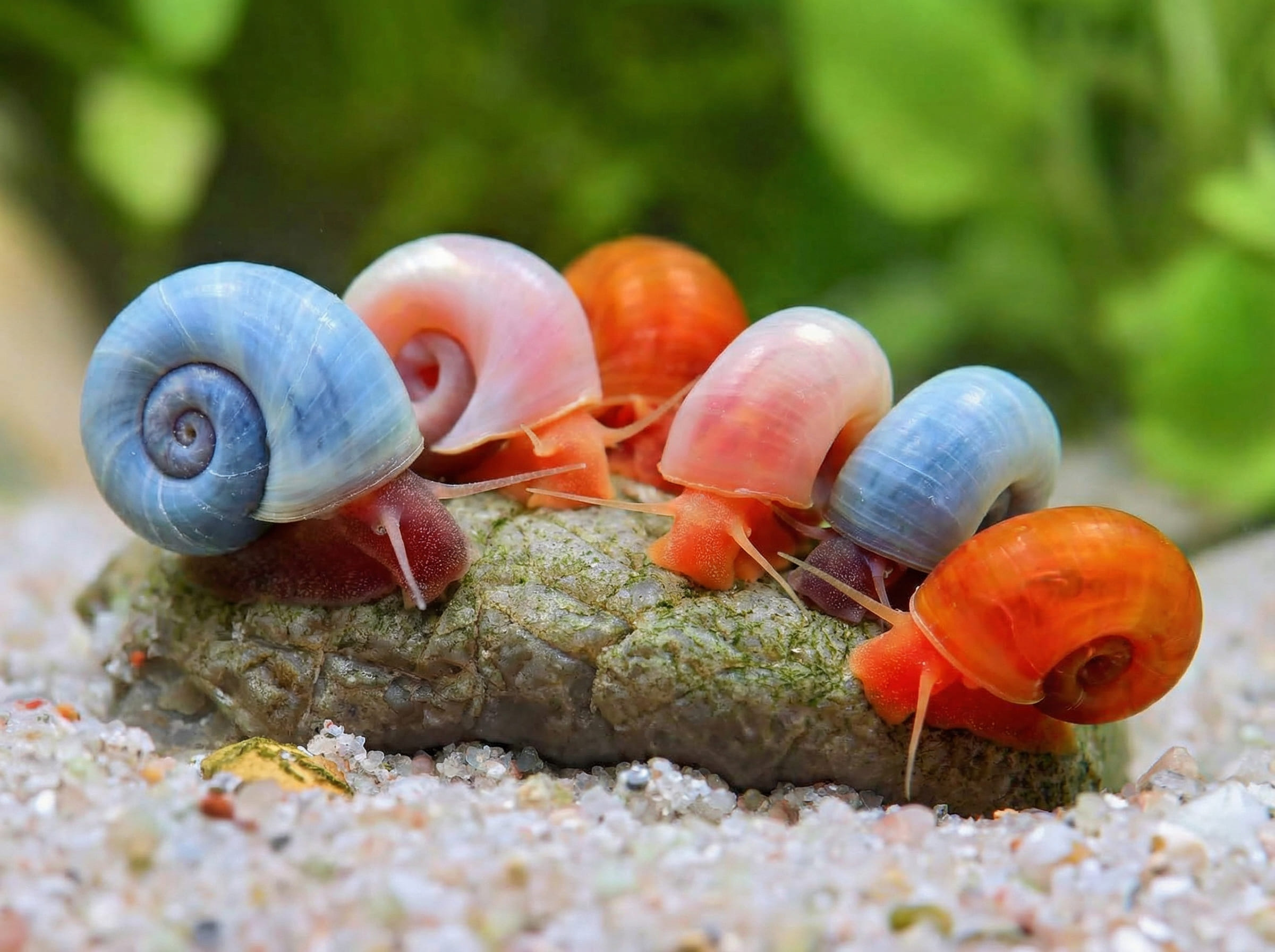
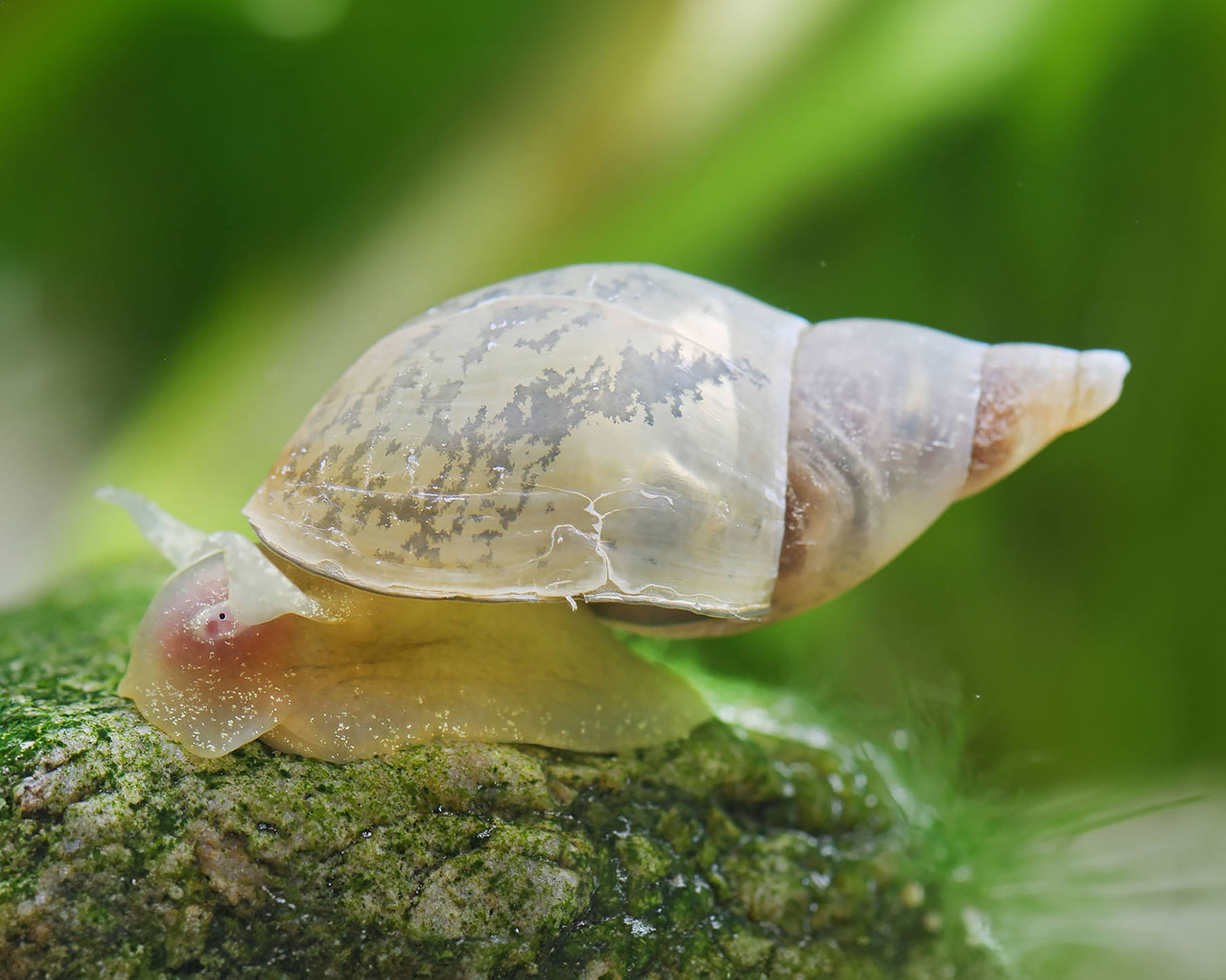
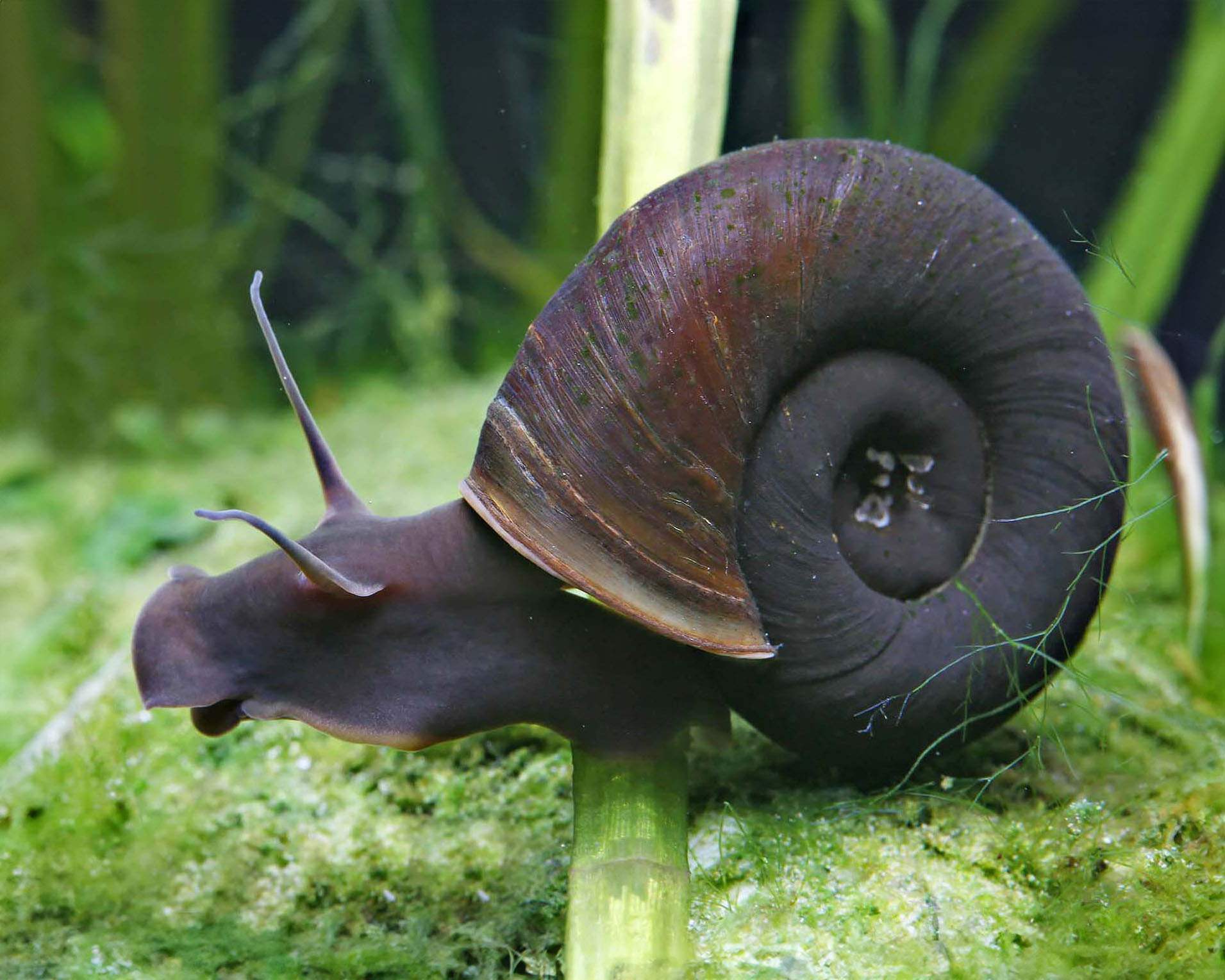
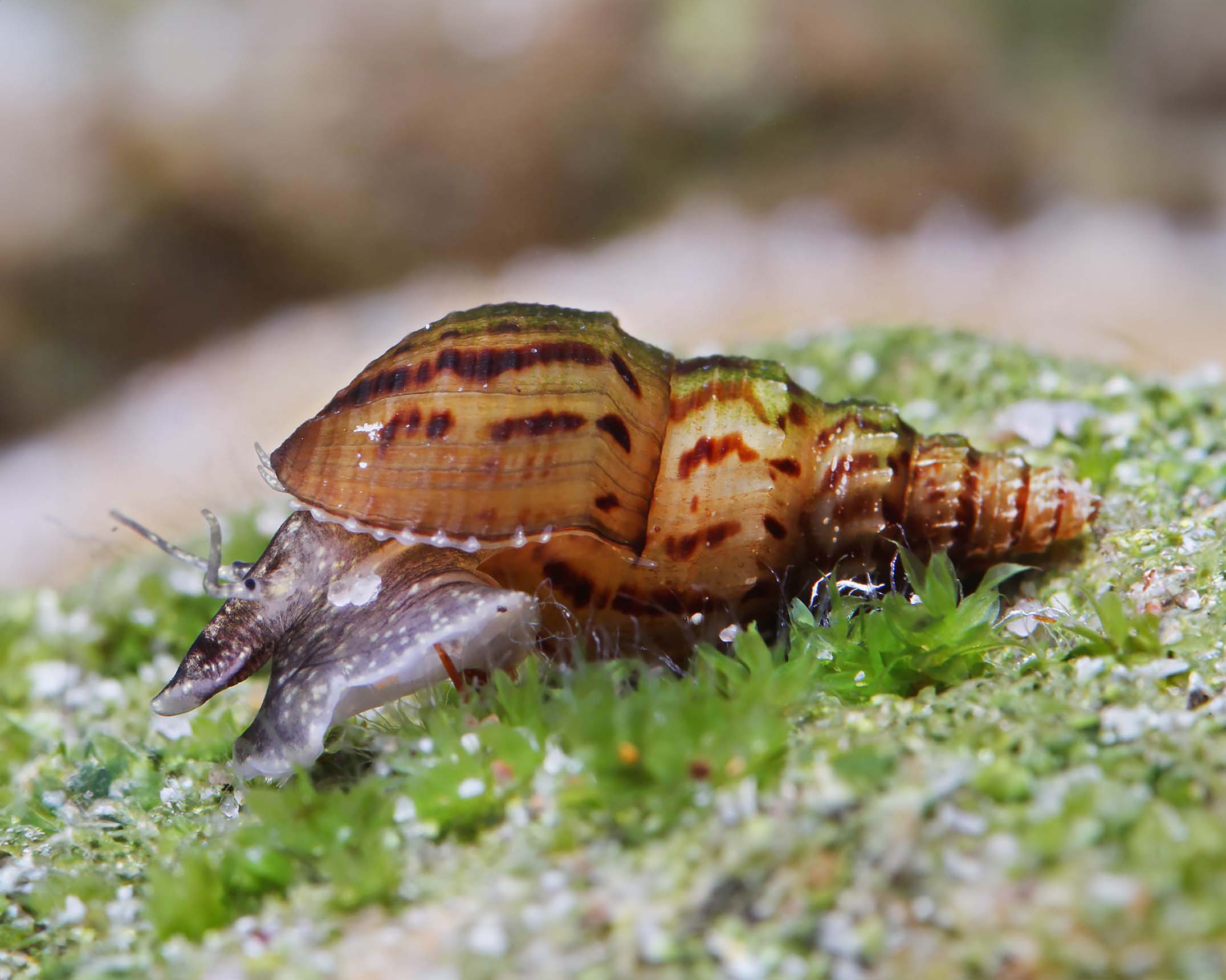
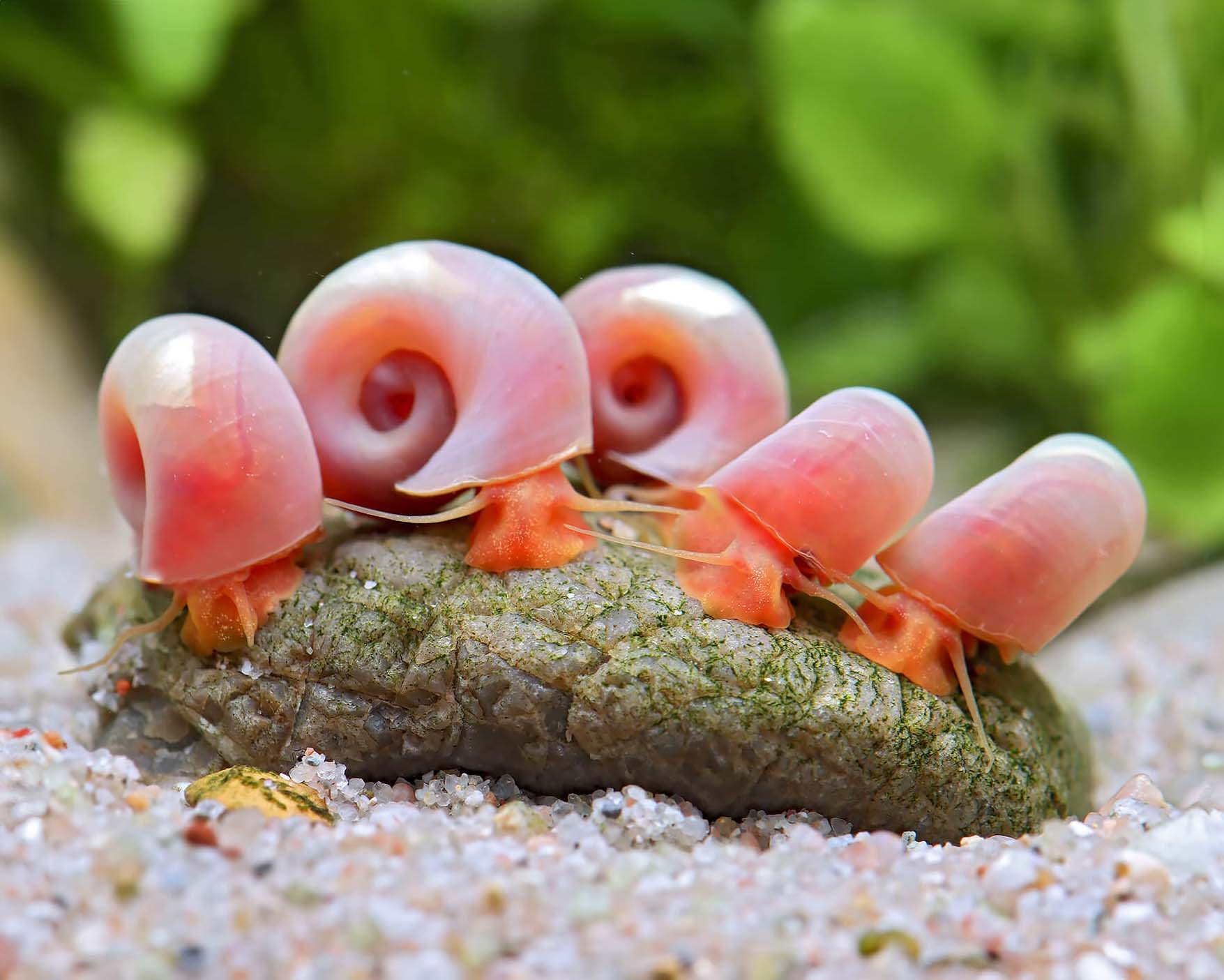
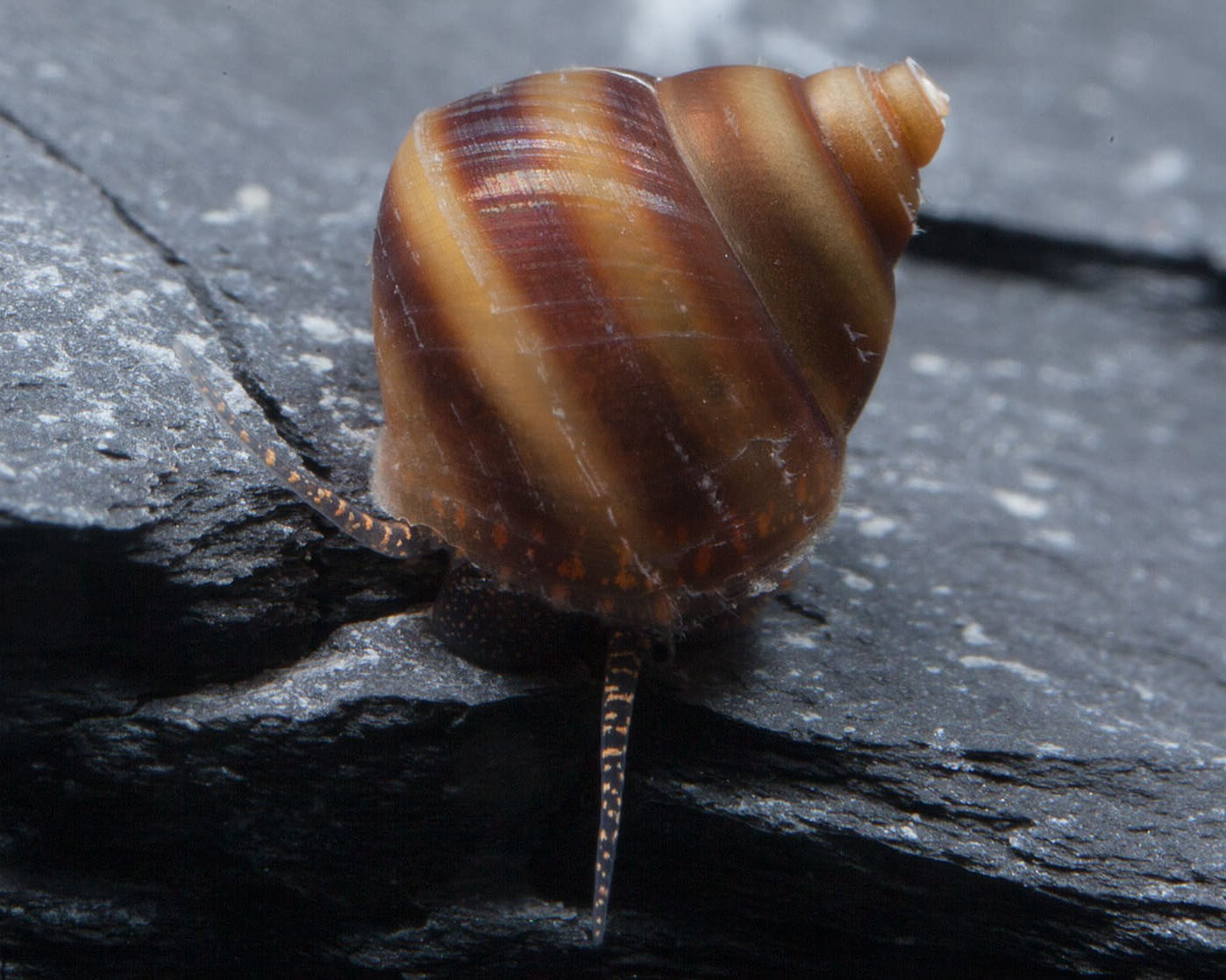
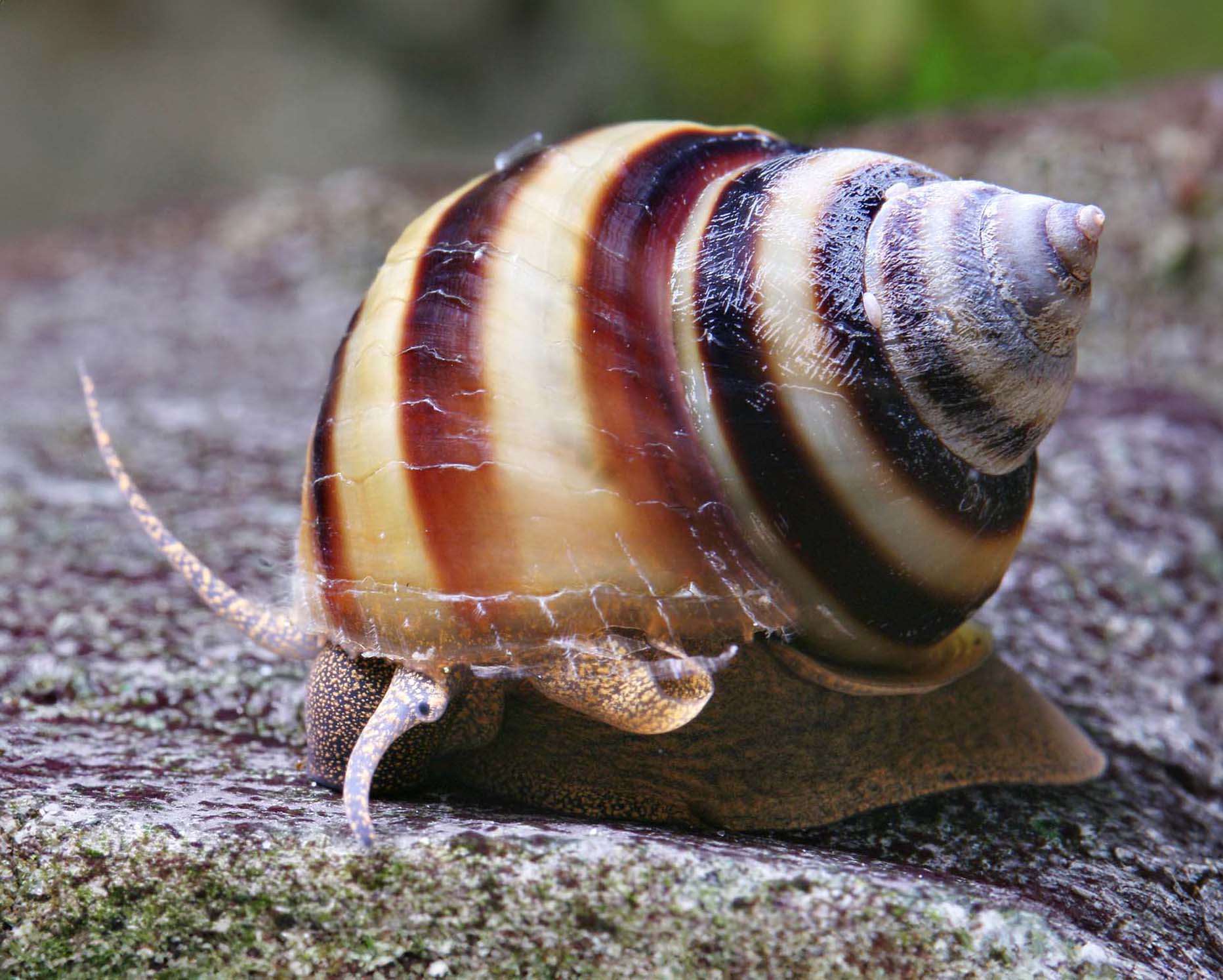
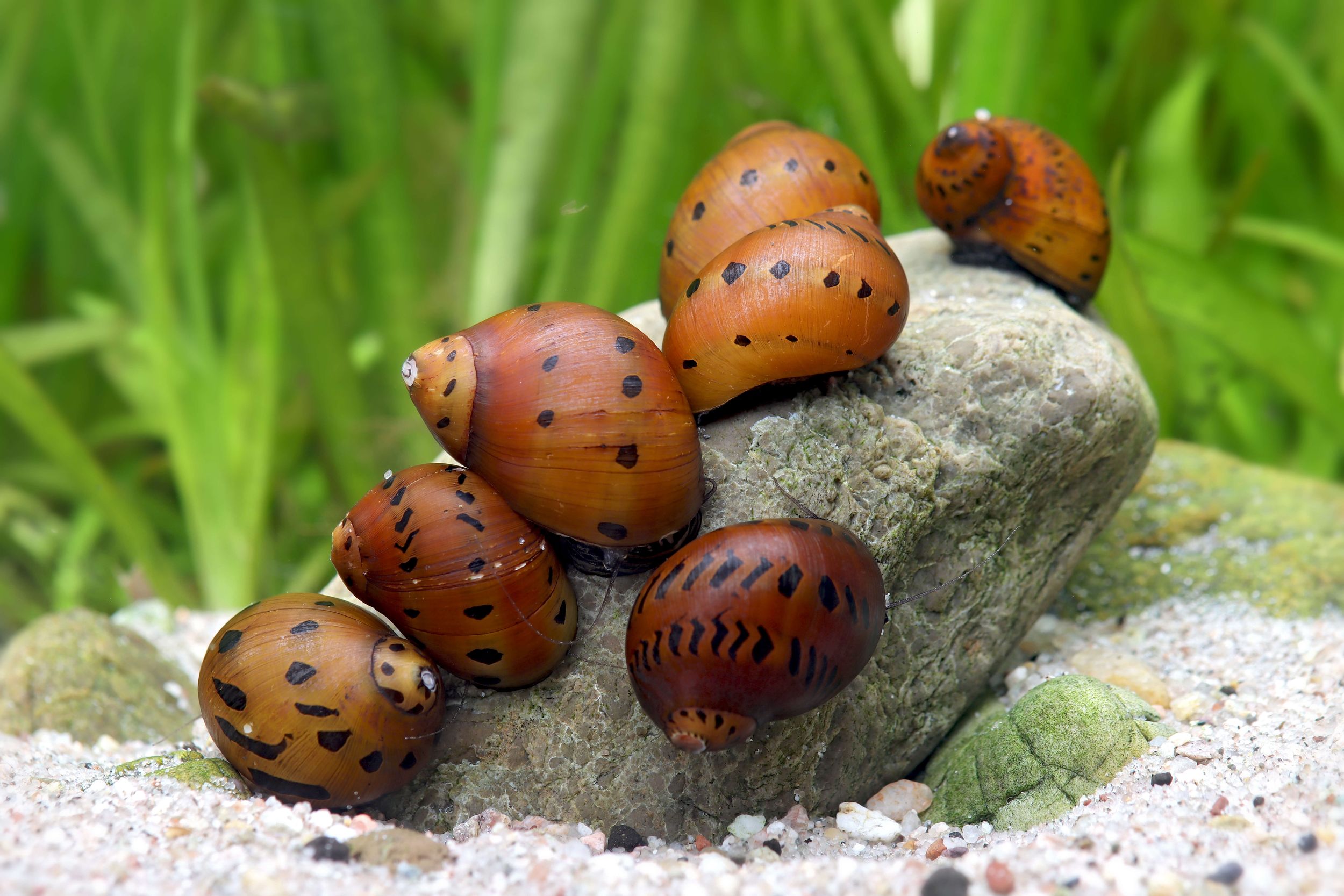
Viviparus viviparus is a freshwater snail in the family Viviparidae. It has a rounded, relatively high-spired shell, an operculum that closes the aperture, and a broad muscular foot. Shell color commonly ranges from olive or yellow-brown to brown, often with darker spiral bands. Common names are not used consistently, so identification should rely on shell form, operculum, anatomy, and locality. The supplied images appear inconsistent with this species and may depict terrestrial snails.
Natural habitat
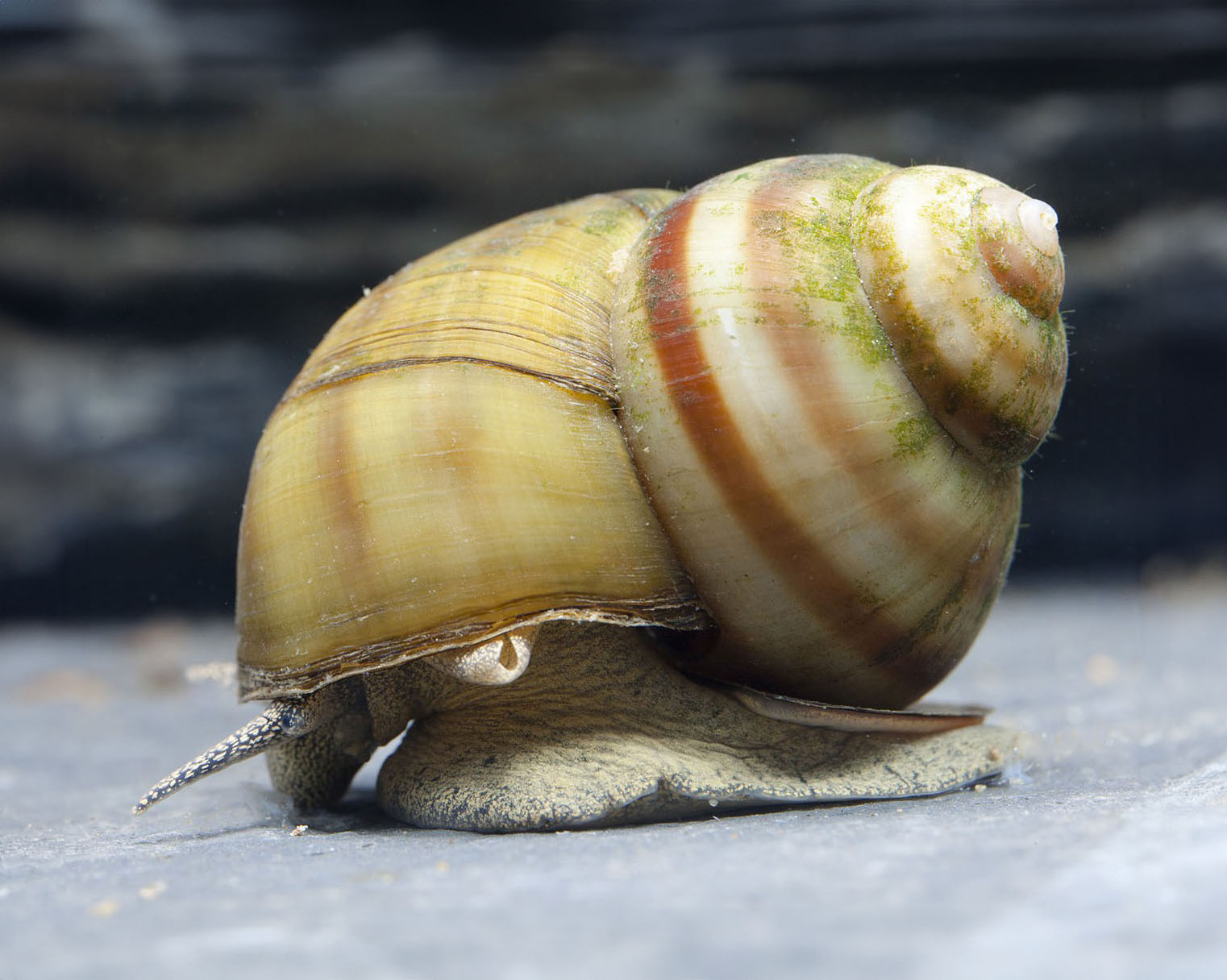
This species occurs in temperate European freshwater habitats, including lakes, ponds, canals, backwaters, and slow-flowing rivers. It favors soft sediment, submerged vegetation, stones, and surfaces carrying periphyton. Good dissolved oxygen and stable water quality are important, while prolonged exposure to pollution, severe stagnation, or very soft acidic water can damage the shell and reduce survival.
Aquarium conditions
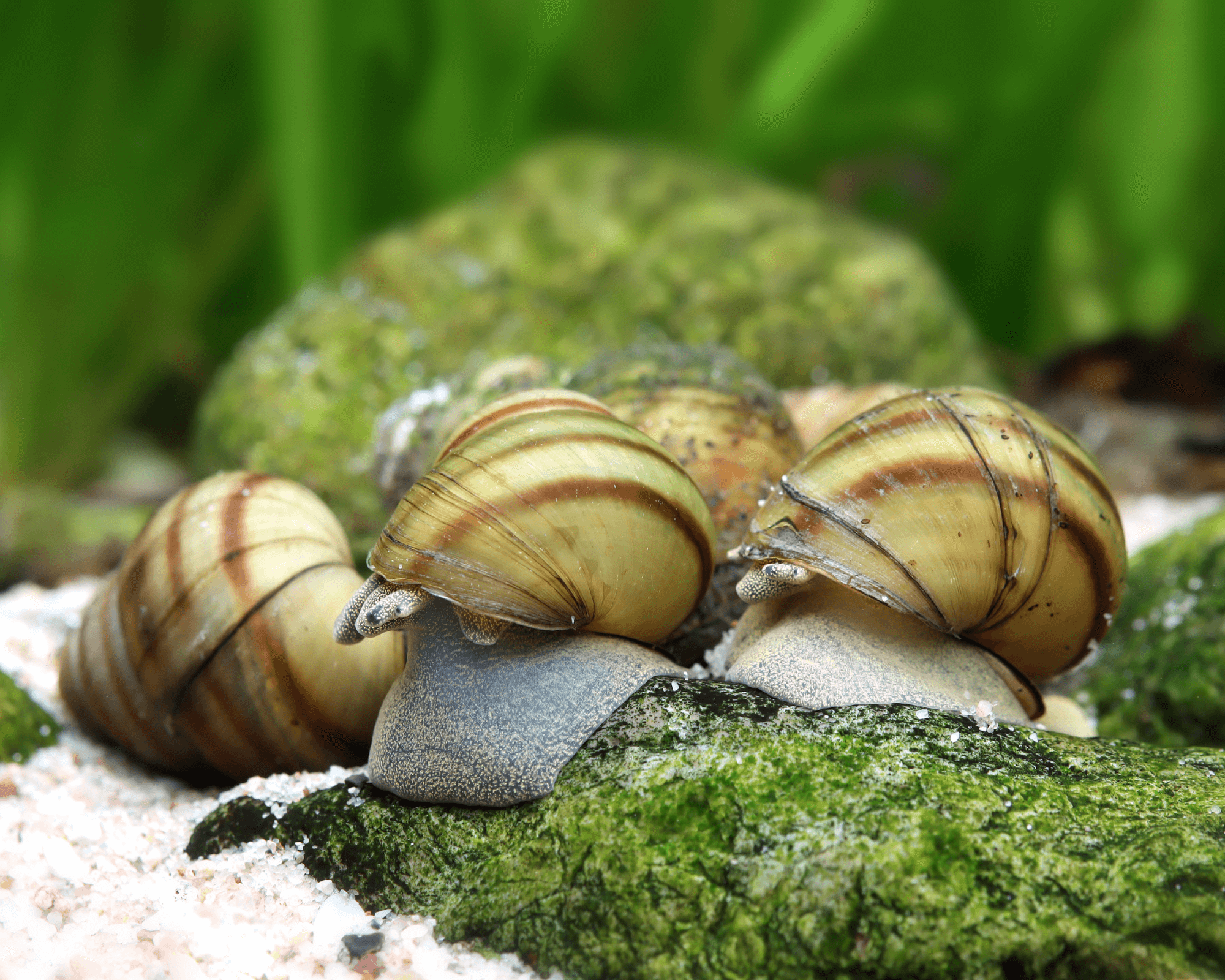
Use a mature, filtered aquarium with stable, mineral-rich water and gentle to moderate circulation. A temperature around 10–24 °C is realistic, with cooler conditions generally preferable to prolonged tropical warmth. Keep pH approximately 7.0–8.5 and provide sufficient calcium and carbonate hardness for shell maintenance. Avoid copper-based medications and sudden changes in temperature, pH, or hardness. A secure lid is useful because snails may climb above the waterline.
Feeding
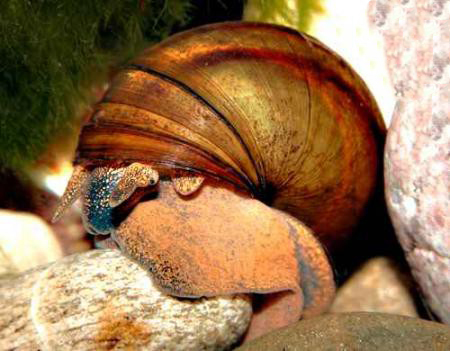
Viviparus viviparus can consume algae, biofilm, fine detritus, and suspended or settled organic particles. In an aquarium, supplement natural growth with small amounts of sinking food such as algae wafers or appropriately formulated omnivore foods. Blanched vegetables can be offered occasionally. Remove uneaten food promptly; excess feeding increases waste and can drive population growth. A clean, mature aquarium should provide part of its diet without relying entirely on prepared food.
Plant safety
This species is generally not regarded as a major destroyer of healthy aquatic plants. It usually grazes biofilm, algae, and decaying material rather than actively removing robust living leaves. Soft, damaged, or newly planted growth may be nibbled, especially when food is scarce. Protect delicate plants by supplying supplemental food and avoiding overcrowding. Rinse and quarantine plants to reduce the chance of introducing unwanted snails or pathogens.
Reproduction and young
Viviparus viviparus has separate sexes rather than being a self-fertilizing hermaphrodite. It is live-bearing: females retain developing embryos and release relatively advanced juvenile snails instead of laying conspicuous egg clusters. Reproduction is usually slower than in many small aquarium pest snails, but a stable, well-fed population can still increase. Juveniles need calcium, biofilm, shelter, and protection from filtration intakes and predatory tank mates.
Population control
Control numbers by avoiding excess food, removing surplus snails by hand, and siphoning visible juveniles during maintenance. Inspect hardscape, plants, and filter equipment regularly. A feeding dish can concentrate snails for easier removal. Do not use copper or other broad chemical treatments as a first choice, since they can harm livestock and contaminate the aquarium. Rehome surplus specimens where possible, and never release aquarium snails into natural waterways.
 - 1.webp)
Leave your comments