Taxonomy and identification
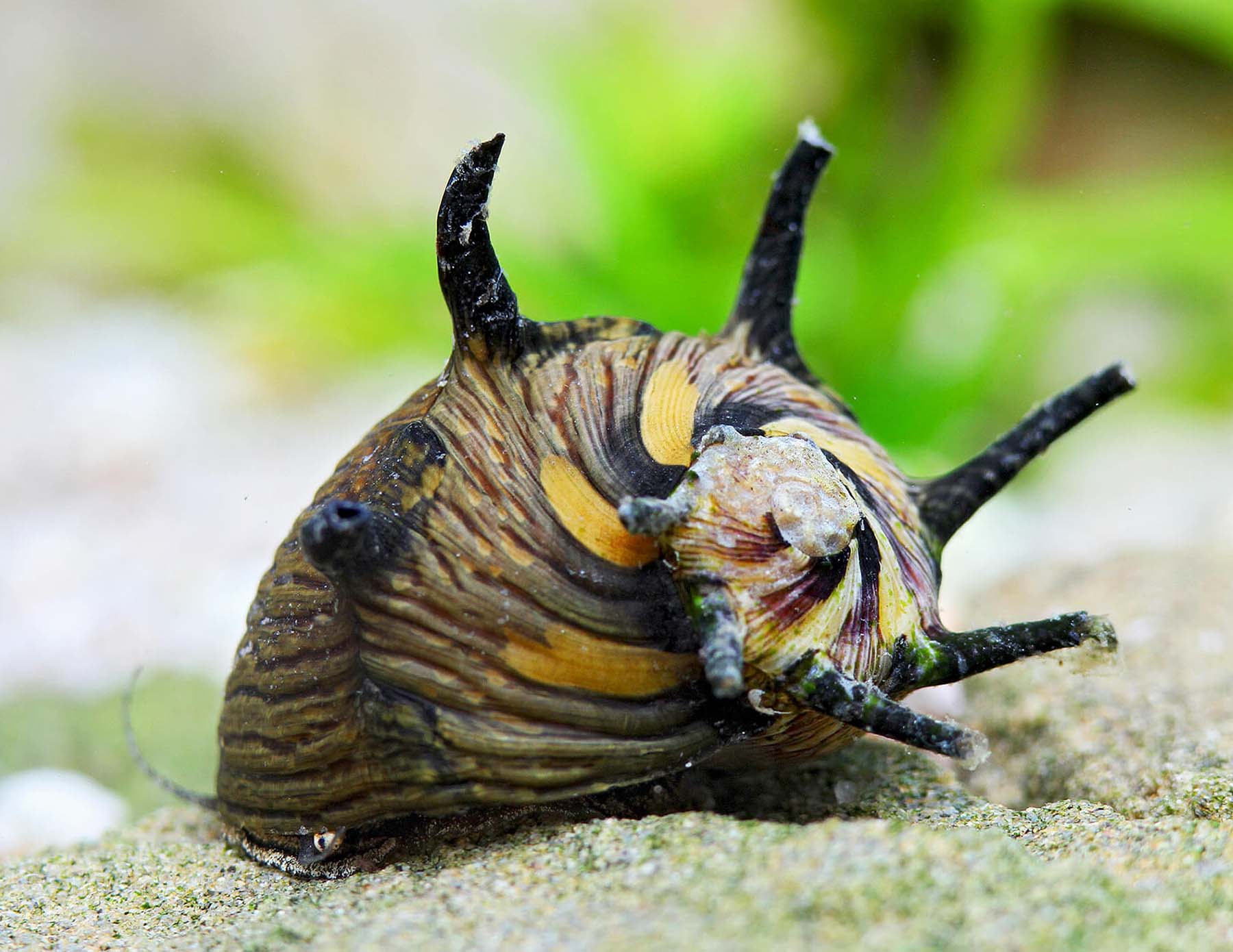
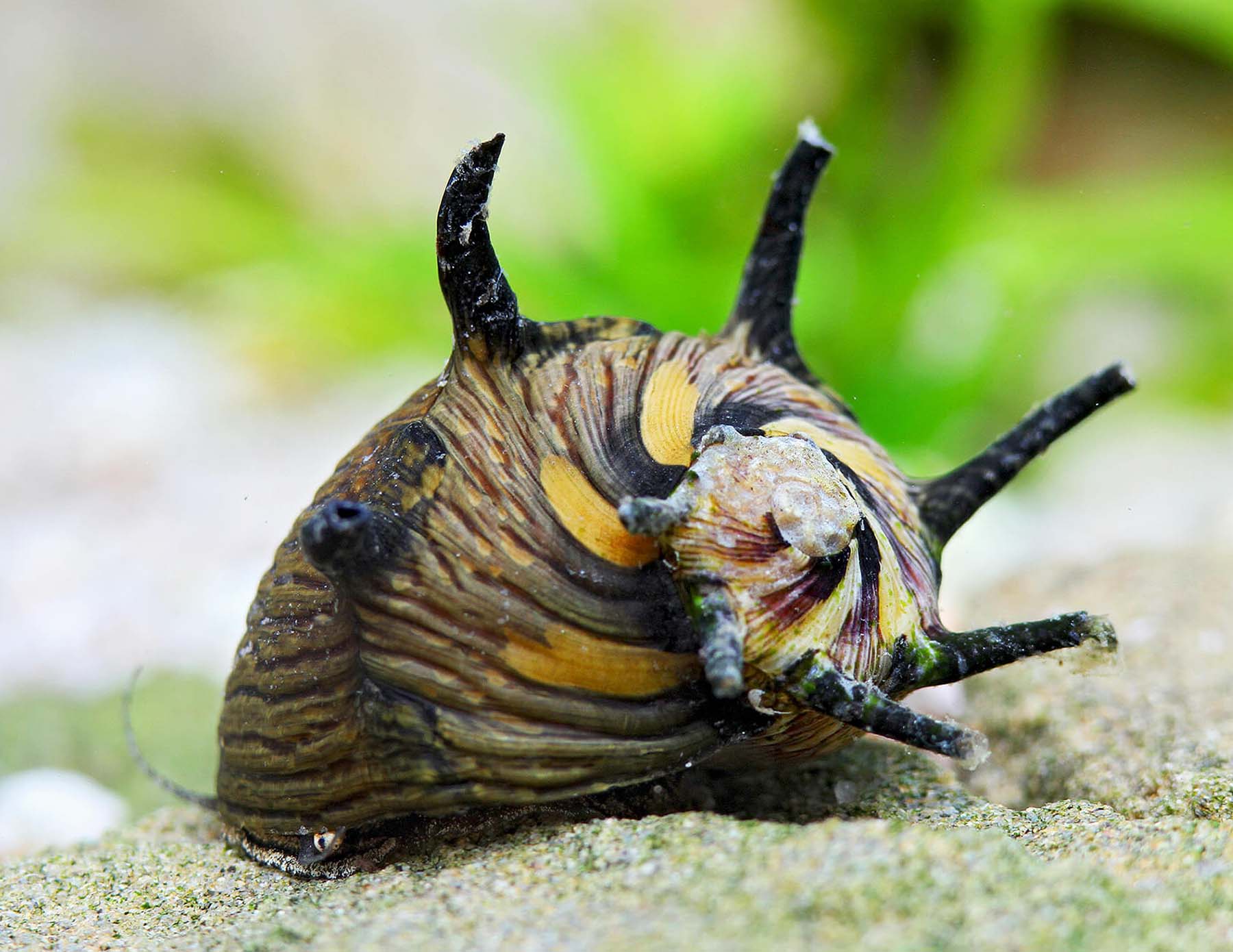
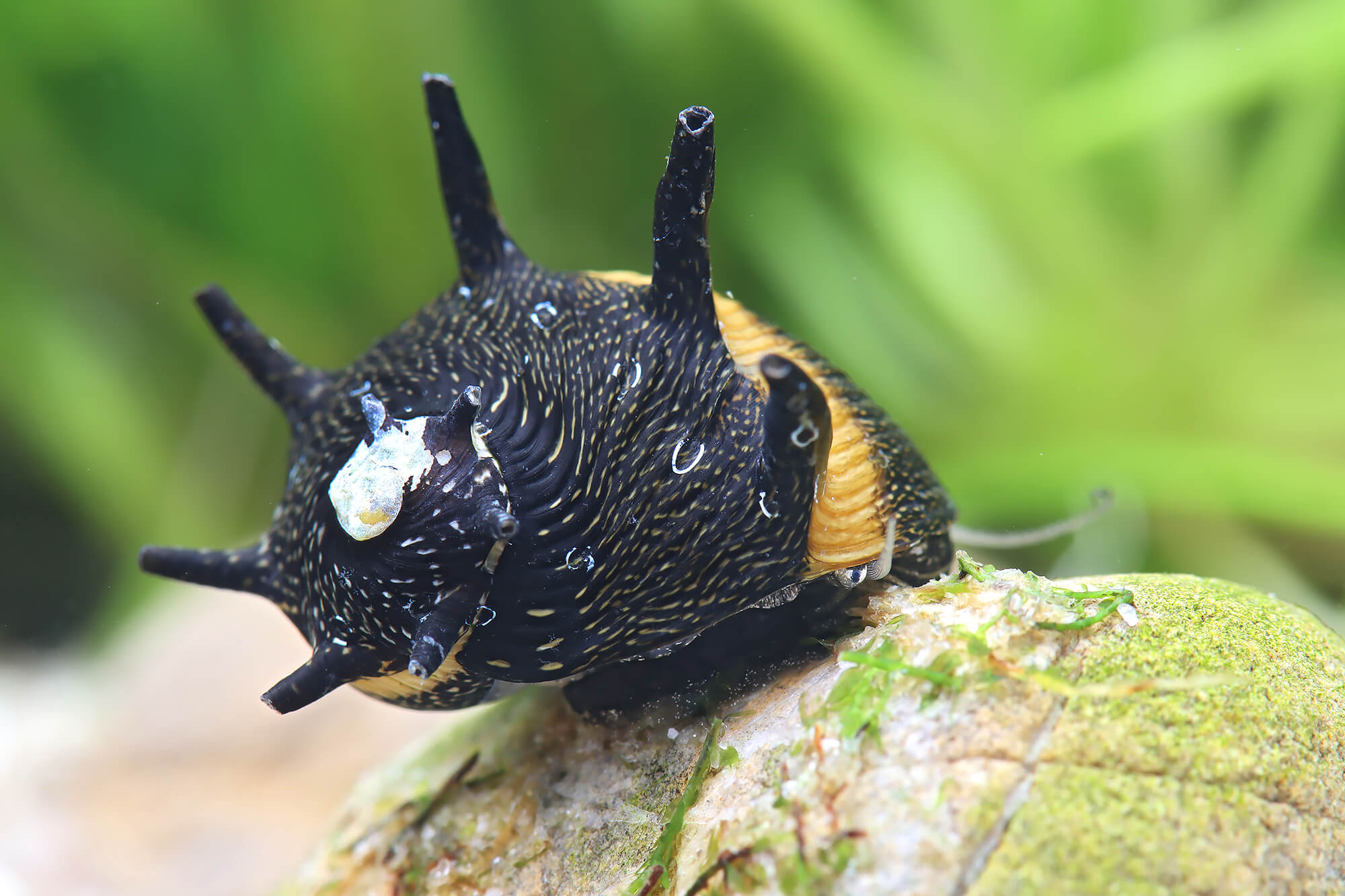
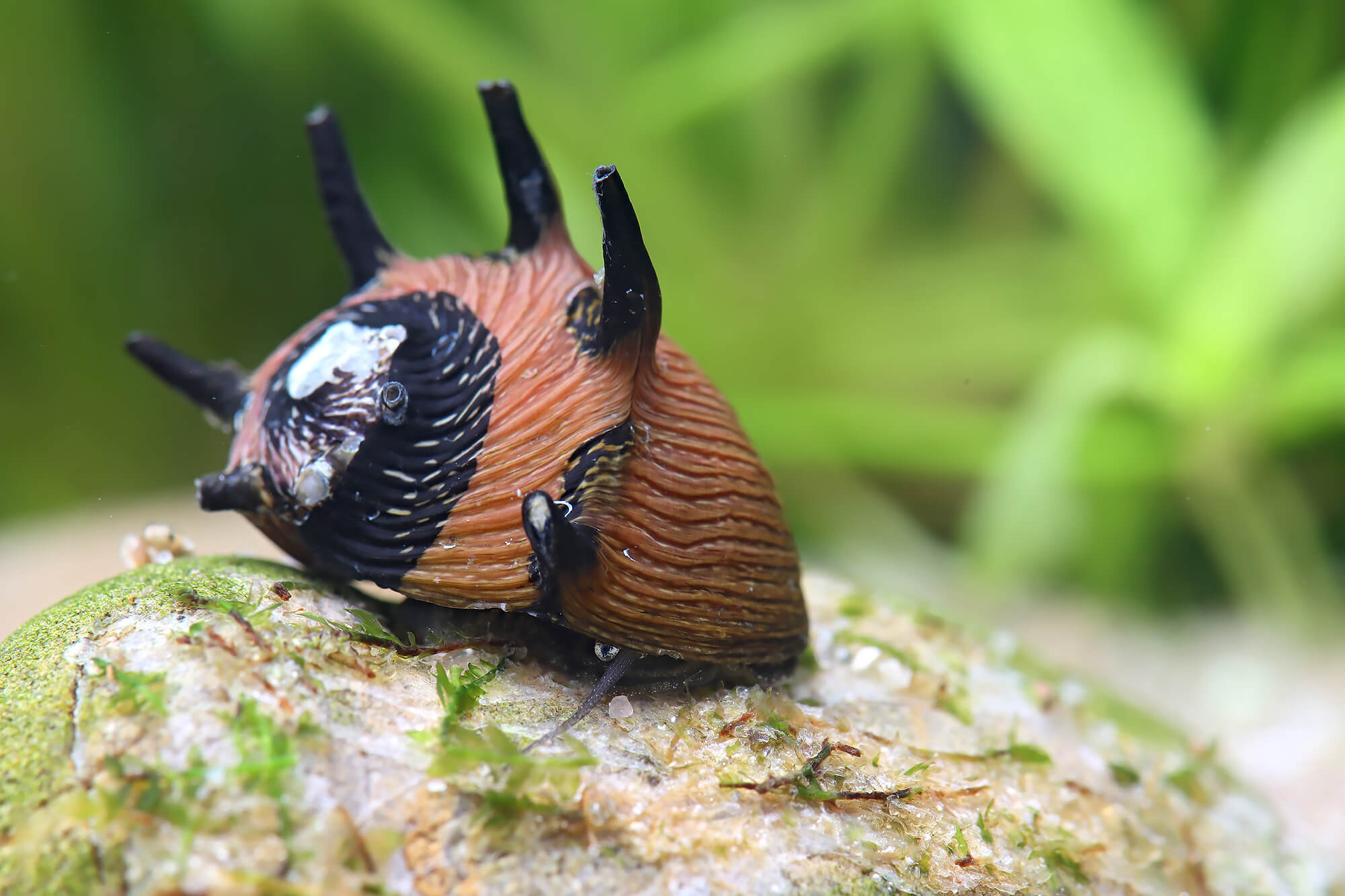
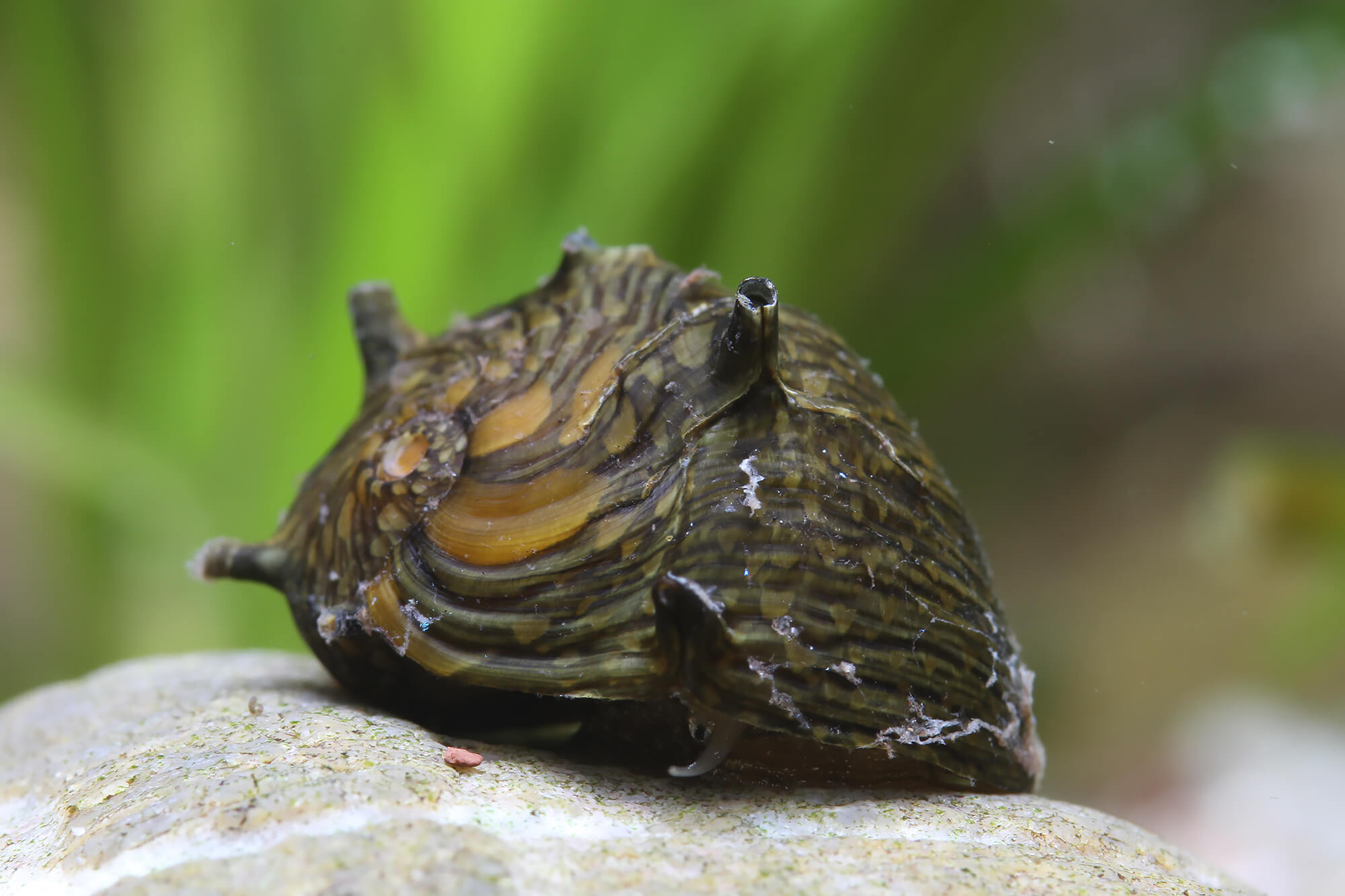
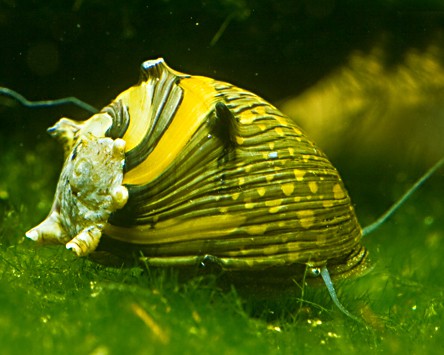
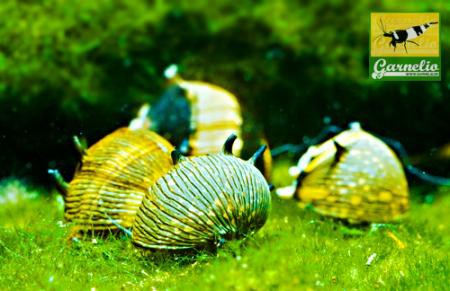
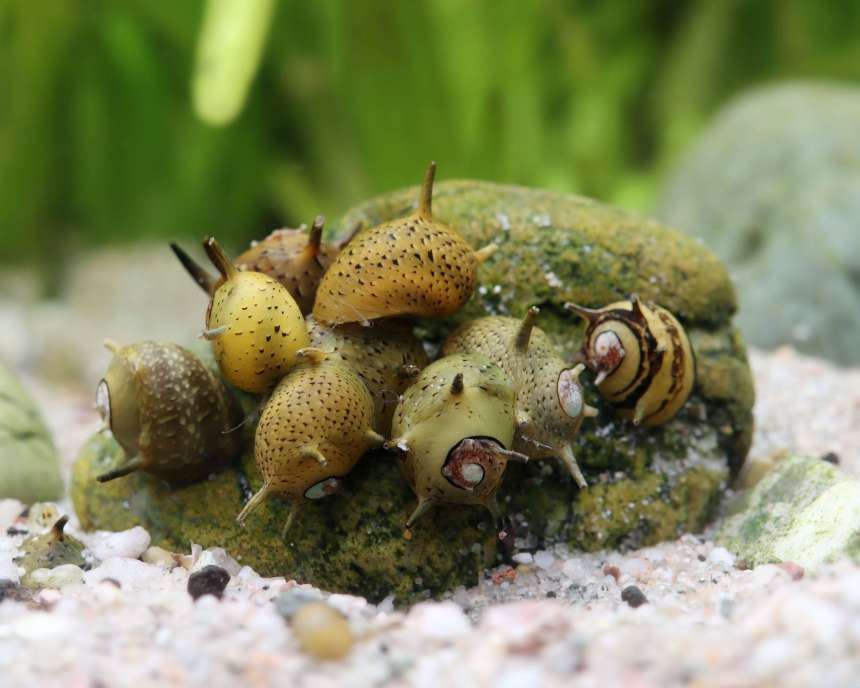
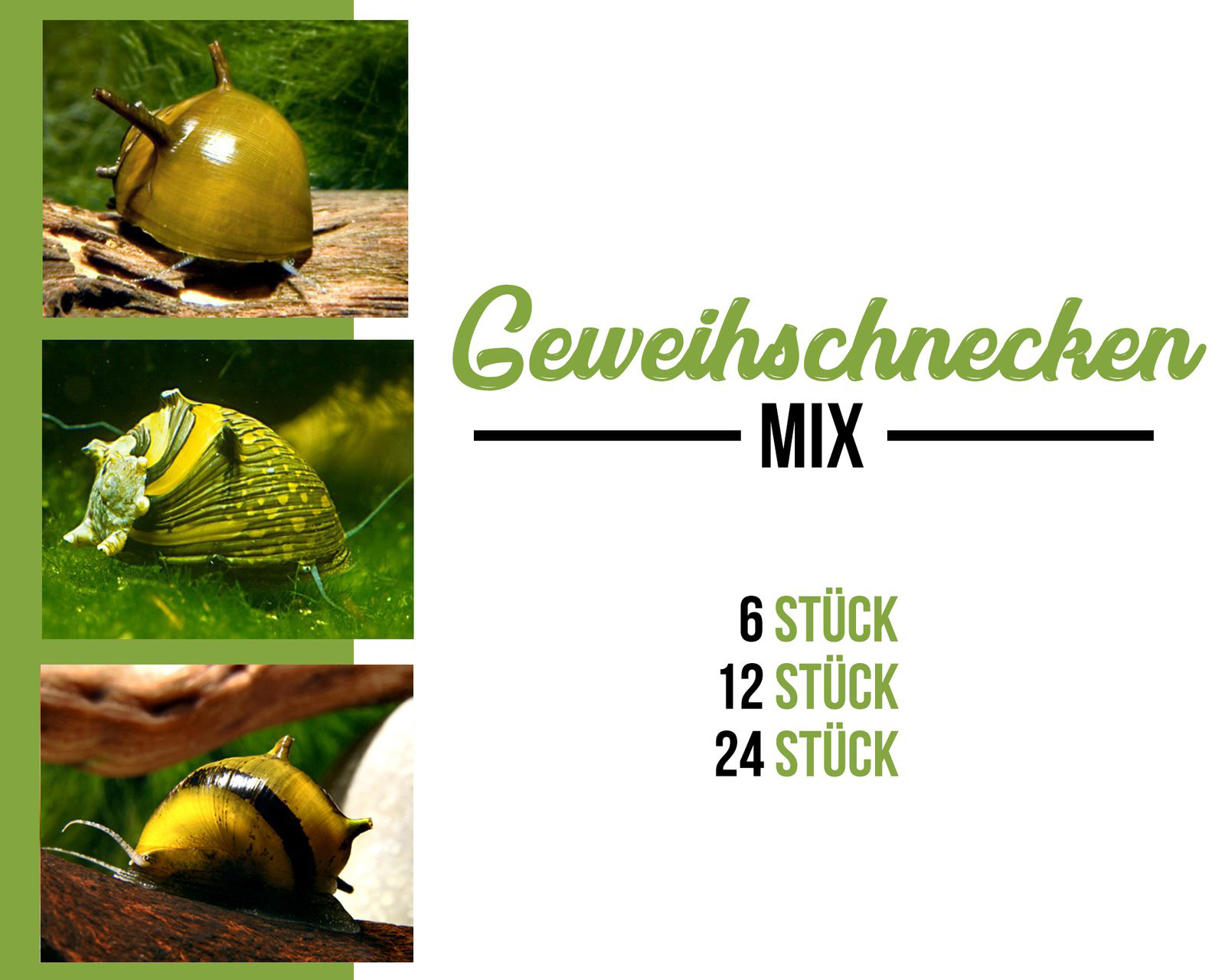
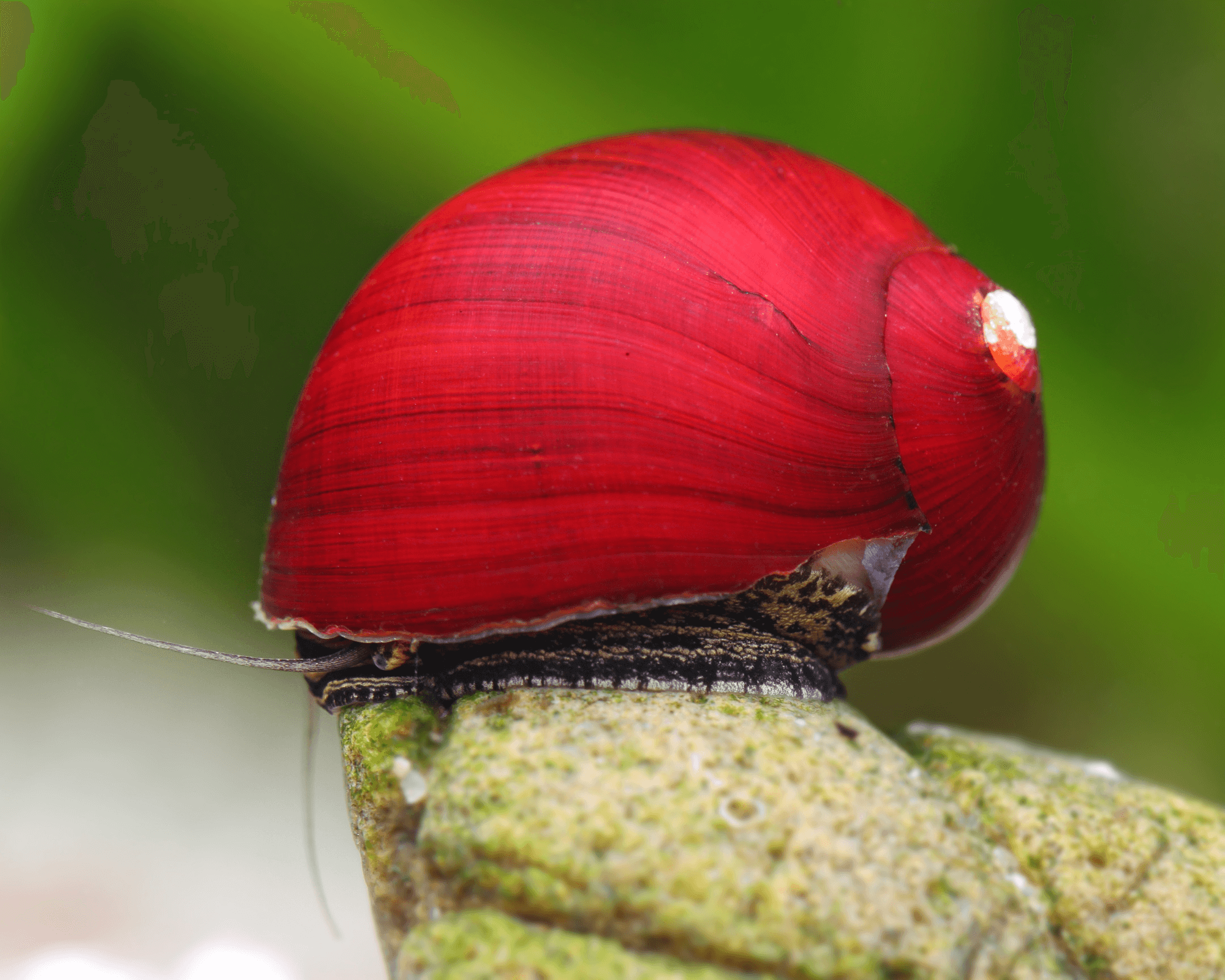
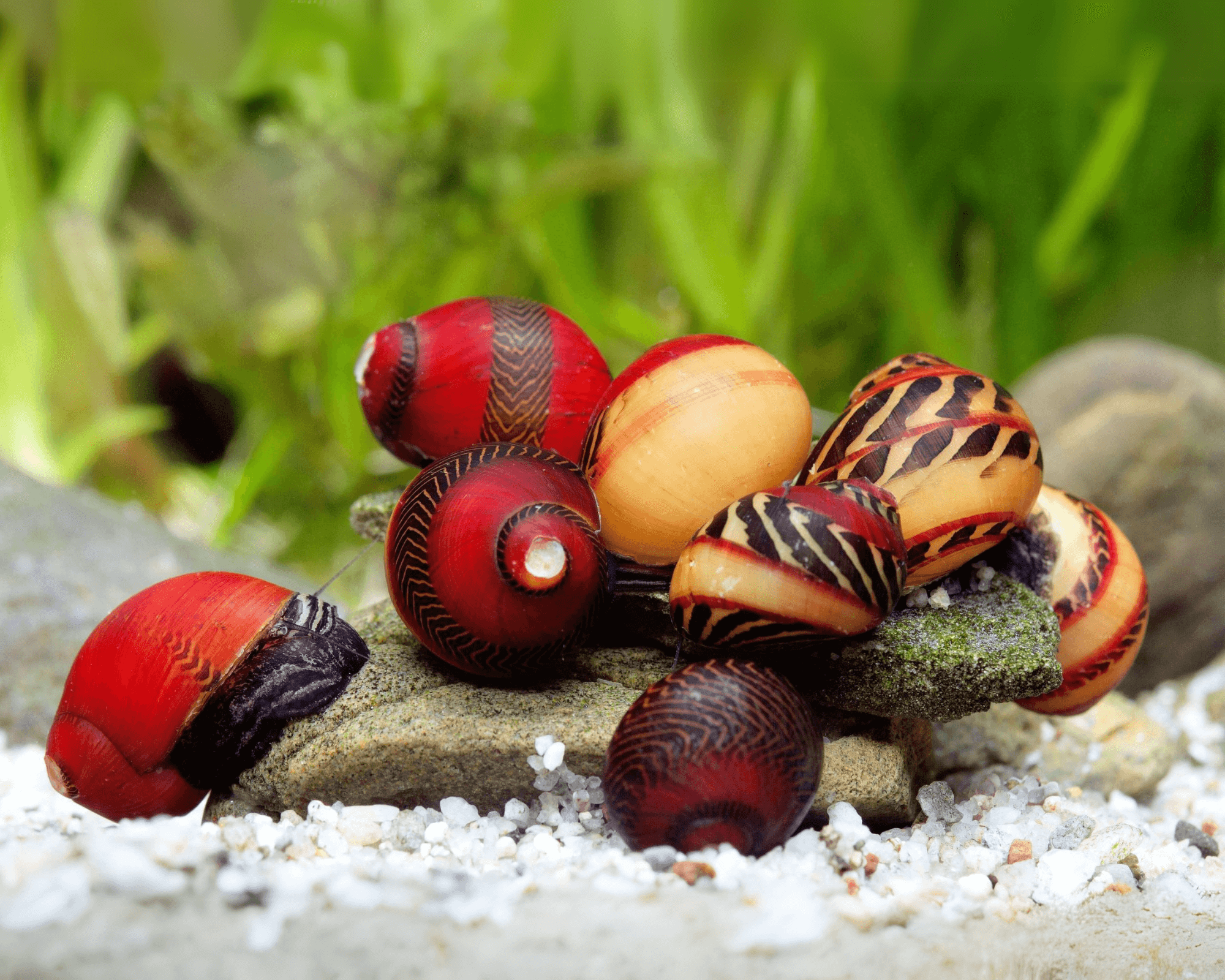
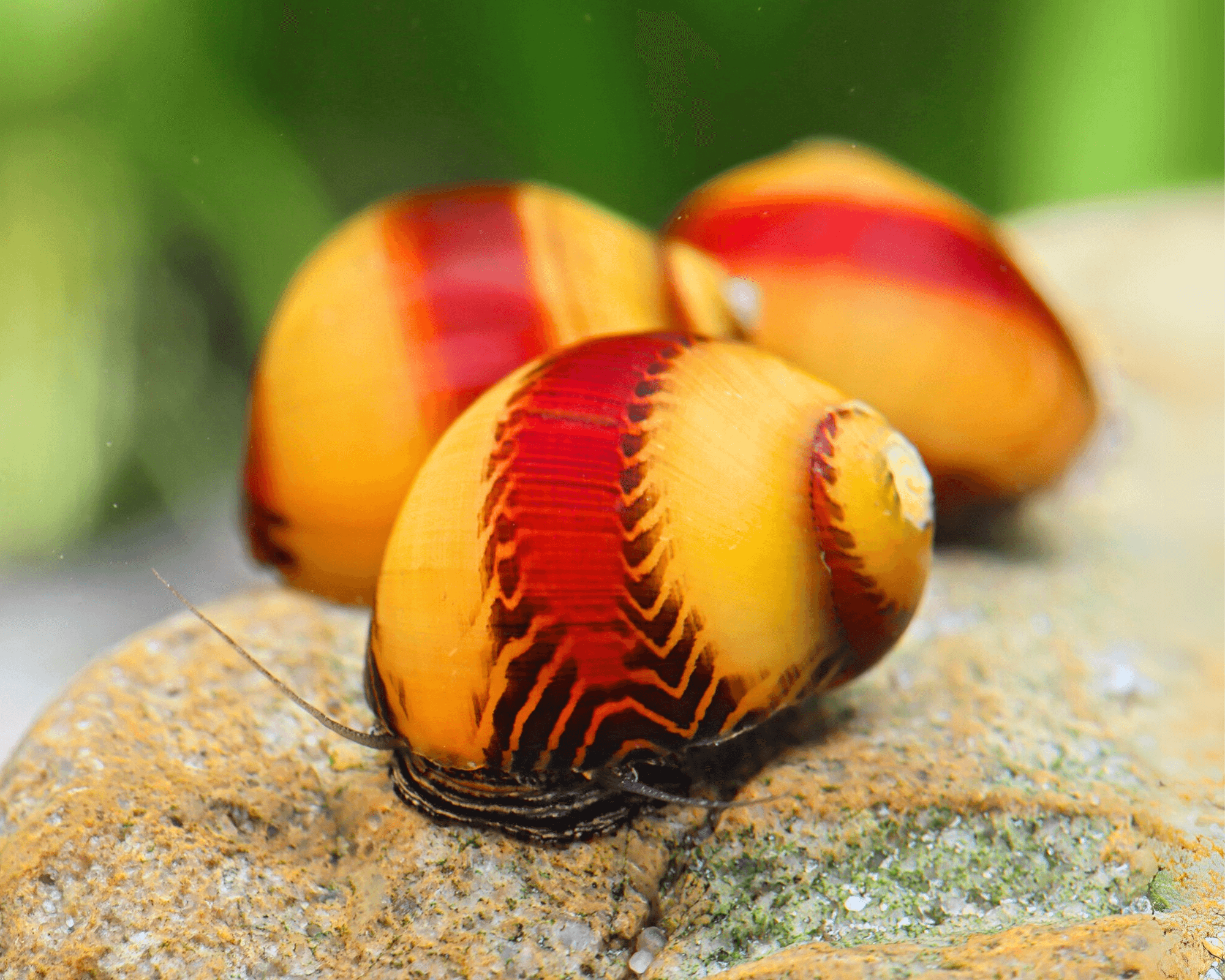
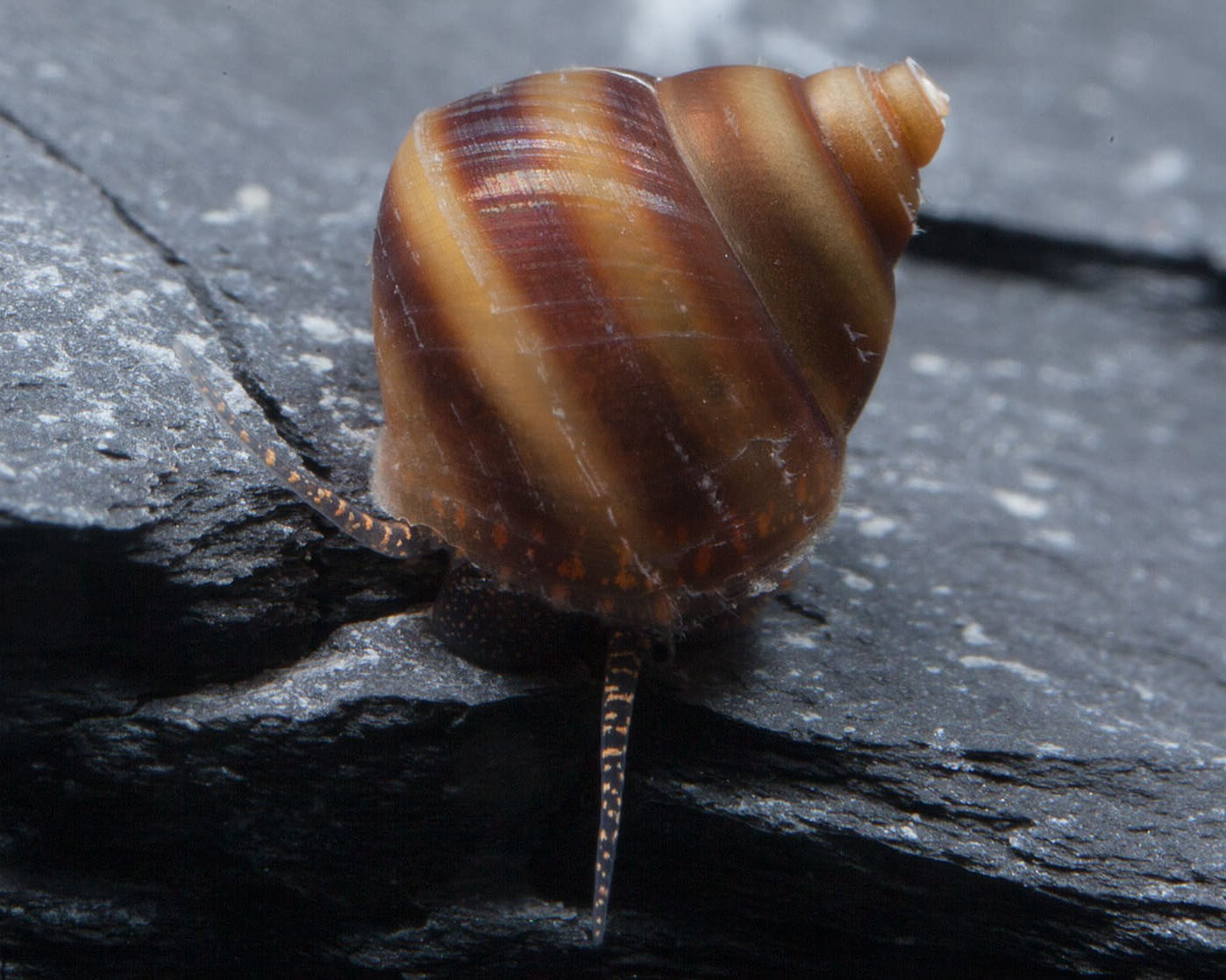
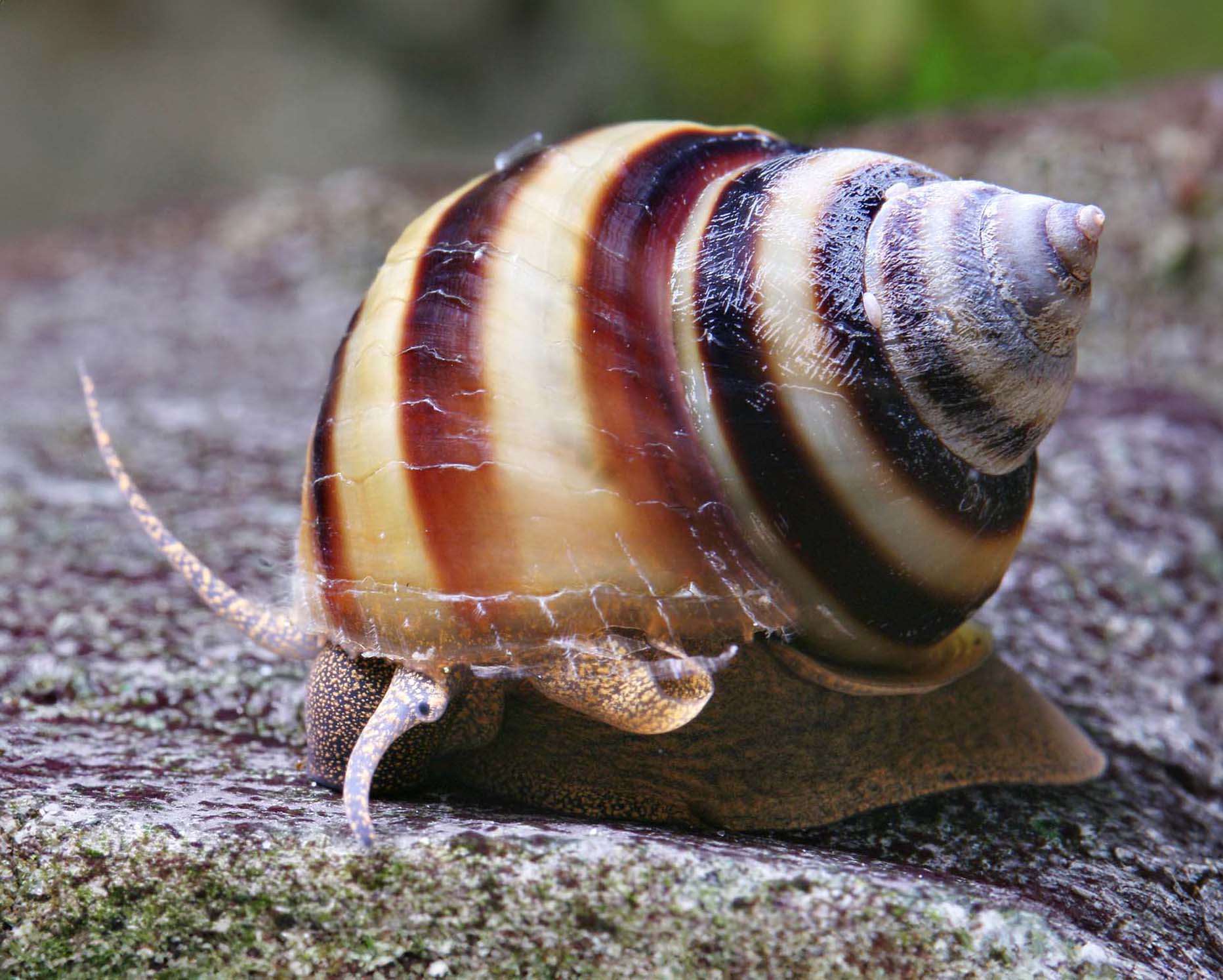
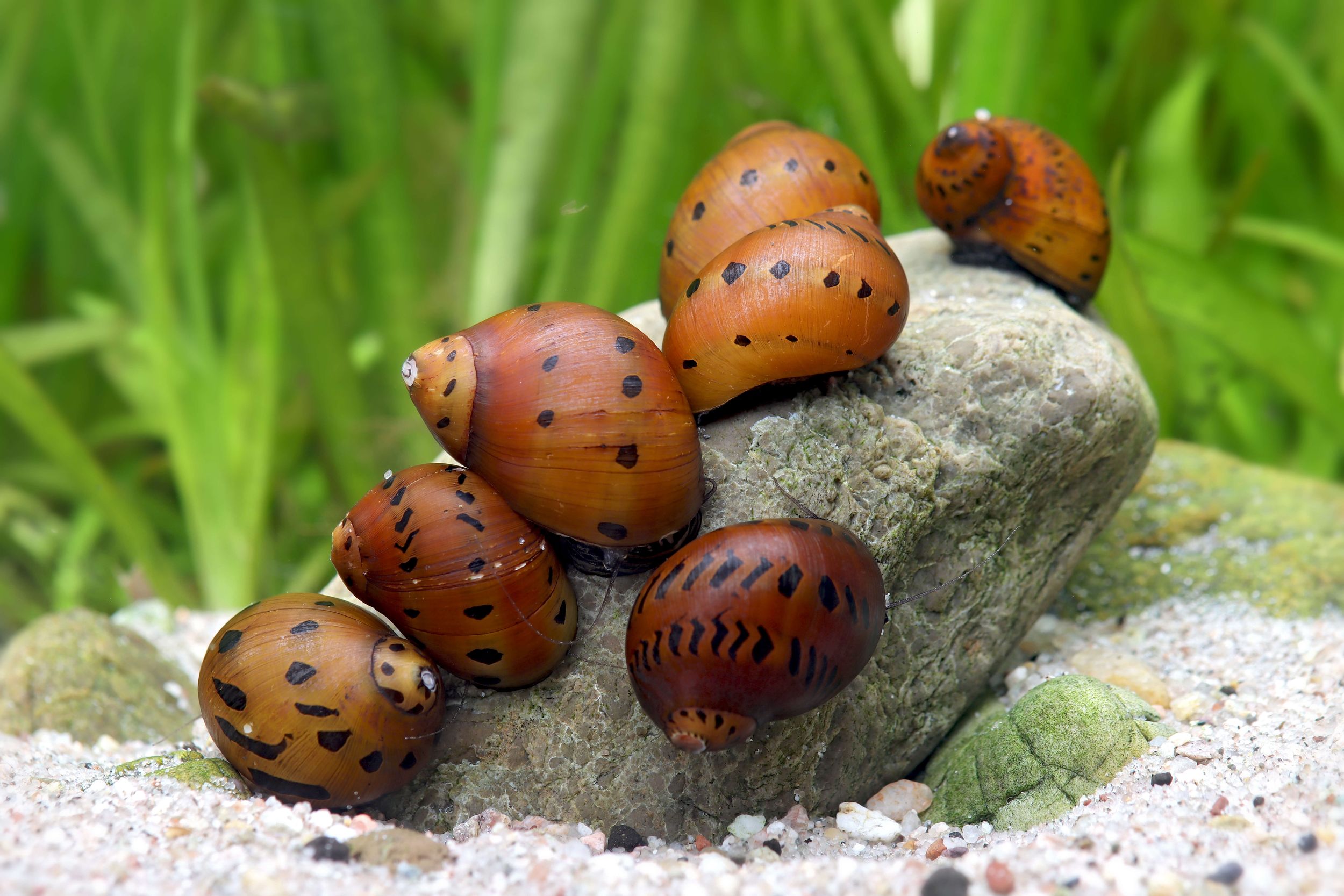
Clithon corona is a gastropod mollusc in the family Neritidae. It is commonly recognized by a rounded, strongly ribbed shell and horn-like projections, sometimes called staghorns. The shell may be dark, olive, brown, yellow, or banded, and projections can be short, long, blunt, or partly worn. These features overlap with other horned Clithon nerites, so a photograph or retail name should not be treated as definitive species-level identification.
Natural habitat
This species is associated with tropical Indo-Pacific island and coastal waters, especially shallow streams, rocky margins, and areas influenced by estuaries. It grazes on submerged stone, wood, and other firm surfaces. Aquarium specimens tolerate freshwater, but their life cycle is linked to flowing coastal waters and includes a dispersive larval phase that requires suitable brackish or marine conditions.
Aquarium conditions
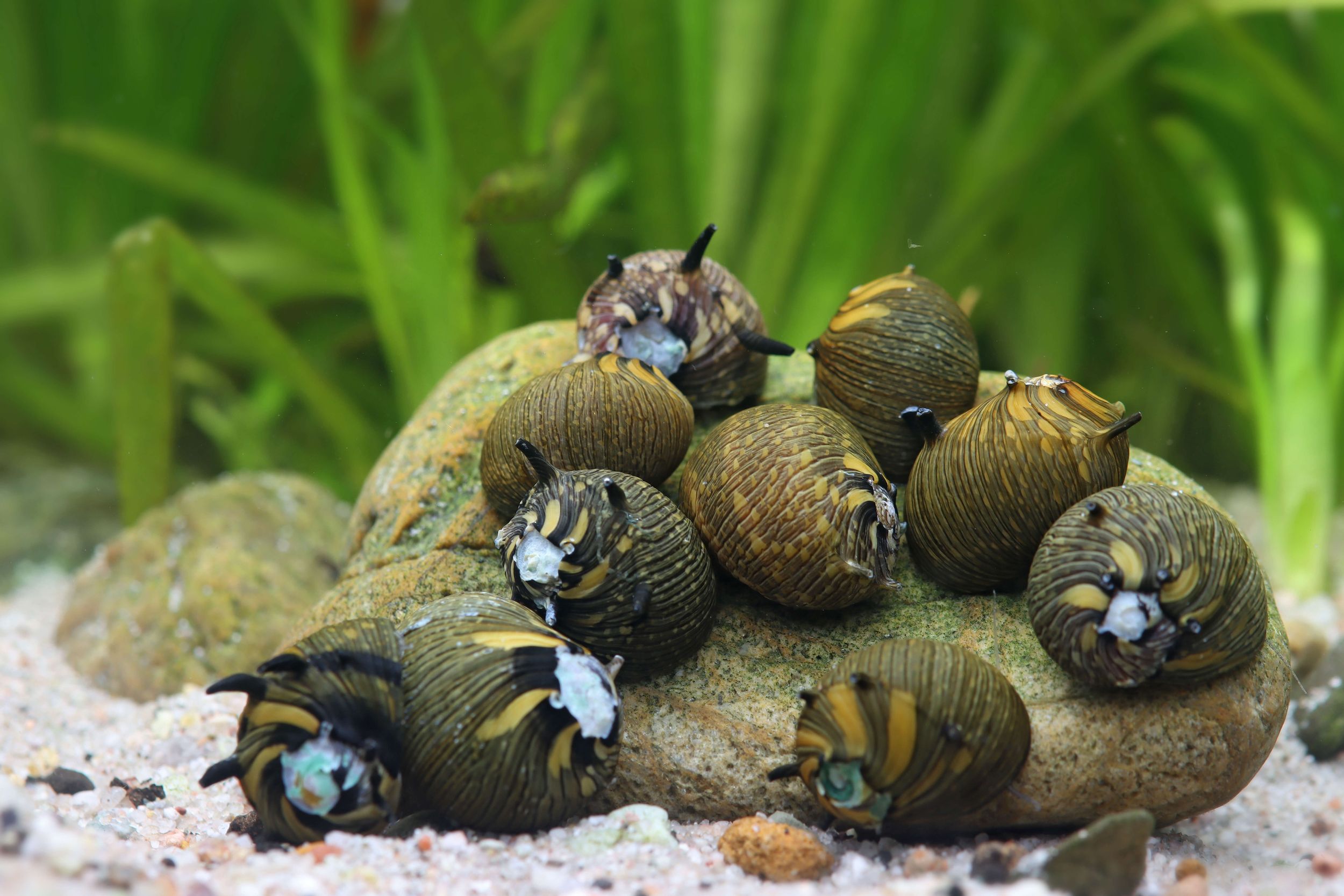
Use mature, stable water with good oxygenation and plenty of grazing surfaces. A temperature of 22–28 °C and pH of 7.2–8.2 are practical target ranges. Moderate hardness and available calcium help maintain the shell; avoid persistently acidic or very soft water. Ammonia and nitrite should remain undetectable, and nitrate should be kept low through routine maintenance. A secure lid is useful because nerites may climb above the waterline.
Feeding and grazing
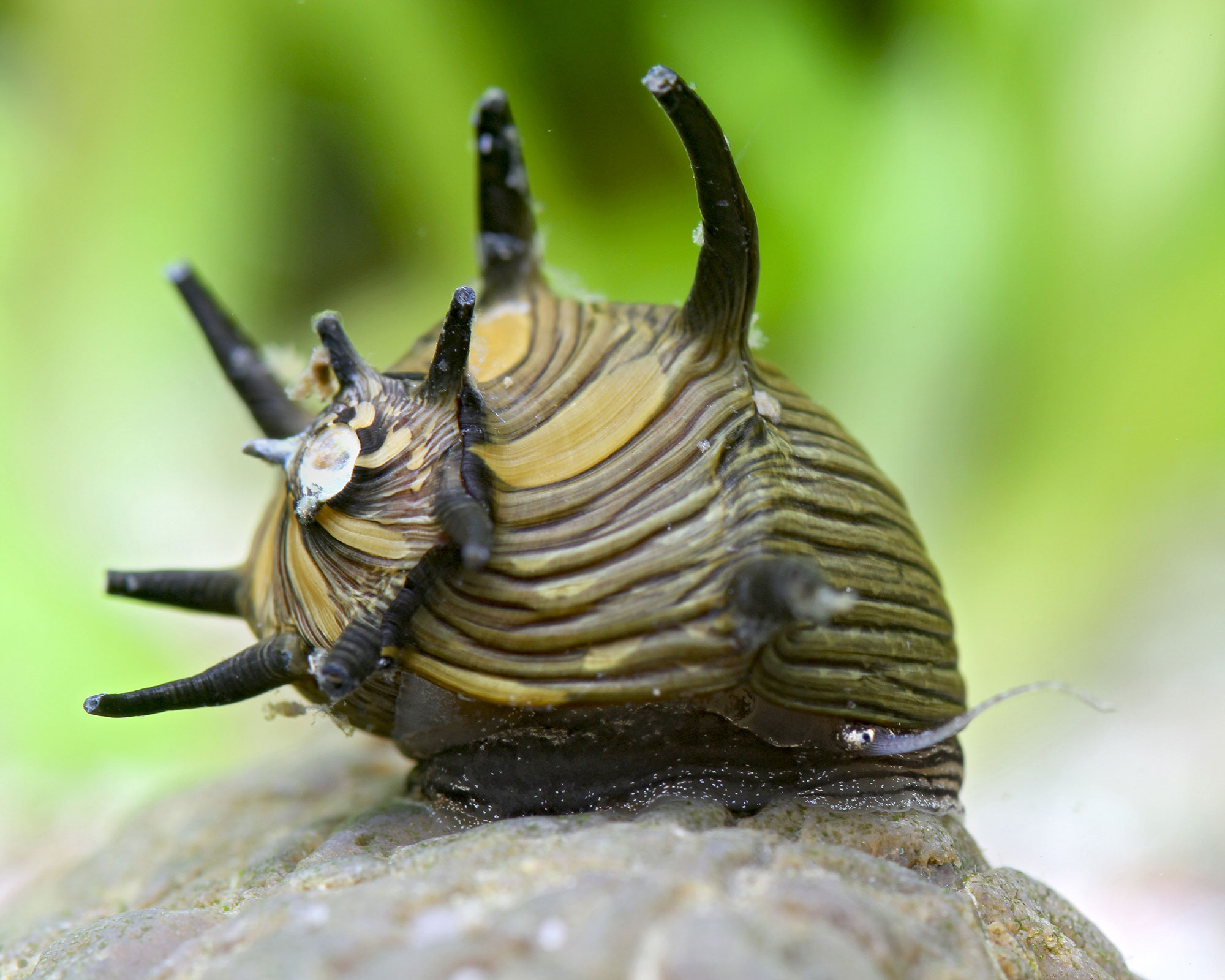
The main diet is attached algae, diatoms, and biofilm collected from glass, rocks, wood, and hard plant surfaces. Do not assume an aquarium contains enough natural food merely because algae is visible. Offer small amounts of algae-based wafers or other suitable herbivore foods when surfaces are clean, and remove uneaten food promptly. Blanched vegetables can be occasional supplements. Avoid overfeeding, which can reduce water quality and encourage unwanted population growth in other snails.
Plant safety
Clithon corona is generally plant-safe. It rasps algae and soft surface growth rather than normally eating healthy leaves, so it suits planted aquariums. Tender or already damaged tissue may be grazed incidentally, especially when natural food is scarce, but extensive damage to vigorous plants is not typical. Inspect plants and hardscape when transferring snails, since eggs or other organisms may be attached.
Reproduction and larval development
Adults have separate sexes and may deposit small, conspicuous white egg capsules on rock, wood, glass, and equipment. Eggs can appear in freshwater, but normal freshwater aquarium conditions usually do not produce growing juveniles. The larvae require a suitable brackish or marine phase and specialized food and water conditions before returning to freshwater habitat. Consequently, these snails rarely reproduce successfully in ordinary freshwater community tanks.
Population control
Because successful reproduction is uncommon in freshwater, population increases usually result from purchasing or transferring additional animals rather than rapid in-tank breeding. Control numbers by limiting additions, removing unwanted adults and egg capsules manually, and avoiding excess food. Never release aquarium snails into natural waterways. Avoid copper-based treatments and other molluscicides in tanks containing nerites or other sensitive invertebrates; they can be lethal and may contaminate aquarium materials.
 - 1.webp)
Leave your comments