Taxonomy and identification
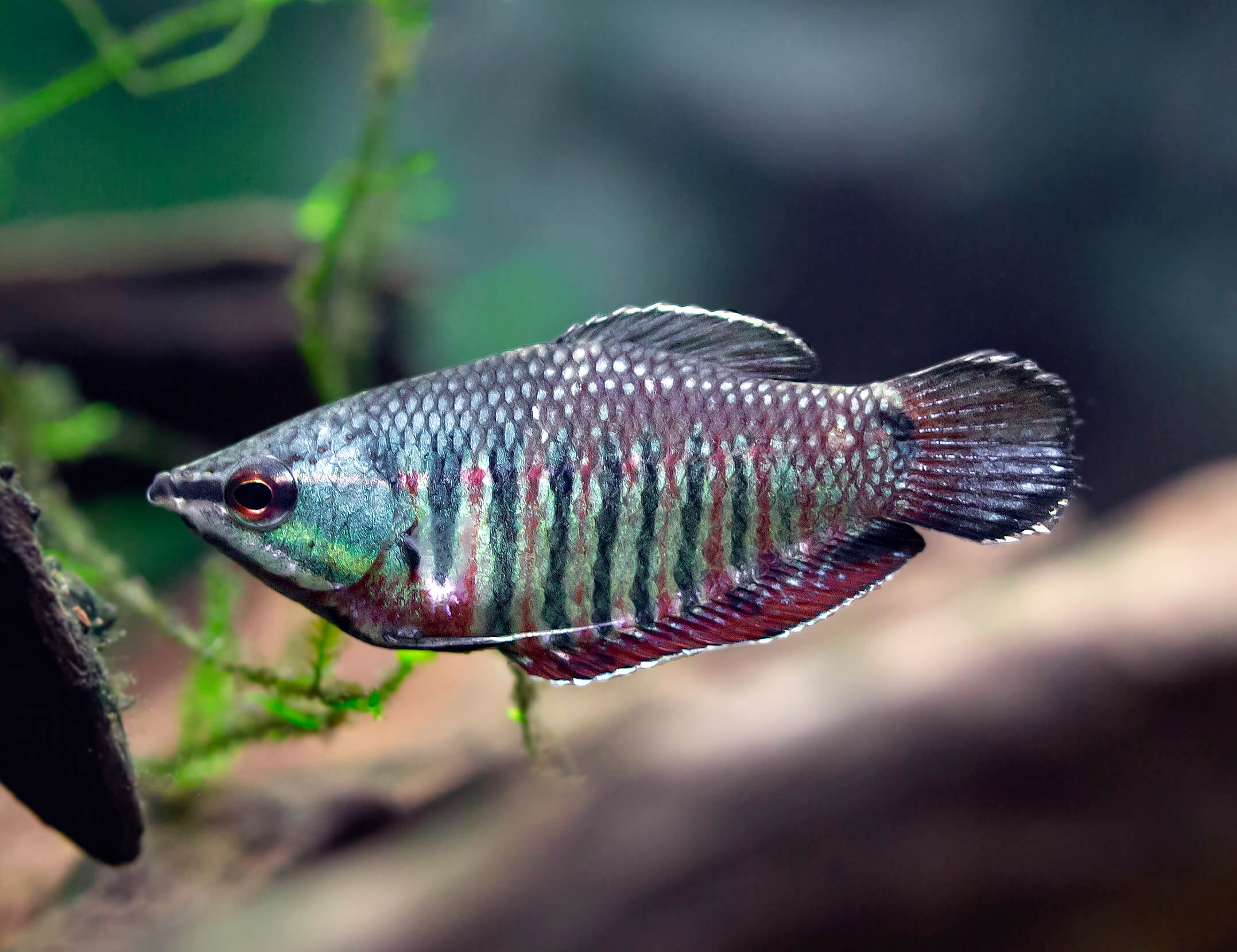
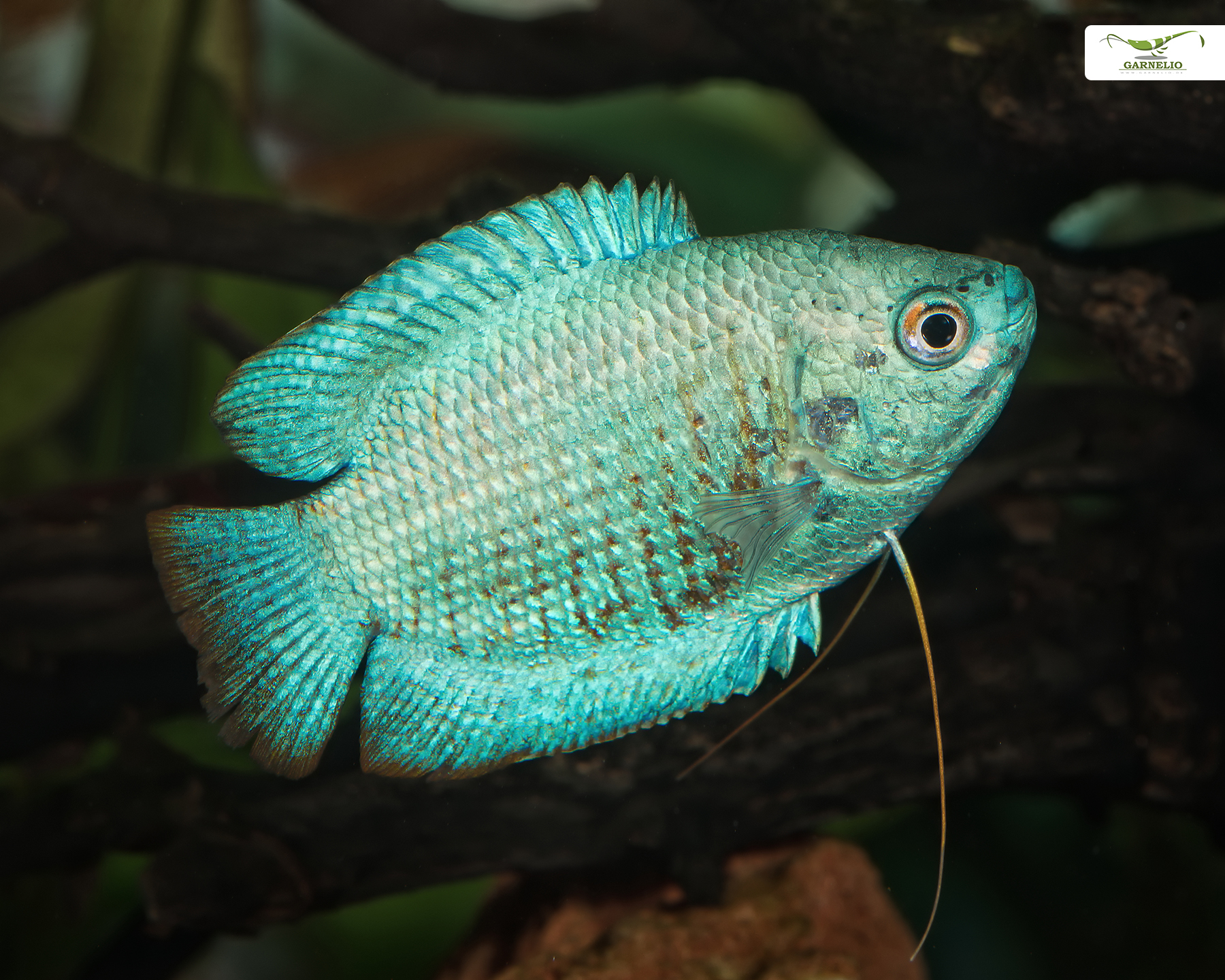
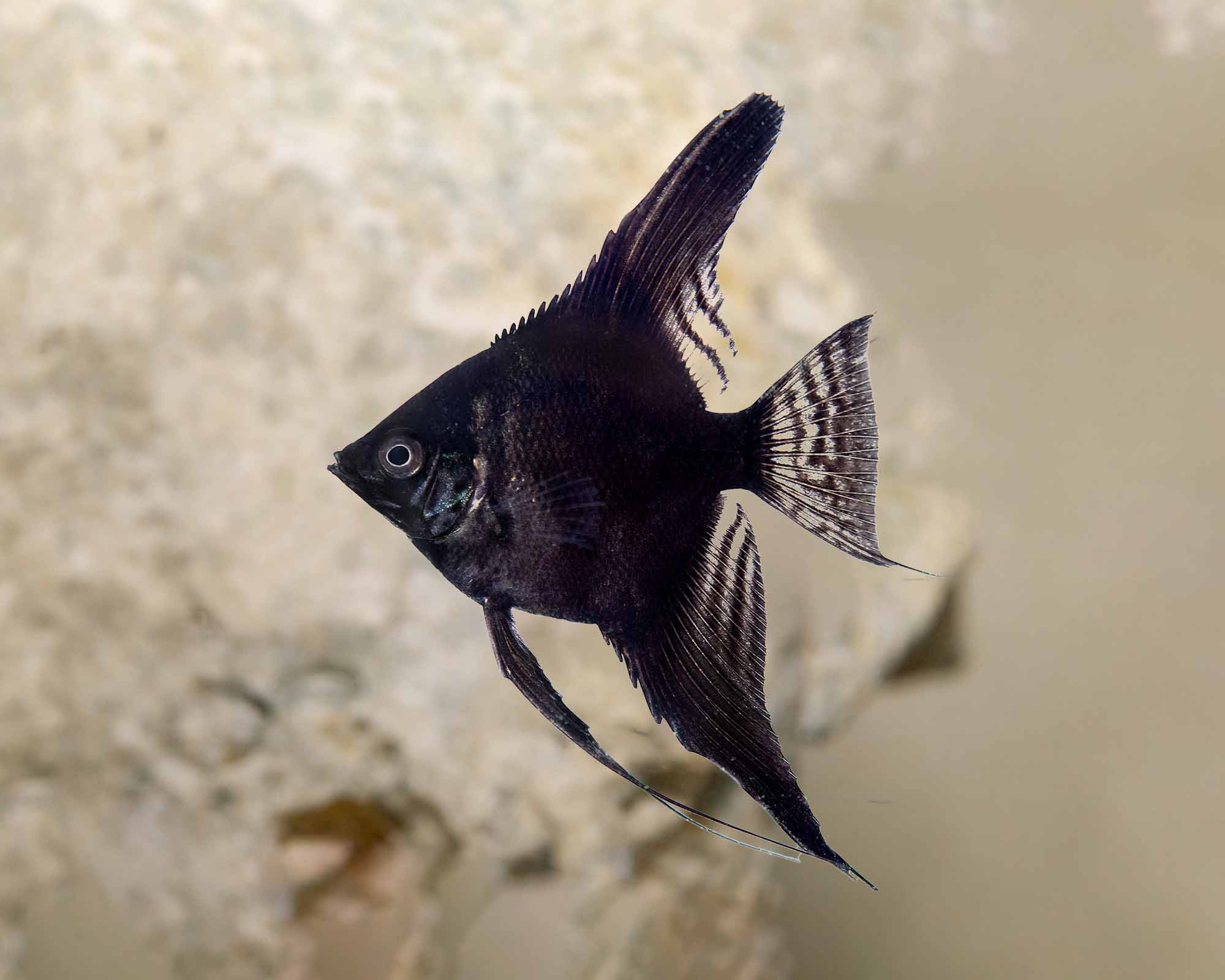
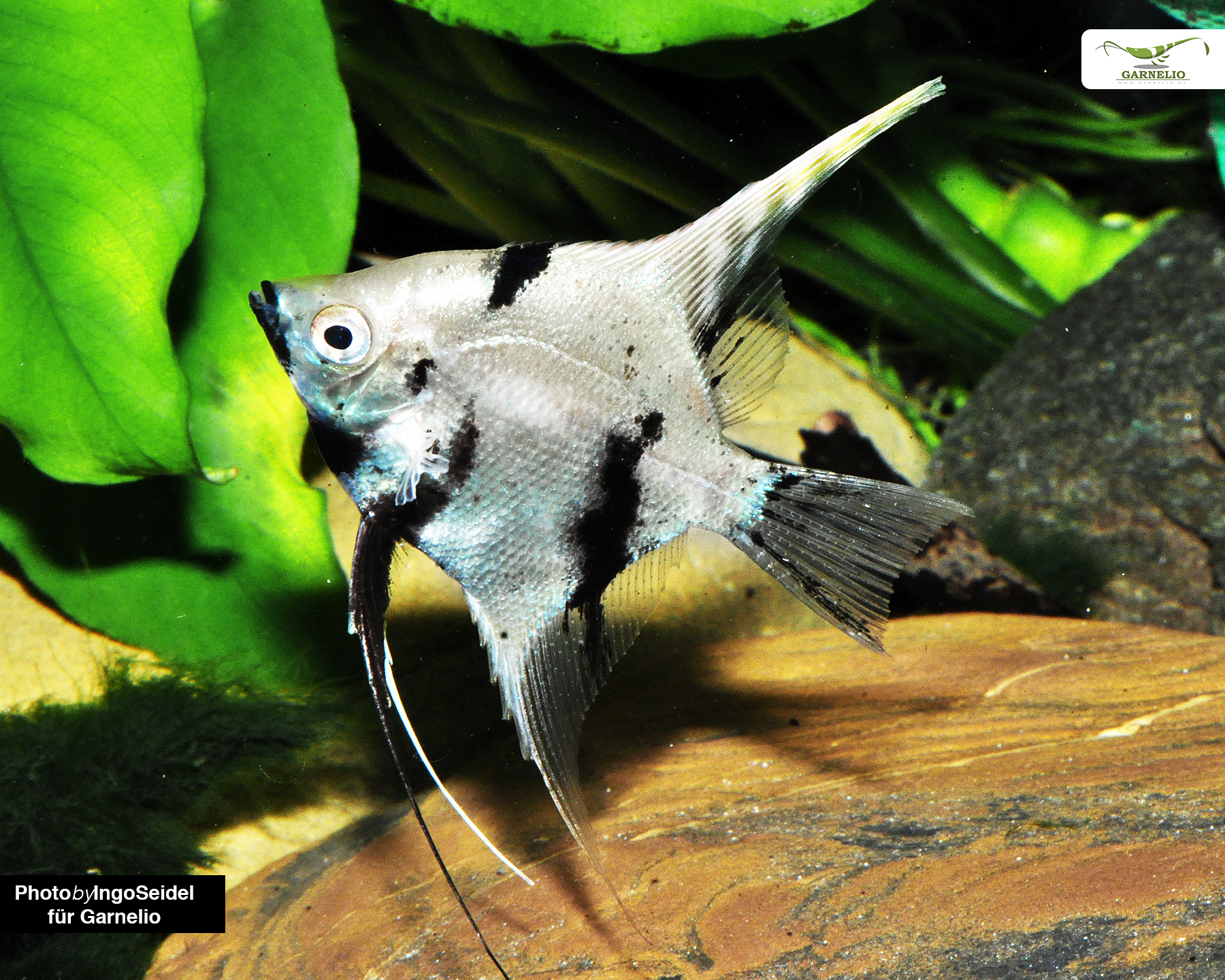
Sphaerichthys vaillanti belongs to Osphronemidae, the gourami family, and to the genus Sphaerichthys. It is commonly called the red chocolate gourami or Vaillant's chocolate gourami. The species has an oval, laterally compressed body, small mouth and thread-like pelvic fins. Adult coloration can include chocolate-brown, reddish, dark vertical markings and iridescent blue-green or silver highlights. Color varies with mood, sex, condition and water conditions. The supplied label is used here, but a photograph alone is not sufficient to confirm species or sex.
Distribution and habitat
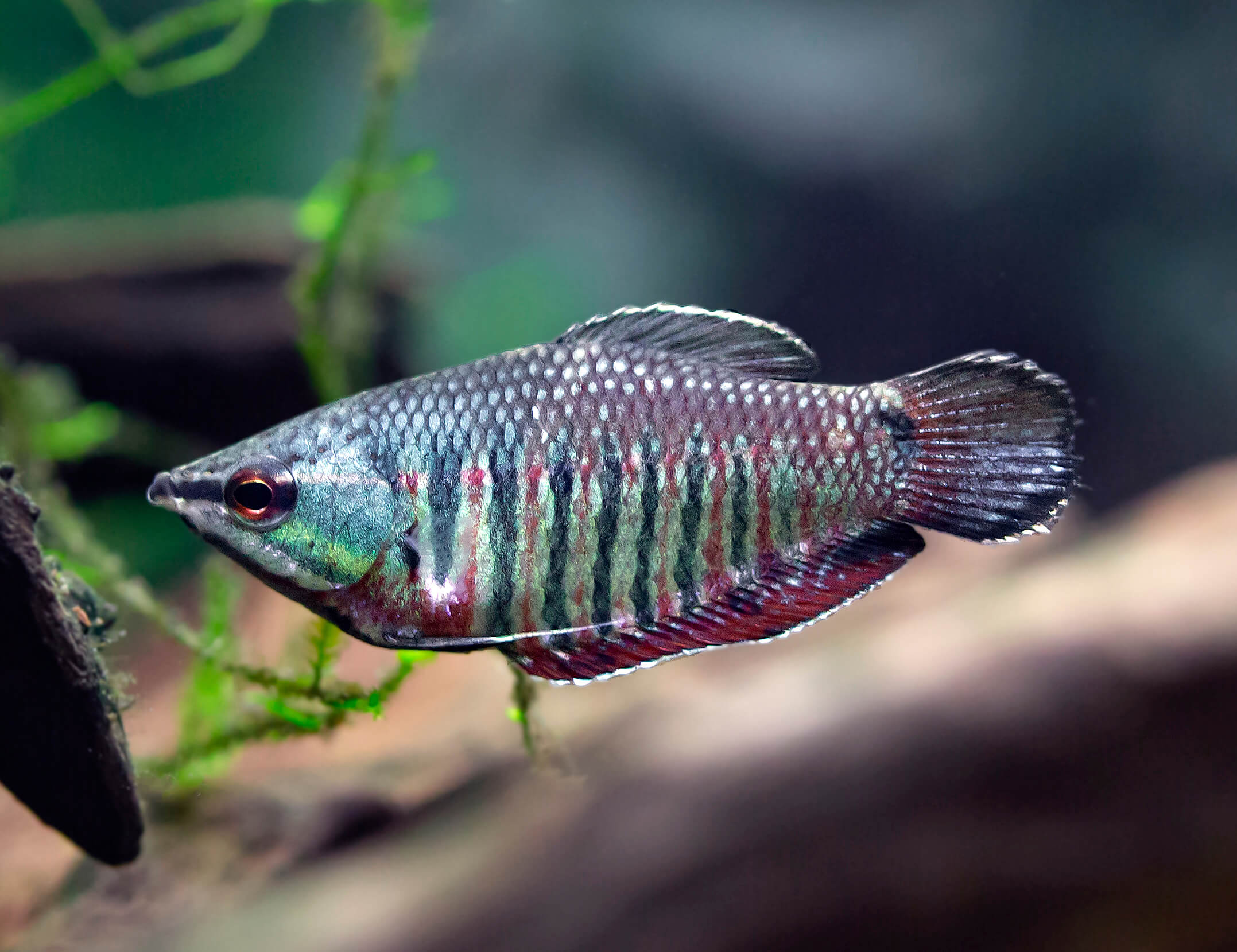
This species is associated with blackwater habitats in Indonesian Borneo, particularly the Kapuas drainage and connected peat-swamp environments. These waters are typically shaded, slow-moving and stained by leaf-derived tannins. They have low mineral content, low conductivity and an acidic reaction, with submerged roots, leaf litter and dense marginal vegetation providing cover.
Behavior
Red chocolate gouramis are peaceful, cautious fish that spend much of their time among plants and shaded cover. They may remain motionless when alarmed and can be outcompeted by fast or assertive feeders. A pair may show courtship and mild territorial behavior, especially in a small aquarium, but serious aggression is not typical when adequate cover and visual barriers are provided. They can breathe atmospheric air, so access to a humid layer above the water is useful; avoid cold drafts over an uncovered aquarium.
Aquarium setup and tank size
A mature aquarium of at least 60 litres is a reasonable minimum for a compatible pair, while 75 litres or more offers better stability and space for furnishings. Use gentle filtration, subdued lighting, floating plants, fine-leaved vegetation, wood and leaf litter. Leave calm areas near the surface and avoid strong circulation. A tightly fitting cover helps retain warm, humid air and prevents jumping. The aquarium should be fully cycled, biologically mature and maintained with regular, carefully matched water changes.
Water parameters
Aim for 24-28 °C, pH 4.0-6.5 and very soft, low-mineral water. Stability is more important than pursuing an extreme pH value. Avoid abrupt changes in temperature, hardness or acidity, and do not rely on untested blackwater additives. Tannins from suitable wood and botanicals can provide a more natural environment, but they do not replace testing and routine maintenance. Nitrate should be kept low, with ammonia and nitrite at zero.
Diet
Offer small, meaty foods such as live or frozen mosquito larvae, daphnia, cyclops, brine shrimp and finely chopped blackworms. High-quality small granules can be accepted, but newly imported or stressed fish often respond better to live or frozen foods. Feed small portions once or twice daily and remove uneaten food promptly. Variety supports condition and may improve breeding readiness.
Compatibility
Choose only quiet, similarly sized tank mates that tolerate warm, soft, acidic water. Small peaceful rasboras, certain small loaches and other calm blackwater species may work in a sufficiently spacious, established aquarium, but a species-only setup is often safer. Avoid fin-nippers, large cichlids, hyperactive schooling fish and species requiring hard, alkaline water. Quarantine new fish because chocolate gouramis can deteriorate quickly after transport or exposure to poor water quality.
Sexing and breeding
Sexing can be difficult outside breeding condition. Females are often deeper-bodied, while males may be slimmer, but body shape and coloration are not completely reliable. Courtship takes place in sheltered areas among plants or leaf litter. Sphaerichthys vaillanti is a mouthbrooder; after spawning, the male is generally reported to incubate the eggs in his mouth. Provide very clean, calm, soft acidic water, dense cover and minimal disturbance. A breeding aquarium should be species-only or have removable tank mates. The brooding male may hide and should not be chased or netted. Once released, fry require tiny live foods such as infusoria-sized organisms and newly hatched Artemia, with excellent water quality.
Health and care notes
The species is not an ideal first gourami because it reacts poorly to unstable conditions, shipping stress, unsuitable hardness and competition at feeding time. Observe appetite, respiration, body condition and coloration daily. Quarantine is strongly recommended, and medications should be used cautiously in soft, acidic water. Gentle acclimation, a mature biofilter, shaded cover and consistent maintenance prevent many of the problems associated with this fish.
Leave your comments