Taxonomy and identification
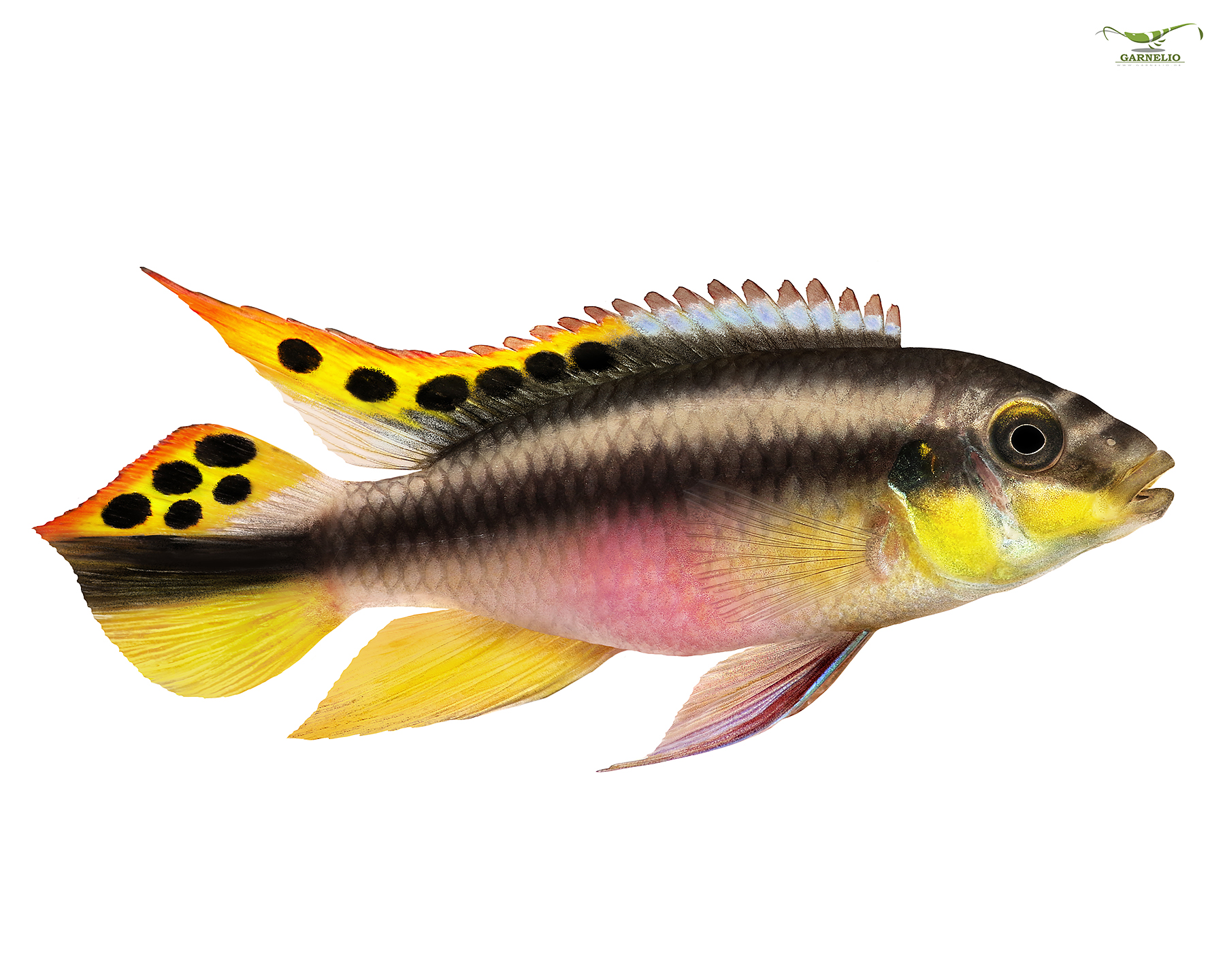
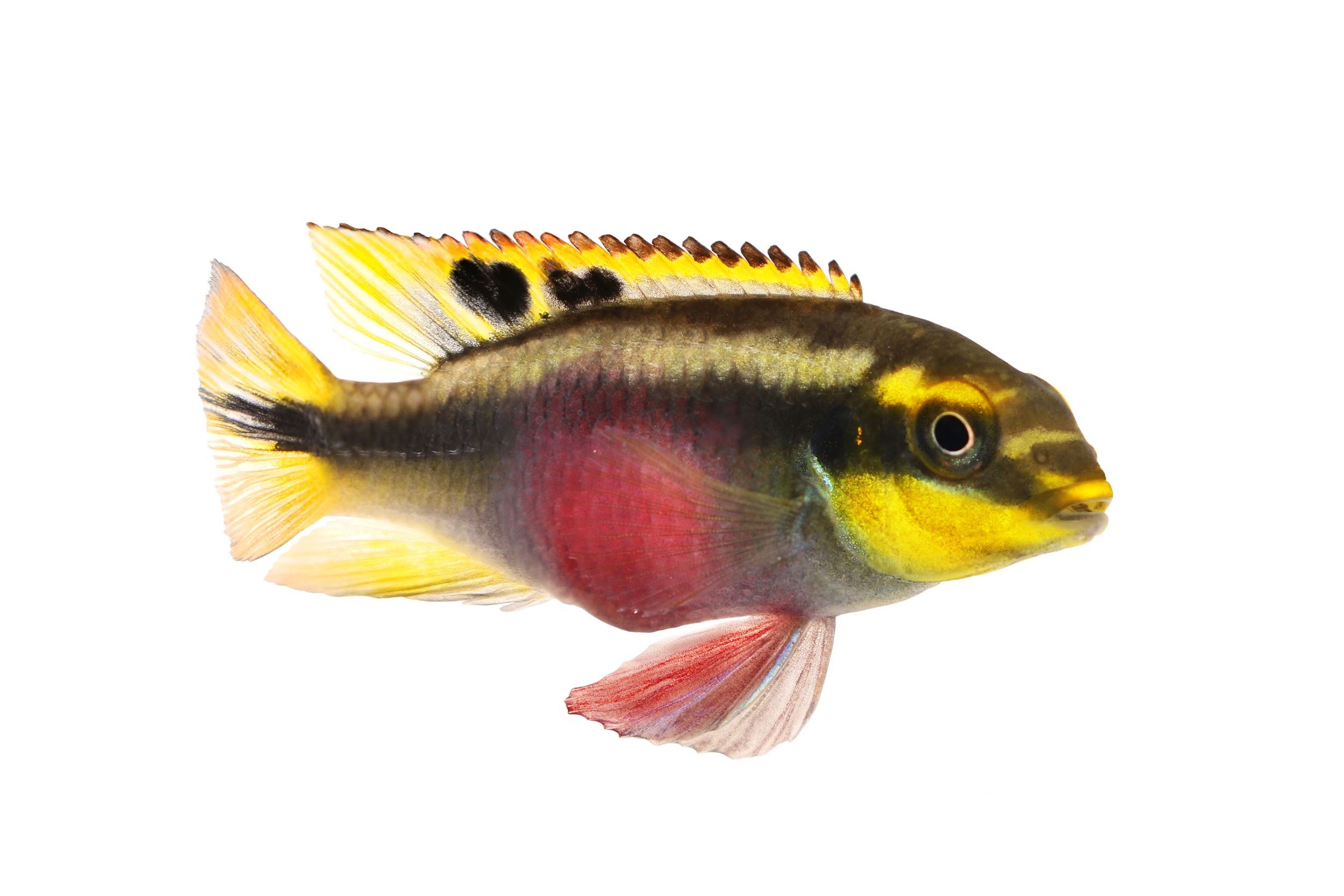
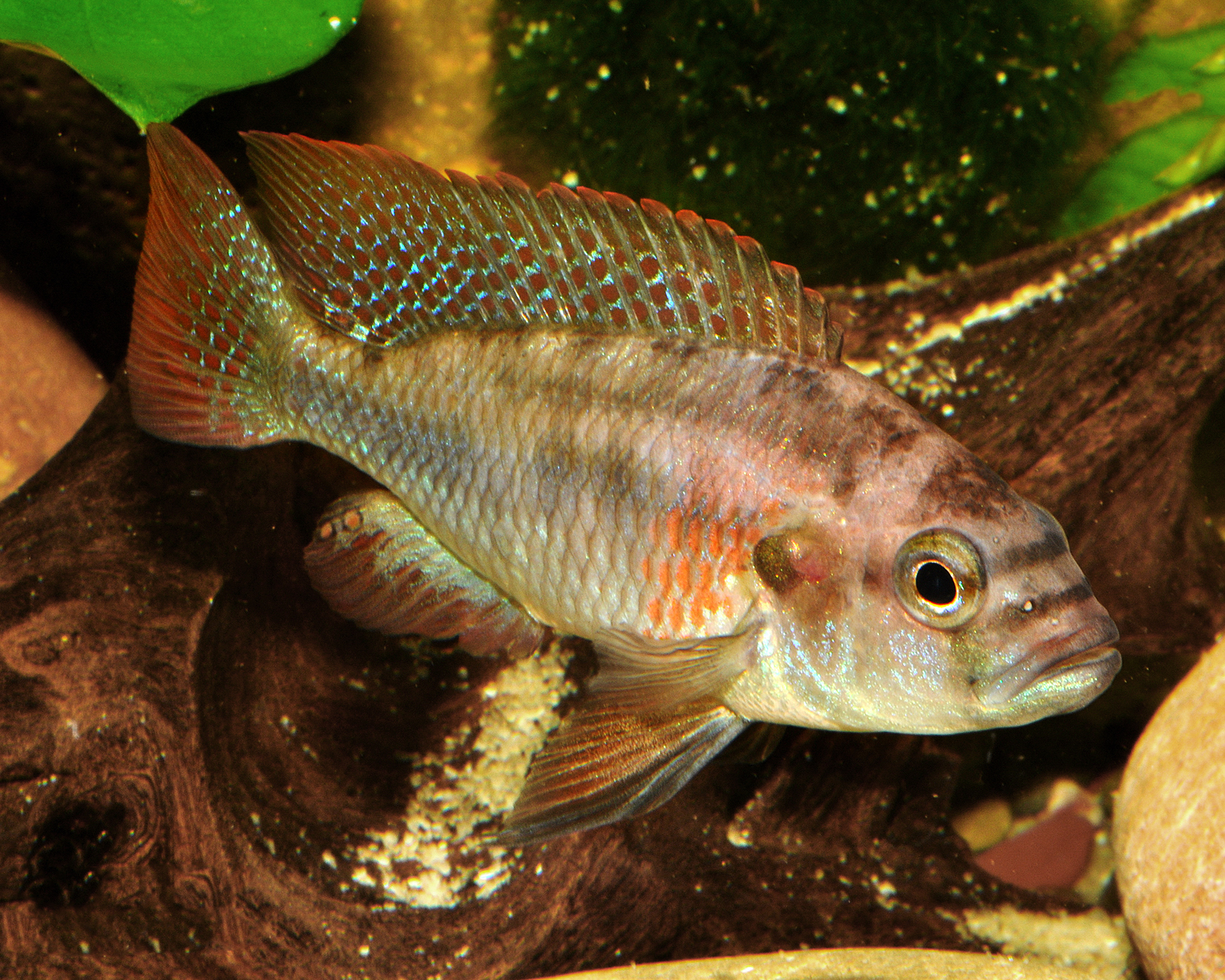
Pelvicachromis pulcher is a cichlid in the family Cichlidae. It is commonly sold as kribensis, krib or purple cichlid; “purple tilapia” is a trade name rather than a precise indication of tilapia classification. Males are generally larger and more elongate, while females are shorter-bodied and often develop a prominent pink to red belly when mature or ready to spawn. The supplied scientific name is used here, but the exact locality strain and sex of the listed pair cannot be verified from the source information alone.
Natural distribution and habitat
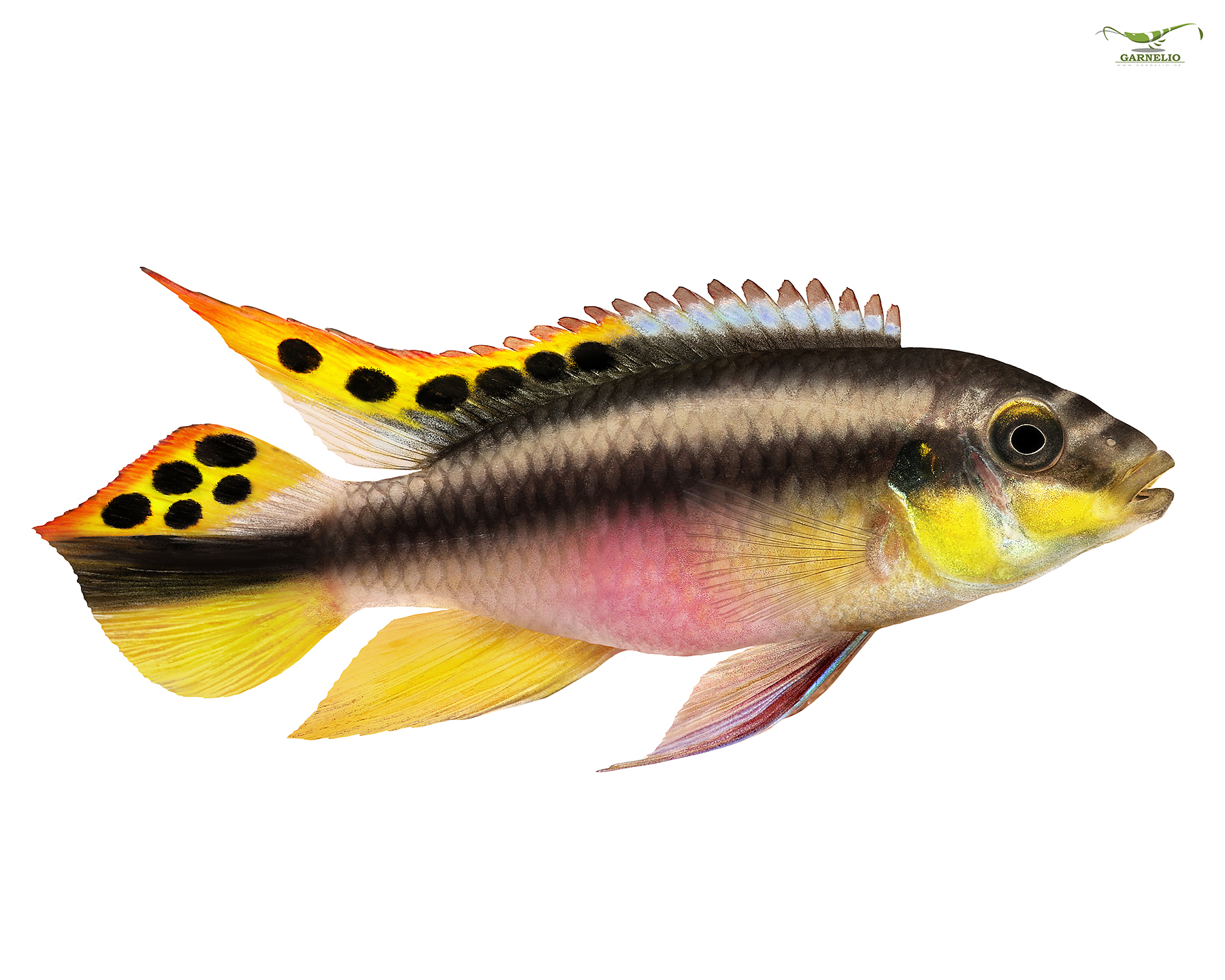
This species is native to freshwater environments in southern Nigeria and western Cameroon. It occurs in slow-moving rivers, streams and quieter marginal habitats with vegetation, leaf litter, roots and submerged cover. Aquarium specimens benefit from a structured environment that includes open swimming space, shaded areas and small caves or shelters.
Behavior and temperament
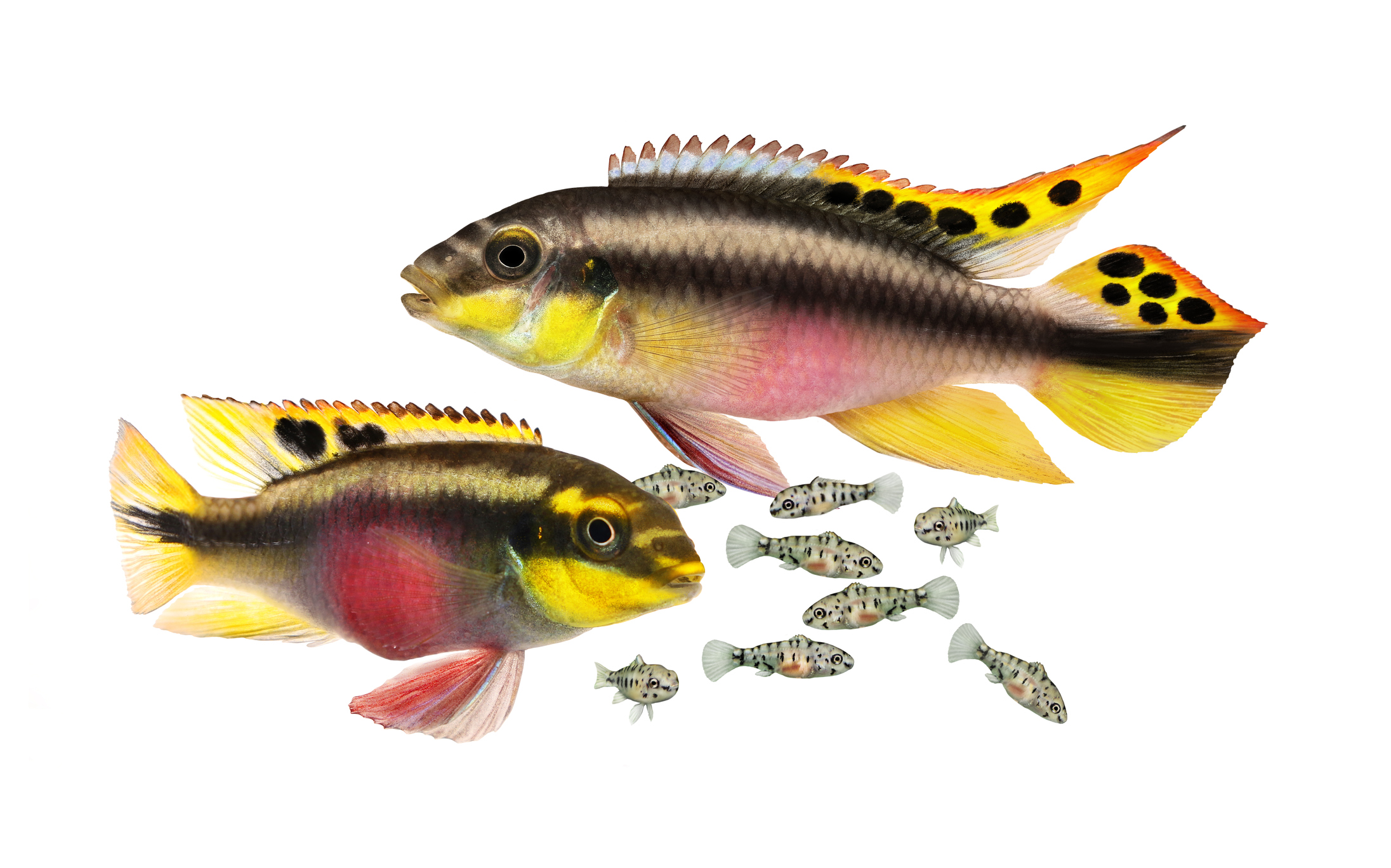
Pelvicachromis pulcher is usually peaceful to moderately territorial outside breeding, but a pair can become strongly defensive around a chosen cave and fry. It spends much of its time near the lower and middle levels of the aquarium. Provide visual barriers and several potential territories so the fish can avoid constant contact with other inhabitants. Aggression is particularly likely in a small tank or when tank mates occupy the same bottom territory.
Tank size and setup
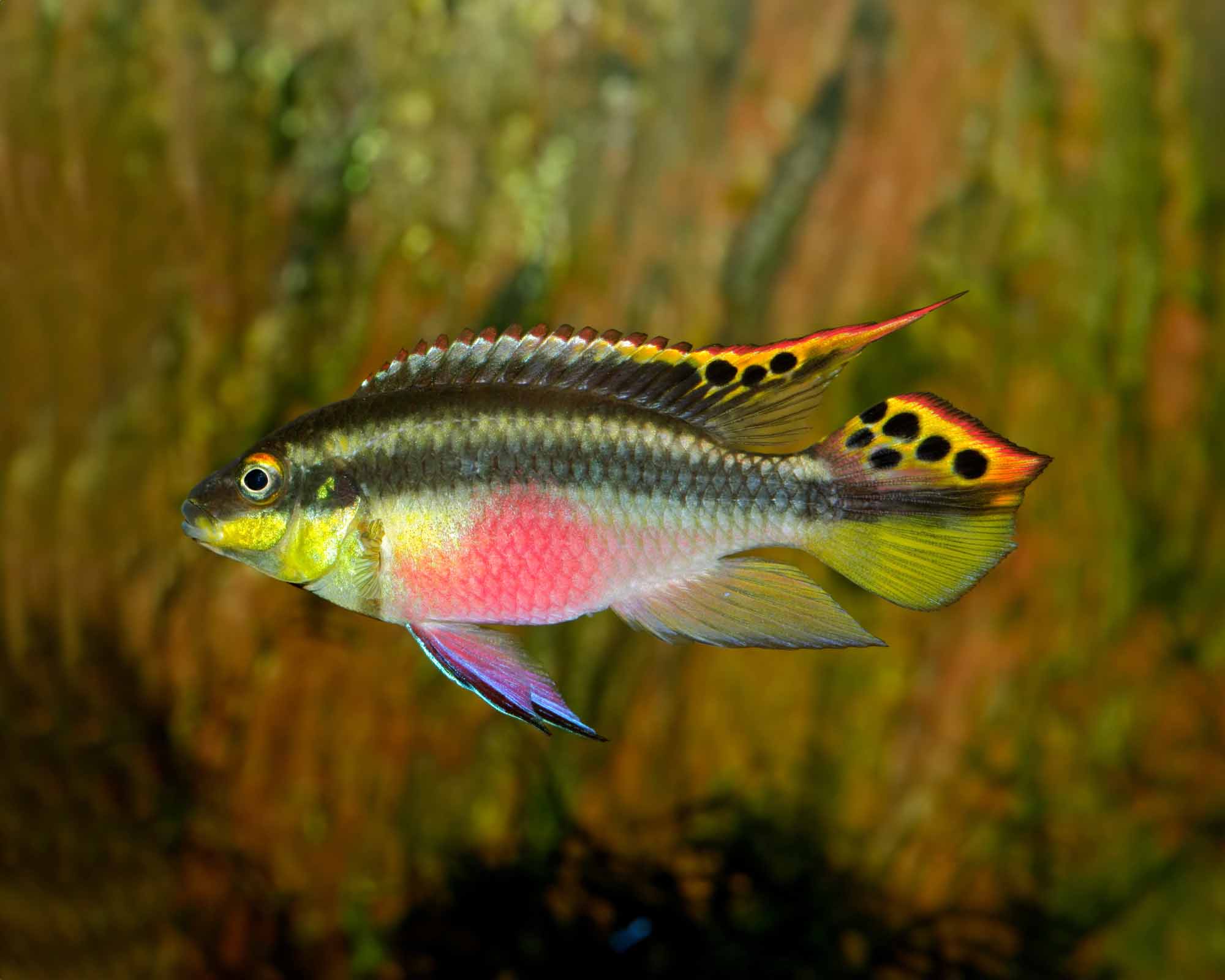
A pair should have an aquarium of at least about 80 litres, with a larger footprint preferred for community keeping. Use a secure lid, gentle circulation and efficient biological filtration. Arrange rounded stones, wood, plants and ceramic or natural caves so the pair can claim a sheltered spawning site. Use sand or smooth small gravel where possible; sharp décor can injure fish that excavate or enter narrow shelters. Plants should be rooted securely because digging may disturb them.
Water parameters
Keep the aquarium stable and well oxygenated rather than pursuing an exact target value. A temperature of 24-28 °C and pH of 6.0-8.0 are suitable general ranges. Moderate hardness is usually tolerated. Test for ammonia and nitrite, which should remain undetectable, and keep nitrate controlled with regular partial water changes. Avoid sudden changes in temperature, pH or mineral content.
Diet
This omnivorous cichlid accepts quality small cichlid pellets, flakes and granules. Supplement the staple diet with frozen or live foods such as brine shrimp, daphnia and bloodworm, offered in moderation. Occasional vegetable matter or algae-containing foods can provide variety. Feed small portions once or twice daily and remove uneaten food to protect water quality.
Compatibility
Suitable companions are peaceful, robust community fish that tolerate similar water conditions and do not compete intensely for caves or the substrate. Midwater species are generally safer choices than another pair of bottom-territorial cichlids. Avoid very small, slow or long-finned fish that may be harassed, as well as large aggressive cichlids and fin-nipping species. During breeding, be prepared to separate vulnerable tank mates or the spawning pair if territorial behavior becomes excessive.
Breeding
Pelvicachromis pulcher is a cave spawner and often breeds readily when mature fish receive good food, clean stable water and a suitable shelter. The female usually selects and prepares the cave, where she deposits adhesive eggs; the male fertilizes them, and both parents commonly guard the territory. Hatching and free swimming occur after several days, depending on temperature. Feed free-swimming fry newly hatched brine shrimp or another suitably fine food. Parents may herd the brood, but a community aquarium can still result in fry losses.
Source and identification note
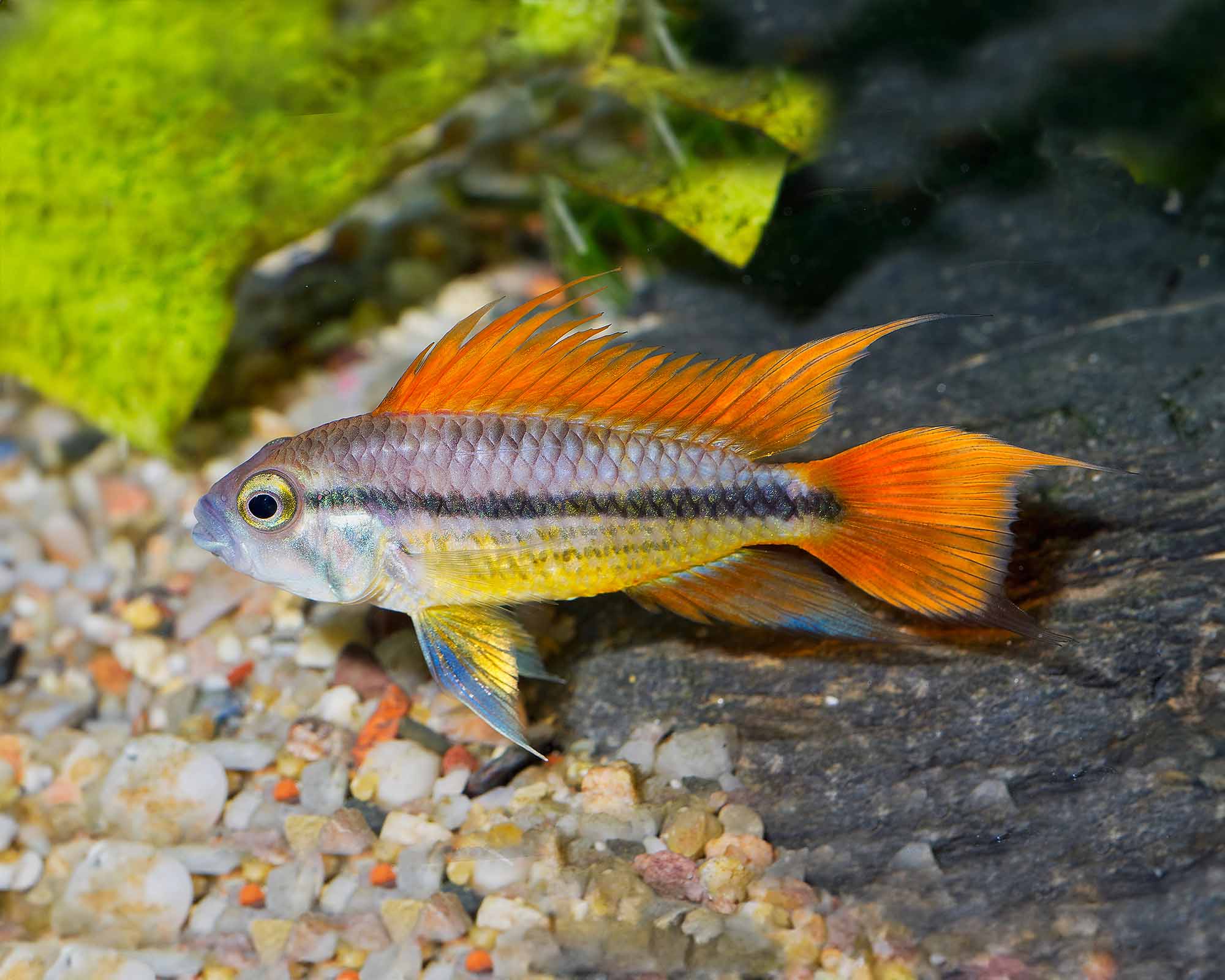
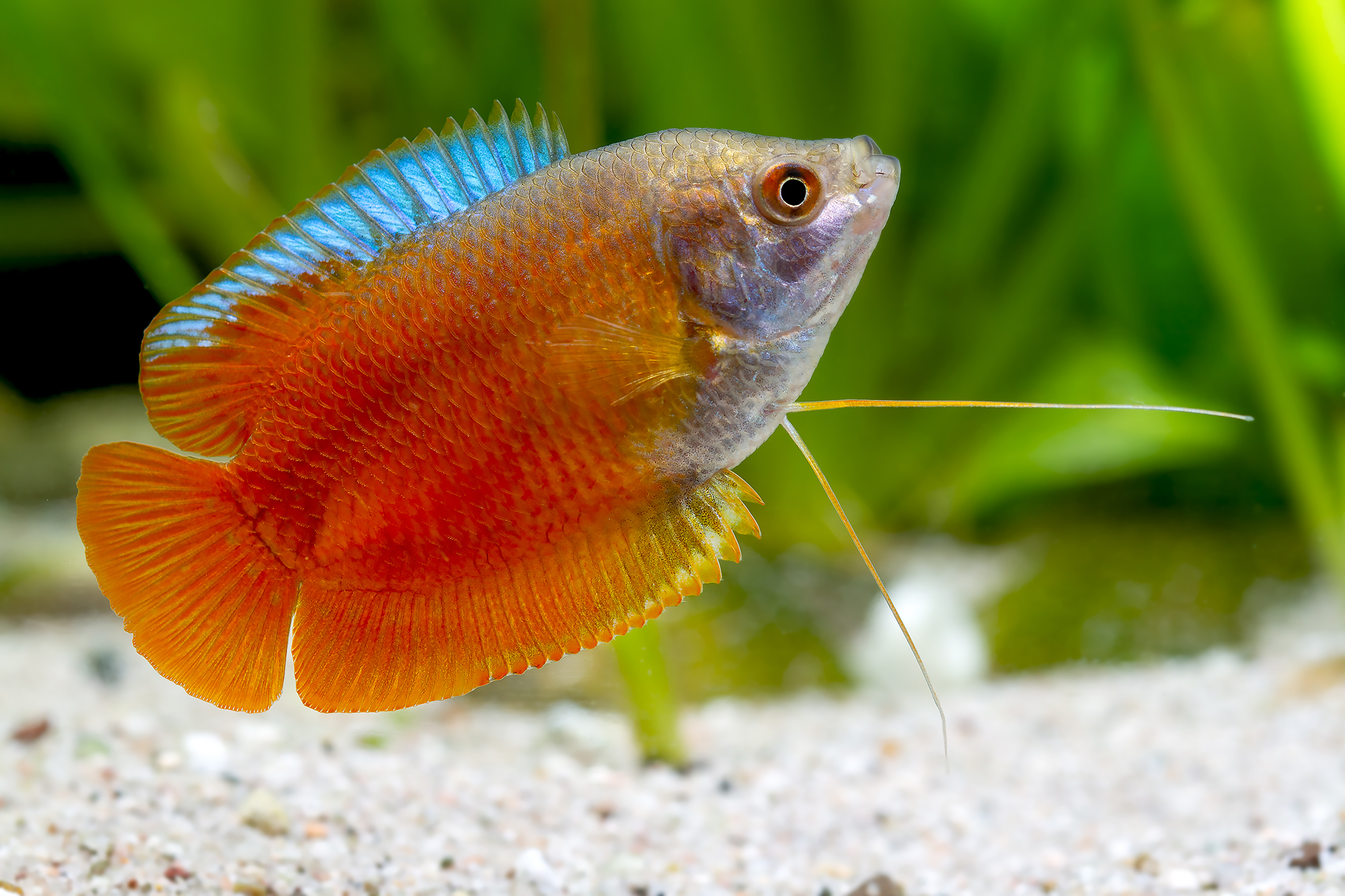
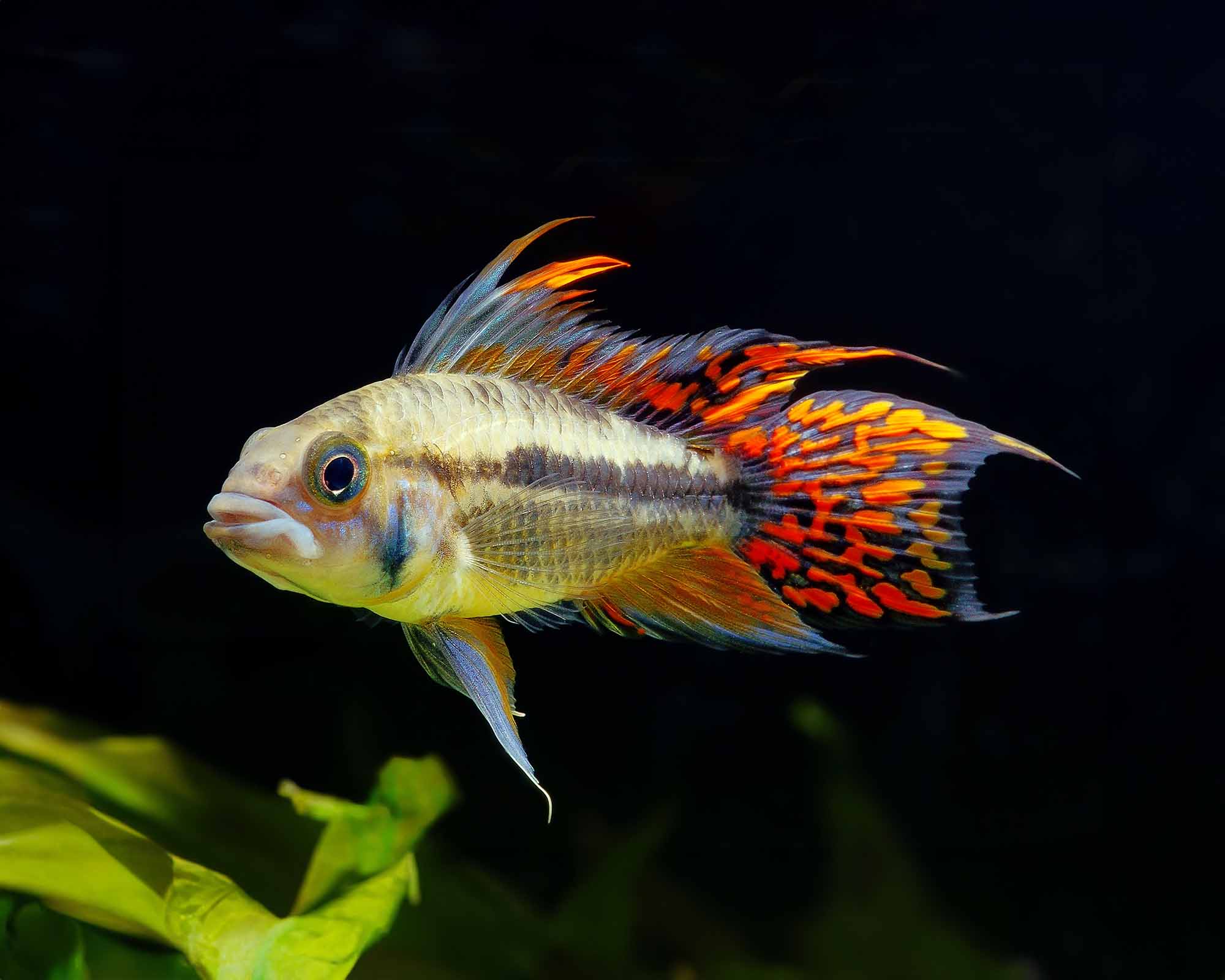
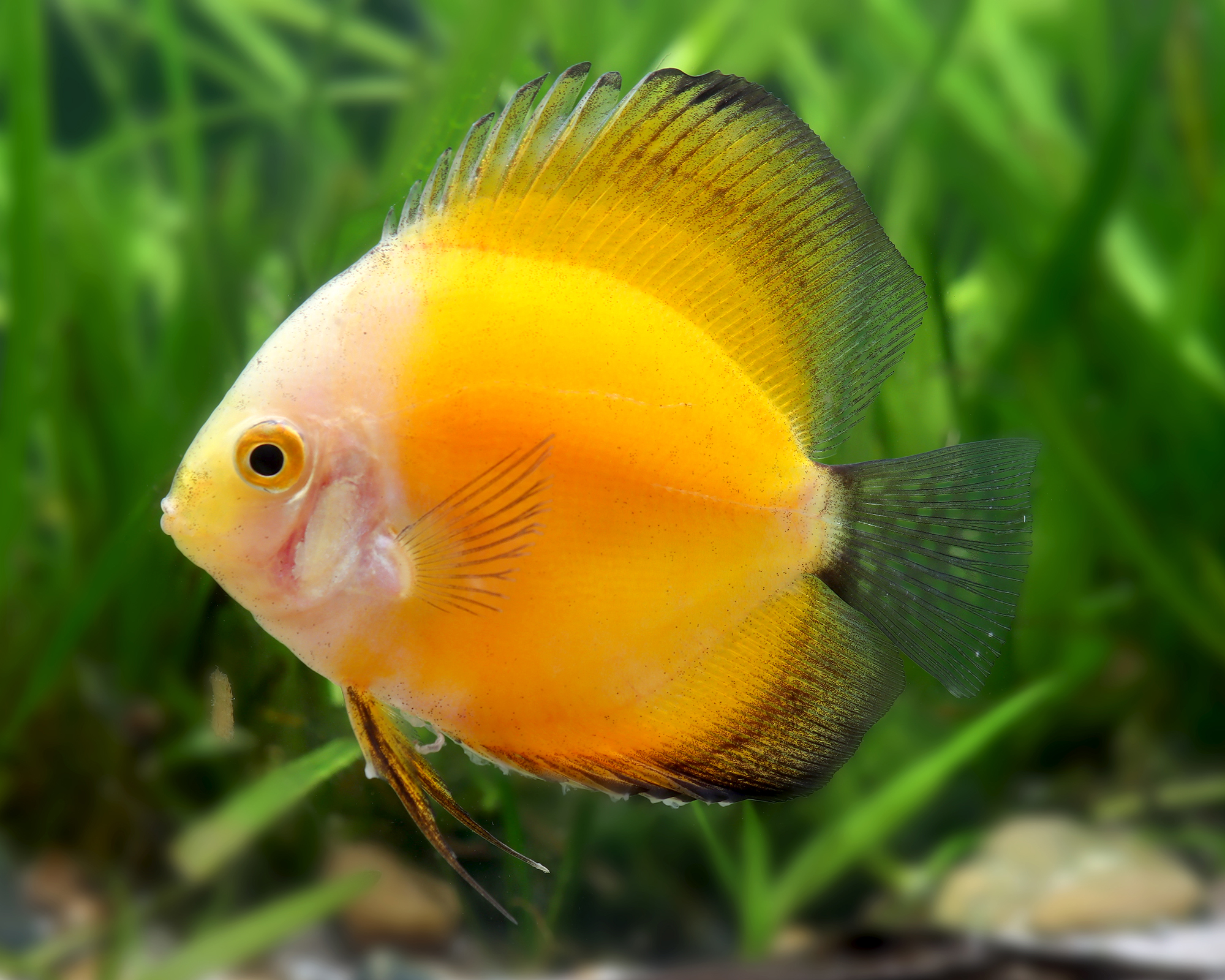
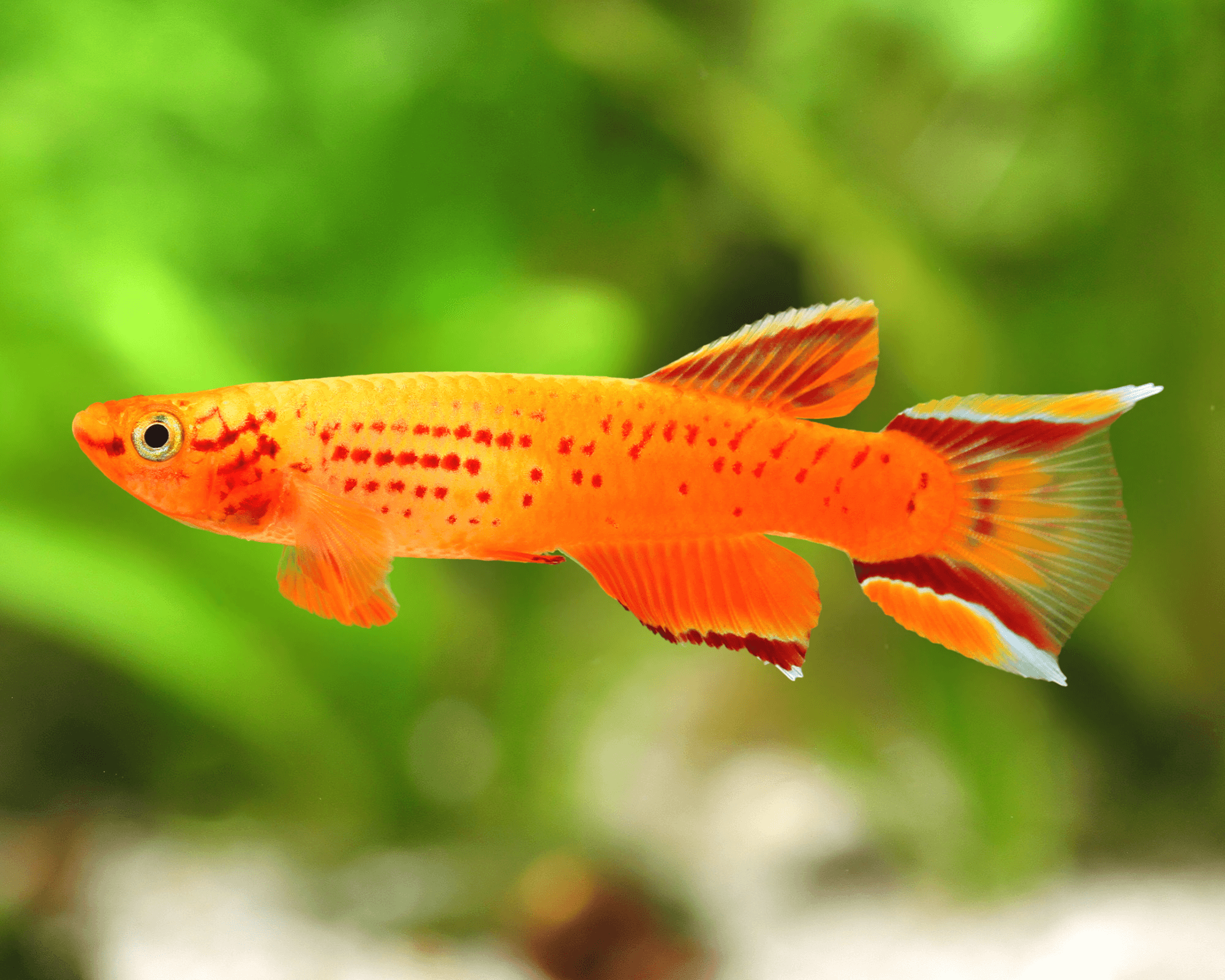
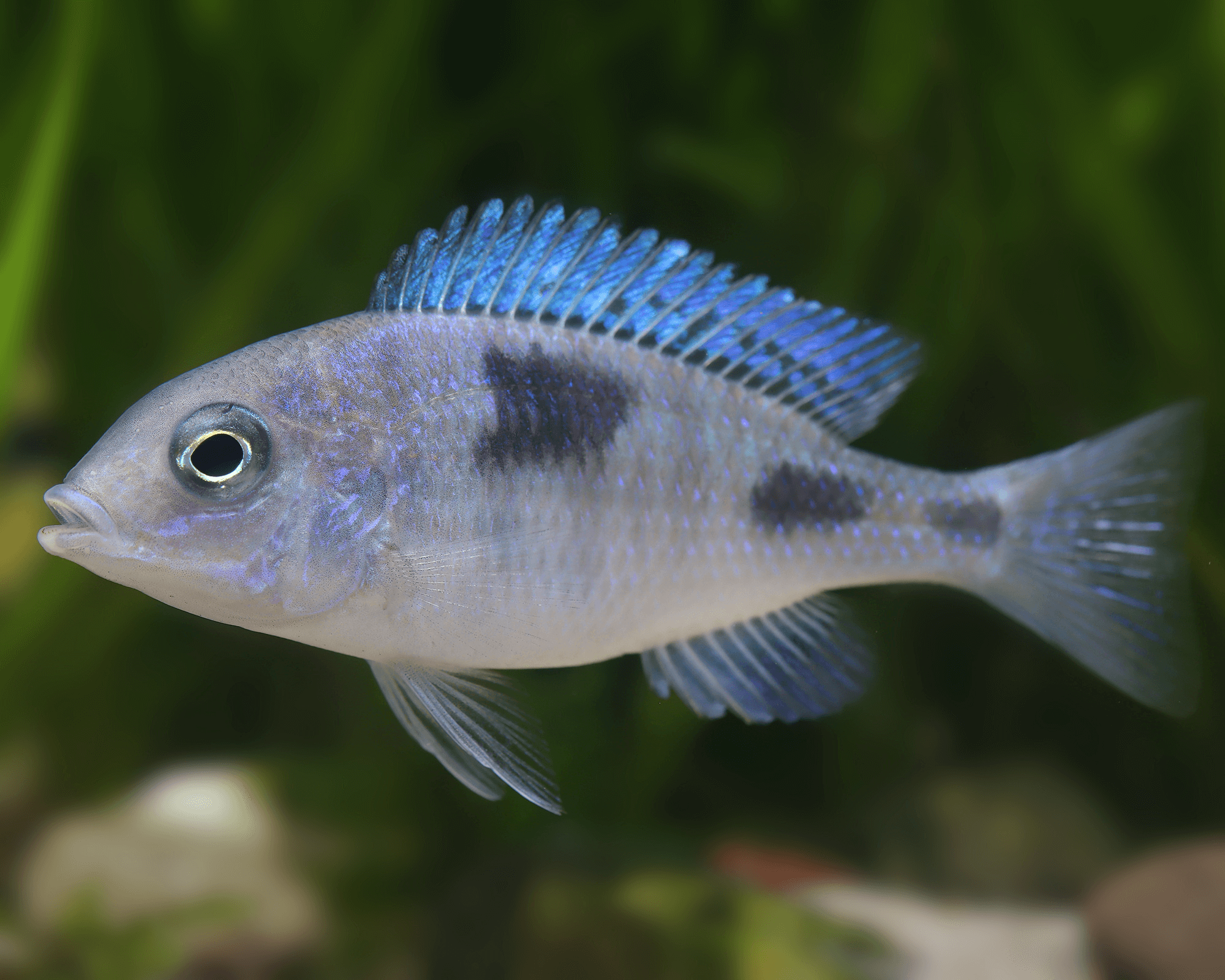
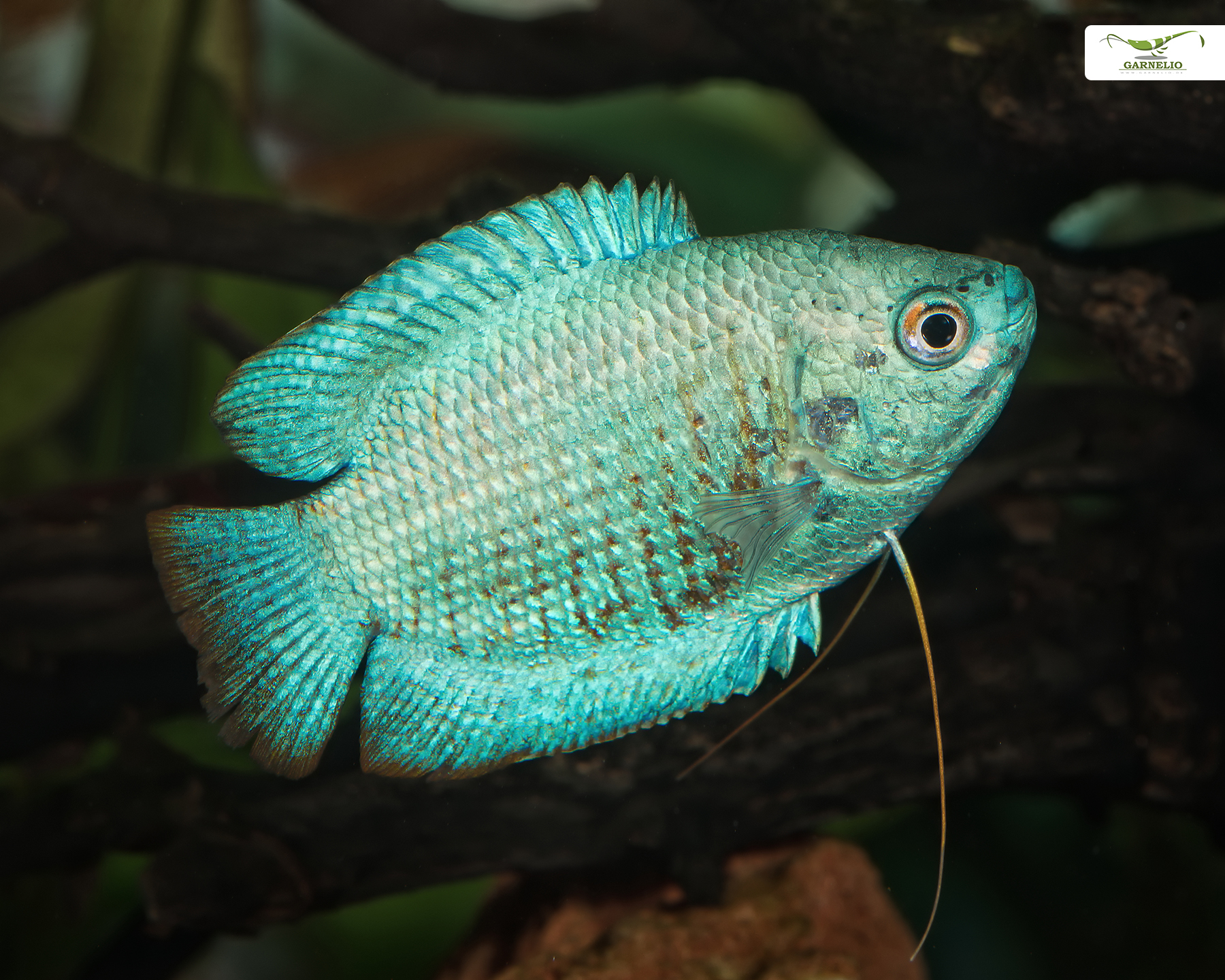
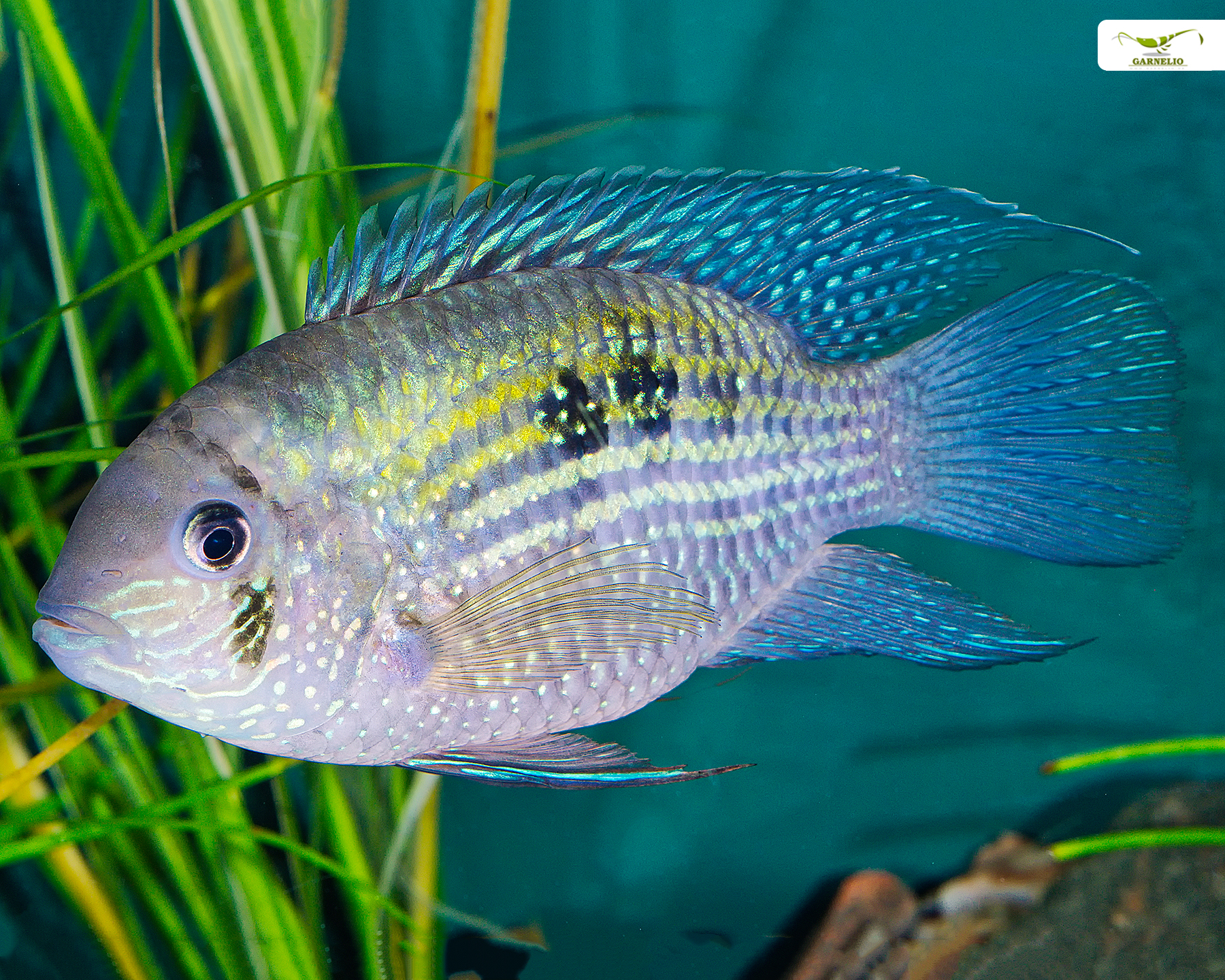
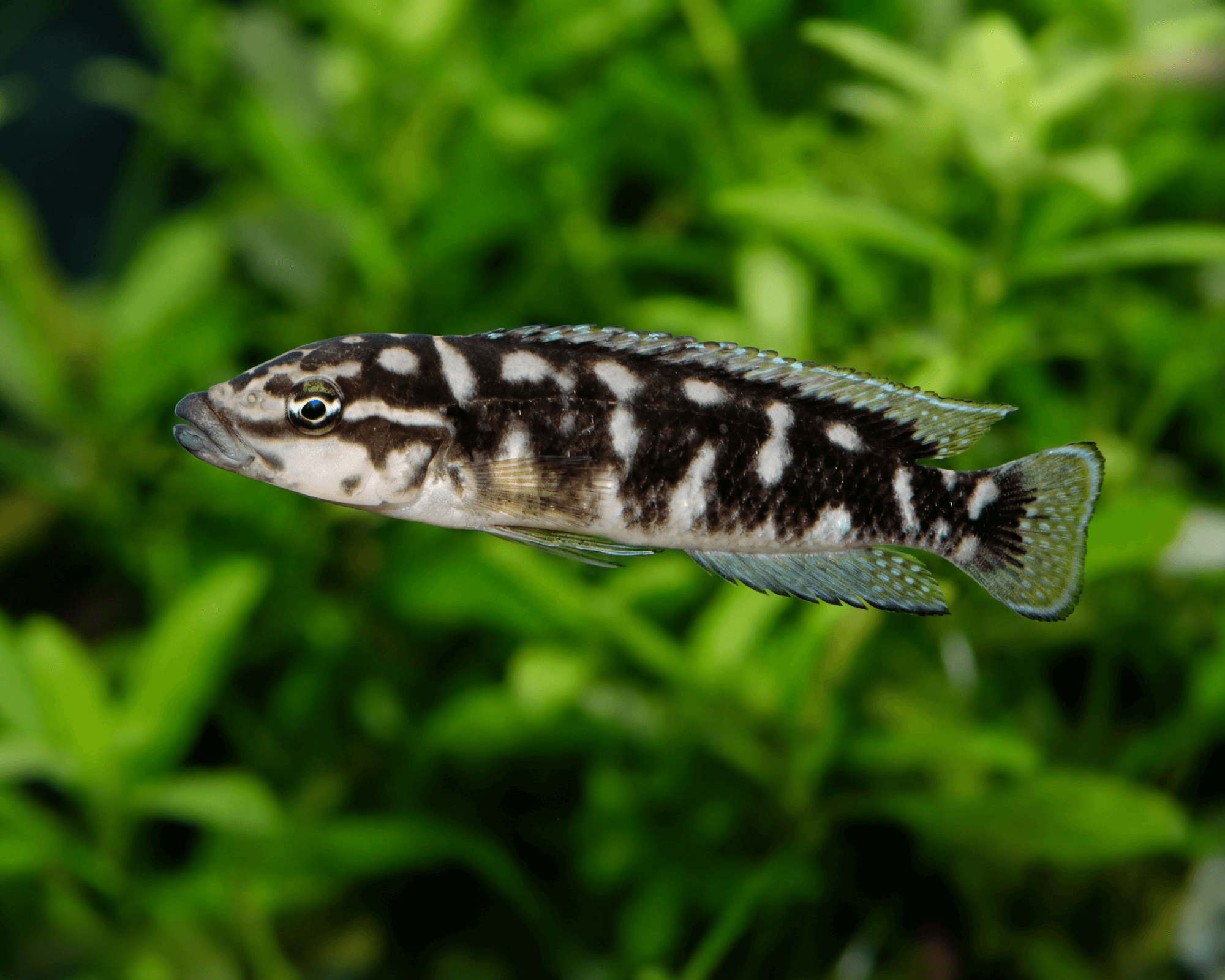
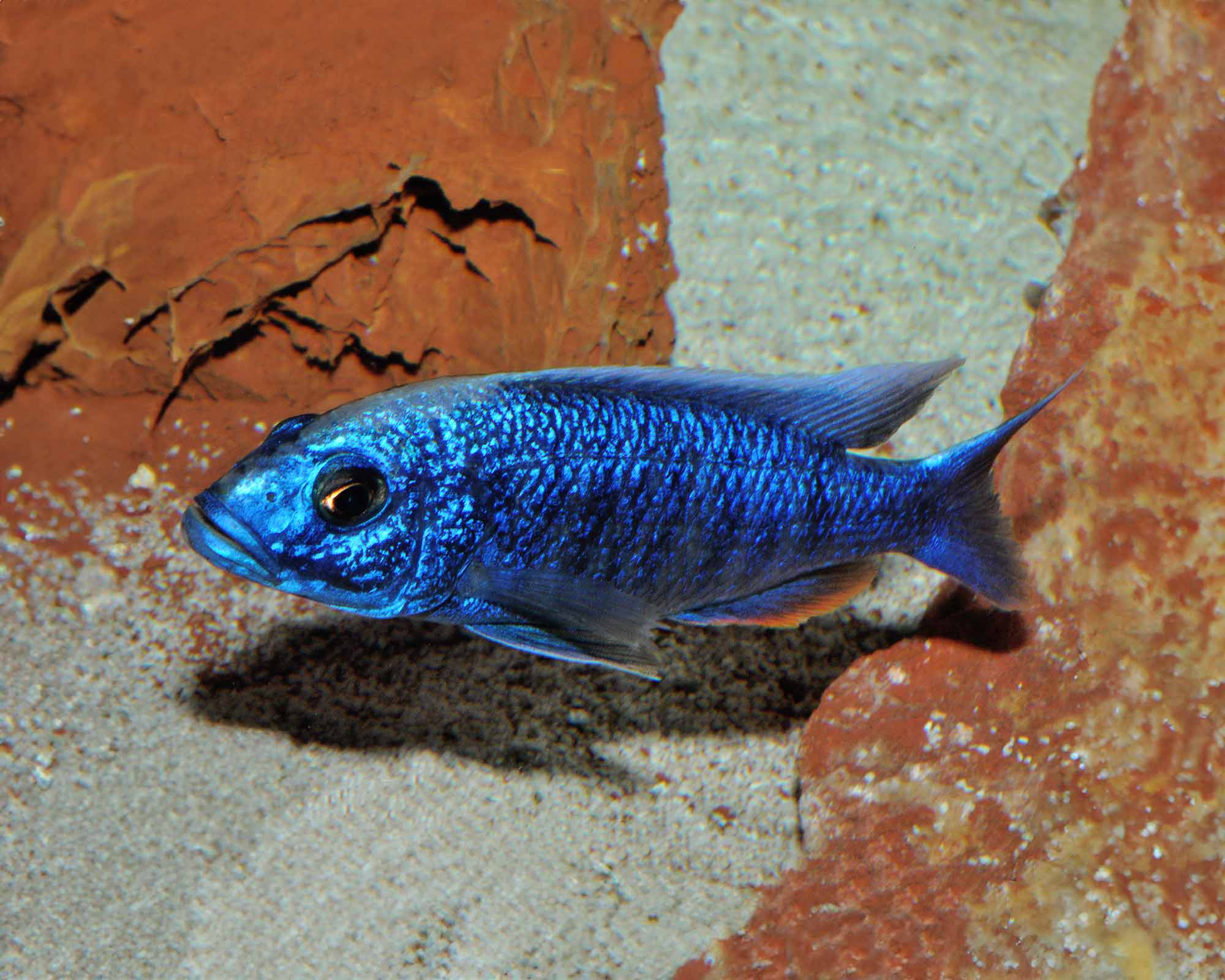
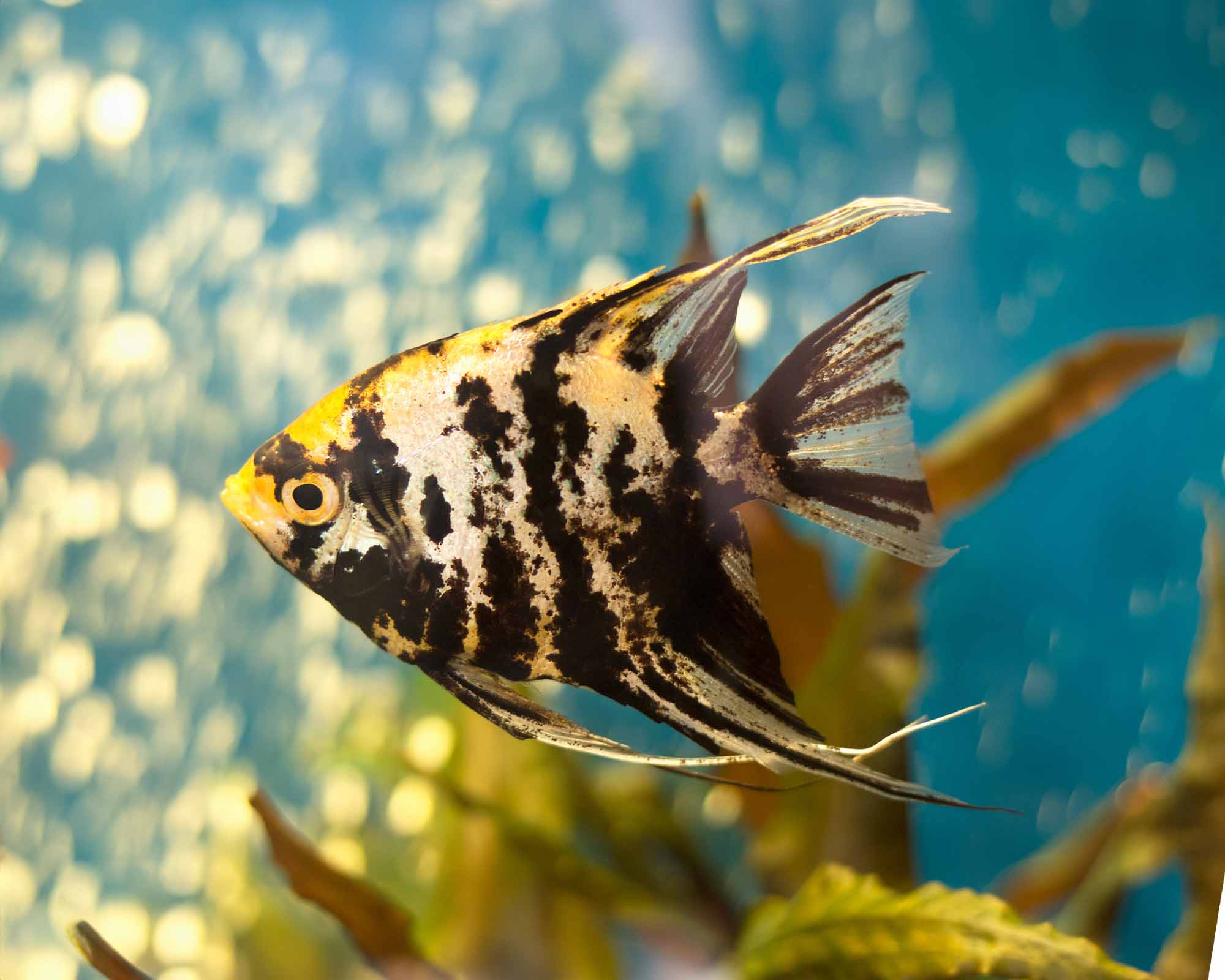
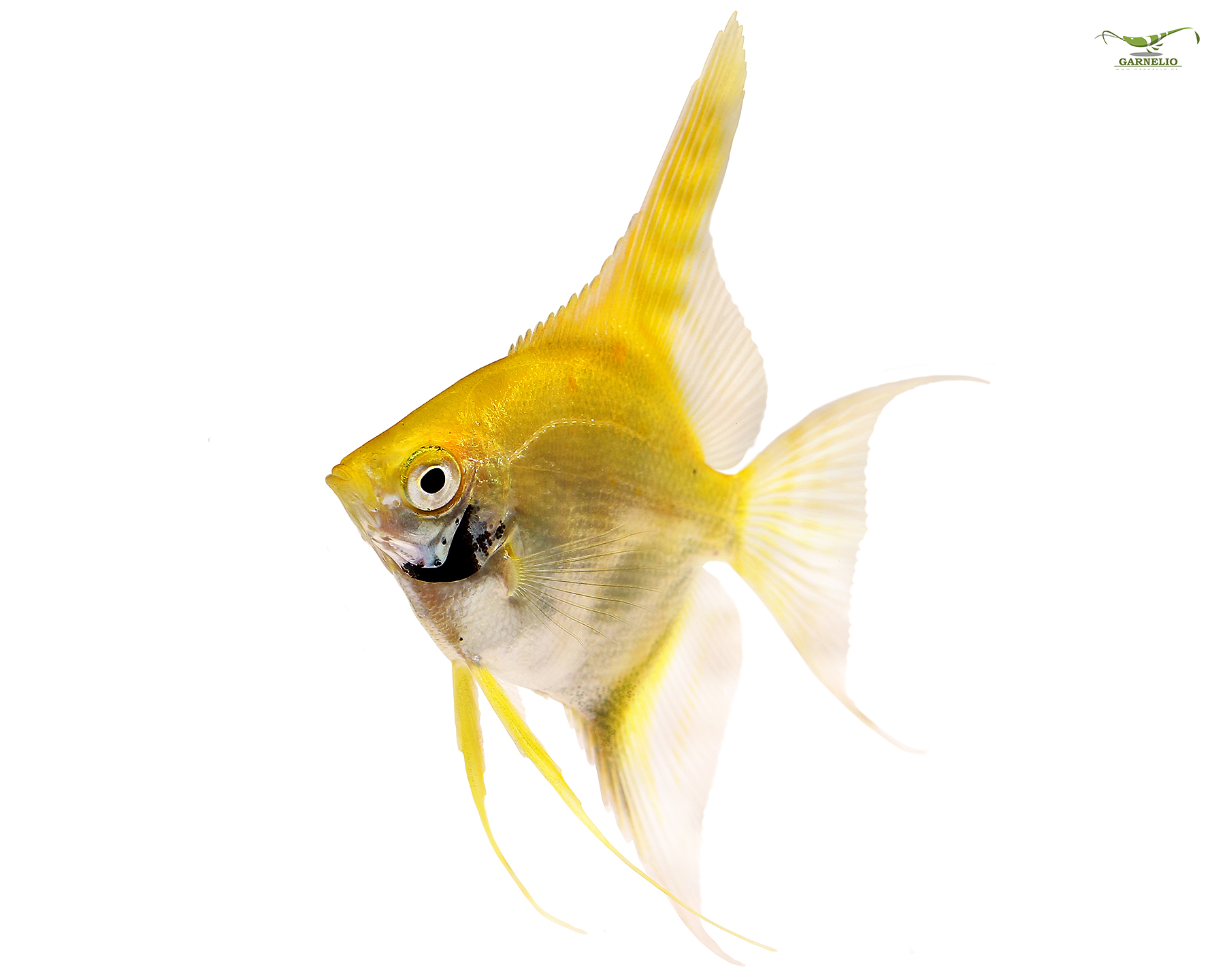
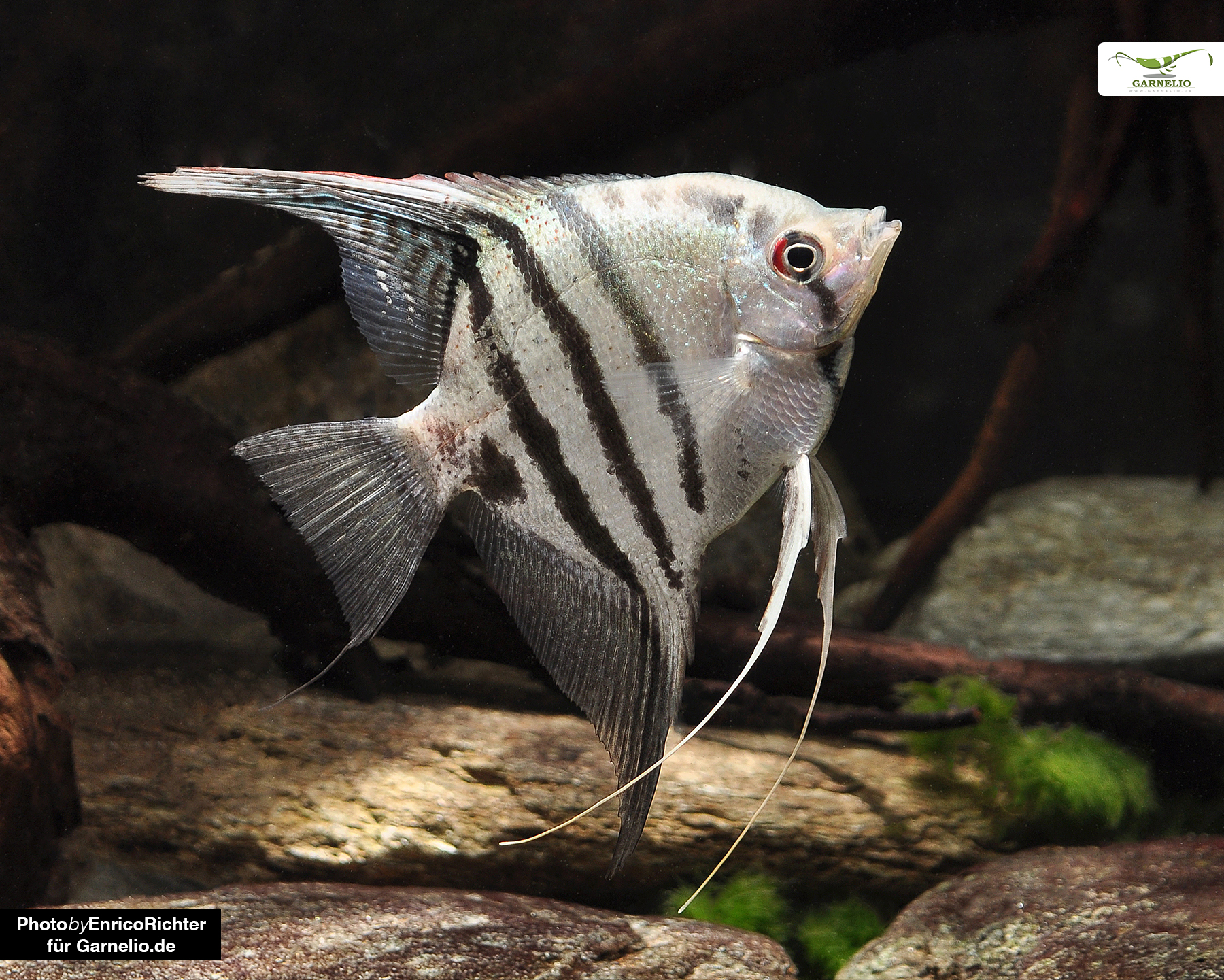
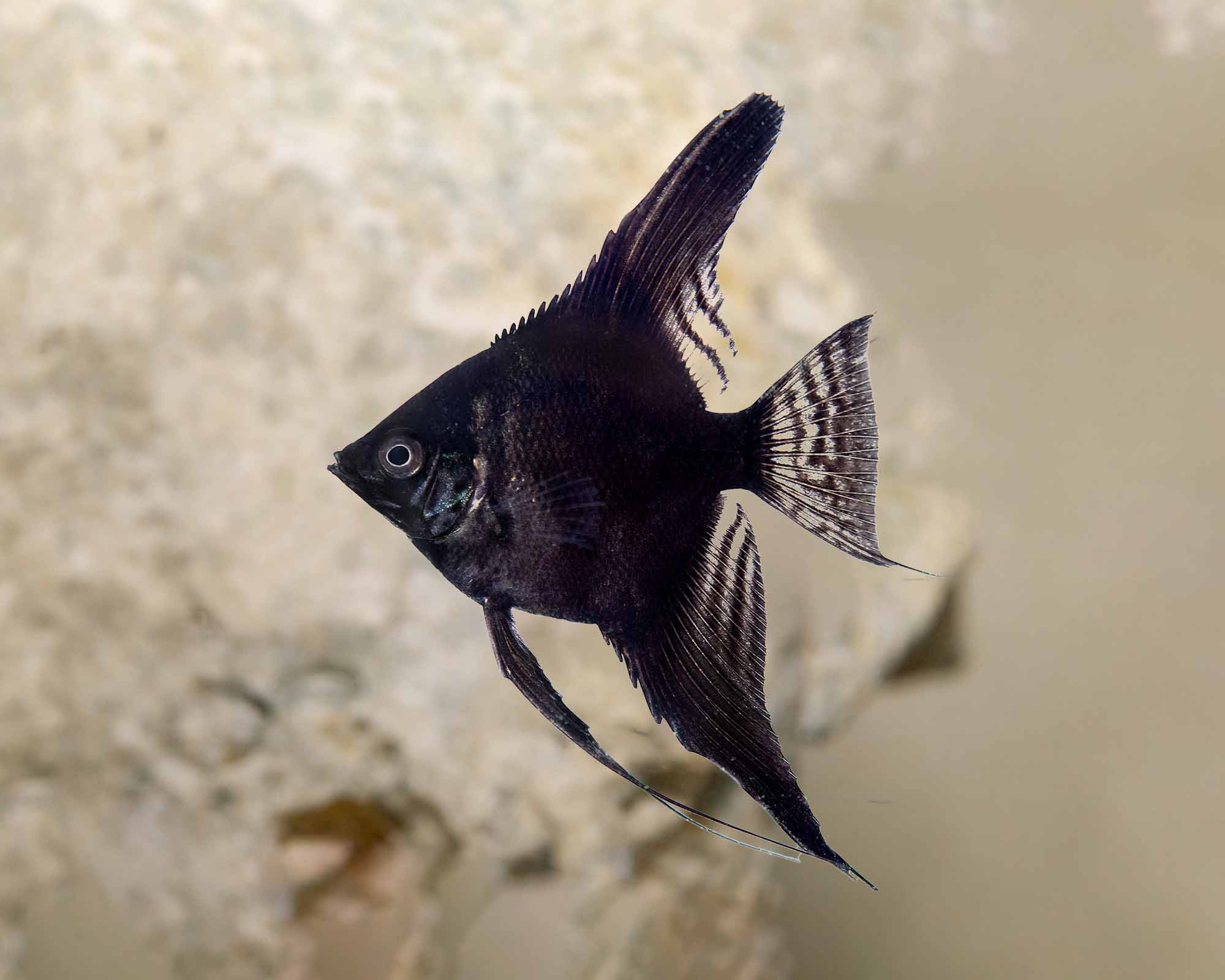
The application source identifies two fish as a Pelvicachromis pulcher DNZ pair. “DNZ” is retained as supplied and is not interpreted here as a verified locality, breeder designation or color strain. The images show a strongly colored Pelvicachromis-type fish, but images alone cannot establish exact species, sex, provenance or captive line.
Leave your comments