AquaLibs presents AquaRank Discover the world’s leading aquascapers

Explore transparent rankings built from published results across the world’s leading aquascaping contests.

Hyphessobrycon flammeus (Flame Tetra)

Overview

The Flame Tetra, also widely known as the Red of Rio (Hyphessobrycon flammeus), is a staple in the aquarium hobby. The "DNZ" designation often indicates "Deutsche Nachzucht," meaning these specimens are captive-bred in Germany, ensuring they are hardy, adapted to aquarium conditions, and environmentally sustainable. Known for their striking coloration and dynamic schooling behavior, they are a fantastic addition to planted community tanks.

Distribution and Habitat

In the wild, the Flame Tetra originates from South America, specifically the coastal river drainages of Rio de Janeiro, Brazil. They naturally inhabit slow-moving rivers, streams, and tributaries heavily shaded by dense forest canopies. These waters are typically stained with tannins from decaying organic matter, creating a slightly acidic, soft water environment with plenty of submerged roots and vegetation.

Description of Flame Tetra

Image of red of rio hyphessobrycon flammeus dnz

The Flame Tetra is aptly named for its brilliant, fire-like coloration that develops as the fish matures and settles into a comfortable environment.

Body shape:

They possess a classic tetra profile: laterally compressed, somewhat deep-bodied, and roughly diamond-shaped, allowing them to navigate easily through dense aquatic vegetation.

Color:

The anterior (front) half of the body is typically a shimmering silver or olive-green, which abruptly transitions into a vibrant, fiery red towards the posterior. They feature two distinct, vertical black bars just behind the gills.

Barbels:

Like other characins, the Flame Tetra does not possess any barbels.

Snout:

The snout is relatively short and blunt, featuring a small, terminal mouth designed for snatching small insects and zooplankton from the water column.

Eyes:

They have proportionally large, alert eyes with a dark pupil and a highly reflective, often silvery-blue iris, which aids in low-light vision.

Fins:

The dorsal, anal, and pelvic fins are a striking bright red. In males, the anal fin is often edged in black, and the pelvic fins may display white tips.

The Tail:

The caudal (tail) fin is deeply forked. While mostly transparent to aid in stealth, the base of the tail often carries the red pigment from the body.

Temper

Flame Tetras are incredibly peaceful and timid by nature. They do not nip fins or harass other tank mates, making them model citizens for a tranquil community aquarium.

Sociality

This species is highly gregarious and must be kept in a school to feel secure. A minimum group of 6 to 8 individuals is required, though schools of 12 or more will encourage their best colors and most natural behaviors.

Activity

They are highly active mid-water swimmers. When kept in proper numbers, they will constantly dart around the middle levels of the aquarium, occasionally breaking formation to explore plants before regrouping.

Keeping and Caring for Flame Tetra

Because the "DNZ" (captive-bred) strains are far removed from their wild ancestors, they are highly adaptable and very forgiving of minor fluctuations, making them an excellent choice for beginners.

Tank size:

A minimum tank size of 60 liters (15 gallons) is recommended to provide adequate swimming space for a small school, though a 20-gallon long is ideal.

Water Parameters:

While adaptable, mimicking their natural habitat will yield the brightest colors and longest lifespans.

Temperature

They thrive in standard tropical temperatures between 22-28°C (72-82°F).

pH

A slightly acidic to neutral pH ranging from 5.8 to 7.5 is ideal.

Hardness

Soft to moderately hard water is acceptable, ideally between 3 and 15 dGH.

Ammonia, Nitrite, Nitrate

Ammonia and Nitrite must always remain at 0 ppm. Nitrates should be kept below 20 ppm through regular water changes and plant filtration.

Lighting

Moderate to dim lighting is preferred. High-intensity lighting can wash out their colors and cause stress unless the tank is heavily shaded by floating plants.

Water flow

A gentle water flow is best, simulating the sluggish streams of their native habitat.

Decorations and Plants

A dark substrate will beautifully contrast their red coloration. The tank should be heavily planted with species like Amazon Swords, Cryptocorynes, and Java Fern, alongside driftwood and leaf litter to provide hiding spots and release beneficial tannins.

Diet

Flame Tetras are omnivorous micro-predators. In the aquarium, they will readily accept high-quality crushed flakes and micro-pellets. To ensure optimal health and vibrant reds, supplement their diet with live or frozen foods like daphnia, baby brine shrimp, and bloodworms.

Some Feeding Tips

Feed them small amounts once or twice a day—only what they can consume in under two minutes. Because they have small mouths, ensure that all prepared foods are appropriately sized.

Breeding

Breeding the Flame Tetra is relatively straightforward. They are egg-scatterers that exhibit no parental care. To breed them, set up a separate dimly lit breeding tank with soft, slightly acidic water and line the bottom with fine-leaved plants like Java Moss or a spawning mop. Condition the breeders with live foods. Spawning usually occurs in the morning. Once eggs are scattered, the parents must be removed immediately to prevent them from eating the eggs. The fry will hatch in 24-36 hours and become free-swimming a few days later, requiring infusoria or liquid fry food initially.

Conclusion

The Flame Tetra (Red of Rio) is a true gem of the aquarium hobby. With its undemanding nature, peaceful temperament, and striking contrast of silver, black, and fiery red, it is an ideal choice for aquarists of all skill levels looking to add life and color to a planted community tank.
Fish info

  • Care level: Easy
  • Temperament: Peaceful
  • Adult size: 4-5 cm
  • Life expectancy: 3-5 years
  • Fish type: Tetra
  • Temperature : 22-28°C
  • pH: 5.8-7.5
  • Color Form: Black, Red, Silver
Leave your comments
Latest on Fishs
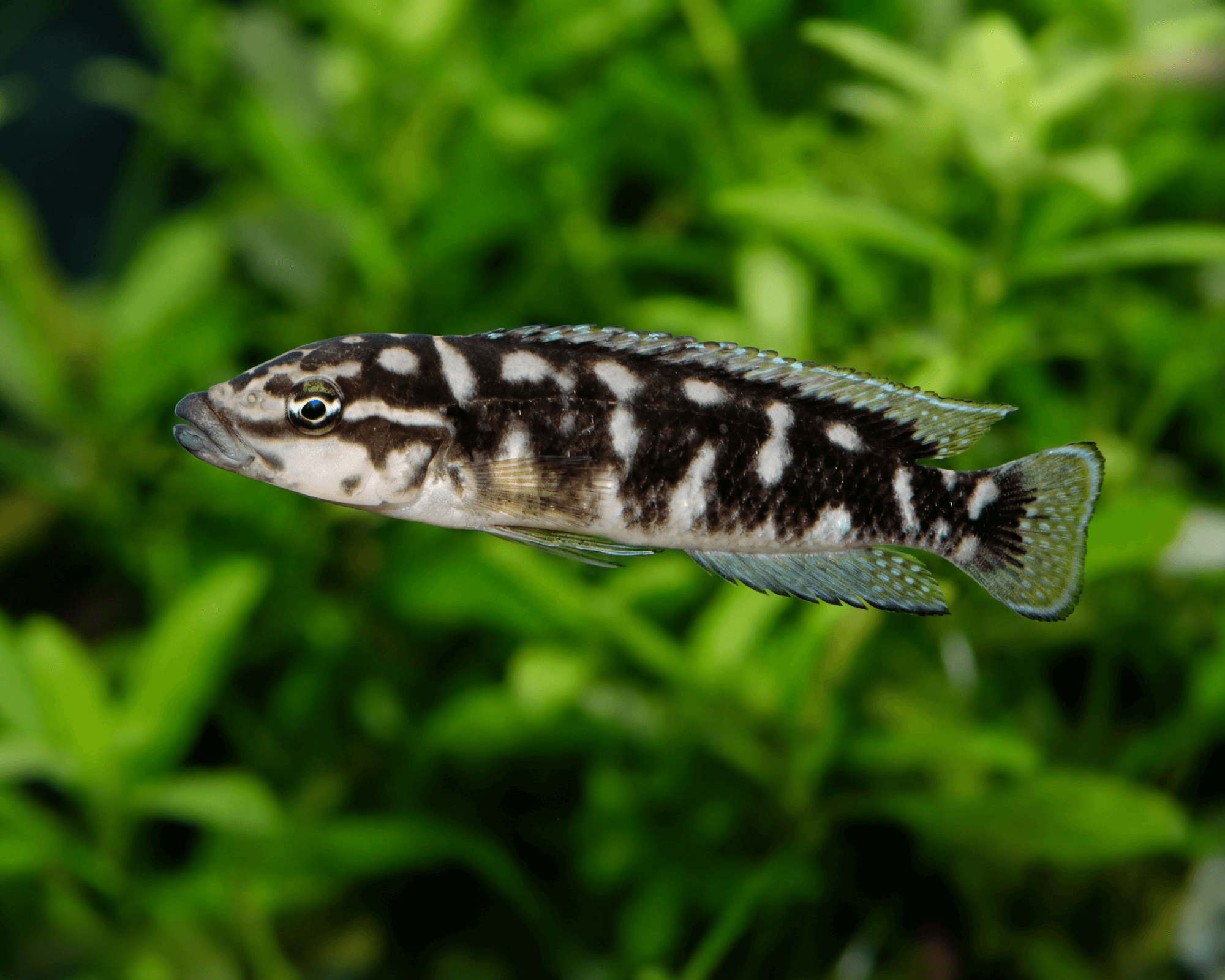
  • Julidochromis transcriptus: Black-and-White Slender Cichlid

    Julidochromis transcriptus: Black-and-White Slender Cichlid

    Moderate
    Lake Tanganyika rock-dwelling cichlid
    Julidochromis transcriptus is a small rock-dwelling cichlid from Lake Tanganyika, recognized by its compact, elongated body and irregular black-and-white pattern. It is a territorial cave dweller that is best kept as an established pair in a carefully structured aquarium. The supplied fish are identified as a DNZ pair, although sex, collection locality, and precise geographic form cannot be verified from the supplied material alone.
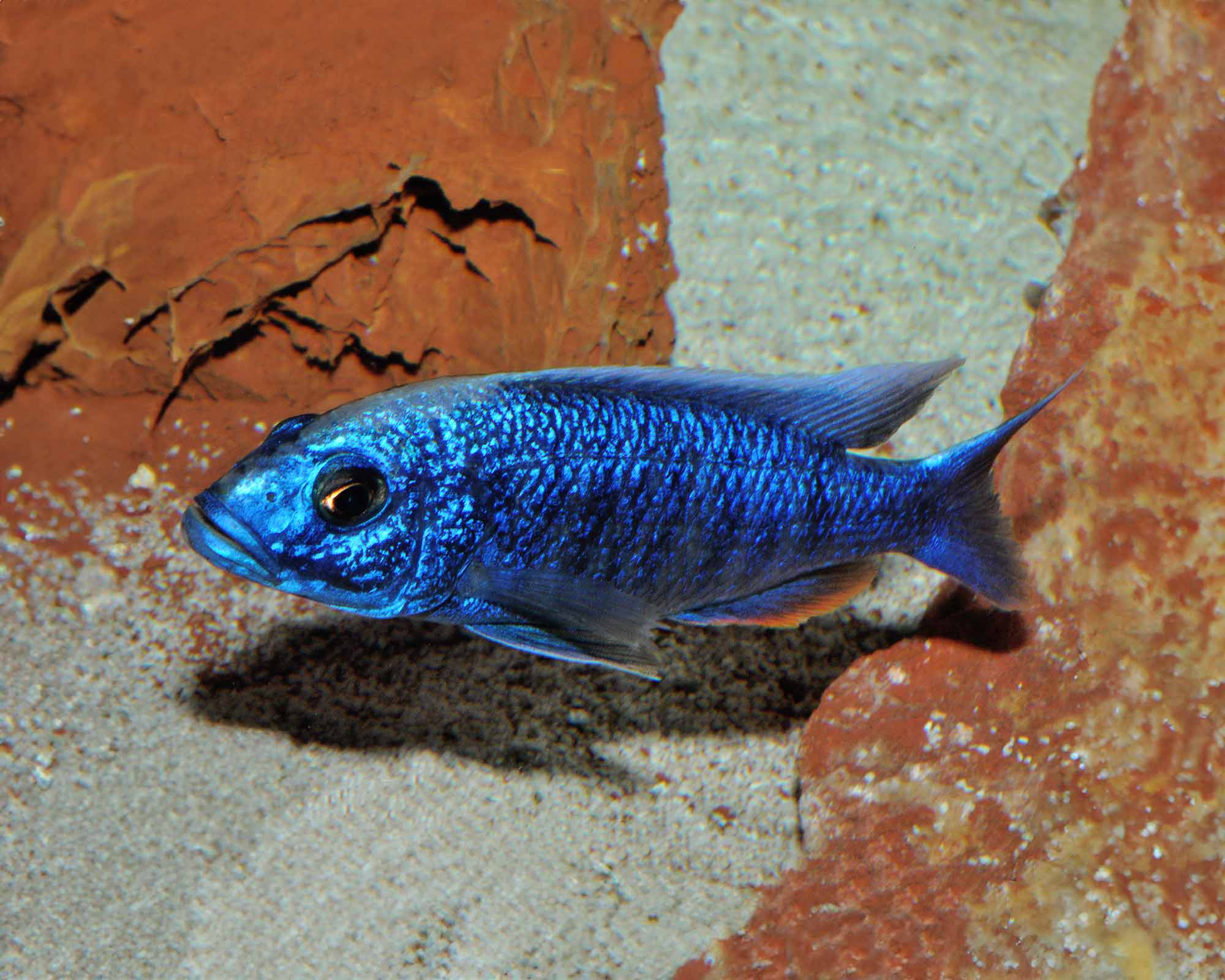
  • Azur Cichlid (Sciaenochromis fryeri) Care Guide

    Azur Cichlid (Sciaenochromis fryeri) Care Guide

    Moderate
    Lake Malawi haplochromine cichlid
    The Azur cichlid is commonly sold as Sciaenochromis fryeri, a predatory haplochromine cichlid from Lake Malawi. Mature males develop vivid electric-blue coloration, while females and juveniles are generally less intensely colored. This fish is moderately aggressive and needs a spacious aquarium with rocky structure, alkaline, mineral-rich water, and carefully selected tank mates. The supplied source describes a DNZ pair, but sex and exact locality cannot be confirmed from the images alone. Identification confidence is therefore good but not absolute.
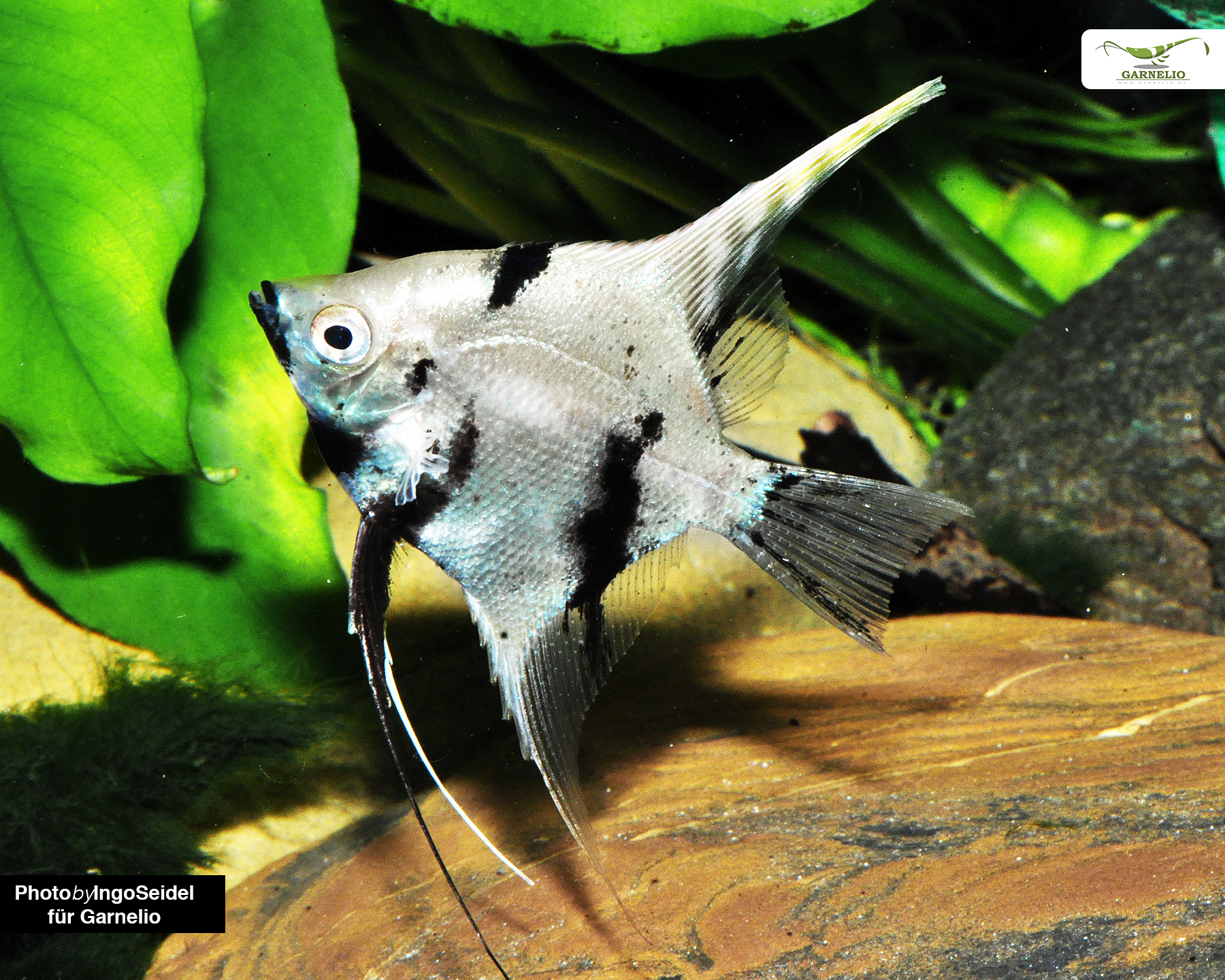
  • Marble Angelfish (Pterophyllum scalare)

    Marble Angelfish (Pterophyllum scalare)

    Moderate
    South American freshwater cichlid
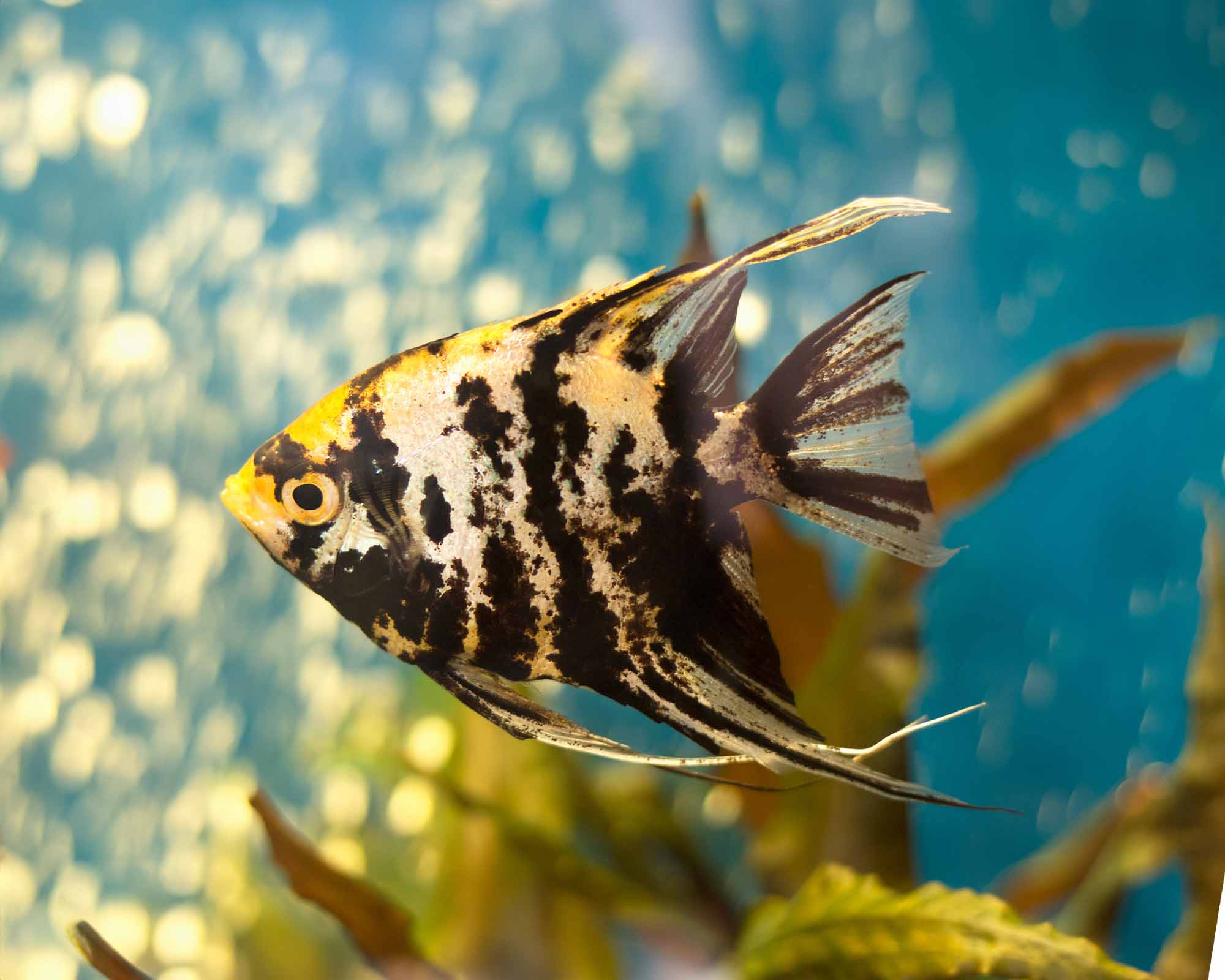
    The marble angelfish is a captive-bred color form of Pterophyllum scalare, a tall-bodied South American cichlid valued for its elegant fins and distinctive irregular black patterning. It needs a mature, spacious aquarium with excellent water quality, warm water and suitable tank mates. Although generally manageable, adults establish territories and may become assertive when pairing or spawning. The supplied source identifies two marble angelfish; exact lineage and strain details cannot be confirmed from the available information.
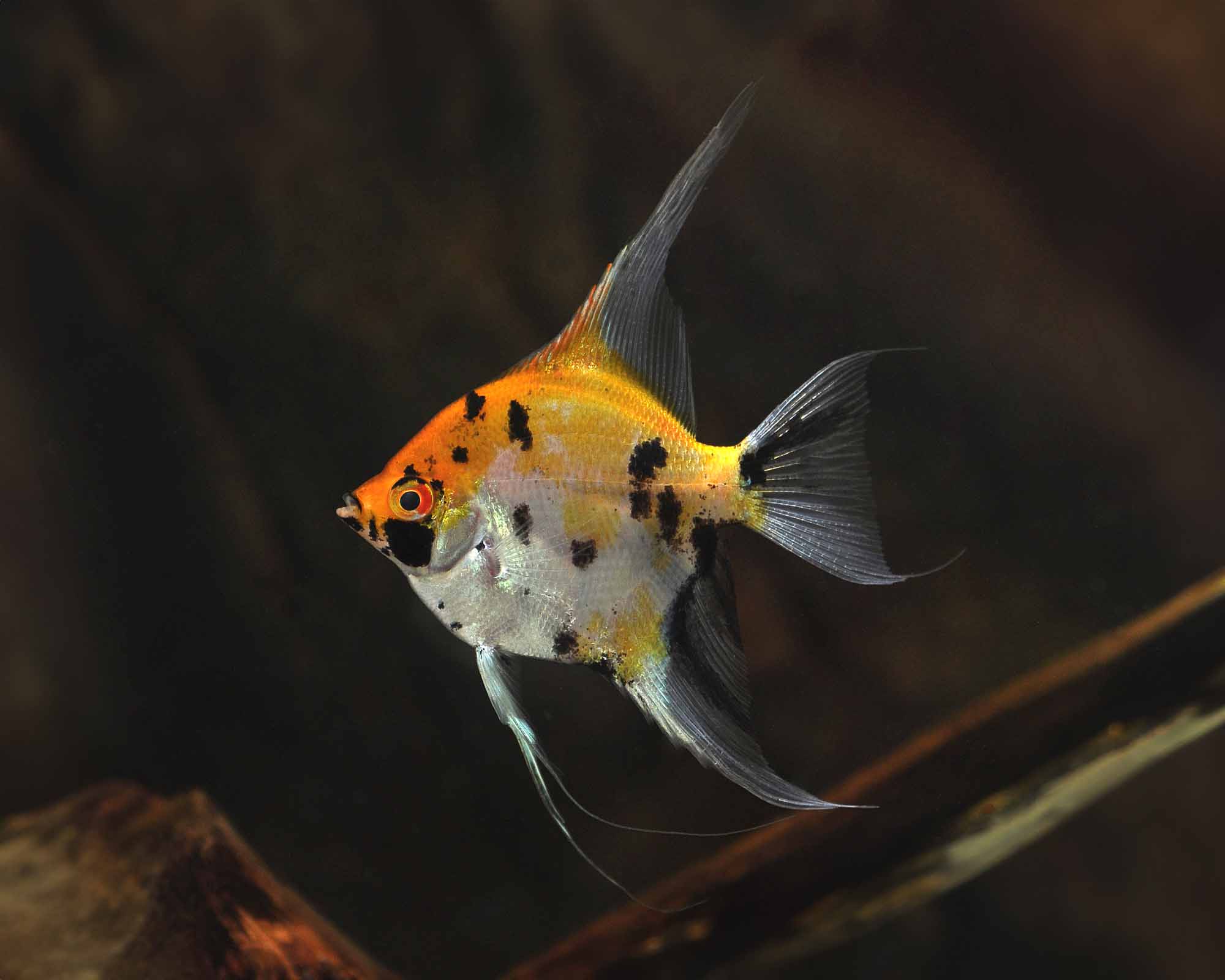
  • Gold Angelfish, Pterophyllum scalare

    Gold Angelfish, Pterophyllum scalare

    Moderate
    Freshwater South American cichlid
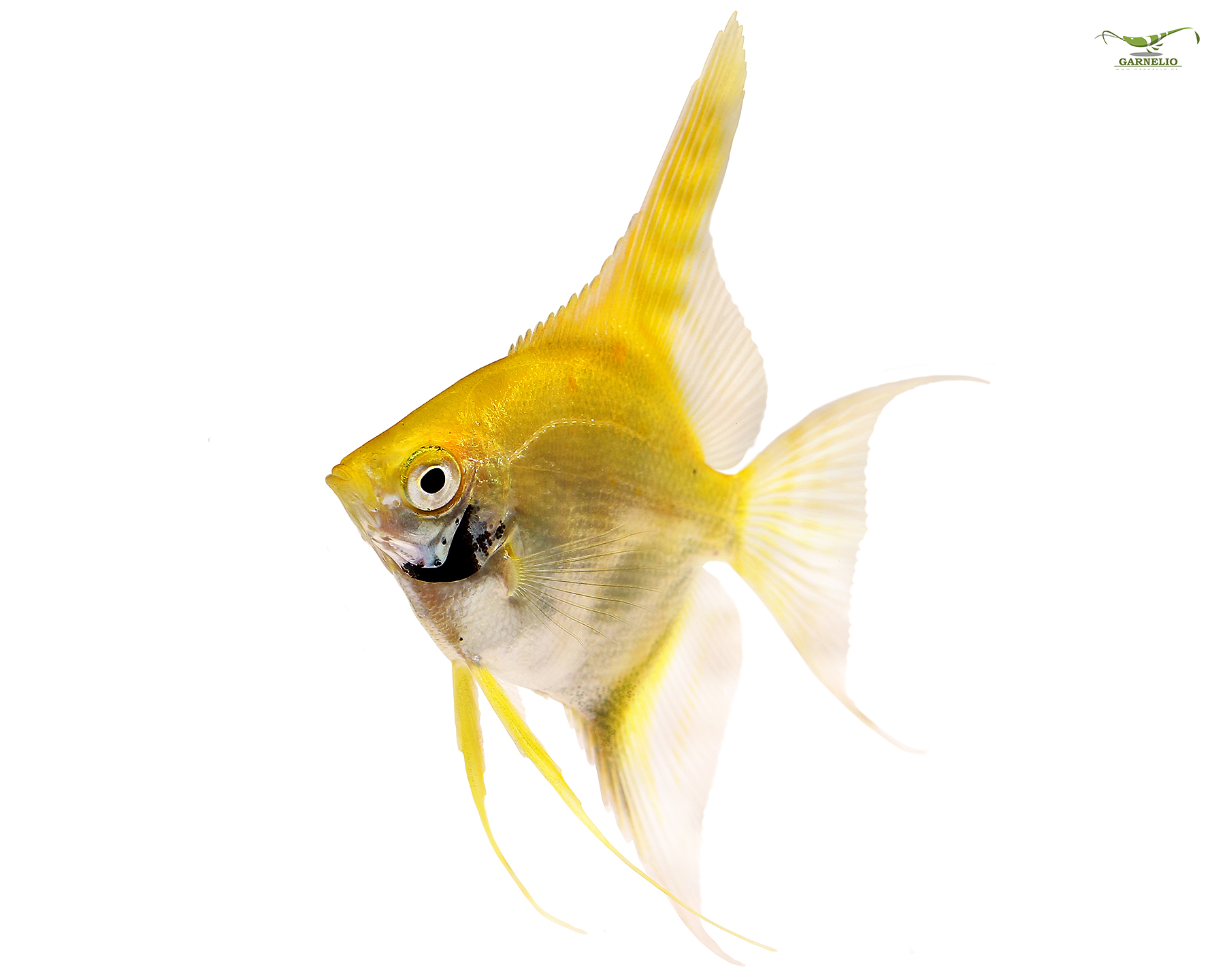
    The Gold Angelfish is an ornamental colour form of Pterophyllum scalare, a tall-bodied South American cichlid valued for its graceful movement and parental care. It needs a mature, spacious aquarium with substantial vertical clearance, stable warm water and carefully chosen tank mates. The supplied source identifies two fish as Gold Angelfish, although the accompanying images show several angelfish colour and fin forms, so the exact appearance of the supplied specimens cannot be confirmed from the images alone.
  • Zebra Angelfish (Pterophyllum scalare)

    Zebra Angelfish (Pterophyllum scalare)

    Moderate
    South American freshwater cichlid
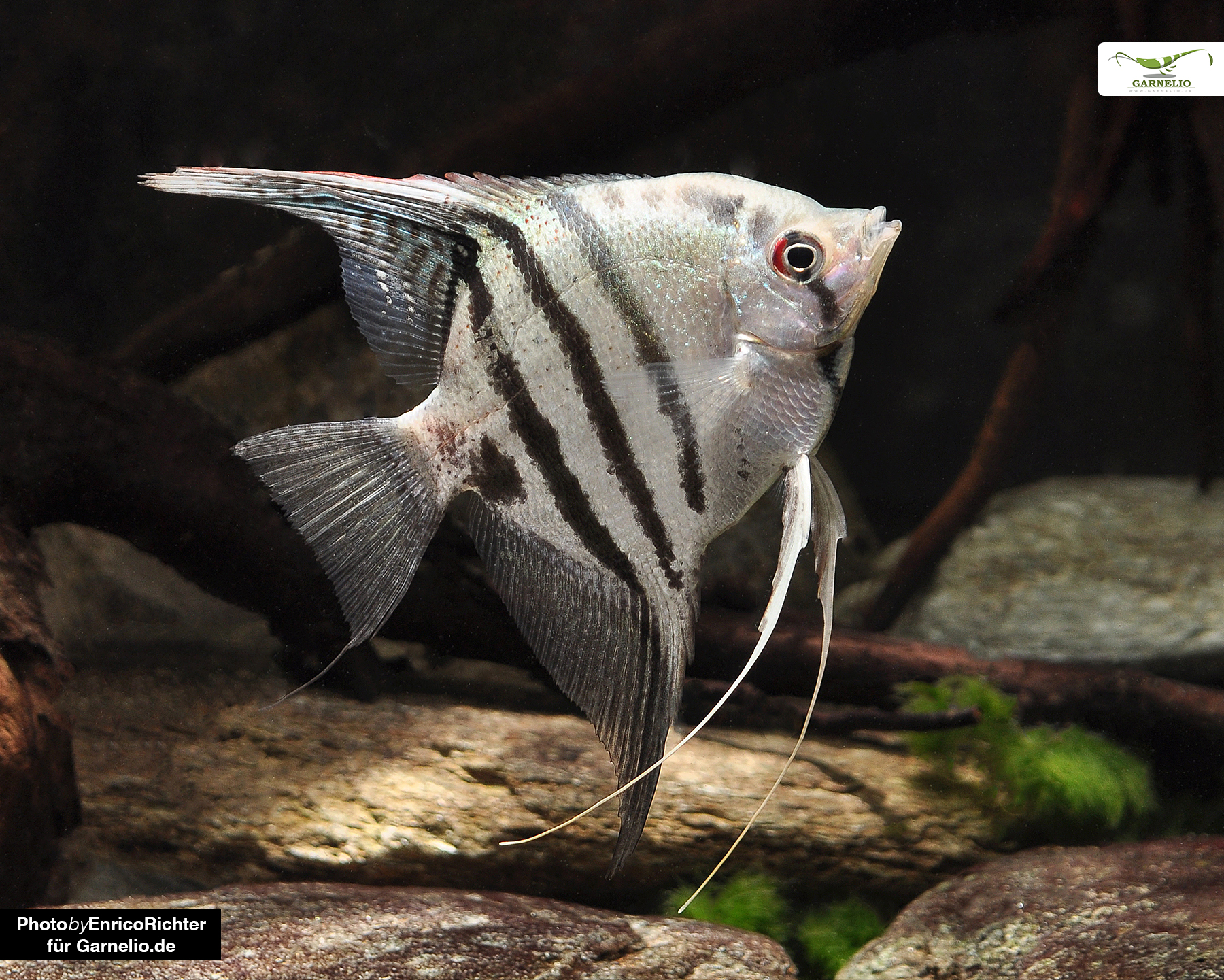
    The Zebra Angelfish is a selectively bred form of Pterophyllum scalare, recognised by a silvery body with several dark vertical bars and the tall, laterally compressed shape typical of freshwater angelfish. The supplied images also show other angelfish colour forms, so the exact appearance of the listed pair cannot be confirmed from the image set alone. This South American cichlid is generally manageable for experienced community keepers, but its size, territorial breeding behaviour and need for a tall aquarium should be planned for carefully.
  • Black Angelfish (Pterophyllum scalare)

    Black Angelfish (Pterophyllum scalare)

    Moderate
    South American freshwater cichlid
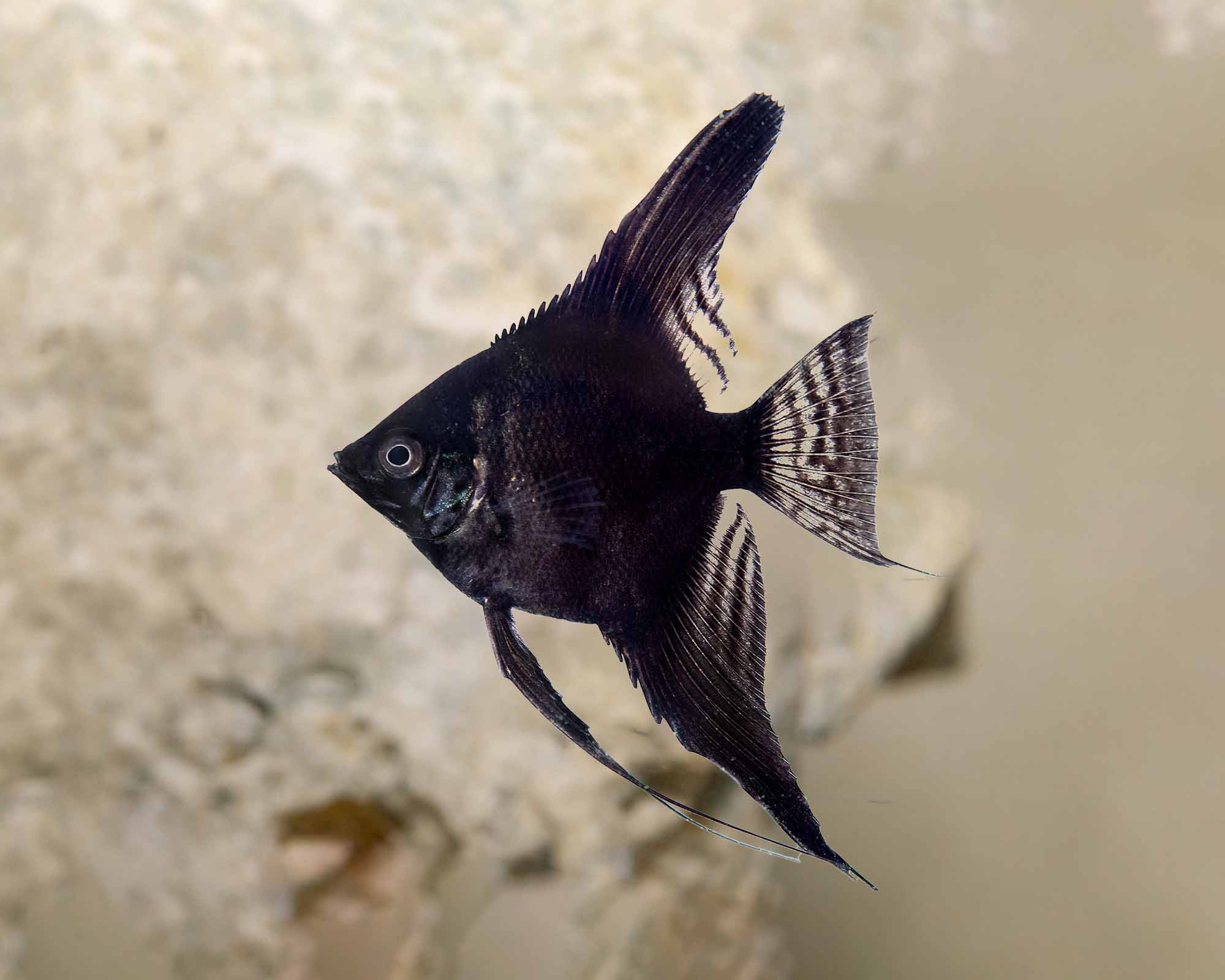
    The supplied record identifies two black angelfish, most likely a domestic color form of Pterophyllum scalare. The photographs show several angelfish color patterns, so they should not be treated as proof that every pictured fish is black or that all belong to the same strain. Black angelfish retain the tall, laterally compressed body and extended fins typical of freshwater angelfish. They need a tall, mature aquarium, stable warm water, a varied diet, and carefully selected tank mates.
  • White Marble Angelfish (Pterophyllum scalare)

    White Marble Angelfish (Pterophyllum scalare)

    Moderate
    Freshwater cichlid
    The white marble angelfish is a selectively bred aquarium color form of Pterophyllum scalare, a tall-bodied South American cichlid valued for its elegant fins and distinctive irregular dark marbling. It is generally peaceful when young but can become territorial, especially when paired for spawning. Successful care depends on a tall aquarium, excellent water quality, suitable tank mates, and a varied carnivorous-omnivorous diet. The exact genetic strain shown cannot be confirmed from photographs alone.
  • Freshwater Angelfish Mix (Pterophyllum scalare)

    Freshwater Angelfish Mix (Pterophyllum scalare)

    Moderate
    Freshwater cichlid
    Freshwater angelfish are tall-bodied South American cichlids valued for their graceful movement and wide range of captive color forms. The supplied source identifies a mixed group as Pterophyllum scalare; the photographs show several forms, including striped, black, orange, white, silver and blue-toned fish. They are manageable for experienced beginners, but their adult height, territorial breeding behavior and tendency to eat small tank mates require thoughtful aquarium planning.
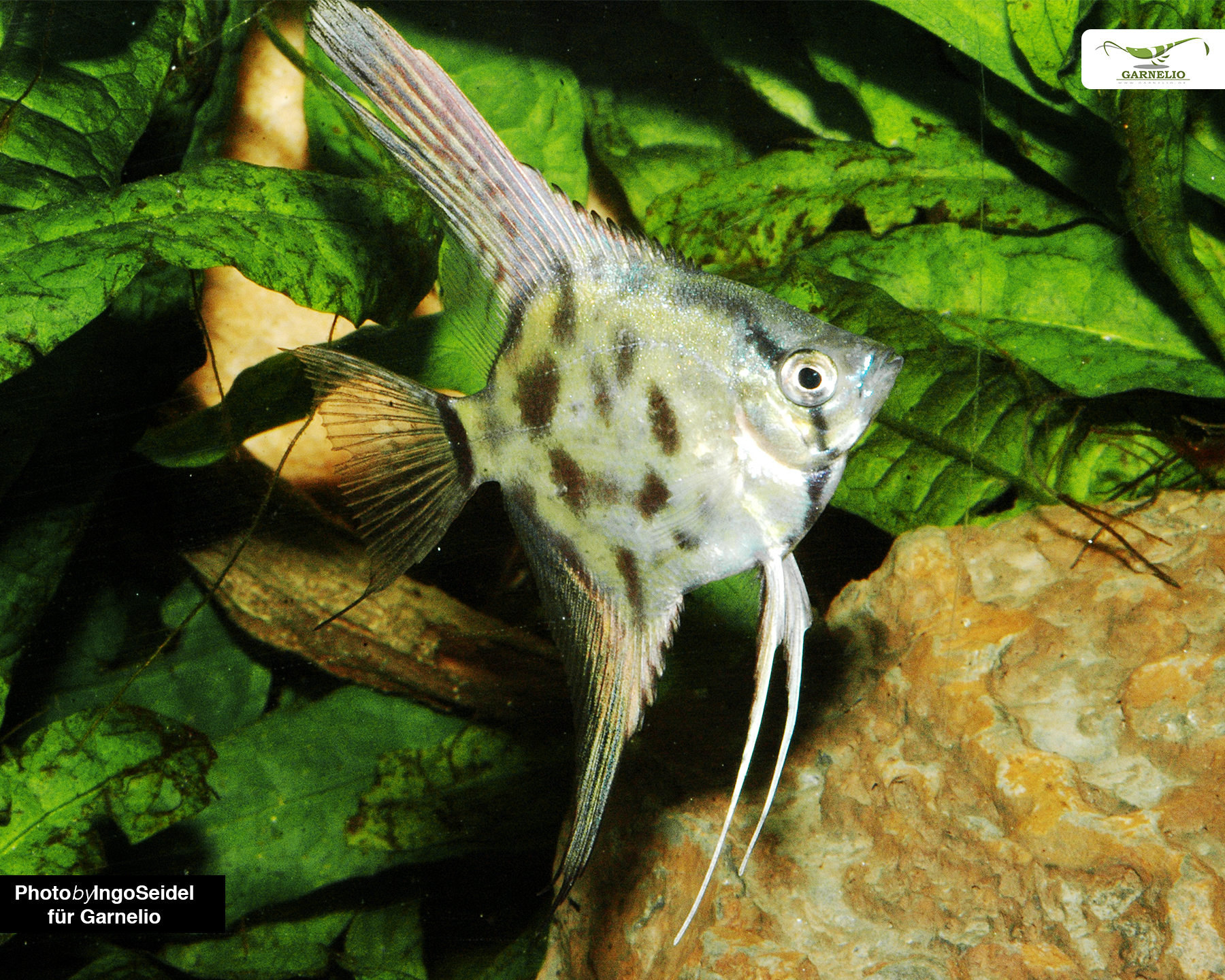
  • Leopard Angelfish (Pterophyllum scalare)

    Leopard Angelfish (Pterophyllum scalare)

    Moderate
    South American freshwater cichlid
    The leopard angelfish is a domestic color form of Pterophyllum scalare, a tall-bodied freshwater cichlid from tropical South America. Its silver to yellowish body is marked with irregular dark spots or broken vertical bars, although pattern intensity varies with age, mood and breeding line. It is generally peaceful in a suitably spacious community aquarium, but pairs become territorial when spawning. This fish needs warm, clean water, generous vertical swimming space and tank mates too large to swallow.
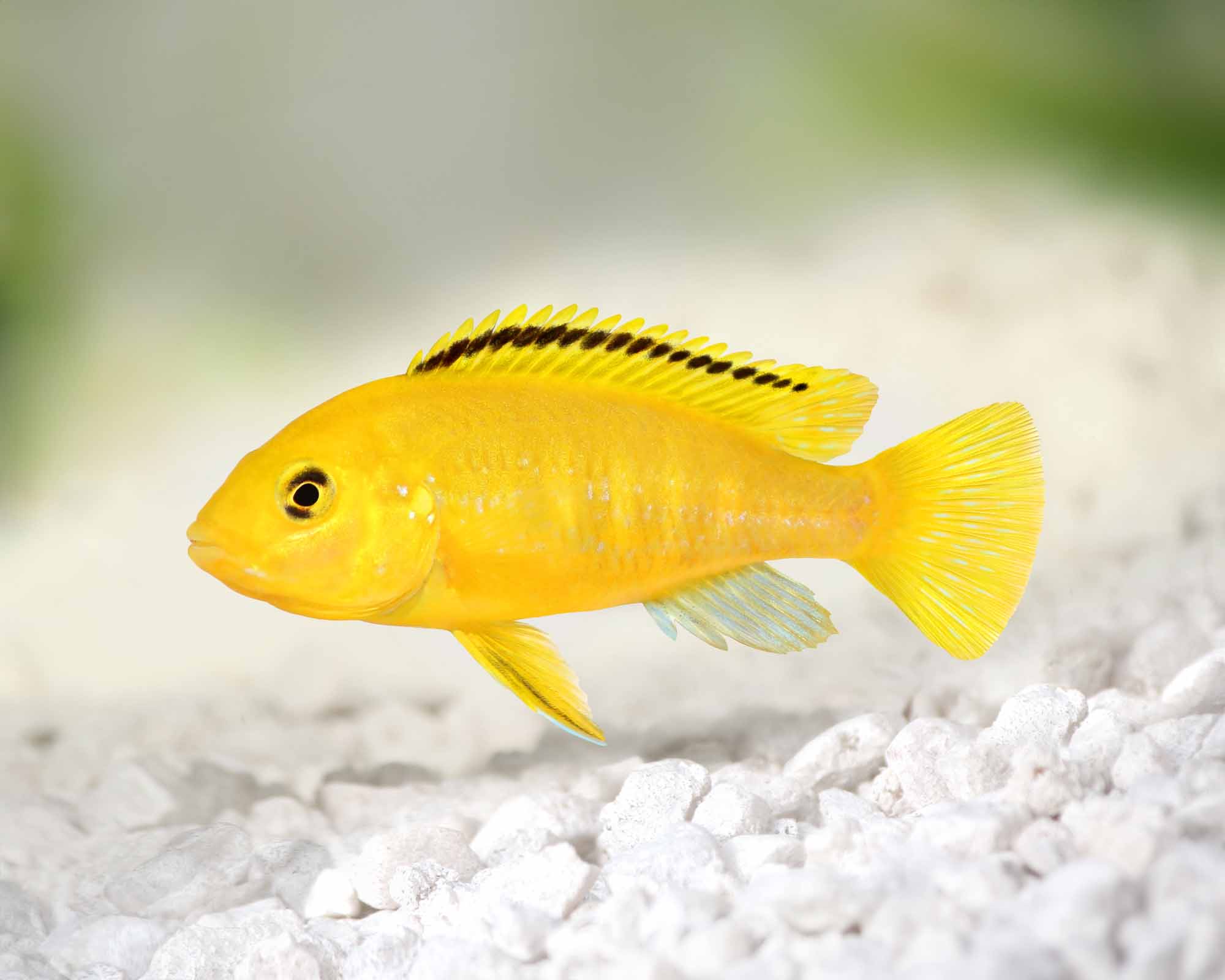
  • Yellow Labidochromis (Labidochromis caeruleus)

    Yellow Labidochromis (Labidochromis caeruleus)

    Easy - Moderate
    Lake Malawi mbuna cichlid
    The Yellow Labidochromis is a bright yellow mbuna cichlid from Lake Malawi. Labidochromis caeruleus is generally manageable for an African cichlid, but it remains territorial and needs hard, alkaline water, rockwork, and carefully chosen companions. The supplied source identifies two fish as a pair; sex and pair bonding cannot be confirmed from the available images. This species is an adaptable algae grazer, a maternal mouthbrooder, and a rewarding choice for an appropriately planned Malawi cichlid aquarium.
  • Blue Pearl Angelfish (Pterophyllum scalare)

    Blue Pearl Angelfish (Pterophyllum scalare)

    Moderate
    Freshwater cichlid
    The Blue Pearl Angelfish is a selectively bred colour form of Pterophyllum scalare, the freshwater angelfish. Its laterally compressed body, extended fins and tall profile make it a striking inhabitant of a planted community aquarium. The supplied trade label supports identification as this species and colour form, although individual colour intensity can vary. It requires warm, stable, clean water, generous vertical swimming space and thoughtful tank-mate selection, especially as adults become territorial when pairing or spawning.
  • Villavicencio Dwarf Cichlid Apistogramma macmasteri

    Villavicencio Dwarf Cichlid Apistogramma macmasteri

    Moderate
    South American dwarf cichlid
    Apistogramma macmasteri, commonly called the Villavicencio dwarf cichlid, is a small South American cichlid associated with the Río Orinoco drainage of Colombia. It is valued for its compact size, elaborate finnage and interesting courtship behavior. A bonded pair can be kept in a carefully structured aquarium with soft, clean water, sand, cover and several potential spawning sites. Although manageable for an experienced community aquarist, territorial behavior increases during breeding, so tank layout and tankmate selection are important.
  • Neolamprologus leleupi (Tanganyika Golden Cichlid)

    Neolamprologus leleupi (Tanganyika Golden Cichlid)

    Moderate
    Lake Tanganyika rock-dwelling cichlid
    Neolamprologus leleupi is a small, brightly coloured cichlid endemic to Lake Tanganyika in East Africa. It inhabits rocky coastal areas and uses crevices for shelter, feeding and spawning. Despite its modest size, it can be strongly territorial, particularly when paired or breeding. The supplied source identifies these fish as a golden colour form and a pair, although sex cannot be confirmed reliably from the image alone. Successful care depends on alkaline, mineral-rich water, abundant rockwork and carefully chosen tank mates.
  • Maingano Cichlid (Melanochromis cyaneorhabdos)

    Maingano Cichlid (Melanochromis cyaneorhabdos)

    Moderate - Difficult
    Lake Malawi mbuna cichlid
    The Maingano, or Johanni Maingano, is a Lake Malawi mbuna recognized for its intense steel-blue body and dark horizontal markings. The supplied label combines “Johanni” with the scientific name Melanochromis cyaneorhabdos; these are distinct species, so identification should be confirmed from the seller or locality. This territorial mouthbrooding cichlid needs hard, alkaline water, abundant rockwork, a predominantly algae-based diet, and careful stocking to limit aggression.
  • Red Chocolate Gourami (Sphaerichthys vaillanti)

    Red Chocolate Gourami (Sphaerichthys vaillanti)

    Difficult
    Blackwater labyrinth fish
    The red chocolate gourami, Sphaerichthys vaillanti, is a specialized Southeast Asian labyrinth fish suited to mature, soft, acidic blackwater aquariums. It is peaceful but easily stressed by bright lighting, strong currents and boisterous tank mates. The supplied source identifies these fish as a pair; sex and exact identity cannot be confirmed from the image alone, so identification should be checked against a reliable specimen reference. Stable water quality, cover and a varied small-food diet are central to long-term success.
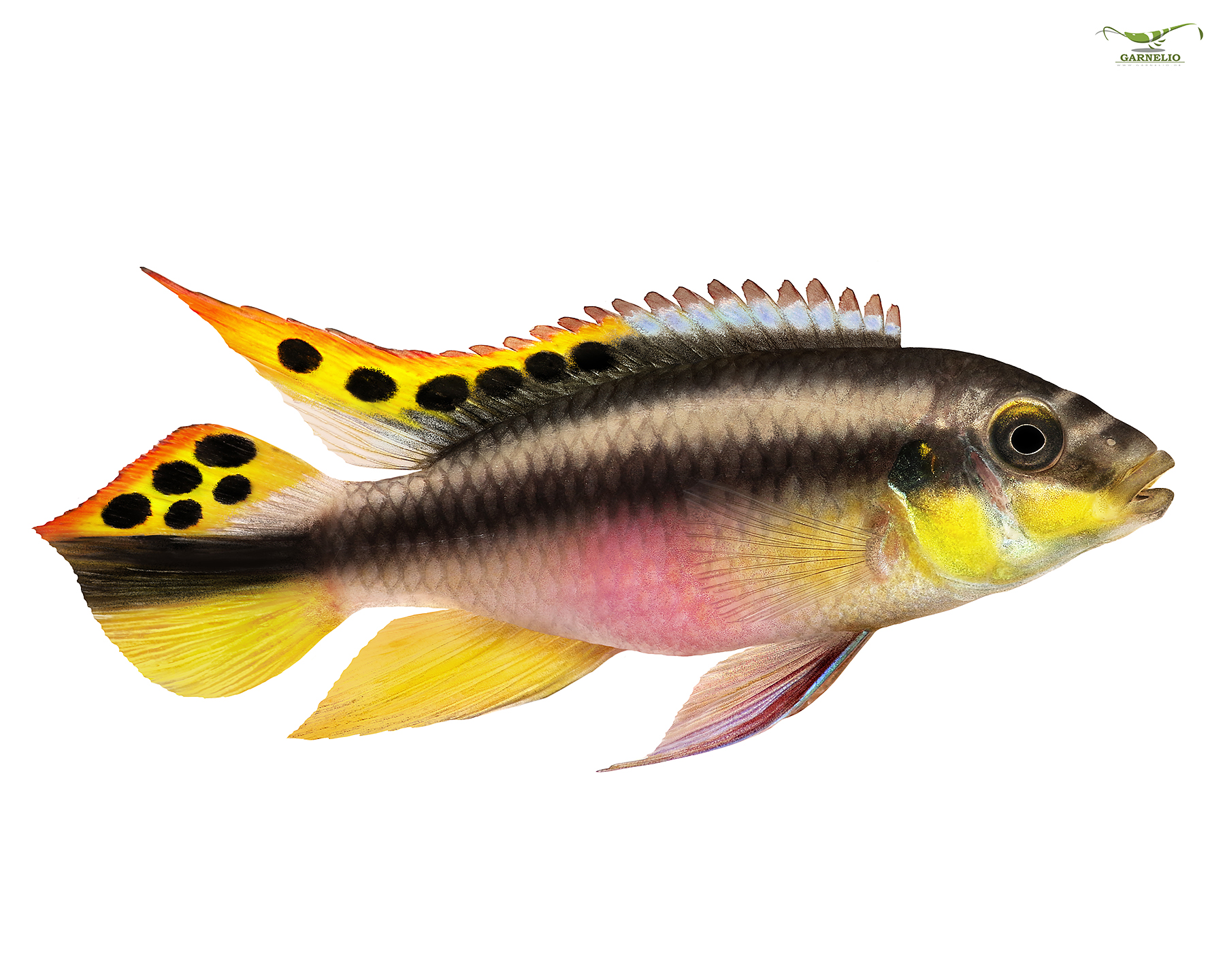
  • Pelvicachromis pulcher Purple Tilapia Pair Care Guide

    Pelvicachromis pulcher Purple Tilapia Pair Care Guide

    Easy - Moderate
    Small West African freshwater cichlid
    Pelvicachromis pulcher, commonly called the kribensis or purple cichlid, is a small West African cave-spawning cichlid valued for its manageable size, attractive breeding colors and attentive parental behavior. A bonded pair can live in a community aquarium when provided with suitable cover and carefully chosen tank mates. The supplied listing identifies the fish as Pelvicachromis pulcher, although photographs alone cannot confirm the exact locality or color form.