It’s time to help contribute for biggest aquarium gallery online

SUBMIT HEREVIEW GALLERY

Crossocheilus siamensis (Siamese Algae Eater)

Overview

The Siamese Algae Eater, scientifically known as Crossocheilus siamensis, is widely considered one of the most effective algae-eating fish in the aquarium hobby. Unlike many other species, they are famous for their willingness to consume stubborn black beard algae (BBA) and hair algae. Their energetic swimming patterns and diligent cleaning habits make them an invaluable addition to larger planted aquariums.

Distribution and Habitat

This species is native to the river basins of Southeast Asia, primarily found in Thailand, Malaysia, and parts of Indonesia. They inhabit heavily oxygenated streams and rivers with dense vegetation, submerged tree roots, and rocky bottoms. During the rainy season, they are known to move into flooded forests. The water in their natural habitat is typically clear, fast-flowing, and rich in oxygen.

Description of Siamese Algae Eater

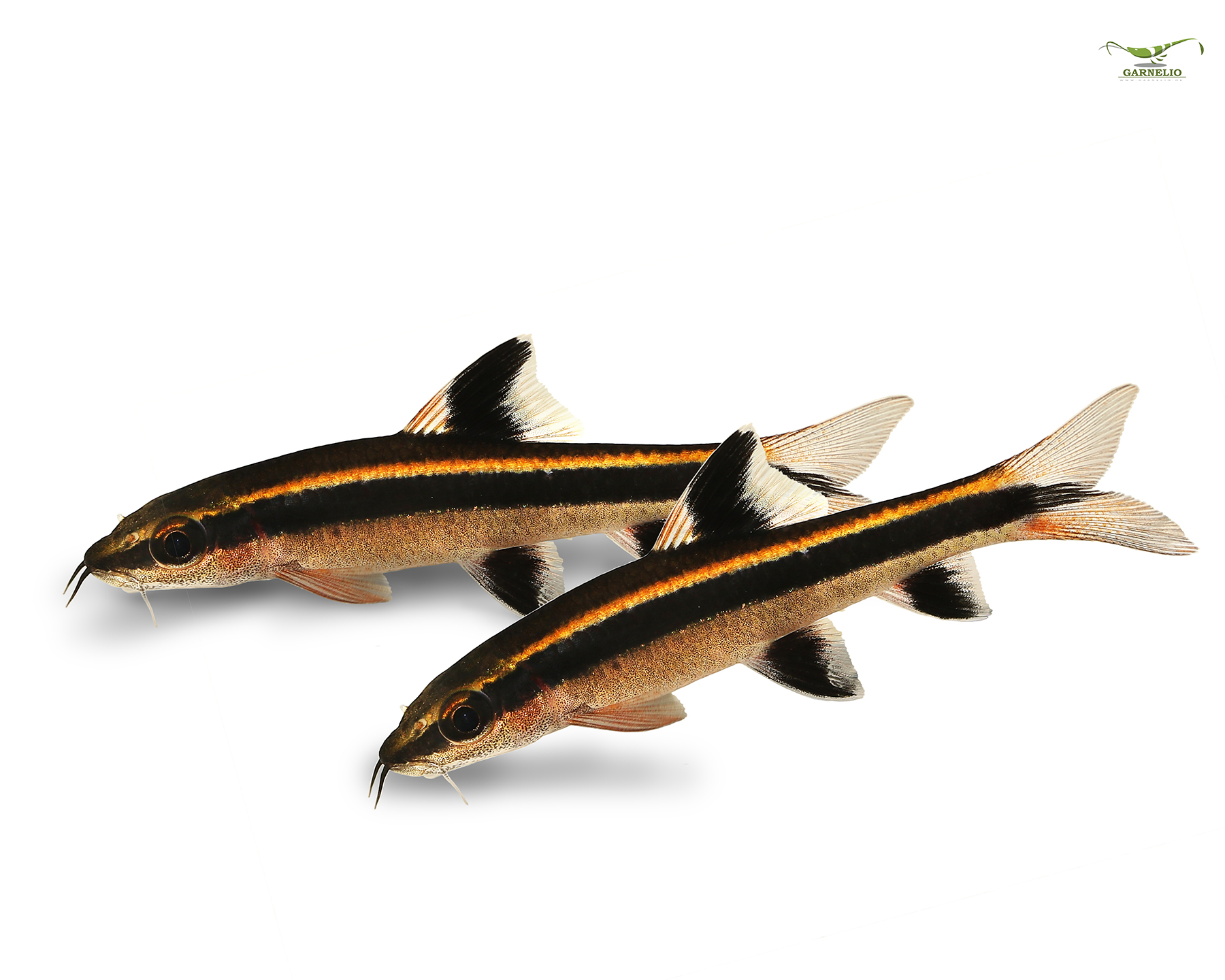
Image of proboscis barb crossocheilus siamensis

Body shape:

They possess a slender, elongated, and torpedo-like body that is perfectly adapted for navigating fast-moving water currents and darting among dense plant life.

Color:

The primary body color is a silvery-grey or light brown, featuring a stark, bold black horizontal stripe that runs continuously from the tip of their snout all the way to the end of their tail fin.

Barbels:

They have a single pair of thin rostral barbels on their snout, which helps distinguish them from similar-looking species like the Flying Fox (which has two pairs).

Snout:

Their snout is slightly pointed and features a specialized downward-facing mouth designed for effectively scraping and grazing algae off flat surfaces and plant leaves.

Eyes:

The eyes are relatively large, clear, and positioned laterally on the head to provide a wide field of vision for detecting both food and predators.

Fins:

All of their fins are completely transparent or clear, lacking the red, yellow, or black markings often found on the fins of the similar-looking Flying Fox or False Siamese Algae Eater.

The Tail:

The tail is deeply forked and transparent. Crucially, the black lateral body stripe extends straight through the center of the tail fin, tapering to a point.

Temper

They are generally peaceful fish, especially when young. As they mature into adulthood, they can occasionally become mildly territorial toward their own kind or other bottom-dwelling species with similar body shapes, but they rarely cause physical harm to tank mates.

Sociality

While they can be kept singly, they exhibit their most natural behaviors when kept in small shoals of 3 to 5 individuals. In a community setup, they ignore most mid-to-top dwelling fish and do well with tetras, rasboras, and peaceful cichlids.

Activity

Siamese Algae Eaters are exceptionally active. They spend the majority of their day constantly grazing on plant leaves, driftwood, and aquarium glass. When resting, they possess a unique habit of propping themselves up on their pectoral and pelvic fins on the substrate or broad plant leaves.

Keeping and Caring for Siamese Algae Eater

Providing an environment that mimics their natural riverine habitat is the key to keeping these fish healthy and active. They require clean, well-oxygenated water and plenty of space to swim.

Tank size:

Due to their adult size of up to 15 cm (6 inches) and their highly active swimming nature, a minimum tank size of 100 liters (about 30 gallons) is recommended. Larger tanks are required if keeping a group.

Water Parameters:

Temperature

They thrive in tropical temperatures ranging between 24-26°C (75-79°F).

pH

The ideal pH level should be slightly acidic to neutral, ideally between 6.5 and 7.5.

Hardness

They prefer soft to moderately hard water, generally between 5 and 15 dGH.

Ammonia, Nitrite, Nitrate

Ammonia and Nitrite must always be strictly at 0 ppm. Nitrates should be kept as low as possible, ideally below 20 ppm, through regular water changes.

Lighting

Moderate to high lighting is recommended. Not only does this support the growth of live plants, but it also encourages the natural growth of algae for the fish to graze on.

Water flow

Moderate to strong water flow is highly beneficial. Using a powerhead or a strong canister filter will simulate the fast-flowing streams of their native habitat and keep oxygen levels high.

Decorations and Plants

A heavily planted aquarium is essential. Include plenty of broad-leafed plants, smooth river stones, and large pieces of driftwood. These decorations provide ample surface area for algae growth and offer resting spots.

Diet

While they are celebrated for eating algae, they are true omnivores. In the aquarium, their diet of natural algae should be supplemented with high-quality sinking algae wafers, spirulina pellets, blanched vegetables (like zucchini or spinach), and occasional protein treats such as frozen bloodworms or brine shrimp.

Some Feeding Tips

Be careful not to overfeed them with commercial foods. If they realize that rich, easy-to-eat pellets are readily available, they may become lazy and completely stop eating the nuisance algae in your tank.

Breeding

Breeding the Siamese Algae Eater in a home aquarium is considered extremely difficult to impossible. In the commercial aquarium trade, breeding is almost exclusively achieved on large fish farms using hormone injections to induce spawning.

Conclusion

The Siamese Algae Eater is a fantastic, hard-working addition to medium and large freshwater aquariums. Their unrivaled ability to control difficult algae types, combined with their energetic and entertaining personalities, makes them a highly rewarding species for any dedicated aquarist.
Fish info

Care level: Easy - Moderate
Temperament: Peaceful
Adult size: 15 cm
Life expectancy: 10 years
Fish type: Cyprinid
Temperature : 24-26°C
pH: 6.5-7.5
Color Form: Black, Brown, Grey, Silver
Leave your comments
Lastest on Fishs
  • Sundadanio axelrodi (Blue Sundadanio)

    Moderate - Difficult
    Cyprinid
    The Blue Sundadanio, scientifically known as Sundadanio axelrodi, is a stunning, miniature cyprinid native to the blackwater peat swamps of Southeast Asia. Known for its iridescent blue coloration and peaceful demeanor, it is a highly sought-after nano fish for advanced aquarists looking to create a specialized biotope aquarium.
  • Chelonodon patoca (Milk Spotted Puffer)

    Moderate - Difficult
    Cyprinid
    The Milk Spotted Puffer, also known as the Asian Parrot Puffer, is a fascinating but demanding species originating from the Indo-West Pacific. Known for its distinct white spots and highly intelligent behavior, it transitions from freshwater to brackish or marine environments as it matures, making it a unique challenge for dedicated aquarists.
  • Hyphessobrycon myrmex (Ant Tetra)

    Moderate
    Cyprinid
    The Ant Tetra, or Hyphessobrycon myrmex, is a captivating and relatively rare freshwater species native to the Rio Juruena basin in Brazil. Known for its striking sexual dimorphism—where males display vivid reddish-orange hues and females remain silvery-yellow—this peaceful schooling fish is highly sought after by dedicated aquarists.
  • Hyphessobrycon amapaensis (Amapa Glow Tetra)

    Easy
    Cyprinid
    Originating from the pristine streams of the Amapá state in Brazil, the Amapa Glow Tetra is a stunning, peaceful schooling fish. With its striking red and black lateral stripes, this active and hardy species adds a brilliant splash of color and lively movement to any planted community aquarium.
  • Atractosteus spatula (Alligator Gar)

    Expert Only
    Cyprinid
    The Alligator Gar (Atractosteus spatula) is a prehistoric, torpedo-shaped marvel native to North and Central America. Known for its distinct crocodilian snout and formidable size, this apex predator is highly sought after by expert aquarists seeking a rare, massive, and fascinating living fossil for truly colossal custom aquarium setups.
  • Atractosteus spatula (Alligator Gar)

    Expert Only
    Cyprinid
    The Alligator Gar is a formidable, prehistoric river monster native to North and Central America. Known for its crocodilian snout and massive growth potential, this apex predator is highly sought after by extreme monster fish keepers. Its fascinating ambush hunting behavior and rugged, armor-like scales make it a true aquatic marvel.
  • Parachanna obscura (African Snakehead)

    Moderate - Difficult
    Cyprinid
    The African Snakehead (Parachanna obscura) is a fascinating, elongated predatory fish native to the freshwater habitats of West and Central Africa. Highly prized as a rarity in the aquarium hobby, this species is known for its striking mottled pattern, remarkable intelligence, and unique ability to breathe atmospheric air.
  • Bryconalestes longipinnis (African Long-finned Tetra)

    Easy - Moderate
    Cyprinid
    The African Long-finned Tetra, native to fast-flowing streams across West Africa, is a stunning and highly active schooling fish. Known for its shimmering silver body, striking black tail stripe, and the male's impressive flowing fins, it is a popular choice for adding dynamic energy to large, peaceful community aquariums.
  • Pantodon buchholzi (African Butterfly Fish)

    Moderate
    Cyprinid
    The African Butterfly Fish (Pantodon buchholzi) is a fascinating, prehistoric-looking surface dweller native to West African rivers. Known for its wing-like pectoral fins and impressive jumping ability, this unique predator adds an exotic touch to aquariums. Its specialized top-dwelling behavior and intriguing appearance make it highly sought after by enthusiasts.
  • Pao abei (Abe's Puffer)

    Moderate - Difficult
    Cyprinid
    Abe's Puffer, scientifically known as Pao abei, is a fascinating and highly intelligent freshwater pufferfish native to Southeast Asia. Known for its ambush predator behavior and distinctive orange-spotted pattern, this territorial species is highly sought after by experienced aquarists looking for a unique, interactive, and rewarding solitary pet.
  • Hyphessobrycon serpae (Serpae Tetra)

    Easy
    Cyprinid
    Hailing from the sluggish tributaries of the Amazon River, the Serpae Tetra is a striking, jewel-toned fish prized by aquarists. Known for their fiery red coloration and dynamic schooling behavior, these hardy tetras add a burst of vibrant energy to planted community aquariums, making them a perennial favorite.
  • Ambystoma mexicanum (Albino Axolotl)

    Moderate
    Cyprinid
    The Albino Axolotl is a captivating, fully aquatic salamander originally from the high-altitude lakes of Mexico. Known as the "Mexican walking fish," this unique amphibian retains its larval features throughout its life. Its striking white body, vibrant pink gills, and fascinating regenerative abilities make it an incredibly popular pet.
  • Ambystoma mexicanum (Axolotl)

    Moderate
    Cyprinid
    The Axolotl, a fascinating neotenic salamander native to Mexico, has captivated aquarists worldwide with its unique appearance and regenerative abilities. Often referred to as the 'Mexican walking fish,' this fully aquatic amphibian retains its larval features, including striking external gills, throughout its entire lifespan, making it an extraordinary pet.
  • Nothobranchius guentheri (Günther's Killifish)

    Moderate
    Cyprinid
    Hailing from the temporary pools of East Africa, Günther's Killifish is a breathtaking annual species. Renowned for the male's vibrant turquoise body and striking red tail, they offer a unique, rewarding experience for dedicated aquarists fascinated by their specialized breeding cycle and rapid, vibrant life.
  • Fundulopanchax gardneri (Gardner's Killifish)

    Easy - Moderate
    Cyprinid
    Native to the freshwater streams and pools of Nigeria and Cameroon, Gardner's Killifish is a stunning, semi-annual species. Known for its vibrant blue body punctuated by striking red spots and yellow-fringed fins, this peaceful yet active fish is highly prized by aquarists for its beauty and relatively easy breeding.
  • Boraras urophthalmoides (Tail Stripe Rasbora)

    Moderate
    Cyprinid
    The Tail Stripe Rasbora (Boraras urophthalmoides) is a captivating, nano-sized cyprinid native to the blackwater swamps of Southeast Asia. Renowned for its striking lateral stripes and peaceful demeanor, this miniature jewel is highly popular among aquascapers looking to bring vibrant life and schooling behavior to heavily planted nano aquariums.