It’s time to help contribute for biggest aquarium gallery online

SUBMIT HEREVIEW GALLERY

Garra rufa (Kangal Nibble Fish)

Overview

The Kangal Nibble Fish (Garra rufa), widely known as the "Doctor Fish," has gained international fame for its unique habit of nibbling dead skin in natural hot springs and commercial spas. Beyond their cosmetic fame, they are outstanding aquarium residents. They are highly active, industrious algae grazers that bring life and movement to the lower levels of a freshwater tank.

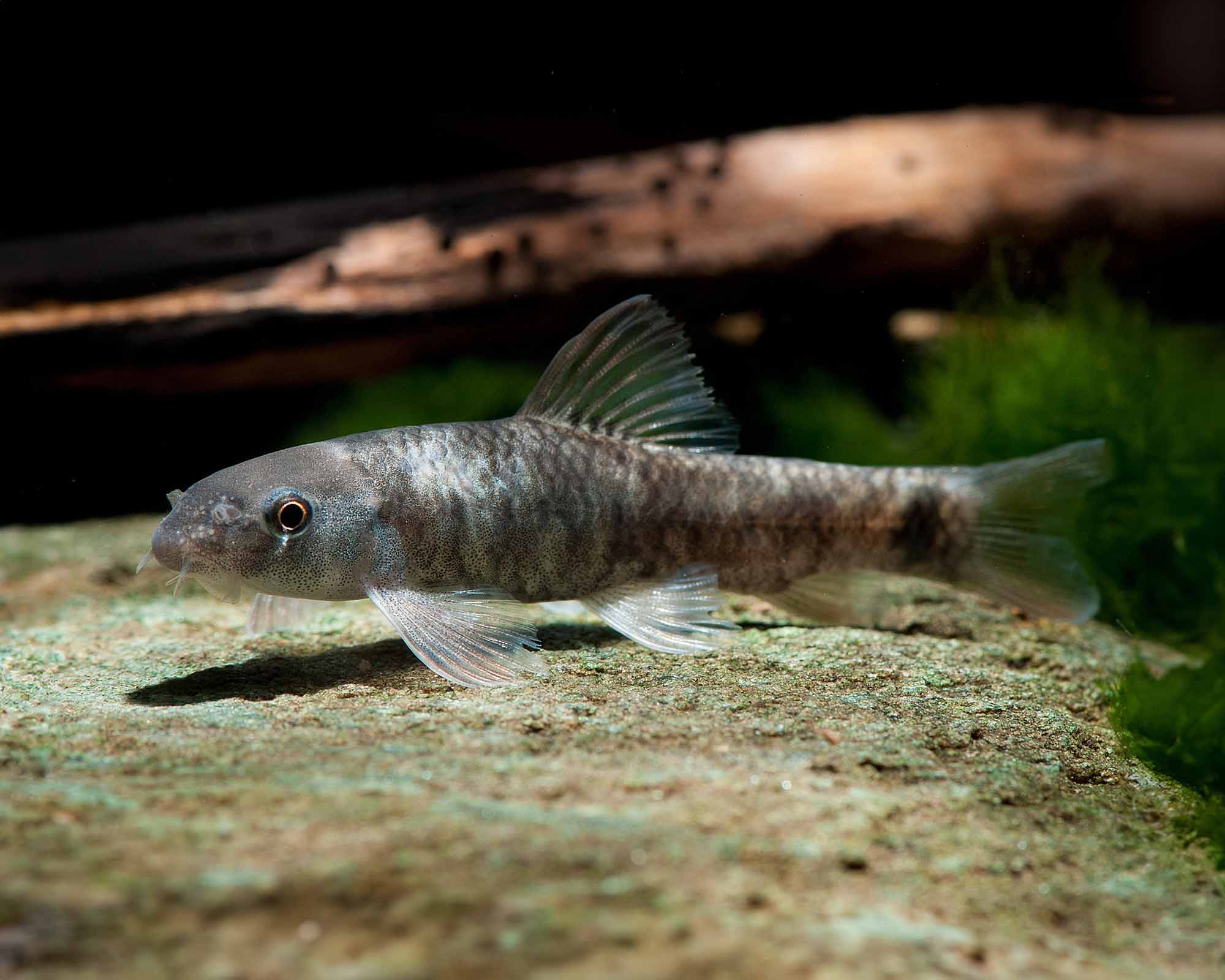
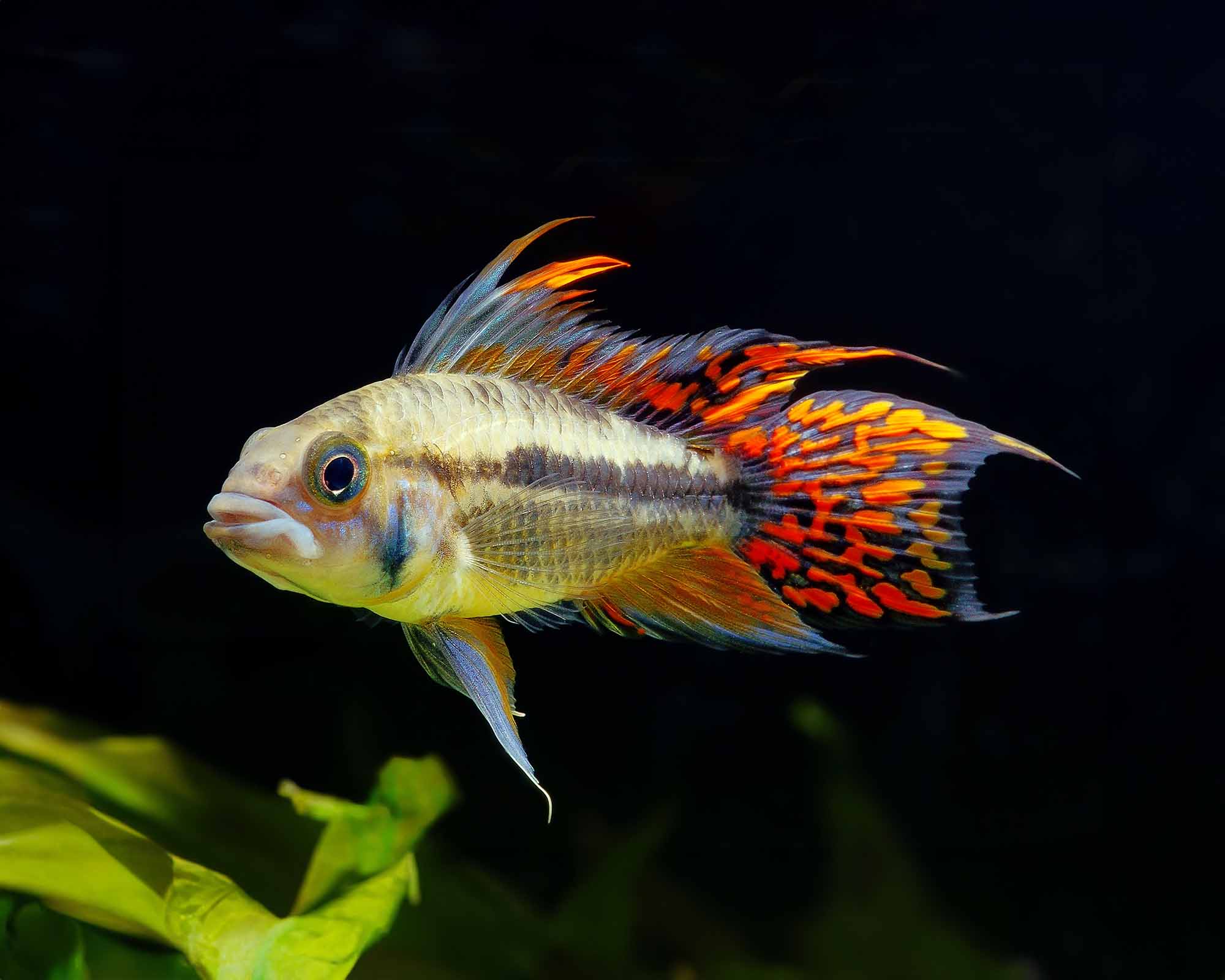
Image of kangal nibble fish garra rufa

Distribution and Habitat

This species is native to the river basins of the Northern and Central Middle East, including Turkey, Syria, Iraq, and Iran. They are most famously associated with the hot springs of the Kangal region in Turkey. In the wild, they inhabit fast-flowing rivers, streams, and warm pools, thriving in well-oxygenated waters with a rocky substrate covered in biofilm and algae.

Description of Kangal Nibble Fish

Body shape:

They possess an elongated, torpedo-like body adapted for navigating fast-moving water currents and resting on river bottoms.

Color:

Their coloration is generally a mottled mix of grey, brown, and tan, which helps them camouflage against rocky riverbeds. A faint lateral stripe or dark spot near the tail may be visible.

Barbels:

They feature small pairs of barbels near the corners of their mouth, which assist in sensing food in the substrate.

Snout:

The snout is slightly rounded, leading to a specialized inferior (downward-facing) mouth that forms a sucker-like disc for scraping algae off rocks.

Eyes:

Their eyes are relatively small and positioned high on the head, providing a good field of vision while they are latched onto surfaces.

Fins:

The fins are largely translucent with a slight brownish or silver tint. The pectoral and ventral fins are well-developed and splayed outward to help the fish grip rocks in high flow.

The Tail:

The caudal fin (tail) is deeply forked, providing the necessary propulsion to swim against strong river currents.

Temper

Generally peaceful, the Kangal Nibble Fish is an excellent community tank resident. While they may occasionally chase one another to establish a pecking order, they rarely cause any harm to their own kind or other tank mates.

Sociality

They are highly social and should be kept in groups of at least 4 to 6 individuals. Keeping them in a shoal disperses any mild territorial bickering and encourages their natural, confident grazing behaviors.

Activity

These fish are diurnal and incredibly active. They spend the majority of their day exploring the tank, darting between rocks, and enthusiastically scraping biofilm and algae from glass, wood, and decorations.

Keeping and Caring for Kangal Nibble Fish

Tank size:

A minimum tank size of 100 liters (approximately 30 gallons) is recommended for a small group, with a larger footprint being more important than water height due to their bottom-dwelling nature.

Water Parameters:

Temperature

They are highly adaptable but do best in temperatures ranging from 22-28°C (72-82°F).

pH

A slightly acidic to slightly alkaline pH between 6.5 and 8.0 is ideal.

Hardness

They prefer moderate water hardness, ideally between 5 and 15 dGH.

Ammonia, Nitrite, Nitrate

Ammonia and Nitrite must always be at 0 ppm. Nitrates should be kept strictly below 20 ppm through regular water changes, as they are sensitive to declining water quality.

Lighting

Moderate to high lighting is recommended to encourage the natural growth of algae and biofilm, which serves as their primary food source.

Water flow

High water flow and strong oxygenation are crucial. A hillstream-style setup with powerheads or a river manifold will mimic their natural fast-flowing habitat perfectly.

Decorations and Plants

Decorate the tank with smooth river stones, cobbles, and driftwood to provide grazing surfaces. While they may nibble on soft, fine-leaved plants, robust plants like Anubias, Java Fern, and Crinum are generally safe and provide good resting spots.

Diet

In the wild, they are aufwuchs grazers, consuming algae and the micro-organisms living within it. In the aquarium, they are omnivorous and should be fed a high-quality diet of sinking algae wafers, spirulina pellets, and occasional meaty treats like frozen bloodworms, daphnia, or brine shrimp.

Some Feeding Tips

Supplement their diet with fresh, blanched vegetables such as zucchini, cucumber, and spinach. Ensure there are plenty of smooth rocks in the tank to promote natural algae growth for them to graze on between meals.

Breeding

Breeding Garra rufa in a home aquarium is difficult and rarely achieved without specific hormonal or seasonal triggers. They are egg scatterers that provide no parental care. In commercial settings, they are bred using large vats with significant temperature fluctuations and heavy feeding to induce spawning.

Conclusion

The Kangal Nibble Fish is a highly entertaining, hardy, and beneficial addition to the freshwater aquarium. With their tireless algae-eating habits and quirky personalities, providing them with a well-oxygenated, fast-flowing environment will reward any aquarist with years of lively activity.
Fish info

Care level: Moderate
Temperament: Peaceful
Adult size: 10-14 cm
Life expectancy: 4-6 years
Fish type: Cyprinid
Temperature : 22-28°C
pH: 6.5-8.0
Color Form: Brown, Grey, Silver, Tan
Leave your comments
Lastest on Fishs
  • Melanotaenia trifasciata (Banded Rainbowfish)

    Easy - Moderate
    Cyprinid
    The Banded Rainbowfish, also known as the Jewel Rainbowfish, is a stunning, active schooling fish native to Northern Australia. Renowned for its dazzling, location-specific color variations and peaceful nature, it brings vibrant energy to any large community aquarium. Captive-bred specimens (DNZ) are particularly hardy and adaptable to home aquariums.
  • Hyphessobrycon bentosi (White Fin Ornate Tetra)

    Easy
    Cyprinid
    The White Fin Ornate Tetra, a stunning captive-bred variant of the classic Jewel Tetra, is prized for its striking white-tipped fins and rosy-silver body. Native to the Amazon basin, this peaceful, schooling species brings active charm and vibrant contrast to heavily planted community aquariums.
  • Hyphessobrycon bentosi (Jewel Tetra)

    Easy
    Cyprinid
    Originating from the Amazon basin, the Jewel Tetra (Hyphessobrycon bentosi) is a captivating, peaceful schooling fish. Known for its striking finnage and energetic behavior, it thrives in planted aquariums. Its hardiness and striking appearance make it a highly popular choice for both beginner and experienced aquarists alike.
  • Hyphessobrycon bentosi (Jewel Tetra)

    Easy
    Cyprinid
    The Jewel Tetra (Hyphessobrycon bentosi), often captive-bred for optimal health, is a stunning freshwater fish native to the Amazon basin. Known for its deep, rosy-red body and striking white-tipped fins, this peaceful schooling fish adds vibrant color and lively, yet gentle, activity to any planted community aquarium.
  • Pseudomugil ivantsoffi (Ivantsoff's Blue Eye)

    Moderate
    Cyprinid
    Hailing from the pristine rainforest streams of West Papua and Papua New Guinea, Ivantsoff's Blue Eye is a captivating micro-predator. Known for its energetic schooling behavior and stunning neon-blue eyes contrasting with a vibrant golden-orange body, this peaceful nano fish is highly sought after by planted aquarium enthusiasts.
  • Carinotetraodon travancoricus (Pea Puffer)

    Moderate
    Cyprinid
    Endemic to the Western Ghats of India, the Pea Puffer (Carinotetraodon travancoricus) is a highly popular, fully freshwater micro-predator. Despite their tiny size, these intelligent fish boast massive personalities. Known for their helicopter-like swimming and insatiable appetite for pest snails, they make captivating additions to heavily planted, species-only aquariums.
  • Parambassis ranga (Indian Glass Perch)

    Moderate
    Cyprinid
    The Indian Glass Perch, native to South Asia, is a captivating schooling fish famous for its remarkably transparent body that reveals its internal organs. Peaceful but somewhat shy, this unique species adds a fascinating, ghostly elegance to freshwater and slightly brackish aquariums, making it highly popular among dedicated aquarists.
  • Ctenolucius hujeta (Hujeta Pike Characin)

    Moderate
    Cyprinid
    The Hujeta Pike Characin, or Freshwater Barracuda, is a fascinating predatory fish native to South America. Known for its elongated, gar-like body and stealthy hunting behavior, it is a popular rarity among advanced aquarists. Despite its fearsome appearance, it is relatively peaceful with appropriately sized tank mates.
  • Dermogenys pusillus (Half Billed Pike)

    Moderate
    Cyprinid
    The Half Billed Pike, or Wrestling Halfbeak, is a fascinating surface-dwelling livebearer native to Southeast Asia. Known for its unique elongated lower jaw and the males' combative 'wrestling' behavior, this slender fish adds dynamic top-level activity to planted or slightly brackish aquariums, captivating aquarists with its distinctive appearance.
  • Hyphessobrycon hyanuary (Costello Tetra)

    Easy
    Cyprinid
    The Costello Tetra, scientifically known as Hyphessobrycon hyanuary, is a peaceful and active schooling fish native to the Amazon basin. Known for its subtle greenish-gold lateral stripe and distinctive black tail spot, this hardy tetra is a popular and undemanding choice for community aquariums.
  • Pethia canius (Green Dwarf Barb)

    Easy
    Cyprinid
    The Green Dwarf Barb (Pethia canius) is a captivating, peaceful micro-fish native to the densely vegetated waters of India and Bangladesh. Known for its shimmering golden-green scales and distinct black spots, this active schooling cyprinid adds life and vibrant color to any well-planted nano or community aquarium.
  • Tetraodon nigroviridis (Green Spotted Puffer)

    Difficult
    Cyprinid
    Hailing from the coastal estuaries of Southeast Asia, the Green Spotted Puffer is a highly intelligent and interactive fish. Famous for its vibrant green-yellow coloration and distinct black spots, this brackish-water species demands specialized care but rewards dedicated aquarists with its unique, puppy-like personality and fascinating hunting behaviors.
  • Leporinus affinis (Banded Leporinus)

    Moderate
    Cyprinid
    The Banded Leporinus (Leporinus affinis) is a striking, torpedo-shaped freshwater fish native to the vibrant rivers of South America. Known for its bold black and yellow stripes, this active and intelligent species adds a dynamic presence to large aquariums, captivating aquarists with its unique head-down swimming behavior and energetic personality.
  • Epalzeorhynchos frenatum (Green Fringe Lark / Rainbow Shark)

    Moderate
    Cyprinid
    The Green Fringe Lark, widely known as the Rainbow Shark, is a striking freshwater cyprinid native to Southeast Asia. Famous for its vibrant red fins contrasting against a dark body, this semi-aggressive bottom-dweller brings dynamic activity to large aquariums, though its territorial nature requires careful tank mate selection.
  • Tetraodon mbu (Mbu Pufferfish)

    Expert Only
    Cyprinid
    The Mbu Pufferfish, native to the Congo River basin, is a true freshwater giant known for its striking maze-like patterns and highly intelligent, interactive personality. Due to their massive adult size and specialized diet, they are highly sought after but require expert care and enormous aquariums to thrive.
  • Osteoglossum bicirrhosum (Golden Arowana)

    Expert Only
    Cyprinid
    The Golden Arowana, a rare color variant of the South American Silver Arowana (Osteoglossum bicirrhosum), is a breathtaking centerpiece for giant aquariums. Known for its predatory prowess and incredible jumping ability, this surface-dwelling giant demands pristine water, massive tank space, and expert care, making it highly prized among advanced aquarists.