






It’s time to help contribute for biggest aquarium gallery online

SUBMIT HEREVIEW GALLERY

10 Colorful Freshwater Fish and Invertebrates for Beginners

10 Colorful Freshwater Fish and Invertebrates for Beginners

Building a planted community aquarium is a rewarding hobby, but choosing the right livestock is essential for a peaceful environment. For beginners, the goal is to find species that are not only visually stunning but also hardy and compatible. By sel...
12 Unique Aquarium Snails to Beautify and Maintain Your Planted Tank

12 Unique Aquarium Snails to Beautify and Maintain Your Planted Tank

Aquarium snails are often misunderstood, yet they play a vital role in maintaining a healthy, balanced planted ecosystem. Beyond their reputation as simple cleaners, many species offer stunning colors, intricate shell patterns, and fascinating behavi...
10 Colorful Freshwater Shrimp for Your Planted Nano Aquarium

10 Colorful Freshwater Shrimp for Your Planted Nano Aquarium

Adding freshwater shrimp to your planted nano aquarium is one of the most rewarding ways to enhance your hobby. These small invertebrates are not only visually stunning, but they also serve as industrious cleaners that help maintain a balanced ecosys...
12 Hardy Aquarium Plants and Compatible Inhabitants for Stunning Planted Tanks

12 Hardy Aquarium Plants and Compatible Inhabitants for Stunning Planted Tanks

Building a vibrant planted aquarium does not have to be a daunting task for beginners. By selecting hardy plant species that thrive in standard conditions and pairing them with compatible, colorful livestock, you can create a self-sustaining ecosyste...
Summer Flowers - Cliff Hui / HongKong China
Cliff Hui

Summer Flowers - Cliff Hui / HongKong China

The International Aquatic Plants Layout Contest - 2014
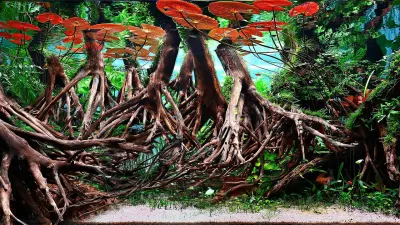
Rain Forest (Hear the Angels) - Cliff Hui / HongKong China
Cliff Hui

Rain Forest (Hear the Angels) - Cliff Hui / HongKong China

The International Aquatic Plants Layout Contest - 2012
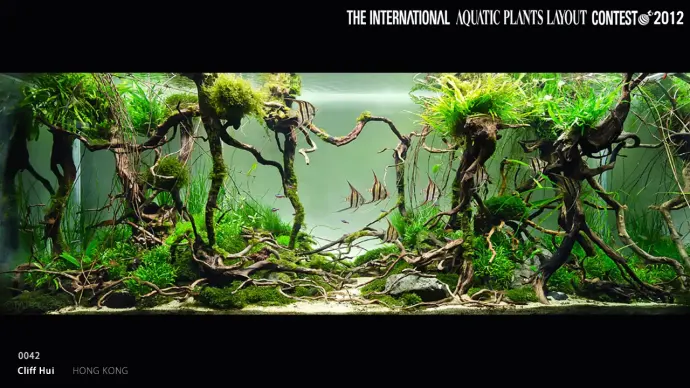
Forever - Cliff Hui / HongKong China
Cliff Hui

Forever - Cliff Hui / HongKong China

The International Aquatic Plants Layout Contest - 2013

Aquarium Library

  • All
  • Plant
  • Fish
  • Shrimp
  • Snail

13 Easy Aquarium Plants for a Thriving Beginner Planted Tank

Starting a planted aquarium can seem daunting, but it doesn't have to be! Many beautiful and be...

12 Colorful & Compatible Freshwater Fish for Your Community Aquarium

Creating a vibrant and harmonious freshwater aquarium is a rewarding experience. The key lies in sel...

"REFLECTION" - When the weight becomes silence: Decoding the top 4 MASTERPIECE at KIAC 2025

Amidst the "earthquake" named Vietnam at KIAC 2025, the work "Reflection" by Aquascaper Long Tran Ho...

KIAC 2025 RESULTS: A record-breaking season - Vietnam dominates with 14 works in the global top 50

The organizers of the Korea International Aquascaping Contest (KIAC) 2025 have officially released t...

AGA 2025 Results Announced: Indonesia Wins Big, USA Dominates Dutch Category

The 25th AGA International Aquascaping Contest – one of the oldest and most prestigious competitio...

ITAC International Aquascaping Contest 2025 Final result

Early this morning, the global aquascaping community turned its eyes toward Italy as the organizers ...
Cliff Hui

Cliff Hui

Hong Kong / China
Dave Chow

Dave Chow

HongKong China
Bagrus meridionalis (Kapango)

Overview

The Kapango, scientifically known as Bagrus meridionalis, is a fascinating and massive predatory catfish. Often sold as a rarity in the 20-25cm juvenile size, this species is a true giant of the African Rift Lakes. While they start out at a manageable size, they quickly grow into behemoths that demand enormous aquariums. They are highly prized by specialist keepers of monster fish and African biotope enthusiasts for their unique appearance and commanding presence.

Image of kapango malawi catfish bagrus meridionalis 20 25cm raritaet

Distribution and Habitat

This species is endemic to Lake Malawi, Lake Malombe, and the upper Shire River in East Africa. In its natural habitat, the Kapango is a demersal fish, typically found cruising along sandy and muddy bottoms or navigating through deep, rocky crevices. They are known to inhabit depths ranging from shallow coastal waters down to over 50 meters, often seeking refuge in dark caves during the day.

Description of Kapango

Body shape:

The Kapango boasts an elongated, robust, and torpedo-like body built for sudden, powerful bursts of speed. Its muscular frame is typical of large, active predatory catfish.

Color:

Juveniles in the 20-25cm range often display a greyish-silver base with distinct black speckling or spots. As they mature into adults, their coloration shifts to a darker, more uniform dark brown or solid black, helping them blend into the shadows of deep rocky habitats.

Barbels:

They possess long, highly sensitive maxillary barbels that extend outward from the jaw. These are crucial sensory organs used to detect vibrations and locate prey in murky or dark waters.

Snout:

The snout is broad, somewhat flattened, and features a very large mouth capable of swallowing sizable prey whole.

Eyes:

Their eyes are relatively large and adapted to the lower light conditions found in the deeper zones of Lake Malawi.

Fins:

They feature a prominent, stiff dorsal fin equipped with a sharp spine, and a very large, fleshy adipose fin that is characteristic of the Bagridae family.

The Tail:

The caudal fin (tail) is deeply forked, providing the immense propulsion needed to ambush prey or navigate strong currents.

Image of kapango malawi catfish bagrus meridionalis 20 25cm raritaet

Temper

While not inherently aggressive out of malice, the Kapango is highly predatory. They are calm and calculating, but will unhesitatingly consume any fish that can fit into their cavernous mouths. Towards fish too large to be eaten, they are generally indifferent and peaceful.

Sociality

They are best kept as solitary specimens or with other very large, robust fish. In a massive biotope setup, they can be housed with adult frontosas or large Malawi haps, provided the tank mates are strictly too large to be considered food.

Activity

Primarily nocturnal and crepuscular in the wild, they will spend much of the day resting in caves or under large overhangs. In captivity, they will quickly learn to become active during feeding times, even during the day.

Keeping and Caring for Kapango

Tank size:

A 20-25cm juvenile can be temporarily housed in a 1000-liter (approx. 250-gallon) aquarium. However, adults require truly massive, custom-built enclosures of 3000 liters (800+ gallons) or more to accommodate their potential 100cm adult size and turning radius.

Water Parameters:

Temperature

Maintain the water temperature between 23°C and 28°C (73°F - 82°F) to replicate the tropical waters of Lake Malawi.

pH

The water must be alkaline, with a pH strictly maintained between 7.5 and 8.5.

Hardness

Moderate to hard water is required, ideally between 10 and 25 dGH.

Ammonia, Nitrite, Nitrate

Ammonia and Nitrite must always be at 0 ppm. Nitrates should be kept below 20 ppm. Given their massive bioload, heavy-duty commercial filtration and frequent, large water changes are mandatory.

Lighting

Dim to moderate lighting is preferred. Bright lights will cause the fish to hide constantly and induce stress.

Water flow

Moderate water flow is beneficial to simulate the currents of the lake and to keep the massive tank properly oxygenated and filtered.

Decorations and Plants

Decorate with massive, securely placed boulders and PVC pipes or custom caves large enough for the fish to hide in. Substrate should be soft sand to protect their delicate barbels. Plants are generally uprooted or destroyed by their sheer size and movement.

Image of kapango malawi catfish bagrus meridionalis 20 25cm raritaet

Diet

The Kapango is a strict carnivore. In the aquarium, they should be fed a varied diet of meaty foods such as whole lancefish, smelt, shrimp, mussels, earthworms, and high-quality, large sinking carnivore pellets.

Some Feeding Tips

Do not overfeed. While juveniles can be fed every other day, adults only need a substantial meal 2 to 3 times a week. Overfeeding can lead to obesity and severe water quality issues. Use feeding tongs to deliver food safely.

Breeding

Breeding the Kapango in a home aquarium is virtually unheard of due to the astronomical tank sizes required. In the wild, they are famous for their complex bi-parental care. The female lays unfertilized trophic eggs to feed the developing fry, while the male vigorously defends the nest from predators like cichlids.

Conclusion

The Kapango (Bagrus meridionalis) is a spectacular, awe-inspiring predator that represents a pinnacle achievement for monster fish keepers. While a 20-25cm juvenile is an exciting rarity to acquire, potential owners must be fully prepared for the immense spatial and filtration requirements this Lake Malawi titan will eventually demand.
Fish info

  • Care level: Expert Only
  • Temperament: Semi-aggressive
  • Adult size: Up to 100 cm
  • Life expectancy: 10-15+ years
  • Fish type: Catfish
  • Temperature : 23-28°C
  • pH: 7.5-8.5
  • Color Form: Black, Brown, Grey, Silver
Related on Fishs
Leave your comments
Latest on Fishs
  • Butterfly Cichlid (Microgeophagus ramirezi)

    Butterfly Cichlid (Microgeophagus ramirezi)

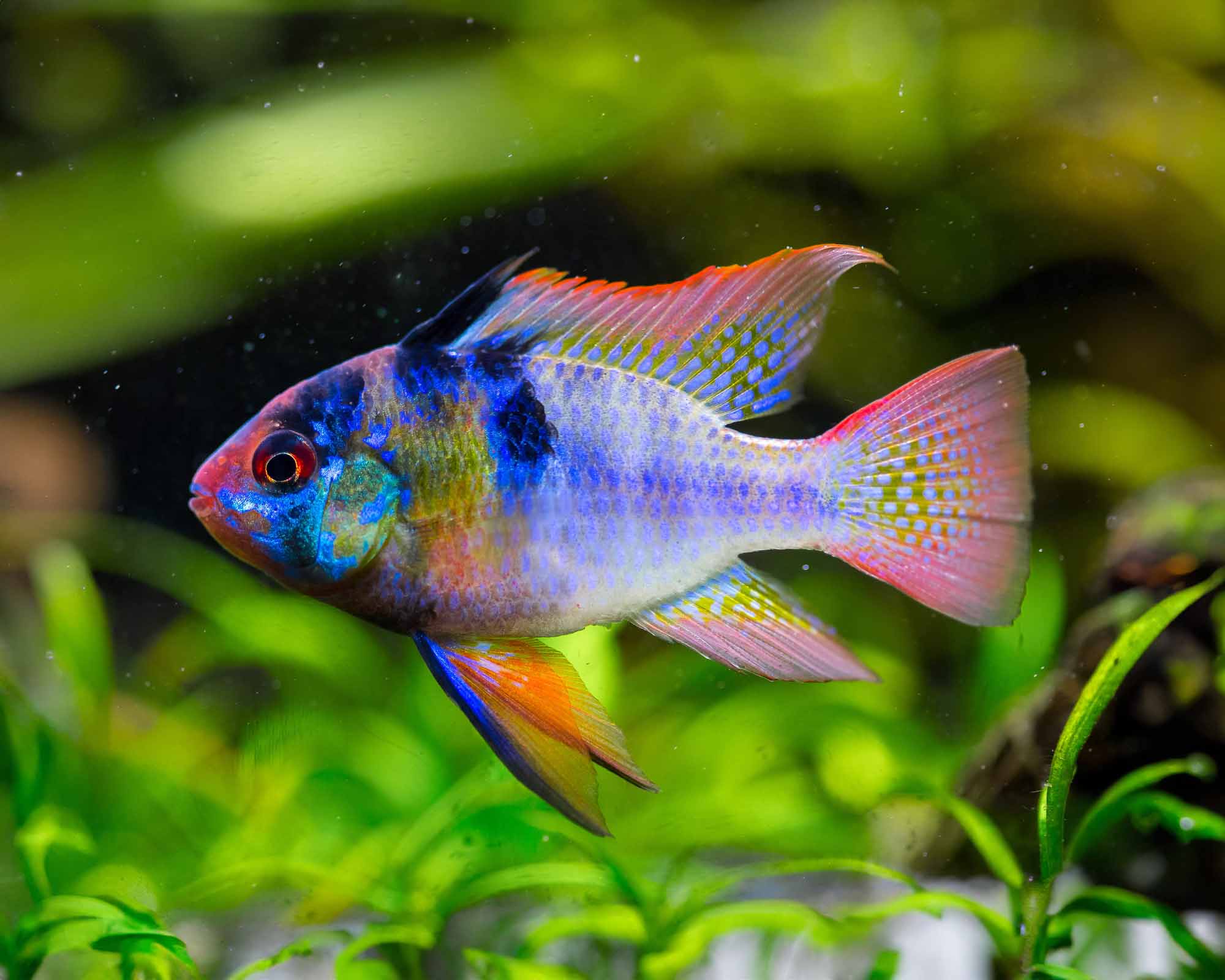
    The Butterfly Cichlid, scientifically known as Microgeophagus ramirezi, is a popular dwarf cichlid native to the Orinoco River basin in South America. These vibrant, peaceful fish are highly sought after by aquarists for their striking coloration and engaging personality. They thrive in well-maintained, planted aquariums that mimic their natural, slow-moving tropical river habitats.
  • Lemon Gold Butterfly Cichlid (Microgeophagus ramirezi)

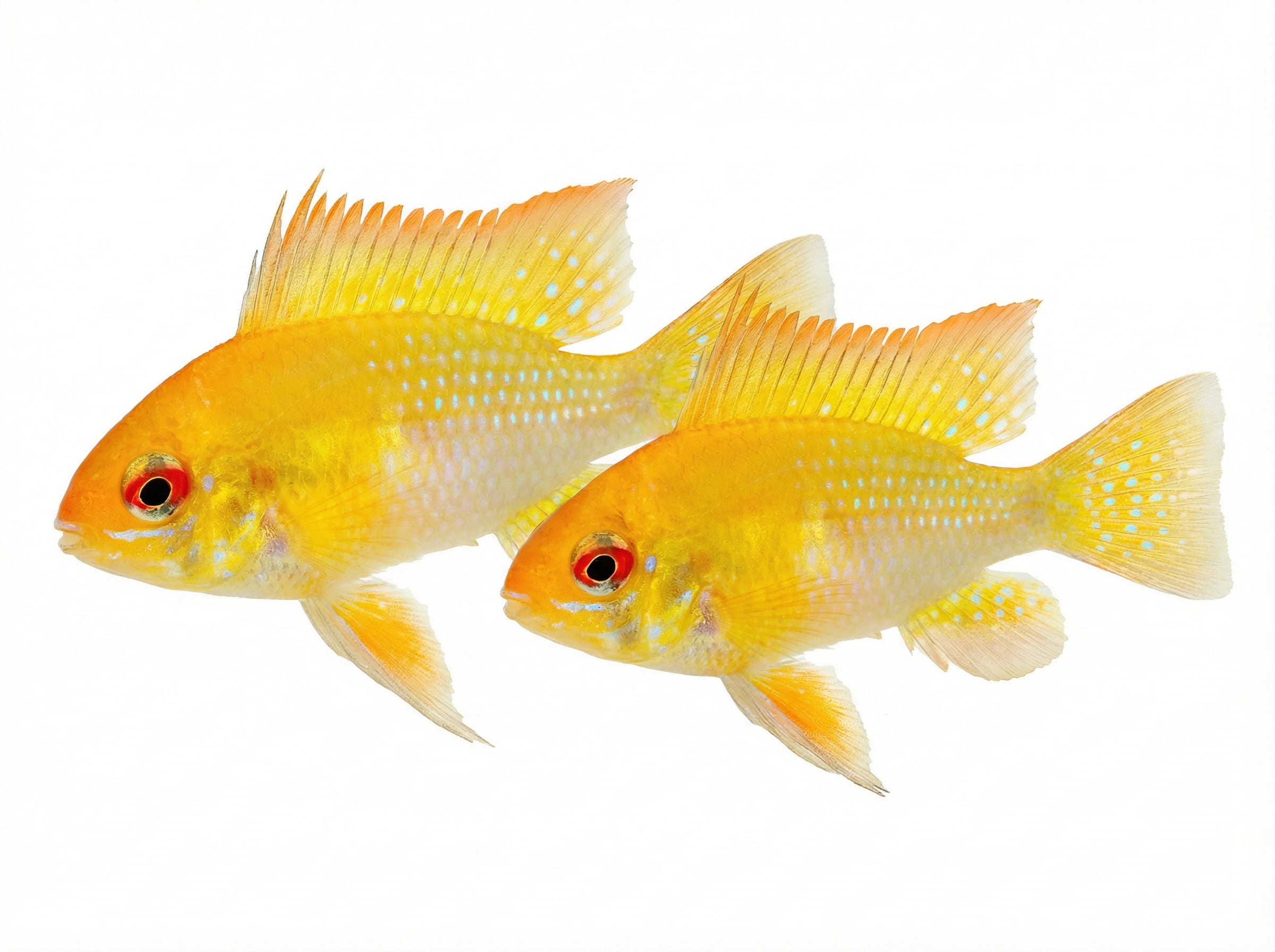
    Lemon Gold Butterfly Cichlid (Microgeophagus ramirezi)

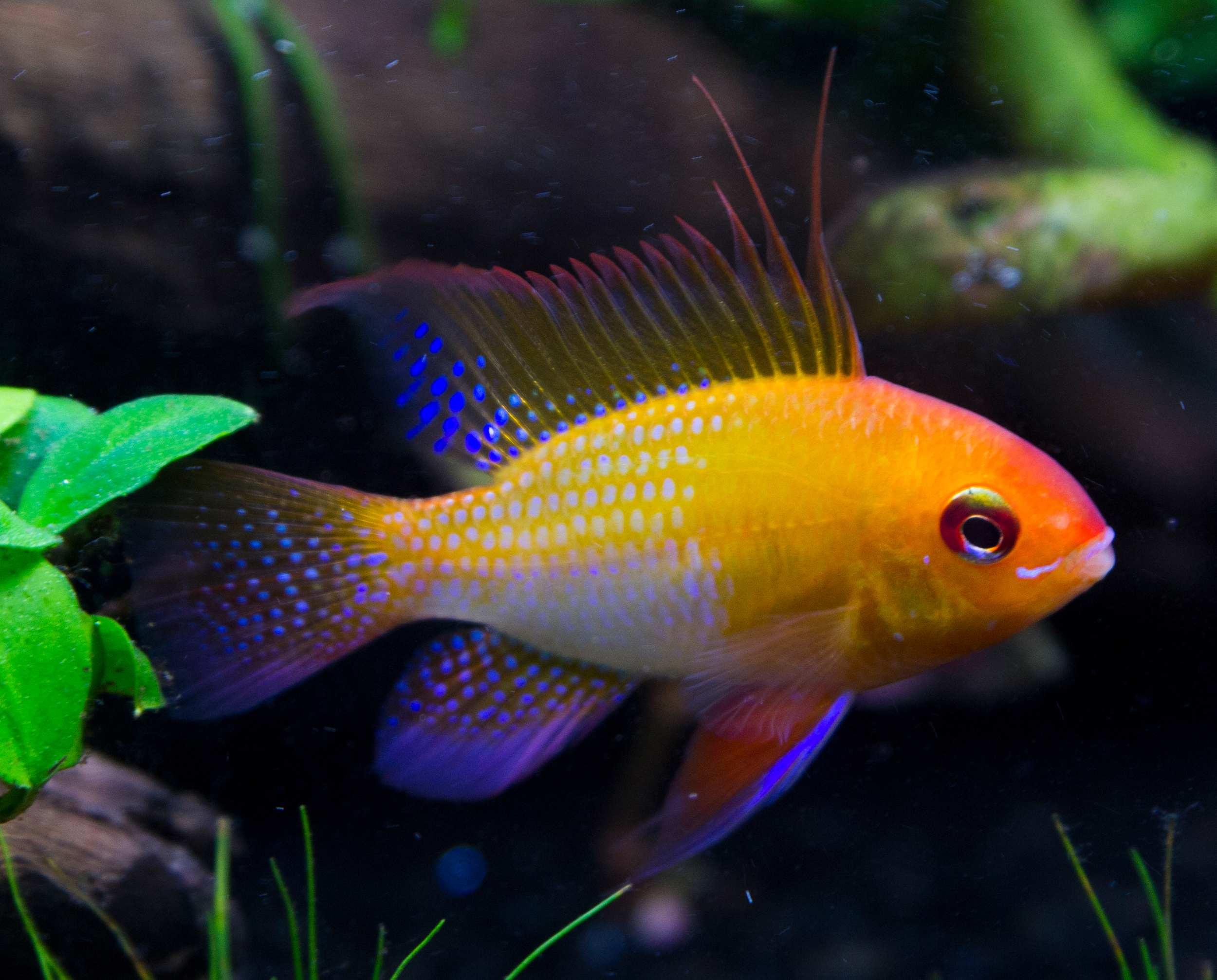
    The Lemon Gold Butterfly Cichlid is a stunning, selectively bred color variant of the popular Microgeophagus ramirezi. Known for its vibrant yellow-gold pigmentation and striking red eyes, this dwarf cichlid retains the peaceful, inquisitive personality of its wild ancestors. It is a highly sought-after aquarium inhabitant that adds a brilliant splash of color to community tanks with appropriate water conditions.
  • Microgeophagus ramirezi Gold (Butterfly Cichlid)

    Microgeophagus ramirezi Gold (Butterfly Cichlid)

    The Gold Butterfly Cichlid is a stunning, selectively bred color morph of the popular Microgeophagus ramirezi. Known for its vibrant, warm golden-yellow coloration and peaceful demeanor, this dwarf cichlid is a favorite among aquarists. Requiring stable, high-quality water conditions and a well-planted environment, it thrives in pairs and adds significant beauty to established freshwater community aquariums.
  • Electric Blue Butterfly Cichlid (Mikrogeophagus ramirezi)

    Electric Blue Butterfly Cichlid (Mikrogeophagus ramirezi)

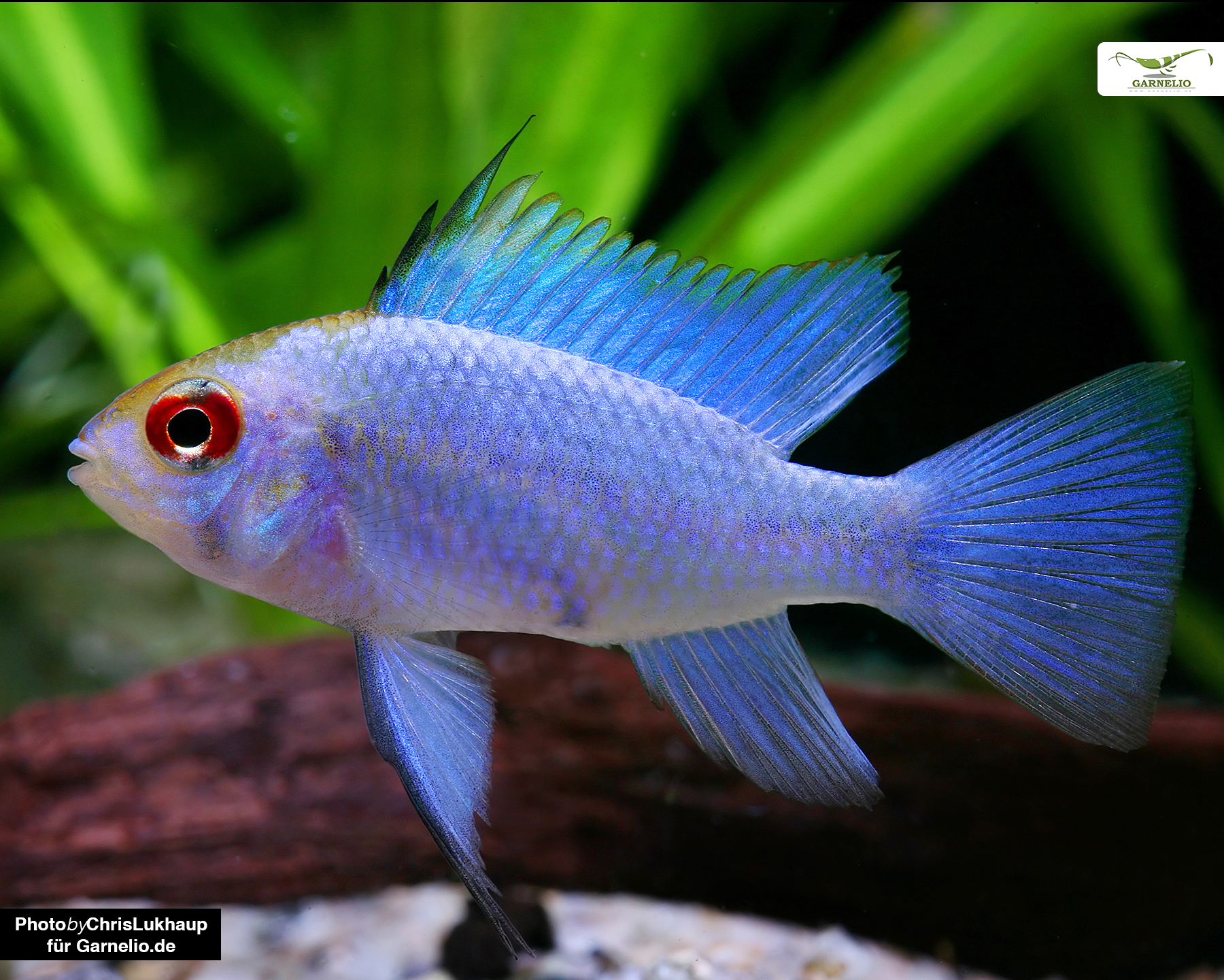
    The Electric Blue Butterfly Cichlid is a stunning, selectively bred color morph of the popular Mikrogeophagus ramirezi. Known for its intense, iridescent blue coloration covering almost the entire body, this dwarf cichlid is a centerpiece for many community tanks. While beautiful, it requires stable water conditions and careful maintenance to ensure it thrives in an aquarium environment.
  • Blue Punk Butterfly Cichlid (Microgeophagus ramirezi)

    Blue Punk Butterfly Cichlid (Microgeophagus ramirezi)

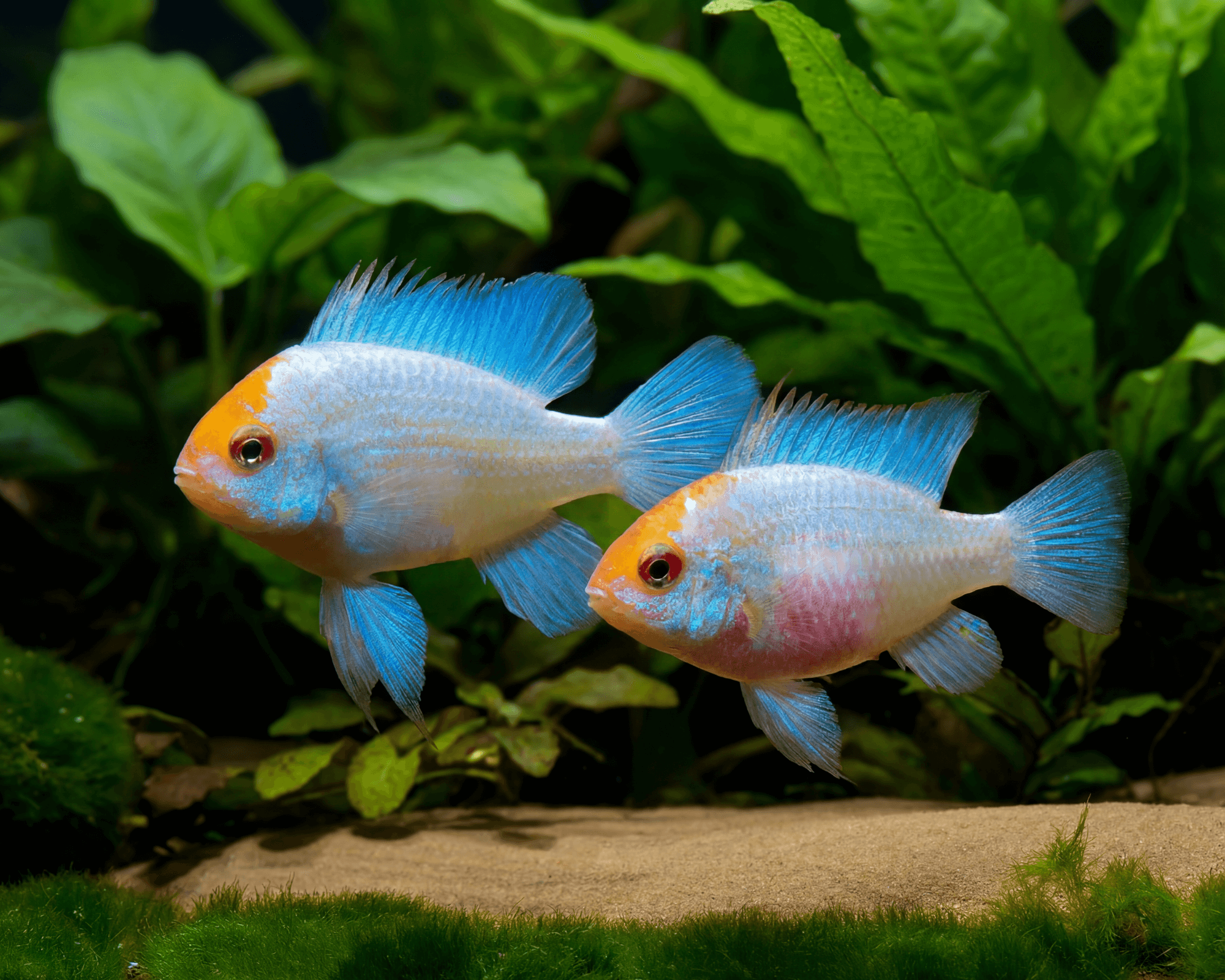
    The Blue Punk Butterfly Cichlid is a striking, selectively bred color morph of the popular Microgeophagus ramirezi. Known for its intense, metallic blue coloration and unique head patterning, this dwarf cichlid is a prized addition to planted aquariums. While beautiful, it requires stable water conditions and careful maintenance to ensure its long-term health and vibrant appearance in a home setting.
  • Neon Blue Aequidens pulcher

    Neon Blue Aequidens pulcher

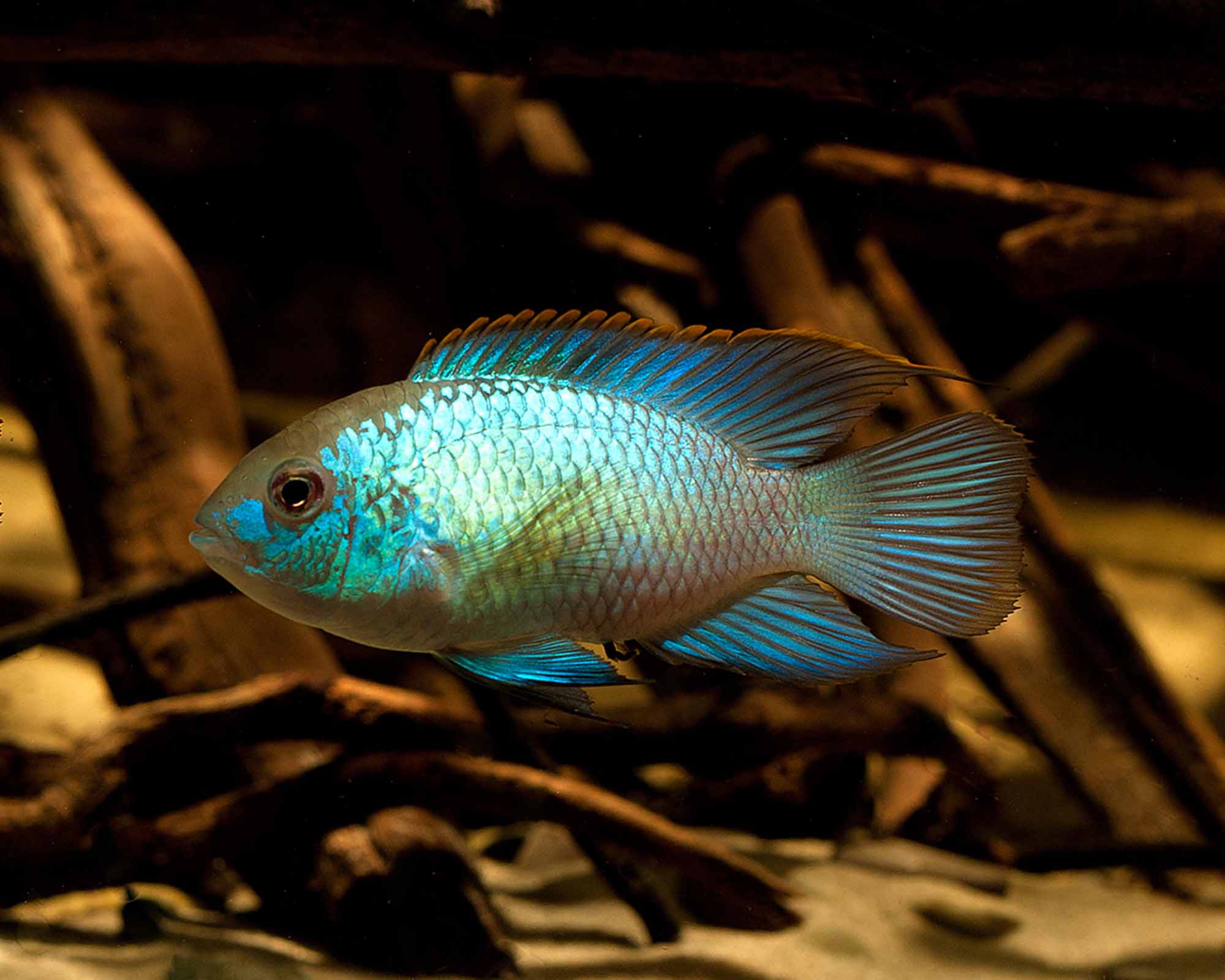
    The Neon Blue Aequidens pulcher, a selectively bred variant of the common Blue Acara, is a striking South American cichlid. Known for its intense, iridescent blue coloration, this hardy fish is a popular choice for hobbyists. It exhibits classic cichlid behavior, including complex social structures and dedicated parental care, making it an engaging addition to appropriately sized community tanks.
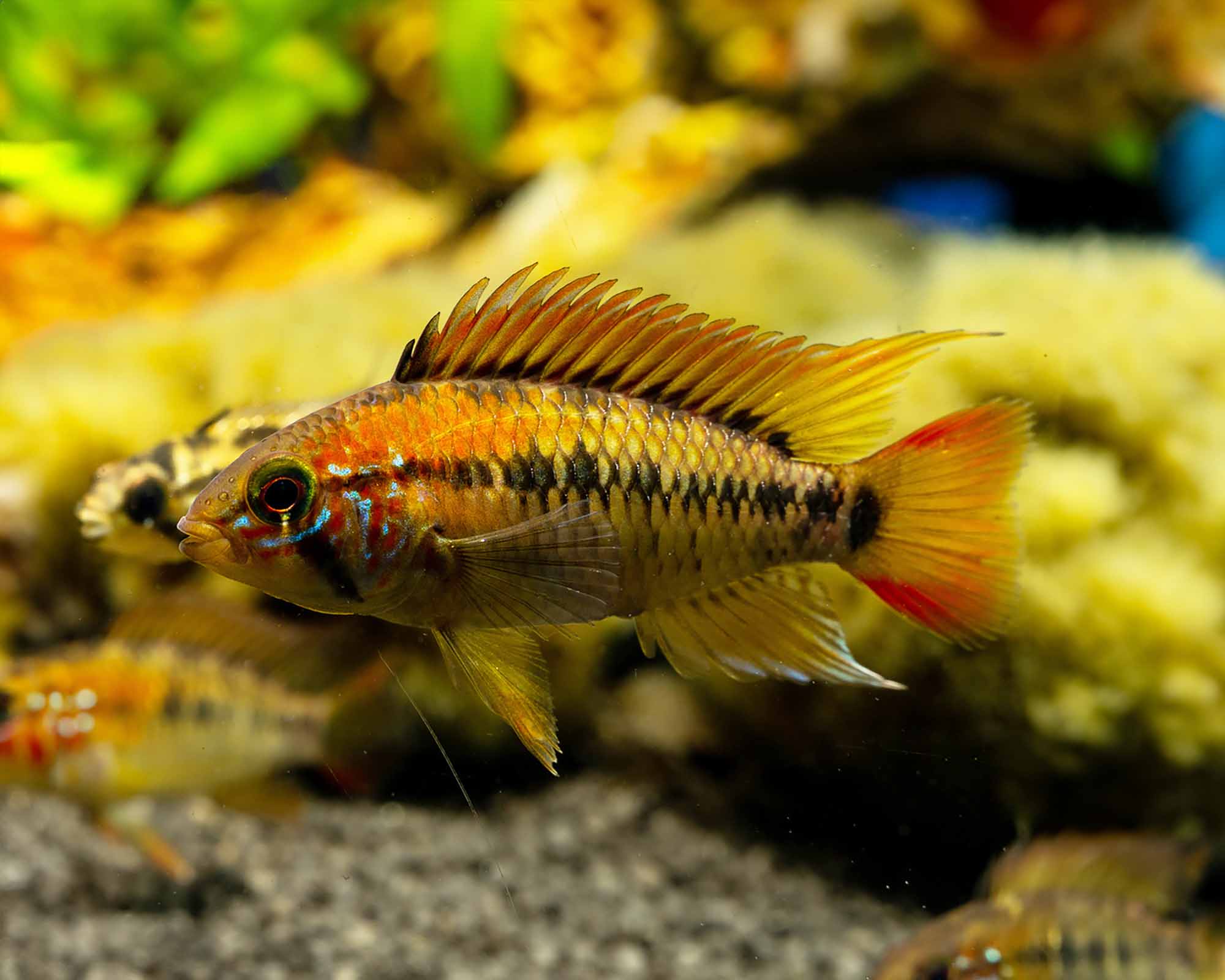
  • Apistogramma viejita

    Apistogramma viejita

    Apistogramma viejita is a striking dwarf cichlid native to the blackwater regions of Colombia. Known for its vibrant coloration and relatively peaceful demeanor, this species is a popular choice for dedicated aquarists. Thriving in small, well-planted aquariums, these cichlids require stable water conditions and plenty of hiding spots to feel secure and exhibit their natural, fascinating behaviors.
  • Veiltail Angelfish (Pterophyllum scalare)

    Veiltail Angelfish (Pterophyllum scalare)

    The Veiltail Angelfish is a striking variety of the popular Pterophyllum scalare, known for its dramatically elongated fins and graceful movement. Originating from the Amazon Basin, these cichlids have become staples in the aquarium hobby. They require spacious, well-maintained environments to thrive, offering aquarists a beautiful, albeit demanding, centerpiece fish that displays complex social behaviors and distinct personality traits.
  • Molly Lyra Mix (Poecilia sphenops/latipinna)

    Molly Lyra Mix (Poecilia sphenops/latipinna)

    The Molly Lyra Mix is a popular, selectively bred ornamental fish derived from Poecilia species. Recognized for their elongated, flowing finnage, these livebearers are highly adaptable and come in various color patterns. They are well-suited for community aquariums, provided that their specific dietary needs and water chemistry requirements are consistently met by the aquarist.
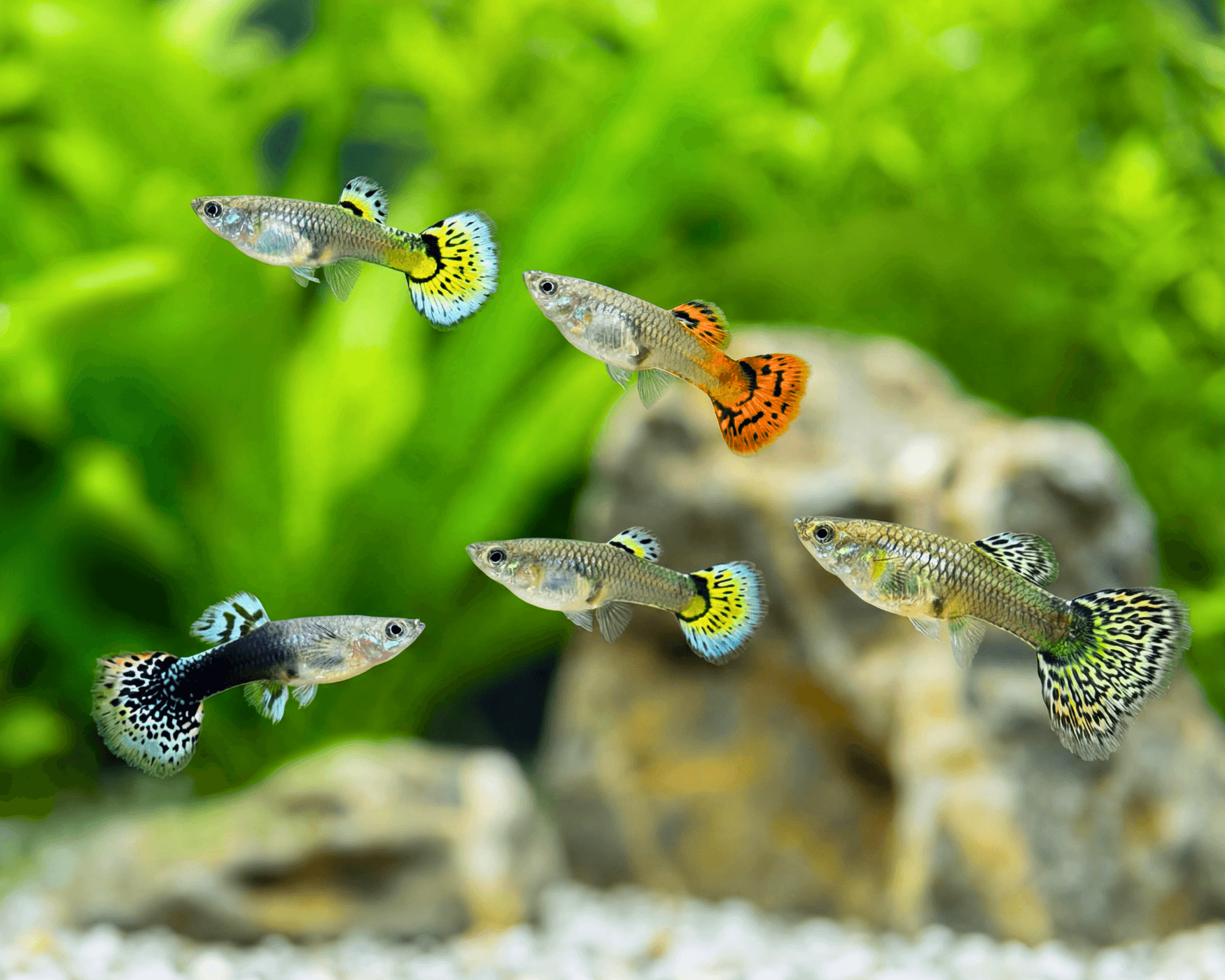
  • Metallic Cobra Guppy (Poecilia reticulata)

    Metallic Cobra Guppy (Poecilia reticulata)

    The Metallic Cobra Guppy is a selectively bred color variant of the common guppy, Poecilia reticulata. Known for its striking, iridescent scales and intricate, snake-like patterns on the tail and body, this livebearing fish is a staple in the aquarium hobby. They are hardy, adaptable, and highly active, making them an excellent choice for both beginner and experienced fishkeepers alike.
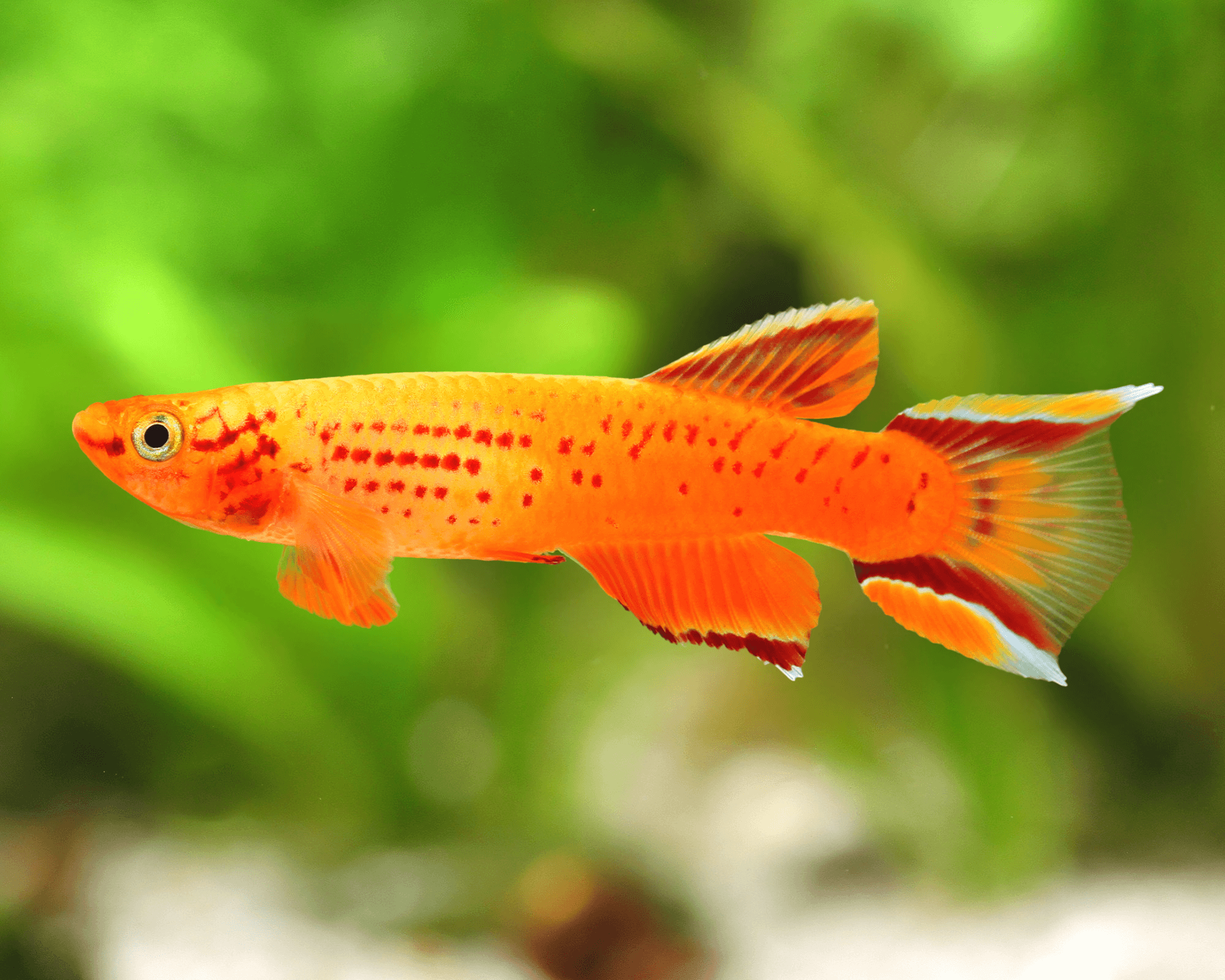
  • Aphyosemion australe (Golden Lyretail Killifish)

    Aphyosemion australe (Golden Lyretail Killifish)

    Moderate
    Killifish
    The Golden Lyretail Killifish, a stunning selectively bred variant of the Cape Lopez Killifish, originates from West Africa. Renowned for its vibrant orange-gold coloration and elegant lyre-shaped tail, this non-annual killifish is highly prized by aquarists. It exhibits peaceful behavior but requires a well-planted, tightly covered aquarium to thrive.
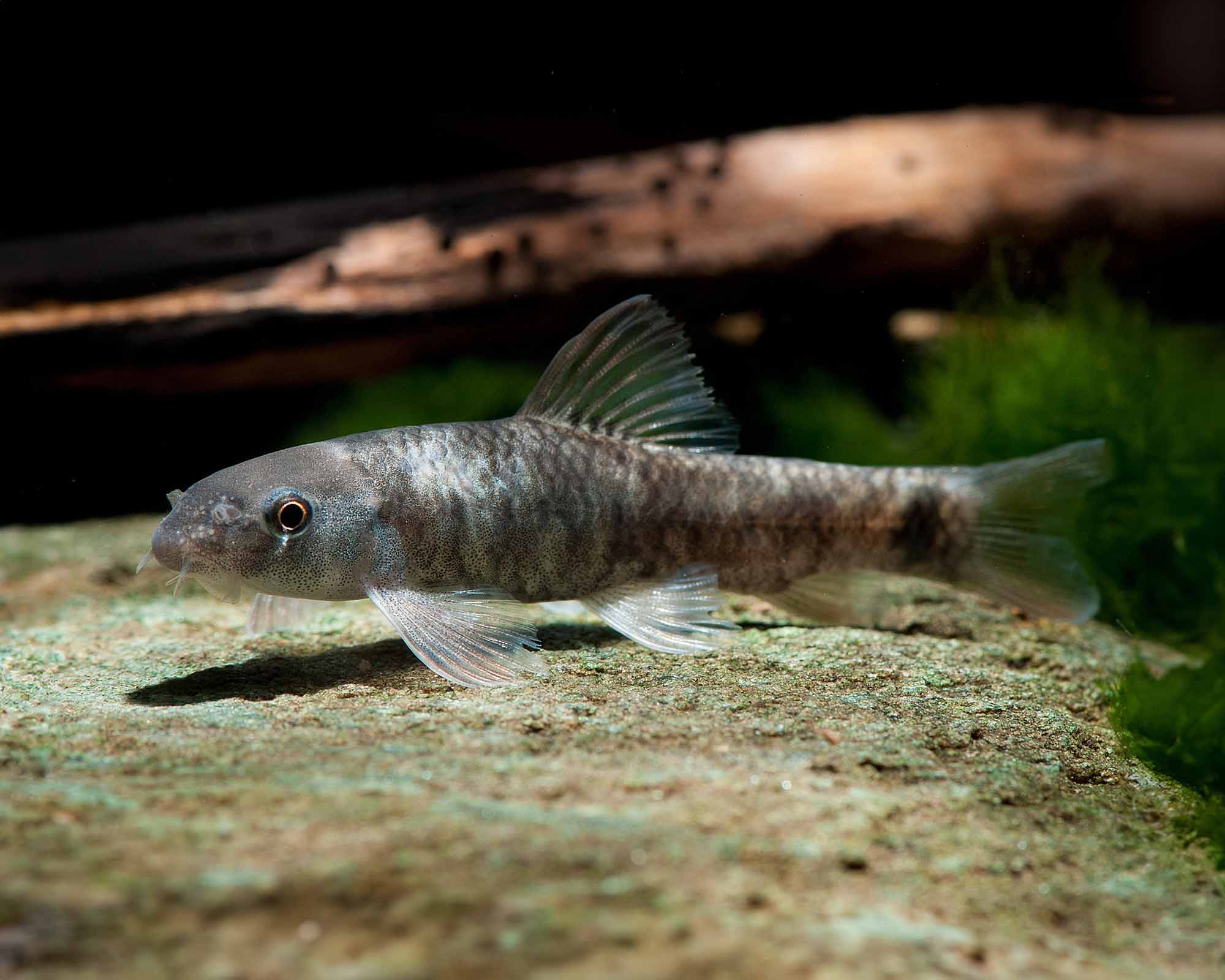
  • Garra rufa (Kangal Nibble Fish)

    Garra rufa (Kangal Nibble Fish)

    Moderate
    Cyprinid
    Famous worldwide as the "Doctor Fish" used in spa treatments, the Kangal Nibble Fish is a fascinating, active bottom-dweller native to the Middle East. In the aquarium, they are prized for their peaceful nature, constant grazing on algae, and unique, highly engaging behaviors.
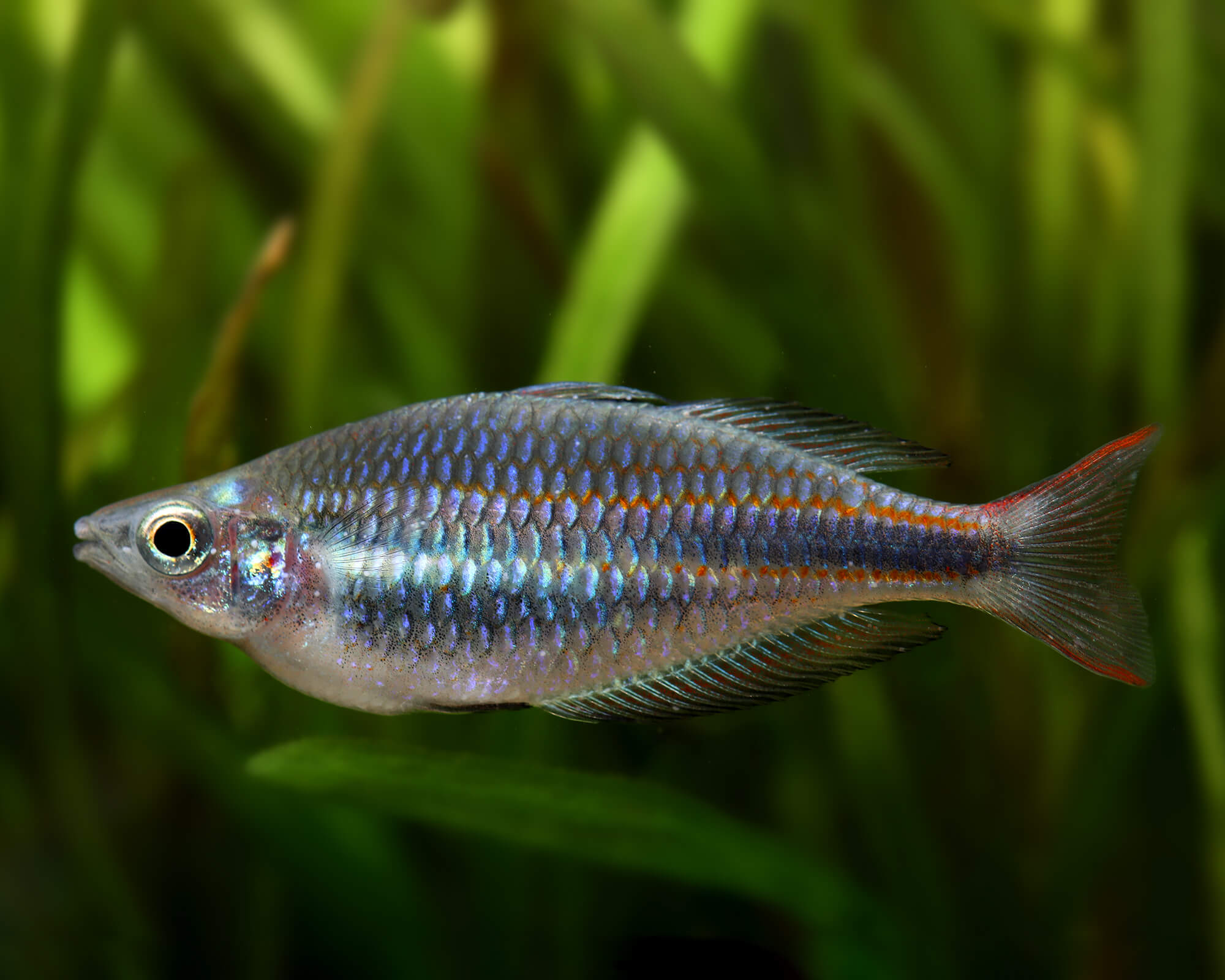
  • Melanotaenia trifasciata (Banded Rainbowfish)

    Melanotaenia trifasciata (Banded Rainbowfish)

    Easy - Moderate
    Rainbowfish
    The Banded Rainbowfish, also known as the Jewel Rainbowfish, is a stunning, active schooling fish native to Northern Australia. Renowned for its dazzling, location-specific color variations and peaceful nature, it brings vibrant energy to any large community aquarium. Captive-bred specimens (DNZ) are particularly hardy and adaptable to home aquariums.
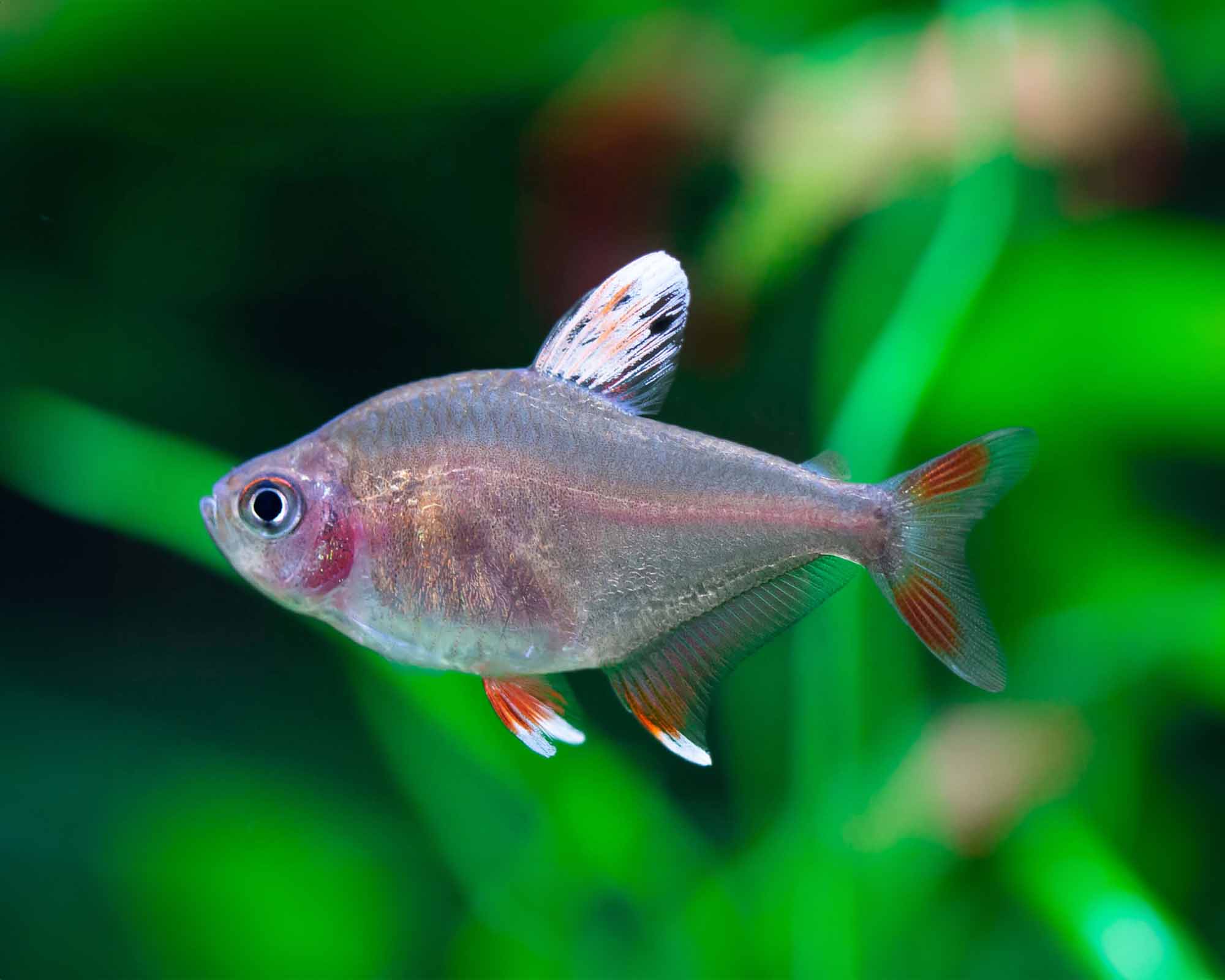
  • Hyphessobrycon bentosi (White Fin Ornate Tetra)

    Hyphessobrycon bentosi (White Fin Ornate Tetra)

    Easy
    Tetra
    The White Fin Ornate Tetra, a stunning captive-bred variant of the classic Jewel Tetra, is prized for its striking white-tipped fins and rosy-silver body. Native to the Amazon basin, this peaceful, schooling species brings active charm and vibrant contrast to heavily planted community aquariums.
  • Hyphessobrycon bentosi (Jewel Tetra)

    Hyphessobrycon bentosi (Jewel Tetra)

    Easy
    Tetra
    Originating from the Amazon basin, the Jewel Tetra (Hyphessobrycon bentosi) is a captivating, peaceful schooling fish. Known for its striking finnage and energetic behavior, it thrives in planted aquariums. Its hardiness and striking appearance make it a highly popular choice for both beginner and experienced aquarists alike.
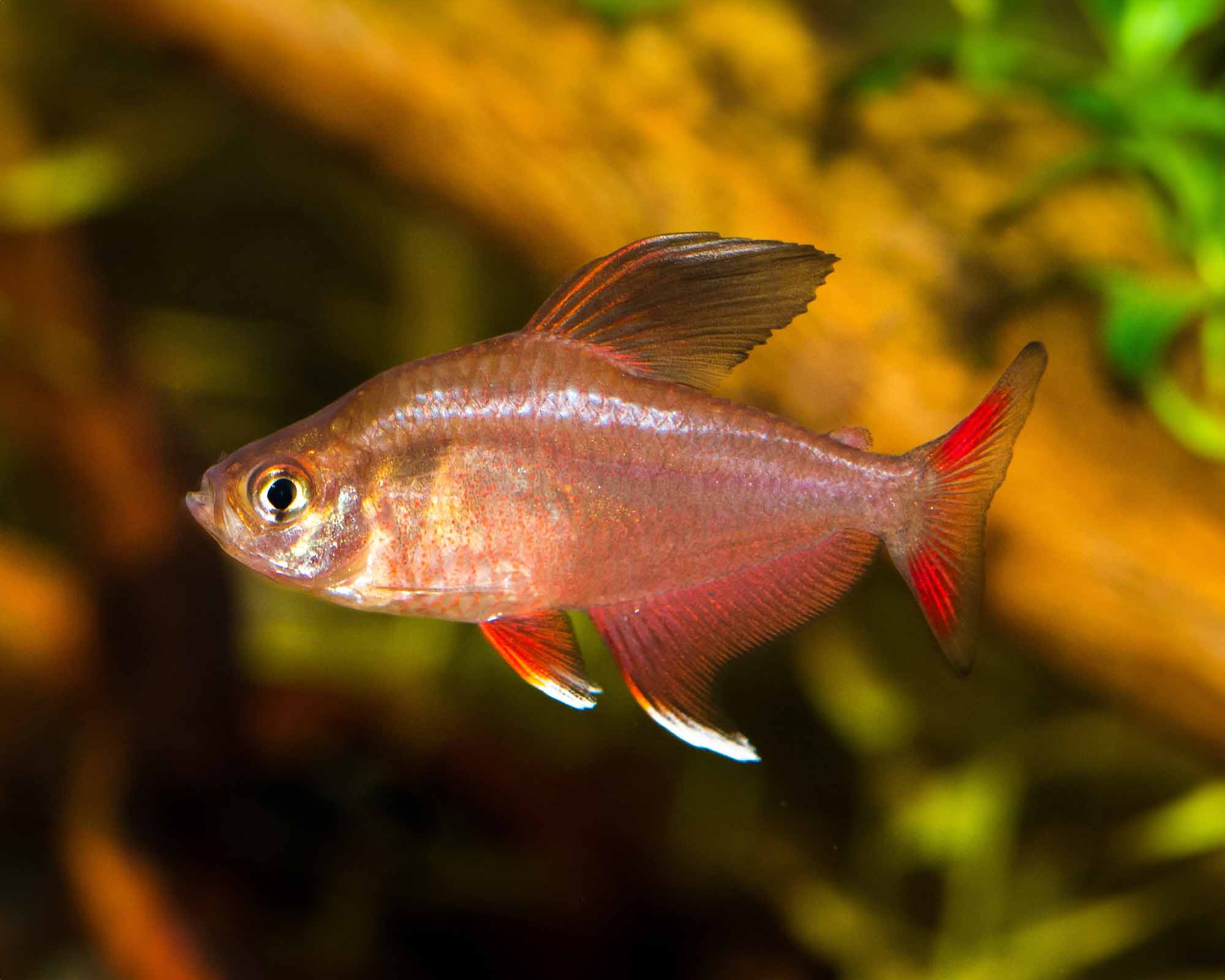
  • Hyphessobrycon bentosi (Jewel Tetra)

    Hyphessobrycon bentosi (Jewel Tetra)

    Easy
    Tetra
    The Jewel Tetra (Hyphessobrycon bentosi), often captive-bred for optimal health, is a stunning freshwater fish native to the Amazon basin. Known for its deep, rosy-red body and striking white-tipped fins, this peaceful schooling fish adds vibrant color and lively, yet gentle, activity to any planted community aquarium.