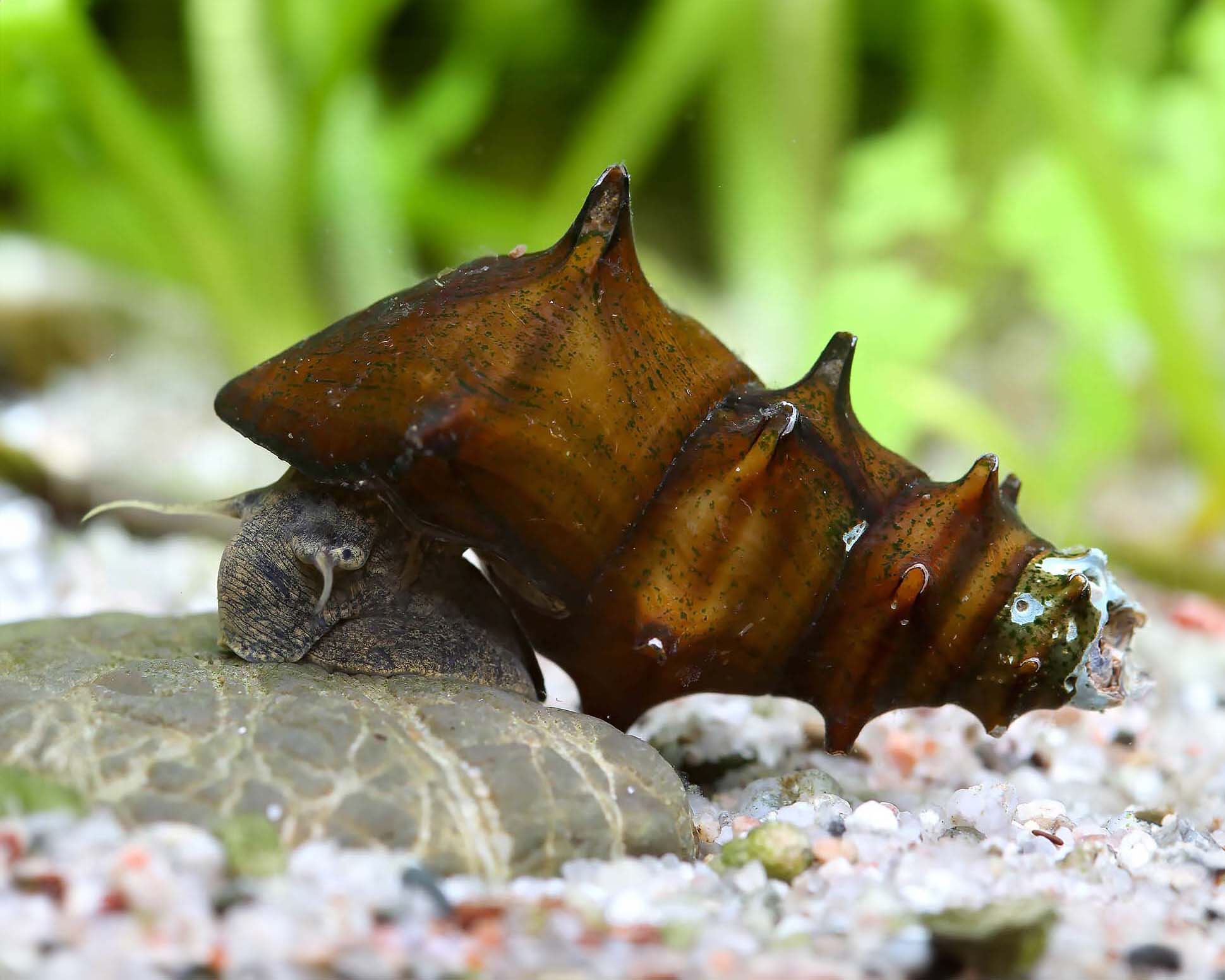
Taxonomy and identification
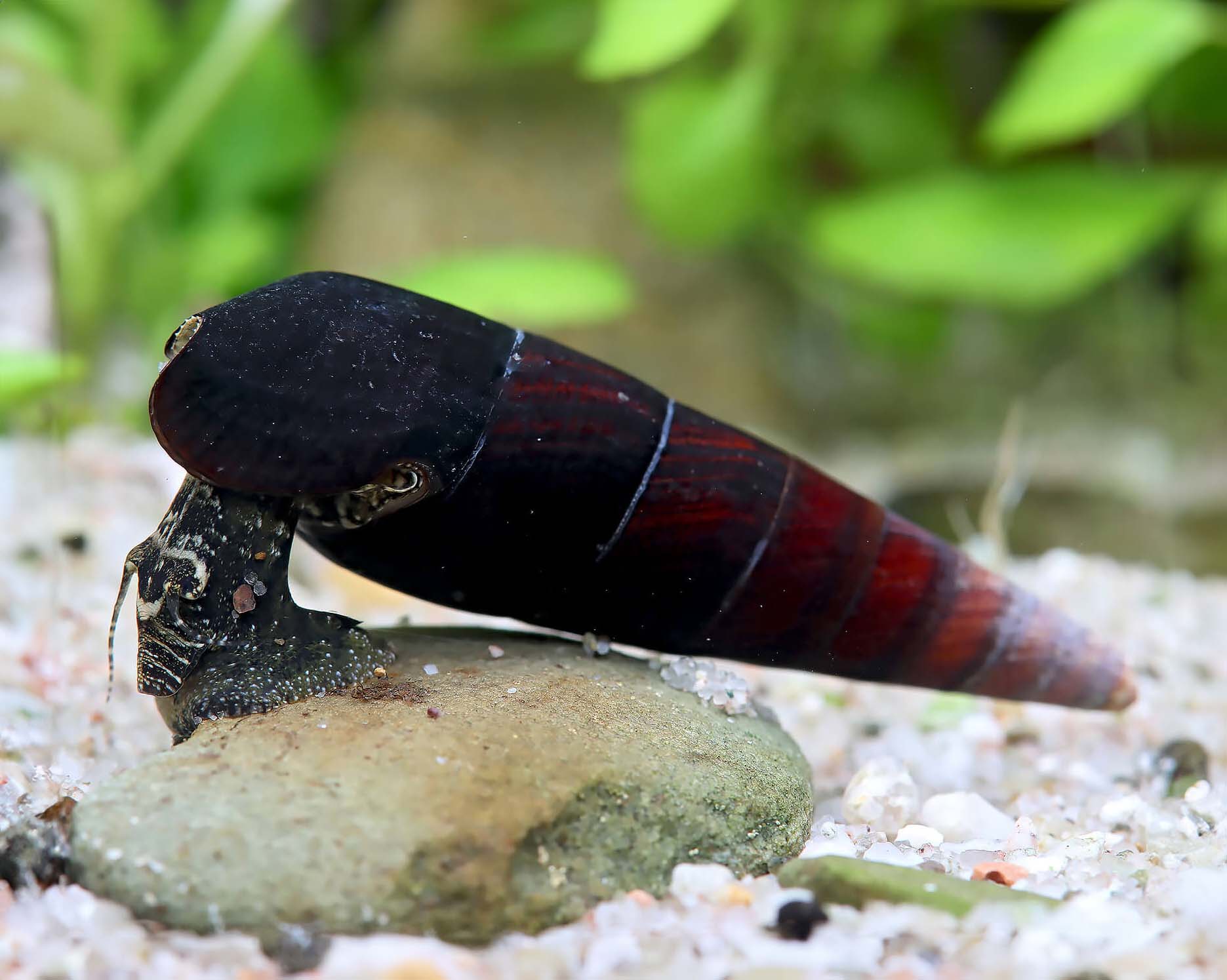
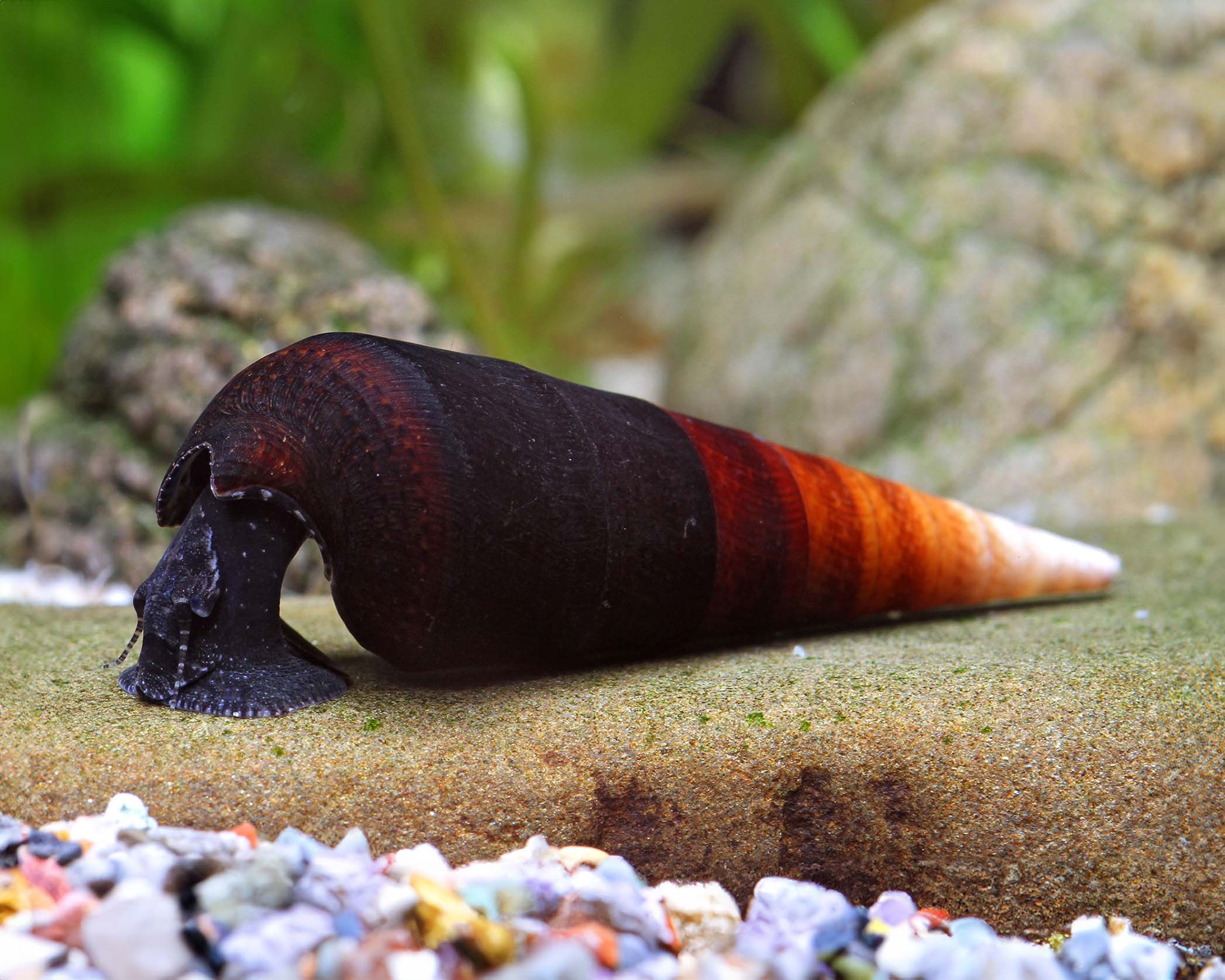
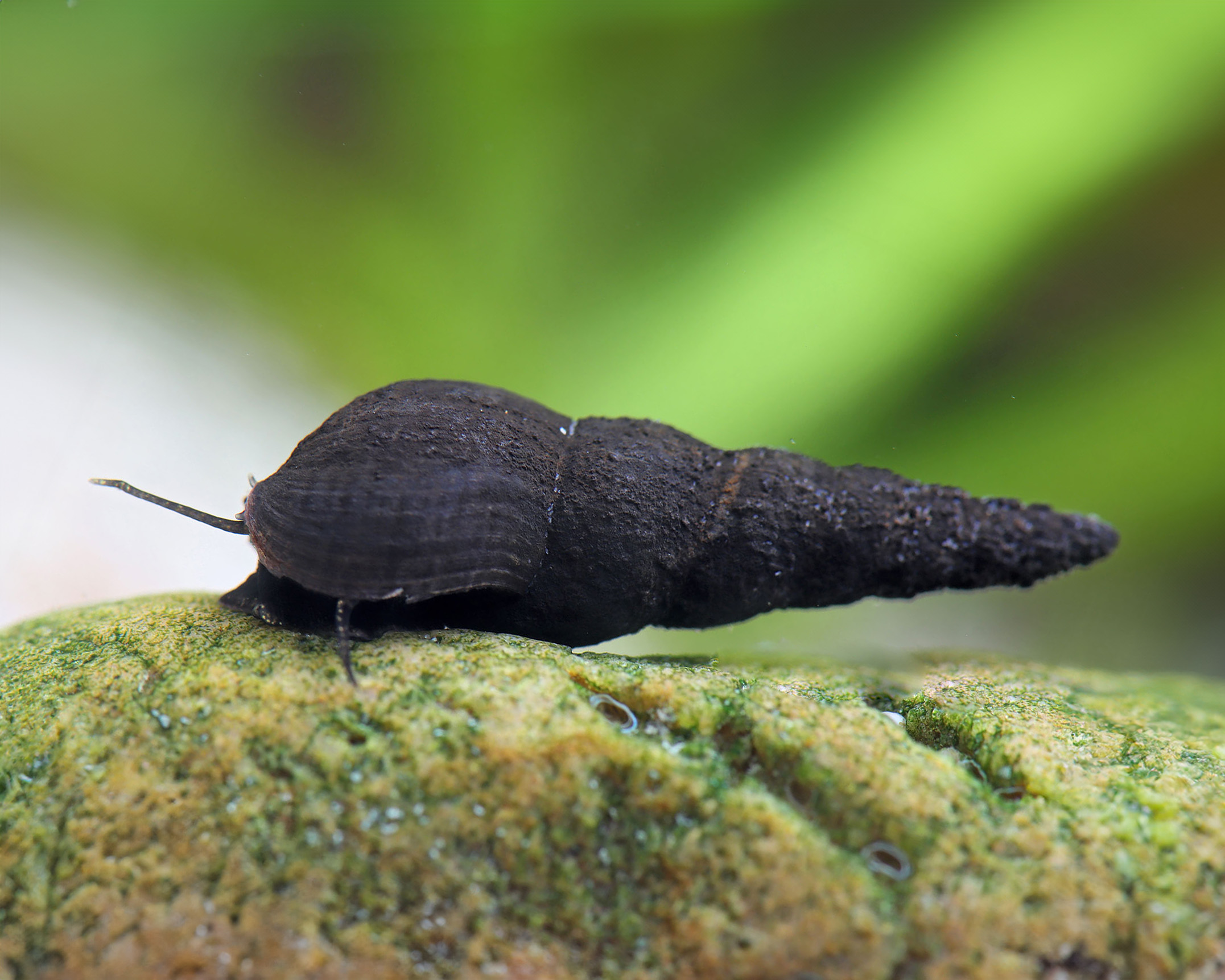
Brotia armata is a freshwater gastropod in the family Pachychilidae. Its shell is typically elongated and heavily sculptured, with pronounced ridges or spines and brown to amber coloration. The common name is not completely standardized in aquarium trade, and similarly shaped Brotia species may be sold under overlapping names. Confirming a specimen to species level from a photograph alone is therefore not always possible.
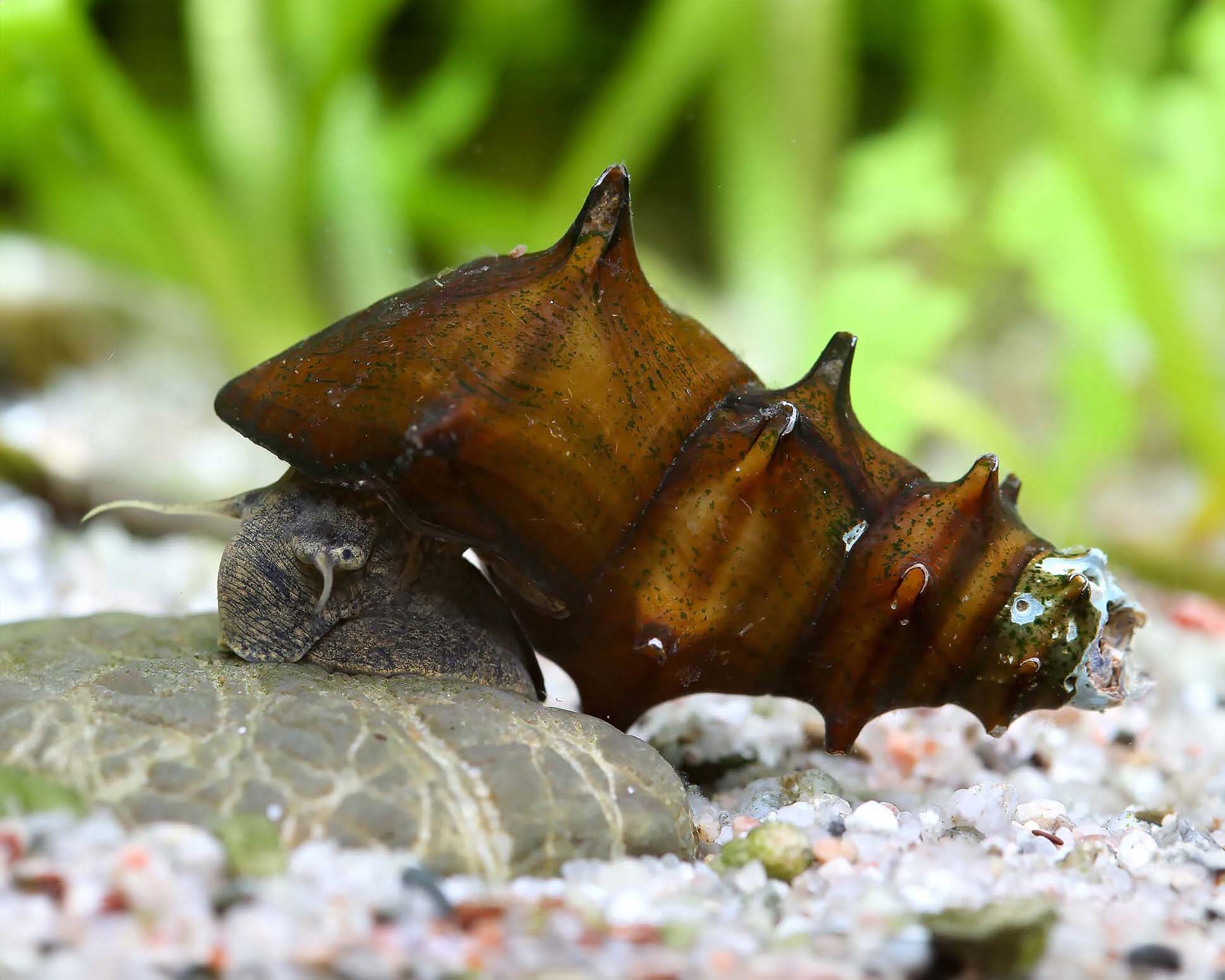
Natural habitat
Brotia species are associated with flowing freshwater habitats in tropical Southeast Asia, including streams and rivers with firm substrates, stones and substantial oxygenation. The exact native range and habitat preferences of aquarium-trade B. armata should be checked against collection locality, since trade identification is sometimes uncertain. Provide stable flow, shaded resting areas and smooth stones or other surfaces for grazing.
Aquarium water and setup
Use a mature aquarium with efficient biological filtration, good circulation and no detectable ammonia or nitrite. Neutral to alkaline, moderately hard or hard water helps maintain the shell and supports normal activity. Supply calcium and other minerals through suitably mineralized water, a calcium-rich food or an aquarium-safe supplement, while avoiding sudden changes in temperature, pH or hardness. A secure lid is advisable because large snails may climb above the waterline.
Feeding
This snail grazes on biofilm, algae and other organic material, but a clean aquarium may not produce enough natural food. Offer sinking foods such as algae wafers, spirulina-based foods and quality invertebrate pellets, together with occasional blanched vegetables. Remove uneaten food before it decomposes. A varied diet and adequate calcium are more reliable than expecting the snail to live only on algae.
Plant safety
Brotia armata is generally considered plant-safe and normally grazes surfaces rather than healthy plant tissue. It may nevertheless climb over delicate plants, disturb newly planted stems or dislodge poorly rooted specimens because of its size and weight. Anchor plants securely and provide hardscape or other surfaces where the snail can feed without repeatedly crossing fragile foliage.
Reproduction
Brotia are live-bearing snails rather than prolific egg-clutch layers. Young are retained by the female and released as developed juveniles, so reproduction is usually much slower and less conspicuous than that of common pond, bladder or ramshorn snails. Successful breeding requires compatible adults, stable water, good food and sufficient minerals. Exact reproductive details can vary among Brotia species and populations.
Population control
Population growth is usually limited by the species’ comparatively slow reproduction, but excess numbers can still result from overfeeding. Feed measured portions, remove leftovers and monitor the aquarium after maintenance. Manually relocate unwanted adults or juveniles, and rehome surplus animals where possible. Do not use copper-based snail treatments in a tank containing valued snails, and never release aquarium animals into natural waterways.

 DNZ - 1.webp)

Leave your comments