Overview
The Hercules Snail (Brotia herculea) is a magnificent and peaceful giant in the freshwater aquarium hobby. Aptly named for its impressive size, this snail is a fantastic bottom dweller that constantly sifts through the substrate in search of uneaten food and detritus, making it both a beautiful and highly functional addition to the tank.

Distribution and Habitat
Native to Southeast Asia, specifically found in the river systems of Thailand and Myanmar, the Hercules Snail inhabits clean, oxygen-rich flowing waters. They are predominantly found on soft sandy or muddy substrates where they can easily burrow and forage for organic matter.
Description of Hercules Snail
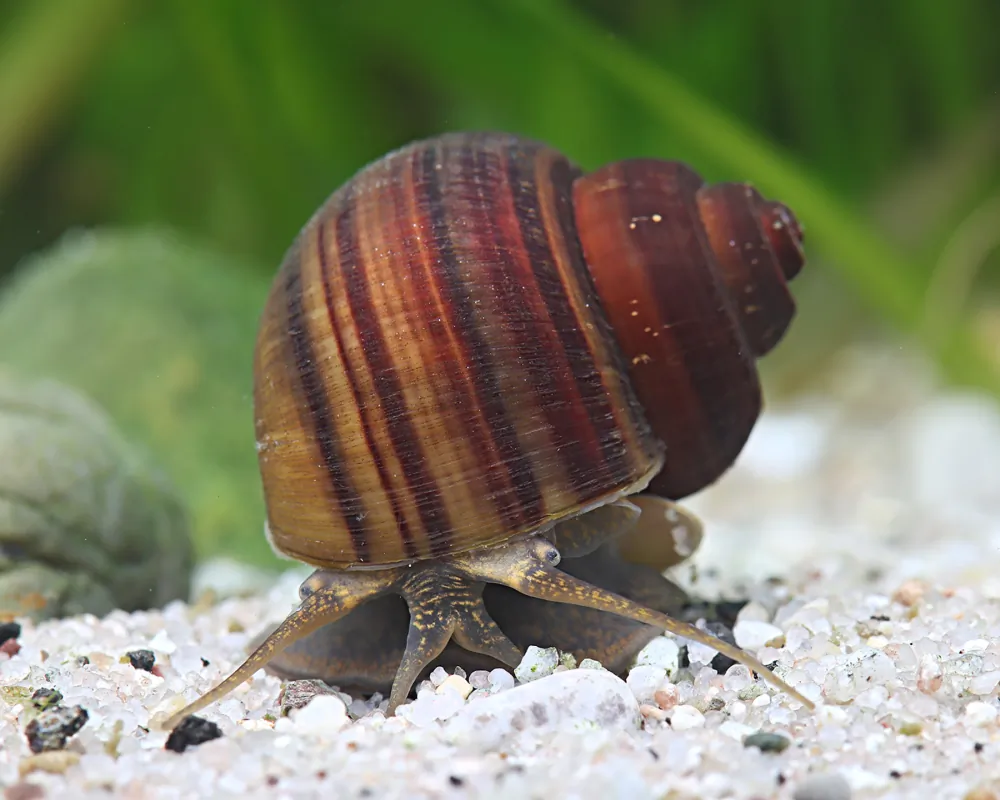
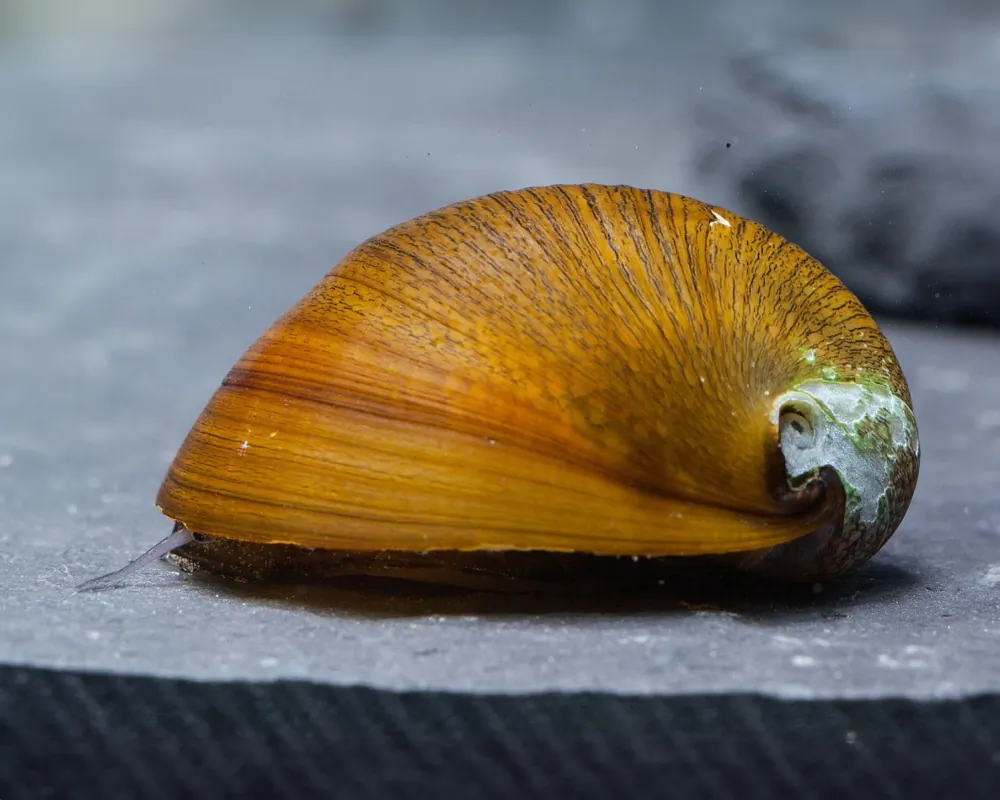
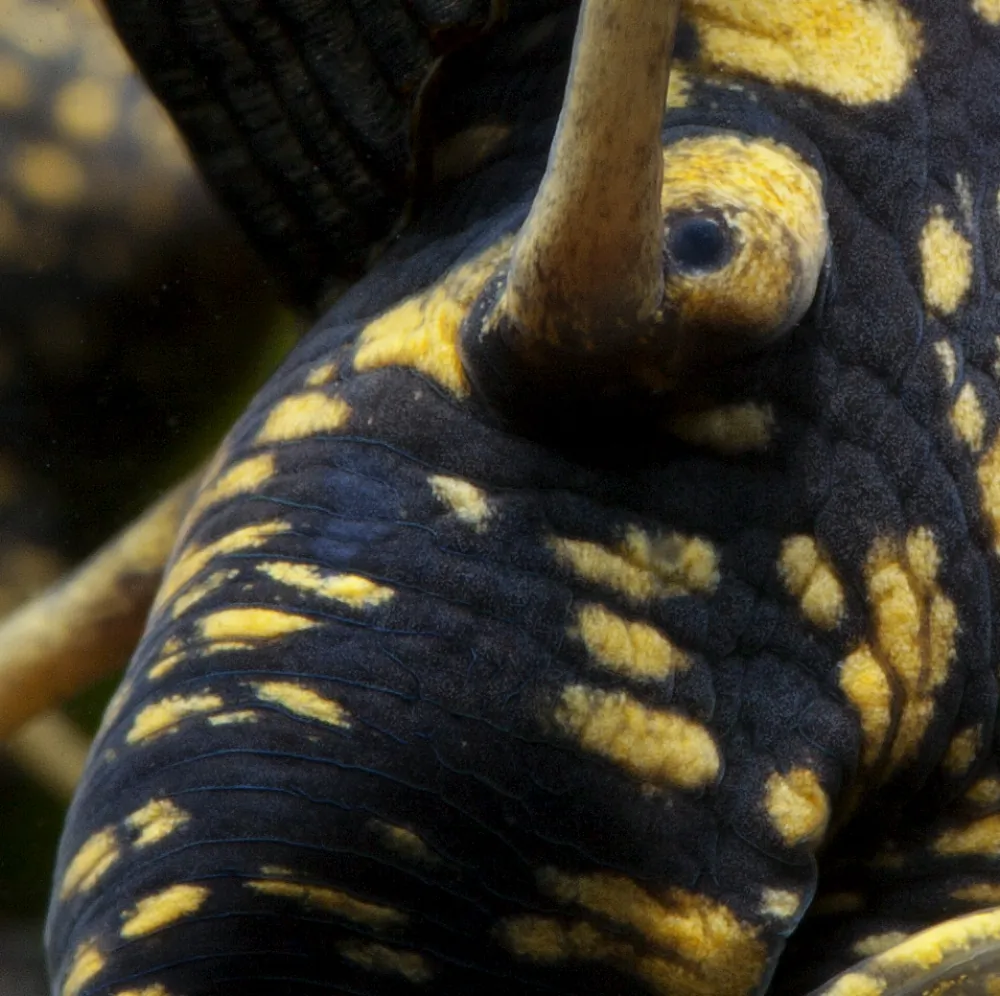
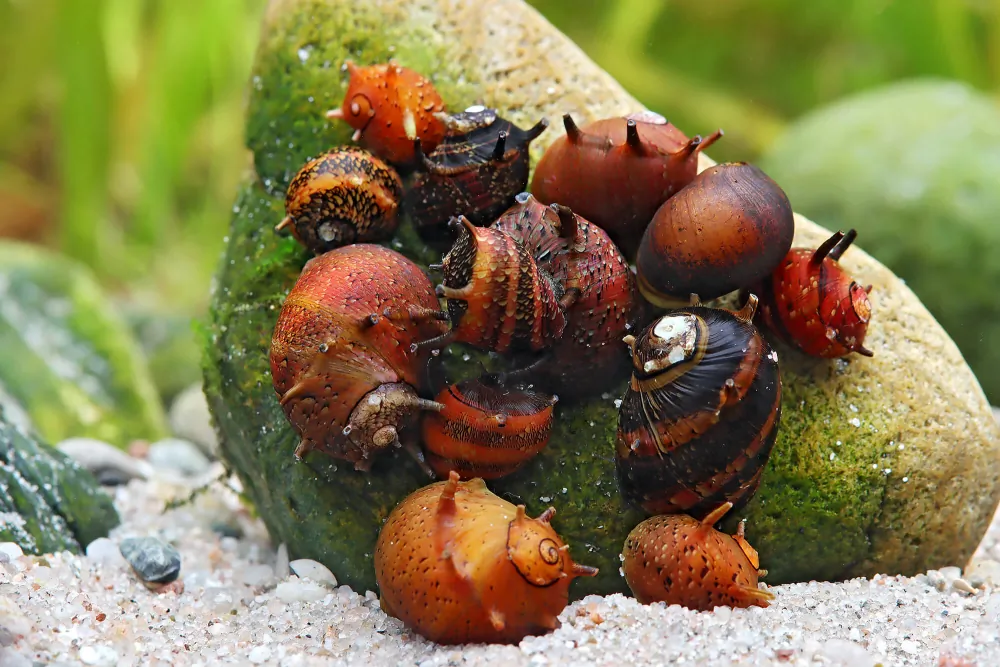
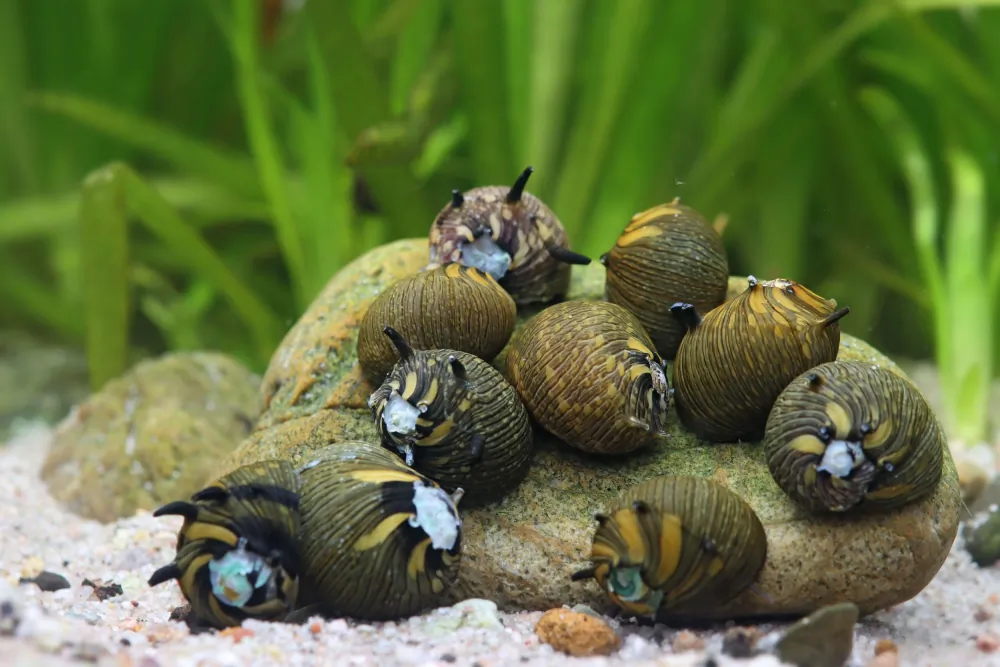
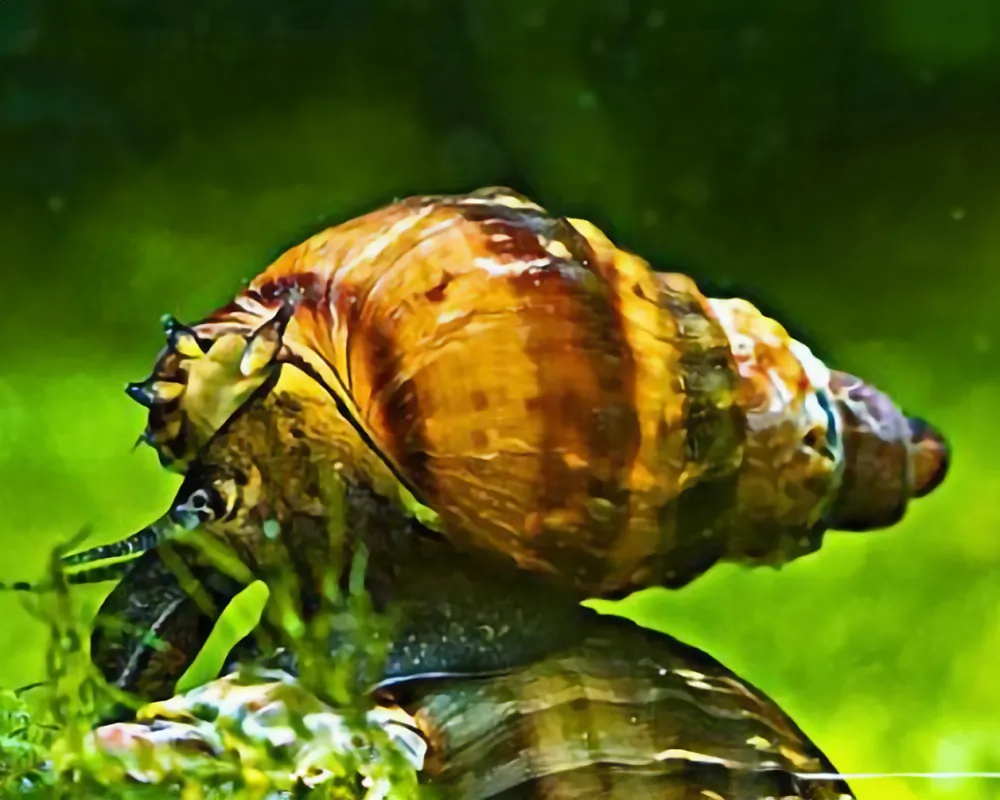
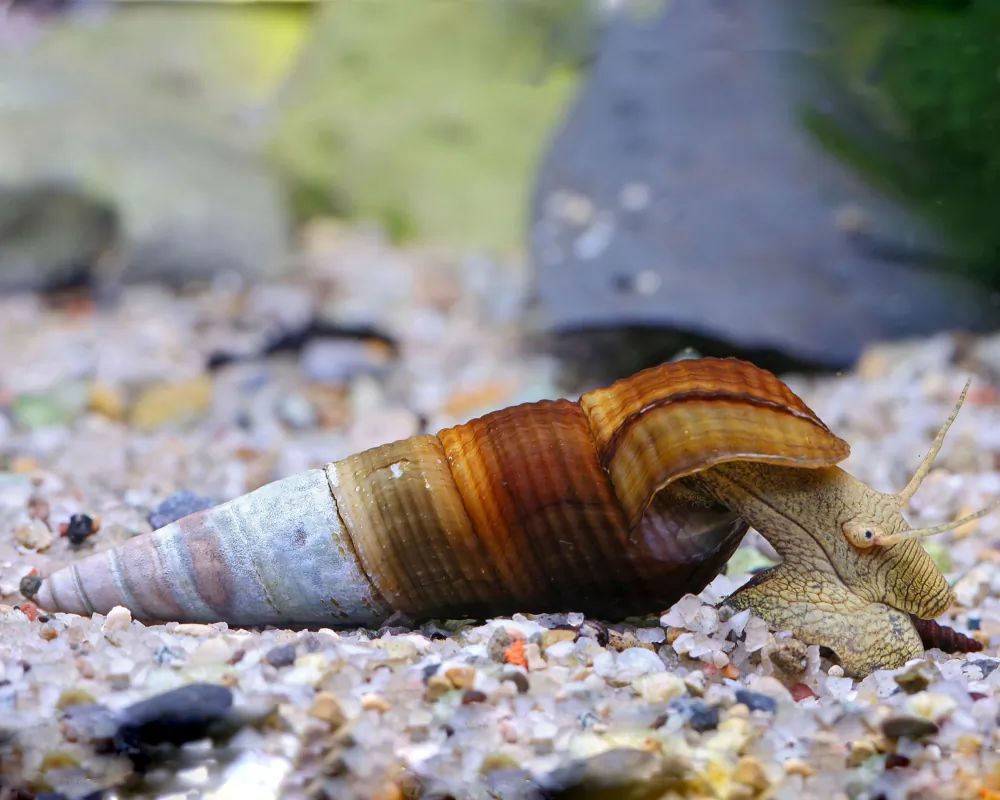
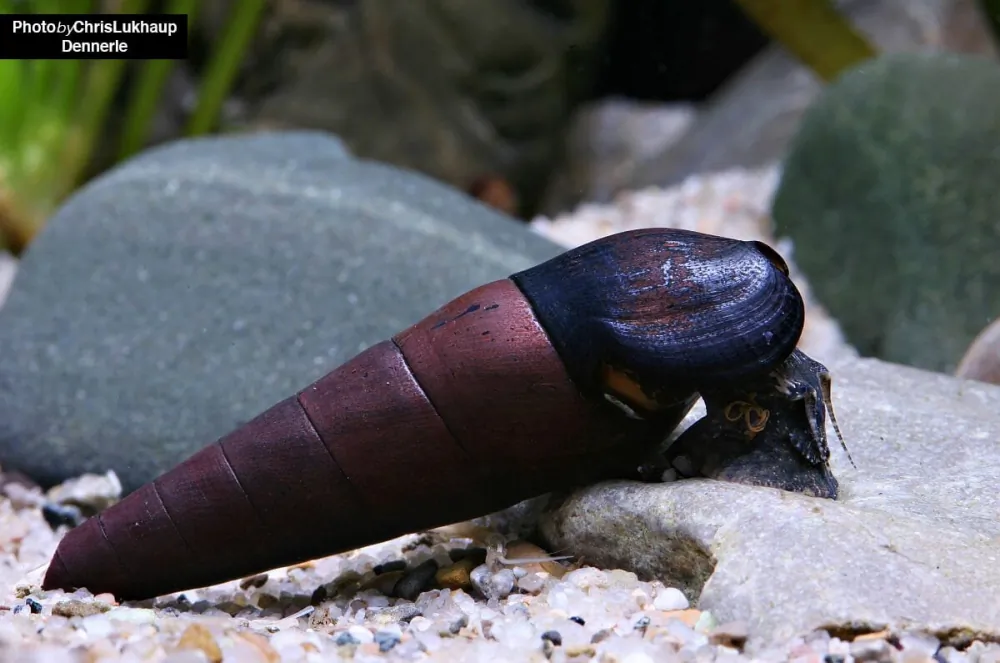
As evident from their imposing appearance, Brotia herculea can grow up to an impressive 10 centimeters (4 inches) in length. Their shells are elongated, conical, and feature distinct spiral ridges or heavy ribbing. The coloration ranges from a yellowish-brown or caramel base near the aperture to deep, dark reddish-browns towards the apex. The snail's muscular foot is typically a mottled greyish-brown or pale pinkish hue, equipped with a distinct, elongated snout and long, sensitive tentacles for navigating the aquarium floor.
Keeping and Caring for Hercules Snail
Despite their large size, Hercules Snails are relatively easy to care for provided their basic needs are met. They are completely peaceful and will not bother tank mates or consume healthy, living aquatic plants. They do require a well-established aquarium with stable water conditions and a soft substrate to prevent damage to their soft tissues while burrowing.

Tank size:
Due to their potential size of up to 10 cm, a minimum tank size of 20 gallons (approx. 80 liters) is recommended. A larger footprint is preferred to provide ample substrate area for foraging.
Water Parameters:
Temperature
They thrive in tropical temperatures ranging from 22 to 28 °C (72 - 82 °F).
pH
A neutral to alkaline pH between 7.0 and 8.5 is ideal to prevent their massive shells from eroding over time.
Hardness
Moderate to hard water (GH 8-15) is essential. Sufficient calcium in the water column and diet is necessary to maintain their thick, heavy shells.
Ammonia, Nitrite, Nitrate
Ammonia and Nitrite must always be at 0 ppm. Nitrates should be kept strictly below 20 ppm through regular aquarium maintenance and water changes.
Feeding the Hercules Snail
Hercules Snails are omnivorous detritivores. In the aquarium, their diet should be supplemented heavily, as a clean tank will not provide enough natural detritus for a snail of this size. Feed them sinking pellets, algae wafers, and blanched vegetables such as zucchini, spinach, or cucumber. They also greatly benefit from the addition of Indian Almond leaves (Catappa) or other safe botanical leaf litter, which provides natural grazing material as it breaks down.
Breeding Hercules Snail
Unlike many nuisance snails, Brotia herculea will not overrun your aquarium. They are gonochoric (meaning there are distinct male and female individuals) and are viviparous livebearers. The female will give birth to fully formed, miniature juvenile snails rather than laying egg clutches. Their reproduction rate is very slow, producing only a few young at a time, making population control effortless.
Conclusion
The Hercules Snail is a truly spectacular invertebrate for the larger freshwater setup. With their prehistoric, heavily textured shells and gentle nature, they offer a unique aesthetic while serving as an excellent clean-up crew. Provided with hard water, a sandy substrate, and plenty of supplementary food, they will thrive and become a long-lived, fascinating centerpiece in your aquatic ecosystem.





Leave your comments