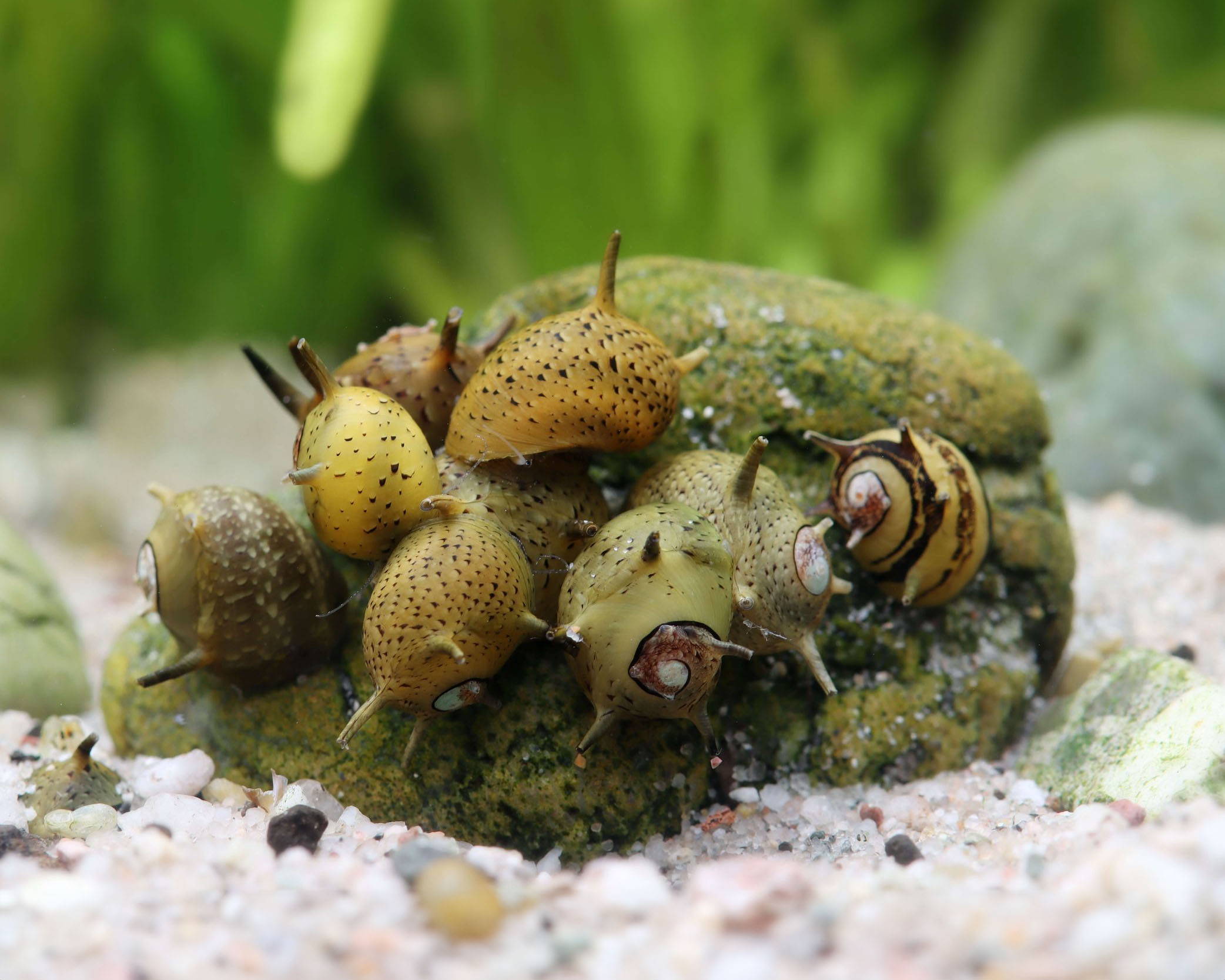
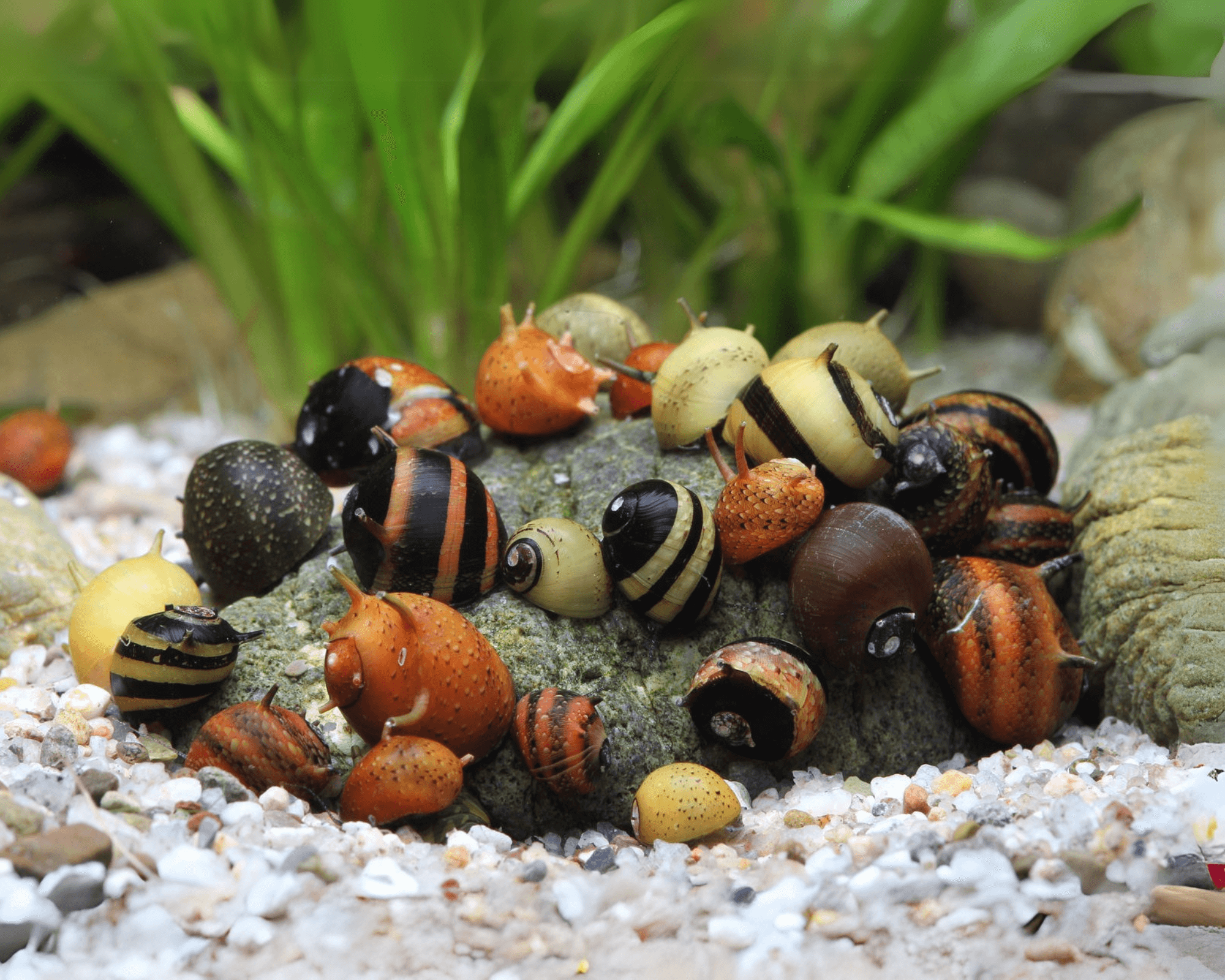
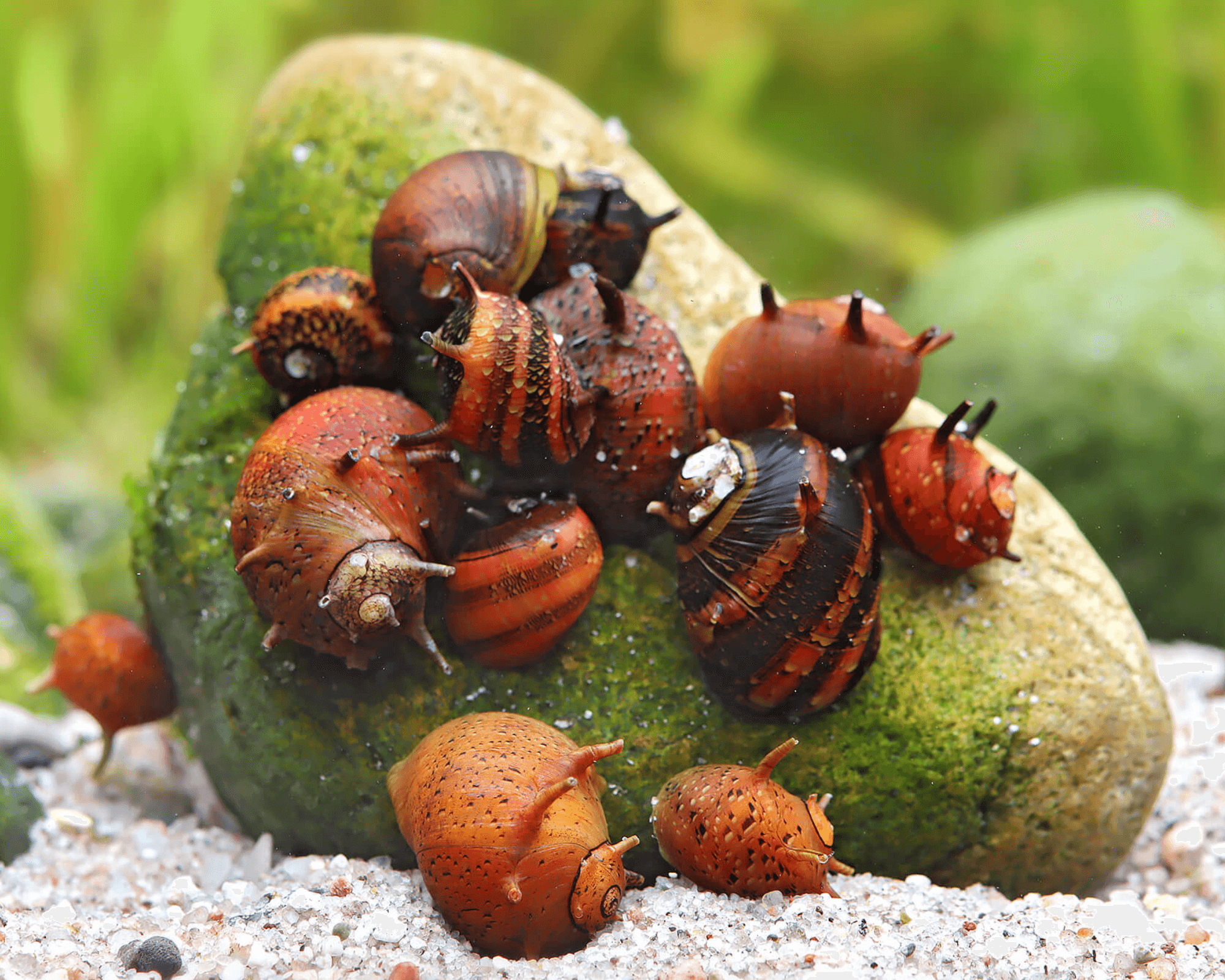
It’s time to help contribute for biggest aquarium gallery online

SUBMIT HEREVIEW GALLERY

Theodoxus dalmaticus (Balkan Limpet Nano Snail)

Overview

The Balkan Limpet Nano Snail (Theodoxus dalmaticus) is a highly sought-after freshwater snail in the aquarium hobby, prized for its exceptionally small size and voracious appetite for algae. Belonging to the Neritidae family, these snails share the excellent cleaning abilities of common nerite snails but are perfectly scaled down for nano and micro aquariums. They are entirely peaceful and will not harm live plants, making them an ideal cleanup crew member for aquascapes.
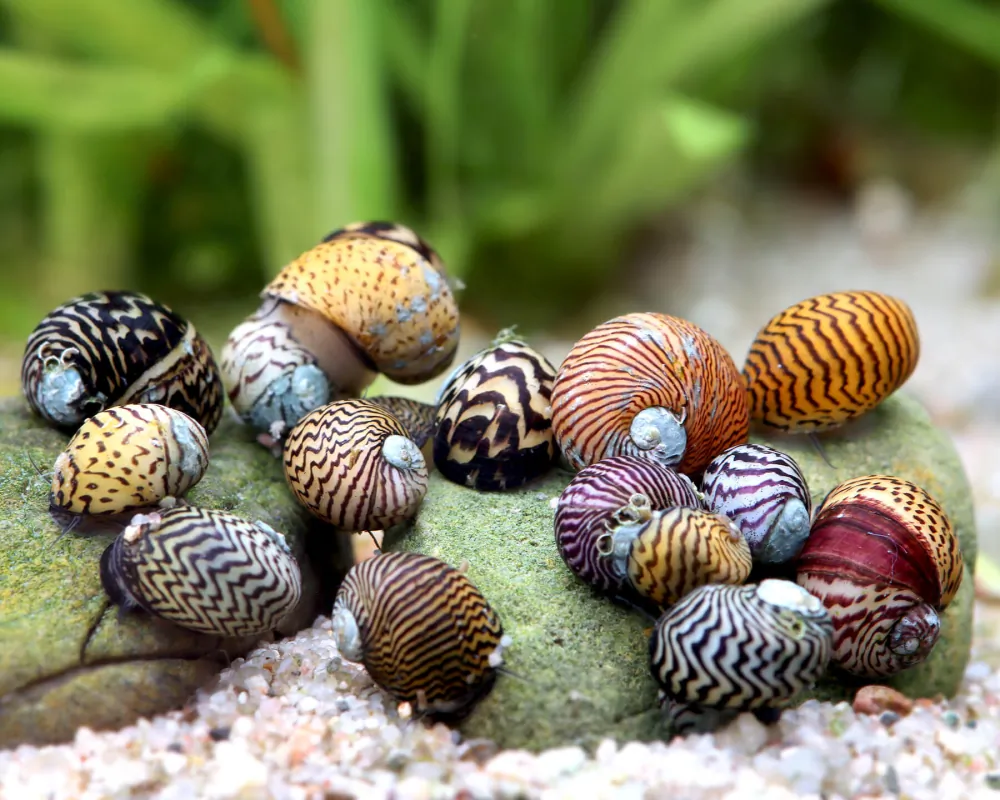
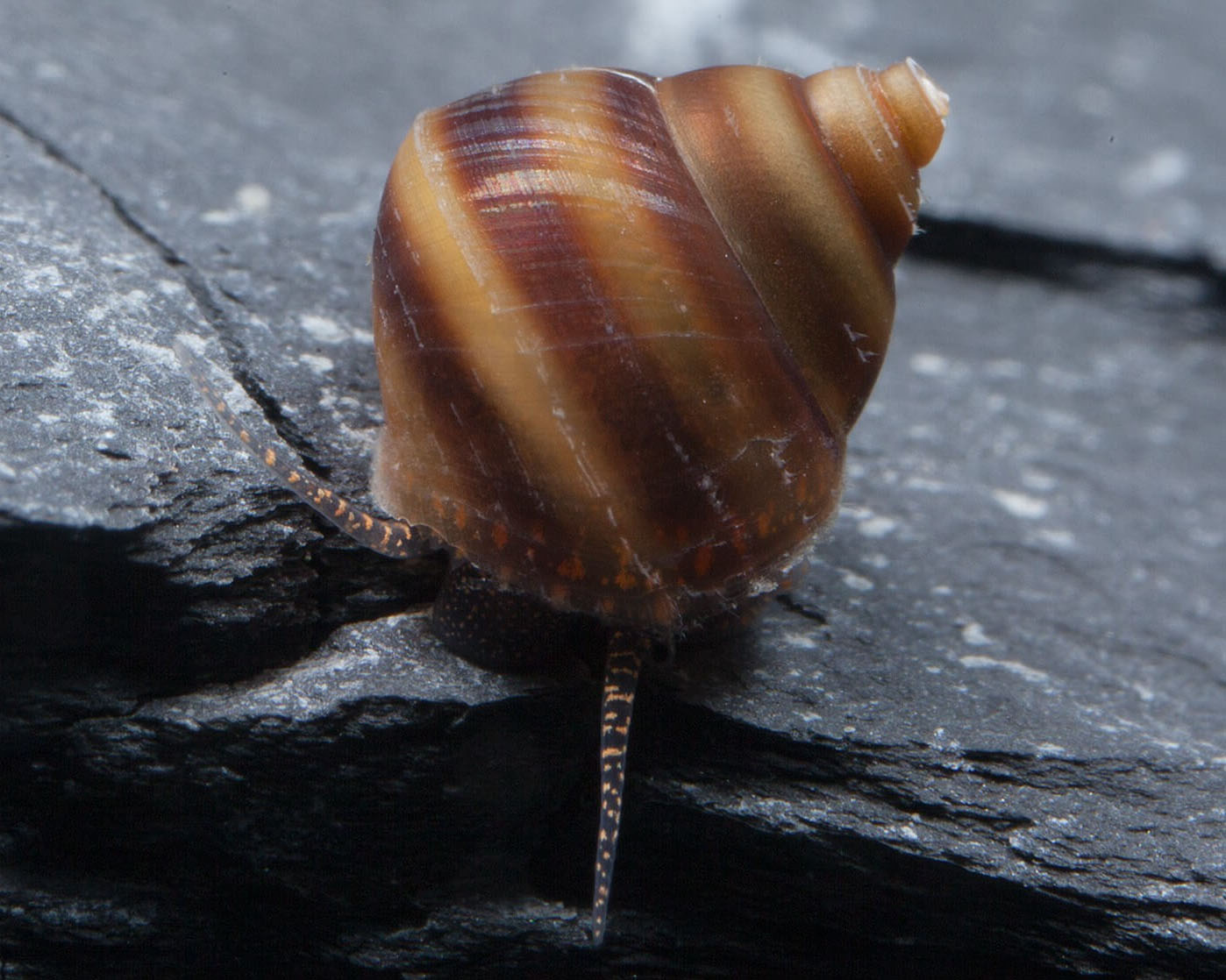
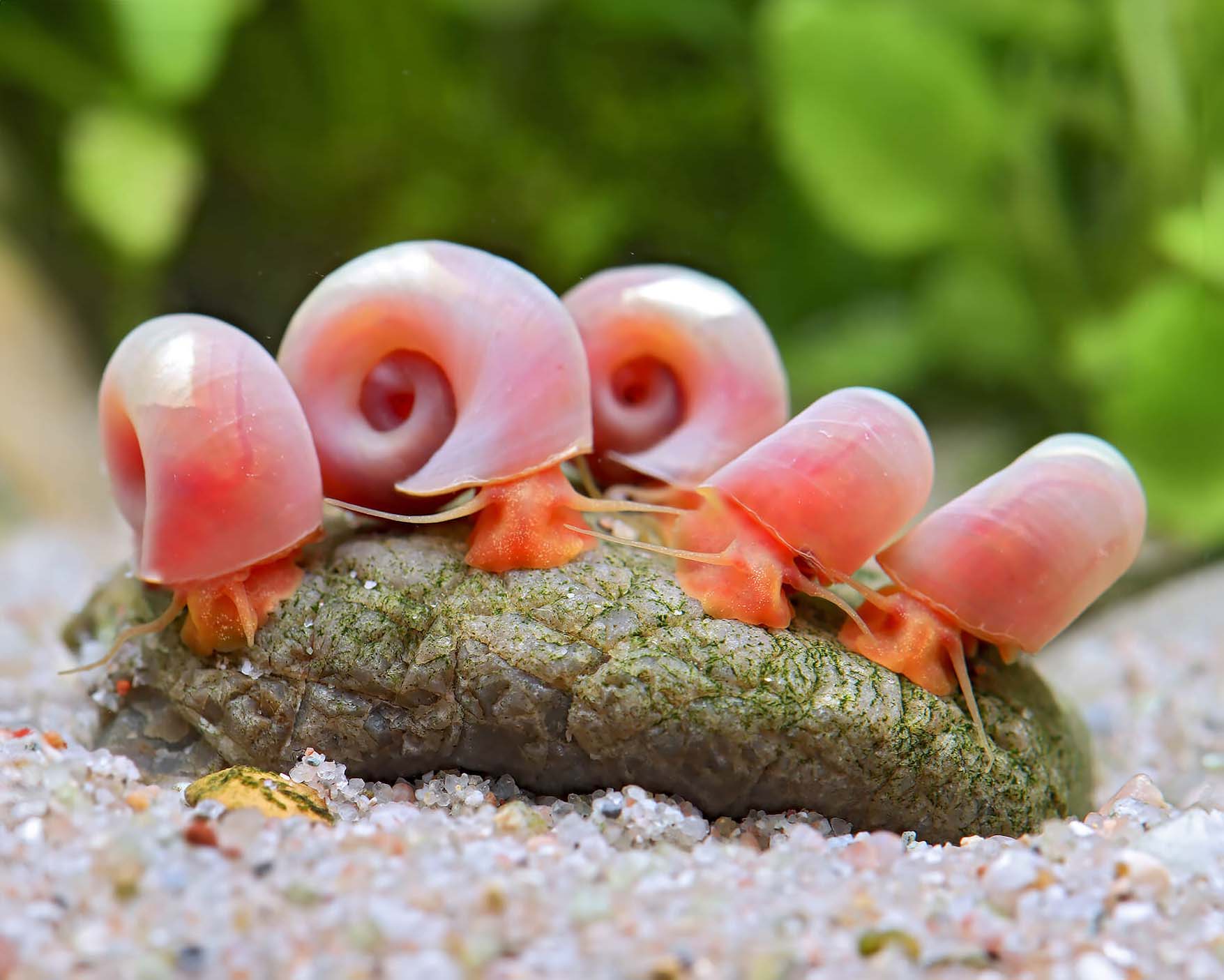
Image of balkan limpet nano theodoxus dalmaticus

Distribution and Habitat

As their common name suggests, these unique snails are native to the Balkan Peninsula, particularly found in the clear, hard-water rivers, streams, and lakes of the Dalmatia region. In the wild, they cling tightly to rocks and smooth stones in flowing water, grazing continuously on the rich layers of biofilm, diatoms, and green algae that grow in these sunlit, mineral-rich environments.

Description of Balkan Limpet Nano Snail

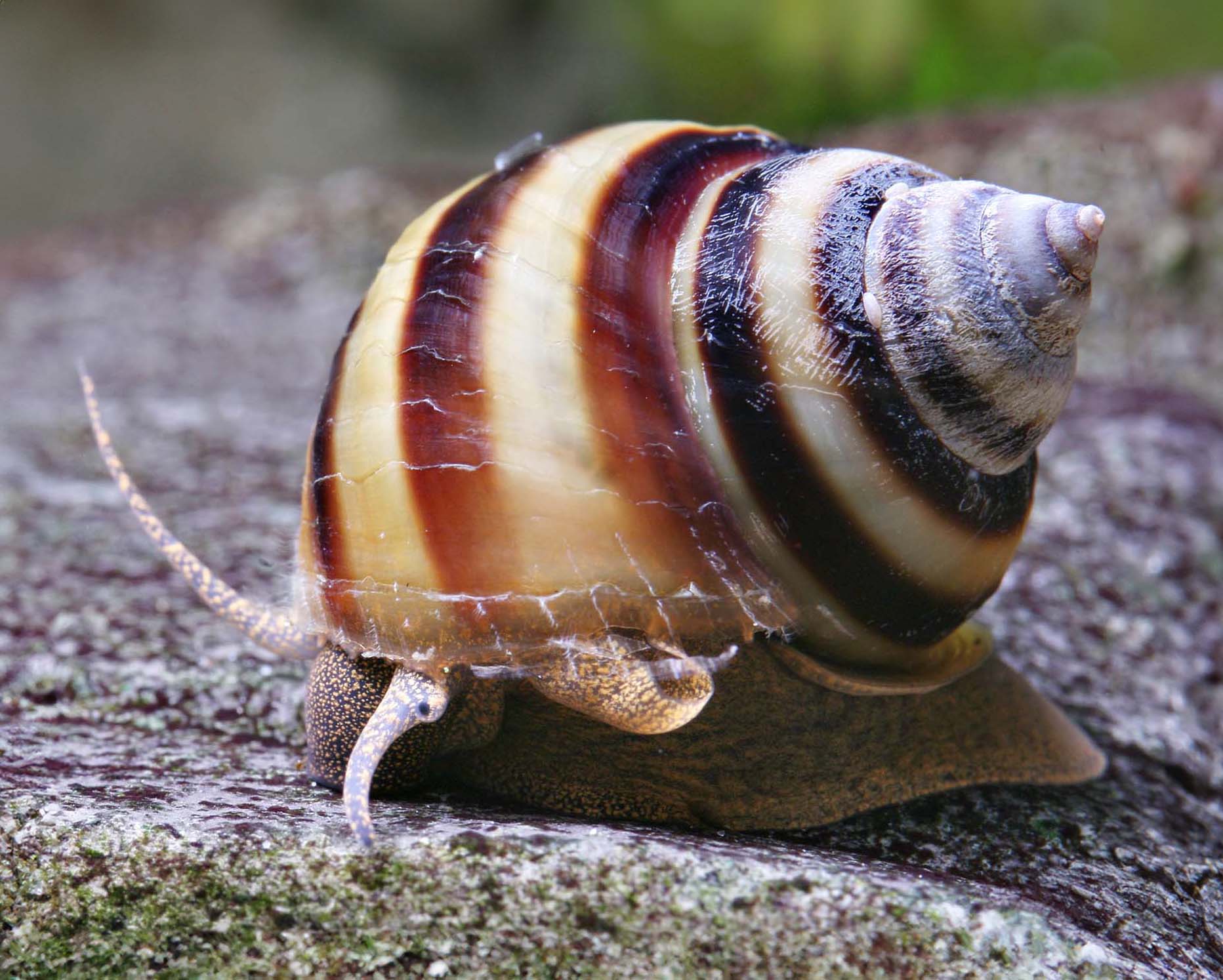
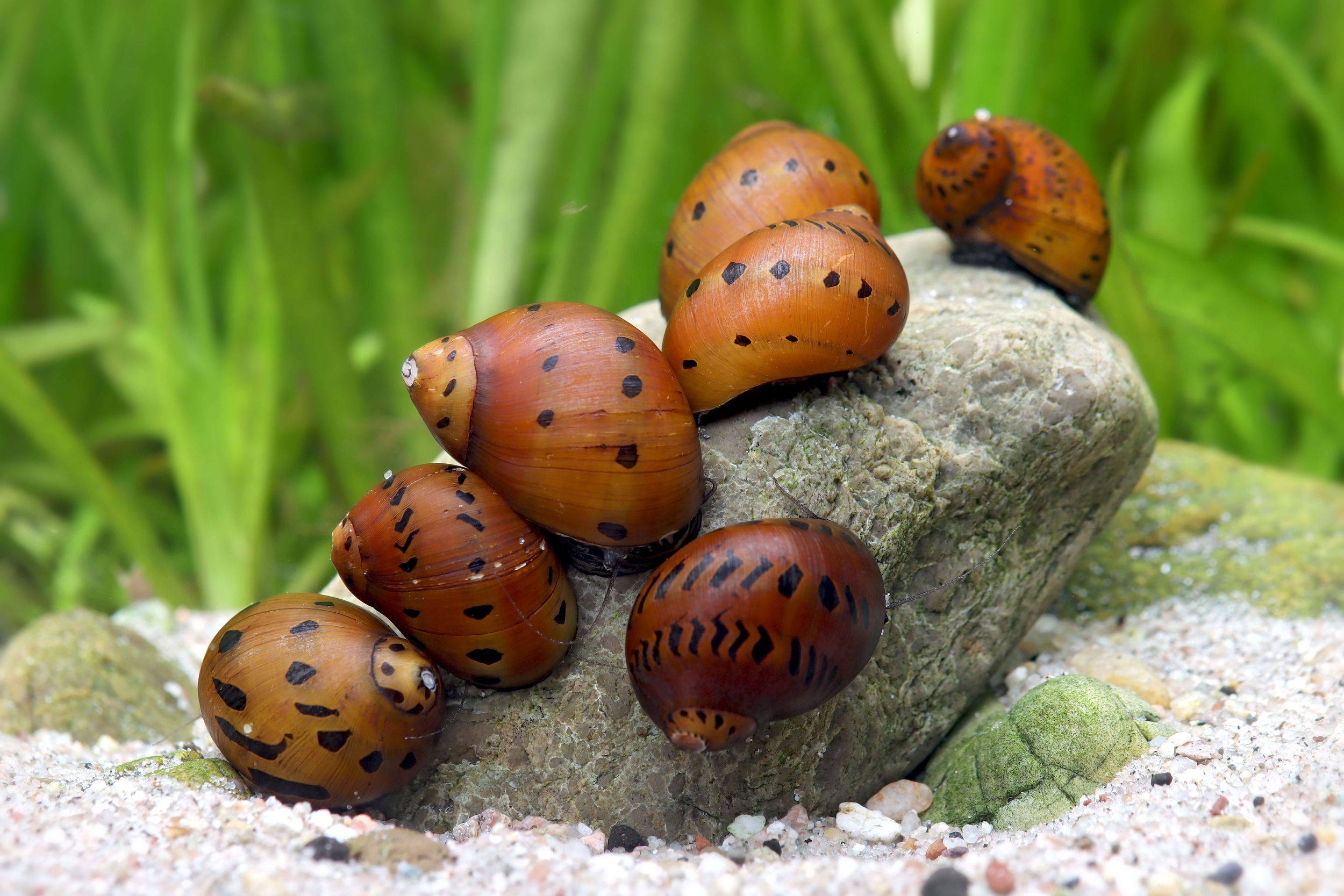
The Balkan Limpet Nano Snail is incredibly small, typically reaching a maximum size of only 0.5 to 1 cm (0.2 to 0.4 inches) in diameter. Despite their tiny stature, they boast some of the most spectacular and highly polymorphic shell patterns in the freshwater snail world. As seen in their diverse populations, shell colors can range from bright orange and yellow to deep purplish-red and stark black-and-white. The patterns are equally varied, featuring intricate zigzags, tiger stripes, and delicate speckles. It is very common for wild-caught Theodoxus specimens to have slightly eroded or white apexes (the tip of the shell) due to natural wear in their native habitats.
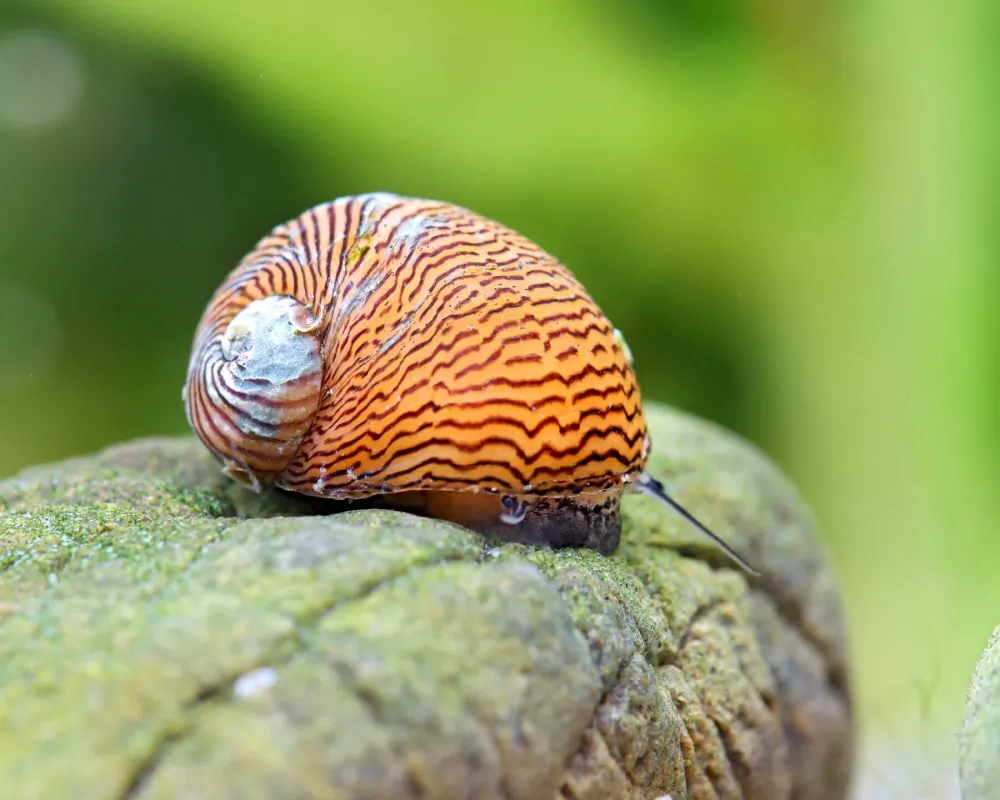
Image of balkan limpet nano theodoxus dalmaticus

Keeping and Caring for Balkan Limpet Nano Snail

Caring for Theodoxus dalmaticus requires a mature, well-established aquarium. Because they rely almost exclusively on naturally occurring algae and biofilm, they should never be added to a brand-new or clinically clean tank. They are quite hardy once established but are sensitive to rapid fluctuations in water parameters and require highly oxygenated water.

Tank size:

Due to their nano size, a small group can comfortably live in tanks as small as 5 gallons. However, the tank must have enough surface area (rocks, glass, and wood) to produce sufficient algae to sustain them.

Water Parameters:

These snails originate from mineral-rich waters and absolutely require hard, alkaline water to maintain their shells and overall health.

Temperature

They prefer slightly cooler to moderate tropical temperatures, thriving best between 64°F and 79°F (18°C - 26°C).

pH

A slightly alkaline pH is required to prevent shell erosion. Maintain the pH between 7.0 and 8.5.

Hardness

High water hardness is essential. Aim for a General Hardness (GH) of 8-15+ dGH and a Carbonate Hardness (KH) of 5-10+ dKH.

Ammonia, Nitrite, Nitrate

Ammonia and Nitrite must always be at 0 ppm. Nitrates should be kept low, ideally below 20 ppm, as they are sensitive to poor water quality.

Feeding the Balkan Limpet Nano Snail

Feeding is often the most challenging aspect of keeping the Balkan Limpet Nano Snail. They are strict herbivores and highly specialized grazers that feed almost exclusively on diatoms (brown algae), green spot algae, and biofilm growing on hard surfaces. They rarely accept commercial sinking pellets or algae wafers. To keep them healthy, ensure your tank has a steady growth of natural algae. You can encourage algae growth by leaving the tank lights on slightly longer or by cultivating algae on rocks in a separate container placed in direct sunlight, rotating them into the main tank as needed.
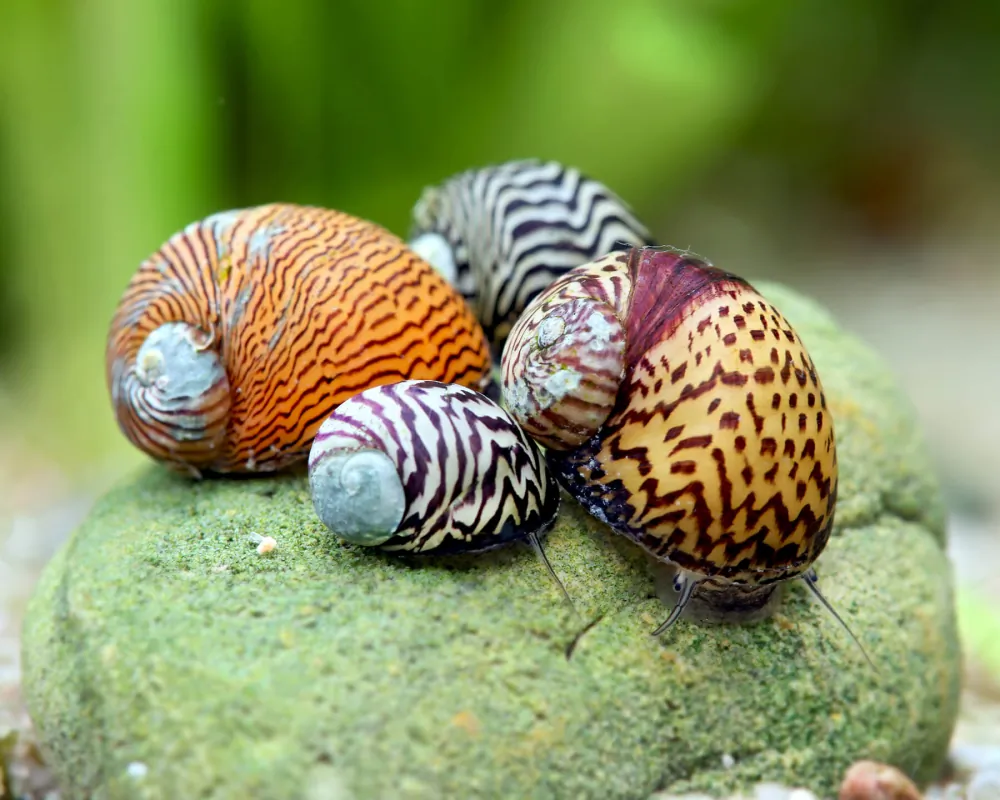
Image of balkan limpet nano theodoxus dalmaticus

Breeding Balkan Limpet Nano Snail

Unlike many popular nerite snails that require brackish water to reproduce, Theodoxus dalmaticus can successfully breed in pure freshwater. They reproduce by laying small, tough, white egg capsules on hard surfaces, such as rocks or even the shells of other snails. After a period of development, a single, fully formed miniature snail will emerge from the capsule. There is no free-swimming larval stage. While they can breed in the home aquarium, their reproduction rate is very slow, so there is no risk of them overpopulating a tank like pest snails.
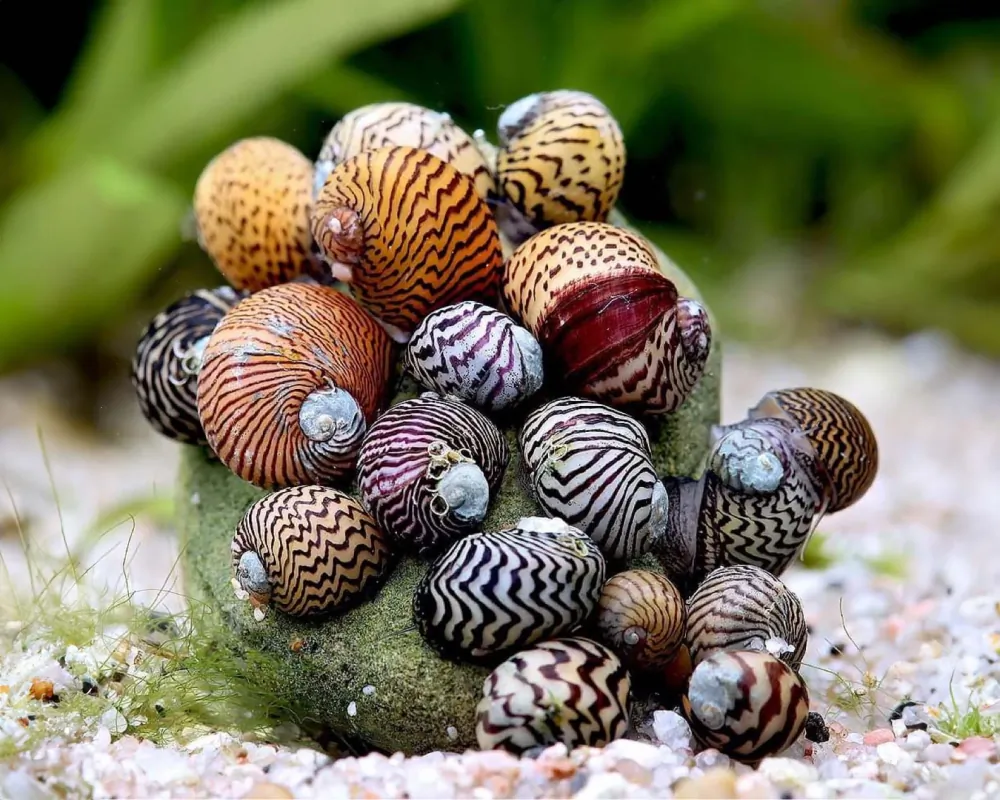
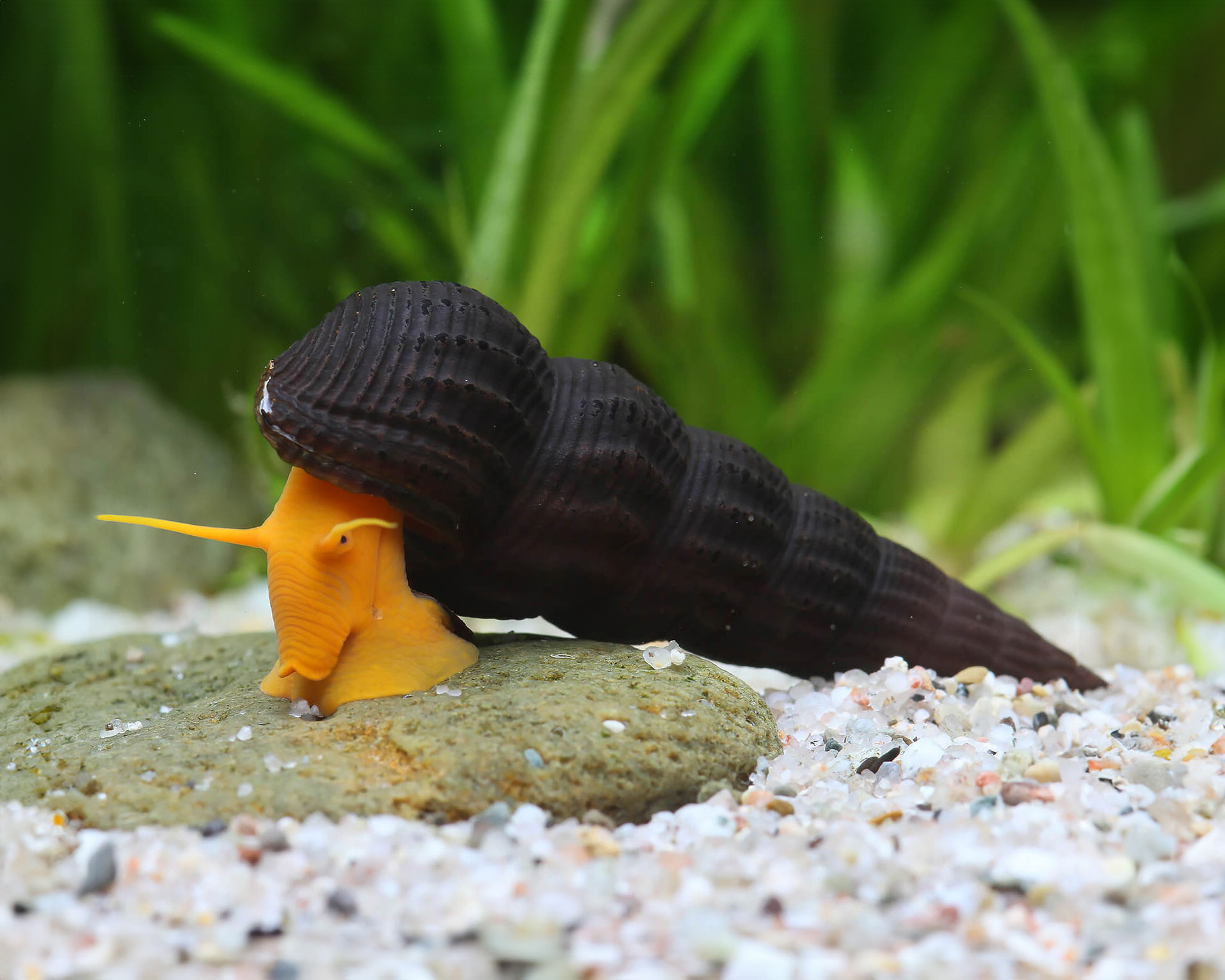
Image of balkan limpet nano theodoxus dalmaticus

Conclusion

The Balkan Limpet Nano Snail is a fascinating, beautiful, and highly beneficial addition to the planted aquarium. Their striking, highly variable shell patterns make them a joy to observe, while their relentless algae-grazing habits keep hard surfaces pristine. Provided they are housed in a mature tank with hard water and plenty of natural algae, these tiny snails will thrive and provide an excellent, non-invasive cleanup crew for your aquascape.
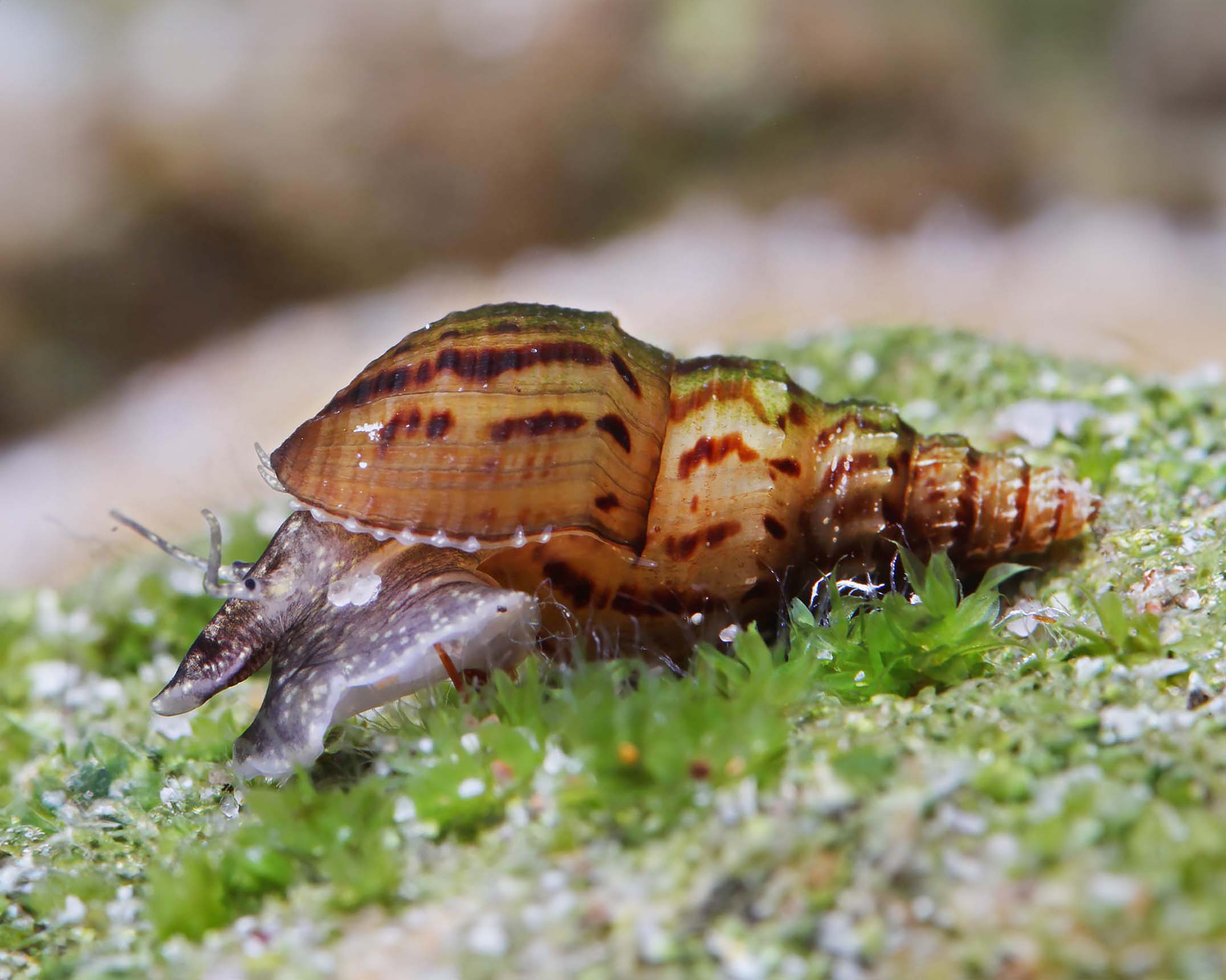
Snail info

Temperature : 64°F - 79°F (18°C - 26°C)
pH: 7.0 - 8.5
Leave your comments
Lastest on Snails
  • Neritina sp. (Golden Limpet Snail)

    Meet the Golden Limpet Snail, a unique and highly effective algae eater for your freshwater aquarium. With its flat, striking golden-hued shell, this peaceful gastropod tightly grips surfaces, making it impervious to most predators. It’s an excellent, low-maintenance addition for keeping glass and hardscapes spotless without harming live plants.
  • Tylomelania towutensis (Gold Spotted Rabbit Snail)

    Discover the captivating Gold Spotted Rabbit Snail (Tylomelania towutensis), a rare freshwater gem from the ancient lakes of Sulawesi. With its elongated, deeply textured dark shell and a striking black body adorned with vibrant gold spots, this peaceful giant adds a touch of exotic beauty to any tropical aquarium.
  • Clithon sowerbianum (Volcano Red Horned Snail)

    Add a burst of fiery color to your aquarium with the Volcano Red Horned Snail (Clithon sowerbianum). Known for their striking red-orange shells adorned with tiny, distinct horns, these peaceful nerite snails are phenomenal algae eaters. They are perfect for nano tanks, keeping glass and hardscape spotlessly clean.
  • Clithon corona (Sun Horned Snail)

    The Sun Horned Snail (Clithon corona), known as 'Geweihschnecke' in German, is a stunning and highly efficient algae eater. Featuring striking yellow and black patterns adorned with distinctive spikes, this peaceful snail is perfect for freshwater nano tanks. It diligently cleans glass and hardscape without reproducing in freshwater.
  • Clithon sowerbianum (Red Venom Horned Snail)

    Meet the Red Venom Horned Snail (Clithon sowerbianum), a striking and highly sought-after addition to any freshwater aquarium. Known for its dramatic black shell adorned with fiery red and orange bands, this tiny algae-eating powerhouse not only keeps your tank spotless but also adds a stunning visual contrast.
  • Tarebia granifera (Quilted Melania / Nöppi Snail)

    Meet the Nöppi snail, scientifically known as Tarebia granifera. This industrious, cone-shelled scavenger is an unsung hero of the aquarium hobby. Renowned for aerating the substrate and consuming detritus, the Quilted Melania keeps your tank spotless while remaining a peaceful, hardy, and fascinating addition to any freshwater community setup.
  • Vittina waigiensis (Yellow Racer Snail)

    The Vittina waigiensis, commonly known as the Yellow Racer Snail or Gelbe Rennschnecke, is a highly sought-after freshwater nerite. Renowned for its vibrant yellow-orange shell adorned with striking black patterns, this peaceful invertebrate is both a stunning display piece and a voracious algae eater for any planted aquarium.
  • Tylomelania sp. "Yellow" (Yellow Rabbit Snail)

    Meet the Yellow Rabbit Snail, a captivating freshwater species from the ancient lakes of Sulawesi. With its striking, wrinkled yellow body and elongated, textured shell, this peaceful giant adds a touch of prehistoric charm to any aquarium. They are fascinating detritivores, perfect for dedicated aquarists seeking unique invertebrate life.
  • Clithon sowerianum (Fancy Track Snail)

    Add a splash of color and unparalleled algae-clearing power to your aquarium with the Fancy Track Snail! Scientifically known as Clithon sowerianum, these miniature marvels boast intricate, tire-track patterns on their shells. Peaceful, hardy, and incapable of overpopulating freshwater tanks, they are the perfect cleanup crew for any aquascape.
  • Clithon sowerbyanum (Fancy Antler Snail)

    Meet the Fancy Antler Snail (Clithon sowerbyanum), a tiny but mighty algae-eating powerhouse. Known for their breathtaking variety of shell colors and patterns, these peaceful nerite snails are perfect for keeping nano tanks spotless. They are plant-safe and won't overpopulate your freshwater aquarium, making them an ideal cleanup crew.
  • Faunus ater (Devil's Thorn Snail)

    Meet the Devil's Thorn Snail (Faunus ater), a striking and peaceful addition to your freshwater or brackish aquarium. Known for its sleek, elongated shell and deep, mysterious coloration, this active scavenger works tirelessly to consume detritus and algae while remaining completely safe for your live aquatic plants.
  • Vittina waigiensis (Deadpool Rennschnecke)

    Meet the Deadpool Rennschnecke (Vittina waigiensis), an incredibly striking variant of the Red Racer Nerite Snail. Boasting vibrant crimson shells adorned with intricate black and gold racing stripes, this peaceful algae-eater is as functional as it is beautiful. A perfect, non-reproducing cleanup crew member for any freshwater aquarium!
  • Faunus ater (Cappuccino Snail)

    The Cappuccino Snail (Faunus ater morph) is a striking, peaceful addition to the freshwater aquarium. Known for its elongated, conical shell featuring a beautiful gradient from deep espresso black to warm amber and white, this excellent scavenger tirelessly cleans the substrate while adding a touch of elegance to your tank.
  • Taia naticoides (Piano Snail)

    Meet the Taia naticoides, commonly known as the Piano Snail or Brush Algae Snail. Hailing from Southeast Asia, this captivating freshwater invertebrate boasts a striking banded shell resembling piano keys. Renowned for its peaceful demeanor and algae-grazing habits, it makes a unique, functional, and beautiful addition to any planted aquarium.
  • Planorbella duryi duryi (Brown Ramshorn Snail)

    Add a pop of natural beauty and incredible cleaning power to your aquarium with the Brown Ramshorn Snail (Planorbella duryi duryi). Known for their classic coiled shells and voracious appetite for algae, these peaceful scavengers are perfect for keeping planted tanks pristine while adding a charming, rustic aesthetic.
  • Celetaia persculpta (Blue Turbo Snail)

    Discover the captivating Blue Turbo Snail (Celetaia persculpta), often called the Blueberry Snail. Hailing from the ancient lakes of Sulawesi, this rare freshwater gem boasts a mesmerizing blue-speckled body and a beautifully ridged shell. Perfect for dedicated aquarists, it adds an exotic, peaceful presence to any specialized setup.