Overview
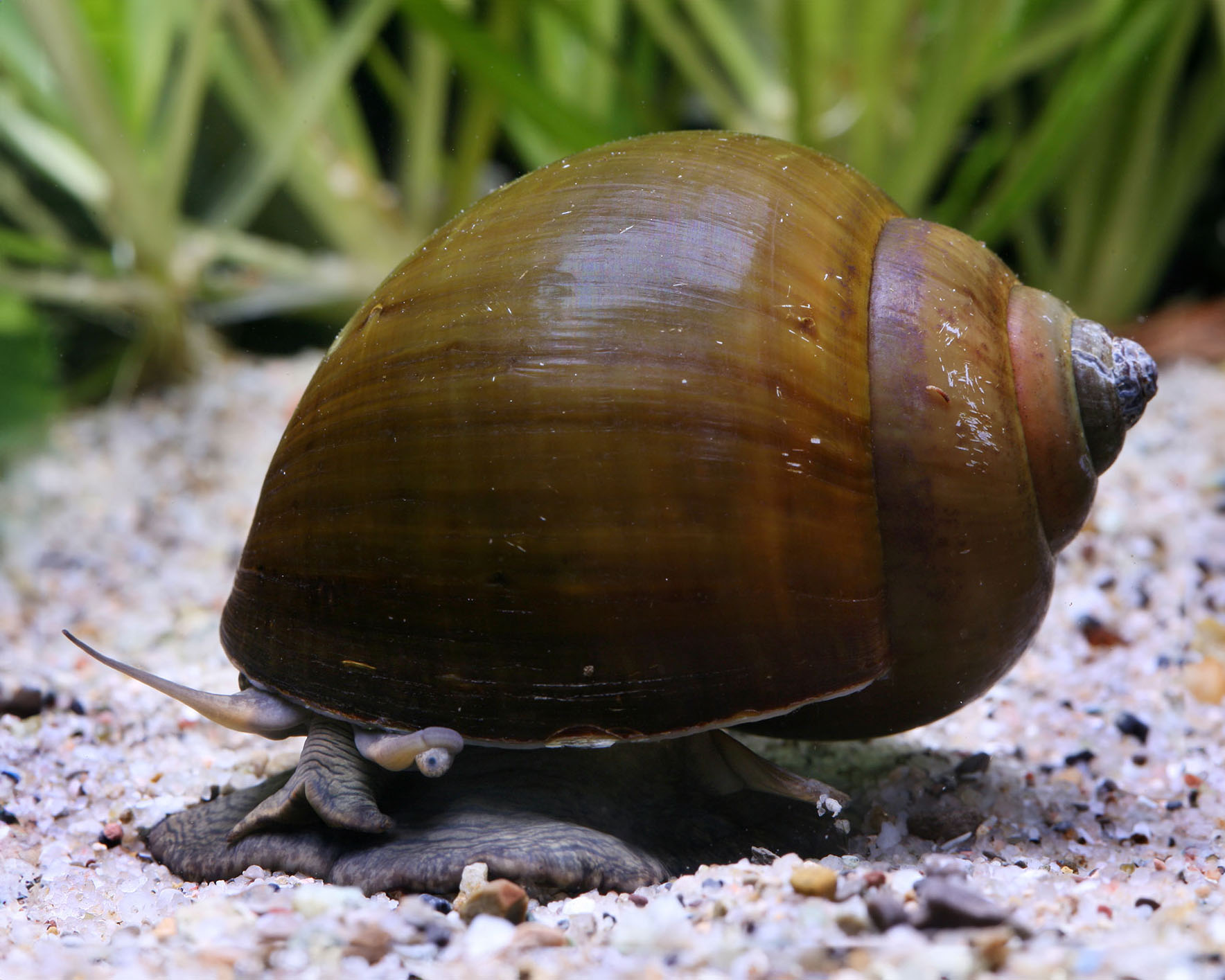
The Asian Apple Snail, scientifically known as Pila ampullacea, is a large and highly active freshwater snail belonging to the family Ampullariidae. Unlike the more commonly traded Mystery Snails (Pomacea diffusa) from South America, the Asian Apple Snail originates from the opposite side of the world and boasts a few distinct physical and behavioral differences. They are excellent scavengers with a massive appetite, making them both an entertaining pet and a highly efficient cleanup crew for large, unplanted, or robustly planted aquariums.

Distribution and Habitat
These snails are widely distributed across Southeast Asia, including countries such as Thailand, Vietnam, Malaysia, Indonesia, and the Philippines. In the wild, Pila ampullacea inhabits a variety of slow-moving or stagnant freshwater environments. They are predominantly found in swamps, marshes, ponds, ditches, and agricultural rice paddies. Their natural habitat is characterized by warm, shallow waters with an abundance of decaying organic matter and aquatic vegetation, which serves as their primary food source.
Description of Asian Apple Snail
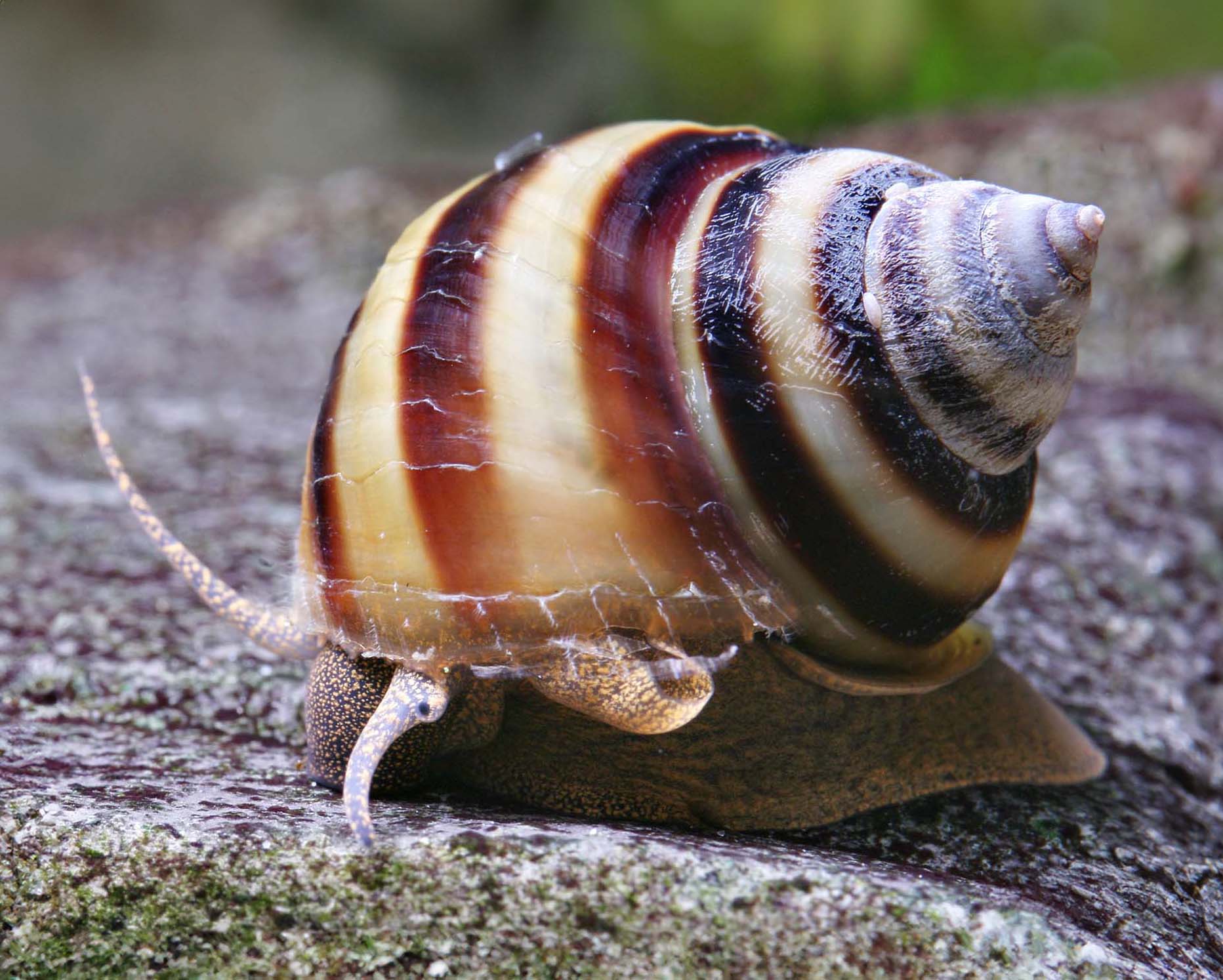
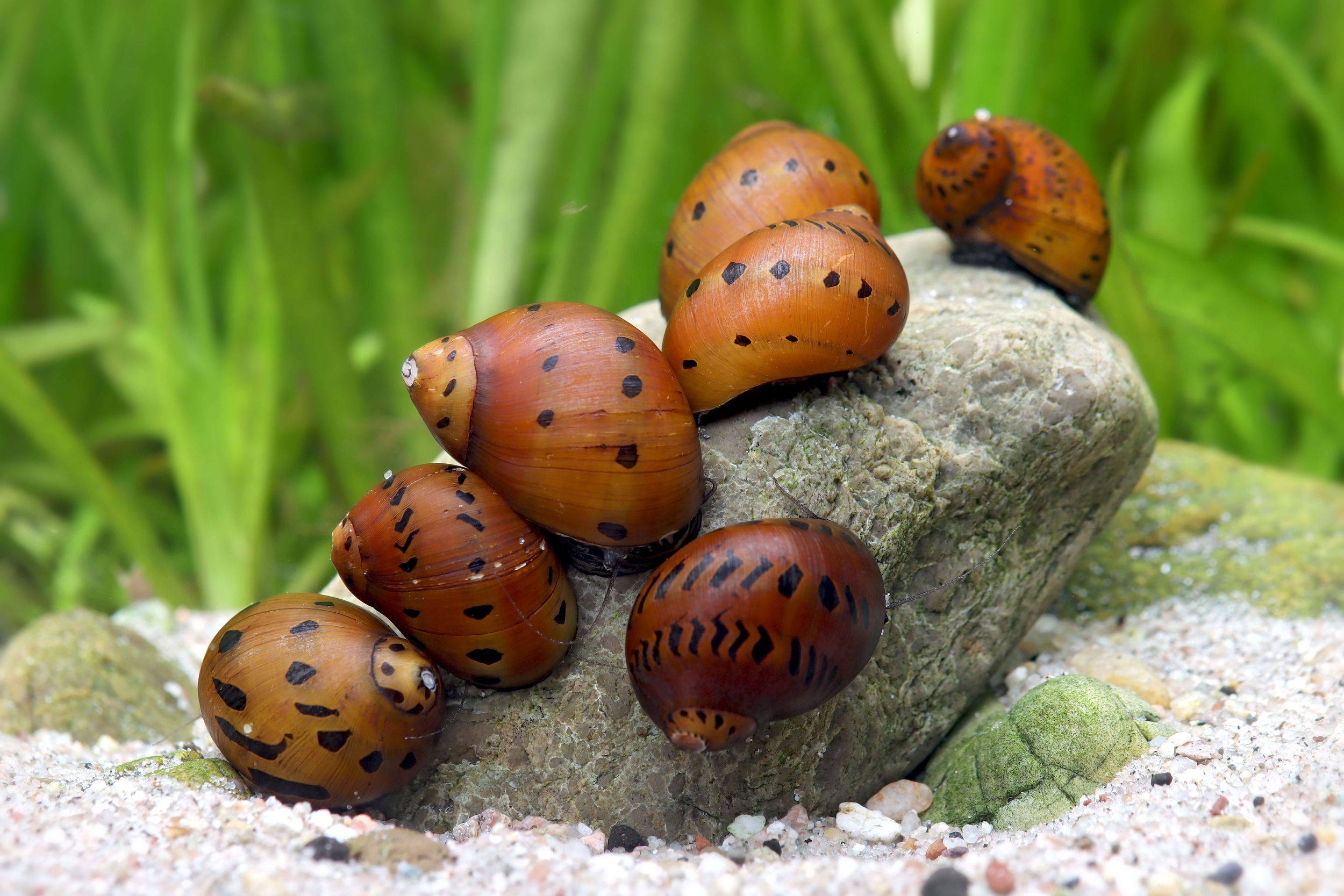
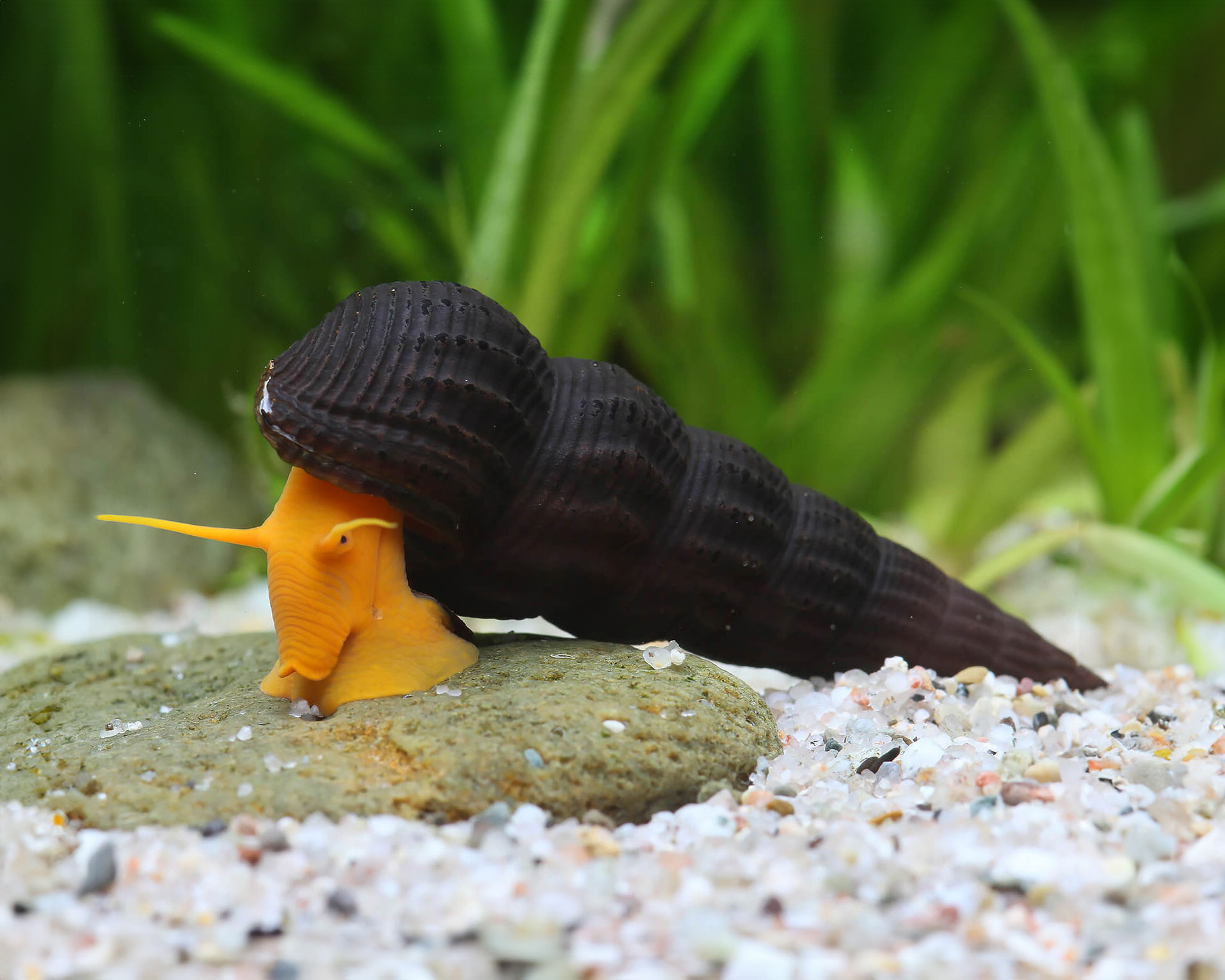
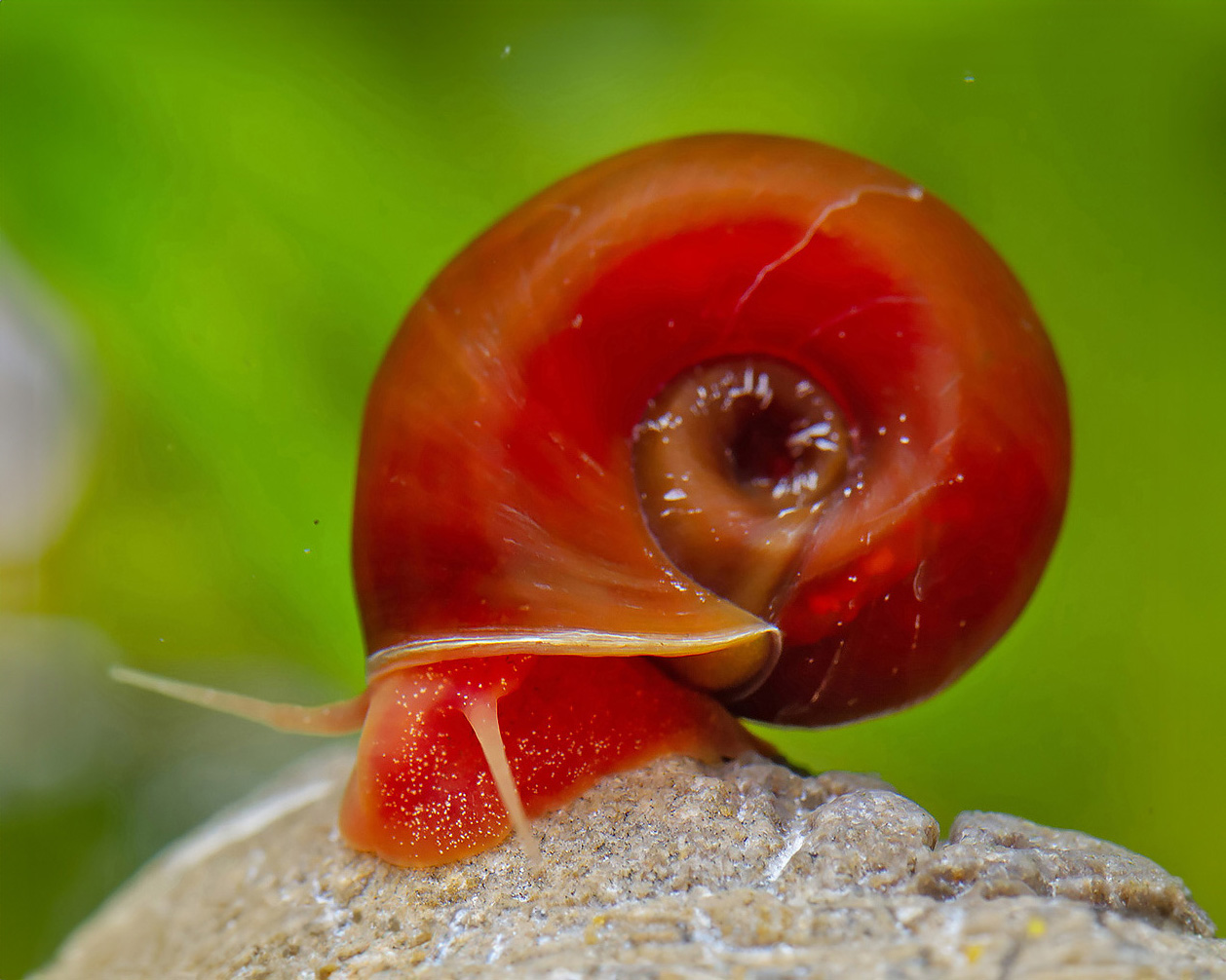
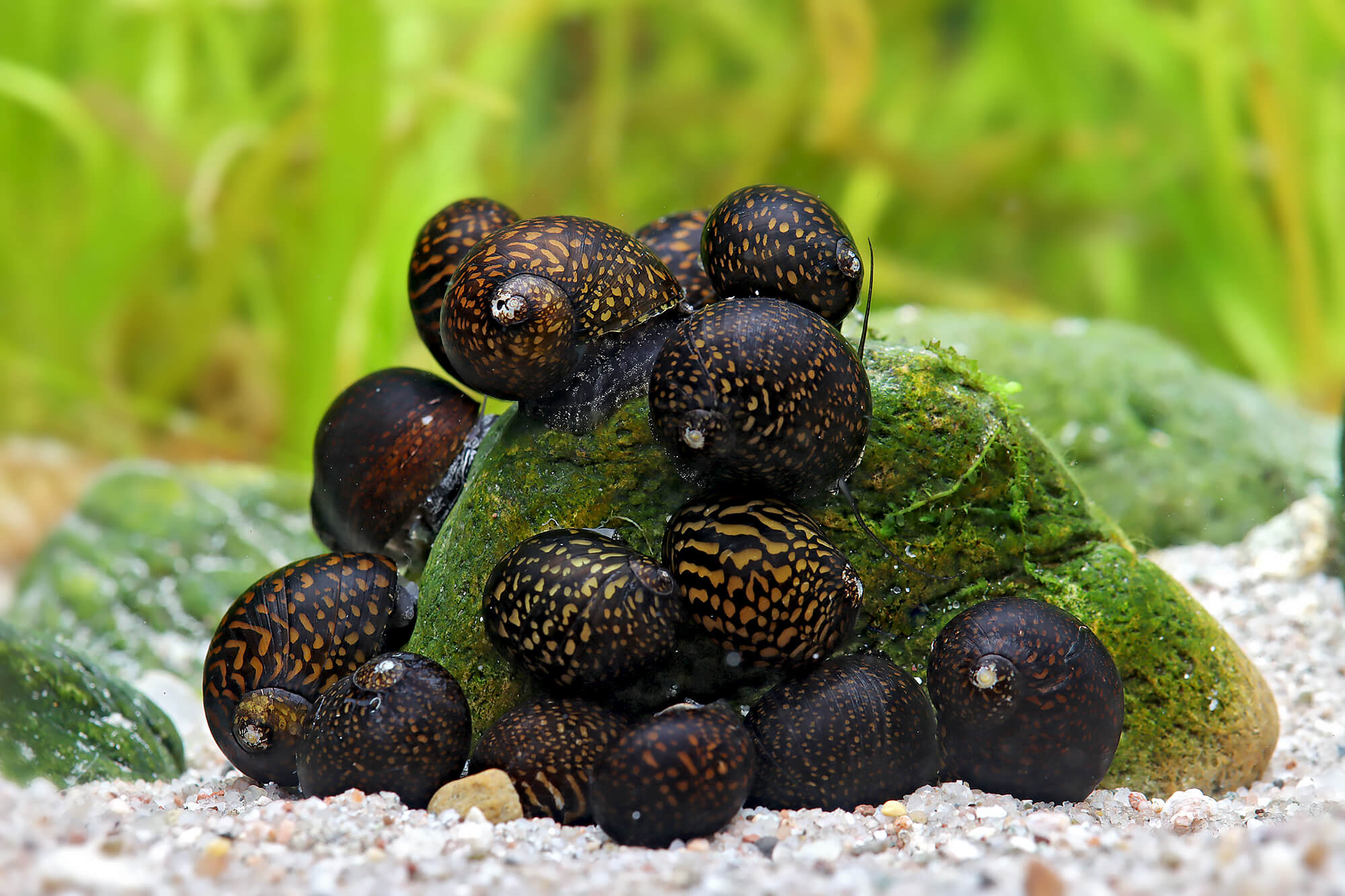
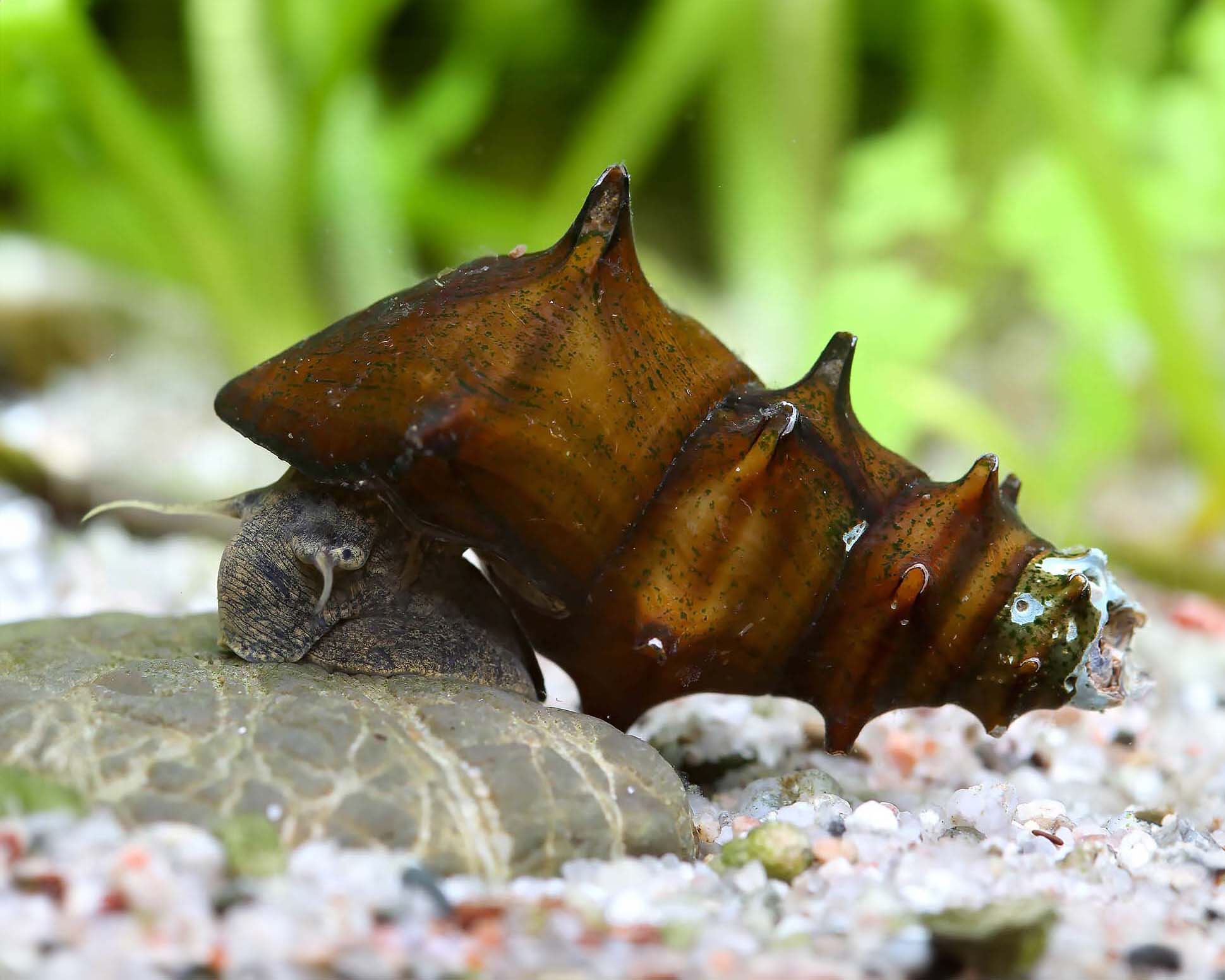
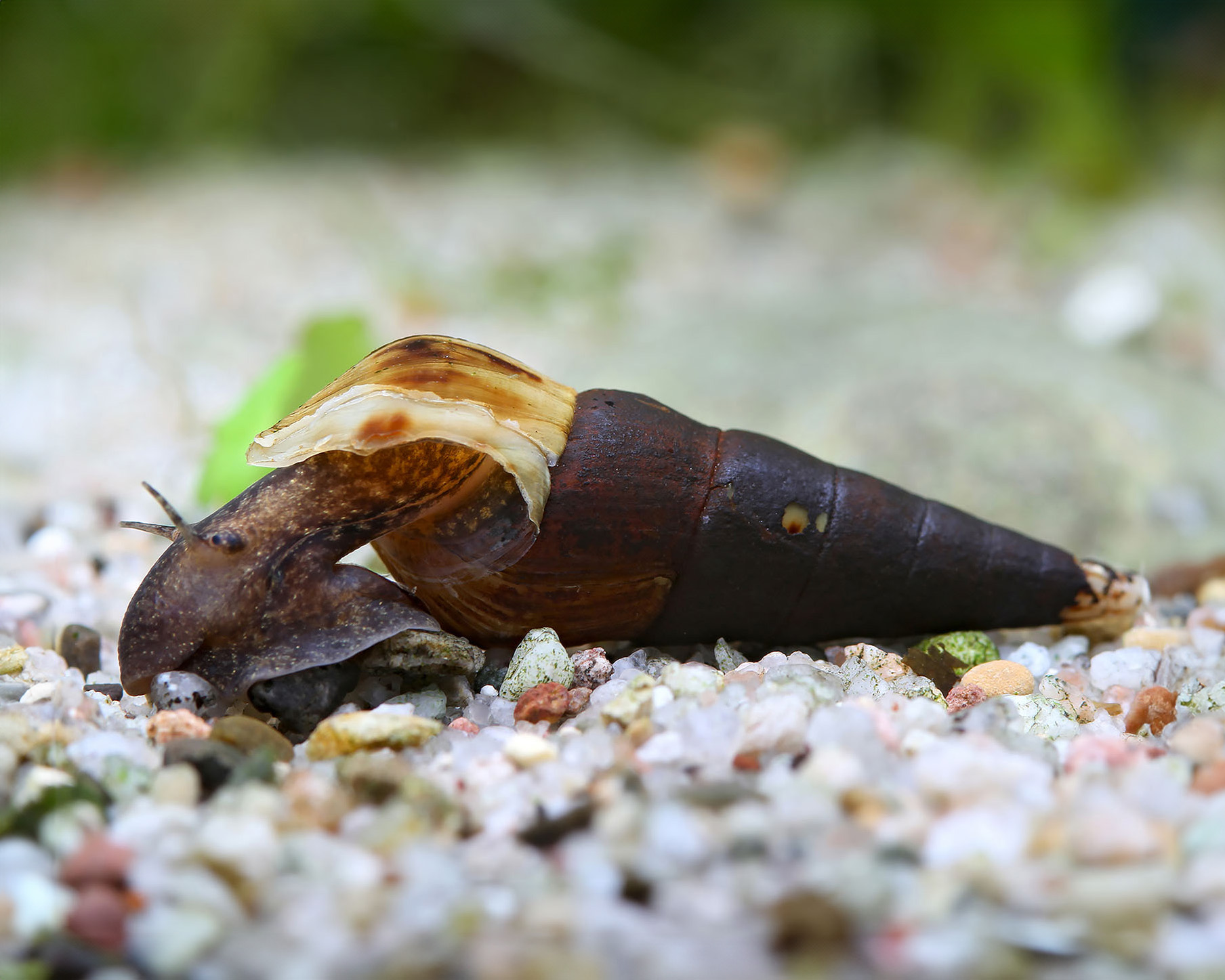
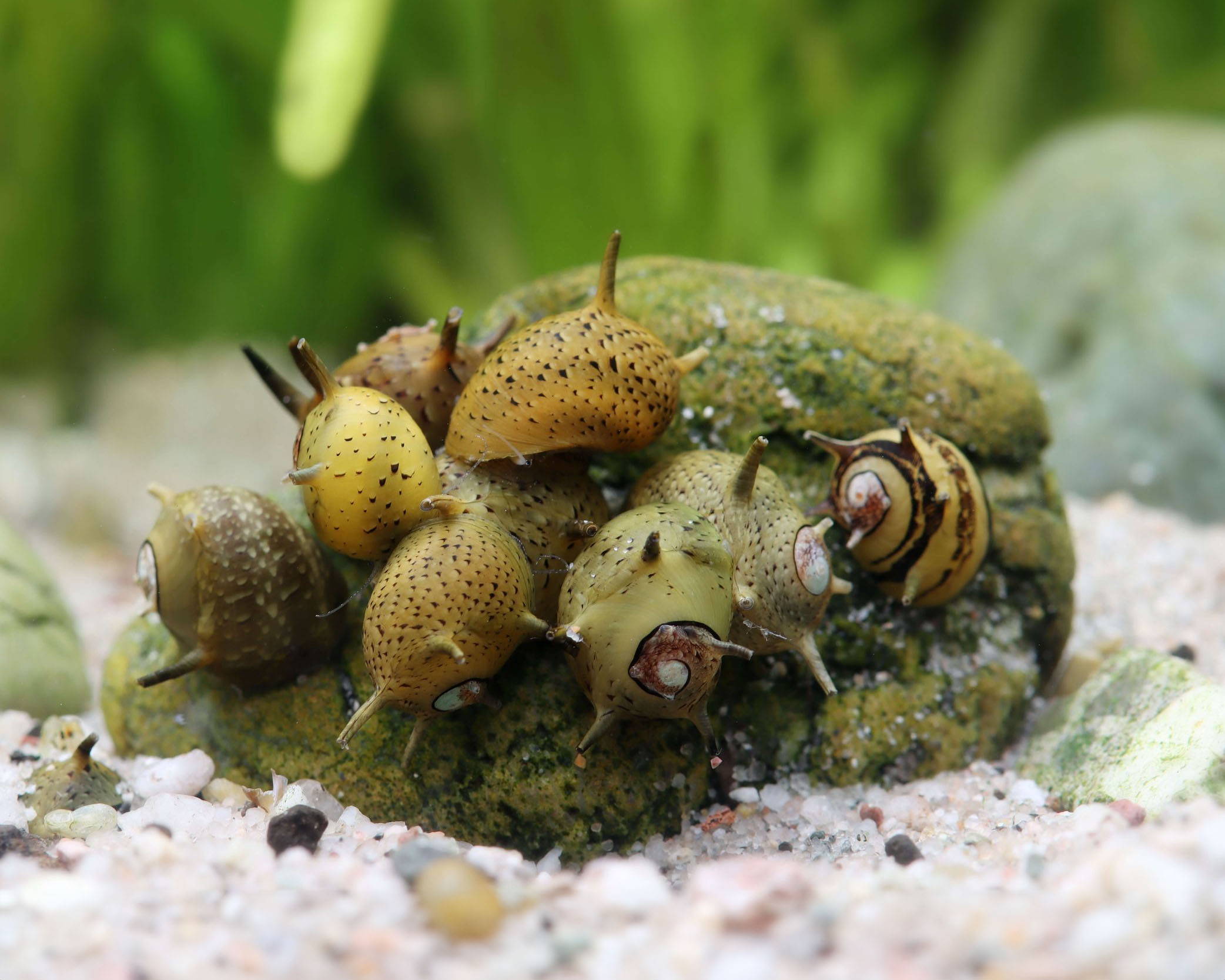
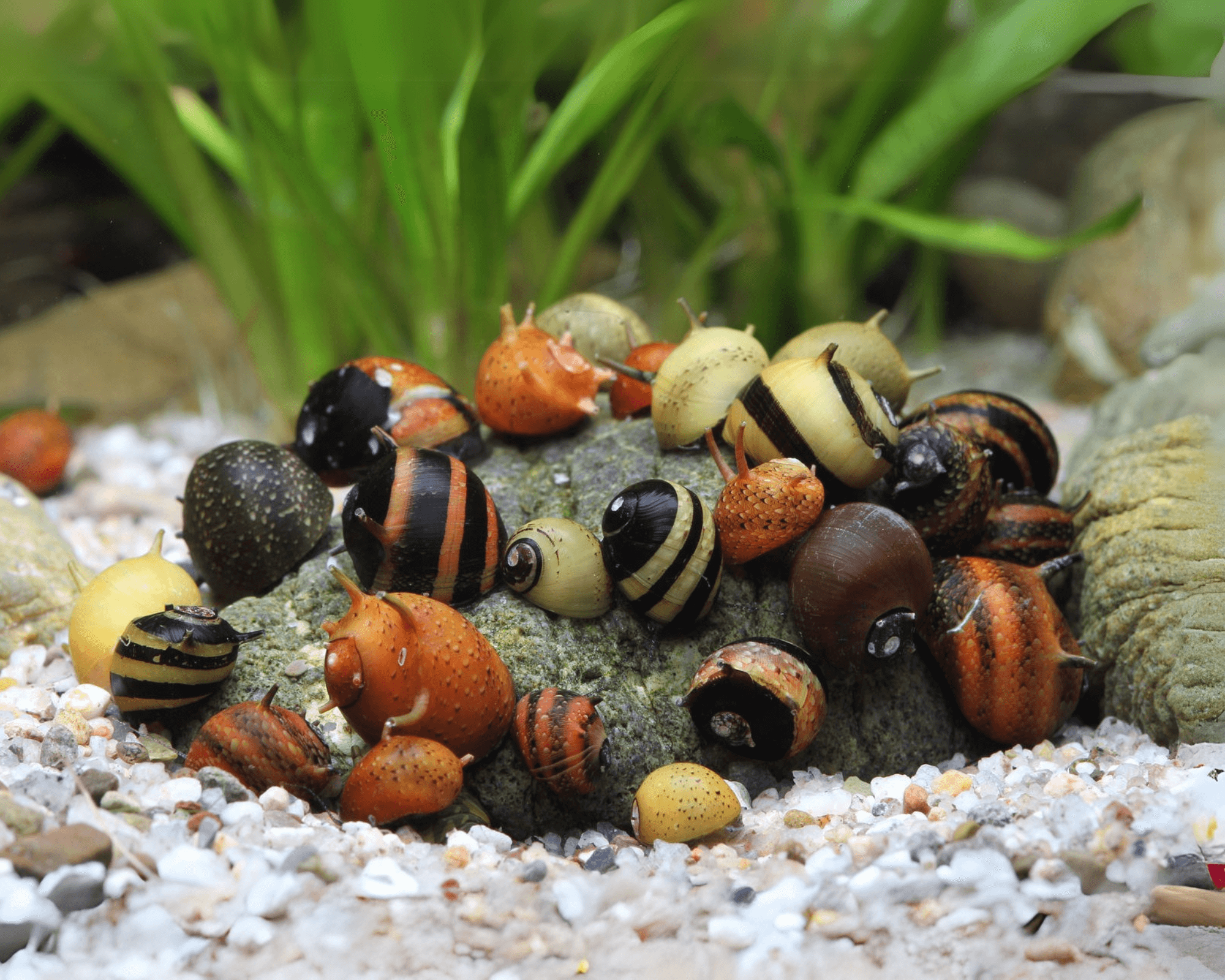
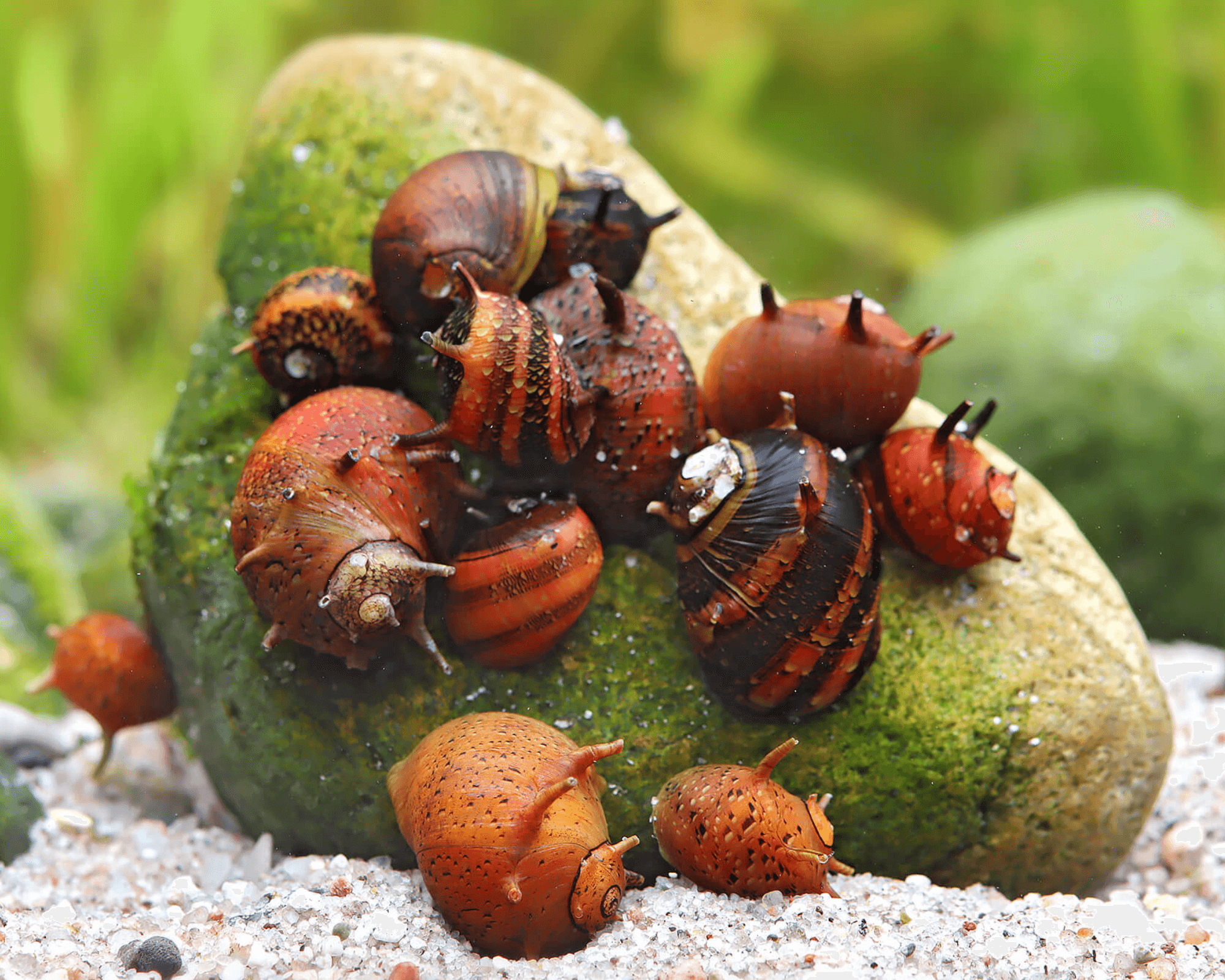
The Asian Apple Snail is characterized by its large, globose (spherical) shell that can grow up to 3 to 4 inches in diameter. As seen in the provided images, the shell typically ranges from a smooth olive green to a rich, earthy brown, often displaying subtle banding or growth lines across the whorls. One of the most striking features of Pila ampullacea is its dark, almost black or deep grey muscular foot and body, which creates a beautiful contrast against its lighter shell. They possess long, graceful cephalic tentacles used for sensing their environment and prominent eye stalks. Like all apple snails, they have a trapdoor (operculum), which in the Pila genus is notably calcified, allowing them to seal themselves tightly inside their shell during dry periods or when threatened.

Keeping and Caring for Asian Apple Snail
Caring for the Asian Apple Snail requires attention to their large size and substantial bioload. Because they are voracious eaters, they are generally not recommended for delicate, heavily planted aquascapes, as they will readily consume soft-leaved aquatic plants. They do best in setups with hardscape elements like driftwood and rocks, or with tough, unpalatable plants like Anubias or Java Fern.
Tank size:
Due to their large adult size and the amount of waste they produce, a minimum tank size of 20 gallons is recommended for a single adult snail, with an additional 10 gallons for every extra snail. A tight-fitting lid is absolutely essential, as these snails are notorious escape artists that will climb out of the water.

Water Parameters:
Maintaining excellent water quality and appropriate mineral content is crucial for the health of their large shells.
Temperature
They thrive in warm tropical waters ranging from 75 to 82 °F (24 - 28 °C). Higher temperatures will increase their metabolism and activity levels, but may slightly shorten their overall lifespan.
pH
A neutral to alkaline pH is required to prevent shell erosion. Maintain the pH between 7.0 and 8.0. Acidic water will quickly dissolve their thick calcium carbonate shells.
Hardness
Hard water is a strict requirement. Aim for a General Hardness (GH) of 8 to 15+ dGH. Providing a calcium-rich environment ensures their shells grow strong and free of clefts or pitting.
Ammonia, Nitrite, Nitrate
Like all aquatic invertebrates, they are highly sensitive to poor water quality. Ammonia and Nitrite must always be at 0 ppm. Nitrates should be kept as low as possible, ideally below 20 ppm, through regular water changes and adequate filtration.
Feeding the Asian Apple Snail
Pila ampullacea is an omnivorous scavenger with a strong preference for plant matter. In the aquarium, their diet should be heavily supplemented with blanched vegetables such as zucchini, spinach, cucumber, and green beans. They will also enthusiastically consume algae wafers, sinking bottom-feeder pellets, and calcium-enriched snail foods. To ensure proper shell health, you can add cuttlebone or specialized calcium blocks to the tank. Be aware that if they are not fed enough, they will quickly turn to eating your live aquarium plants.
Breeding Asian Apple Snail
Breeding the Asian Apple Snail in captivity is possible but requires both a male and a female, as they are not hermaphroditic. When conditions are optimal and food is plentiful, the female will climb above the water line to lay her eggs. She will deposit a large, calcified egg clutch on the aquarium glass or under the tank lid. The eggs of Pila species are typically white and highly calcareous. The clutch must be kept in a humid environment but strictly out of the water, otherwise, the developing embryos will drown. After a few weeks, the baby snails will hatch and drop into the water below, fully formed and ready to scavenge.
Conclusion
The Asian Apple Snail (Pila ampullacea) is a magnificent and active invertebrate that brings life and movement to larger freshwater aquariums. While their appetite for live plants means they aren't suitable for every setup, their impressive size, beautiful shell, and engaging behaviors make them a rewarding pet for the prepared aquarist. By providing them with hard, clean water and a varied, calcium-rich diet, you can enjoy these gentle giants for years to come.
 - 1.webp)

 DNZ - 1.webp)
Leave your comments