Overview
The Baby Blueberry Snail, scientifically classified under the genus Notopala, is a relatively recent and incredibly popular introduction to the freshwater aquarium hobby. Prized for its highly unusual and vivid coloration, this snail provides both aesthetic beauty and practical algae-cleaning benefits. They are peaceful, slow-moving invertebrates that make fascinating focal points in community nano tanks and planted setups.

Distribution and Habitat
Species within the Notopala genus are typically native to freshwater river systems in Southeast Asia and the Australasian region, specifically areas around Indonesia and Papua. In their natural habitat, they are found in well-oxygenated streams and rivers with sandy or rocky substrates, where they spend their days grazing on naturally occurring biofilms, detritus, and soft algae.

Description of Baby Blue Berry Snail
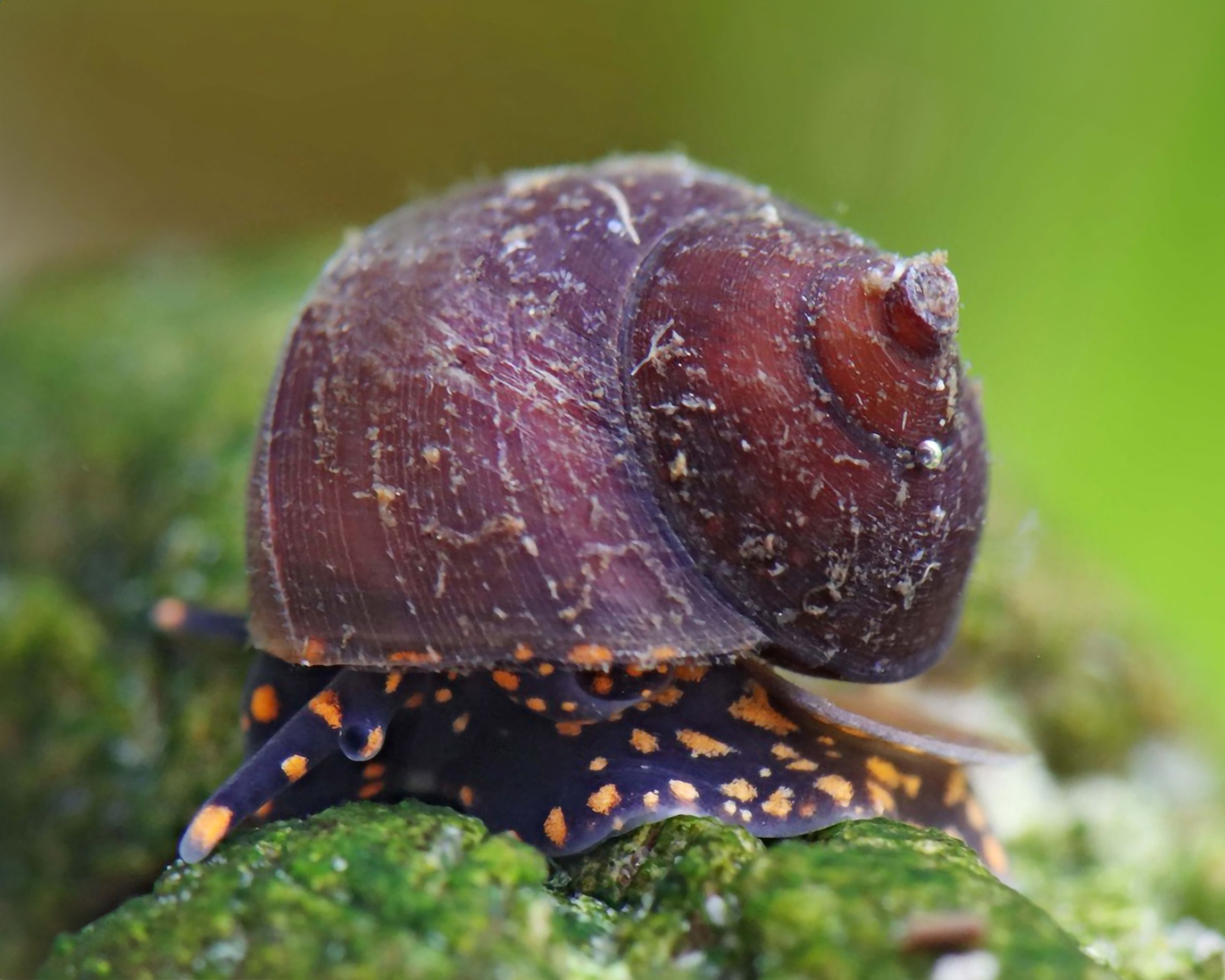
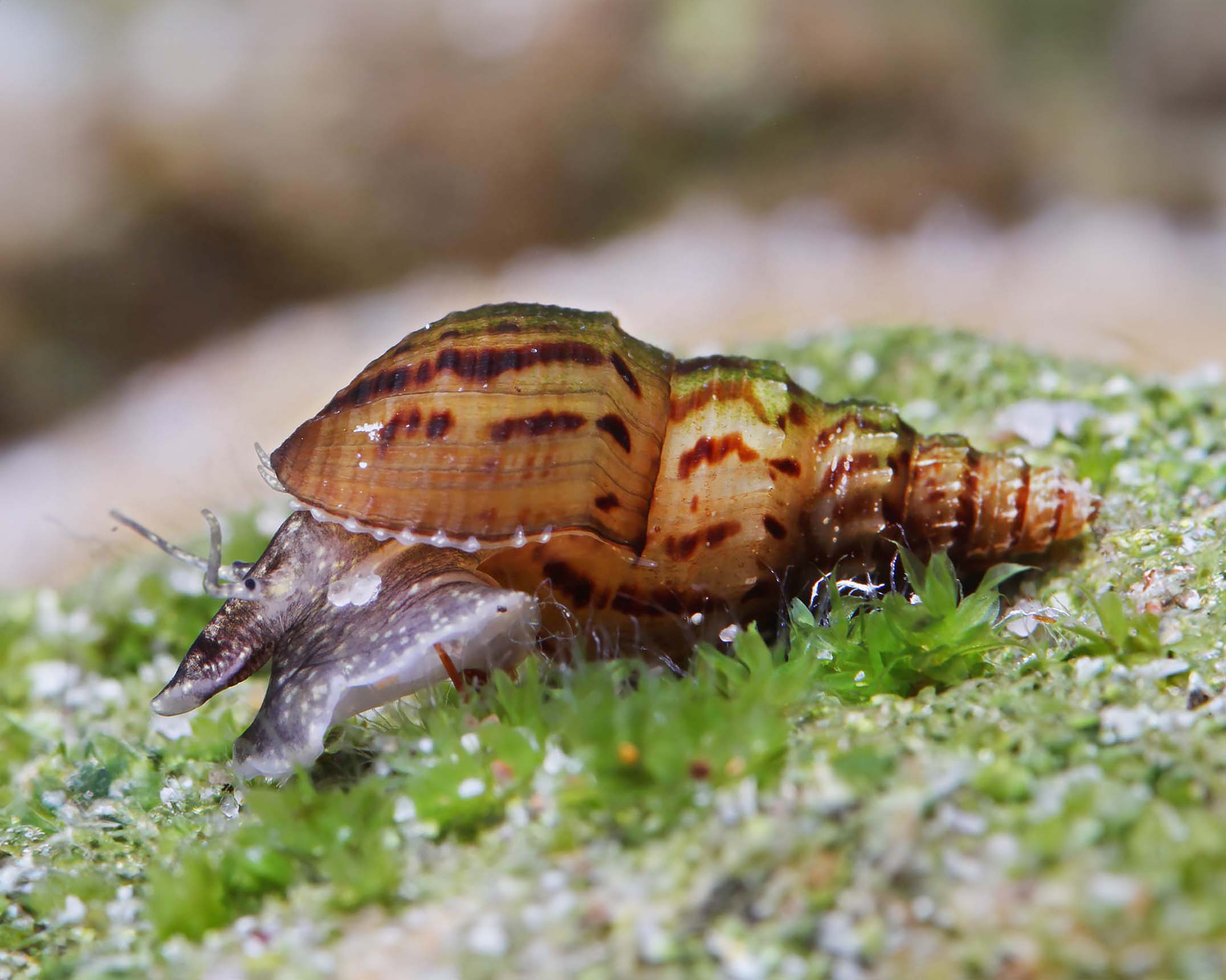
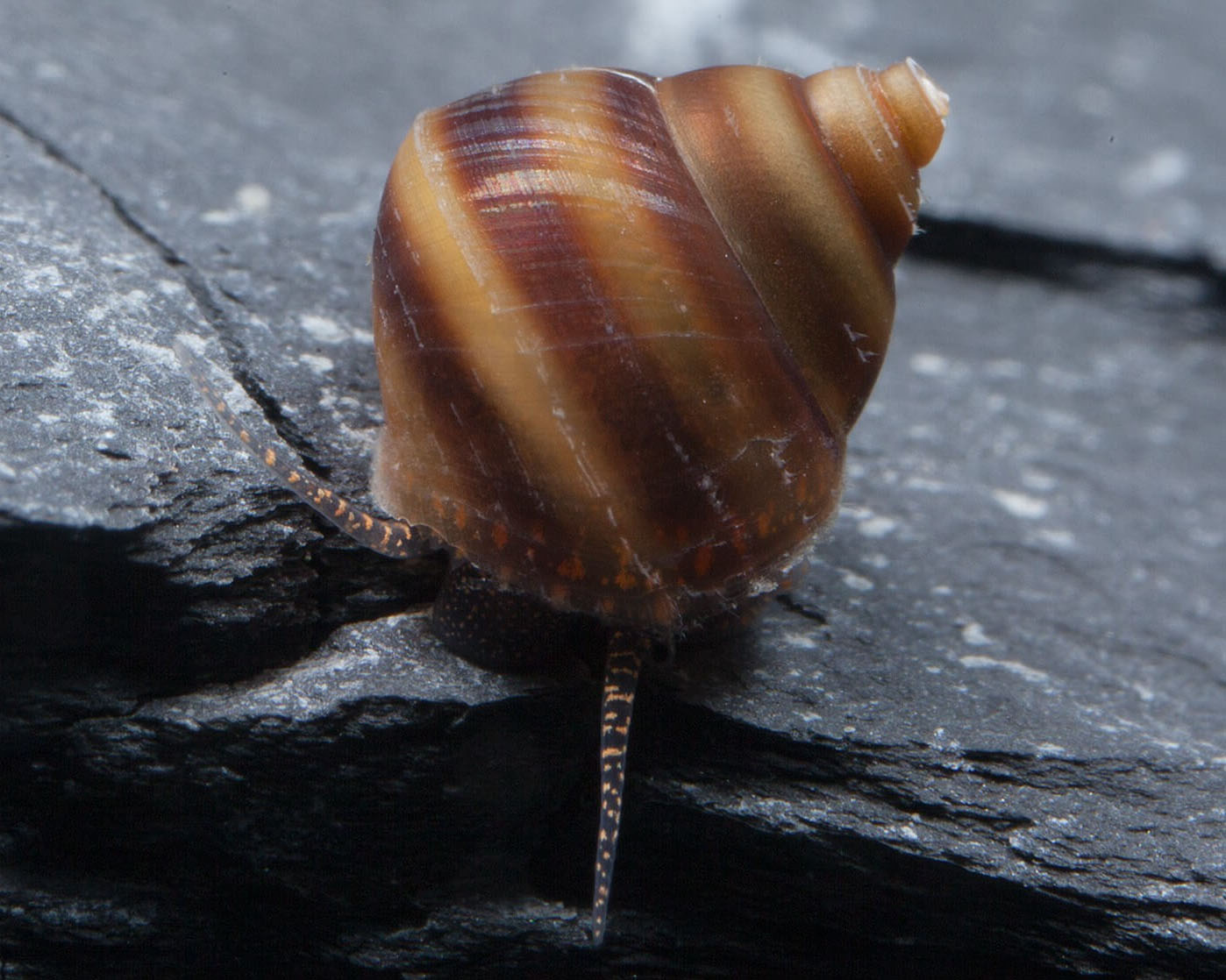
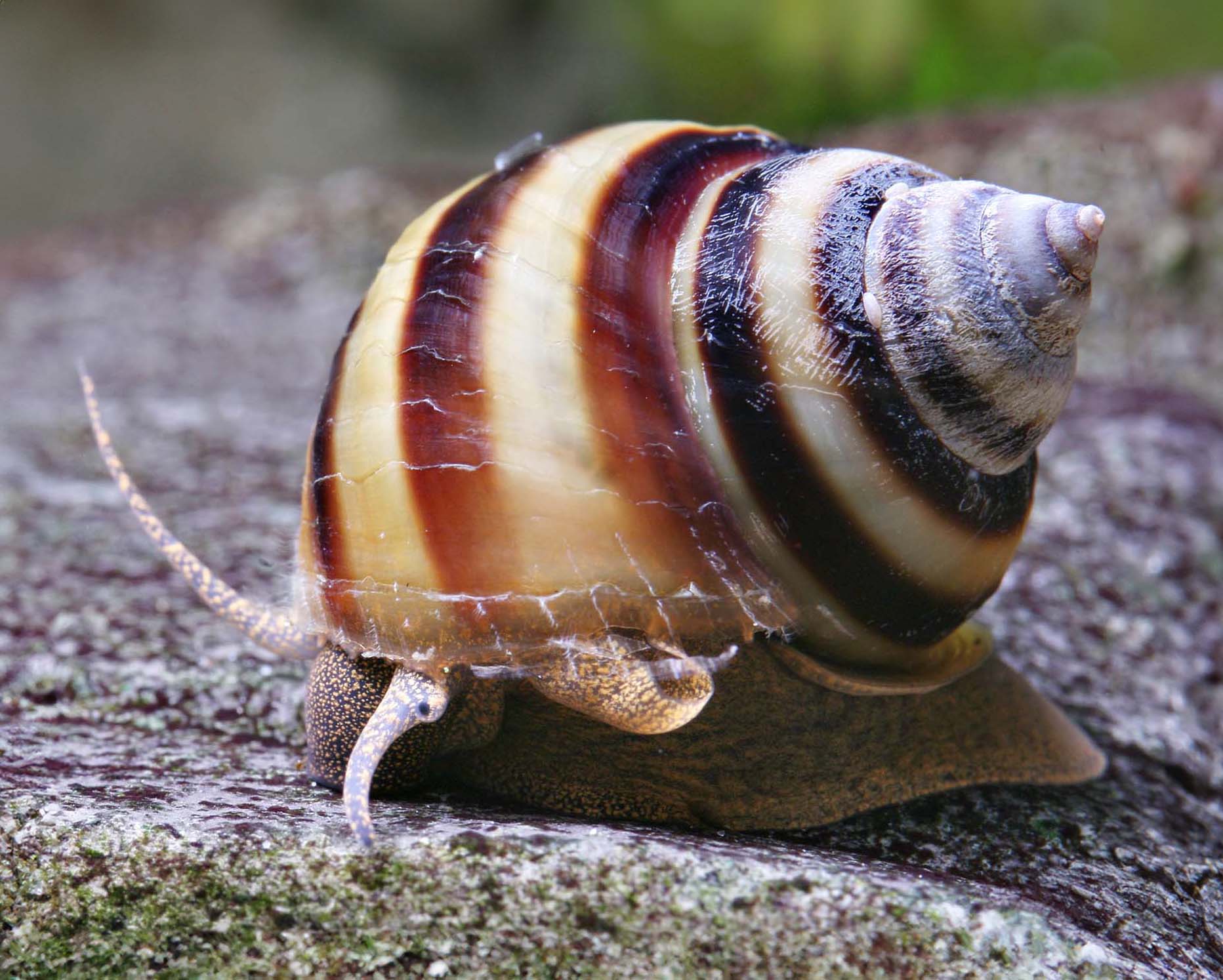
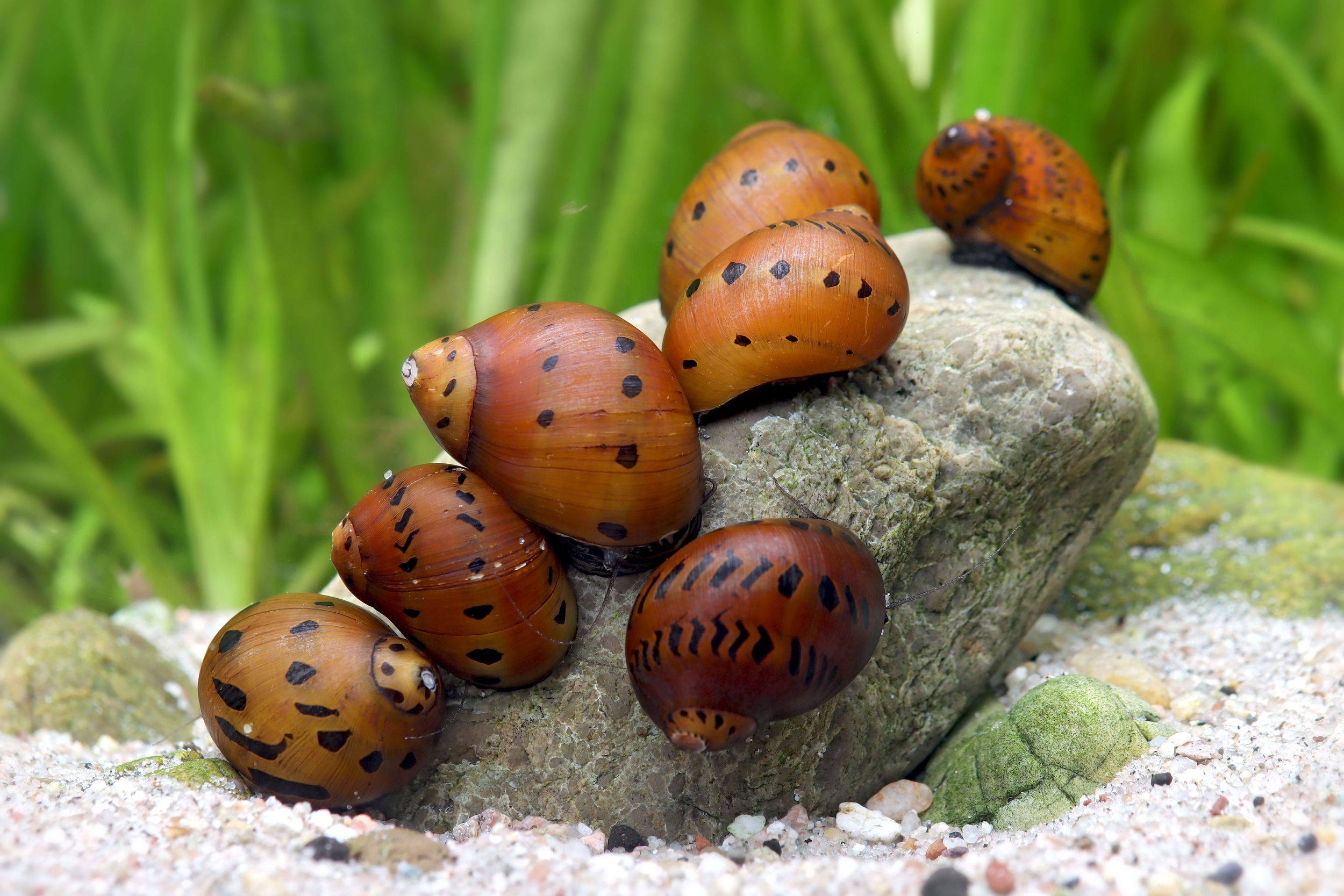
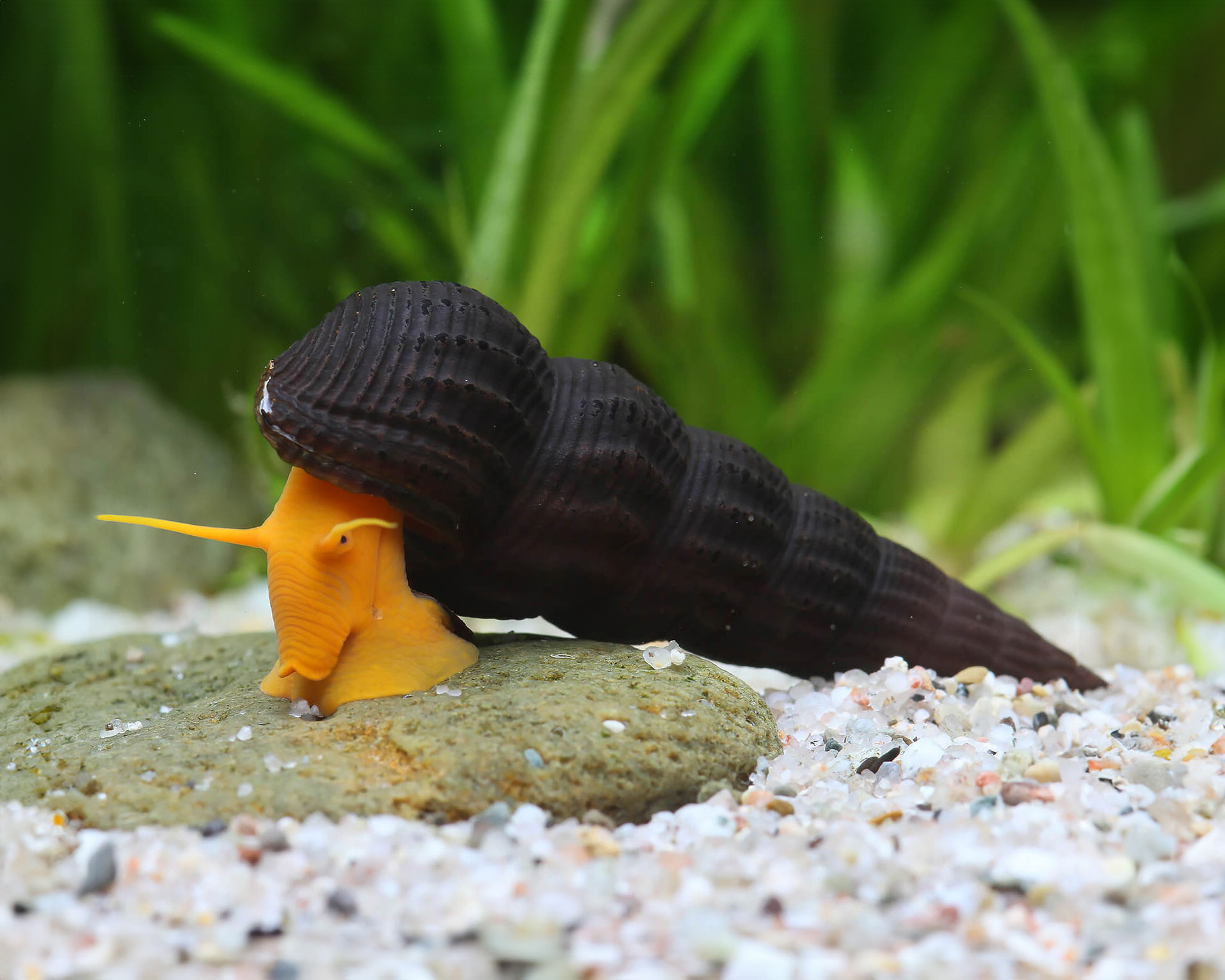
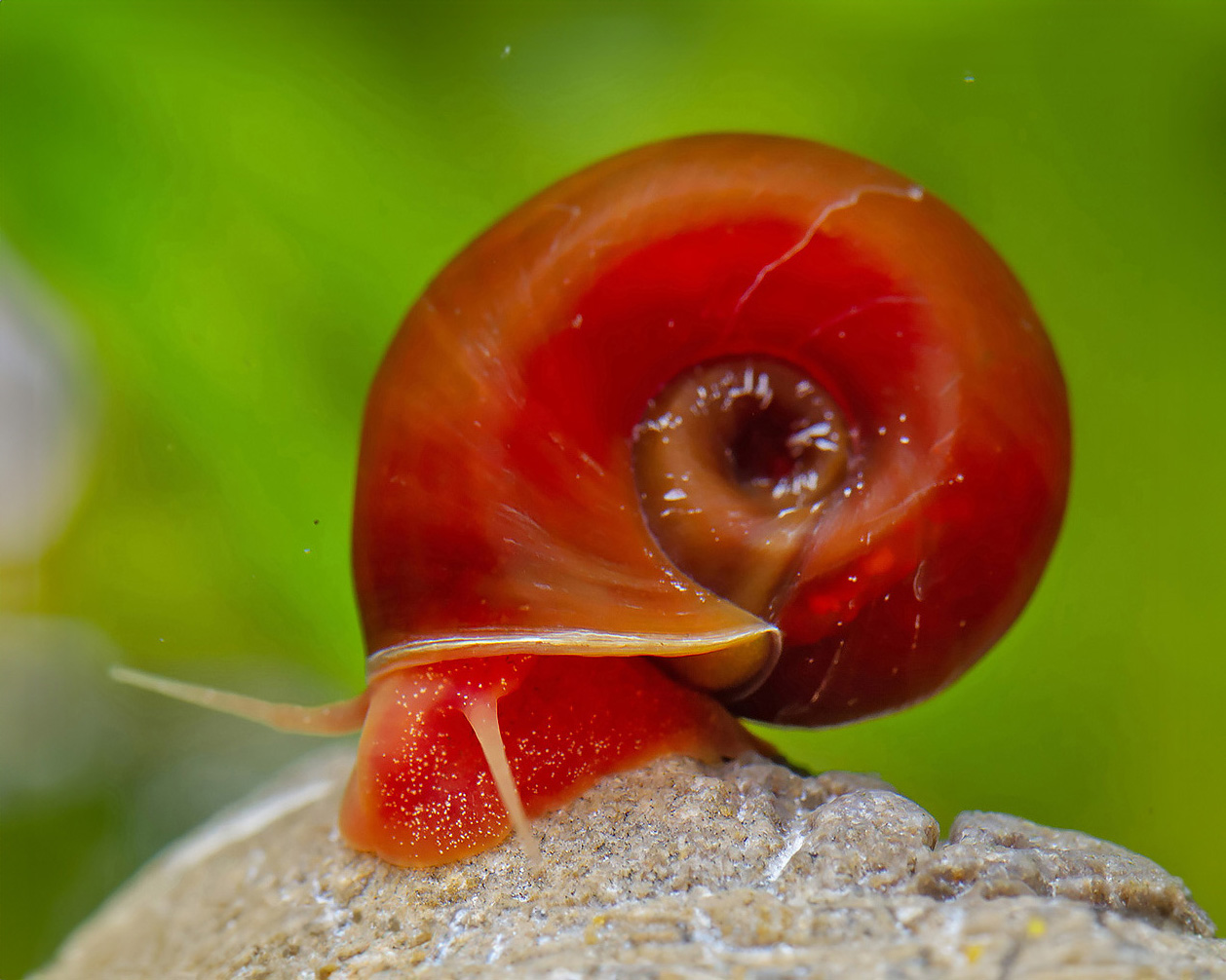
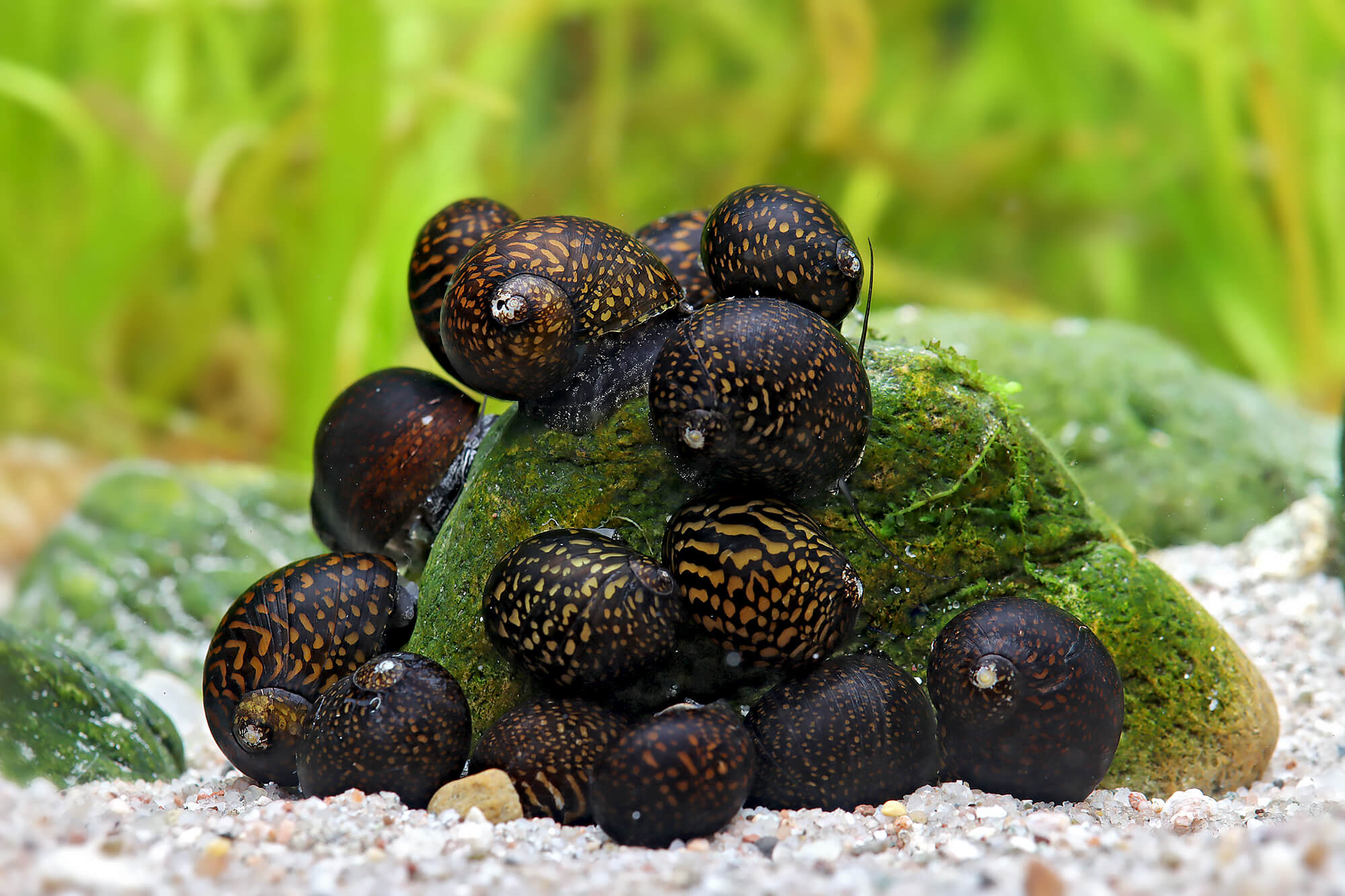
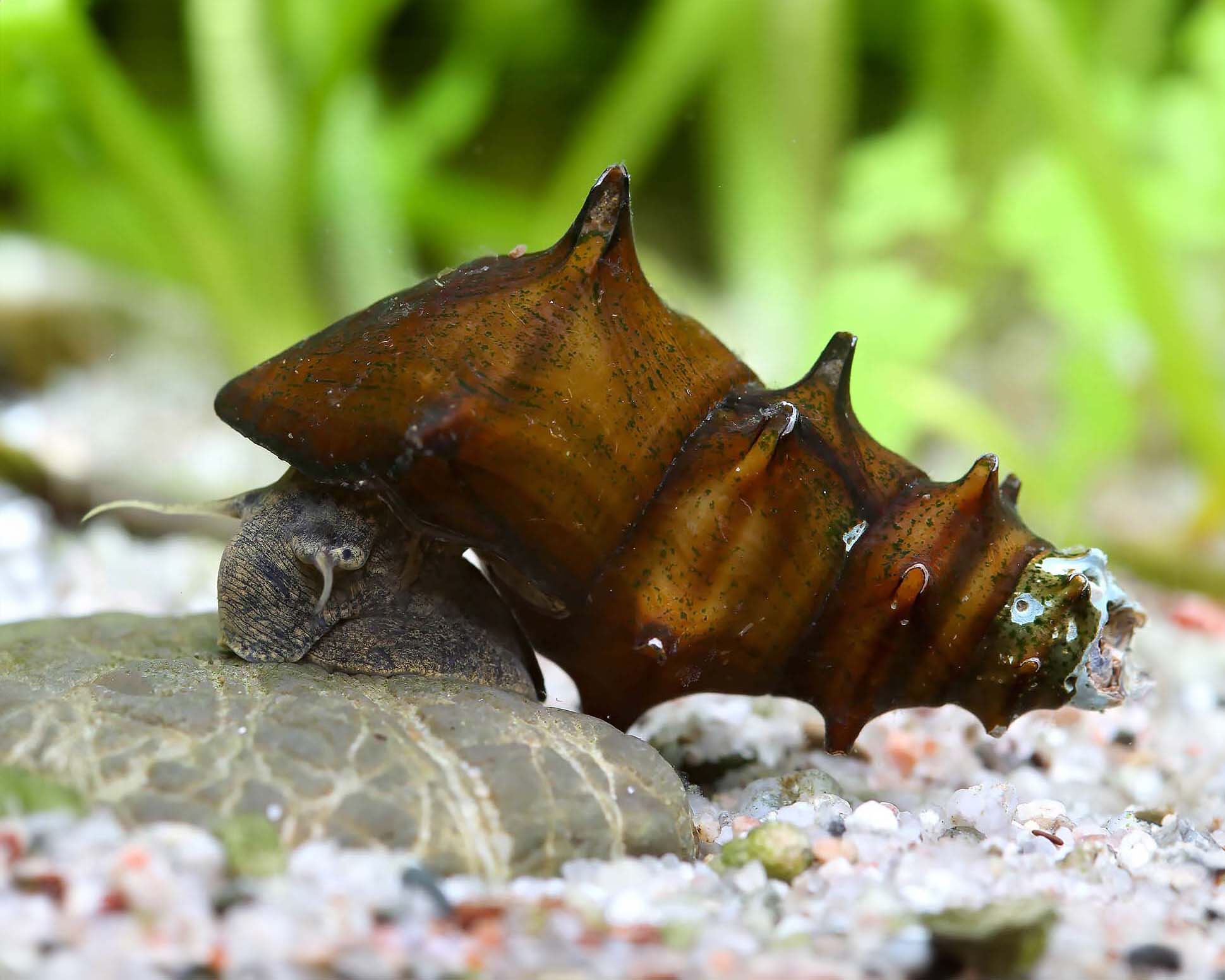
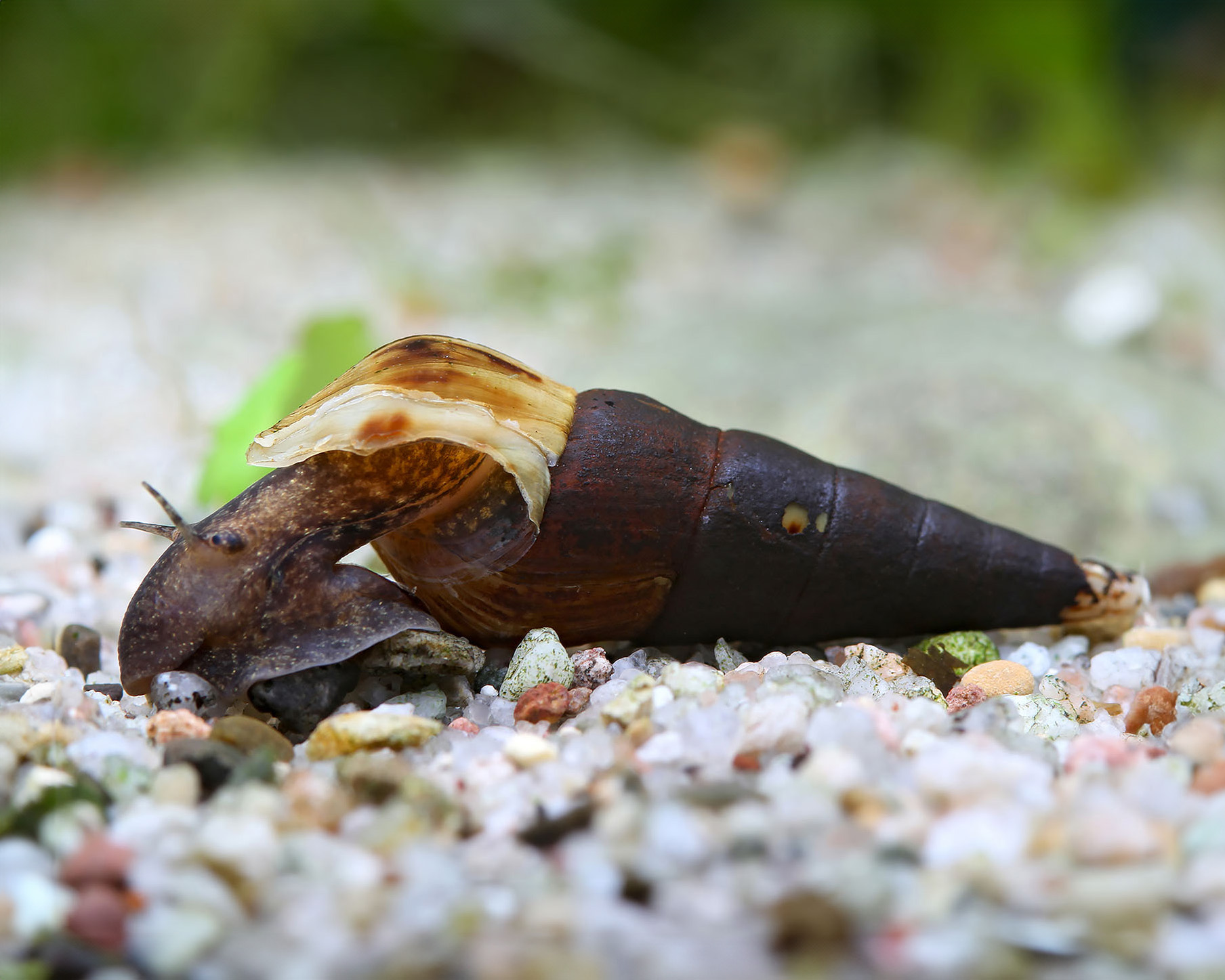
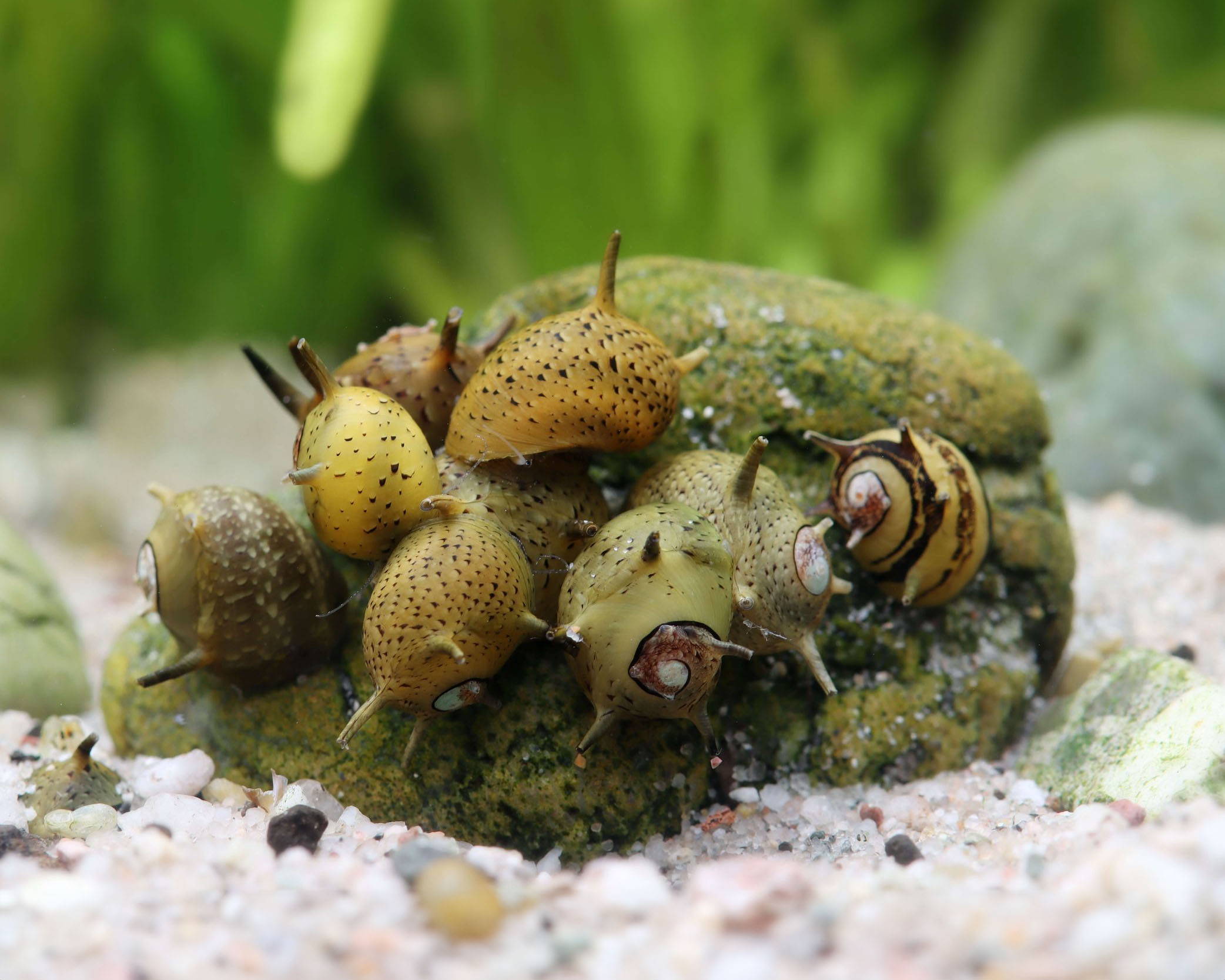
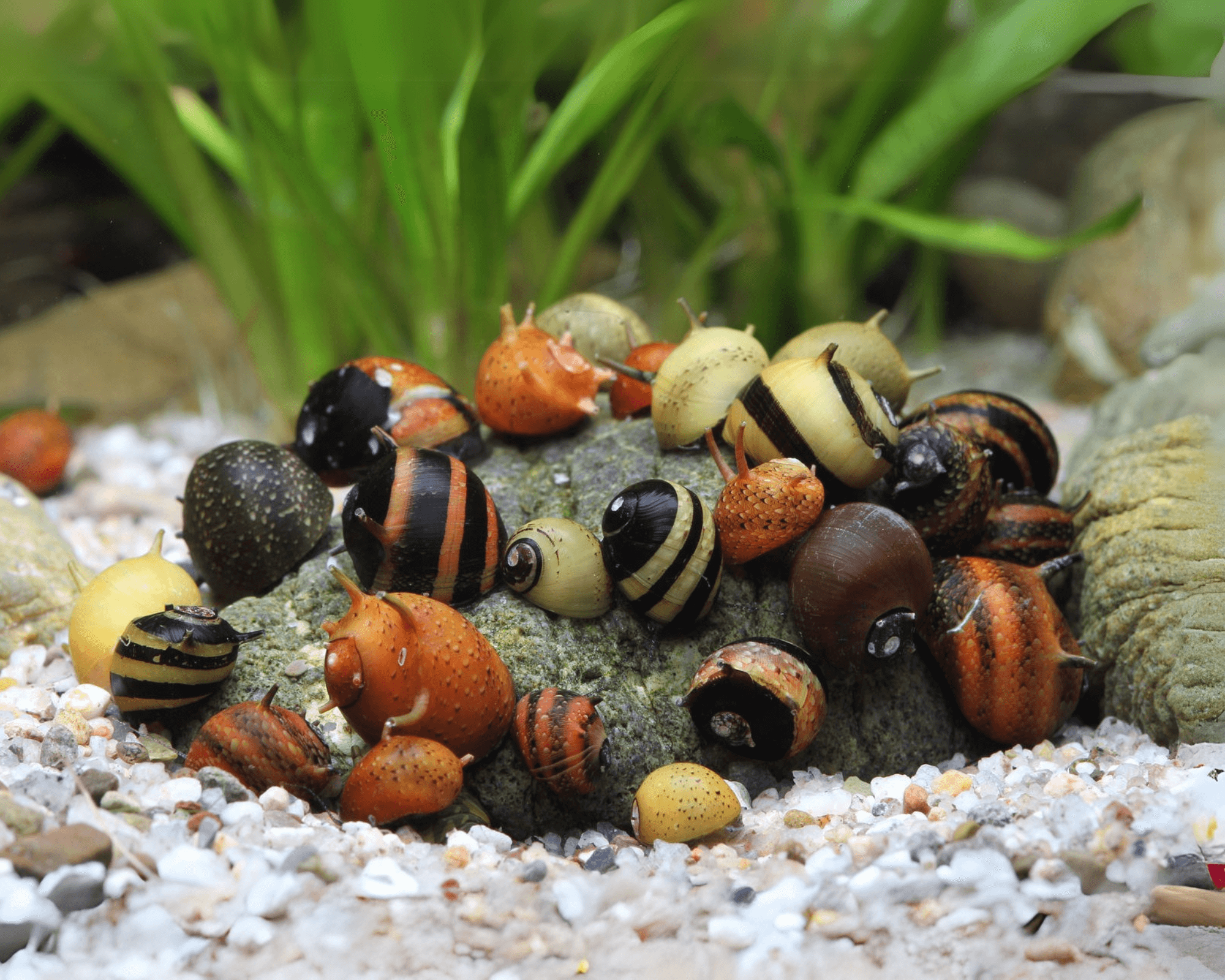
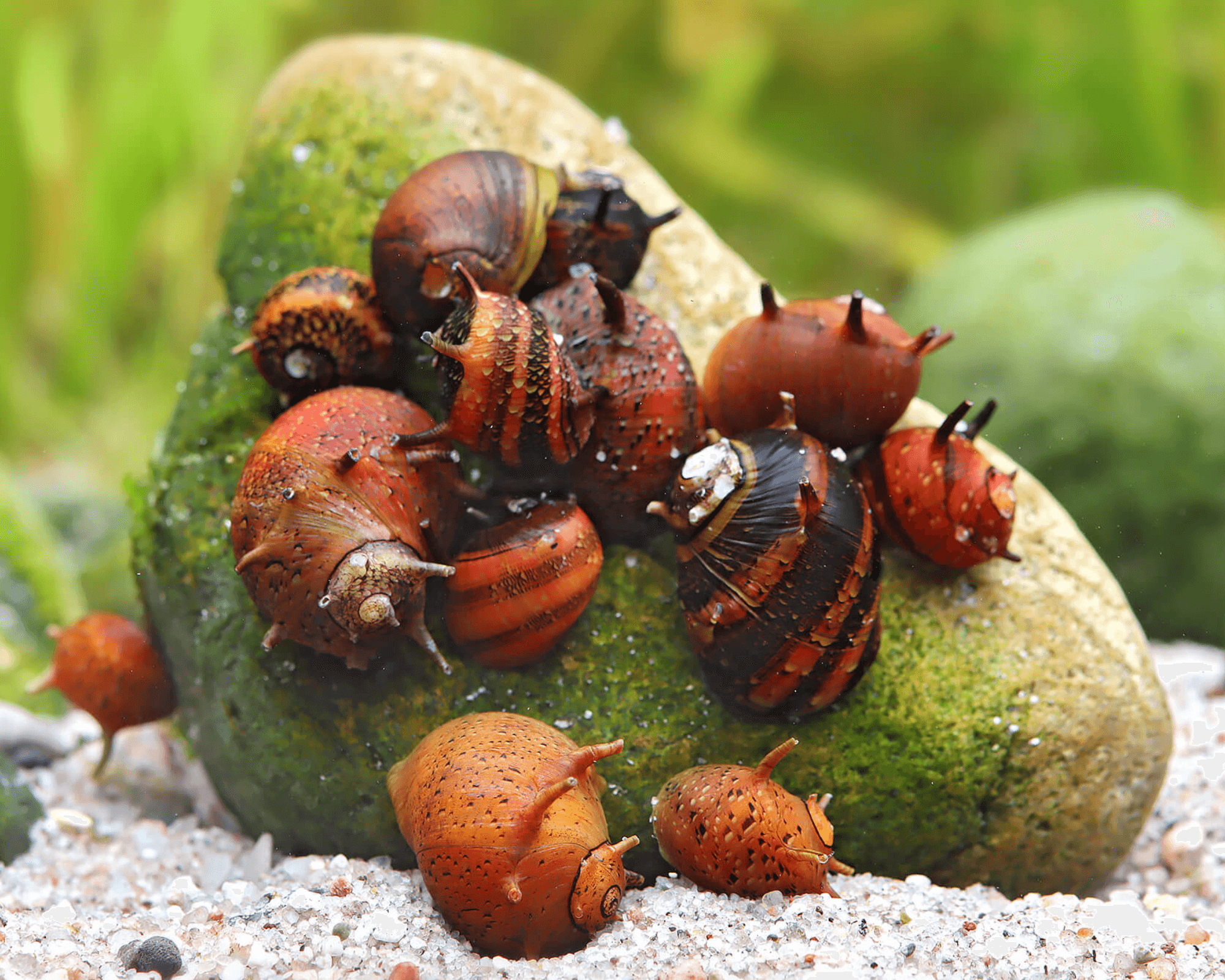
The visual appeal of the Baby Blueberry Snail is unmatched. As seen in the provided images, they possess a thick, textured, whorled shell that typically ranges from a deep reddish-burgundy to a purplish-brown hue. However, their most striking feature is their soft tissue. The snail's foot, snout, and tentacles are a deep, dark blue to almost black color, heavily speckled with bright, contrasting orange or gold spots. This "blueberry" flesh combined with their textured shell makes them a true standout. They remain relatively small, making them an excellent choice for smaller aquariums.

Keeping and Caring for Baby Blue Berry Snail
Caring for these beautiful snails requires a stable, fully cycled aquarium. They are somewhat sensitive to fluctuating water parameters and require clean, well-filtered water. Copper is highly toxic to them, so ensure all plant fertilizers and medications are strictly copper-free.
Tank size:
A minimum tank size of 10 gallons is recommended. This ensures enough water volume to keep parameters stable and provides sufficient surface area for natural biofilm and algae growth, which they rely on for grazing.

Water Parameters:
Temperature
They thrive in tropical temperatures ranging from 72°F to 82°F (22°C - 28°C).
pH
A slightly alkaline pH between 7.2 and 8.4 is crucial. Acidic water will cause their beautiful, thick shells to erode and pit over time.
Hardness
Moderate to high water hardness (GH 8-15) is required. Sufficient calcium and magnesium in the water column are necessary for healthy shell growth and maintenance.
Ammonia, Nitrite, Nitrate
Ammonia and Nitrite must always be at 0 ppm. Nitrates should be kept as low as possible, ideally below 20 ppm, through regular water changes and live plants.
Feeding the Baby Blue Berry Snail
While they are excellent scavengers that will clean up uneaten fish food and graze on natural tank algae, their diet should be actively supplemented. They are known to be filter feeders as well as grazers. Feed them high-quality sinking invertebrate pellets, spirulina powder, algae wafers, and blanched vegetables like zucchini, spinach, and cucumber. Providing a calcium-rich diet (such as specialized snail foods or cuttlebone) is highly recommended to keep their shells pristine.

Breeding Baby Blue Berry Snail
One of the most fascinating aspects of the Notopala sp. is their breeding behavior. Unlike many pest snails that lay hundreds of eggs, Baby Blueberry Snails are viviparous (livebearers). The females incubate the eggs internally and give birth to fully formed, miniature versions of themselves. As clearly visible in the photographs, the babies emerge looking exactly like tiny adults, complete with the dark blue flesh and orange spots. Because they reproduce slowly, they will not overrun your aquarium like bladder or ramshorn snails.

Conclusion
The Baby Blueberry Snail is a truly spectacular invertebrate that brings a splash of rare color to the freshwater aquarium. With their peaceful demeanor, slow reproduction rate, and diligent cleaning habits, they are a highly rewarding species to keep. As long as they are provided with hard, alkaline water and a proper diet, these stunning snails will thrive and potentially bless your tank with adorable miniature offspring.
 - 1.webp)

 DNZ - 1.webp)
Leave your comments