Overview
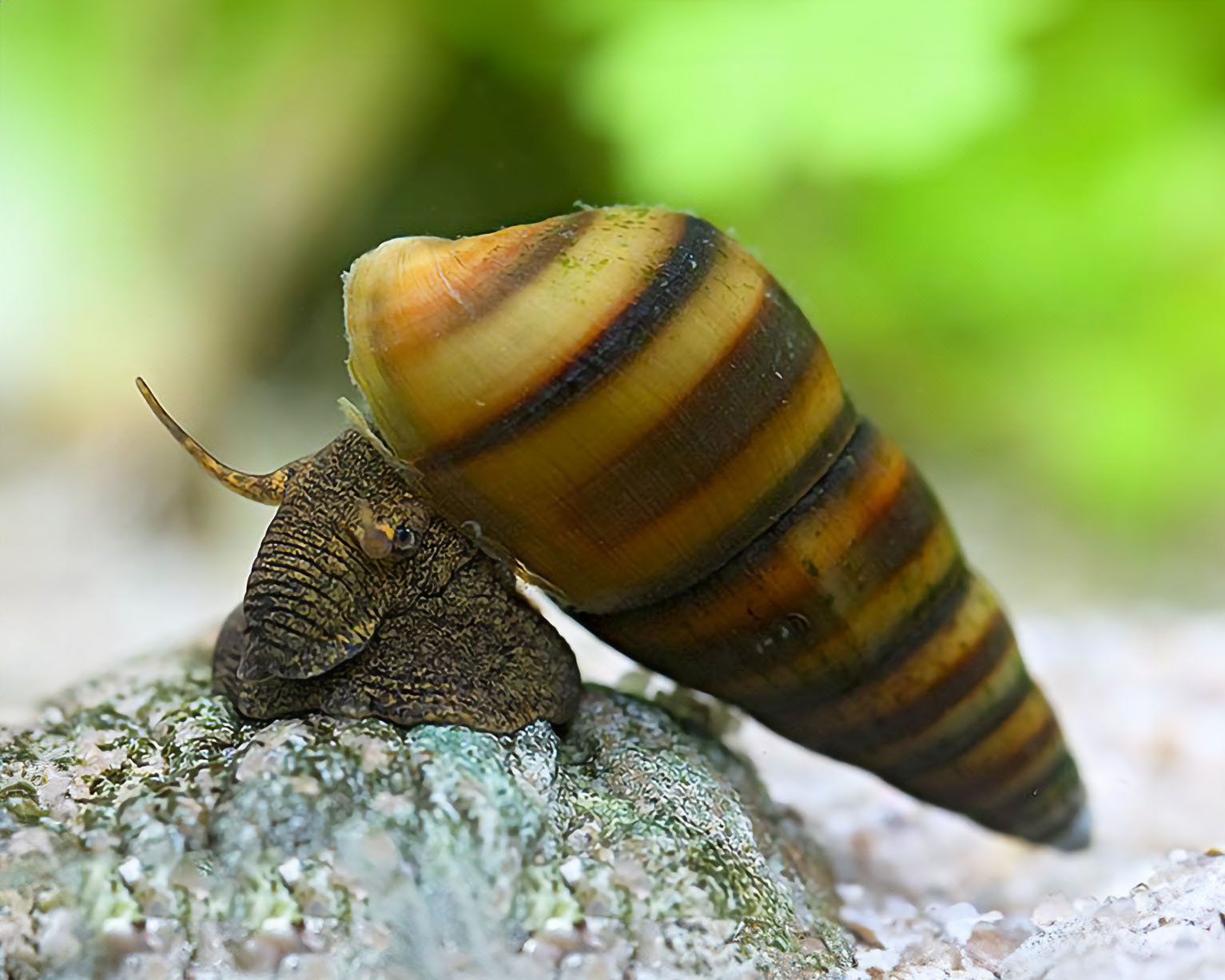
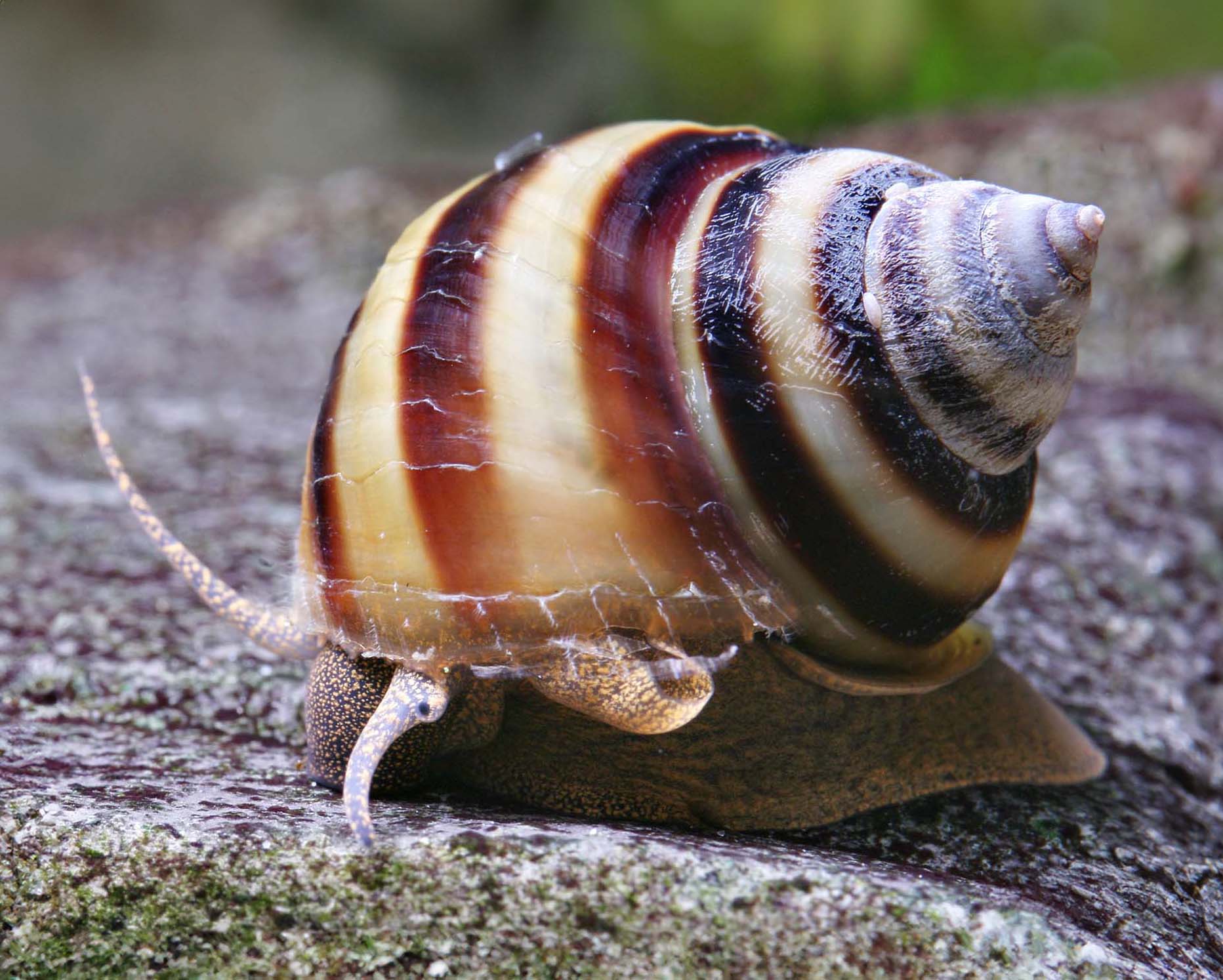
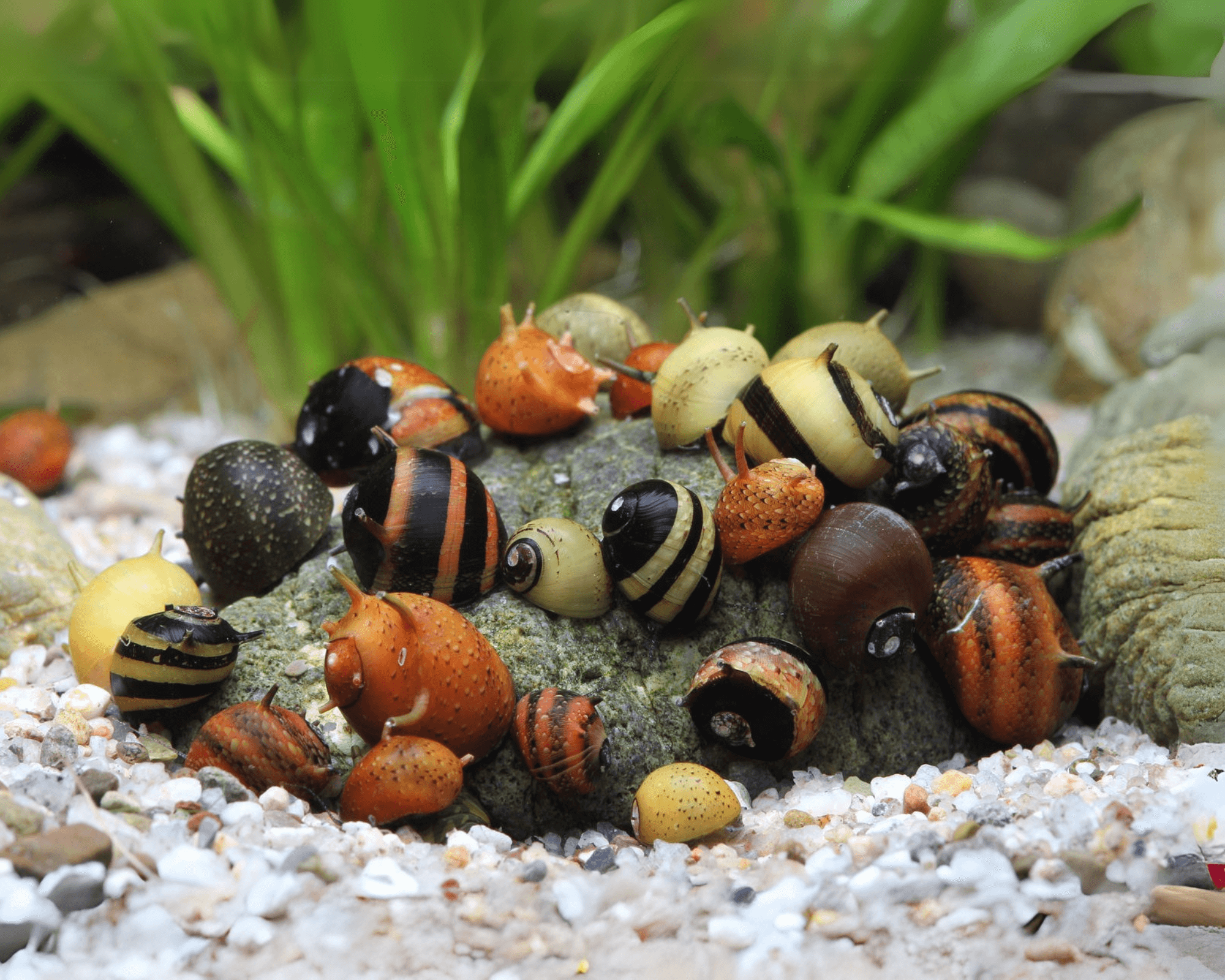
The Bee Snail (Brotia dautzenbergiana) is a highly sought-after freshwater snail in the aquarium hobby. Named for its distinct banding that resembles a bumblebee, this species is both functional and beautiful. It is an excellent scavenger that helps keep the aquarium clean by consuming uneaten food, decaying plant matter, and soft algae.

Distribution and Habitat
Endemic to Southeast Asia, the Bee Snail is particularly found in the fast-flowing rivers and streams of Thailand and Myanmar. In the wild, they thrive in highly oxygenated waters with sandy or rocky substrates where they can forage continuously. They are accustomed to clean, flowing water environments.
Description of Bee Snail
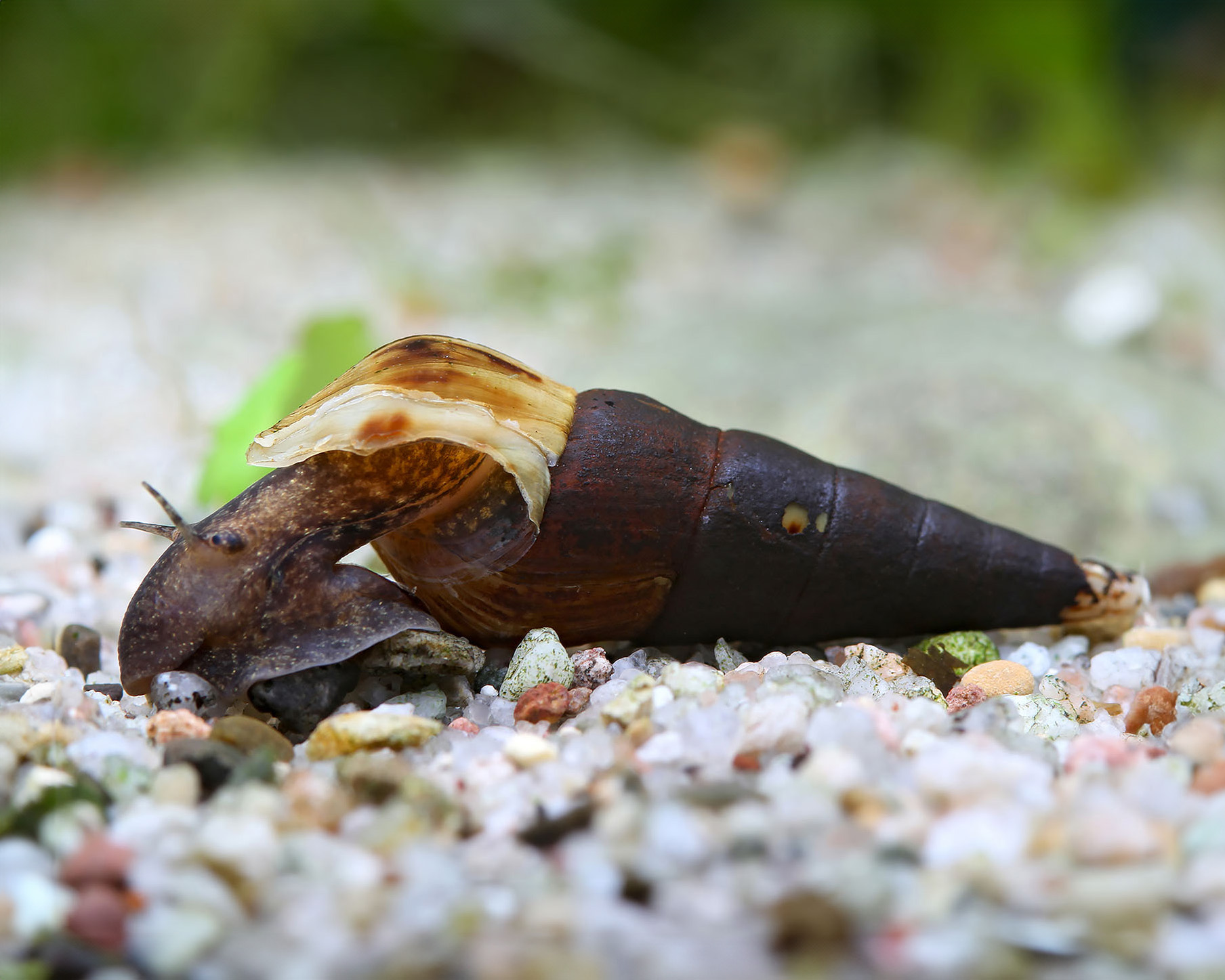
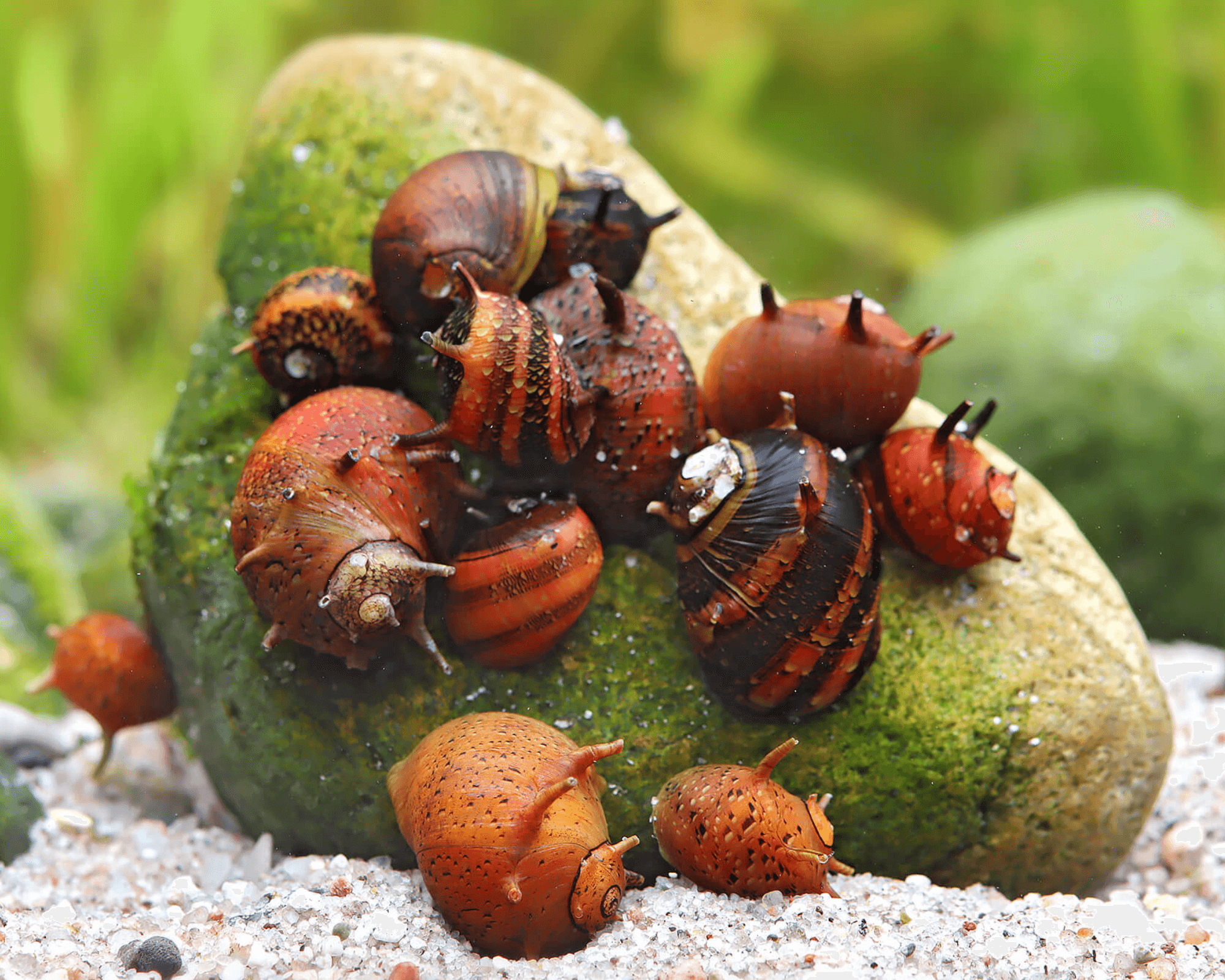
As seen in their namesake, Bee Snails feature an elongated, conical shell adorned with striking alternating bands of dark brown or black and bright yellow or mustard. The snail's body is typically dark grey to black with a fascinating rough, almost elephant-like texture on its snout and foot. They grow to a modest size, typically reaching about 1 to 1.5 inches in length.
Keeping and Caring for Bee Snail
Providing a habitat that mimics their natural fast-flowing riverine environment is key to their success in captivity. They appreciate good water flow, highly oxygenated water, and a mature aquarium with plenty of biofilm.
Tank size:
A minimum of 10 gallons is recommended for a small group, though larger tanks are preferable to ensure stable water parameters and ample foraging grounds.
Water Parameters:
Temperature
72°F - 82°F (22°C - 28°C) is ideal for keeping them active and healthy.
pH
7.0 - 8.0. Slightly alkaline water is crucial to prevent the deterioration and pitting of their beautiful shells.
Hardness
Hard water (8-15 dGH) with plenty of calcium is necessary for healthy shell growth and maintenance.
Ammonia, Nitrite, Nitrate
Ammonia and Nitrite must always be at 0 ppm. Nitrates should be kept as low as possible, ideally below 20 ppm. They are highly sensitive to poor water quality and copper-based medications.
Feeding the Bee Snail
While they are excellent scavengers that will naturally graze on biofilm and soft algae, their diet in the aquarium must be supplemented. Offer high-quality sinking pellets, algae wafers, and calcium-rich blanched vegetables like zucchini, spinach, kale, and cucumber to ensure they receive adequate nutrition.
Breeding Bee Snail
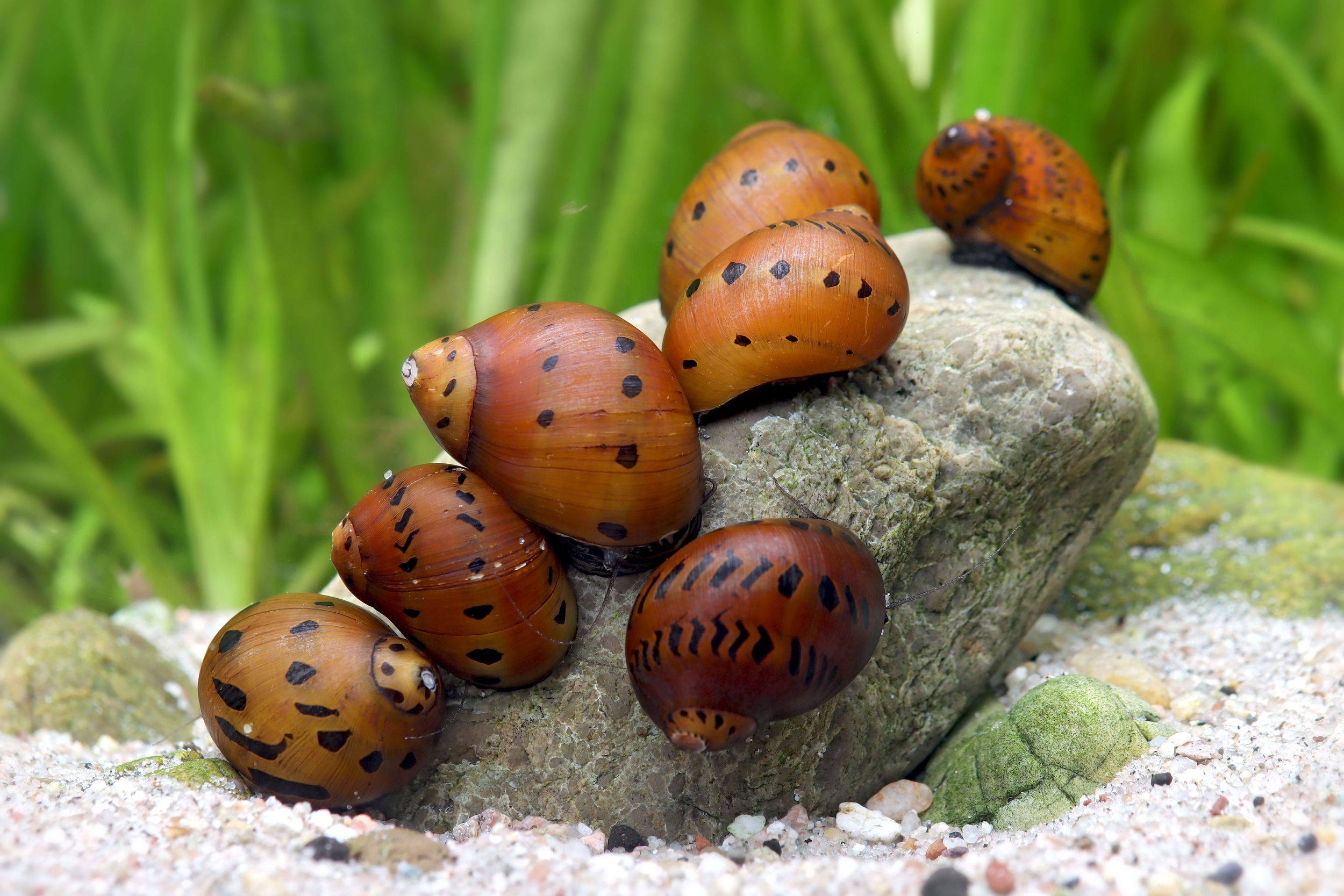
Brotia dautzenbergiana is a viviparous species, meaning they are true livebearers. Instead of laying clutches of eggs like Nerite or Mystery Snails, females give birth to fully formed miniature snails. However, breeding them in captivity is relatively rare and usually occurs only when water conditions are pristine and perfectly mimic their natural habitat.
Conclusion
The Bee Snail is a peaceful, hardworking, and visually stunning addition to any freshwater aquarium. Provided with clean, well-oxygenated water and a calcium-rich diet, these fascinating invertebrates will thrive and bring a unique touch of nature to your aquatic setup.
 - 1.webp)

 DNZ - 1.webp)
Leave your comments