Overview
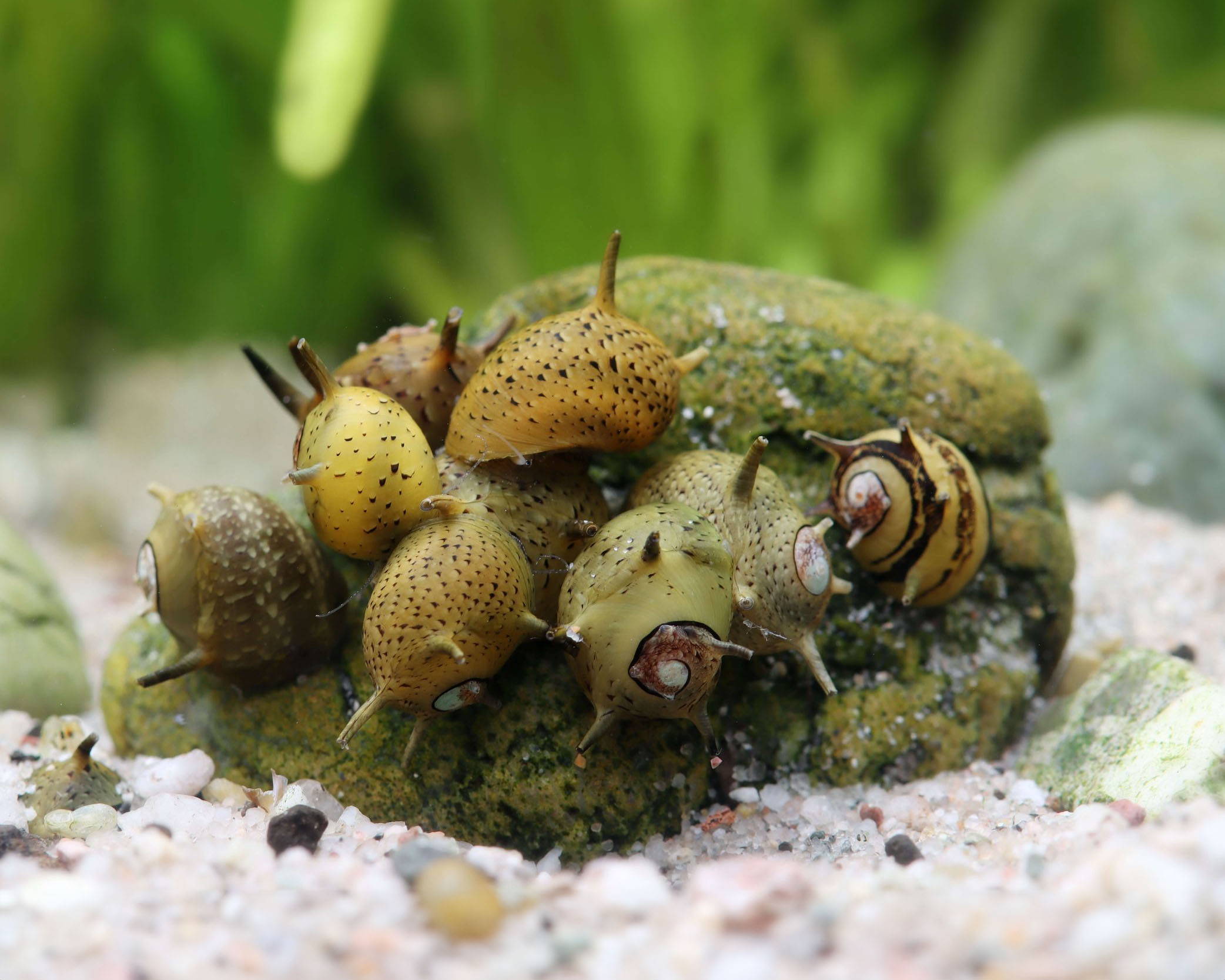
The Green Staghorn Snail, scientifically known as Clithon corona, is a highly sought-after freshwater invertebrate. Often sold under the name Horned Nerite Snail, it belongs to the Neritidae family. Aquarists revere these snails not only for their distinctive, spiked appearance but also for their voracious appetite for nuisance algae. Because they require brackish water to successfully reproduce, they are an excellent choice for hobbyists who want superior algae control without the risk of a snail population explosion.

Distribution and Habitat
Clithon corona is native to the Indo-Pacific region, primarily found in Southeast Asia and parts of Oceania. In the wild, they inhabit coastal streams, estuaries, and rivers where freshwater meets the ocean. They thrive in environments with hard, fast-moving water and rocky substrates covered in rich biofilms and algae, frequently migrating between freshwater and brackish zones.
Description of Green Staghorn Snail
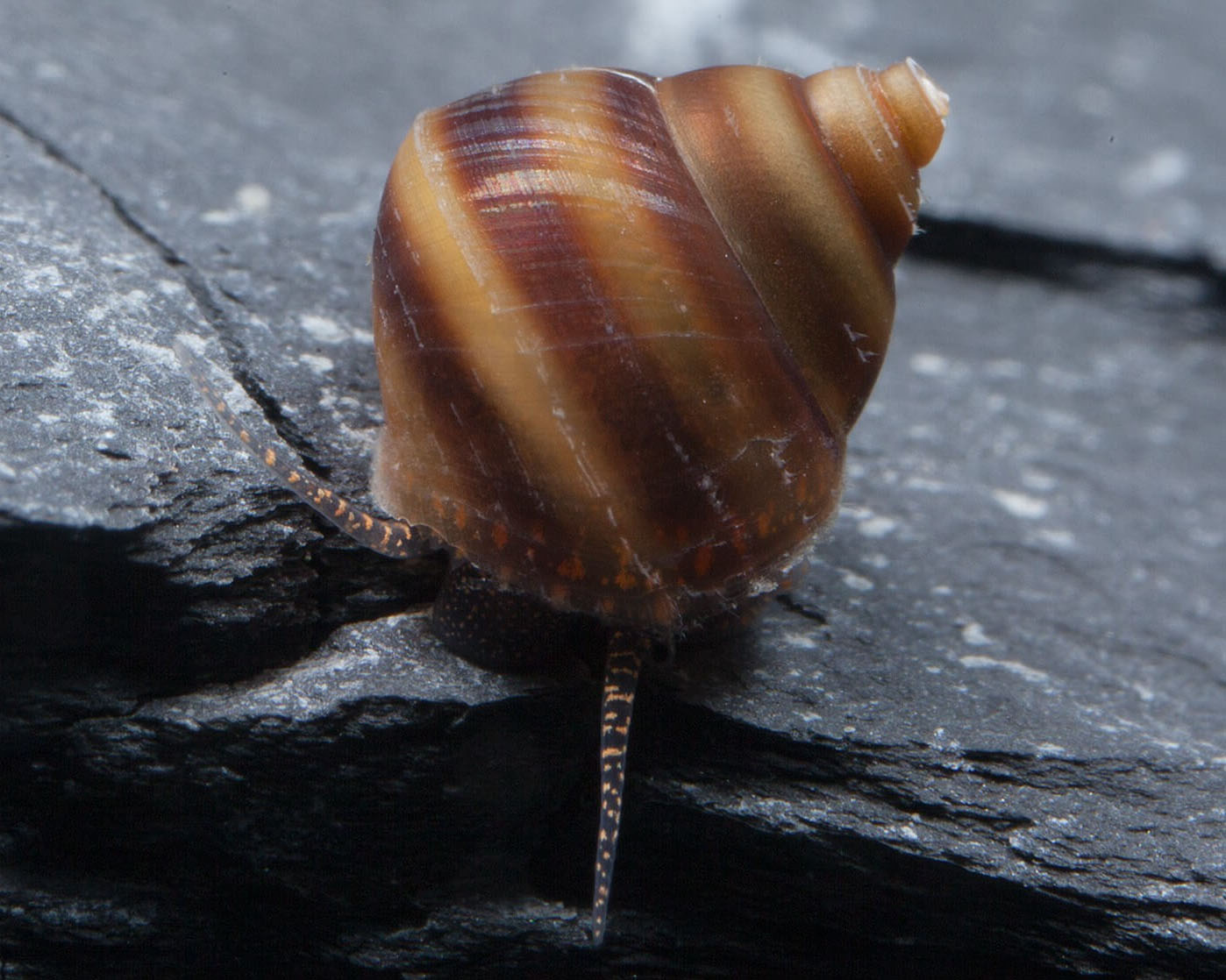
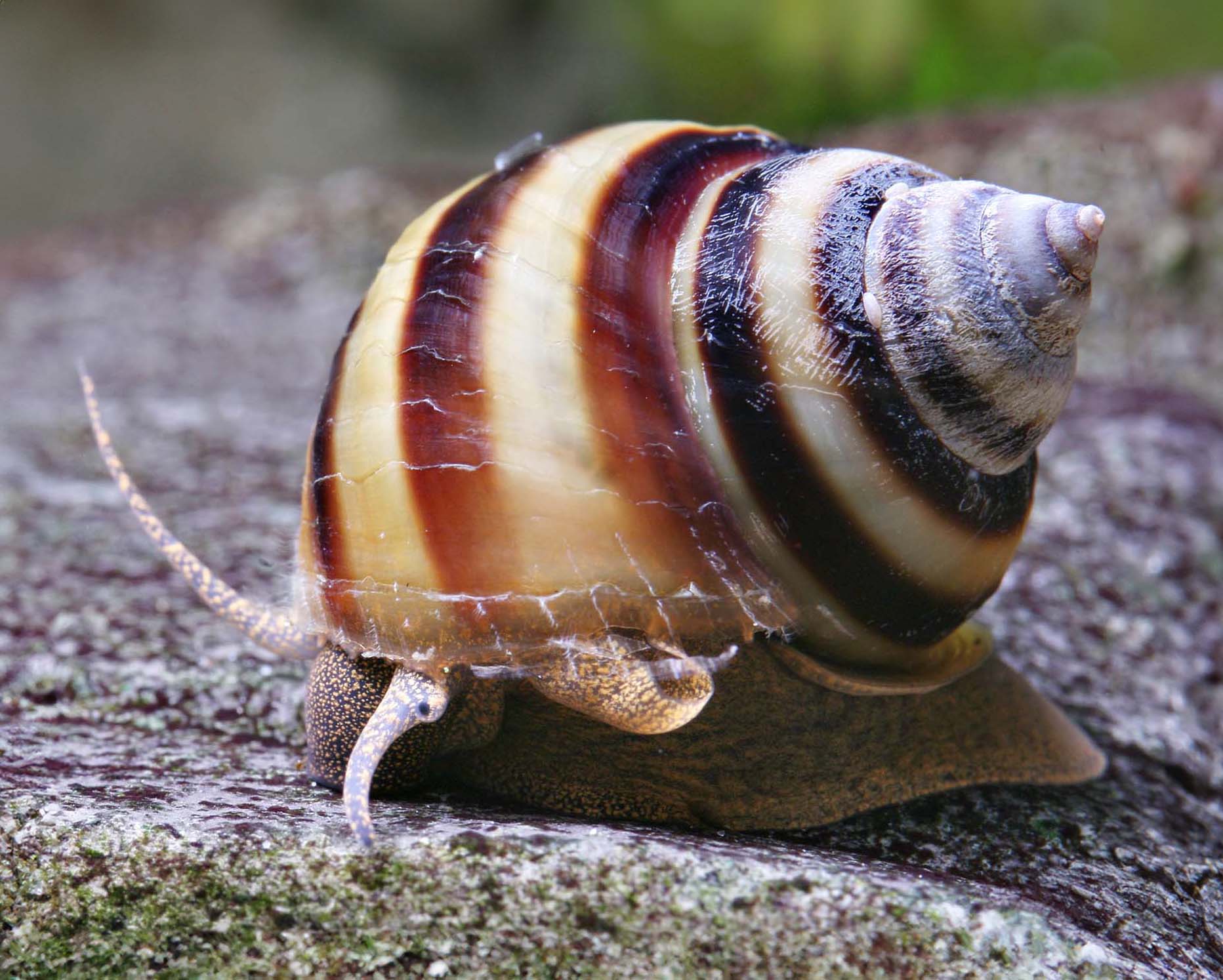
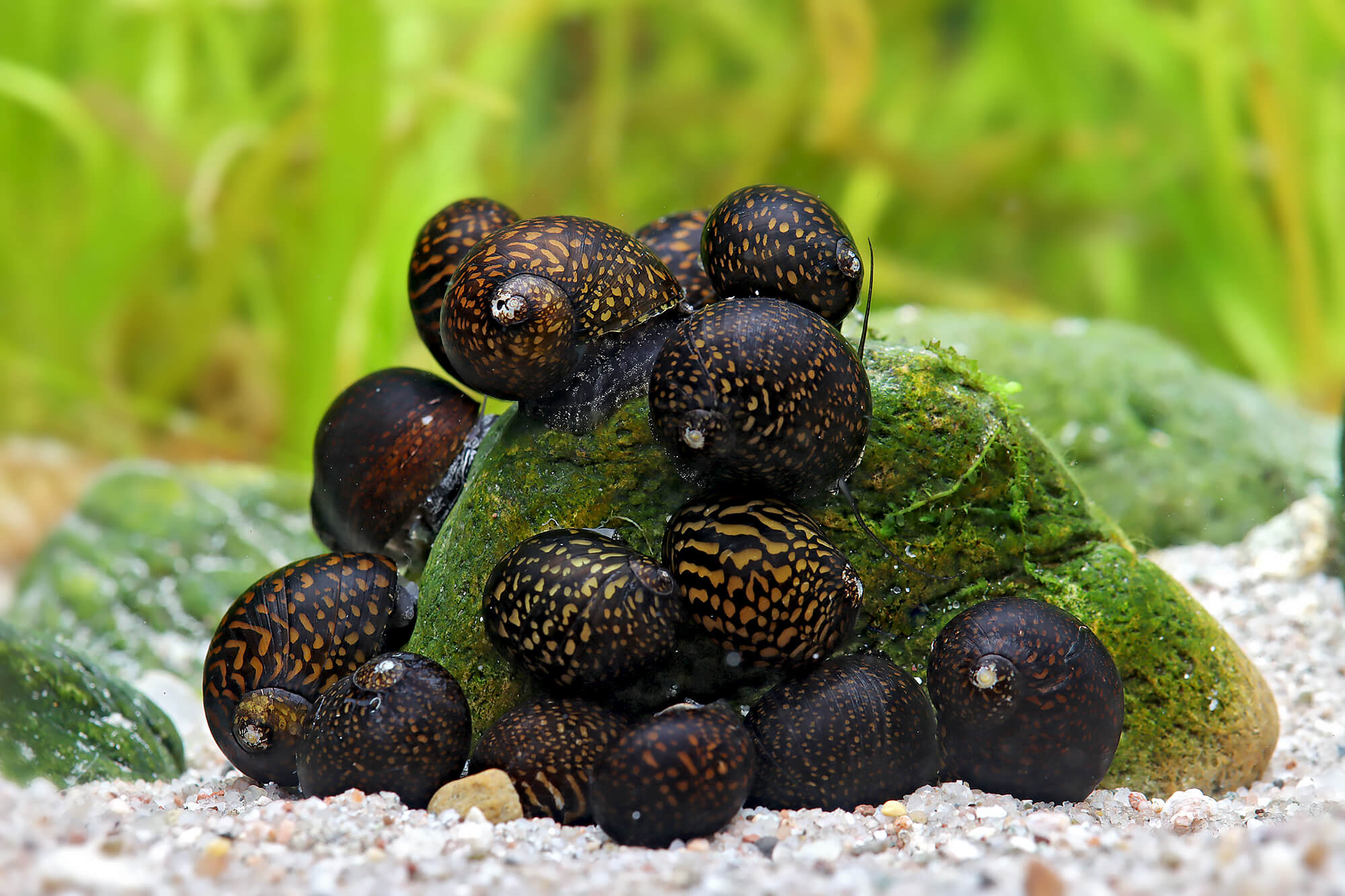
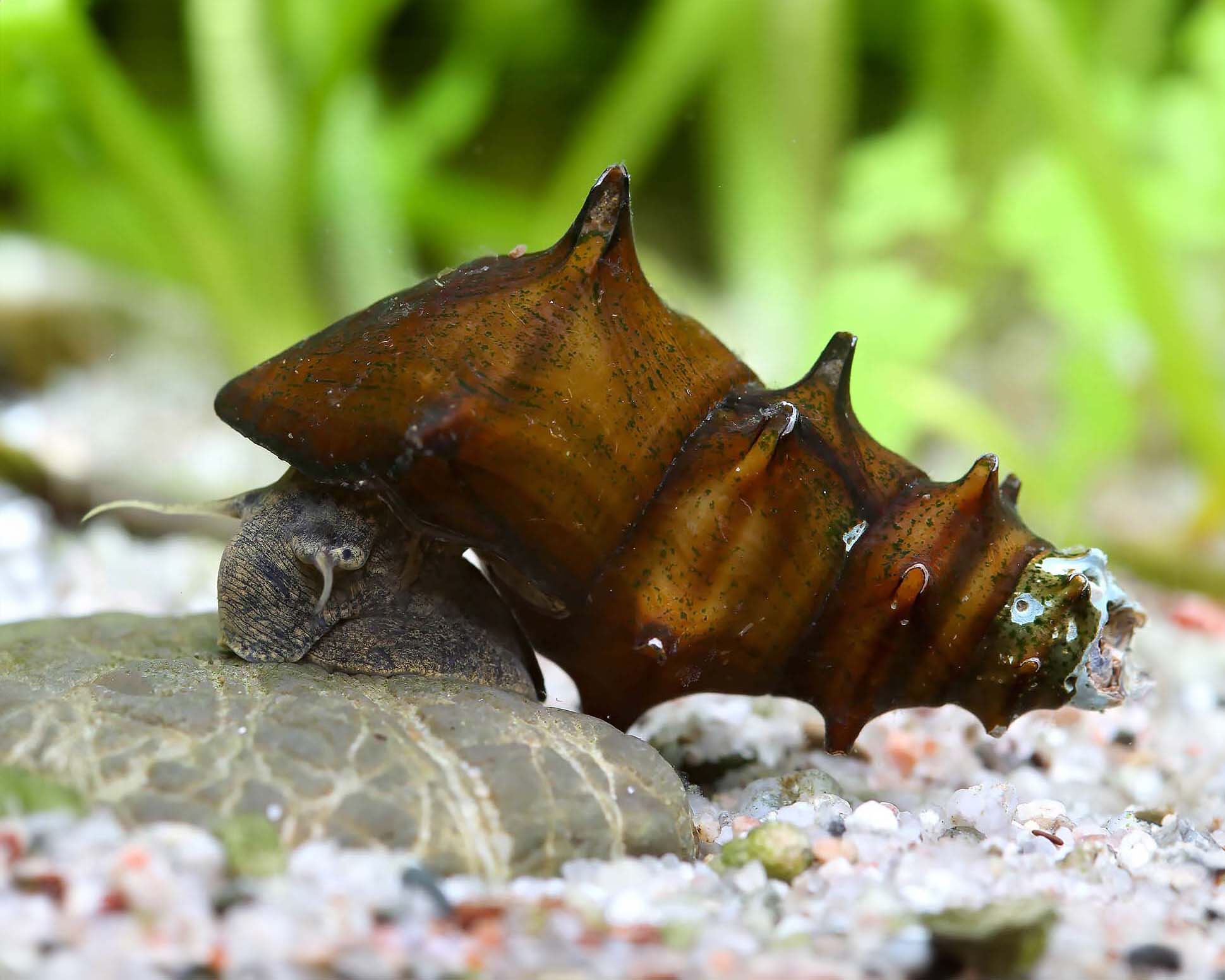
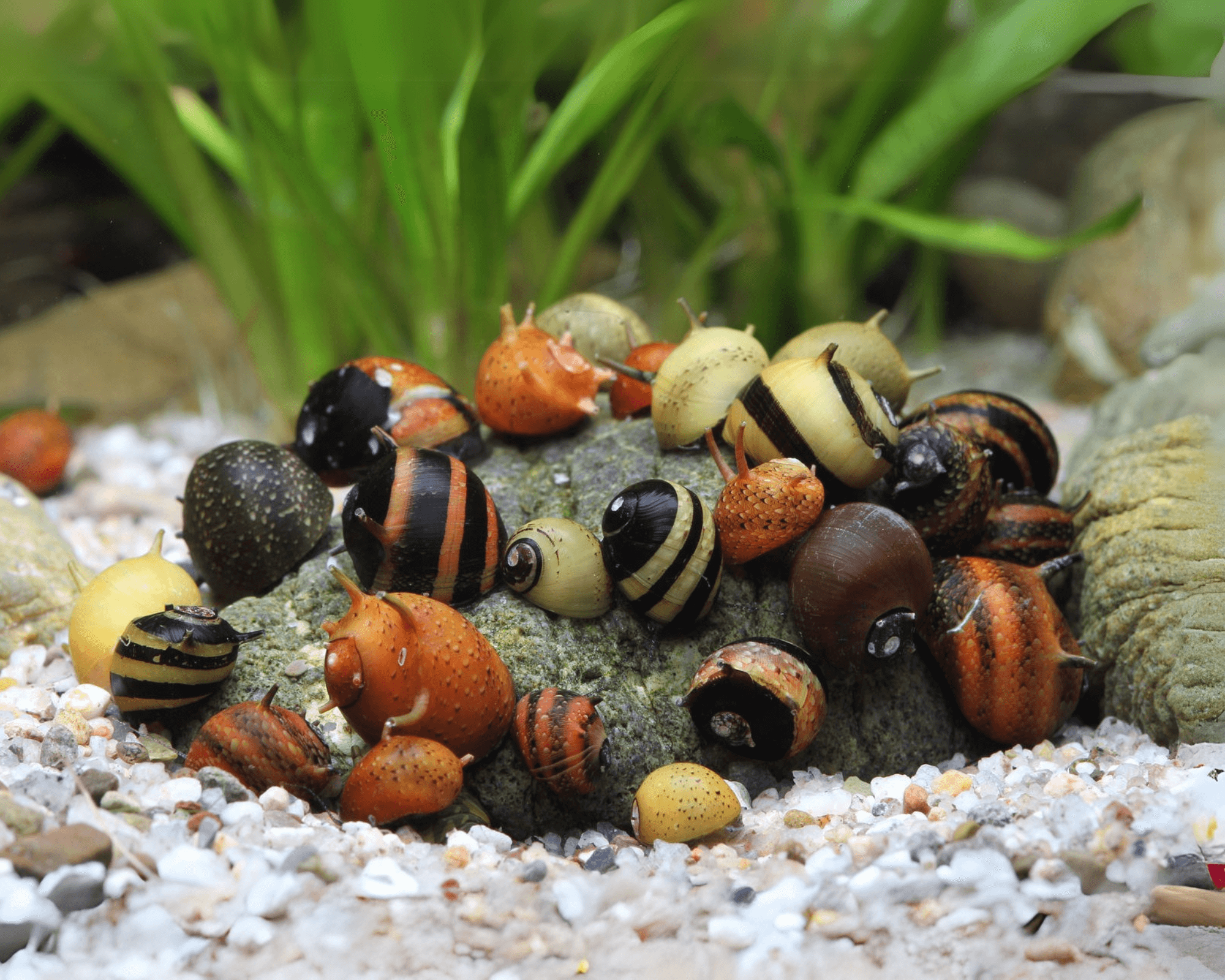
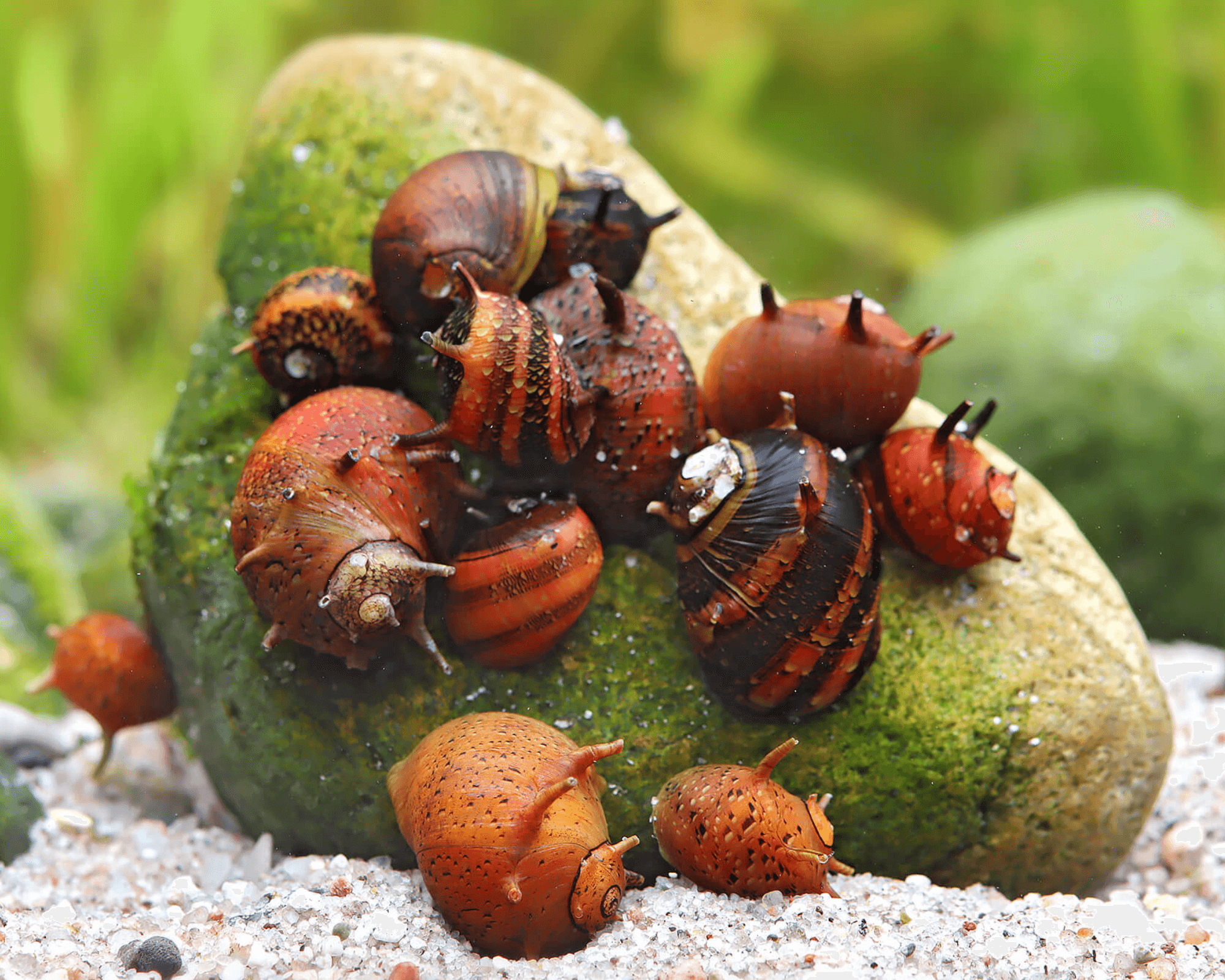
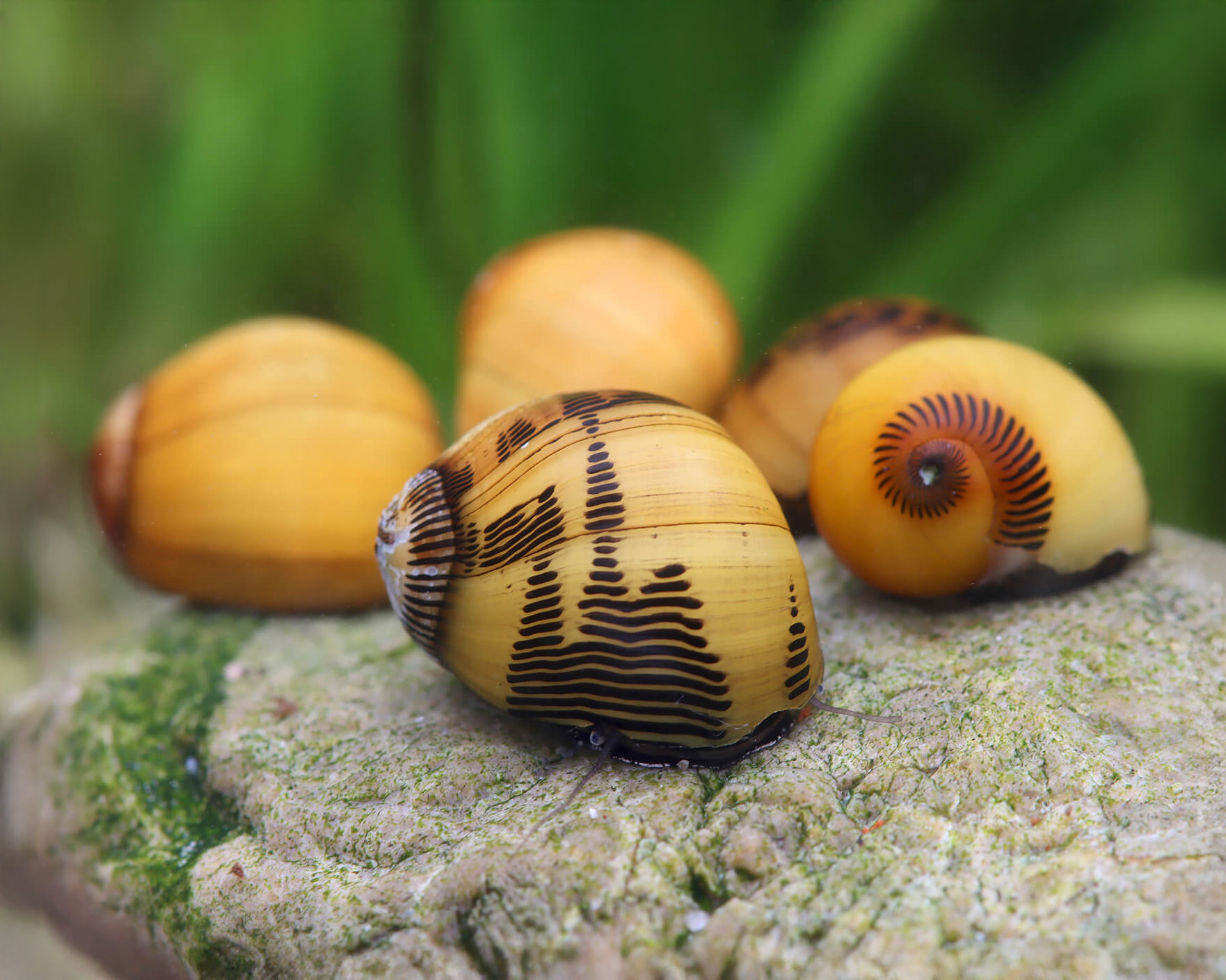
The Green Staghorn Snail is a relatively small species, typically reaching a maximum diameter of about 0.5 to 0.75 inches (1.2 to 2 cm). Their most defining feature is the array of horn-like projections extending from their shells, which serve as a natural defense mechanism against predators. As seen in diverse groups, their shell coloration and patterning are highly variable. Base colors range from olive green and mustard yellow to deep brown. Many individuals exhibit intricate patterns, including tiny black stippling (spots) or bold, thick black spiral bands. The apex of the shell is often a contrasting darker brown or black.

Keeping and Caring for Green Staghorn Snail
These snails are peaceful, low-maintenance, and easy to care for, making them suitable for beginners. They do not bother fish, shrimp, or live plants. However, they are notorious escape artists; a tight-fitting aquarium lid is essential to prevent them from climbing out of the tank.
Tank size:
A minimum tank size of 5 gallons is recommended. This ensures there is enough surface area to generate the natural algae and biofilm they need to graze on constantly.
Water Parameters:
Maintaining high water quality and adequate mineral content is crucial for the health of their spiked shells.
Temperature
They prefer tropical temperatures ranging from 70°F to 82°F (21°C - 28°C).
pH
A slightly alkaline pH between 7.0 and 8.2 is ideal to prevent their shells from deteriorating.
Hardness
Hard water is a must. Maintain a high GH and KH to provide the calcium necessary for strong shell and horn growth. If the water is too soft, their shells will pit and erode.
Ammonia, Nitrite, Nitrate
Ammonia and Nitrite must always be at 0 ppm. Nitrates should be kept low, ideally below 20 ppm. Like all invertebrates, they are extremely sensitive to copper and other heavy metals.
Feeding the Green Staghorn Snail
Green Staghorn Snails are specialized herbivores that feed almost exclusively on algae and biofilm. They are fantastic at clearing diatoms (brown algae), soft green algae, and green spot algae from glass, rocks, and plant leaves. If your tank is pristine and lacks natural algae, you must supplement their diet with high-quality algae wafers, spirulina powder, or blanched vegetables like zucchini, cucumber, and spinach.
Breeding Green Staghorn Snail
One of the biggest advantages of keeping Clithon corona is that they will not overrun a freshwater aquarium. While females will lay small, white, sesame seed-like egg capsules on hard surfaces (including rocks, driftwood, and even the shells of other snails), these eggs will only hatch and develop into larvae in brackish or marine water. Breeding them in captivity requires a specialized setup with precise salinity transitions, which is rarely achieved by casual aquarists.
Conclusion
The Green Staghorn Snail is a visually striking and exceptionally useful addition to the freshwater aquarium. With their unique spiked shells, beautiful color variations, and unmatched algae-eating abilities, they keep tanks clean while adding a touch of exotic flair. Provided they have hard water and enough food, these peaceful snails will thrive for years.
 - 1.webp)

 DNZ - 1.webp)
Leave your comments