 - 1.webp)
Overview
The Avatar Blue Ramshorn Snail, scientifically known as Planorbella duryi duryi, is a highly sought-after color morph in the aquarium hobby. Often referred to simply as the Blue Post Horn Snail, these peaceful invertebrates are phenomenal algae eaters and detritivores, working tirelessly to keep your aquarium glass, plants, and substrate spotless without damaging healthy vegetation.

Distribution and Habitat
While the wild type of Planorbella duryi is naturally native to the freshwater lakes, ponds, and slow-moving streams of Florida and other parts of North America, the striking "Avatar Blue" morph is primarily a product of selective breeding within the aquarium trade. In the wild, they thrive in heavily planted environments with calm waters and plenty of organic debris.
Description of Blue Ramshorn Snail
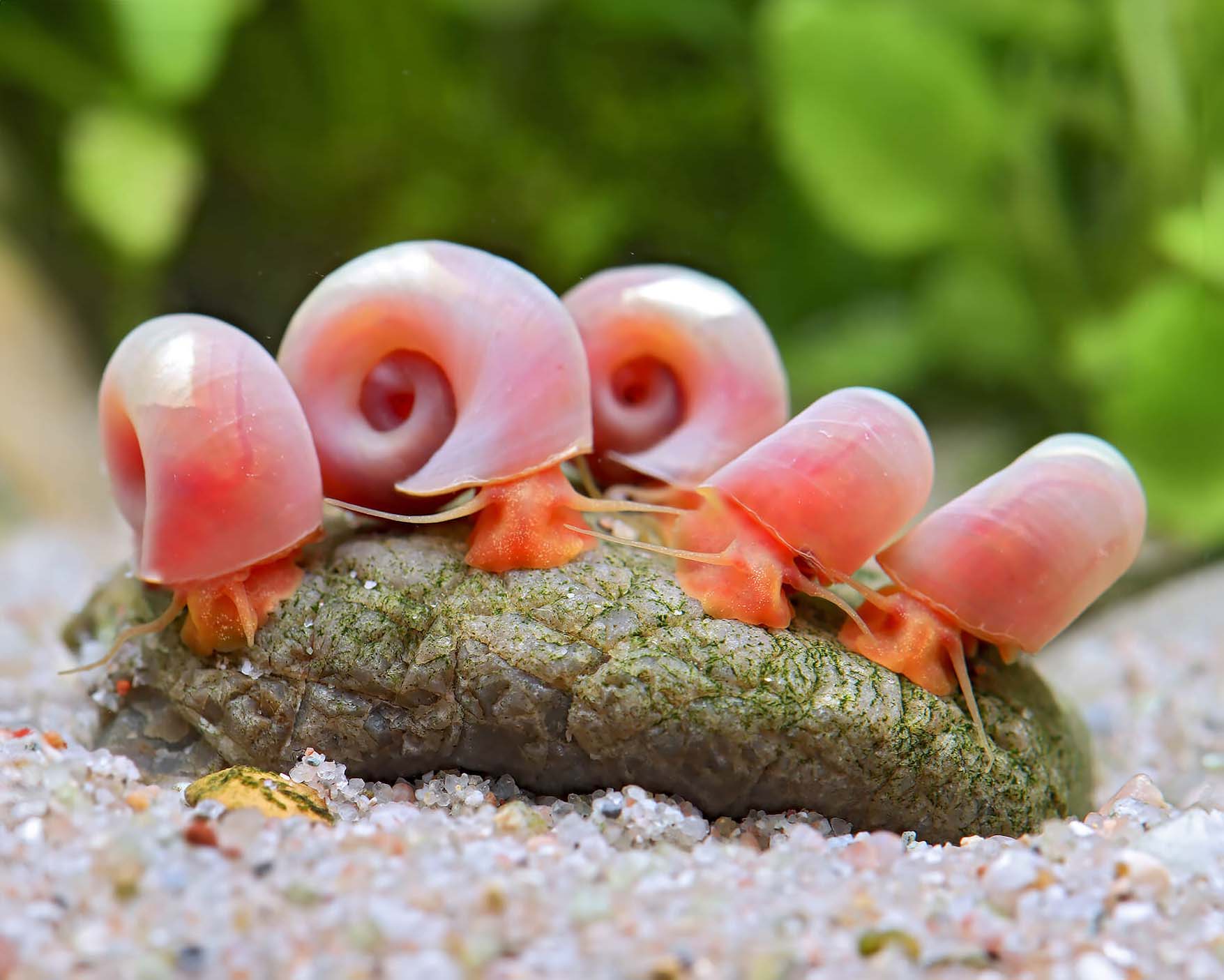
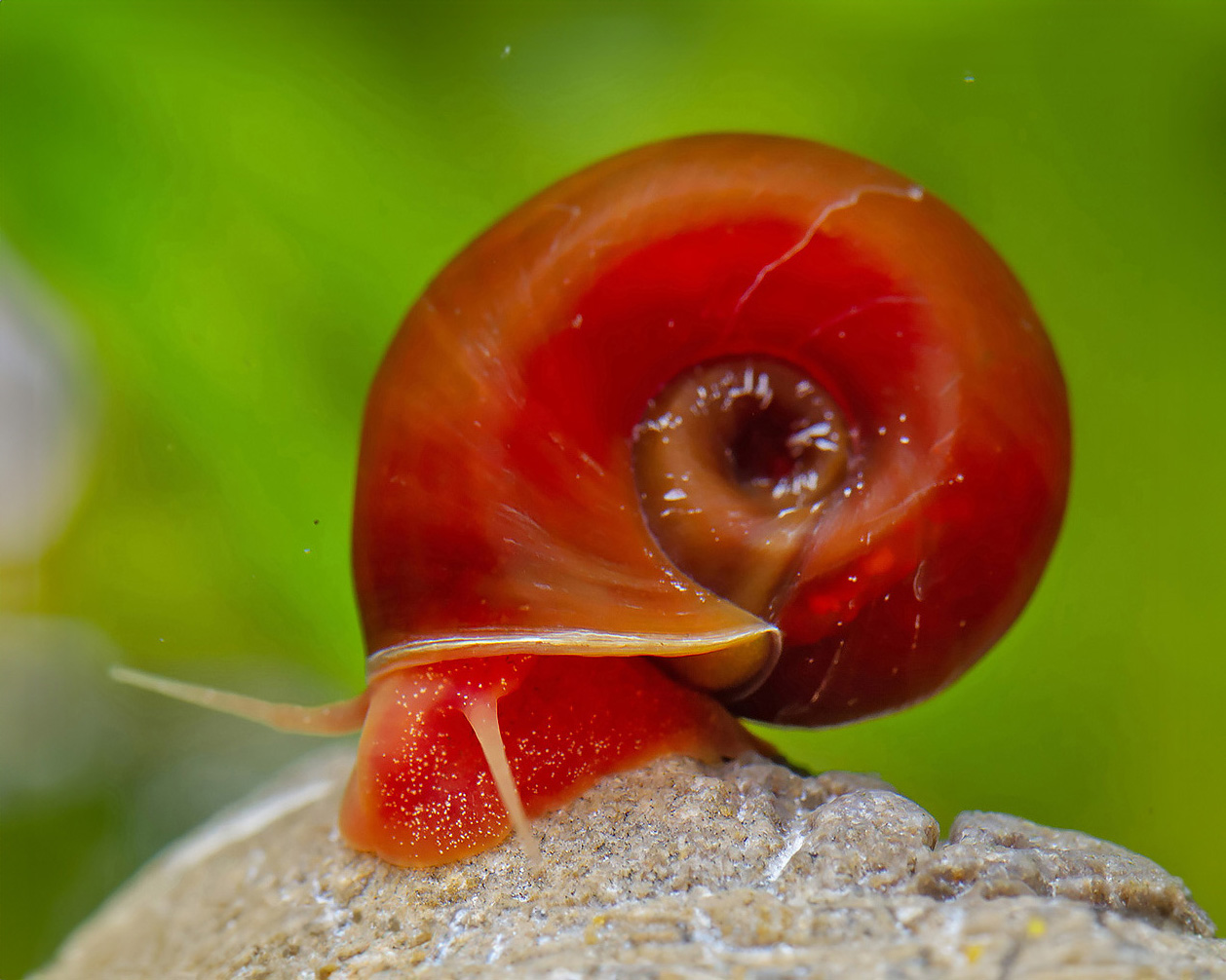
These snails feature a planispiral shell, meaning it coils in a flat plane resembling a ram's horn. The "Avatar" variant boasts a stunning translucent, icy-blue shell. Because the shell lacks heavy dark pigmentation, the natural hemoglobin in the snail's blood is visible, giving the foot and body a bright pink or vibrant red appearance. This contrast between the blue shell and red body creates a truly unique aesthetic.

Keeping and Caring for Blue Ramshorn Snail
They are incredibly hardy and adaptable, making them suitable for beginners. However, to maintain their beautiful, translucent blue shells, they require specific water conditions, particularly concerning calcium levels and acidity.
Tank size:
A minimum of 5 gallons is recommended, though they can thrive in smaller, heavily planted nano setups if the water quality is strictly maintained.

Water Parameters:
Temperature
65°F - 82°F (18°C - 28°C). They are adaptable to a wide range of temperatures, but warmer water will increase their metabolism and breeding rate.
pH
7.0 - 8.0. It is crucial to keep the water neutral to alkaline. Acidic water (below 7.0) will rapidly erode their delicate blue shells, causing pitting and eventual death.
Hardness
Moderate to hard water (GH 8-15) is essential. Sufficient calcium in the water column is necessary for healthy shell growth and maintenance.
Ammonia, Nitrite, Nitrate
Ammonia and Nitrite must always be at 0 ppm. Nitrates should be kept below 20 ppm through regular water changes and live plants.
Feeding the Blue Ramshorn Snail
As omnivorous scavengers, they will happily consume soft green algae, diatoms, uneaten fish food, and decaying plant matter. To ensure optimal health and shell coloration, supplement their diet with calcium-rich foods like specialized snail pellets, sinking bottom-feeder wafers, and blanched vegetables such as zucchini, spinach, or cucumber. Adding a cuttlebone to the filter or tank can also provide a steady source of necessary calcium.

Breeding Blue Ramshorn Snail
Ramshorn snails are hermaphrodites, meaning any two snails can mate and reproduce. They lay small, transparent, gelatinous egg clusters on hard surfaces, aquarium glass, or plant leaves. The eggs hatch in about one to three weeks, depending on the water temperature. It is important to note that their population size is directly tied to the availability of food. Overfeeding your aquarium will quickly lead to a population explosion.
Conclusion
The Avatar Blue Ramshorn Snail is an exquisite, highly functional, and entertaining invertebrate for the freshwater aquarium. With their mesmerizing blue shells and active scavenging behavior, they are as beneficial as they are beautiful. By maintaining proper water parameters and avoiding overfeeding, you can enjoy a healthy, balanced population of these stunning snails for years to come.
 - 1.webp)

 DNZ - 1.webp)
Leave your comments