Overview
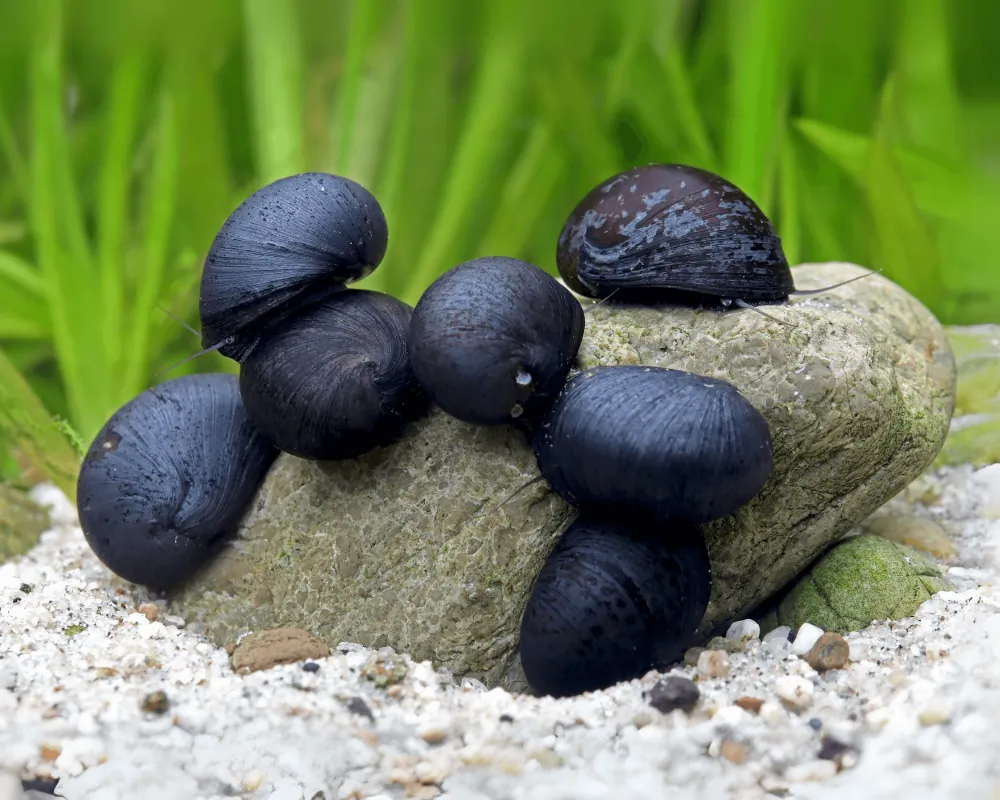
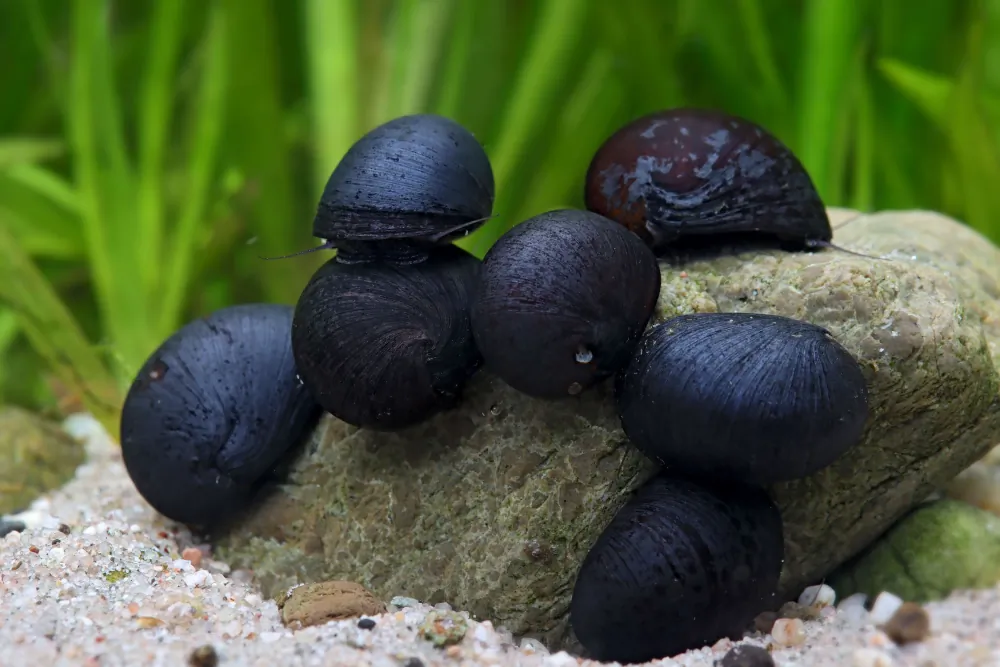
The Anthrazit Napfschnecke, scientifically known as Neritina sp. (often identified in the hobby as Neritina pulligera), is highly sought after by aquarium enthusiasts. Commonly referred to as the Black Helmet Snail, it is renowned for its insatiable appetite for algae and its sleek, minimalist appearance.
Distribution and Habitat
Native to the Indo-Pacific region, these snails are typically found in fast-flowing coastal streams and rivers. They naturally inhabit estuarine areas where freshwater meets the ocean, thriving in environments with rocky substrates where they can graze on abundant algae and biofilm.
Description of Anthrazit Napfschnecke
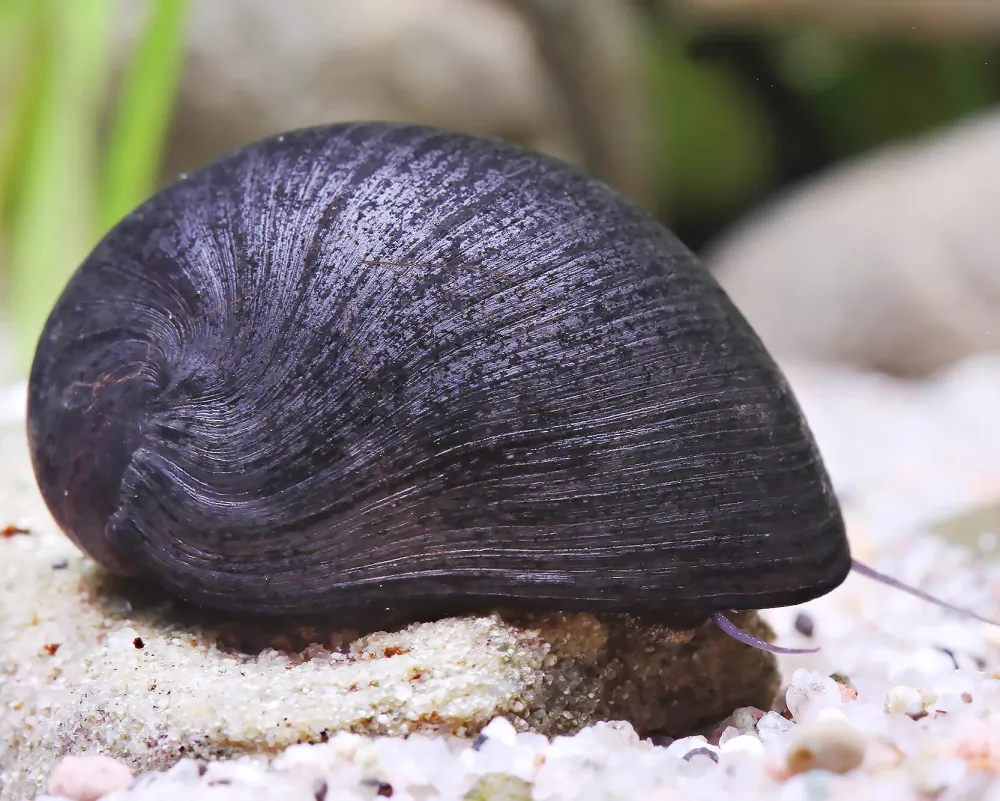
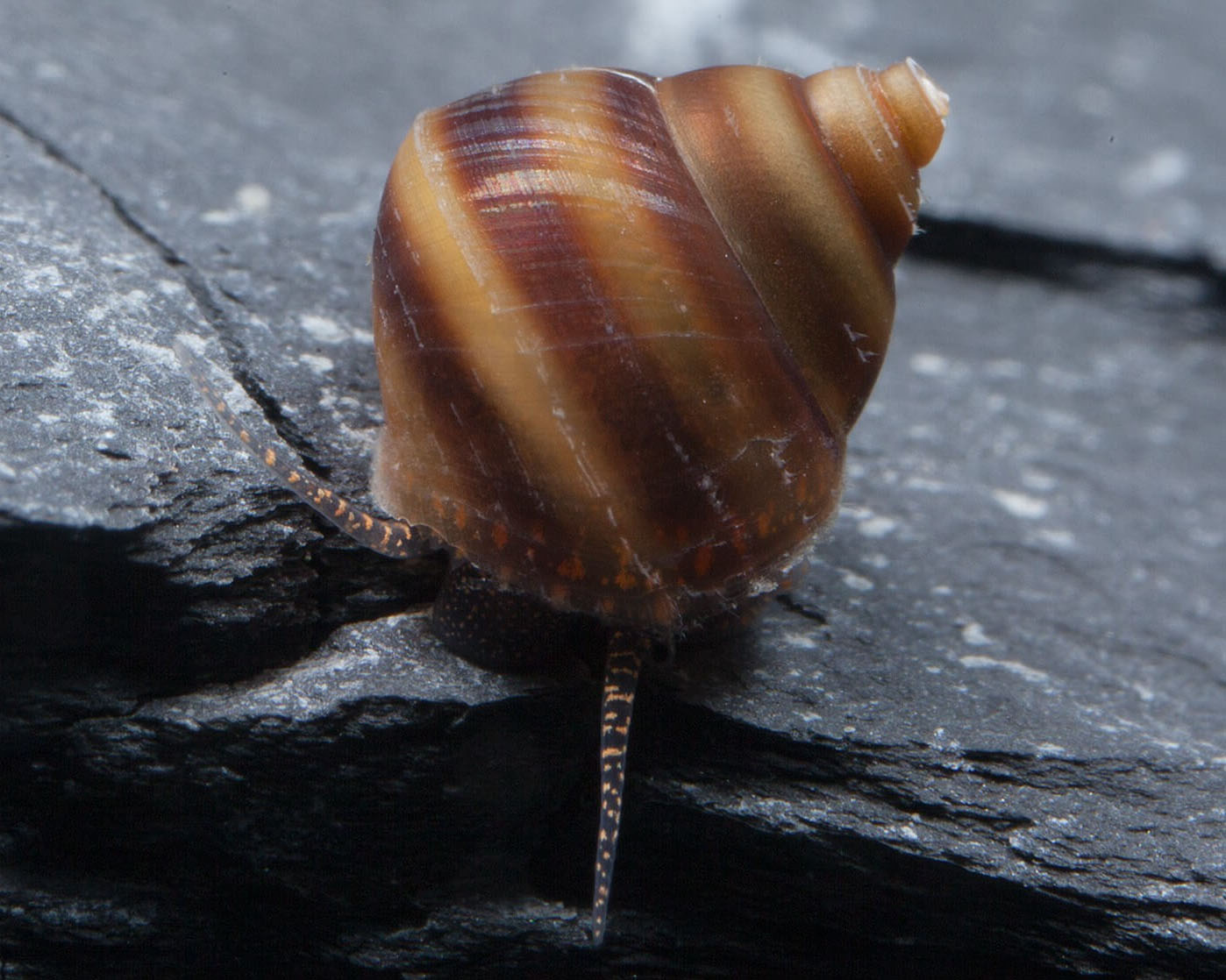
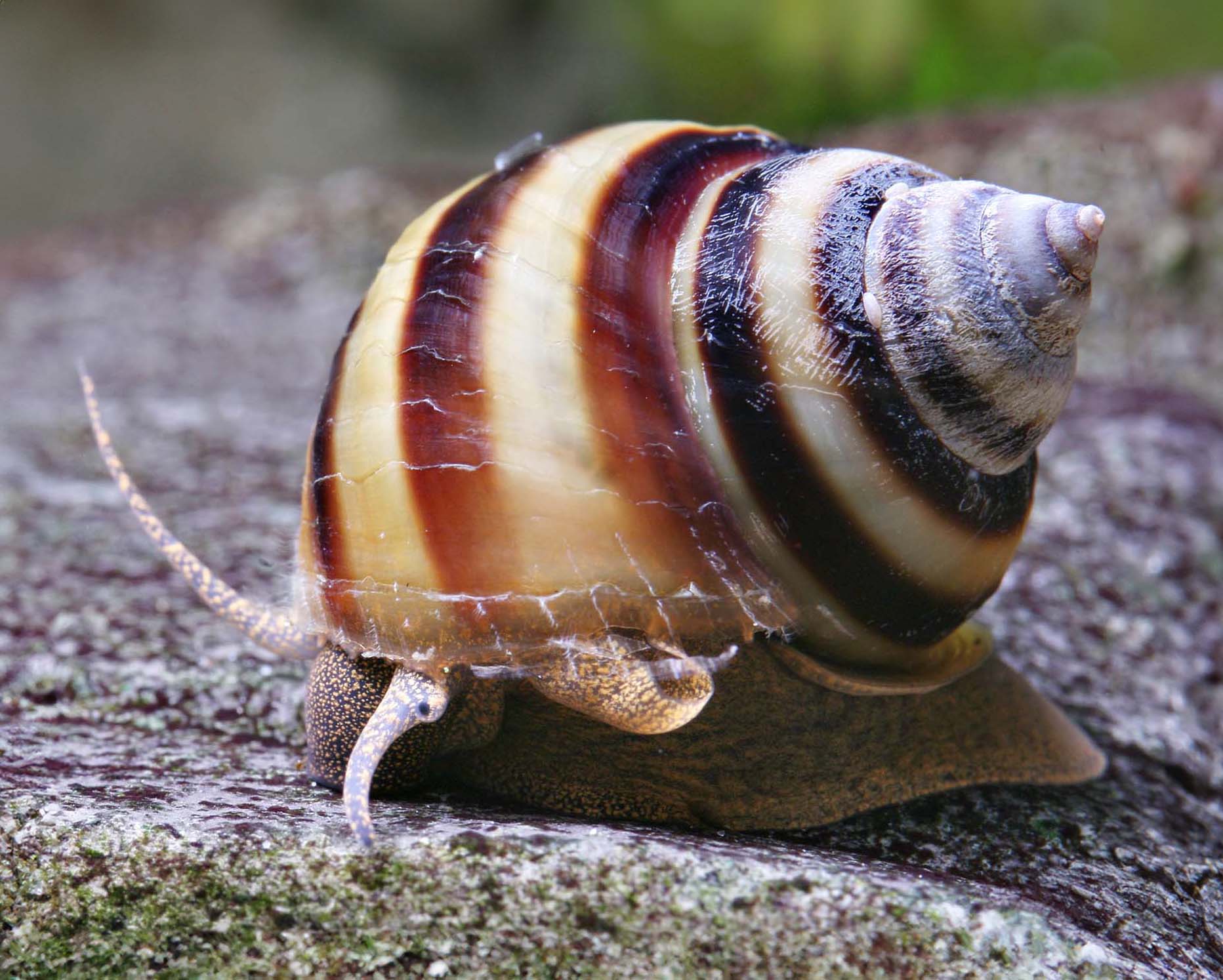
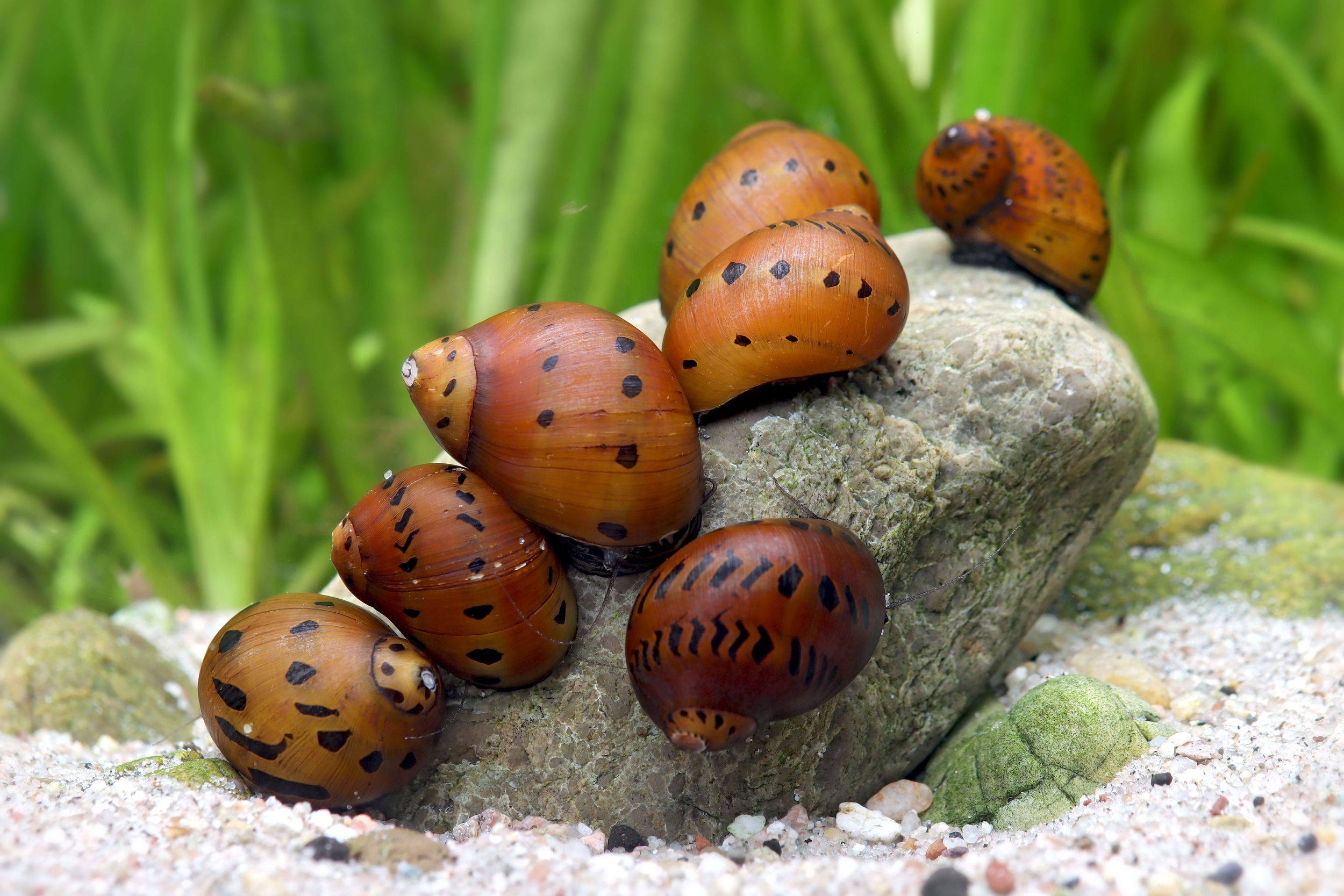
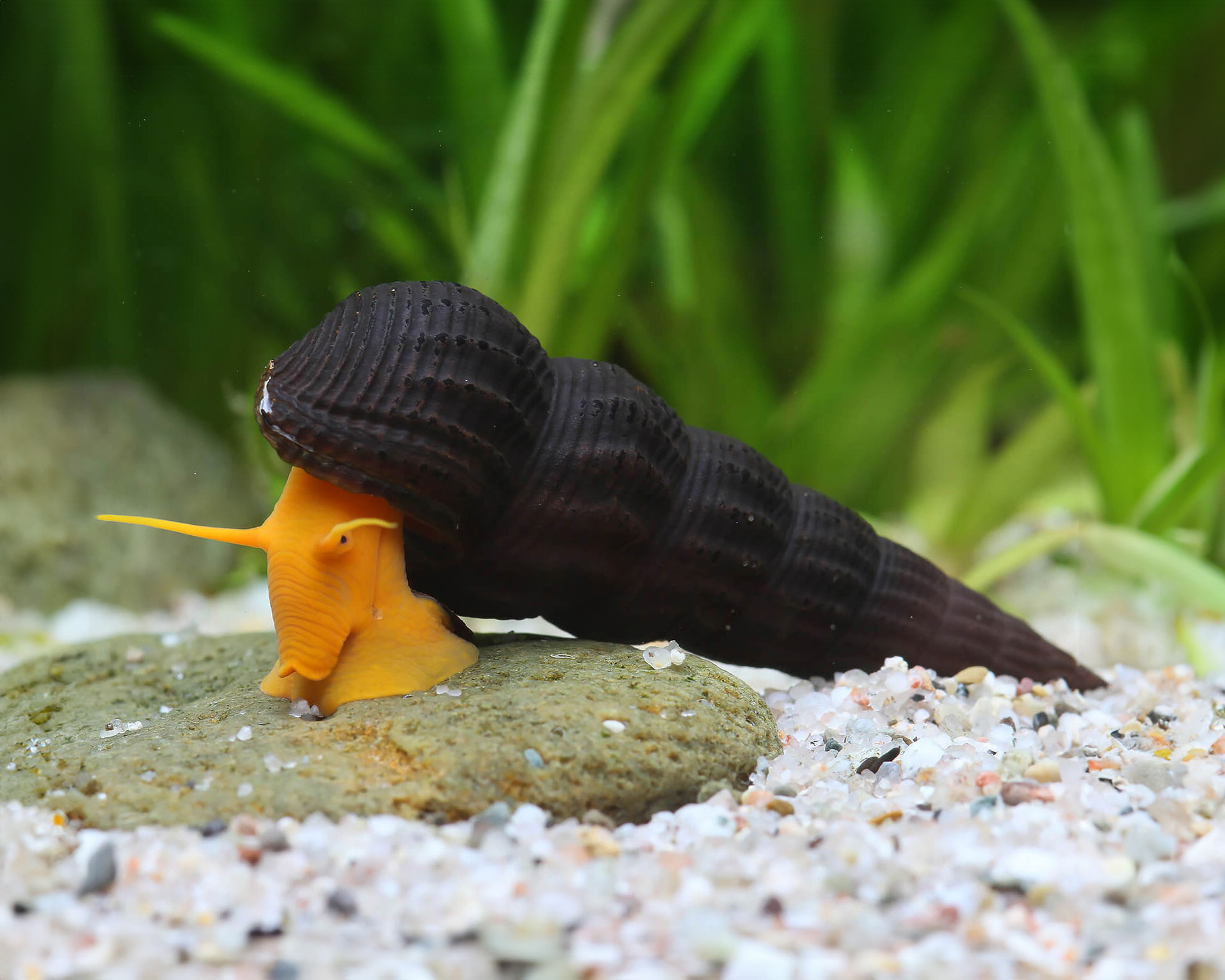
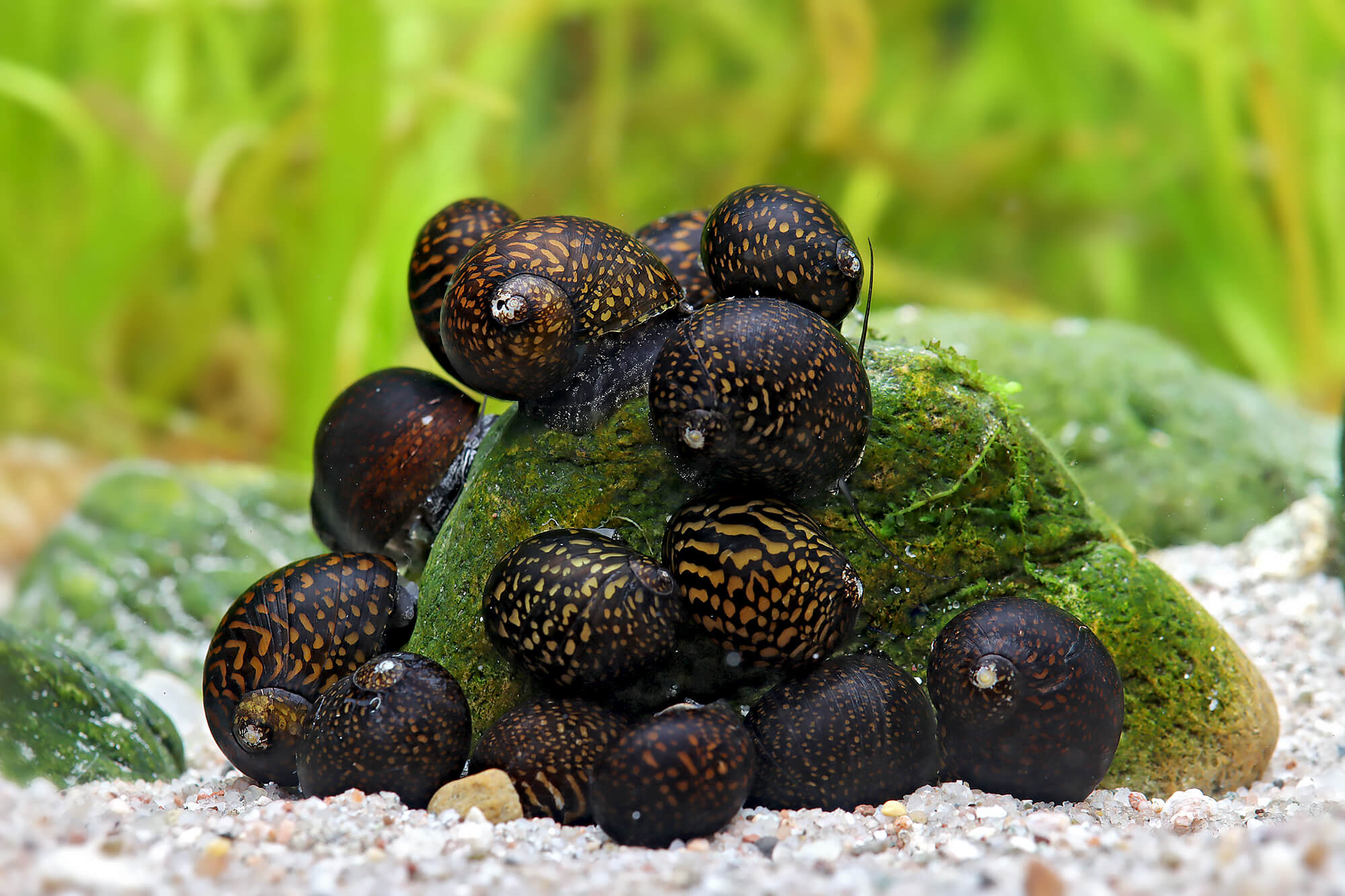
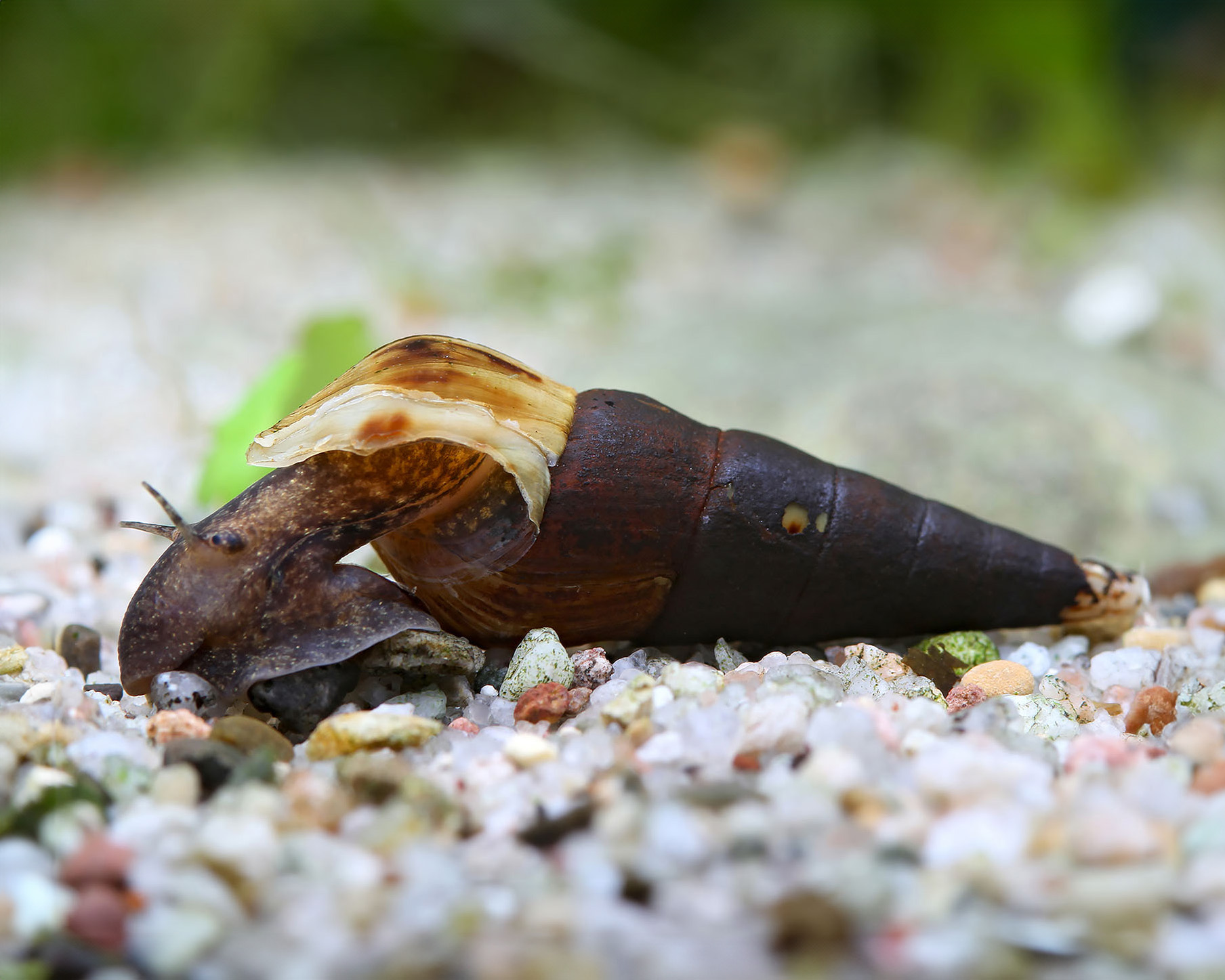
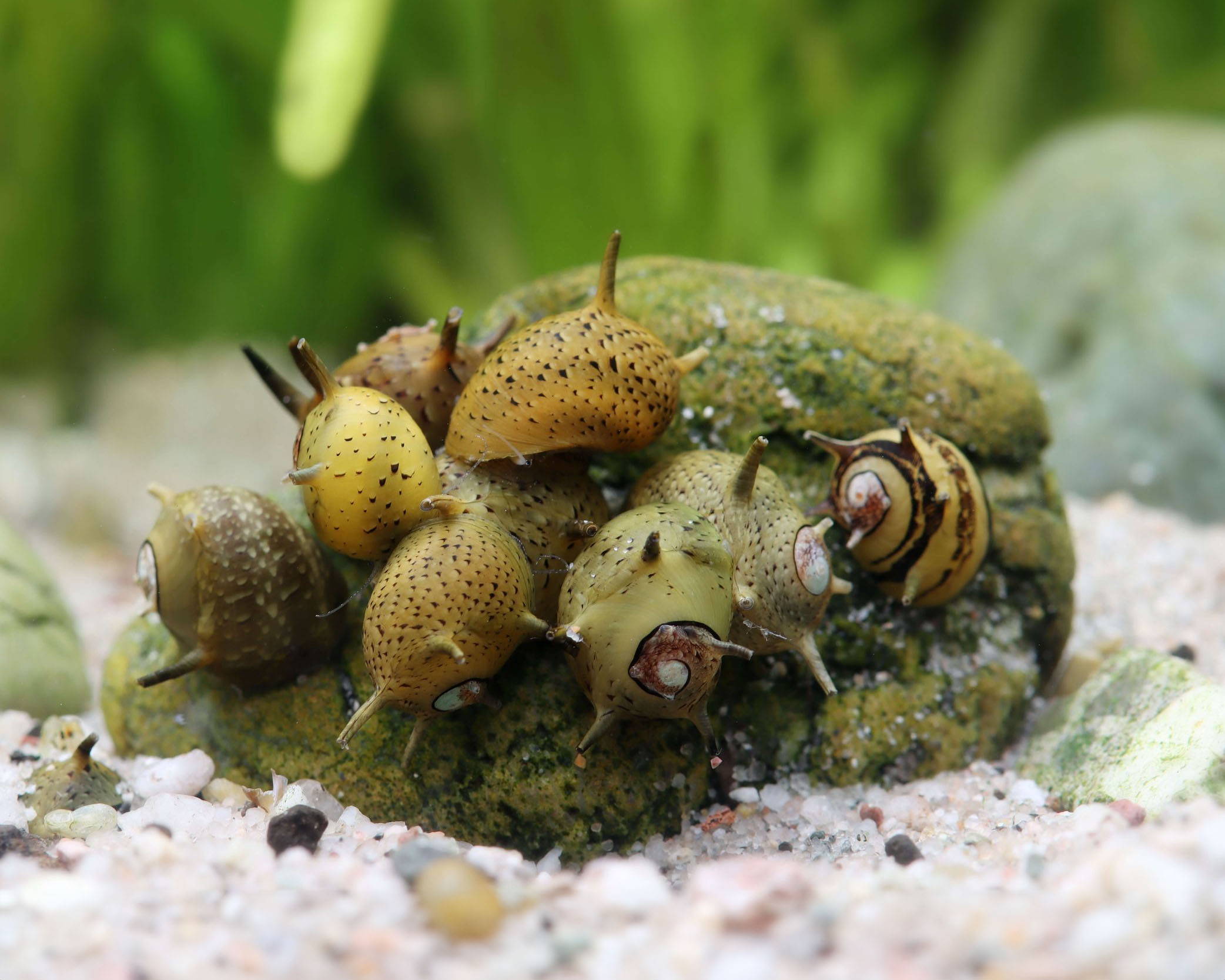
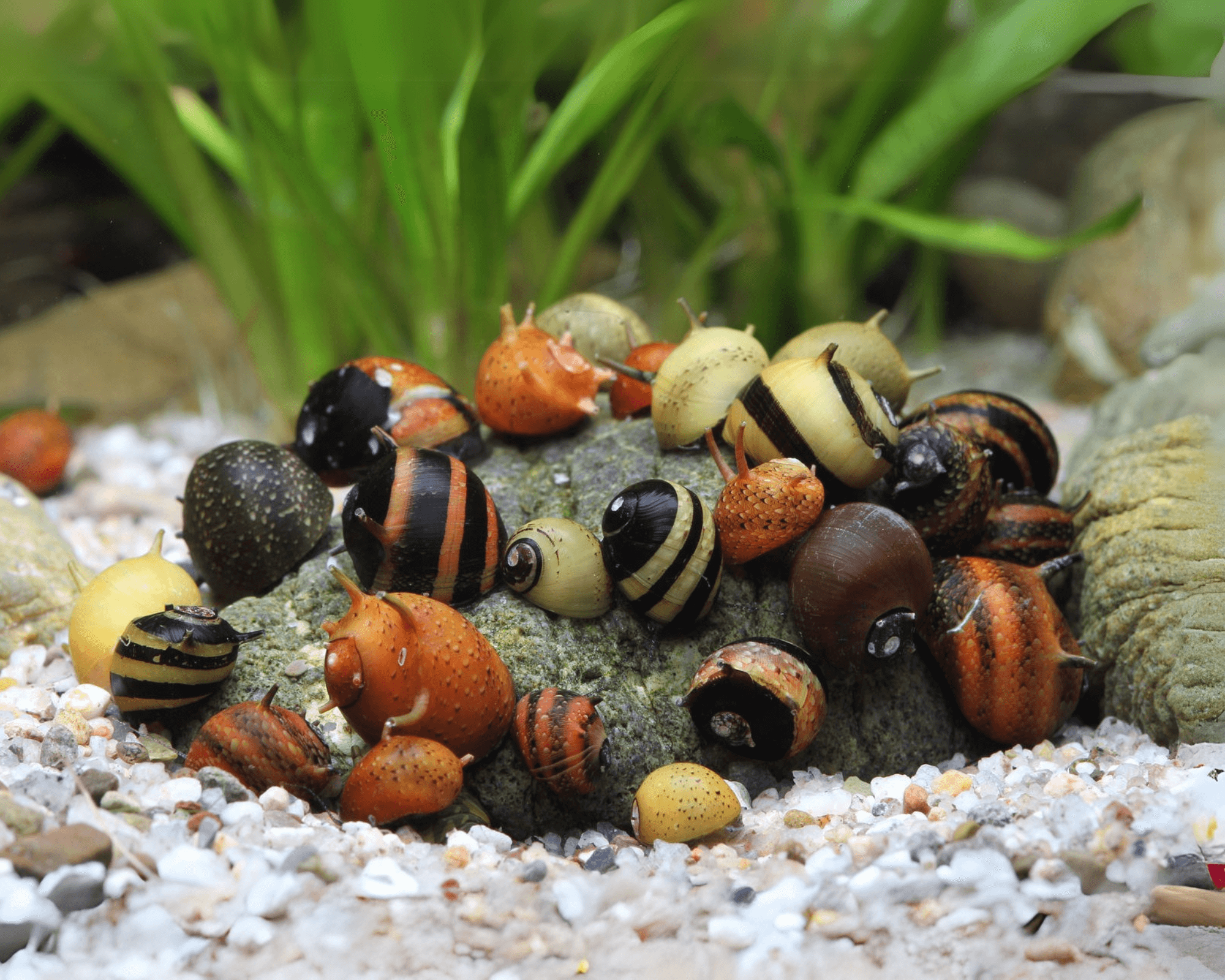
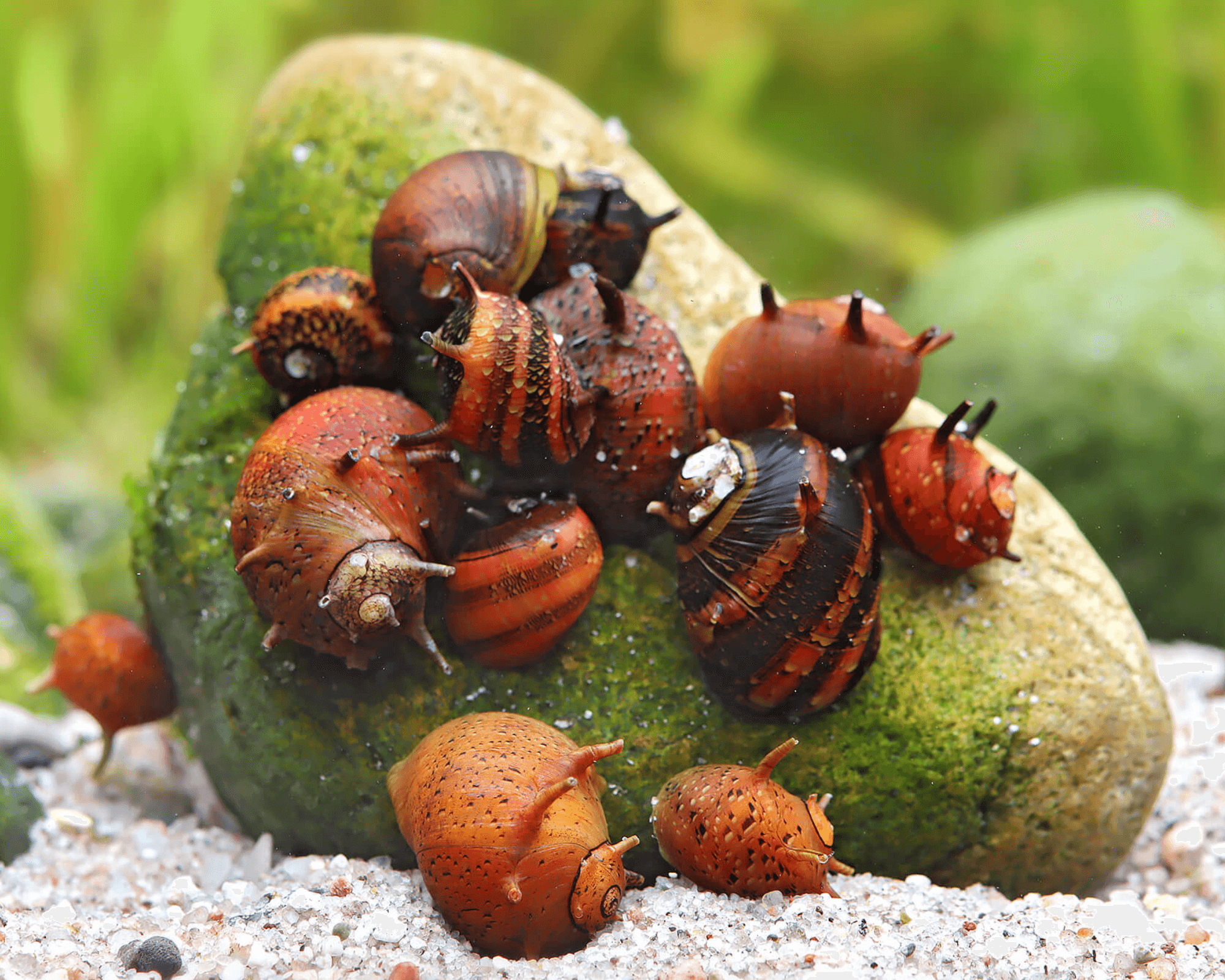
This snail features a smooth, robust shell that closely resembles a tiny helmet. The coloration ranges from deep grey to jet black and dark anthracite. Unlike other patterned nerite snails, the Black Helmet Snail boasts a uniform, dark elegance. As seen in their anatomy, their specialized radula is perfectly adapted for scraping tough algae off flat surfaces.
Keeping and Caring for Anthrazit Napfschnecke
Caring for the Anthrazit Napfschnecke is relatively straightforward, making it an excellent choice for both beginners and experienced aquarists. They are entirely peaceful and will not bother tank mates or consume healthy aquatic plants.
Tank size:
A minimum tank size of 5 to 10 gallons is recommended. Because they are heavy eaters, a larger, biologically mature tank ensures a steady and natural supply of algae.
Water Parameters:
Maintaining stable water conditions is crucial for their shell health and overall longevity in captivity.
Temperature
They prefer tropical temperatures ranging from 22 to 28 °C (72 - 82 °F).
pH
A slightly alkaline pH between 7.0 and 8.5 is ideal to prevent their shells from deteriorating or pitting.
Hardness
Moderate to hard water (GH 8-20) with sufficient calcium is absolutely necessary to maintain their thick, helmet-like shells.
Ammonia, Nitrite, Nitrate
Ammonia and Nitrite must always be at 0 ppm. Nitrates should ideally be kept below 20 ppm. Like most invertebrates, they are highly sensitive to copper medications.
Feeding the Anthrazit Napfschnecke
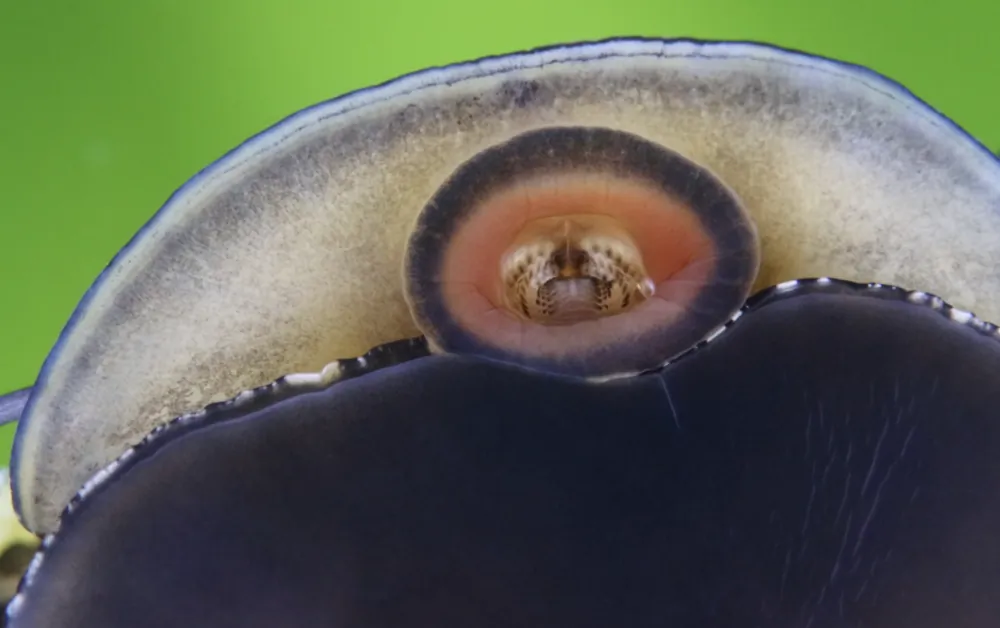
These snails are obligate herbivores and some of the best algae eaters available. They will tirelessly consume green spot algae, diatoms, and biofilm from glass, rocks, and wood. If the tank is too clean, their diet must be supplemented with high-quality algae wafers, blanched vegetables (like zucchini), and spirulina.
Breeding Anthrazit Napfschnecke
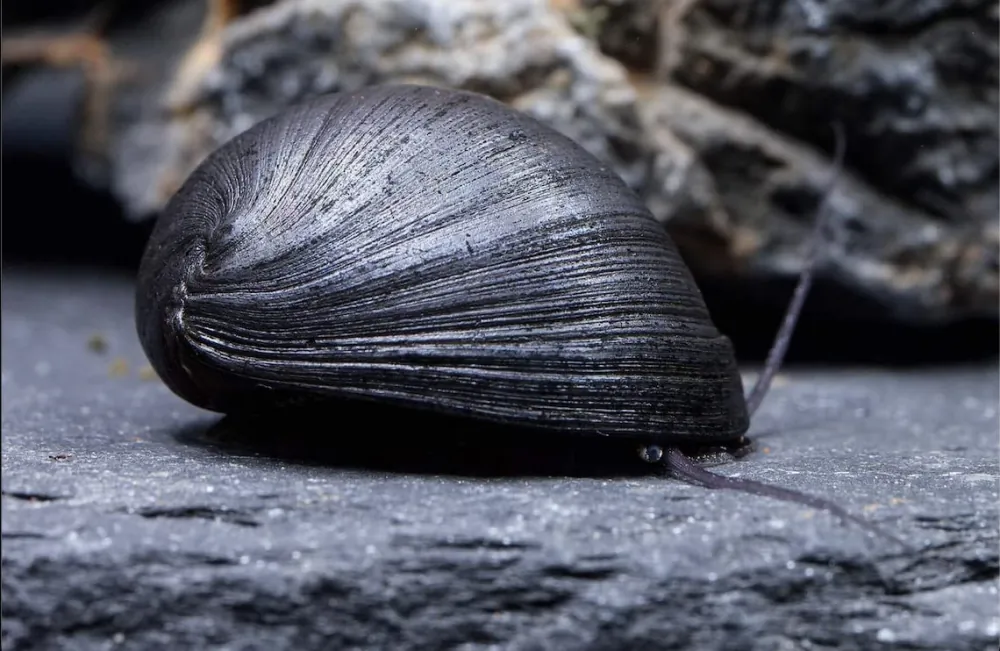
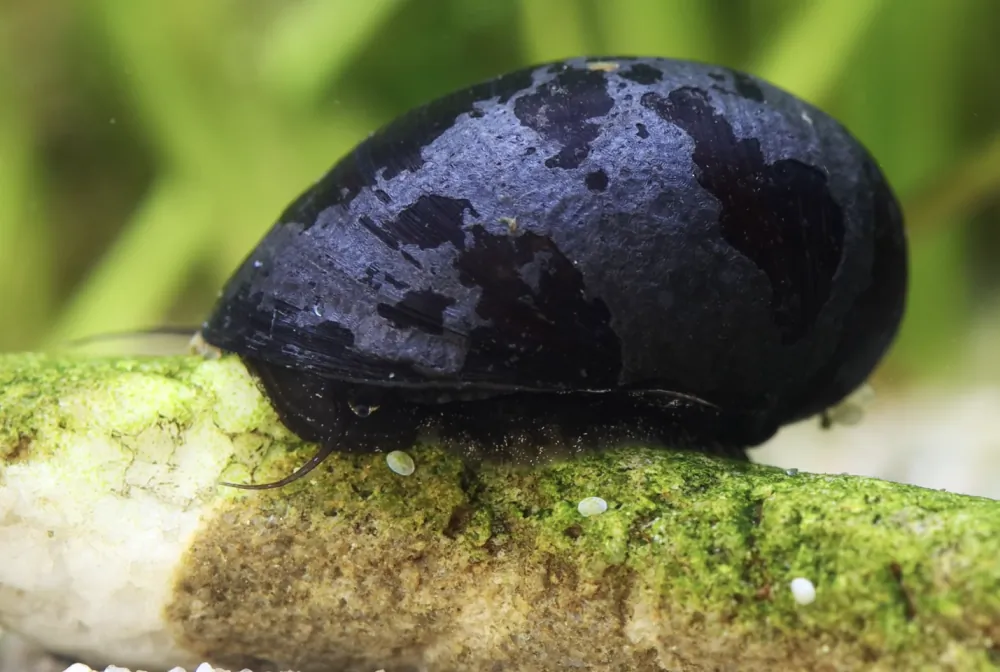
Like other Nerite snails, the Anthrazit Napfschnecke will lay small, white, sesame-seed-like eggs on hardscape and glass. However, these eggs will not hatch in freshwater. The larvae require a brackish or marine environment to develop, meaning they will never overpopulate your freshwater aquarium.
Conclusion
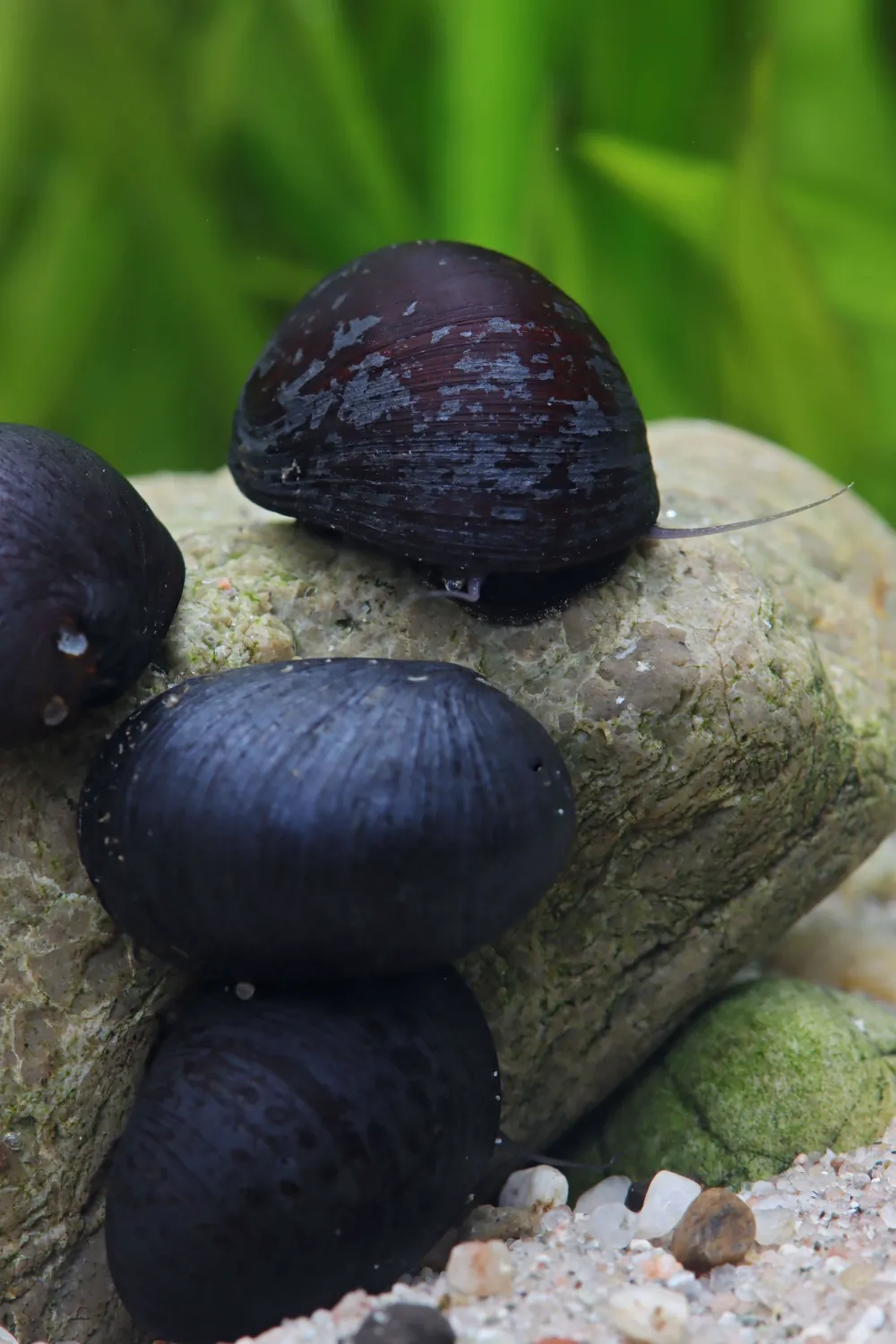
The Anthrazit Napfschnecke is a highly attractive, peaceful, and incredibly industrious addition to the freshwater aquarium. Their inability to breed in freshwater, combined with their unmatched algae-clearing skills, makes them a top-tier clean-up crew member for any planted tank setup.
 - 1.webp)

 DNZ - 1.webp)
Leave your comments